Industrial Water Treatment Systems: Advanced Solutions for Efficient Water Management and Environmental Compliance

Get a Free Quote

Our representative will contact you soon.
Email
Name
Company Name
Message
0/1000

industrial water treatment systems

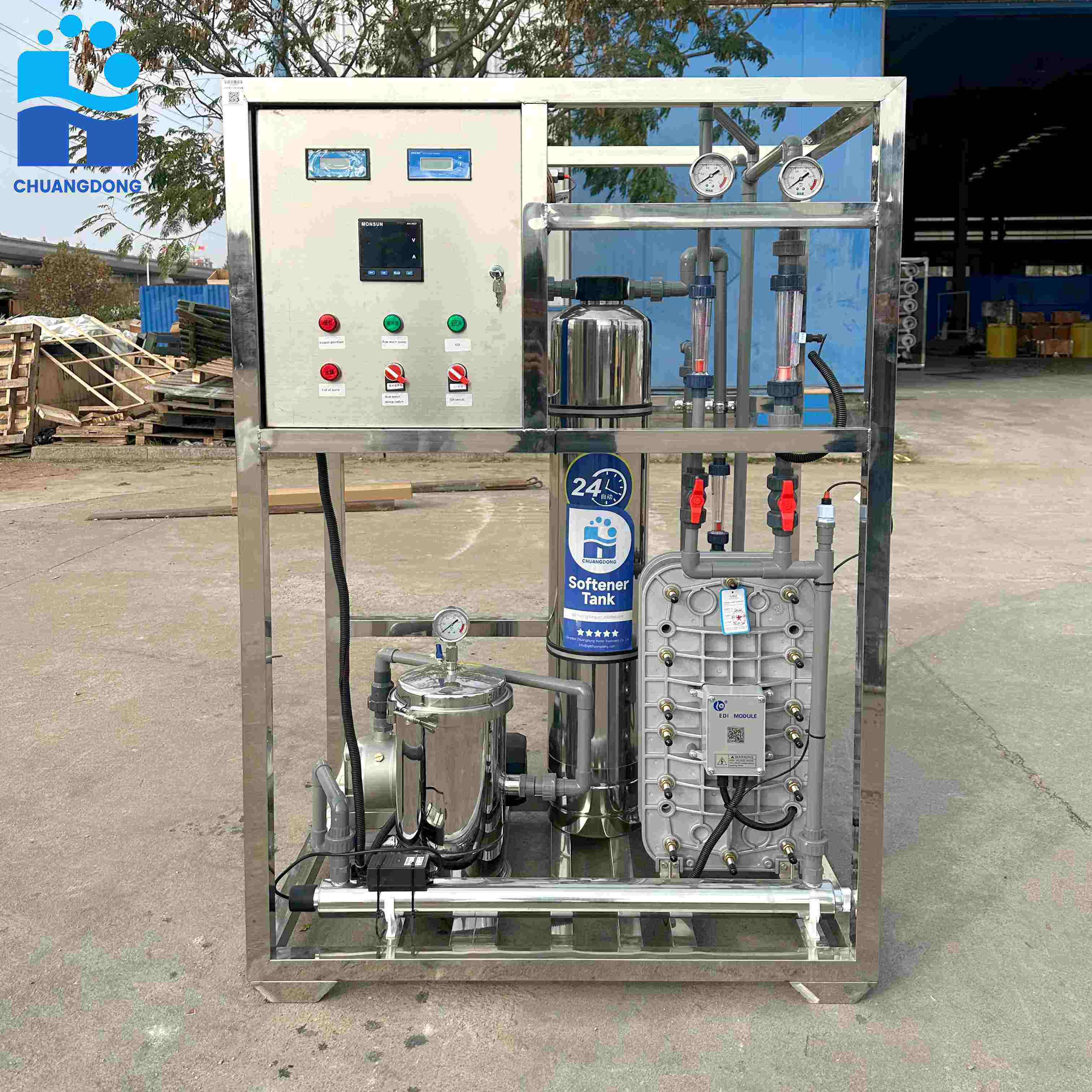
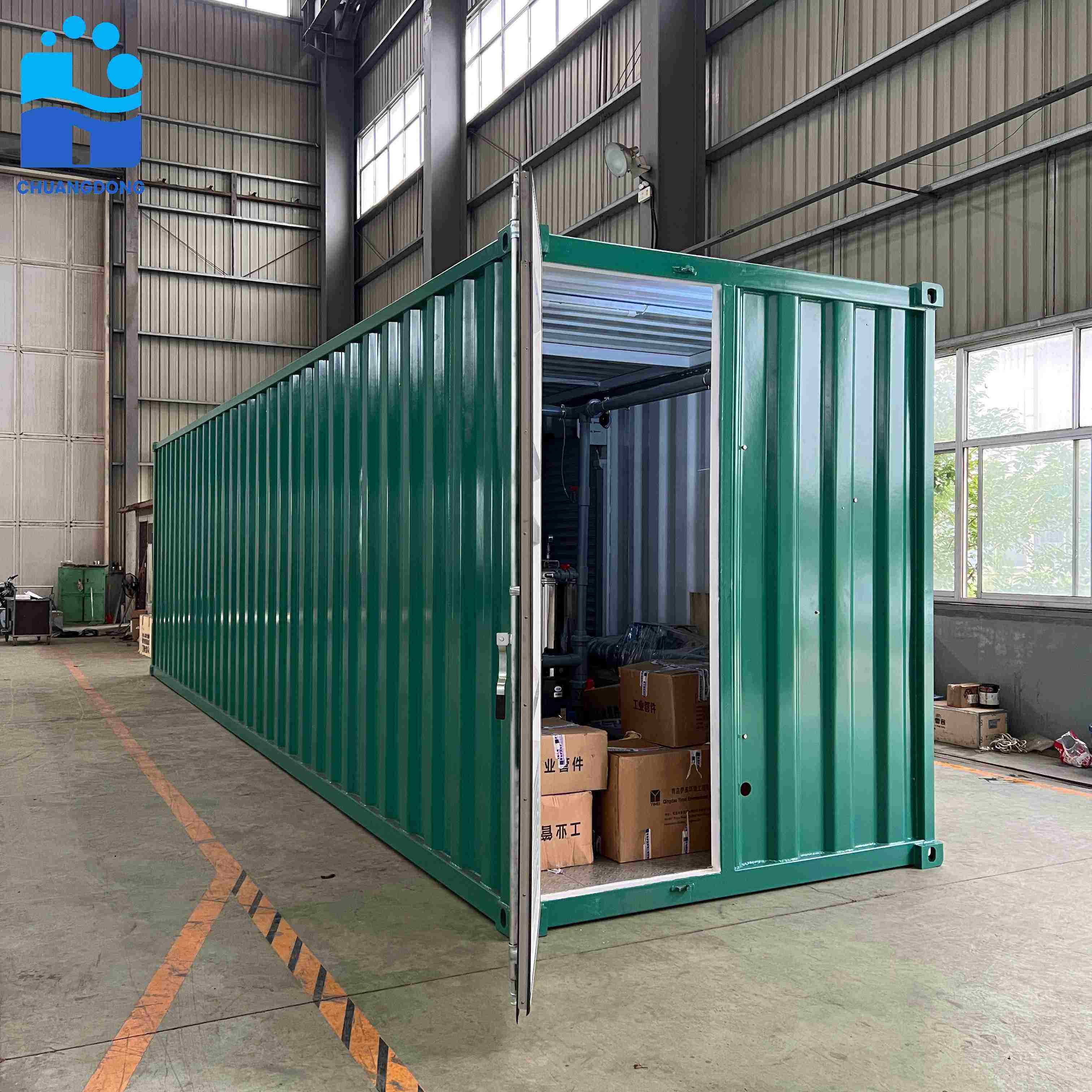
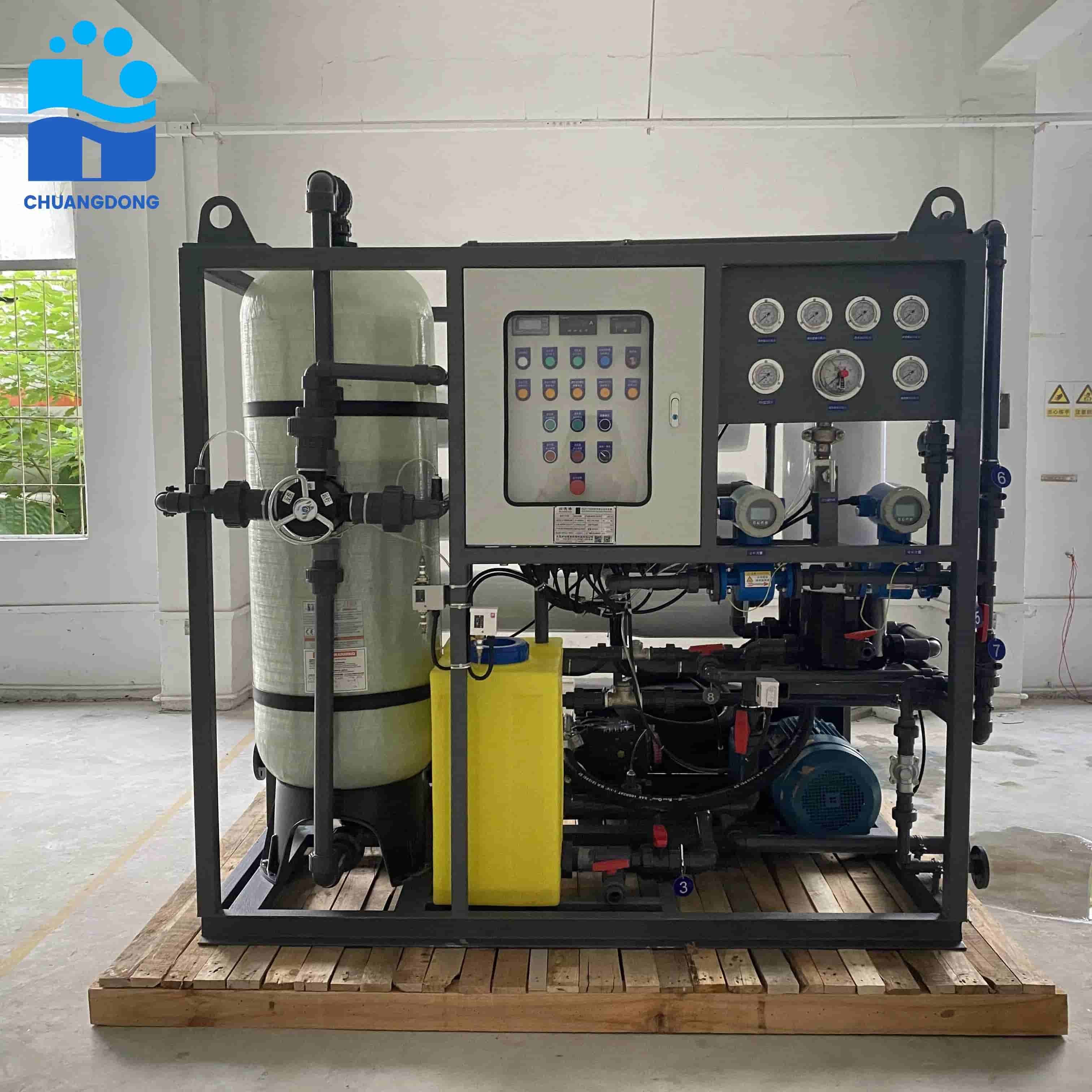
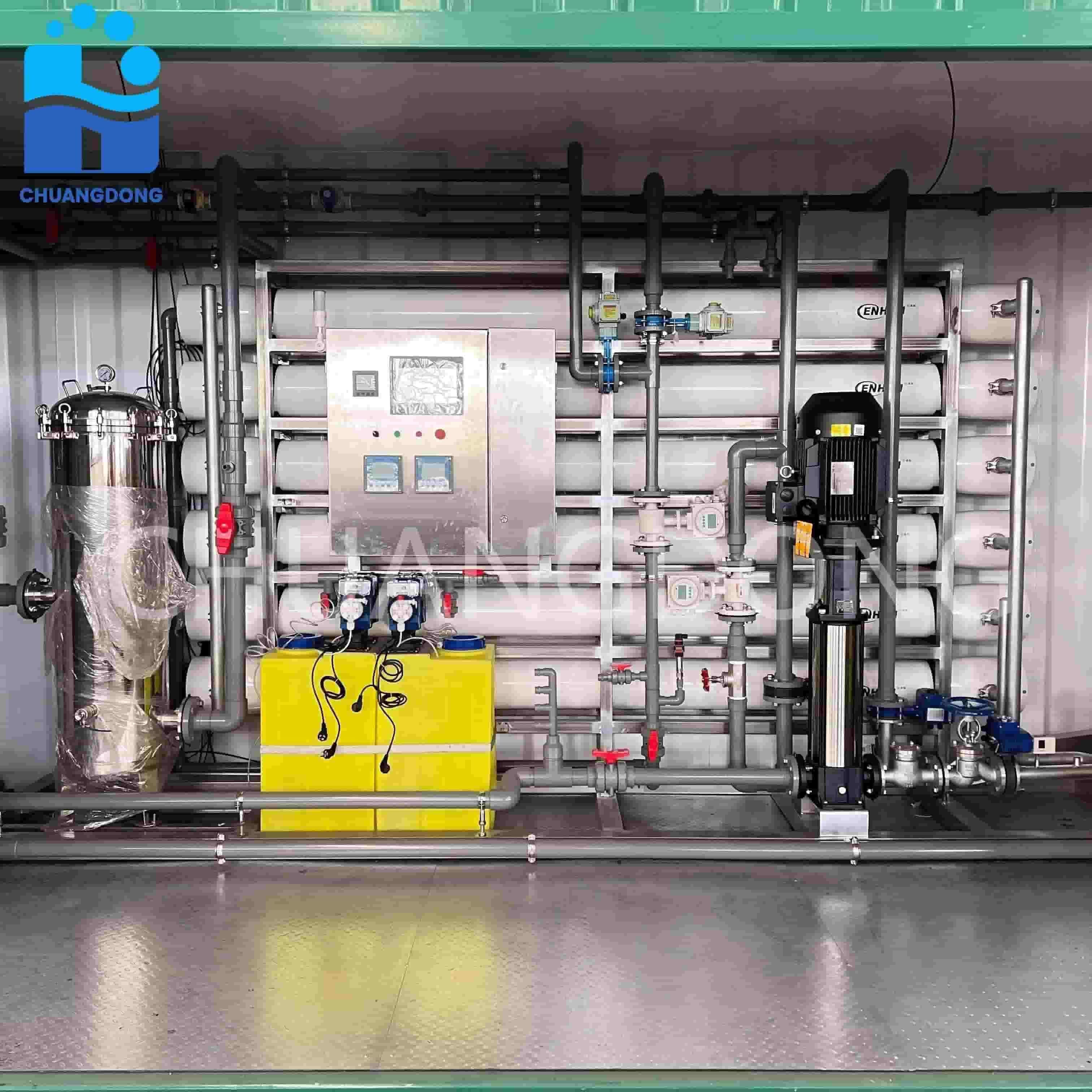
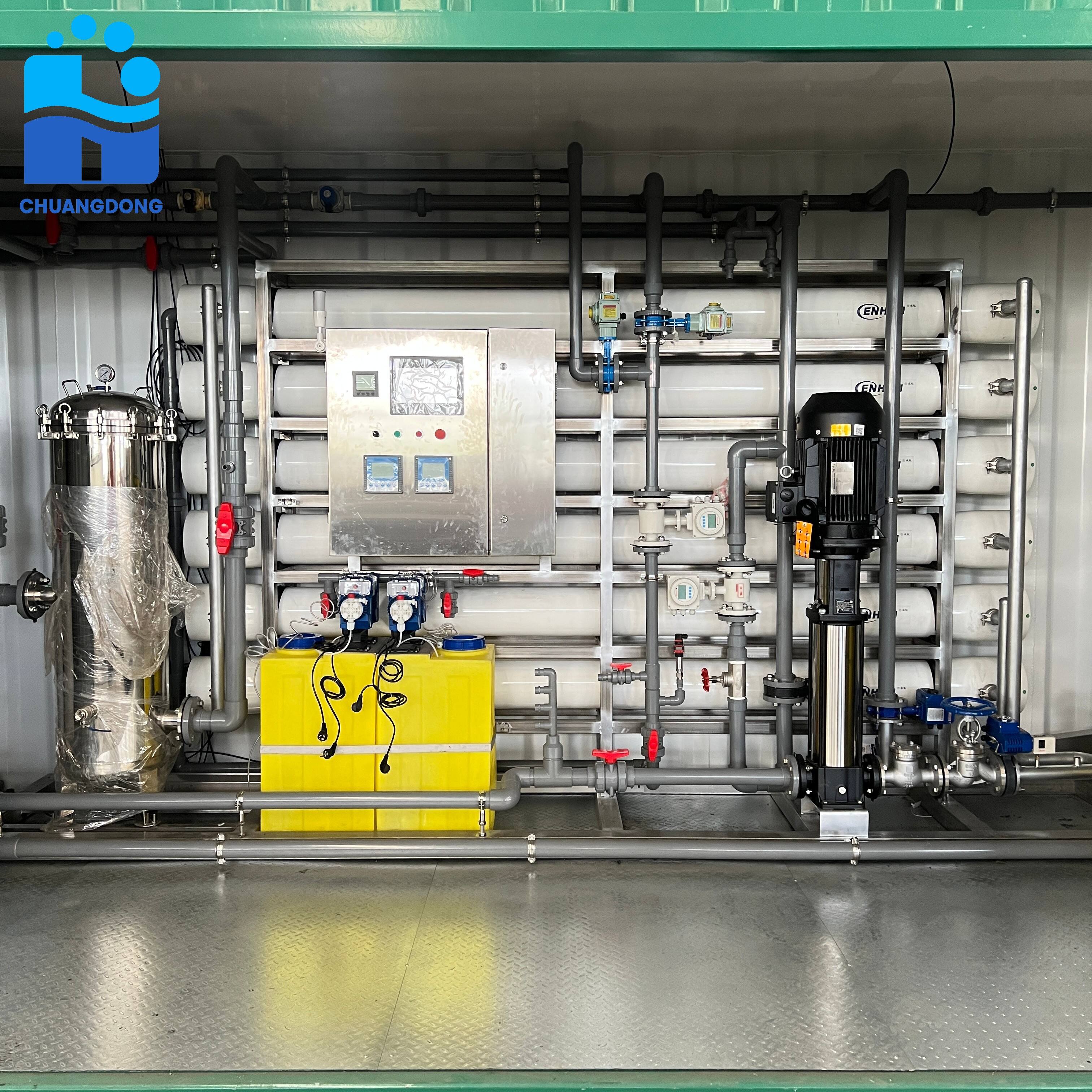
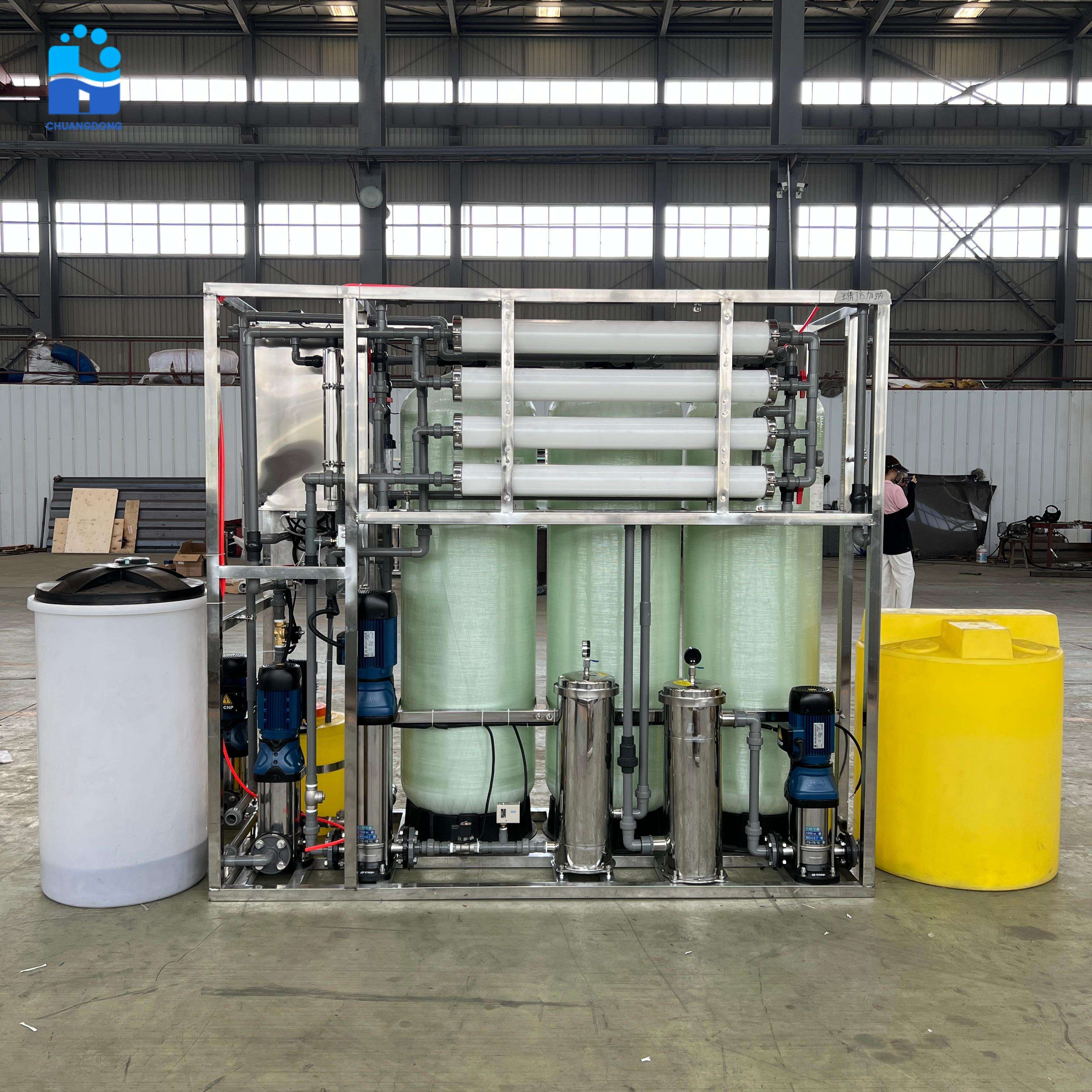
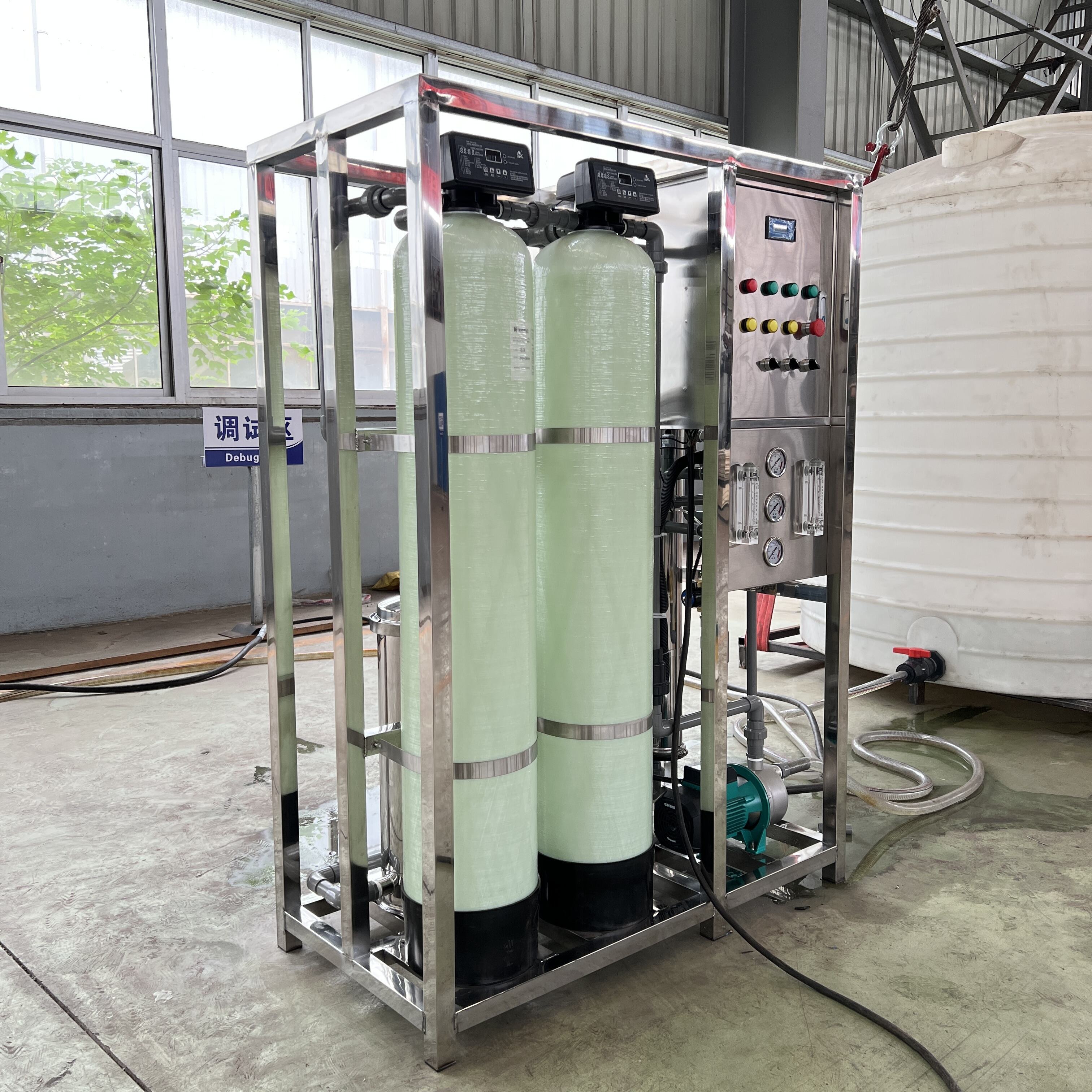
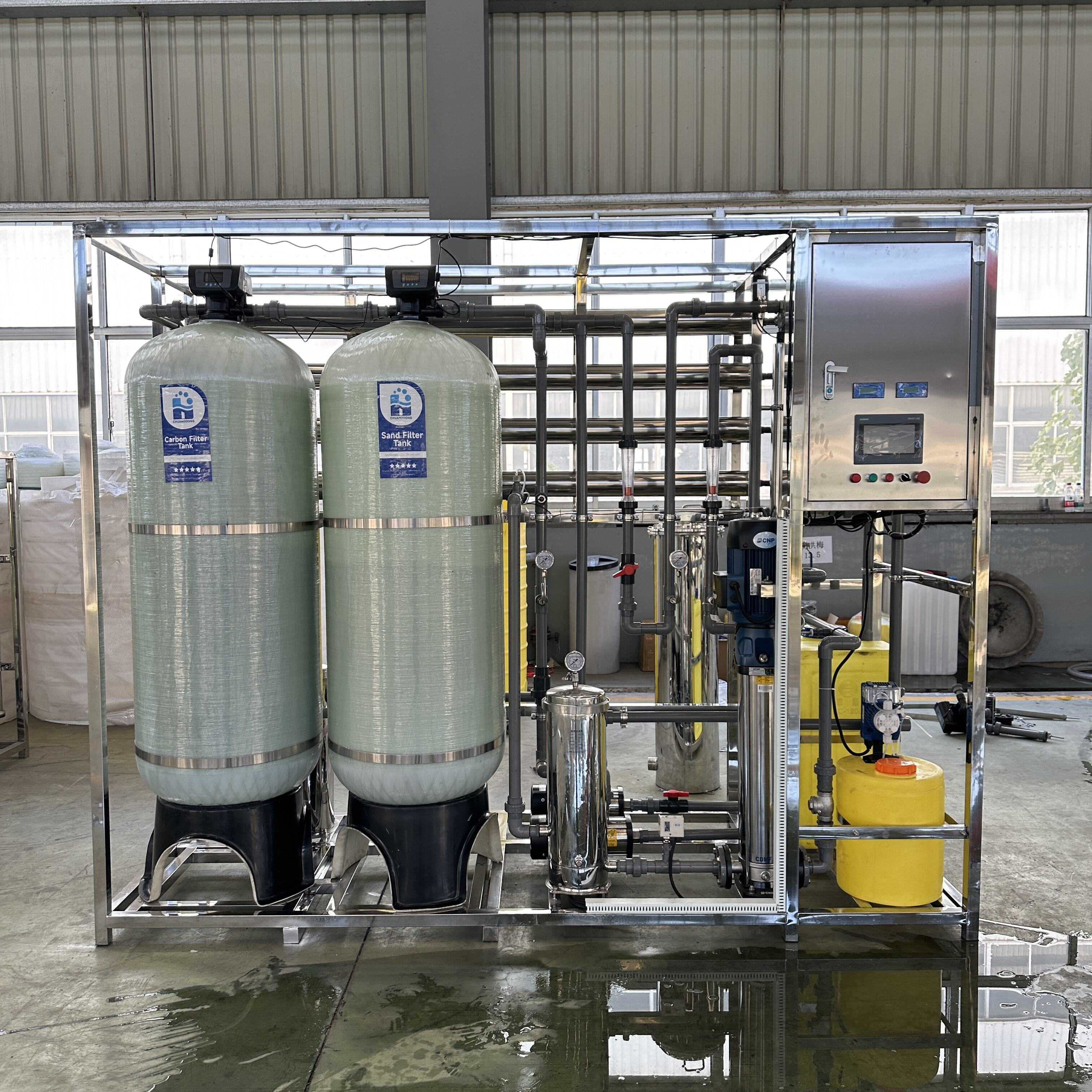
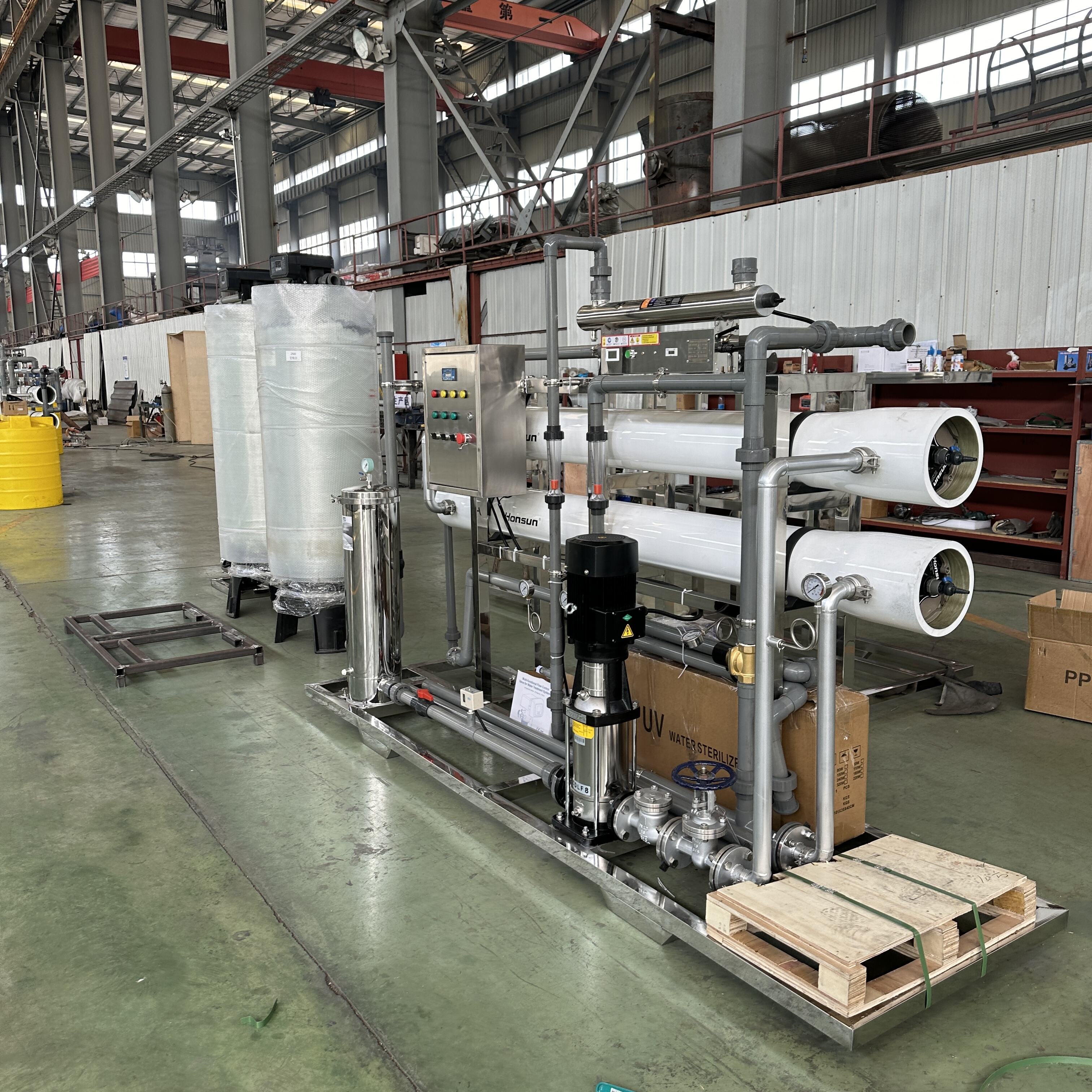
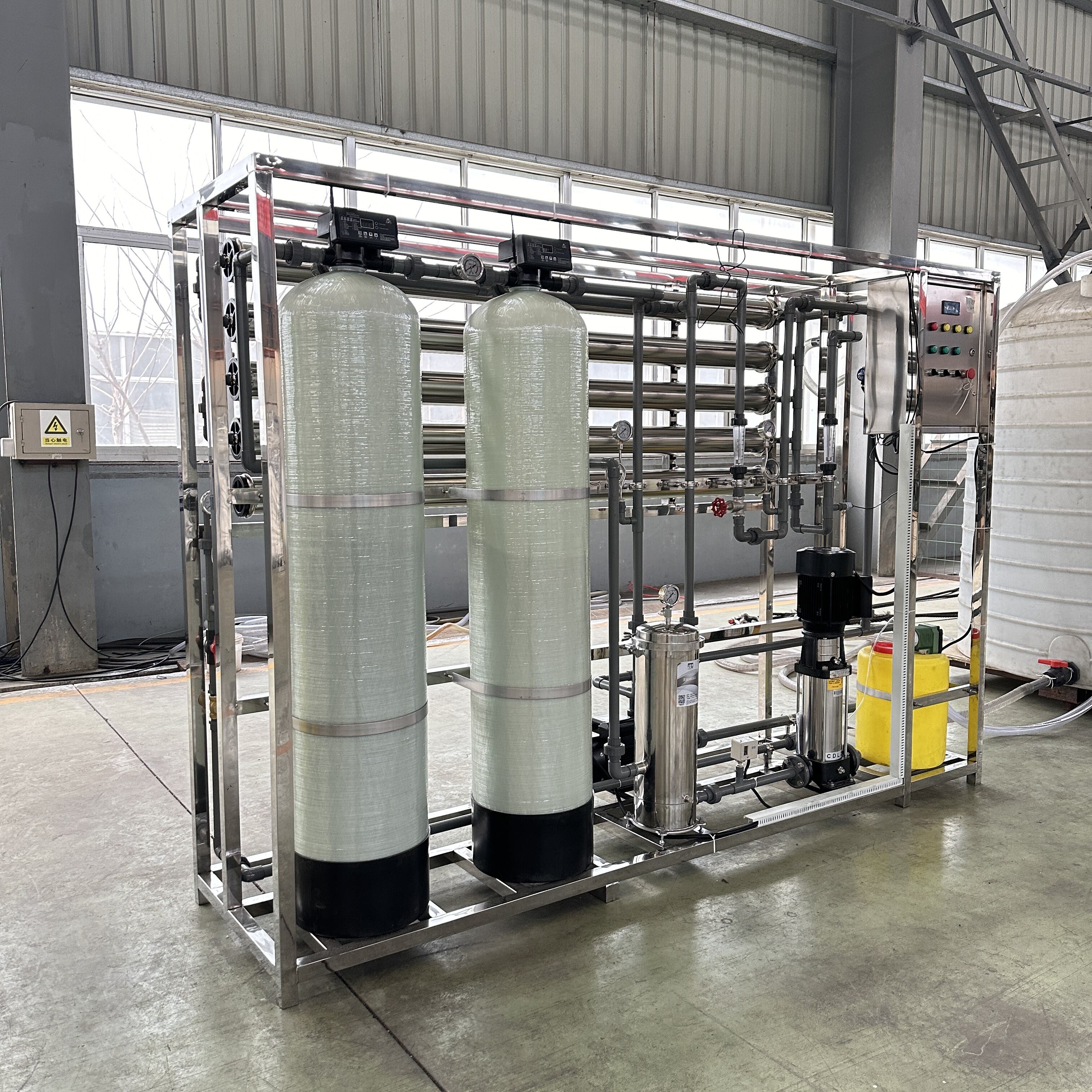
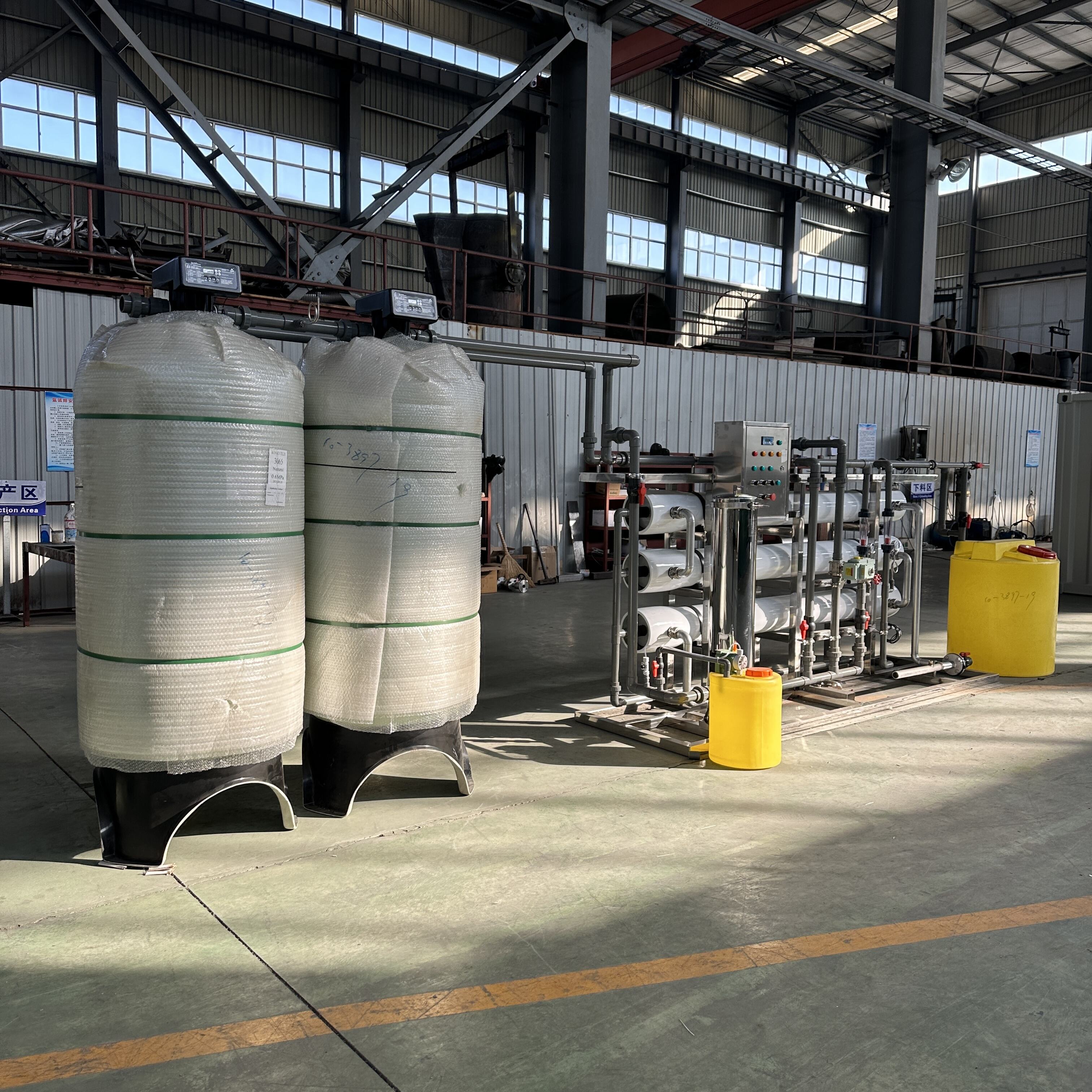
Industrial water treatment systems represent comprehensive solutions designed to purify, process, and manage water for manufacturing facilities, power plants, chemical processing units, and other commercial operations. These sophisticated systems address the critical need for high-quality water in industrial processes while ensuring compliance with environmental regulations and operational efficiency. The primary function of industrial water treatment systems involves removing contaminants, dissolved solids, organic compounds, and harmful microorganisms from raw water sources. These systems employ multiple treatment stages including pre-filtration, chemical coagulation, sedimentation, advanced filtration technologies, and disinfection processes. Modern industrial water treatment systems incorporate cutting-edge technologies such as reverse osmosis, ultrafiltration, ion exchange, and membrane bioreactors to achieve precise water quality specifications. The technological features of these systems include automated monitoring capabilities, real-time data collection, remote control interfaces, and predictive maintenance protocols. Advanced control systems optimize chemical dosing, flow rates, and treatment parameters to maintain consistent water quality while minimizing operational costs. Industrial water treatment systems also feature modular designs that allow for scalable installations and easy expansion as production demands increase. The applications of industrial water treatment systems span numerous sectors including pharmaceutical manufacturing, food and beverage production, textile processing, metal finishing, petrochemical refining, and power generation. These systems provide process water for cooling towers, boiler feed water, cleaning operations, and product formulation. Additionally, industrial water treatment systems handle wastewater treatment and recycling, enabling companies to reduce water consumption, minimize discharge volumes, and achieve sustainability goals. The integration of smart technologies and IoT connectivity in modern industrial water treatment systems allows for enhanced operational visibility, predictive analytics, and optimized performance management across diverse industrial applications.

Popular Products

Industrial water treatment systems deliver substantial cost savings by reducing water procurement expenses and minimizing wastewater disposal fees. Companies utilizing these systems typically experience 30-60 percent reductions in total water-related costs through efficient recycling and reuse programs. These systems eliminate the need for expensive bottled or trucked water supplies while reducing dependency on municipal water sources during peak demand periods. The operational benefits extend beyond cost savings to include improved product quality and consistency. Clean, treated water ensures manufacturing processes maintain strict quality standards, reducing defect rates and product recalls that could damage brand reputation and profitability. Industrial water treatment systems provide reliable water supply continuity, protecting operations from disruptions caused by municipal water shortages or quality issues. Environmental compliance becomes manageable and cost-effective with properly designed industrial water treatment systems. These systems help companies meet stringent discharge regulations while avoiding hefty penalties and legal complications associated with non-compliance. The ability to treat and reuse water on-site significantly reduces environmental impact, supporting corporate sustainability initiatives and enhancing public relations. Energy efficiency represents another key advantage, as modern industrial water treatment systems incorporate energy recovery technologies and optimized pump systems that minimize power consumption. Automated controls reduce labor requirements while improving treatment consistency and reliability. The systems operate with minimal manual intervention, allowing staff to focus on core business activities rather than water management tasks. Maintenance advantages include predictive monitoring capabilities that identify potential issues before they cause system failures or costly downtime. Regular maintenance schedules become more predictable and cost-effective with advanced diagnostic tools integrated into modern industrial water treatment systems. The modular design of these systems allows for phased implementation and easy expansion, enabling companies to invest gradually while accommodating growth. This flexibility ensures that water treatment capacity aligns with production demands without over-investing in unnecessary infrastructure. Risk mitigation benefits include protection against water quality fluctuations, supply disruptions, and regulatory changes that could impact operations. Companies with robust industrial water treatment systems maintain operational continuity even during challenging external conditions, providing competitive advantages in volatile markets.

Latest News

What Intake and Outfall Designs Minimize Environmental Impact of a Desalination Plant?

01

Mar

What Intake and Outfall Designs Minimize Environmental Impact of a Desalination Plant?

Environmental considerations have become paramount in the design and operation of modern desalination facilities worldwide. As water scarcity continues to challenge communities across the globe, the demand for sustainable desalination plant solutions...
View More
What Corrosion-Resistant Materials Are Used in Desalination Plant Construction?

06

Mar

What Corrosion-Resistant Materials Are Used in Desalination Plant Construction?

Desalination plants operate in some of the harshest environments imaginable, where saltwater constantly threatens the integrity of critical infrastructure. The selection of appropriate corrosion-resistant materials becomes paramount to ensuring long-...
View More
How Does a Water Purification System with Ion Exchange Soften Hard Water Effectively?

15

Mar

How Does a Water Purification System with Ion Exchange Soften Hard Water Effectively?

Hard water poses significant challenges for both residential and commercial applications, containing high concentrations of calcium and magnesium ions that cause scale buildup, reduce equipment efficiency, and affect water quality. A water purificati...
View More
How Does an RO Water Filter with a UV Sterilizer Provide Additional Protection Against Bacteria?

10

Mar

How Does an RO Water Filter with a UV Sterilizer Provide Additional Protection Against Bacteria?

Water contamination remains one of the most pressing concerns for homeowners and businesses seeking reliable water purification solutions. While traditional filtration methods offer basic protection, modern water treatment technology has evolved to p...
View More

Get a Free Quote

Our representative will contact you soon.
Email
Name
Company Name
Message
0/1000

industrial water treatment systems

Advanced Multi-Stage Filtration Technology

Advanced Multi-Stage Filtration Technology

The cornerstone of superior industrial water treatment systems lies in their sophisticated multi-stage filtration technology that delivers unparalleled water purity and consistency. This advanced approach combines multiple treatment methods in a carefully orchestrated sequence to address diverse contaminants and achieve precise water quality specifications for demanding industrial applications. The initial stage typically involves coarse filtration and screening to remove large particulates, debris, and suspended solids that could damage downstream equipment or compromise treatment efficiency. Following this preliminary treatment, advanced coagulation and flocculation processes utilize carefully selected chemicals to aggregate microscopic particles and dissolved organics into larger masses that can be effectively removed through sedimentation and clarification. The heart of the multi-stage system features cutting-edge membrane technologies including microfiltration, ultrafiltration, and reverse osmosis that provide molecular-level separation capabilities. These membrane processes remove bacteria, viruses, dissolved salts, organic compounds, and trace contaminants to achieve water quality standards that exceed industrial requirements. Ion exchange systems within the treatment train selectively remove specific dissolved ions, enabling precise control over water chemistry parameters such as hardness, alkalinity, and conductivity. Advanced oxidation processes utilizing ozone, ultraviolet light, or hydrogen peroxide eliminate persistent organic pollutants and provide additional disinfection capabilities. The final treatment stages incorporate polishing filters and post-treatment conditioning to ensure optimal water quality for specific industrial processes. Real-time monitoring systems continuously assess water quality parameters at each treatment stage, enabling immediate adjustments to maintain consistent output quality regardless of input water variations. This comprehensive approach ensures that industrial water treatment systems deliver reliable, high-quality water that meets the most stringent industrial standards while providing operational flexibility and cost-effectiveness. The integration of these technologies creates synergistic effects that maximize treatment efficiency while minimizing chemical consumption, energy usage, and waste generation, making multi-stage filtration the preferred choice for demanding industrial applications.
Intelligent Automation and Remote Monitoring Capabilities

Intelligent Automation and Remote Monitoring Capabilities

Modern industrial water treatment systems incorporate sophisticated automation and remote monitoring technologies that revolutionize operational efficiency, reduce labor costs, and ensure consistent performance across diverse industrial environments. The intelligent automation framework utilizes advanced programmable logic controllers, human-machine interfaces, and distributed control systems to orchestrate complex treatment processes with minimal human intervention. These automated systems continuously monitor critical parameters including flow rates, pressure differentials, chemical concentrations, pH levels, turbidity, and conductivity to maintain optimal treatment conditions. Machine learning algorithms analyze historical data and real-time inputs to predict equipment performance, optimize chemical dosing, and schedule preventive maintenance activities before problems occur. The remote monitoring capabilities enable operators to oversee multiple treatment facilities from centralized control rooms or mobile devices, providing unprecedented visibility into system performance and operational status. Cloud-based data management platforms collect and analyze vast amounts of operational data to identify trends, optimize processes, and generate detailed performance reports for regulatory compliance and operational improvement initiatives. Automated alarm systems immediately notify operators of any deviations from normal operating parameters, enabling rapid response to potential issues before they impact production or water quality. The intelligent control systems automatically adjust treatment parameters in response to changing input water quality or production demands, ensuring consistent output quality while minimizing chemical consumption and energy usage. Advanced diagnostics capabilities monitor equipment health and performance, providing early warning of potential failures and enabling proactive maintenance scheduling that reduces unplanned downtime and repair costs. Mobile applications and web-based interfaces allow authorized personnel to access system information, receive alerts, and make operational adjustments from anywhere with internet connectivity. This remote accessibility proves invaluable during emergencies, off-hours operations, or when coordinating maintenance activities across multiple facilities. The automation systems also maintain comprehensive audit trails and documentation required for regulatory compliance, automatically generating reports and maintaining records that demonstrate adherence to environmental standards and operational procedures. Integration with enterprise resource planning systems enables seamless coordination between water treatment operations and broader facility management activities, optimizing resource allocation and operational planning.
Sustainable Water Recovery and Reuse Solutions

Sustainable Water Recovery and Reuse Solutions

Industrial water treatment systems equipped with advanced recovery and reuse technologies deliver exceptional environmental benefits while significantly reducing operational costs through comprehensive water management strategies. These innovative solutions transform wastewater streams into valuable water resources, creating closed-loop systems that minimize fresh water consumption and reduce discharge volumes. The water recovery process begins with comprehensive characterization of various wastewater streams to identify reuse opportunities and determine appropriate treatment technologies for each specific application. Advanced membrane bioreactors combine biological treatment with membrane filtration to produce high-quality effluent suitable for process reuse, cooling tower makeup, or irrigation applications. Zero liquid discharge technologies enable complete water recovery from challenging waste streams, concentrating contaminants into manageable solid waste while recovering virtually all water for reuse. These systems prove particularly valuable in water-scarce regions or industries with strict discharge limitations. The implementation of water recovery systems creates multiple revenue streams including reduced water procurement costs, lower wastewater disposal fees, and potential credits for environmental stewardship initiatives. Energy recovery technologies integrated into the treatment process capture and utilize waste heat from various industrial processes, further improving overall system efficiency and reducing operating costs. Advanced monitoring and control systems optimize recovery rates while maintaining water quality standards, ensuring that recycled water meets specific process requirements without compromising product quality or equipment performance. The environmental impact of these sustainable solutions extends beyond water conservation to include reduced energy consumption, decreased chemical usage, and minimized carbon footprint associated with water transportation and treatment. Companies implementing comprehensive water recovery programs often achieve significant improvements in their sustainability metrics, supporting corporate environmental goals and enhancing their reputation among environmentally conscious consumers and stakeholders. The flexibility of modern recovery systems allows for incremental implementation and expansion, enabling organizations to gradually increase their water reuse capabilities as operational experience and confidence grow. Risk assessment and management protocols ensure that recycled water consistently meets safety and quality standards, protecting both equipment and personnel while maintaining regulatory compliance. Long-term benefits include enhanced operational resilience during water shortages, reduced vulnerability to water price fluctuations, and improved competitiveness in markets where environmental performance increasingly influences customer and investor decisions.

Get a Free Quote

Our representative will contact you soon.
Email
Name
Company Name
Message
0/1000