Advanced Sea Water Treatment Plant Solutions - Efficient Desalination Technology

Get a Free Quote

Our representative will contact you soon.
Email
Name
Company Name
Message
0/1000

sea water treatment plant

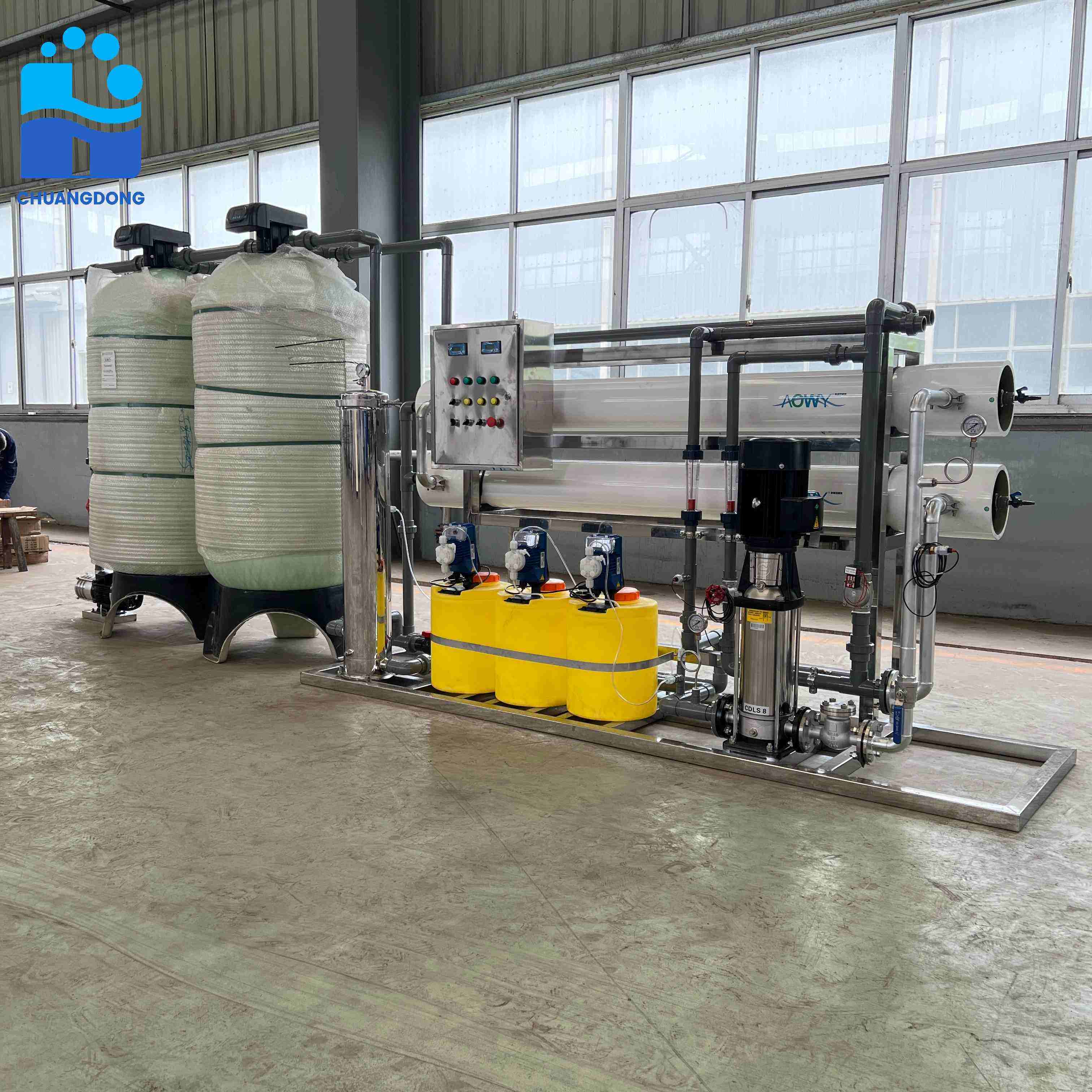
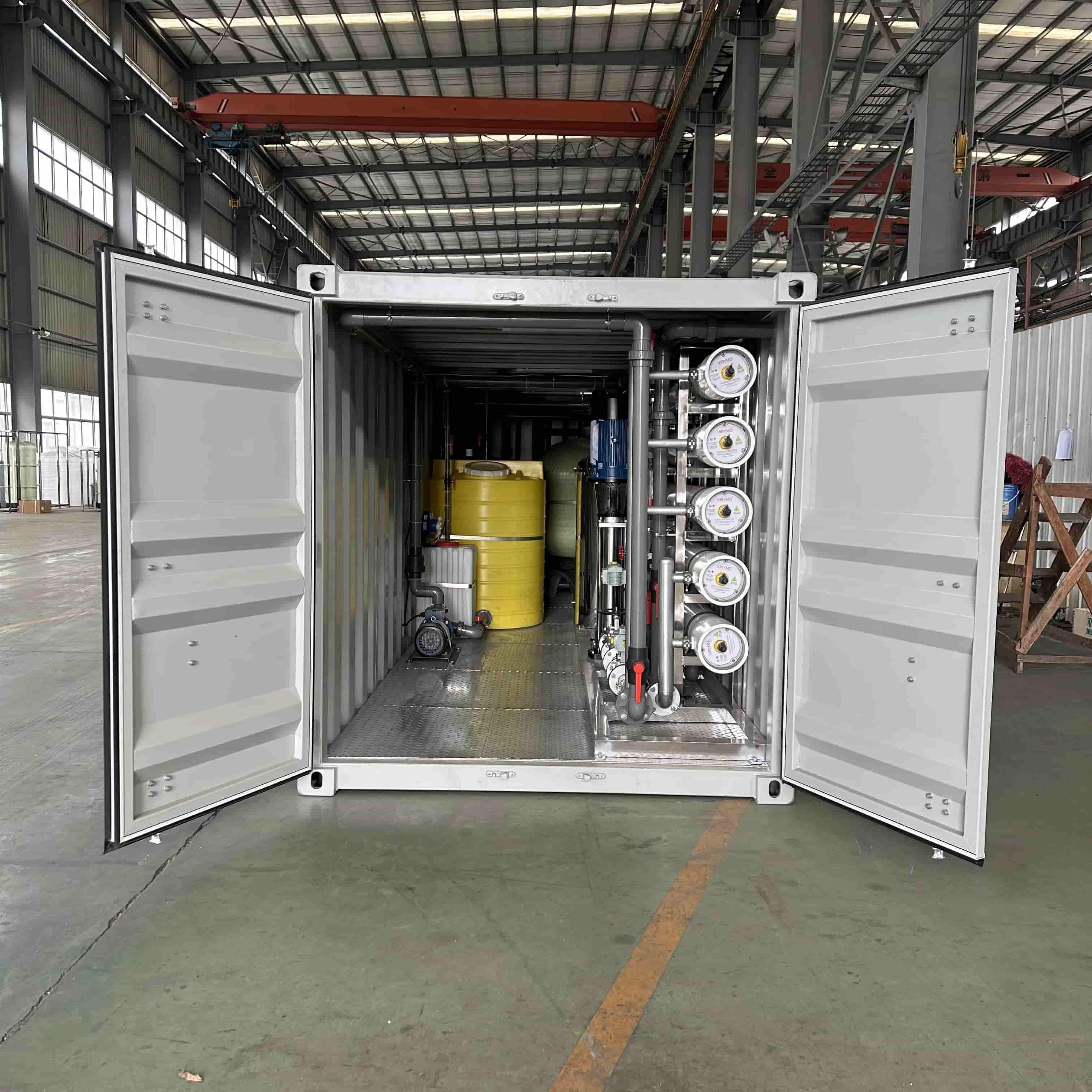
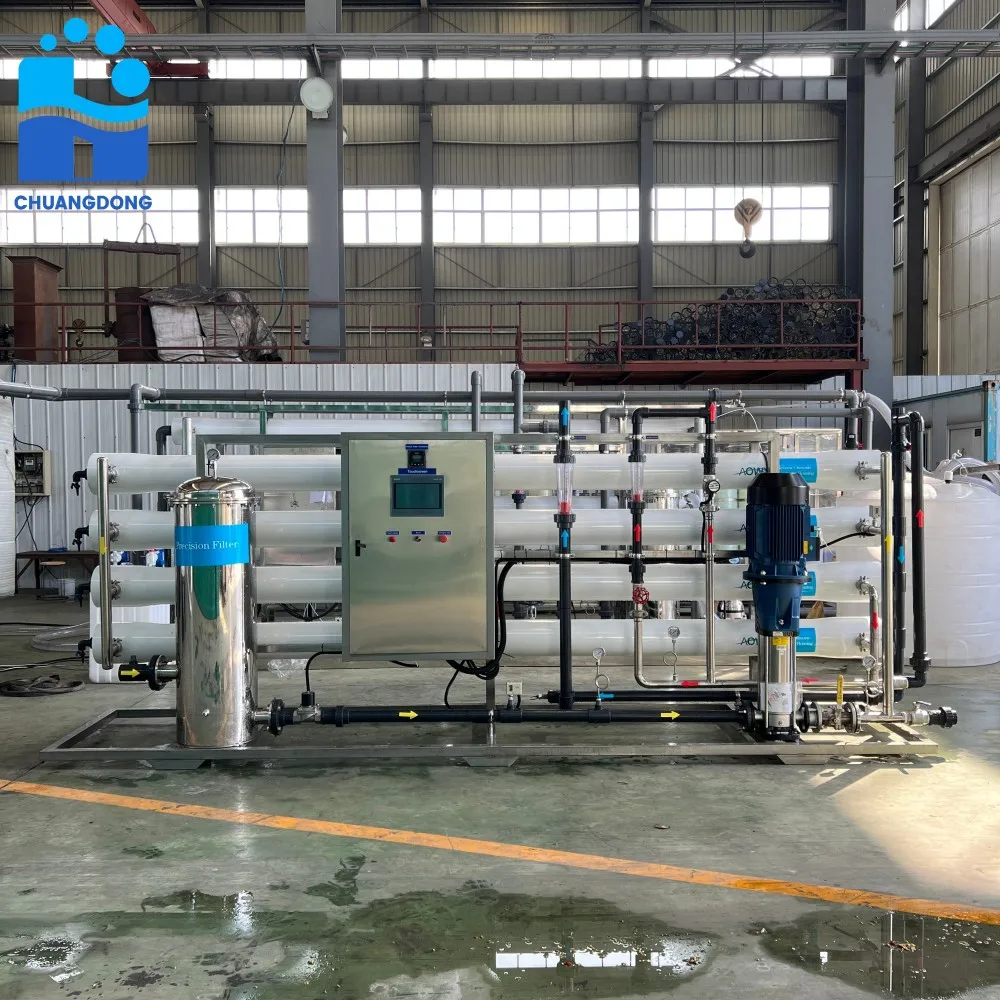
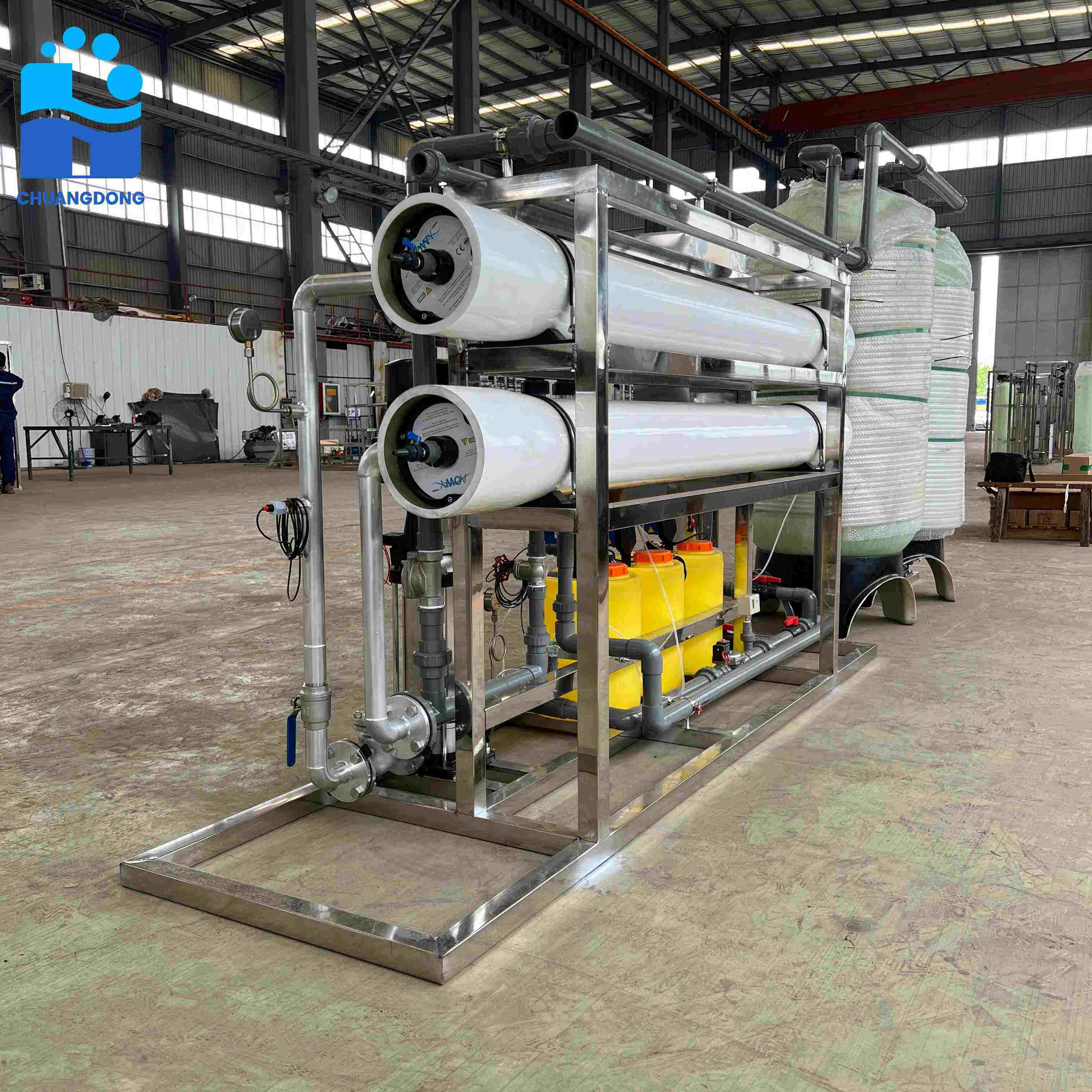
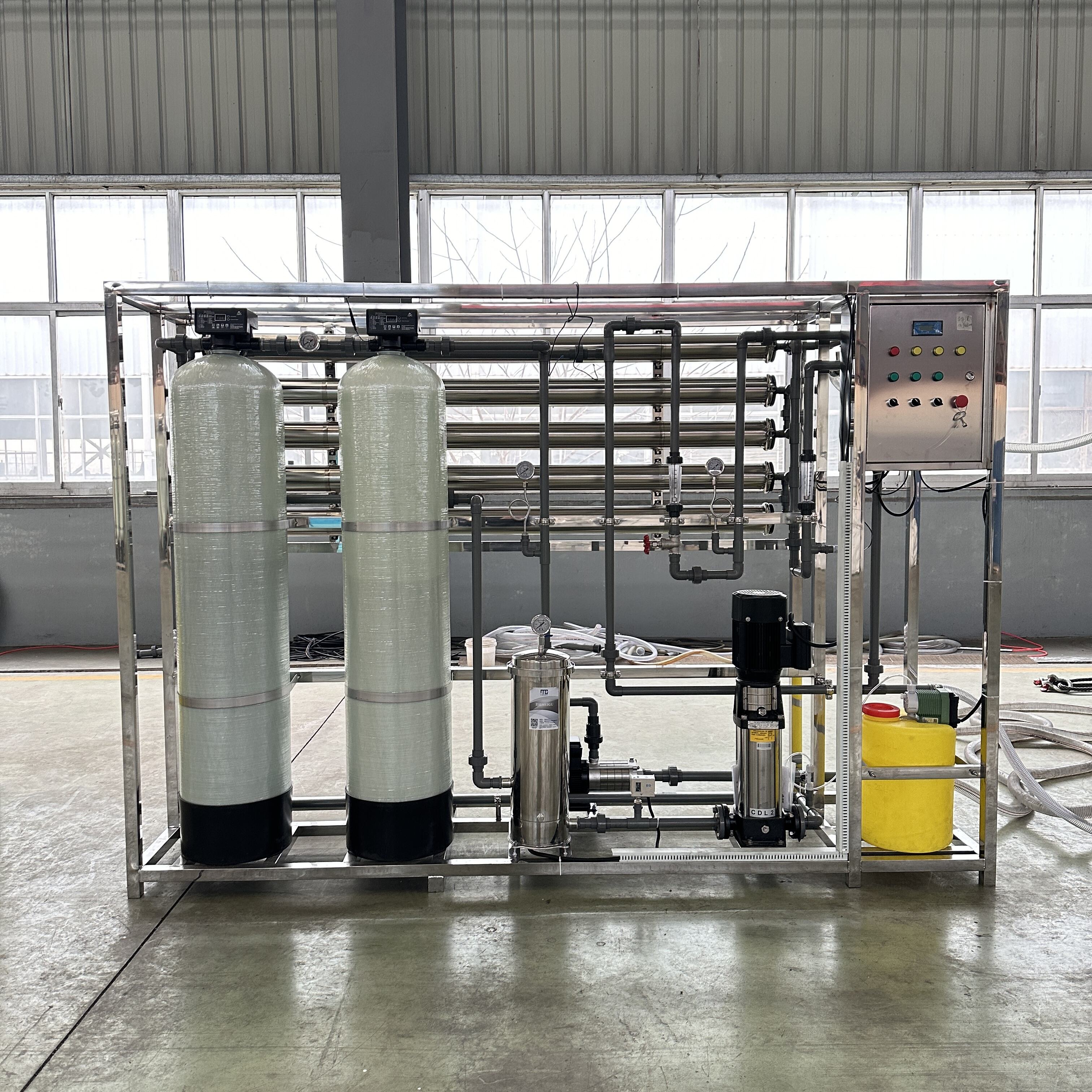
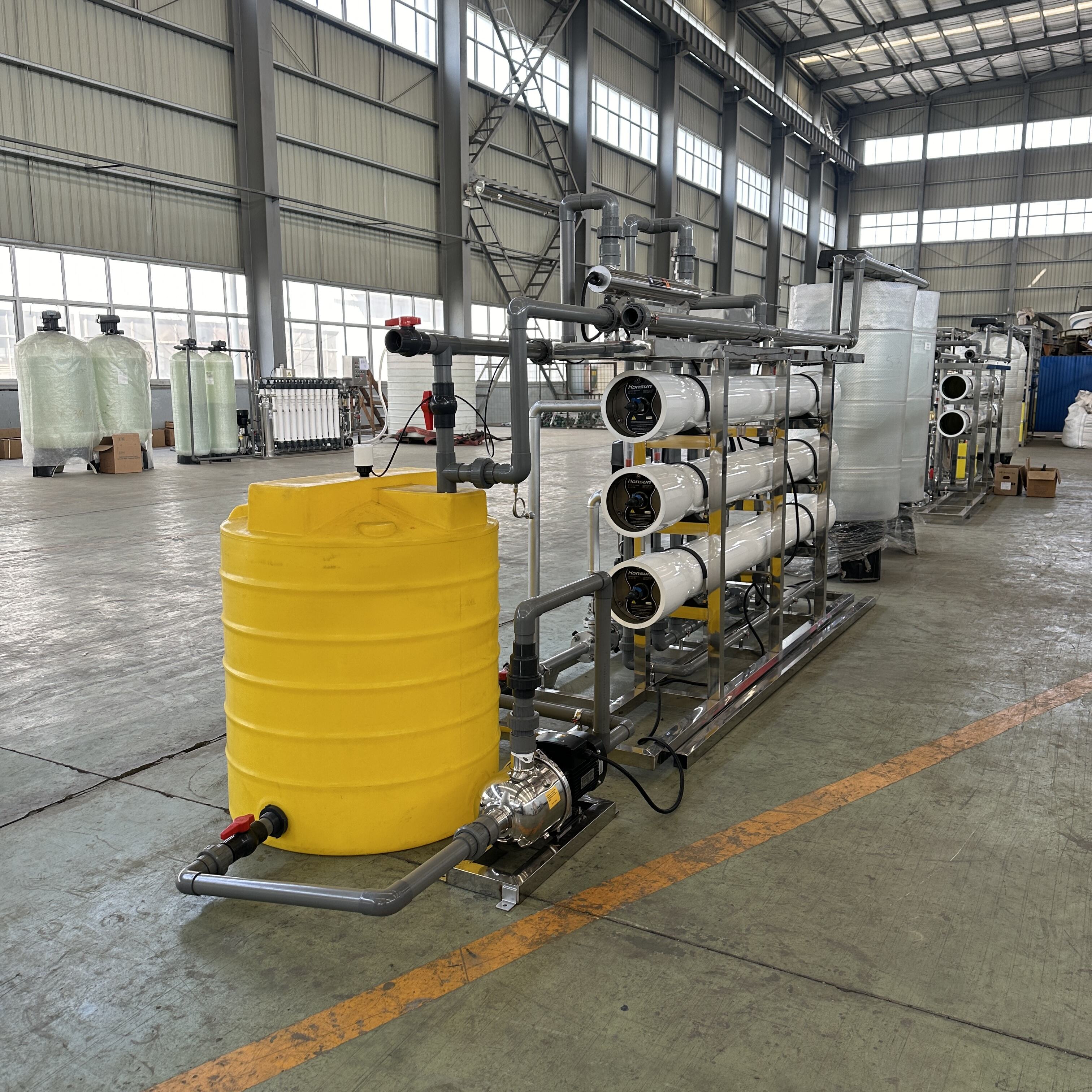
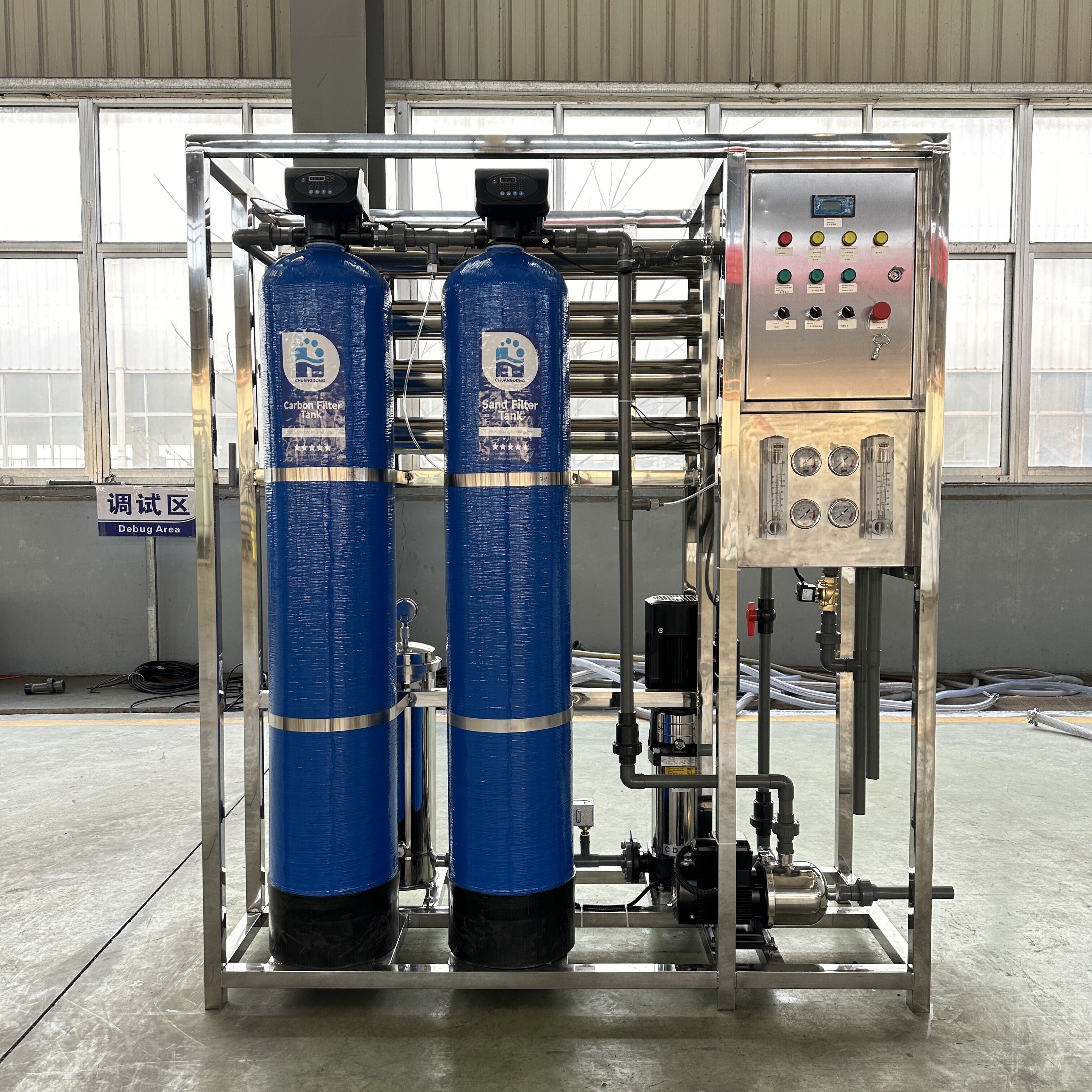
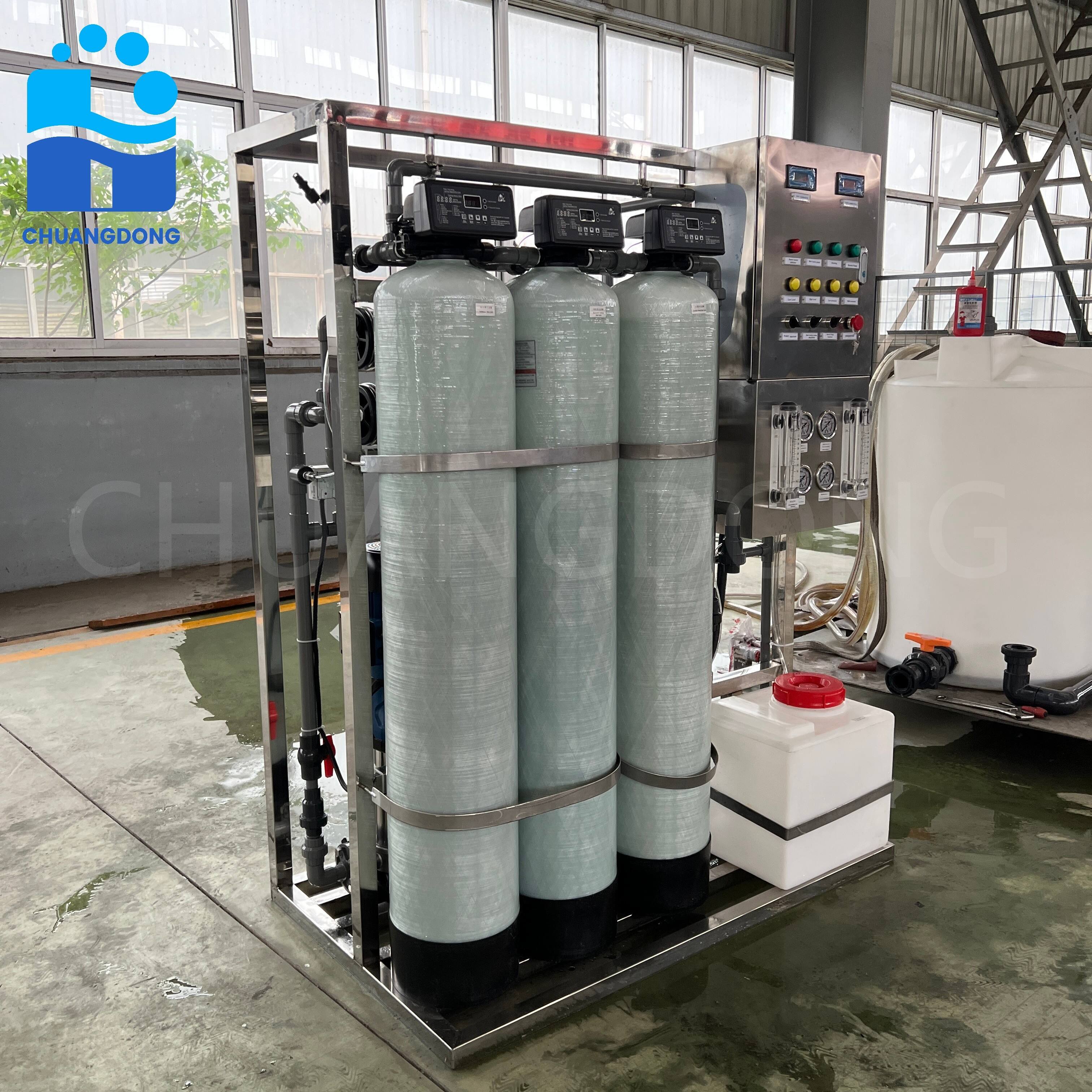
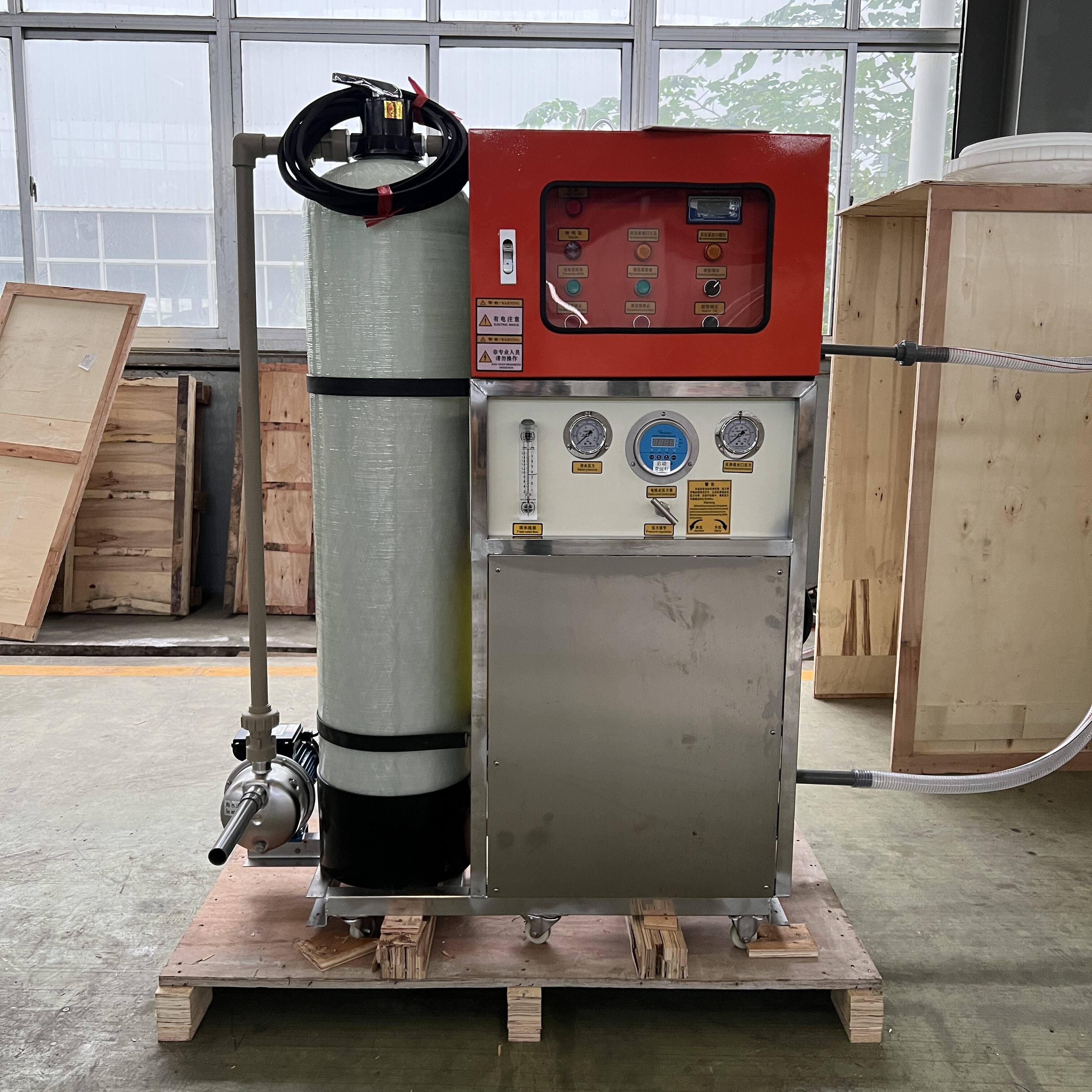
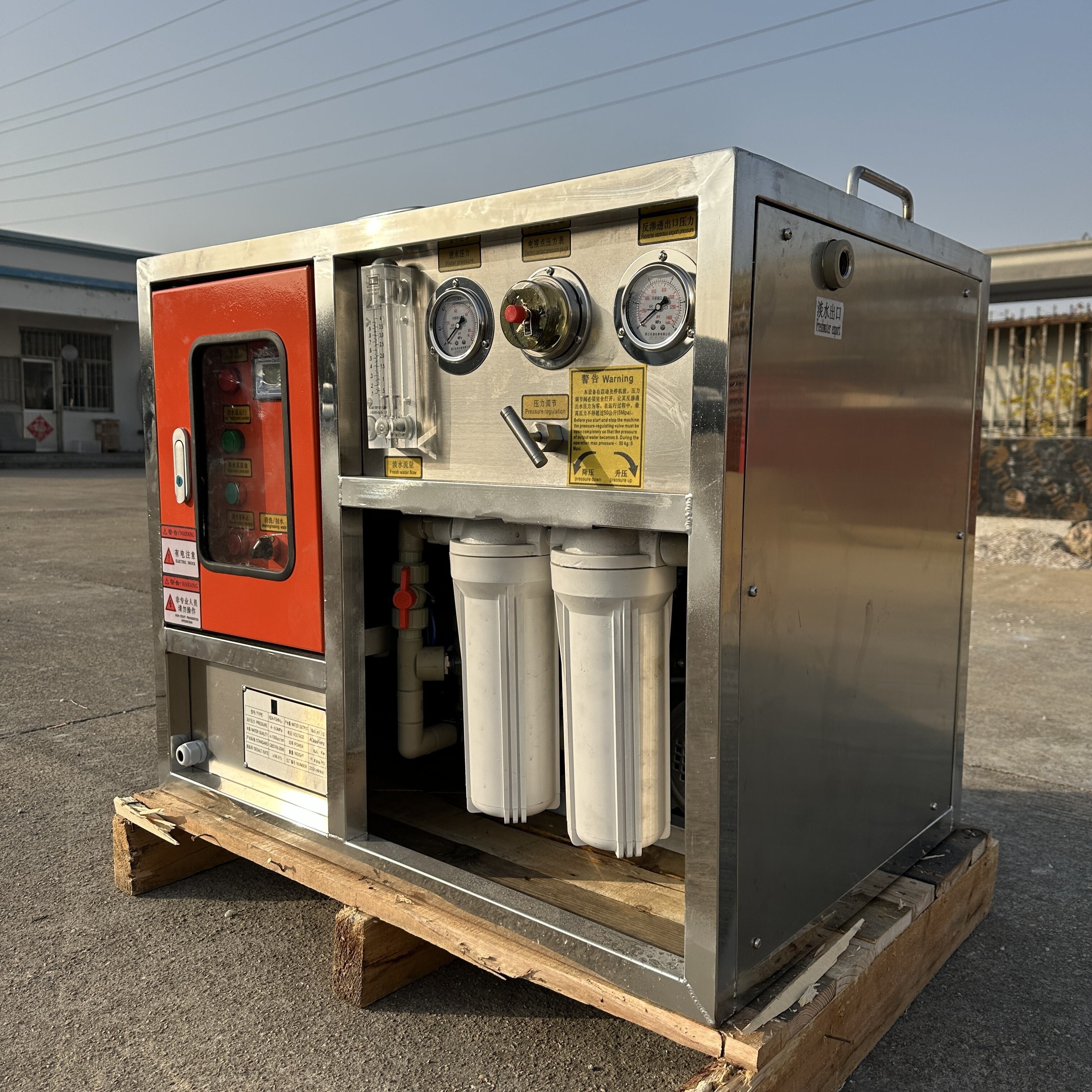
A sea water treatment plant represents a sophisticated engineering solution designed to transform ocean water into safe, potable water for human consumption and industrial applications. These facilities employ multiple purification stages to remove salt, minerals, and contaminants from seawater, making it suitable for drinking, irrigation, and manufacturing processes. The primary function of a sea water treatment plant involves desalination, which eliminates dissolved salts and minerals through advanced filtration and membrane technologies. Modern sea water treatment plants typically incorporate reverse osmosis systems, multi-stage flash distillation, or electrodialysis processes to achieve optimal purification results. The technological features of contemporary sea water treatment plants include automated monitoring systems, energy recovery devices, and chemical dosing units that ensure consistent water quality while minimizing operational costs. Pre-treatment stages remove suspended solids, organic matter, and biological contaminants before the main desalination process begins. Post-treatment phases adjust pH levels, add essential minerals, and disinfect the processed water to meet regulatory standards. These facilities serve diverse applications across residential communities, industrial complexes, resort destinations, and emergency response situations. Coastal regions with limited freshwater resources rely heavily on sea water treatment plants to support growing populations and economic development. The plants can be configured as large-scale municipal facilities processing millions of gallons daily or compact modular units serving smaller communities. Advanced sea water treatment plants incorporate energy-efficient technologies that reduce power consumption and environmental impact. Smart control systems monitor water quality parameters continuously, automatically adjusting treatment processes to maintain optimal performance. The integration of renewable energy sources, such as solar panels and wind turbines, makes modern sea water treatment plants increasingly sustainable and cost-effective for long-term operation.

Popular Products

Sea water treatment plants offer numerous compelling advantages that make them essential infrastructure investments for water-scarce regions and growing communities. These facilities provide a reliable, drought-resistant water source that remains unaffected by seasonal rainfall variations or climate change impacts. Unlike traditional groundwater sources, seawater supply is virtually unlimited, ensuring long-term water security for municipalities and industries. The operational flexibility of sea water treatment plants allows operators to adjust production capacity based on demand fluctuations, making them highly responsive to changing community needs. Modern plants deliver consistently high-quality water that meets or exceeds international drinking water standards, providing safe hydration for families and businesses. The economic benefits extend beyond water supply, as these facilities create local employment opportunities during construction and operation phases, stimulating regional economic growth. Energy efficiency improvements in contemporary sea water treatment plants have significantly reduced operational costs, making desalinated water increasingly competitive with traditional sources. The environmental advantages include reduced pressure on freshwater aquifers and surface water bodies, helping preserve natural ecosystems and biodiversity. Advanced treatment technologies remove harmful bacteria, viruses, and chemical pollutants more effectively than conventional water treatment methods, ensuring superior public health protection. The scalability of sea water treatment plants enables phased development that grows with community expansion, providing cost-effective infrastructure planning solutions. These facilities support agricultural development in arid regions by supplying irrigation water that enables food production and crop diversification. Industrial applications benefit from the consistent mineral content and quality of treated seawater, supporting manufacturing processes that require reliable water specifications. The strategic independence provided by sea water treatment plants reduces reliance on imported water or distant sources, enhancing national water security and reducing transportation costs. Emergency preparedness capabilities make these plants valuable during natural disasters or infrastructure failures when traditional water supplies become compromised. The technological advancement in membrane materials and energy recovery systems continues improving efficiency while reducing environmental footprint, making sea water treatment plants increasingly sustainable solutions for future water needs.

Latest News

What Corrosion-Resistant Materials Are Used in Desalination Plant Construction?

06

Mar

What Corrosion-Resistant Materials Are Used in Desalination Plant Construction?

Desalination plants operate in some of the harshest environments imaginable, where saltwater constantly threatens the integrity of critical infrastructure. The selection of appropriate corrosion-resistant materials becomes paramount to ensuring long-...
View More
How Does a Water Purification System with Ion Exchange Soften Hard Water Effectively?

15

Mar

How Does a Water Purification System with Ion Exchange Soften Hard Water Effectively?

Hard water poses significant challenges for both residential and commercial applications, containing high concentrations of calcium and magnesium ions that cause scale buildup, reduce equipment efficiency, and affect water quality. A water purificati...
View More
How Does an RO Water Filter with a UV Sterilizer Provide Additional Protection Against Bacteria?

10

Mar

How Does an RO Water Filter with a UV Sterilizer Provide Additional Protection Against Bacteria?

Water contamination remains one of the most pressing concerns for homeowners and businesses seeking reliable water purification solutions. While traditional filtration methods offer basic protection, modern water treatment technology has evolved to p...
View More
Why Should Pharmaceutical QC Labs Use Ultrapure Water for HPLC and Mass Spectrometry?

18

Mar

Why Should Pharmaceutical QC Labs Use Ultrapure Water for HPLC and Mass Spectrometry?

Pharmaceutical quality control laboratories face increasingly stringent requirements for analytical accuracy and regulatory compliance. The foundation of reliable analytical results lies in the quality of water used throughout testing procedures. Ult...
View More

Get a Free Quote

Our representative will contact you soon.
Email
Name
Company Name
Message
0/1000

sea water treatment plant

Advanced Reverse Osmosis Technology for Superior Water Purification

Advanced Reverse Osmosis Technology for Superior Water Purification

The cornerstone of modern sea water treatment plants lies in their sophisticated reverse osmosis technology, which delivers unparalleled water purification performance through precision-engineered membrane systems. This revolutionary technology forces seawater through semi-permeable membranes under high pressure, effectively removing up to 99.9% of dissolved salts, minerals, and contaminants while preserving water molecules. The advanced membrane materials used in contemporary sea water treatment plants feature enhanced durability and selectivity, ensuring consistent performance over extended operational periods while minimizing maintenance requirements. Energy recovery devices integrated with reverse osmosis systems capture and reuse pressure energy from the concentrated brine stream, reducing overall power consumption by up to 60% compared to traditional desalination methods. This technological innovation makes sea water treatment plants significantly more cost-effective and environmentally sustainable for long-term operation. The multi-stage membrane configuration optimizes salt rejection rates while maximizing water recovery, ensuring efficient resource utilization and minimal waste generation. Automated monitoring systems continuously track membrane performance, water quality parameters, and system pressures, enabling proactive maintenance scheduling and optimal operational efficiency. The precision control capabilities allow operators to fine-tune treatment processes based on varying seawater conditions, ensuring consistent product water quality regardless of seasonal changes or source water fluctuations. Advanced cleaning protocols and chemical dosing systems extend membrane lifespan while maintaining peak performance, reducing replacement costs and operational disruptions. The modular design of reverse osmosis systems in sea water treatment plants enables flexible capacity expansion and easy maintenance access, supporting growing water demands without major infrastructure overhauls. This technology eliminates the need for thermal energy input required by distillation methods, making it particularly suitable for regions with limited fuel resources or environmental constraints. The superior contaminant removal capabilities of reverse osmosis systems ensure that treated water exceeds international quality standards for drinking water, providing complete protection against biological and chemical threats while delivering refreshing taste and clarity.
Comprehensive Pre-Treatment Systems for Enhanced Performance and Longevity

Comprehensive Pre-Treatment Systems for Enhanced Performance and Longevity

Sea water treatment plants incorporate sophisticated pre-treatment systems that serve as the critical foundation for optimal performance, protecting downstream equipment while ensuring consistent water quality throughout the treatment process. These comprehensive pre-treatment stages begin with intake screening systems that remove large debris, marine organisms, and floating materials before seawater enters the treatment facility, preventing equipment damage and biological fouling issues. Coagulation and flocculation processes use specially formulated chemicals to bind suspended particles and organic matter into larger aggregates that can be effectively removed through subsequent filtration stages. Advanced clarification systems, including dissolved air flotation units and high-rate settlers, efficiently separate these aggregated contaminants from the seawater, reducing turbidity and organic loading on downstream processes. Multi-media filtration systems featuring carefully graded sand, anthracite, and garnet layers provide thorough removal of remaining suspended solids while maintaining high flow rates and extended service cycles between backwashing operations. Cartridge filtration systems with precision-rated filter elements provide final polishing to protect sensitive membrane systems from particulate fouling and premature degradation. Chemical dosing systems precisely control the addition of antiscalants, biocides, and pH adjustment chemicals to prevent membrane scaling, biological growth, and optimize treatment efficiency throughout the sea water treatment plant. Advanced oxidation processes, including ozonation and ultraviolet disinfection, eliminate harmful microorganisms and break down organic pollutants that could interfere with membrane performance or compromise product water safety. The integrated design of pre-treatment systems in modern sea water treatment plants includes automated backwashing capabilities, self-cleaning mechanisms, and intelligent monitoring systems that optimize performance while minimizing operator intervention and maintenance requirements. Energy-efficient pumping systems and variable frequency drives reduce power consumption while maintaining optimal hydraulic conditions throughout the pre-treatment process. The comprehensive nature of these pre-treatment systems ensures that sea water treatment plants can handle varying source water conditions, seasonal changes, and occasional contamination events while maintaining consistent performance and protecting valuable membrane assets from premature failure or reduced efficiency.
Smart Control Systems and Real-Time Monitoring for Optimal Operation

Smart Control Systems and Real-Time Monitoring for Optimal Operation

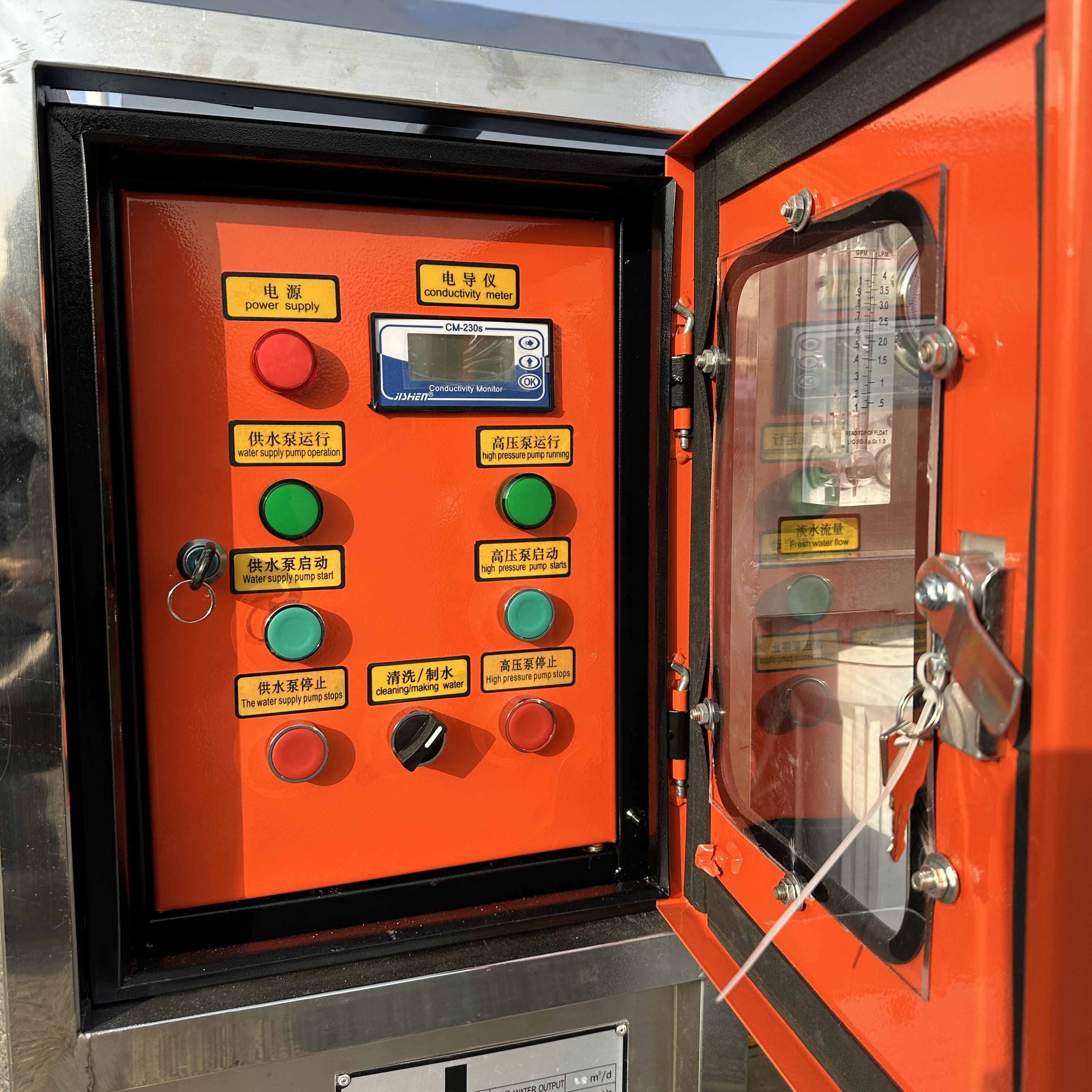
Modern sea water treatment plants feature state-of-the-art smart control systems and real-time monitoring capabilities that revolutionize plant operations through intelligent automation, predictive maintenance, and continuous optimization of treatment processes. These sophisticated control systems integrate advanced sensors, programmable logic controllers, and human-machine interfaces to provide comprehensive oversight of every aspect of plant operation, from intake pumping to final product water delivery. Real-time monitoring of critical parameters including flow rates, pressures, temperatures, conductivity, pH levels, and chemical concentrations enables immediate response to operational changes and ensures consistent water quality throughout all treatment stages. The intelligent data analytics capabilities of modern sea water treatment plants process vast amounts of operational data to identify trends, predict equipment performance, and optimize treatment efficiency while minimizing energy consumption and chemical usage. Automated alarm systems and emergency shutdown procedures protect equipment and personnel safety while preventing costly damage during abnormal operating conditions or equipment failures. Remote monitoring capabilities allow experienced operators to supervise multiple sea water treatment plants from centralized control rooms, reducing staffing requirements while maintaining expert oversight of complex treatment processes. The integration of artificial intelligence and machine learning algorithms enables sea water treatment plants to continuously improve performance by learning from operational patterns and automatically adjusting treatment parameters for optimal efficiency. Advanced reporting systems generate comprehensive operational data, compliance documentation, and performance metrics that support regulatory compliance and demonstrate treatment effectiveness to stakeholders and regulatory agencies. Energy management systems monitor and optimize power consumption across all plant components, identifying opportunities for efficiency improvements and integrating renewable energy sources to reduce operational costs and environmental impact. The user-friendly interface design of modern control systems enables operators to quickly access critical information, adjust treatment parameters, and respond to operational requirements without extensive technical training or complex procedures. Predictive maintenance algorithms analyze equipment performance data to schedule maintenance activities before failures occur, minimizing downtime and extending equipment lifespan while reducing overall operational costs. These smart control systems also facilitate seamless integration with municipal water distribution networks, automatically adjusting production rates to match demand patterns while maintaining optimal storage levels and system pressures throughout the sea water treatment plant facility.

Get a Free Quote

Our representative will contact you soon.
Email
Name
Company Name
Message
0/1000