 EN
EN



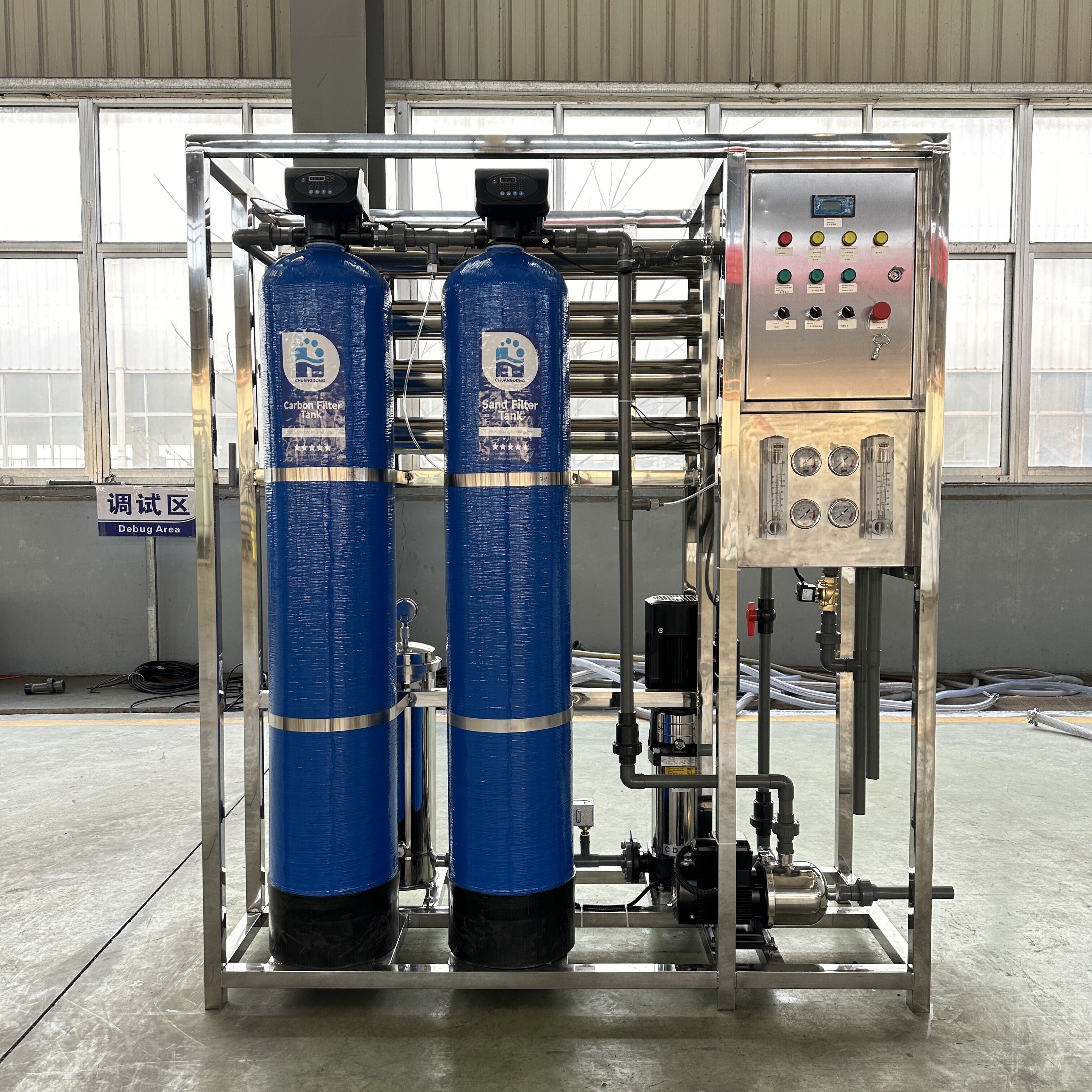
Running a reverse osmosis plant under low feed water pressure is one of the most common operational challenges faced by industrial and commercial water treatment facilities. When incoming water pressure falls below the minimum threshold required by the RO membranes, the entire system underperforms — leading to reduced permeate output, poor rejection rates, and unnecessary strain on system components. A booster pump is the engineered solution that directly addresses this problem by elevating feed water pressure to the optimal operating range before water enters the membrane array.
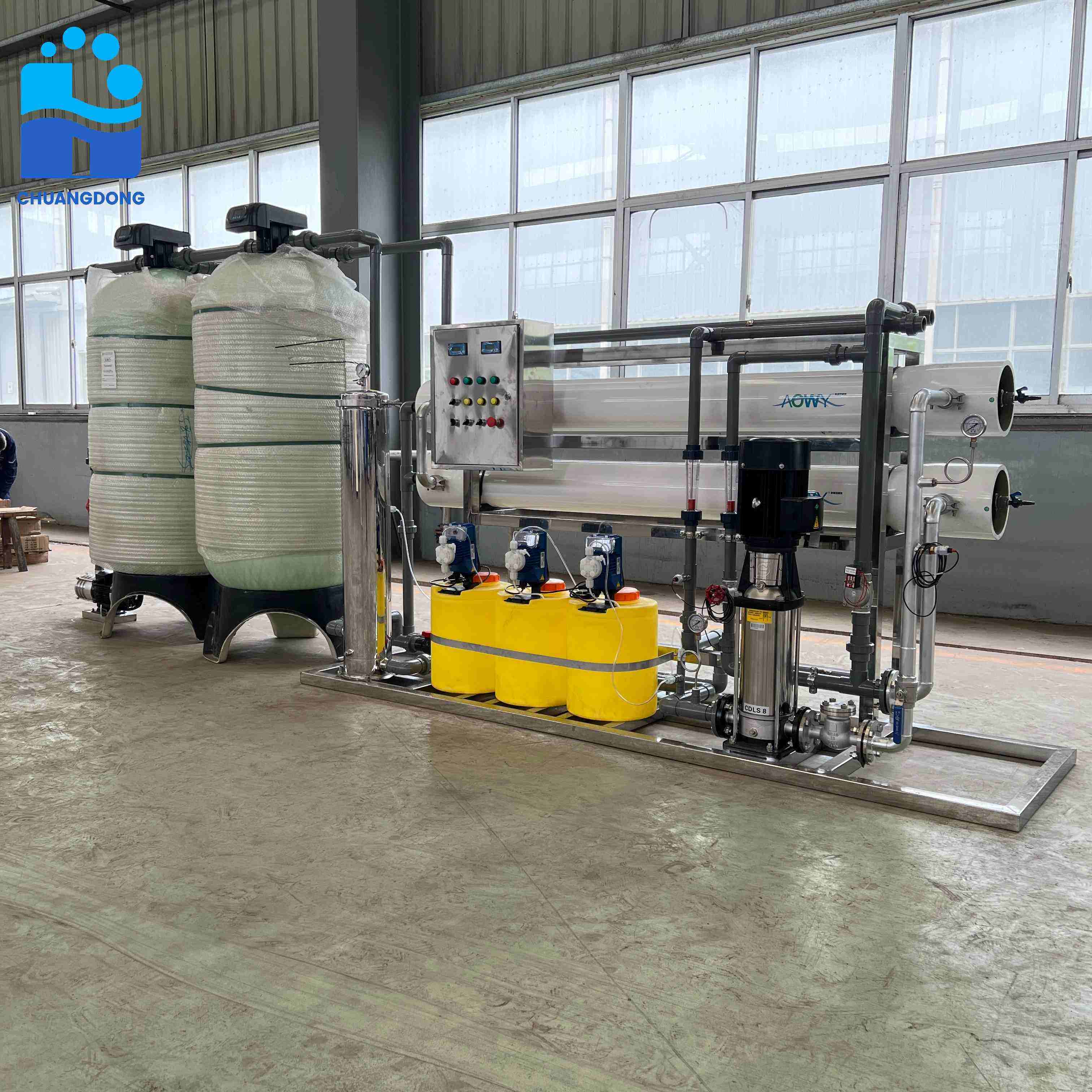
Understanding exactly how a booster pump integrates into an RO plant — and why its role is so critical for systems experiencing low water pressure conditions — helps operators and procurement teams make smarter decisions about their water treatment infrastructure. This article walks through the mechanism, efficiency gains, installation considerations, and real-world operational impact of deploying a booster pump in an industrial RO water purification system.
The Role of Water Pressure in RO System Performance
Why RO Membranes Demand Adequate Feed Pressure
Reverse osmosis is a pressure-driven separation process. Water molecules are forced through semi-permeable membranes against the natural osmotic gradient, which requires a substantial amount of applied hydraulic pressure. Without sufficient pressure, the driving force pushing water across the membrane is too weak to overcome osmotic back-pressure from the concentrated side.
For most industrial RO membranes, the minimum operational pressure typically ranges between 5 and 10 bar, depending on the feed water salinity and the specific membrane design. When feed pressure drops below this range — due to low municipal supply pressure, elevated building floors, long pipe runs, or seasonal pressure fluctuations — the RO system cannot function at its rated capacity.
The consequences are immediate and measurable. Permeate flow rate drops, the system recovery ratio declines, and the concentration polarization at the membrane surface increases, which accelerates fouling. A booster pump eliminates this pressure deficit before it damages system performance or membrane longevity.
How Low Pressure Conditions Develop in Real Installations
Low feed water pressure is not always a static problem — it can be intermittent and difficult to predict without proper monitoring. Facilities that rely on municipal water supply often experience pressure drops during peak usage hours, at night when supply infrastructure is under maintenance, or during seasonal demand spikes. Industrial plants in rural or remote areas may have structurally low mains pressure due to distance from pumping stations.
In multi-story installations, every meter of vertical lift reduces available pressure at the point of use. A facility drawing water from a ground-level tank and feeding an RO system on the third floor could lose 0.3 bar or more simply due to elevation. When combined with friction losses in long pipeline runs, the available pressure at the RO feed inlet can fall well below the system's design specification.
Identifying these pressure shortfalls early — through inlet pressure gauges or flow monitoring — allows operators to deploy a booster pump proactively rather than troubleshooting degraded performance after the fact. The booster pump becomes a critical infrastructure component rather than an afterthought.
How a Booster Pump Works Within an RO Plant
Mechanical Function and Placement in the System
A booster pump is typically a centrifugal or multi-stage pump installed upstream of the RO membrane array, after the pre-treatment filtration stage. Its function is straightforward: it draws in low-pressure pre-treated feed water and discharges it at the higher pressure level required by the RO membranes. This pressurized flow then enters the high-pressure pump or feeds directly into the membrane vessels, depending on system design.
In systems with moderate low-pressure issues, the booster pump may serve as the sole pressure-generating device, eliminating the need for a separate high-pressure pump stage. In large industrial RO plants, it typically works in tandem with a high-pressure pump — the booster pump raises suction-side pressure to an adequate NPSH (Net Positive Suction Head) level, while the high-pressure pump delivers the final membrane operating pressure.
The pump is usually equipped with a pressure switch or sensor that monitors inlet pressure continuously. If the incoming pressure falls below the preset minimum, the booster pump activates automatically. This automated response prevents dry-running conditions and protects both the pump and the RO membranes from damage caused by pressure fluctuations.
Variable Speed Control and Energy Efficiency
Modern booster pump installations increasingly incorporate variable frequency drives (VFDs) that adjust motor speed in real time based on actual pressure demand. Rather than running at full power regardless of conditions, a VFD-controlled booster pump modulates output to match the exact pressure required at any given moment. This significantly reduces energy consumption and extends the service life of both the pump and the membranes.
A fixed-speed booster pump running at maximum output continuously can over-pressurize the system when inlet conditions improve, wasting energy and potentially stressing membrane housings. Variable speed control eliminates this risk while delivering consistent, stable pressure to the RO feed train. For large-scale industrial RO plants processing hundreds of cubic meters per day, this energy optimization translates directly into measurable operational cost savings.
When evaluating a booster pump configuration for an industrial RO plant, specifying VFD compatibility and ensuring the pump curve matches the system's expected pressure and flow range at various operating conditions is essential for maximizing both efficiency and longevity.
Efficiency Gains Delivered by a Booster Pump in Low-Pressure Scenarios
Restoring and Maintaining Rated Permeate Output
The most direct efficiency gain from a properly sized booster pump is the restoration of the RO system's rated permeate production capacity. When pressure is insufficient, the system produces less clean water per hour than its design specification — meaning the plant may not meet daily water demand, forcing operators to either extend run times, reduce water usage, or invest in additional storage. A booster pump resolves this gap by ensuring the membranes always operate within their optimal pressure window.
In practical terms, this means consistent throughput regardless of fluctuations in mains supply pressure. Operators no longer need to manually adjust system parameters during low-pressure periods or halt production to protect equipment. The booster pump creates a stable, controlled feed pressure environment that allows the RO system to perform predictably around the clock.
Consistent operating pressure also improves the system's water recovery ratio — the proportion of feed water converted into usable permeate. Low-pressure operation tends to reduce recovery rates, wasting more water as brine concentrate. With a booster pump maintaining optimal pressure, recovery efficiency improves, reducing both water consumption and wastewater discharge volumes, which carries meaningful environmental and cost benefits for industrial operators.
Extending Membrane Service Life and Reducing Fouling
Operating RO membranes below their design pressure does not just reduce output — it also accelerates membrane degradation. Under low-pressure conditions, concentration polarization intensifies near the membrane surface, creating a localized zone of high solute concentration that promotes scaling and biofouling. These deposits are difficult to remove through standard cleaning procedures and can permanently damage membrane performance.
A booster pump that maintains adequate cross-flow velocity across the membrane surface helps carry away rejected ions and particles before they accumulate. Proper cross-flow is pressure-dependent, and without sufficient feed pressure, this self-cleaning hydraulic action is compromised. By restoring and maintaining correct pressure levels, the booster pump actively contributes to membrane health and extended service intervals.
Over a typical membrane replacement cycle of three to five years, the cost difference between a well-maintained membrane bank operating under stable pressure versus one repeatedly exposed to low-pressure stress can be significant. The booster pump investment is often recoverable purely through avoided premature membrane replacement costs, making it a financially sound addition to any industrial RO system operating in a low-pressure environment.
Selecting and Sizing a Booster Pump for Your RO Plant
Key Parameters for Proper Sizing
Correct sizing is critical to realizing the efficiency benefits of a booster pump. An undersized pump will fail to raise pressure to the required level, delivering only partial improvement. An oversized pump may over-pressurize the system, triggering high-pressure cutoffs, stressing fittings and membrane housings, and consuming excess energy. The sizing process must be based on accurate data collected from the actual installation.
The primary sizing parameters include the required differential pressure (the gap between available inlet pressure and the RO system's minimum feed pressure requirement), the volumetric flow rate of the system's feed stream, and the physical and chemical characteristics of the pre-treated feed water. Specific gravity, temperature, and any dissolved gas content can all affect pump hydraulic performance and material selection.
For systems with variable inlet pressure conditions, engineers should size the booster pump based on the worst-case low-pressure scenario while ensuring the control system can manage the pump's output when pressure conditions improve. This worst-case approach guarantees production continuity even during the most challenging supply pressure periods.
Material Selection and Pre-Treatment Compatibility
The booster pump operates on pre-treated feed water, which should be free of large particles, sediment, and chlorine if thin-film composite membranes are in use downstream. However, the water may still contain dissolved minerals, slight turbidity, or low-level microbial content depending on the pre-treatment quality. Pump wetted components must be made from materials compatible with this water chemistry to avoid corrosion, contamination, or rapid wear.
Stainless steel 316L is the standard material choice for food-grade and pharmaceutical-grade RO applications, while duplex stainless steel or high-alloy materials may be necessary for systems processing brackish water with elevated chloride content. For general industrial use, high-quality engineering plastics and standard stainless steel alloys typically provide adequate corrosion resistance and long service life.
The booster pump must also be hydraulically compatible with the upstream pre-treatment stages. Running the pump after multimedia filtration and carbon filtration but before the cartridge filter and high-pressure pump is the most common placement, ensuring the pump handles clean, particle-reduced water while protecting sensitive downstream components from pressure surges.
Integration Considerations for Industrial RO Plants
Control System Integration and Safety Logic
In modern industrial RO plants, the booster pump is typically integrated into the plant's programmable logic controller (PLC) or SCADA control system. This allows the pump to start and stop in coordination with the RO system's overall operational state, preventing the pump from running against a closed downstream valve or energizing before pre-treatment filtration has completed its startup cycle.
Safety interlocks are essential. The control logic should include a low inlet pressure shutdown that protects the booster pump from running dry if the feed water supply is interrupted. High outlet pressure alarms should be configured to alert operators — or automatically shut down the system — if outlet pressure exceeds the RO membrane housing's rated maximum. These protections are not optional; they are fundamental to equipment longevity and operational safety.
For larger industrial RO plants handling 100 to 500 tons of water per day, redundant booster pump configurations are common, with one operating unit and one standby unit that auto-switches in the event of a fault. This redundancy eliminates production downtime caused by pump maintenance or unexpected failure, which is particularly important for facilities where continuous water supply is operationally critical.
Monitoring, Maintenance, and Performance Verification
Ongoing monitoring of the booster pump's performance is essential to confirm that it continues to deliver the pressure differential required by the RO system. Pressure gauges on both the inlet and outlet sides of the pump allow operators to calculate the actual differential pressure being generated, which can be compared against the pump's performance curve to detect wear, impeller damage, or cavitation issues before they cause system-wide problems.
Regular maintenance tasks include mechanical seal inspection, bearing lubrication, impeller condition assessment, and verification of electrical connections and control logic. Most industrial centrifugal booster pump models have service intervals measured in thousands of operating hours, making them low-maintenance relative to their operational impact. Keeping a maintenance log with pressure readings, motor amp draw, and flow rate data allows trend analysis to identify performance degradation early.
Performance verification after any maintenance action should include a full-load pressure test under normal operating conditions. If the booster pump cannot achieve its rated differential pressure at the design flow rate after servicing, internal components should be inspected for wear before returning the unit to continuous service. This verification step is often overlooked but is critical for confirming that the RO system will perform as expected during production.
FAQ
Can a booster pump completely compensate for very low water pressure in an RO system?
A booster pump can compensate for significant pressure deficits, but there are practical limits. If inlet pressure is extremely low — for example, near zero due to a failed supply pump or empty feed tank — the booster pump itself may cavitate or run dry. Most systems are designed with a minimum inlet pressure requirement for the booster pump, typically 0.5 to 1 bar, below which protective shutdown logic will stop the unit. For extremely low or intermittent supply conditions, a feed water storage tank with a level-controlled transfer pump is often installed upstream of the booster pump to ensure it always receives adequate suction head.
Where exactly should a booster pump be positioned in the RO plant flow process?
The standard positioning is after the pre-treatment filtration stages — multimedia filter, activated carbon filter, and water softener — but before the cartridge filter and the high-pressure RO feed pump. This placement ensures the booster pump handles clean, pre-conditioned water rather than raw feed water that may contain particles capable of damaging pump internals. It also means the cartridge filter, which protects the RO membranes from fine particles, is not subject to the additional pressure differential caused by the booster pump, extending cartridge service life.
Is a booster pump necessary for all industrial RO plants, or only specific situations?
Not every industrial RO plant requires a dedicated booster pump. If the facility consistently receives feed water at a pressure well above the RO system's minimum inlet requirement — typically above 3 to 4 bar for systems with a high-pressure pump — then a separate booster pump stage may be unnecessary. However, for facilities with variable or consistently low mains pressure, elevated installation points, long feed pipe runs, or high flow demand peaks, a booster pump is strongly advisable. A professional hydraulic system analysis during the plant design phase should always include a worst-case inlet pressure scenario to determine whether a booster pump is warranted.
How does a booster pump affect the overall energy consumption of an RO plant?
Adding a booster pump does increase total electrical energy input. However, when the alternative is operating the RO plant below its rated efficiency — with lower recovery, increased fouling, and higher long-term membrane replacement costs — the energy cost of the booster pump is typically justified. VFD-controlled booster pump units minimize unnecessary energy consumption by modulating output to match actual pressure demand. In many installations, the improved system recovery ratio achieved with stable operating pressure actually reduces the total volume of feed water that must be processed to meet daily permeate targets, partially offsetting the pump's added energy load.
Table of Contents
- The Role of Water Pressure in RO System Performance
- How a Booster Pump Works Within an RO Plant
- Efficiency Gains Delivered by a Booster Pump in Low-Pressure Scenarios
- Selecting and Sizing a Booster Pump for Your RO Plant
- Integration Considerations for Industrial RO Plants
-
FAQ
- Can a booster pump completely compensate for very low water pressure in an RO system?
- Where exactly should a booster pump be positioned in the RO plant flow process?
- Is a booster pump necessary for all industrial RO plants, or only specific situations?
- How does a booster pump affect the overall energy consumption of an RO plant?