reverse osmosis system for desalination
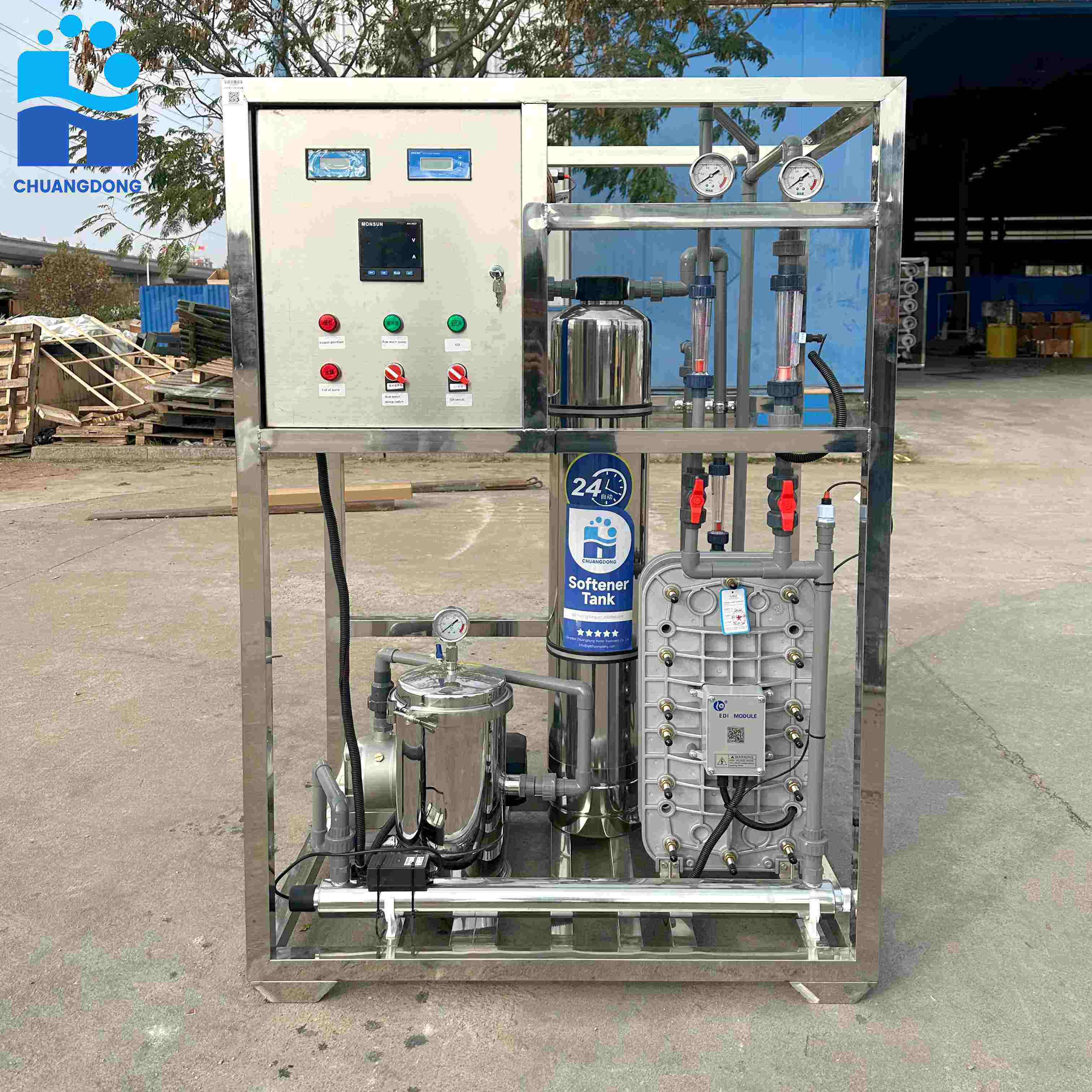
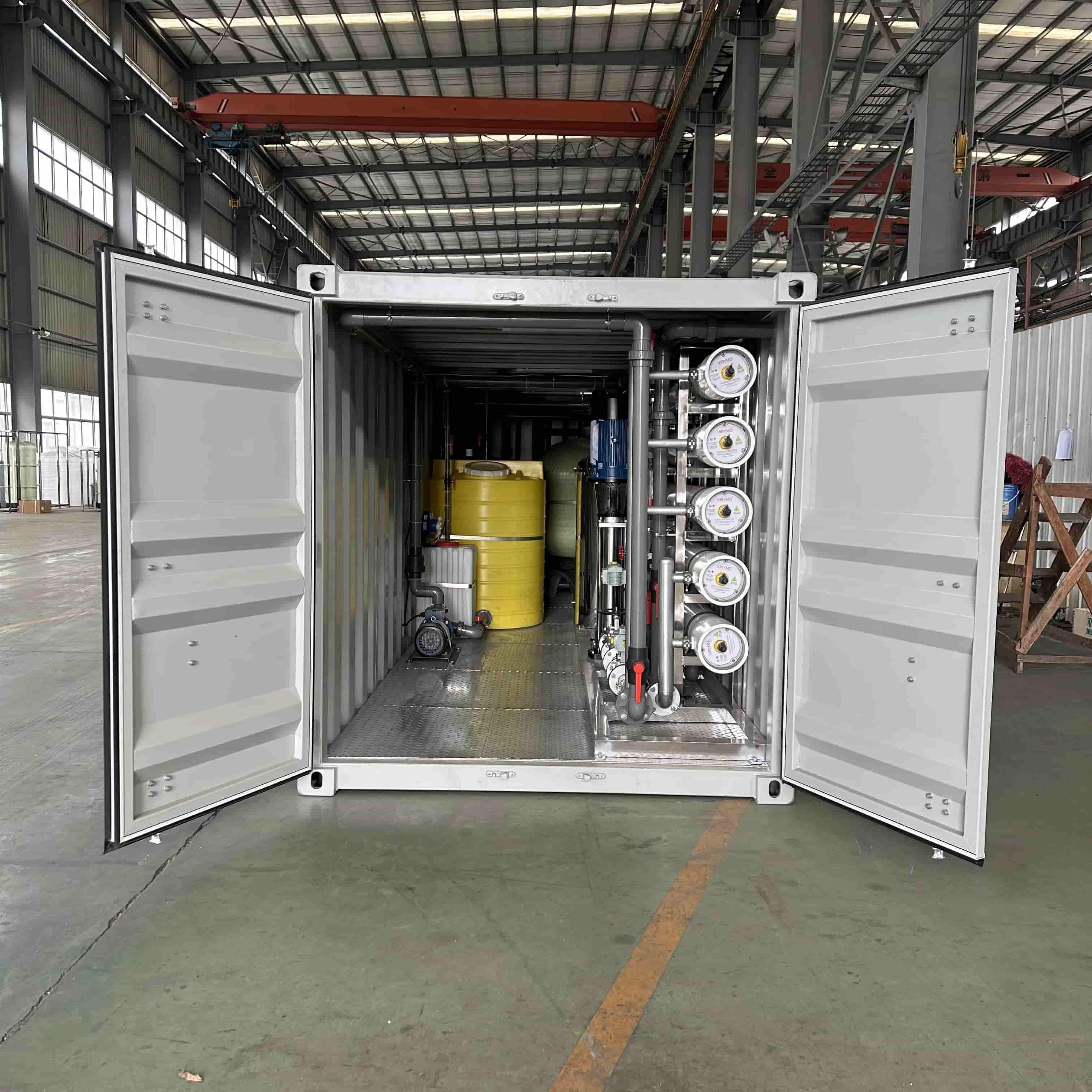
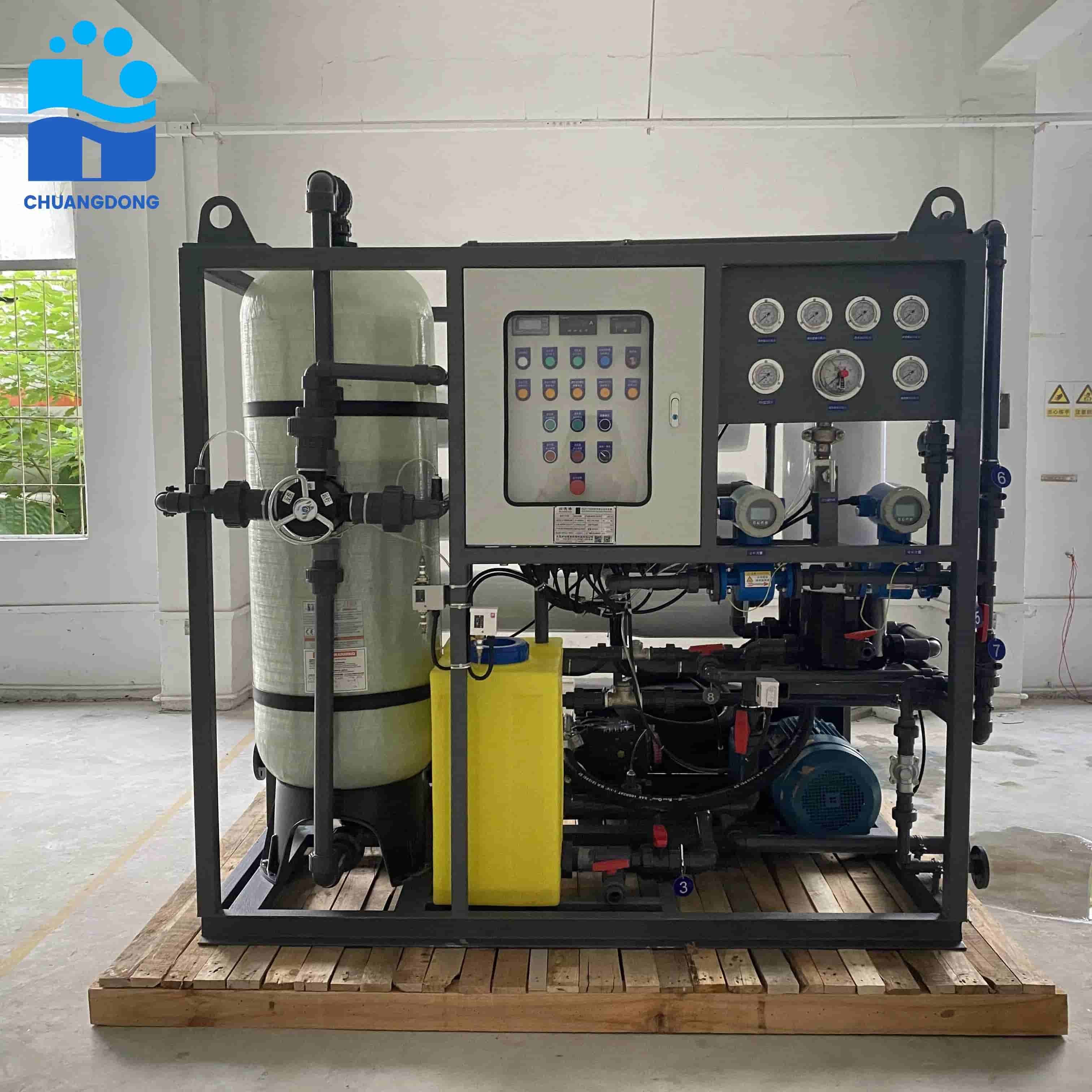
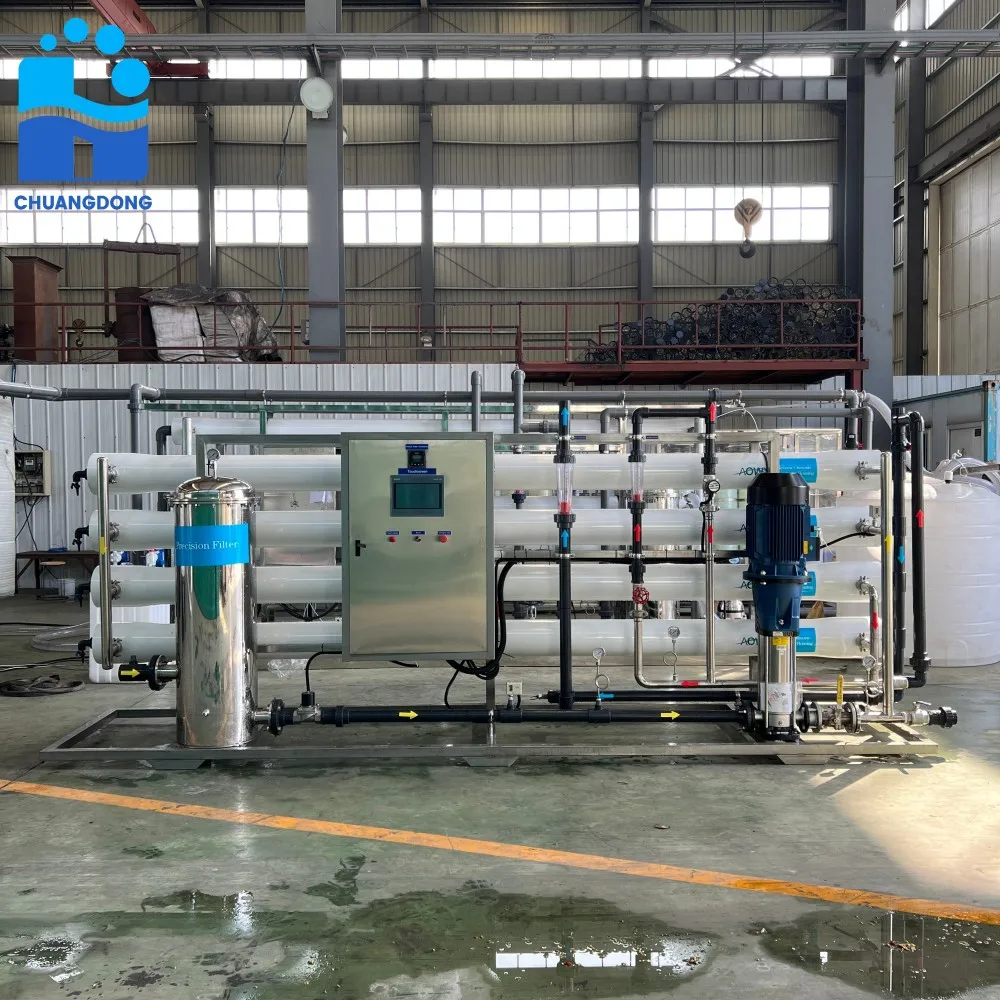
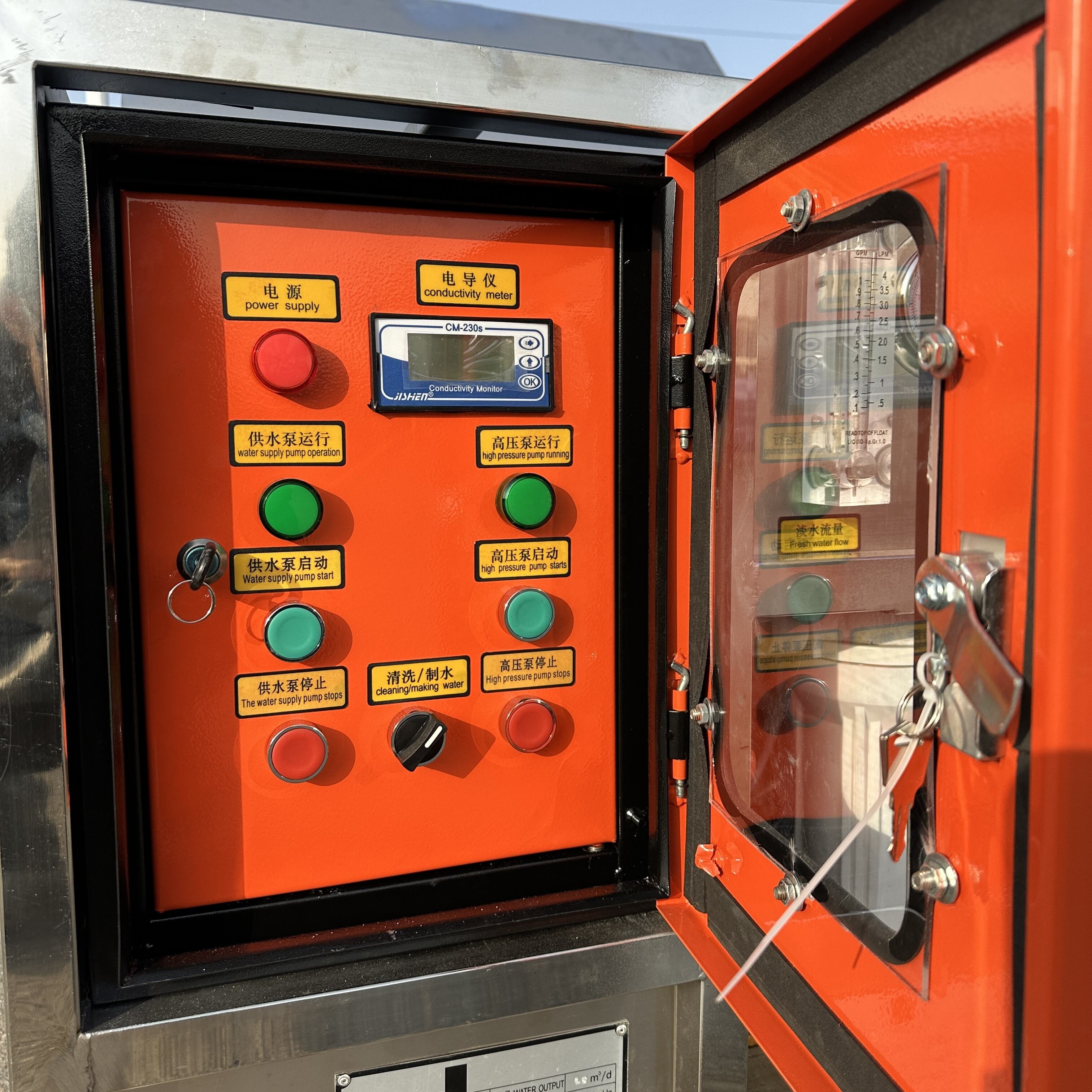
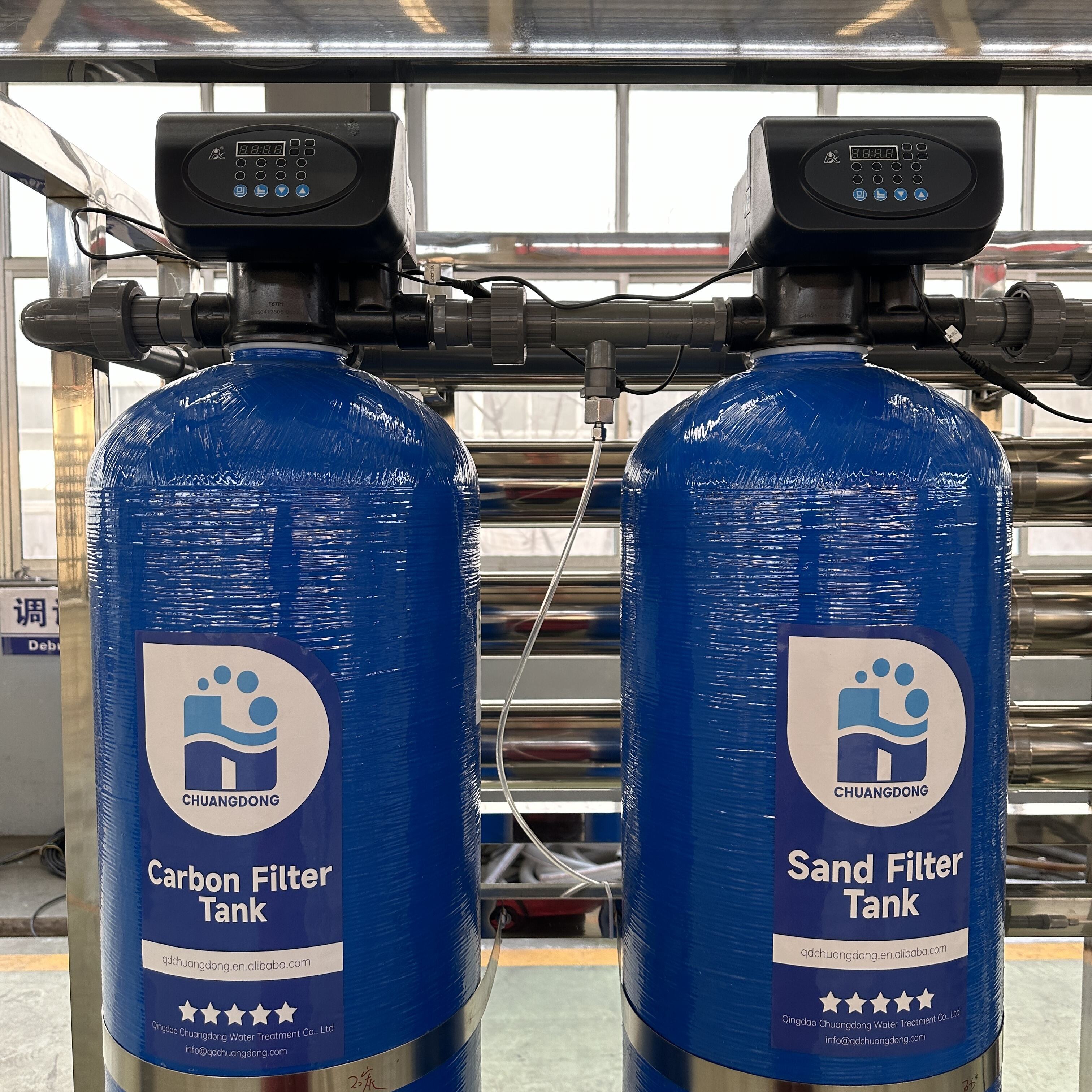
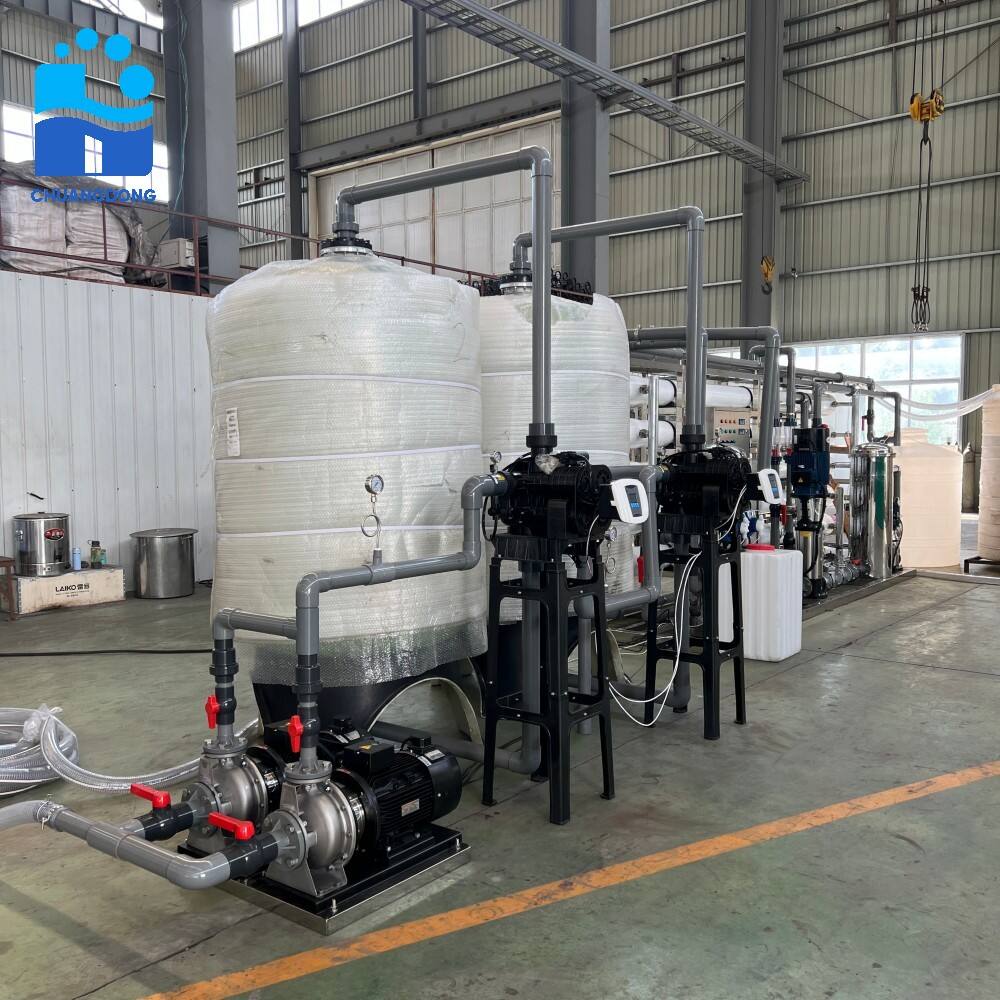
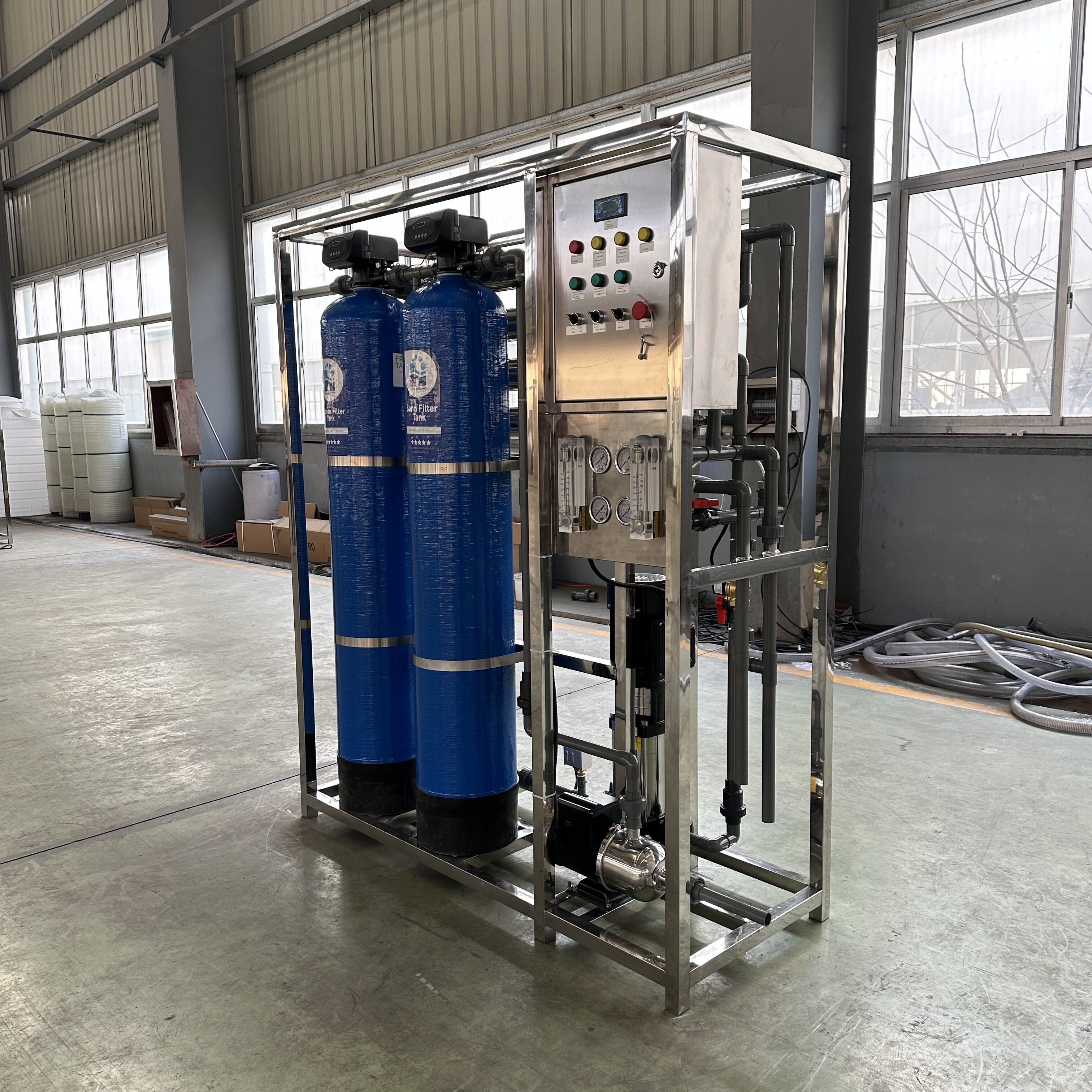
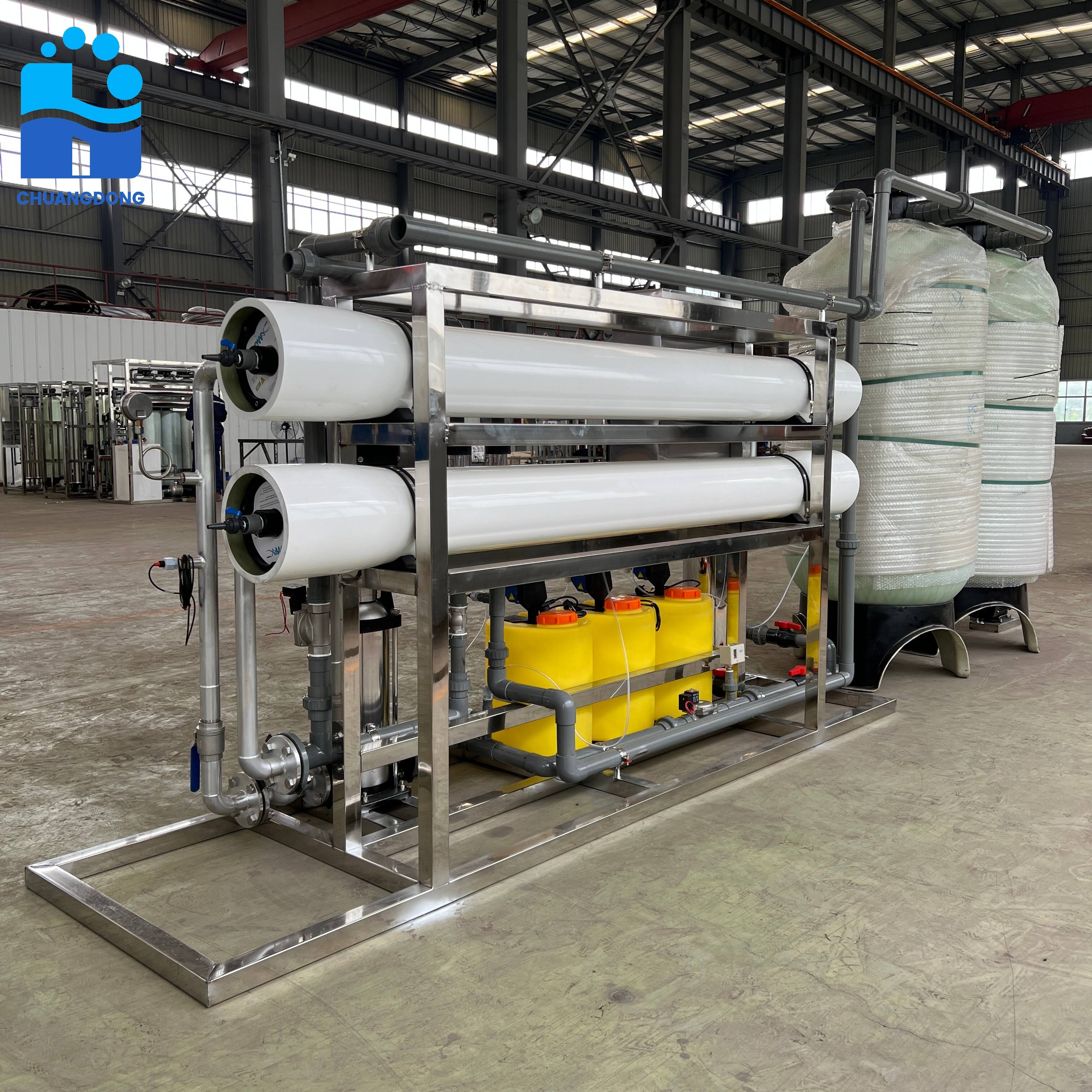
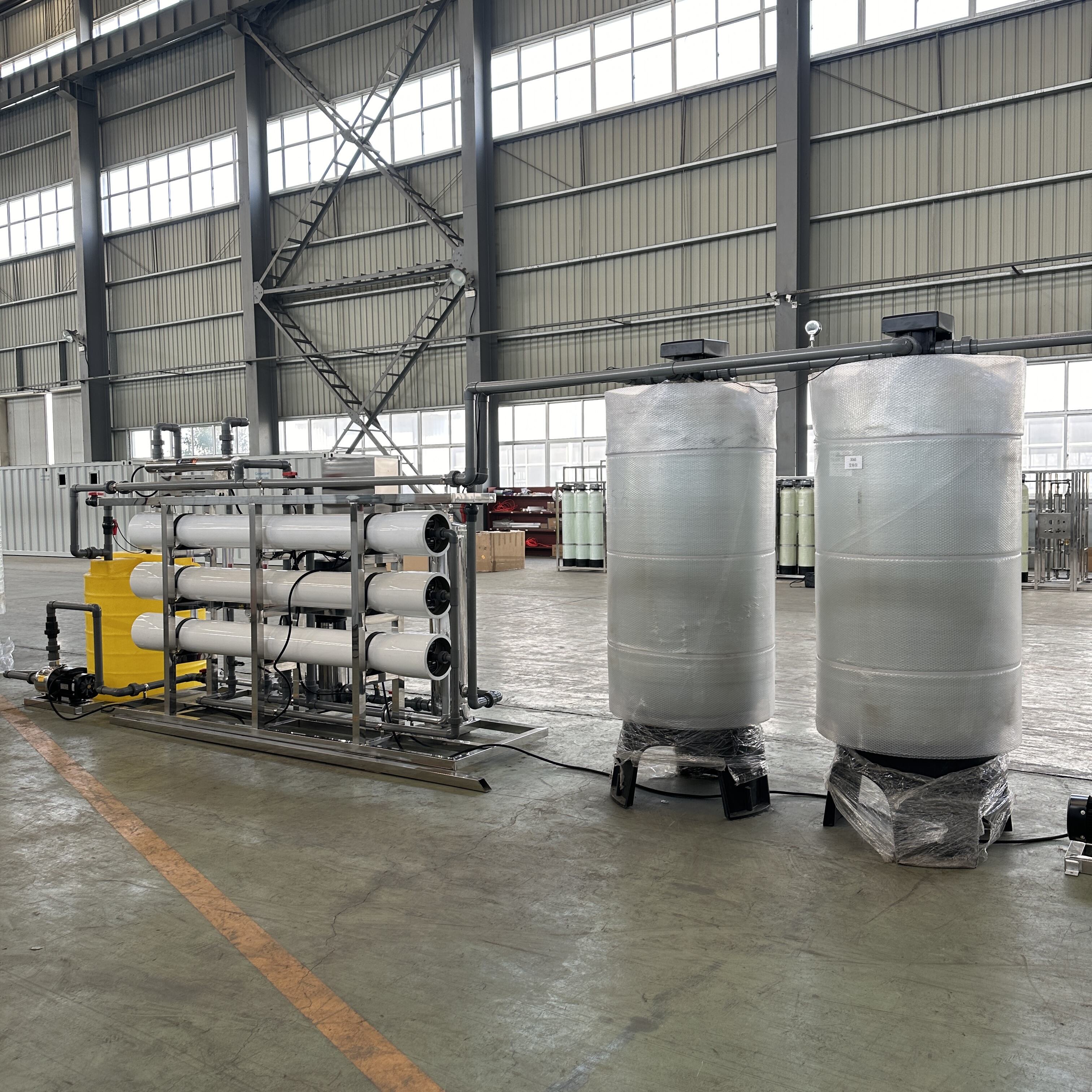
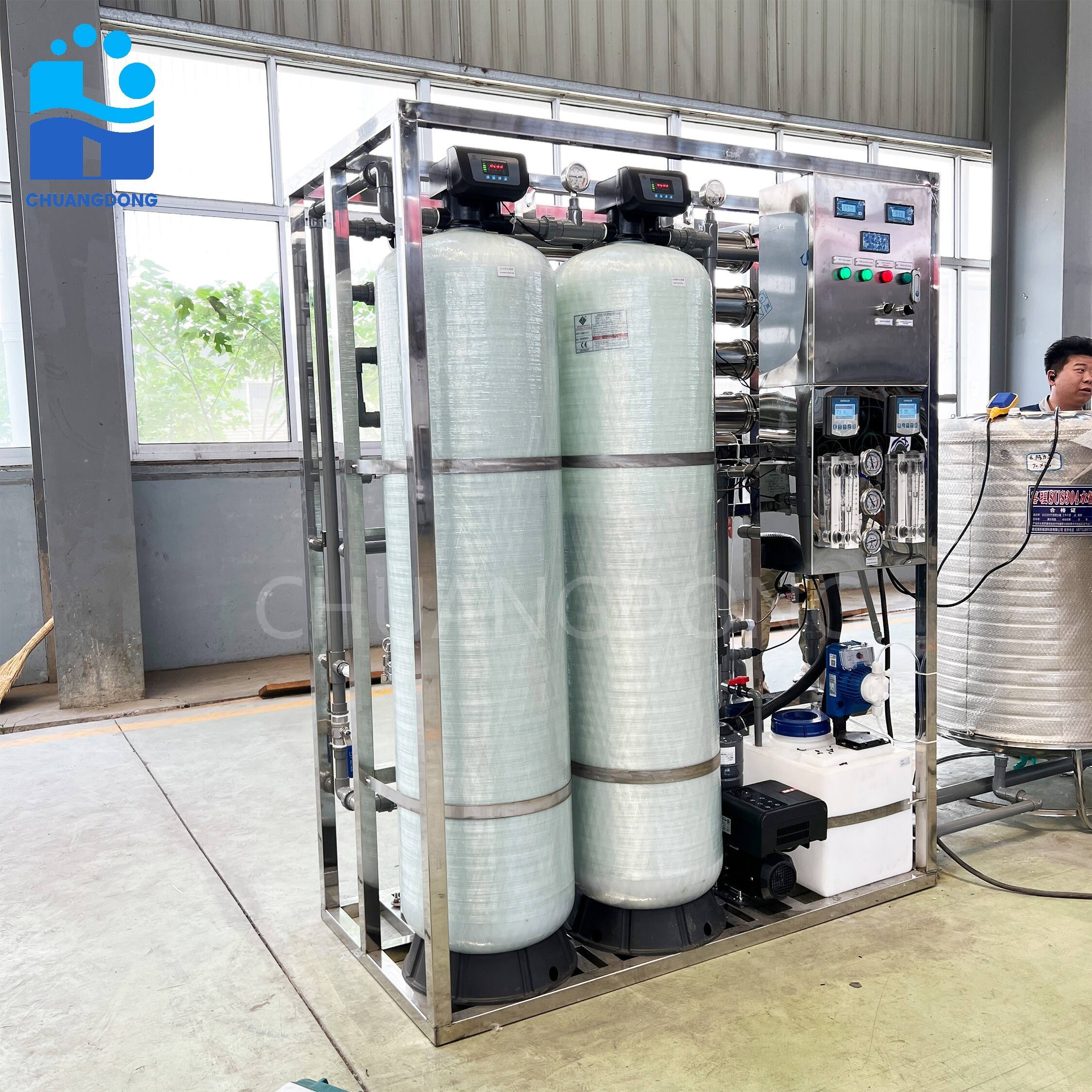
A reverse osmosis system for desalination represents one of the most effective technologies for converting seawater and brackish water into fresh, potable water. This advanced purification method works by forcing water through semi-permeable membranes under high pressure, effectively removing up to 99.7% of dissolved salts, minerals, and contaminants. The reverse osmosis system for desalination operates through multiple stages including pre-treatment filtration, high-pressure pumping, membrane separation, and post-treatment conditioning. Pre-treatment removes larger particles and protects the delicate membranes, while the core reverse osmosis process separates pure water molecules from salt ions and impurities. The technology features automated monitoring systems that track water quality, pressure levels, and membrane performance in real-time. Modern reverse osmosis system for desalination installations incorporate energy recovery devices that capture and reuse pressure from the concentrate stream, significantly reducing operational costs. These systems serve diverse applications including municipal water supply, industrial manufacturing, agricultural irrigation, and remote community water provision. The modular design allows for scalable implementation, from small residential units producing 100 gallons per day to large industrial plants generating millions of gallons daily. With growing water scarcity affecting regions worldwide, the reverse osmosis system for desalination provides a reliable, sustainable solution for meeting freshwater demands while maintaining consistent water quality standards.
 EN
EN