industrial reverse osmosis system
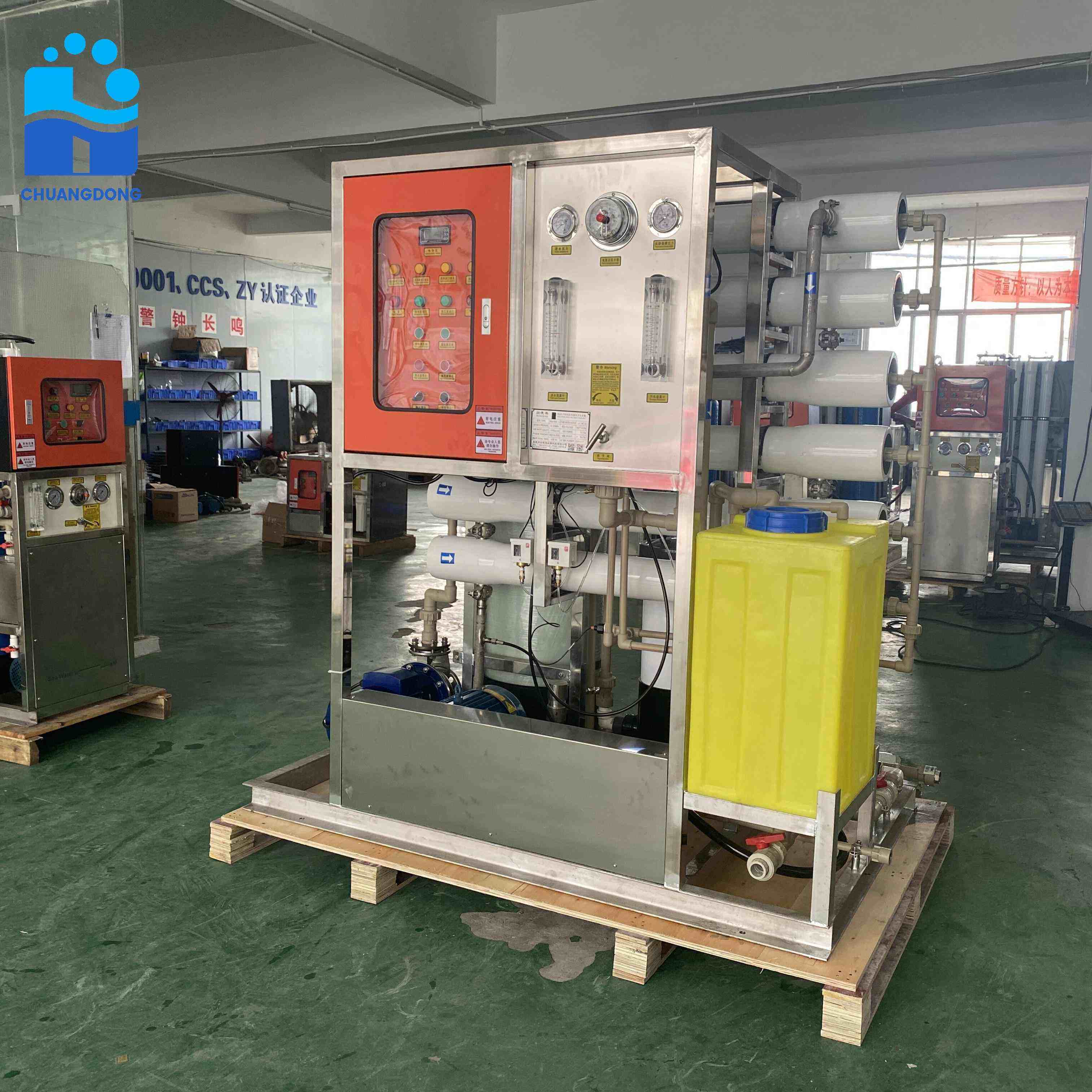
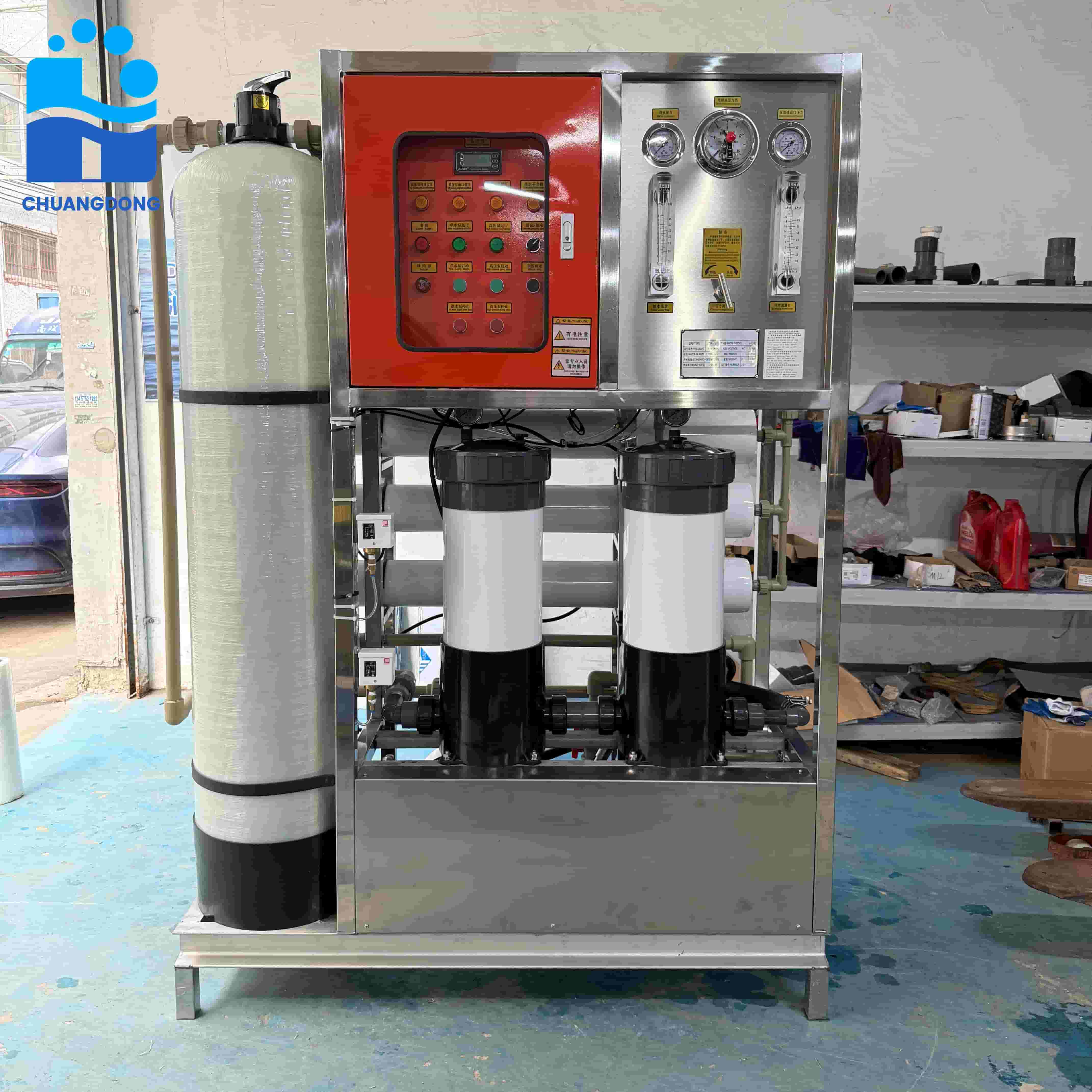
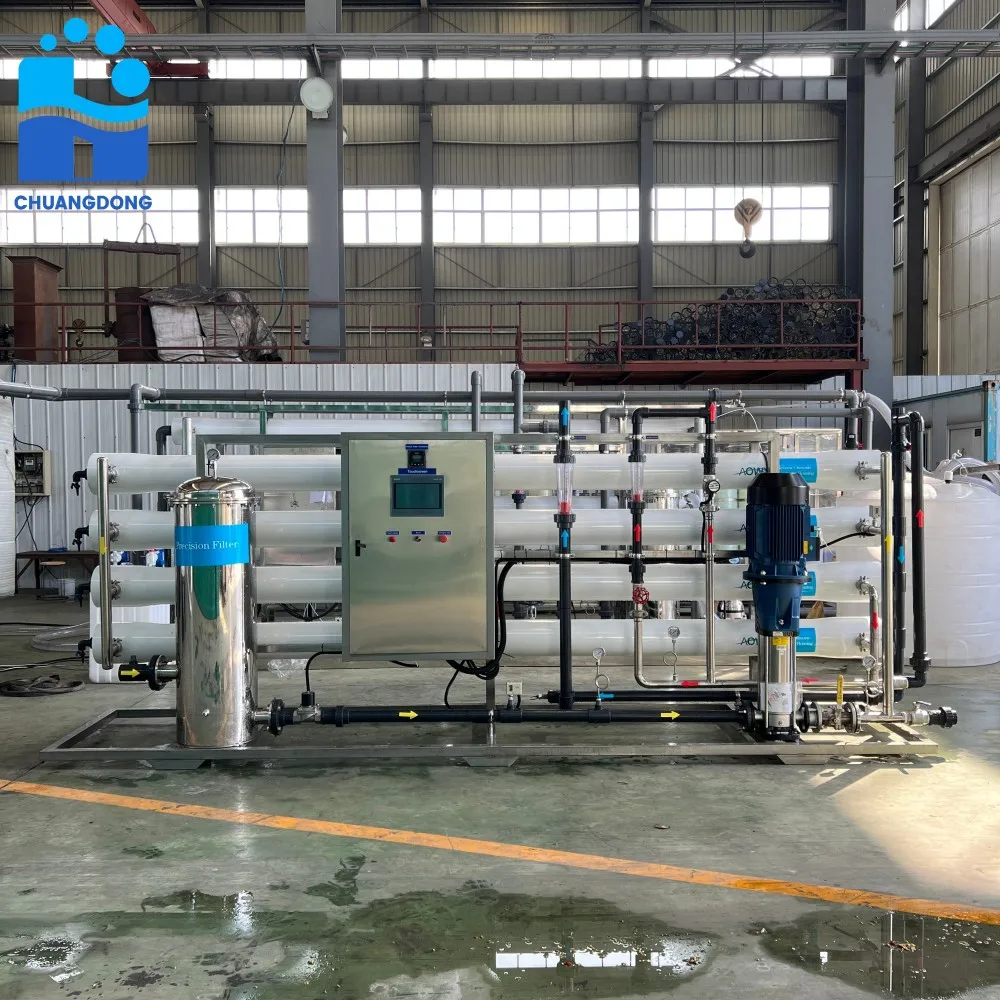
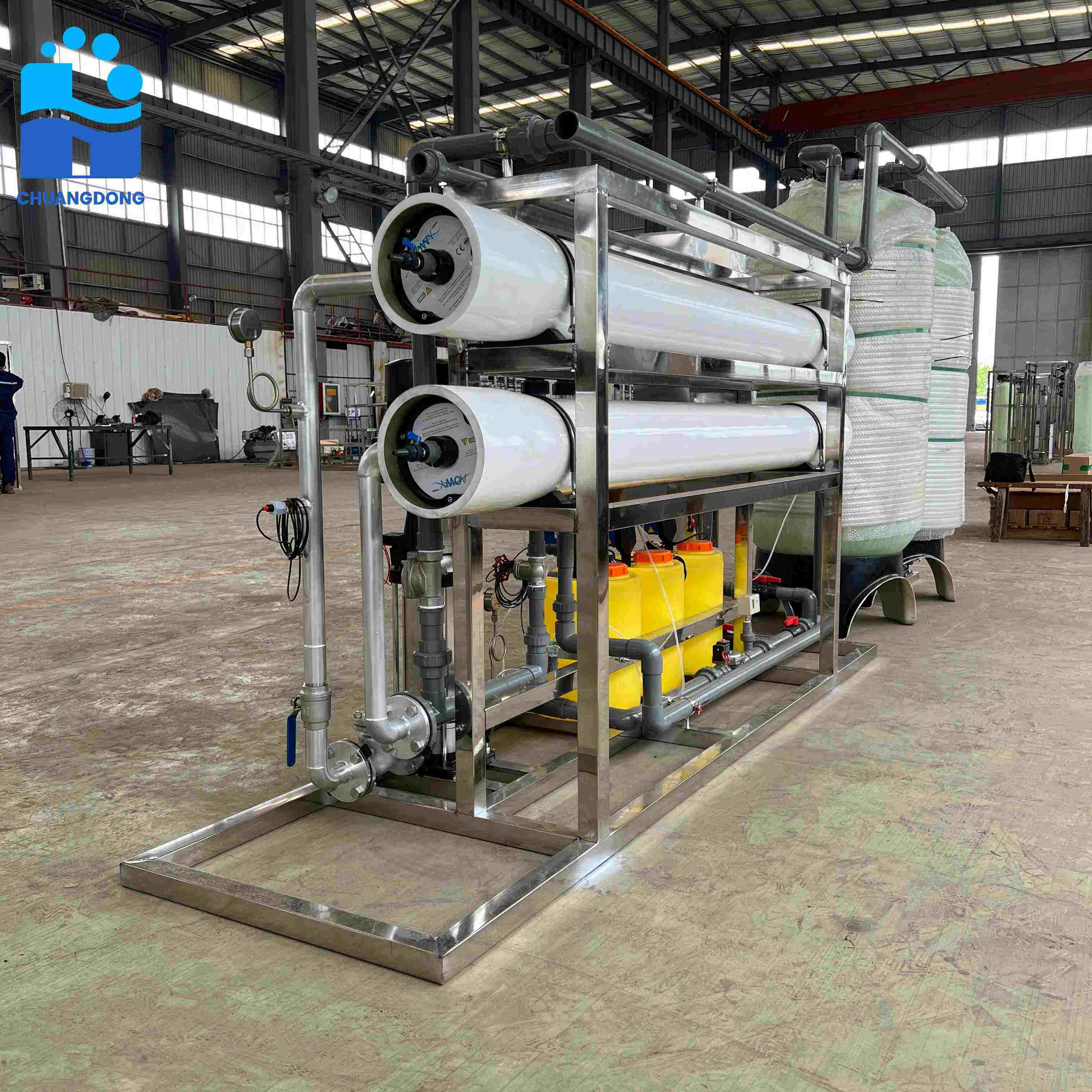
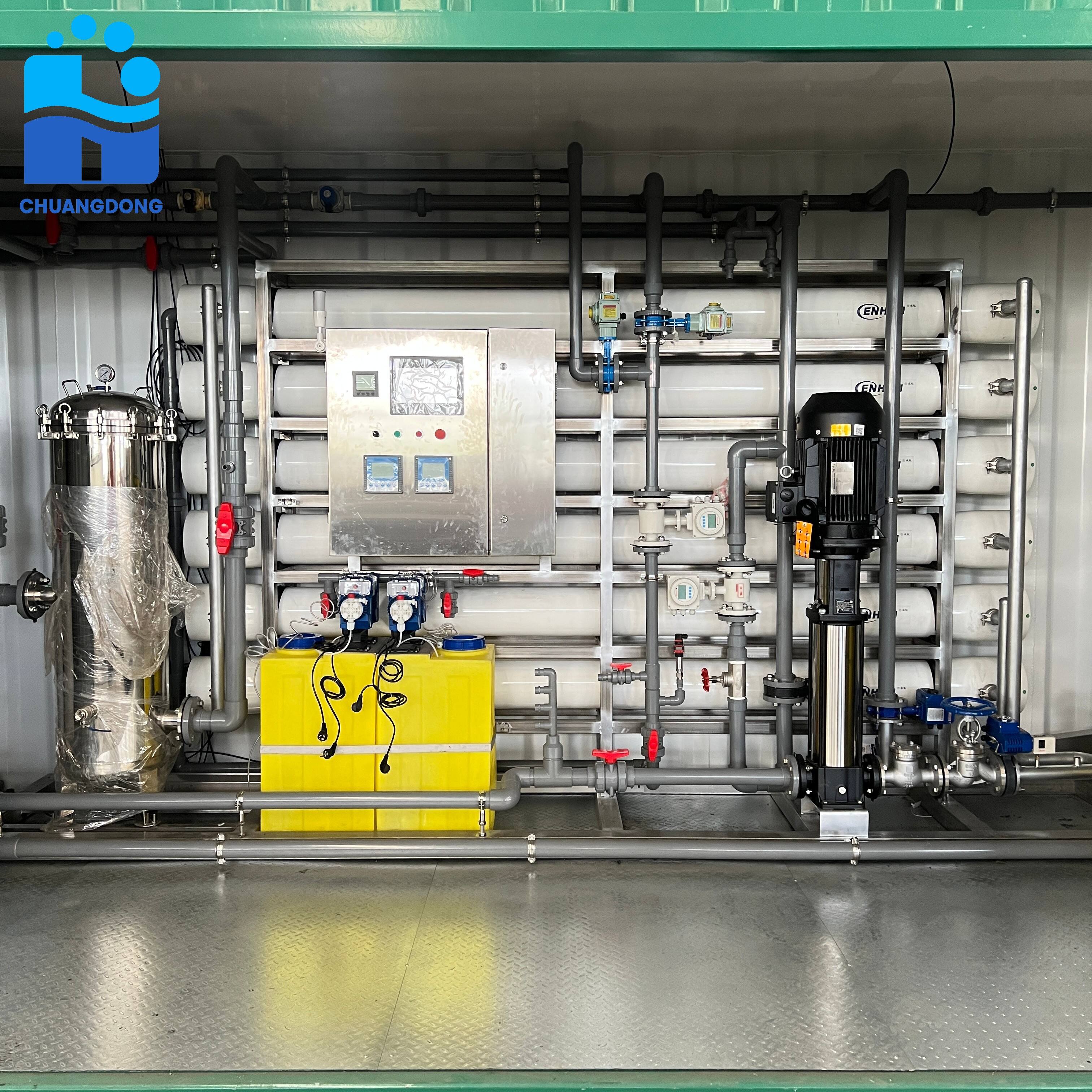
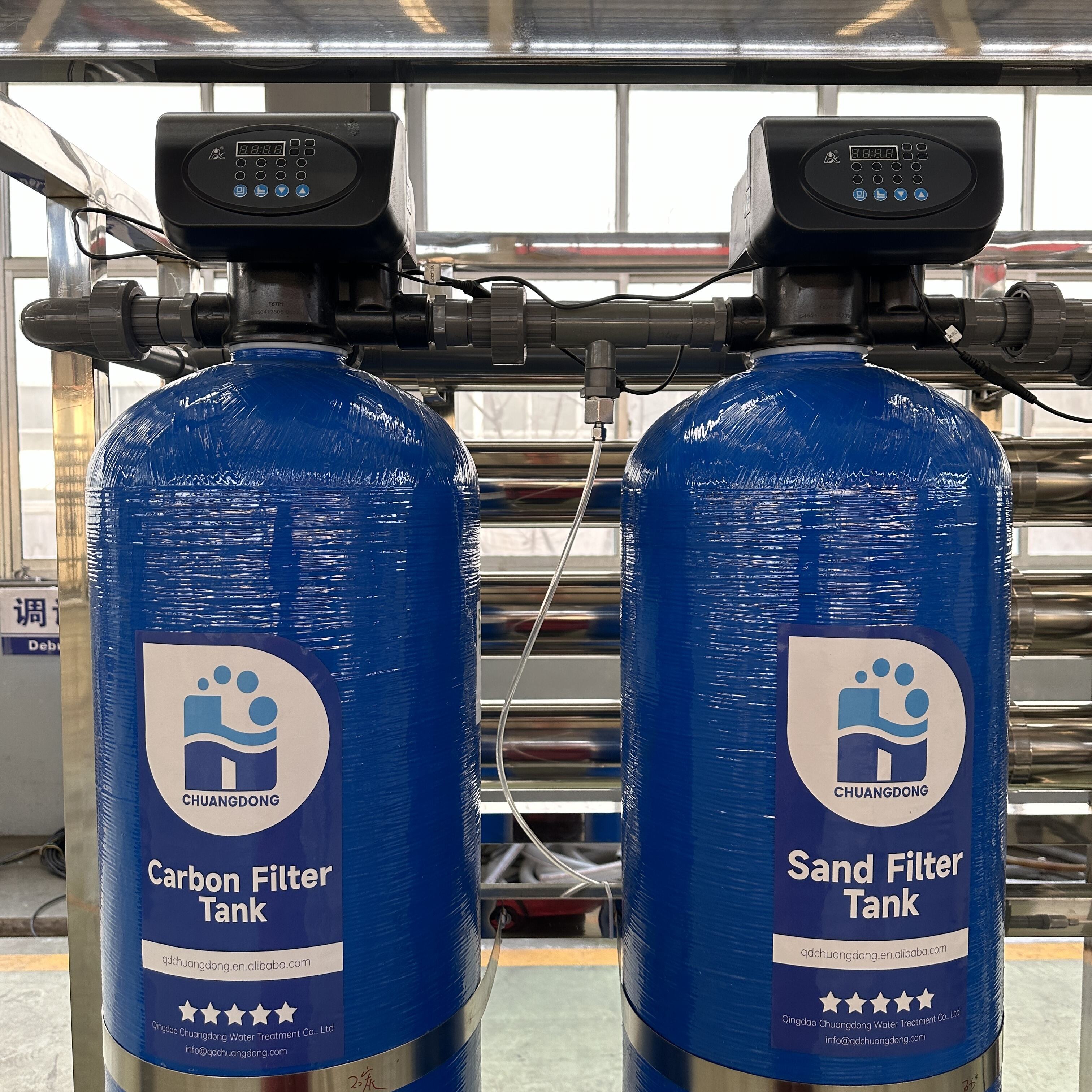
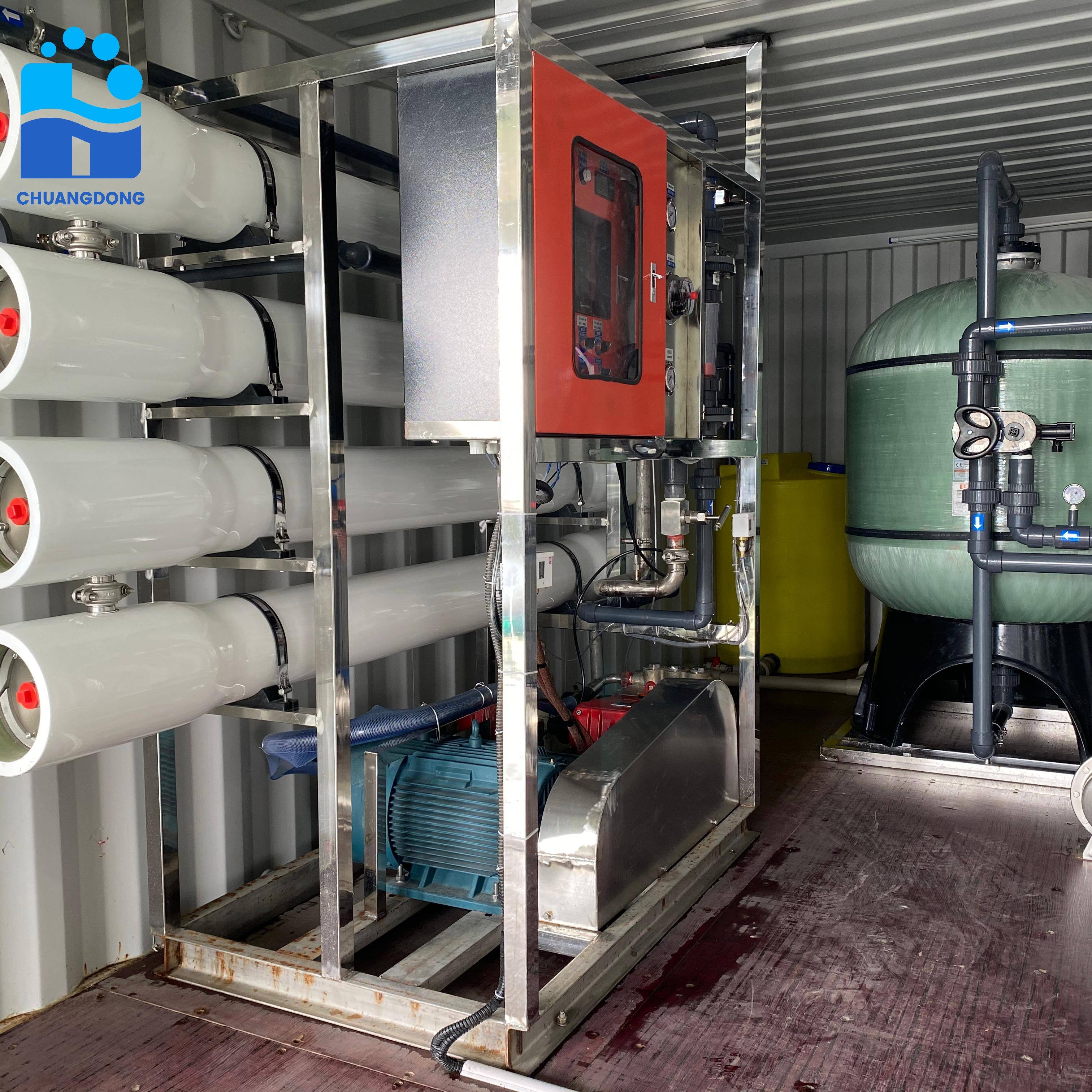
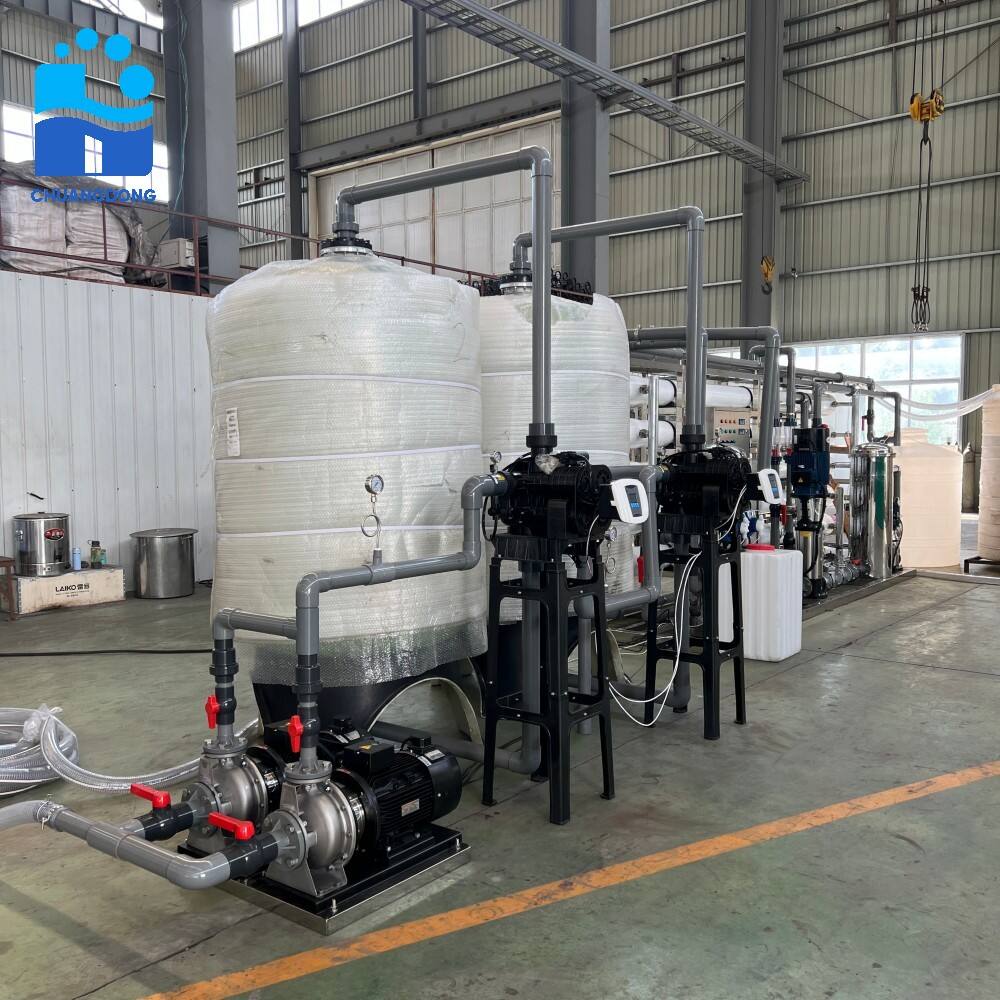
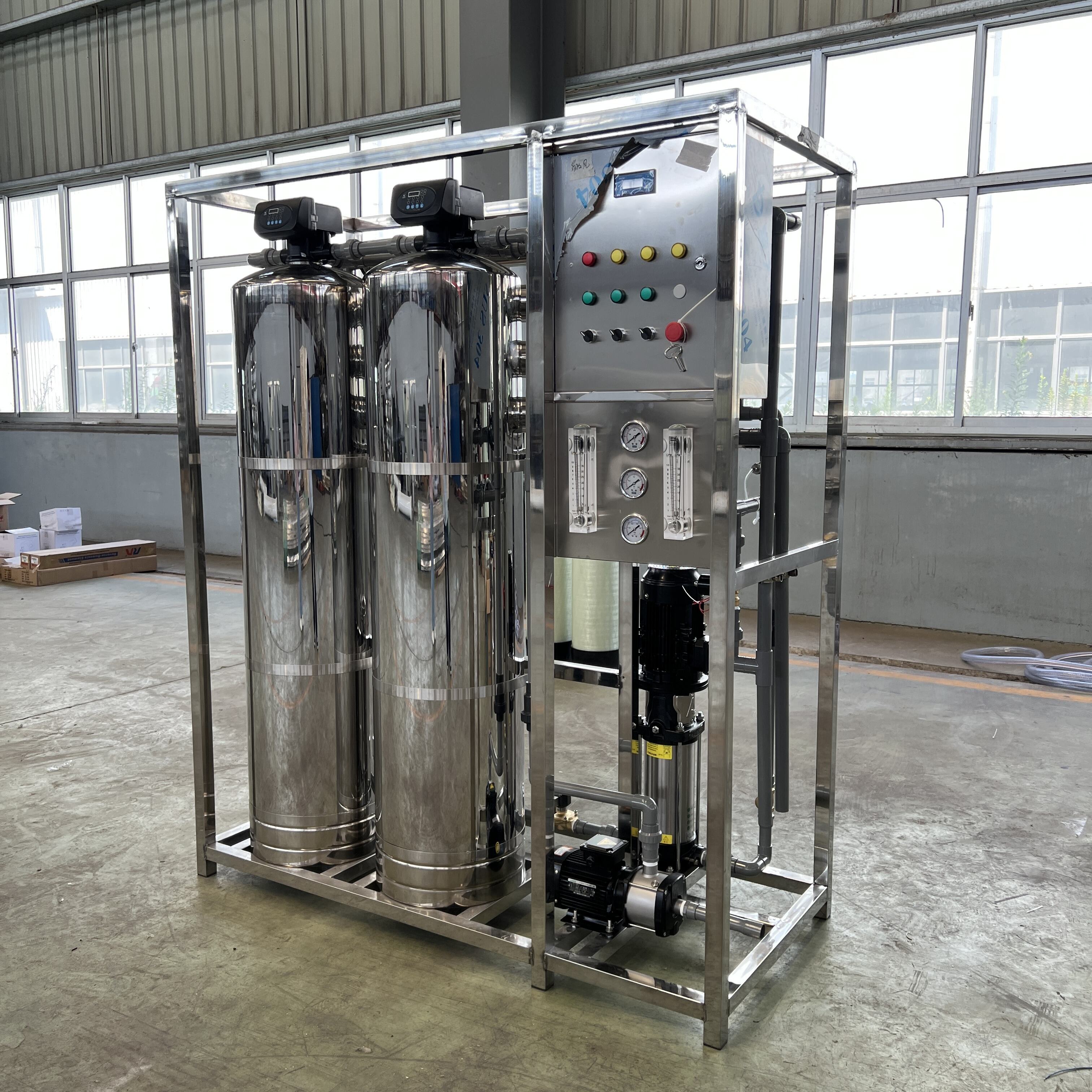
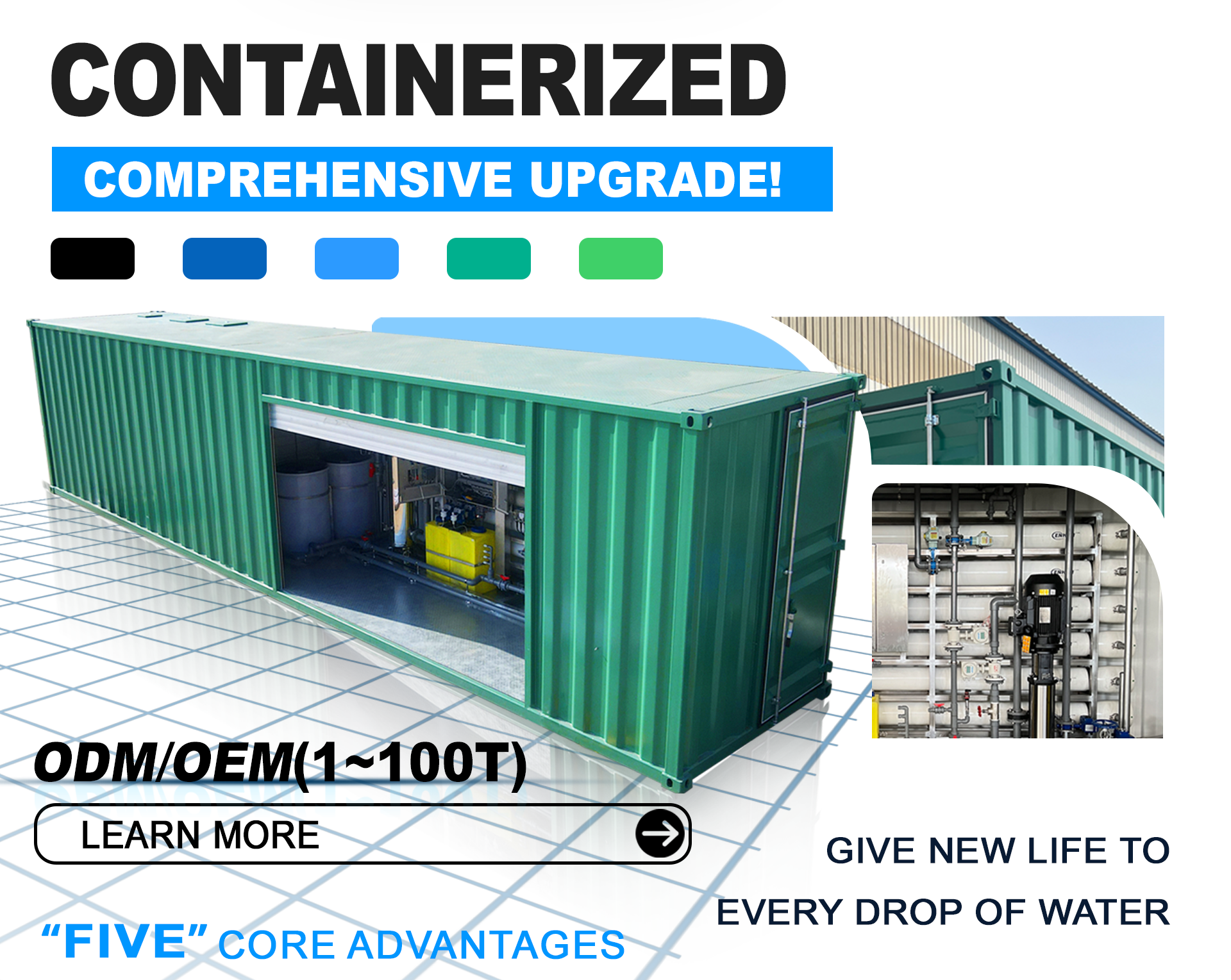
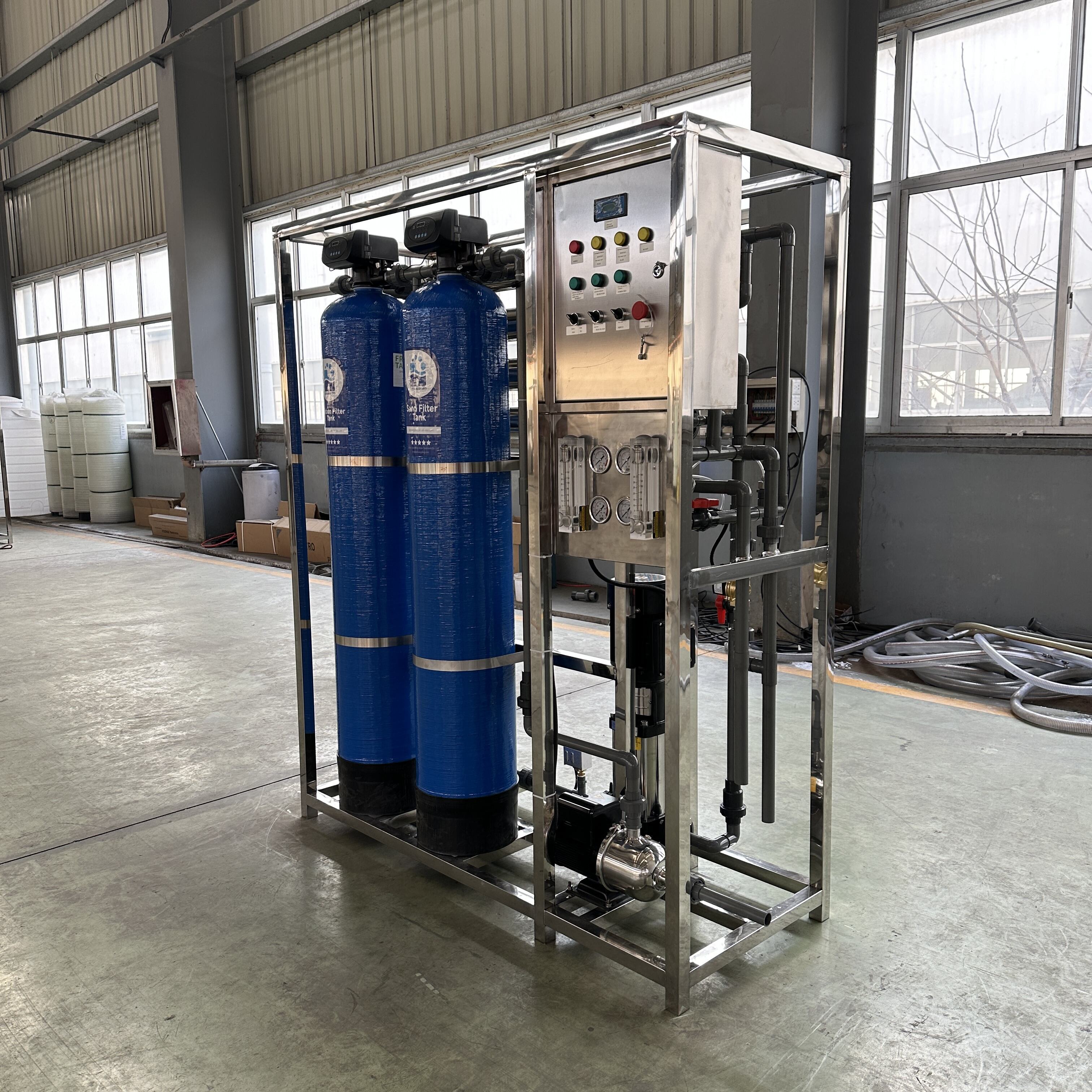
An industrial reverse osmosis system is a sophisticated water purification technology designed to remove contaminants, dissolved solids, and impurities from water on a large scale. This advanced filtration system operates by forcing water through semi-permeable membranes under high pressure, effectively separating pure water from unwanted substances. The industrial reverse osmosis system serves as the backbone of water treatment operations across manufacturing facilities, power plants, pharmaceutical companies, and food processing industries. Its main function involves producing high-quality water that meets strict industry standards and regulatory requirements. The technological features of an industrial reverse osmosis system include multi-stage filtration, automatic monitoring controls, high-pressure pumps, and specialized membrane modules that can handle substantial water volumes. These systems typically incorporate pre-treatment stages to protect membranes from fouling and extend operational lifespan. The industrial reverse osmosis system applications span diverse sectors including beverage production, chemical manufacturing, electronics fabrication, and municipal water treatment. In pharmaceutical operations, this technology ensures ultrapure water for drug formulation and equipment cleaning. Manufacturing plants rely on an industrial reverse osmosis system to produce process water free from minerals that could interfere with production quality. The system's modular design allows customization based on specific water quality requirements, flow rates, and space constraints. With recovery rates reaching up to 75 percent and rejection rates exceeding 99 percent for most contaminants, the industrial reverse osmosis system represents a proven solution for industries requiring consistent, reliable access to purified water for their critical operations and production processes.
 EN
EN