Reverse Osmosis System for Drinking Water Guide

Get a Free Quote

Our representative will contact you soon.
Email
Name
Company Name
Message
0/1000

reverse osmosis system for drinking water

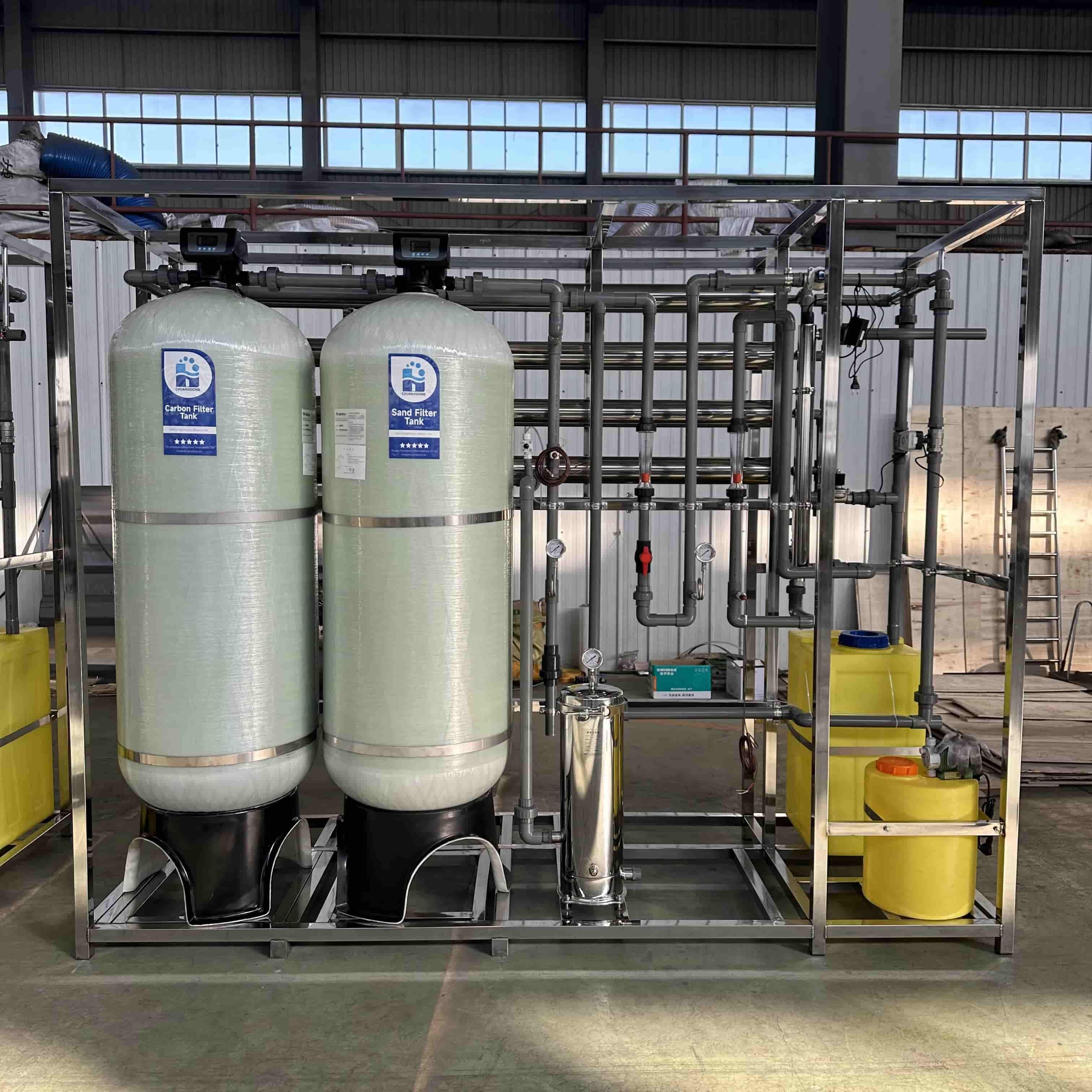
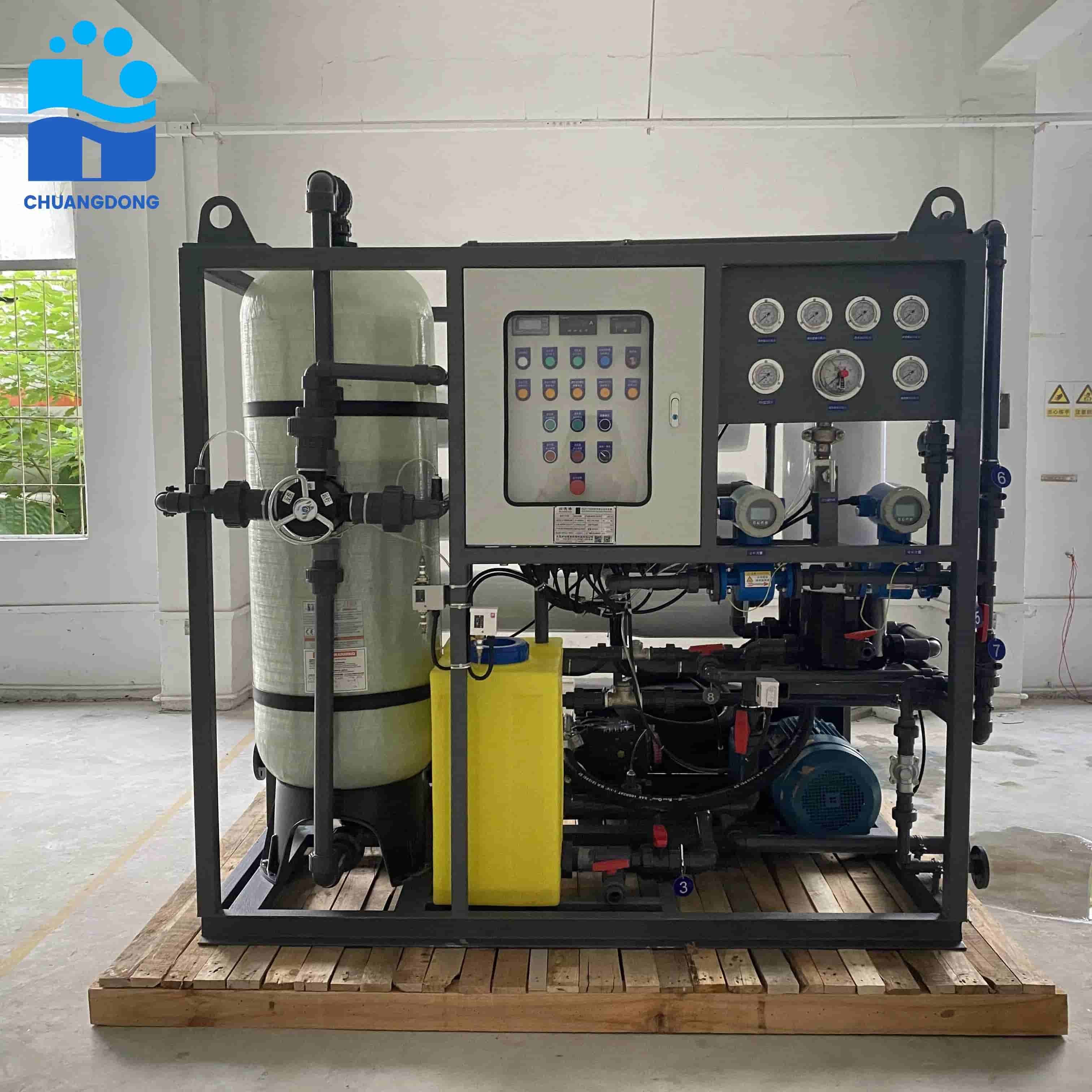
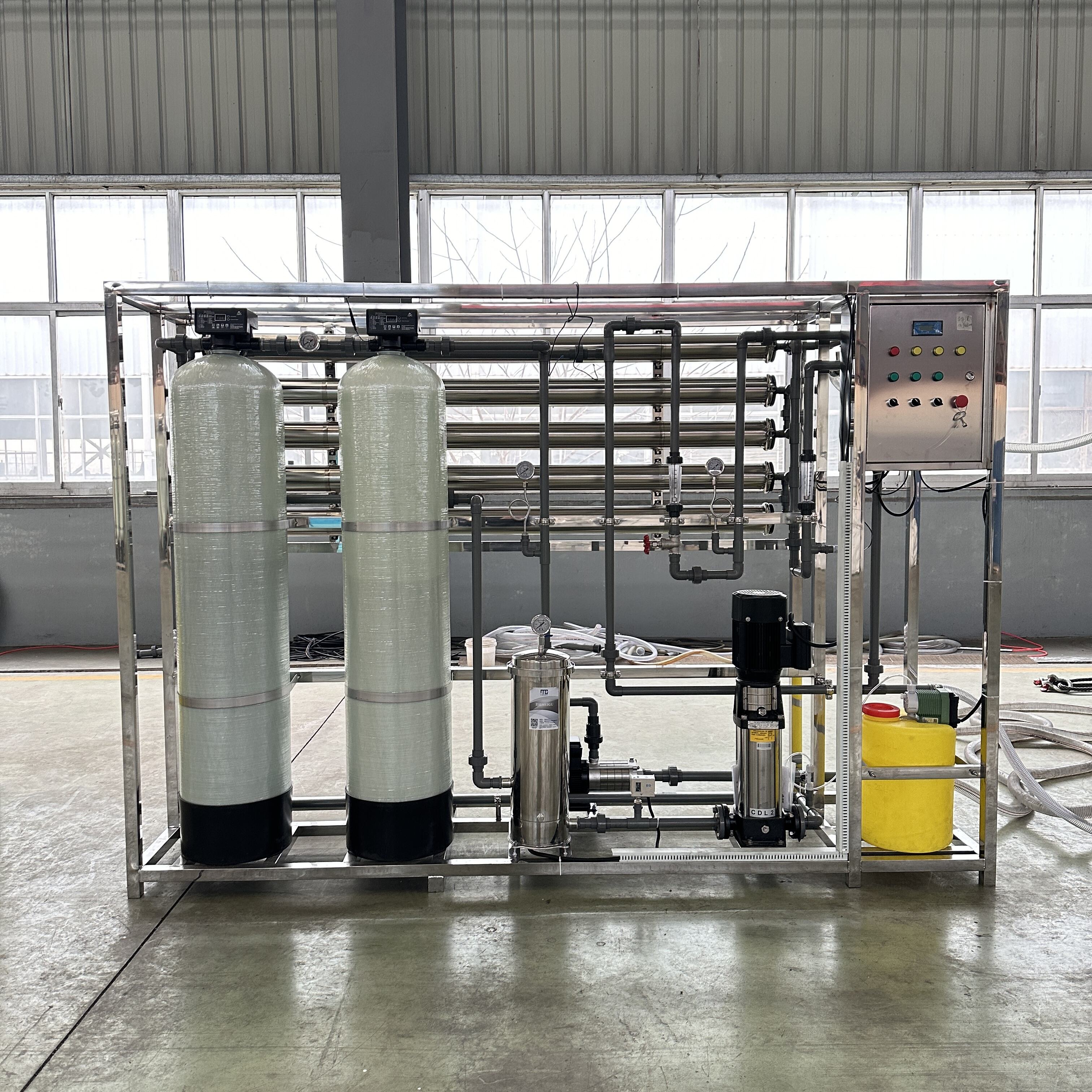
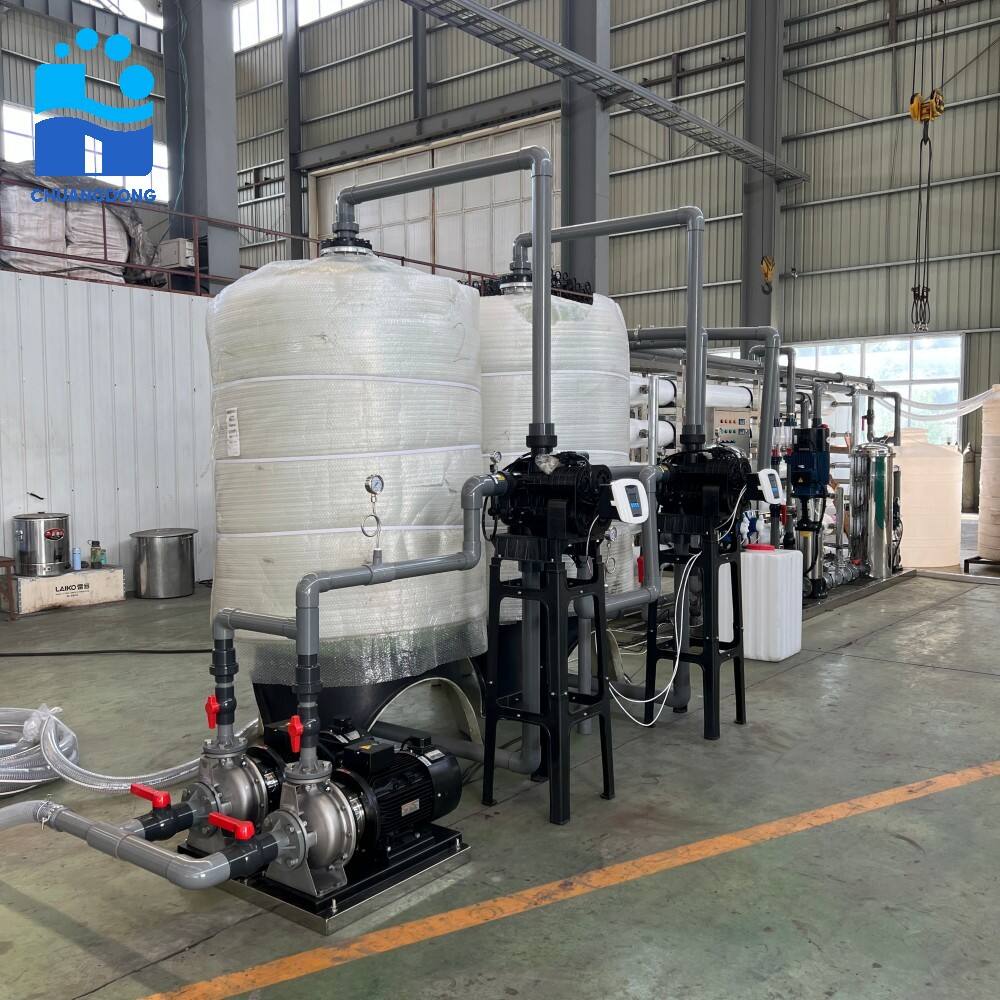
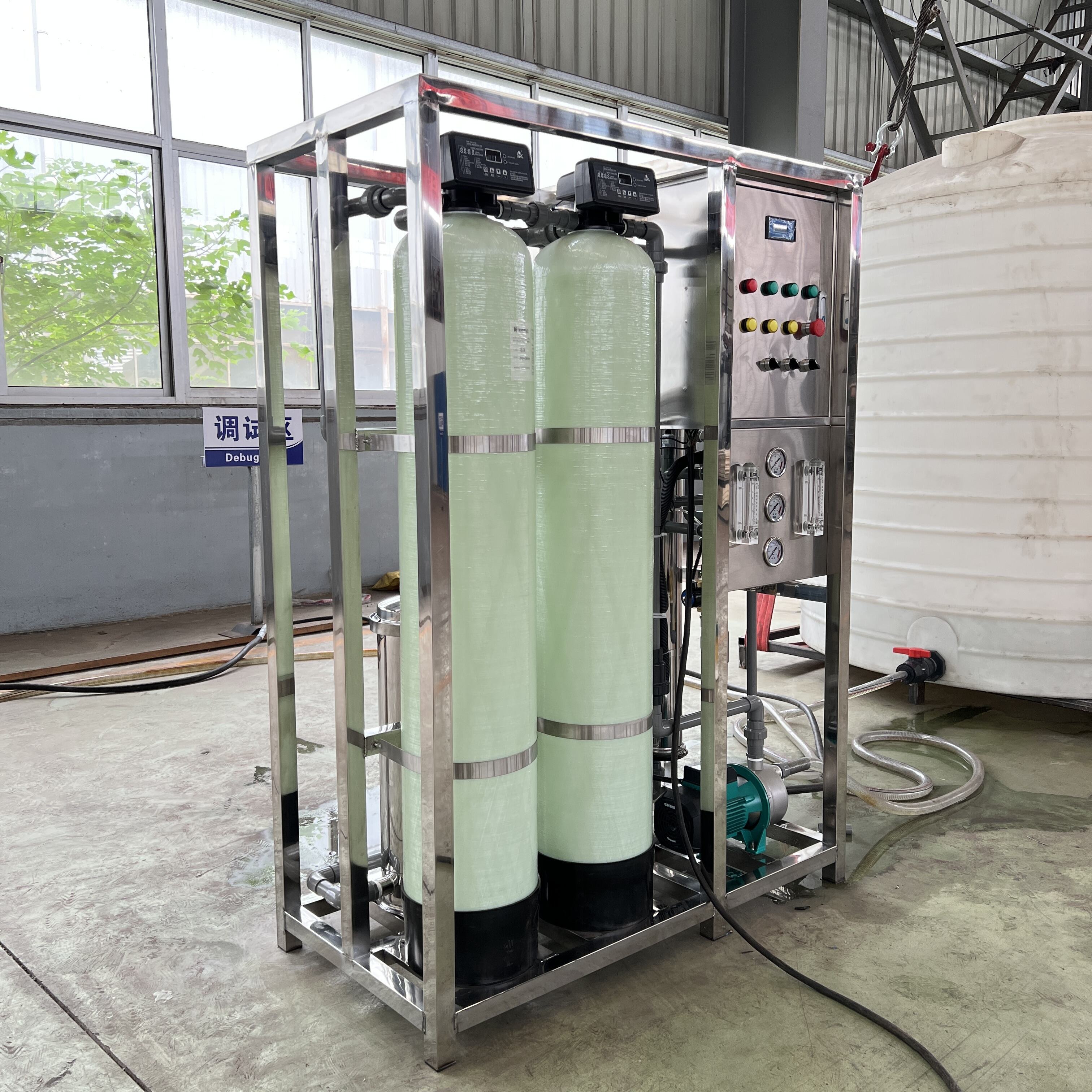
A reverse osmosis system for drinking water is an advanced filtration technology that removes up to 99% of contaminants from your tap water, delivering pure and safe drinking water directly to your home. This system works by forcing water through a semi-permeable membrane under pressure, effectively filtering out dissolved solids, heavy metals, chlorine, fluoride, bacteria, viruses, and other harmful substances that standard filters cannot eliminate. The reverse osmosis system for drinking water typically consists of multiple filtration stages, including a sediment pre-filter, carbon filter, RO membrane, and post-carbon filter, ensuring comprehensive water purification. Modern systems are designed with compact under-sink configurations that save space while providing continuous access to clean water. The technology operates quietly and efficiently, requiring minimal maintenance beyond periodic filter replacements. A reverse osmosis system for drinking water is particularly valuable in areas with poor water quality, high mineral content, or concerns about municipal water treatment effectiveness. These systems can process several gallons of purified water daily, meeting the drinking and cooking needs of average households. Installation is straightforward, typically connecting to your cold water line and featuring a dedicated faucet for dispensed purified water. The reverse osmosis system for drinking water represents a long-term investment in health and wellness, eliminating the need for bottled water while reducing plastic waste and ongoing expenses associated with purchasing filtered water.

New Product Releases

Installing a reverse osmosis system for drinking water provides immediate and lasting benefits that protect your family's health while delivering significant cost savings. You'll notice better-tasting water and beverages as the system eliminates the chlorine taste, metallic flavors, and odors commonly found in municipal water supplies. The multi-stage filtration process ensures that lead, arsenic, nitrates, and pharmaceutical residues are removed, providing peace of mind especially for households with children, elderly members, or anyone with compromised immune systems. Operationally, these systems are remarkably efficient and user-friendly, requiring only simple filter changes every six to twelve months depending on usage and water quality. The reverse osmosis system for drinking water operates automatically whenever you turn on the dedicated faucet, with no complex settings or monitoring required. You'll eliminate the inconvenience of buying, storing, and disposing of plastic water bottles, freeing up storage space and reducing your environmental footprint substantially. The system pays for itself within one to two years compared to bottled water costs, while delivering superior quality water at just pennies per gallon. For cooking enthusiasts, purified water enhances the flavor of coffee, tea, soups, and recipes by removing impurities that interfere with taste. The reverse osmosis system for drinking water is suitable for various applications including residential homes, apartments, offices, and small businesses. Decision-makers appreciate the reliable performance, low maintenance requirements, and the tangible improvement in water quality that's immediately noticeable. This investment protects your plumbing and appliances from scale buildup caused by hard water minerals, extending their lifespan and reducing repair costs over time.

Latest News

How Do You Sanitize and Maintain the Storage Tank of Your Residential Reverse Osmosis System?

30

Mar

How Do You Sanitize and Maintain the Storage Tank of Your Residential Reverse Osmosis System?

Proper sanitization and maintenance of your reverse osmosis system storage tank is crucial for ensuring clean, safe drinking water in your home. The storage tank serves as the reservoir that holds your purified water until you need it, but without re...
View More
How Does a Water Treatment System with Activated Carbon Improve Taste and Odor?

07

May

How Does a Water Treatment System with Activated Carbon Improve Taste and Odor?

Water quality concerns extend beyond visible contaminants and microbiological safety to include sensory characteristics that directly affect consumer acceptance and satisfaction. Even when water meets regulatory standards for chemical and biological ...
View More
How Does a Water Softener System with a Pre-Filter Protect the Resin from Sediment Damage?

07

May

How Does a Water Softener System with a Pre-Filter Protect the Resin from Sediment Damage?

Water softening technology relies on ion exchange resin beads to remove hardness minerals from incoming water supplies, but these delicate resin materials face constant threat from suspended particles, turbidity, and debris present in untreated sourc...
View More
How Does the 0.0001-Micron Membrane in Your Reverse Osmosis System Ensure Removal of Microplastics?

07

May

How Does the 0.0001-Micron Membrane in Your Reverse Osmosis System Ensure Removal of Microplastics?

Microplastic contamination has emerged as one of the most pressing environmental and health challenges of the 21st century, with these microscopic particles infiltrating water supplies worldwide. As industrial facilities, municipal water treatment pl...
View More

Get a Free Quote

Our representative will contact you soon.
Email
Name
Company Name
Message
0/1000

reverse osmosis system for drinking water

Superior Multi-Stage Filtration Technology

Superior Multi-Stage Filtration Technology

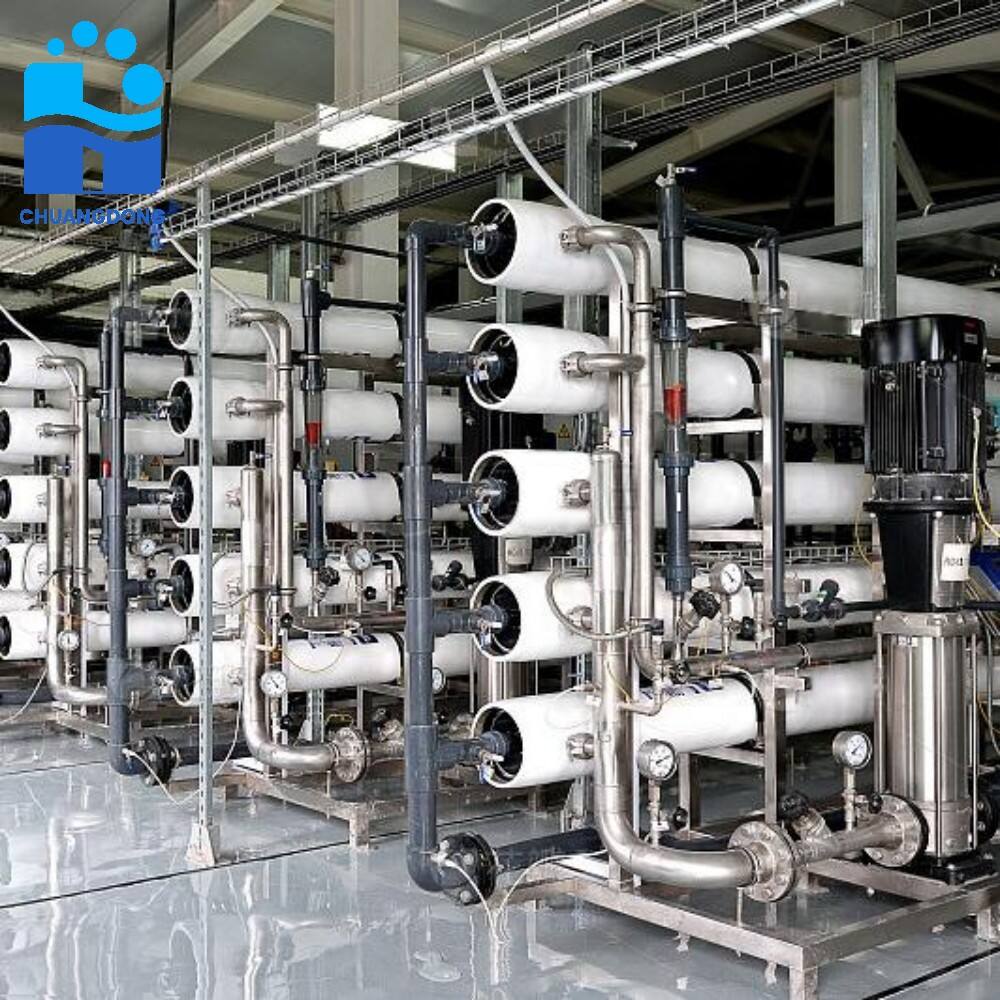
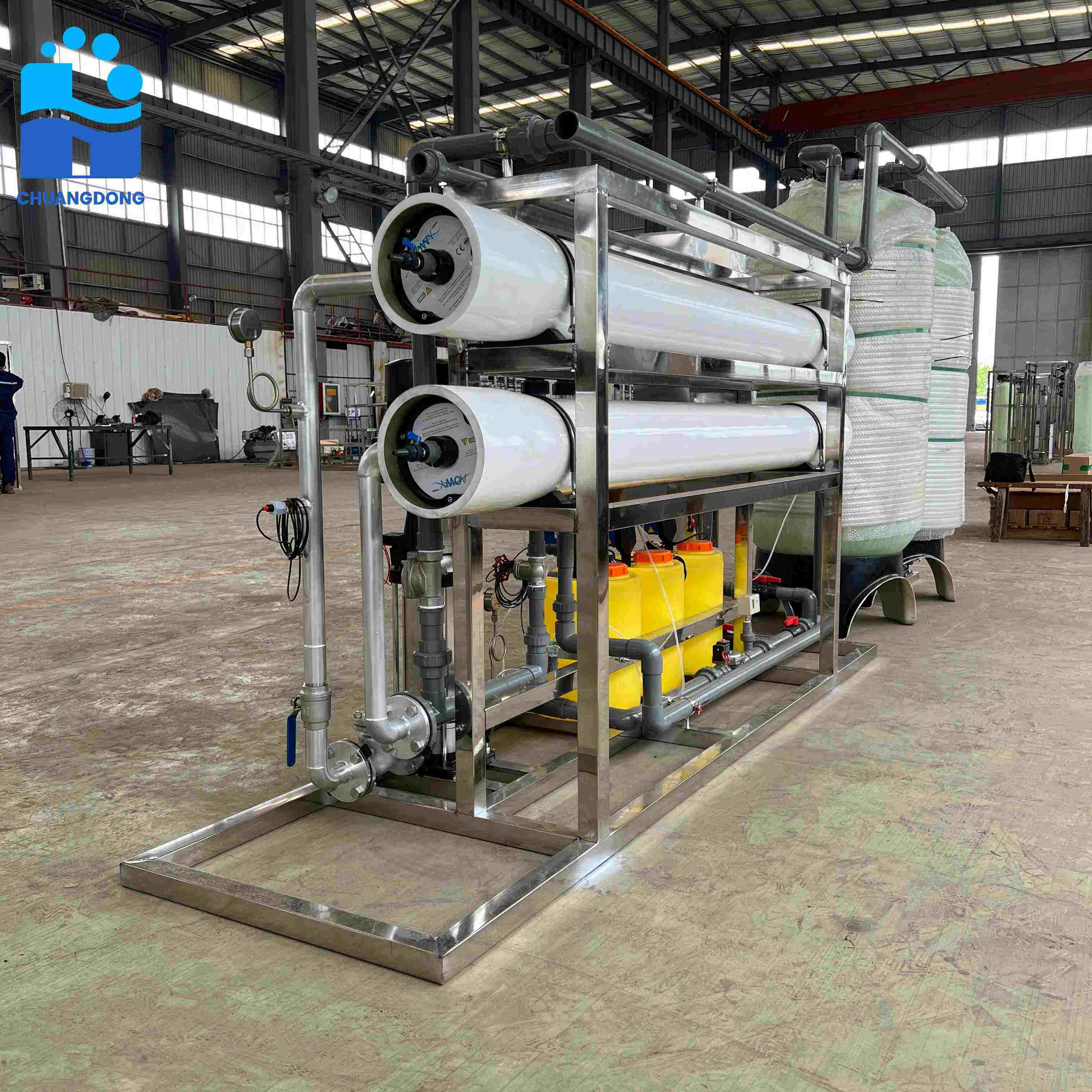
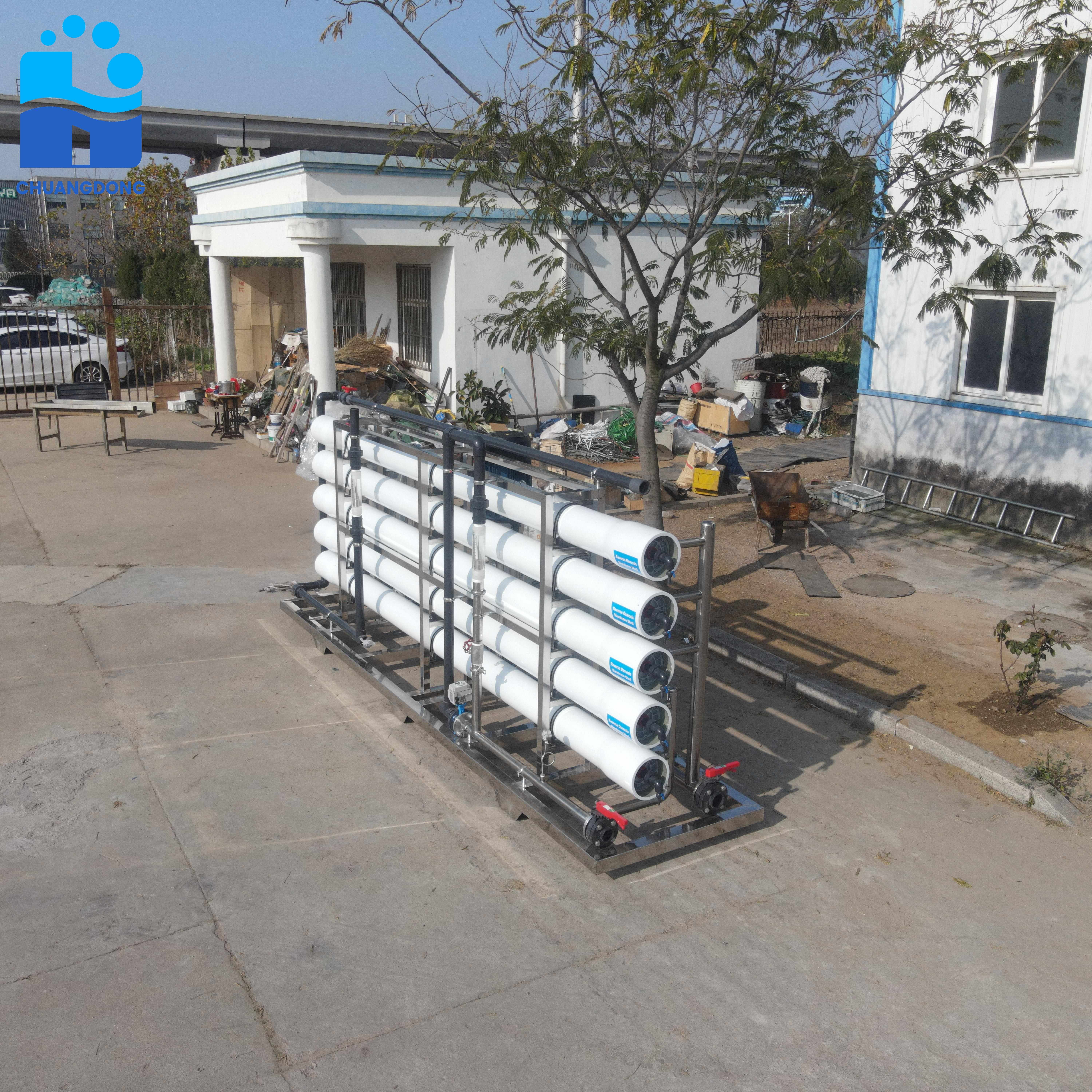
The reverse osmosis system for drinking water employs a sophisticated multi-barrier approach that sets it apart from conventional water filters. The process begins with a sediment filter that captures larger particles like rust, sand, and dirt, protecting downstream components from damage and clogging. Next, an activated carbon filter removes chlorine, volatile organic compounds, and chemicals that affect taste and odor. The heart of the system is the semi-permeable RO membrane, which operates at the molecular level to reject contaminants as small as 0.0001 microns, including dissolved salts, heavy metals like lead and mercury, fluoride, and microbiological contaminants. A final polishing filter ensures the water tastes crisp and fresh before it reaches your glass. This comprehensive filtration cascade achieves purification levels that exceed EPA standards and rival or surpass bottled water quality. The reverse osmosis system for drinking water is engineered with high-quality components designed for durability and consistent performance, ensuring that every glass of water meets the highest purity standards without fluctuation in quality.
Space-Efficient Design with Easy Maintenance

Space-Efficient Design with Easy Maintenance

Modern reverse osmosis system for drinking water units feature compact, space-saving designs that fit neatly under standard kitchen sinks without sacrificing storage space. The streamlined configuration includes a storage tank that holds several gallons of purified water, ensuring immediate availability whenever you need it without waiting for the filtration process. Installation is straightforward and can typically be completed in a few hours by following clear instructions, though professional installation services are available for those who prefer expert setup. The system includes a dedicated designer faucet that mounts on your countertop or sink, providing convenient access to purified water separate from your regular tap. Maintenance is remarkably simple, with color-coded or clearly labeled filter cartridges that twist or snap into place for quick replacement without tools or plumbing knowledge. The reverse osmosis system for drinking water features leak-prevention technology and automatic shut-off valves that protect against overflow and water waste. Most systems include visual or audible indicators that remind you when filter changes are due, eliminating guesswork and ensuring optimal performance throughout the system's lifespan.
Cost-Effective and Environmentally Responsible Solution

Cost-Effective and Environmentally Responsible Solution

Choosing a reverse osmosis system for drinking water represents a smart financial decision that delivers exceptional value over its operational lifetime. The average household spending on bottled water can easily exceed several hundred dollars annually, while a home RO system produces equivalent or superior quality water for just pennies per gallon after the initial investment. Over a typical system lifespan of ten to fifteen years, the cumulative savings reach thousands of dollars, making it one of the most cost-effective health improvements you can make for your home. Beyond personal savings, you'll contribute to environmental conservation by eliminating the purchase of single-use plastic bottles, which require significant energy to produce and transport, and often end up in landfills or oceans. The reverse osmosis system for drinking water operates using only your existing water pressure, requiring no electricity for basic models, further reducing your environmental impact and operating costs. For families committed to sustainability, this system aligns perfectly with green living principles while providing practical daily benefits. The reduced plastic consumption translates to fewer trips to the store carrying heavy water cases, saving time and effort while supporting a healthier planet for future generations.

Get a Free Quote

Our representative will contact you soon.
Email
Name
Company Name
Message
0/1000