Industrial RO System Solutions for Water Purity

Get a Free Quote

Our representative will contact you soon.
Email
Name
Company Name
Message
0/1000

industrial ro system

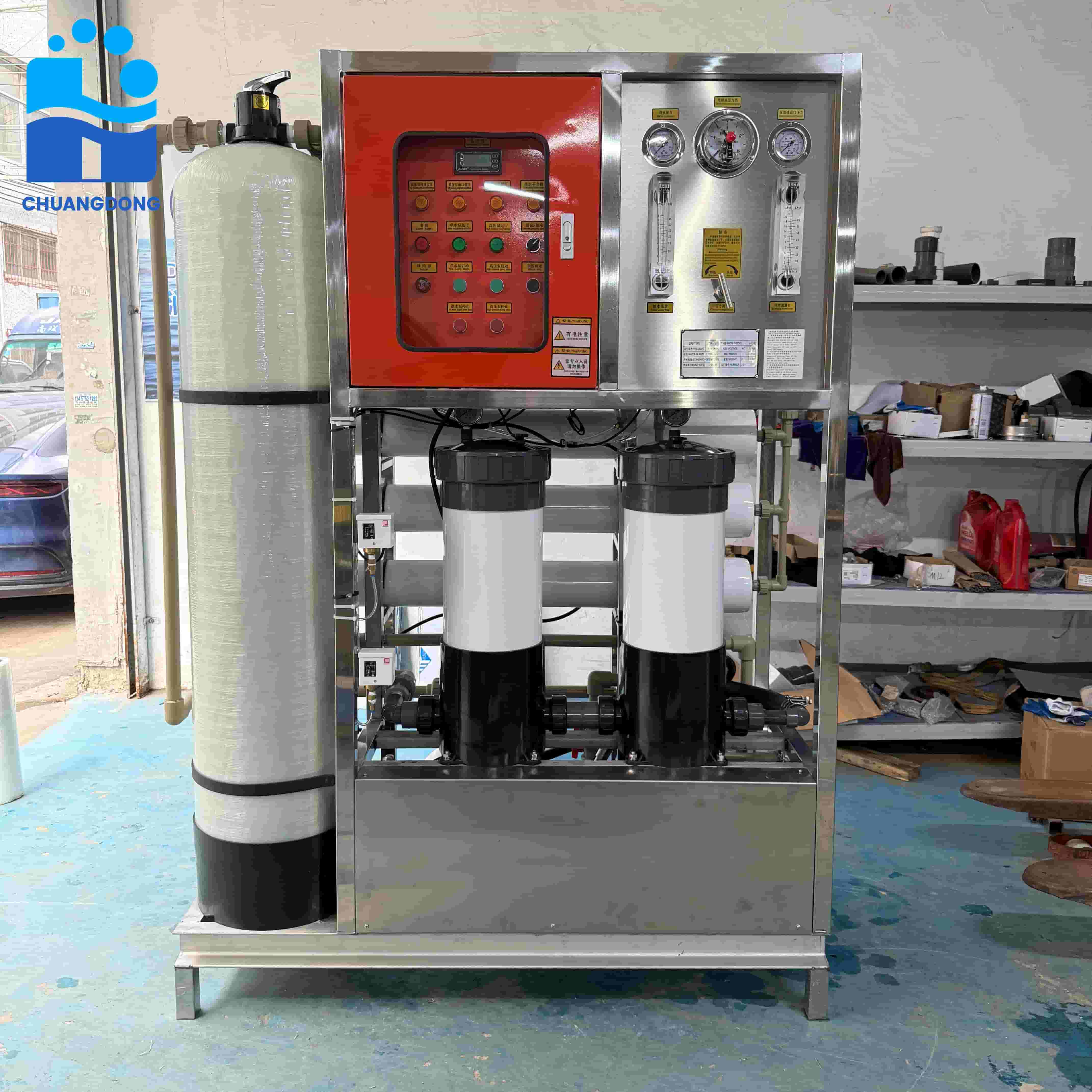
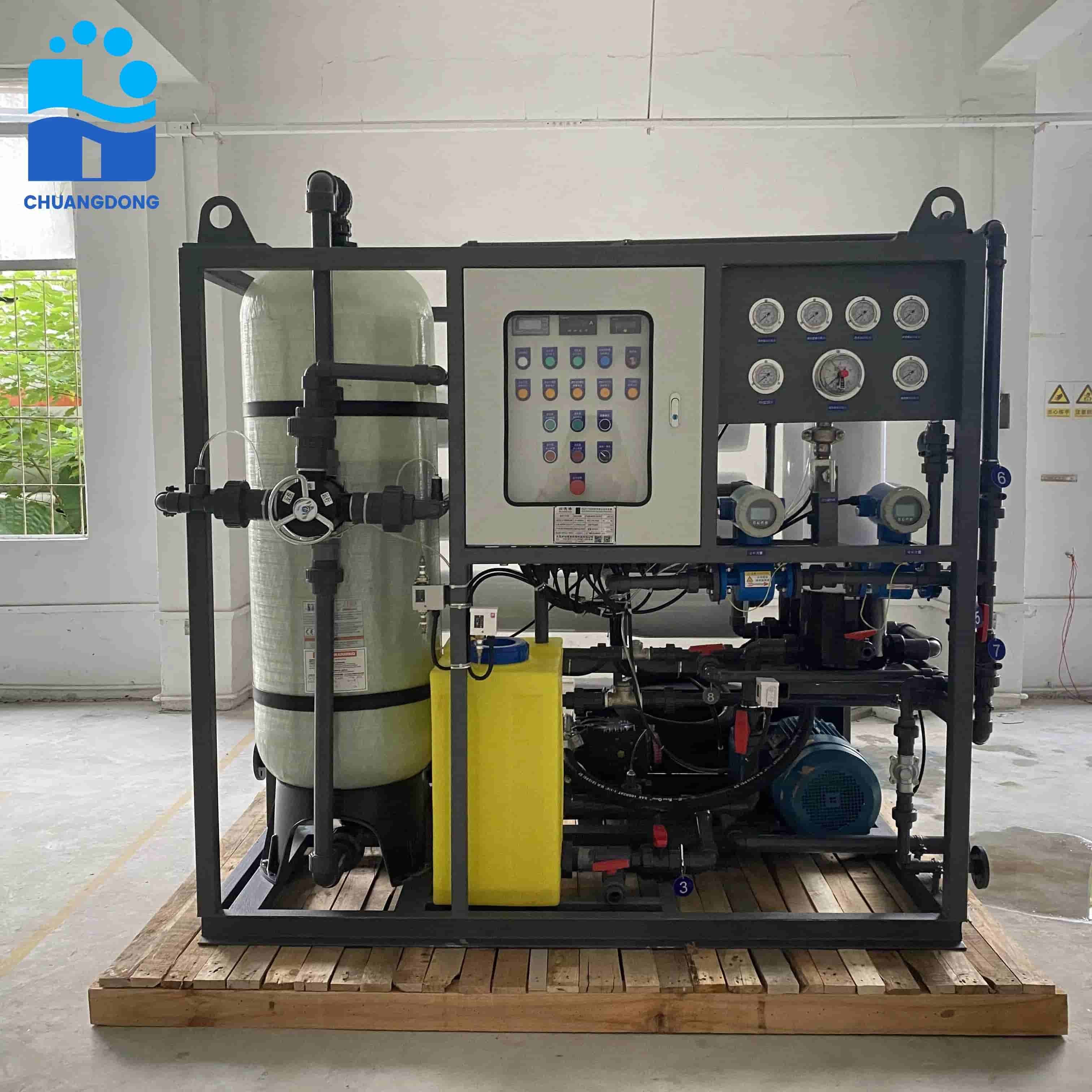
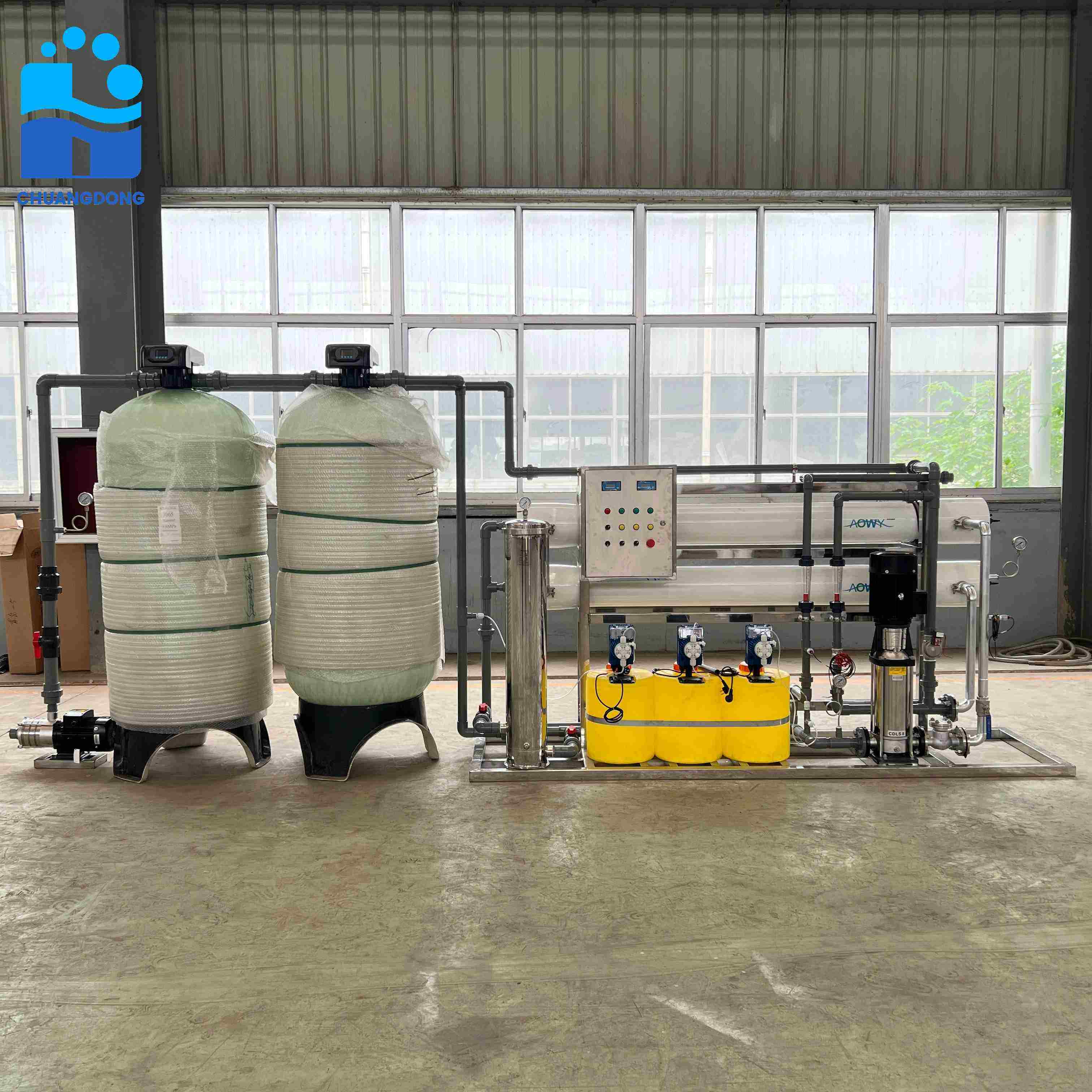
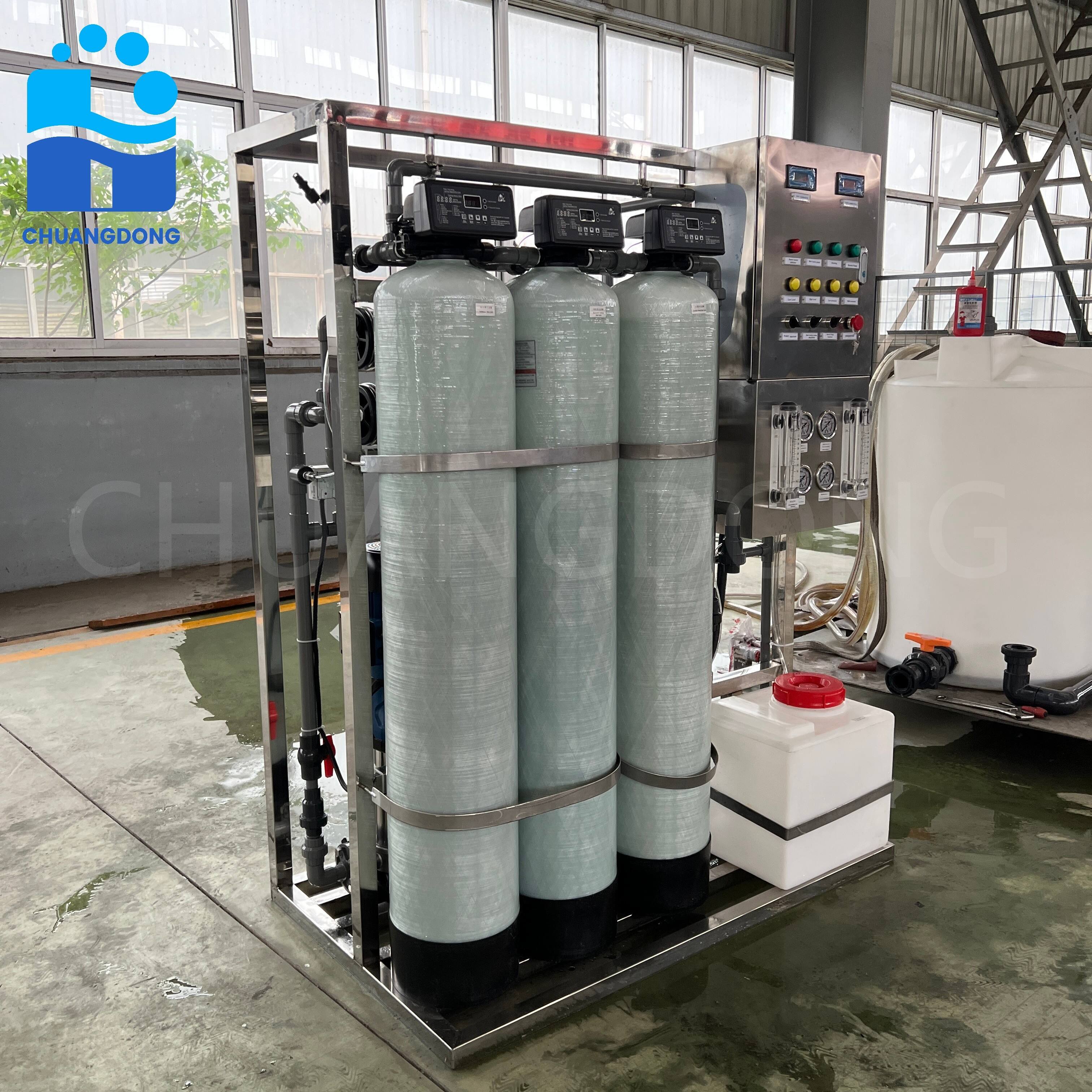
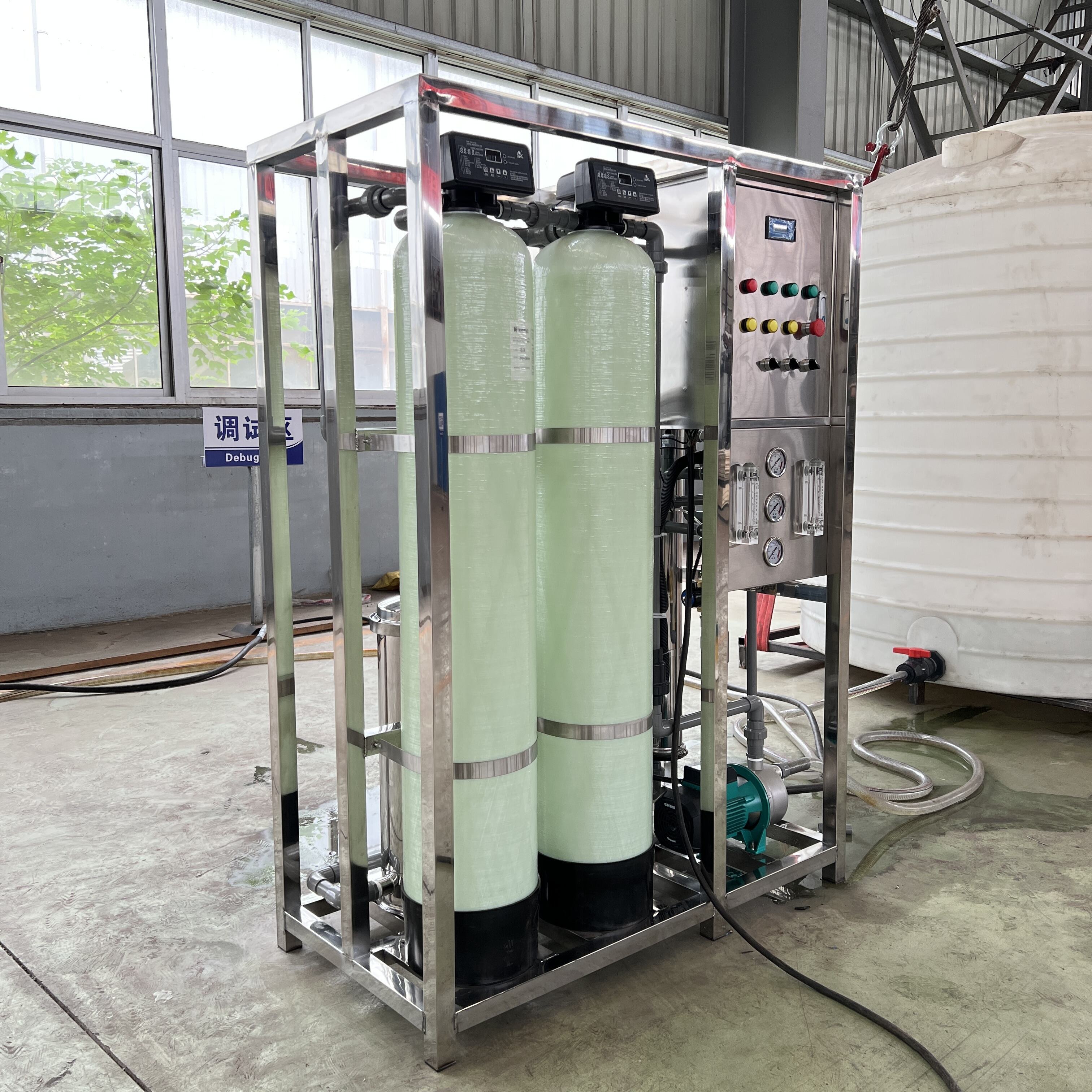
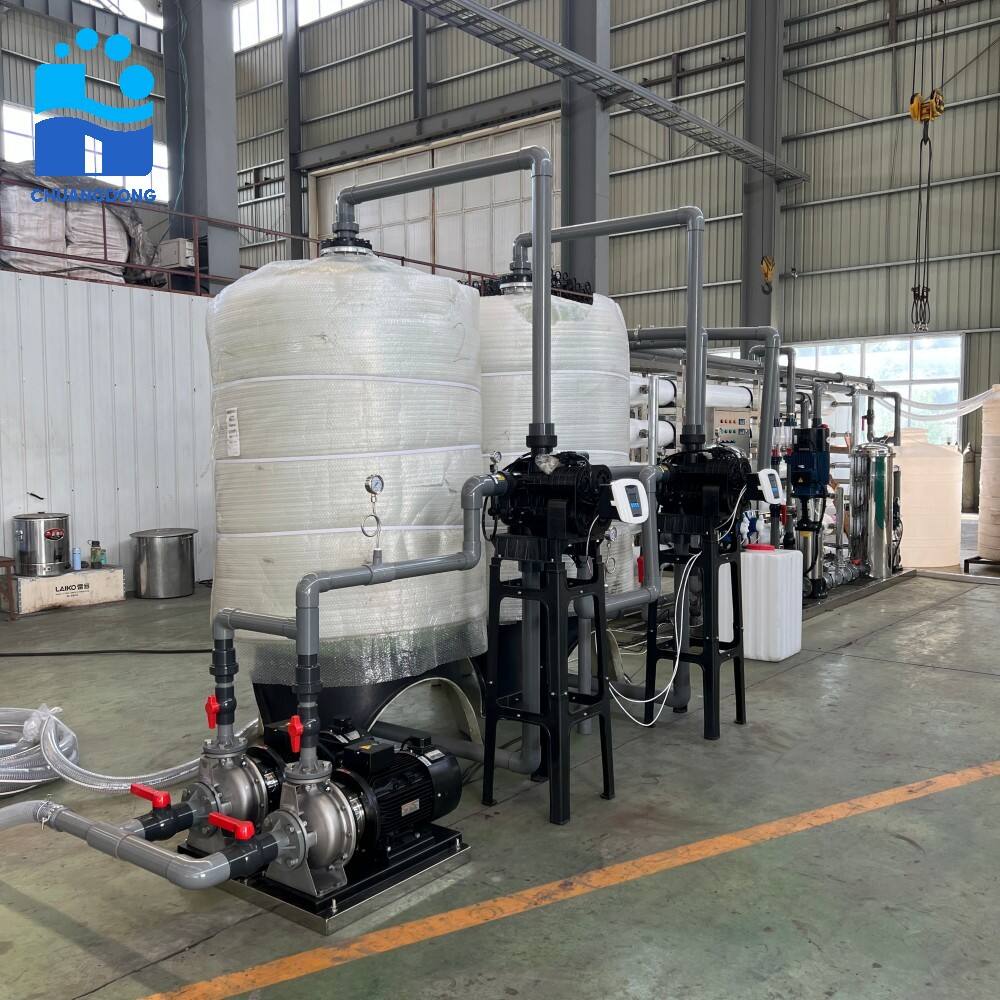
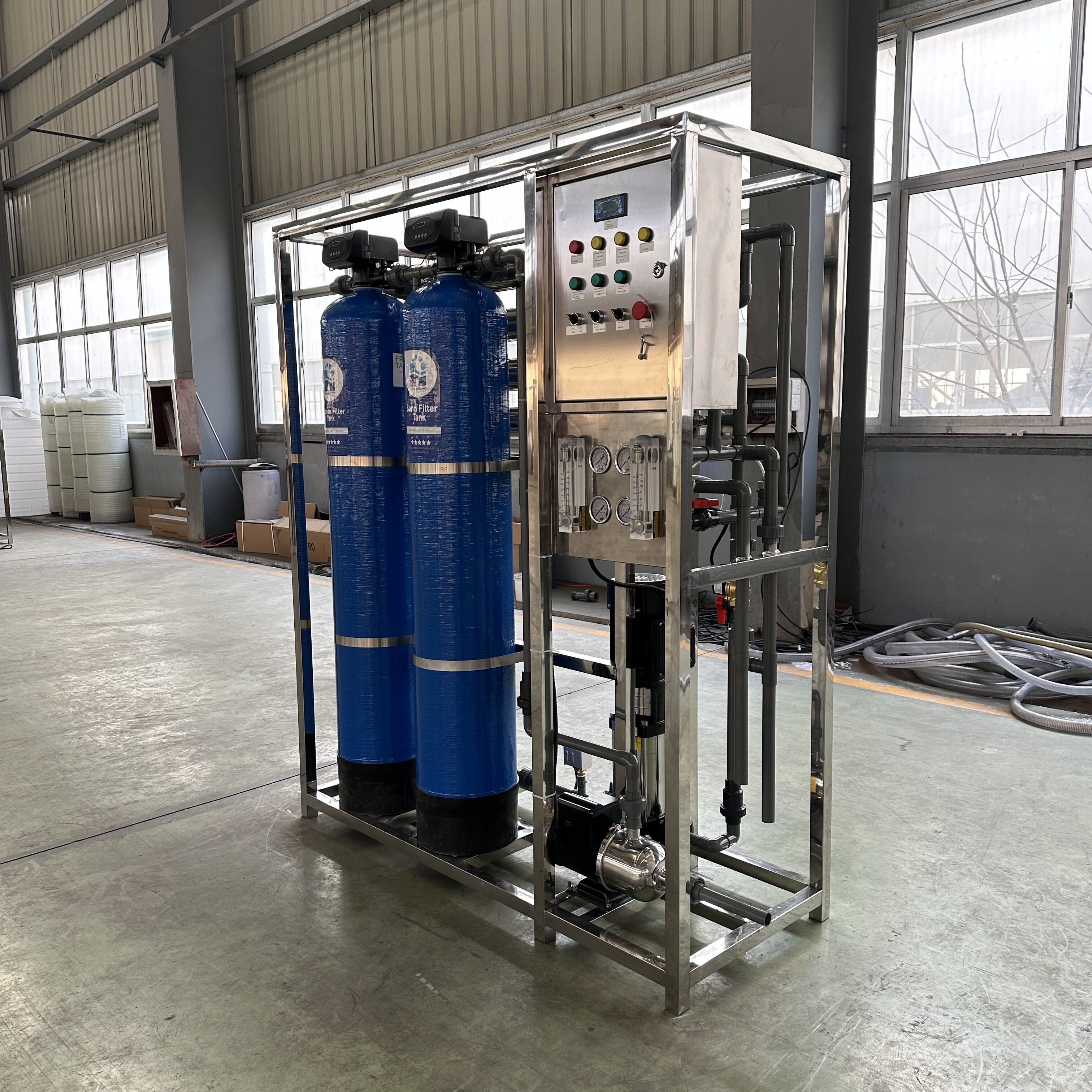
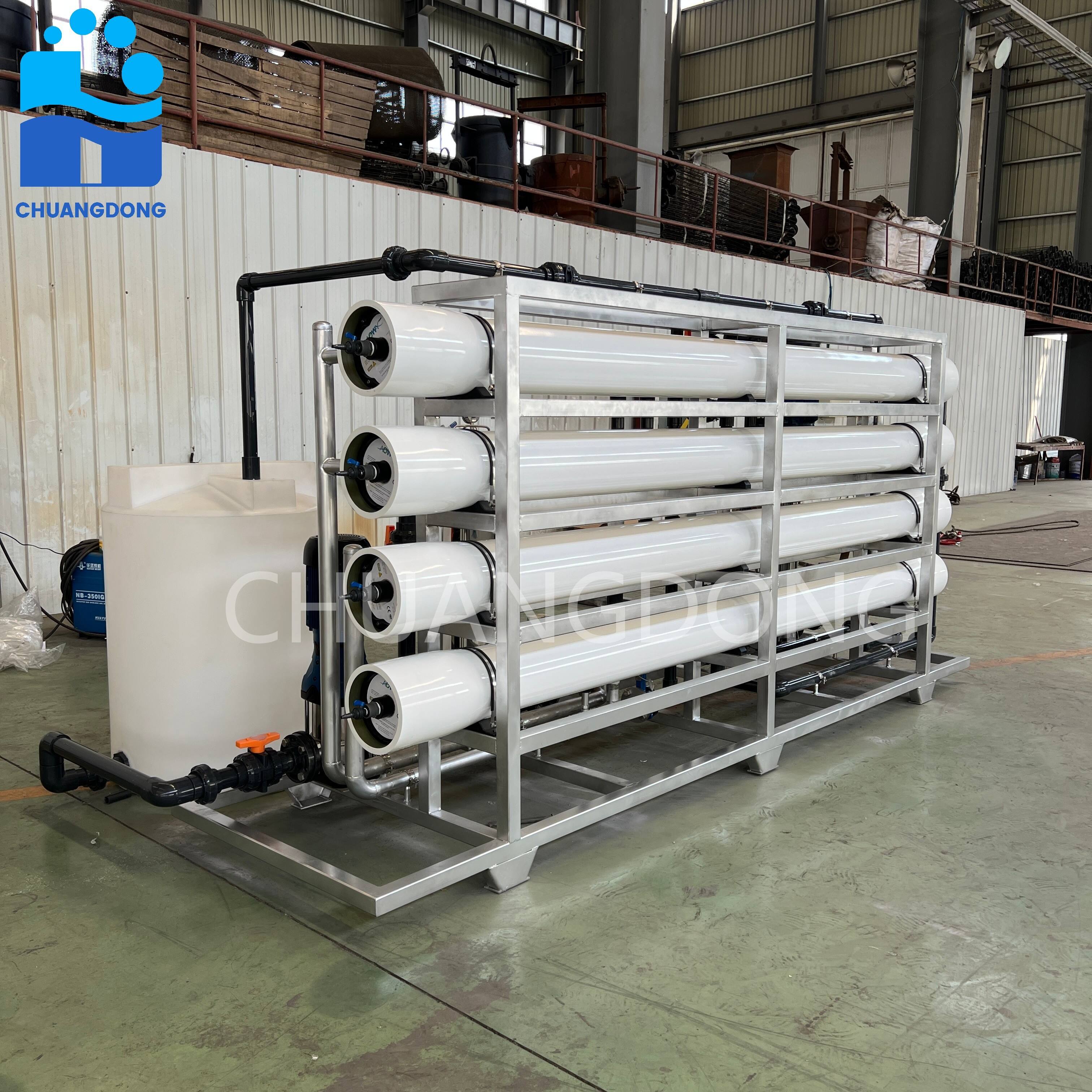
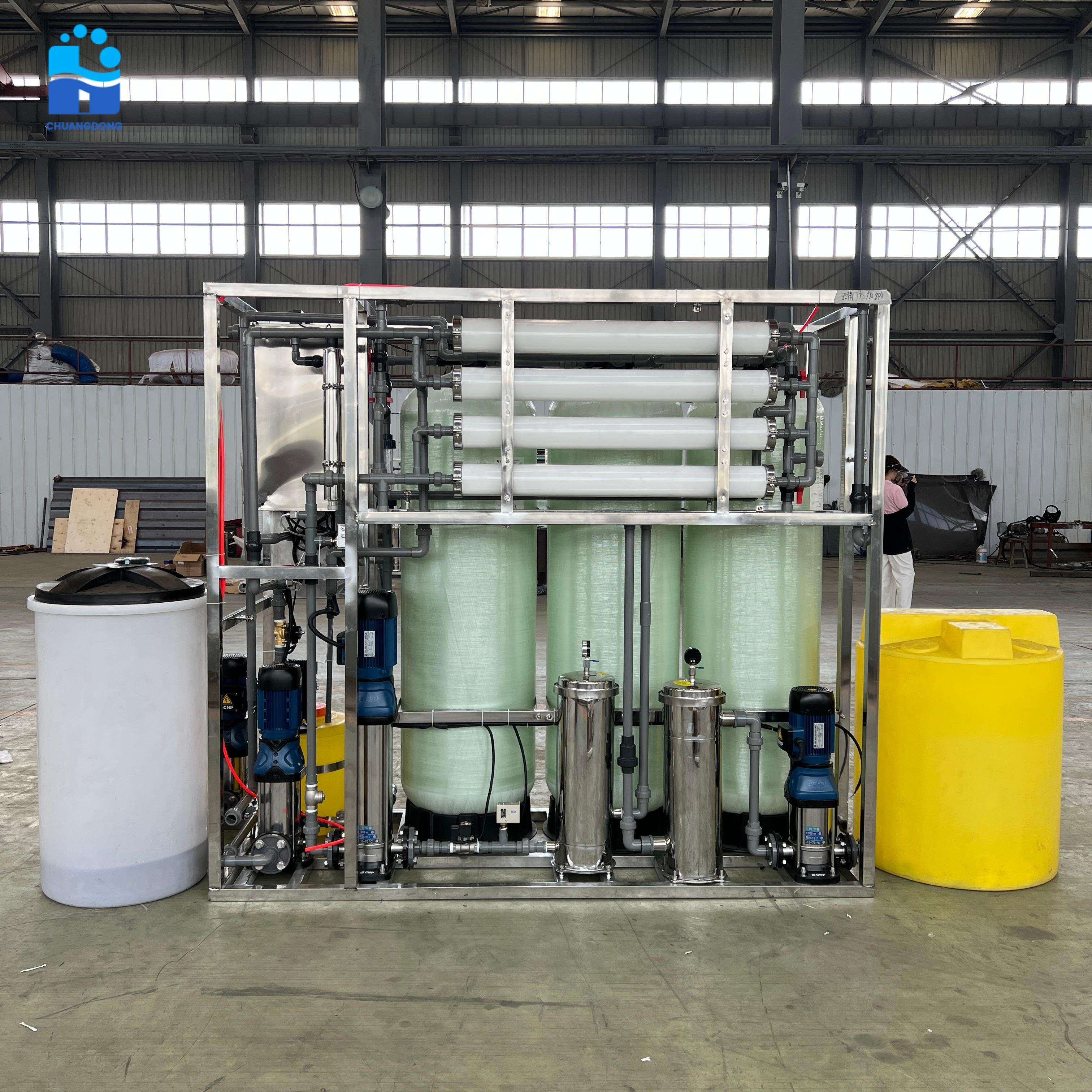
An industrial ro system is a sophisticated water purification technology designed to remove contaminants, dissolved solids, and impurities from large-scale water sources. This advanced filtration solution uses reverse osmosis membranes that force water through semi-permeable barriers under high pressure, effectively separating pure water from unwanted substances. The industrial ro system operates by applying pressure that exceeds the natural osmotic pressure, pushing water molecules through microscopic pores while blocking larger particles, minerals, salts, and organic compounds. These systems are engineered to handle substantial water volumes, making them essential for manufacturing facilities, pharmaceutical companies, food and beverage producers, and power generation plants. The technological framework includes pre-treatment stages with sediment filters and carbon filtration units that protect the delicate ro membranes from damage. Advanced monitoring systems track water quality parameters such as total dissolved solids, conductivity, and pH levels in real-time. The industrial ro system delivers consistently pure water that meets stringent regulatory standards and production requirements. Applications span diverse industries including electronics manufacturing where ultra-pure water is critical, chemical processing plants requiring precise water quality, hospitals needing sterile water supplies, and commercial facilities managing water resources efficiently. The modular design allows customization based on specific flow rates, water quality objectives, and operational constraints, ensuring each industrial ro system addresses unique purification challenges effectively.

Popular Products

Investing in an industrial ro system delivers substantial cost savings by reducing dependency on expensive bottled water or external water delivery services. These systems provide continuous access to purified water on-site, eliminating transportation costs and supply chain vulnerabilities. The operational efficiency of an industrial ro system translates to lower energy consumption compared to alternative purification methods like distillation, making it an environmentally responsible choice that reduces your carbon footprint. Businesses benefit from improved product quality when using purified water in manufacturing processes, leading to fewer defects, enhanced consistency, and better end-product performance. The industrial ro system requires minimal maintenance with straightforward membrane replacement schedules, reducing downtime and labor expenses. Automated monitoring features alert operators to potential issues before they escalate, preventing costly emergency repairs and ensuring uninterrupted operations. These systems scale easily to accommodate business growth, allowing you to increase capacity without complete infrastructure overhauls. Water recovery rates reach up to 75 percent in modern industrial ro system configurations, maximizing resource utilization and minimizing waste disposal costs. The compact footprint of these units saves valuable factory floor space compared to conventional treatment systems. Regulatory compliance becomes simpler as an industrial ro system consistently produces water meeting health and safety standards, reducing compliance risks and potential penalties. Long-term return on investment is substantial, with many facilities recovering initial costs within two to four years through operational savings. The versatility of an industrial ro system means one platform can serve multiple applications across your facility, from process water to employee drinking water, maximizing equipment utilization and value.

Tips And Tricks

How Do You Maintain Critical Pumps and Valves in a Large-Scale Water Treatment Plant?

30

Mar

How Do You Maintain Critical Pumps and Valves in a Large-Scale Water Treatment Plant?

Maintaining critical pumps and valves in a large-scale water treatment plant requires systematic planning, specialized expertise, and rigorous execution protocols. The complexity of modern water treatment facilities demands that operators understand ...
View More
How Do You Choose the Location for a New Desalination Plant to Ensure Seawater Quality?

07

May

How Do You Choose the Location for a New Desalination Plant to Ensure Seawater Quality?

Selecting the optimal location for a new desalination plant is one of the most critical decisions in the planning and development process, directly impacting the quality of seawater intake, operational efficiency, and the long-term sustainability of ...
View More
How Does a Water Treatment System with Activated Carbon Improve Taste and Odor?

07

May

How Does a Water Treatment System with Activated Carbon Improve Taste and Odor?

Water quality concerns extend beyond visible contaminants and microbiological safety to include sensory characteristics that directly affect consumer acceptance and satisfaction. Even when water meets regulatory standards for chemical and biological ...
View More
Can a Desalination Plant Provide Water That's Safe for Both Drinking and Irrigation?

01

Jun

Can a Desalination Plant Provide Water That's Safe for Both Drinking and Irrigation?

The question of whether a desalination plant can reliably produce water safe for both drinking and irrigation is one that water engineers, agricultural planners, and municipal authorities are asking with increasing urgency. As freshwater scarcity int...
View More

Get a Free Quote

Our representative will contact you soon.
Email
Name
Company Name
Message
0/1000

industrial ro system

Superior Contaminant Removal Efficiency

Superior Contaminant Removal Efficiency

The industrial ro system achieves exceptional purification levels by removing up to 99 percent of dissolved solids, bacteria, viruses, and chemical contaminants from source water. This remarkable efficiency stems from the multi-stage filtration process that combines mechanical screening with molecular-level separation. The reverse osmosis membranes feature pore sizes measuring just 0.0001 microns, effectively blocking contaminants while allowing water molecules to pass through freely. This precision filtration eliminates heavy metals like lead and mercury, reduces harmful chemicals including chlorine and fluoride, and removes microorganisms that could compromise product safety or employee health. For industries with critical purity requirements such as pharmaceutical manufacturing or semiconductor production, an industrial ro system provides the reliability necessary to maintain quality standards. The consistent output quality means less variability in production processes, resulting in predictable outcomes and reduced waste from batch failures. Advanced membrane technology resists fouling and maintains performance over extended periods, ensuring your water quality remains stable throughout the operational cycle. This superior contaminant removal capability protects expensive equipment from scale buildup and corrosion, extending machinery lifespan and reducing maintenance frequencies across your facility.
Intelligent Automation and Monitoring

Intelligent Automation and Monitoring

Modern industrial ro system installations incorporate sophisticated automation that optimizes performance while minimizing operator intervention. Programmable logic controllers continuously monitor critical parameters including inlet pressure, permeate flow rates, concentrate discharge, and water quality metrics. These intelligent systems automatically adjust operating conditions to maintain optimal efficiency regardless of fluctuations in source water quality or demand patterns. Real-time data collection provides valuable insights into system performance trends, enabling predictive maintenance that prevents unexpected failures. Remote monitoring capabilities allow technical staff to oversee multiple industrial ro system installations from centralized control rooms, reducing labor costs and improving response times. Automated cleaning cycles activate based on actual membrane condition rather than arbitrary schedules, extending membrane life while maintaining peak performance. The system generates comprehensive reports documenting water quality, production volumes, and operational efficiency for regulatory compliance and internal analysis. Alert notifications via email or text message inform operators immediately when parameters deviate from acceptable ranges, enabling swift corrective action before problems affect production. This automation reduces human error, ensures consistent water quality, and allows personnel to focus on higher-value activities rather than routine monitoring tasks, ultimately improving overall facility productivity and operational reliability.
Flexible Configuration and Scalability

Flexible Configuration and Scalability

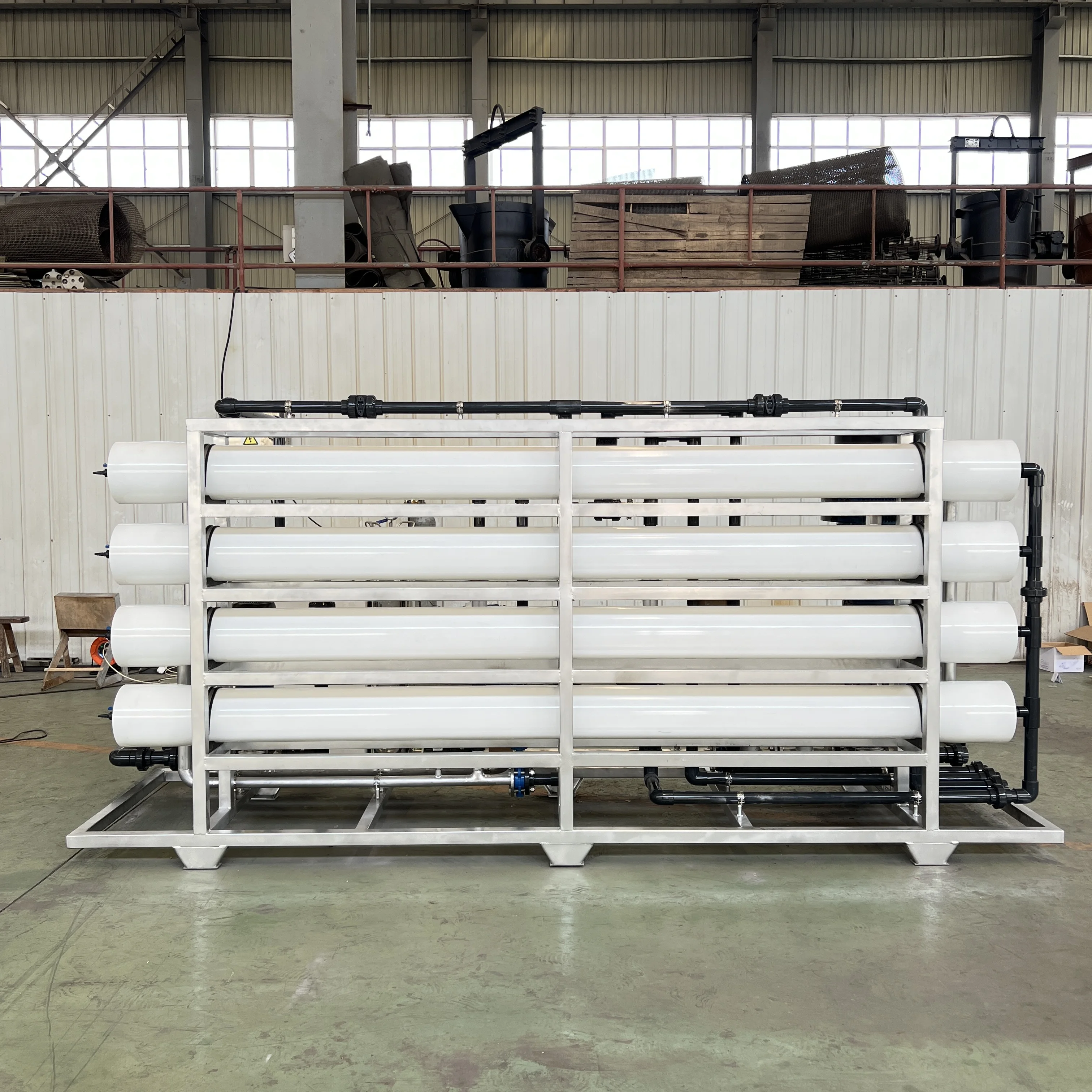
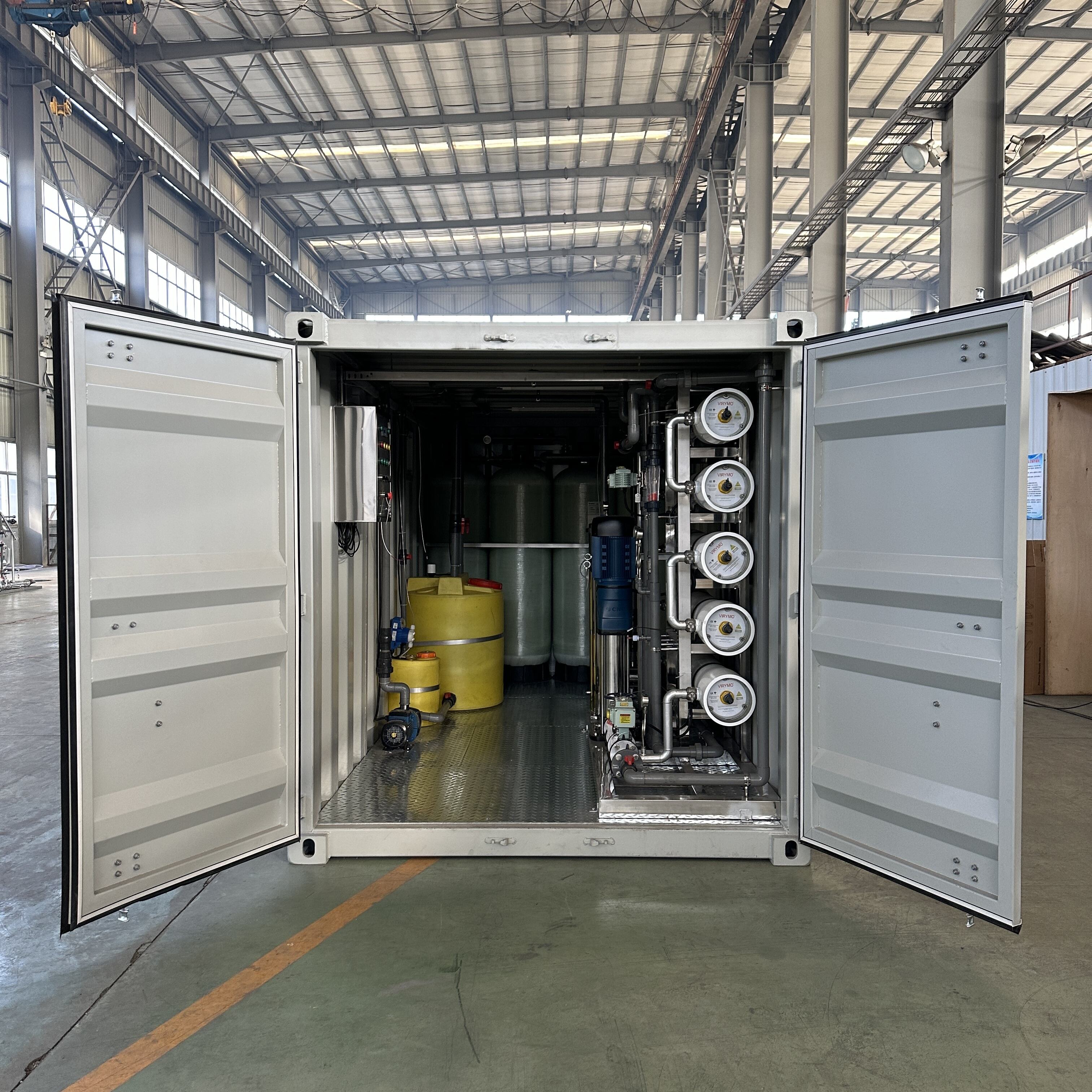
The modular architecture of an industrial ro system provides unmatched flexibility to match your specific operational requirements and future growth plans. Systems can be configured with multiple membrane vessels arranged in parallel or series configurations depending on desired flow rates and rejection requirements. Capacity ranges from compact units producing hundreds of gallons per day for small operations to large-scale installations generating millions of gallons daily for major industrial complexes. This scalability means you can start with a system sized for current needs and expand capacity incrementally as demand increases, protecting your capital investment while accommodating business growth. Pre-engineered skid-mounted designs simplify installation and commissioning, reducing deployment time from months to weeks. The industrial ro system adapts to various source water conditions including municipal supplies, brackish groundwater, or even seawater with appropriate membrane selection. Custom pre-treatment configurations address specific challenges like high iron content, organic loading, or hardness issues that might affect membrane performance. Post-treatment options including pH adjustment, remineralization, or disinfection can be integrated seamlessly to meet exact application specifications. This configurability ensures your industrial ro system delivers precisely the water quality you need without paying for unnecessary over-engineering, optimizing both performance and investment efficiency for your unique operational context.

Get a Free Quote

Our representative will contact you soon.
Email
Name
Company Name
Message
0/1000