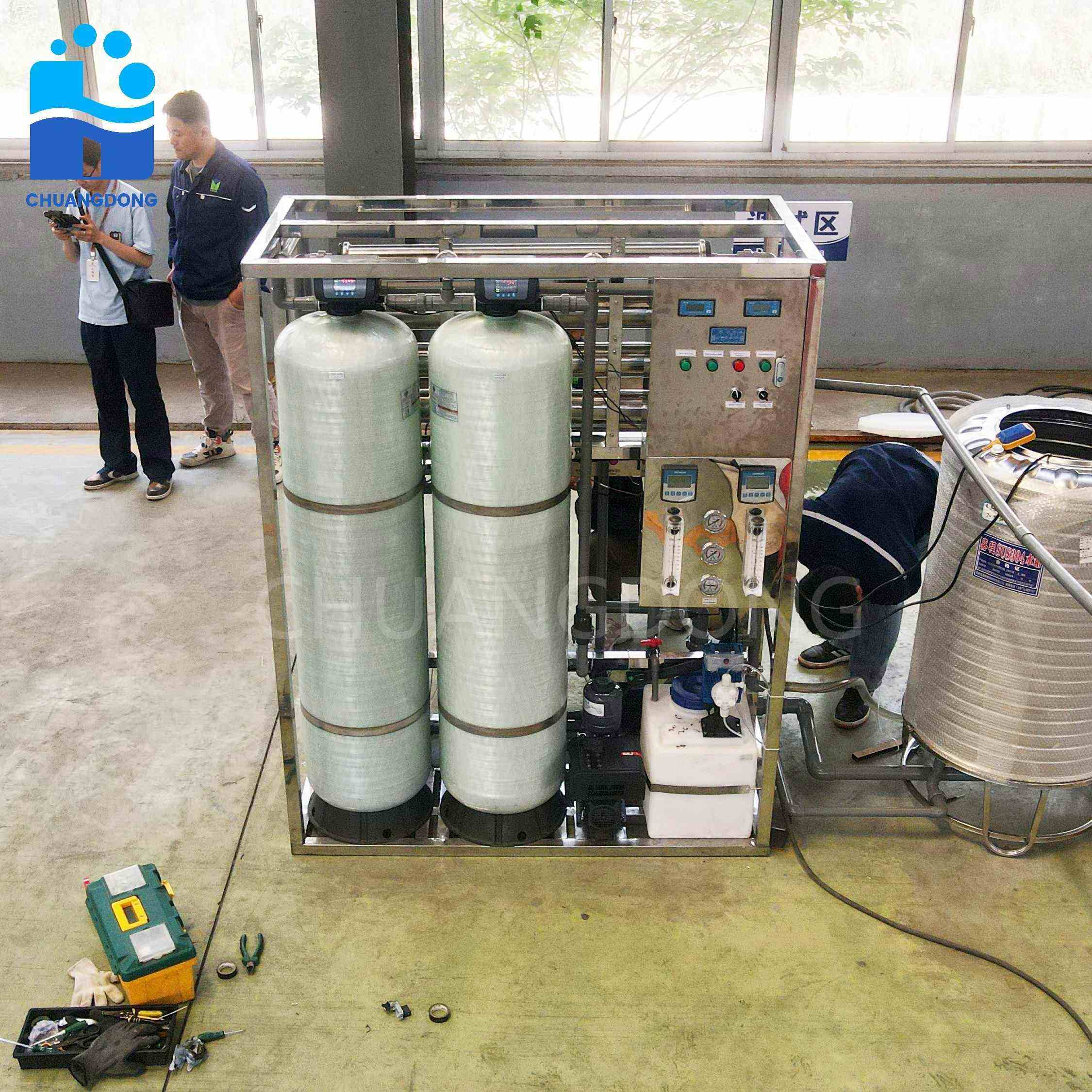
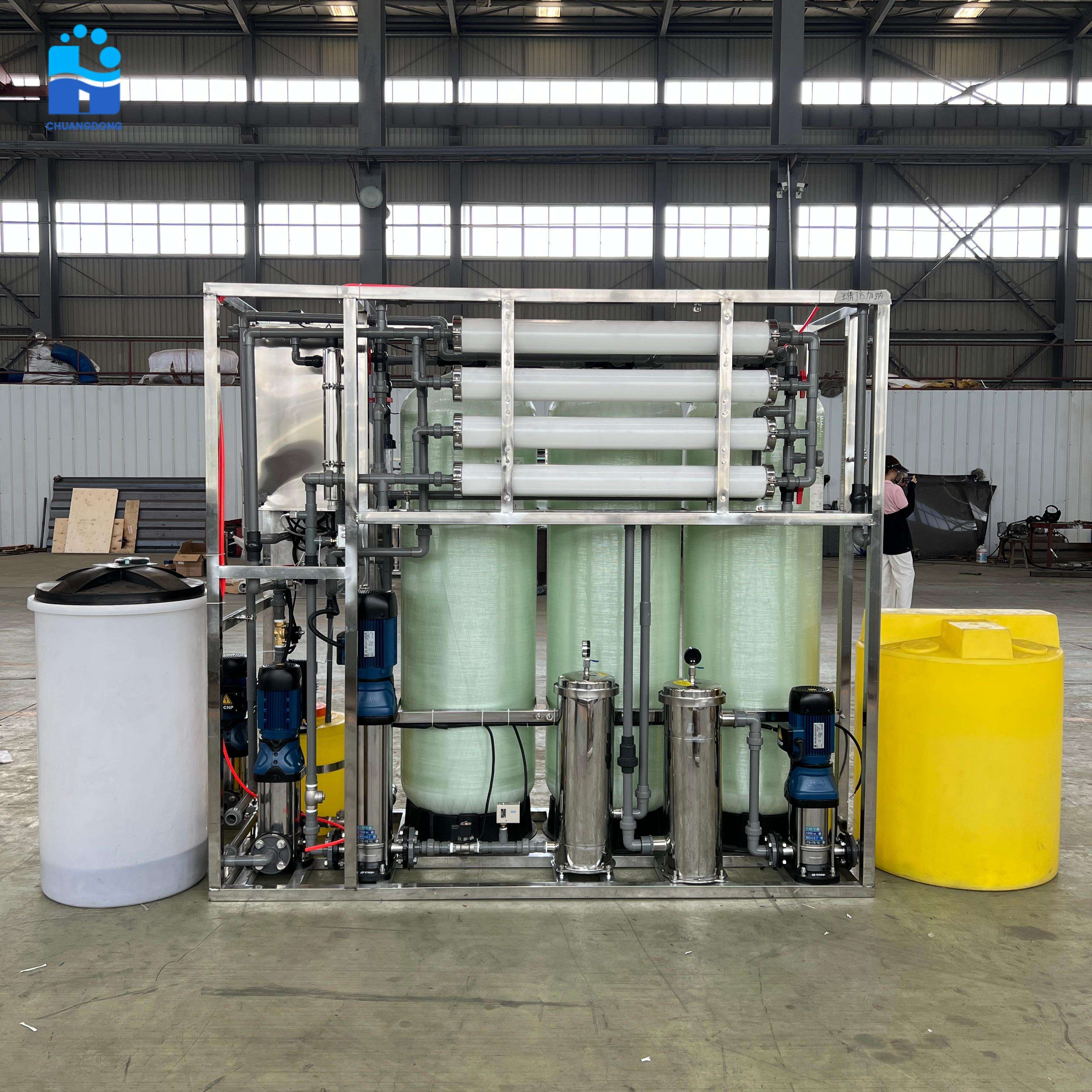
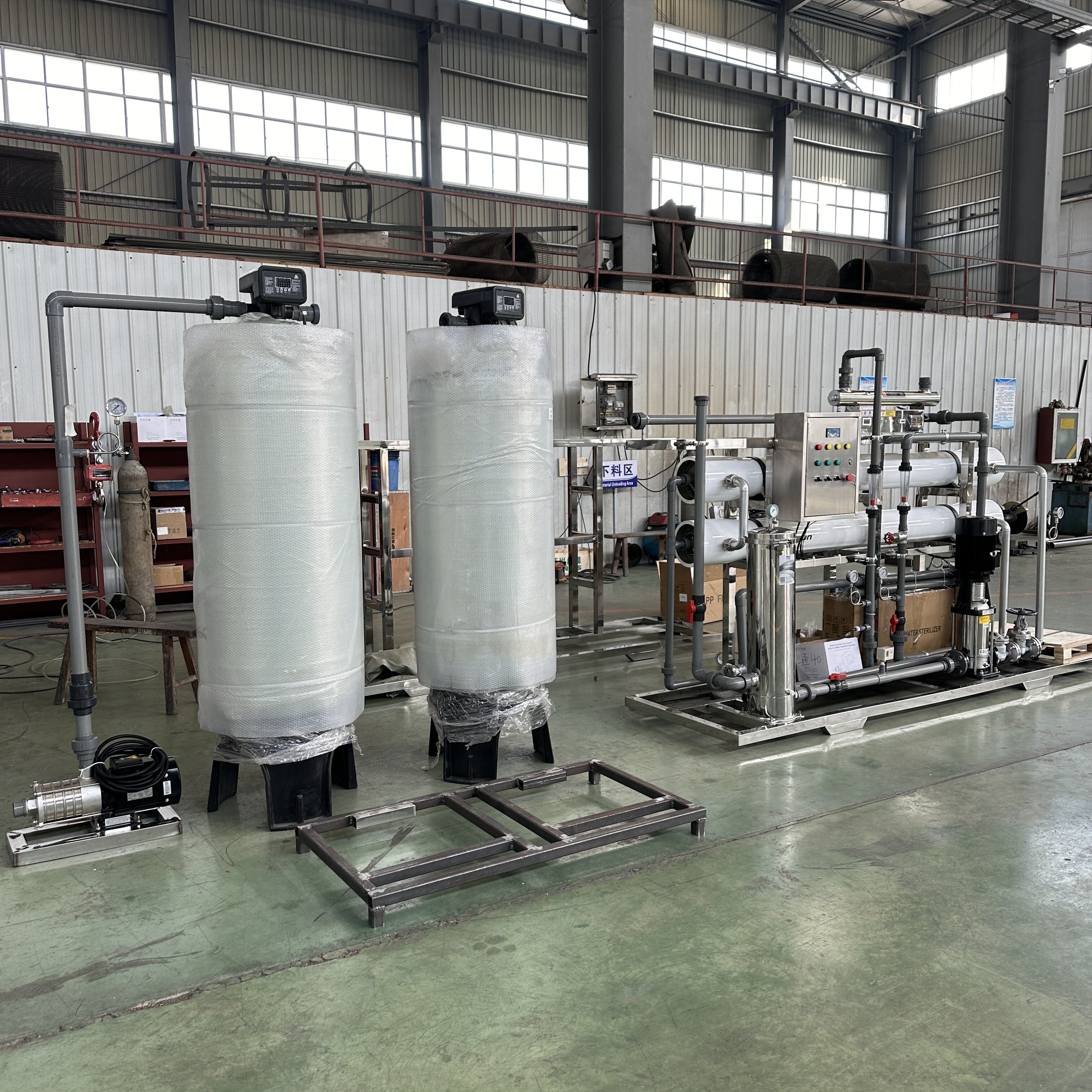
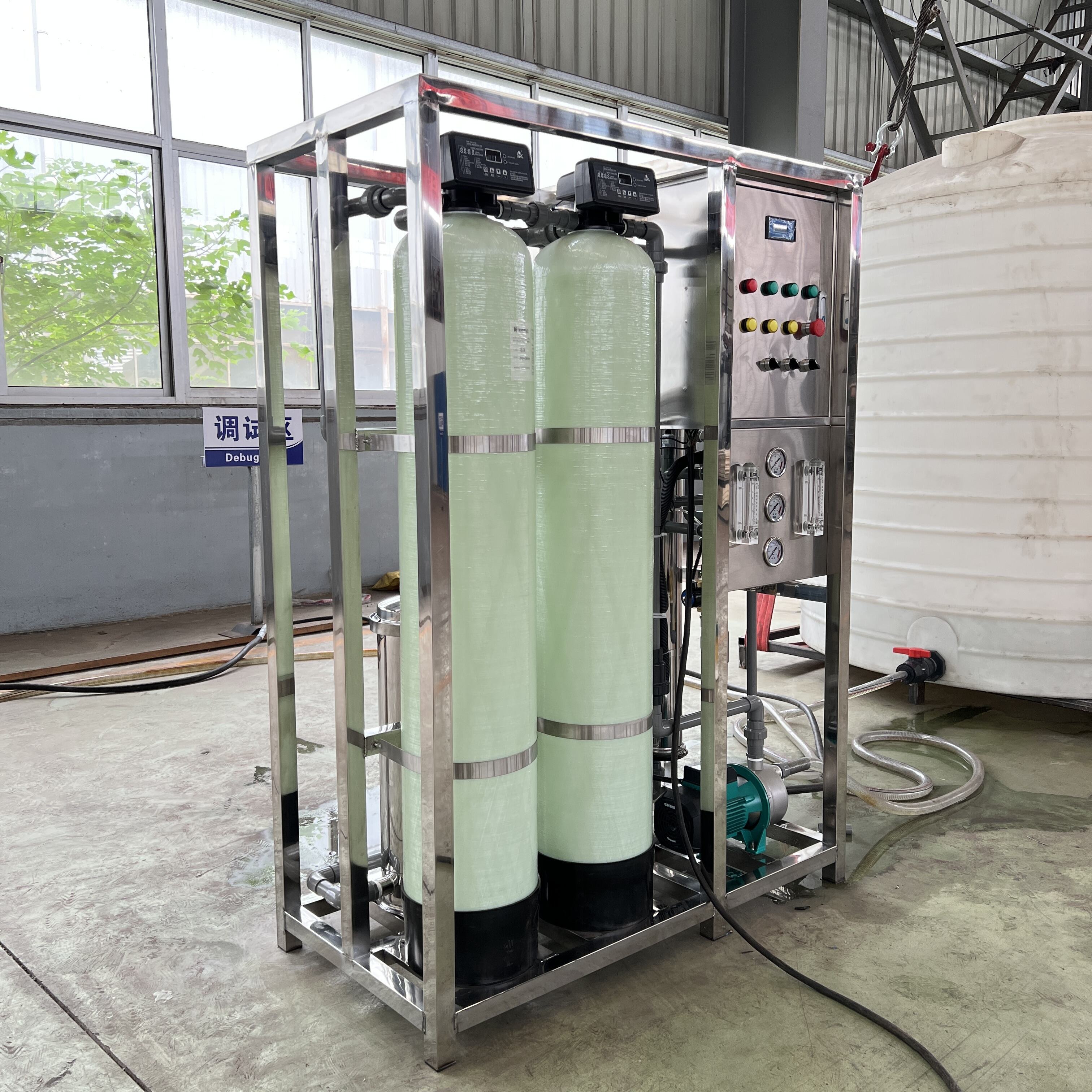
Premium Reverse Osmosis System for Water Treatment | Advanced Filtration Technology

Get a Free Quote

Our representative will contact you soon.
Email
Name
Company Name
Message
0/1000

reverse osmosis system for water treatment

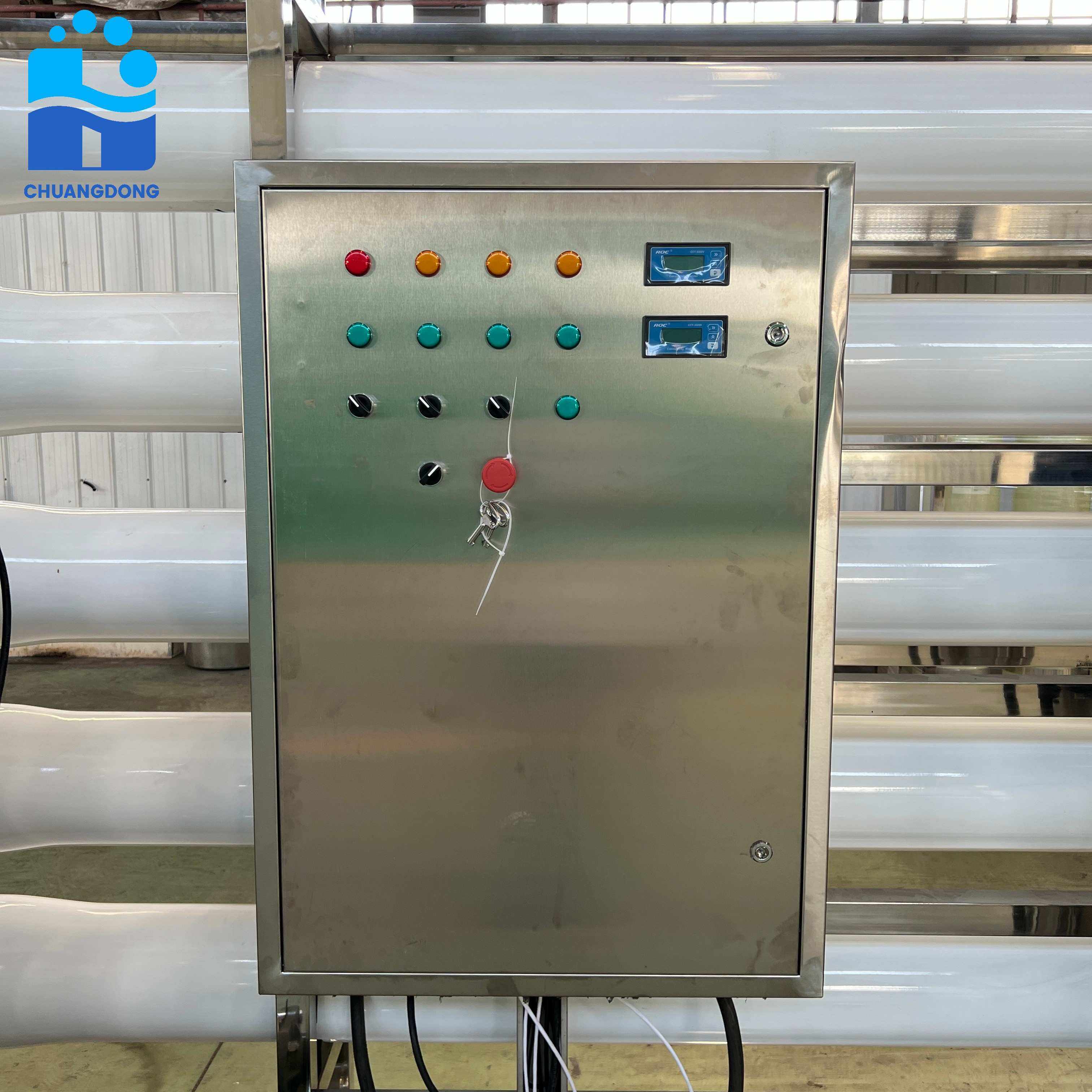
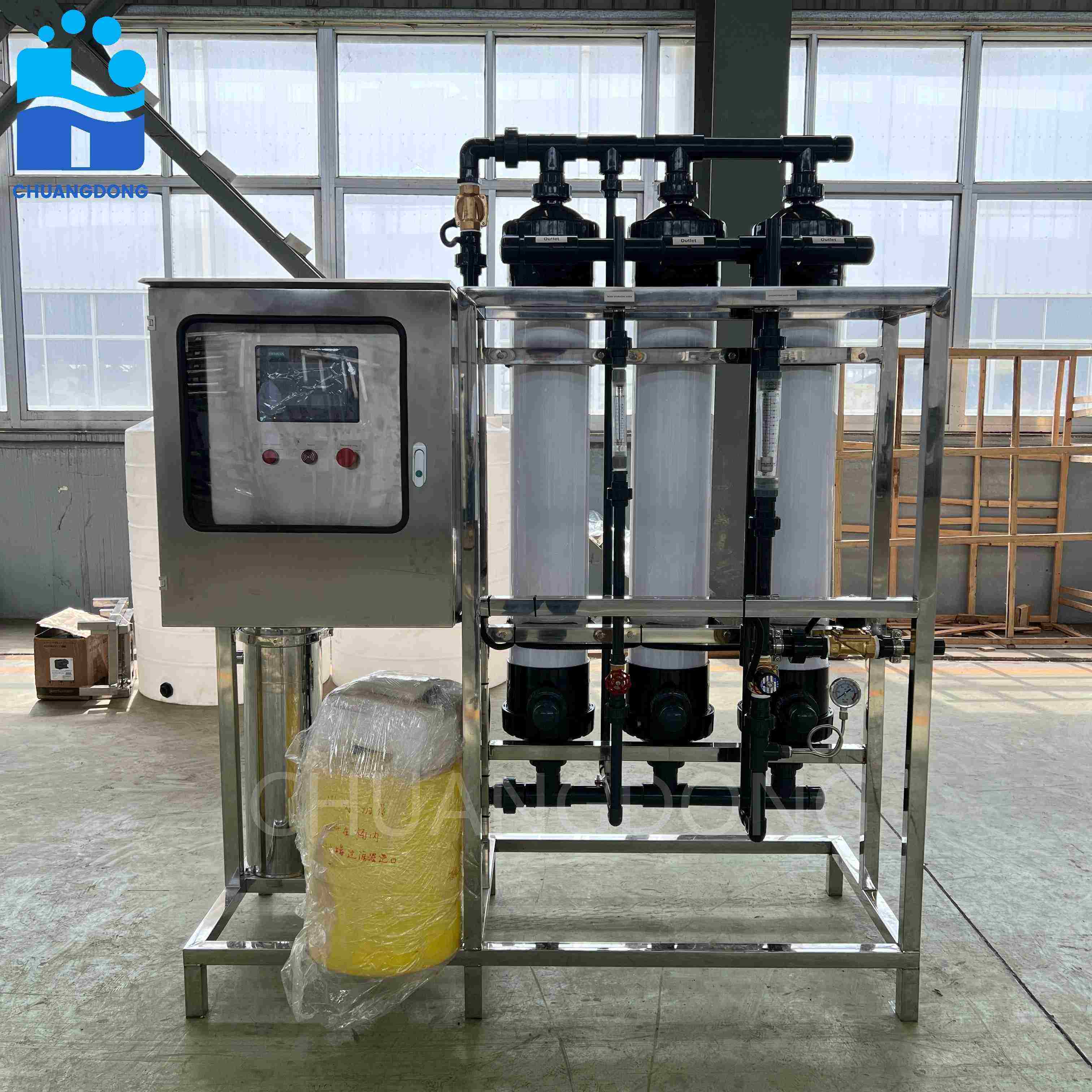
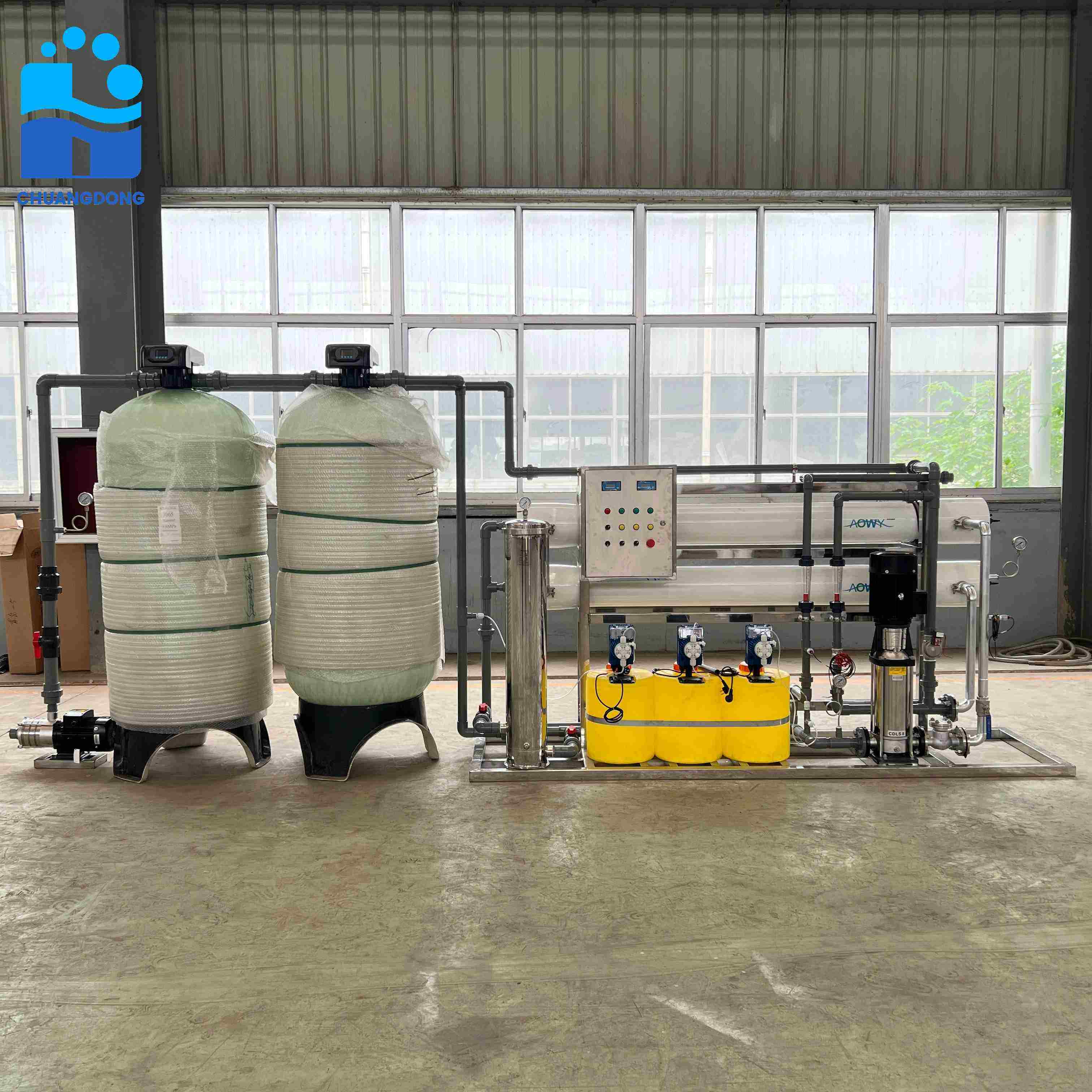
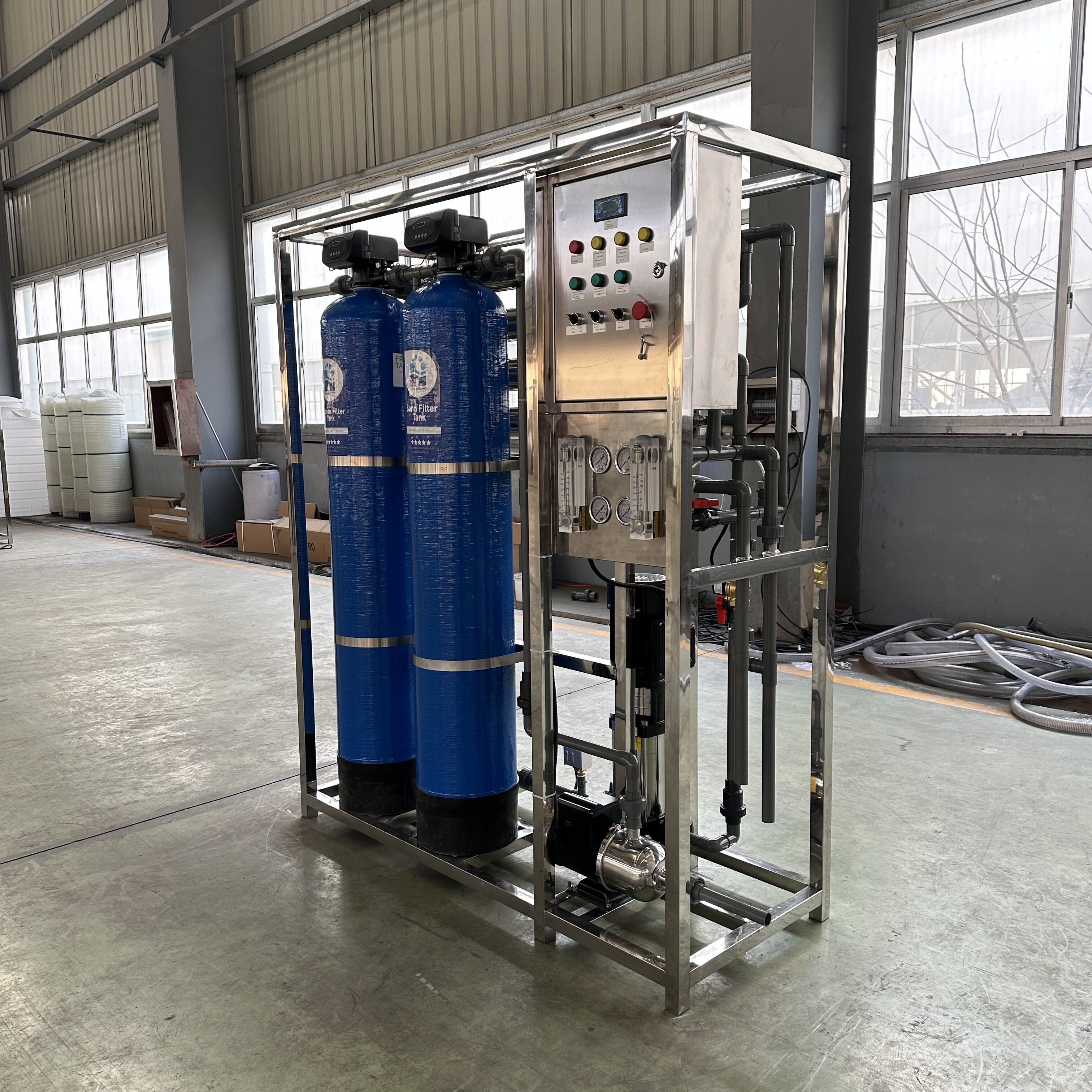
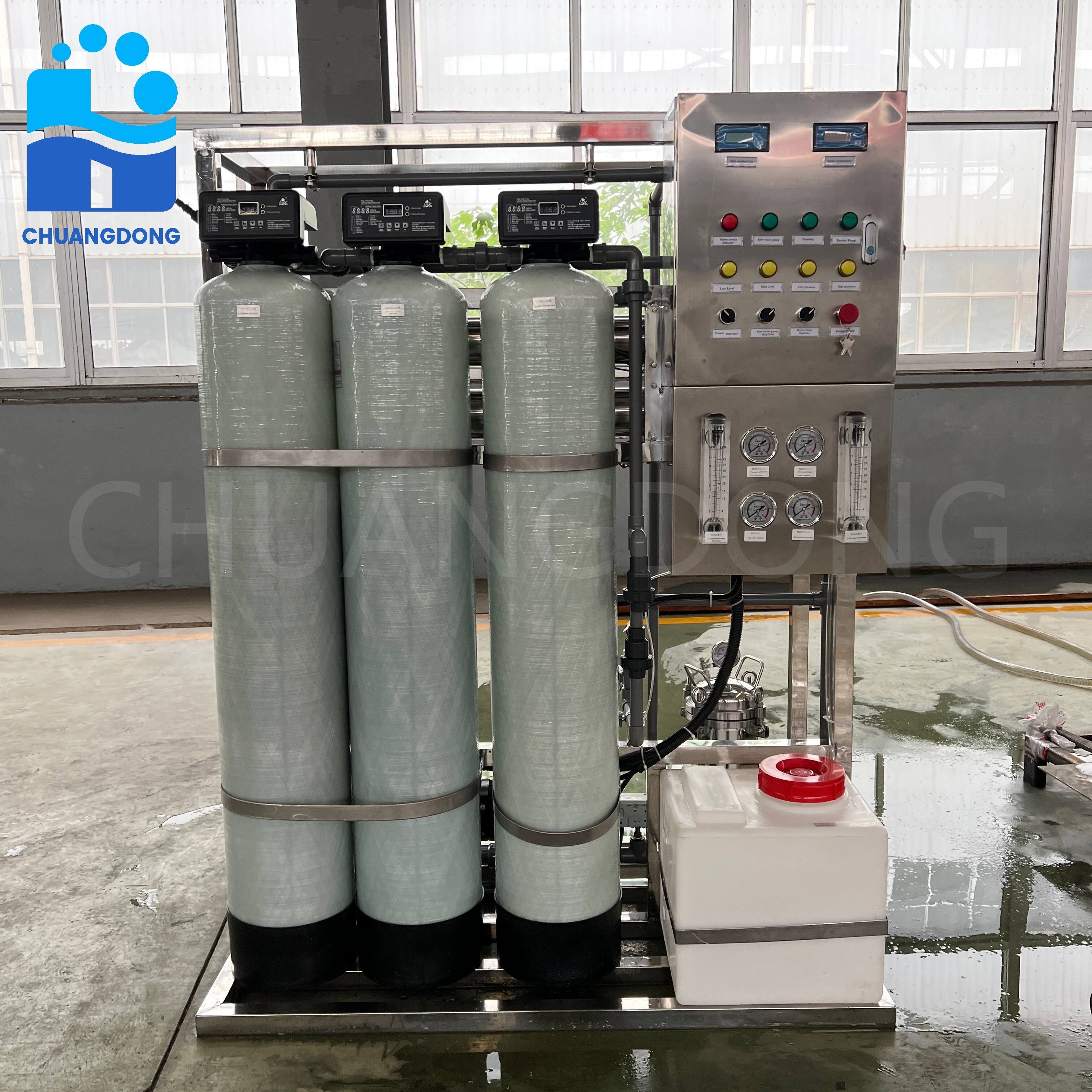
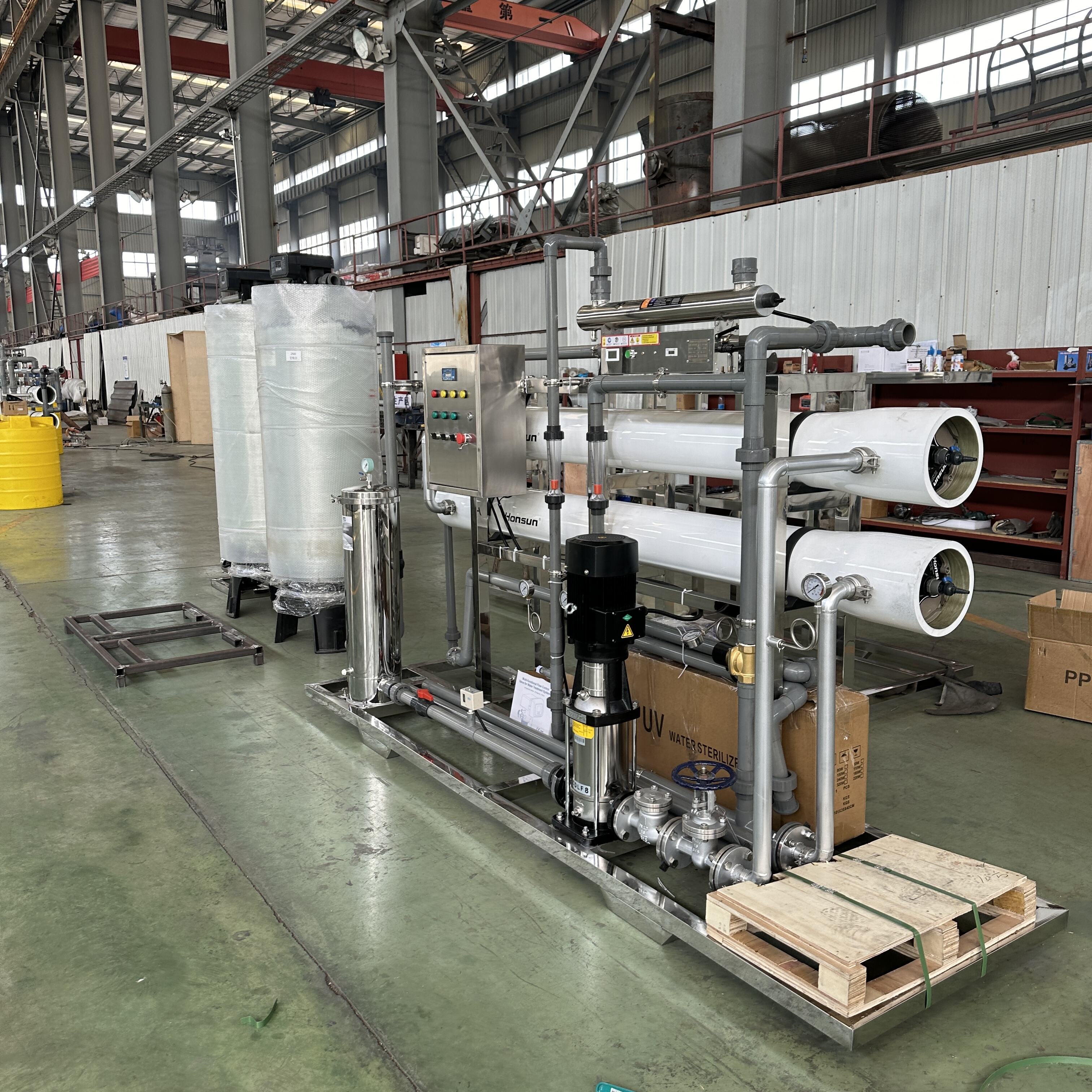
A reverse osmosis system for water treatment represents one of the most advanced and effective technologies available for removing contaminants from water supplies. This sophisticated filtration method utilizes a semipermeable membrane to separate pure water from dissolved solids, bacteria, viruses, and various chemical pollutants. The reverse osmosis system for water treatment operates by applying pressure to force water molecules through microscopic pores in the membrane while blocking larger contaminant particles. The main functions of this technology include removing up to 99% of dissolved salts, heavy metals, chlorine, fluoride, and organic compounds from water sources. The system effectively eliminates bacteria and viruses that pose health risks, making it essential for both residential and industrial applications. Technological features of the reverse osmosis system for water treatment include multiple filtration stages, pressure pumps, storage tanks, and automated monitoring systems. The pre-filtration stages typically consist of sediment filters and carbon filters that remove larger particles and chlorine before water reaches the RO membrane. The heart of the system lies in the reverse osmosis membrane, which features pore sizes of approximately 0.0001 microns, effectively blocking contaminants while allowing pure water molecules to pass through. Modern reverse osmosis systems incorporate smart monitoring technology that tracks water quality, membrane performance, and maintenance schedules. Applications for this water treatment technology span across residential homes, commercial buildings, industrial facilities, and municipal water treatment plants. Households benefit from clean drinking water, while restaurants and food service establishments rely on pure water for cooking and beverage preparation. Industrial applications include pharmaceutical manufacturing, electronics production, and power generation where water purity standards are critical. The reverse osmosis system for water treatment provides consistent, reliable water purification that meets stringent quality standards across diverse applications.

Popular Products

The reverse osmosis system for water treatment delivers exceptional water purity that surpasses conventional filtration methods. This advanced technology removes virtually all contaminants, including dissolved minerals, chemicals, and microorganisms that other filters cannot eliminate. Users experience improved taste and odor in their drinking water as the system removes chlorine, sulfur compounds, and organic materials that cause unpleasant flavors. The reverse osmosis system for water treatment provides significant cost savings compared to purchasing bottled water, with typical households saving hundreds of dollars annually while enjoying unlimited access to purified water. Environmental benefits include reducing plastic waste from bottled water consumption, contributing to sustainability efforts and decreasing carbon footprint associated with water transportation and packaging. The system requires minimal maintenance, typically involving filter replacements every six to twelve months depending on water quality and usage patterns. Installation proves straightforward for most residential applications, fitting under kitchen sinks or in utility areas without requiring extensive plumbing modifications. The reverse osmosis system for water treatment operates quietly and efficiently, consuming minimal electricity while producing consistent water quality regardless of source water variations. Health benefits include protection from harmful contaminants such as lead, mercury, arsenic, and nitrates that may exist in municipal or well water supplies. Families with infants particularly benefit as the system removes fluoride and other chemicals that parents prefer to limit in baby formula preparation. The technology proves especially valuable for individuals with compromised immune systems who require the highest water purity standards. Commercial establishments appreciate the consistent water quality that improves food and beverage taste while protecting equipment from mineral buildup and corrosion. The reverse osmosis system for water treatment increases property values by providing a desirable amenity that appeals to health-conscious buyers. Long-term reliability ensures consistent performance for years with proper maintenance, making it a worthwhile investment for any water quality improvement project.

Practical Tips

What Intake and Outfall Designs Minimize Environmental Impact of a Desalination Plant?

01

Mar

What Intake and Outfall Designs Minimize Environmental Impact of a Desalination Plant?

Environmental considerations have become paramount in the design and operation of modern desalination facilities worldwide. As water scarcity continues to challenge communities across the globe, the demand for sustainable desalination plant solutions...
View More
What Corrosion-Resistant Materials Are Used in Desalination Plant Construction?

06

Mar

What Corrosion-Resistant Materials Are Used in Desalination Plant Construction?

Desalination plants operate in some of the harshest environments imaginable, where saltwater constantly threatens the integrity of critical infrastructure. The selection of appropriate corrosion-resistant materials becomes paramount to ensuring long-...
View More
How Does an RO Water Filter with a UV Sterilizer Provide Additional Protection Against Bacteria?

10

Mar

How Does an RO Water Filter with a UV Sterilizer Provide Additional Protection Against Bacteria?

Water contamination remains one of the most pressing concerns for homeowners and businesses seeking reliable water purification solutions. While traditional filtration methods offer basic protection, modern water treatment technology has evolved to p...
View More
Why Should Pharmaceutical QC Labs Use Ultrapure Water for HPLC and Mass Spectrometry?

18

Mar

Why Should Pharmaceutical QC Labs Use Ultrapure Water for HPLC and Mass Spectrometry?

Pharmaceutical quality control laboratories face increasingly stringent requirements for analytical accuracy and regulatory compliance. The foundation of reliable analytical results lies in the quality of water used throughout testing procedures. Ult...
View More

Get a Free Quote

Our representative will contact you soon.
Email
Name
Company Name
Message
0/1000

reverse osmosis system for water treatment

Superior Contaminant Removal Technology

Superior Contaminant Removal Technology

The reverse osmosis system for water treatment employs cutting-edge membrane technology that achieves unparalleled contaminant removal efficiency. This advanced filtration process utilizes semipermeable membranes with pore sizes measuring approximately 0.0001 microns, which is thousands of times smaller than bacteria and hundreds of times smaller than viruses. The microscopic pore structure ensures that virtually all dissolved solids, including heavy metals like lead, mercury, and arsenic, cannot pass through to the treated water. The system effectively removes up to 99.9% of total dissolved solids, making it superior to carbon filters, UV sterilizers, and other conventional water treatment methods. Chemical contaminants such as chlorine, chloramines, pesticides, herbicides, and pharmaceutical residues are eliminated through the multi-stage filtration process. The reverse osmosis system for water treatment incorporates pre-filtration stages that protect the delicate RO membrane while enhancing overall system performance. Sediment filters capture particles, rust, and debris, while activated carbon filters remove chlorine and organic compounds that could damage the membrane. The technology proves particularly effective against emerging contaminants of concern, including PFAS chemicals, microplastics, and endocrine disruptors that traditional treatment methods struggle to address. Biological contaminants including bacteria, viruses, cysts, and parasites are physically blocked by the membrane barrier, providing comprehensive protection against waterborne pathogens. The system maintains consistent removal efficiency regardless of source water quality variations, ensuring reliable protection even during seasonal changes or contamination events. Regular membrane replacement maintains optimal performance, with modern membranes lasting two to three years under normal residential conditions. The reverse osmosis system for water treatment provides peace of mind through verified contaminant removal that meets or exceeds EPA standards for drinking water quality.
Cost-Effective Long-Term Water Solution

Cost-Effective Long-Term Water Solution

The reverse osmosis system for water treatment delivers outstanding economic value through substantial long-term cost savings compared to alternative water sources. Typical households spend between $500 to $2000 annually on bottled water, while a quality RO system pays for itself within the first year of operation. The system produces purified water at approximately two to five cents per gallon, representing dramatic savings compared to bottled water costs of $1 to $3 per gallon. Maintenance expenses remain minimal, typically requiring filter replacements every six to twelve months at costs ranging from $50 to $150 annually depending on system size and water quality. Energy consumption proves remarkably low, with most residential systems using less electricity than a standard light bulb, adding only a few dollars monthly to utility bills. The reverse osmosis system for water treatment eliminates the need for water delivery services, storage space for bottled water, and the inconvenience of running out of clean water. Commercial applications realize even greater savings, with restaurants, offices, and manufacturing facilities reducing operational costs while improving product quality. The system increases property values by providing a desirable amenity that attracts environmentally conscious buyers and tenants. Extended equipment life results from using purified water in appliances such as coffee makers, ice machines, and steam equipment, reducing repair costs and replacement frequency. The reverse osmosis system for water treatment offers scalable solutions from point-of-use systems serving individual taps to whole-house systems treating entire water supplies. Financing options make the technology accessible to various budgets, with many suppliers offering payment plans that spread costs over time. Return on investment accelerates in areas with poor municipal water quality or expensive bottled water markets. The system provides unlimited pure water production capacity, accommodating growing families or businesses without proportional cost increases.
Environmental Sustainability and Health Protection

Environmental Sustainability and Health Protection

The reverse osmosis system for water treatment champions environmental responsibility while safeguarding human health through sustainable water purification practices. This technology dramatically reduces plastic waste generation by eliminating dependence on bottled water, with typical families preventing hundreds of plastic bottles from entering waste streams annually. The environmental impact extends beyond waste reduction, as the system eliminates transportation emissions associated with bottled water delivery and reduces demand for petroleum-based plastic production. Manufacturing processes benefit from closed-loop water recycling capabilities enabled by RO technology, allowing industries to reuse treated water for various applications while meeting environmental discharge requirements. The reverse osmosis system for water treatment supports green building initiatives and LEED certification requirements through water conservation and waste reduction features. Health protection reaches exceptional levels as the system removes carcinogenic compounds, endocrine disruptors, and heavy metals that pose long-term health risks even at low concentrations. Pregnant women and developing children receive particular protection from harmful contaminants such as lead, which can cause developmental delays and learning disabilities. The technology eliminates chlorine and chloramine disinfection byproducts that have been linked to increased cancer risks and reproductive health issues. Immune-compromised individuals benefit from the comprehensive pathogen removal that prevents waterborne illnesses caused by bacteria, viruses, and parasites. The reverse osmosis system for water treatment provides chemical-free purification without adding disinfectants or treatment chemicals that may cause allergic reactions or sensitivities. Water quality consistency ensures reliable protection regardless of seasonal variations, infrastructure problems, or contamination events that may affect municipal water supplies. The system supports sustainable living practices by enabling household water independence and reducing reliance on corporate water suppliers. Energy-efficient operation minimizes carbon footprint while delivering superior water quality compared to energy-intensive alternatives such as distillation or UV treatment systems.

Get a Free Quote

Our representative will contact you soon.
Email
Name
Company Name
Message
0/1000