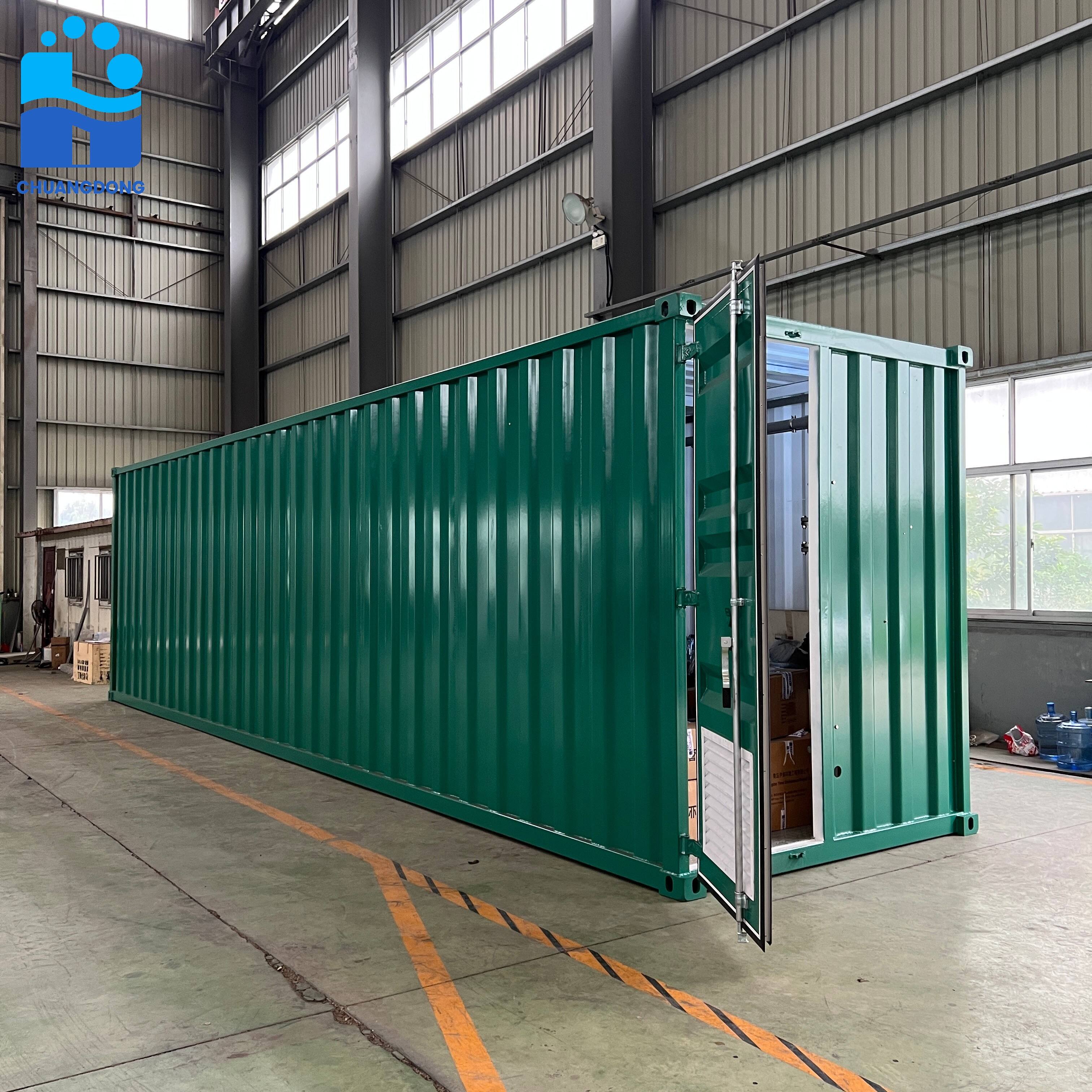
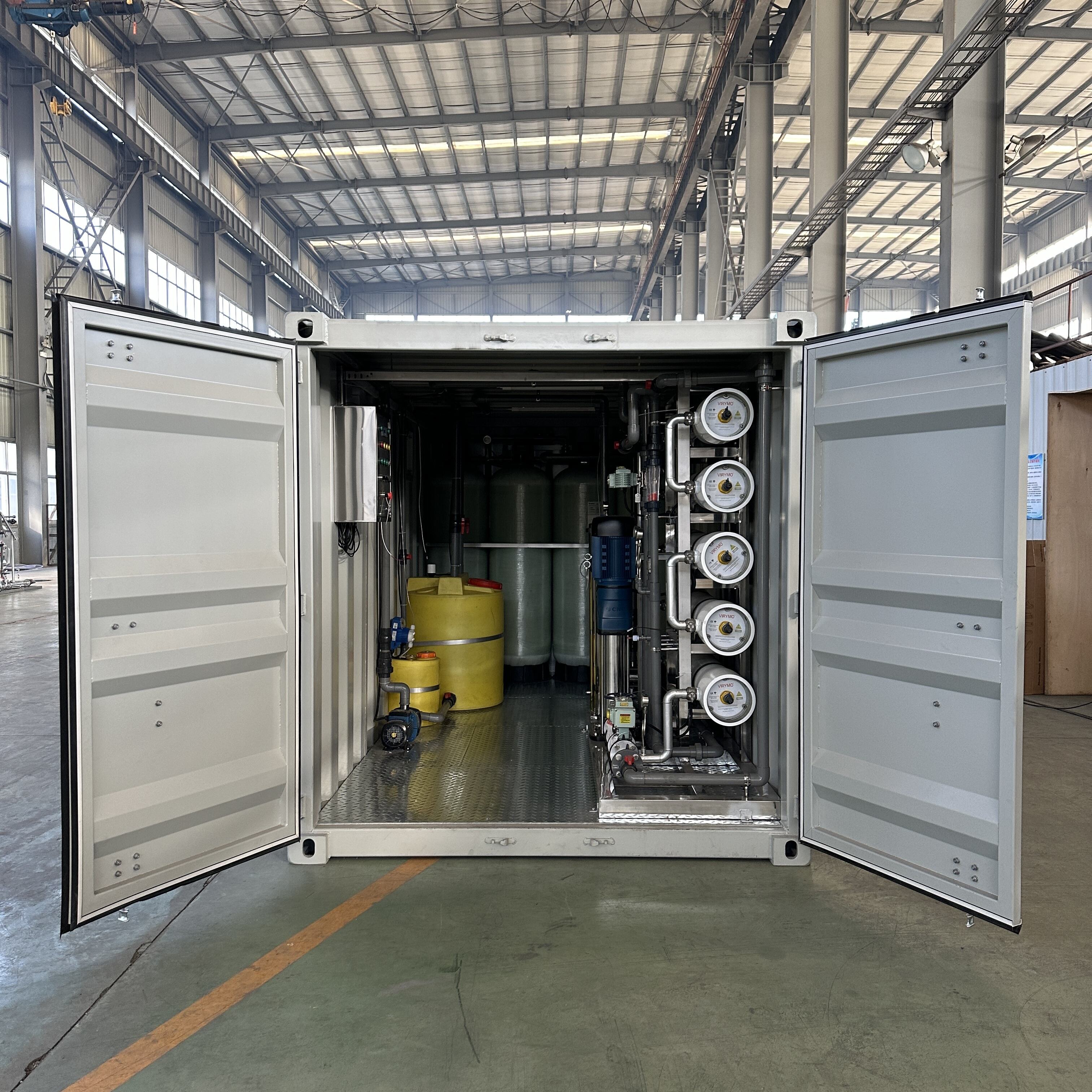
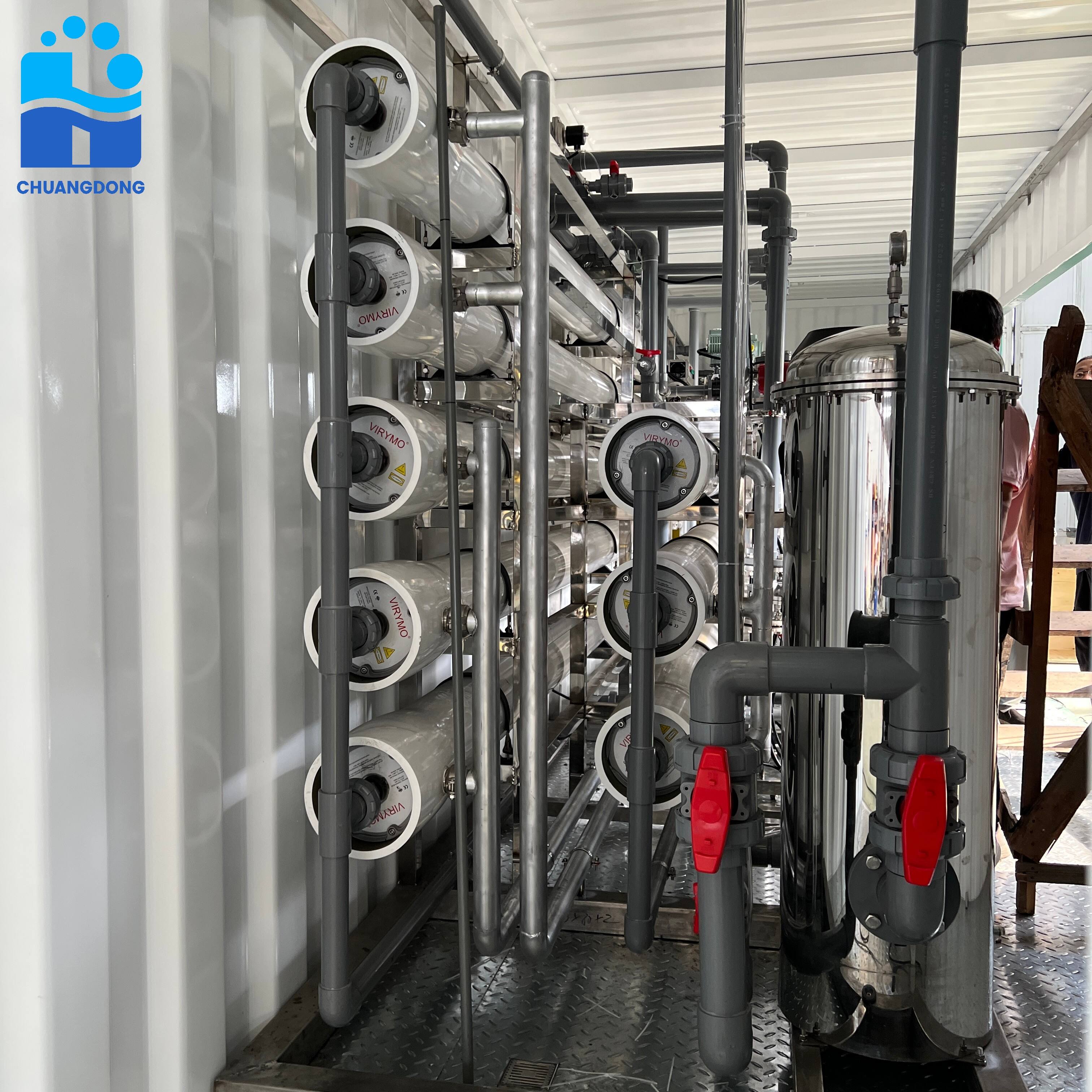
reverse osmosis plant for dialysis
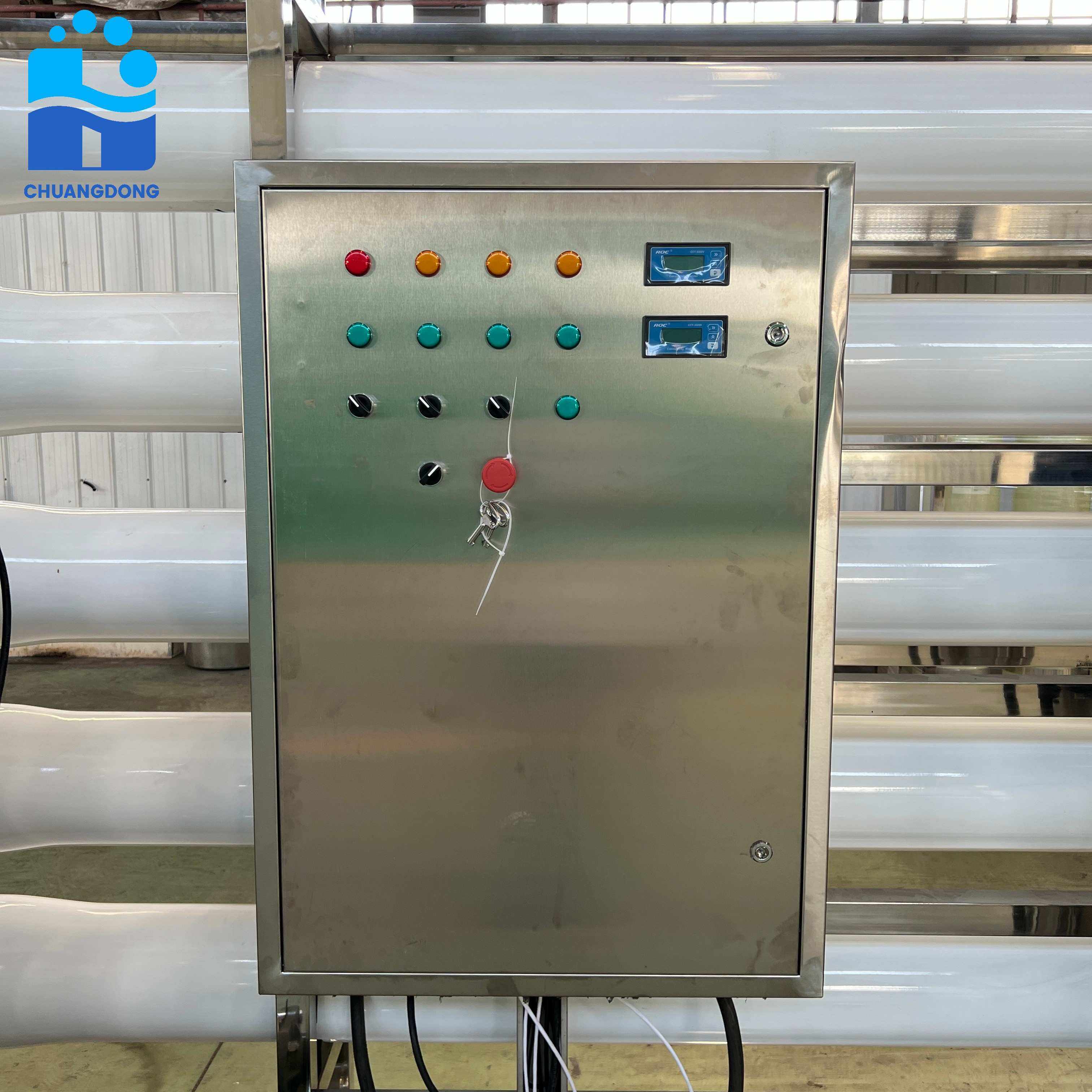
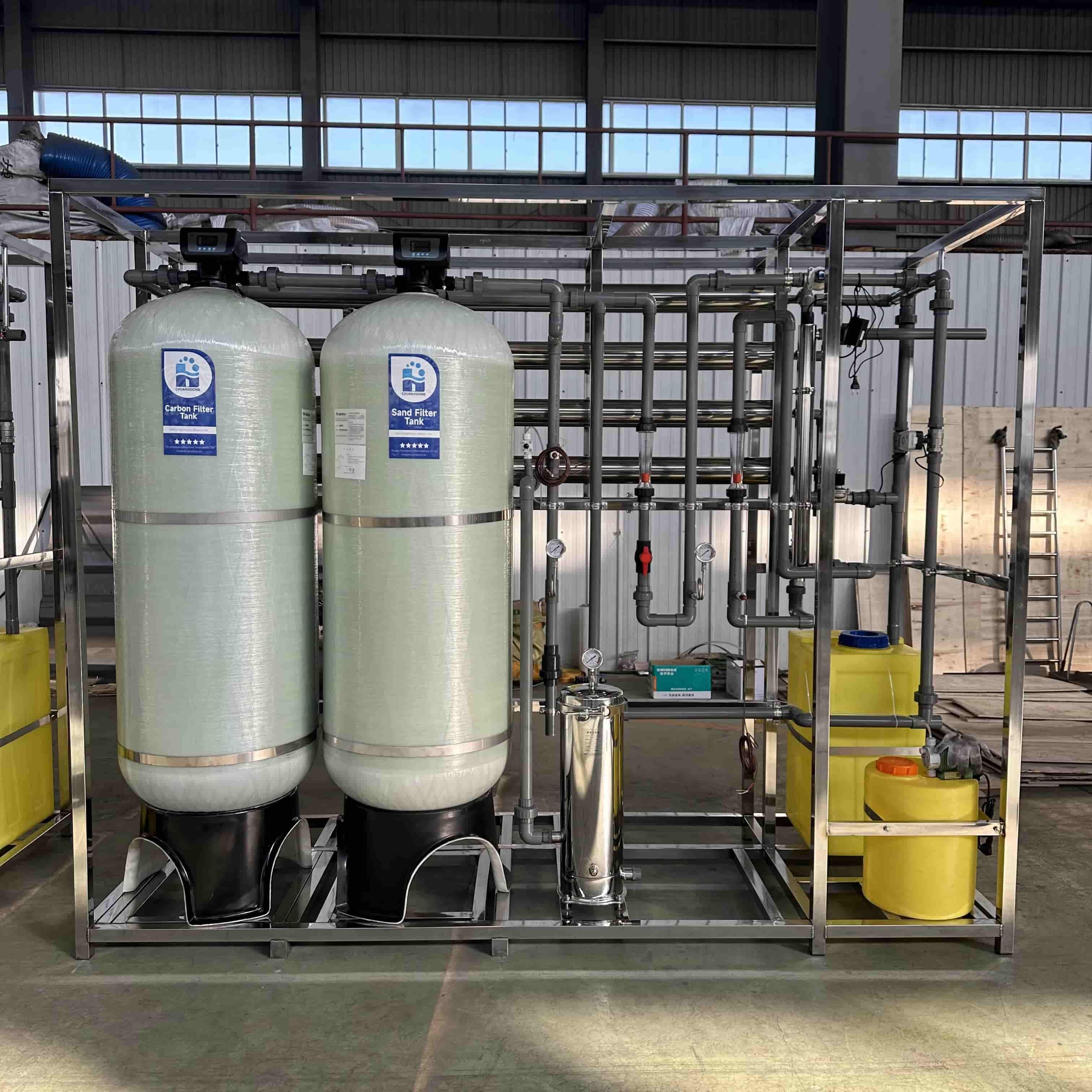
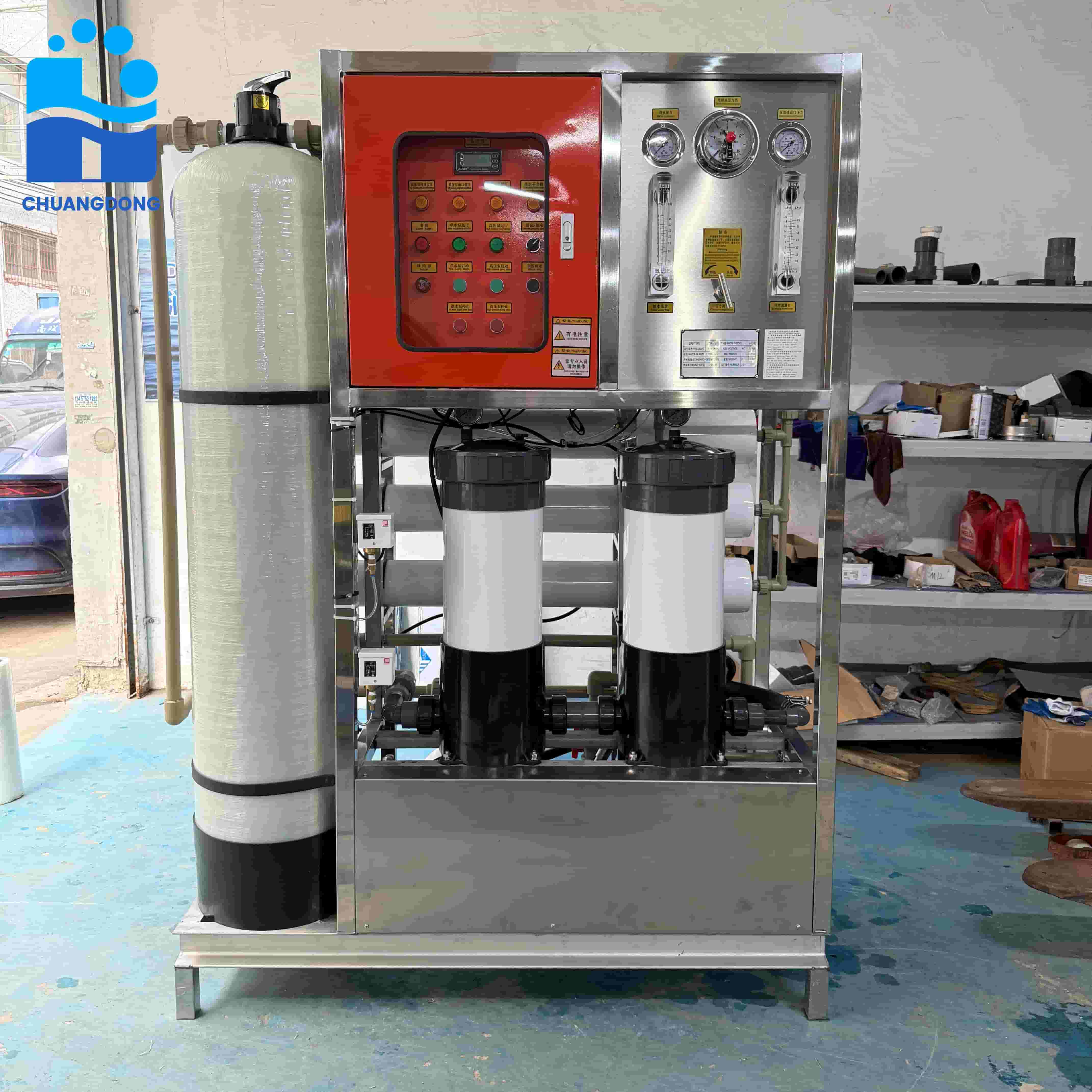
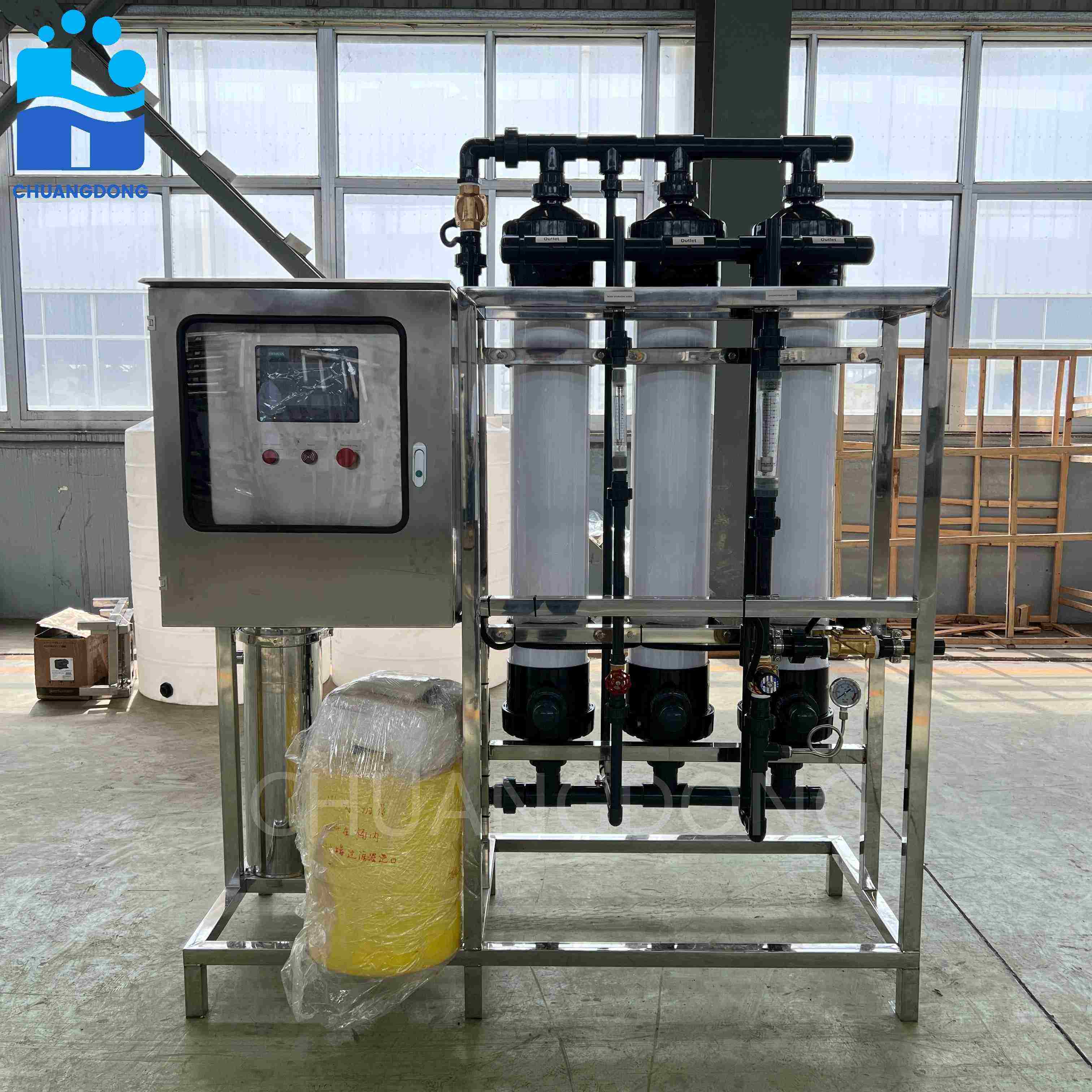
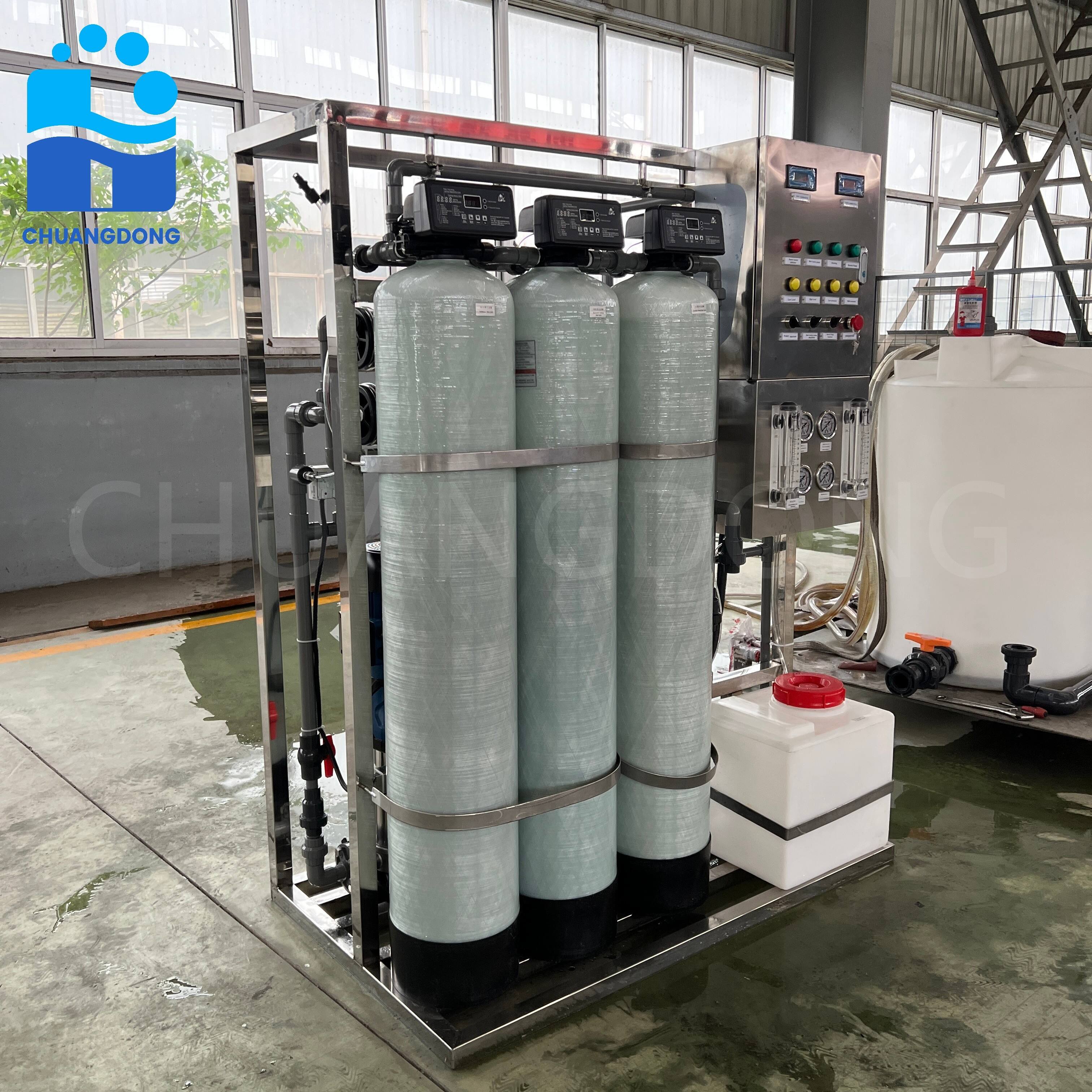
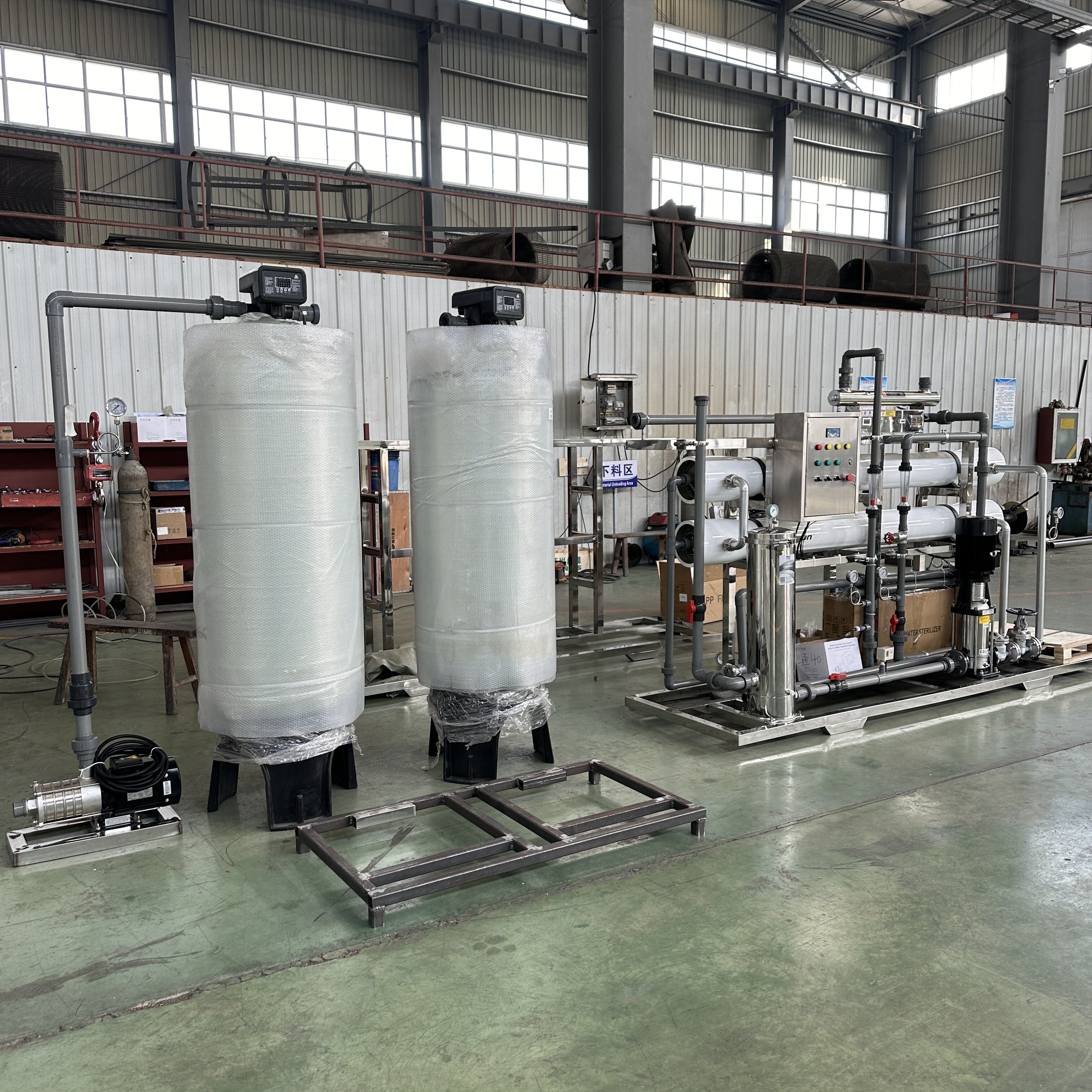
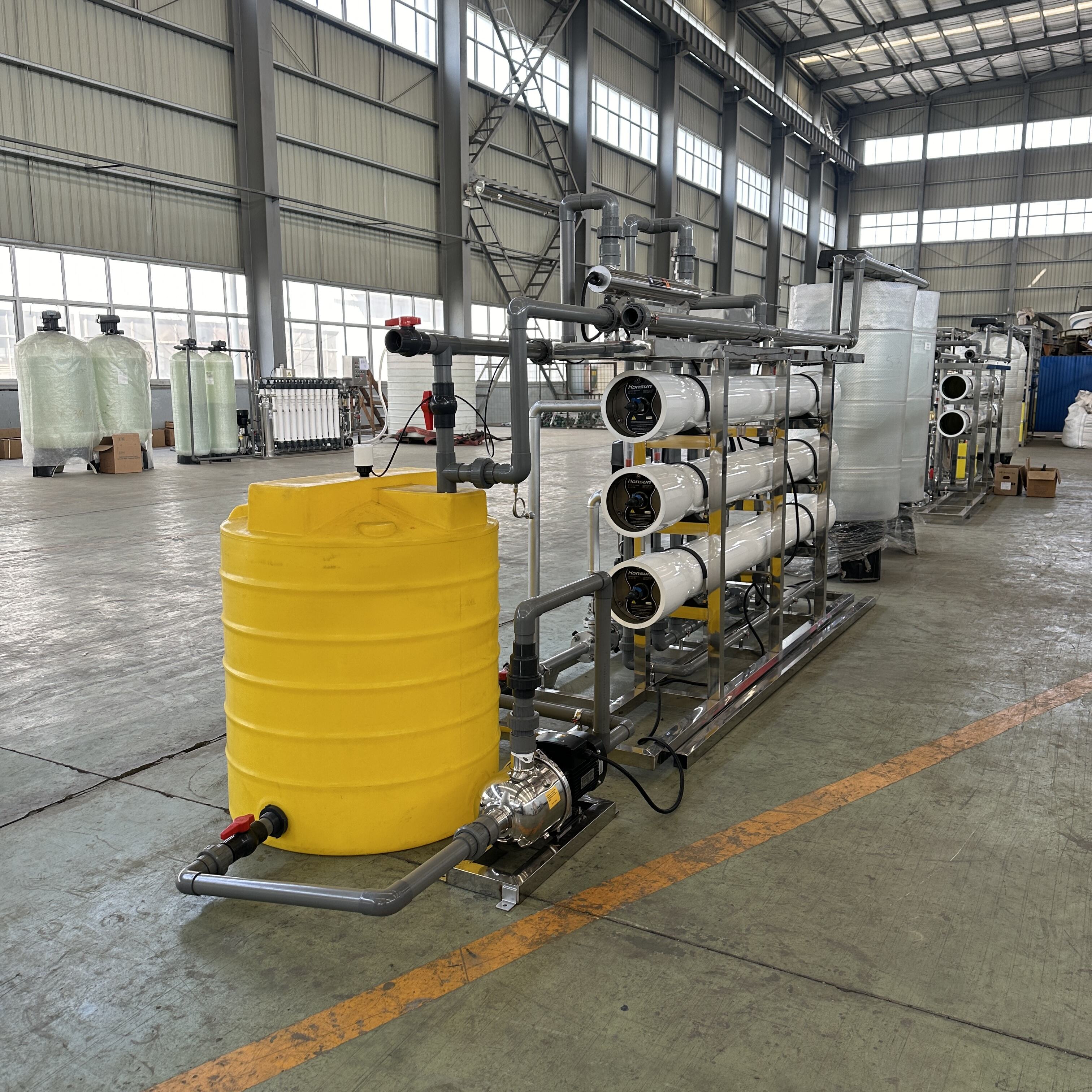
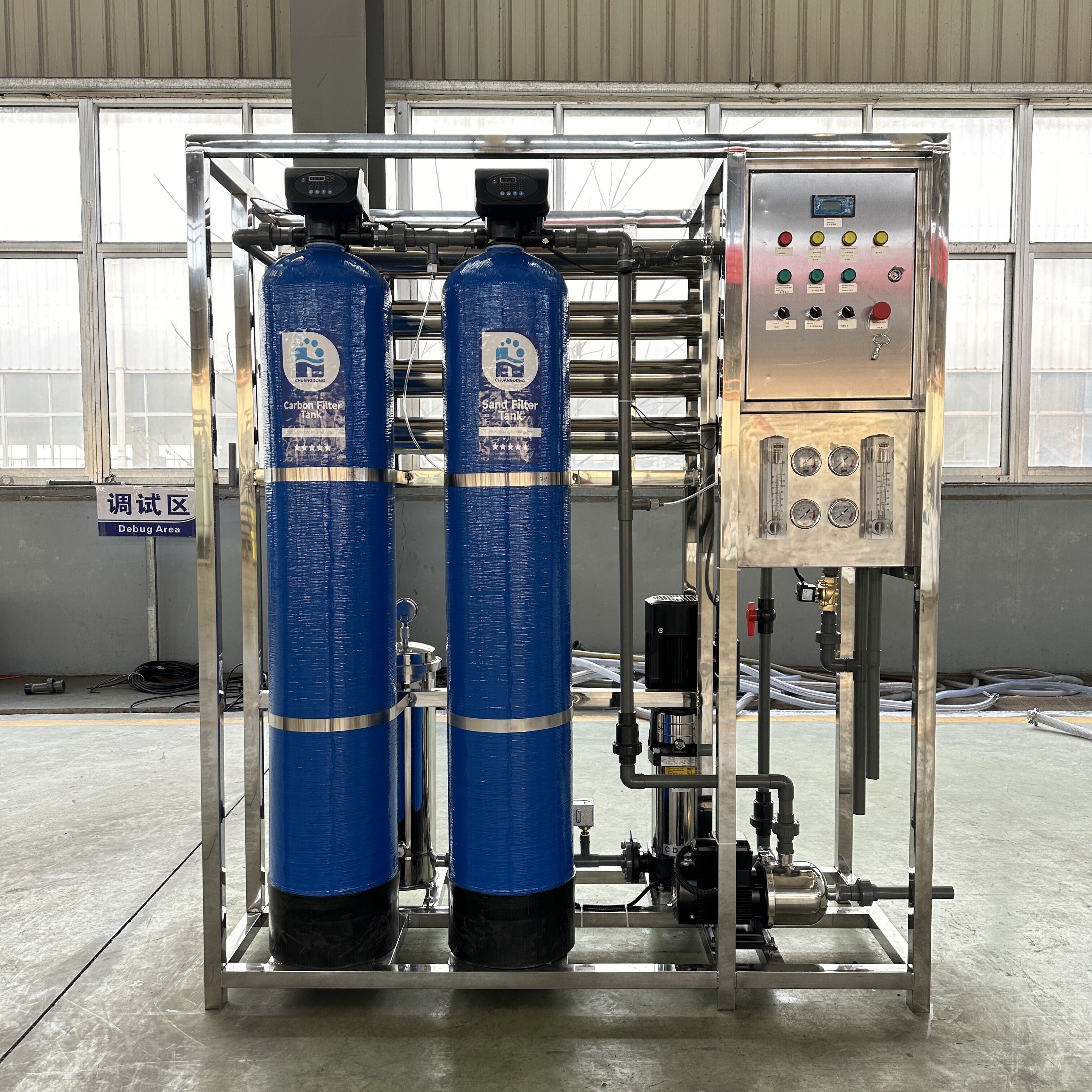
A reverse osmosis plant for dialysis is a specialized water purification system designed to produce ultrapure water essential for hemodialysis treatments. This critical medical equipment removes contaminants, bacteria, endotoxins, and dissolved solids from municipal water supplies, ensuring patient safety during dialysis procedures. The reverse osmosis plant for dialysis operates through a multi-stage filtration process that includes sediment filters, carbon filters, and semi-permeable membranes that reject up to 99 percent of impurities. The system maintains strict water quality standards set by organizations like AAMI and ISO, producing water that meets pharmaceutical-grade specifications. Modern reverse osmosis plant for dialysis units incorporate advanced monitoring systems that continuously track water quality parameters including conductivity, temperature, and pressure. These plants typically feature automated controls, real-time alerts, and data logging capabilities to ensure consistent water quality. The technology is specifically engineered to handle the demanding requirements of dialysis centers, where water purity directly impacts patient outcomes. A properly maintained reverse osmosis plant for dialysis provides reliable operation with minimal downtime, supporting multiple dialysis machines simultaneously. The system design accommodates various flow rates depending on facility size, from small clinics to large hospital dialysis units. With integrated sanitization cycles and easy-access components, these plants ensure healthcare facilities can deliver safe, effective dialysis treatments while maintaining regulatory compliance and operational efficiency throughout their service life.
 EN
EN