Advanced RO Filtration Plant Systems - Superior Water Purification Technology

Get a Free Quote

Our representative will contact you soon.
Email
Name
Company Name
Message
0/1000

ro filtration plant

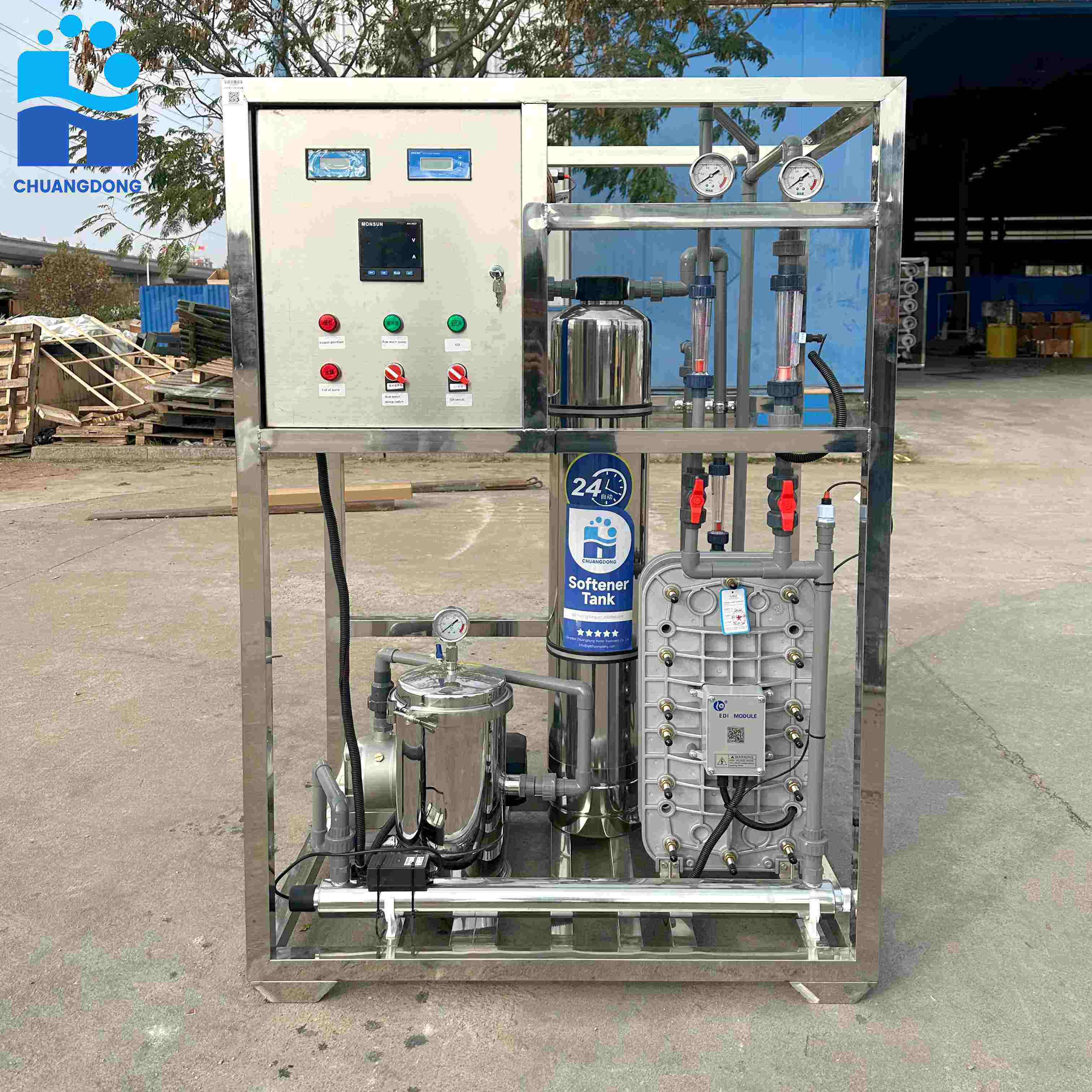
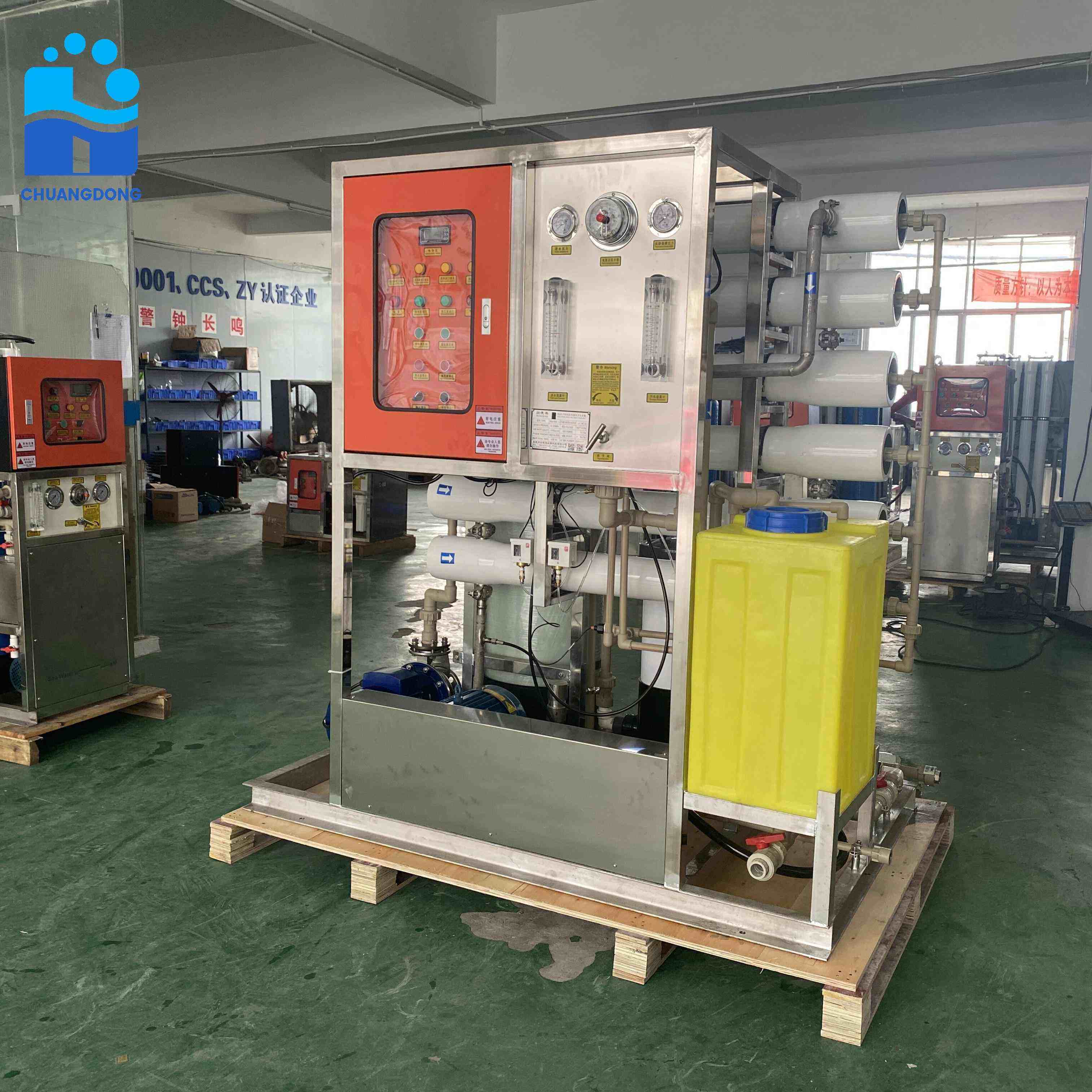
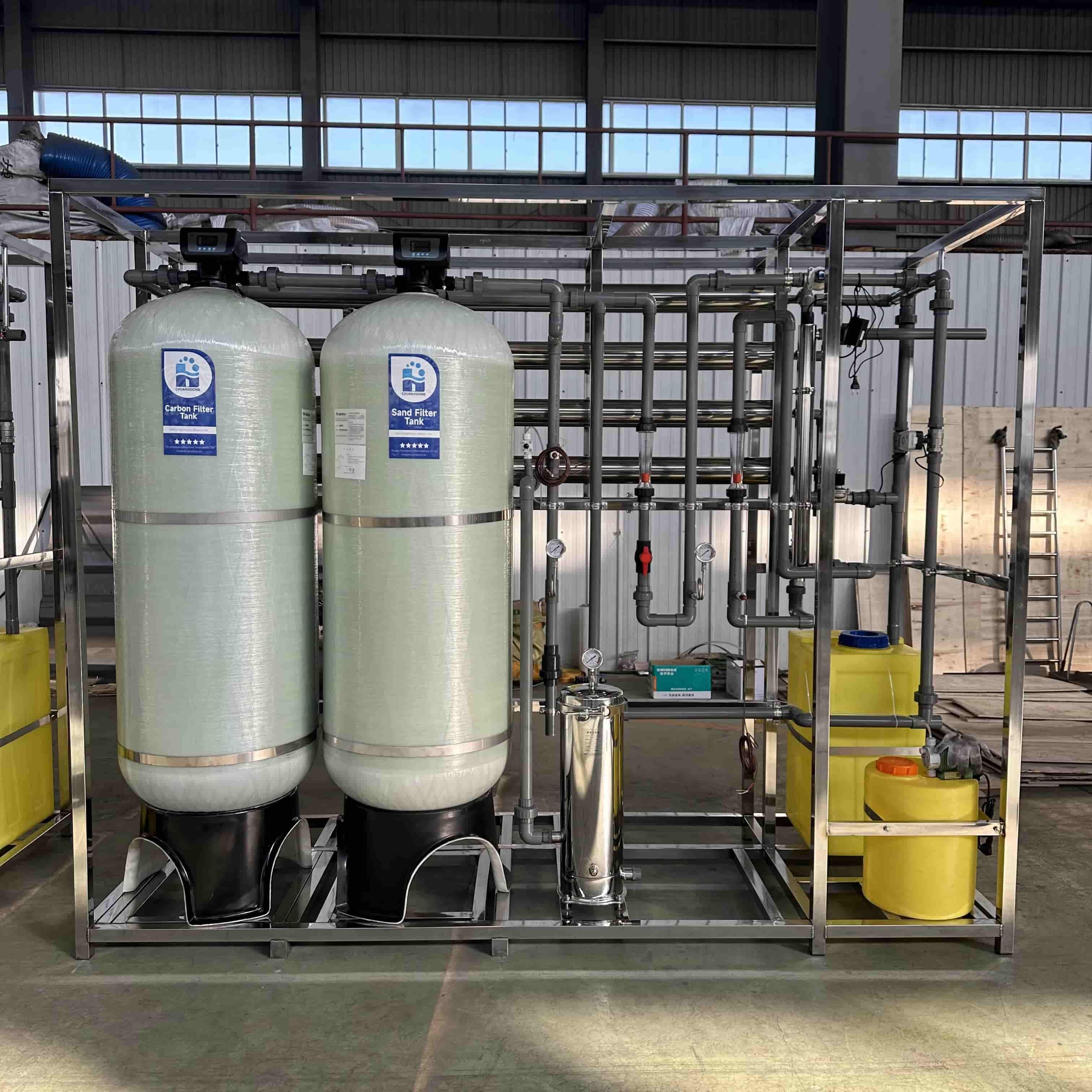
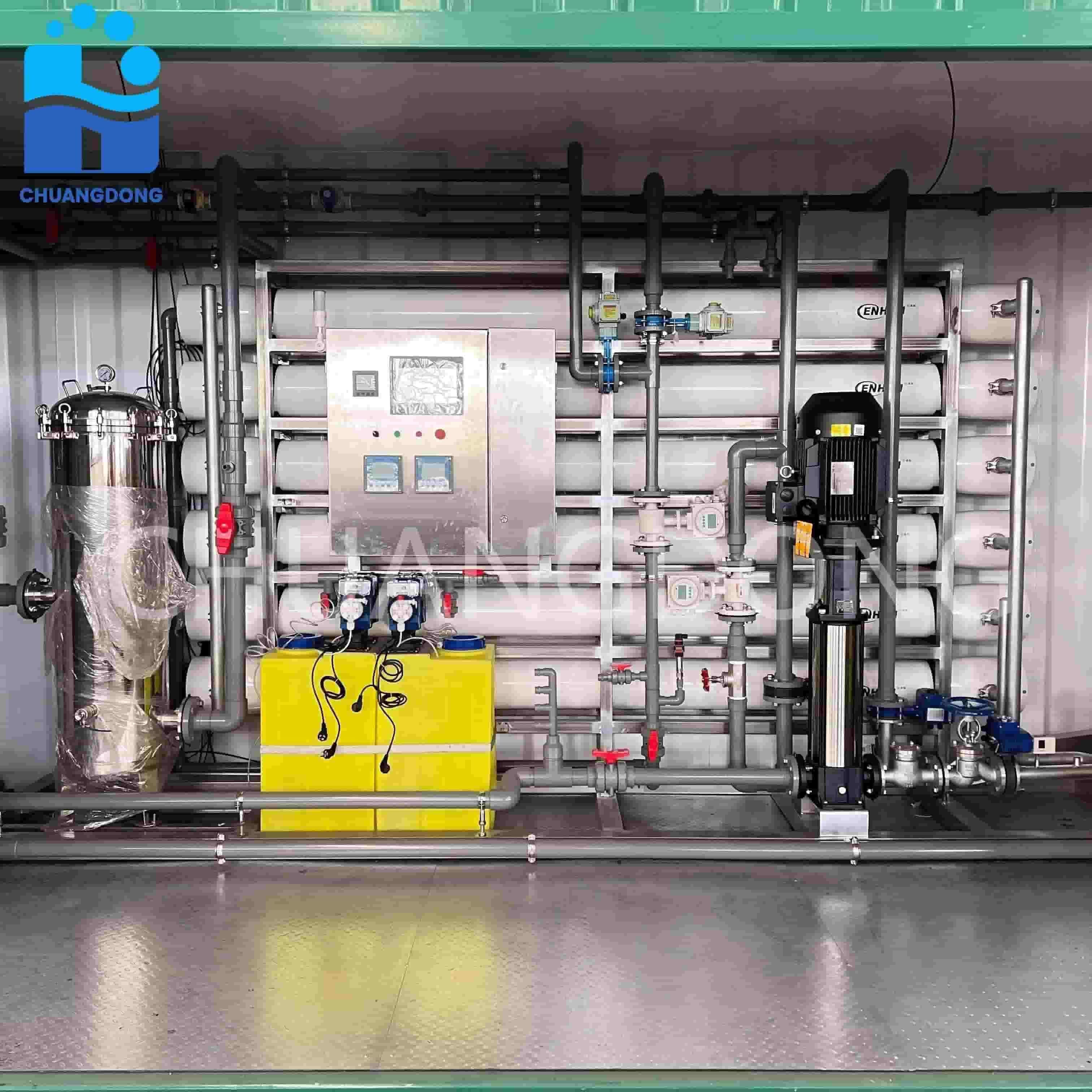
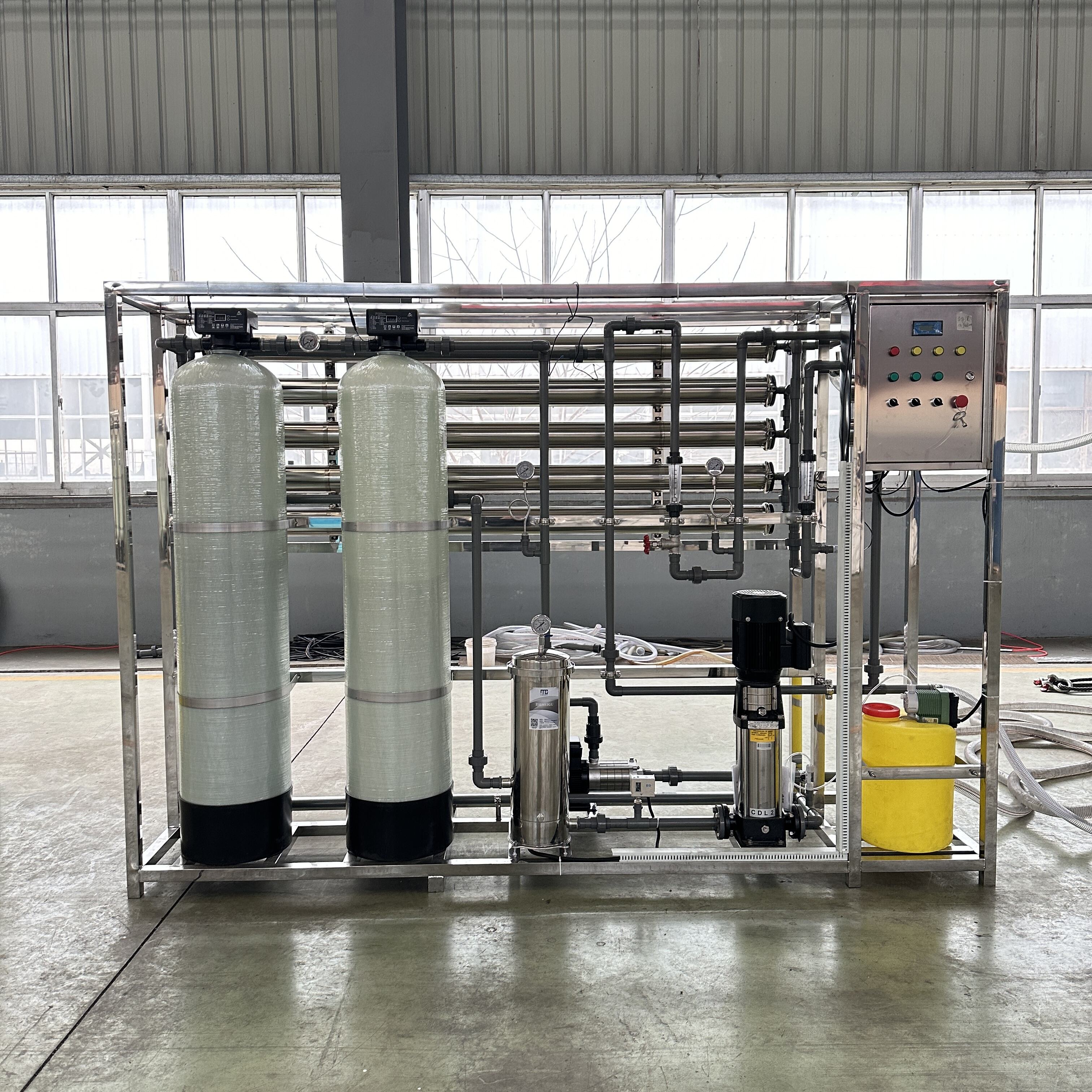
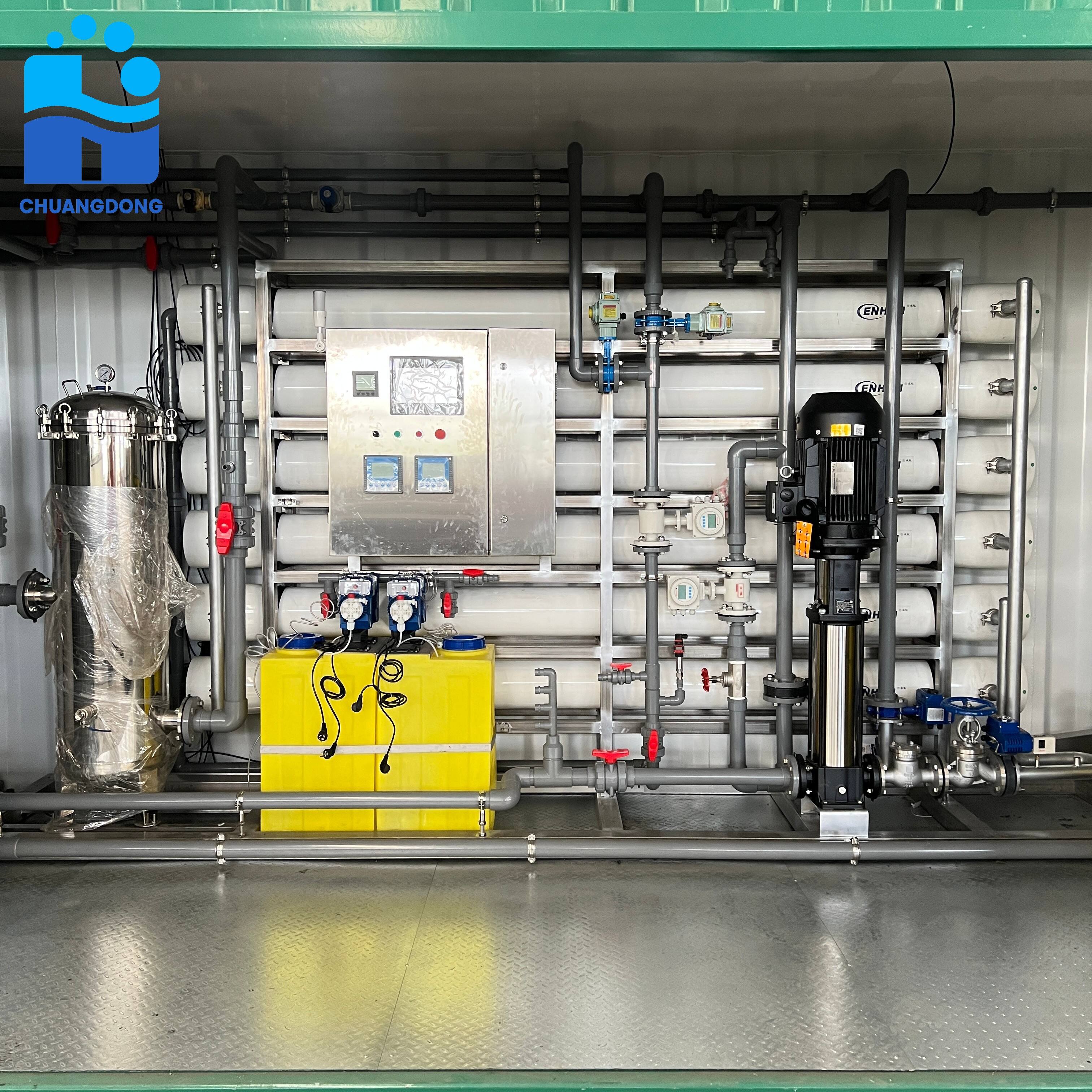
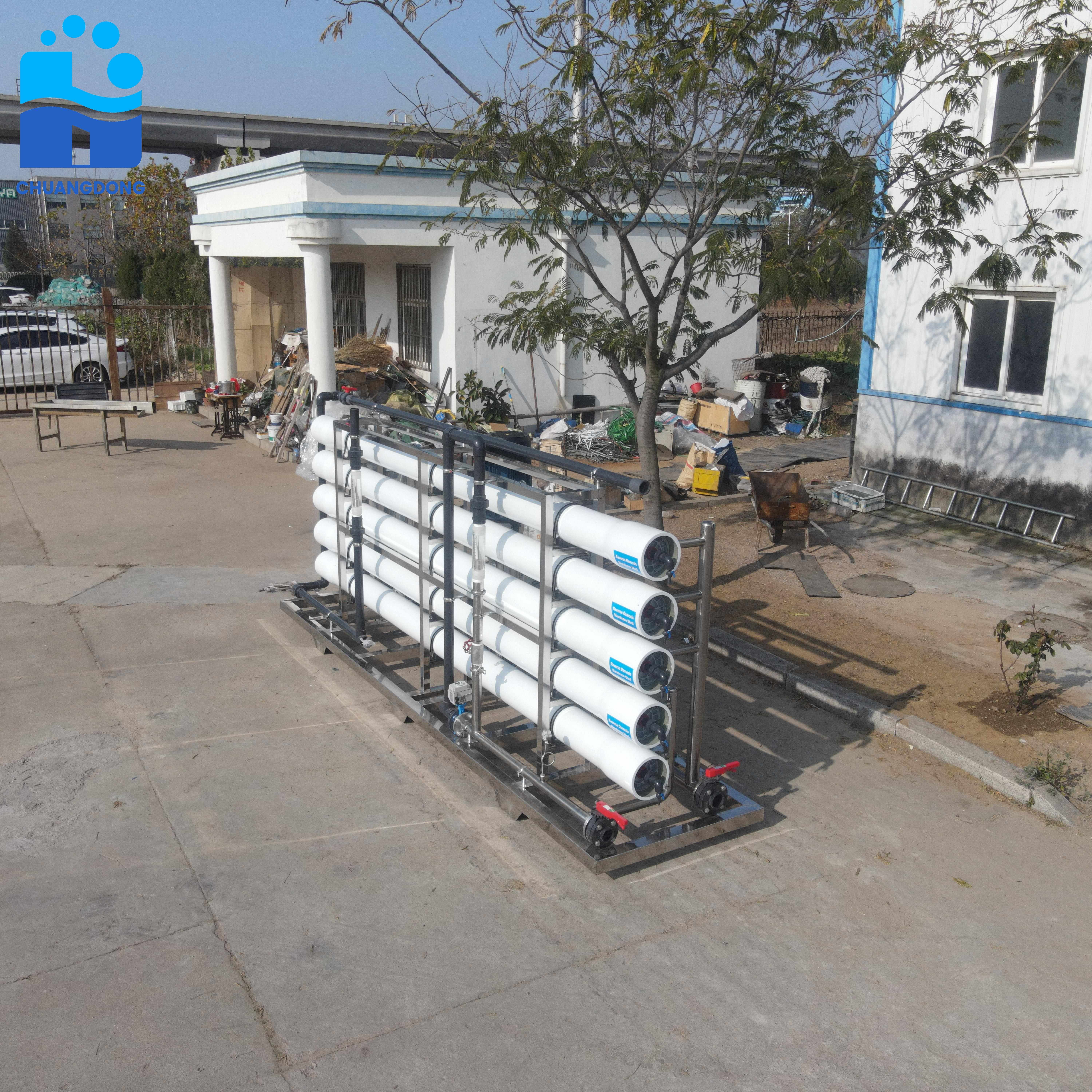
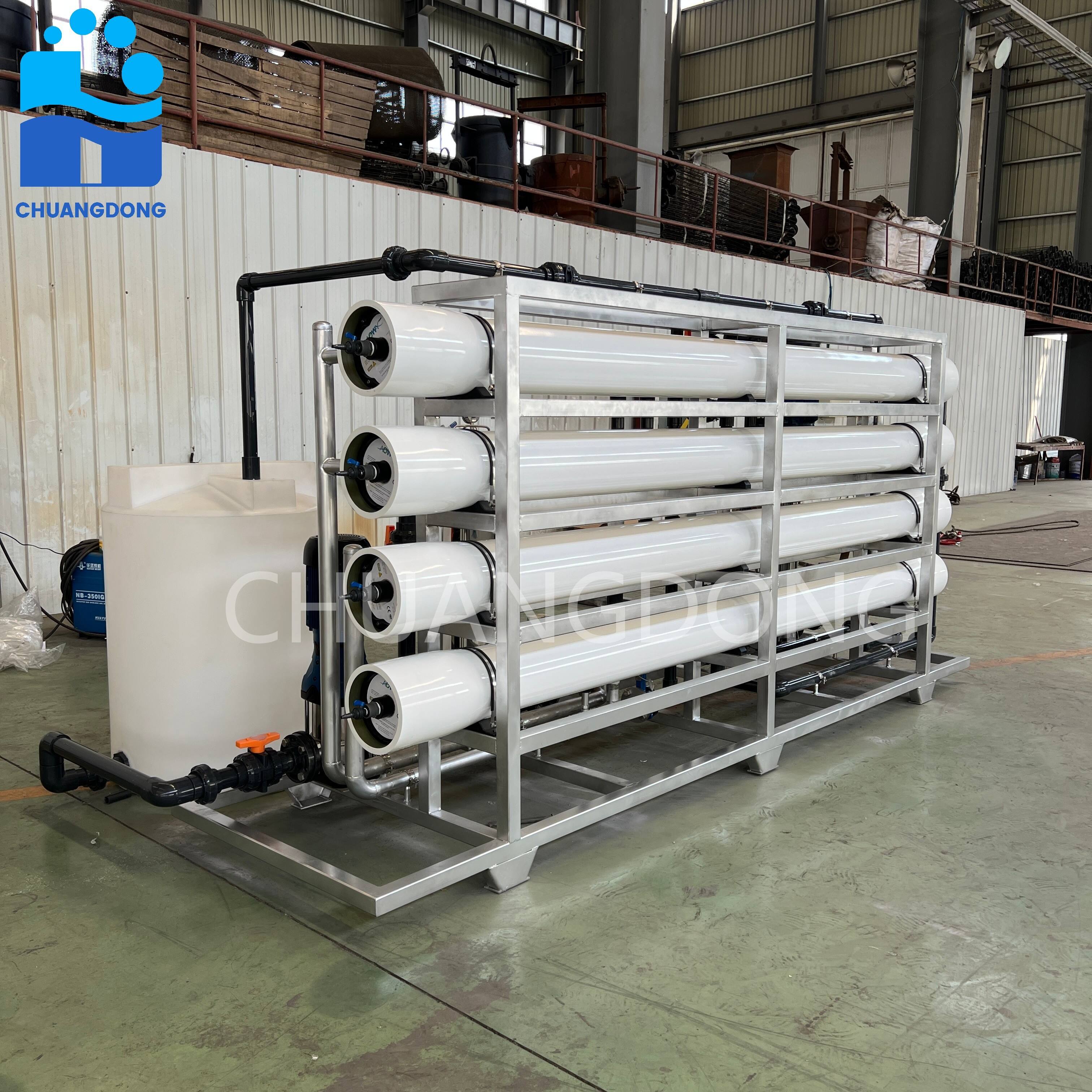
The ro filtration plant represents a sophisticated water purification system that employs reverse osmosis technology to deliver exceptional water quality across diverse applications. This advanced filtration system operates by forcing contaminated water through specially designed semi-permeable membranes under high pressure, effectively removing dissolved solids, harmful contaminants, and impurities that traditional filtration methods cannot eliminate. The ro filtration plant consists of multiple integrated components including pre-filtration stages, high-pressure pumps, reverse osmosis membranes, post-treatment units, and automated control systems that work together to ensure consistent water quality output. The technological framework of an ro filtration plant incorporates cutting-edge membrane technology that can reject particles as small as 0.0001 microns, making it capable of removing bacteria, viruses, heavy metals, pesticides, and total dissolved solids from source water. These systems feature automated monitoring capabilities that continuously track water quality parameters, system pressure, flow rates, and membrane performance to maintain optimal operation. The ro filtration plant finds extensive applications across municipal water treatment facilities, industrial manufacturing processes, pharmaceutical production, food and beverage industries, and residential complexes requiring high-quality water. Commercial establishments such as hospitals, schools, and office buildings increasingly rely on ro filtration plant systems to provide safe drinking water for their occupants. The modular design of modern ro filtration plant systems allows for scalable installations that can be customized to meet specific capacity requirements, ranging from small residential units producing hundreds of gallons per day to large industrial installations capable of processing millions of gallons daily.

New Products

The ro filtration plant offers numerous compelling advantages that make it the preferred choice for water purification across various sectors. The primary benefit lies in its exceptional contaminant removal capability, as the ro filtration plant can eliminate up to 99.9% of dissolved salts, heavy metals, and harmful microorganisms from source water, providing consistently pure water output that meets or exceeds international water quality standards. This superior purification performance ensures that users receive water free from chlorine, lead, mercury, fluoride, and other potentially harmful substances commonly found in municipal water supplies. Energy efficiency represents another significant advantage of modern ro filtration plant systems, as technological improvements have substantially reduced power consumption while maintaining high production rates. These systems incorporate energy recovery devices and variable frequency drives that optimize pump operations, resulting in lower operational costs and reduced environmental impact. The ro filteration plant demonstrates remarkable versatility in handling various water sources, from brackish groundwater to seawater, making it suitable for locations with challenging water quality conditions. Maintenance requirements for ro filtration plant systems are minimal compared to alternative treatment methods, with membrane replacement typically needed only every 2-3 years depending on source water quality and system usage. The automated operation features of ro filtration plant systems reduce labor costs and human error while ensuring consistent performance through continuous monitoring and adjustment capabilities. Cost-effectiveness becomes evident when considering the long-term operational expenses of ro filtration plant systems, as they eliminate the need for expensive chemical additives and reduce waste disposal costs associated with conventional treatment methods. The compact footprint of ro filtration plant installations makes them ideal for facilities with limited space, while their modular design allows for easy expansion as water demand increases. Quality assurance is guaranteed through real-time monitoring systems that alert operators to any performance deviations, ensuring uninterrupted delivery of high-quality water to end users.

Tips And Tricks

What Intake and Outfall Designs Minimize Environmental Impact of a Desalination Plant?

01

Mar

What Intake and Outfall Designs Minimize Environmental Impact of a Desalination Plant?

Environmental considerations have become paramount in the design and operation of modern desalination facilities worldwide. As water scarcity continues to challenge communities across the globe, the demand for sustainable desalination plant solutions...
View More
What Corrosion-Resistant Materials Are Used in Desalination Plant Construction?

06

Mar

What Corrosion-Resistant Materials Are Used in Desalination Plant Construction?

Desalination plants operate in some of the harshest environments imaginable, where saltwater constantly threatens the integrity of critical infrastructure. The selection of appropriate corrosion-resistant materials becomes paramount to ensuring long-...
View More
How Does a Water Purification System with Ion Exchange Soften Hard Water Effectively?

15

Mar

How Does a Water Purification System with Ion Exchange Soften Hard Water Effectively?

Hard water poses significant challenges for both residential and commercial applications, containing high concentrations of calcium and magnesium ions that cause scale buildup, reduce equipment efficiency, and affect water quality. A water purificati...
View More
How Does an RO Water Filter with a UV Sterilizer Provide Additional Protection Against Bacteria?

10

Mar

How Does an RO Water Filter with a UV Sterilizer Provide Additional Protection Against Bacteria?

Water contamination remains one of the most pressing concerns for homeowners and businesses seeking reliable water purification solutions. While traditional filtration methods offer basic protection, modern water treatment technology has evolved to p...
View More

Get a Free Quote

Our representative will contact you soon.
Email
Name
Company Name
Message
0/1000

ro filtration plant

Advanced Multi-Stage Purification Technology

Advanced Multi-Stage Purification Technology

The ro filtration plant employs state-of-the-art multi-stage purification technology that sets new standards for water treatment effectiveness and reliability. This sophisticated system begins with comprehensive pre-treatment stages that include sediment filtration, activated carbon adsorption, and chemical conditioning to protect the sensitive reverse osmosis membranes from fouling and damage. The heart of the ro filtration plant lies in its high-performance membrane arrays, which utilize thin-film composite materials engineered to provide maximum rejection rates while maintaining optimal water flux. These membranes operate under precisely controlled pressure conditions, typically ranging from 150 to 600 PSI, depending on the source water characteristics and desired output quality. The multi-stage configuration of the ro filtration plant ensures progressive purification, with each stage removing specific categories of contaminants to achieve comprehensive water treatment. Advanced membrane materials incorporated in modern ro filtration plant systems demonstrate enhanced resistance to chlorine, biological fouling, and chemical degradation, resulting in extended operational life and consistent performance. The system includes sophisticated monitoring equipment that continuously tracks critical parameters such as differential pressure across membranes, conductivity levels, pH values, and flow rates to ensure optimal performance. Post-treatment stages in the ro filtration plant include remineralization, pH adjustment, and disinfection to produce water that not only meets safety standards but also provides optimal taste and health benefits. The integration of smart control systems allows the ro filtration plant to automatically adjust operating parameters based on source water variations and demand fluctuations, ensuring consistent output quality while minimizing energy consumption. This advanced technology platform makes the ro filtration plant capable of adapting to changing conditions and maintaining peak performance throughout its operational life, providing users with reliable access to high-quality water regardless of source water challenges or seasonal variations.
Cost-Effective Operation and Maintenance

Cost-Effective Operation and Maintenance

The ro filtration plant delivers exceptional value through its cost-effective operation and maintenance characteristics that significantly reduce total ownership costs compared to alternative water treatment solutions. Operating expenses remain minimal due to the system's efficient energy utilization, which incorporates variable speed drives, energy recovery systems, and optimized membrane configurations that reduce power consumption by up to 40% compared to earlier generation systems. The ro filtration plant requires no chemical additives for routine operation, eliminating recurring costs associated with coagulants, flocculants, disinfectants, and pH adjustment chemicals typically needed in conventional treatment processes. Maintenance schedules for ro filtration plant systems are predictable and manageable, with routine tasks limited to filter cartridge replacement, membrane cleaning, and system inspections that can be performed by facility maintenance staff with minimal training. The robust design of ro filtration plant components ensures extended service life, with major system elements such as high-pressure pumps, control valves, and instrumentation designed for continuous operation over many years with minimal intervention. Membrane replacement intervals typically range from 2-5 years depending on source water quality and system operation, representing a significant cost advantage over systems requiring more frequent component replacement. The ro filtration plant generates minimal waste compared to conventional treatment methods, as the concentrate stream can often be recycled or used for secondary applications such as irrigation or industrial processes, reducing disposal costs and environmental impact. Remote monitoring capabilities integrated into modern ro filtration plant systems enable predictive maintenance strategies that identify potential issues before they result in system downtime or expensive repairs. This proactive approach to maintenance scheduling helps facilities avoid unexpected service interruptions and optimize replacement part inventory. The standardized design of ro filtration plant components ensures ready availability of replacement parts and consumables, preventing extended downtime periods and associated costs. Training requirements for ro filtration plant operators are minimal due to intuitive control interfaces and automated operation features that reduce the likelihood of operator error and associated maintenance costs.
Versatile Applications and Scalable Design

Versatile Applications and Scalable Design

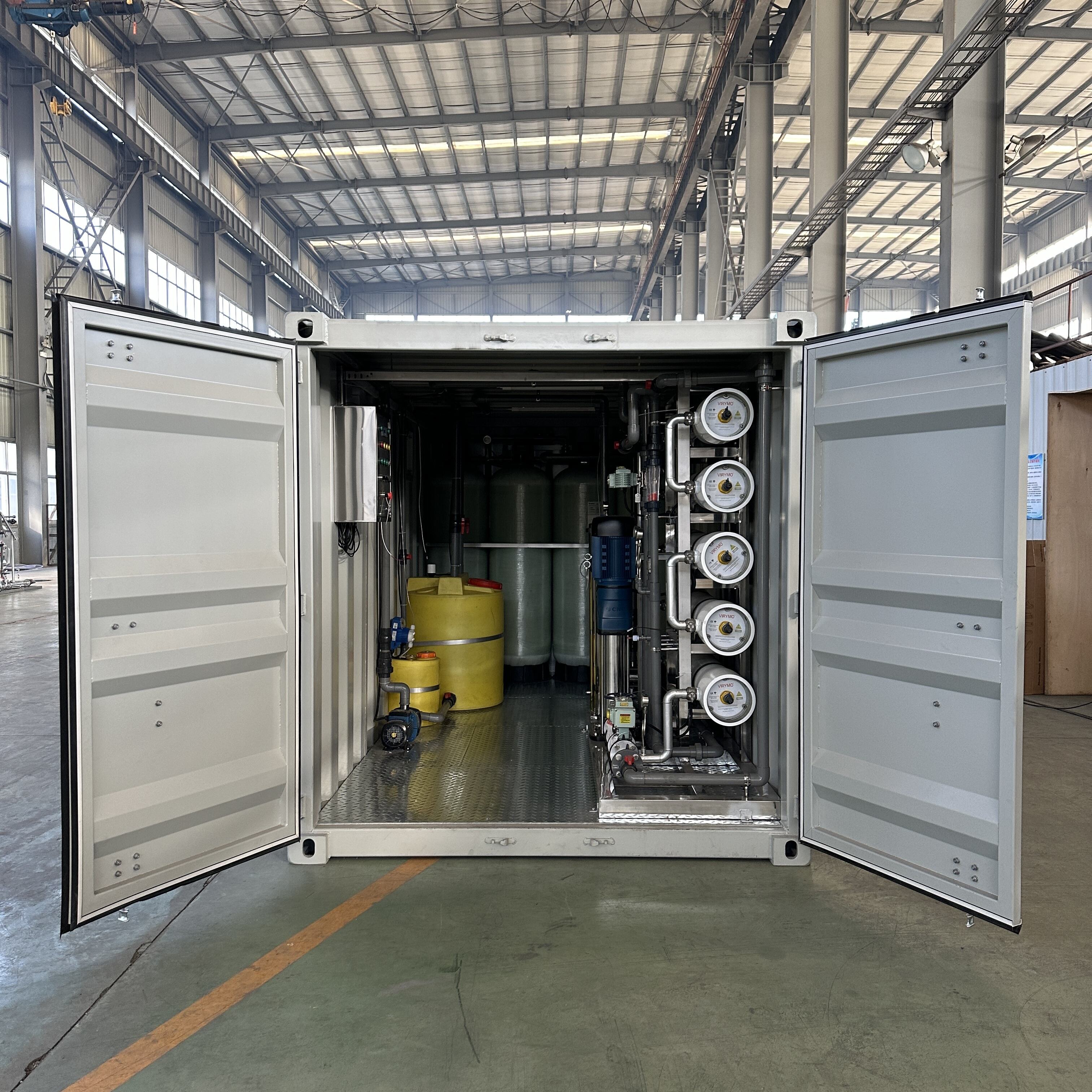
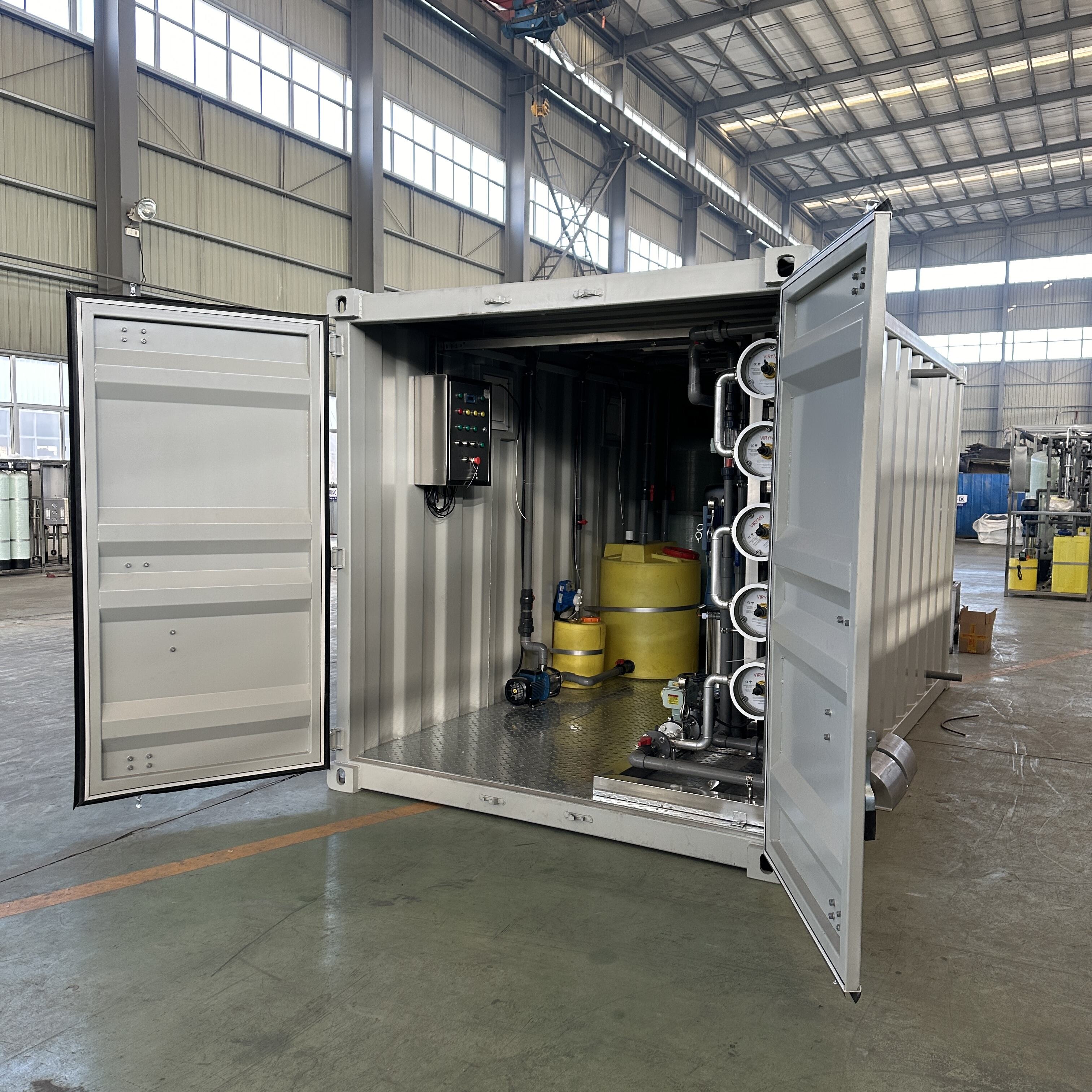
The ro filtration plant demonstrates exceptional versatility through its ability to address diverse water treatment requirements across multiple industries and applications while offering scalable design options that accommodate varying capacity needs. Municipal water treatment facilities utilize ro filtration plant systems to provide safe drinking water to communities, particularly in areas where groundwater contains high levels of dissolved minerals, nitrates, or other contaminants that conventional treatment cannot adequately remove. Industrial applications of ro filtration plant technology span numerous sectors including pharmaceutical manufacturing, where ultra-pure water is essential for drug production and laboratory operations, food and beverage processing that requires consistent water quality for product safety and taste, and electronics manufacturing where mineral-free water prevents equipment corrosion and product defects. The ro filtration plant adapts seamlessly to commercial applications such as hotels, restaurants, hospitals, and educational institutions that require reliable access to high-quality water for drinking, cooking, and various operational needs. Residential applications benefit from compact ro filtration plant designs that provide whole-house water treatment or point-of-use purification for families seeking improved water quality and taste. The modular architecture of ro filtration plant systems enables easy capacity expansion through the addition of parallel membrane trains or upgraded pump systems without requiring complete system replacement. This scalability makes the ro filtration plant suitable for applications ranging from small residential units producing 500 gallons per day to large municipal installations capable of treating millions of gallons daily. Geographic versatility allows ro filtration plant systems to operate effectively in diverse climatic conditions and with various source water types, from brackish groundwater in arid regions to surface water in industrial areas. The ro filtration plant can be configured with specialized pretreatment components to handle challenging source water conditions such as high turbidity, biological contamination, or chemical pollutants. Remote and off-grid applications benefit from ro filtration plant designs that incorporate solar power systems, battery backup, and satellite communication for monitoring and control, making clean water accessible in previously underserved areas. Containerized ro filtration plant units provide mobile water treatment solutions for emergency response, temporary installations, and remote construction projects where permanent infrastructure is not feasible.

Get a Free Quote

Our representative will contact you soon.
Email
Name
Company Name
Message
0/1000