Advanced Reverse Osmosis Desalination Plant Solutions - Efficient Water Treatment Technology

Get a Free Quote

Our representative will contact you soon.
Email
Name
Company Name
Message
0/1000

reverse osmosis desalination plant

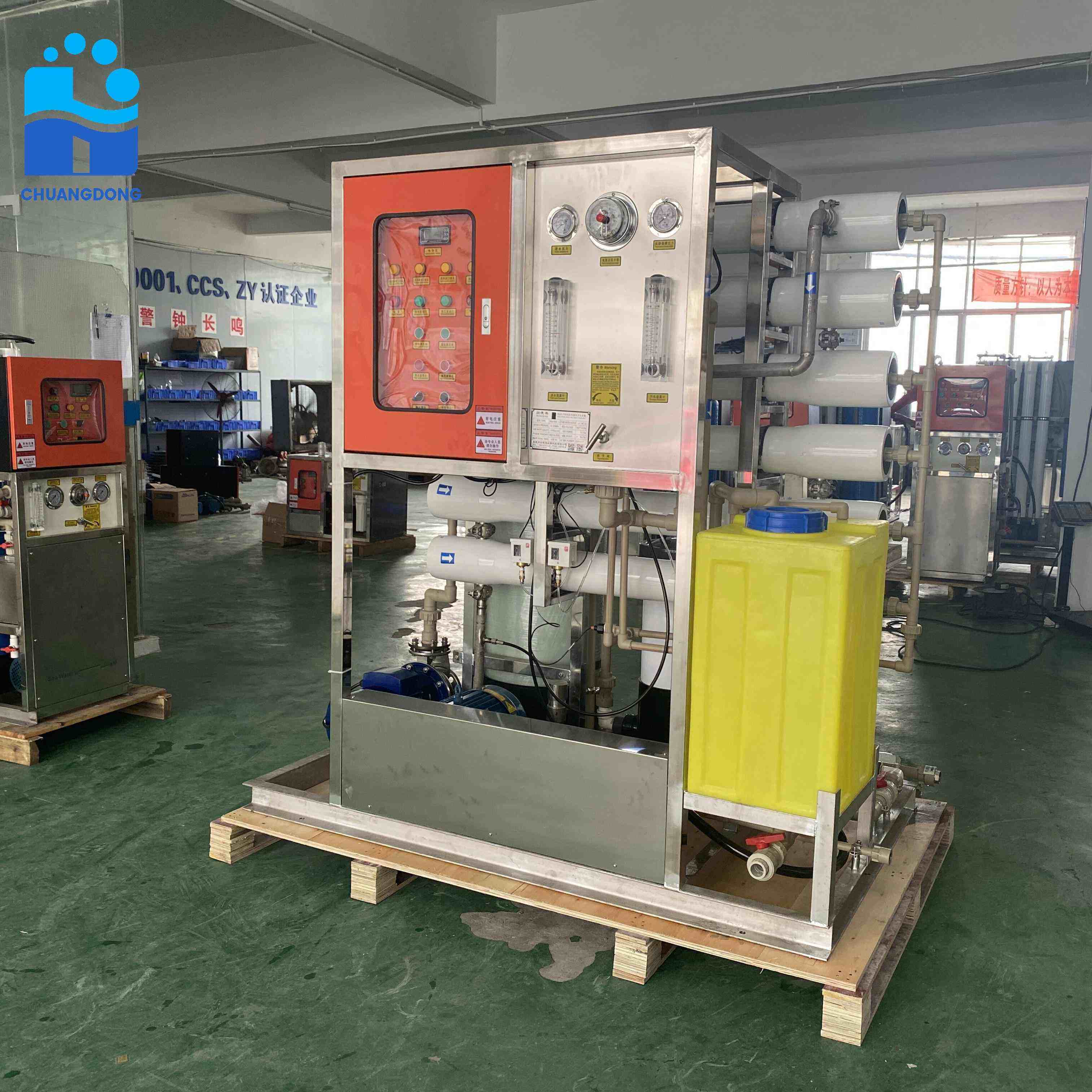
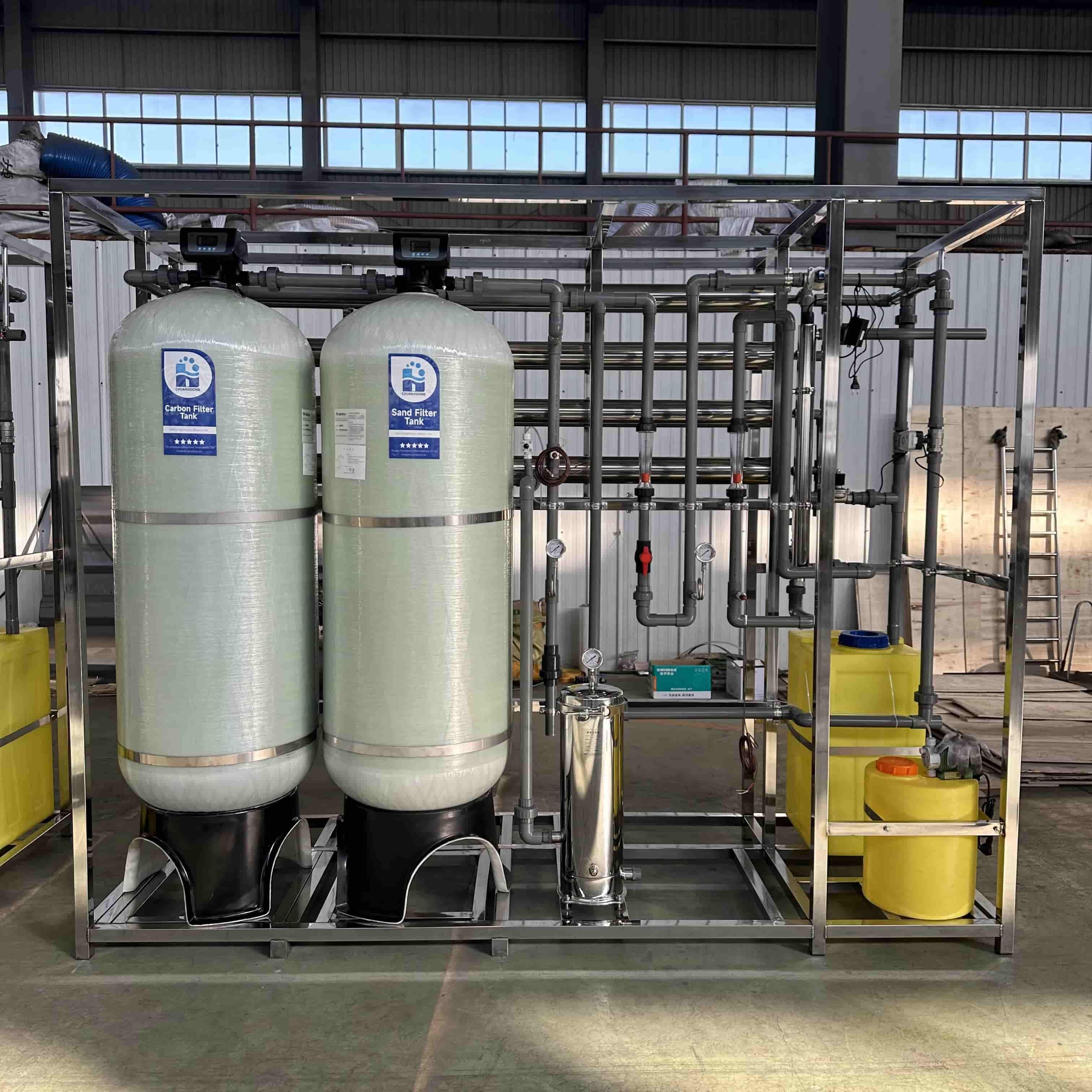
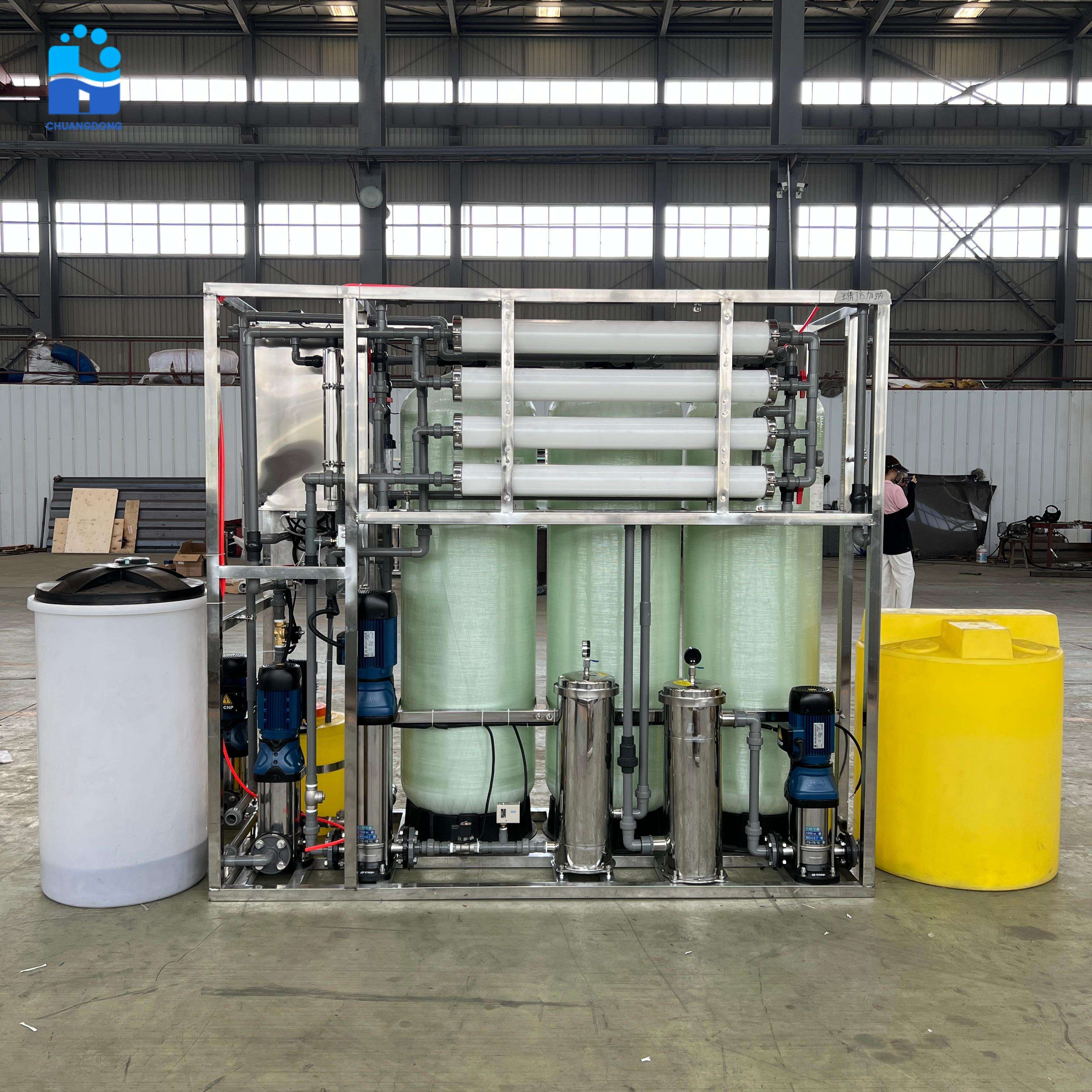
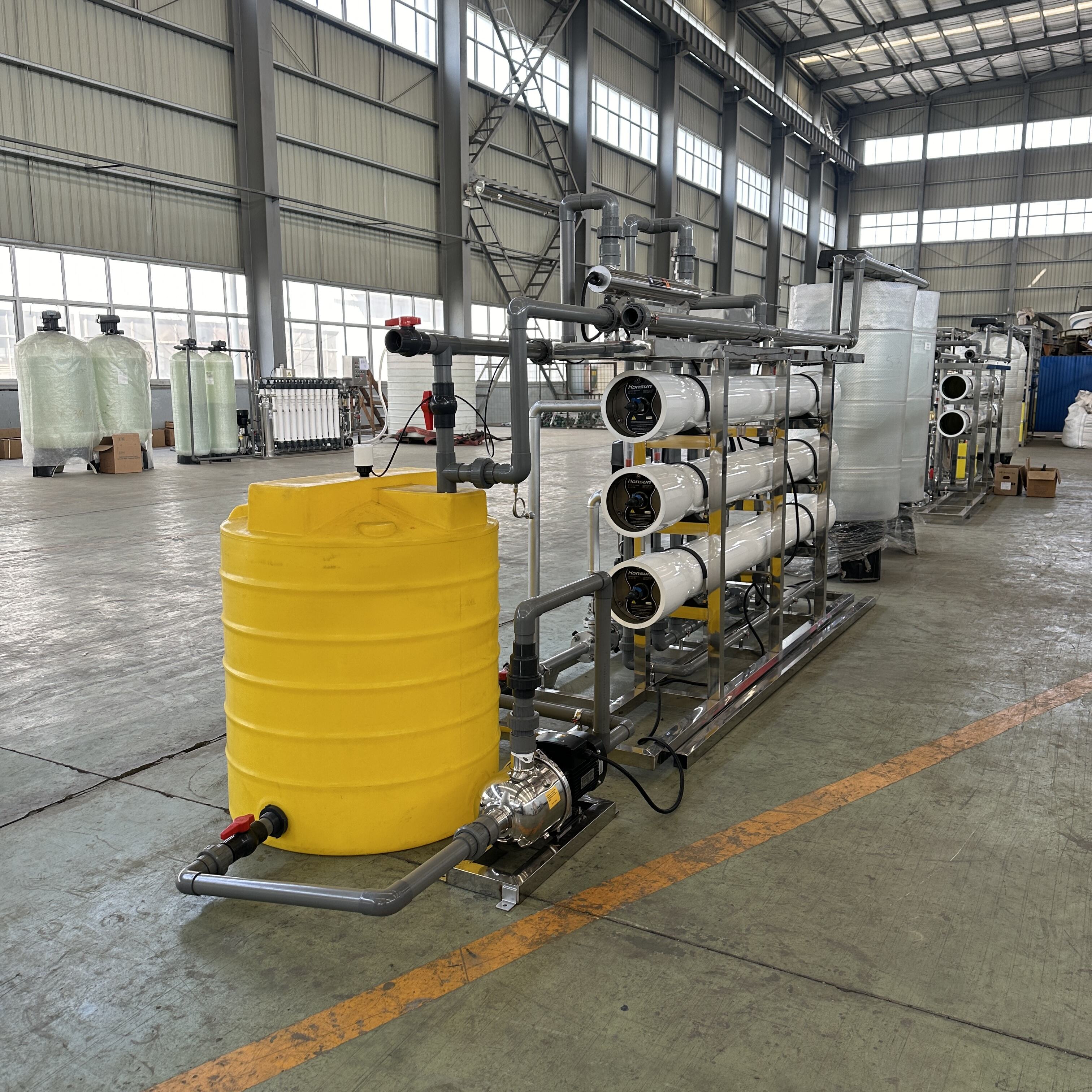
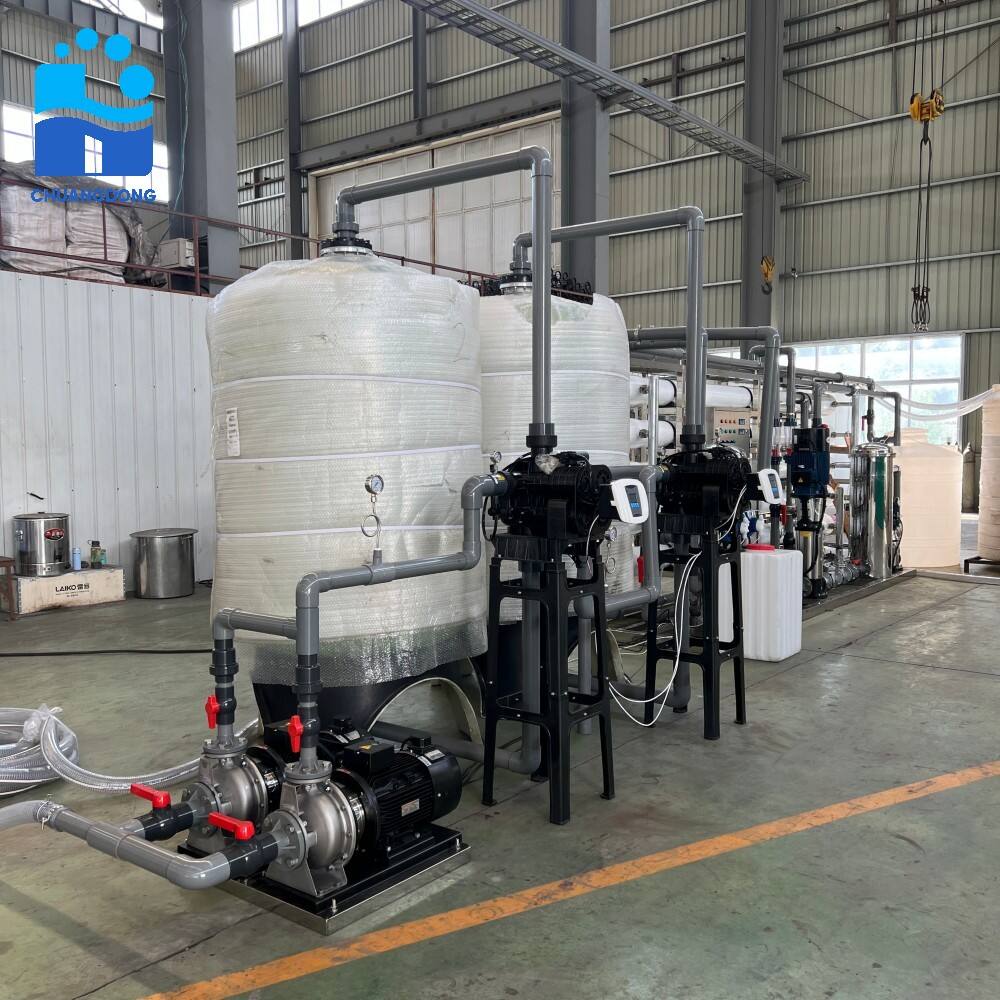
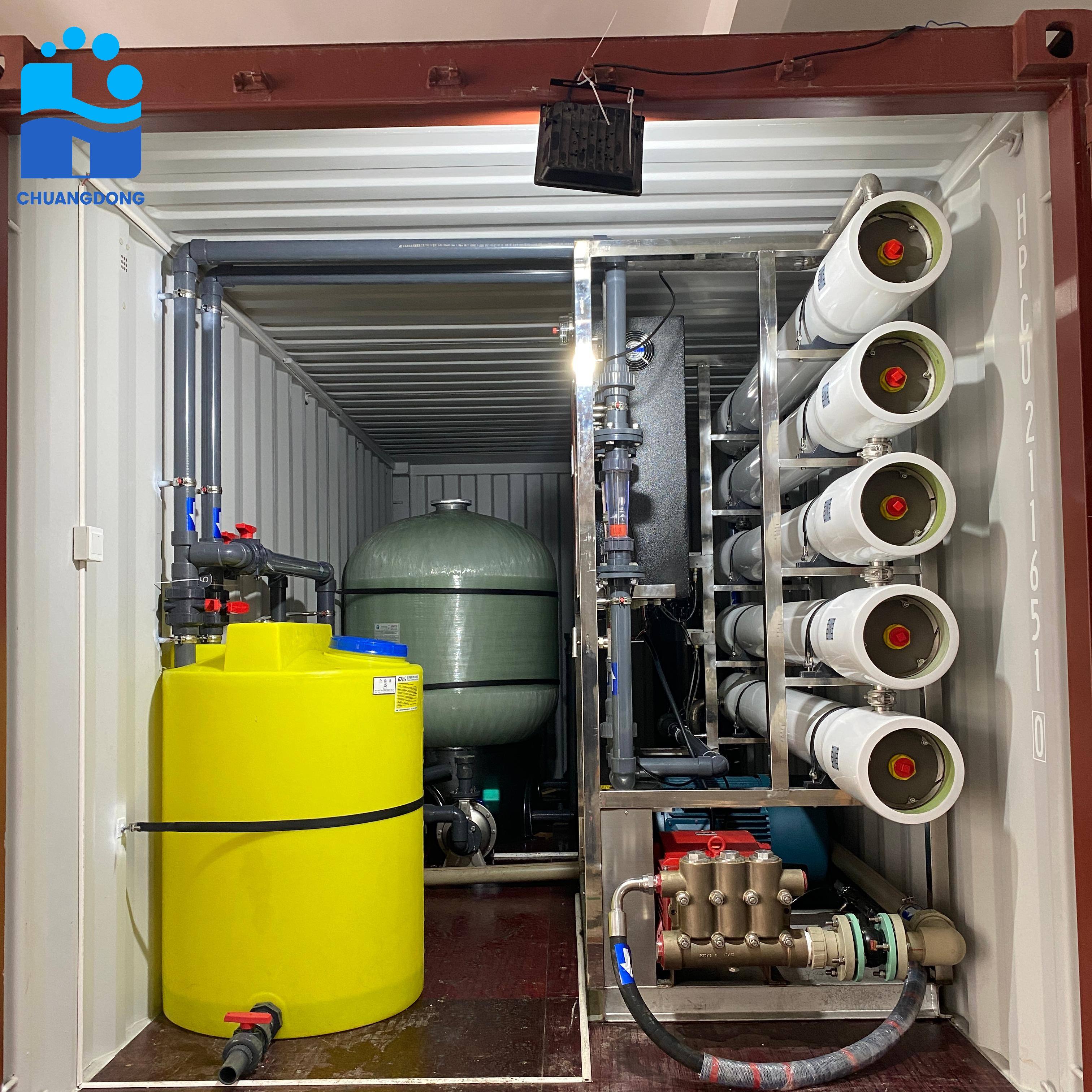
A reverse osmosis desalination plant represents cutting-edge water purification technology that transforms saltwater into clean, potable water through advanced membrane filtration processes. This sophisticated water treatment facility operates by forcing seawater or brackish water through semi-permeable membranes under high pressure, effectively removing salt, minerals, and contaminants to produce high-quality freshwater. The reverse osmosis desalination plant serves as a critical infrastructure solution for communities, industries, and regions facing water scarcity challenges. The core functionality of a reverse osmosis desalination plant centers on its multi-stage treatment process. Initially, raw seawater undergoes pre-treatment to remove large particles, sediments, and organic matter through screening and chemical conditioning. The water then enters the heart of the system where high-pressure pumps force it through specialized reverse osmosis membranes. These membranes contain microscopic pores that allow water molecules to pass through while blocking salt ions and other dissolved substances. The technological features of a modern reverse osmosis desalination plant include energy recovery devices that capture and reuse pressure energy from the reject brine stream, significantly improving overall system efficiency. Advanced monitoring systems continuously track water quality parameters, membrane performance, and operational conditions to ensure optimal output. The plant typically incorporates automated control systems that adjust operating parameters based on feed water conditions and production demands. Applications for reverse osmosis desalination plants span across municipal water supply systems, industrial manufacturing processes, agricultural irrigation, and emergency water relief situations. These facilities can be designed as large-scale installations serving entire cities or as smaller modular units for remote communities. The scalability and adaptability of reverse osmosis technology make it suitable for diverse geographical locations and varying water demand scenarios, providing reliable freshwater production regardless of local water resource limitations.

New Products

The reverse osmosis desalination plant delivers exceptional water quality that consistently meets or exceeds international drinking water standards. This technology removes over 99% of dissolved salts, bacteria, viruses, and other contaminants, producing water that is often purer than many natural freshwater sources. The reliability of water quality output makes the reverse osmosis desalination plant an ideal solution for communities requiring consistent access to safe drinking water. Unlike traditional water treatment methods that may struggle with varying source water conditions, the reverse osmosis process maintains stable performance regardless of seasonal changes or environmental fluctuations in the feed water supply. Modern reverse osmosis desalination plants achieve remarkable energy efficiency through innovative design improvements and energy recovery systems. These facilities now consume significantly less energy per gallon of water produced compared to older desalination technologies. The integration of energy recovery devices captures up to 60% of the energy from the high-pressure reject stream and redirects it back into the system, substantially reducing operational costs. This efficiency translates directly into lower water production costs for end users, making desalinated water more affordable for communities and businesses. The reverse osmosis desalination plant offers unmatched operational flexibility and scalability to meet diverse water demands. These systems can be easily expanded by adding additional membrane modules or treatment trains as water needs grow. The modular design allows operators to adjust production capacity based on seasonal demands or changing requirements. Maintenance procedures are straightforward, with most components accessible for routine servicing without shutting down the entire facility. The automated control systems reduce the need for constant supervision while providing real-time data on system performance and water quality. Environmental considerations make the reverse osmosis desalination plant an attractive option for sustainable water management. Modern plants incorporate advanced brine management techniques to minimize environmental impact while maximizing water recovery rates. The technology produces no harmful chemical byproducts and requires fewer additives compared to other treatment methods. Many facilities now integrate renewable energy sources such as solar or wind power to further reduce their carbon footprint. The consistent freshwater production capability reduces pressure on natural water resources, helping preserve groundwater aquifers and surface water bodies for ecological balance and future generations.

Tips And Tricks

What Corrosion-Resistant Materials Are Used in Desalination Plant Construction?

06

Mar

What Corrosion-Resistant Materials Are Used in Desalination Plant Construction?

Desalination plants operate in some of the harshest environments imaginable, where saltwater constantly threatens the integrity of critical infrastructure. The selection of appropriate corrosion-resistant materials becomes paramount to ensuring long-...
View More
How Does a Water Purification System with Ion Exchange Soften Hard Water Effectively?

15

Mar

How Does a Water Purification System with Ion Exchange Soften Hard Water Effectively?

Hard water poses significant challenges for both residential and commercial applications, containing high concentrations of calcium and magnesium ions that cause scale buildup, reduce equipment efficiency, and affect water quality. A water purificati...
View More
How Does an RO Water Filter with a UV Sterilizer Provide Additional Protection Against Bacteria?

10

Mar

How Does an RO Water Filter with a UV Sterilizer Provide Additional Protection Against Bacteria?

Water contamination remains one of the most pressing concerns for homeowners and businesses seeking reliable water purification solutions. While traditional filtration methods offer basic protection, modern water treatment technology has evolved to p...
View More
Why Should Pharmaceutical QC Labs Use Ultrapure Water for HPLC and Mass Spectrometry?

18

Mar

Why Should Pharmaceutical QC Labs Use Ultrapure Water for HPLC and Mass Spectrometry?

Pharmaceutical quality control laboratories face increasingly stringent requirements for analytical accuracy and regulatory compliance. The foundation of reliable analytical results lies in the quality of water used throughout testing procedures. Ult...
View More

Get a Free Quote

Our representative will contact you soon.
Email
Name
Company Name
Message
0/1000

reverse osmosis desalination plant

Advanced Membrane Technology for Superior Water Purity

Advanced Membrane Technology for Superior Water Purity

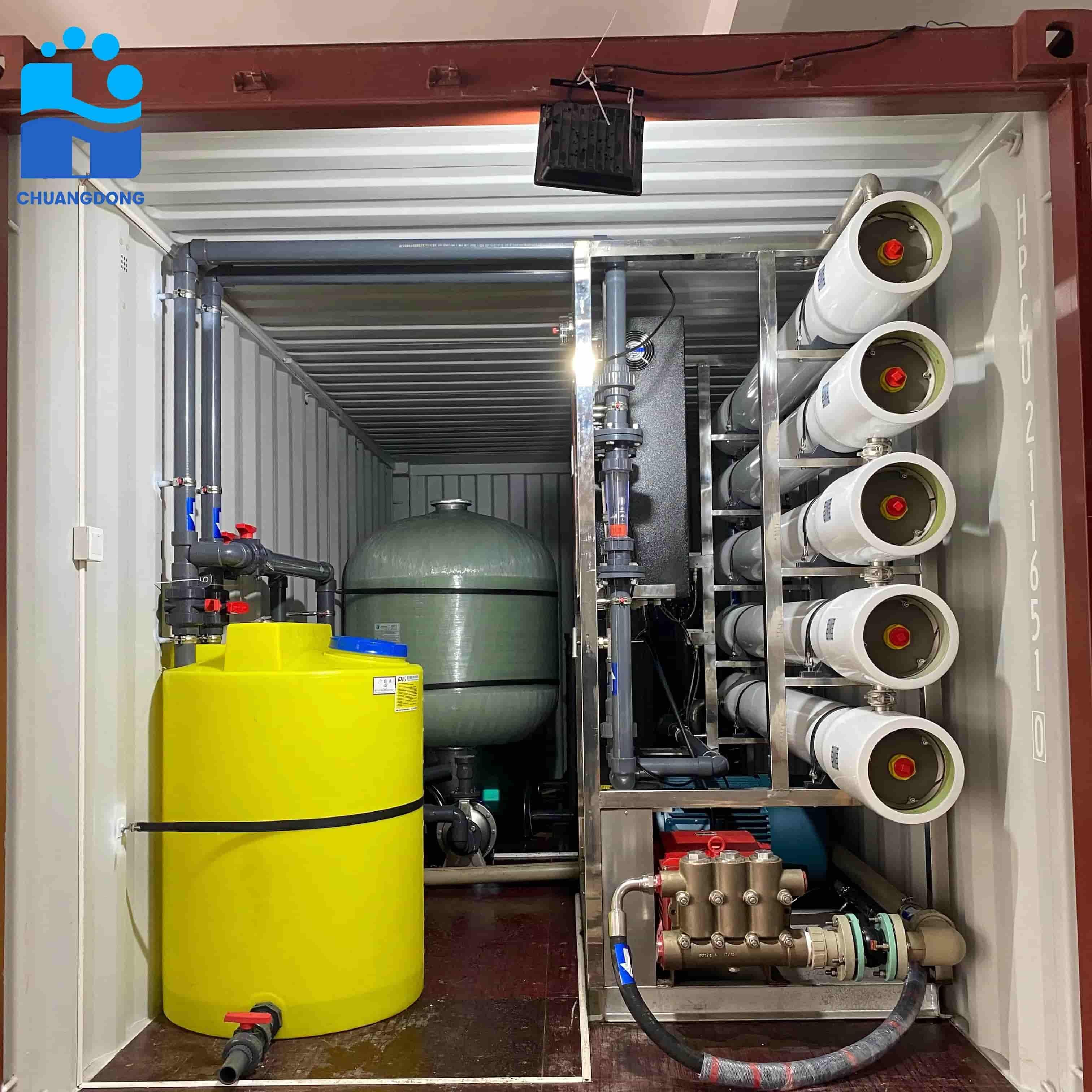
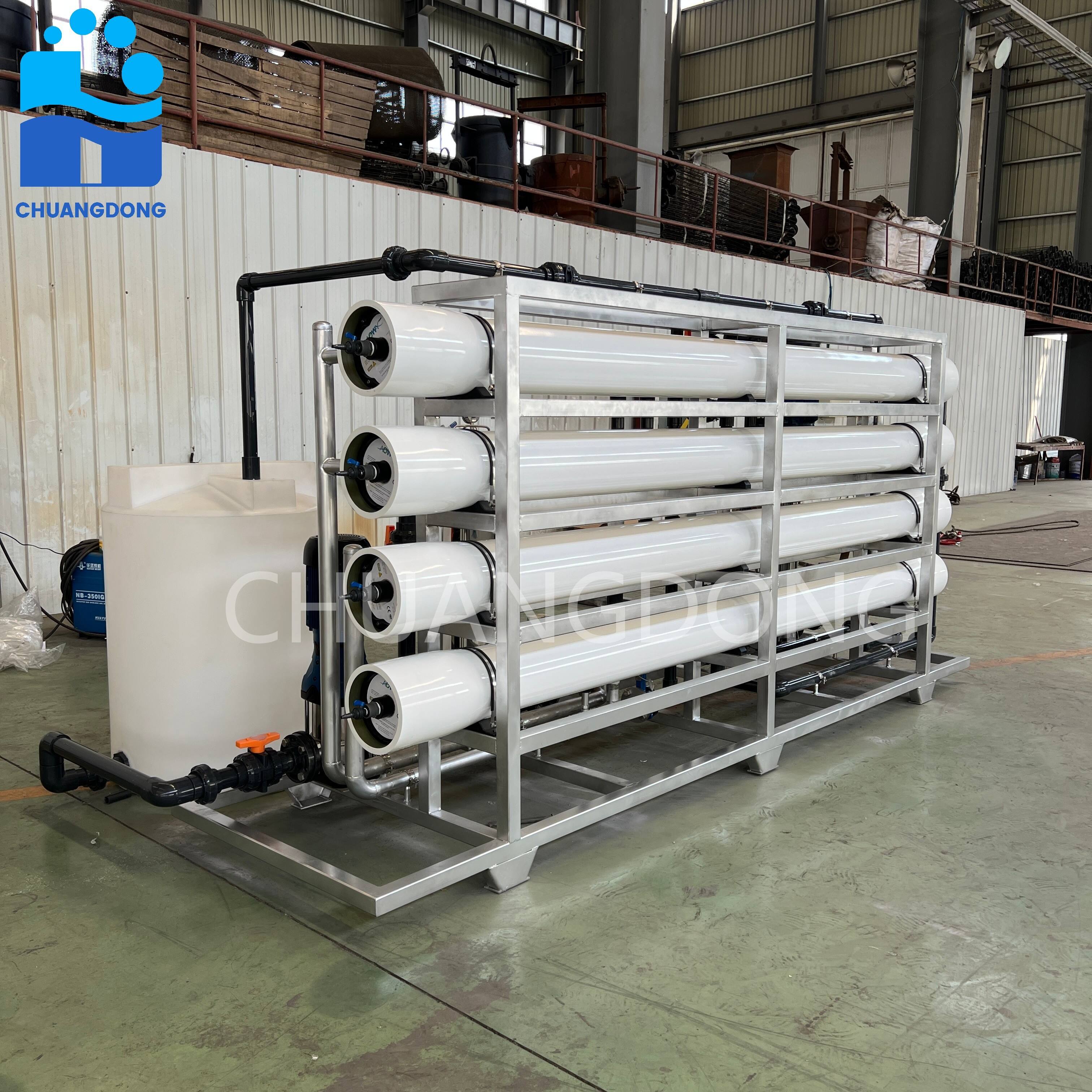
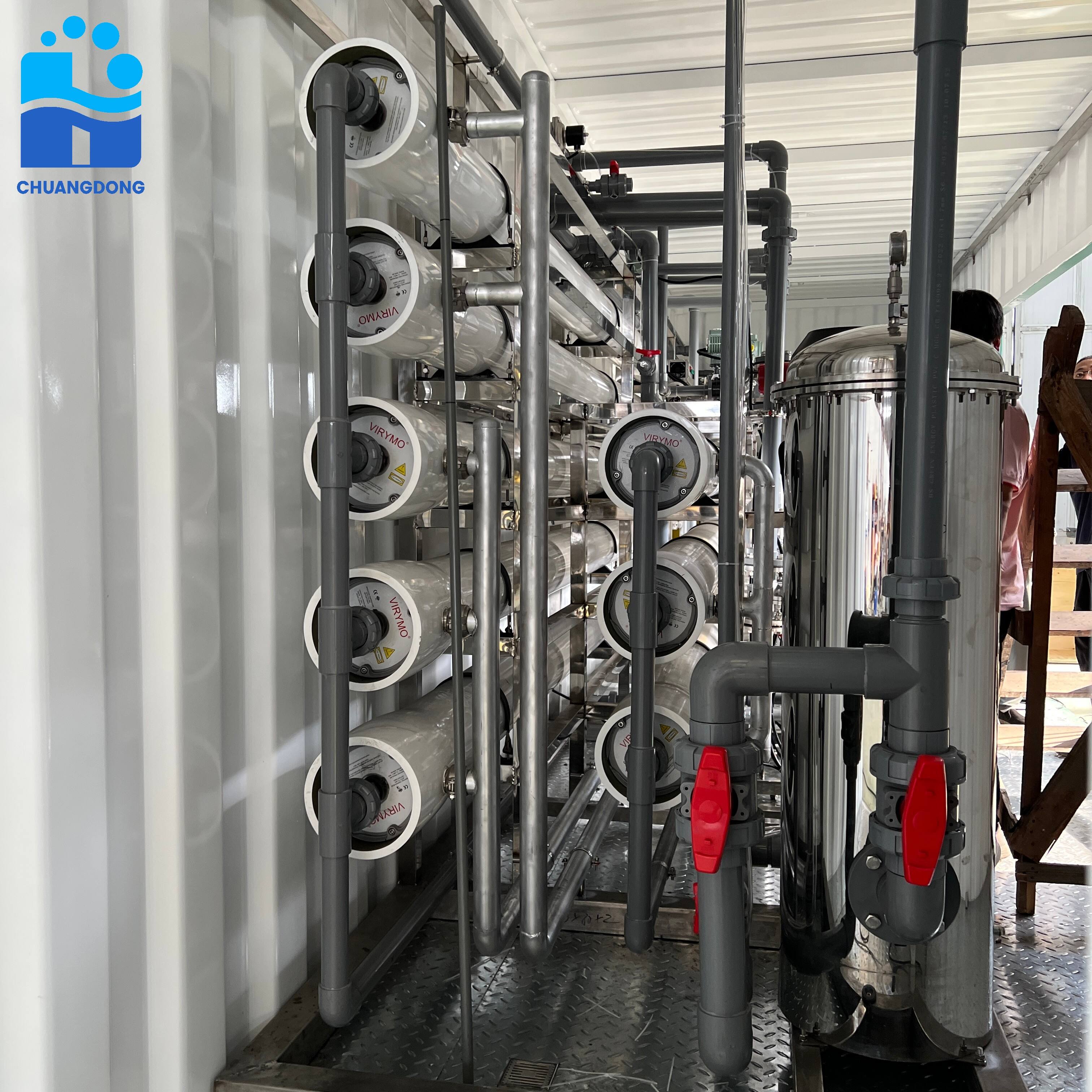
The reverse osmosis desalination plant employs state-of-the-art semi-permeable membrane technology that represents the gold standard in water purification systems worldwide. These sophisticated membranes feature incredibly precise pore structures that measure approximately 0.0001 microns in diameter, making them capable of removing virtually all dissolved contaminants from seawater or brackish water sources. The membrane material typically consists of thin-film composite polyamide layers that demonstrate exceptional rejection rates for salts, heavy metals, pesticides, pharmaceuticals, and microorganisms. This advanced filtration capability ensures that the reverse osmosis desalination plant produces water with total dissolved solids levels consistently below 500 parts per million, often achieving levels as low as 50 parts per million or less. The membrane configuration within the reverse osmosis desalination plant utilizes spiral-wound elements arranged in pressure vessels to maximize surface area while minimizing footprint requirements. Each membrane element contains multiple layers of filtration material wrapped around a perforated central tube, creating thousands of square feet of active filtration surface within a compact cylindrical housing. The spiral design promotes efficient flow dynamics and prevents fouling by maintaining consistent water velocity across the membrane surface. Modern reverse osmosis membranes also incorporate anti-fouling treatments and enhanced chlorine tolerance to extend operational life and reduce maintenance requirements. The superior water purity achieved by the reverse osmosis desalination plant membrane system eliminates the need for extensive post-treatment processes, reducing both capital and operational expenses. This technology consistently removes bacteria, viruses, cysts, and other pathogens without requiring chemical disinfection, making it particularly valuable for sensitive applications such as pharmaceutical manufacturing, electronics production, and high-quality beverage preparation. The exceptional contaminant removal capability provides peace of mind for operators and end users, knowing that the water produced meets the most stringent quality standards for human consumption and industrial applications.
Energy-Efficient Operation with Cost-Effective Performance

Energy-Efficient Operation with Cost-Effective Performance

The modern reverse osmosis desalination plant incorporates advanced energy recovery technology that dramatically reduces power consumption and operational costs compared to traditional desalination methods. Energy recovery devices, such as pressure exchangers and high-pressure turbines, capture hydraulic energy from the high-pressure brine reject stream and transfer it to incoming feed water, achieving energy recovery efficiencies of up to 98%. This innovative approach reduces the overall energy requirement for the reverse osmosis desalination plant by 35-60%, resulting in substantial cost savings for operators and more affordable water for consumers. The energy efficiency improvements make desalinated water increasingly competitive with other water supply alternatives, even in regions with relatively abundant freshwater resources. Variable frequency drives and high-efficiency pumps further optimize energy consumption by automatically adjusting motor speeds based on system demand and operating conditions. The reverse osmosis desalination plant control system continuously monitors energy usage and adjusts parameters to maintain optimal efficiency while meeting production targets. Smart sensors throughout the facility provide real-time feedback on pressure differentials, flow rates, and membrane performance, enabling predictive maintenance strategies that prevent energy-wasting equipment failures and system inefficiencies. The integration of renewable energy sources, such as solar panels or wind turbines, can further reduce operational costs and environmental impact for the reverse osmosis desalination plant. Many facilities now achieve net-zero energy consumption during peak renewable generation periods, storing excess energy in battery systems for use during low-generation periods. The economic benefits of efficient operation extend beyond energy savings to include reduced maintenance costs, longer equipment life, and improved system reliability. Lower energy consumption also translates to reduced carbon emissions, supporting environmental sustainability goals while maintaining reliable water production. The cost-effectiveness of modern reverse osmosis desalination plants makes them viable solutions for communities and industries seeking secure, long-term water supplies without compromising budget constraints or environmental responsibilities.
Scalable and Flexible Design for Diverse Applications

Scalable and Flexible Design for Diverse Applications

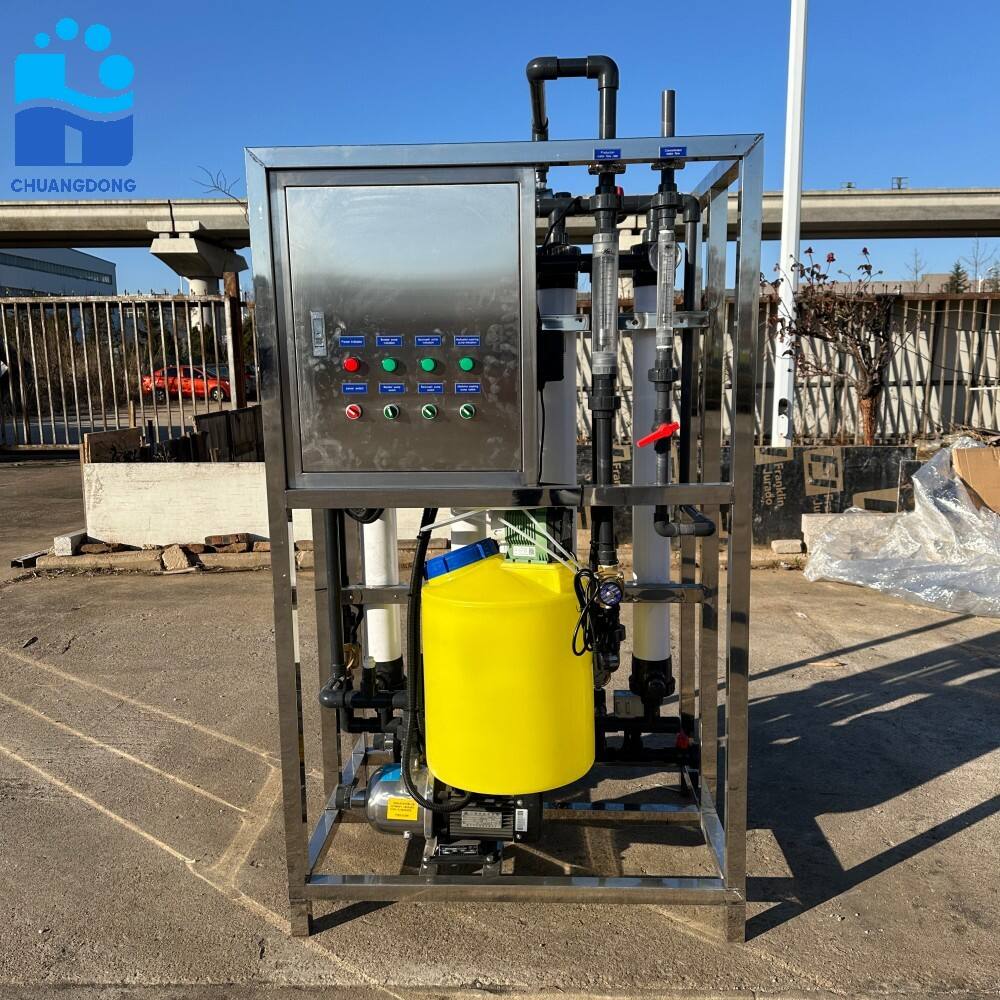
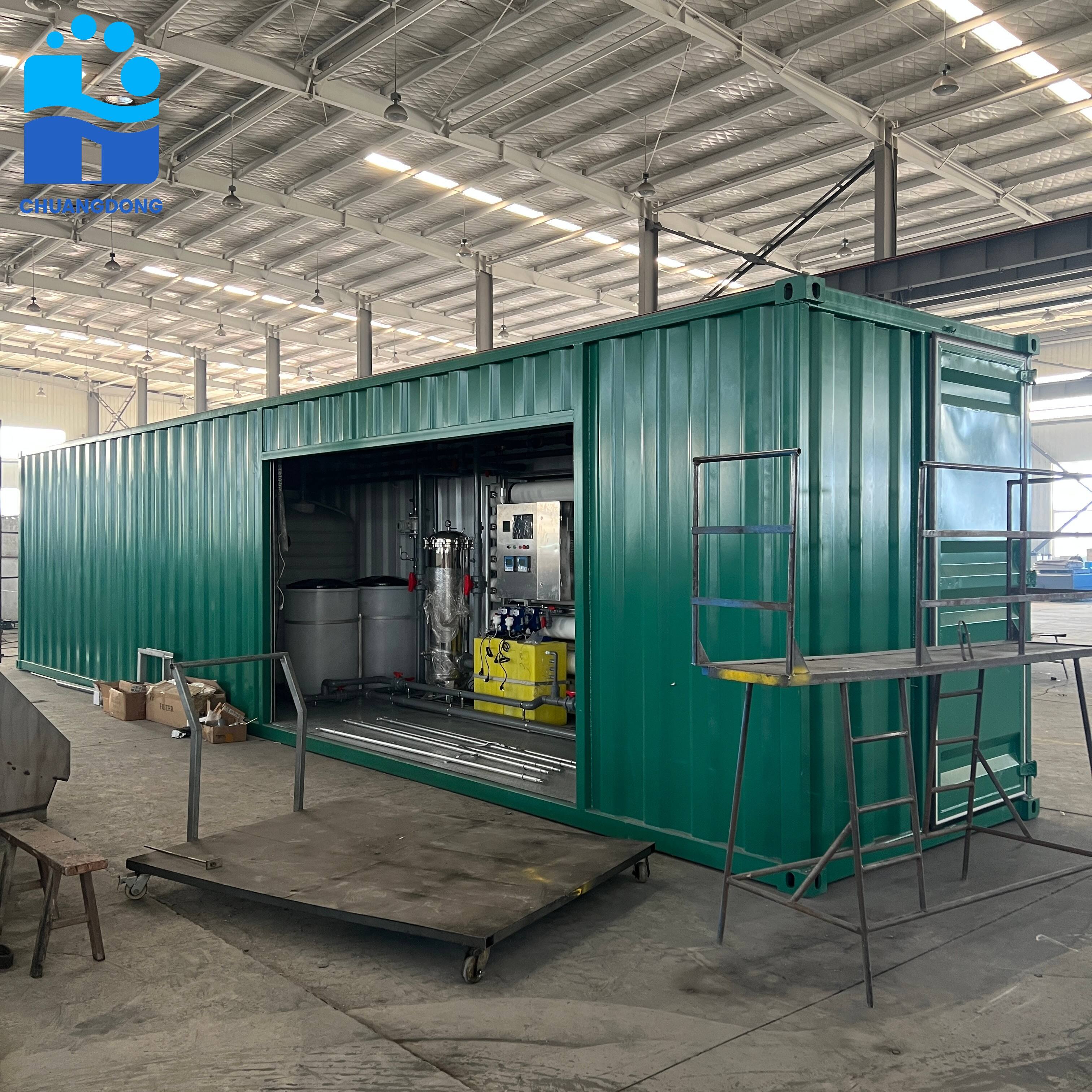
The reverse osmosis desalination plant offers unparalleled scalability and design flexibility, making it suitable for applications ranging from small community systems producing thousands of gallons per day to massive municipal facilities generating millions of gallons daily. This adaptability stems from the modular nature of reverse osmosis technology, where treatment capacity can be easily adjusted by adding or removing membrane modules, pressure vessels, and associated equipment. The modular approach allows the reverse osmosis desalination plant to grow incrementally with increasing water demand, avoiding the need for oversized initial investments while ensuring adequate capacity for future expansion. Skid-mounted systems provide plug-and-play installation capability, reducing construction time and complexity while maintaining consistent performance standards across different sites and applications. The design flexibility of the reverse osmosis desalination plant extends to feed water source compatibility, with systems capable of treating seawater, brackish groundwater, wastewater, and other contaminated water sources with appropriate pre-treatment modifications. Mobile and containerized units offer rapid deployment capabilities for emergency response, military operations, or temporary water supply needs in remote locations. These portable systems maintain the same high-performance standards as permanent installations while providing the mobility required for disaster relief or construction projects. The reverse osmosis desalination plant can be customized to meet specific water quality requirements for different end uses, from potable water production to ultra-pure water for pharmaceutical and electronics manufacturing. Advanced control systems enable remote monitoring and operation, allowing skilled technicians to oversee multiple facilities from centralized locations. This capability is particularly valuable for utilities managing distributed water systems or companies operating multiple production facilities. The flexibility also extends to integration with existing water infrastructure, where the reverse osmosis desalination plant can supplement conventional water treatment facilities or serve as a backup water source during emergencies. Automated blending systems can mix desalinated water with other water sources to achieve optimal mineral content and taste profiles for specific community preferences while maintaining cost-effectiveness and system efficiency.

Get a Free Quote

Our representative will contact you soon.
Email
Name
Company Name
Message
0/1000