Premium Drinking Water RO Plant Systems - Advanced Reverse Osmosis Technology Solutions

Get a Free Quote

Our representative will contact you soon.
Email
Name
Company Name
Message
0/1000

drinking water ro plant

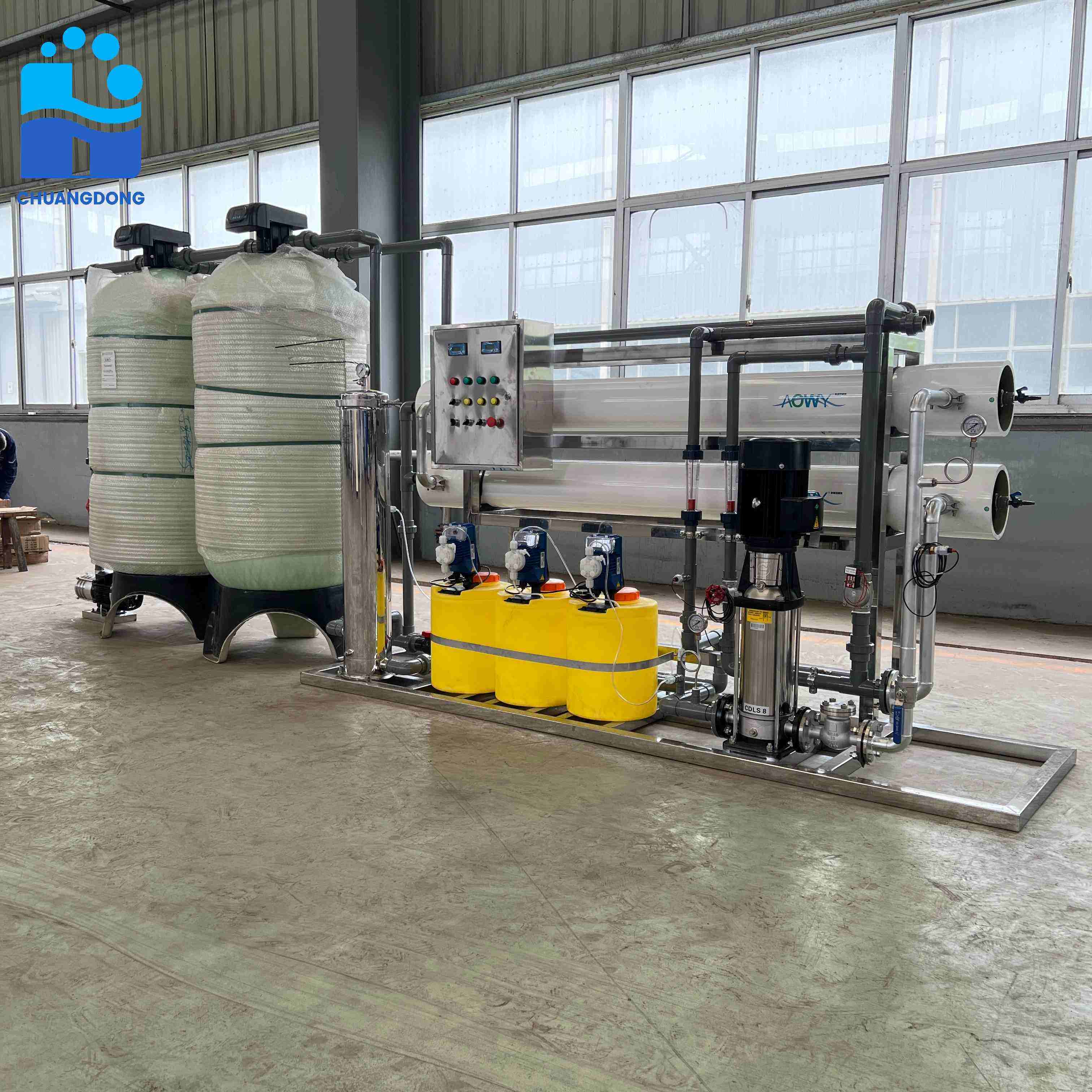
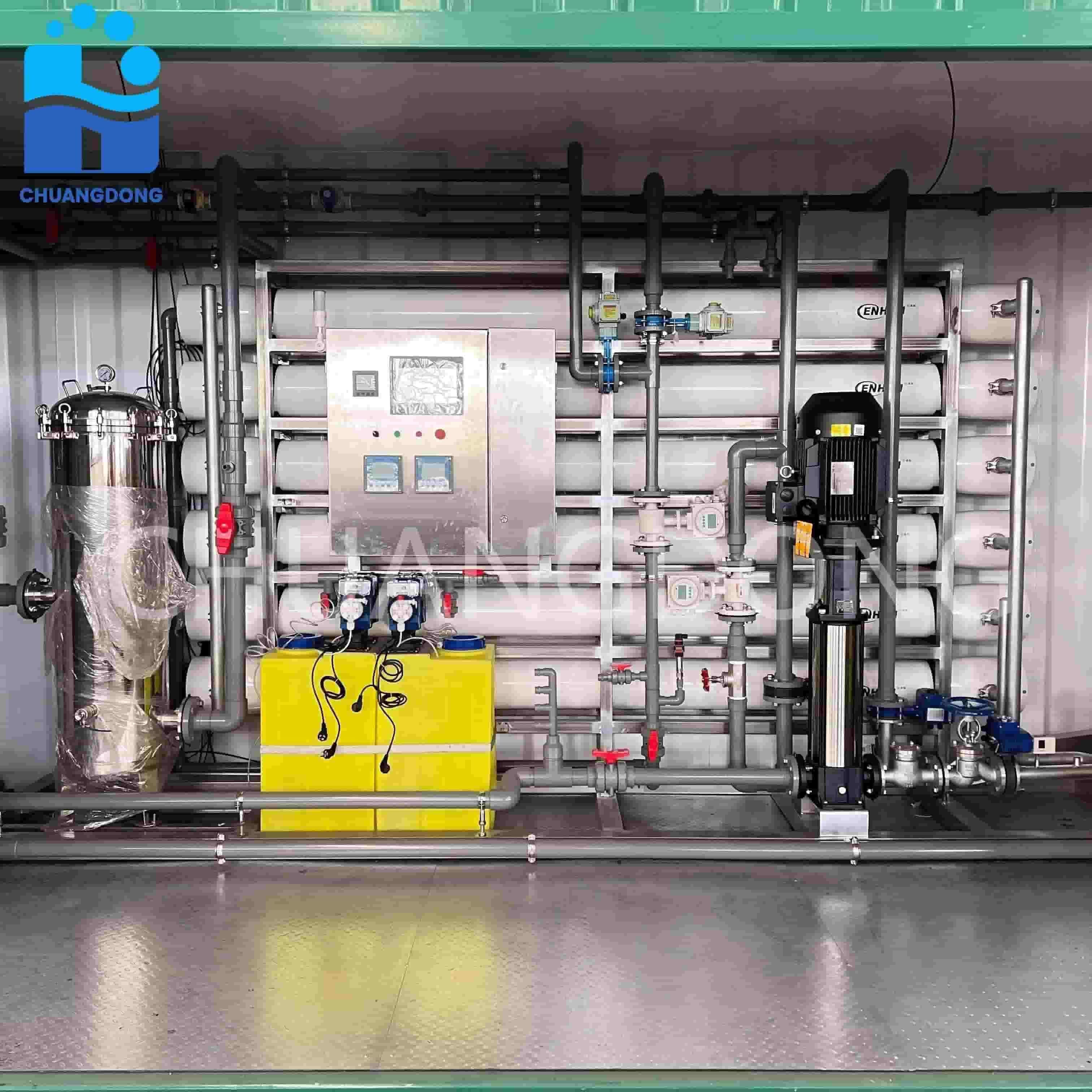
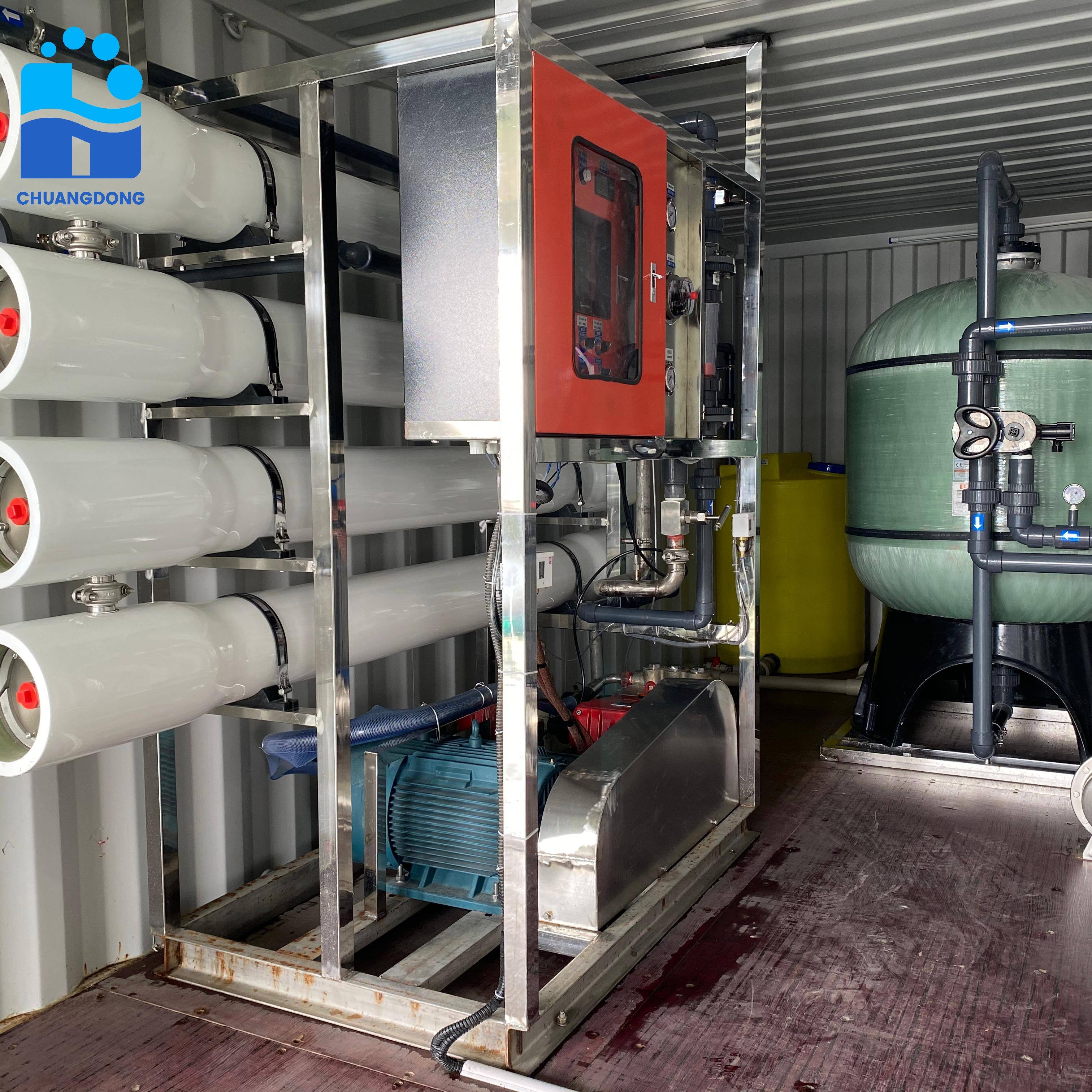
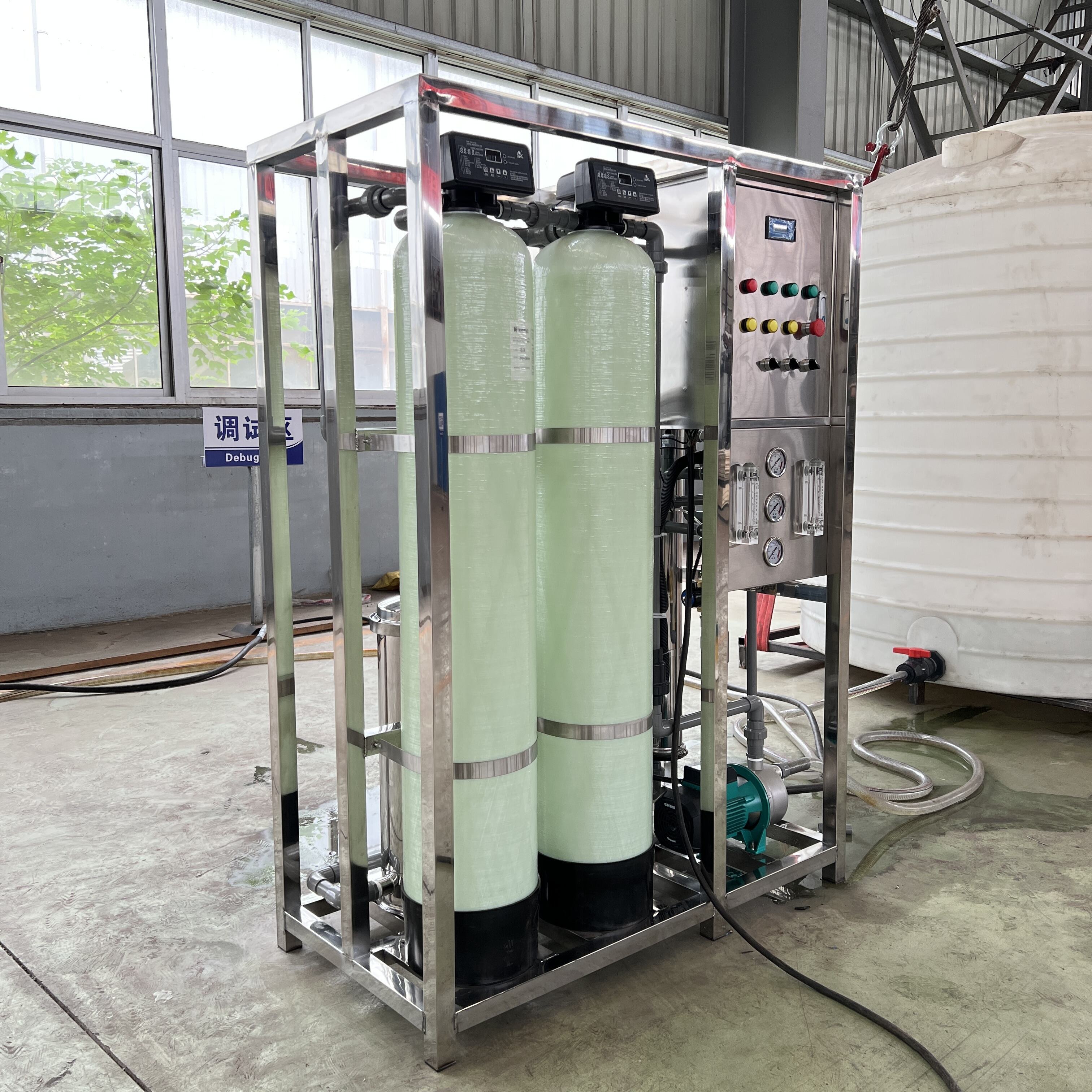
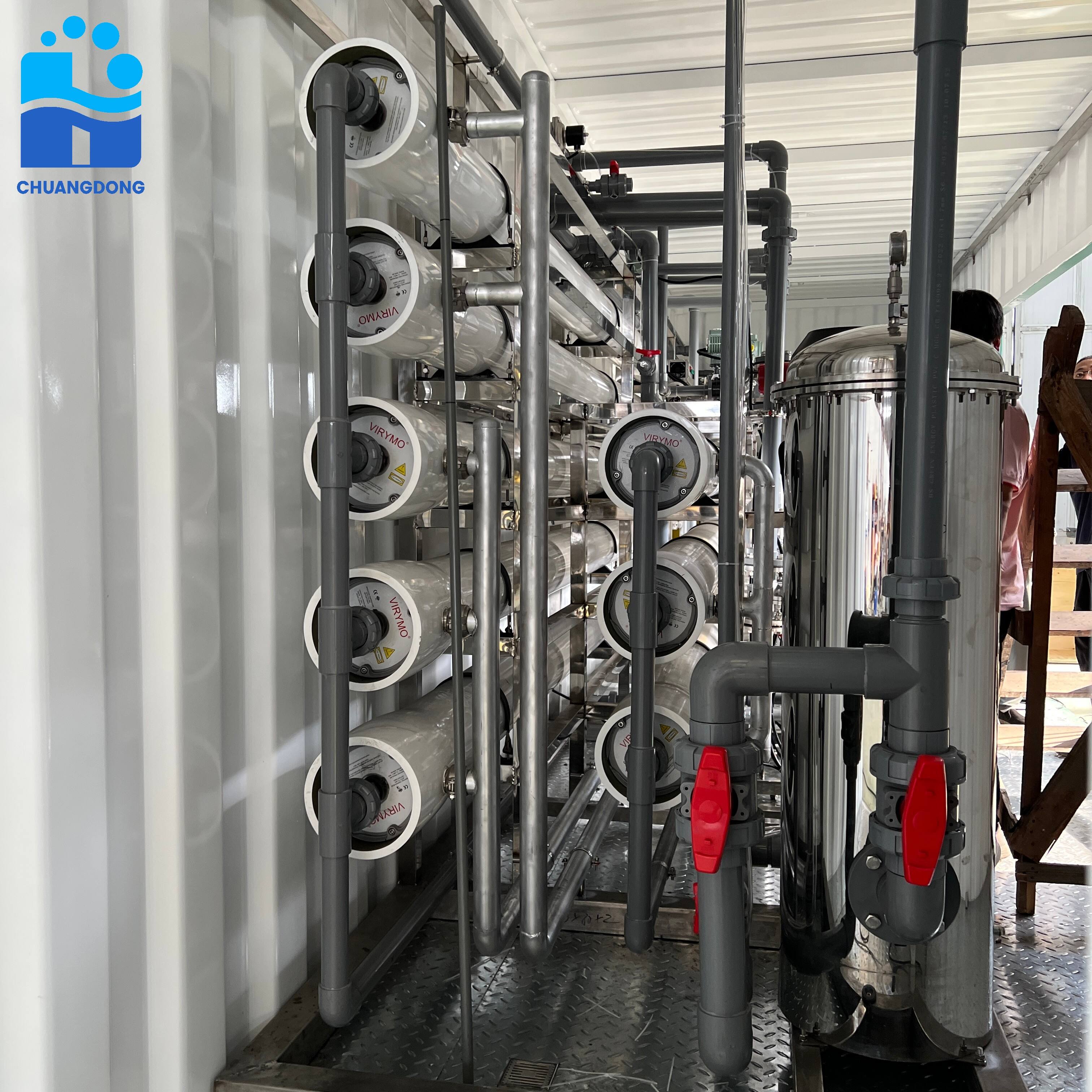
A drinking water RO plant represents a sophisticated water treatment system that utilizes reverse osmosis technology to produce clean, safe drinking water from various water sources. This advanced purification system operates by forcing water through semi-permeable membranes under high pressure, effectively removing contaminants, dissolved salts, bacteria, viruses, and other harmful substances. The drinking water RO plant serves as a comprehensive solution for communities, industries, and commercial establishments requiring reliable access to high-quality potable water. The system incorporates multiple pre-treatment stages including sediment filtration, activated carbon treatment, and chemical dosing to optimize the reverse osmosis process. Modern drinking water RO plant designs feature automated control systems that monitor water quality parameters, membrane performance, and system efficiency in real-time. These plants can process varying volumes of water, from small-scale residential units producing hundreds of gallons per day to large industrial installations capable of generating millions of gallons daily. The technological framework includes high-pressure pumps, pressure vessels, membrane housings, and sophisticated monitoring equipment. Energy recovery devices are often integrated to enhance operational efficiency and reduce power consumption. The drinking water RO plant typically achieves removal rates exceeding 95% for dissolved solids, ensuring the output water meets stringent drinking water standards. Post-treatment processes such as remineralization and pH adjustment optimize the final water quality for consumption. The modular design of modern drinking water RO plant systems allows for scalability and customization based on specific requirements. Maintenance protocols include regular membrane cleaning, replacement schedules, and system sanitization to ensure consistent performance and longevity of the drinking water RO plant infrastructure.

New Products

The drinking water RO plant offers numerous compelling advantages that make it an excellent investment for ensuring clean water access. First, these systems deliver exceptional water purity by removing up to 99% of contaminants including heavy metals, pesticides, bacteria, viruses, and dissolved salts. This superior filtration capability means you get consistently safe drinking water that meets or exceeds government health standards. The drinking water RO plant operates with remarkable reliability, providing continuous water production with minimal downtime when properly maintained. Cost-effectiveness represents another significant benefit, as the long-term operational expenses prove much lower than purchasing bottled water or dealing with waterborne illness treatments. These systems reduce dependency on external water suppliers, giving you complete control over your water quality and supply chain. Environmental benefits include eliminating plastic bottle waste and reducing carbon footprints associated with water transportation. The drinking water RO plant requires minimal chemical additives compared to traditional treatment methods, making it environmentally friendly and reducing chemical handling risks. Operational flexibility allows these systems to handle varying water quality inputs, adapting to seasonal changes or source water fluctuations without compromising output quality. The automated operation features reduce labor requirements and human error possibilities, ensuring consistent performance around the clock. Space efficiency makes drinking water RO plant installations suitable for various locations, from compact urban settings to remote rural areas. The technology produces water with improved taste, odor, and appearance by removing chlorine, sulfur compounds, and other taste-affecting substances. Scalability enables easy expansion as water demand grows, protecting your initial investment while accommodating future needs. Modern drinking water RO plant systems incorporate smart monitoring capabilities that provide real-time data on system performance, enabling predictive maintenance and optimizing operational efficiency. These plants significantly reduce waterborne disease risks, contributing to better public health outcomes and reduced healthcare costs in communities they serve.

Tips And Tricks

What Intake and Outfall Designs Minimize Environmental Impact of a Desalination Plant?

01

Mar

What Intake and Outfall Designs Minimize Environmental Impact of a Desalination Plant?

Environmental considerations have become paramount in the design and operation of modern desalination facilities worldwide. As water scarcity continues to challenge communities across the globe, the demand for sustainable desalination plant solutions...
View More
What Corrosion-Resistant Materials Are Used in Desalination Plant Construction?

06

Mar

What Corrosion-Resistant Materials Are Used in Desalination Plant Construction?

Desalination plants operate in some of the harshest environments imaginable, where saltwater constantly threatens the integrity of critical infrastructure. The selection of appropriate corrosion-resistant materials becomes paramount to ensuring long-...
View More
How Does a Water Purification System with Ion Exchange Soften Hard Water Effectively?

15

Mar

How Does a Water Purification System with Ion Exchange Soften Hard Water Effectively?

Hard water poses significant challenges for both residential and commercial applications, containing high concentrations of calcium and magnesium ions that cause scale buildup, reduce equipment efficiency, and affect water quality. A water purificati...
View More
Why Should Pharmaceutical QC Labs Use Ultrapure Water for HPLC and Mass Spectrometry?

18

Mar

Why Should Pharmaceutical QC Labs Use Ultrapure Water for HPLC and Mass Spectrometry?

Pharmaceutical quality control laboratories face increasingly stringent requirements for analytical accuracy and regulatory compliance. The foundation of reliable analytical results lies in the quality of water used throughout testing procedures. Ult...
View More

Get a Free Quote

Our representative will contact you soon.
Email
Name
Company Name
Message
0/1000

drinking water ro plant

Advanced Multi-Stage Filtration Technology

Advanced Multi-Stage Filtration Technology

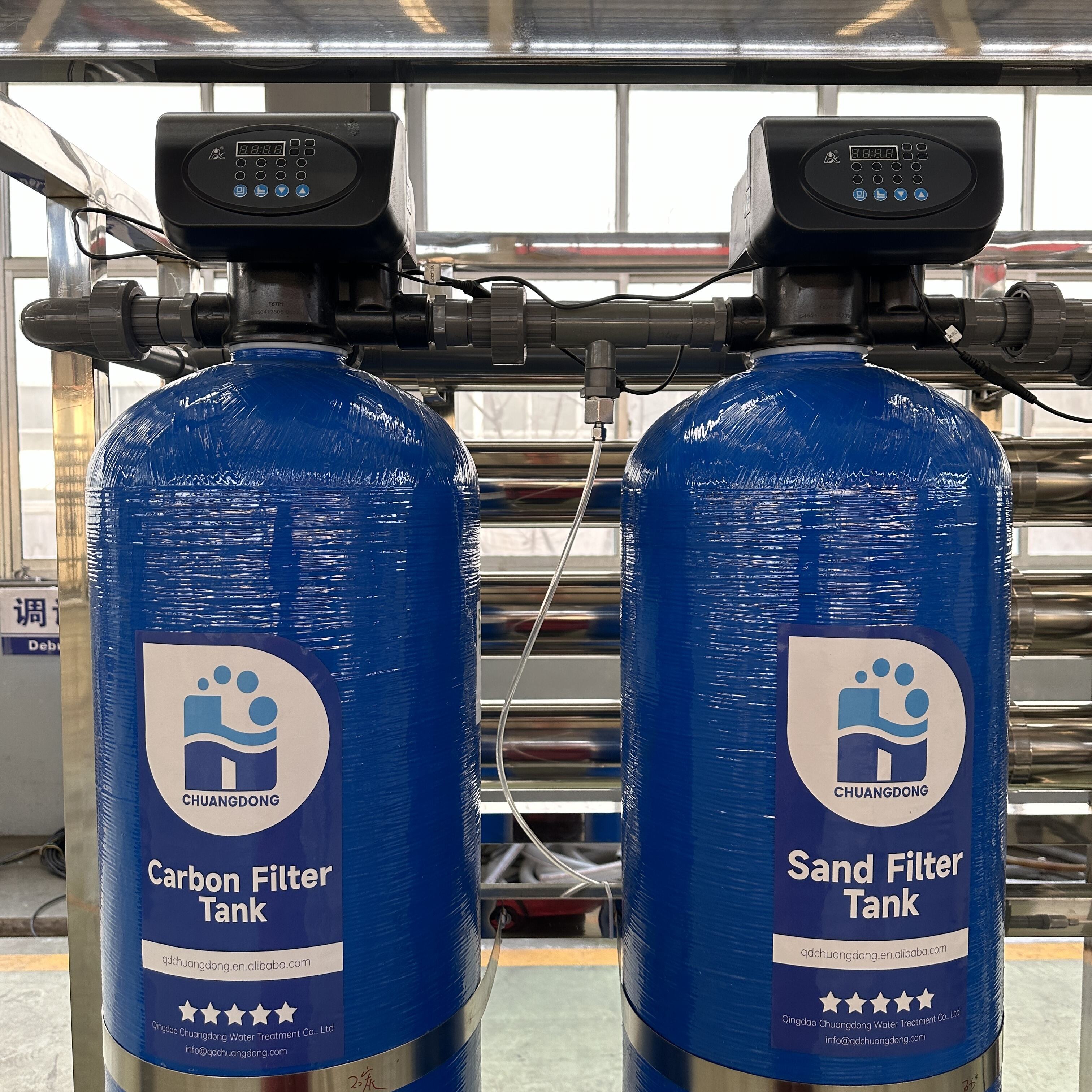
The drinking water RO plant employs cutting-edge multi-stage filtration technology that ensures comprehensive water purification through a systematic approach. This sophisticated process begins with pre-filtration stages designed to remove larger particles, sediments, and chlorine that could damage the delicate RO membranes. The pre-treatment typically includes sediment filters that capture particles down to 5 microns, followed by activated carbon filters that eliminate chlorine, organic compounds, and taste-affecting substances. The heart of the drinking water RO plant lies in its semi-permeable membranes, engineered at the molecular level to allow only water molecules to pass through while blocking contaminants as small as 0.0001 microns. This precision filtration removes dissolved salts, heavy metals like lead and mercury, bacteria, viruses, and chemical pollutants that traditional filtration methods cannot eliminate. The multi-stage approach ensures redundancy and thoroughness, with each stage targeting specific contaminant categories for maximum effectiveness. Post-treatment stages in the drinking water RO plant include remineralization to restore beneficial minerals and pH adjustment to optimize water quality for consumption. Advanced membrane technology incorporates thin-film composite materials that resist fouling and maintain consistent performance over extended periods. The system design includes automatic flushing cycles that clean membranes and prevent biofilm formation, extending membrane life and maintaining optimal performance. Quality control measures throughout the process include continuous monitoring of pressure differentials, flow rates, and water quality parameters. The drinking water RO plant technology adapts to varying feed water conditions, automatically adjusting operating parameters to maintain consistent output quality regardless of input variations. This comprehensive filtration approach ensures that the final product consistently meets or exceeds international drinking water standards, providing peace of mind regarding water safety and quality.
Energy-Efficient Smart Control Systems

Energy-Efficient Smart Control Systems

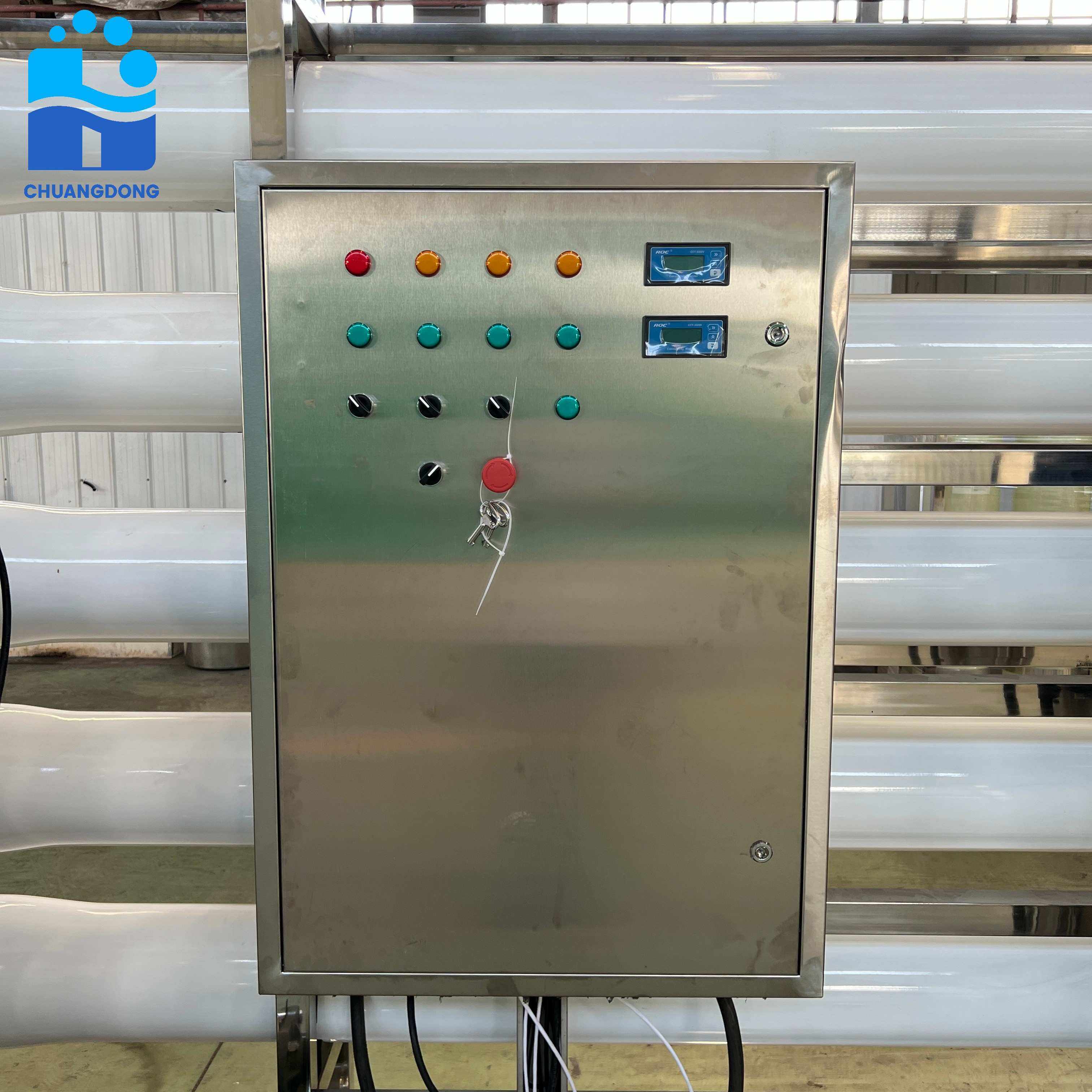
Modern drinking water RO plant installations feature state-of-the-art smart control systems that optimize energy consumption while maximizing operational efficiency and performance reliability. These intelligent systems incorporate advanced algorithms that continuously monitor and adjust operational parameters based on real-time conditions, ensuring optimal performance while minimizing energy costs. The smart control technology includes variable frequency drives that adjust pump speeds according to demand, significantly reducing power consumption during low-demand periods. Energy recovery devices capture and reuse pressure from the concentrate stream, recovering up to 95% of the energy that would otherwise be lost, making the drinking water RO plant remarkably energy-efficient compared to older systems. The control systems feature predictive analytics capabilities that analyze operational data to forecast maintenance needs, preventing unexpected breakdowns and optimizing system uptime. Remote monitoring capabilities allow operators to supervise multiple drinking water RO plant locations from centralized control rooms, reducing staffing requirements and enabling rapid response to any operational issues. The smart systems automatically adjust chemical dosing rates based on feed water quality analysis, ensuring optimal pre-treatment while minimizing chemical consumption and costs. Automated cleaning cycles are triggered based on membrane performance indicators rather than arbitrary time schedules, extending membrane life and reducing maintenance frequency. The drinking water RO plant control systems include comprehensive data logging and reporting features that track key performance indicators, energy consumption, and water quality metrics for regulatory compliance and operational optimization. Integration capabilities allow these systems to connect with broader facility management networks, enabling coordinated operation with other utilities and infrastructure systems. User-friendly interfaces provide operators with intuitive dashboards displaying real-time system status, alarms, and performance trends. The smart control technology includes fail-safe mechanisms that automatically shut down the drinking water RO plant in case of system malfunctions, preventing equipment damage and ensuring operator safety.
Scalable Design for Growing Water Demands

Scalable Design for Growing Water Demands

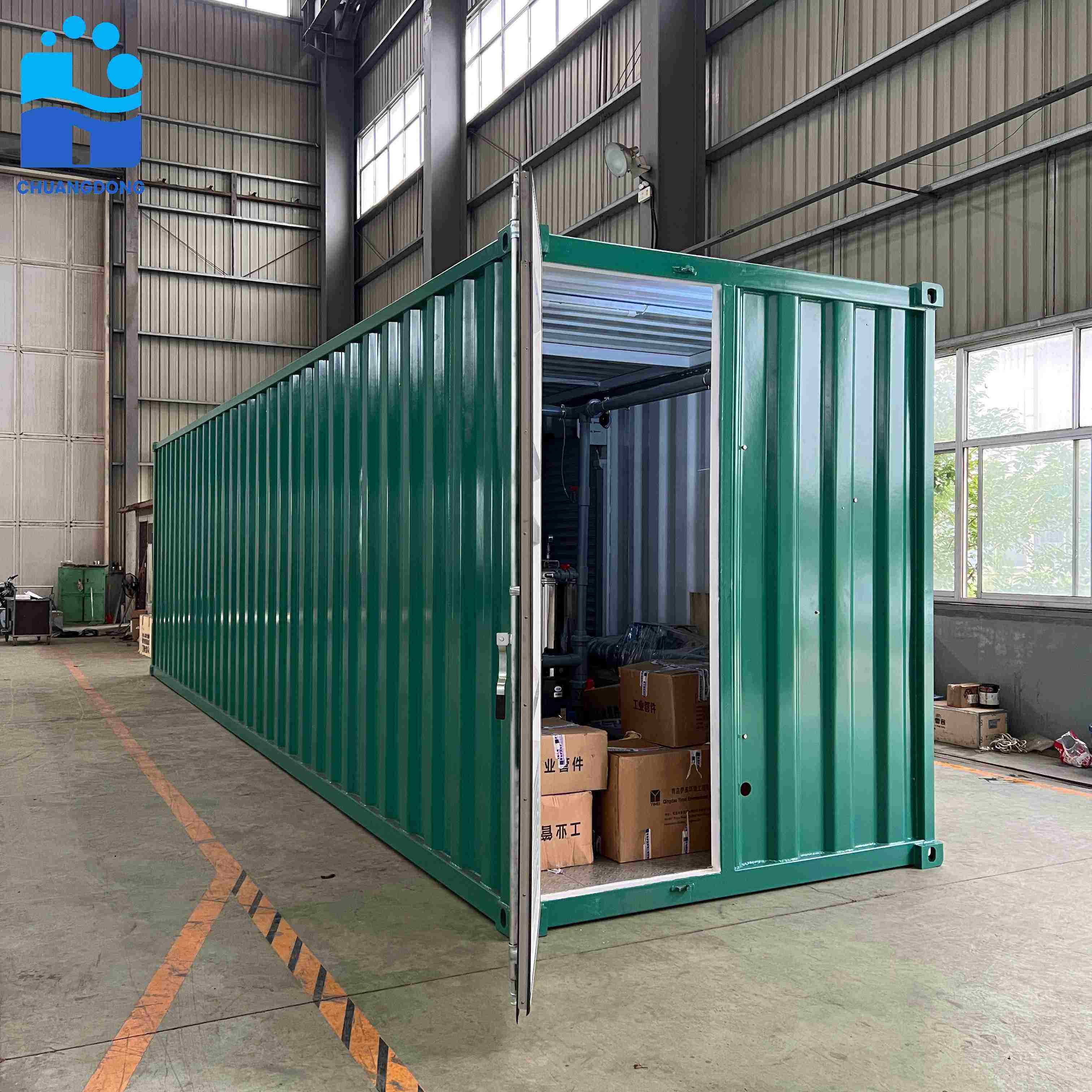
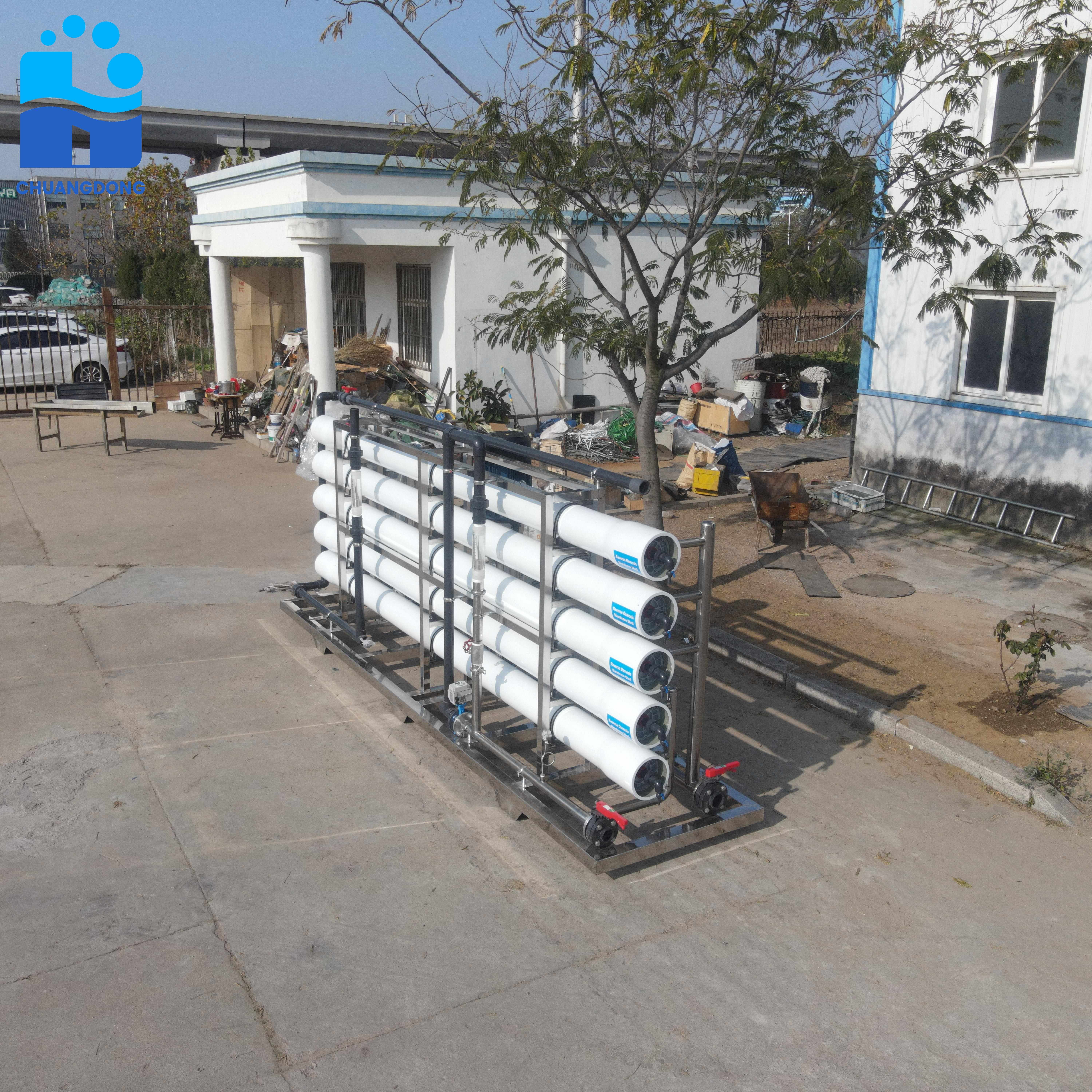
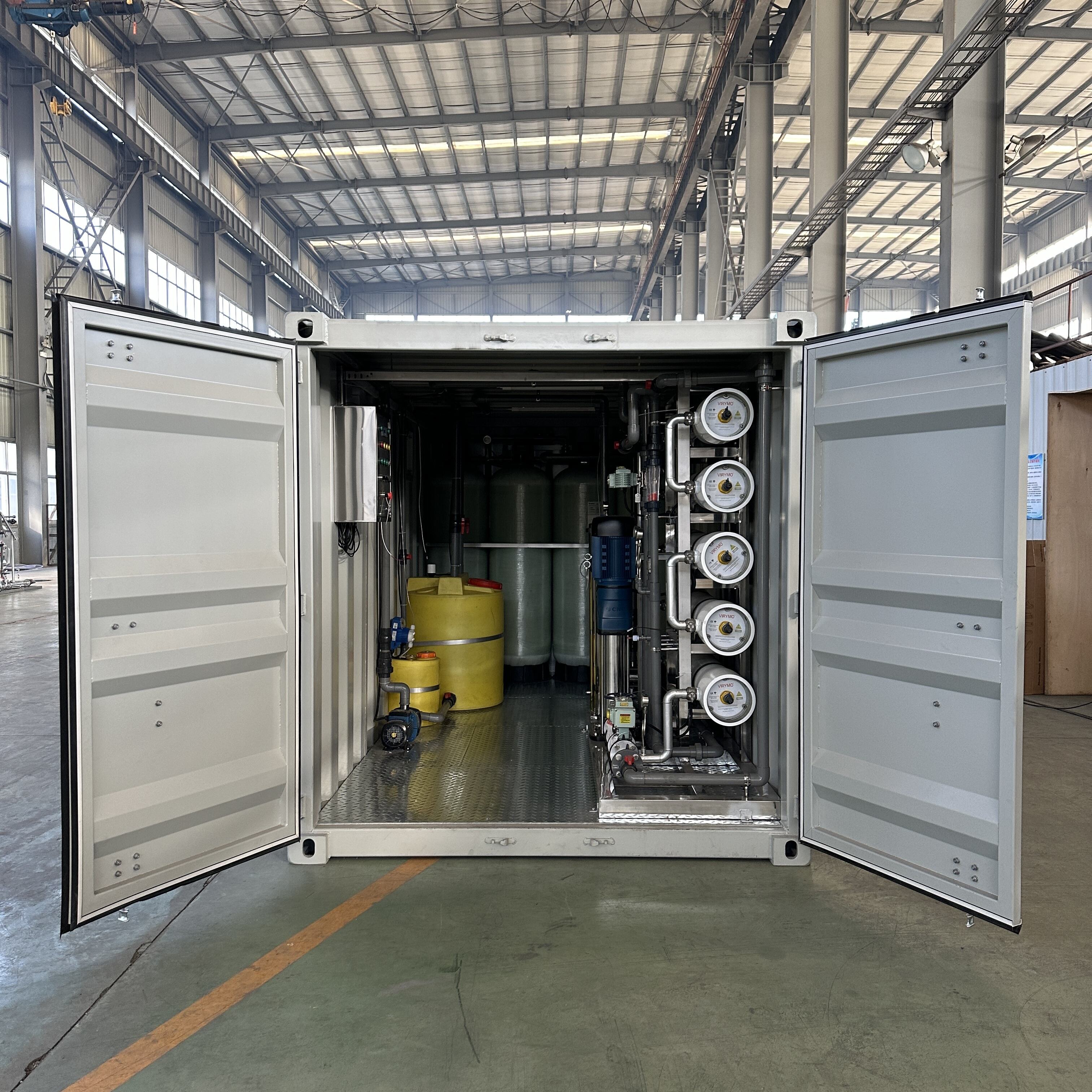
The drinking water RO plant features innovative scalable design architecture that allows seamless expansion and adaptation to meet evolving water demand requirements without major infrastructure overhauls. This modular approach enables organizations to start with smaller capacity installations and incrementally add treatment trains as demand grows, protecting initial investments while ensuring adequate water supply for future needs. The scalable design incorporates standardized components and interfaces that facilitate easy integration of additional modules, reducing expansion costs and construction timeframes significantly. Each module within the drinking water RO plant operates independently, providing operational redundancy that ensures continued water production even during maintenance or unexpected equipment failures. The design flexibility accommodates various installation configurations, from compact skid-mounted units suitable for temporary applications to large permanent installations serving entire communities. Standardized piping and electrical connections enable rapid deployment and reconfiguration as operational requirements change. The drinking water RO plant scalability extends to treatment capacity, allowing operators to adjust production rates based on seasonal demand variations or emergency situations. This adaptability proves particularly valuable for applications with fluctuating water needs, such as resort facilities, industrial operations with variable production schedules, or communities experiencing population growth. The modular design incorporates future-ready technology platforms that can accommodate upgrades and improvements as new treatment technologies become available. Installation versatility allows drinking water RO plant systems to be deployed in various environments, from urban rooftops with space constraints to remote locations requiring self-contained operations. The scalable architecture includes provisions for automated integration of additional treatment stages such as UV sterilization, advanced oxidation, or specialized contaminant removal systems as water quality requirements evolve. Economic benefits of scalability include reduced capital expenditure requirements for initial installations and the ability to spread expansion costs over time as revenue grows. The drinking water RO plant modular approach also facilitates easier maintenance and component replacement, as standardized modules can be quickly swapped or serviced without disrupting entire system operations, ensuring continuous water supply reliability.

Get a Free Quote

Our representative will contact you soon.
Email
Name
Company Name
Message
0/1000