Industrial Water Purification Systems - Advanced Treatment Solutions for Manufacturing Excellence

Get a Free Quote

Our representative will contact you soon.
Email
Name
Company Name
Message
0/1000

industrial water purification

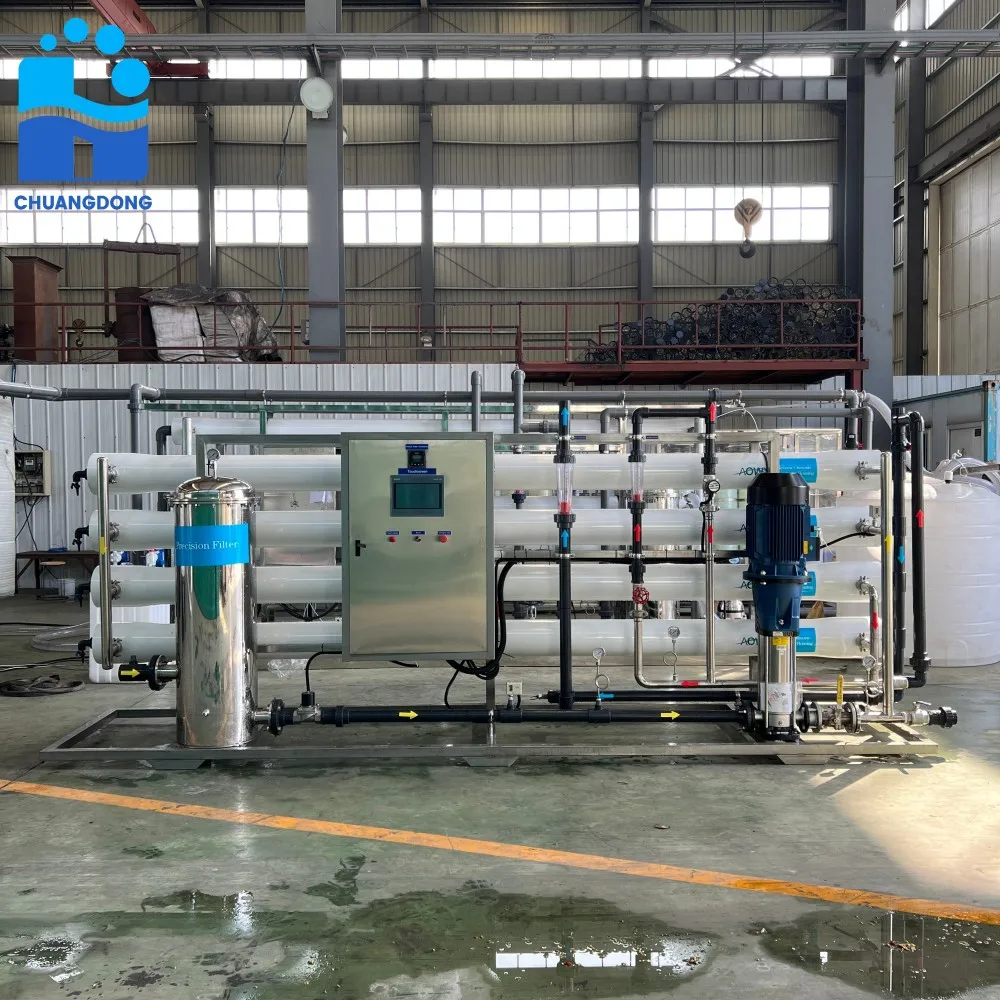
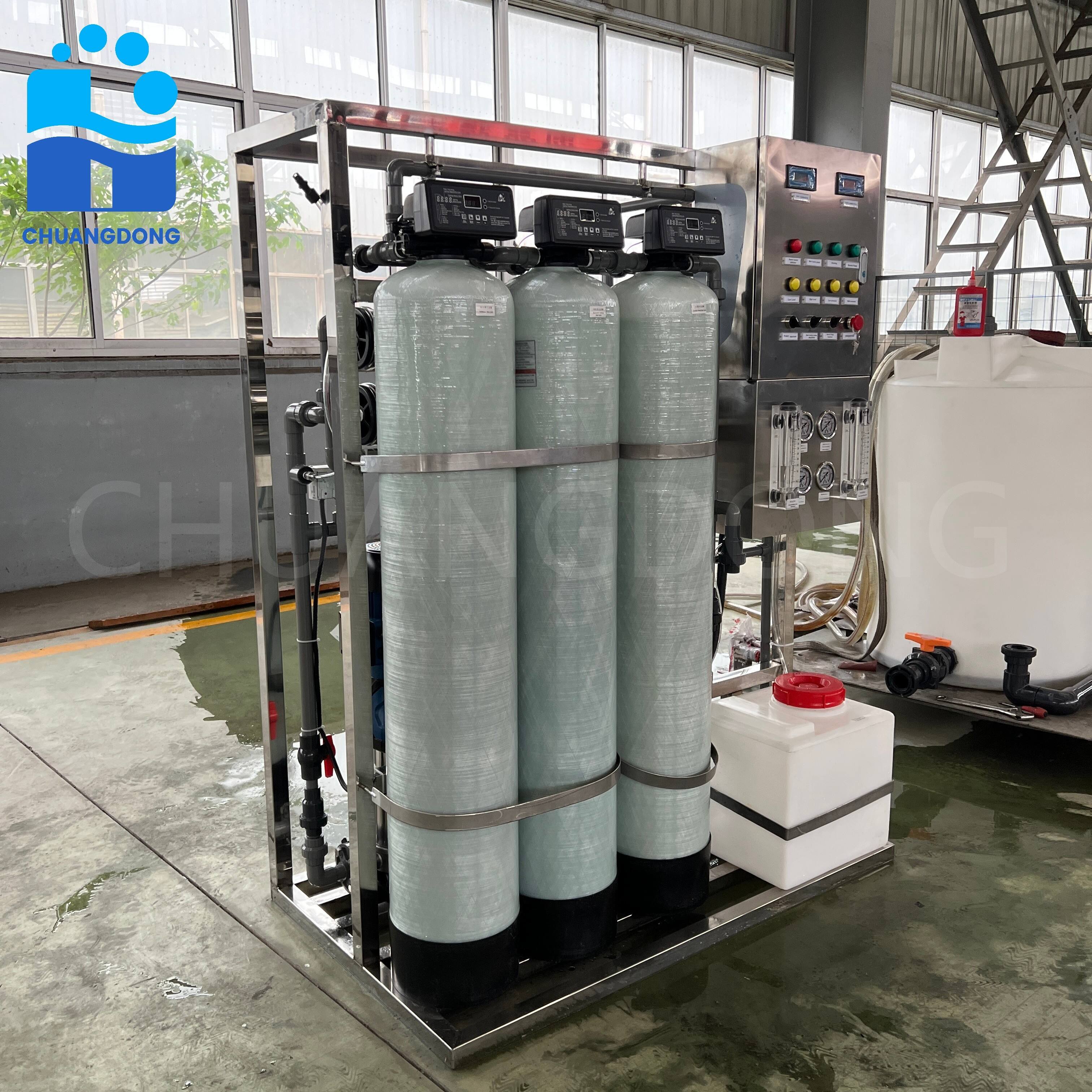
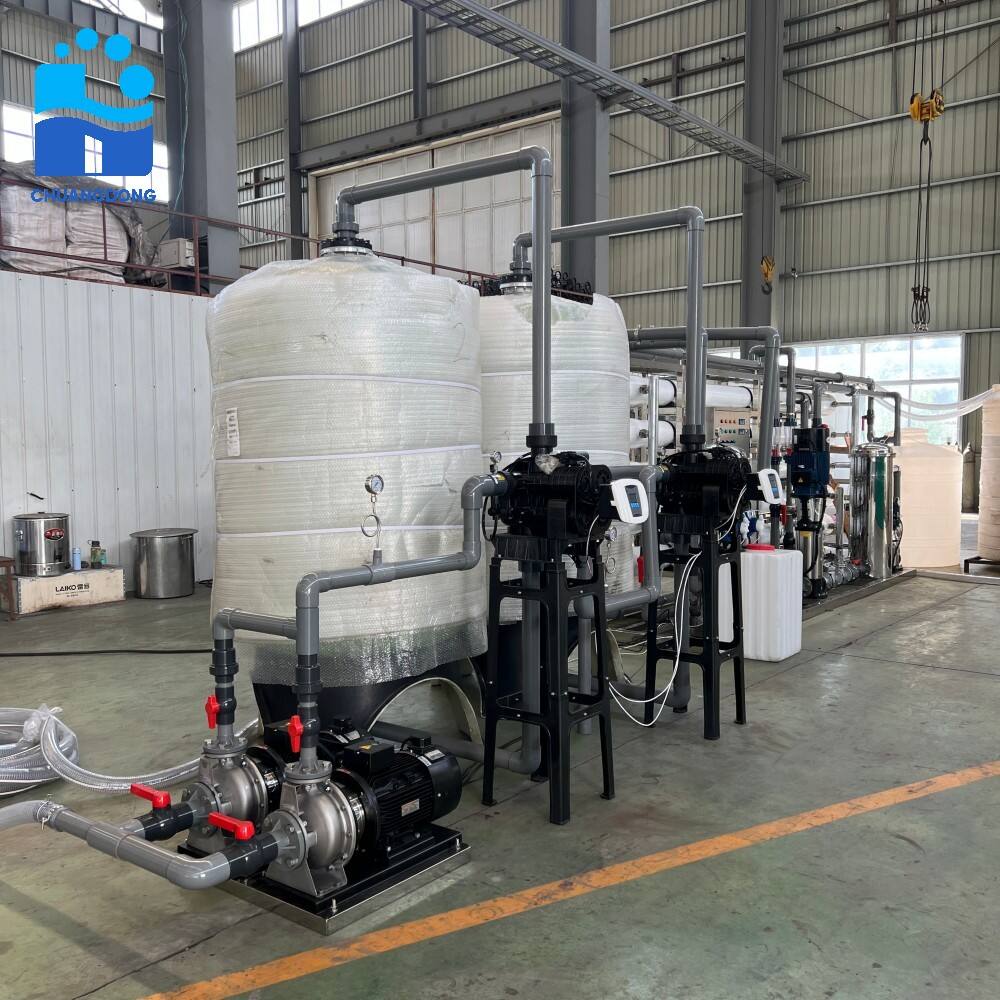
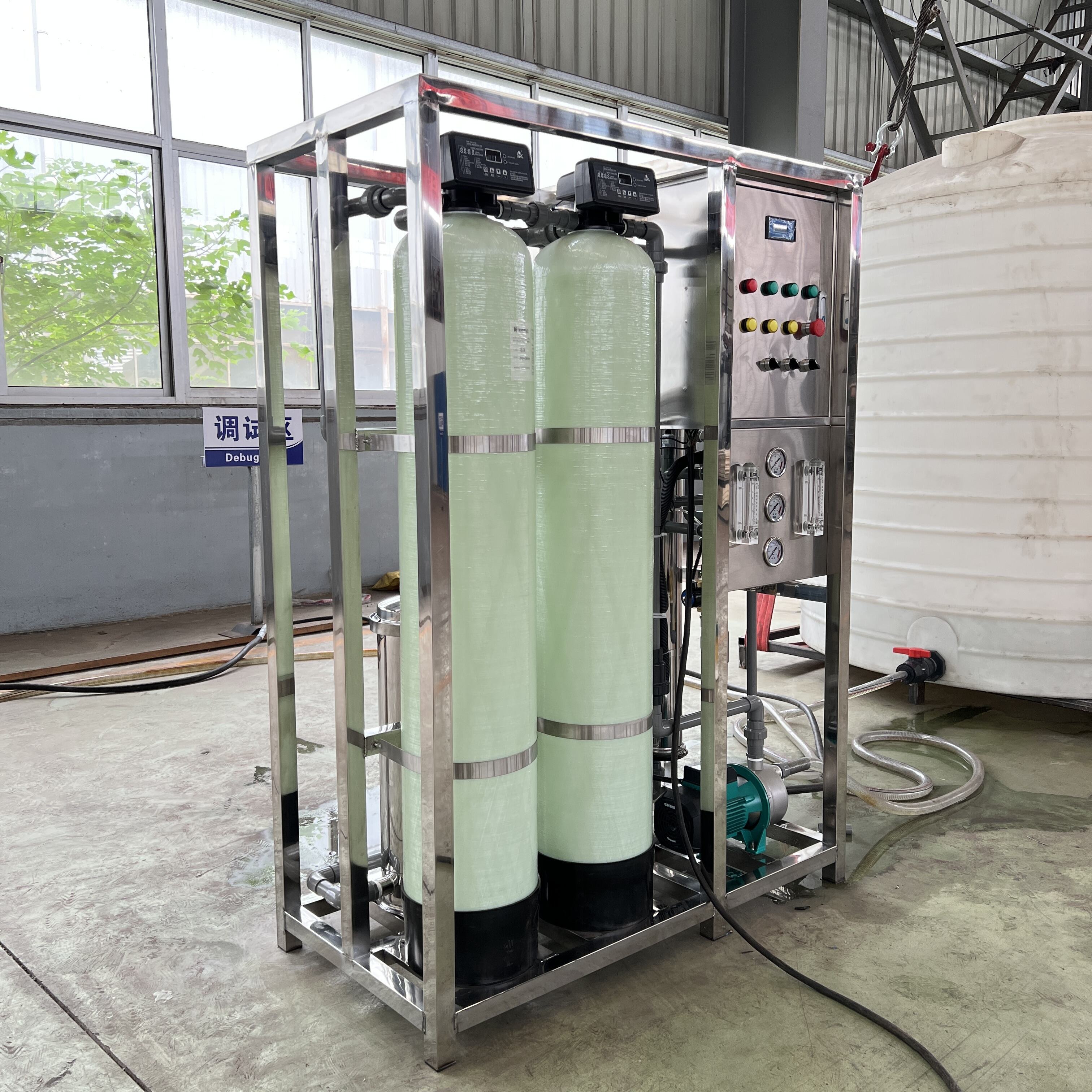
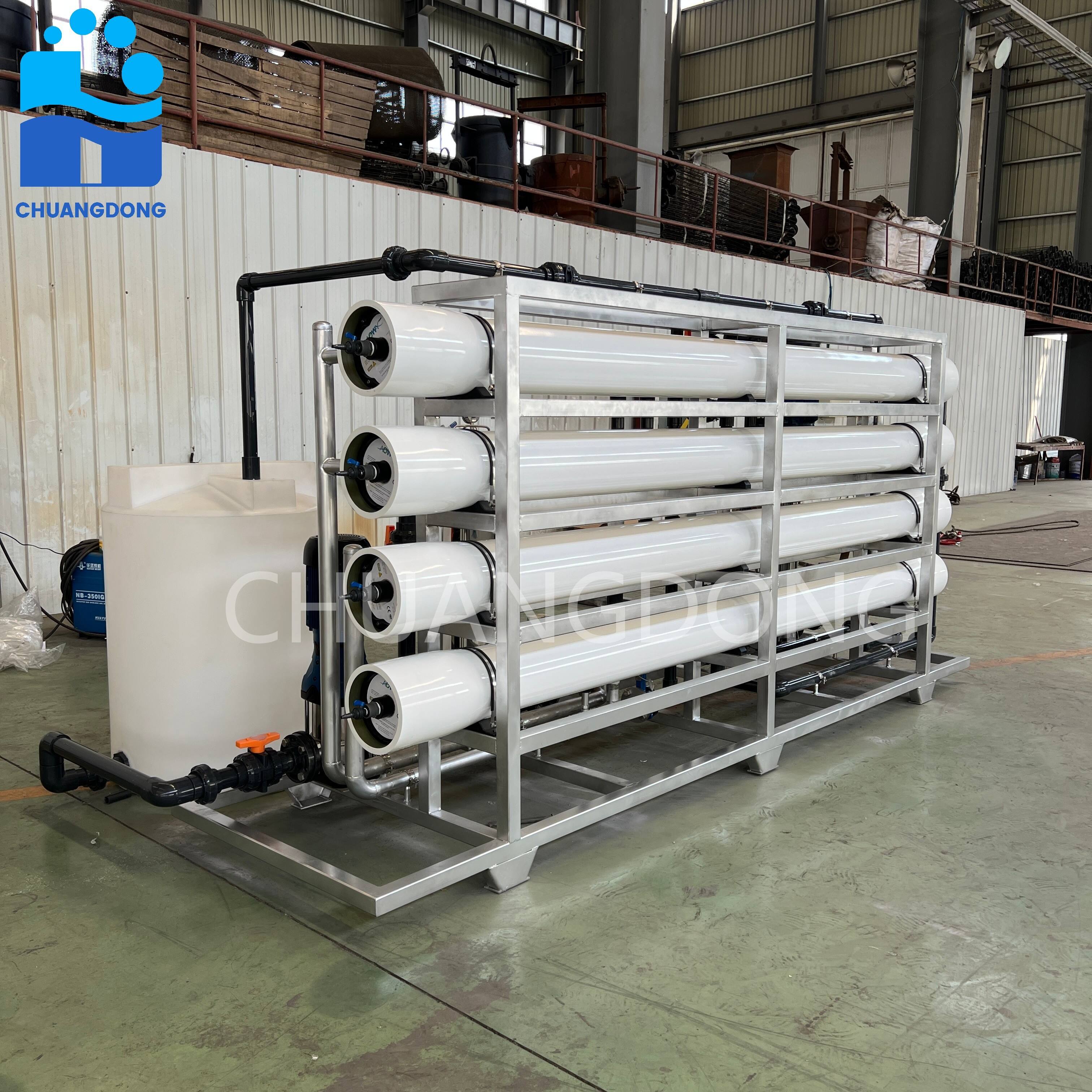
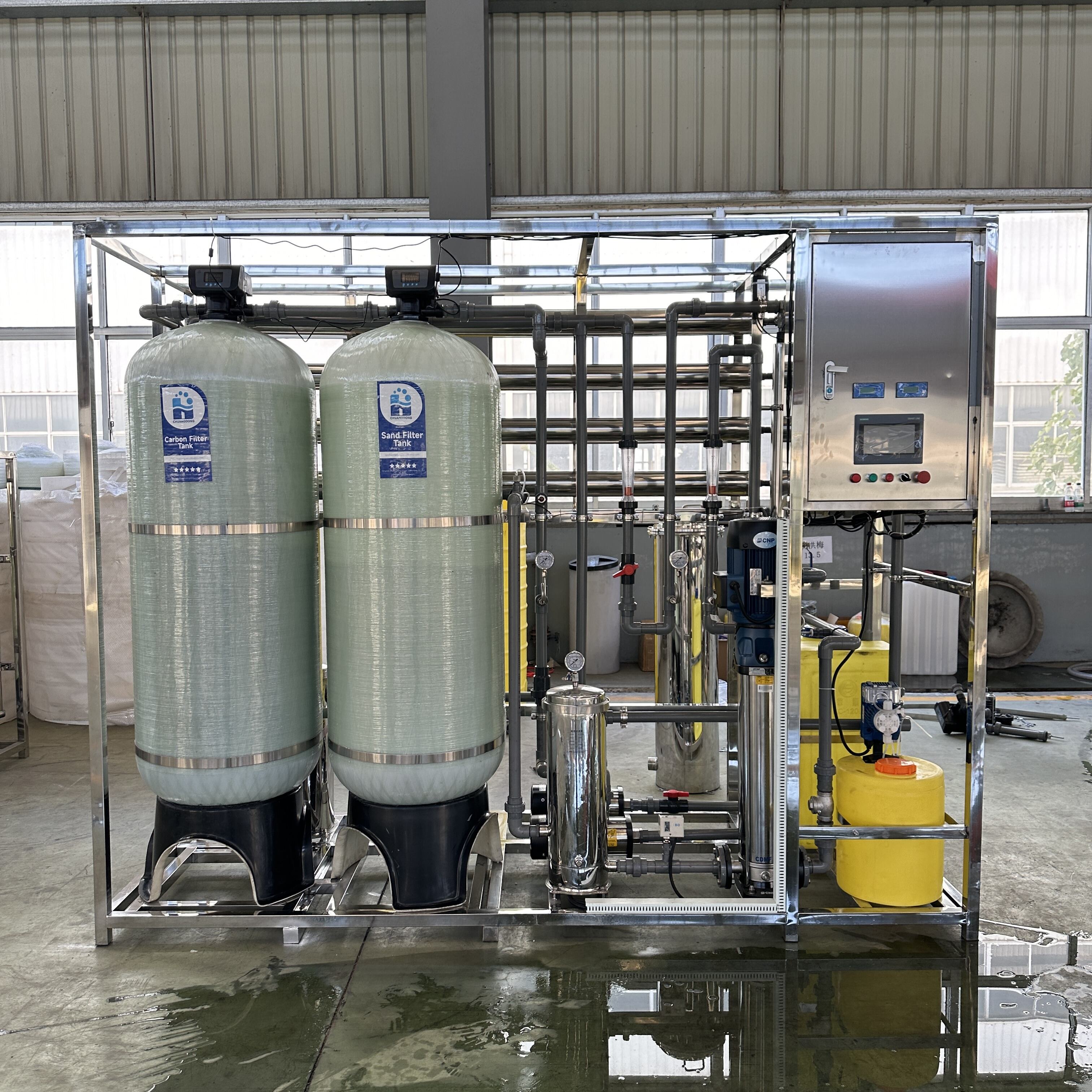
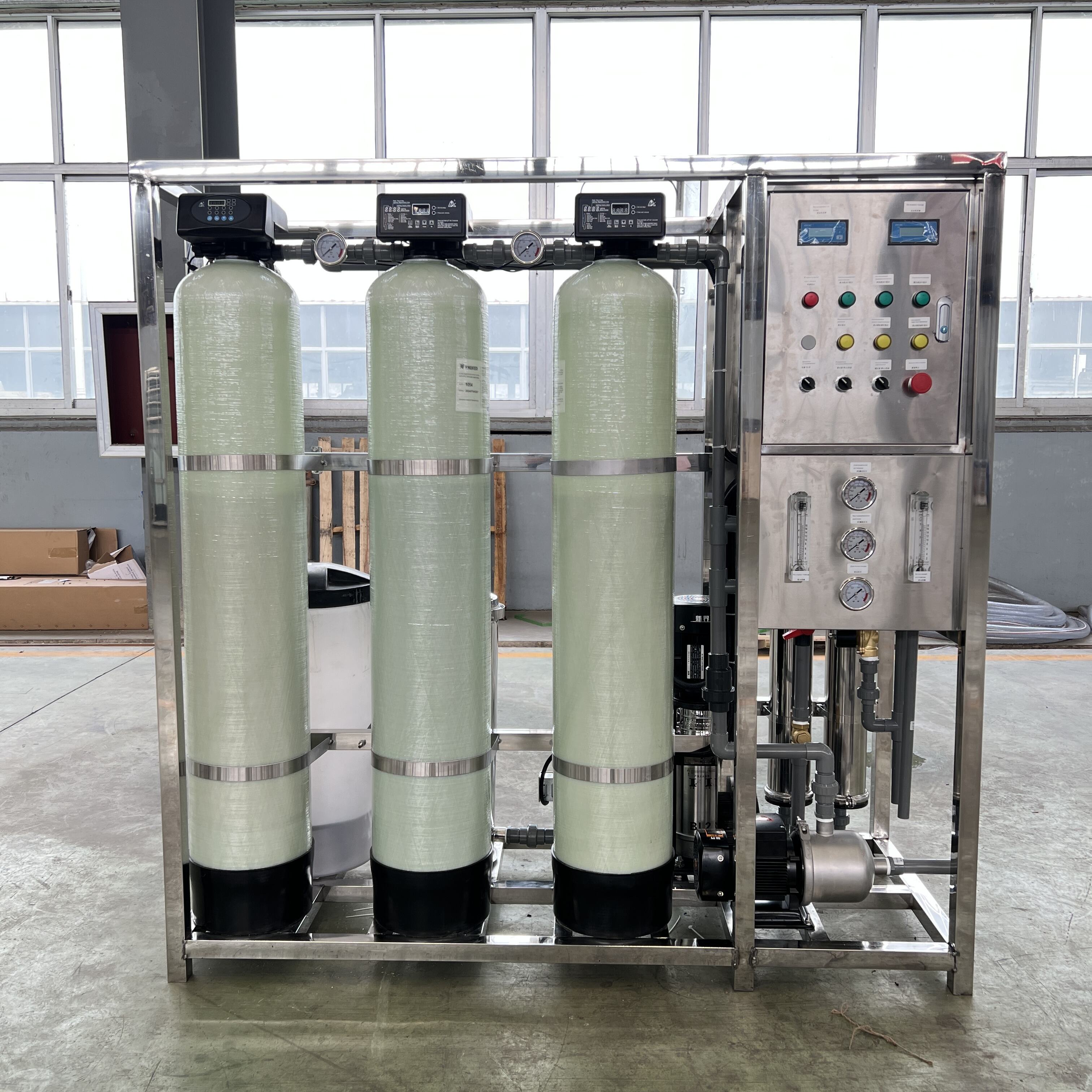
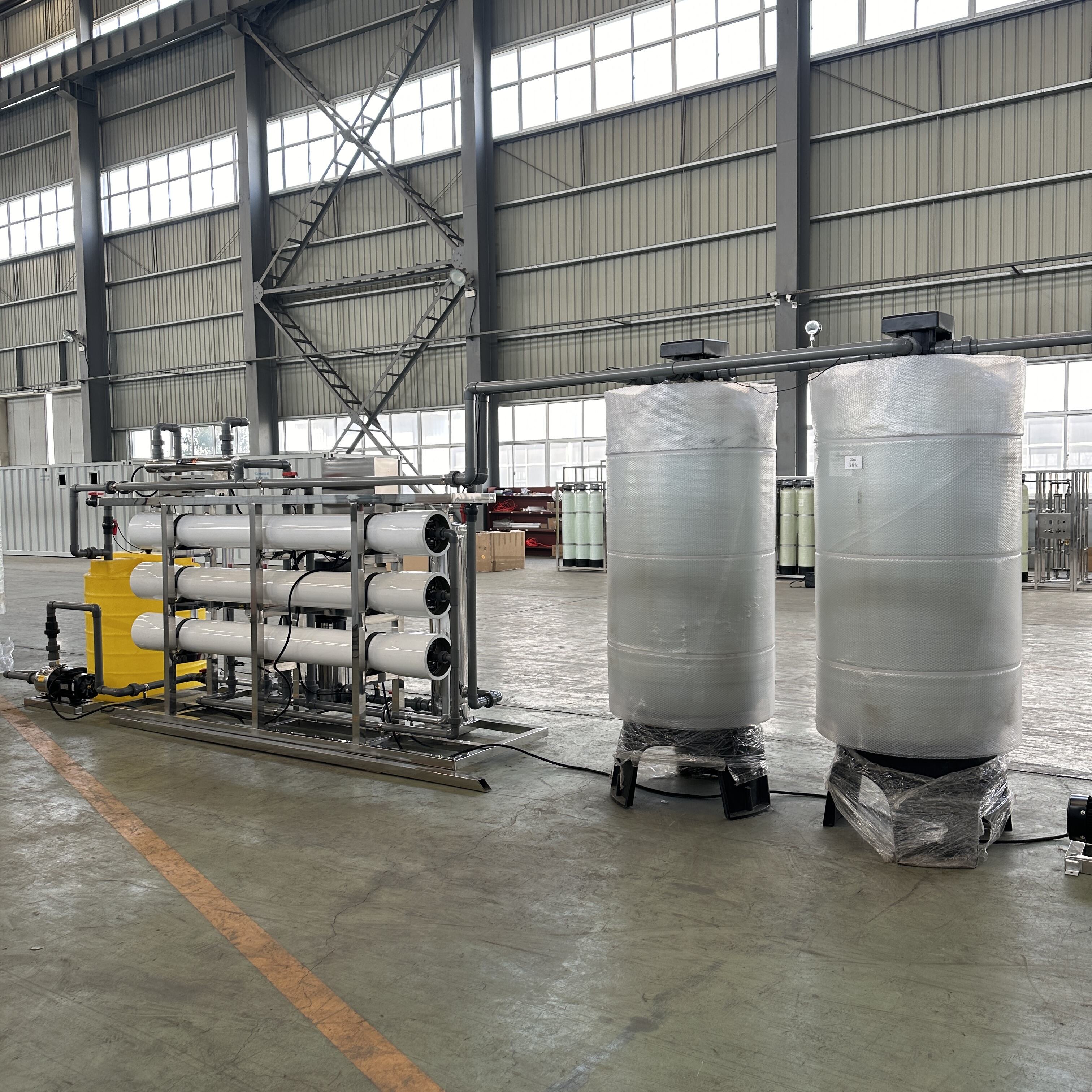
Industrial water purification represents a critical technological solution designed to remove contaminants, impurities, and harmful substances from water sources used in manufacturing, processing, and production environments. This sophisticated system encompasses multiple treatment stages that address diverse water quality challenges faced by modern industries. The primary functions of industrial water purification include removing suspended solids, dissolved chemicals, bacteria, viruses, heavy metals, and organic compounds that could compromise product quality or equipment performance. These systems utilize advanced filtration technologies, chemical treatment processes, and physical separation methods to achieve water quality standards required for specific industrial applications. The technological features of industrial water purification systems incorporate multi-stage filtration processes, including pre-filtration, activated carbon filtration, reverse osmosis, ion exchange, and ultraviolet disinfection. Modern systems integrate automated monitoring and control mechanisms that continuously assess water quality parameters such as pH levels, conductivity, turbidity, and dissolved oxygen content. Smart sensors and digital interfaces enable real-time adjustments to optimize treatment efficiency and maintain consistent water quality output. Industrial water purification finds extensive applications across diverse sectors including pharmaceutical manufacturing, food and beverage production, electronics fabrication, power generation, chemical processing, and textile manufacturing. Each industry requires specific water quality standards, and these systems can be customized to meet unique requirements. For instance, pharmaceutical companies need ultra-pure water free from endotoxins and particles, while food processors require water that meets strict safety regulations for human consumption. The versatility of industrial water purification systems allows for scalable solutions ranging from small-scale operations to large industrial complexes, ensuring reliable water quality management across various production environments and capacity requirements.

New Product Recommendations

Industrial water purification delivers substantial cost savings by reducing operational expenses associated with equipment maintenance, product recalls, and regulatory compliance issues. Companies that implement comprehensive water treatment systems experience significantly lower maintenance costs because purified water prevents scale buildup, corrosion, and equipment damage that typically occurs with untreated water usage. This translates to extended equipment lifespan, reduced downtime, and decreased replacement frequency for expensive industrial machinery. The economic benefits extend beyond immediate cost reductions, as businesses avoid costly production interruptions that result from water-related equipment failures or quality control issues. Enhanced product quality represents another major advantage of industrial water purification, as consistent water quality directly impacts final product specifications and customer satisfaction. Manufacturing processes require precise water quality parameters to maintain product integrity, and purified water ensures reproducible results across production batches. This consistency reduces waste, minimizes rework, and strengthens brand reputation through reliable product quality. Industries such as electronics manufacturing benefit tremendously from ultra-pure water that prevents defects in sensitive components, while food and beverage companies rely on purified water to maintain taste profiles and extend shelf life. Regulatory compliance becomes significantly easier with proper industrial water purification systems, as businesses can consistently meet environmental discharge standards and industry-specific water quality requirements. These systems help companies avoid hefty fines, legal complications, and operational shutdowns that result from non-compliance with water quality regulations. Additionally, many certification programs and industry standards mandate specific water quality parameters, making industrial water purification essential for maintaining certifications and accessing certain markets. Environmental responsibility and sustainability goals are better achieved through industrial water purification, as these systems enable water recycling, reduce fresh water consumption, and minimize environmental impact. Companies can implement closed-loop water systems that dramatically reduce water waste while maintaining operational efficiency. This approach not only supports corporate sustainability initiatives but also reduces utility costs and demonstrates environmental stewardship to stakeholders and customers who increasingly value eco-friendly business practices.

Tips And Tricks

What Intake and Outfall Designs Minimize Environmental Impact of a Desalination Plant?

01

Mar

What Intake and Outfall Designs Minimize Environmental Impact of a Desalination Plant?

Environmental considerations have become paramount in the design and operation of modern desalination facilities worldwide. As water scarcity continues to challenge communities across the globe, the demand for sustainable desalination plant solutions...
View More
What Corrosion-Resistant Materials Are Used in Desalination Plant Construction?

06

Mar

What Corrosion-Resistant Materials Are Used in Desalination Plant Construction?

Desalination plants operate in some of the harshest environments imaginable, where saltwater constantly threatens the integrity of critical infrastructure. The selection of appropriate corrosion-resistant materials becomes paramount to ensuring long-...
View More
How Does a Water Purification System with Ion Exchange Soften Hard Water Effectively?

15

Mar

How Does a Water Purification System with Ion Exchange Soften Hard Water Effectively?

Hard water poses significant challenges for both residential and commercial applications, containing high concentrations of calcium and magnesium ions that cause scale buildup, reduce equipment efficiency, and affect water quality. A water purificati...
View More
How Does an RO Water Filter with a UV Sterilizer Provide Additional Protection Against Bacteria?

10

Mar

How Does an RO Water Filter with a UV Sterilizer Provide Additional Protection Against Bacteria?

Water contamination remains one of the most pressing concerns for homeowners and businesses seeking reliable water purification solutions. While traditional filtration methods offer basic protection, modern water treatment technology has evolved to p...
View More

Get a Free Quote

Our representative will contact you soon.
Email
Name
Company Name
Message
0/1000

industrial water purification

Advanced Multi-Stage Filtration Technology

Advanced Multi-Stage Filtration Technology

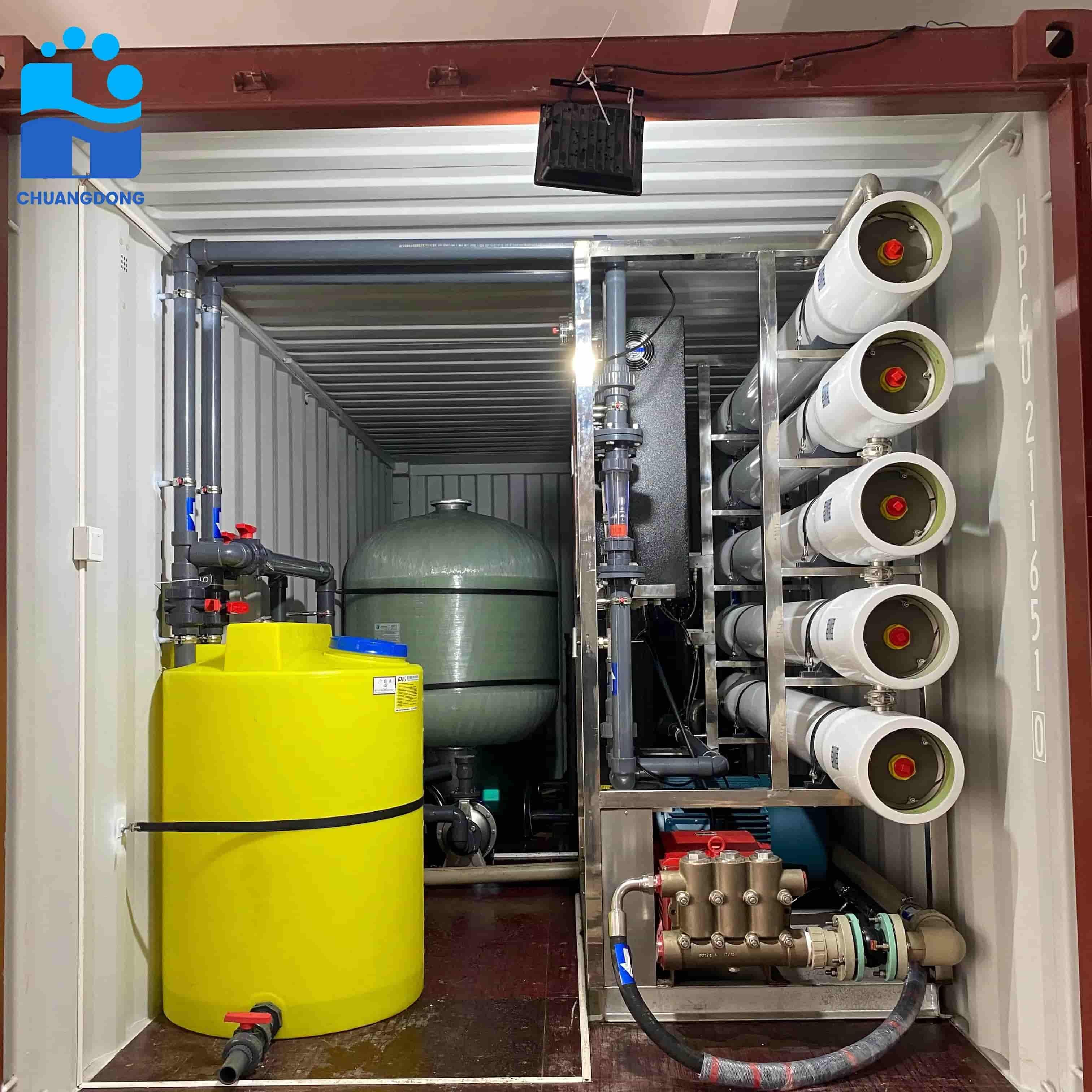
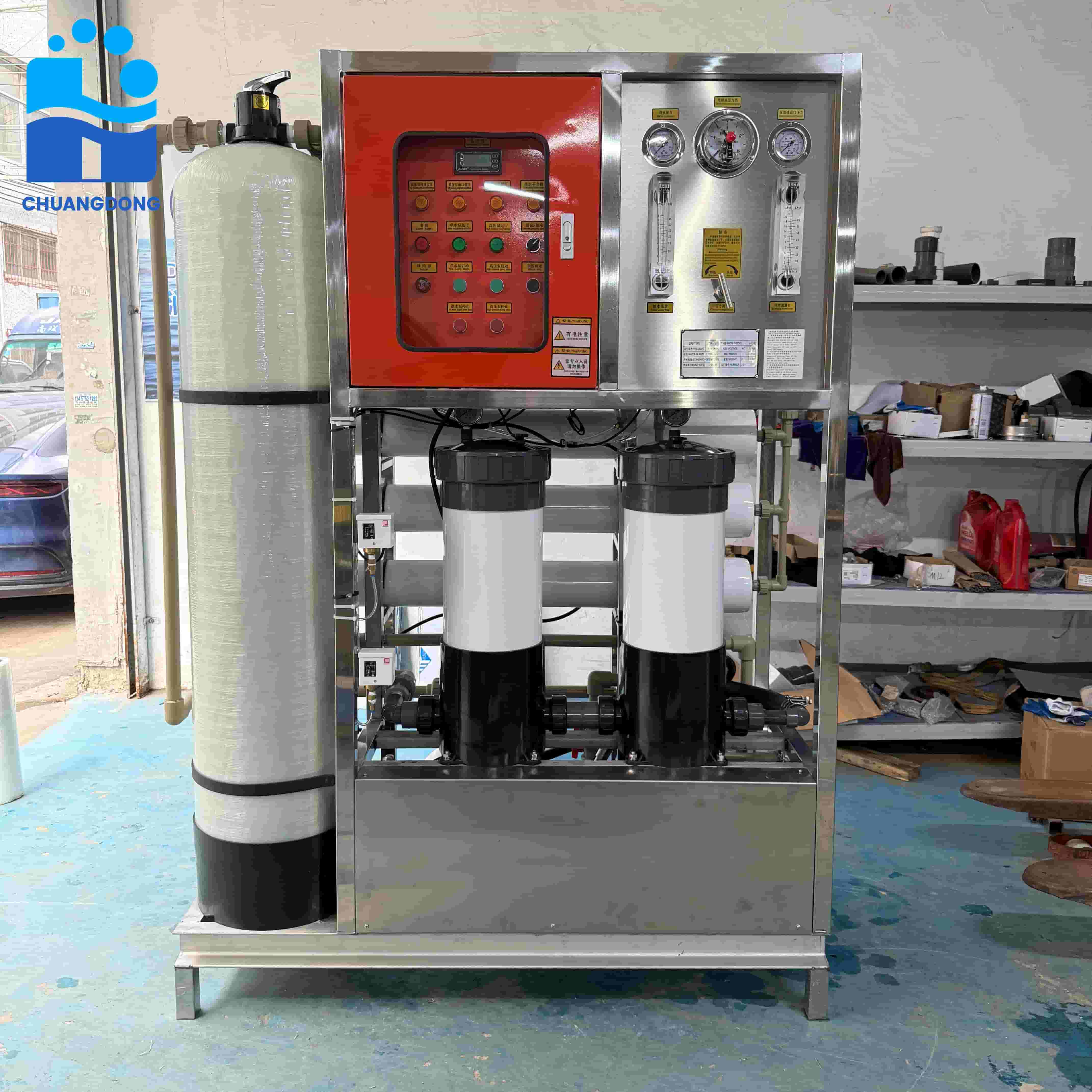
The cornerstone of effective industrial water purification lies in advanced multi-stage filtration technology that systematically removes contaminants through precisely engineered treatment processes. This comprehensive approach begins with preliminary filtration stages that eliminate larger particles, sediments, and suspended solids through mechanical screening and sedimentation processes. The system then progresses through increasingly sophisticated treatment levels, including activated carbon filtration that removes chlorine, organic compounds, and taste-affecting substances that could impact industrial processes. Reverse osmosis technology represents the heart of advanced filtration systems, utilizing semi-permeable membranes that operate under controlled pressure to remove dissolved salts, bacteria, viruses, and molecular-level contaminants with exceptional efficiency. This process achieves purification levels that exceed 99 percent removal rates for most contaminants, ensuring water quality that meets the strictest industrial standards. Ion exchange resins further refine water quality by selectively removing specific ions that could interfere with manufacturing processes or cause equipment damage. The final treatment stages often incorporate ultraviolet disinfection and ozonation technologies that eliminate remaining microorganisms without introducing chemical additives that could affect product quality. What sets modern industrial water purification apart is the integration of intelligent monitoring systems that continuously assess water quality parameters and automatically adjust treatment processes to maintain optimal performance. These systems utilize advanced sensors, computerized control algorithms, and real-time data analysis to ensure consistent water quality output regardless of input water variations or operational demands. The modular design of contemporary filtration systems allows for customized configurations that address specific contamination challenges while providing scalability for future capacity expansion. This technological sophistication ensures that businesses receive water quality that not only meets current requirements but can adapt to evolving industry standards and production needs. The reliability and efficiency of multi-stage filtration technology translate into predictable operational costs, minimal maintenance requirements, and confidence in consistent water quality that supports uninterrupted production schedules and quality control objectives.
Real-Time Monitoring and Automated Control Systems

Real-Time Monitoring and Automated Control Systems

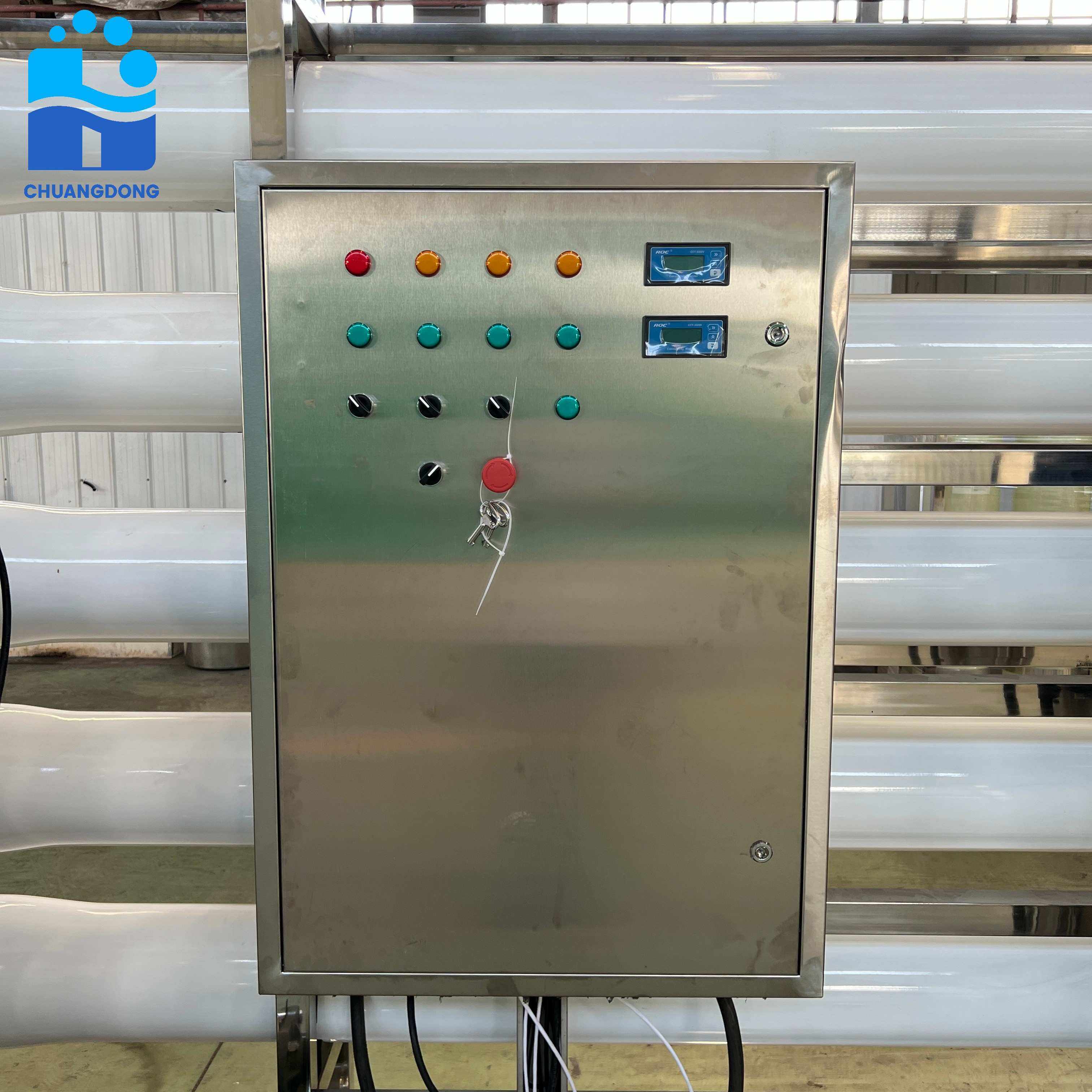
Revolutionary real-time monitoring and automated control systems transform industrial water purification from reactive maintenance approaches to proactive quality management that ensures optimal performance around the clock. These sophisticated systems deploy an extensive network of precision sensors strategically positioned throughout the treatment process to continuously measure critical water quality parameters including pH levels, conductivity, turbidity, dissolved oxygen, temperature, and specific contaminant concentrations. The integration of advanced data analytics and machine learning algorithms enables these systems to identify patterns, predict potential issues, and automatically implement corrective measures before problems affect water quality or production processes. This predictive capability significantly reduces the risk of unexpected system failures, contamination events, or quality deviations that could disrupt manufacturing operations or compromise product integrity. The automated control functionality extends beyond basic monitoring to include dynamic adjustment of chemical dosing rates, filtration pressures, flow rates, and treatment intensities based on real-time water quality data and operational requirements. This intelligent automation ensures optimal treatment efficiency while minimizing chemical consumption, energy usage, and operational costs. Remote monitoring capabilities allow facility managers and technical teams to oversee water purification systems from any location, receiving instant alerts about system status changes, maintenance requirements, or performance anomalies through mobile applications and web-based dashboards. The comprehensive data logging and reporting features provide detailed documentation of water quality trends, system performance metrics, and regulatory compliance data that simplifies audit processes and supports continuous improvement initiatives. Integration with existing facility management systems creates seamless coordination between water treatment operations and overall production scheduling, enabling optimized resource allocation and operational efficiency. The user-friendly interfaces and intuitive control panels make system operation accessible to facility personnel while maintaining sophisticated functionality for technical specialists. This combination of advanced monitoring technology and automated control systems delivers unprecedented reliability, efficiency, and peace of mind for businesses that depend on consistent water quality for their operations. The result is a water purification solution that operates with minimal human intervention while providing maximum performance assurance and operational transparency.
Customizable Solutions for Diverse Industrial Applications

Customizable Solutions for Diverse Industrial Applications

The versatility and adaptability of modern industrial water purification systems provide customizable solutions that address the unique requirements and challenges of diverse industrial applications across multiple sectors. This flexibility begins with comprehensive water quality assessment and application analysis that identifies specific contamination concerns, treatment objectives, and operational constraints unique to each facility and industry. Pharmaceutical manufacturing facilities require ultra-pure water systems that eliminate endotoxins, particles, and microbial contamination to levels that exceed stringent regulatory standards for drug production and medical device manufacturing. These specialized systems incorporate multiple polishing steps, sanitization protocols, and validation procedures that ensure compliance with FDA, USP, and international pharmaceutical standards. Food and beverage industries benefit from customized purification systems designed to remove chlorine, organic compounds, and microorganisms while preserving essential minerals and maintaining taste profiles that enhance product quality. Electronics manufacturing requires ultra-low conductivity water that prevents contamination of sensitive semiconductor components and ensures reliable performance of precision cleaning and processing operations. The customization extends to system sizing and capacity planning that accommodates specific flow rate requirements, peak demand periods, and future expansion plans without over-engineering or under-designing treatment capabilities. Modular system architectures enable businesses to implement phased installations that match budget constraints and operational timelines while maintaining upgrade pathways for enhanced treatment capabilities. Specialized pre-treatment and post-treatment options address unique contamination challenges such as heavy metal removal, organic compound elimination, or specific ion reduction that may be prevalent in particular geographic regions or industrial applications. The integration of energy recovery systems, waste minimization technologies, and water recycling capabilities can be customized to support sustainability objectives and operational cost reduction goals. Technical support and maintenance programs are tailored to match facility capabilities, technical expertise levels, and operational schedules, ensuring optimal system performance throughout the equipment lifecycle. This comprehensive customization approach ensures that each industrial water purification system delivers maximum value by addressing specific needs while providing operational flexibility, regulatory compliance, and long-term reliability that supports business growth and operational excellence across diverse industrial environments and applications.

Get a Free Quote

Our representative will contact you soon.
Email
Name
Company Name
Message
0/1000