Industrial Reverse Osmosis Water Filter Systems - Advanced Water Purification Solutions

Get a Free Quote

Our representative will contact you soon.
Email
Name
Company Name
Message
0/1000

industrial reverse osmosis water filter

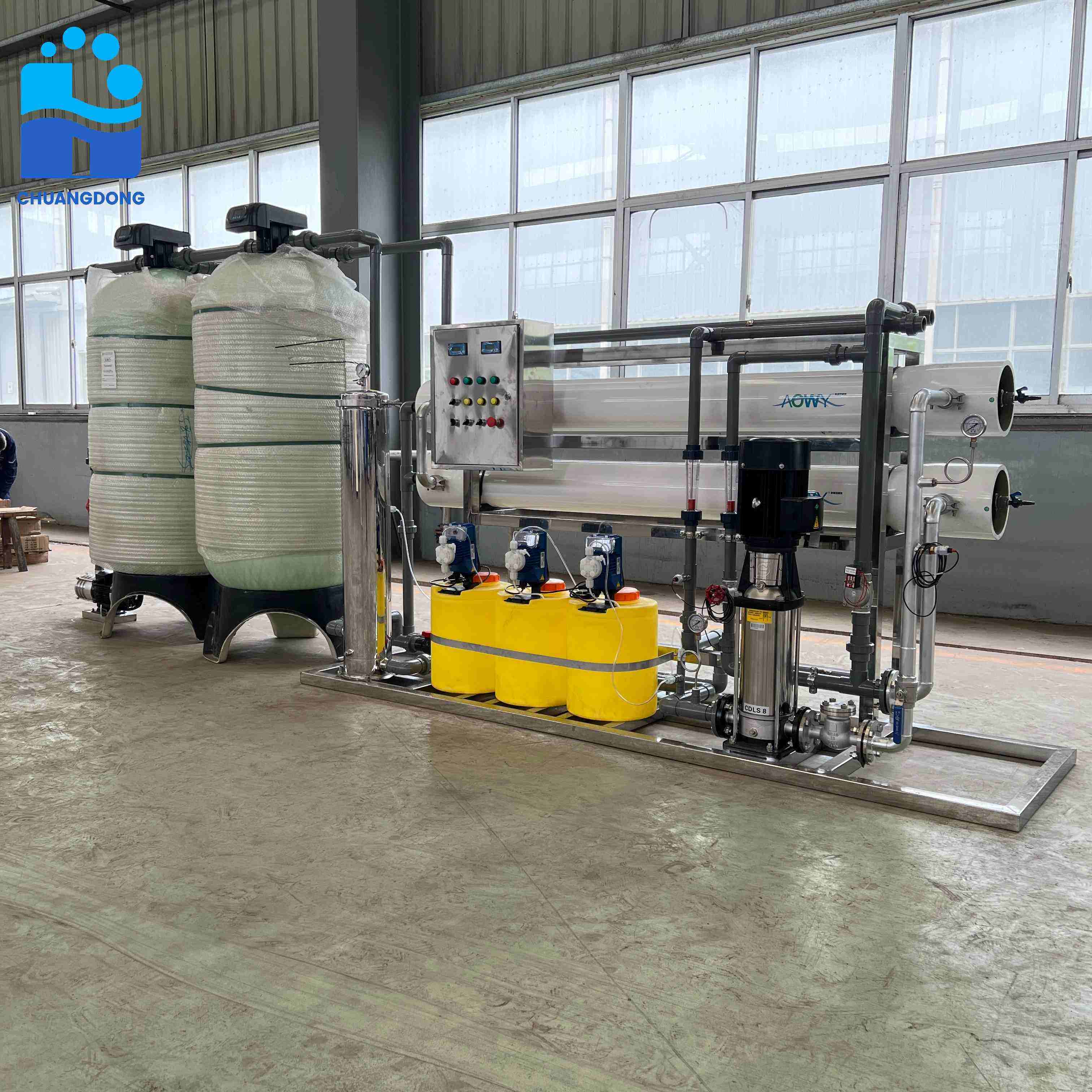
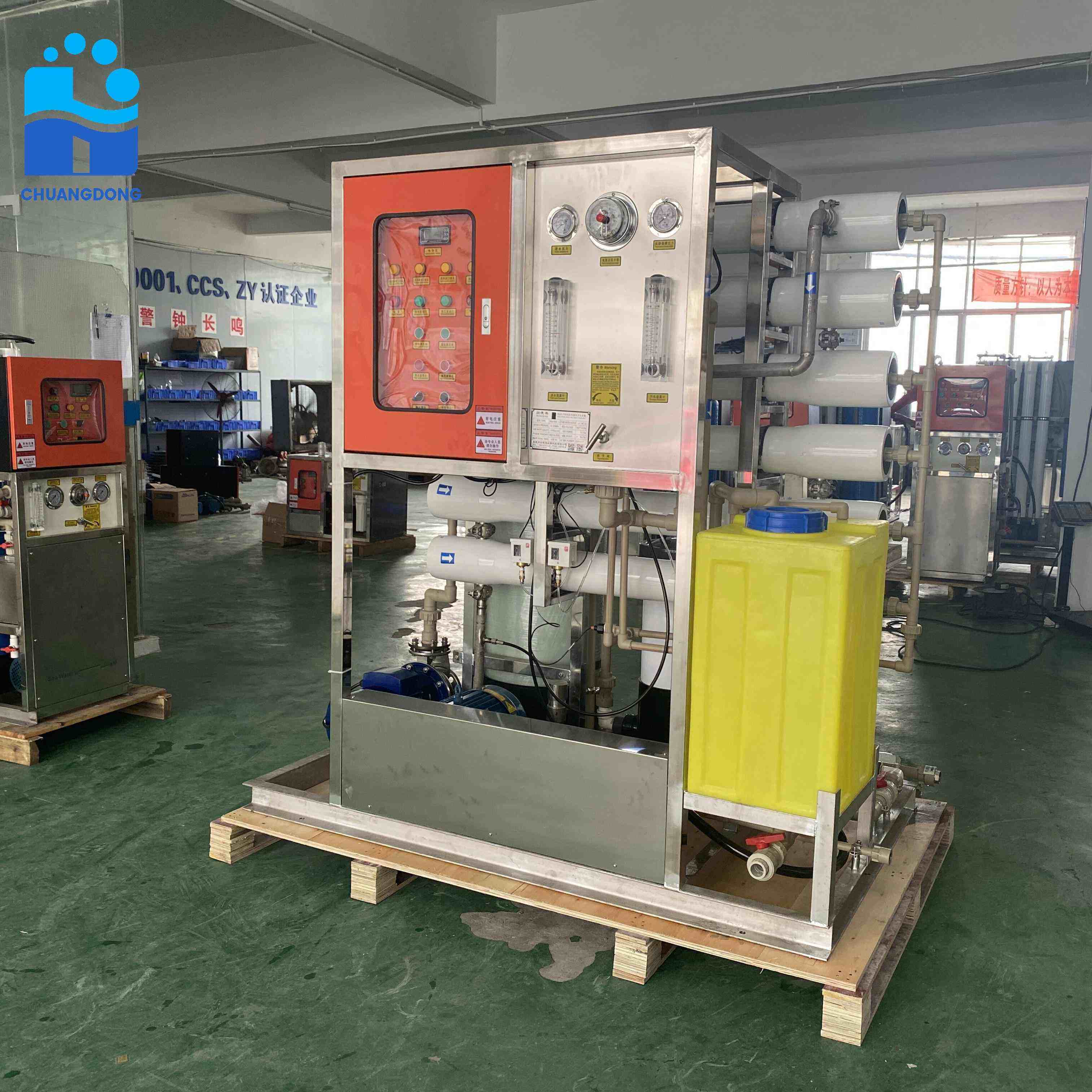
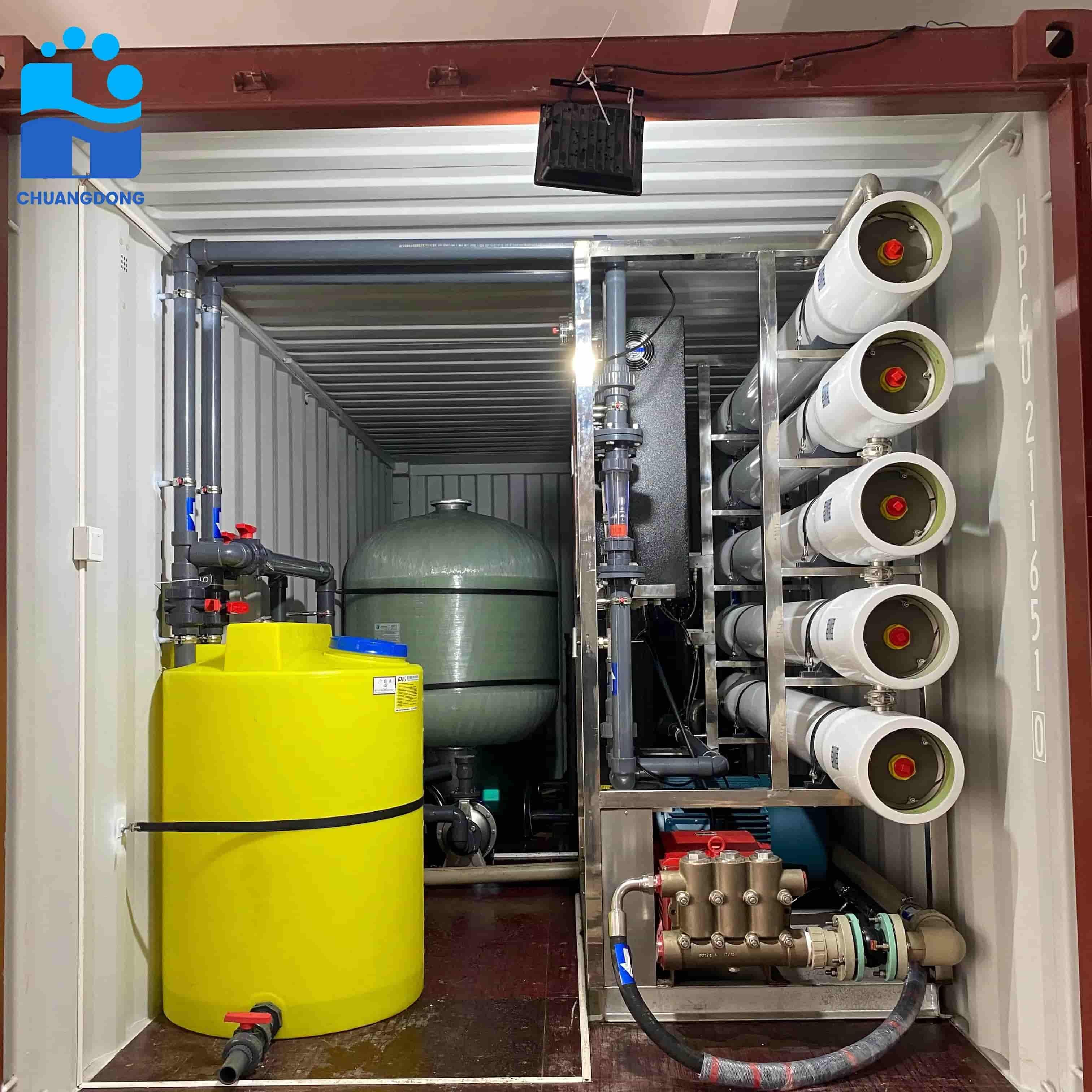
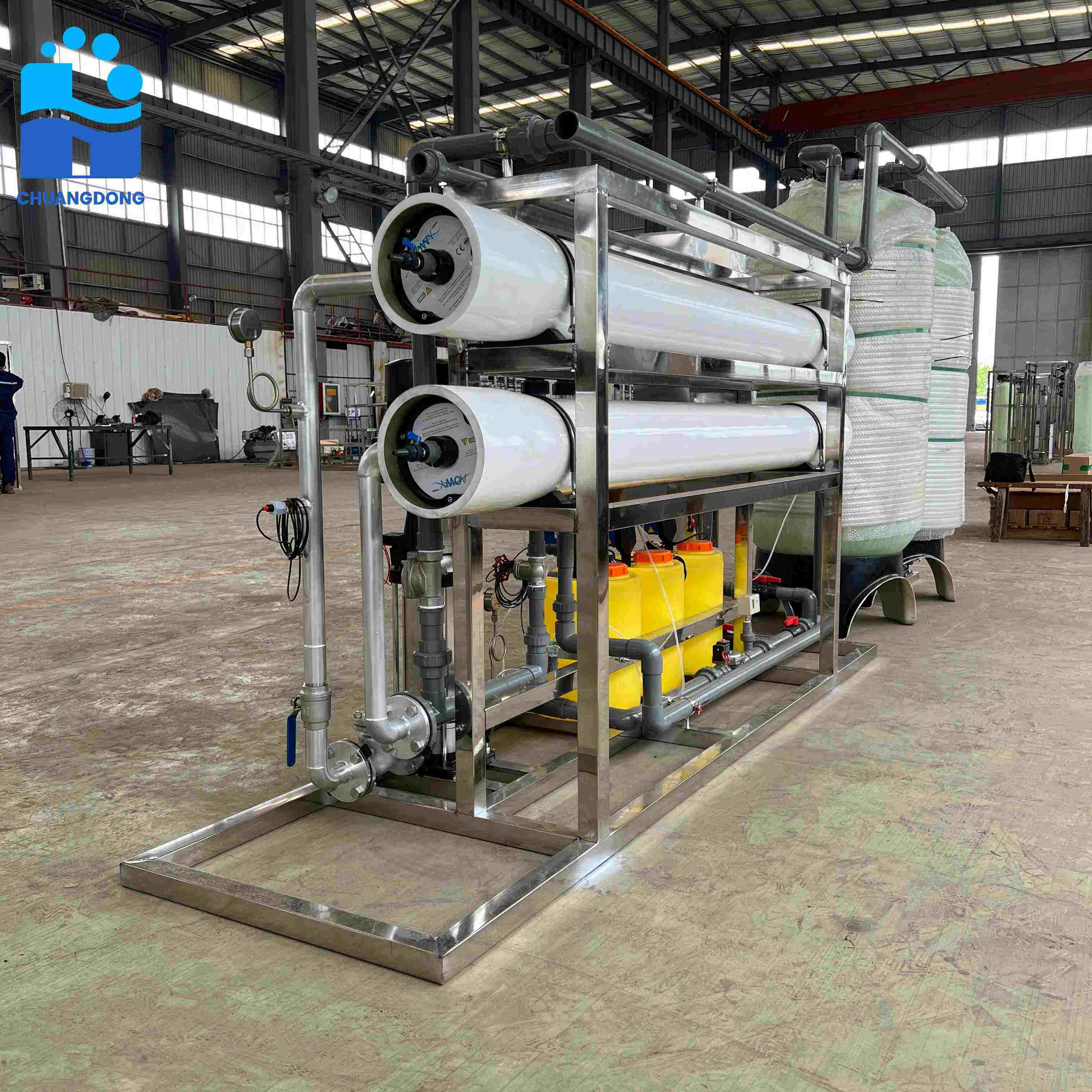
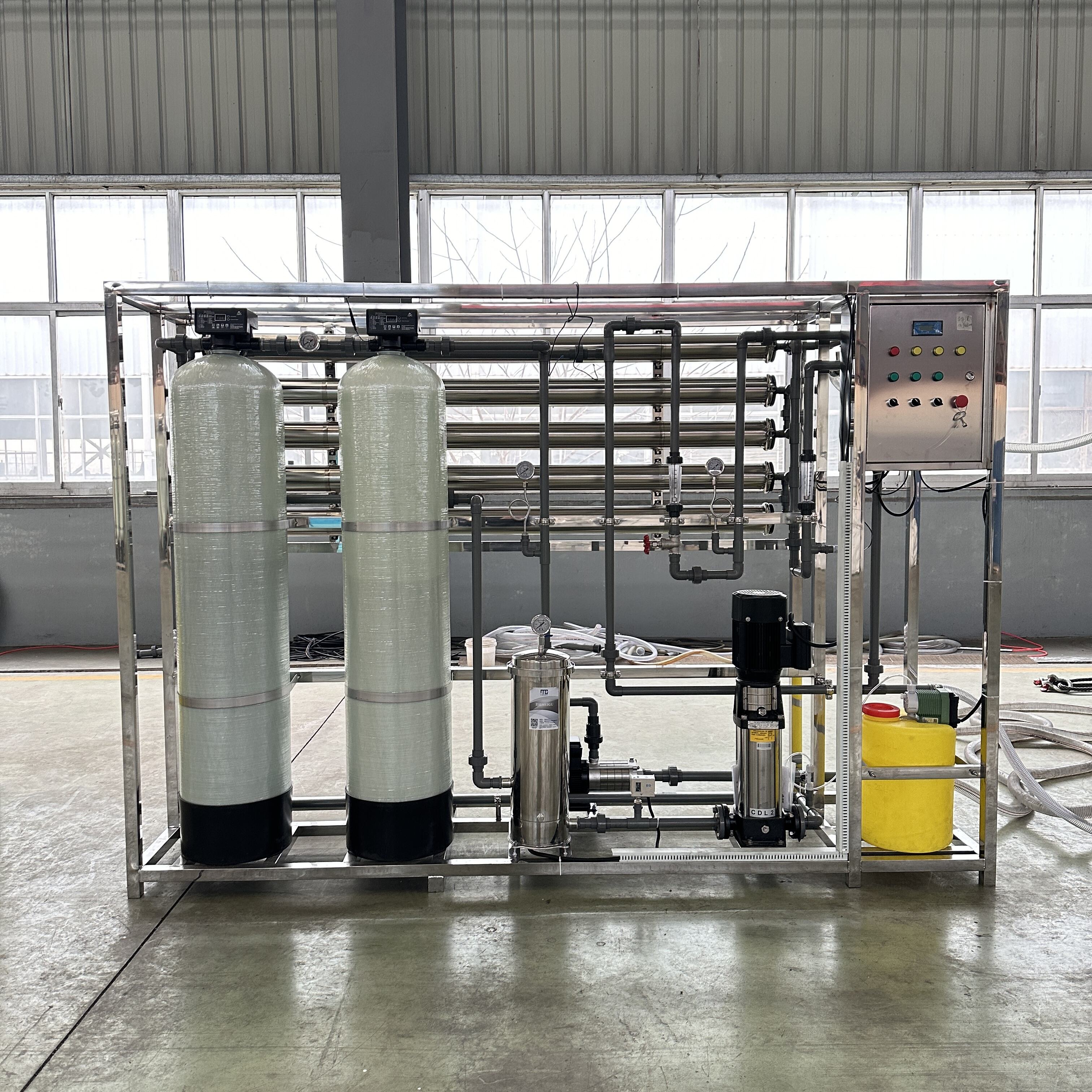
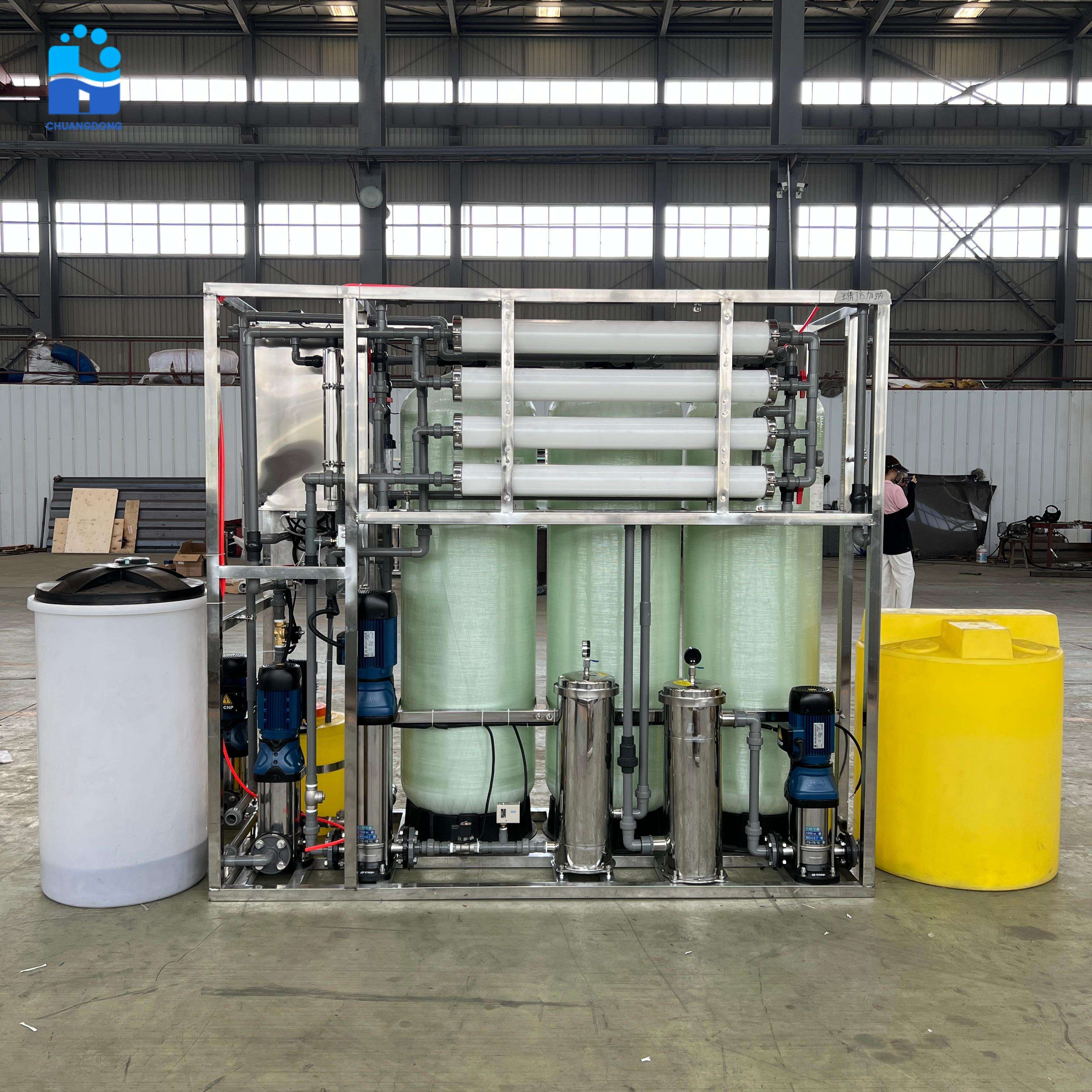
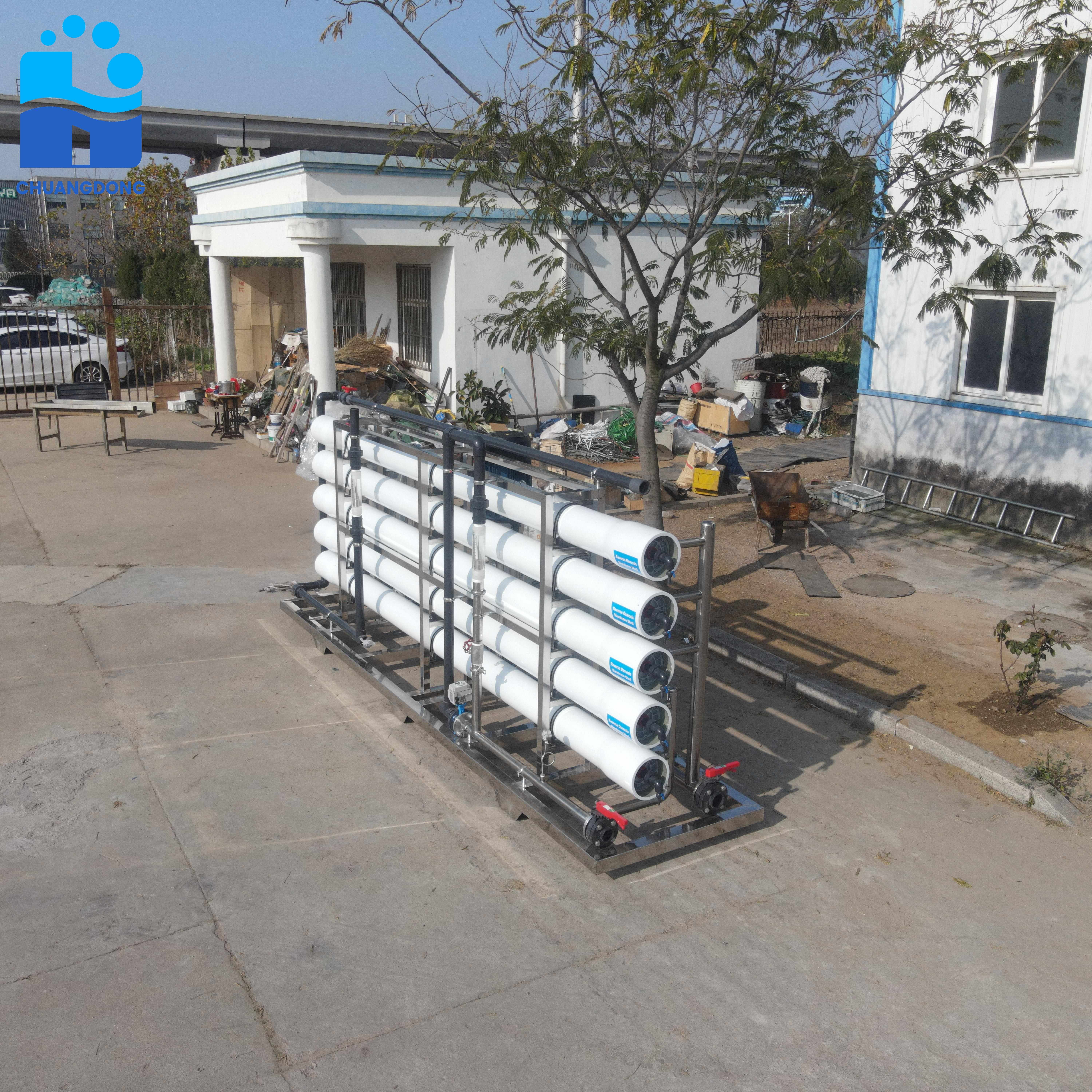
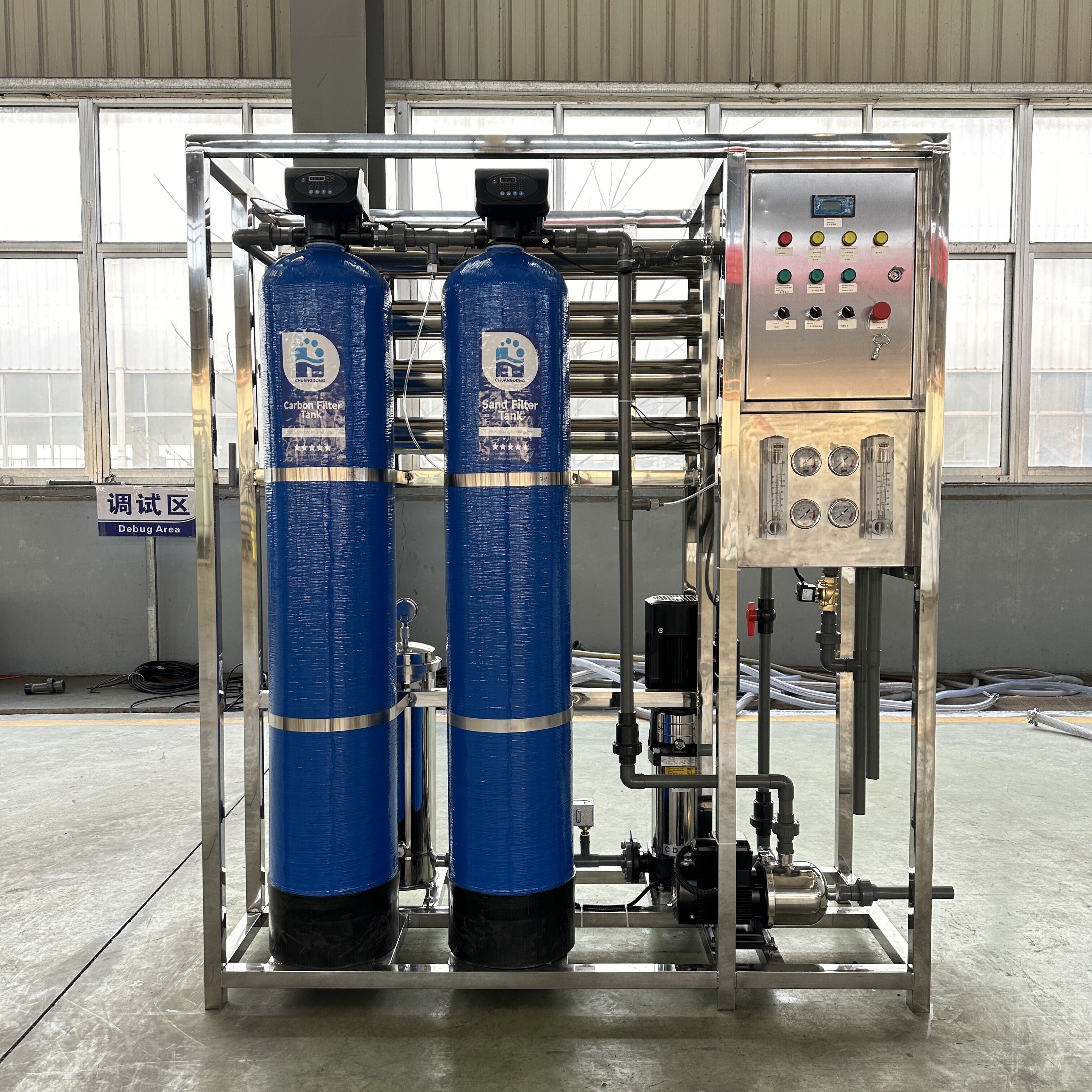
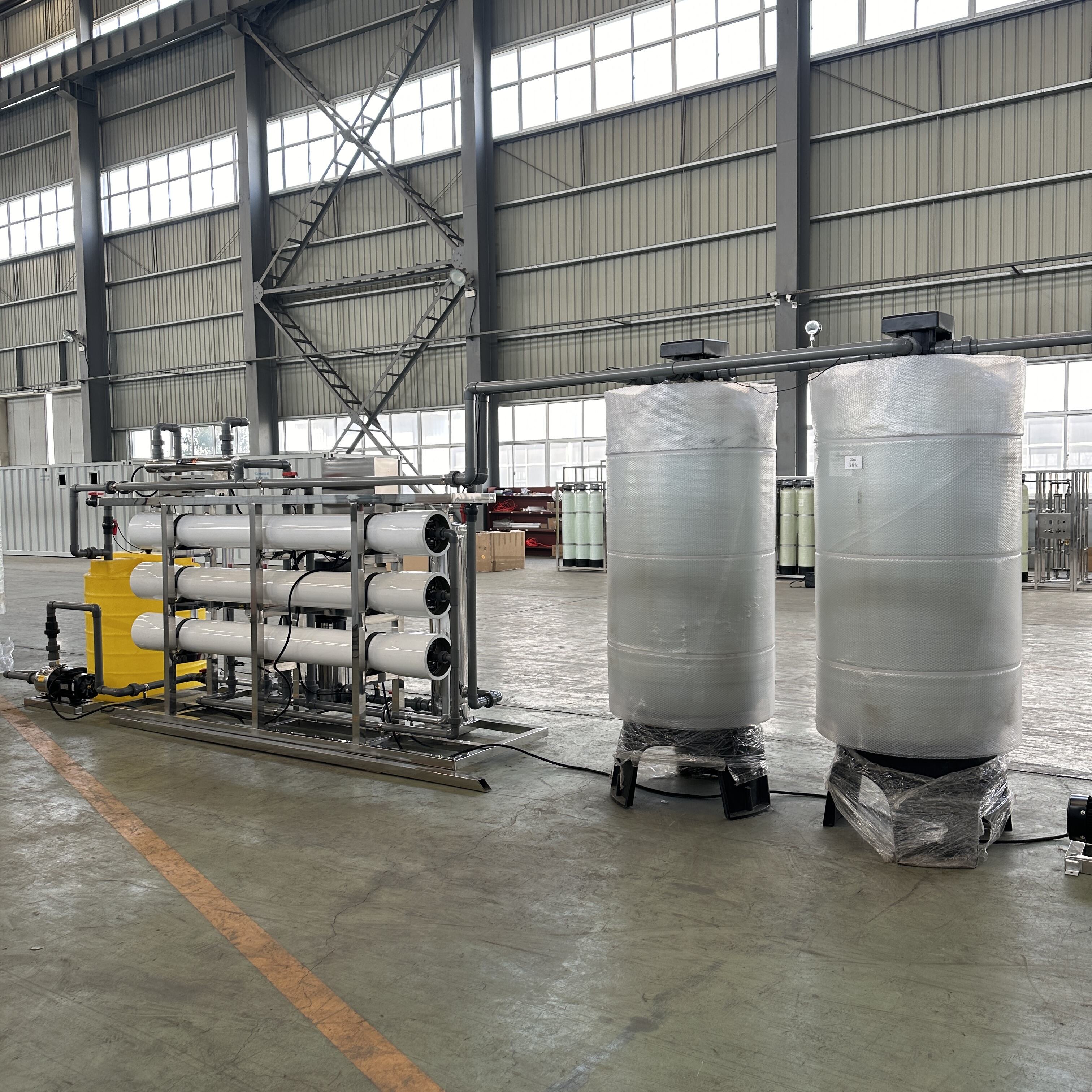
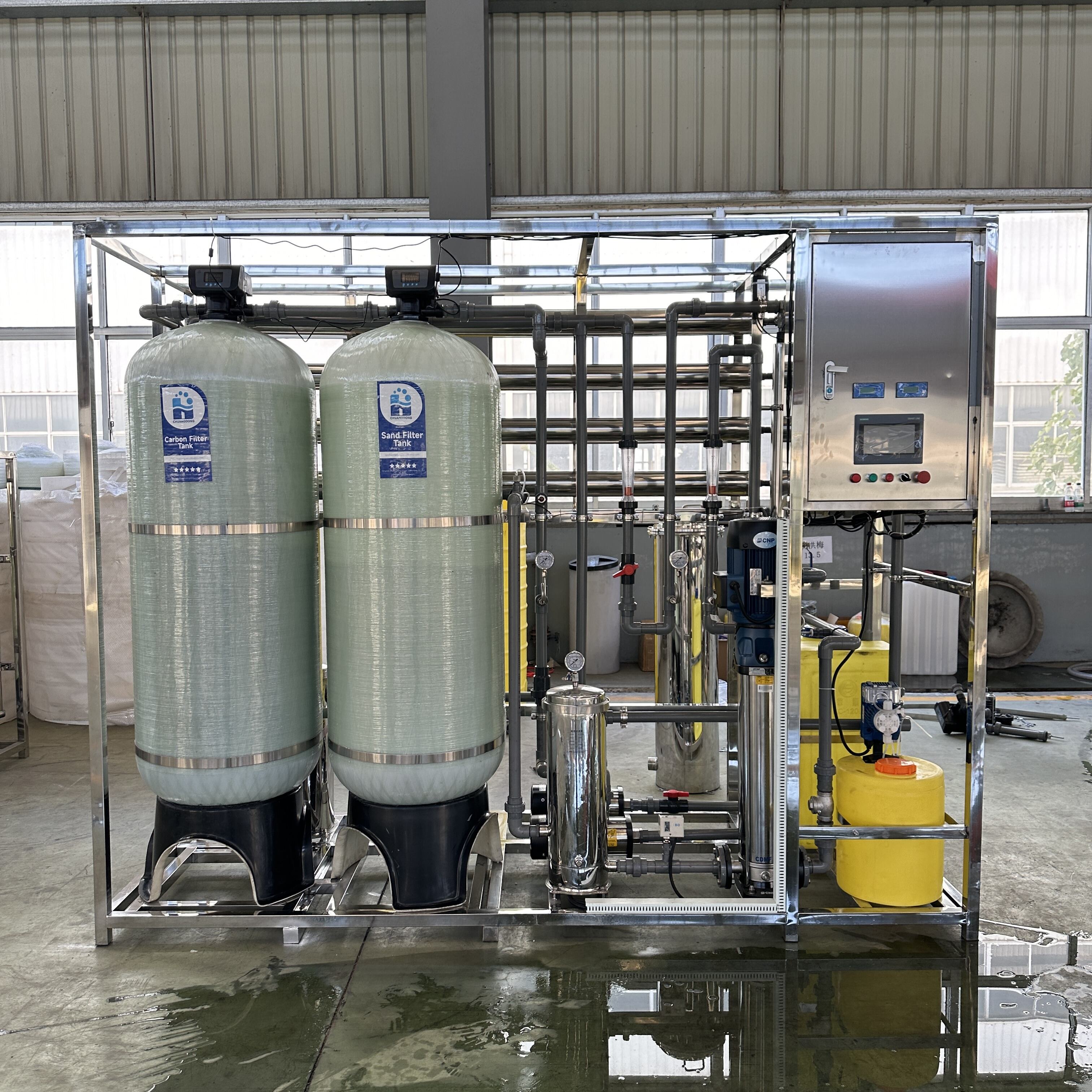
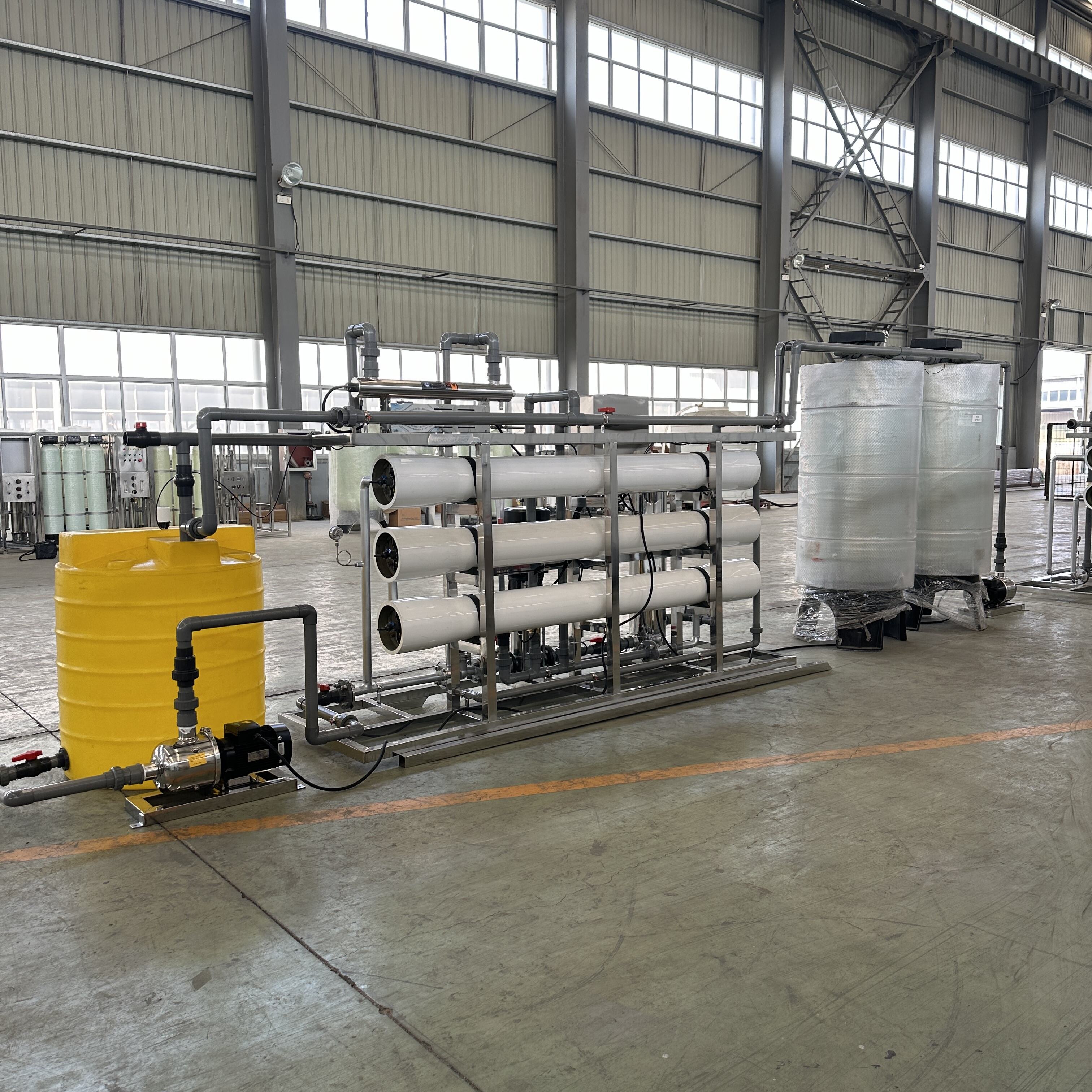
Industrial reverse osmosis water filter systems represent cutting-edge water purification technology designed to meet the demanding requirements of commercial and manufacturing operations. These sophisticated filtration systems utilize semi-permeable membrane technology to remove contaminants, dissolved solids, and impurities from water sources, delivering exceptionally pure water for various industrial applications. The industrial reverse osmosis water filter operates by applying pressure to force water molecules through specialized membranes that block particles, bacteria, viruses, and dissolved minerals while allowing clean water to pass through. This process effectively eliminates up to 99.9% of contaminants, including heavy metals, chlorine, fluoride, and total dissolved solids. Modern industrial reverse osmosis water filter systems incorporate multiple pre-filtration stages, including sediment filters, carbon filters, and chemical injection systems that optimize membrane performance and extend operational lifespan. These systems feature robust construction with corrosion-resistant materials, automated control panels, and monitoring equipment that ensures consistent water quality output. The technology behind industrial reverse osmosis water filter systems includes high-pressure pumps, energy recovery devices, and advanced membrane configurations that maximize efficiency while minimizing energy consumption. Industrial applications require reliable water treatment solutions that can handle varying feed water conditions and deliver consistent results across different operational parameters. The industrial reverse osmosis water filter systems can be customized to accommodate specific flow rates, ranging from small-scale operations processing hundreds of gallons per day to large industrial facilities requiring millions of gallons daily. These systems integrate seamlessly with existing infrastructure and can be configured for continuous operation or batch processing depending on facility requirements. Advanced monitoring capabilities allow operators to track system performance, membrane condition, and water quality parameters in real-time, ensuring optimal operation and preventive maintenance scheduling.

New Product Releases

Industrial reverse osmosis water filter systems provide numerous compelling advantages that make them essential investments for businesses requiring high-quality water treatment solutions. First, these systems deliver exceptional water purity levels that surpass traditional filtration methods, removing contaminants down to molecular levels and producing water that meets or exceeds stringent industry standards. The industrial reverse osmosis water filter technology eliminates the need for expensive bottled water purchases, reducing operational costs significantly while providing unlimited access to pure water on-demand. Companies implementing these systems experience substantial cost savings through reduced chemical usage, as the purified water requires fewer additives and treatments in downstream processes. The modular design of industrial reverse osmosis water filter systems allows businesses to scale their water treatment capacity according to growth requirements without replacing entire systems. These systems operate with remarkable energy efficiency, incorporating energy recovery devices that reduce power consumption by up to 60% compared to older technologies. Maintenance requirements are minimal, with automated cleaning cycles and self-monitoring capabilities that reduce labor costs and prevent unexpected downtime. The industrial reverse osmosis water filter systems provide consistent water quality regardless of source water variations, ensuring reliable production processes and product consistency. Environmental benefits include reduced wastewater generation through high recovery rates and elimination of single-use plastic bottles, supporting corporate sustainability initiatives. The systems feature advanced control panels with user-friendly interfaces that simplify operation and reduce training requirements for staff members. Reliability is enhanced through redundant components and failsafe mechanisms that prevent system failures and protect downstream equipment from contaminated water exposure. The industrial reverse osmosis water filter technology adapts to various source water conditions, including municipal water, well water, and brackish water, making it versatile for different geographical locations. Return on investment typically occurs within 18-24 months through operational savings, improved product quality, and reduced waste disposal costs. These systems comply with FDA, NSF, and other regulatory standards, ensuring businesses meet health and safety requirements while avoiding costly compliance violations. The compact footprint of modern industrial reverse osmosis water filter systems maximizes facility space utilization while delivering superior performance compared to alternative treatment methods.

Latest News

What Intake and Outfall Designs Minimize Environmental Impact of a Desalination Plant?

01

Mar

What Intake and Outfall Designs Minimize Environmental Impact of a Desalination Plant?

Environmental considerations have become paramount in the design and operation of modern desalination facilities worldwide. As water scarcity continues to challenge communities across the globe, the demand for sustainable desalination plant solutions...
View More
What Corrosion-Resistant Materials Are Used in Desalination Plant Construction?

06

Mar

What Corrosion-Resistant Materials Are Used in Desalination Plant Construction?

Desalination plants operate in some of the harshest environments imaginable, where saltwater constantly threatens the integrity of critical infrastructure. The selection of appropriate corrosion-resistant materials becomes paramount to ensuring long-...
View More
How Does a Water Purification System with Ion Exchange Soften Hard Water Effectively?

15

Mar

How Does a Water Purification System with Ion Exchange Soften Hard Water Effectively?

Hard water poses significant challenges for both residential and commercial applications, containing high concentrations of calcium and magnesium ions that cause scale buildup, reduce equipment efficiency, and affect water quality. A water purificati...
View More
Why Should Pharmaceutical QC Labs Use Ultrapure Water for HPLC and Mass Spectrometry?

18

Mar

Why Should Pharmaceutical QC Labs Use Ultrapure Water for HPLC and Mass Spectrometry?

Pharmaceutical quality control laboratories face increasingly stringent requirements for analytical accuracy and regulatory compliance. The foundation of reliable analytical results lies in the quality of water used throughout testing procedures. Ult...
View More

Get a Free Quote

Our representative will contact you soon.
Email
Name
Company Name
Message
0/1000

industrial reverse osmosis water filter

Advanced Multi-Stage Filtration Technology

Advanced Multi-Stage Filtration Technology

The industrial reverse osmosis water filter employs sophisticated multi-stage filtration technology that sets it apart from conventional water treatment systems. This comprehensive approach begins with pre-filtration stages designed to protect the delicate reverse osmosis membranes from damage and premature fouling. The first stage typically includes sediment filters that remove particles, dirt, and debris larger than 5 microns, preventing physical damage to downstream components. Subsequently, carbon filtration stages eliminate chlorine, organic compounds, and taste-affecting substances that could degrade membrane performance or affect final water quality. The heart of the industrial reverse osmosis water filter system lies in its high-performance reverse osmosis membranes, which utilize cutting-edge thin-film composite technology to achieve exceptional rejection rates across a broad spectrum of contaminants. These membranes feature polyamide active layers that selectively allow water molecules to pass while blocking dissolved salts, heavy metals, bacteria, viruses, and organic compounds. The multi-stage configuration often includes multiple membrane vessels arranged in series or parallel configurations to optimize contact time and pressure distribution, maximizing contaminant removal efficiency. Advanced industrial reverse osmosis water filter systems incorporate specialized post-filtration stages, including polishing filters and UV sterilization units that ensure final water quality meets the most stringent purity requirements. The integration of pressure regulation systems, flow control valves, and automated backwashing mechanisms ensures consistent performance across varying operational conditions. Smart monitoring systems continuously track key performance indicators, including membrane differential pressure, flow rates, conductivity levels, and temperature parameters, providing real-time feedback for optimal system operation. This technology delivers water purity levels exceeding 99.9% contaminant removal, making it ideal for pharmaceutical manufacturing, electronics production, food processing, and other critical applications where water quality directly impacts product integrity and safety standards.
Cost-Effective Long-Term Operation

Cost-Effective Long-Term Operation

The industrial reverse osmosis water filter delivers exceptional cost-effectiveness through multiple economic advantages that compound over time, making it a smart financial investment for businesses of all sizes. Initial capital investment is quickly recovered through substantial operational savings, including elimination of bottled water purchases, reduced chemical costs, and decreased wastewater treatment expenses. The system's high recovery rate, typically ranging from 75% to 85%, minimizes water waste and reduces utility bills compared to alternative treatment methods. Energy efficiency features, including variable frequency drives and energy recovery devices, significantly reduce electricity consumption, with modern industrial reverse osmosis water filter systems consuming 50% less energy than older technologies. Maintenance costs remain minimal due to automated cleaning cycles, self-diagnostic capabilities, and robust component design that extends service intervals and reduces labor requirements. The modular construction allows businesses to expand capacity incrementally as needs grow, avoiding costly system replacements and minimizing disruption to ongoing operations. Membrane lifespan typically extends 3-5 years with proper maintenance, and replacement costs are fraction of total system investment, ensuring predictable operating expenses. The industrial reverse osmosis water filter eliminates need for multiple specialized treatment chemicals, simplifying inventory management and reducing handling risks associated with hazardous substances. Quality improvements in downstream processes result from consistent water purity, reducing product rejection rates, rework costs, and customer complaints that impact profitability. Equipment protection benefits include reduced scaling and corrosion in boilers, cooling systems, and production equipment, extending asset lifecycles and reducing capital replacement requirements. Insurance premiums may decrease due to improved safety profiles and reduced environmental risks associated with chemical handling and storage. Tax incentives and rebates are often available for businesses implementing energy-efficient water treatment technologies, further enhancing return on investment. The industrial reverse osmosis water filter systems typically pay for themselves within 18-24 months, then continue generating savings throughout their 15-20 year operational lifespan, making them among the most cost-effective industrial equipment investments available.
Versatile Applications Across Industries

Versatile Applications Across Industries

The industrial reverse osmosis water filter demonstrates remarkable versatility across diverse industry sectors, adapting to specific requirements while maintaining consistent high-performance standards that meet varied regulatory and operational demands. In pharmaceutical manufacturing, these systems produce water for injection (WFI) and purified water that comply with USP, EP, and other pharmacopeial standards, ensuring product safety and regulatory compliance. Food and beverage industries rely on industrial reverse osmosis water filter technology to produce process water that enhances product taste, extends shelf life, and meets FDA safety requirements while reducing ingredient costs through consistent water quality. Electronics and semiconductor manufacturing utilize ultra-pure water generated by these systems for critical cleaning processes, preventing contamination that could result in product failures and costly rework. Power generation facilities employ industrial reverse osmosis water filter systems for boiler feedwater treatment, reducing scaling and corrosion that can cause equipment failures and unplanned outages. Chemical processing plants benefit from customized water quality that optimizes reaction conditions, improves yield rates, and reduces catalyst consumption through precise control of dissolved impurities. Automotive manufacturing facilities use these systems for paint booth operations, final rinse applications, and cooling system makeup water that prevents spotting and contamination issues. Textile industries implement industrial reverse osmosis water filter technology for dyeing processes that require consistent water quality to achieve uniform color results and reduce chemical consumption. Healthcare facilities, including hospitals and laboratories, depend on these systems for sterile water production, dialysis applications, and laboratory testing that demands precise water quality specifications. Agriculture and greenhouse operations utilize treated water for hydroponic systems and irrigation applications that optimize plant growth while preventing mineral buildup in distribution systems. Oil and gas industries employ these systems for enhanced oil recovery operations, hydraulic fracturing applications, and produced water treatment that supports environmental compliance. Marine applications include desalination systems for offshore platforms, cruise ships, and remote facilities where freshwater sources are limited or unavailable. The industrial reverse osmosis water filter systems can be configured with specialized monitoring and control systems that meet specific industry regulations while providing data logging and reporting capabilities required for compliance documentation and quality assurance programs.

Get a Free Quote

Our representative will contact you soon.
Email
Name
Company Name
Message
0/1000