Industrial Reverse Osmosis Filter Solutions

Get a Free Quote

Our representative will contact you soon.
Email
Name
Company Name
Message
0/1000

industrial reverse osmosis filter

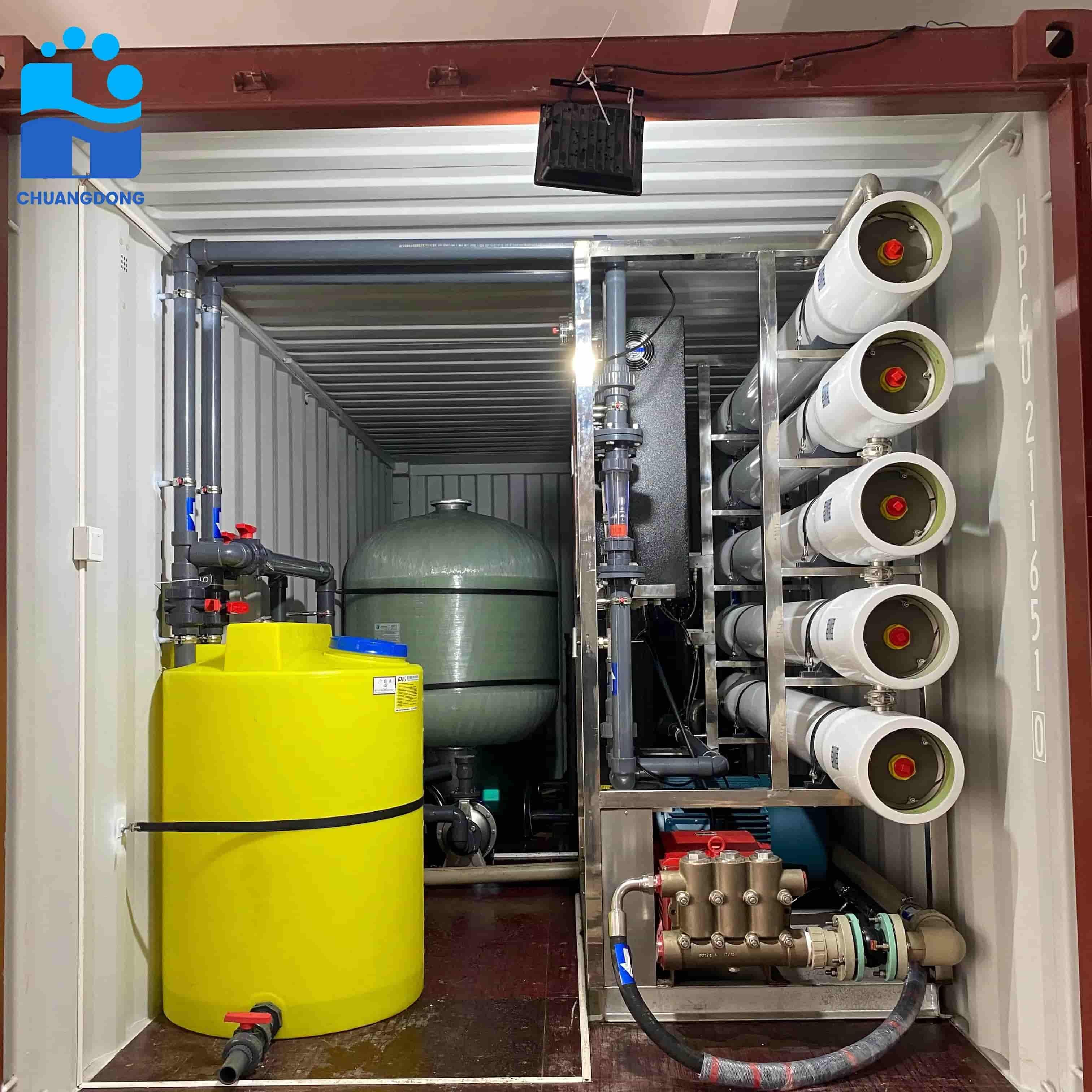
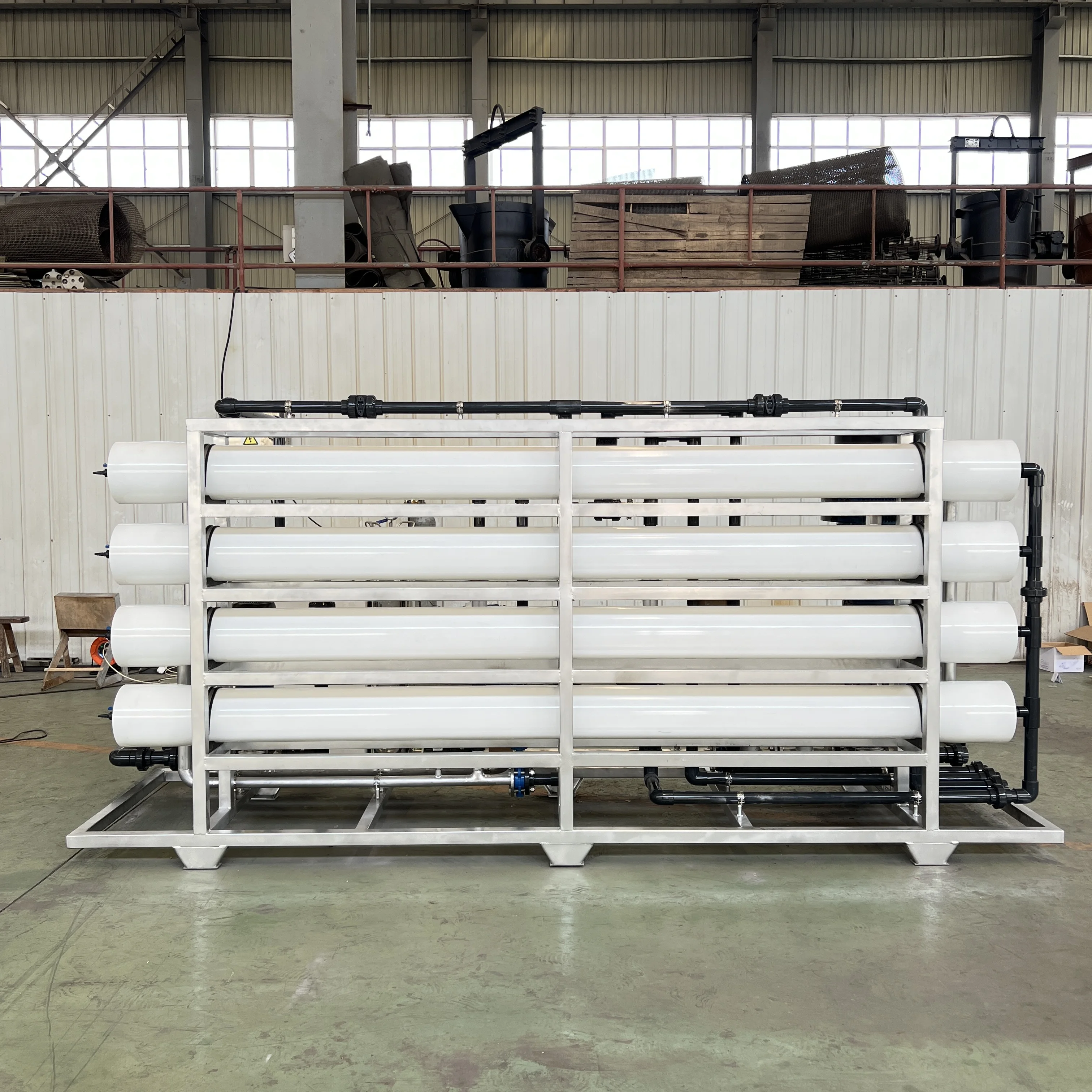
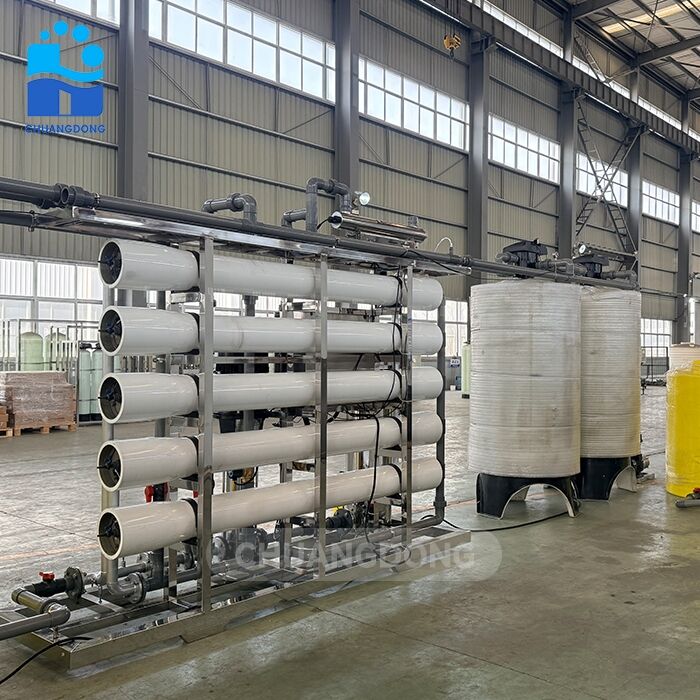
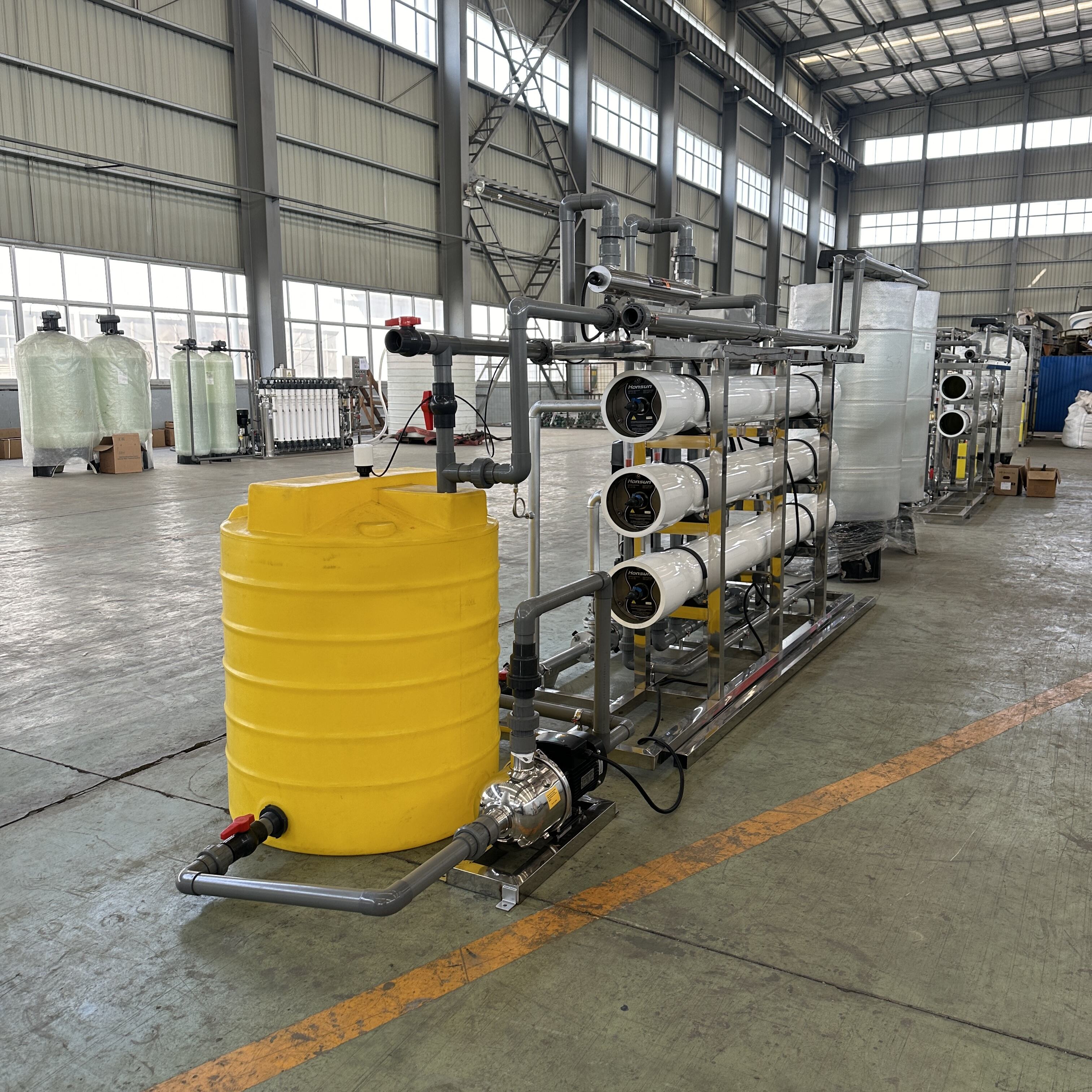
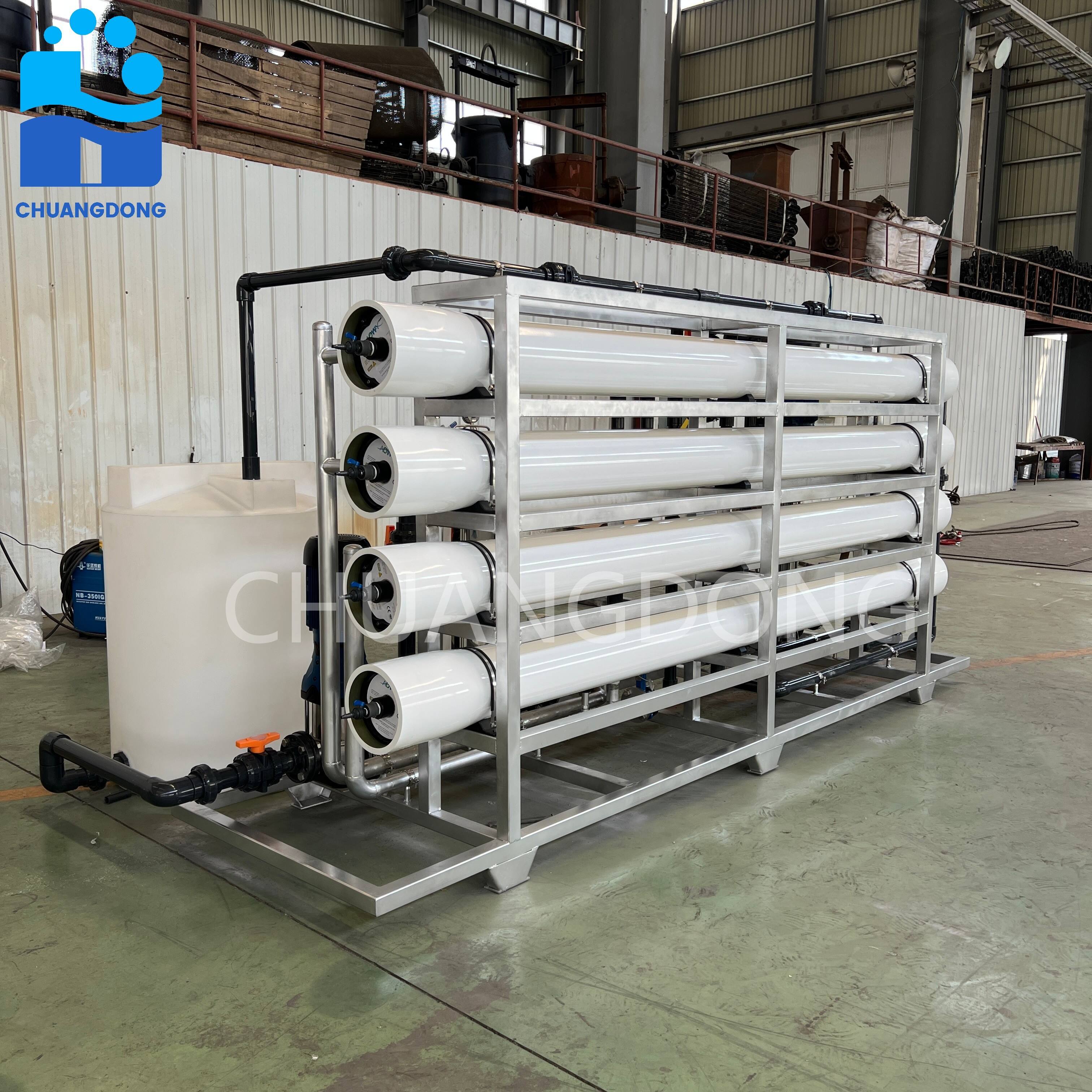
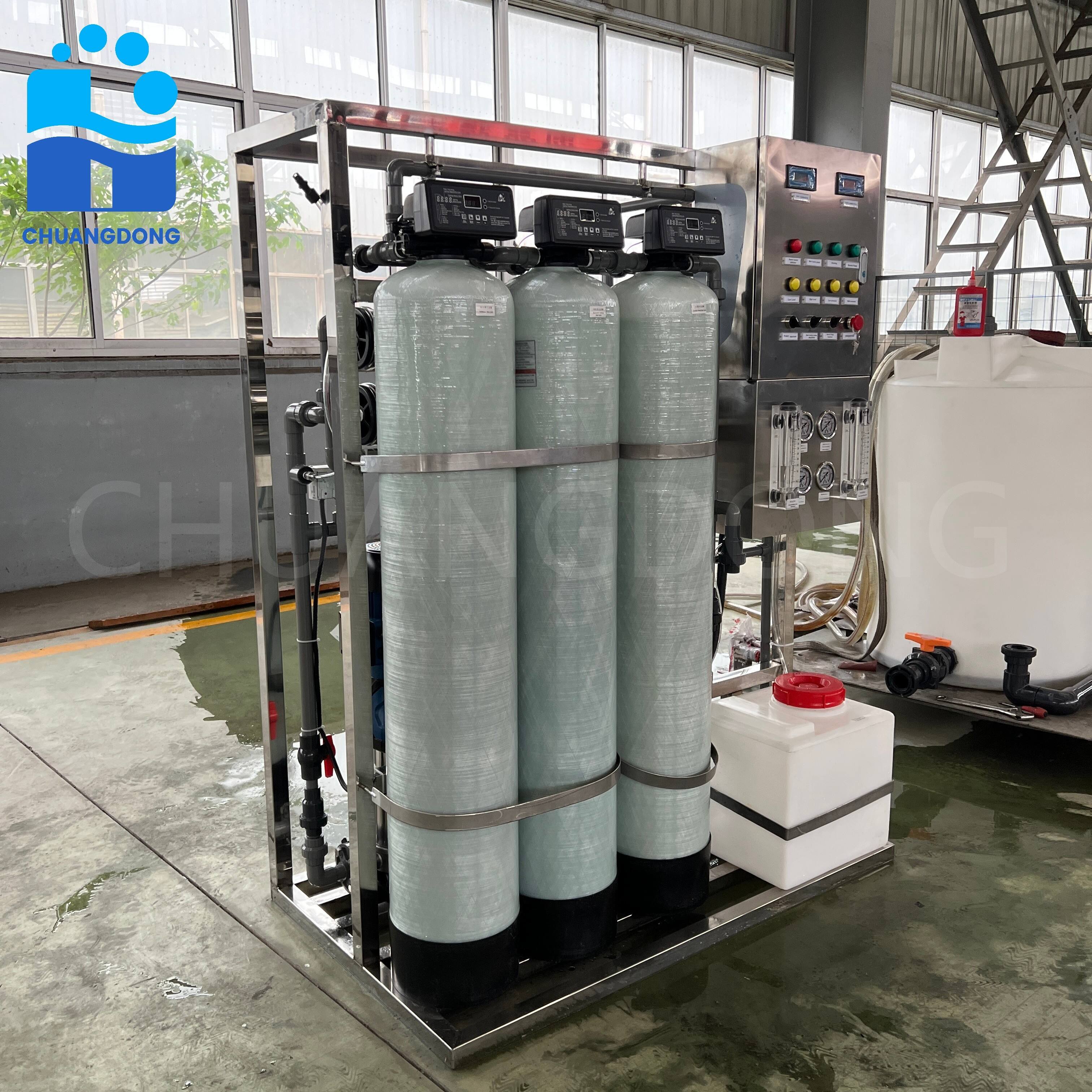
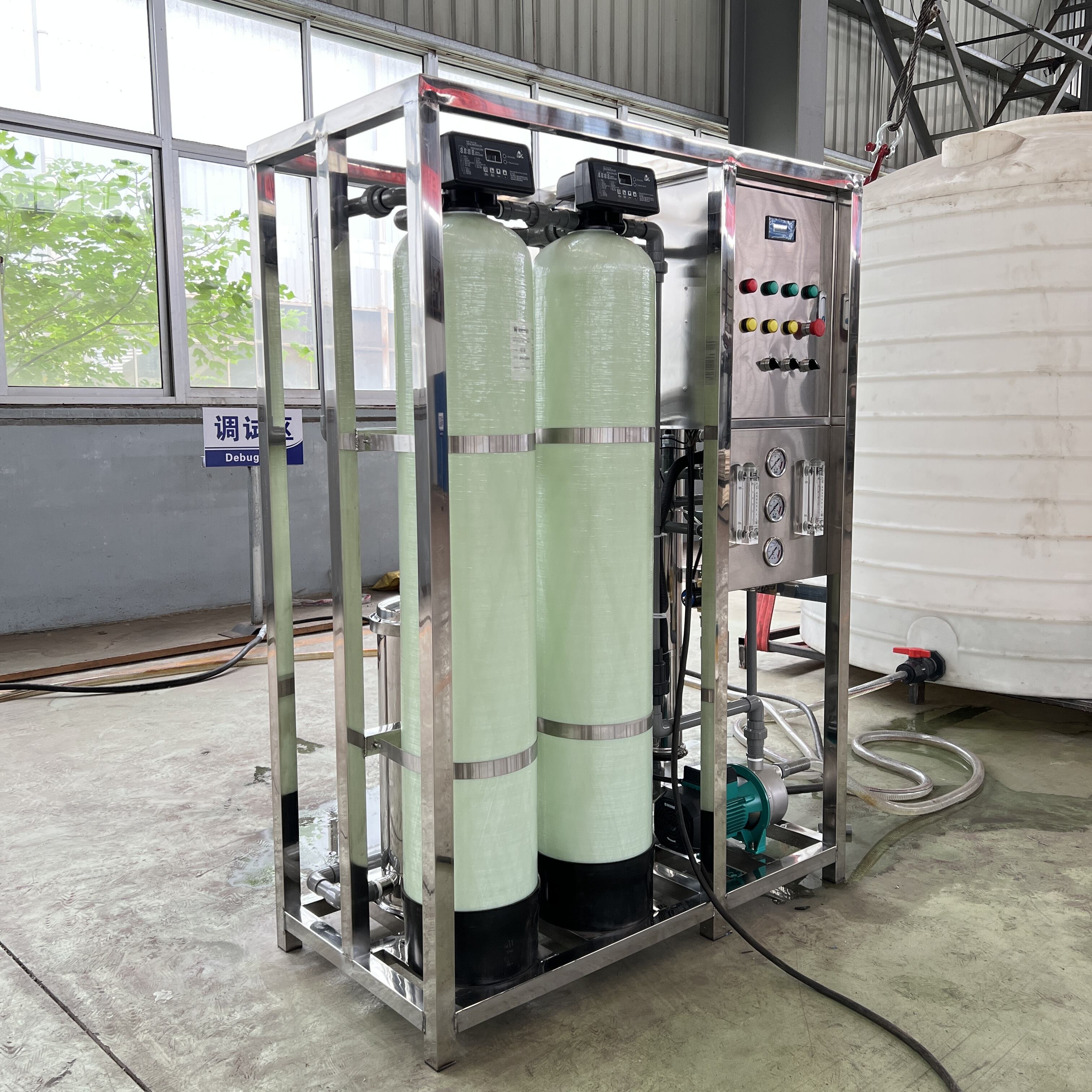
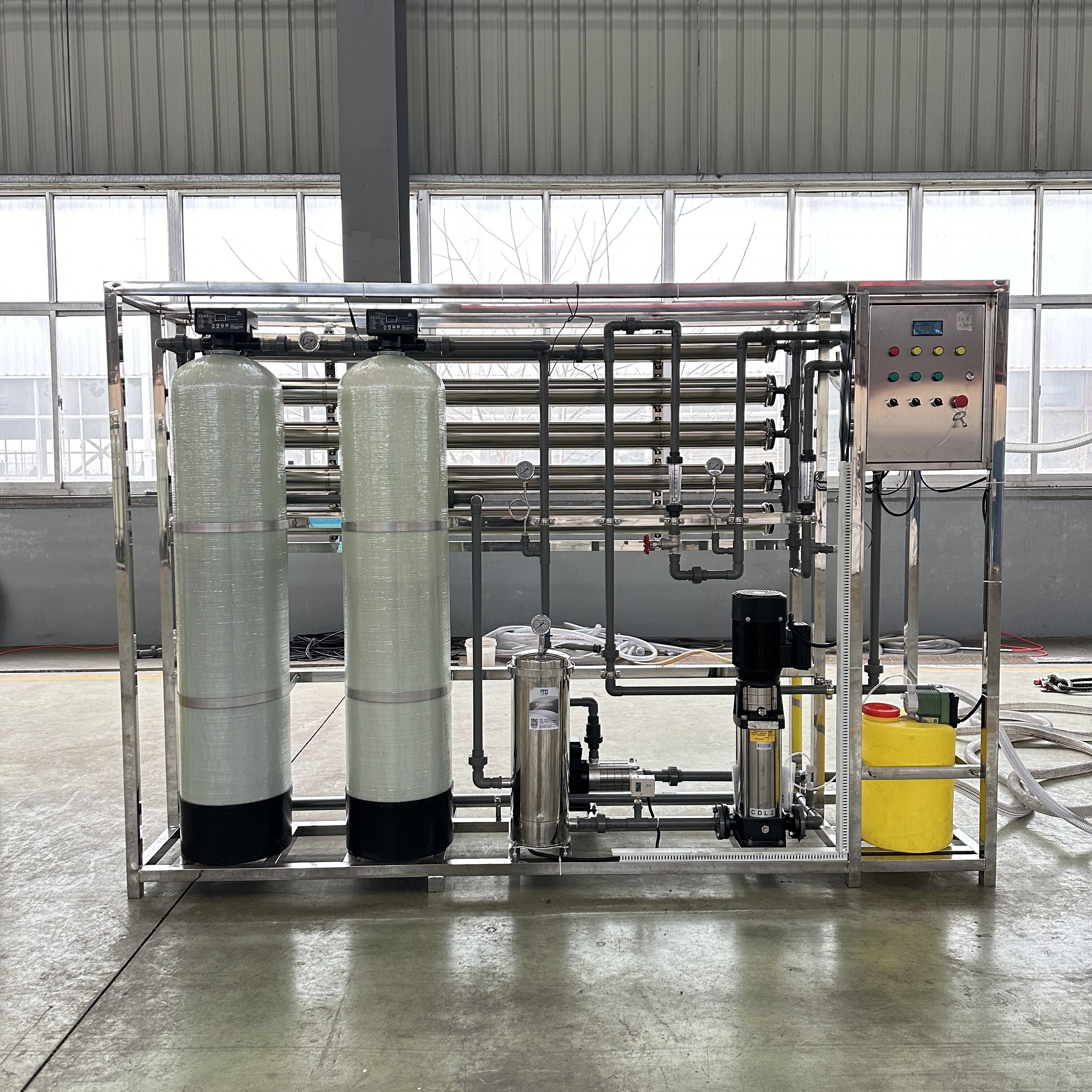
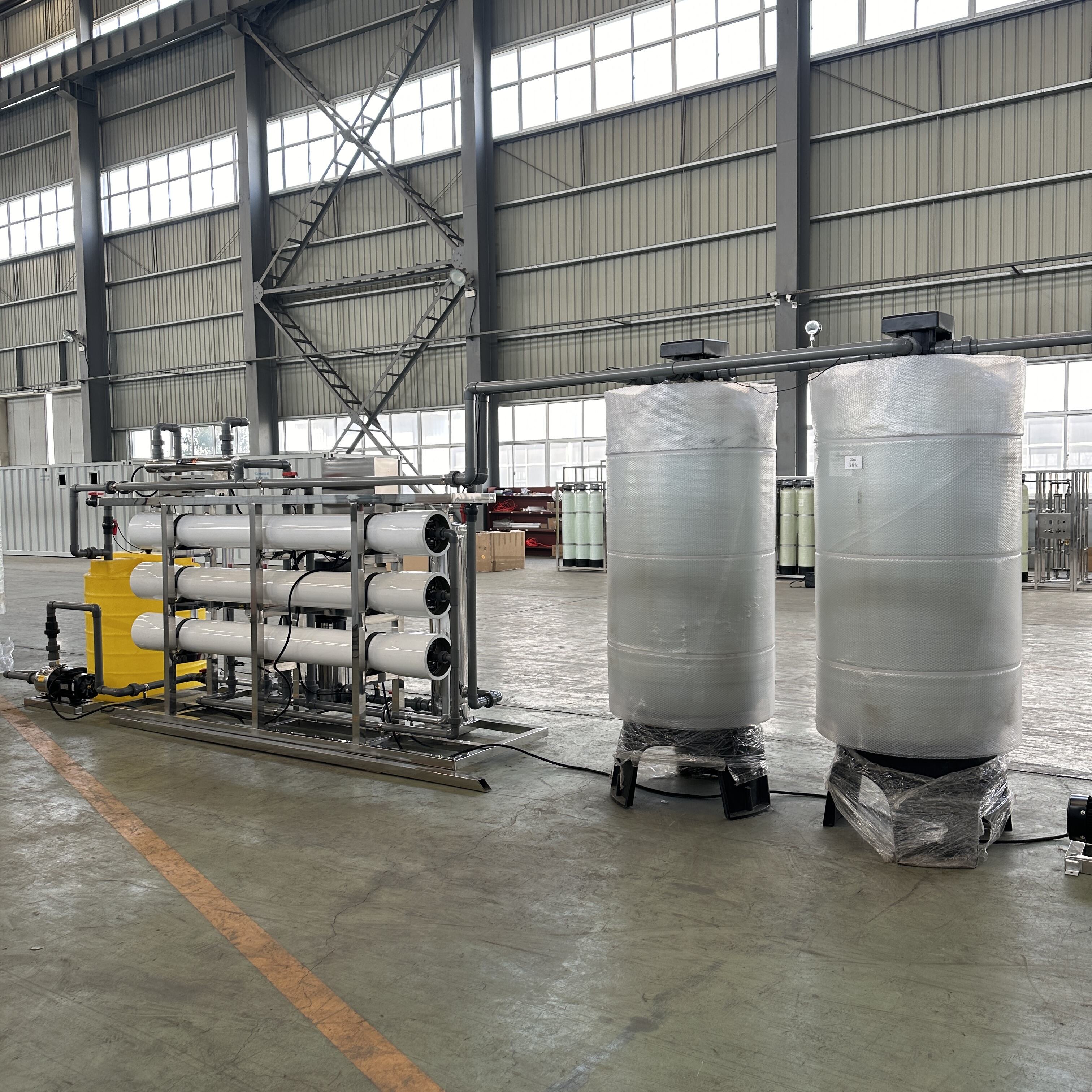
An industrial reverse osmosis filter is a sophisticated water purification system designed to remove contaminants, dissolved solids, and impurities from large-scale water supplies. This advanced filtration technology uses a semi-permeable membrane that allows water molecules to pass through while blocking up to 99% of dissolved salts, bacteria, organics, and other harmful substances. The industrial reverse osmosis filter operates by applying pressure to force water through the membrane, separating clean water from concentrated waste. This process makes it essential for manufacturing plants, pharmaceutical companies, food and beverage production facilities, and municipal water treatment operations. The main functions include desalination, water softening, removal of heavy metals, and elimination of chemical pollutants. Technological features encompass multi-stage filtration, automated monitoring systems, energy-efficient high-pressure pumps, and robust membrane modules that withstand continuous operation. Modern industrial reverse osmosis filter systems incorporate pre-treatment stages to protect membranes from fouling and scaling, extending equipment lifespan. Applications span across diverse industries including power generation, electronics manufacturing, automotive production, textile processing, and hospitality sectors. These systems provide consistent water quality, meet strict regulatory standards, and support sustainable operations by reducing chemical usage and minimizing wastewater discharge. The scalability of an industrial reverse osmosis filter allows customization from small production lines to massive facilities processing millions of gallons daily, making it a versatile solution for industrial water purification needs.

New Product Releases

Investing in an industrial reverse osmosis filter delivers substantial cost savings by reducing reliance on expensive bottled water and chemical treatments while lowering maintenance expenses through reliable, long-lasting performance. The system provides superior water quality that protects sensitive equipment from scale buildup and corrosion, extending machinery lifespan and reducing downtime. Companies benefit from consistent production quality as purified water ensures uniform results in manufacturing processes, pharmaceutical formulations, and food preparation. Operational benefits include automated controls that minimize labor requirements, real-time monitoring that prevents quality issues before they occur, and energy-efficient designs that reduce utility costs. The industrial reverse osmosis filter adapts to various water sources, whether municipal supply, brackish wells, or seawater, making it suitable for facilities in any location. Environmental advantages include dramatically reduced chemical discharge, lower carbon footprint compared to alternative purification methods, and the ability to recycle wastewater back into production processes. Decision-makers appreciate the rapid return on investment through decreased water purchasing costs, reduced equipment replacement expenses, and improved product quality that enhances market competitiveness. The system scales effortlessly as business grows, protecting initial investments while accommodating expansion needs. Regulatory compliance becomes straightforward as the industrial reverse osmosis filter consistently meets or exceeds water quality standards for industries ranging from healthcare to food service. Maintenance requirements remain minimal with simple filter replacements and periodic membrane cleaning, allowing staff to focus on core business activities rather than complex water treatment management. The technology proves particularly valuable for operations requiring ultra-pure water, such as semiconductor manufacturing, boiler feed applications, and laboratory research facilities.

Tips And Tricks

How Do You Sanitize and Maintain Ultrapure Water Storage Tanks to Prevent Biofilm?

07

May

How Do You Sanitize and Maintain Ultrapure Water Storage Tanks to Prevent Biofilm?

Maintaining ultrapure water storage tanks requires rigorous protocols to prevent biofilm formation, which can rapidly compromise water quality and system integrity. Biofilm development in ultrapure water storage tanks represents one of the most persi...
View More
What Pre-Filter (Sediment, Carbon) Configuration Best Protects Your RO Water Filter's Membrane?

07

May

What Pre-Filter (Sediment, Carbon) Configuration Best Protects Your RO Water Filter's Membrane?

Protecting the reverse osmosis membrane in your industrial water treatment system requires strategic pre-filtration that removes contaminants before they reach the sensitive membrane surface. The configuration of sediment and carbon pre-filters direc...
View More
How Do You Winterize a Desalination Plant in Seasonal Coastal Homes to Prevent Damage?

12

Jun

How Do You Winterize a Desalination Plant in Seasonal Coastal Homes to Prevent Damage?

Owning a seasonal coastal home equipped with a private desalination plant brings incredible freedom — clean, fresh water drawn directly from the sea, independent of municipal supply. But when the season ends and the property sits vacant through winte...
View More
Why Does Ultrapure Water from a Reverse Osmosis System Taste So Clean and Refreshing?

05

Jun

Why Does Ultrapure Water from a Reverse Osmosis System Taste So Clean and Refreshing?

There is something unmistakably different about the taste of water that has been processed through a reverse osmosis system. It is crisp, clean, and almost neutral in the best possible way — a quality that once experienced, makes ordinary tap water f...
View More

Get a Free Quote

Our representative will contact you soon.
Email
Name
Company Name
Message
0/1000

industrial reverse osmosis filter

Advanced Multi-Stage Filtration Technology

Advanced Multi-Stage Filtration Technology

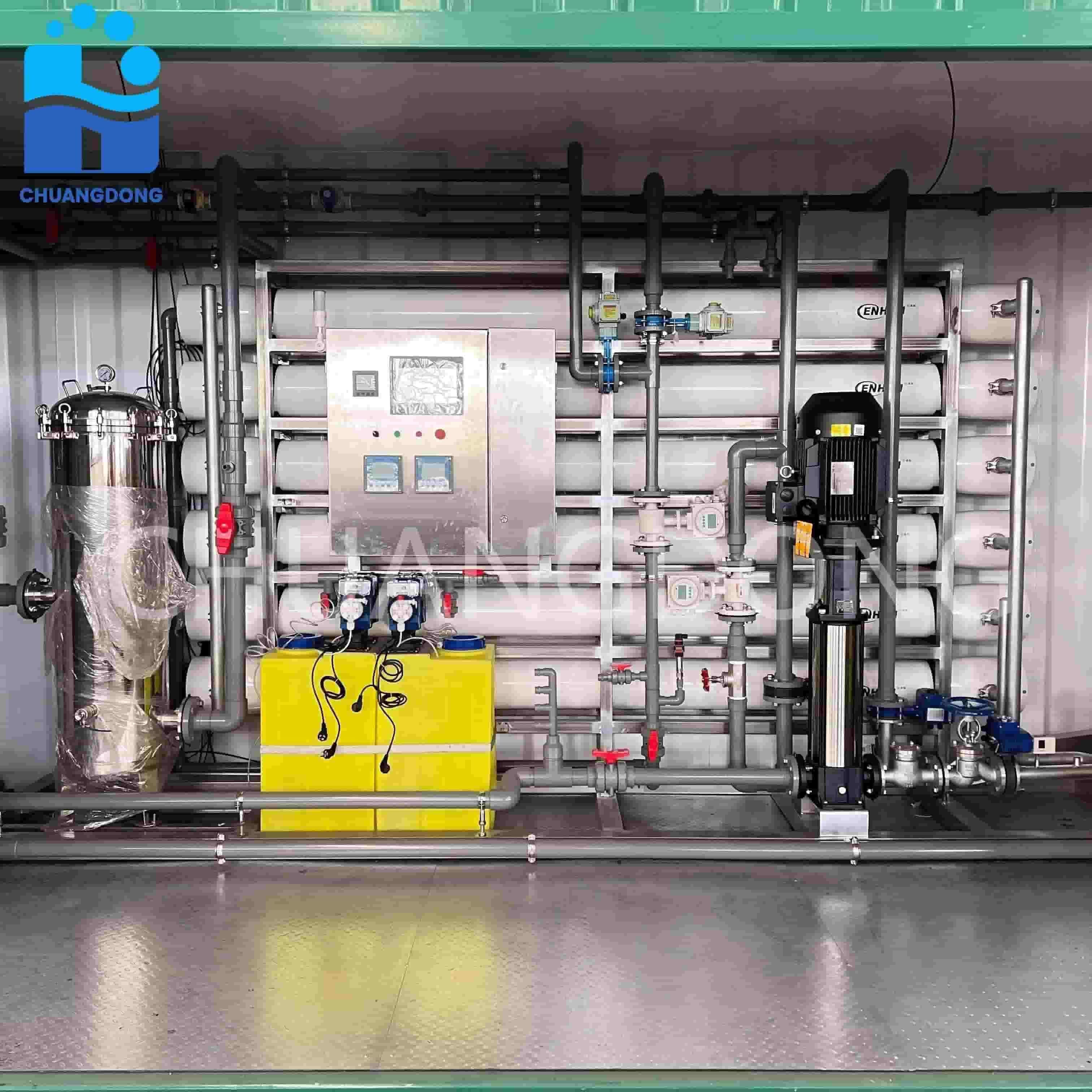
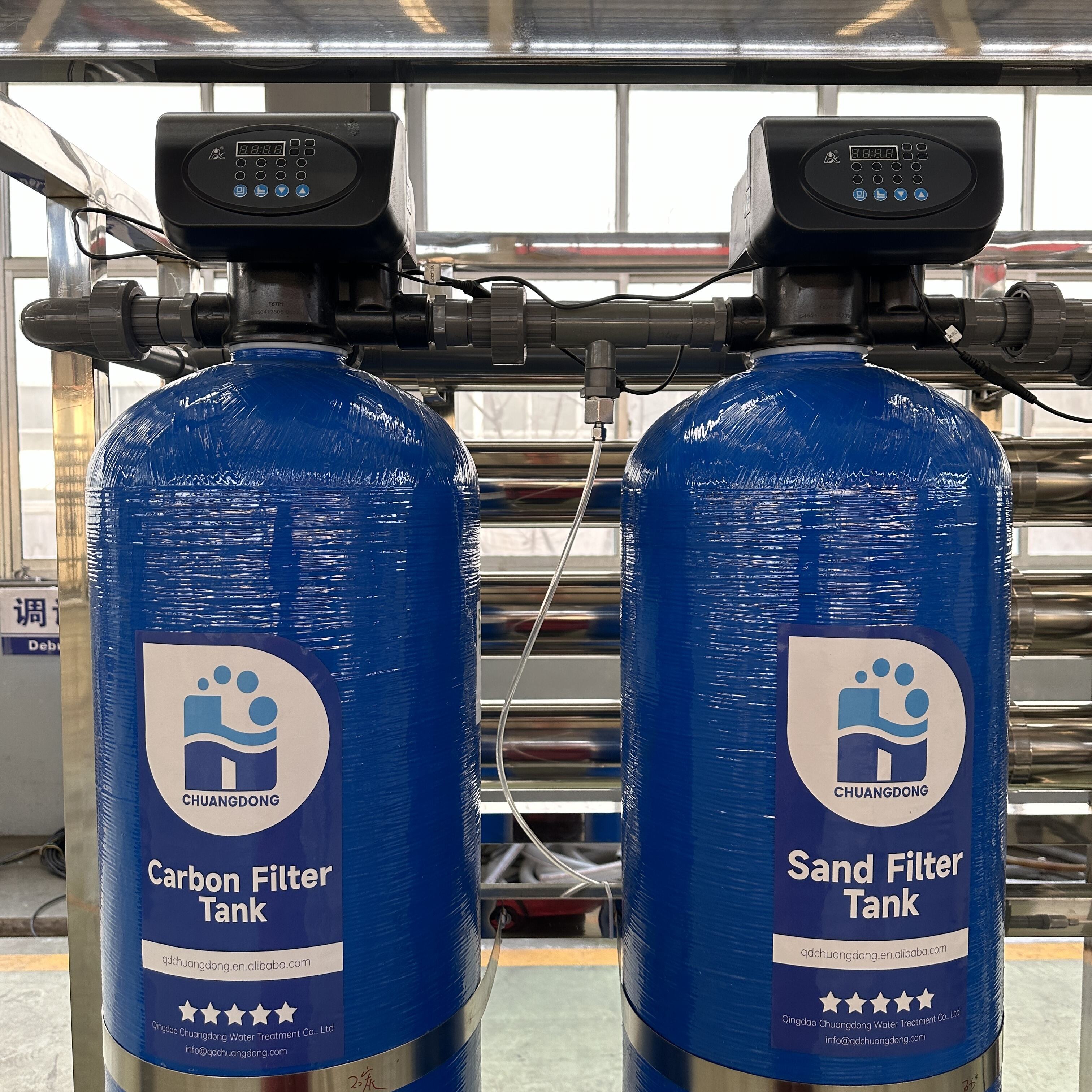
The industrial reverse osmosis filter incorporates sophisticated multi-stage filtration that begins with sediment pre-filters removing larger particles, followed by activated carbon filters eliminating chlorine and organic compounds that could damage delicate membranes. The heart of the system features high-performance reverse osmosis membranes engineered to reject dissolved solids with exceptional efficiency while maintaining optimal flow rates. This layered approach ensures comprehensive contaminant removal, protecting downstream processes and equipment from impurities that compromise product quality or cause equipment failures. Post-filtration polishing stages further refine water quality, delivering consistently pure output that meets the most stringent industry specifications. The multi-stage design also extends membrane lifespan by preventing premature fouling, reducing replacement costs and maintenance intervals. Smart sensors throughout the filtration train monitor performance metrics, triggering alerts when maintenance becomes necessary and optimizing system efficiency automatically. This intelligent architecture makes the industrial reverse osmosis filter remarkably reliable, capable of continuous operation in demanding industrial environments where water quality directly impacts production outcomes and profitability.
Exceptional Energy Efficiency and Sustainability

Exceptional Energy Efficiency and Sustainability

Modern industrial reverse osmosis filter systems feature energy recovery devices that capture pressure from the concentrate stream and redirect it back into the feed water, reducing overall energy consumption by up to forty percent compared to older technologies. Variable frequency drives adjust pump speeds based on real-time demand, eliminating energy waste during periods of lower production. The system minimizes chemical usage through optimized membrane performance, reducing both operational costs and environmental impact from chemical discharge. Water recovery rates reach eighty percent or higher in properly designed installations, meaning less source water consumption and reduced wastewater disposal costs. The industrial reverse osmosis filter supports corporate sustainability initiatives by lowering carbon footprints, conserving precious water resources, and enabling water recycling programs that transform wastewater into production-quality supply. Compact footprints require less facility space compared to alternative treatment technologies, reducing construction costs and allowing installation in existing buildings without major renovations. The durable construction using corrosion-resistant materials ensures decades of reliable service, preventing premature equipment disposal and associated environmental burdens. These sustainability advantages appeal to environmentally conscious organizations while delivering tangible financial benefits through reduced resource consumption and waste management expenses.
Customizable Solutions for Diverse Applications

Customizable Solutions for Diverse Applications

Every industrial reverse osmosis filter system can be precisely configured to match specific water quality requirements, flow rate demands, and space constraints unique to each facility. Modular designs allow capacity expansion by adding parallel treatment trains without replacing existing equipment, protecting capital investments as businesses grow. Engineers customize pre-treatment stages based on source water characteristics, whether addressing high hardness, elevated iron content, or specific industrial contaminants. The system accommodates various output quality levels, from general process water to ultra-pure requirements for pharmaceutical manufacturing or semiconductor production. Control systems integrate seamlessly with existing facility automation, providing remote monitoring capabilities and data logging for quality assurance documentation. The industrial reverse osmosis filter adapts to intermittent or continuous operation schedules, featuring rapid startup and shutdown protocols that prevent membrane damage during idle periods. Specialized configurations address unique challenges such as high-temperature applications, aggressive chemical environments, or sanitary food-grade requirements with appropriate materials and certifications. This flexibility ensures optimal performance across industries including healthcare, hospitality, manufacturing, agriculture, and municipal services. Technical support and customization expertise help organizations select precisely the right configuration, avoiding over-investment in unnecessary capacity while ensuring adequate performance for current and anticipated future needs.

Get a Free Quote

Our representative will contact you soon.
Email
Name
Company Name
Message
0/1000