commercial water treatment system
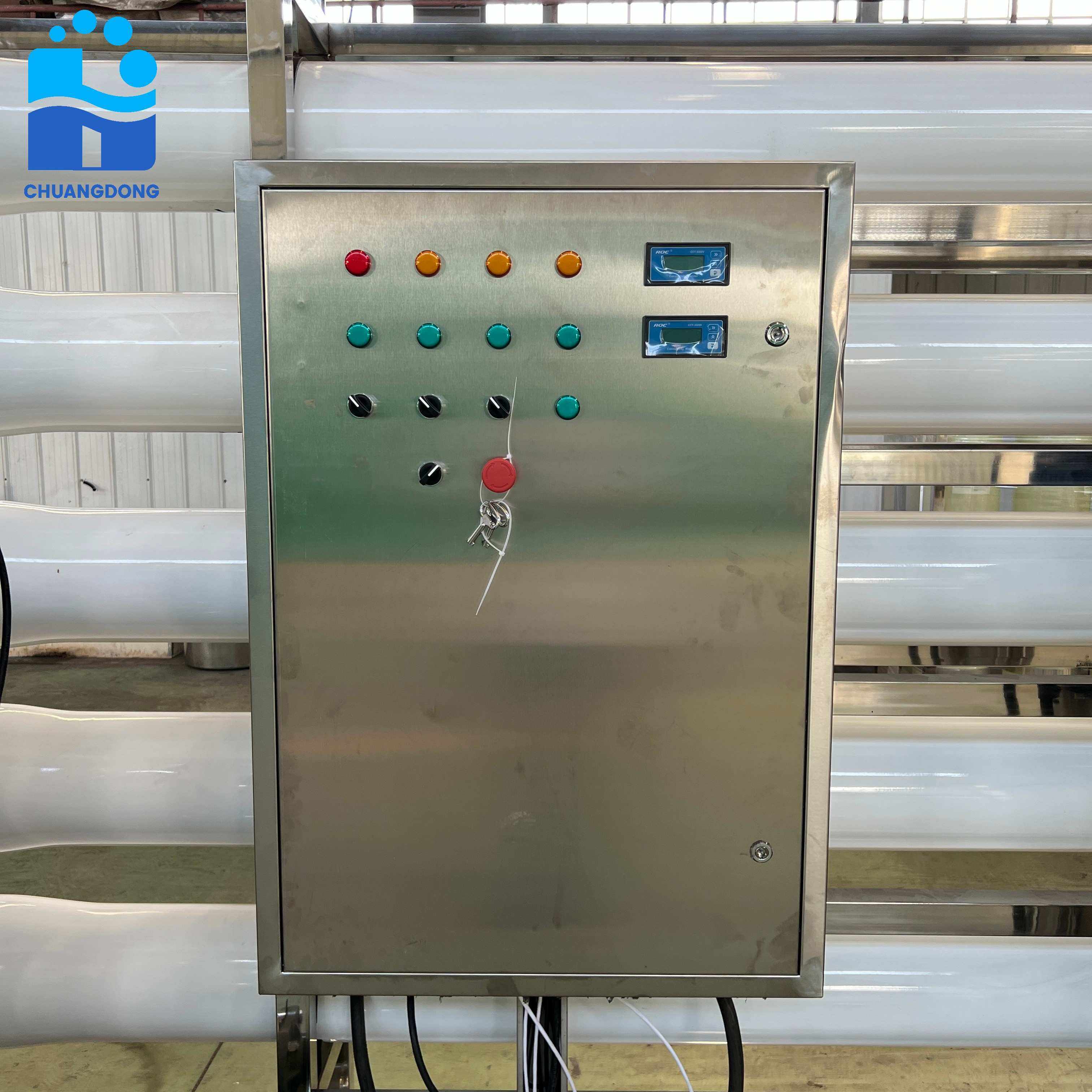
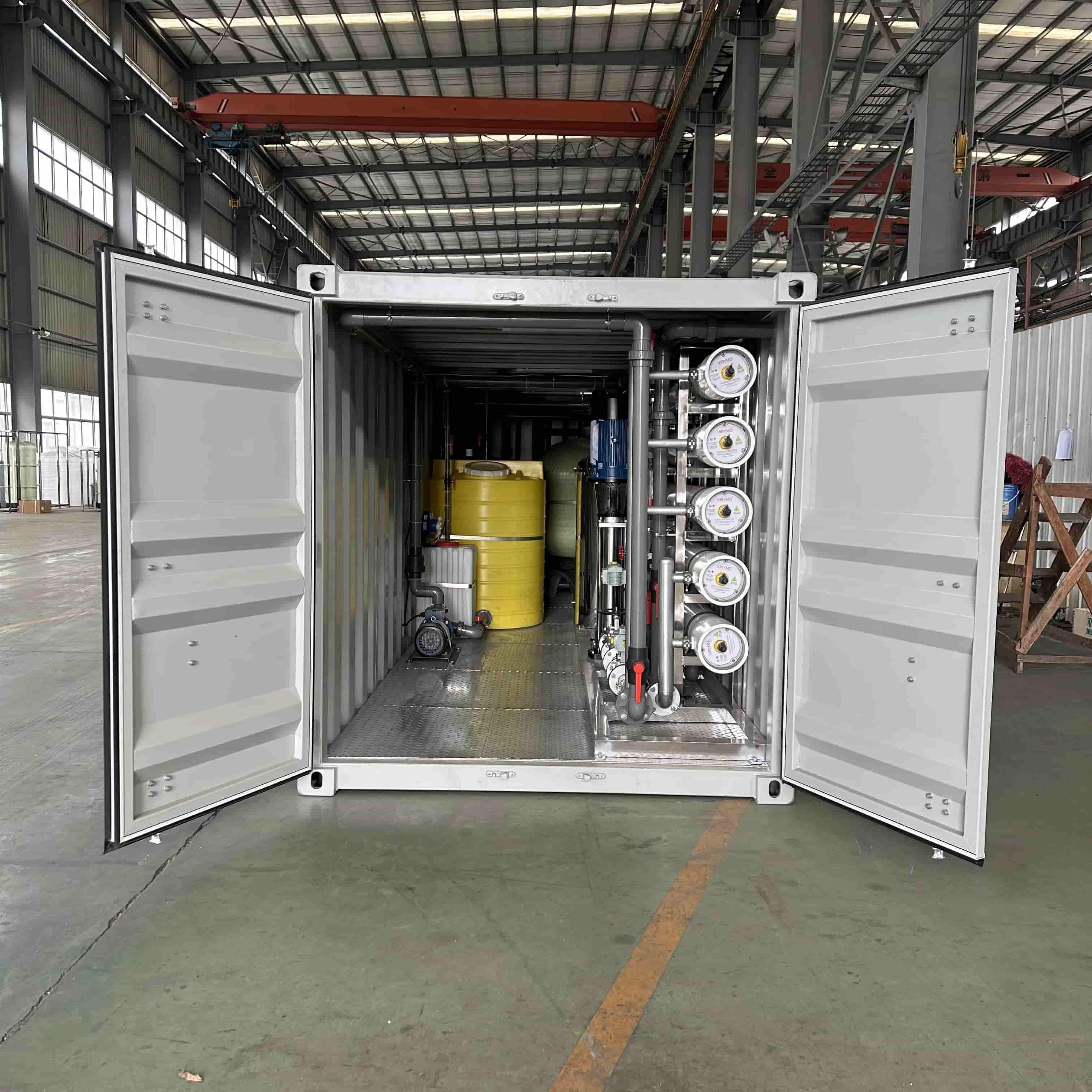
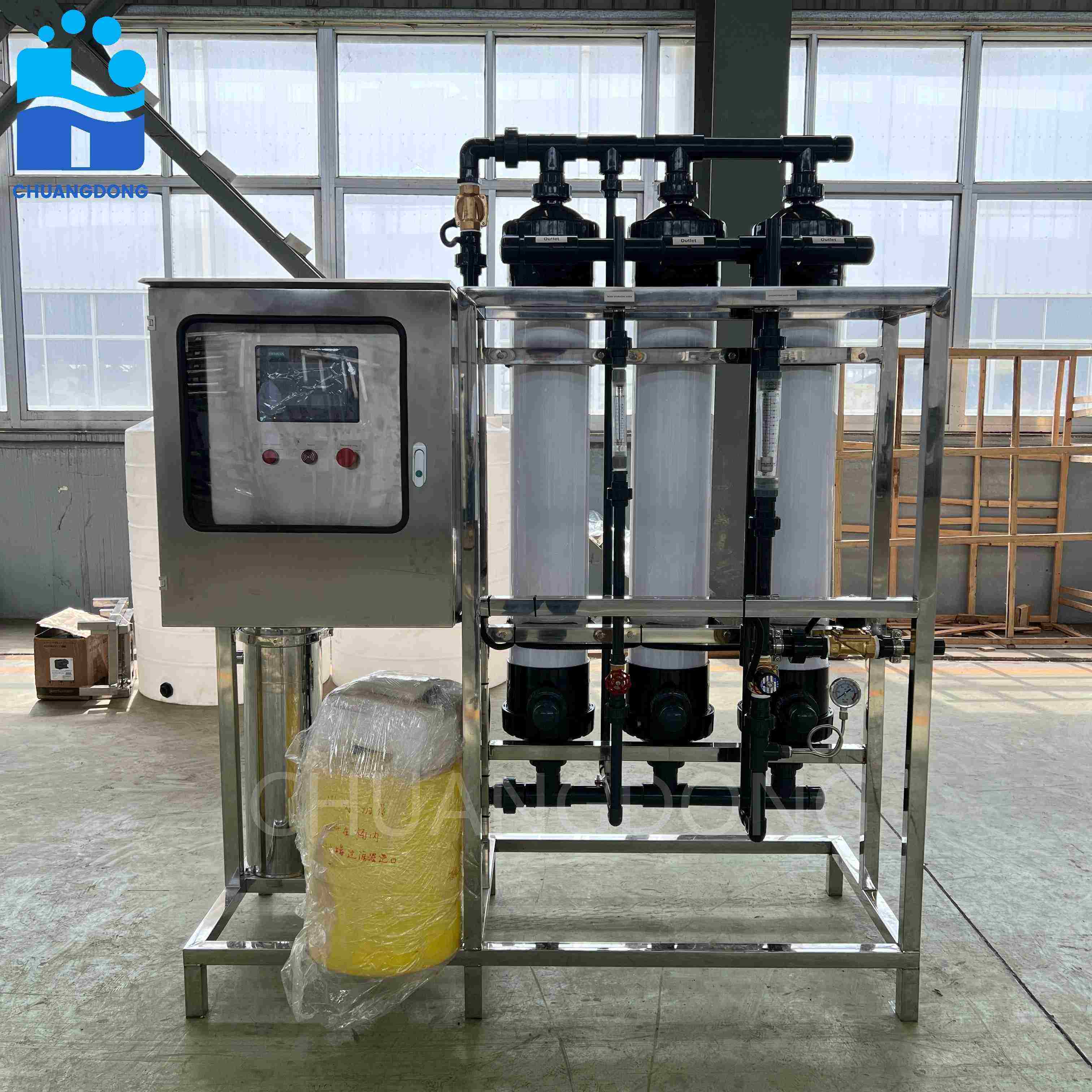
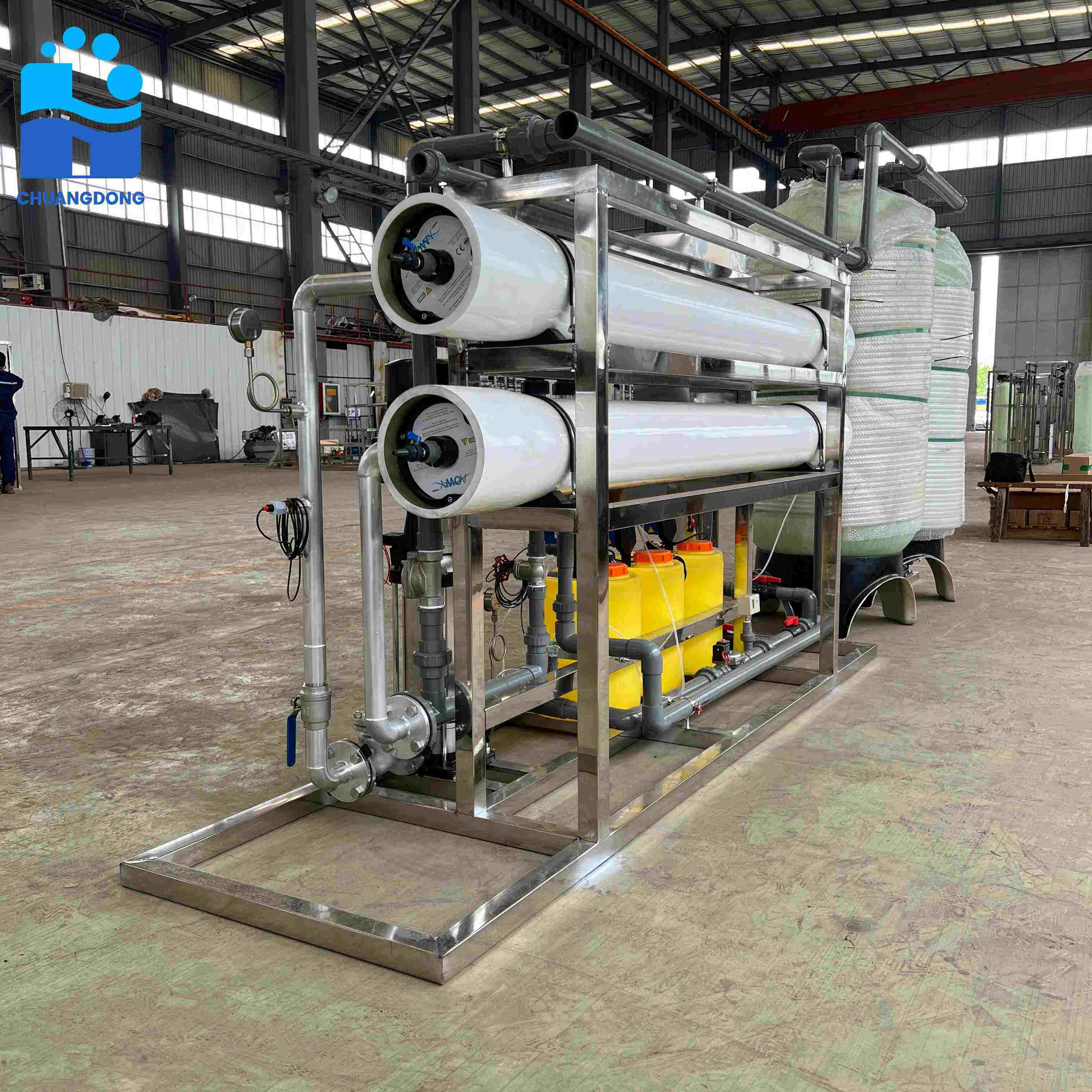
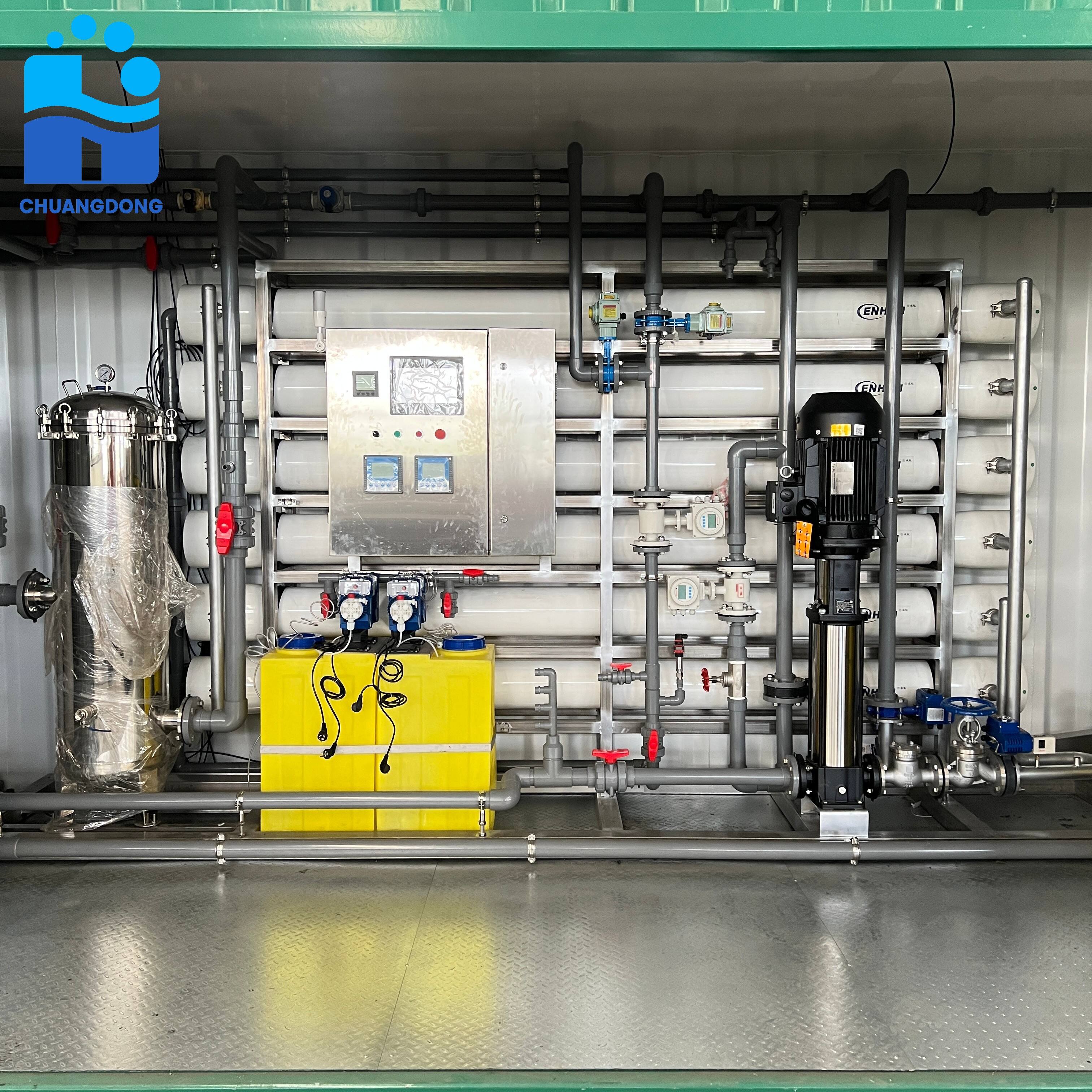
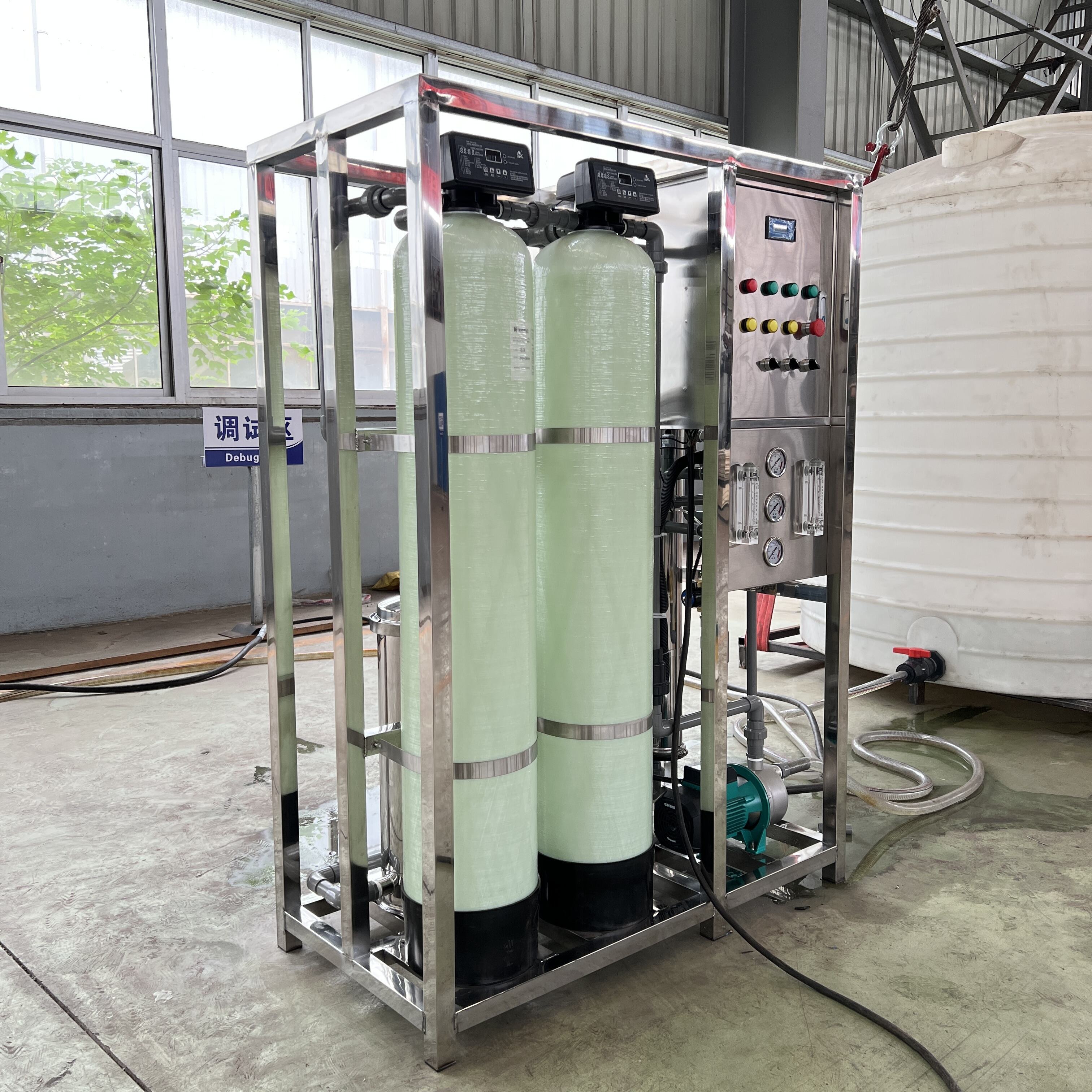
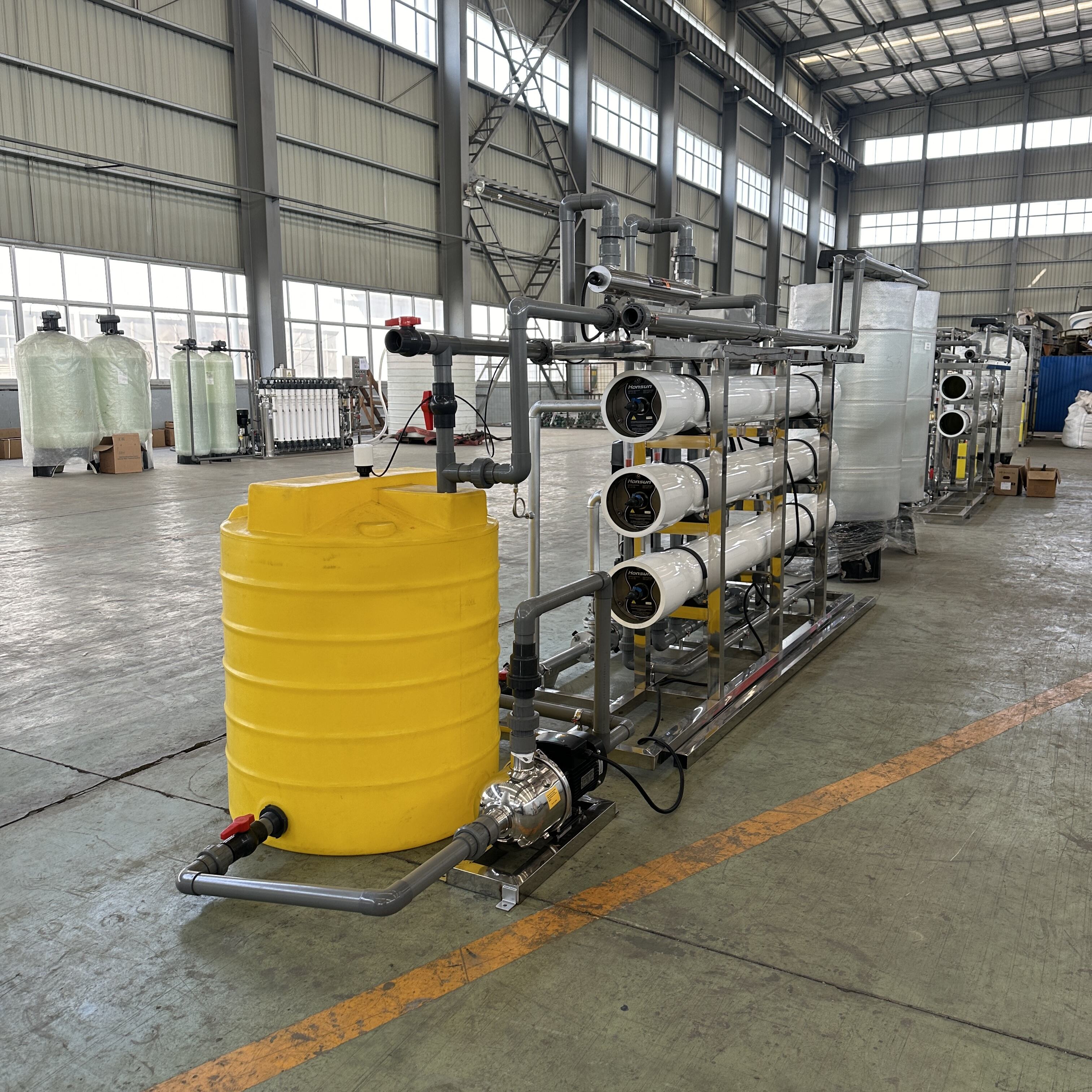
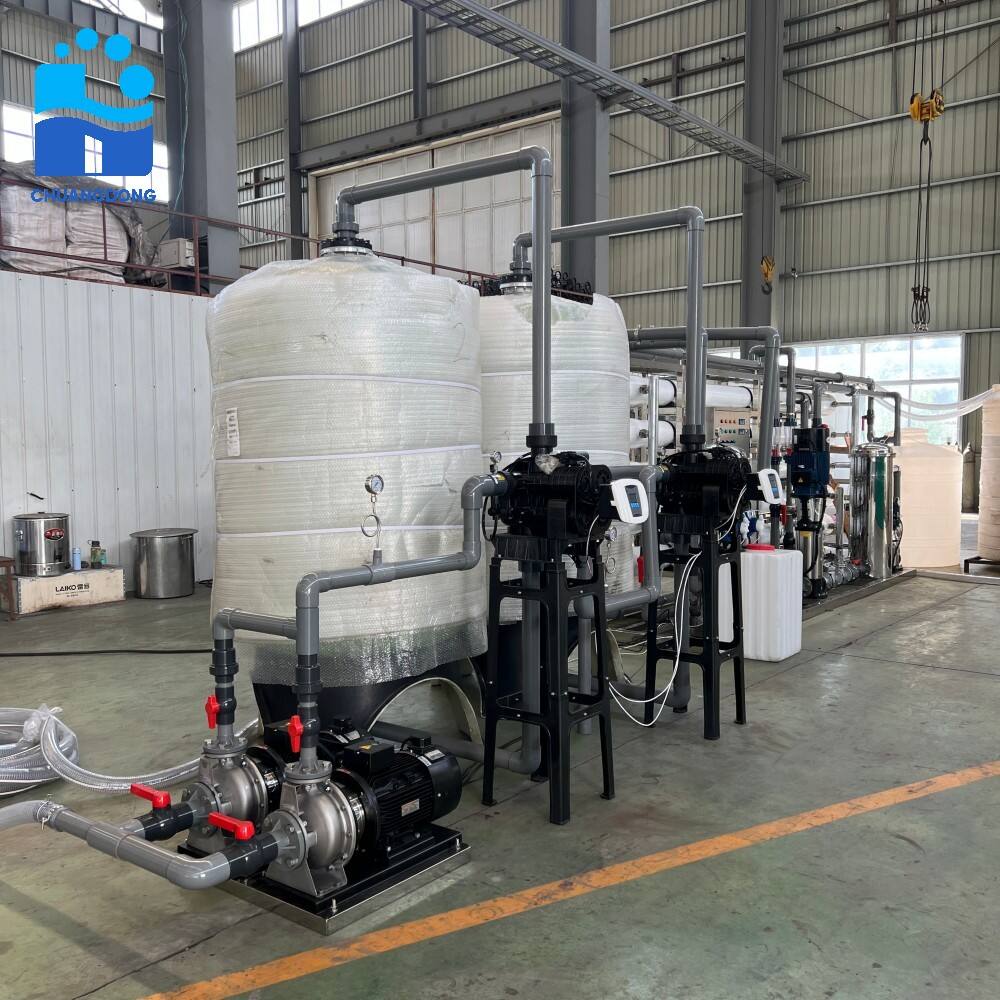
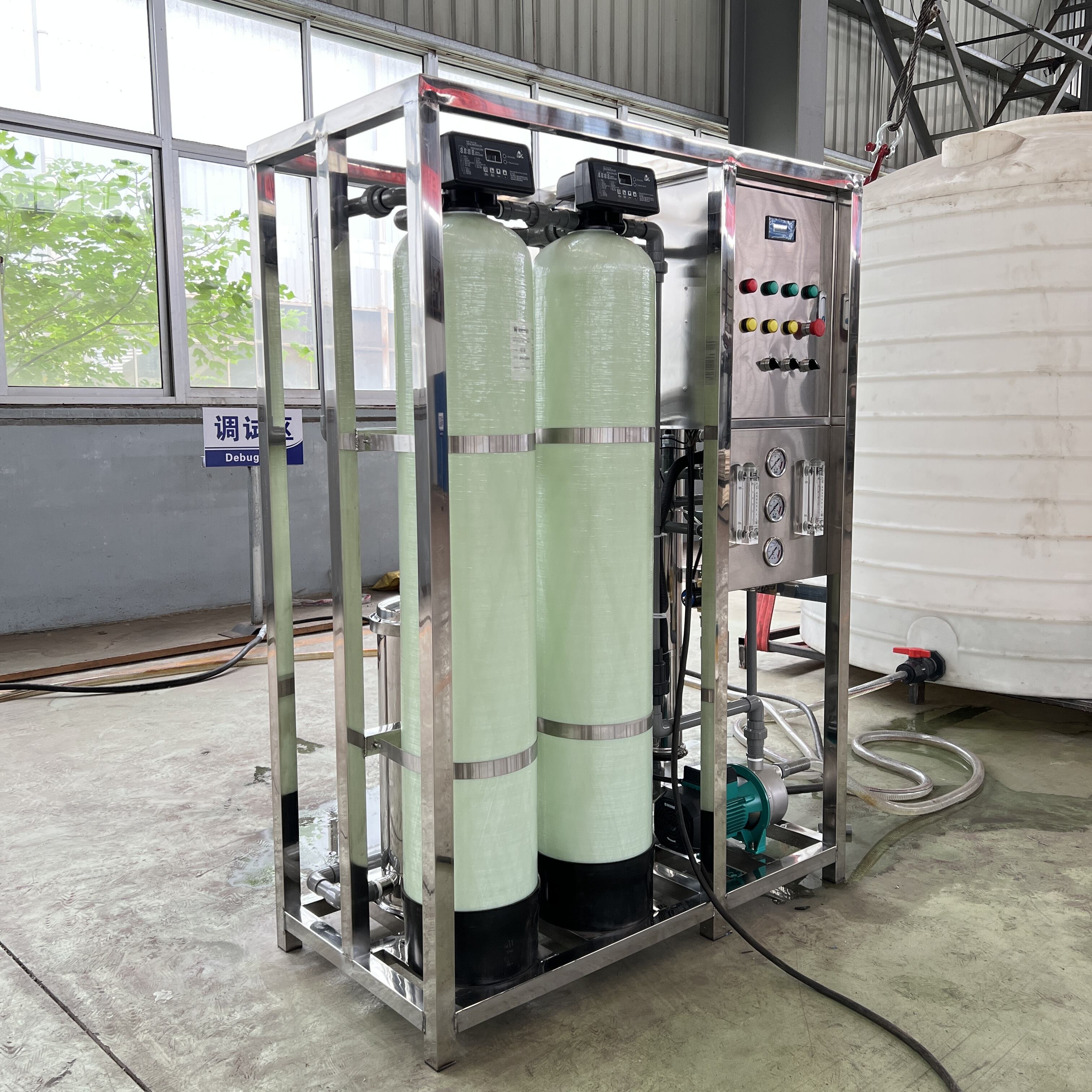
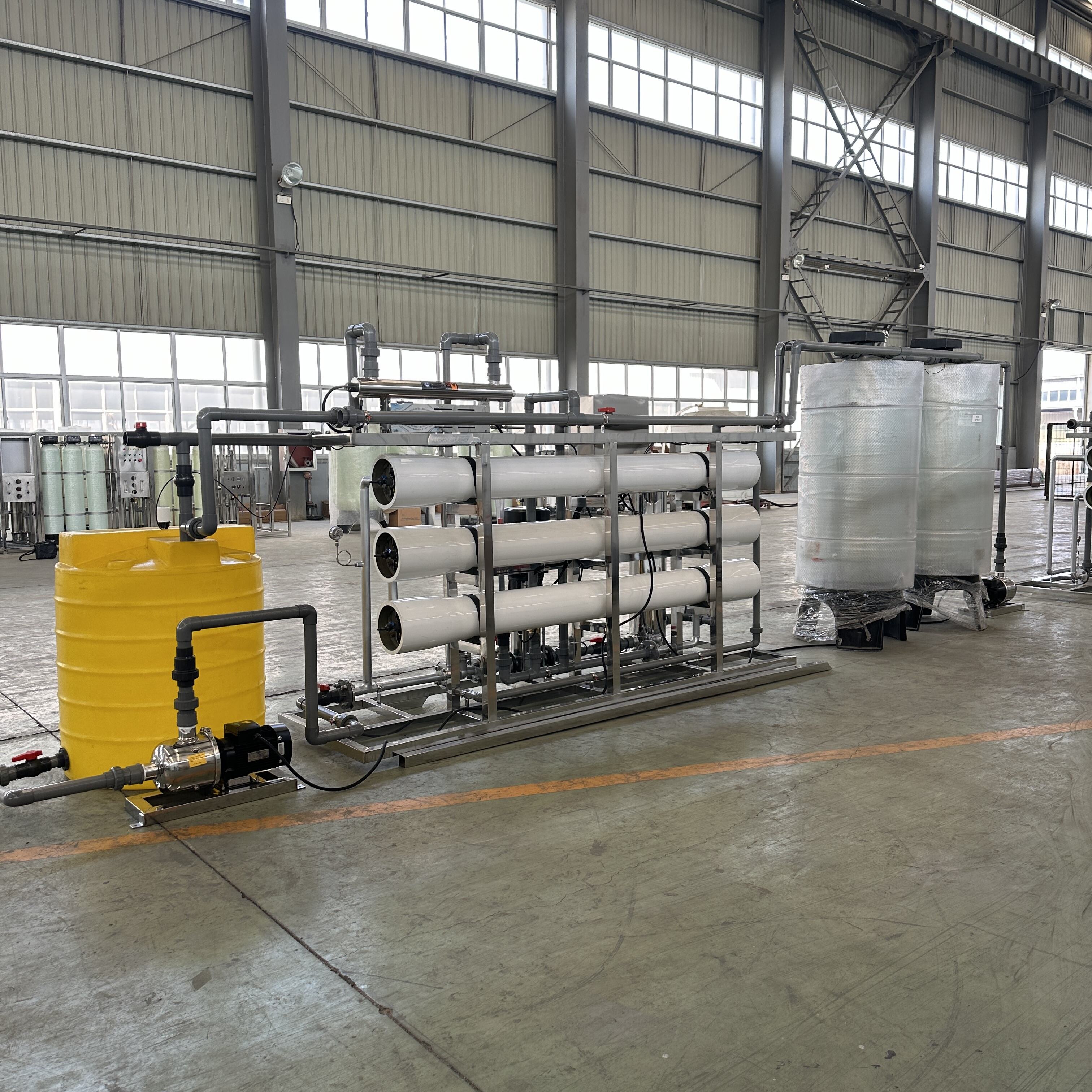
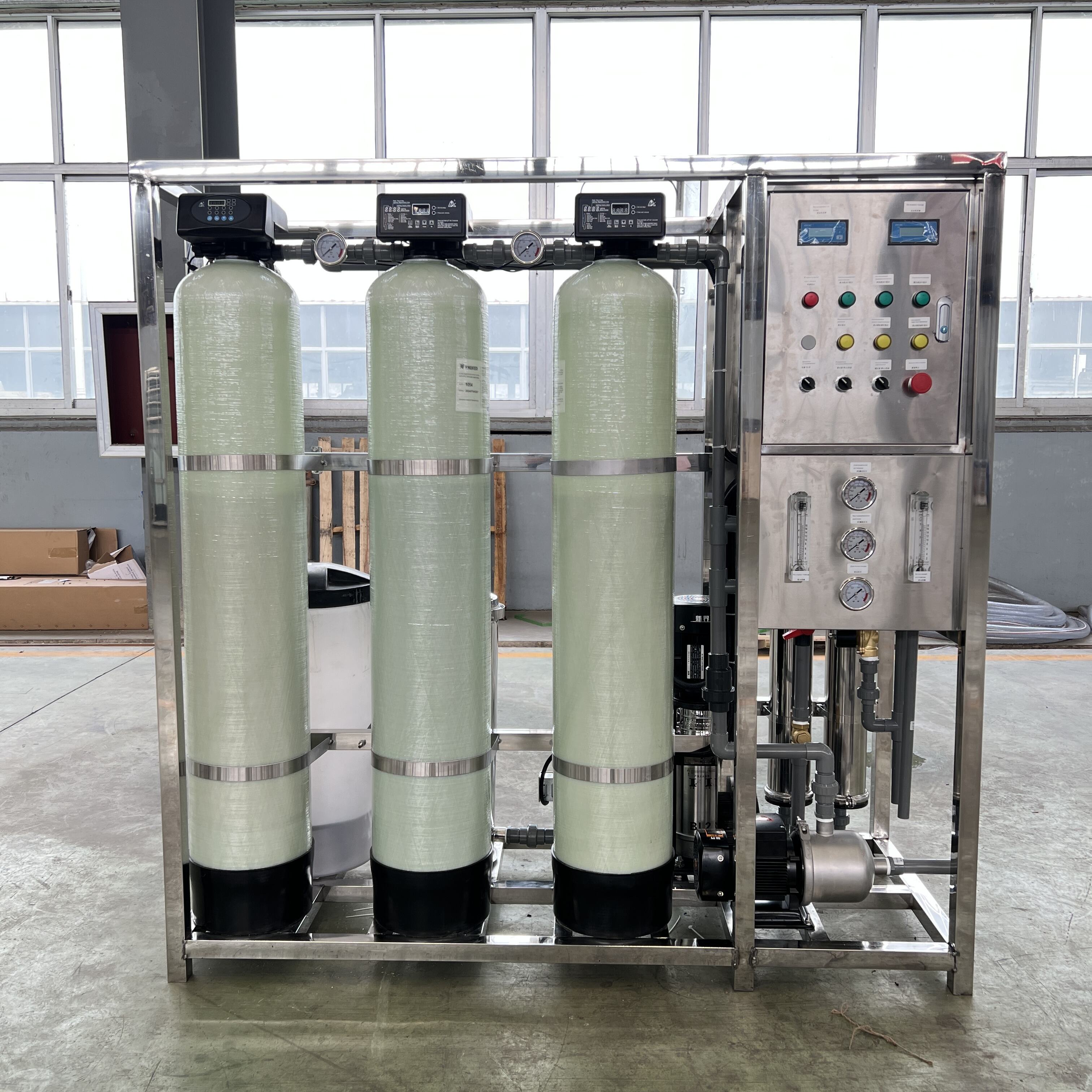
A commercial water treatment system is an essential infrastructure solution designed to purify, filter, and condition water for business and industrial applications. These systems remove contaminants, minerals, and impurities to ensure water meets quality standards for specific operational needs. The main functions include filtration, softening, disinfection, reverse osmosis, and chemical dosing to address various water quality challenges. Modern commercial water treatment systems incorporate advanced technologies such as multi-stage filtration, UV sterilization, automated monitoring, and smart controls that optimize performance while reducing maintenance requirements. The technological features of these systems include customizable configurations, real-time water quality sensors, energy-efficient pumps, and integrated control panels that allow operators to monitor and adjust treatment parameters. Applications span diverse industries including hospitality, healthcare, food and beverage production, manufacturing, educational institutions, and retail establishments. Restaurants utilize these systems to improve beverage quality and protect kitchen equipment, while hotels depend on them to provide guests with clean water and extend the lifespan of laundry and HVAC equipment. Healthcare facilities require reliable water treatment to meet stringent safety regulations, and manufacturing plants use these systems to ensure consistent product quality. The scalability of a commercial water treatment system allows businesses to match capacity with demand, whether serving a small office building or a large industrial complex, making it a versatile solution for organizations of all sizes seeking reliable water quality management.
 EN
EN