Industrial Water Filtration Equipment: Advanced Solutions for Superior Water Treatment

Get a Free Quote

Our representative will contact you soon.
Email
Name
Company Name
Message
0/1000

industrial water filtration equipment

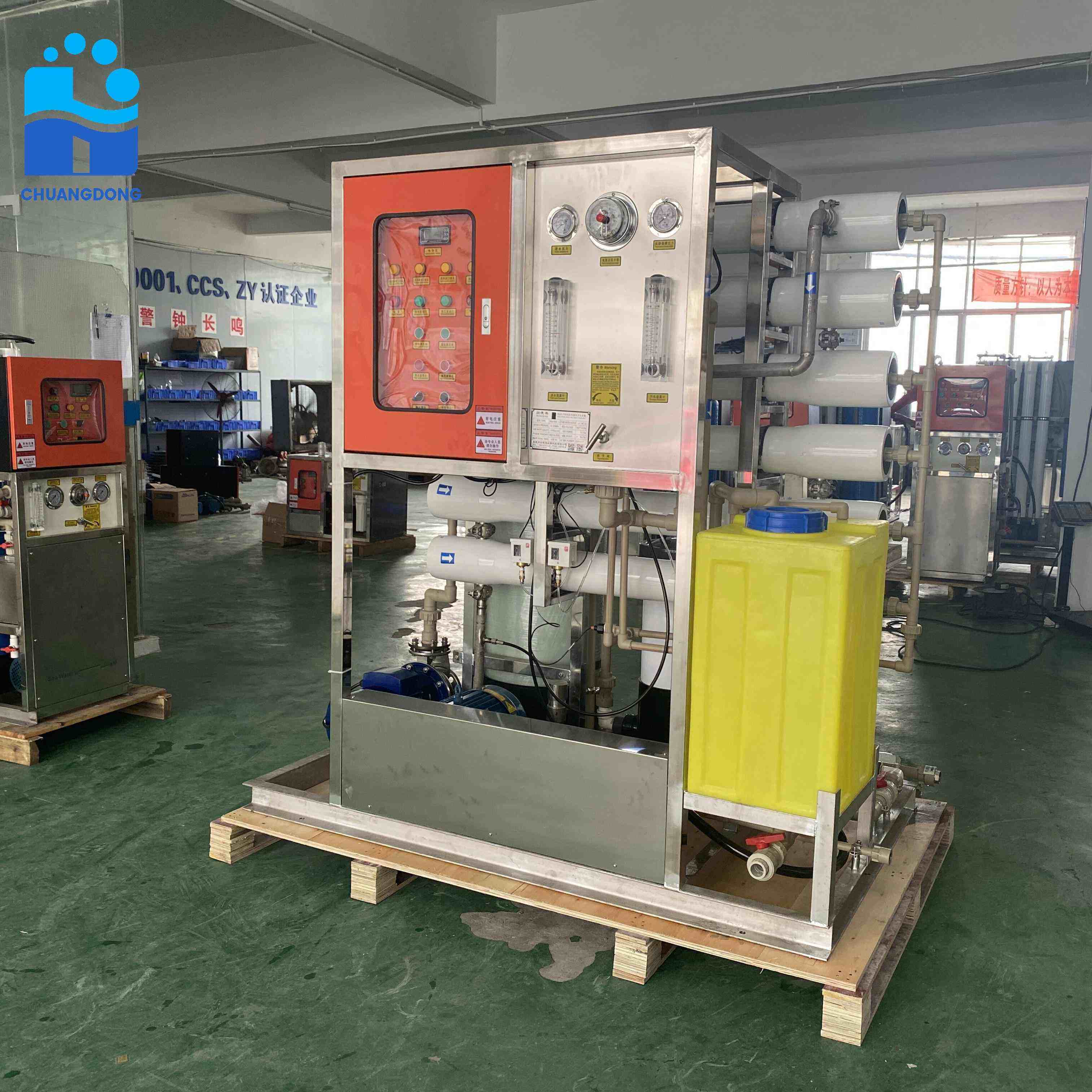
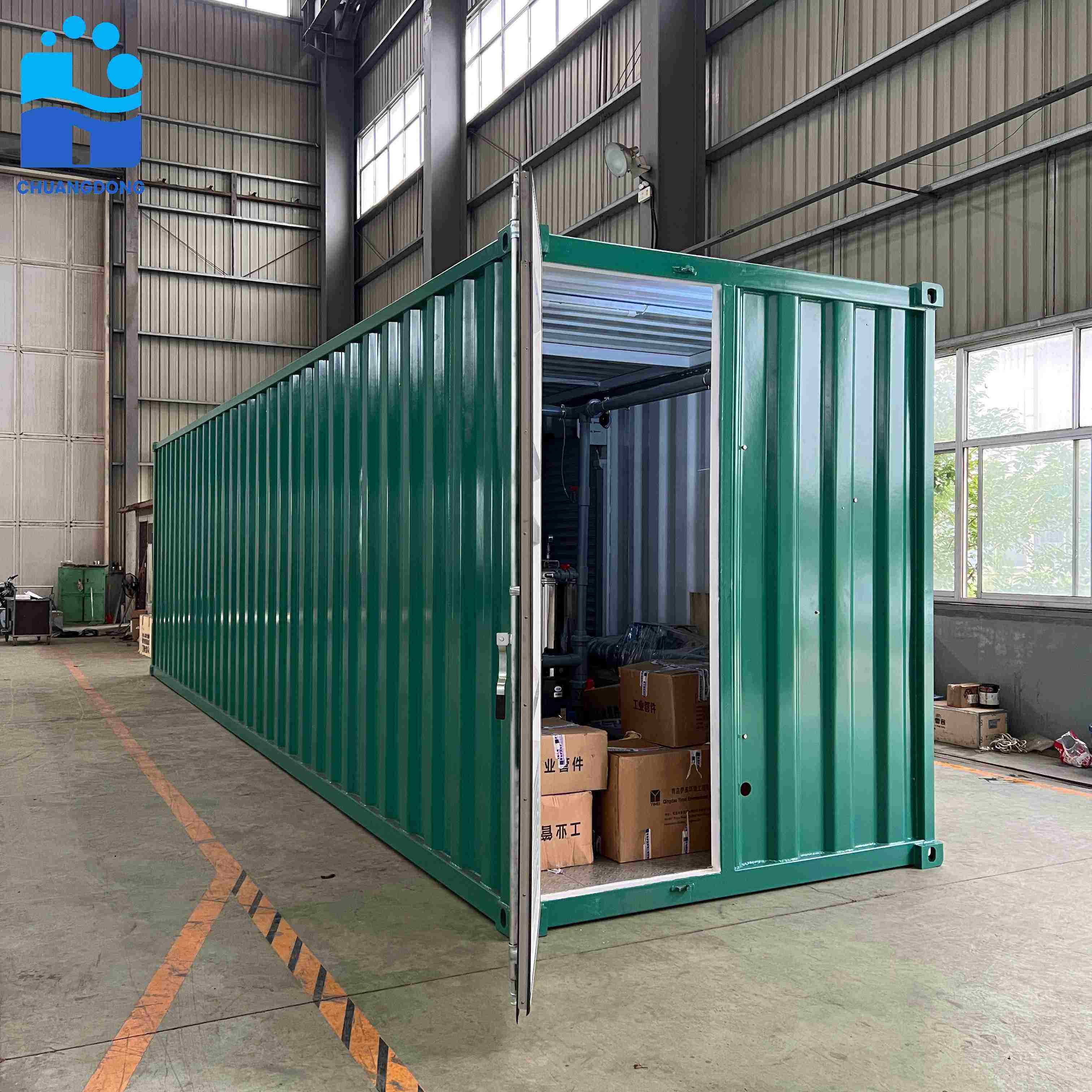
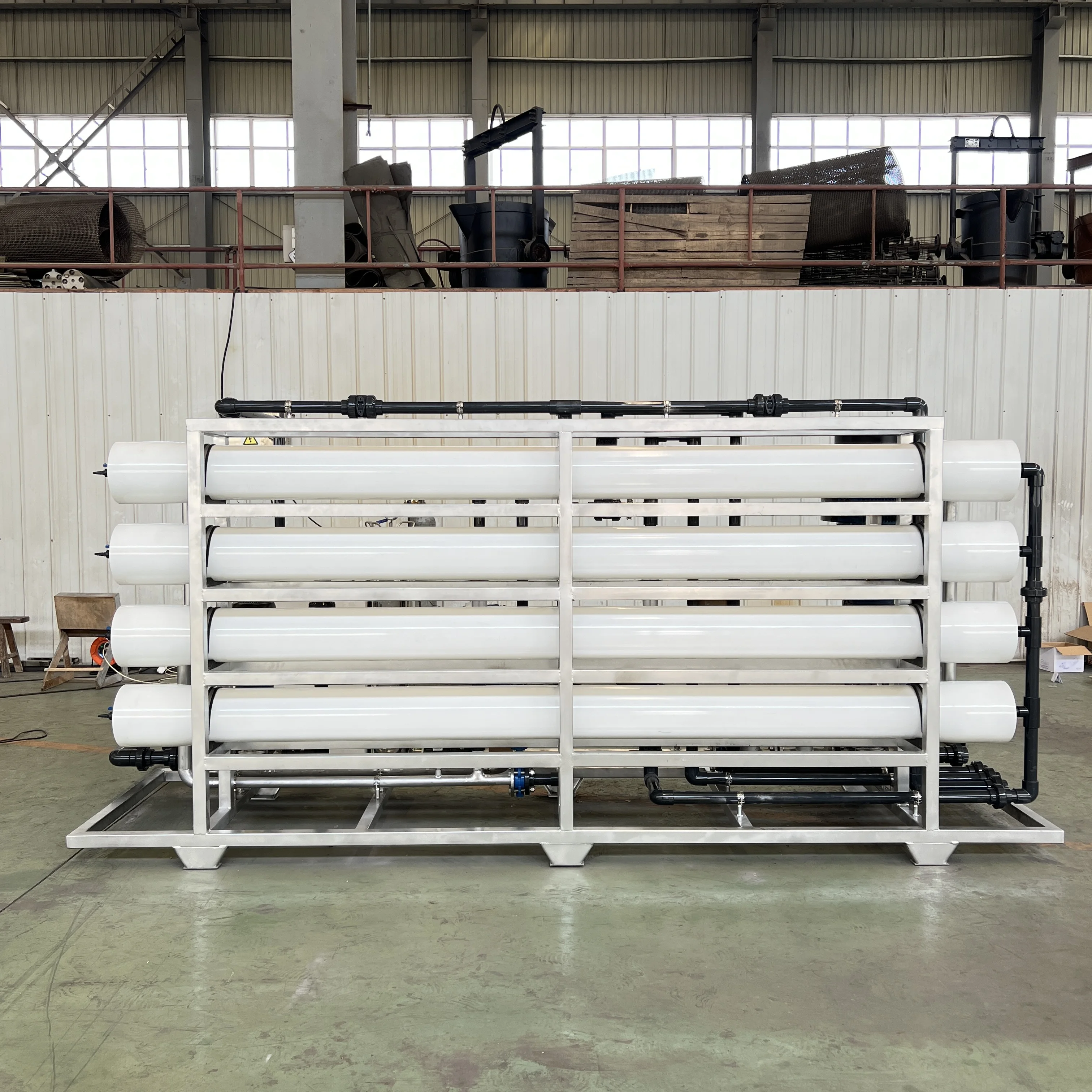
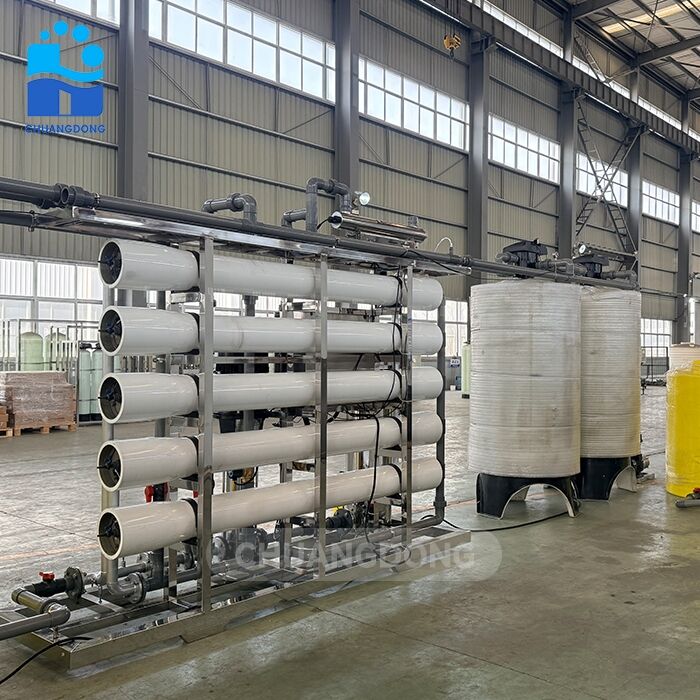
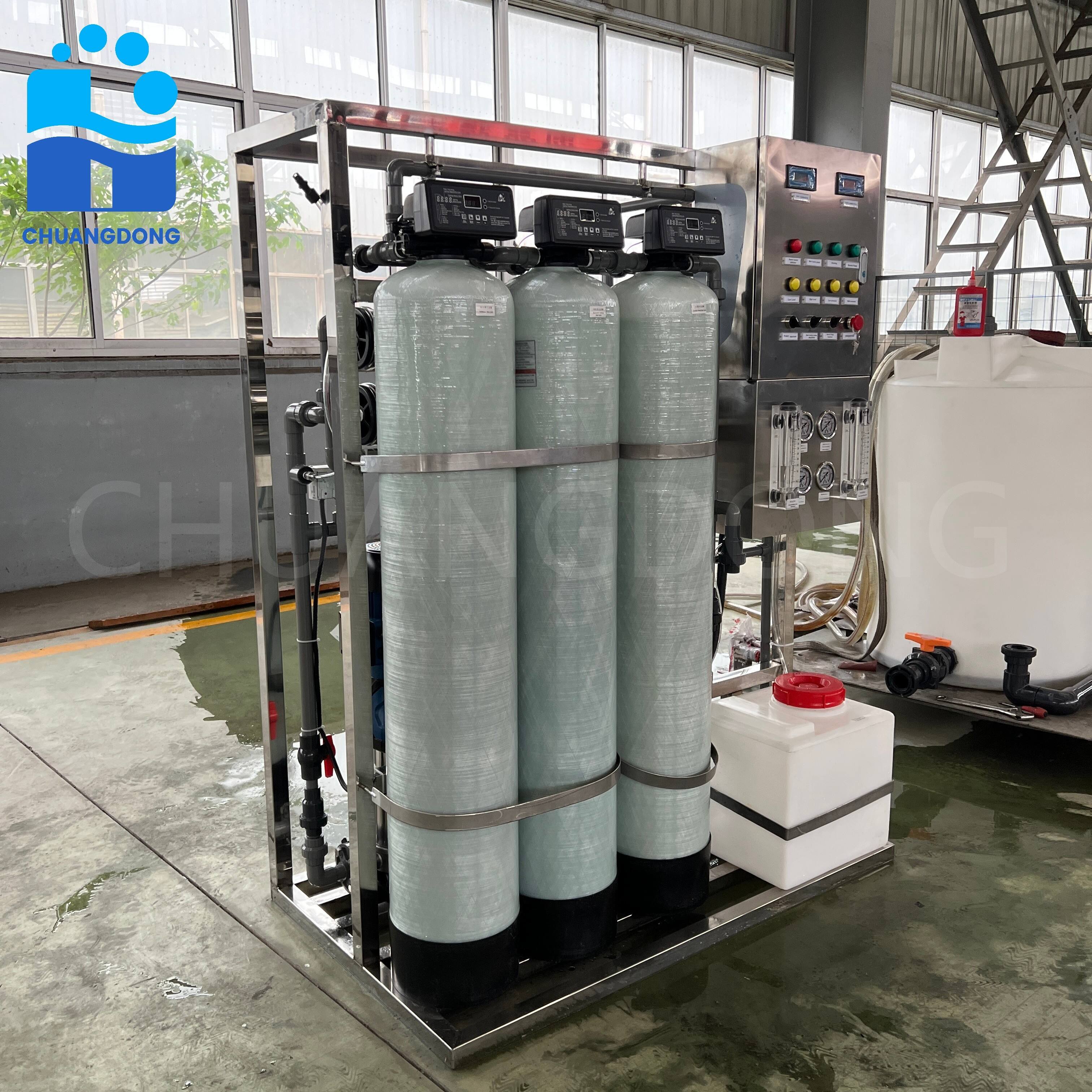
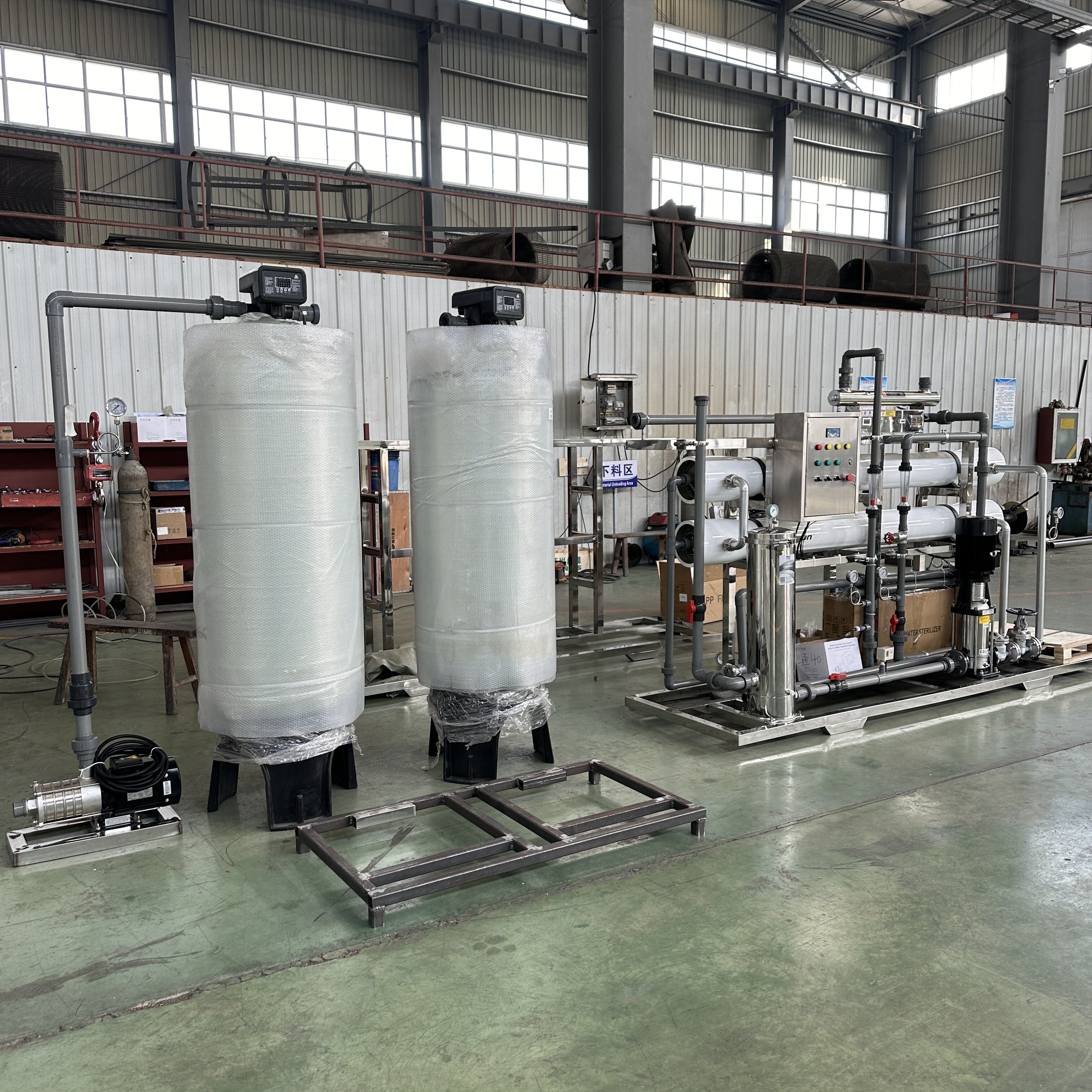
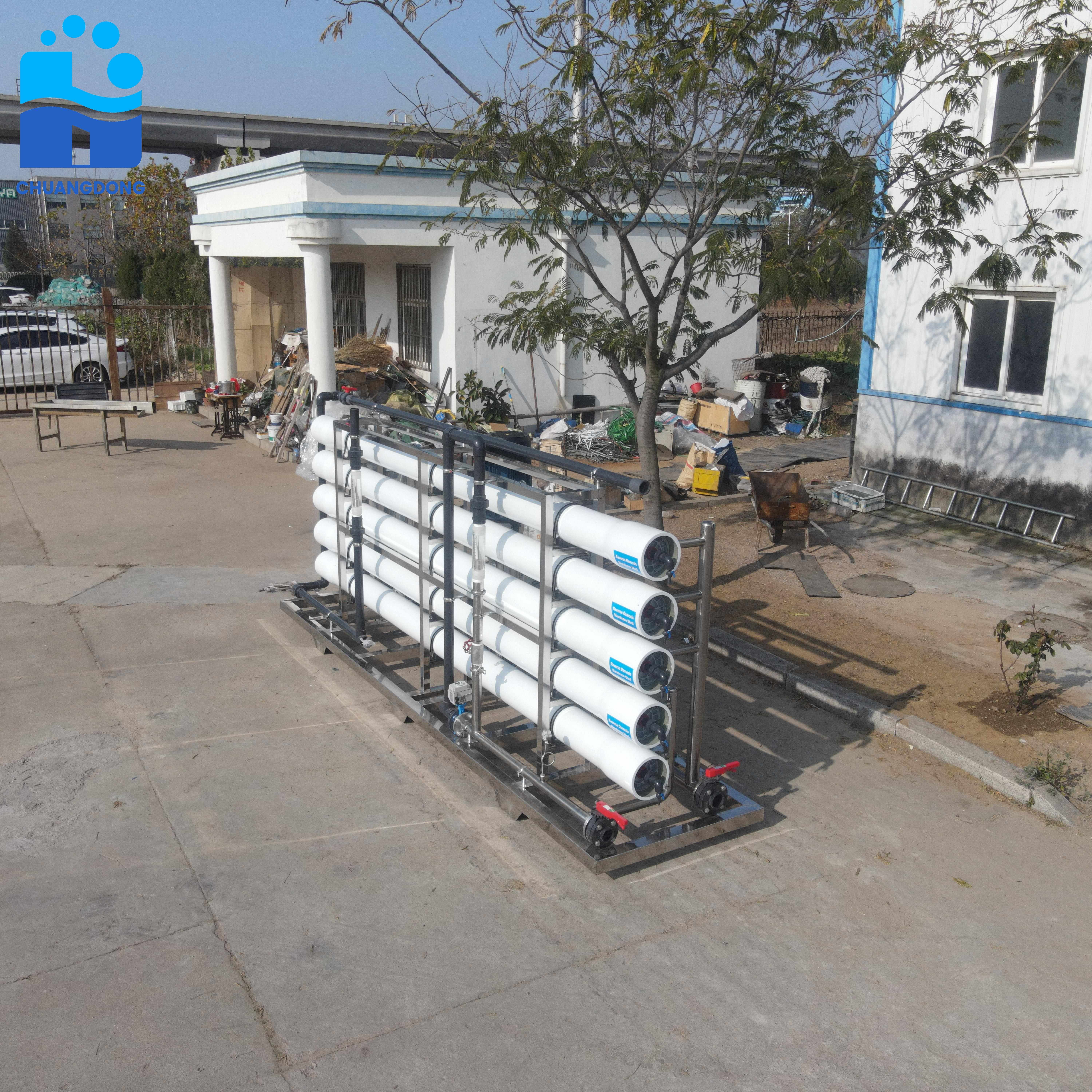
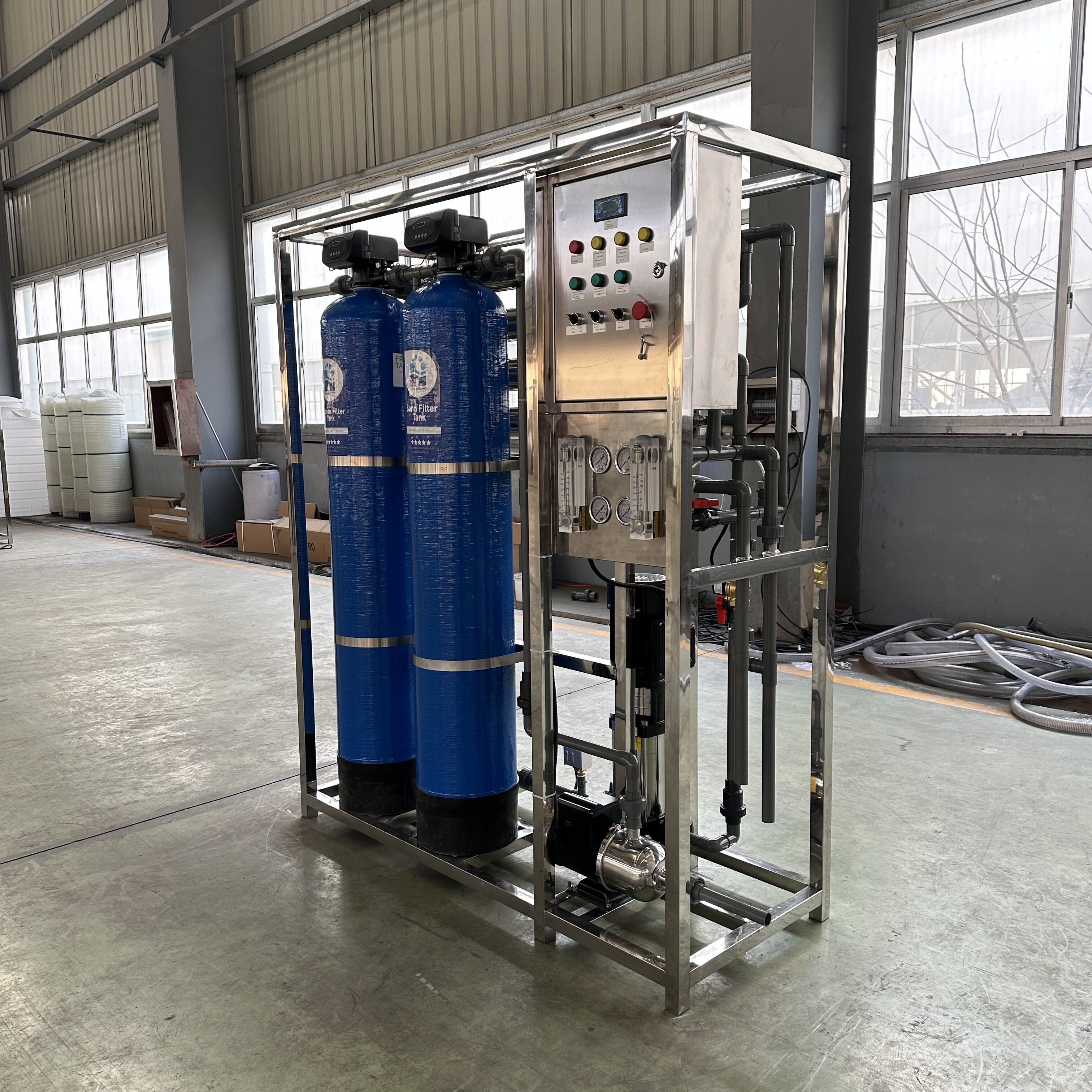
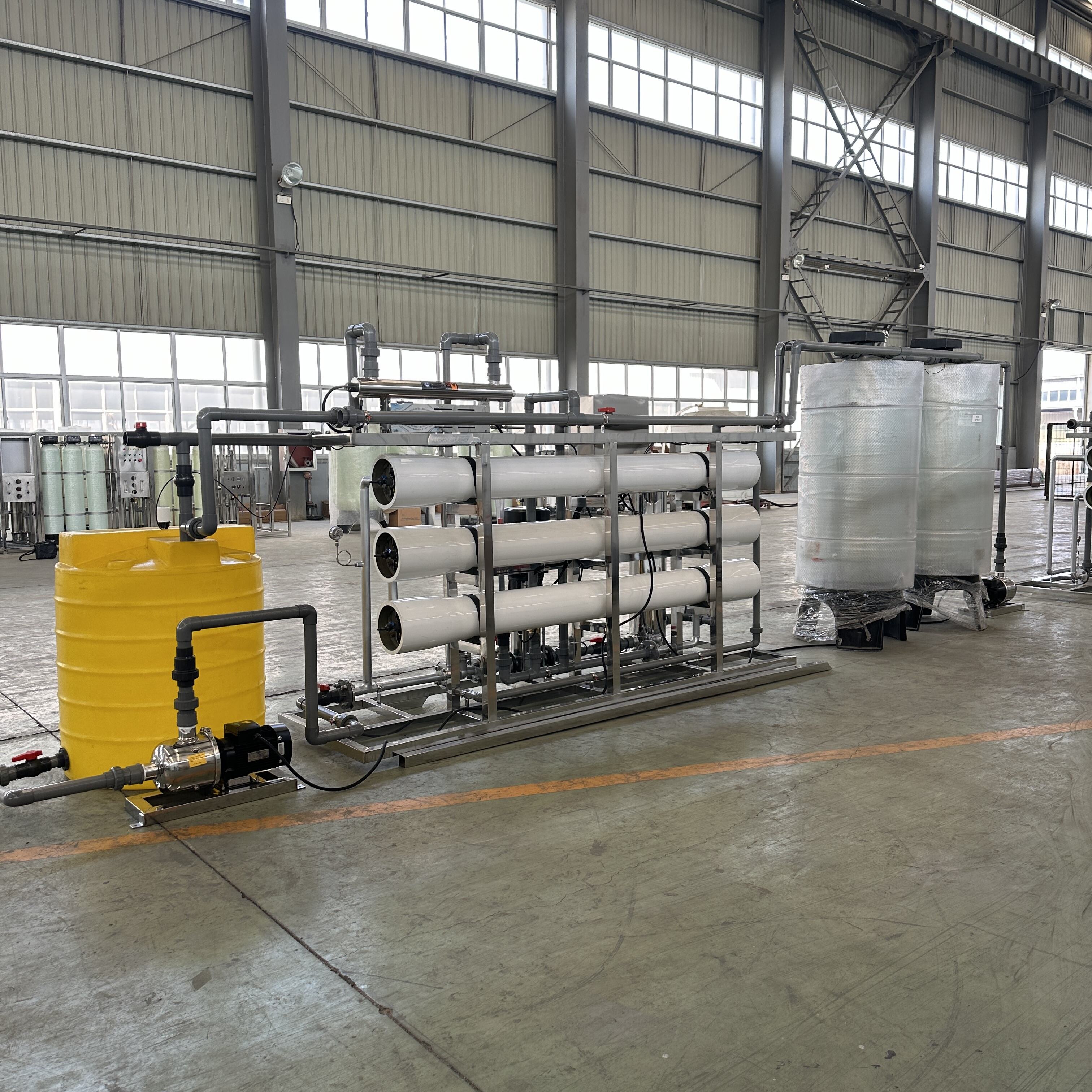
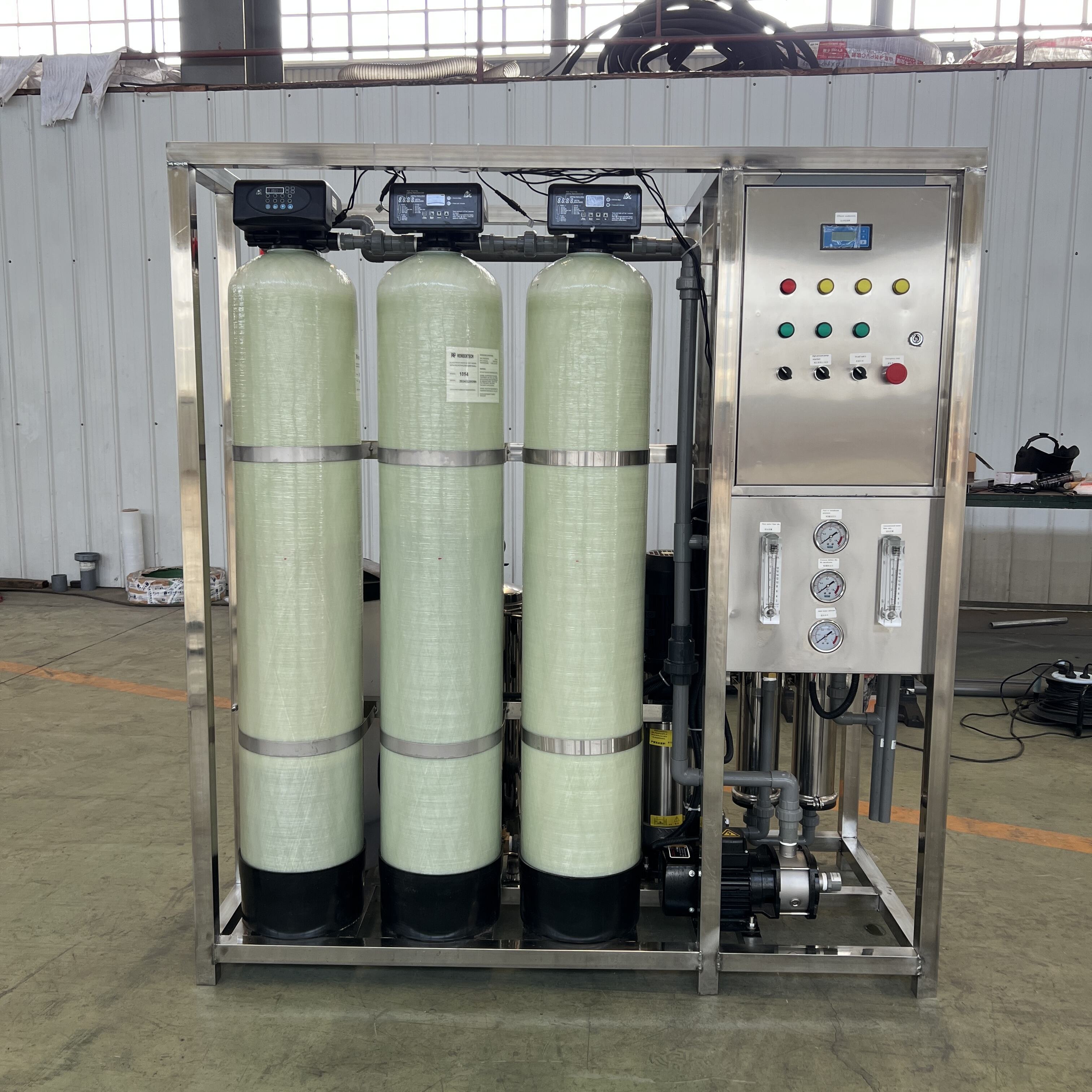
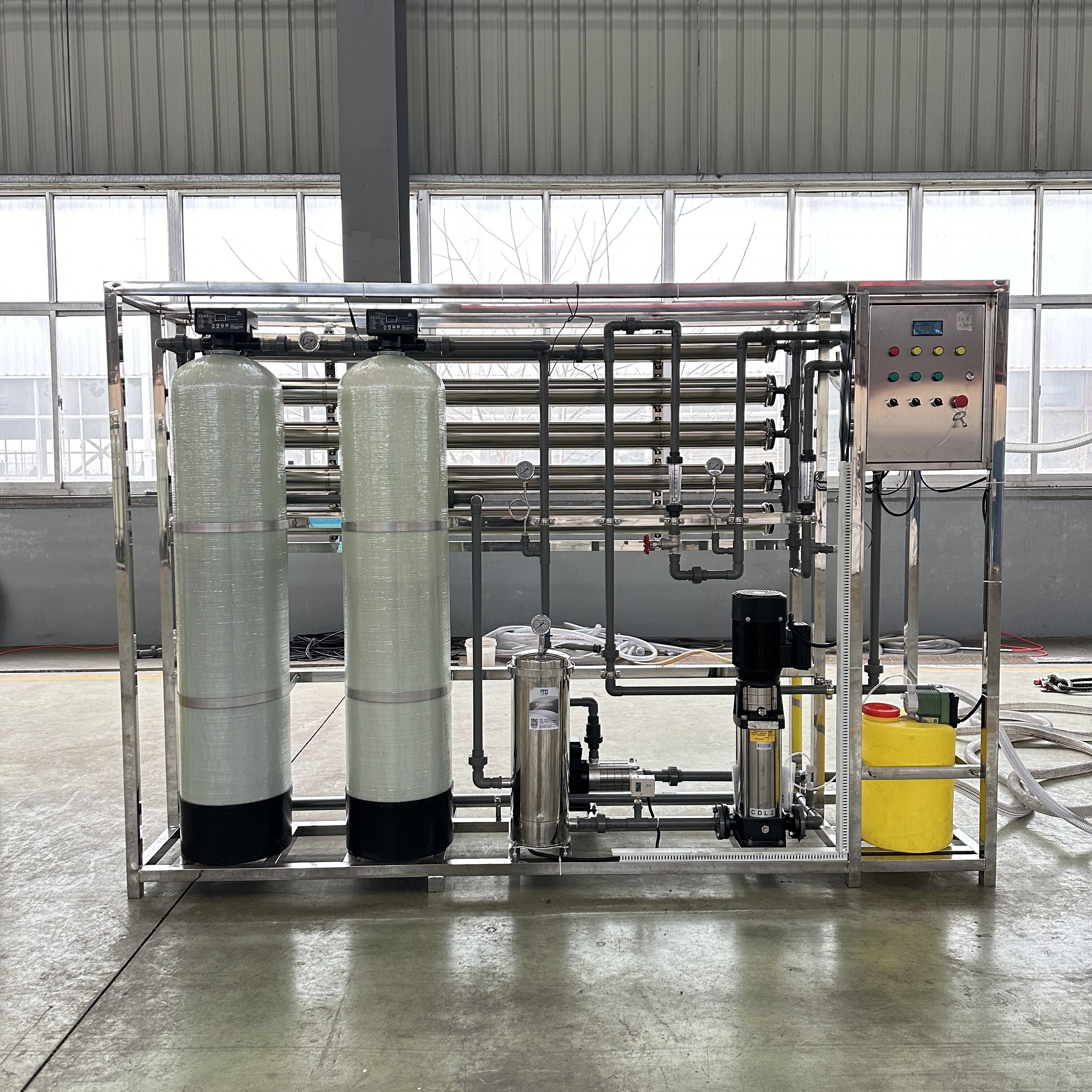
Industrial water filtration equipment represents a cornerstone of modern manufacturing and processing operations, providing essential purification solutions across diverse sectors. These sophisticated systems combine advanced filtration technologies to remove contaminants, particles, and impurities from water sources, ensuring compliance with stringent quality standards. Industrial water filtration equipment operates through multiple stages of purification, incorporating mechanical filtration, chemical treatment, and advanced separation techniques to deliver consistent, high-quality water output. The main functions of industrial water filtration equipment encompass sediment removal, chemical neutralization, biological contaminant elimination, and dissolved solids reduction. These systems utilize various filtration media including activated carbon, reverse osmosis membranes, ultraviolet sterilization, and ion exchange resins to achieve comprehensive water treatment. Technological features of modern industrial water filtration equipment include automated monitoring systems, programmable logic controllers, real-time water quality sensors, and self-cleaning mechanisms that minimize maintenance requirements while maximizing operational efficiency. The applications for industrial water filtration equipment span numerous industries including pharmaceutical manufacturing, food and beverage production, electronics manufacturing, power generation, automotive production, and chemical processing. In pharmaceutical applications, industrial water filtration equipment ensures sterile water production meeting FDA regulations. Food and beverage manufacturers rely on these systems to maintain product quality and safety standards. Electronics manufacturers utilize ultra-pure water for semiconductor production and component cleaning. Power plants employ industrial water filtration equipment for boiler feedwater treatment and cooling tower operations. The versatility and reliability of industrial water filtration equipment make it indispensable for maintaining operational excellence across industrial sectors.

New Products

Industrial water filtration equipment delivers significant cost savings by reducing raw material waste and extending equipment lifespan through superior water quality management. Companies typically experience 30-50% reduction in maintenance costs when implementing comprehensive industrial water filtration equipment systems. These savings result from decreased scale buildup, reduced corrosion, and improved heat transfer efficiency in industrial processes. The economic benefits extend beyond direct savings, as industrial water filtration equipment helps companies avoid costly production shutdowns and product recalls caused by water quality issues. Enhanced product quality represents another major advantage of industrial water filtration equipment. Clean, filtered water directly improves final product characteristics, reducing defect rates and increasing customer satisfaction. Manufacturing processes become more predictable and controllable when utilizing consistent water quality from industrial water filtration equipment. Environmental compliance becomes achievable through proper implementation of industrial water filtration equipment, helping companies meet increasingly strict discharge regulations while reducing environmental impact. Many facilities achieve zero liquid discharge goals using advanced industrial water filtration equipment configurations. Operational efficiency improves dramatically with industrial water filtration equipment installation. Automated systems reduce manual labor requirements while providing continuous monitoring and adjustment capabilities. Production uptime increases as equipment failures related to poor water quality become rare. Energy consumption often decreases due to improved heat transfer and reduced fouling in heat exchangers and boilers. Worker safety benefits from industrial water filtration equipment through reduced exposure to harmful chemicals and contaminants. Improved air quality in facilities results from eliminating water-borne contaminants that could become airborne. Safety incidents related to chemical handling decrease when industrial water filtration equipment reduces the need for chemical additives. Return on investment for industrial water filtration equipment typically occurs within 18-24 months through combined savings in energy, maintenance, chemicals, and labor costs. Long-term benefits continue accruing as equipment reliability improves and process optimization becomes possible.

Practical Tips

What Corrosion-Resistant Materials Are Used in Desalination Plant Construction?

06

Mar

What Corrosion-Resistant Materials Are Used in Desalination Plant Construction?

Desalination plants operate in some of the harshest environments imaginable, where saltwater constantly threatens the integrity of critical infrastructure. The selection of appropriate corrosion-resistant materials becomes paramount to ensuring long-...
View More
How Does a Water Purification System with Ion Exchange Soften Hard Water Effectively?

15

Mar

How Does a Water Purification System with Ion Exchange Soften Hard Water Effectively?

Hard water poses significant challenges for both residential and commercial applications, containing high concentrations of calcium and magnesium ions that cause scale buildup, reduce equipment efficiency, and affect water quality. A water purificati...
View More
How Does an RO Water Filter with a UV Sterilizer Provide Additional Protection Against Bacteria?

10

Mar

How Does an RO Water Filter with a UV Sterilizer Provide Additional Protection Against Bacteria?

Water contamination remains one of the most pressing concerns for homeowners and businesses seeking reliable water purification solutions. While traditional filtration methods offer basic protection, modern water treatment technology has evolved to p...
View More
Why Should Pharmaceutical QC Labs Use Ultrapure Water for HPLC and Mass Spectrometry?

18

Mar

Why Should Pharmaceutical QC Labs Use Ultrapure Water for HPLC and Mass Spectrometry?

Pharmaceutical quality control laboratories face increasingly stringent requirements for analytical accuracy and regulatory compliance. The foundation of reliable analytical results lies in the quality of water used throughout testing procedures. Ult...
View More

Get a Free Quote

Our representative will contact you soon.
Email
Name
Company Name
Message
0/1000

industrial water filtration equipment

Advanced Multi-Stage Filtration Technology

Advanced Multi-Stage Filtration Technology

The cornerstone of superior industrial water filtration equipment lies in its advanced multi-stage filtration technology, which combines multiple purification methods to achieve unparalleled water quality. This innovative approach integrates pre-filtration, primary filtration, secondary treatment, and polishing stages to systematically remove contaminants of varying sizes and characteristics. The pre-filtration stage of industrial water filtration equipment employs coarse screens and settling chambers to remove large debris and suspended solids, protecting downstream components from damage and extending their operational life. Primary filtration utilizes multimedia filters, sand filters, or cartridge systems to capture particles down to micron levels, significantly reducing turbidity and visible contaminants. Secondary treatment in advanced industrial water filtration equipment incorporates activated carbon adsorption, ion exchange, or reverse osmosis membranes depending on specific water quality requirements. This stage targets dissolved organics, chlorine, heavy metals, and total dissolved solids that cannot be removed through mechanical filtration alone. The polishing stage employs ultraviolet disinfection, ozonation, or ultrafiltration to eliminate remaining microorganisms and trace contaminants, ensuring final water quality meets or exceeds industry standards. Smart control systems integrated into modern industrial water filtration equipment continuously monitor each filtration stage, automatically adjusting parameters to maintain optimal performance. Real-time sensors track pressure differentials, flow rates, turbidity levels, and chemical concentrations throughout the system. When parameters deviate from predetermined ranges, the control system initiates corrective actions such as backwashing, chemical dosing adjustments, or membrane cleaning cycles. This intelligent operation minimizes human intervention while maximizing treatment efficiency and equipment longevity. The modular design of advanced industrial water filtration equipment allows for easy expansion, modification, or component replacement as needs evolve, providing exceptional flexibility and long-term value for industrial facilities.
Exceptional Energy Efficiency and Sustainability

Exceptional Energy Efficiency and Sustainability

Modern industrial water filtration equipment sets new standards for energy efficiency and environmental sustainability, delivering significant operational cost reductions while minimizing ecological impact. Energy-efficient design principles incorporated into contemporary industrial water filtration equipment include variable frequency drives, high-efficiency pumps, optimized hydraulic design, and intelligent process control systems that collectively reduce power consumption by 25-40% compared to conventional systems. Variable frequency drives automatically adjust pump speeds based on real-time demand, eliminating energy waste during low-flow periods while maintaining system pressure and performance. High-efficiency motors and pumps minimize electrical consumption while maximizing water processing capacity. Optimized piping layouts and component sizing reduce pressure losses, decreasing pumping energy requirements throughout the industrial water filtration equipment system. Intelligent control algorithms continuously optimize energy consumption by analyzing operating conditions, water demand patterns, and equipment performance data. The sustainability benefits of modern industrial water filtration equipment extend far beyond energy efficiency. Water recovery and reuse capabilities enable facilities to reduce municipal water consumption by 60-80%, significantly lowering utility costs and environmental impact. Advanced industrial water filtration equipment systems can process and recycle process water, cooling tower blowdown, and even wastewater for reuse in non-critical applications. This closed-loop approach minimizes fresh water intake while reducing wastewater discharge volumes. Chemical usage optimization features built into industrial water filtration equipment reduce reliance on treatment chemicals through precise dosing control and alternative treatment methods. Automatic chemical feed systems deliver exact quantities based on water quality parameters, eliminating waste and overdosing. Some advanced systems incorporate chemical-free treatment options such as electrocoagulation or membrane bioreactors, further reducing environmental impact. The long service life of quality industrial water filtration equipment components, combined with recyclable materials and modular replacement options, supports circular economy principles while providing decades of reliable operation with minimal waste generation.
Comprehensive Process Integration and Automation

Comprehensive Process Integration and Automation

State-of-the-art industrial water filtration equipment offers seamless process integration and comprehensive automation capabilities that transform water treatment from a standalone operation into an integral part of overall facility management. Advanced industrial water filtration equipment systems connect directly to plant-wide control networks, enabling centralized monitoring, data analysis, and operational optimization across multiple systems. This integration capability allows facility managers to view water treatment performance alongside other critical processes, identifying correlations and optimization opportunities that improve overall plant efficiency. The automation features of modern industrial water filtration equipment eliminate manual tasks while ensuring consistent water quality through precise process control. Programmable logic controllers continuously monitor hundreds of process variables including flow rates, pressure levels, temperature, pH, conductivity, turbidity, and chemical concentrations. When any parameter deviates from optimal ranges, the system automatically implements corrective actions such as adjusting chemical feed rates, initiating cleaning cycles, or switching to backup equipment. This proactive approach prevents water quality excursions that could impact production while reducing operator workload and human error potential. Predictive maintenance capabilities integrated into advanced industrial water filtration equipment utilize sensor data and machine learning algorithms to forecast equipment maintenance needs before failures occur. Vibration sensors monitor pump and motor condition, pressure sensors track filter loading, and flow meters detect declining membrane performance. The system analyzes these data streams to predict optimal maintenance timing, reducing unexpected downtime while extending equipment life. Remote monitoring and diagnostic capabilities allow service technicians to assess industrial water filtration equipment performance from off-site locations, providing rapid troubleshooting and reducing service response times. Cloud-based data platforms enable facility managers to access real-time system status, historical performance trends, and maintenance schedules from any internet-connected device. Automated reporting functions generate compliance documentation, maintenance schedules, and performance summaries, streamlining regulatory reporting requirements. The comprehensive integration and automation of modern industrial water filtration equipment transforms water treatment from a reactive maintenance burden into a proactive component of facility optimization, delivering improved reliability, reduced costs, and enhanced operational excellence.

Get a Free Quote

Our representative will contact you soon.
Email
Name
Company Name
Message
0/1000