Industrial Deionized Water Filtration System - Advanced Purification Technology Solutions

Get a Free Quote

Our representative will contact you soon.
Email
Name
Company Name
Message
0/1000

industrial deionized water filtration system

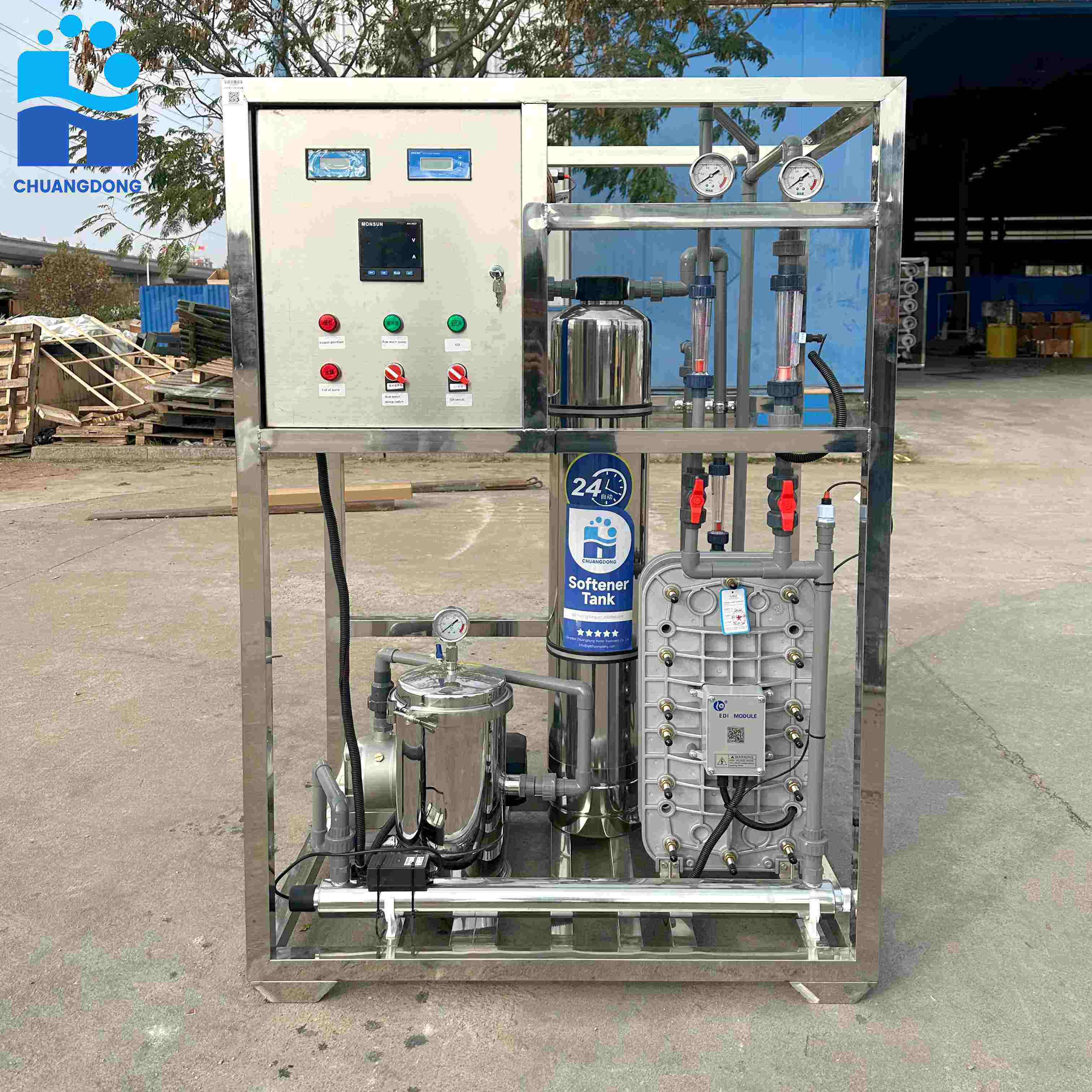
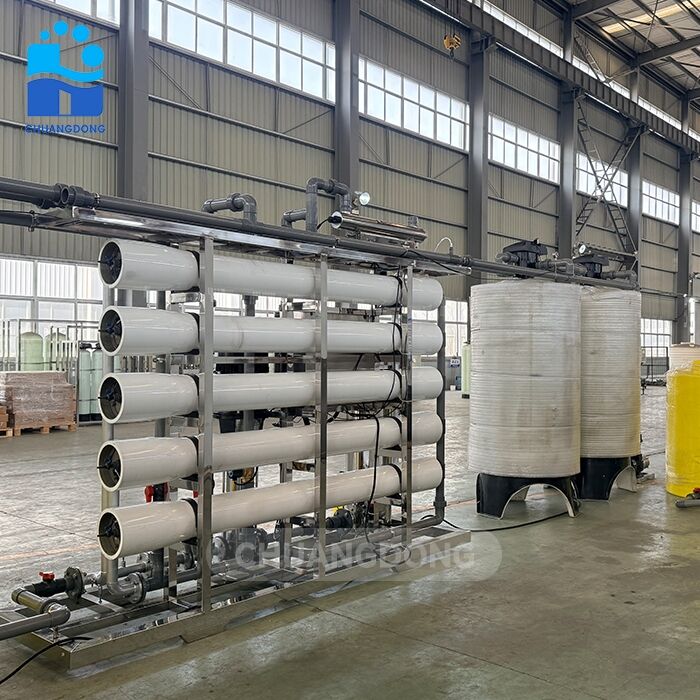
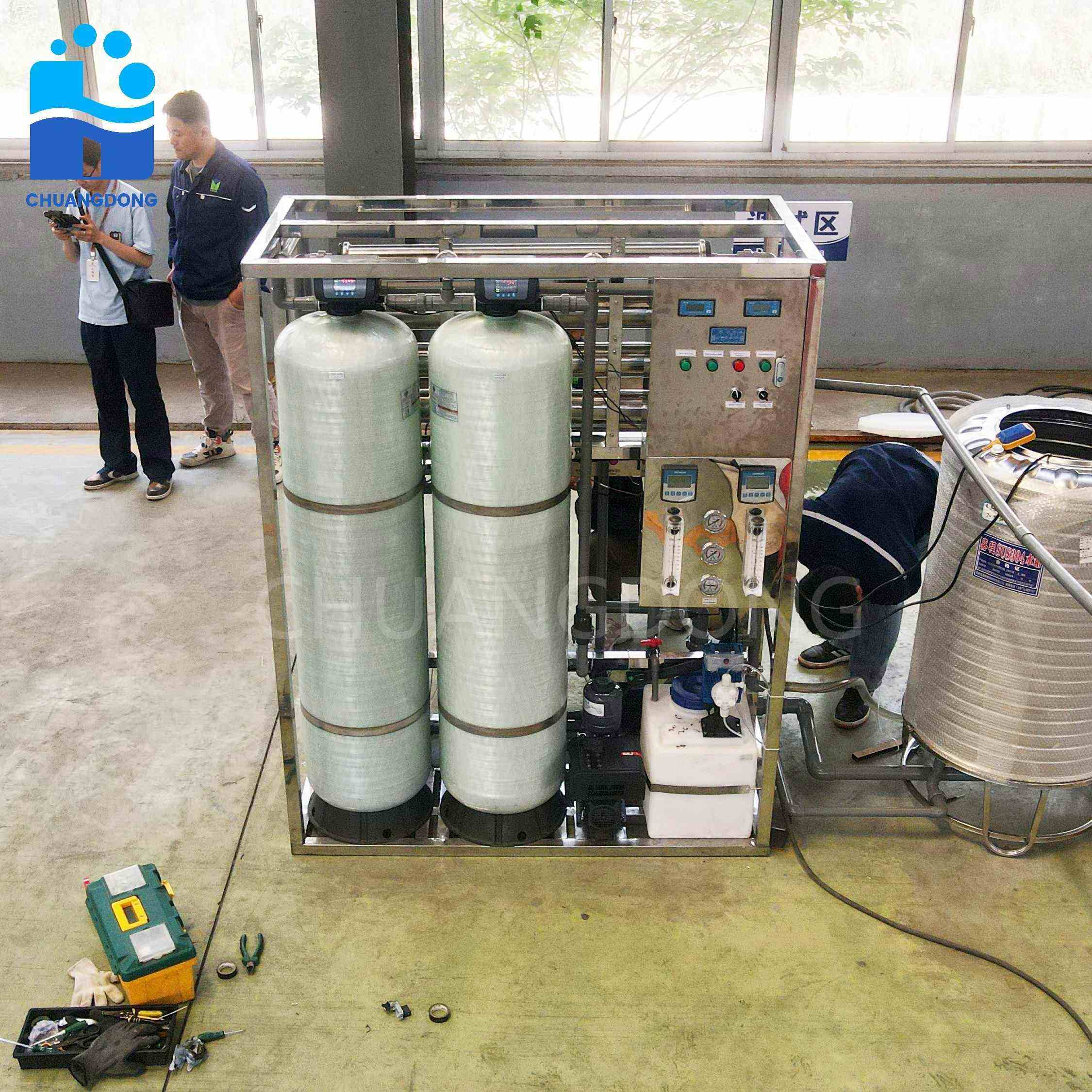
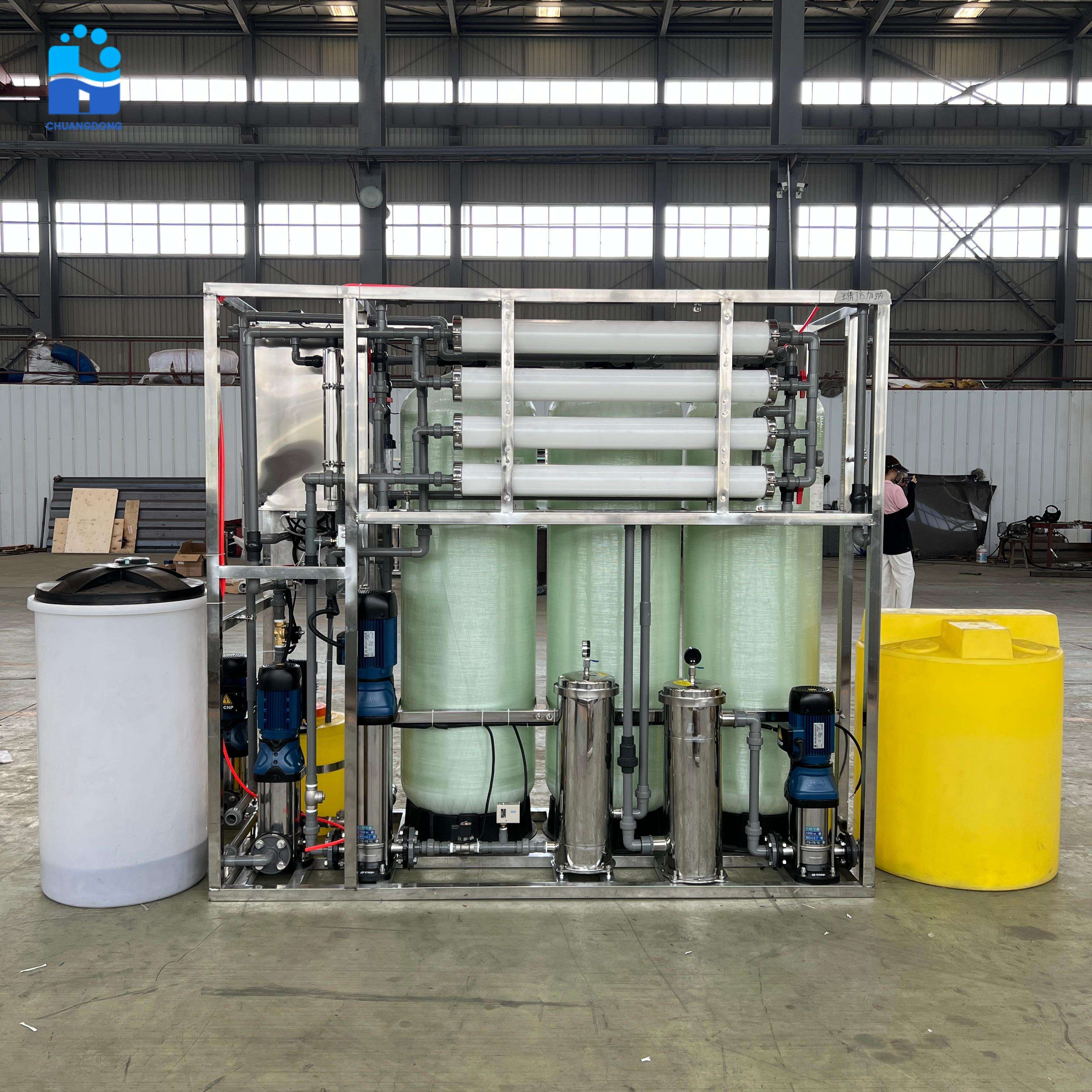
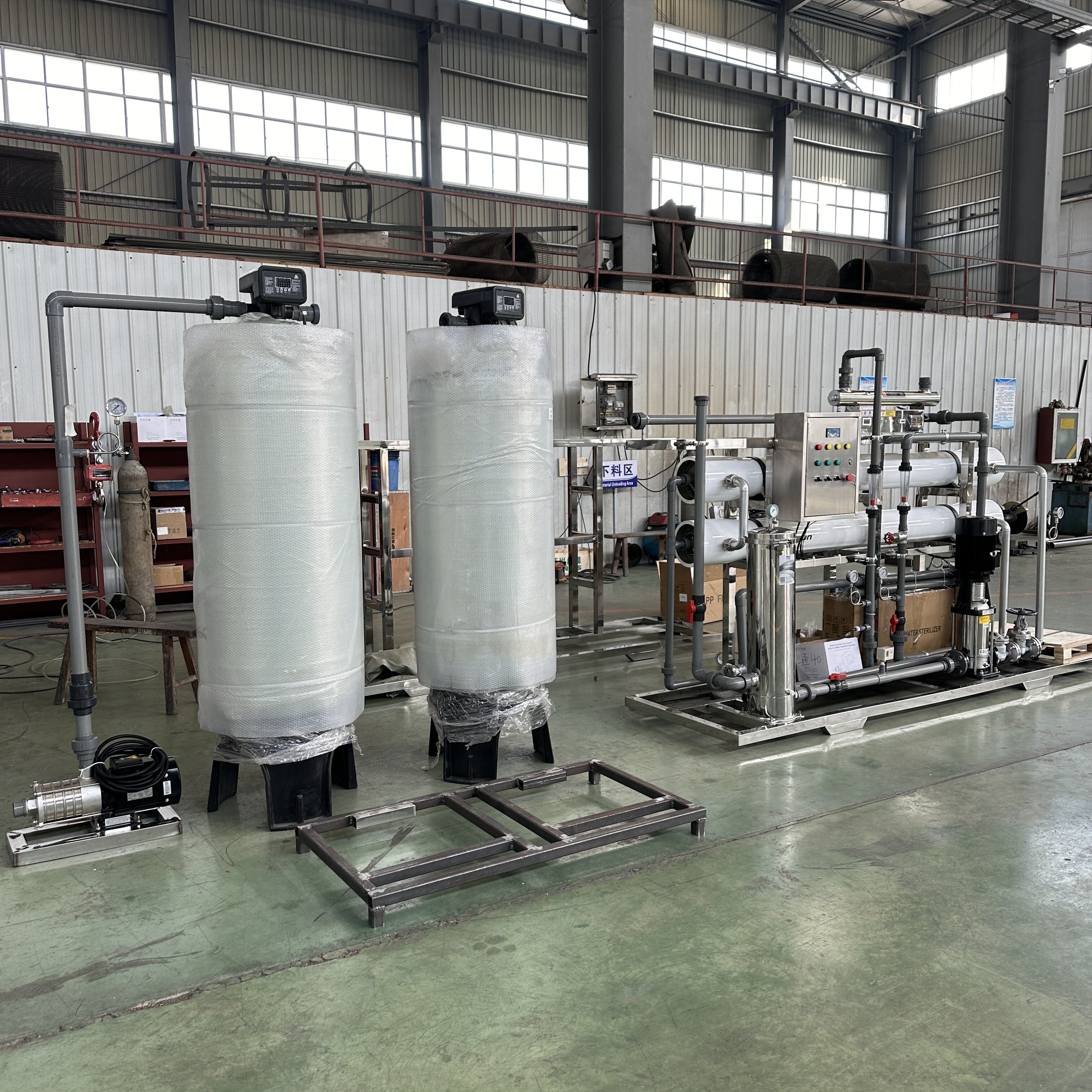
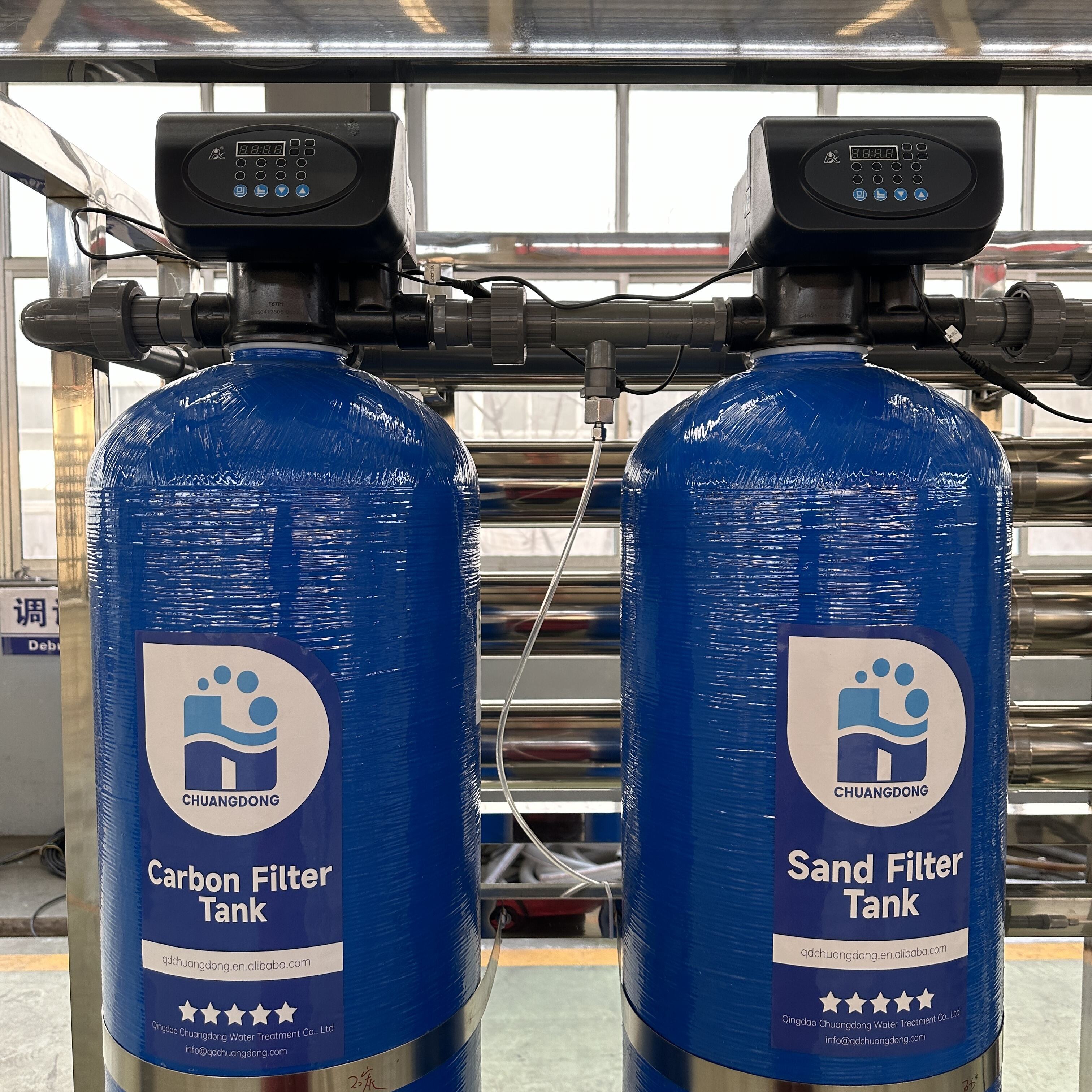
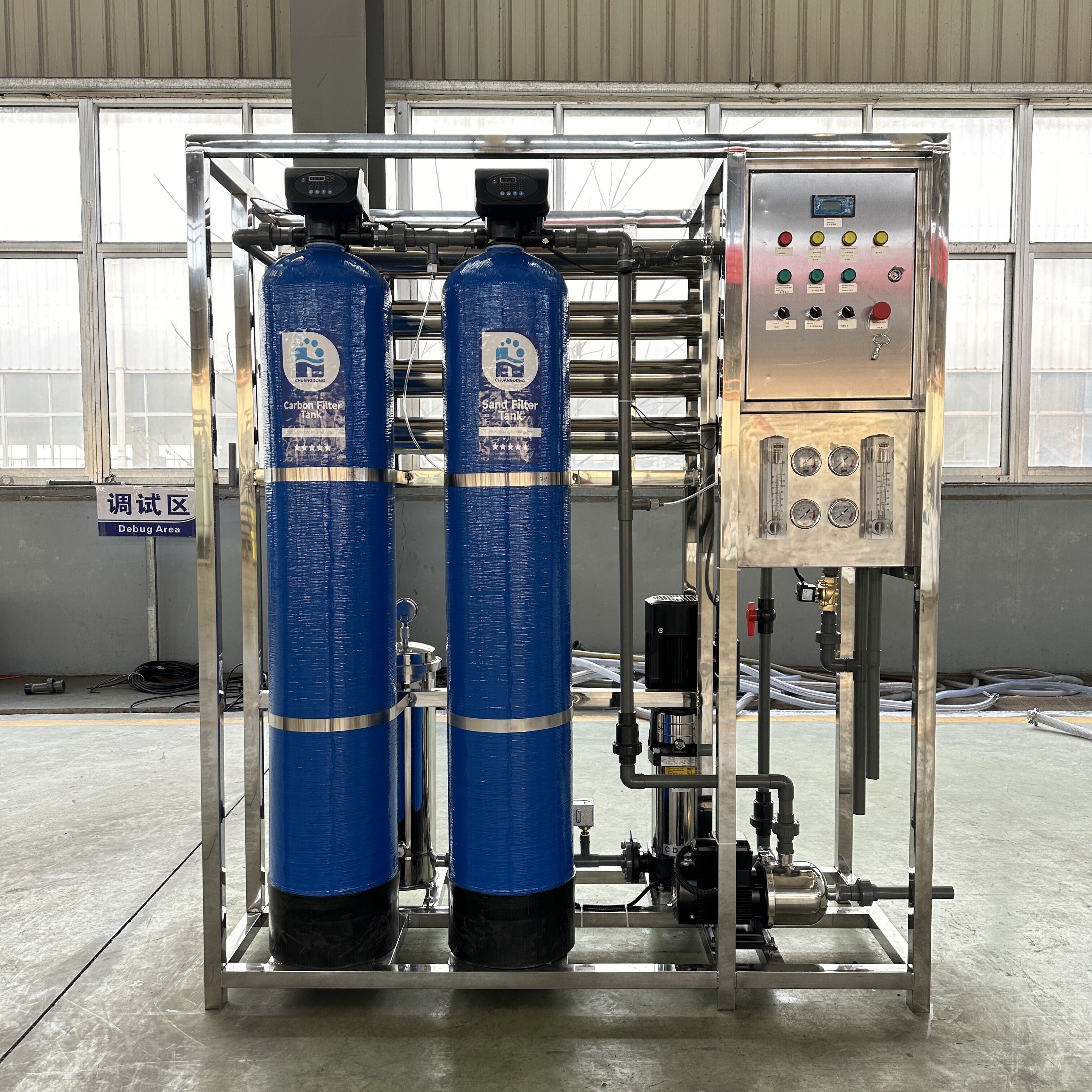
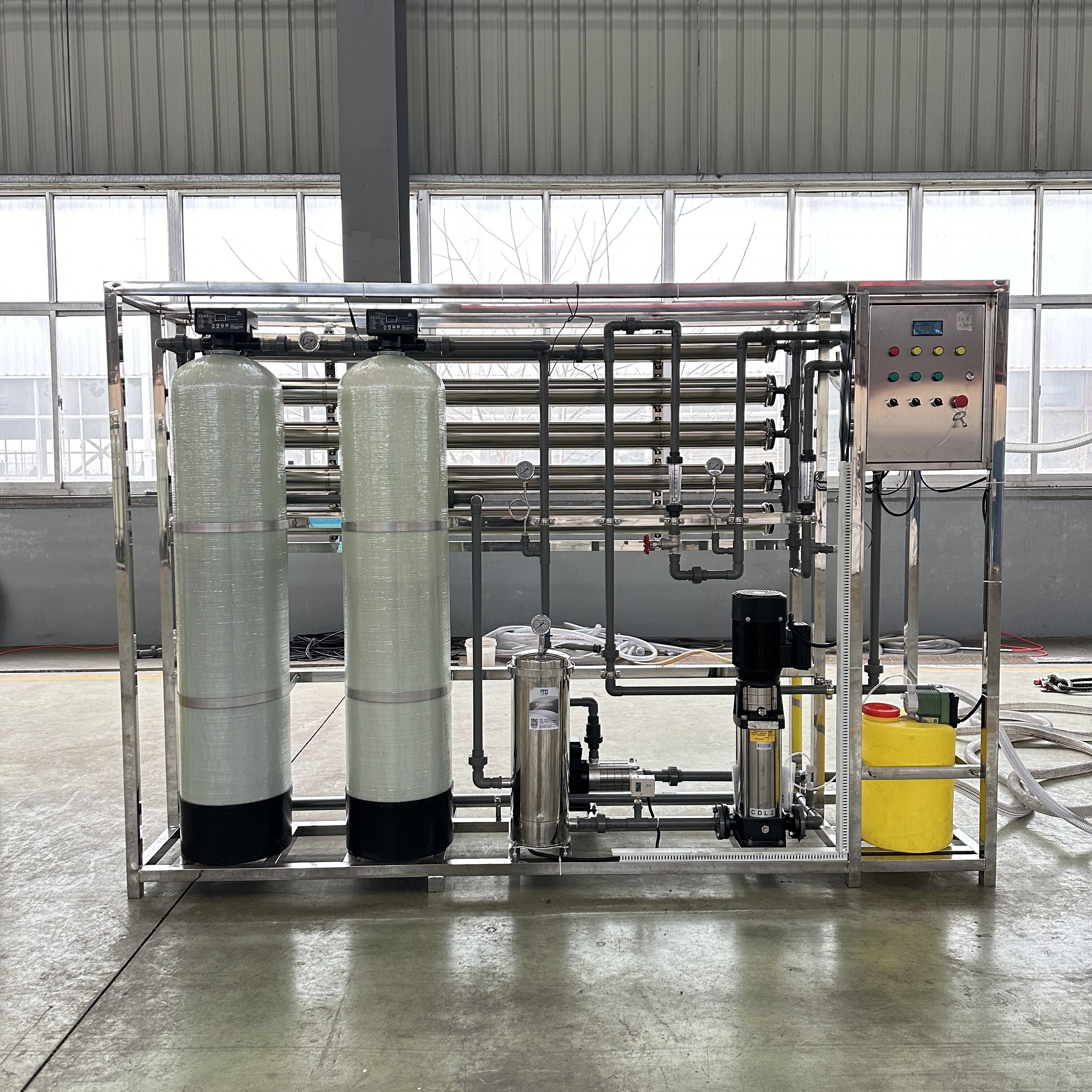
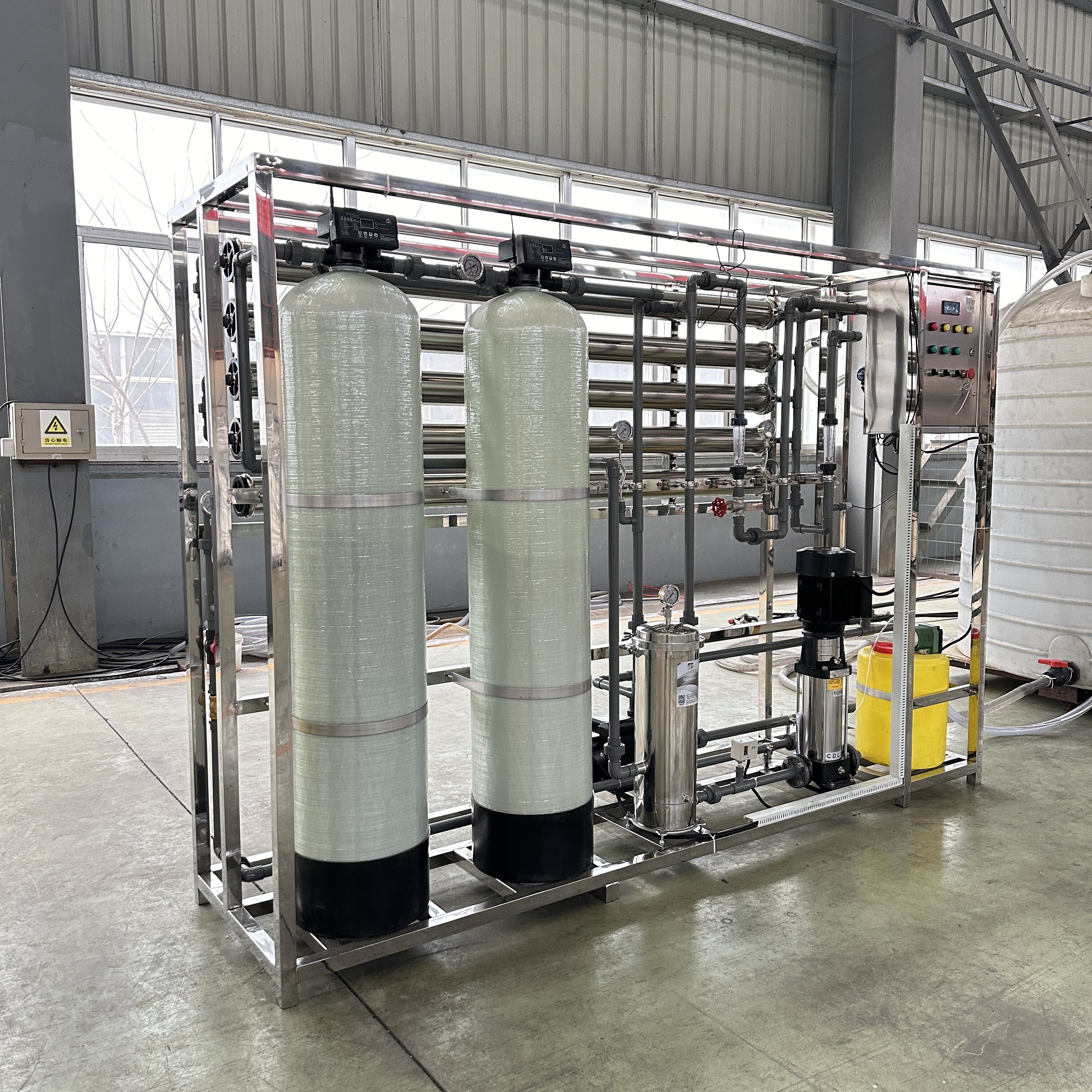
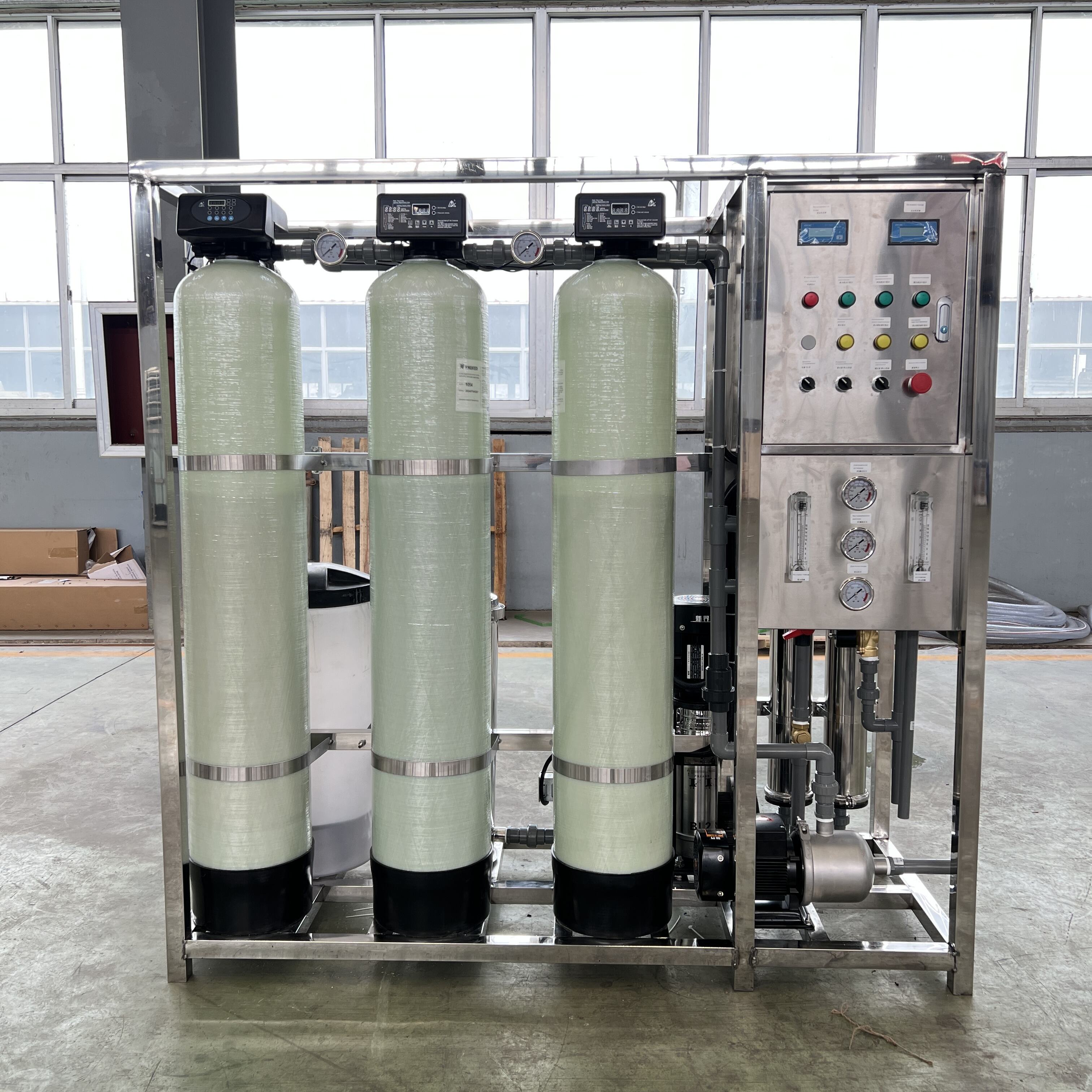
An industrial deionized water filtration system represents a sophisticated water treatment technology designed to remove dissolved minerals, salts, and ionic contaminants from water through advanced purification processes. This comprehensive system combines multiple filtration stages to produce high-purity water essential for various industrial applications. The primary function of an industrial deionized water filtration system involves eliminating both positive cations and negative anions from source water, creating demineralized water with extremely low conductivity levels. The technological foundation relies on ion exchange resins, reverse osmosis membranes, and electrodeionization processes working in synergy to achieve superior water quality. The system typically incorporates pre-filtration components including sediment filters and carbon filtration to remove chlorine and organic compounds before the deionization process begins. Advanced monitoring systems continuously track water quality parameters such as conductivity, total dissolved solids, and pH levels to ensure consistent performance. Modern industrial deionized water filtration systems feature automated regeneration cycles that restore ion exchange resin capacity without manual intervention. These systems integrate sophisticated control panels with programmable logic controllers that optimize operational efficiency and minimize waste generation. The modular design allows for customization based on specific industrial requirements, flow rates, and water quality specifications. Applications span across pharmaceutical manufacturing, semiconductor production, power generation facilities, food and beverage processing, automotive manufacturing, and laboratory research environments. The system delivers consistent water quality meeting stringent industry standards including USP, ASTM, and EPA specifications. Energy efficiency remains a critical technological feature with variable frequency drives controlling pump operations based on demand fluctuations. The robust construction using corrosion-resistant materials ensures long-term reliability in demanding industrial environments while minimizing maintenance requirements and operational downtime.

Popular Products

Industrial deionized water filtration systems deliver exceptional cost savings by eliminating the need for purchasing bottled deionized water or outsourcing water treatment services to external providers. Companies experience significant reductions in operational expenses as these systems produce high-quality deionized water on-demand at a fraction of the cost compared to alternative solutions. The reliability factor stands out prominently as these systems operate continuously with minimal supervision, ensuring uninterrupted production processes that depend on consistent water quality. Manufacturing facilities benefit from enhanced product quality control since the industrial deionized water filtration system removes contaminants that could compromise final product specifications or cause equipment corrosion. Environmental benefits emerge through reduced plastic waste from bottled water purchases and decreased chemical discharge compared to traditional water treatment methods. The systems contribute to sustainability goals by minimizing water waste through efficient recycling processes and optimized regeneration cycles. Operational flexibility allows businesses to adjust water production capacity based on fluctuating demand without investing in additional infrastructure or storage facilities. Quality assurance becomes simplified with integrated monitoring systems that provide real-time data on water purity levels, enabling immediate corrective actions when parameters drift outside acceptable ranges. Energy efficiency translates to lower utility bills as modern industrial deionized water filtration systems incorporate smart controls that optimize power consumption during different operational phases. Maintenance requirements remain minimal due to durable components and automated cleaning cycles that prevent system fouling and extend equipment lifespan. Space efficiency benefits facilities with limited floor space as compact designs maximize water production capacity within smaller footprints compared to traditional treatment systems. The systems enhance workplace safety by eliminating handling of hazardous chemicals required in conventional water treatment processes, reducing employee exposure risks and associated insurance costs. Compliance with regulatory requirements becomes straightforward as the industrial deionized water filtration system consistently produces water meeting or exceeding industry standards, simplifying audit processes and documentation requirements. Return on investment typically occurs within twelve to eighteen months through combined savings from reduced chemical purchases, lower maintenance costs, and improved operational efficiency. The technology adapts to varying source water conditions, maintaining consistent output quality regardless of seasonal variations or municipal water supply changes, providing businesses with predictable operational performance throughout the year.

Practical Tips

What Intake and Outfall Designs Minimize Environmental Impact of a Desalination Plant?

01

Mar

What Intake and Outfall Designs Minimize Environmental Impact of a Desalination Plant?

Environmental considerations have become paramount in the design and operation of modern desalination facilities worldwide. As water scarcity continues to challenge communities across the globe, the demand for sustainable desalination plant solutions...
View More
What Corrosion-Resistant Materials Are Used in Desalination Plant Construction?

06

Mar

What Corrosion-Resistant Materials Are Used in Desalination Plant Construction?

Desalination plants operate in some of the harshest environments imaginable, where saltwater constantly threatens the integrity of critical infrastructure. The selection of appropriate corrosion-resistant materials becomes paramount to ensuring long-...
View More
How Does an RO Water Filter with a UV Sterilizer Provide Additional Protection Against Bacteria?

10

Mar

How Does an RO Water Filter with a UV Sterilizer Provide Additional Protection Against Bacteria?

Water contamination remains one of the most pressing concerns for homeowners and businesses seeking reliable water purification solutions. While traditional filtration methods offer basic protection, modern water treatment technology has evolved to p...
View More
Why Should Pharmaceutical QC Labs Use Ultrapure Water for HPLC and Mass Spectrometry?

18

Mar

Why Should Pharmaceutical QC Labs Use Ultrapure Water for HPLC and Mass Spectrometry?

Pharmaceutical quality control laboratories face increasingly stringent requirements for analytical accuracy and regulatory compliance. The foundation of reliable analytical results lies in the quality of water used throughout testing procedures. Ult...
View More

Get a Free Quote

Our representative will contact you soon.
Email
Name
Company Name
Message
0/1000

industrial deionized water filtration system

Advanced Multi-Stage Purification Technology

Advanced Multi-Stage Purification Technology

The industrial deionized water filtration system employs cutting-edge multi-stage purification technology that sets new standards for water treatment efficiency and reliability. This sophisticated approach combines multiple purification methods including reverse osmosis, ion exchange, and electrodeionization to achieve unprecedented water purity levels consistently. The first stage utilizes high-performance reverse osmosis membranes that remove up to 99.5% of dissolved solids, organic compounds, and bacterial contaminants from source water. These advanced membranes feature enhanced fouling resistance and extended service life, reducing replacement frequency and associated maintenance costs. The secondary treatment phase incorporates premium ion exchange resins specifically engineered for industrial applications, ensuring complete removal of residual ionic contaminants that could affect product quality or equipment performance. The final polishing stage employs electrodeionization technology that eliminates the need for chemical regeneration while producing consistently high-purity water with conductivity levels below 0.1 microsiemens per centimeter. This integrated approach delivers superior performance compared to single-stage systems, providing customers with water quality that exceeds pharmaceutical and semiconductor industry standards. The technology automatically adjusts purification parameters based on source water conditions, ensuring optimal performance regardless of seasonal variations or municipal water supply changes. Advanced control systems monitor each purification stage in real-time, providing operators with detailed performance data and predictive maintenance alerts that prevent unexpected downtime. The multi-stage design also provides redundancy that ensures continued operation even if individual components require maintenance, maintaining uninterrupted water supply for critical industrial processes. Energy efficiency optimization occurs through intelligent staging that activates purification components only when needed, significantly reducing operational costs while maintaining consistent output quality. This technological advancement represents a significant value proposition for customers seeking reliable, cost-effective water treatment solutions that deliver consistent results over extended operational periods.
Intelligent Automation and Remote Monitoring Capabilities

Intelligent Automation and Remote Monitoring Capabilities

Modern industrial deionized water filtration systems incorporate state-of-the-art intelligent automation and remote monitoring capabilities that revolutionize water treatment operations for businesses seeking enhanced efficiency and reliability. The comprehensive automation package includes programmable logic controllers with touchscreen interfaces that simplify system operation while providing detailed operational data and diagnostics. These advanced control systems automatically adjust purification parameters based on source water quality variations, ensuring consistent output specifications without manual intervention. Remote monitoring capabilities enable facility managers to track system performance, water quality parameters, and maintenance requirements from any location using secure internet connections and mobile applications. The intelligent automation features predictive maintenance algorithms that analyze operational data to forecast component replacement needs, preventing unexpected failures and optimizing maintenance scheduling to minimize operational disruption. Real-time alerts notify operators of parameter deviations, low consumable levels, or potential system issues through multiple communication channels including email, SMS, and integrated building management systems. The automation system maintains comprehensive operational logs that simplify regulatory compliance documentation and provide valuable data for process optimization and troubleshooting purposes. Energy management functions automatically optimize pump speeds, valve positions, and purification cycles based on demand patterns, significantly reducing operational costs while maintaining required water quality standards. The system features automatic startup and shutdown sequences that ensure proper system conditioning and prevent damage during periods of non-operation. Advanced diagnostics capabilities identify potential issues before they affect system performance, enabling proactive maintenance that extends equipment lifespan and reduces total cost of ownership. User access controls and audit trails provide security features that track all system interactions and parameter changes, ensuring operational integrity and regulatory compliance. The remote monitoring platform generates automated reports that summarize system performance, water usage, and maintenance activities, providing valuable insights for operational planning and budget forecasting. Integration capabilities allow the industrial deionized water filtration system to communicate with existing facility management systems, enabling centralized monitoring and control of multiple water treatment systems across different locations.
Customizable Scalability and Modular Design Excellence

Customizable Scalability and Modular Design Excellence

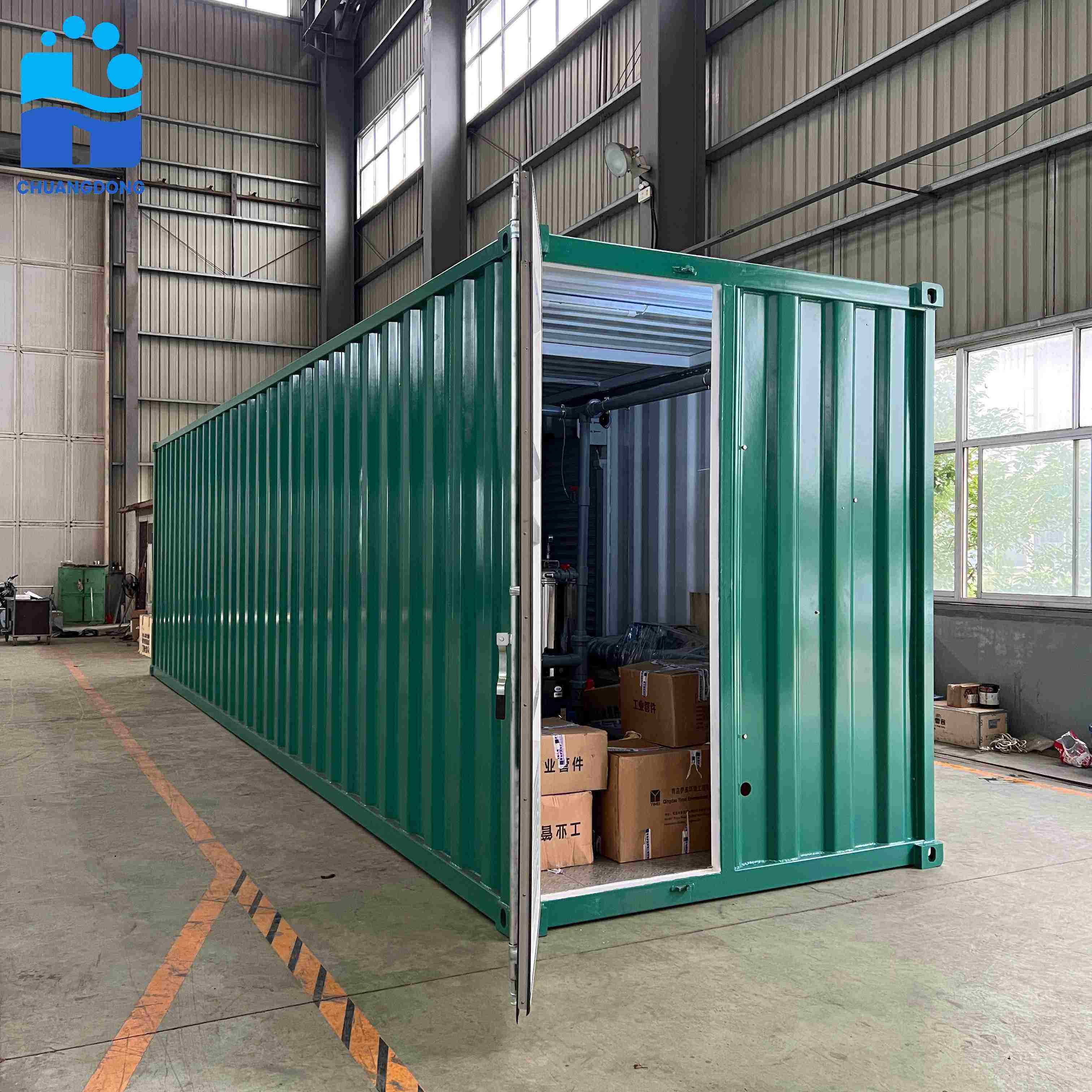
The industrial deionized water filtration system features exceptional customizable scalability and modular design excellence that provides customers with flexible solutions tailored to their specific operational requirements and future growth projections. This innovative modular approach allows businesses to implement water treatment systems that precisely match current demand while maintaining the ability to expand capacity as operational needs evolve. The modular design philosophy enables customers to select specific purification components based on their unique water quality requirements, source water characteristics, and end-use applications without paying for unnecessary features or oversized equipment. Each module within the industrial deionized water filtration system operates independently while integrating seamlessly with other components, providing operational flexibility and redundancy that ensures continuous water production even during maintenance activities. Scalability options range from compact laboratory-scale units producing 50 gallons per day to large industrial systems capable of generating thousands of gallons per hour, accommodating diverse customer requirements across multiple industries. The modular construction facilitates rapid installation and commissioning as standard components can be pre-assembled and tested before delivery, minimizing on-site installation time and reducing project costs. Expansion capabilities allow customers to add additional purification modules, storage tanks, or distribution systems without significant modifications to existing infrastructure, protecting initial investments while accommodating business growth. The design flexibility extends to physical configurations with options for skid-mounted systems, wall-mounted units, or integrated installations that optimize space utilization in various facility layouts. Custom control panel configurations adapt to specific operational preferences and integration requirements with existing facility management systems, providing seamless operation within diverse industrial environments. Quality assurance protocols ensure that each modular component meets rigorous performance standards before integration into complete systems, providing customers with reliable operation and consistent water quality across all capacity levels. The modular approach also simplifies maintenance and service activities as individual components can be accessed, serviced, or replaced without affecting overall system operation, minimizing downtime and maintenance costs. This design excellence provides exceptional value to customers by delivering precisely tailored solutions that optimize performance, minimize costs, and provide long-term operational flexibility for evolving business requirements.

Get a Free Quote

Our representative will contact you soon.
Email
Name
Company Name
Message
0/1000