Industrial RO Filter Systems: Advanced Water Treatment Solutions for Commercial Applications

Get a Free Quote

Our representative will contact you soon.
Email
Name
Company Name
Message
0/1000

industrial ro filter

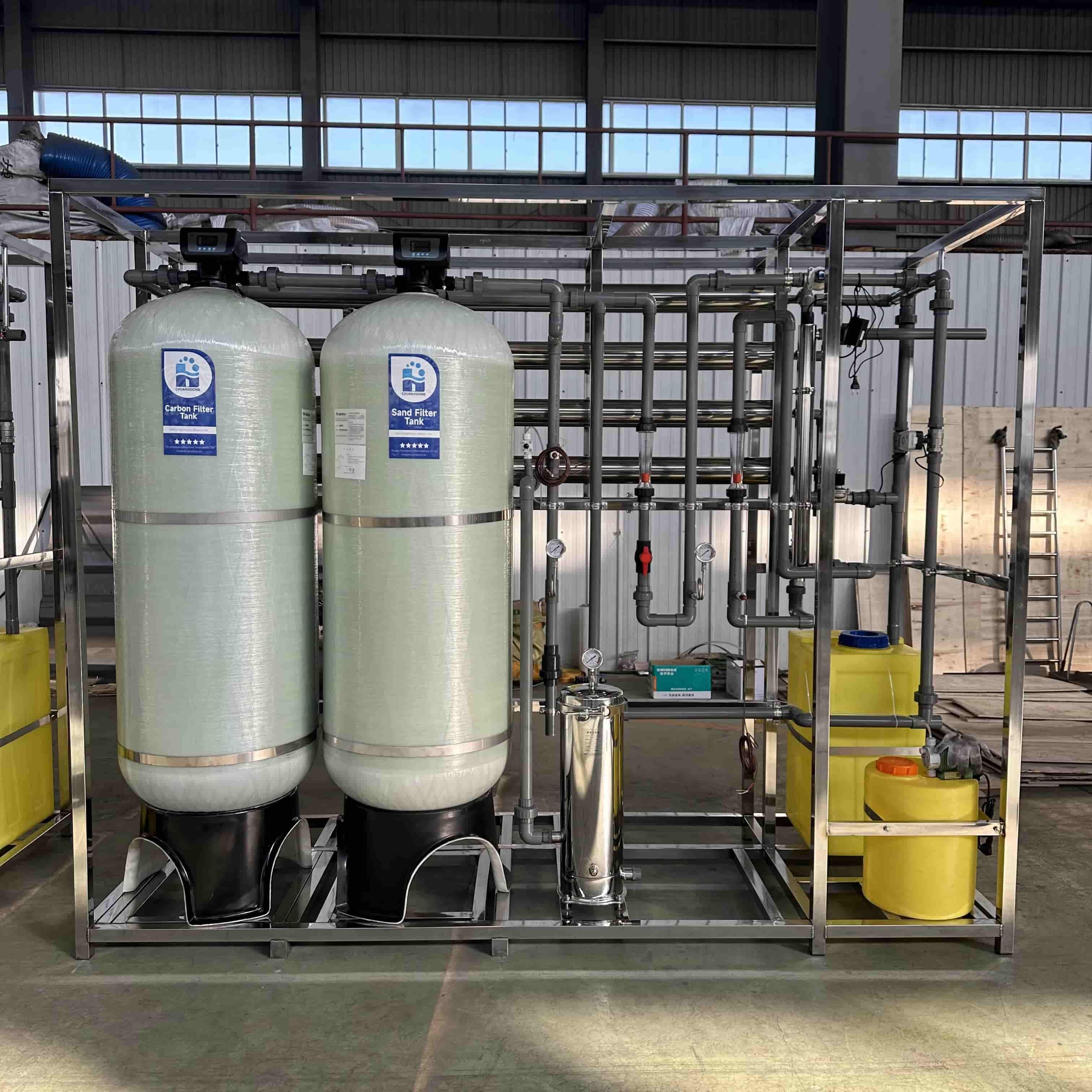
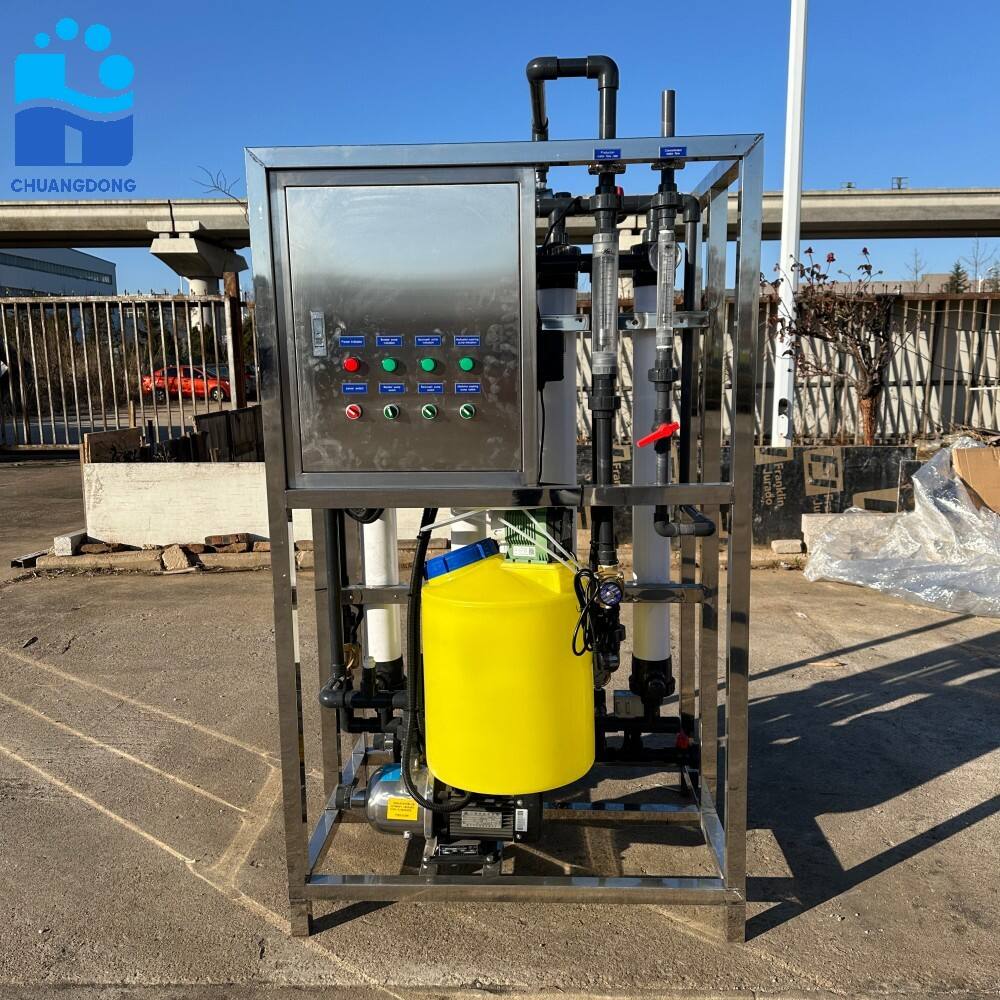
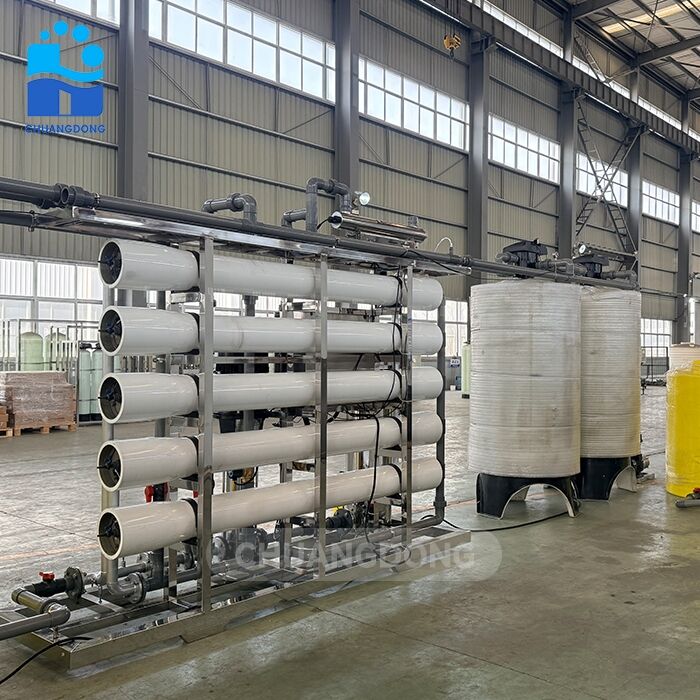
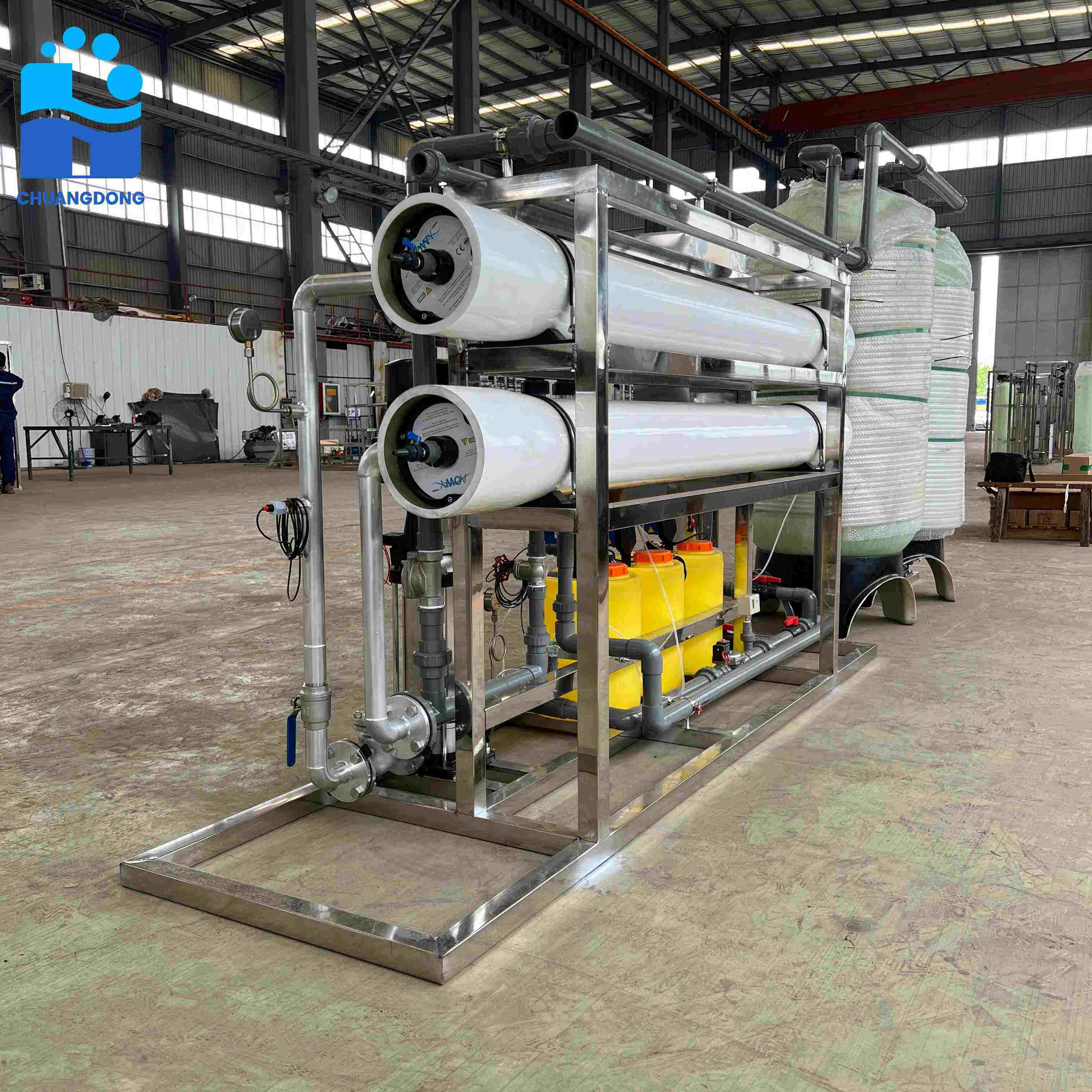
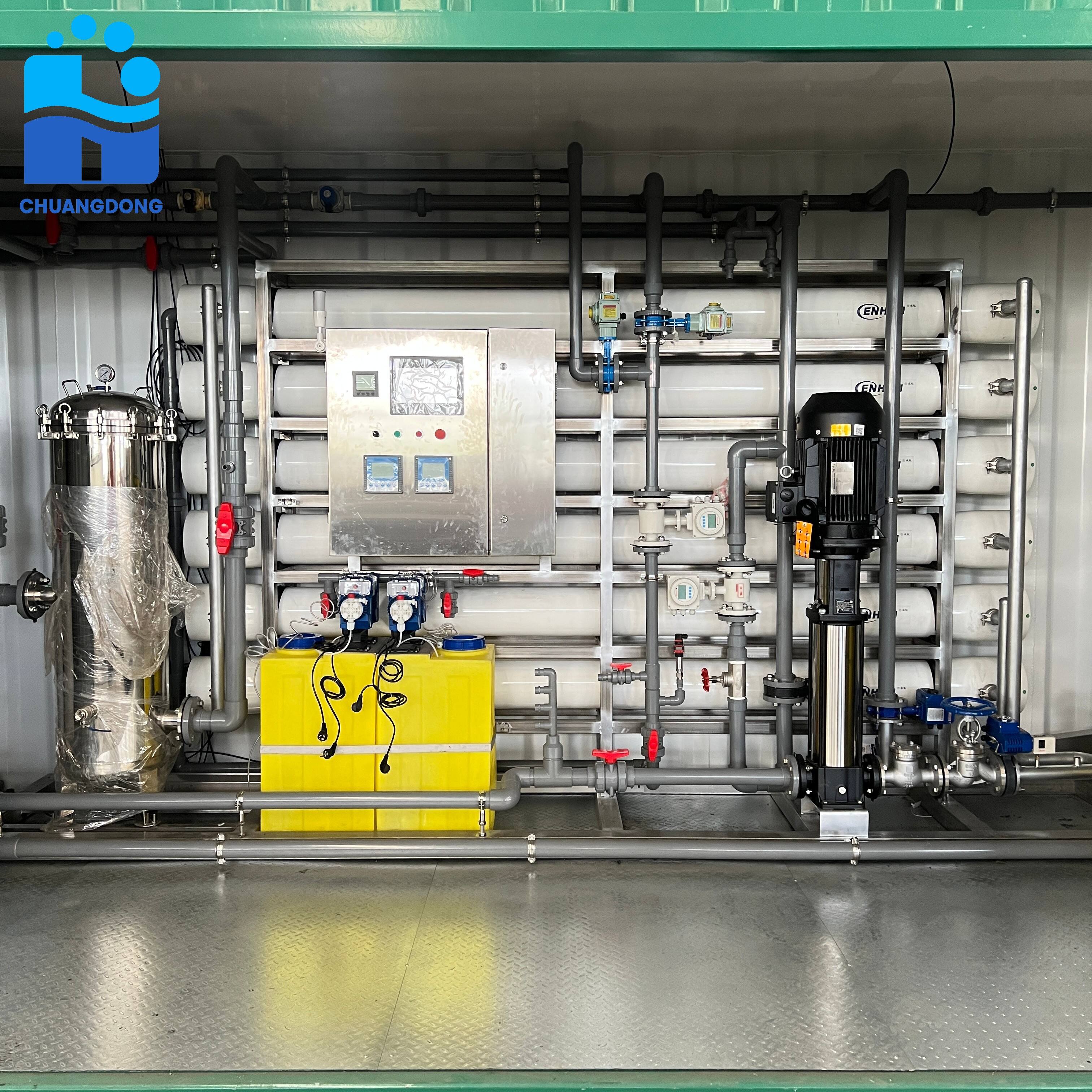
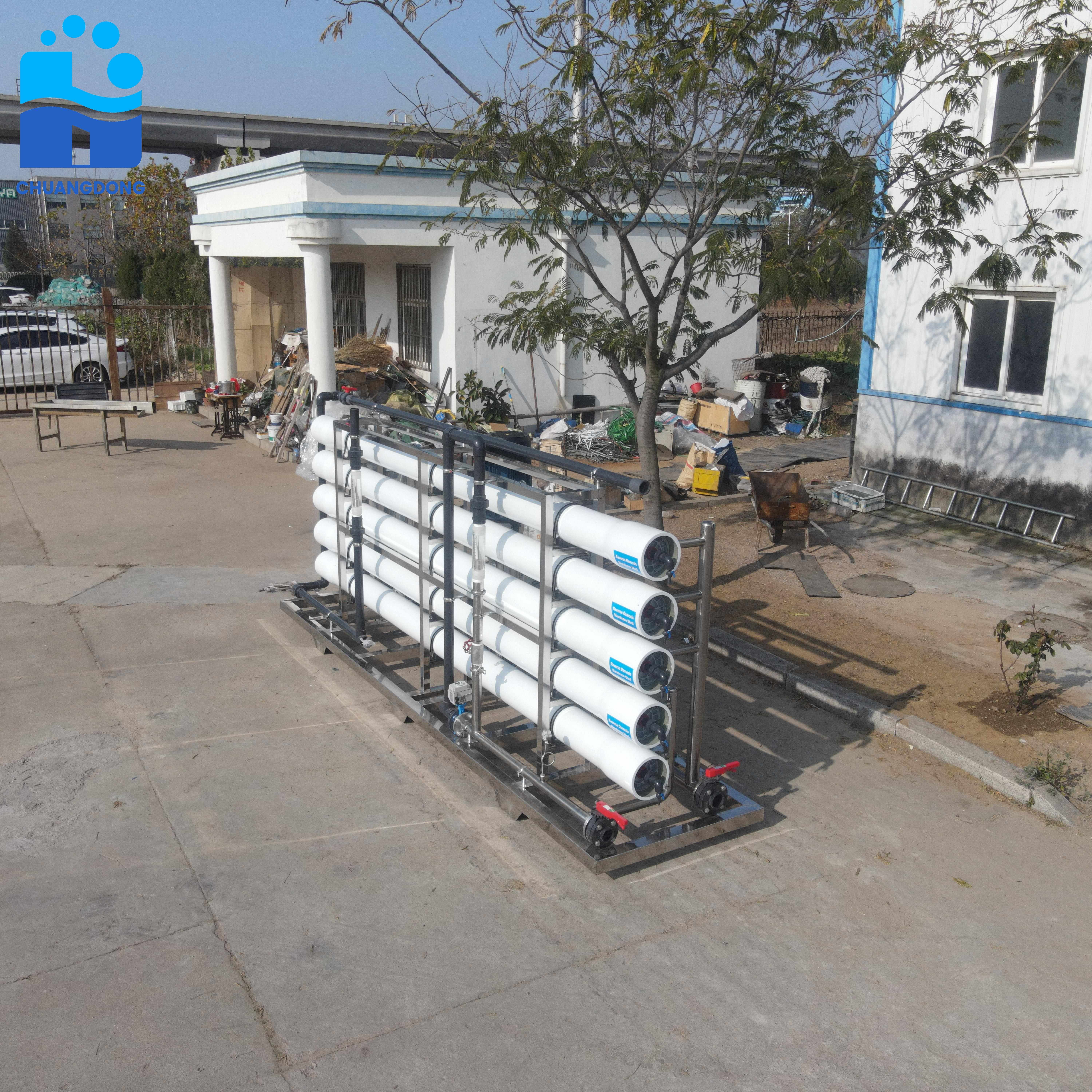
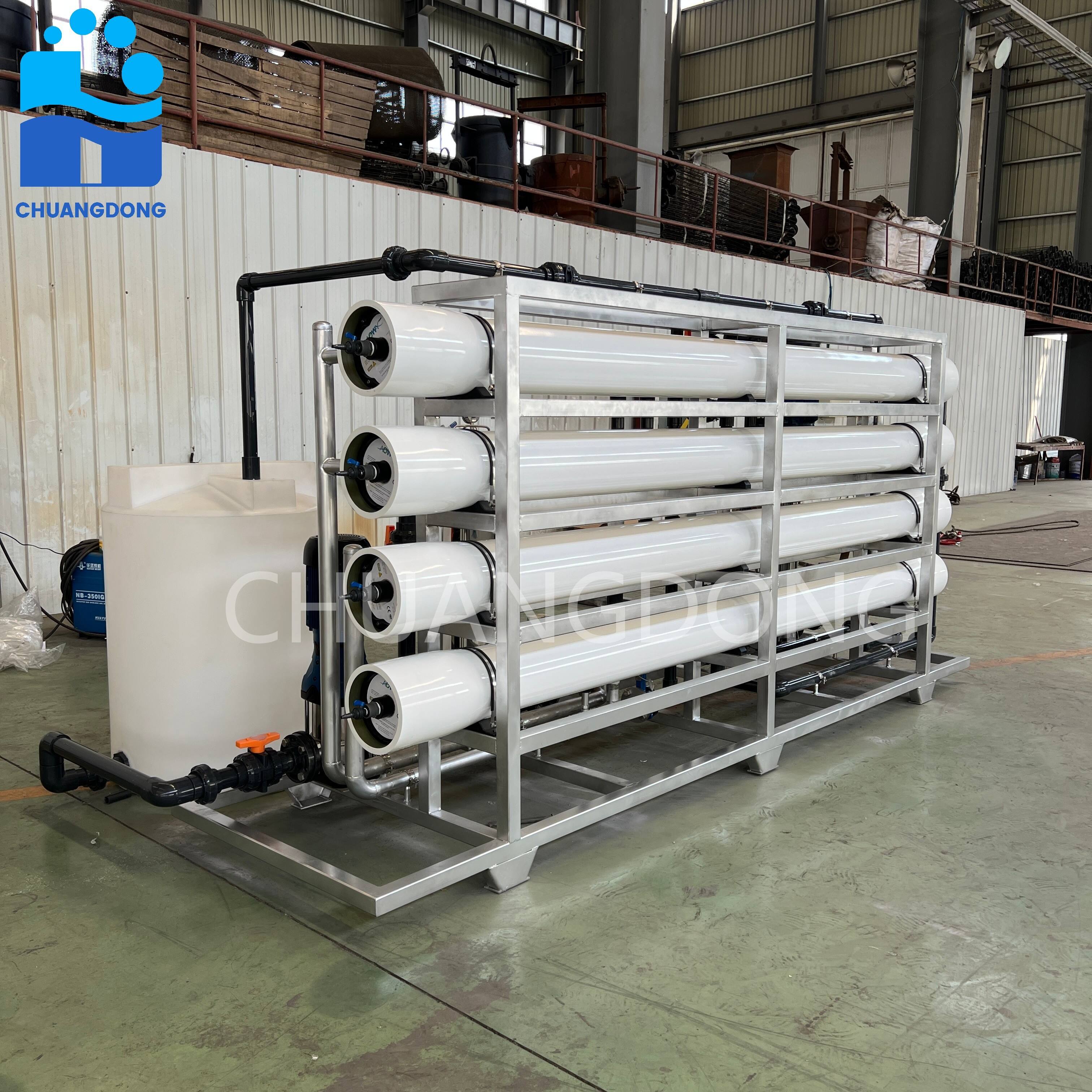
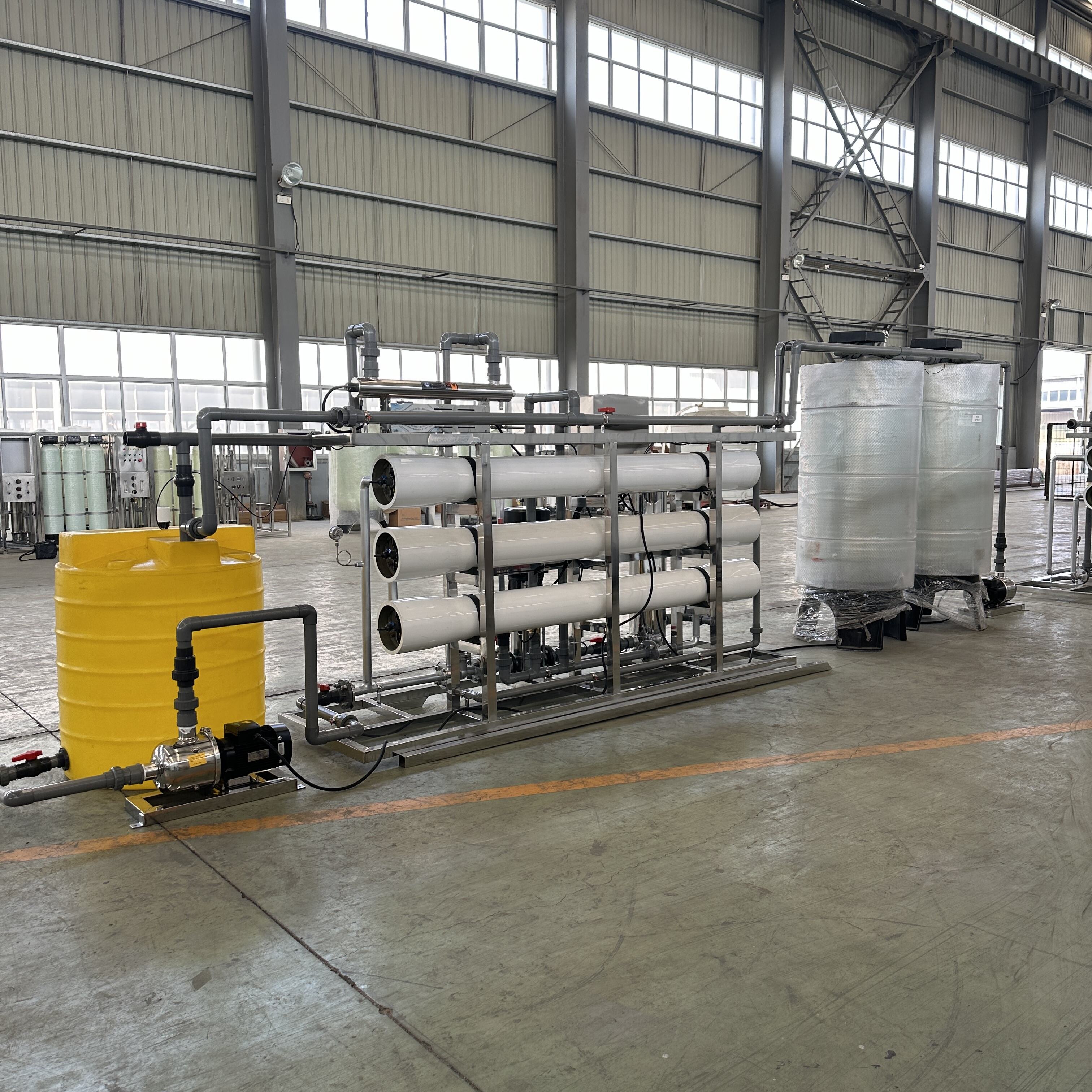
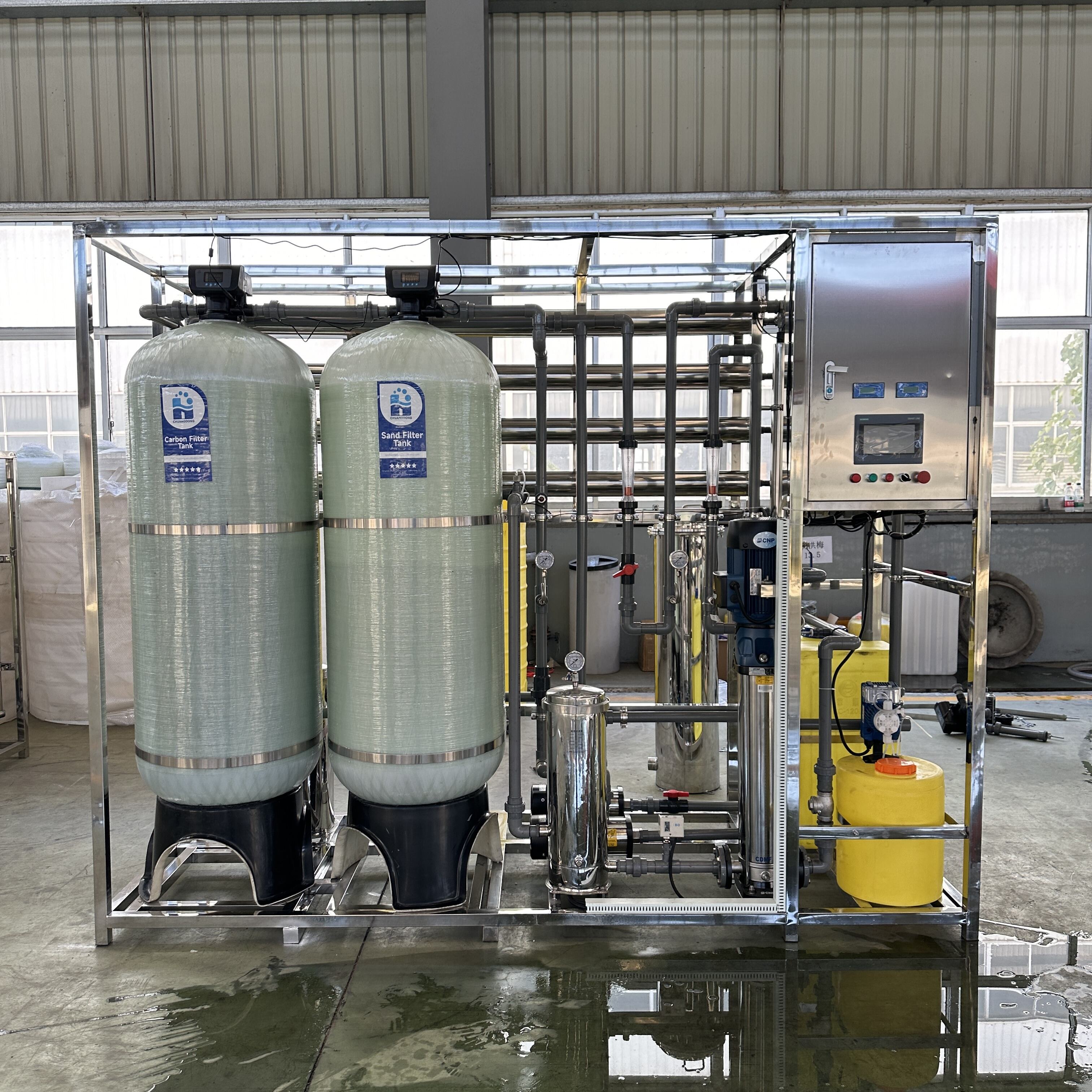
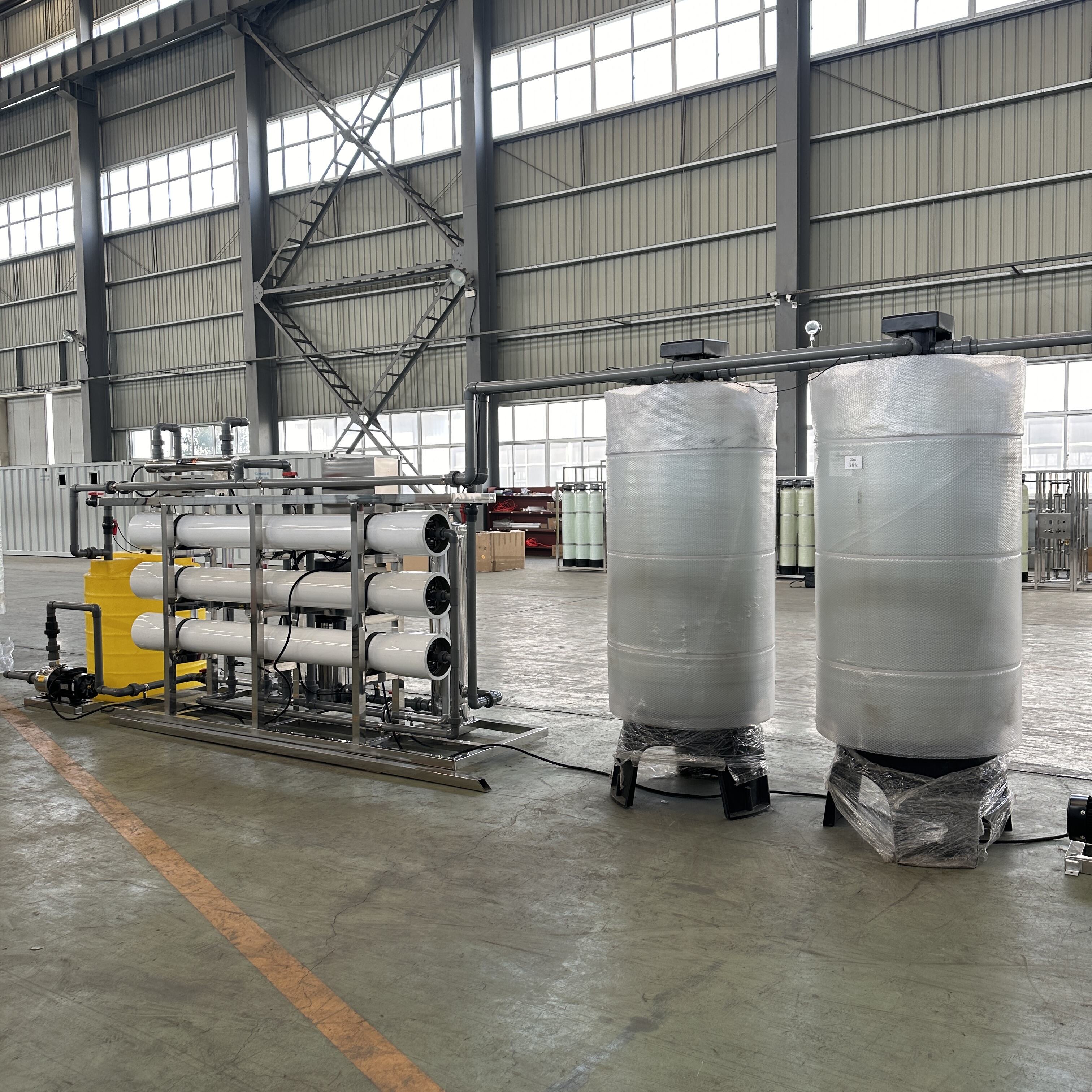
An industrial RO filter represents a sophisticated water treatment solution designed to meet the demanding purification requirements of commercial and industrial facilities. This advanced filtration system utilizes reverse osmosis technology to remove contaminants, dissolved solids, and impurities from water sources, delivering exceptionally clean water for various industrial applications. The industrial RO filter operates by forcing water through semi-permeable membranes under high pressure, effectively separating pure water molecules from unwanted substances including bacteria, viruses, heavy metals, chemicals, and total dissolved solids. The main functions of an industrial RO filter encompass comprehensive water purification, contaminant removal, and quality enhancement for industrial processes. These systems excel at reducing turbidity, eliminating chlorine, removing harmful microorganisms, and significantly lowering total dissolved solids concentrations. The technological features of modern industrial RO filter systems include multi-stage filtration processes, automated monitoring controls, pressure regulation mechanisms, and membrane protection systems. Advanced models incorporate pre-filtration components, high-pressure pumps, flow meters, conductivity monitors, and automated flushing cycles to maintain optimal performance. Applications for industrial RO filter systems span numerous sectors including pharmaceutical manufacturing, food and beverage production, electronics fabrication, power generation, chemical processing, and automotive manufacturing. These versatile systems serve critical roles in boiler feed water preparation, cooling tower makeup, process water generation, and wastewater treatment applications. The industrial RO filter provides reliable water quality control, ensuring consistent output standards that meet stringent industrial requirements. With customizable configurations and scalable designs, these systems accommodate varying flow rates, water quality specifications, and operational demands across diverse industrial environments.

New Product Releases

Industrial RO filter systems deliver exceptional performance benefits that directly impact operational efficiency and cost management for businesses across multiple industries. These advanced filtration solutions provide superior water quality consistency, eliminating the variability often associated with traditional water treatment methods. Companies experience significant cost savings through reduced chemical usage, as the industrial RO filter removes contaminants without requiring extensive chemical additives or treatments. The system operates with remarkable energy efficiency, utilizing optimized membrane technology that requires minimal power consumption while maintaining high purification standards. Maintenance requirements remain manageable due to the robust design and automated cleaning cycles that extend membrane lifespan and reduce replacement frequency. The industrial RO filter offers excellent scalability, allowing businesses to expand their water treatment capacity as operational demands grow without requiring complete system overhauls. Installation flexibility enables integration into existing infrastructure with minimal disruption to ongoing operations. These systems demonstrate outstanding reliability, operating continuously for extended periods while maintaining consistent water quality output. The compact design maximizes space utilization, making the industrial RO filter suitable for facilities with limited floor space or specific layout constraints. Environmental benefits include reduced wastewater generation and elimination of chemical discharge, supporting corporate sustainability initiatives and regulatory compliance. The automated control systems minimize human intervention requirements, reducing labor costs and operational complexity while ensuring precise monitoring and adjustment capabilities. Quality assurance becomes streamlined through real-time monitoring features that provide immediate feedback on system performance and water quality parameters. The industrial RO filter delivers rapid return on investment through operational savings, improved product quality, and reduced regulatory compliance costs. These systems adapt to varying source water conditions, maintaining effective performance regardless of seasonal changes or supply fluctuations. Long-term operational benefits include equipment protection, reduced scaling and corrosion issues, and enhanced process reliability that supports consistent production schedules and quality standards.

Practical Tips

What Corrosion-Resistant Materials Are Used in Desalination Plant Construction?

06

Mar

What Corrosion-Resistant Materials Are Used in Desalination Plant Construction?

Desalination plants operate in some of the harshest environments imaginable, where saltwater constantly threatens the integrity of critical infrastructure. The selection of appropriate corrosion-resistant materials becomes paramount to ensuring long-...
View More
How Does a Water Purification System with Ion Exchange Soften Hard Water Effectively?

15

Mar

How Does a Water Purification System with Ion Exchange Soften Hard Water Effectively?

Hard water poses significant challenges for both residential and commercial applications, containing high concentrations of calcium and magnesium ions that cause scale buildup, reduce equipment efficiency, and affect water quality. A water purificati...
View More
How Does an RO Water Filter with a UV Sterilizer Provide Additional Protection Against Bacteria?

10

Mar

How Does an RO Water Filter with a UV Sterilizer Provide Additional Protection Against Bacteria?

Water contamination remains one of the most pressing concerns for homeowners and businesses seeking reliable water purification solutions. While traditional filtration methods offer basic protection, modern water treatment technology has evolved to p...
View More
Why Should Pharmaceutical QC Labs Use Ultrapure Water for HPLC and Mass Spectrometry?

18

Mar

Why Should Pharmaceutical QC Labs Use Ultrapure Water for HPLC and Mass Spectrometry?

Pharmaceutical quality control laboratories face increasingly stringent requirements for analytical accuracy and regulatory compliance. The foundation of reliable analytical results lies in the quality of water used throughout testing procedures. Ult...
View More

Get a Free Quote

Our representative will contact you soon.
Email
Name
Company Name
Message
0/1000

industrial ro filter

Advanced Multi-Stage Purification Technology

Advanced Multi-Stage Purification Technology

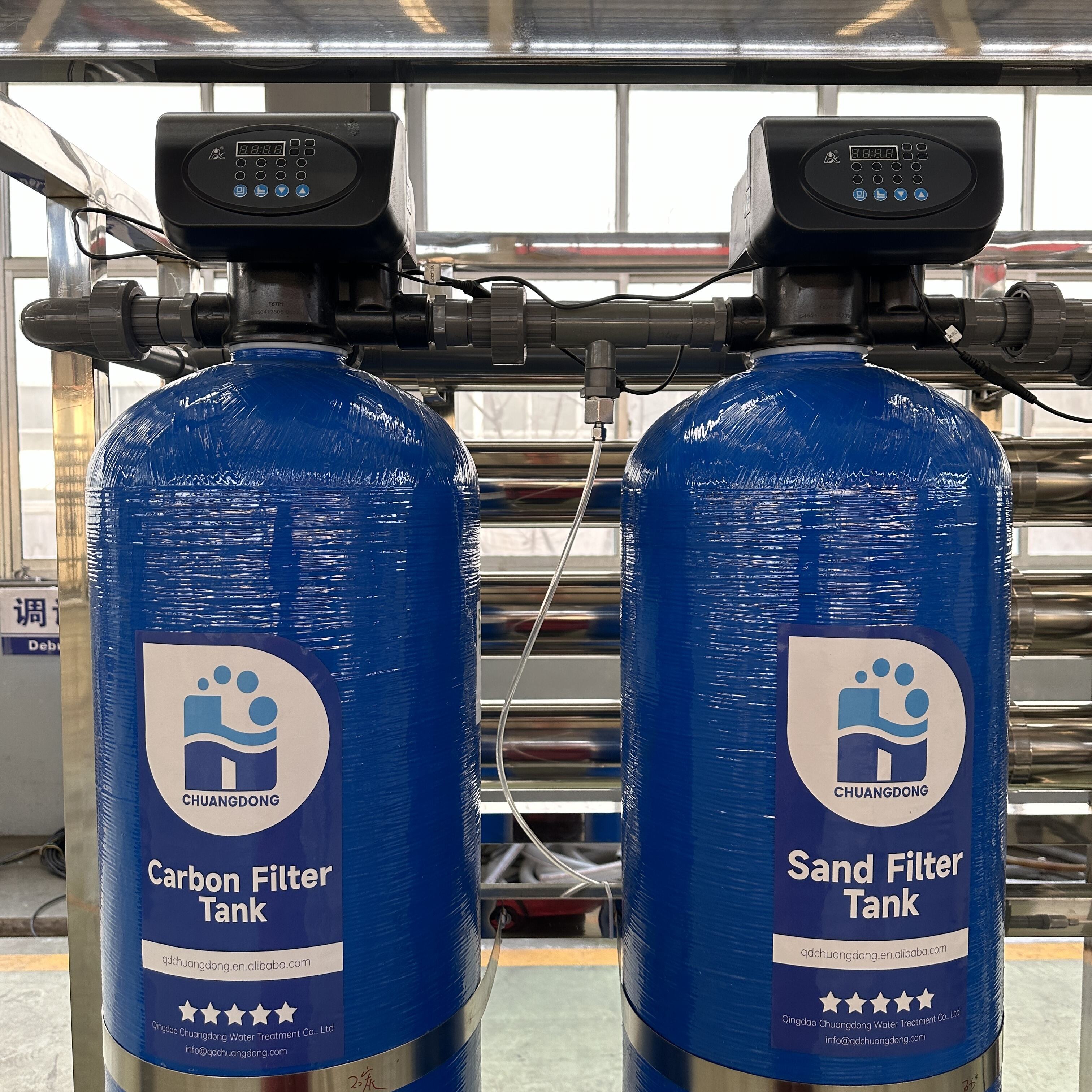
The industrial RO filter incorporates cutting-edge multi-stage purification technology that sets new standards for water treatment effectiveness and reliability in commercial applications. This sophisticated system employs a carefully engineered sequence of filtration stages, beginning with pre-filtration components that remove larger particles, sediments, and chlorine compounds that could potentially damage sensitive RO membranes. The primary reverse osmosis stage utilizes high-performance semi-permeable membranes manufactured with advanced materials that achieve exceptional rejection rates for dissolved solids, bacteria, viruses, and chemical contaminants. These membranes operate under precisely controlled pressure conditions, ensuring optimal water molecule separation while maintaining membrane integrity and extending operational lifespan. Post-filtration stages may include activated carbon polishing, ultraviolet sterilization, or additional membrane passes depending on specific water quality requirements. The multi-stage approach delivers superior contaminant removal efficiency compared to single-stage systems, achieving total dissolved solids reduction rates exceeding 95 percent while maintaining consistent performance across varying source water conditions. Advanced monitoring systems continuously track each stage's performance, providing real-time data on pressure differentials, flow rates, conductivity levels, and membrane condition indicators. This comprehensive monitoring enables predictive maintenance scheduling and immediate identification of potential issues before they impact water quality or system performance. The industrial RO filter's multi-stage design incorporates redundancy features that ensure continued operation even during maintenance activities or component replacement procedures. Automated backwashing and cleaning cycles maintain optimal membrane performance, preventing fouling and scaling issues that commonly affect single-stage systems. The modular design allows for easy expansion or modification of individual stages to accommodate changing water quality requirements or increased production demands without requiring complete system replacement, providing exceptional long-term value and operational flexibility for industrial facilities.
Smart Automation and Remote Monitoring Capabilities

Smart Automation and Remote Monitoring Capabilities

The industrial RO filter features state-of-the-art automation and remote monitoring capabilities that revolutionize water treatment system management and operational efficiency. This intelligent control system incorporates advanced programmable logic controllers, touchscreen interfaces, and cloud-based connectivity that enable comprehensive system oversight from any location with internet access. The automation features include self-diagnostic capabilities that continuously monitor system parameters such as inlet pressure, membrane differential pressure, flow rates, conductivity levels, and temperature variations. These smart systems automatically adjust operational parameters to maintain optimal performance while protecting system components from damage due to pressure fluctuations or contamination events. Remote monitoring capabilities allow facility managers and technicians to access real-time system data, receive instant alerts for abnormal conditions, and make necessary adjustments without physically visiting the installation site. The industrial RO filter's automation system includes predictive maintenance algorithms that analyze operational trends and component performance patterns to forecast maintenance requirements and schedule service activities proactively. This predictive approach minimizes unexpected downtime, reduces maintenance costs, and extends equipment lifespan through timely intervention and component replacement. The system generates comprehensive performance reports, water quality logs, and operational summaries that support regulatory compliance documentation and quality assurance programs. Integration capabilities allow seamless connection with existing facility management systems, SCADA networks, and building automation platforms for centralized control and monitoring. The user-friendly interface provides intuitive navigation through system functions, historical data analysis, and configuration options that accommodate varying operational requirements. Emergency shutdown protocols activate automatically when safety thresholds are exceeded, protecting personnel and equipment while maintaining system integrity. The remote accessibility features enable rapid troubleshooting and technical support, reducing service response times and minimizing operational disruptions. These advanced automation and monitoring capabilities transform the industrial RO filter from a passive treatment system into an intelligent water management solution that optimizes performance, reduces costs, and ensures consistent water quality delivery.
Exceptional Energy Efficiency and Environmental Sustainability

Exceptional Energy Efficiency and Environmental Sustainability

The industrial RO filter demonstrates remarkable energy efficiency and environmental sustainability that delivers significant operational cost reductions while supporting corporate environmental responsibility initiatives. This advanced system incorporates energy recovery devices, variable frequency drives, and optimized membrane technology that minimize power consumption without compromising water quality or system performance. Energy recovery systems capture and reuse hydraulic energy from the concentrate stream, reducing overall power requirements by up to 60 percent compared to conventional RO systems. The variable frequency drives automatically adjust pump speeds based on demand fluctuations, preventing energy waste during low-demand periods while maintaining adequate pressure for effective filtration. High-efficiency motors and optimized hydraulic designs further enhance energy performance, ensuring the industrial RO filter operates at peak efficiency across varying load conditions. The environmental benefits extend beyond energy savings to include significant reductions in chemical usage, wastewater generation, and carbon footprint impacts. Unlike traditional water treatment methods that rely heavily on chemical additives, the industrial RO filter achieves superior purification results through physical separation processes that eliminate the need for most chemical treatments. This reduction in chemical usage decreases procurement costs, storage requirements, and disposal expenses while eliminating potential environmental contamination risks. The system's concentrate stream can often be recycled or repurposed for non-critical applications, maximizing water utilization efficiency and minimizing wastewater discharge. Advanced membrane technology extends replacement intervals, reducing waste generation and disposal costs while maintaining consistent performance standards. The compact design minimizes facility footprint requirements, reducing construction and infrastructure costs while preserving valuable real estate for productive operations. Noise reduction features ensure quiet operation that supports comfortable working environments and community relations. The industrial RO filter's sustainable design incorporates recyclable materials and component standardization that facilitates end-of-life recycling and reduces environmental impact. These environmental and efficiency benefits contribute to improved corporate sustainability metrics, enhanced regulatory compliance, and potential qualification for environmental incentive programs. Long-term operational data demonstrates that facilities utilizing industrial RO filter technology achieve measurable reductions in utility costs, maintenance expenses, and environmental impact while maintaining superior water quality standards that support enhanced product quality and operational reliability.

Get a Free Quote

Our representative will contact you soon.
Email
Name
Company Name
Message
0/1000