Industrial Waste Water Filtration Systems - Advanced Treatment Solutions for Environmental Compliance

Get a Free Quote

Our representative will contact you soon.
Email
Name
Company Name
Message
0/1000

industrial waste water filtration system

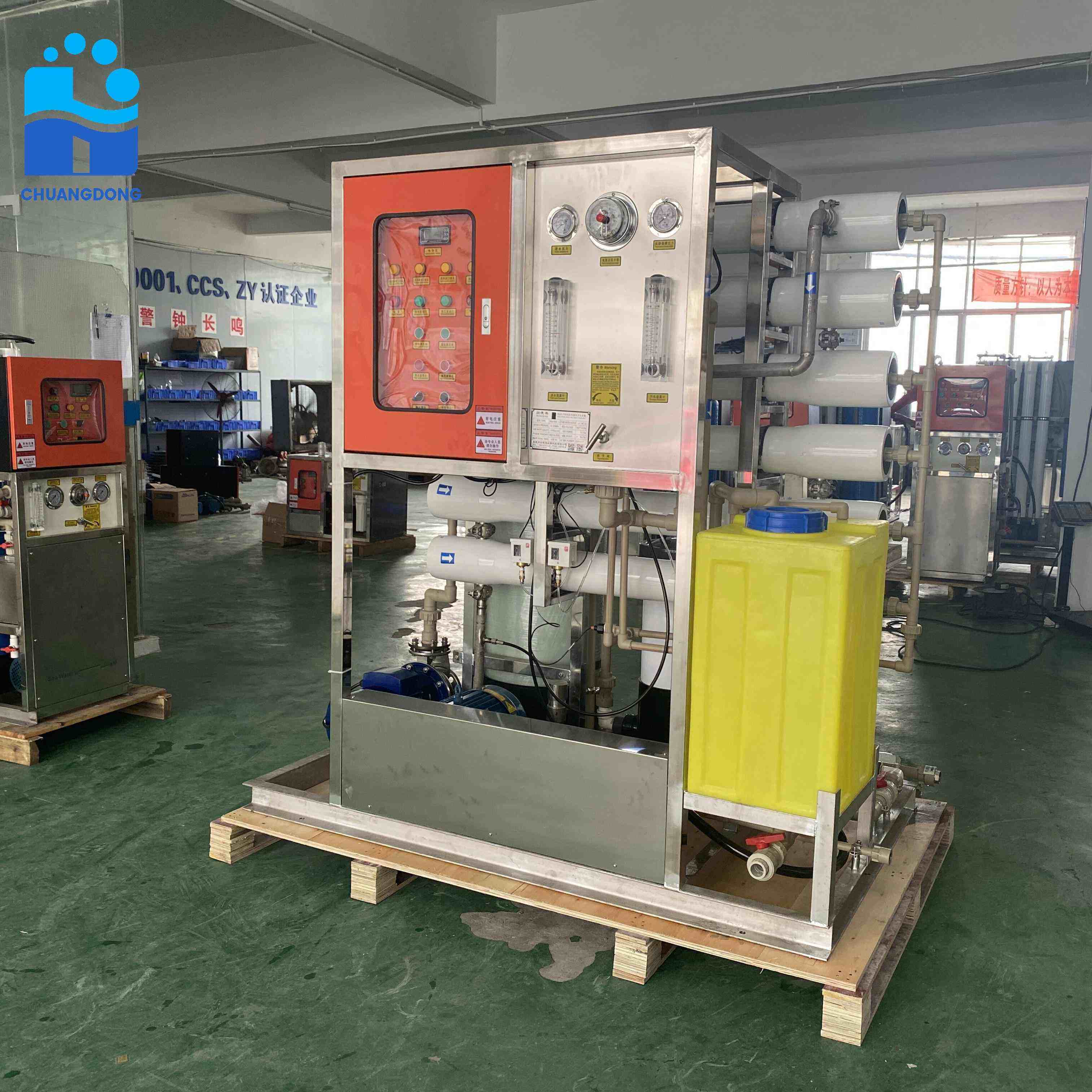
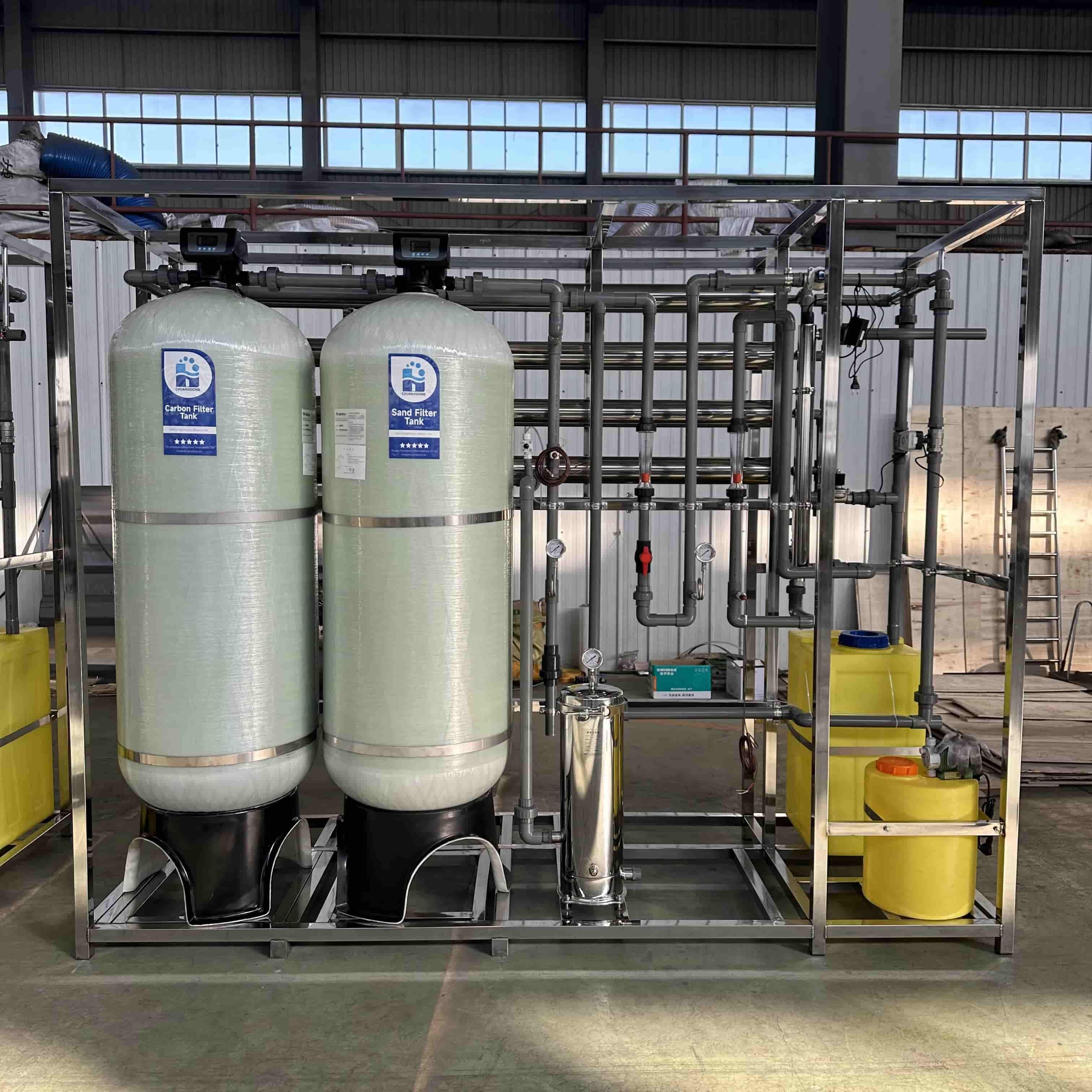
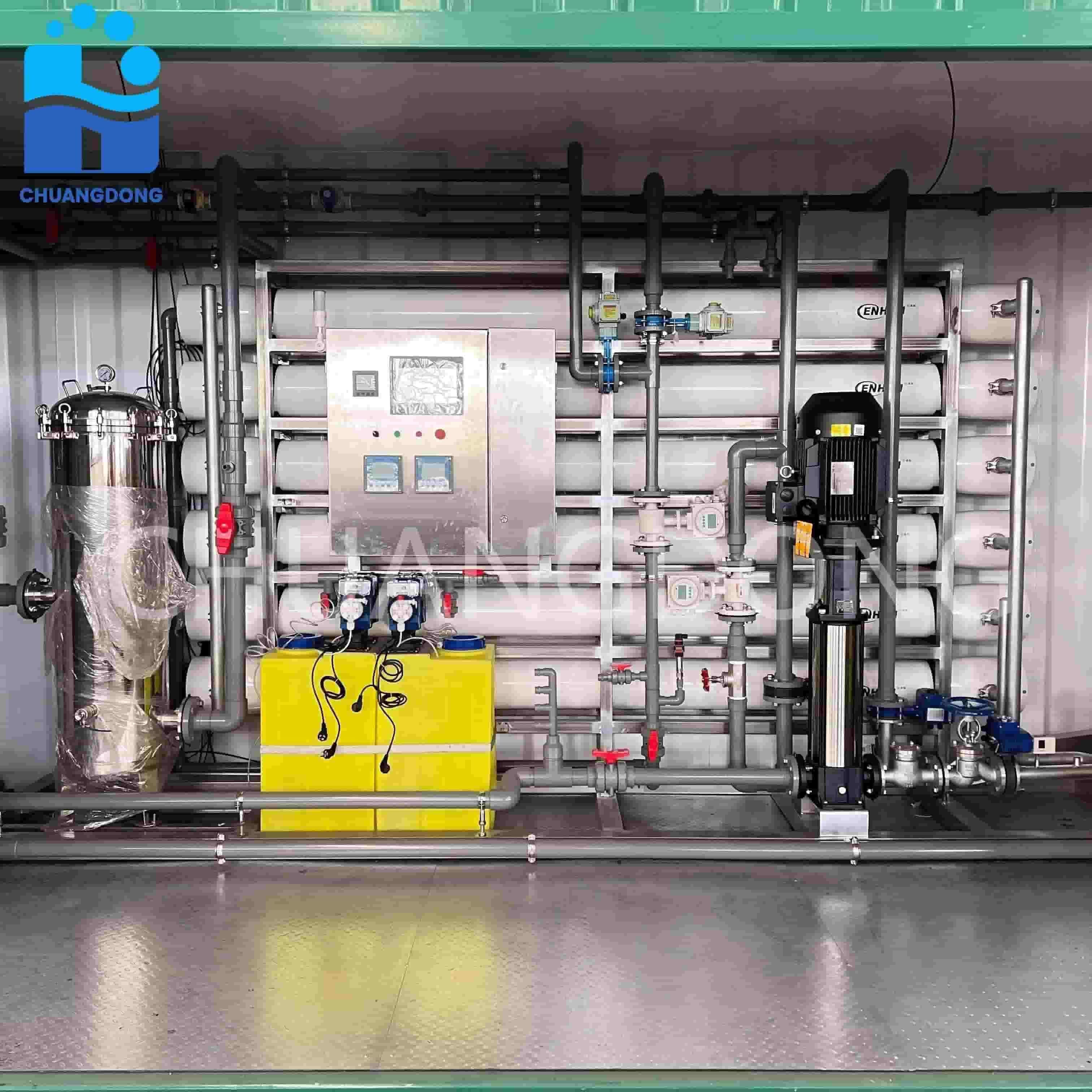
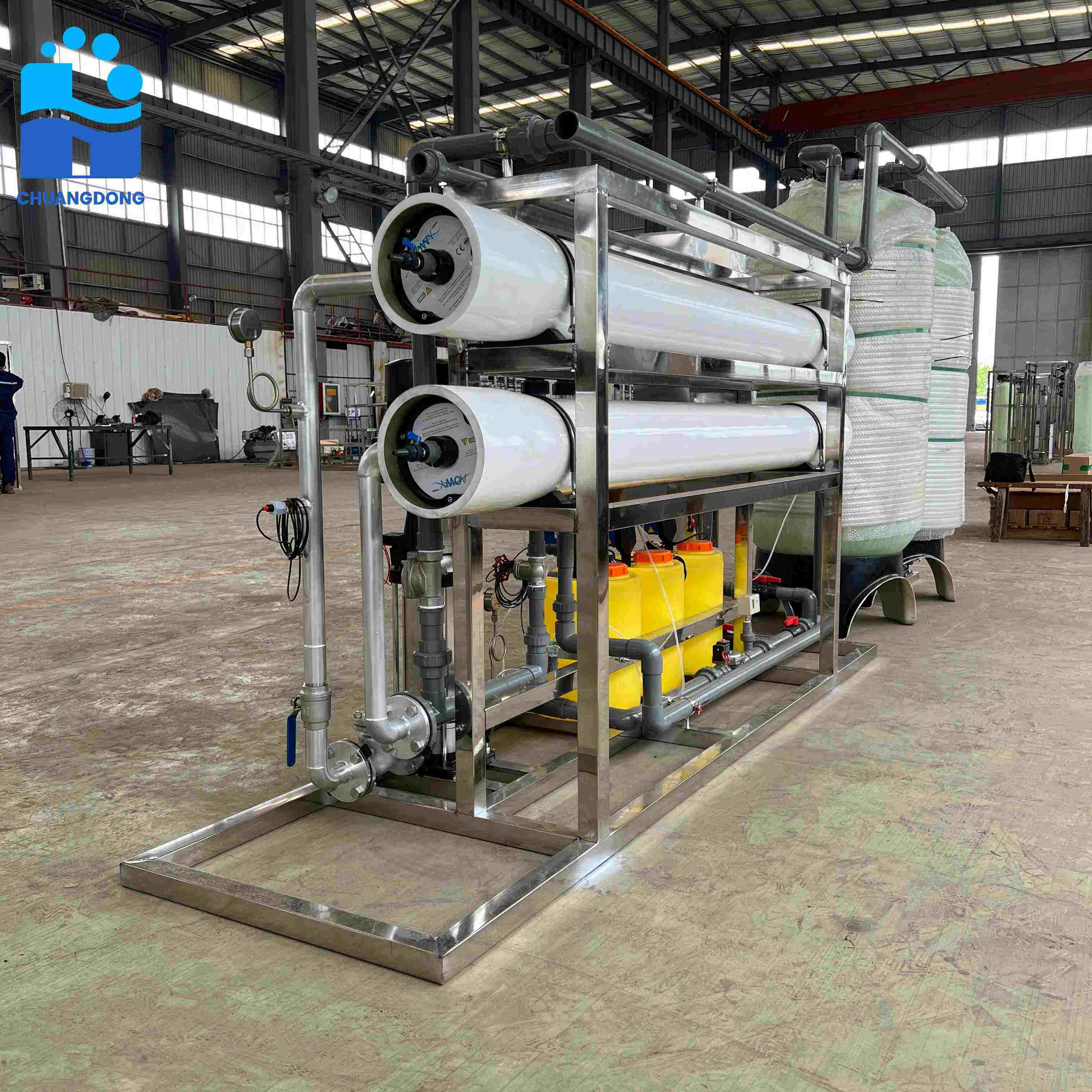
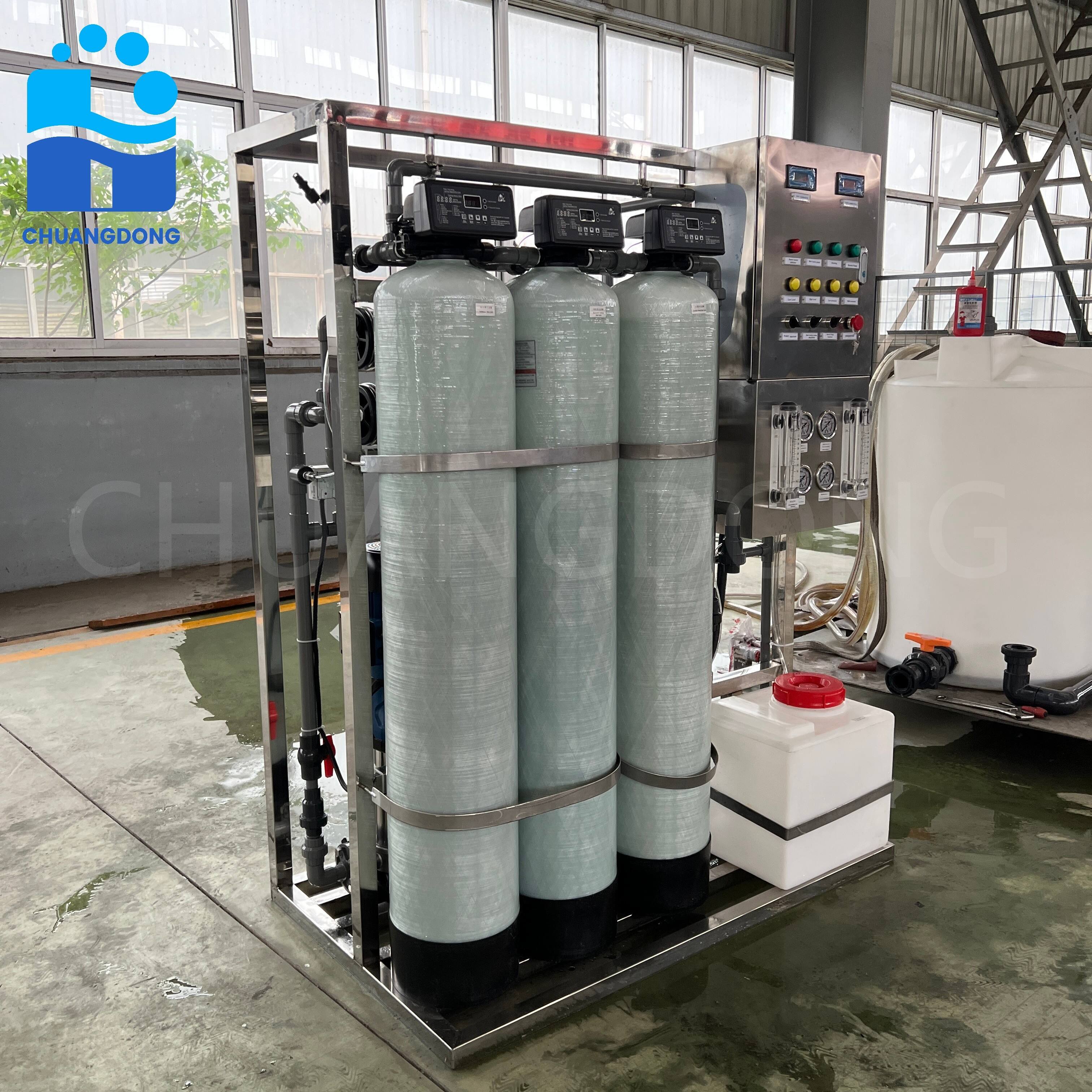
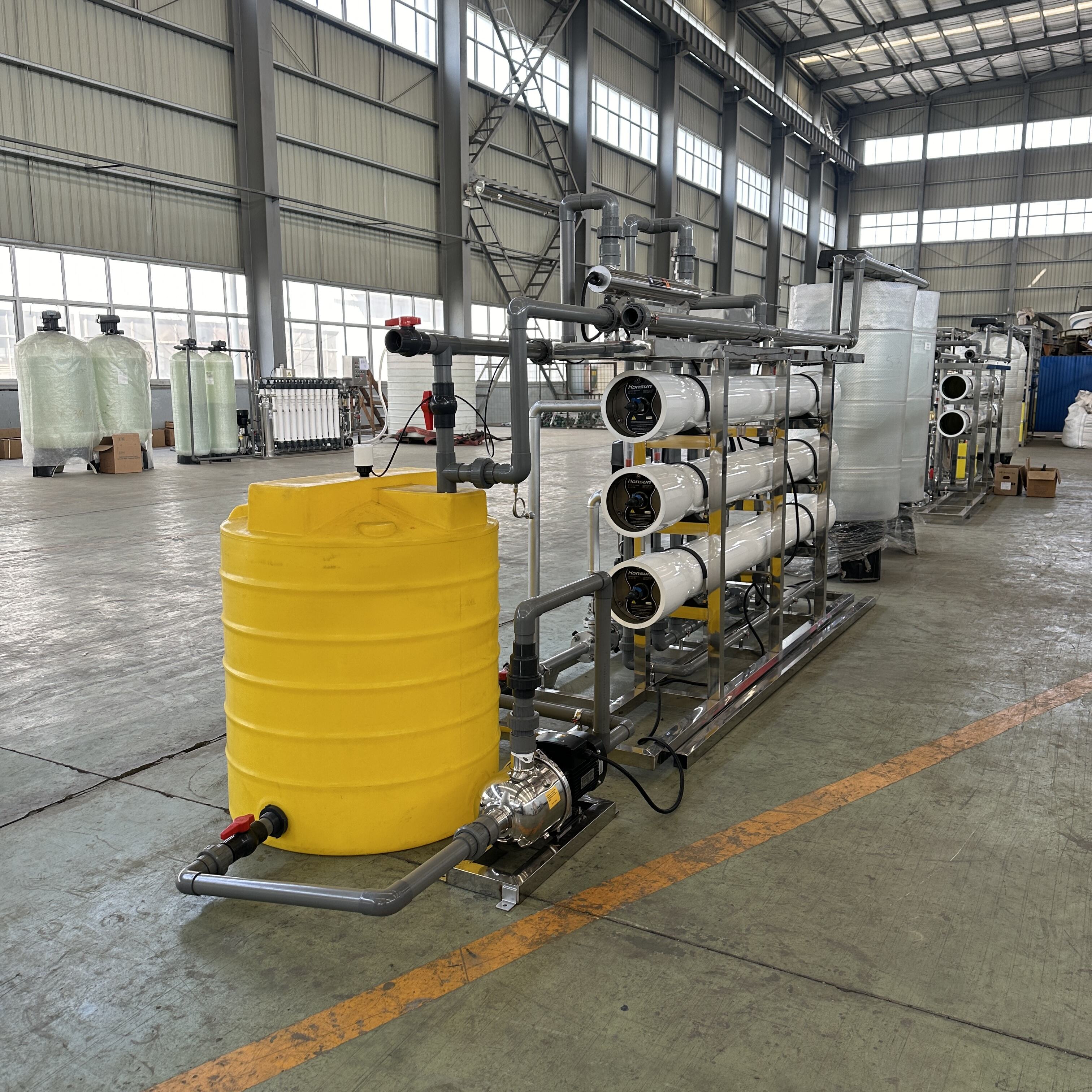
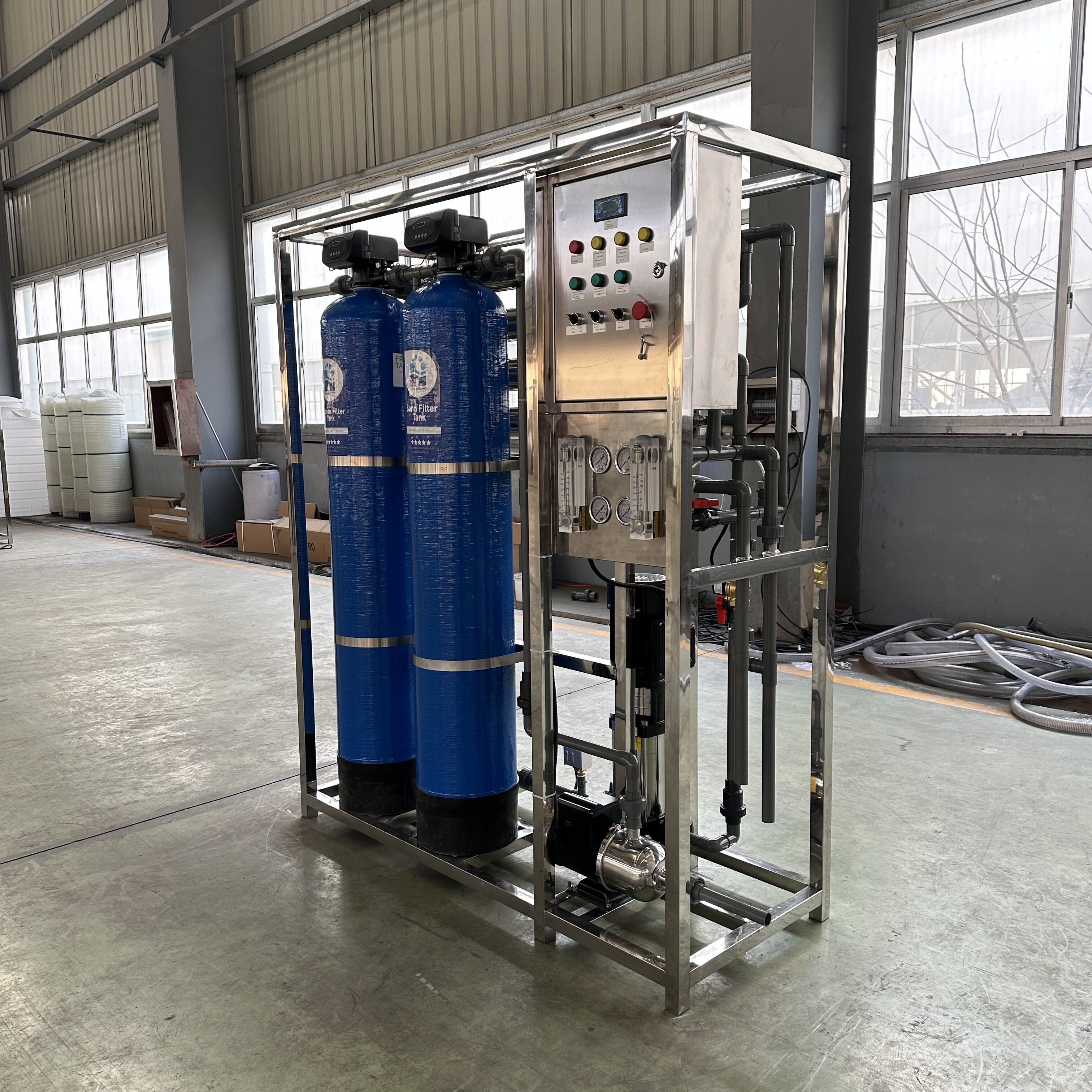
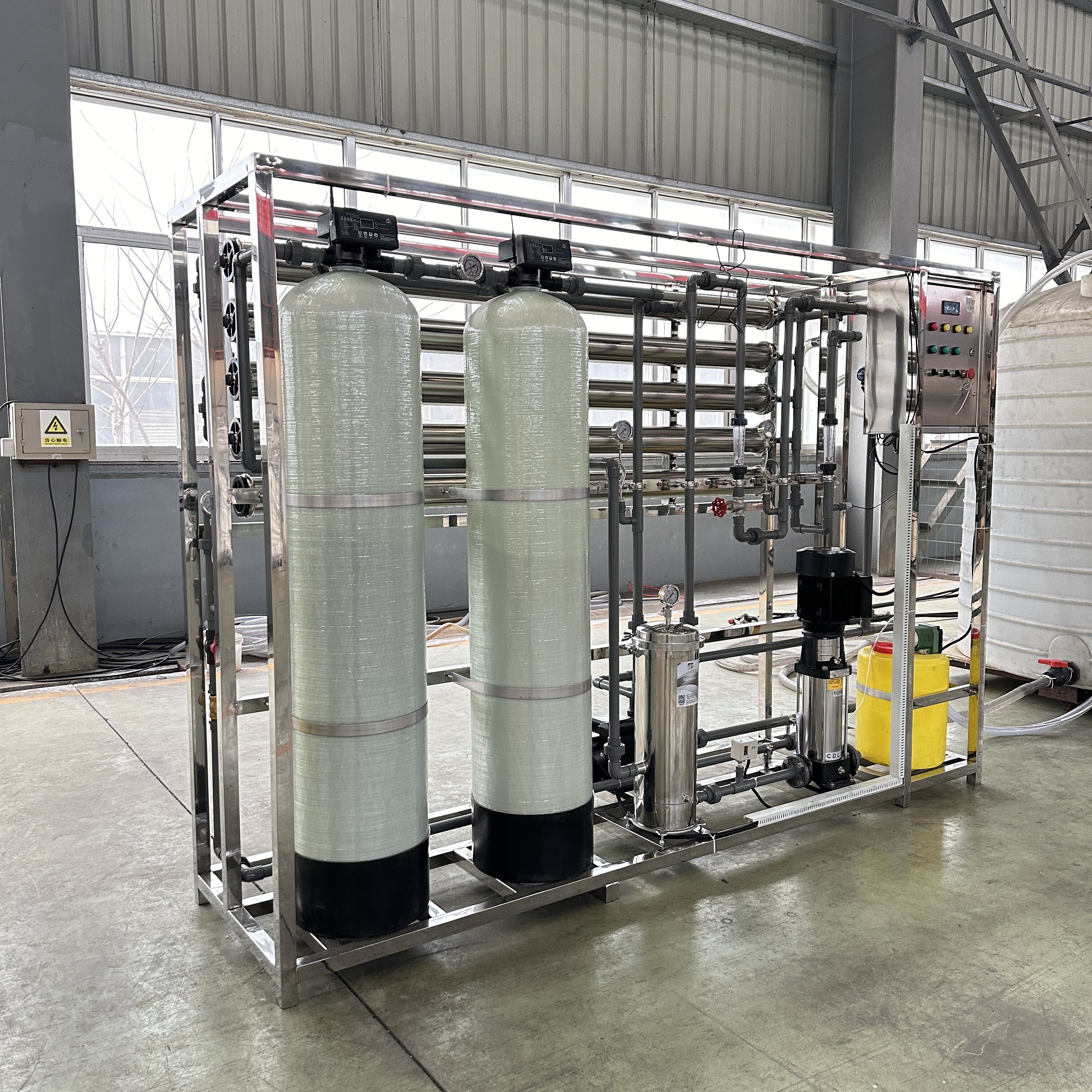
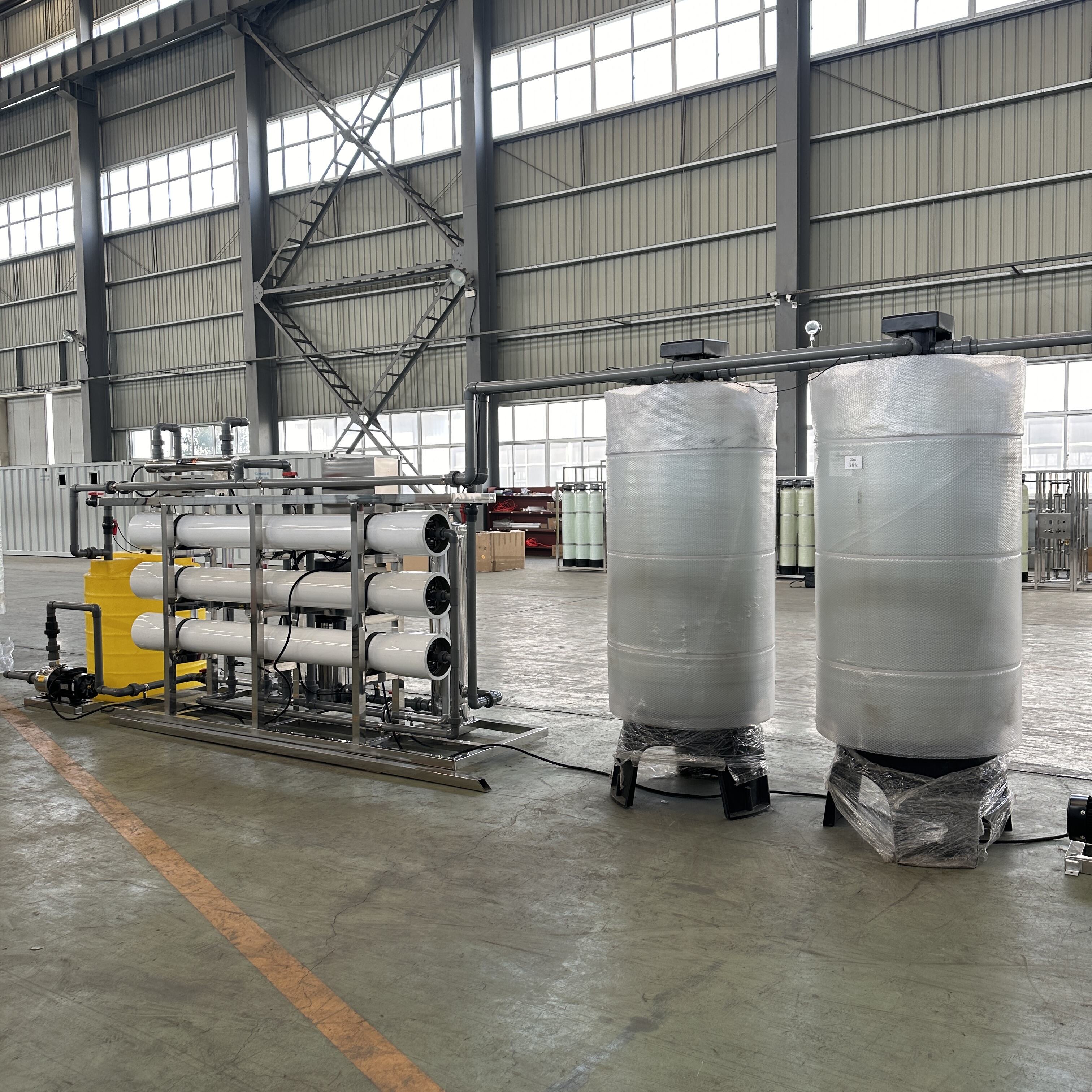
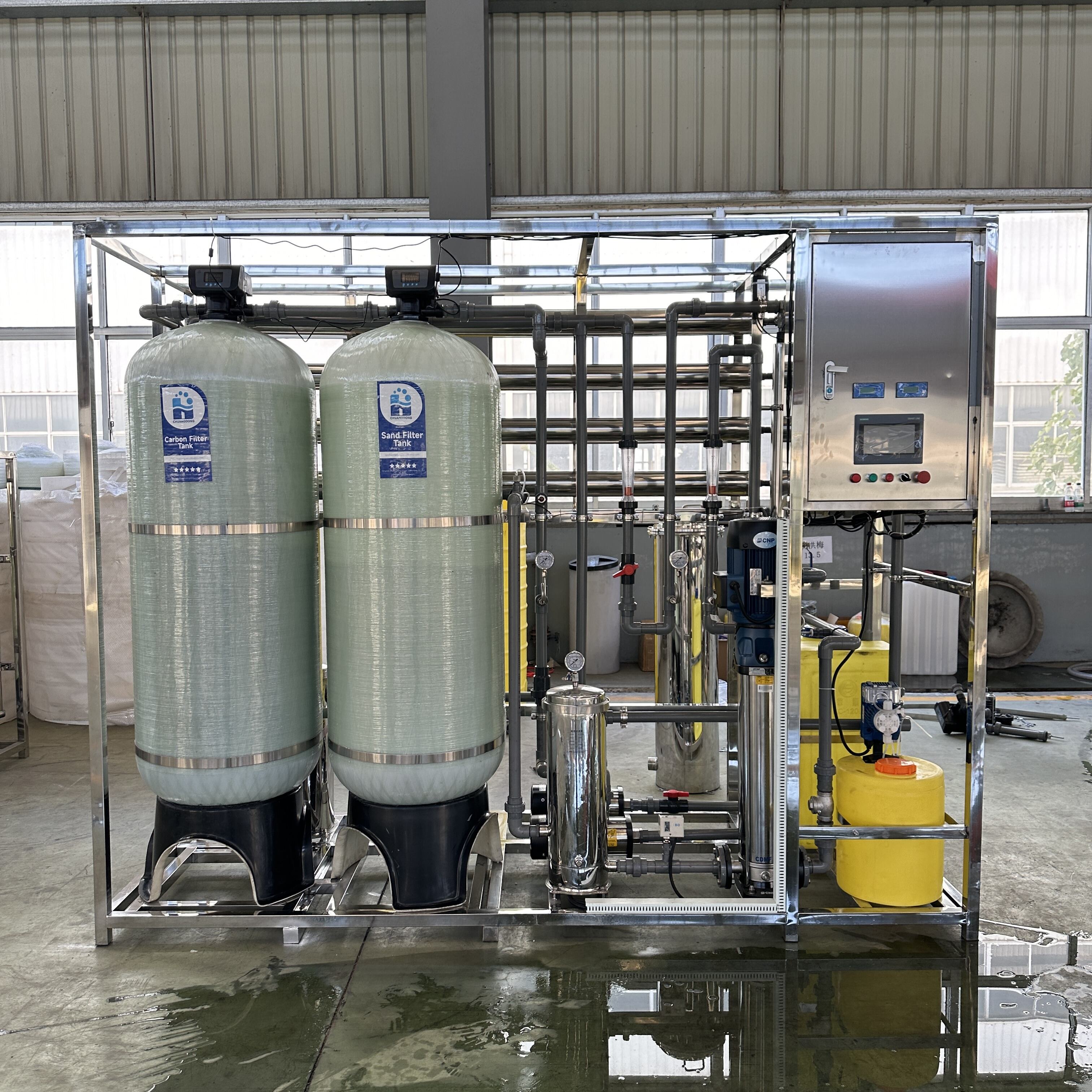
Industrial waste water filtration systems represent essential infrastructure for modern manufacturing facilities and processing plants worldwide. These sophisticated systems serve as the primary defense against environmental contamination while ensuring regulatory compliance and operational efficiency. The main function of an industrial waste water filtration system centers on removing contaminants, pollutants, and hazardous substances from wastewater before discharge or reuse. These systems process various types of industrial effluent, including chemical runoff, oil-contaminated water, suspended solids, heavy metals, and organic compounds that would otherwise pose significant environmental and health risks. The technological features of modern industrial waste water filtration systems incorporate multiple treatment stages designed to address specific contamination challenges. Primary filtration removes large debris and suspended particles through screening and sedimentation processes. Secondary treatment employs biological processes, activated sludge systems, or chemical coagulation to break down organic matter and neutralize harmful substances. Advanced tertiary treatment utilizes membrane filtration, reverse osmosis, or activated carbon systems to achieve the highest purity levels required for discharge or water recycling applications. Applications for industrial waste water filtration systems span numerous sectors including automotive manufacturing, pharmaceutical production, food processing, textile operations, petrochemical facilities, and metal finishing plants. Each industry presents unique contamination profiles requiring customized filtration approaches. For instance, automotive plants generate oil-laden wastewater requiring specialized separation techniques, while pharmaceutical facilities produce complex organic compounds demanding advanced oxidation processes. The versatility of these systems allows for modular design configurations that accommodate varying flow rates, contamination levels, and treatment objectives. Modern systems integrate automated monitoring capabilities, real-time data collection, and remote operation features that optimize performance while minimizing manual intervention. These technological advances ensure consistent treatment quality, reduce operational costs, and provide comprehensive documentation for regulatory reporting requirements.

Popular Products

Industrial waste water filtration systems deliver substantial practical benefits that directly impact your bottom line and operational sustainability. Cost reduction stands as the most immediate advantage, as these systems dramatically lower discharge fees and regulatory penalties while reducing fresh water consumption through recycling capabilities. Companies typically recover their investment within two to three years through reduced utility costs and avoided compliance violations. Environmental compliance becomes effortless with properly designed industrial waste water filtration systems that consistently meet or exceed discharge standards. These systems eliminate the stress and financial risk associated with regulatory violations, protecting your business from costly fines and potential shutdowns. The automated monitoring features provide real-time compliance documentation, simplifying regulatory reporting and demonstrating environmental stewardship to stakeholders and customers. Operational efficiency improves significantly when industrial waste water filtration systems integrate into your facility's workflow. Modern systems require minimal maintenance and operate continuously without disrupting production schedules. The automated controls reduce labor costs by eliminating the need for constant manual oversight while ensuring optimal performance around the clock. Water recycling capabilities enable facilities to reuse treated water for non-potable applications such as cooling systems, equipment cleaning, or landscape irrigation, further reducing operational expenses. Risk mitigation represents another critical advantage as industrial waste water filtration systems protect your facility from environmental liability and potential lawsuits. These systems prevent groundwater contamination, surface water pollution, and soil degradation that could result in expensive remediation projects. Insurance costs often decrease when facilities demonstrate proactive environmental management through proper wastewater treatment infrastructure. Corporate reputation enhancement occurs naturally when companies invest in industrial waste water filtration systems, as environmental responsibility resonates with customers, investors, and community stakeholders. This positive image often translates into competitive advantages, improved customer loyalty, and easier permit approval processes for facility expansions. The systems also future-proof your operations against increasingly stringent environmental regulations, ensuring long-term viability without requiring major infrastructure overhauls. Productivity gains emerge from reduced equipment maintenance needs when recycled water replaces contaminated water sources in manufacturing processes, extending equipment lifespan and reducing downtime for repairs.

Tips And Tricks

What Intake and Outfall Designs Minimize Environmental Impact of a Desalination Plant?

01

Mar

What Intake and Outfall Designs Minimize Environmental Impact of a Desalination Plant?

Environmental considerations have become paramount in the design and operation of modern desalination facilities worldwide. As water scarcity continues to challenge communities across the globe, the demand for sustainable desalination plant solutions...
View More
What Corrosion-Resistant Materials Are Used in Desalination Plant Construction?

06

Mar

What Corrosion-Resistant Materials Are Used in Desalination Plant Construction?

Desalination plants operate in some of the harshest environments imaginable, where saltwater constantly threatens the integrity of critical infrastructure. The selection of appropriate corrosion-resistant materials becomes paramount to ensuring long-...
View More
How Does a Water Purification System with Ion Exchange Soften Hard Water Effectively?

15

Mar

How Does a Water Purification System with Ion Exchange Soften Hard Water Effectively?

Hard water poses significant challenges for both residential and commercial applications, containing high concentrations of calcium and magnesium ions that cause scale buildup, reduce equipment efficiency, and affect water quality. A water purificati...
View More
Why Should Pharmaceutical QC Labs Use Ultrapure Water for HPLC and Mass Spectrometry?

18

Mar

Why Should Pharmaceutical QC Labs Use Ultrapure Water for HPLC and Mass Spectrometry?

Pharmaceutical quality control laboratories face increasingly stringent requirements for analytical accuracy and regulatory compliance. The foundation of reliable analytical results lies in the quality of water used throughout testing procedures. Ult...
View More

Get a Free Quote

Our representative will contact you soon.
Email
Name
Company Name
Message
0/1000

industrial waste water filtration system

Advanced Multi-Stage Filtration Technology

Advanced Multi-Stage Filtration Technology

The cornerstone of effective industrial waste water filtration systems lies in their sophisticated multi-stage filtration technology that addresses the complex nature of industrial contaminants through sequential treatment processes. This comprehensive approach ensures maximum contaminant removal while optimizing system efficiency and longevity. The primary stage employs mechanical filtration techniques including bar screens, grit chambers, and clarifiers that remove large debris, suspended solids, and settleable materials. This initial treatment protects downstream equipment from damage while improving the effectiveness of subsequent treatment stages. The secondary stage utilizes biological treatment processes or chemical precipitation methods depending on the specific contaminant profile. Biological treatment harnesses naturally occurring microorganisms to break down organic pollutants, while chemical treatment neutralizes harmful substances through coagulation, flocculation, or oxidation processes. The tertiary stage incorporates advanced filtration technologies such as membrane bioreactors, ultrafiltration, or reverse osmosis systems that achieve the highest levels of contaminant removal. These technologies can eliminate particles as small as 0.001 microns while removing dissolved contaminants, heavy metals, and complex organic compounds. The integration of these multiple treatment stages creates synergistic effects that dramatically improve overall system performance compared to single-stage alternatives. Each stage builds upon the previous treatment level, ensuring comprehensive contamination control while maintaining cost-effectiveness. The modular design of multi-stage systems allows for customization based on specific industry requirements and contamination challenges. Food processing facilities might emphasize biological treatment for organic waste, while metal finishing operations require specialized heavy metal removal capabilities. This flexibility ensures optimal treatment outcomes while avoiding unnecessary equipment costs. Advanced control systems monitor each filtration stage independently, automatically adjusting parameters to maintain peak performance and prevent system upsets. These intelligent controls maximize treatment efficiency while minimizing energy consumption and chemical usage, delivering both environmental and economic benefits that make industrial waste water filtration systems essential investments for forward-thinking companies.
Real-Time Monitoring and Automated Control Systems

Real-Time Monitoring and Automated Control Systems

Modern industrial waste water filtration systems excel through their integration of real-time monitoring and automated control systems that revolutionize wastewater management by providing unprecedented visibility into treatment processes and enabling immediate response to changing conditions. These sophisticated control systems utilize advanced sensors, data analytics, and automated adjustment mechanisms to maintain optimal treatment performance while minimizing operational costs and regulatory risks. The sensor network continuously monitors critical parameters including pH levels, dissolved oxygen, turbidity, conductivity, and specific contaminant concentrations throughout the treatment process. This comprehensive monitoring provides facility managers with detailed insights into system performance and early warning of potential issues before they impact treatment effectiveness or compliance. Data analytics platforms process the continuous stream of monitoring data to identify trends, predict maintenance needs, and optimize treatment parameters for maximum efficiency. Machine learning algorithms analyze historical performance data to recommend operational adjustments that improve treatment outcomes while reducing energy consumption and chemical usage. The automated control capabilities respond instantly to parameter changes, adjusting flow rates, chemical dosing, and equipment operation to maintain consistent treatment quality regardless of influent variations. This automation eliminates human error while ensuring 24/7 system optimization even during nights, weekends, and holidays when staff supervision is limited. Remote monitoring capabilities allow facility managers and environmental compliance officers to access system data from anywhere using secure web-based interfaces or mobile applications. This connectivity enables immediate response to alarms or unusual conditions while providing the flexibility to monitor multiple facilities from a central location. Compliance reporting becomes effortless through automated data collection and report generation features that compile regulatory documentation with minimal manual intervention. The systems maintain comprehensive audit trails that demonstrate continuous compliance with discharge permits and environmental regulations. Predictive maintenance algorithms analyze equipment performance data to schedule maintenance activities before failures occur, minimizing unexpected downtime and repair costs. These intelligent systems transform industrial waste water filtration from a reactive maintenance burden into a proactive environmental management asset that enhances operational efficiency while ensuring regulatory compliance and environmental protection.
Customizable Design for Industry-Specific Applications

Customizable Design for Industry-Specific Applications

Industrial waste water filtration systems achieve maximum effectiveness through customizable design approaches that address the unique contamination challenges and operational requirements of specific industries and applications. This tailored methodology ensures optimal treatment performance while maximizing return on investment by avoiding unnecessary equipment and focusing resources on the most critical treatment needs. The customization process begins with comprehensive wastewater characterization that identifies specific contaminants, concentration levels, flow patterns, and discharge requirements unique to each facility. Chemical manufacturing plants generate complex organic compounds requiring specialized oxidation processes, while automotive facilities produce oil-contaminated wastewater needing sophisticated separation technologies. Food processing operations create high organic loads demanding biological treatment systems, whereas electronics manufacturing generates heavy metal contamination requiring ion exchange or electrochemical treatment methods. The modular design philosophy enables precise system configuration that matches treatment capacity to actual facility needs without over-engineering or under-sizing equipment. Scalability features accommodate facility expansion or production changes without requiring complete system replacement, protecting long-term investment value while maintaining treatment effectiveness. Equipment selection focuses on technologies proven effective for specific contamination types, ensuring reliable performance while minimizing operational complexity and maintenance requirements. Stainless steel construction withstands corrosive industrial chemicals, while specialized coatings protect equipment in high-temperature applications. Chemical-resistant materials ensure long-term durability in harsh industrial environments where standard equipment would fail prematurely. Process optimization considers facility workflow patterns, available space constraints, and integration requirements with existing infrastructure. Compact designs maximize treatment capacity within limited footprints, while modular construction enables installation without disrupting ongoing operations. The customization extends to control system interfaces that integrate seamlessly with existing plant automation systems, providing unified operational visibility and control. Training programs tailored to specific equipment configurations ensure facility staff can operate and maintain systems effectively, maximizing performance while minimizing operational risks. Ongoing technical support includes performance optimization services that fine-tune system operation based on actual operating data and changing facility requirements. This comprehensive customization approach transforms generic industrial waste water filtration systems into precisely engineered solutions that deliver maximum value through optimized performance, regulatory compliance, and operational efficiency tailored to each facility's unique requirements and challenges.

Get a Free Quote

Our representative will contact you soon.
Email
Name
Company Name
Message
0/1000