טכנולוגיהטכנולוגיה מתקדמת של סינון מרבי שלביו
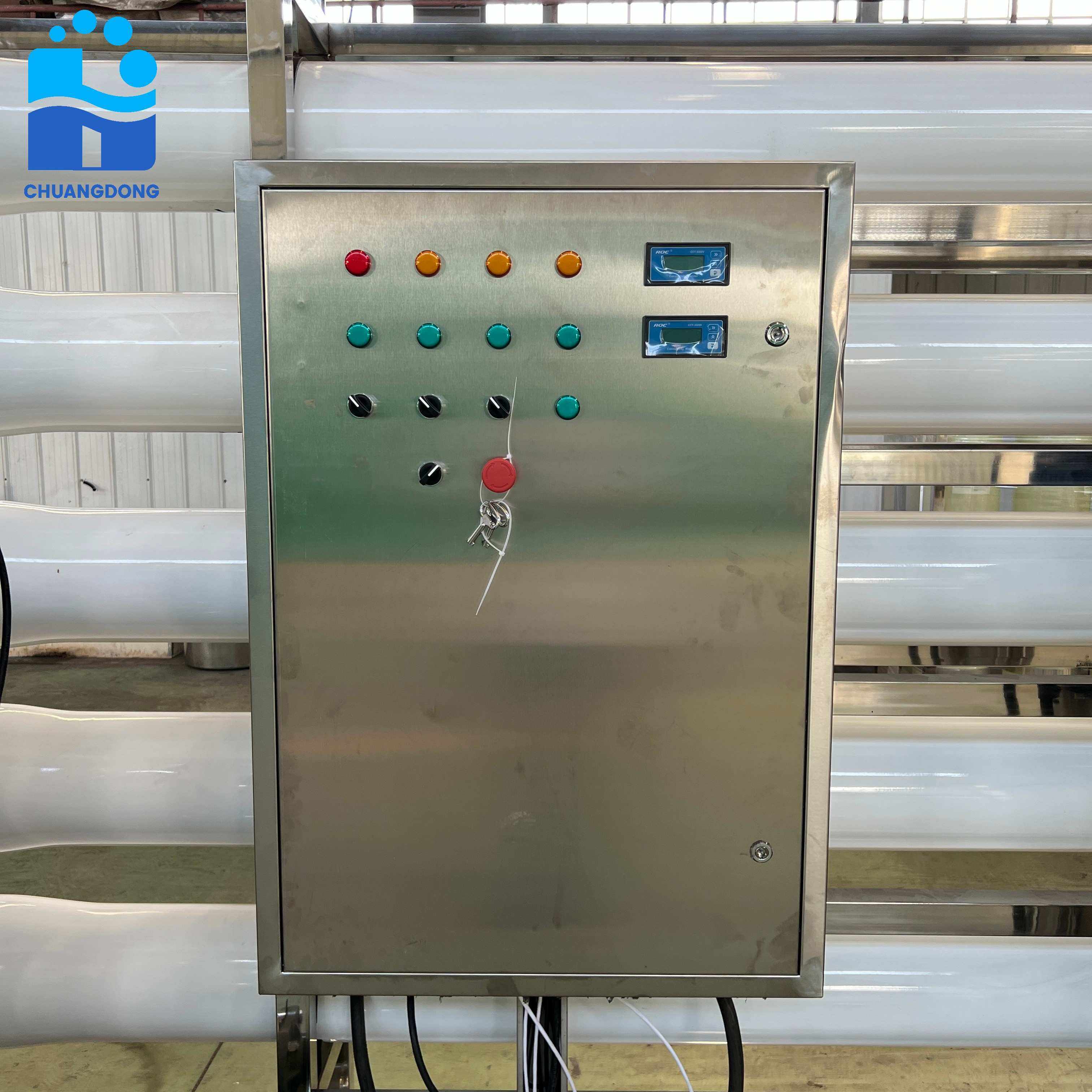
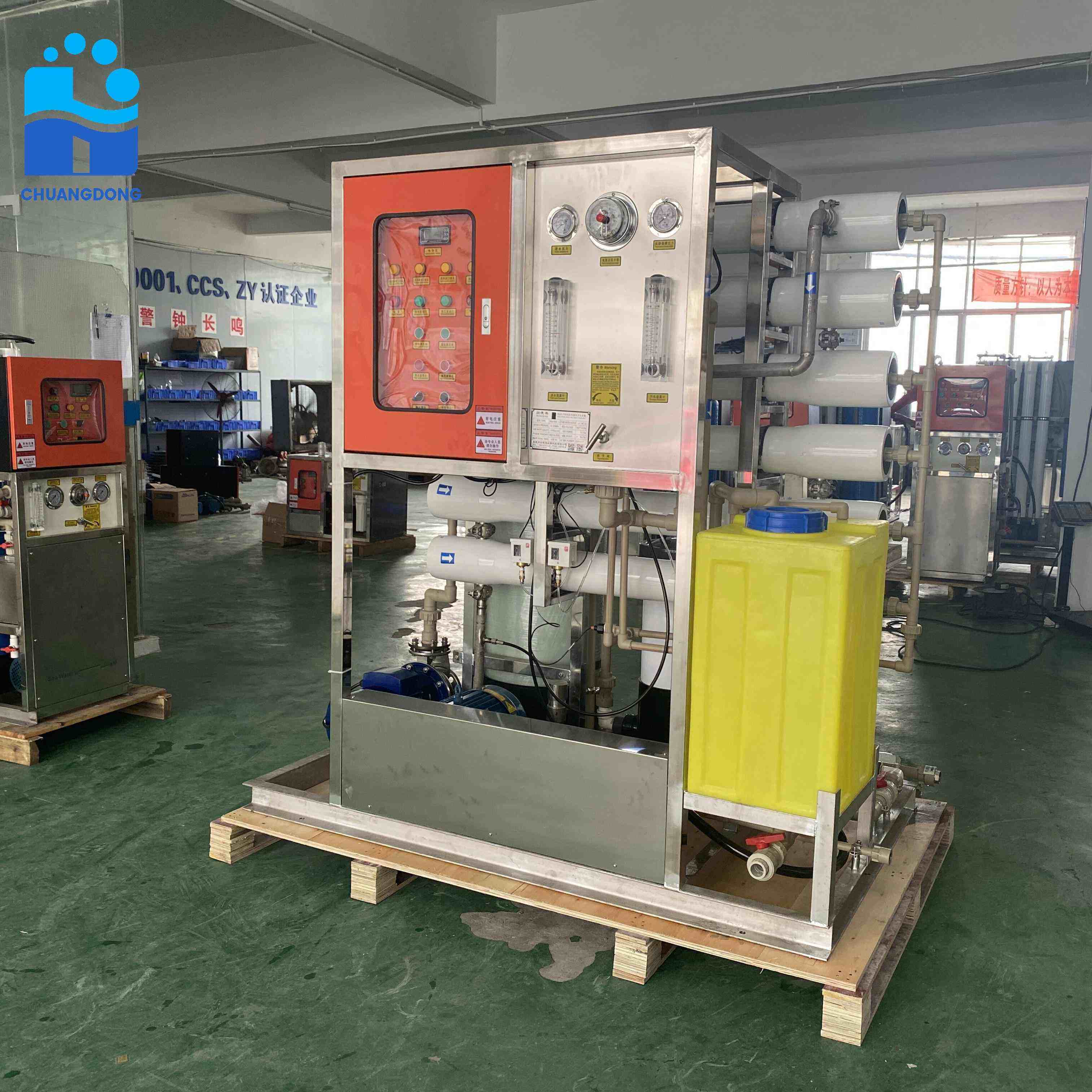
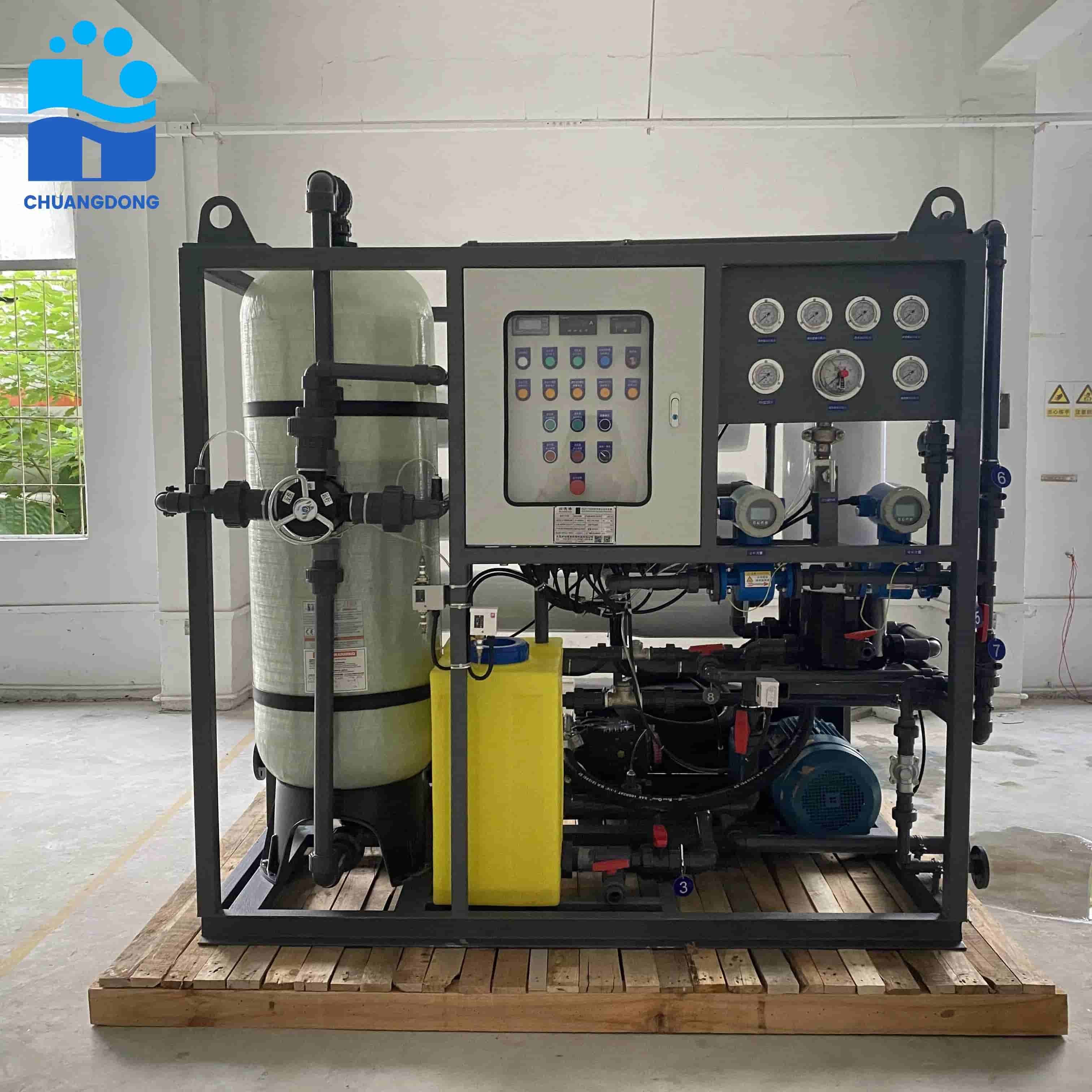
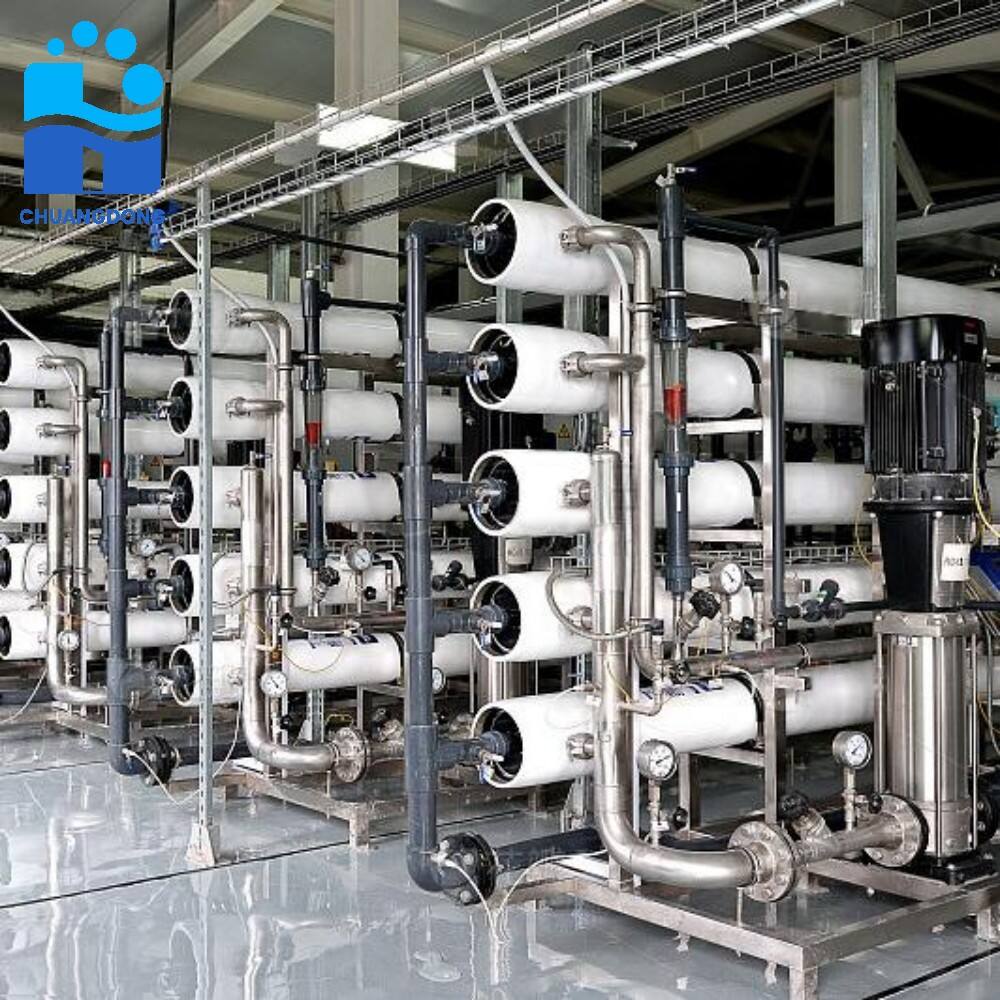
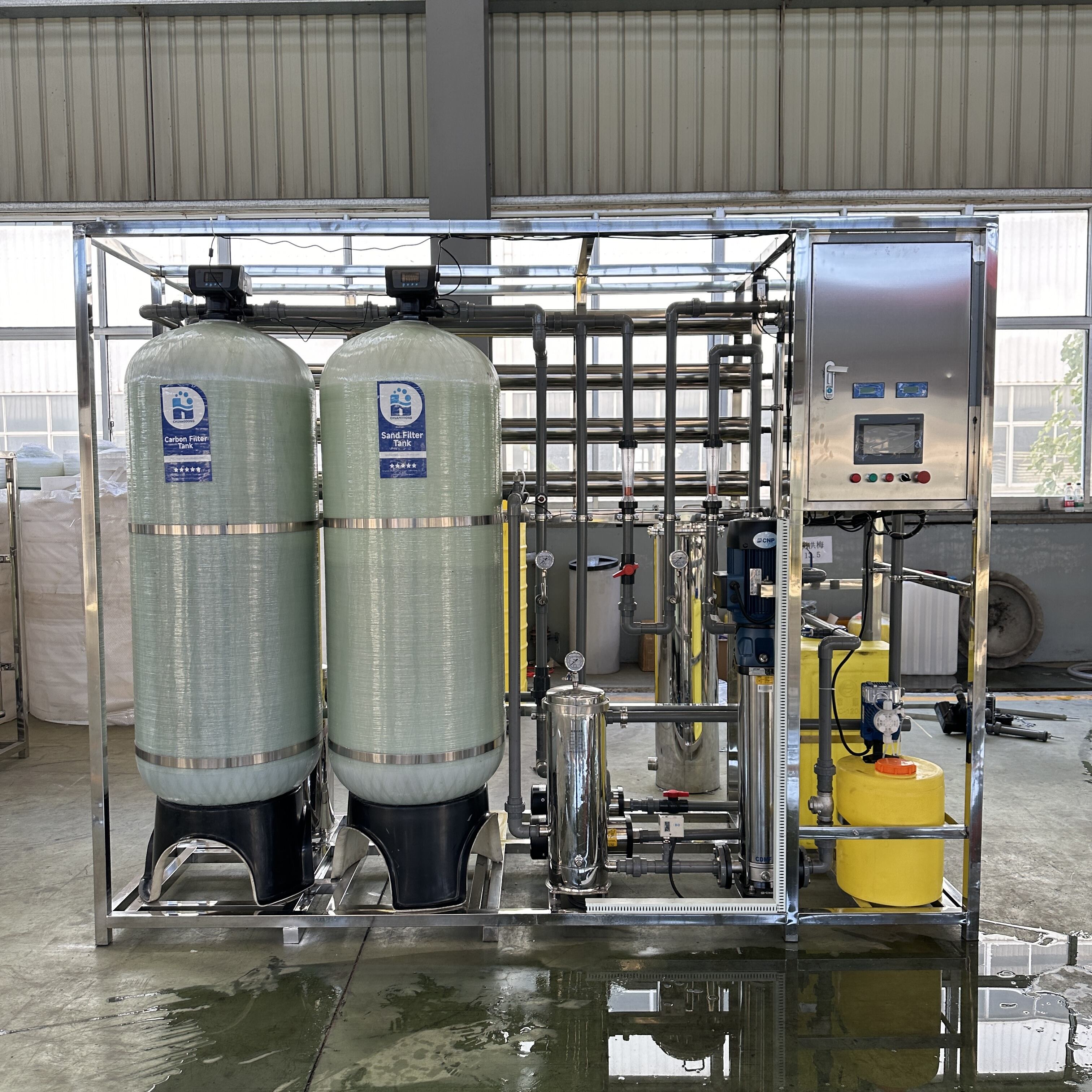
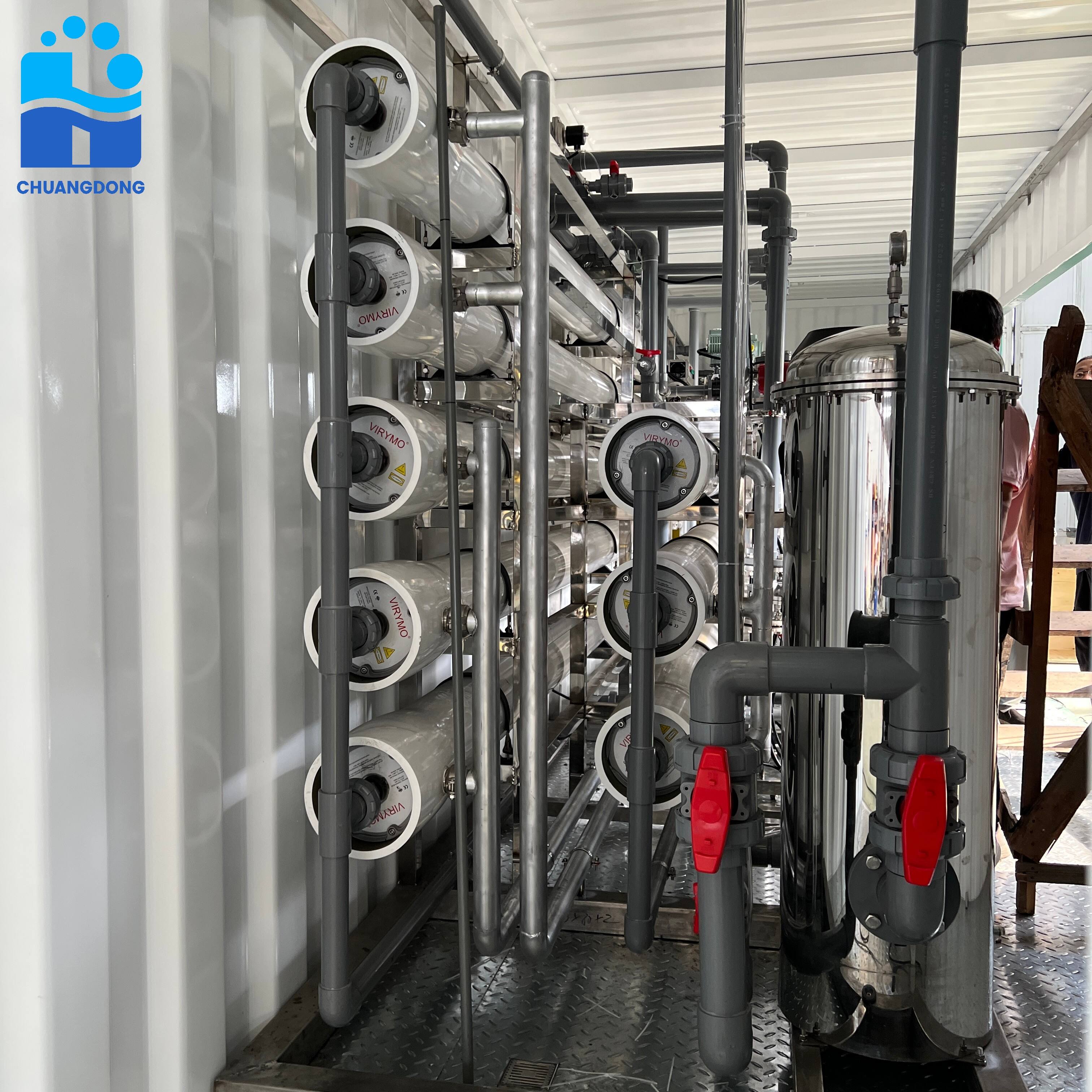
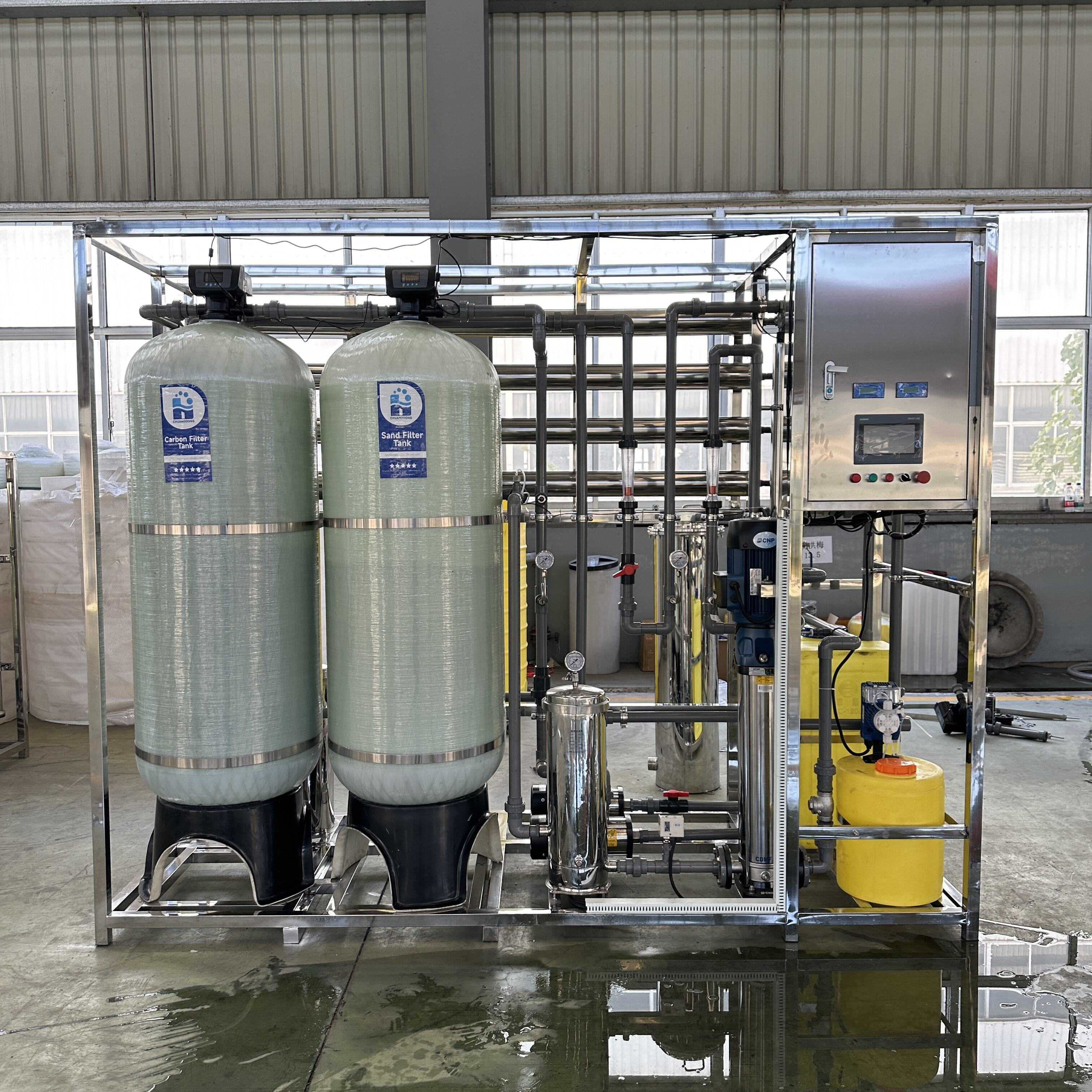
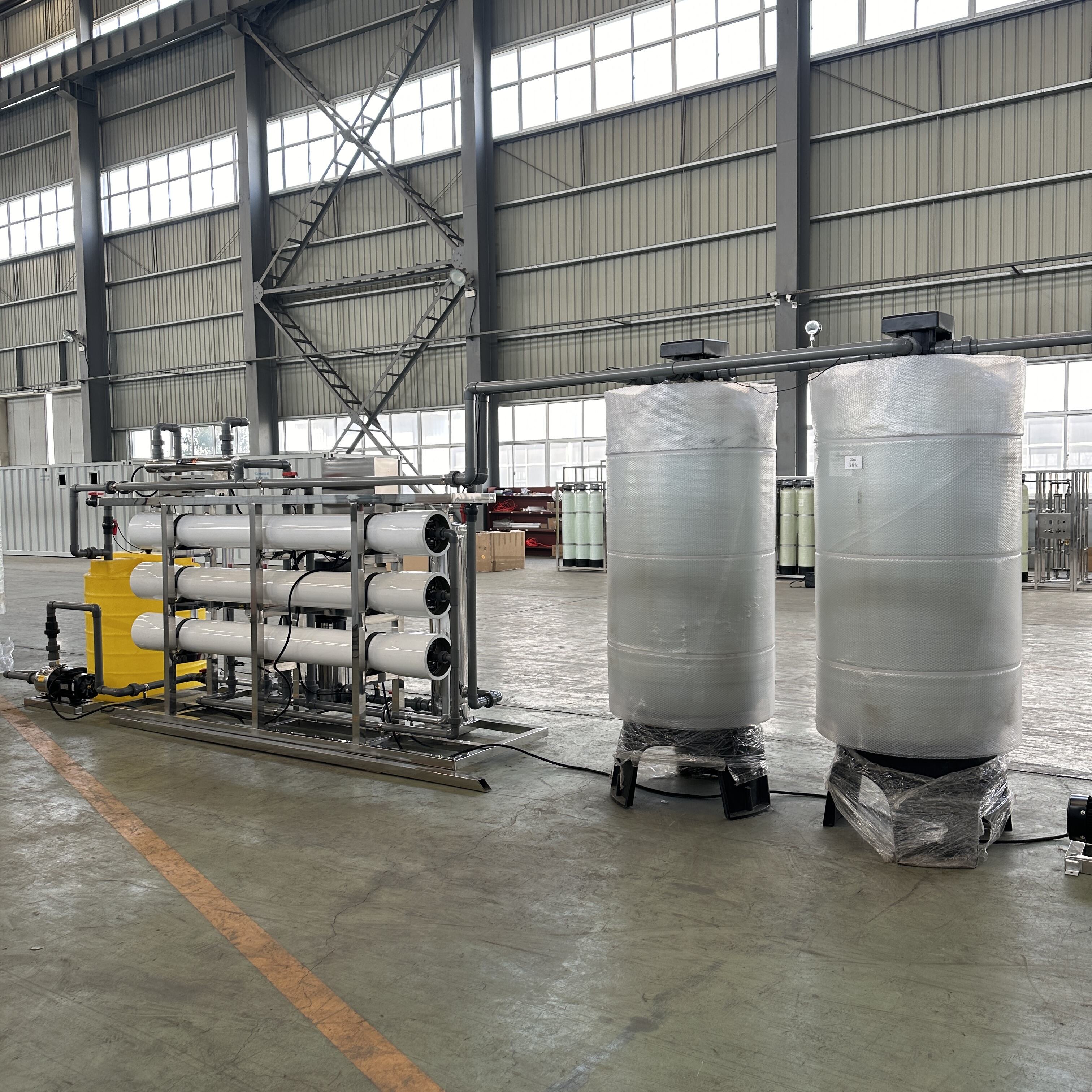
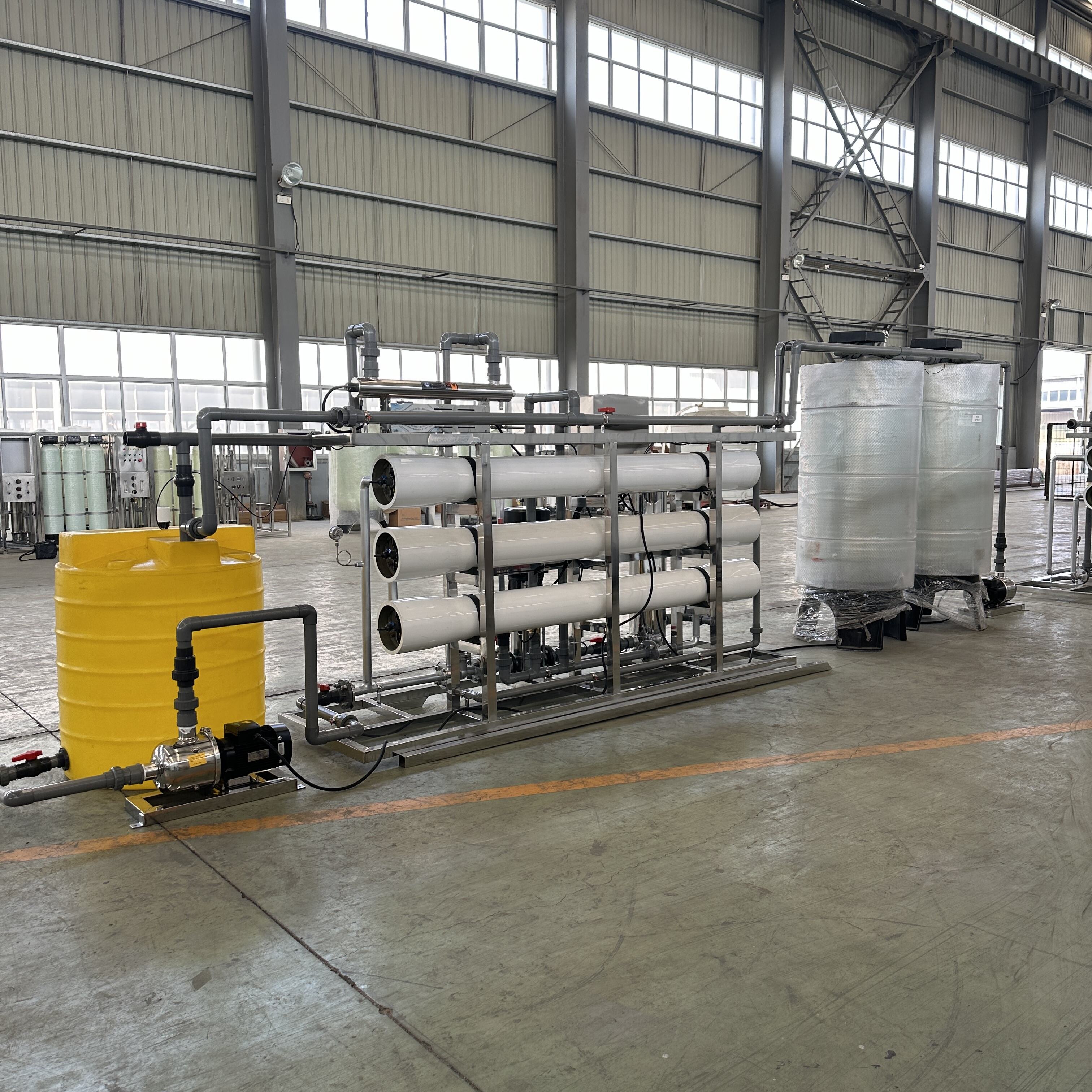
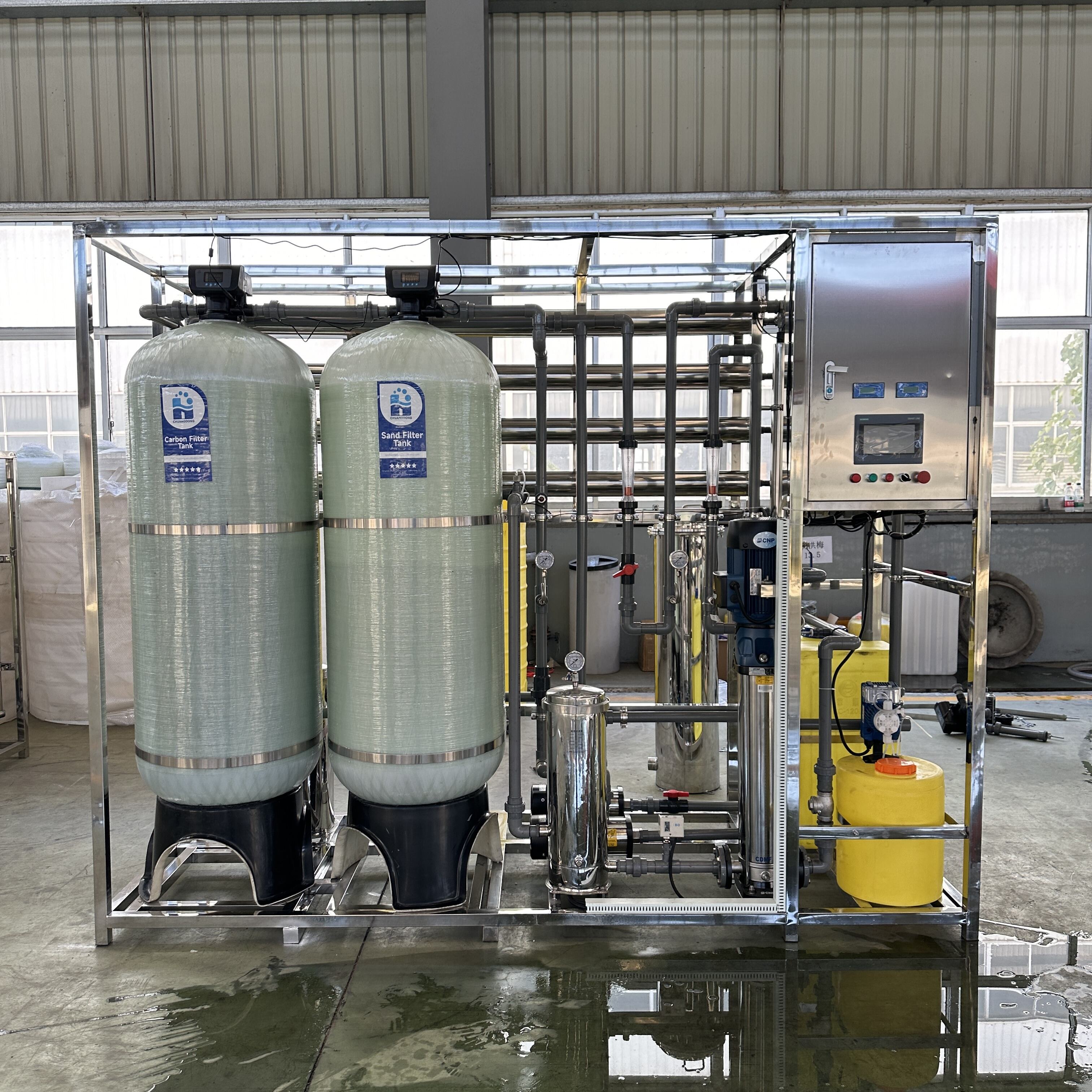
מסנן המים התעשייתי להיפוך אוסמוזיס משתמש בטכנולוגיית סינון רב-שלבית מתקדמת שמייחדת אותו מערכות טיפול במים קונבנציונליות. גישה מקיפה זו מתחילה בשלבים של סינון קדימה שנועדו להגן על קרומי ההיפוך האוסמוזיס הרגישים מפני נזק וטשטוש מוקדם. השלב הראשון כולל בדרך כלל מסננים לספיחים שמורידים חלקיקים, אבק ופסולת בגודל גדול מ-5 מיקרון, ובכך מונעים נזק פיזי לרכיבים הבאים בזרם. לאחר מכן, שלבי הסינון בפחמן הפעיל מנקים את המים מכלור, תרכובות אורגניות וחומרים המשפיעים על הטעם, אשר עלולים לפגוע בביצועי הקרום או באיכות המים הסופית. ליבת מערכת המסנן התעשייתי להיפוך אוסמוזיס היא בקרומים עתידיים להיפוך אוסמוזיס, המשתמשים בטכנולוגיית חומר מרובה דק (TFC) חדשנית כדי להשיג שיעורי דחייה יוצאי דופן ברוב המזהמים. לקרומים אלו יש שכבות פעילות מפוליאמיד המאפשרות באופן סלקטיבי את מעבר מולקולות המים, תוך חסימה של מלחים מומסים, מתכות כבדות, חיידקים, וירוסים ותרכובות אורגניות. תצורת הרב-שלבים כוללת לעתים קרובות מספר מיכלים עם קרומים המורכבים בטור או במקביל כדי לאפשר זמן מגע אופטימלי ופילוג לחץ, ובכך למקסם את יעילות הסר המזהמים. מערכות מסנן תעשיותיות מתקדמות להיפוך אוסמוזיס כוללות גם שלבים מיוחדים לסינון לאחר ההיפוך, כגון מסננים לסיום (polishing) ויחידות סטריליזציה באולטרה סגול (UV), המבטיחות שאיכות המים הסופית עומדת בדרישות הניקיון החמורות ביותר. שילוב של מערכות רגולציה של לחץ, שסתומים לבקרת זרימה ומיכanismים אוטומטיים לשטיפת הפוך מבטיחים ביצועים עקביים בתנאי פעולה משתנים. מערכות ניטור חכמות עוקבות באופן רציף אחר מדדי הביצוע העיקריים, כולל הפרש הלחצים על הקרום, קצב הזרימה, רמות המוליכות החשמלית ופרמטרי הטמפרטורה, ומספקות משוב בזמן אמת לצורך הפעלה אופטימלית של המערכת. טכנולוגיה זו מספקת רמת ניקיון של מים העולה על 99.9% בסר המזהמים, מה שהופך אותה אידיאלית לייצור תרופות, ייצור אלקטרוניקה, עיבוד מזון ויישומים קריטיים אחרים שבהם איכות המים משפיעה ישירות על שלמות המוצר ותקני הבטיחות.
 EN
EN