Industrial Filter System Solutions & Benefits

Get a Free Quote

Our representative will contact you soon.
Email
Name
Company Name
Message
0/1000

industrial filter system

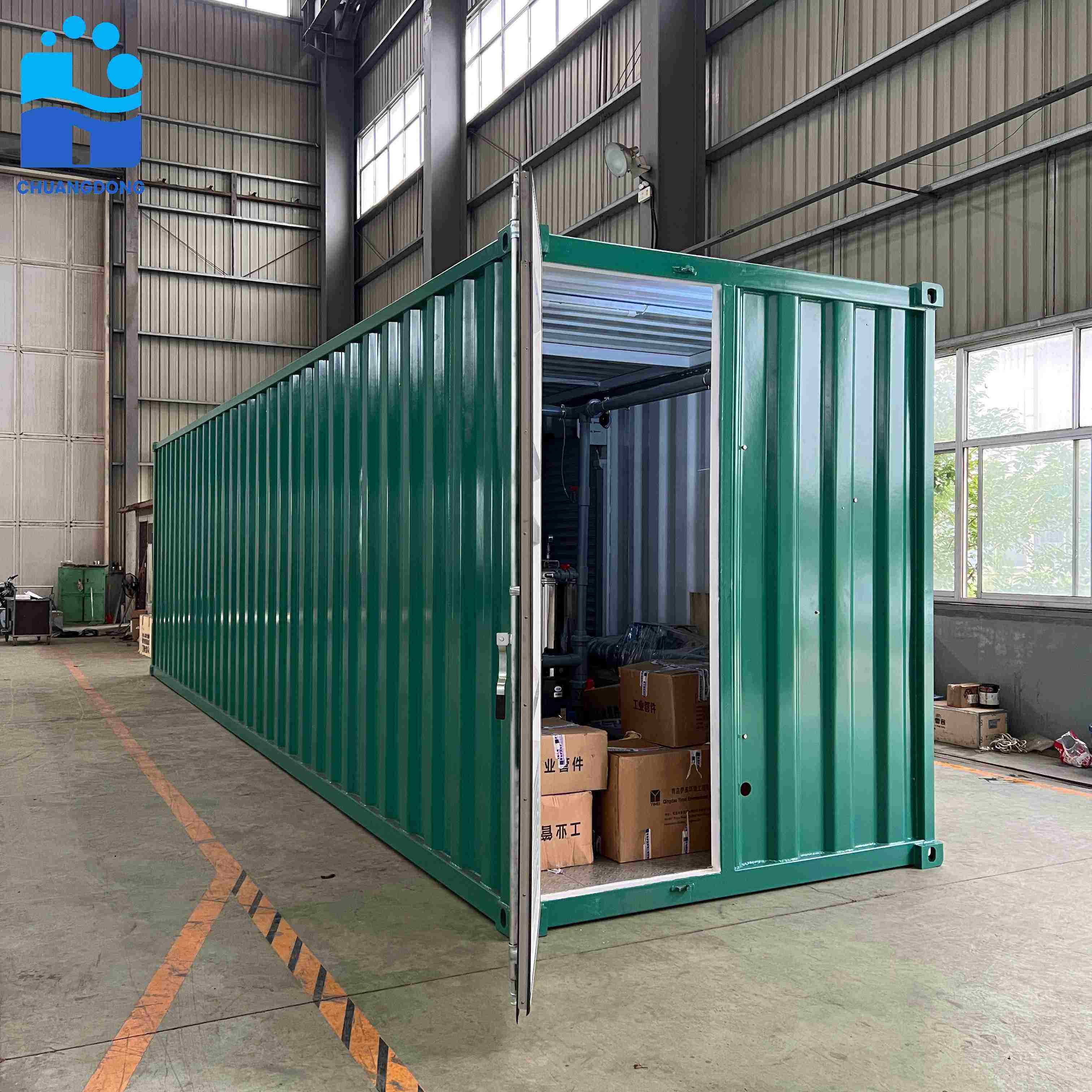
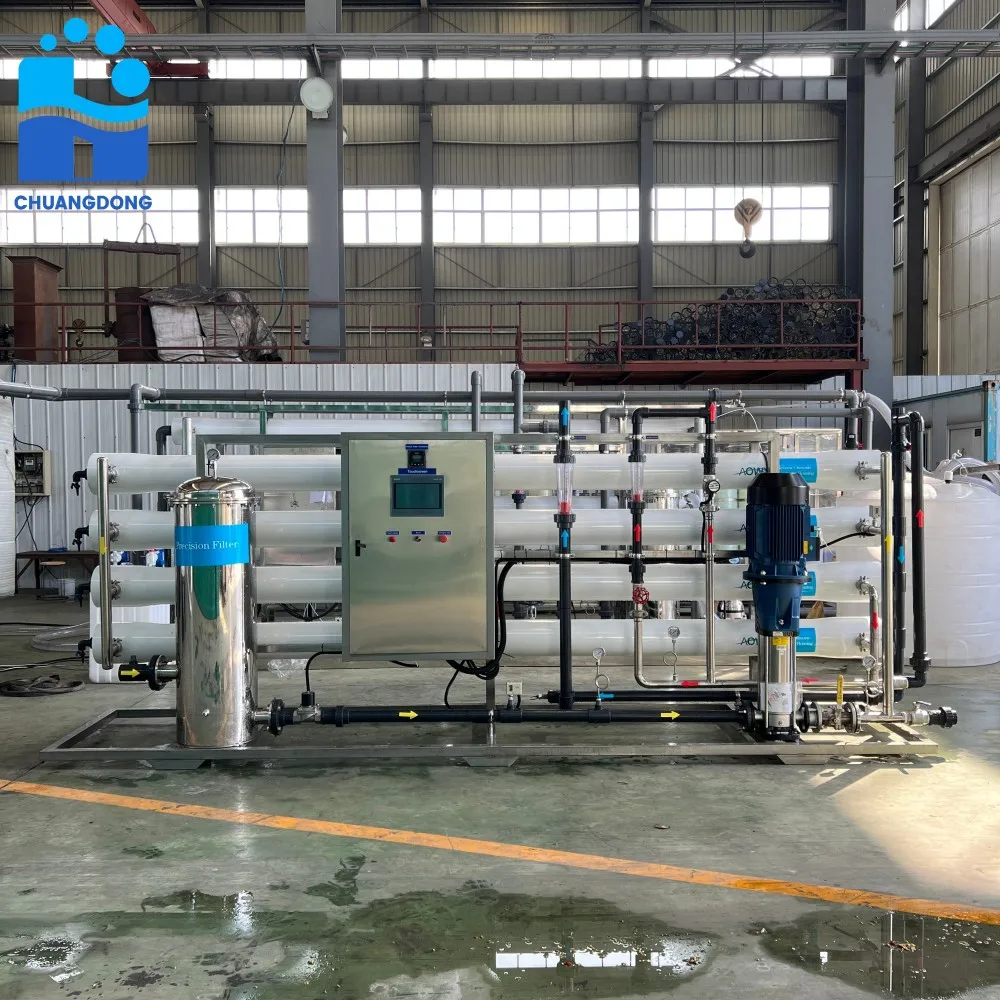
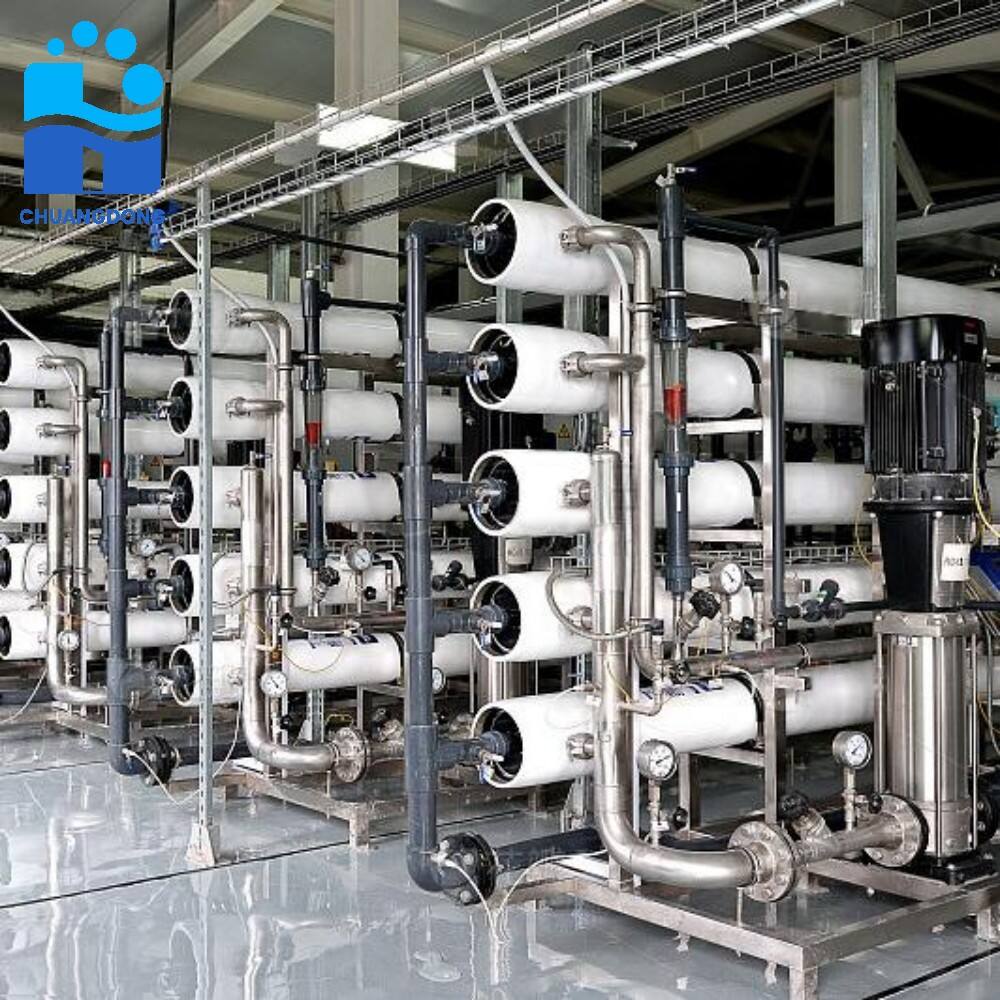
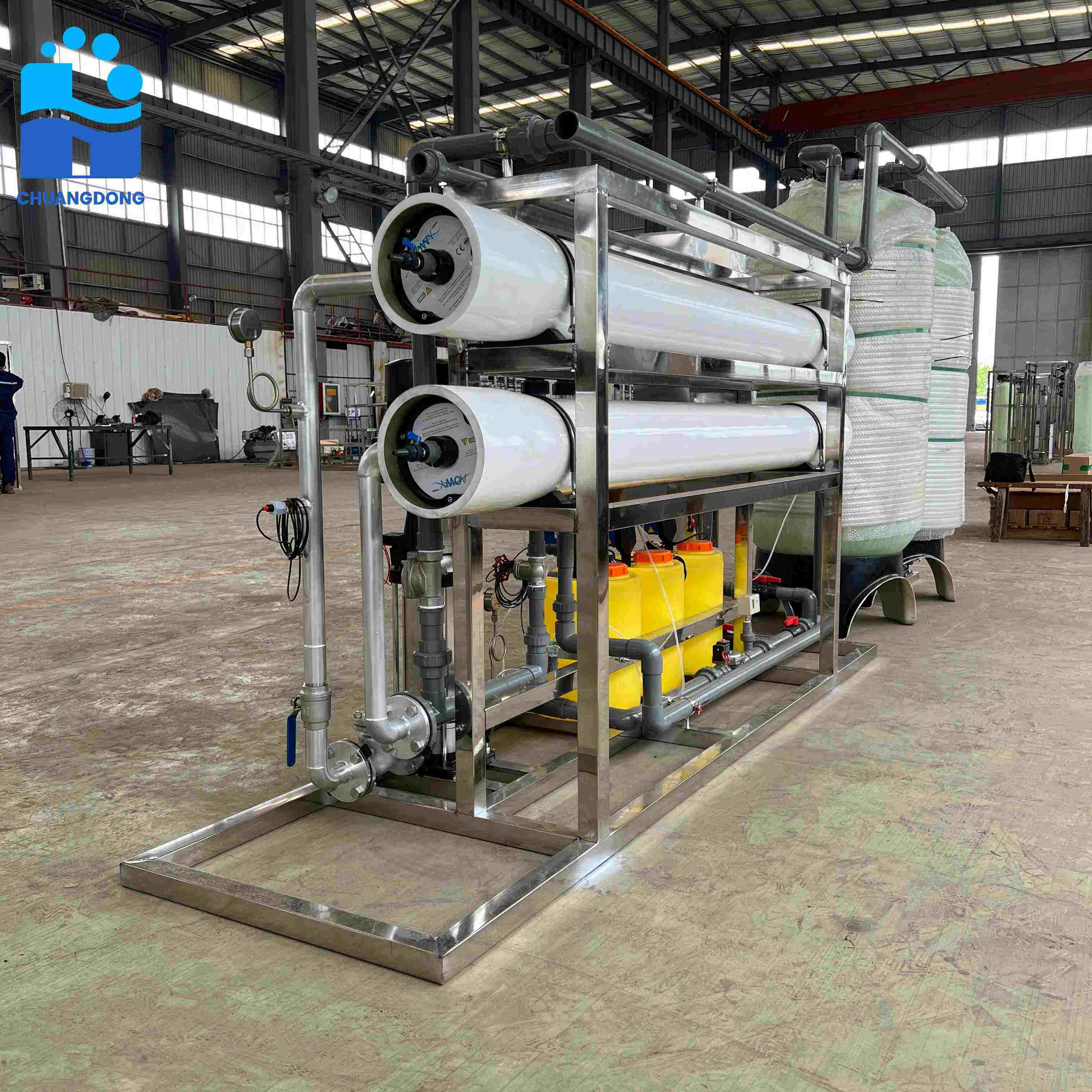
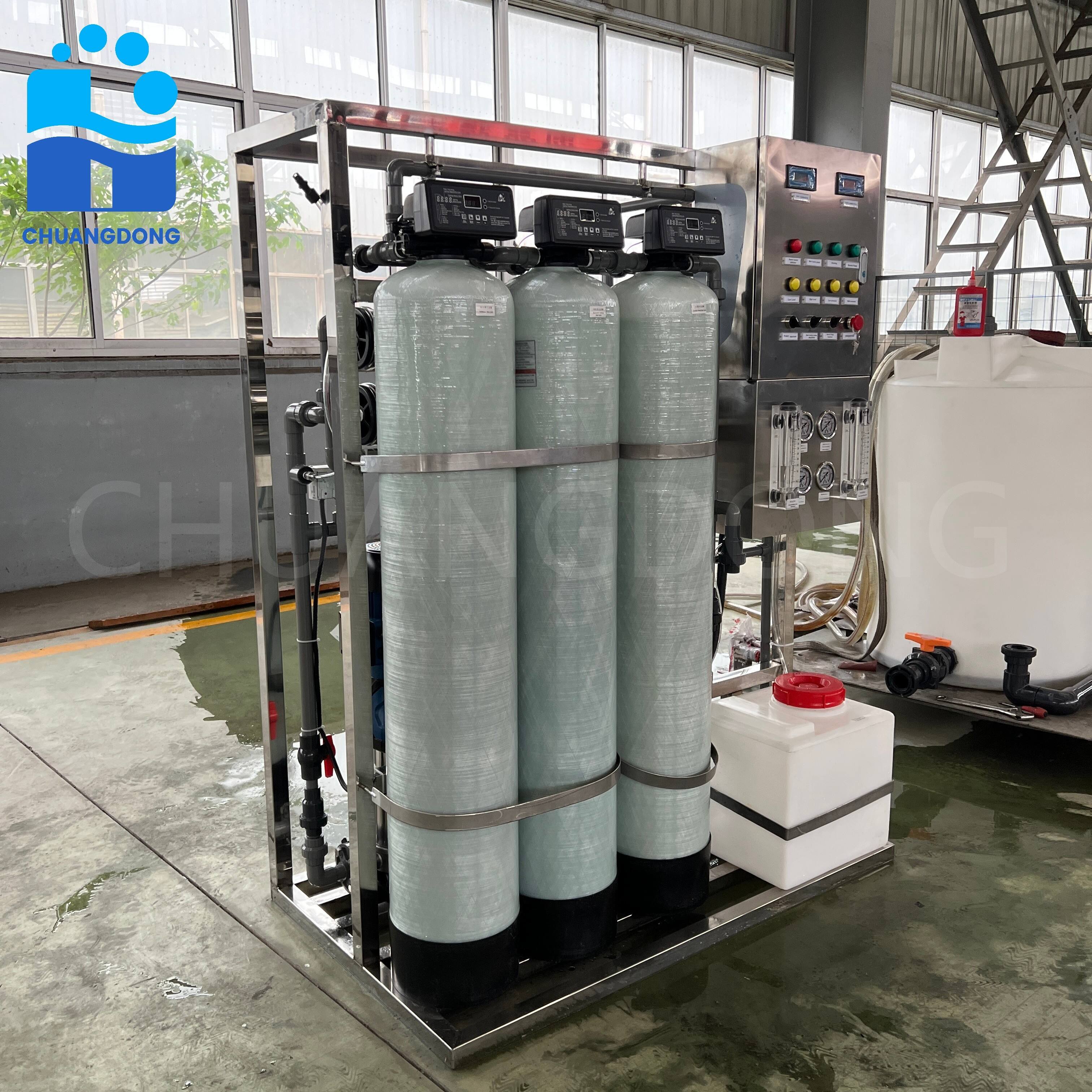
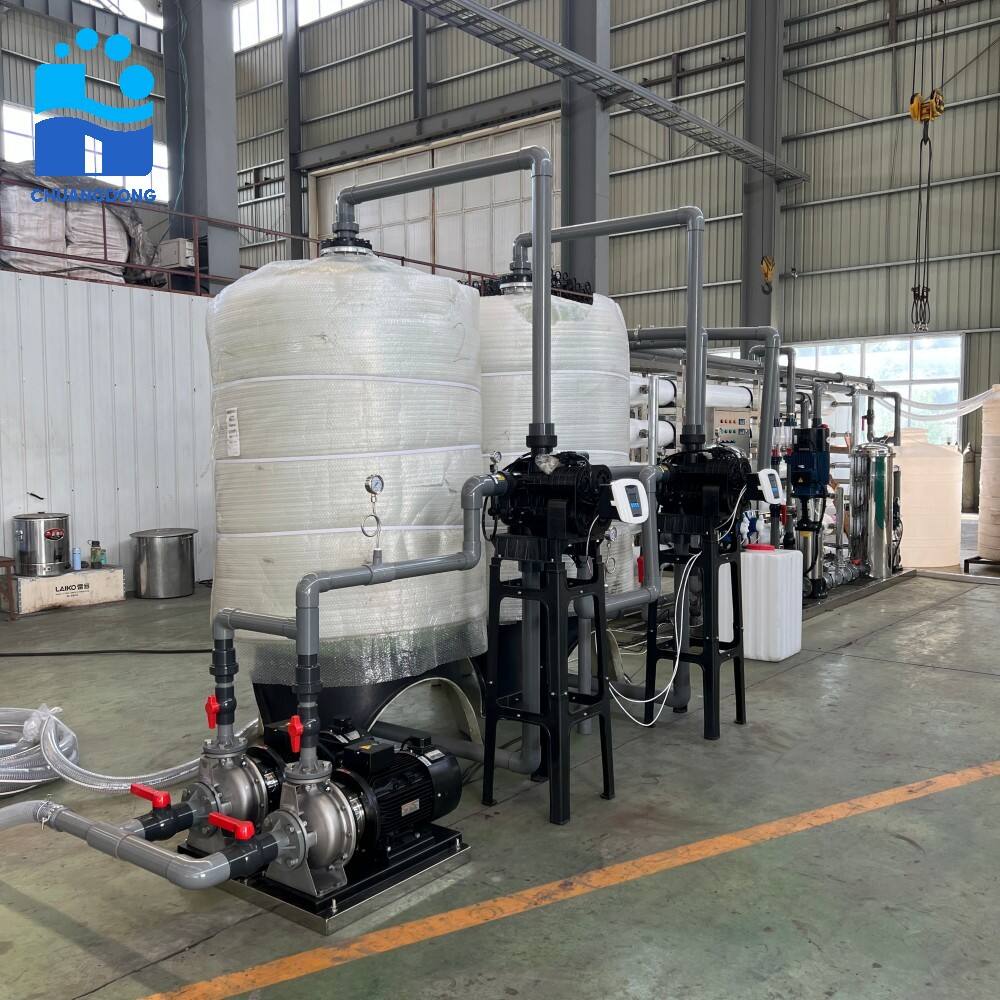
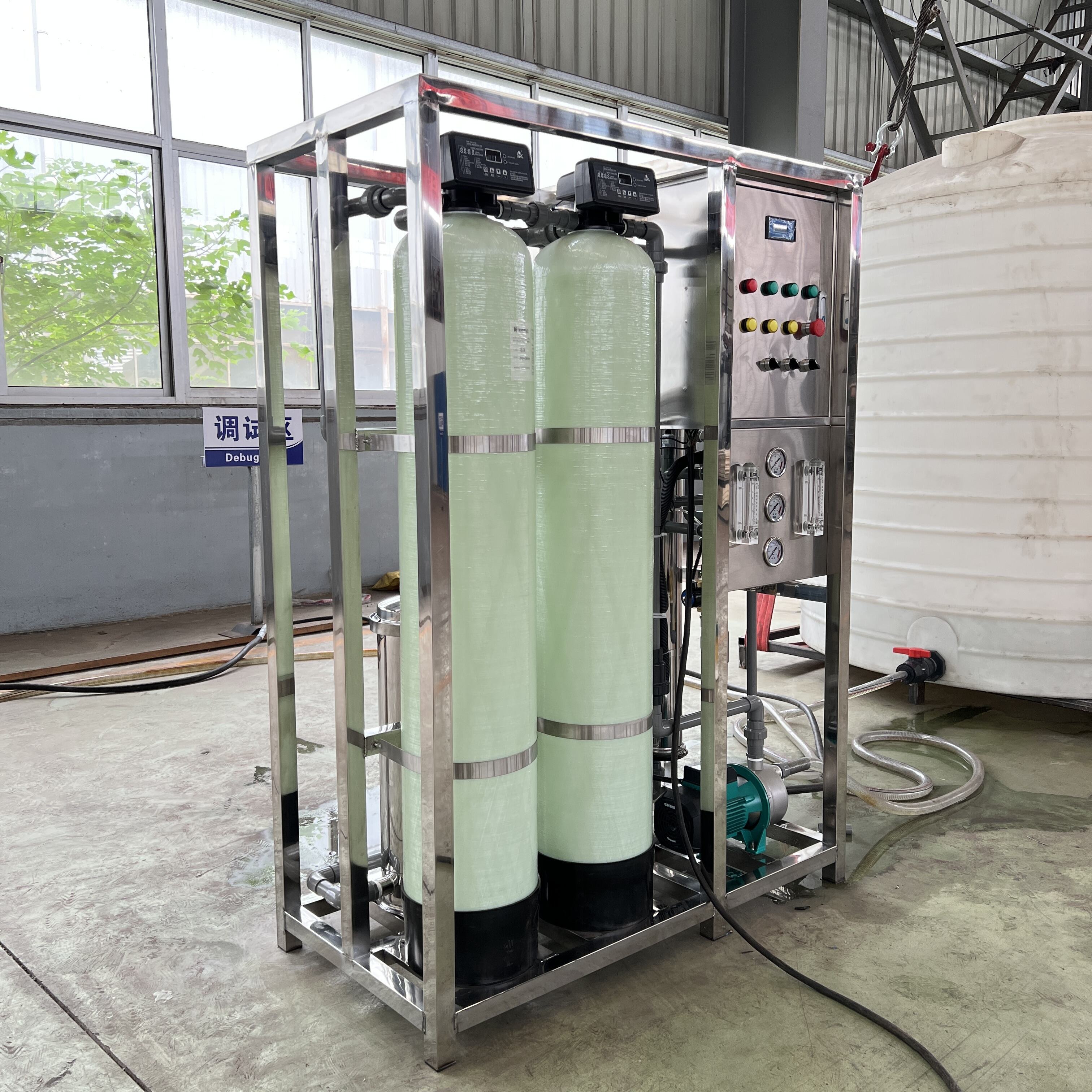
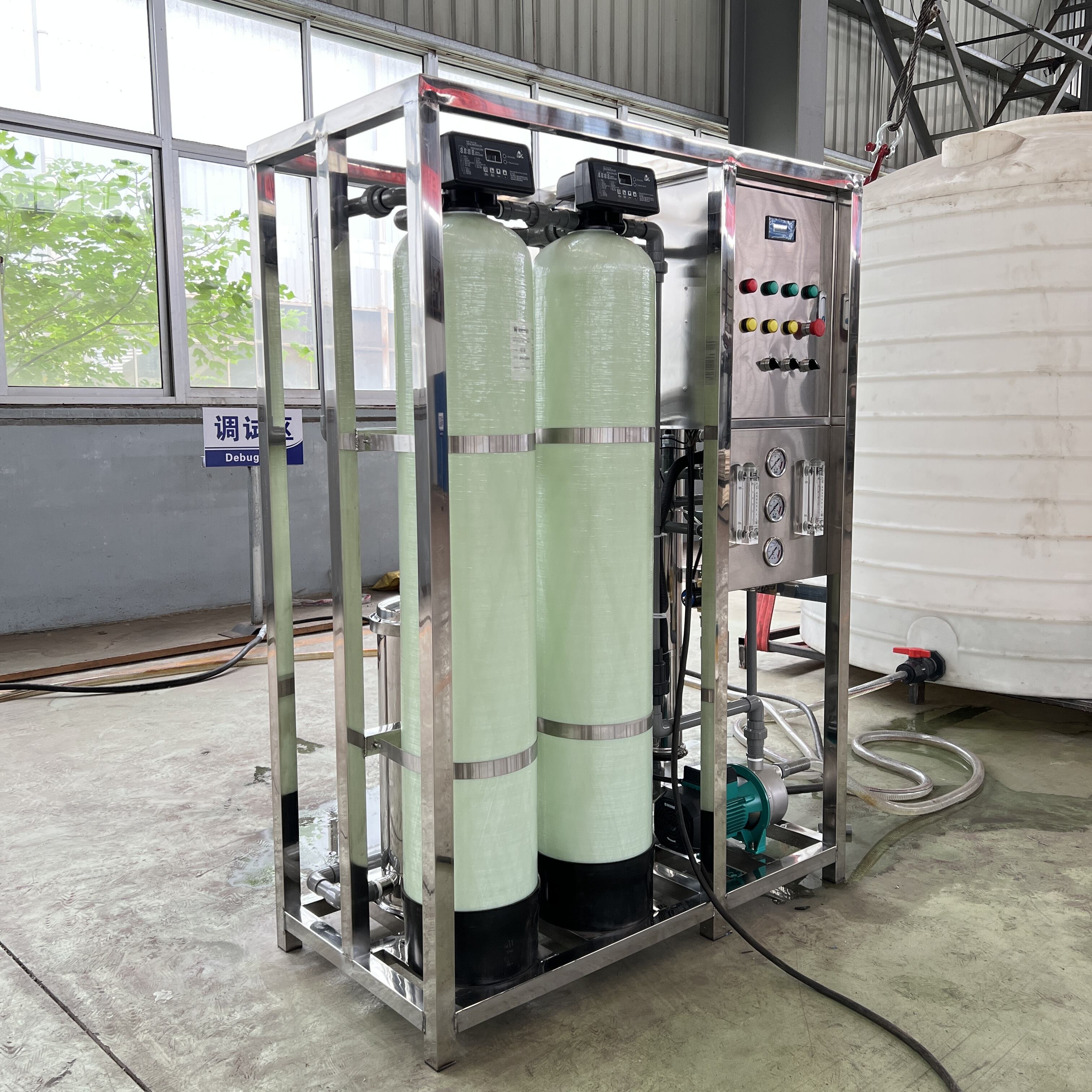
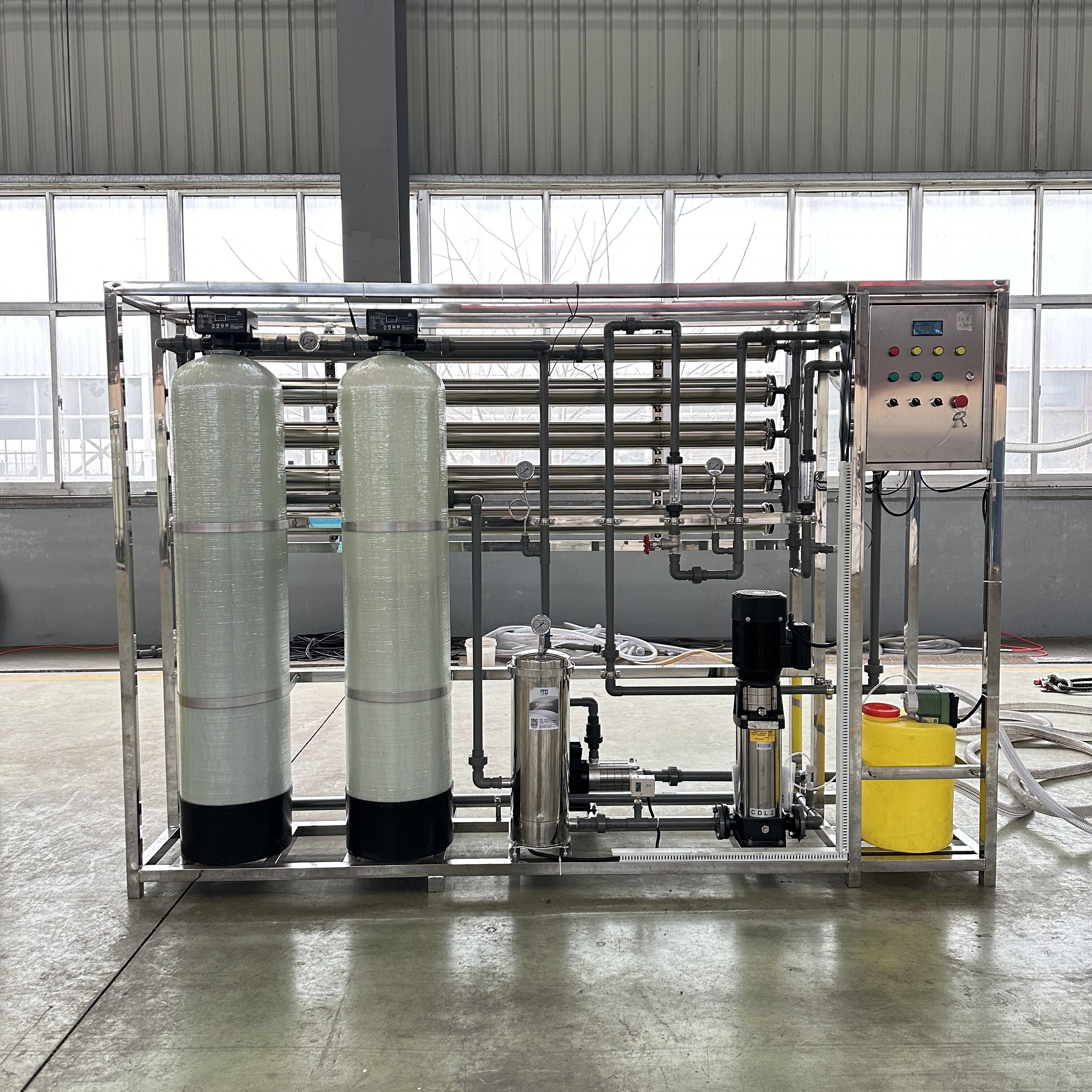
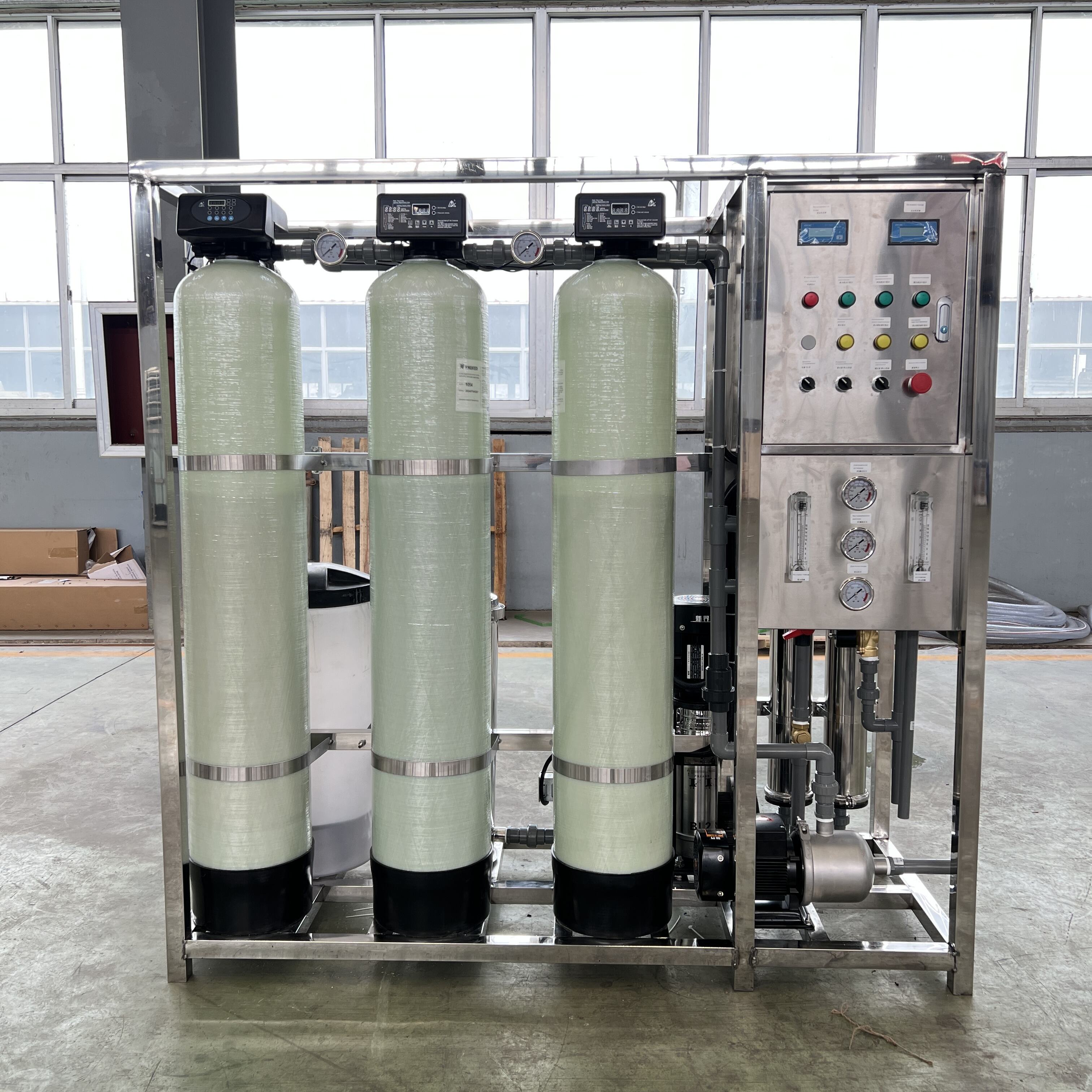
An industrial filter system is a sophisticated filtration solution designed to remove contaminants, particles, and impurities from liquids, gases, and air streams in manufacturing and processing environments. These systems play a critical role in maintaining product quality, protecting equipment, ensuring regulatory compliance, and creating safe working conditions across diverse industries. The industrial filter system incorporates advanced filtration technologies including mechanical separation, depth filtration, surface filtration, and electrostatic precipitation to achieve precise contamination control. Modern systems feature automated monitoring capabilities, self-cleaning mechanisms, and intelligent control systems that optimize performance while minimizing operational intervention. Key technological features include multi-stage filtration processes, high dirt-holding capacity, pressure differential monitoring, and modular designs that accommodate varying flow rates and contamination levels. These systems find applications in automotive manufacturing, pharmaceutical production, food and beverage processing, chemical plants, power generation facilities, metalworking operations, and petrochemical refineries. The industrial filter system effectively handles challenges such as hydraulic oil contamination, compressed air purification, coolant filtration, dust collection, and process water treatment. By implementing robust filtration technology, facilities can extend equipment lifespan, reduce maintenance costs, improve product consistency, and meet stringent environmental standards while maintaining continuous production workflows.

Popular Products

Investing in an industrial filter system delivers substantial cost savings by preventing equipment damage and reducing unplanned downtime. When contaminants enter machinery, they accelerate wear on pumps, valves, compressors, and precision components, leading to expensive repairs and production interruptions. Effective filtration removes these harmful particles before they cause damage, extending equipment service life by up to 50 percent and significantly lowering replacement costs. The system improves product quality by ensuring that manufacturing processes use clean fluids and air, which directly impacts final product consistency and reduces defect rates. This quality enhancement protects your brand reputation and minimizes costly product recalls or customer complaints. Operational efficiency increases because the industrial filter system maintains optimal fluid viscosity and system performance, reducing energy consumption and improving process speed. Clean fluids transfer heat more effectively, lubricate better, and flow with less resistance, translating to lower utility bills and faster production cycles. The system provides regulatory compliance assurance by capturing pollutants and particulates before they enter wastewater streams or exhaust air, helping you meet environmental standards and avoid penalties. Worker safety improves dramatically as the industrial filter system removes hazardous airborne particles, fumes, and contaminants from the production environment, creating healthier working conditions and reducing occupational health risks. Installation flexibility allows the system to integrate seamlessly into existing production lines without major modifications, while modular designs enable capacity expansion as your operation grows. The industrial filter system requires minimal maintenance through self-cleaning features and long-life filter media, reducing labor requirements and operational disruptions while maintaining consistent filtration performance throughout the service interval.

Latest News

How Do You Maintain Critical Pumps and Valves in a Large-Scale Water Treatment Plant?

30

Mar

How Do You Maintain Critical Pumps and Valves in a Large-Scale Water Treatment Plant?

Maintaining critical pumps and valves in a large-scale water treatment plant requires systematic planning, specialized expertise, and rigorous execution protocols. The complexity of modern water treatment facilities demands that operators understand ...
View More
How Does a Water Treatment System with Activated Carbon Improve Taste and Odor?

07

May

How Does a Water Treatment System with Activated Carbon Improve Taste and Odor?

Water quality concerns extend beyond visible contaminants and microbiological safety to include sensory characteristics that directly affect consumer acceptance and satisfaction. Even when water meets regulatory standards for chemical and biological ...
View More
How Does a Booster Pump Improve the Efficiency of Your Reverse Osmosis System with Low Water Pressure?

07

May

How Does a Booster Pump Improve the Efficiency of Your Reverse Osmosis System with Low Water Pressure?

Reverse osmosis systems require adequate feed water pressure to operate efficiently and deliver the purified water output your facility depends on. When municipal supply pressure falls below the manufacturer's recommended threshold—typically 40 to 60...
View More
Why Should Homeowners in Drought-Prone Areas Invest in a Personal Desalination Plant?

08

Jun

Why Should Homeowners in Drought-Prone Areas Invest in a Personal Desalination Plant?

For homeowners living in drought-prone regions, water scarcity is not an abstract concern — it is a daily operational reality that shapes every decision from household management to long-term property planning. As aquifers dry up, municipal water res...
View More

Get a Free Quote

Our representative will contact you soon.
Email
Name
Company Name
Message
0/1000

industrial filter system

Advanced Multi-Stage Filtration Technology

Advanced Multi-Stage Filtration Technology

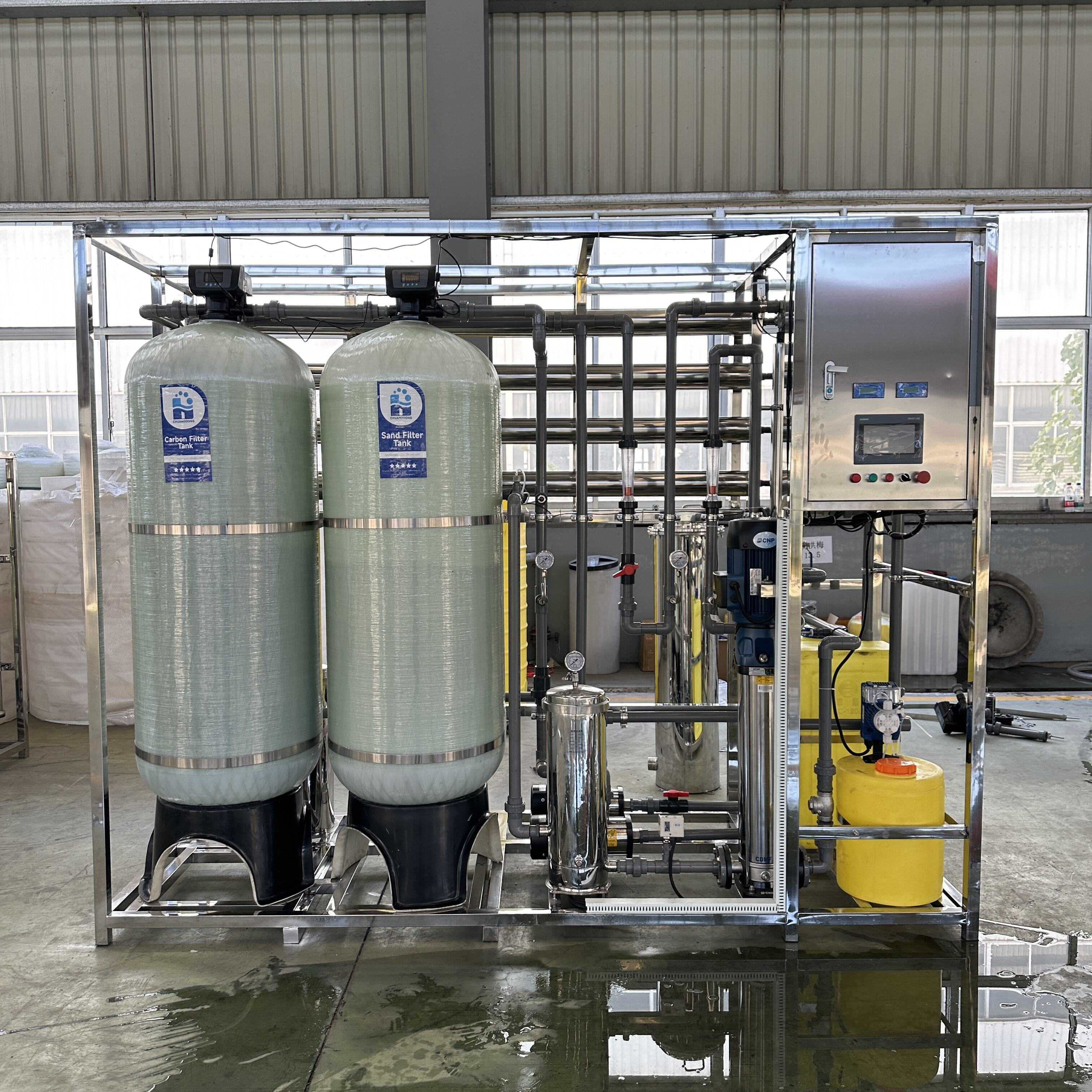
The industrial filter system employs sophisticated multi-stage filtration technology that captures contaminants across a wide spectrum of particle sizes with exceptional efficiency. The first stage typically removes larger particles through mechanical separation or coarse filtration, protecting downstream components from bulk contamination. Subsequent stages utilize progressively finer filter media to capture microscopic particles down to submicron levels, ensuring comprehensive contamination control. This staged approach maximizes dirt-holding capacity while maintaining consistent flow rates and minimal pressure drop across the system. Advanced filter media materials including synthetic fibers, pleated cellulose, and membrane technologies provide superior particle retention without sacrificing flow performance. The multi-stage design extends filter service life by distributing the contamination load across multiple filtration layers, reducing replacement frequency and operational costs. Automated monitoring systems continuously track pressure differential across each stage, providing real-time performance data and predictive maintenance alerts. This intelligent monitoring prevents filter saturation, maintains optimal system performance, and eliminates guesswork from maintenance scheduling. The industrial filter system adapts to varying contamination levels and process demands through adjustable filtration ratings and flow configurations, delivering consistent results across different operating conditions.
Self-Cleaning Capability for Continuous Operation

Self-Cleaning Capability for Continuous Operation

Modern industrial filter system designs incorporate automatic self-cleaning mechanisms that maintain filtration efficiency without interrupting production processes. These systems use backflushing, reverse air pulse, or mechanical scraping technologies to remove accumulated contaminants from filter media surfaces, restoring flow capacity and extending operational cycles. The self-cleaning process activates based on differential pressure sensors or timed intervals, ensuring optimal performance without manual intervention. This automation dramatically reduces labor costs associated with filter maintenance while eliminating production downtime for cleaning operations. The industrial filter system can operate continuously for months between major service intervals, maximizing equipment utilization and production throughput. Self-cleaning technology proves particularly valuable in high-contamination environments where conventional filters would require frequent manual cleaning or replacement. The recovered contaminants discharge automatically into collection hoppers or disposal systems, simplifying waste management and maintaining workplace cleanliness. Energy-efficient cleaning cycles minimize compressed air consumption or backflush fluid usage, reducing operational costs while maintaining effective contamination removal. The system's ability to maintain consistent filtration performance throughout the cleaning cycle ensures uninterrupted product quality and process stability, protecting your manufacturing precision even during maintenance operations.
Modular Design for Application Versatility

Modular Design for Application Versatility

The industrial filter system features intelligent modular construction that adapts to diverse applications, flow requirements, and space constraints across different facilities. Standardized housing components, connection interfaces, and filter cartridge designs enable rapid configuration changes without specialized tools or extensive downtime. This modularity allows you to start with a baseline system and expand filtration capacity by adding parallel filter housings or additional stages as production demands increase. The flexible design accommodates various filter media types within the same housing, enabling quick adaptation to changing process requirements or contamination characteristics. Facilities can switch between absolute-rated and nominal-rated filters, adjust micron ratings, or implement specialized media for specific contaminants without replacing entire systems. The industrial filter system integrates seamlessly with existing piping, ductwork, and control systems through universal connection standards and optional interface modules. Compact footprint designs maximize space utilization in crowded production environments, while portable configurations enable deployment wherever filtration needs arise. Modular maintenance approaches simplify service procedures, as technicians can replace individual filter elements or housing sections without dismantling entire assemblies. This serviceability reduces maintenance time and spare parts inventory requirements while ensuring rapid return to full production capacity after service interventions.

Get a Free Quote

Our representative will contact you soon.
Email
Name
Company Name
Message
0/1000