Industrial Reverse Osmosis Water Filtration Systems - Advanced Purification Technology for Commercial Applications

Get a Free Quote

Our representative will contact you soon.
Email
Name
Company Name
Message
0/1000

reverse osmosis water filtration system industrial

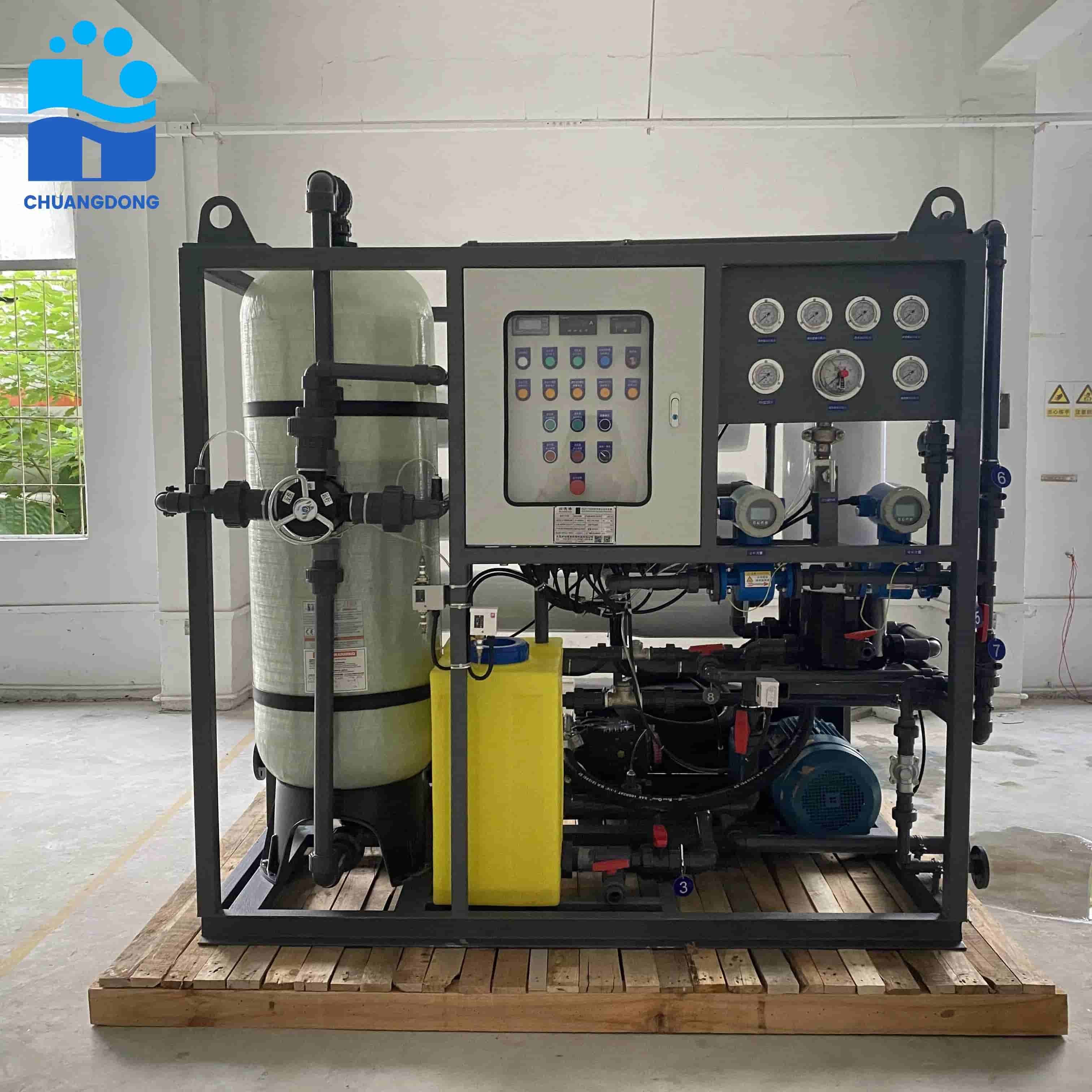
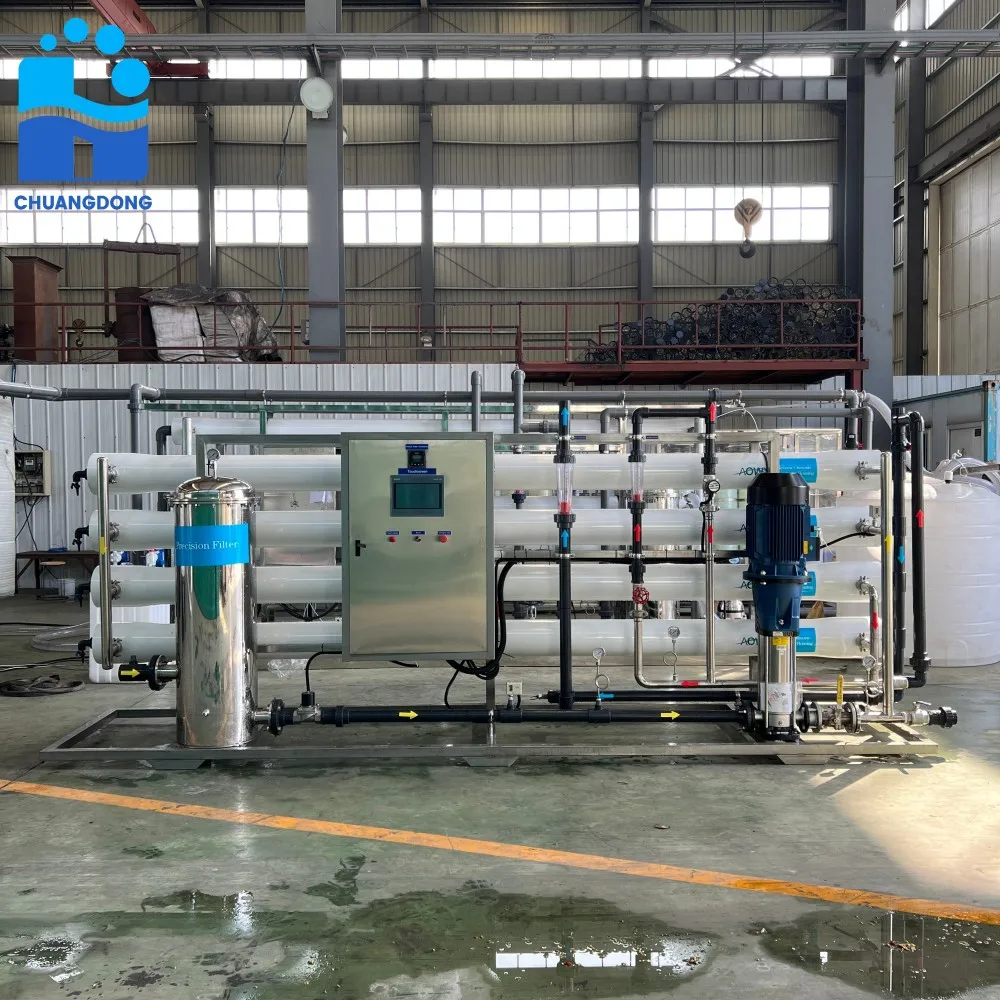
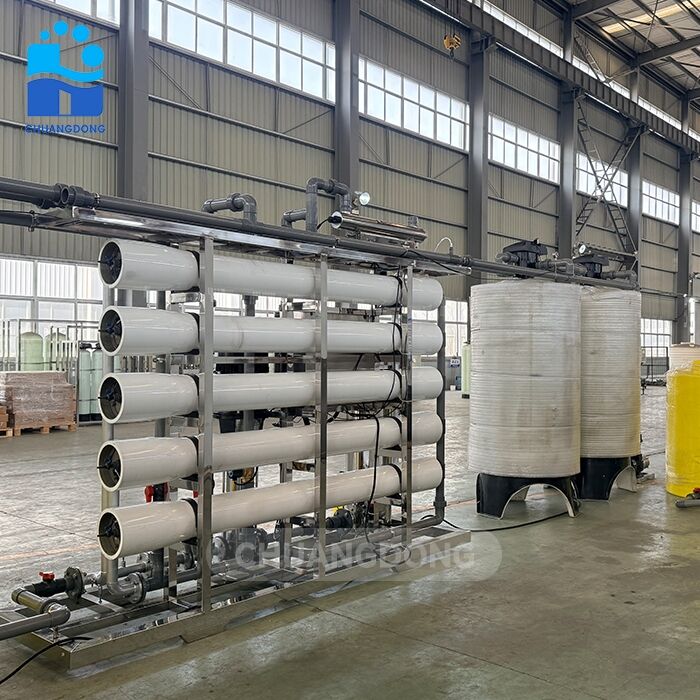
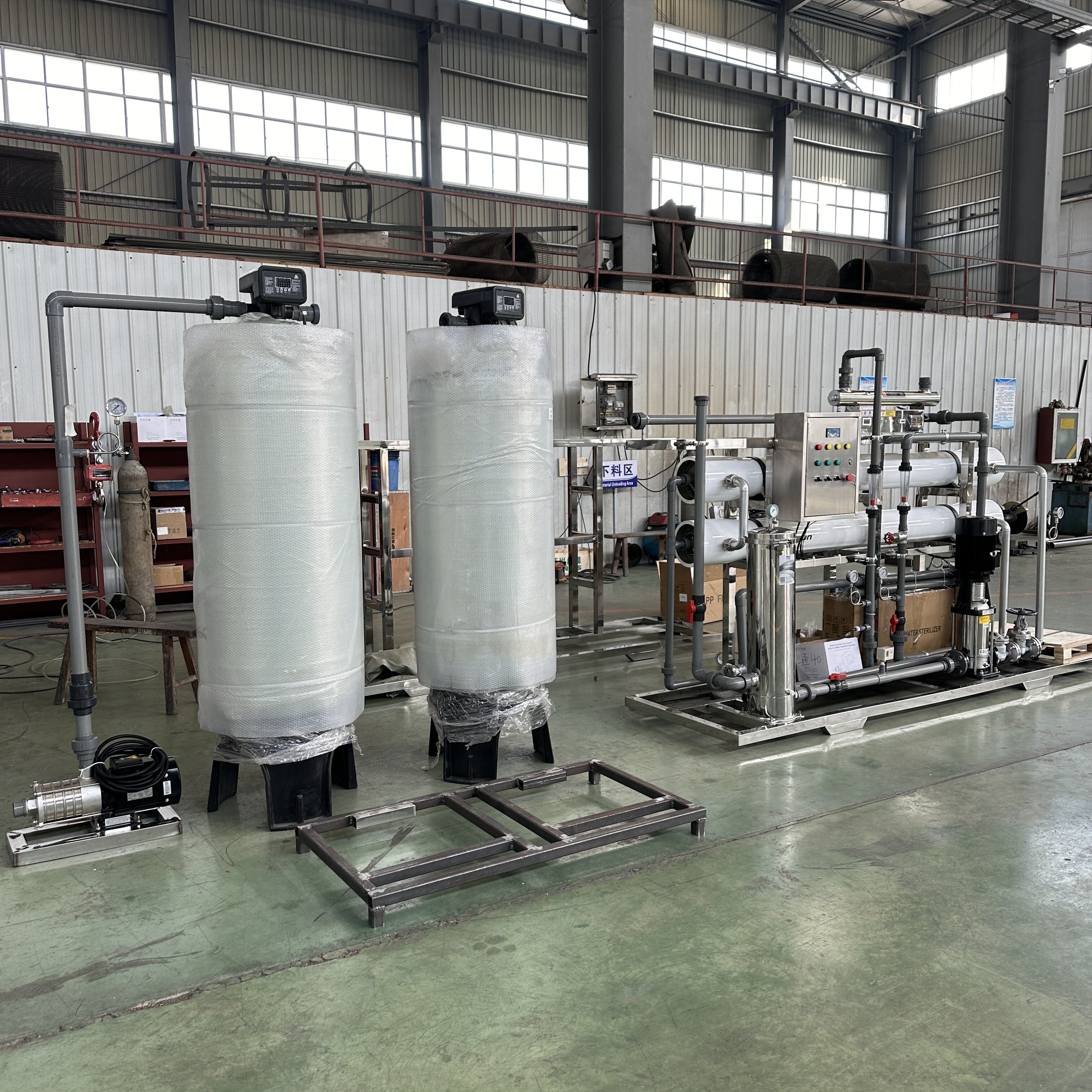
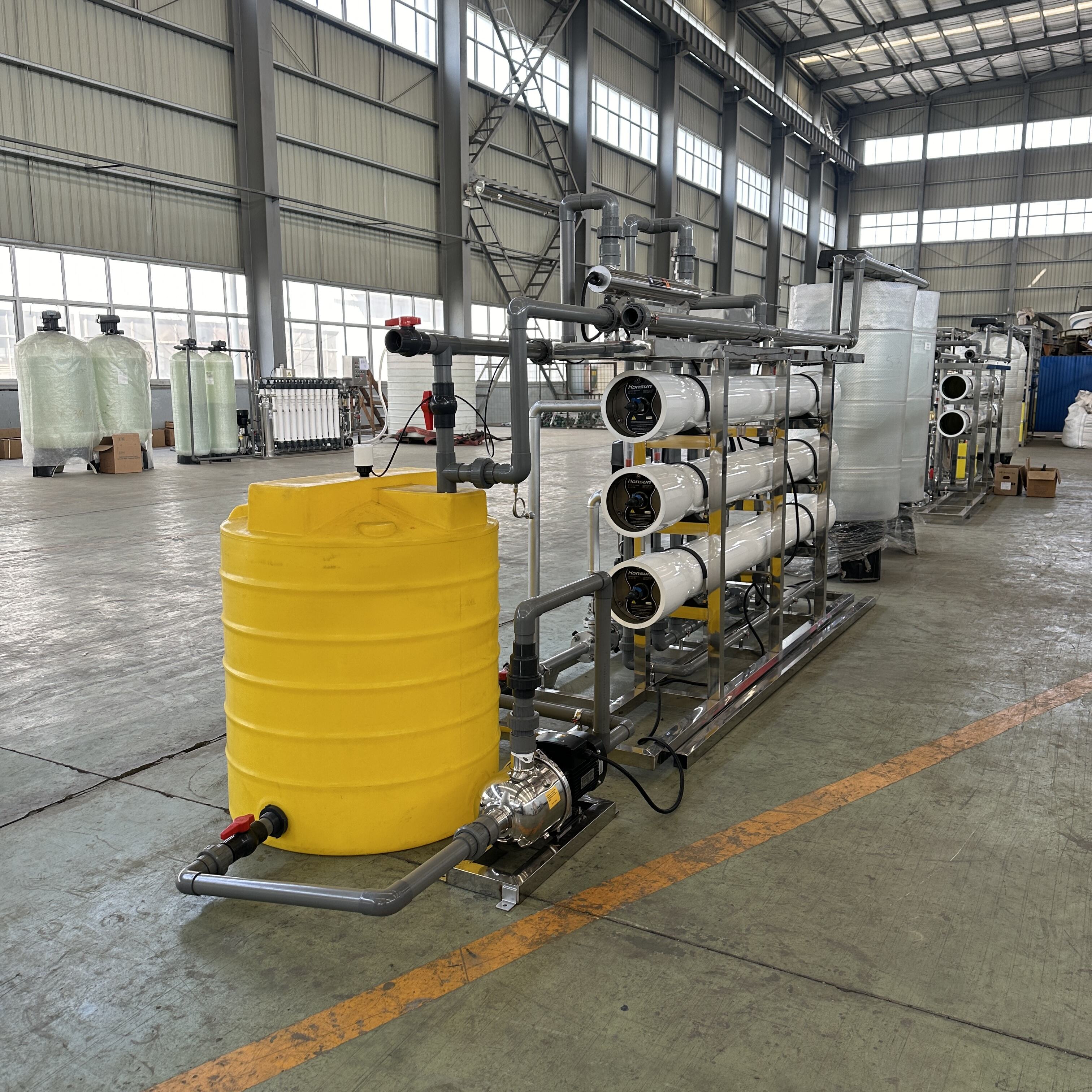
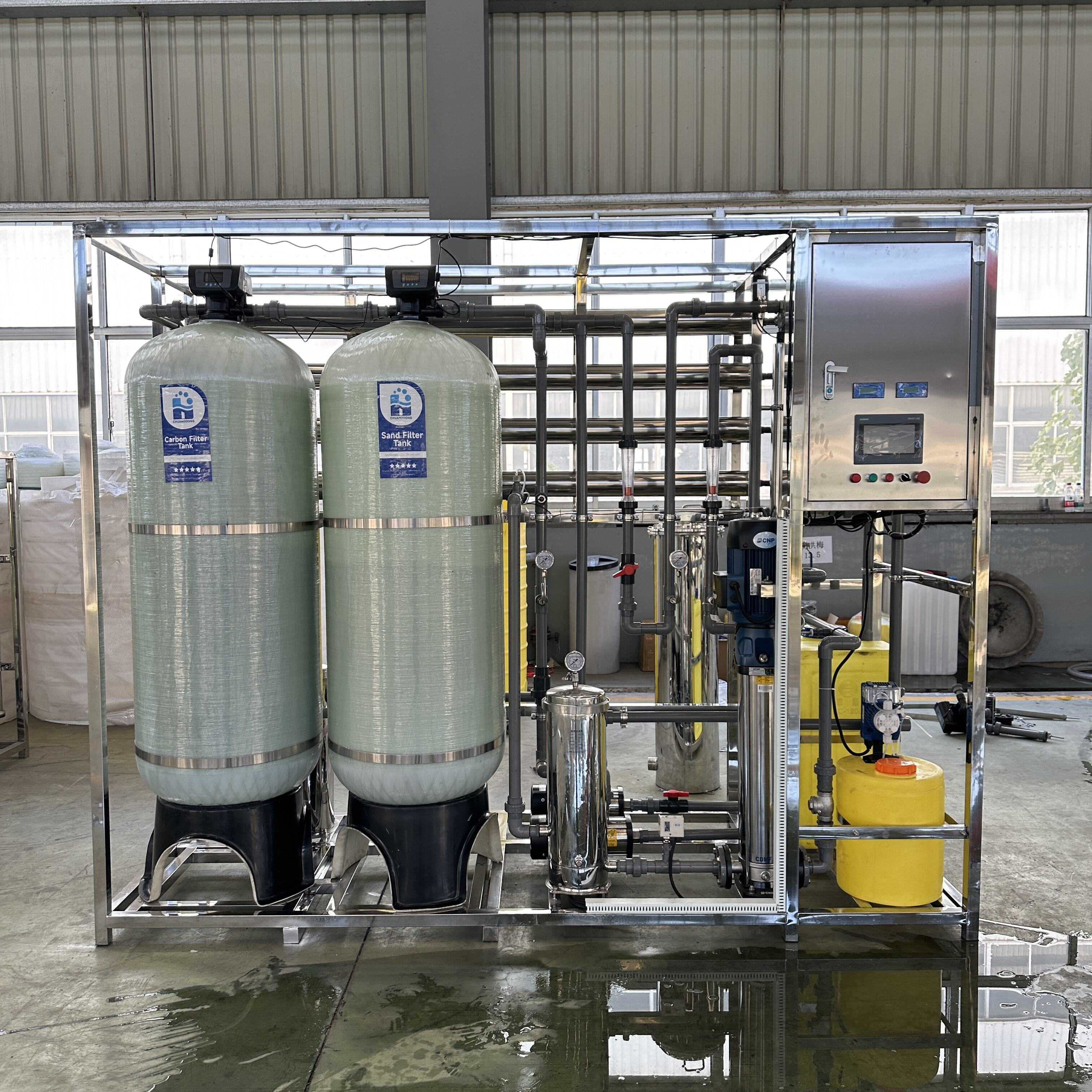
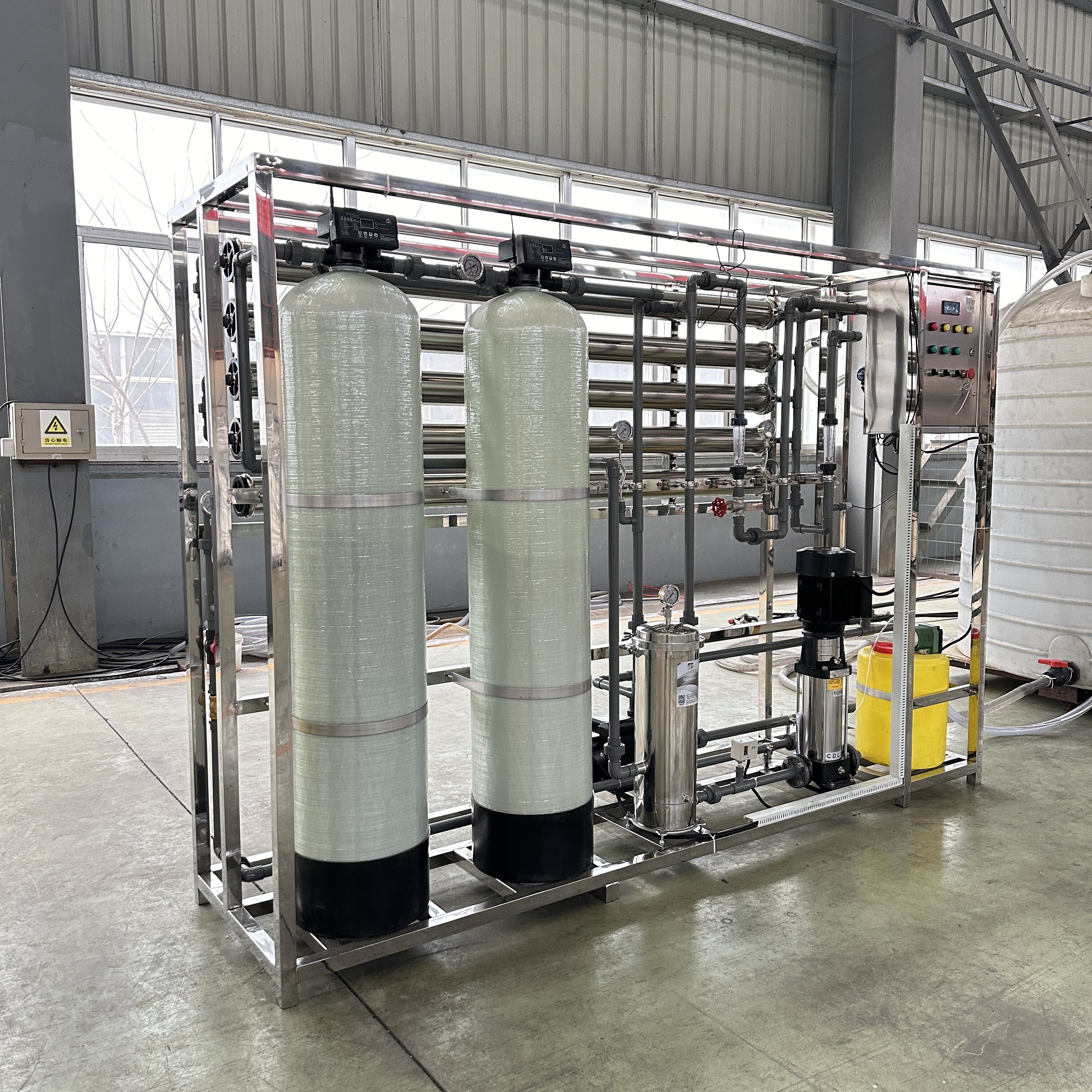
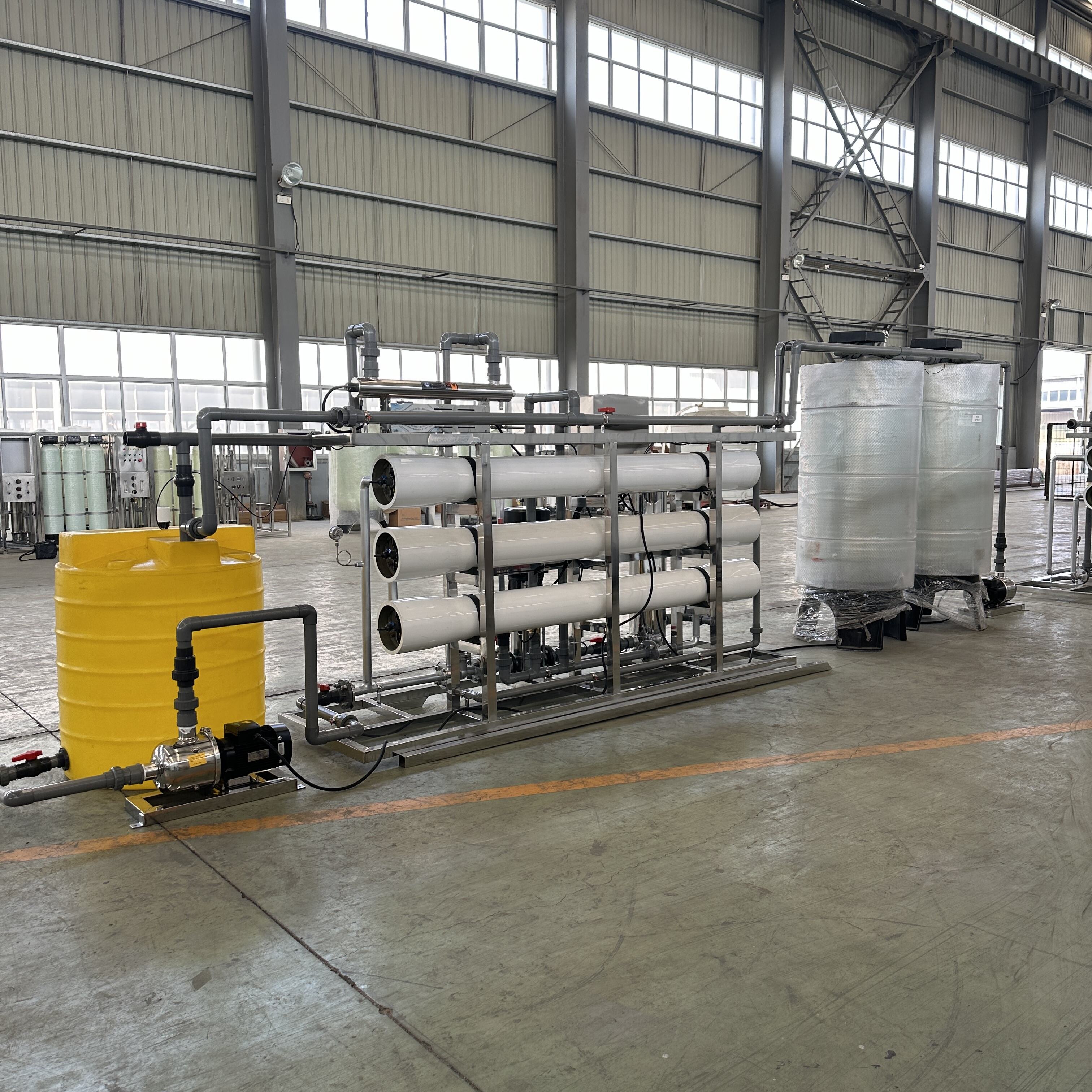
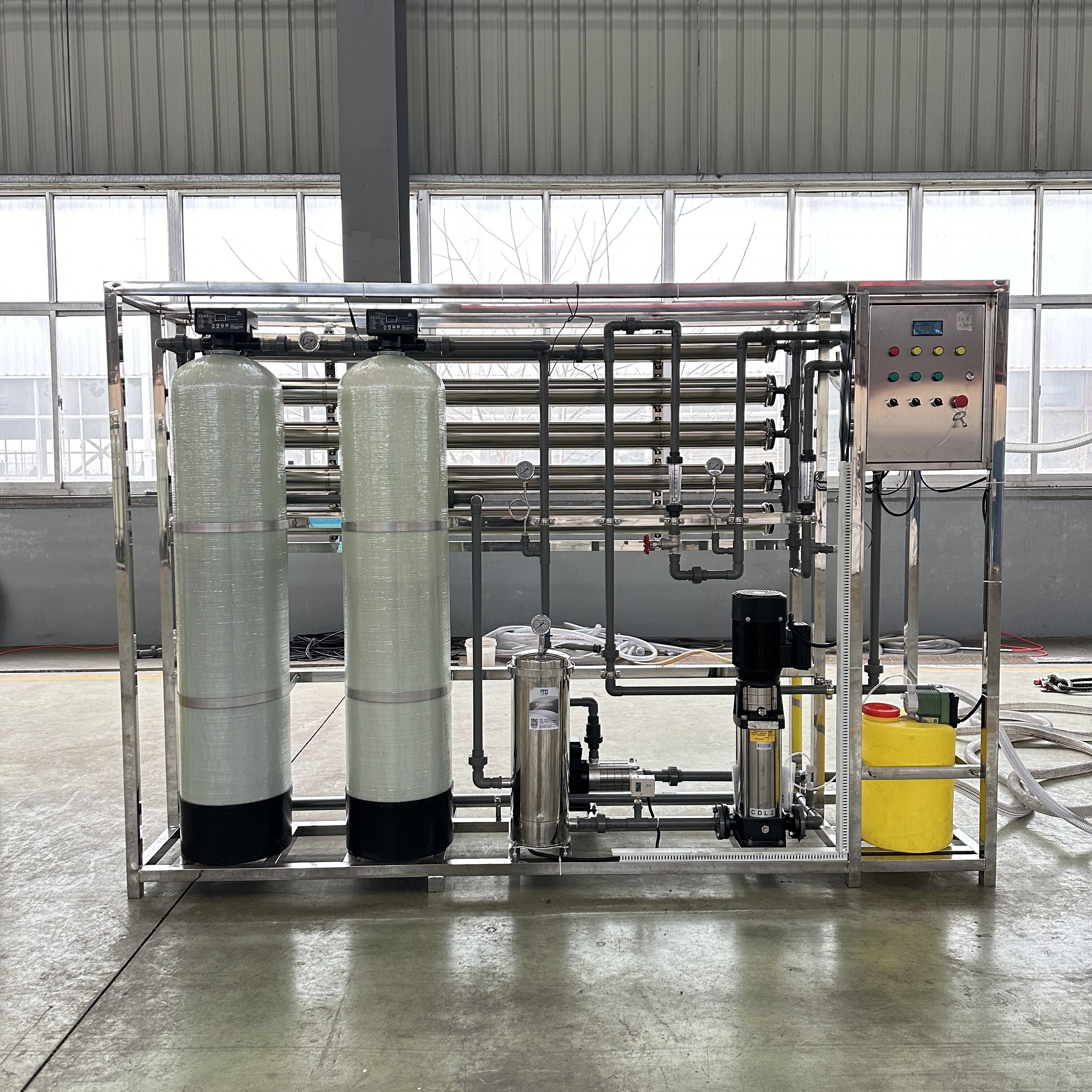
The reverse osmosis water filtration system industrial represents a cutting-edge technology designed to address the most demanding water purification challenges in commercial and industrial environments. This sophisticated filtration solution employs semi-permeable membranes to remove contaminants, dissolved solids, and impurities from water sources, delivering exceptional purity levels that meet stringent industrial standards. The reverse osmosis water filtration system industrial operates through a pressure-driven process that forces water molecules through specialized membranes while blocking larger contaminant particles, ions, and molecular compounds. This technology serves as the backbone for countless manufacturing processes, pharmaceutical production, food and beverage processing, and power generation facilities worldwide. The system's main functions encompass comprehensive contaminant removal, including bacteria, viruses, heavy metals, chemical compounds, and total dissolved solids reduction. Advanced monitoring capabilities ensure consistent performance while automated controls optimize operational efficiency. The reverse osmosis water filtration system industrial features multi-stage filtration processes, incorporating pre-filtration units, high-pressure pumps, membrane modules, and post-treatment components. These technological features enable the system to achieve rejection rates exceeding 99% for most contaminants while maintaining high water recovery ratios. Industrial applications span across diverse sectors including semiconductor manufacturing, where ultra-pure water is essential, pharmaceutical companies requiring sterile water for drug production, food processing facilities needing consistent water quality for product safety, and power plants utilizing demineralized water for boiler operations. The reverse osmosis water filtration system industrial also finds extensive use in municipal water treatment facilities, chemical processing plants, textile manufacturing, and metal finishing operations. The technology's versatility allows customization for specific industrial requirements, accommodating various flow rates, pressure specifications, and purity standards. Modern systems incorporate energy recovery devices, reducing operational costs while maintaining optimal performance levels throughout extended operational cycles.

New Products

The reverse osmosis water filtration system industrial delivers numerous practical benefits that directly impact operational efficiency and cost management for businesses across various sectors. Companies experience significant reductions in maintenance requirements compared to conventional filtration methods, as the system operates with minimal mechanical components and requires less frequent replacement of consumable parts. This reliability translates into reduced downtime and increased productivity, allowing businesses to maintain consistent production schedules without interruptions caused by water quality issues. The reverse osmosis water filtration system industrial provides exceptional contaminant removal capabilities, eliminating up to 99.9% of dissolved solids, bacteria, viruses, and chemical pollutants from source water. This superior purification performance ensures compliance with strict regulatory standards while protecting sensitive equipment from scaling, corrosion, and fouling damage. Industries benefit from extended equipment lifespan and reduced repair costs when using properly treated water in their operations. Energy efficiency stands as another major advantage, with modern reverse osmosis water filtration system industrial installations incorporating advanced energy recovery technologies that reduce power consumption by up to 60% compared to older systems. These energy savings result in substantial cost reductions over the system's operational lifetime, improving overall return on investment. The technology offers remarkable flexibility in meeting diverse water quality requirements, from basic industrial process water to ultra-pure specifications needed for pharmaceutical and semiconductor applications. Businesses appreciate the scalable design options, allowing systems to accommodate future expansion needs without requiring complete infrastructure overhaul. The reverse osmosis water filtration system industrial also contributes to environmental sustainability by reducing chemical usage, minimizing waste discharge, and enabling water recycling initiatives. Companies can achieve their sustainability goals while reducing operational costs through decreased chemical purchasing and waste disposal expenses. Installation versatility allows integration into existing facilities with minimal disruption, while automated control systems reduce labor requirements and human error possibilities. The technology provides consistent water quality regardless of source water fluctuations, ensuring stable production conditions and product quality maintenance.

Practical Tips

What Intake and Outfall Designs Minimize Environmental Impact of a Desalination Plant?

01

Mar

What Intake and Outfall Designs Minimize Environmental Impact of a Desalination Plant?

Environmental considerations have become paramount in the design and operation of modern desalination facilities worldwide. As water scarcity continues to challenge communities across the globe, the demand for sustainable desalination plant solutions...
View More
What Corrosion-Resistant Materials Are Used in Desalination Plant Construction?

06

Mar

What Corrosion-Resistant Materials Are Used in Desalination Plant Construction?

Desalination plants operate in some of the harshest environments imaginable, where saltwater constantly threatens the integrity of critical infrastructure. The selection of appropriate corrosion-resistant materials becomes paramount to ensuring long-...
View More
How Does a Water Purification System with Ion Exchange Soften Hard Water Effectively?

15

Mar

How Does a Water Purification System with Ion Exchange Soften Hard Water Effectively?

Hard water poses significant challenges for both residential and commercial applications, containing high concentrations of calcium and magnesium ions that cause scale buildup, reduce equipment efficiency, and affect water quality. A water purificati...
View More
How Does an RO Water Filter with a UV Sterilizer Provide Additional Protection Against Bacteria?

10

Mar

How Does an RO Water Filter with a UV Sterilizer Provide Additional Protection Against Bacteria?

Water contamination remains one of the most pressing concerns for homeowners and businesses seeking reliable water purification solutions. While traditional filtration methods offer basic protection, modern water treatment technology has evolved to p...
View More

Get a Free Quote

Our representative will contact you soon.
Email
Name
Company Name
Message
0/1000

reverse osmosis water filtration system industrial

Advanced Multi-Stage Purification Technology

Advanced Multi-Stage Purification Technology

The reverse osmosis water filtration system industrial incorporates sophisticated multi-stage purification technology that sets new standards for water treatment excellence in demanding industrial environments. This comprehensive approach begins with pre-filtration stages that remove sediments, chlorine, and larger particles, protecting the delicate reverse osmosis membranes from premature degradation and fouling. The pre-treatment process typically includes sediment filters, activated carbon units, and water softening systems that condition the incoming water for optimal membrane performance. Following pre-treatment, high-pressure pumps deliver water to the heart of the reverse osmosis water filtration system industrial, where specialized semi-permeable membranes perform the primary purification function. These membranes utilize molecular-level filtration, allowing only water molecules to pass while rejecting dissolved salts, organic compounds, bacteria, viruses, and other contaminants. The technology achieves rejection rates exceeding 99% for most dissolved solids, ensuring exceptional water purity that meets or exceeds the most stringent industrial requirements. Post-treatment stages may include pH adjustment, remineralization, and disinfection processes, depending on specific application needs. The reverse osmosis water filtration system industrial features advanced monitoring and control systems that continuously assess water quality parameters, membrane performance, and system efficiency. Real-time data collection enables predictive maintenance scheduling, preventing unexpected failures and optimizing replacement intervals for maximum cost-effectiveness. Automated cleaning cycles extend membrane life while maintaining consistent performance levels throughout the system's operational period. The multi-stage design allows for customization based on source water characteristics and final water quality specifications, providing flexibility that accommodates diverse industrial applications. Energy recovery devices integrated within the system capture and reuse hydraulic energy from the high-pressure reject stream, significantly reducing overall energy consumption and operational costs. This technological advancement makes the reverse osmosis water filtration system industrial both environmentally responsible and economically viable for long-term operation.
Exceptional Reliability and Low Maintenance Requirements

Exceptional Reliability and Low Maintenance Requirements

The reverse osmosis water filtration system industrial distinguishes itself through exceptional reliability and remarkably low maintenance requirements, making it an ideal solution for industries where consistent water quality and minimal downtime are critical success factors. Unlike conventional water treatment methods that rely on complex mechanical systems with numerous moving parts, the reverse osmosis technology operates primarily through pressure differentials and membrane separation, resulting in fewer components prone to wear and failure. This fundamental design advantage translates into extended operational periods between maintenance interventions and reduced risk of unexpected system shutdowns. The robust construction of the reverse osmosis water filtration system industrial incorporates high-quality materials specifically selected for durability in industrial environments, including corrosion-resistant housings, stainless steel components, and chemically compatible seals and gaskets. These materials withstand harsh operating conditions while maintaining structural integrity over extended periods, reducing replacement frequency and associated costs. Automated monitoring systems continuously track key performance indicators including flow rates, pressure differentials, conductivity levels, and membrane condition, providing early warning of potential issues before they develop into costly problems. The reverse osmosis water filtration system industrial features self-diagnostic capabilities that identify optimization opportunities and maintenance needs, enabling proactive rather than reactive maintenance strategies. Membrane cleaning procedures are automated and precisely controlled, ensuring optimal cleaning effectiveness while preventing damage from over-cleaning or inappropriate chemical exposure. The system's modular design facilitates easy access to components requiring periodic attention, minimizing maintenance time and reducing labor costs. Predictive maintenance algorithms analyze operational data to forecast membrane replacement needs, allowing businesses to schedule maintenance during planned downtime periods rather than experiencing unexpected interruptions. The reverse osmosis water filtration system industrial typically requires only basic maintenance tasks such as filter cartridge replacement, periodic membrane cleaning, and routine system inspections, all of which can be performed by in-house maintenance staff with minimal specialized training. This simplicity reduces dependence on external service providers and associated costs while ensuring consistent system operation.
Comprehensive Cost Savings and Return on Investment

Comprehensive Cost Savings and Return on Investment

The reverse osmosis water filtration system industrial delivers comprehensive cost savings that extend far beyond initial purchase considerations, providing substantial return on investment through multiple operational and maintenance benefits that accumulate over the system's extended operational lifetime. Energy efficiency represents a primary cost-saving advantage, with modern reverse osmosis water filtration system industrial installations consuming significantly less power than alternative water treatment technologies while delivering superior purification performance. Advanced energy recovery systems capture and reuse hydraulic energy from the high-pressure concentrate stream, reducing overall energy consumption by up to 60% compared to conventional reverse osmosis systems. This energy efficiency translates into substantial utility cost reductions, particularly important for high-volume industrial applications where water treatment represents a significant operational expense. The reverse osmosis water filtration system industrial eliminates the need for extensive chemical treatment programs required by alternative purification methods, reducing chemical purchasing costs, storage requirements, and safety compliance expenses associated with hazardous material handling. Chemical reduction also minimizes waste generation and disposal costs while simplifying regulatory compliance requirements. Water quality consistency provided by the reverse osmosis water filtration system industrial protects downstream equipment from scaling, corrosion, and fouling damage, extending equipment lifespan and reducing repair and replacement costs across industrial operations. Boilers, heat exchangers, cooling systems, and manufacturing equipment all benefit from high-purity water, operating more efficiently with fewer maintenance interventions and longer service intervals. The technology enables water recycling and reuse opportunities that reduce overall water consumption and associated utility costs, particularly valuable in regions with high water costs or supply restrictions. The reverse osmosis water filtration system industrial supports zero liquid discharge initiatives, allowing companies to minimize environmental impact while reducing wastewater treatment and disposal expenses. Labor cost savings result from automated operation and minimal maintenance requirements, freeing skilled personnel for higher-value activities while reducing training and certification expenses associated with complex chemical treatment systems. The system's reliability reduces emergency maintenance costs and production losses associated with water quality problems, providing predictable operational expenses that facilitate accurate budgeting and financial planning for industrial operations.

Get a Free Quote

Our representative will contact you soon.
Email
Name
Company Name
Message
0/1000