Industrial Water Purifier Machine - Advanced Commercial Water Treatment Systems

Get a Free Quote

Our representative will contact you soon.
Email
Name
Company Name
Message
0/1000

industrial water purifier machine

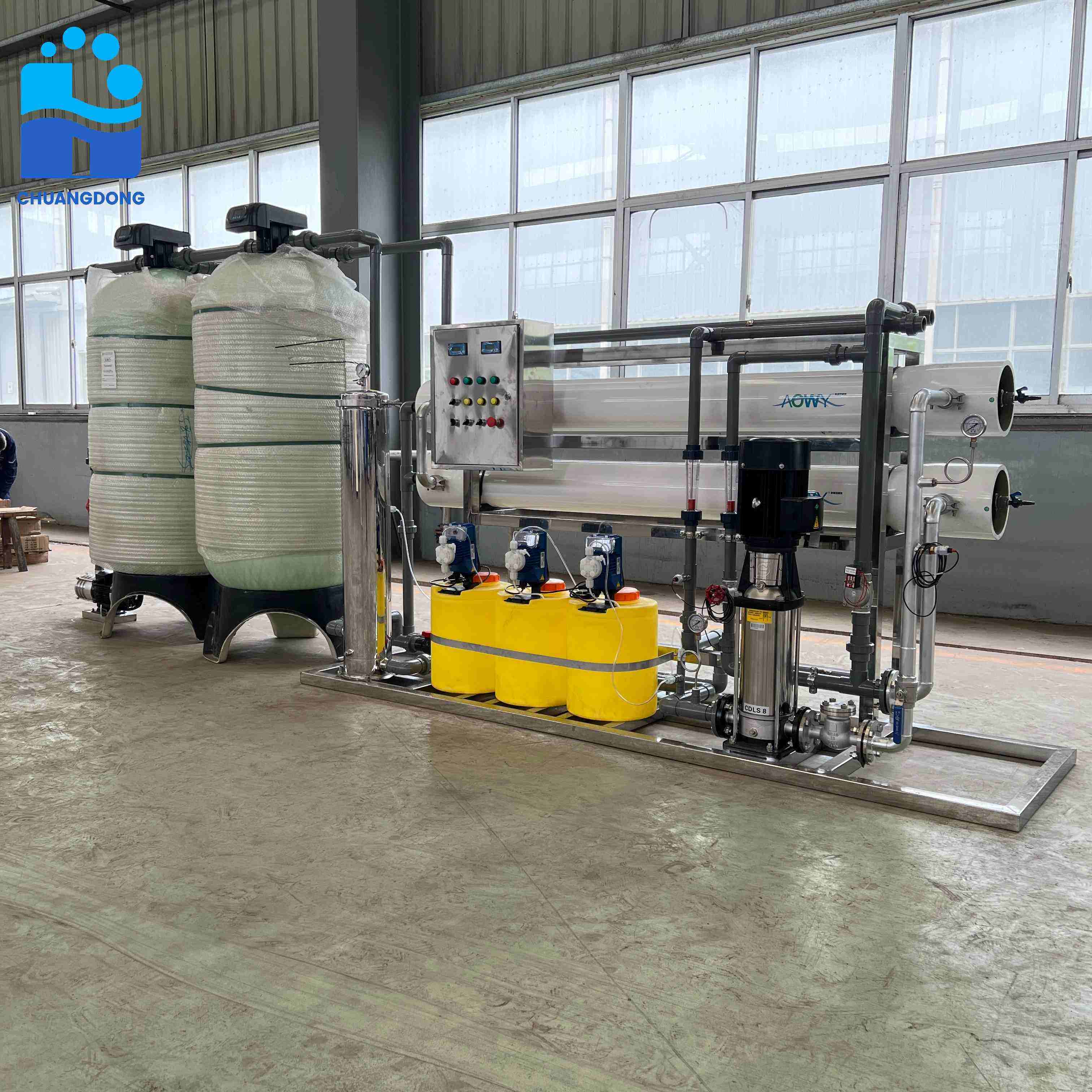
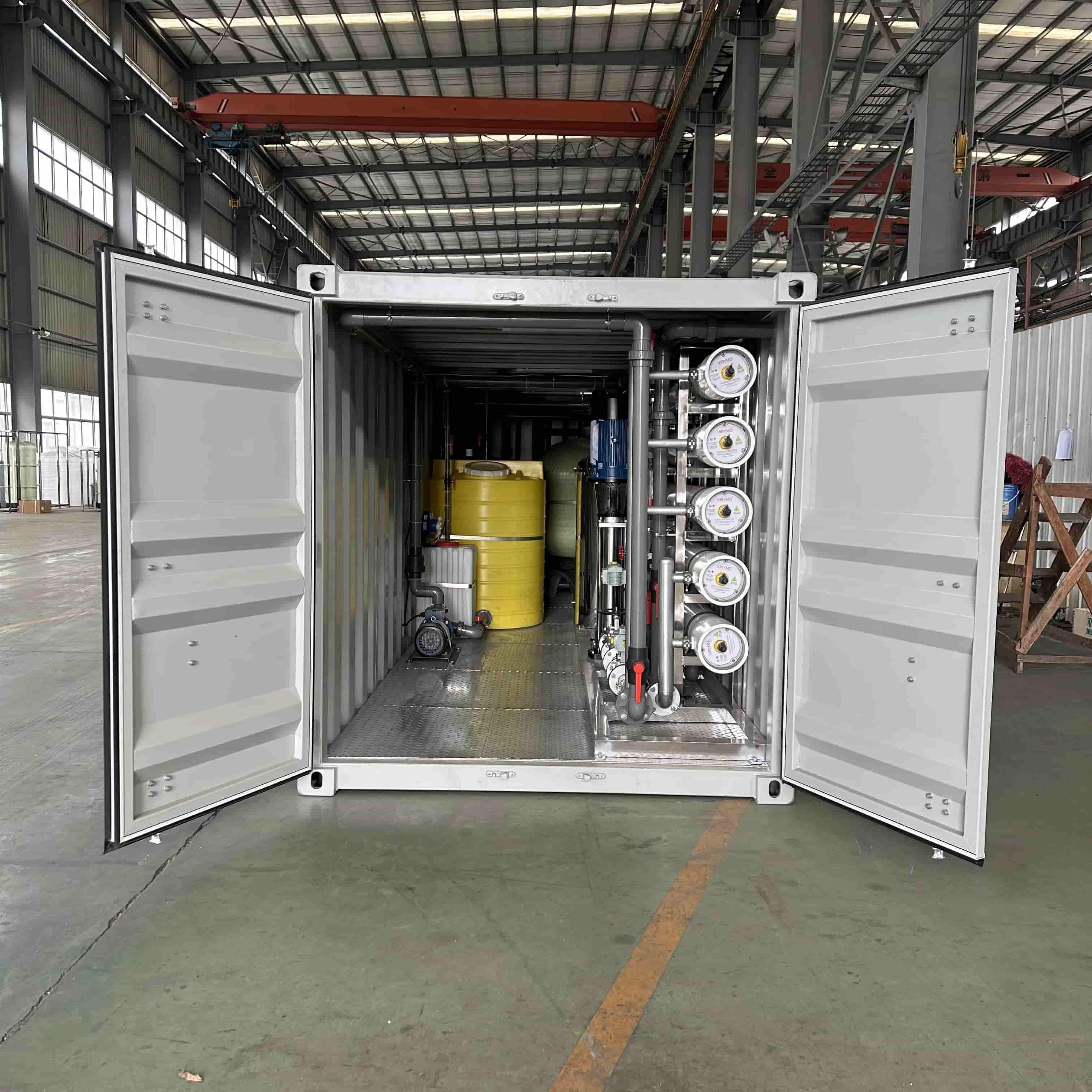
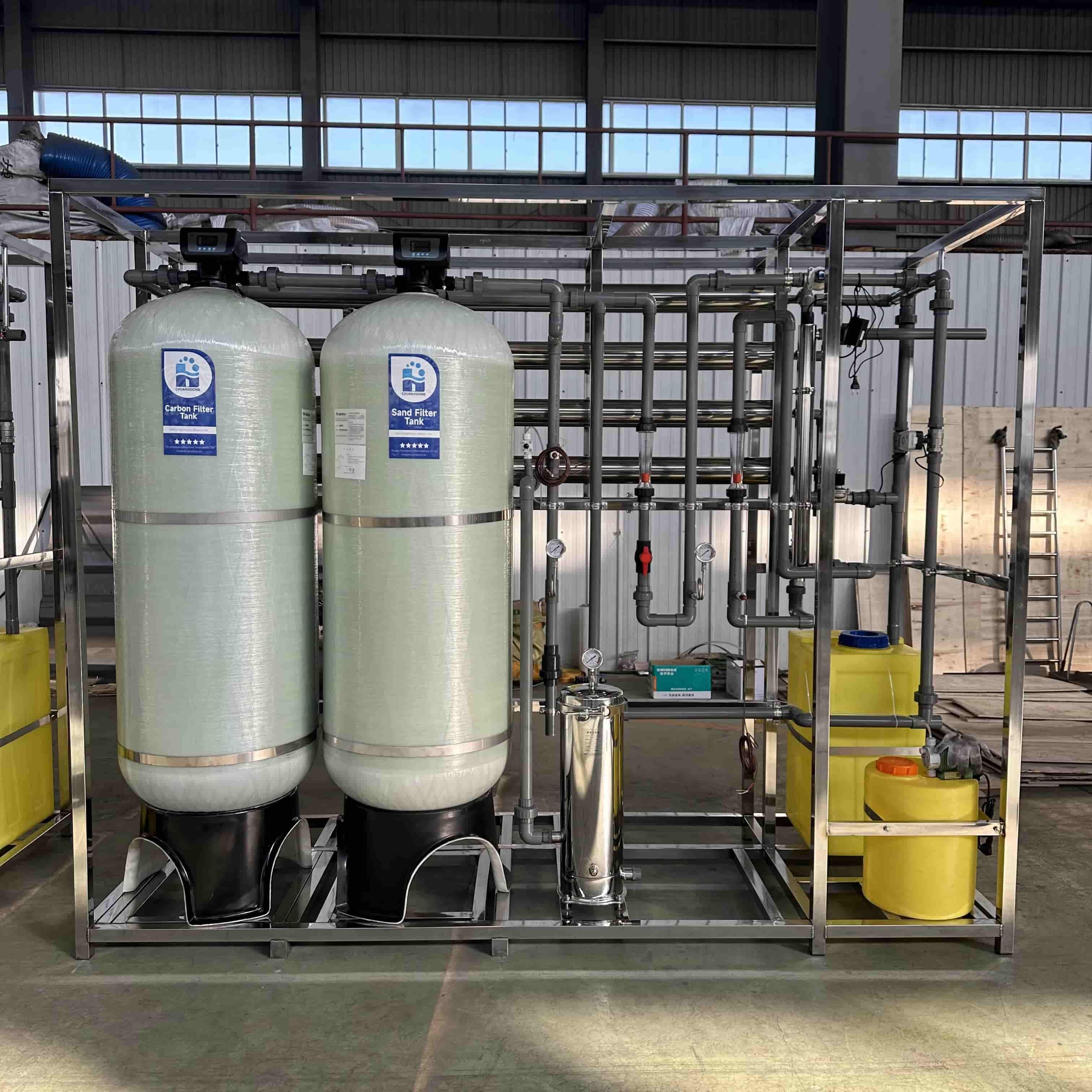
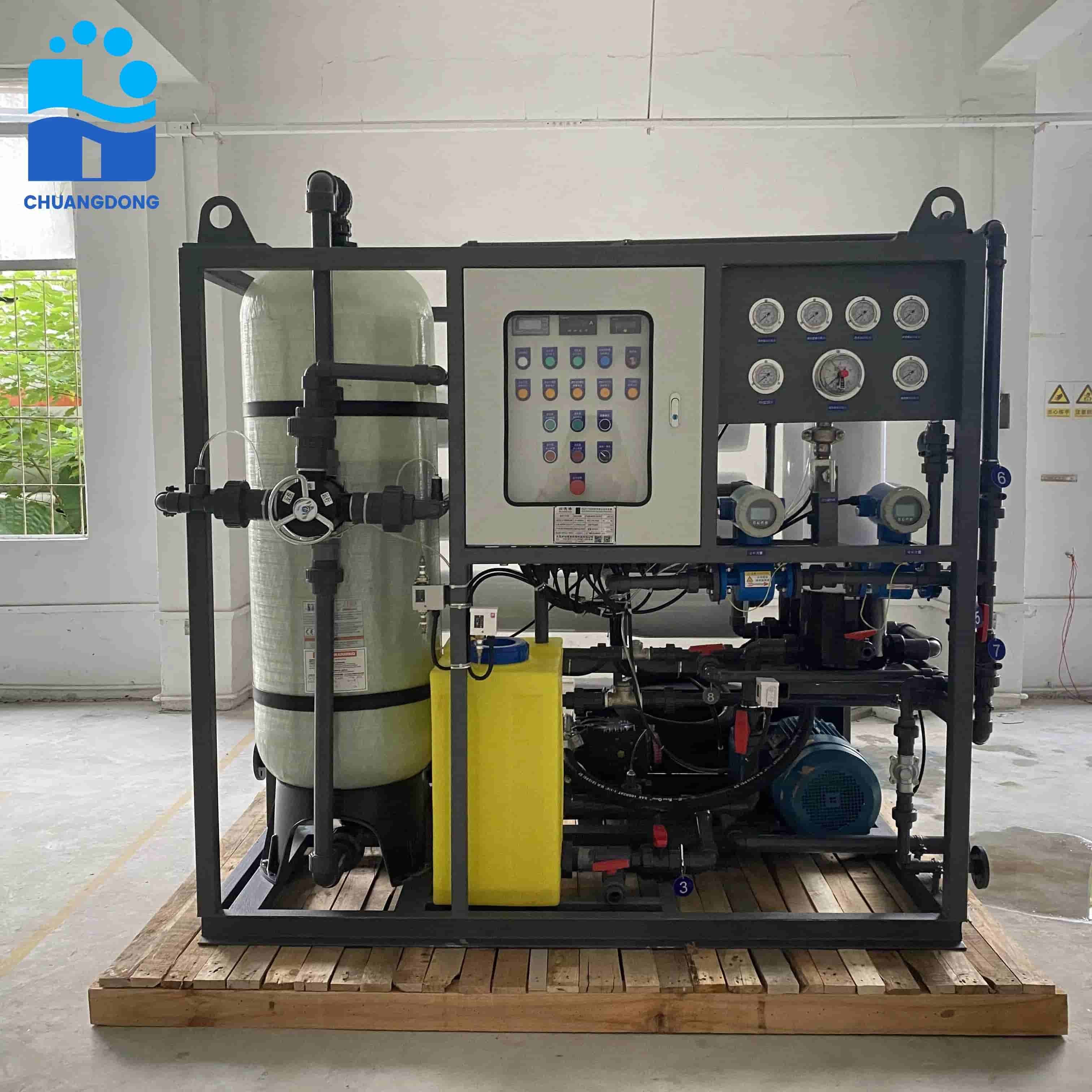
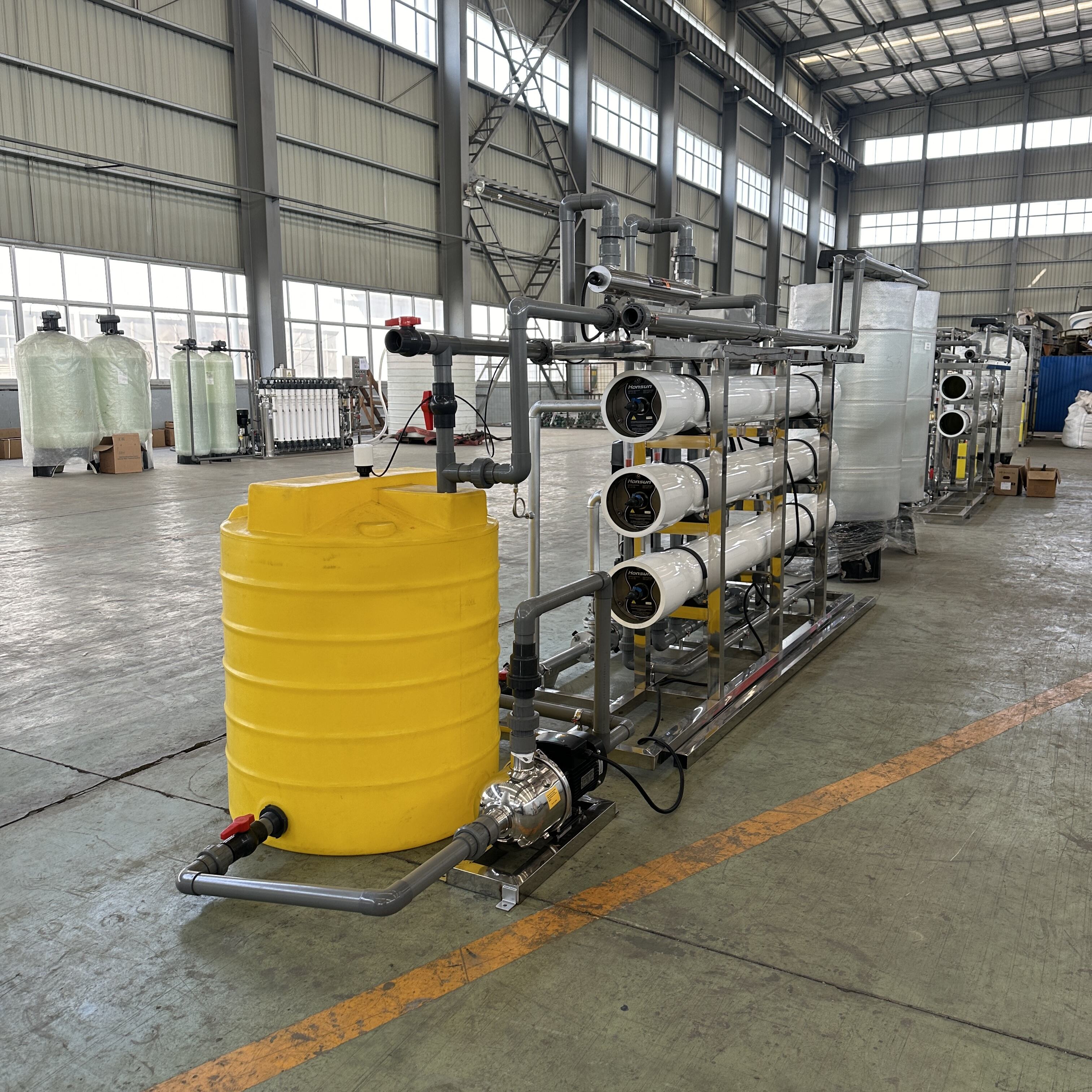
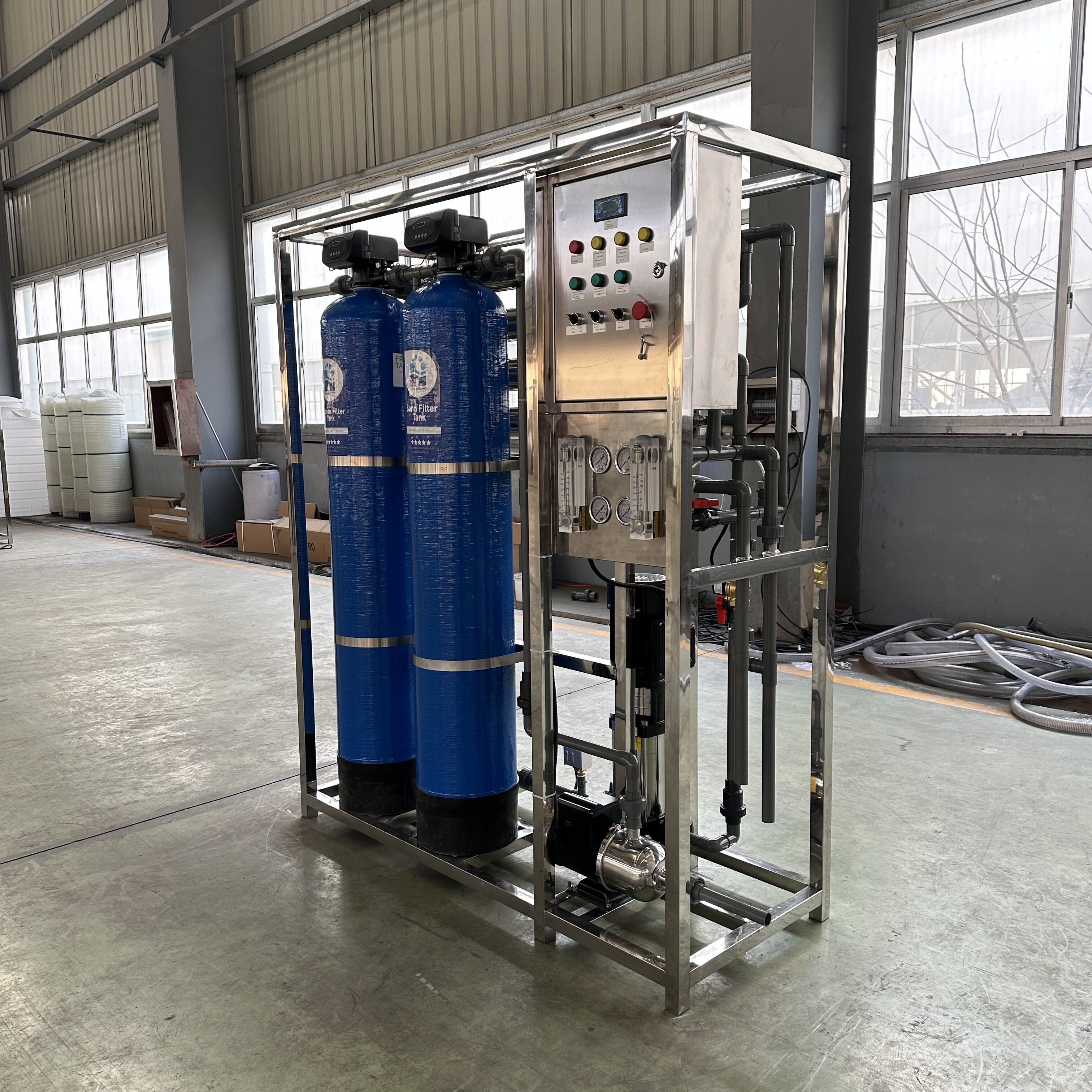
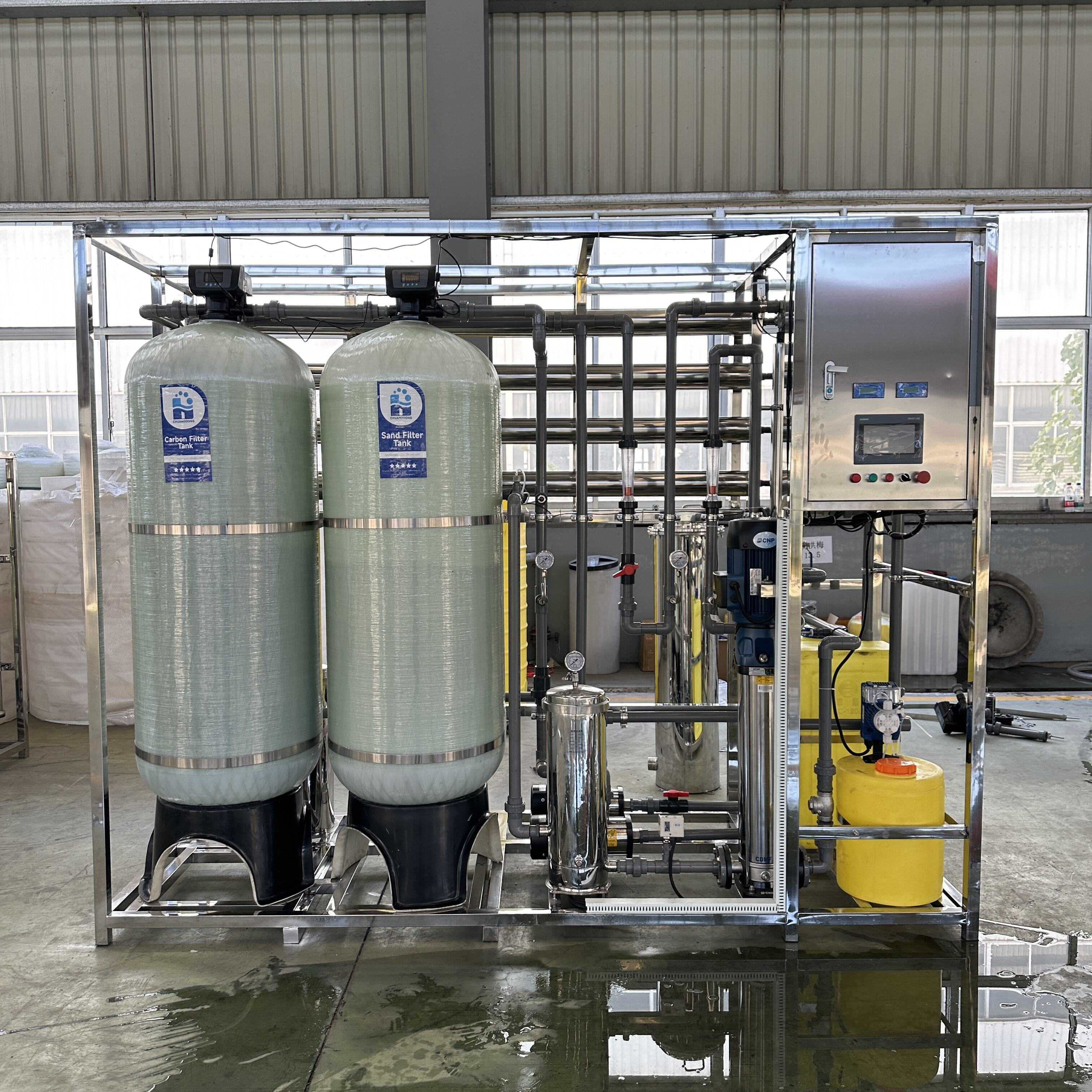
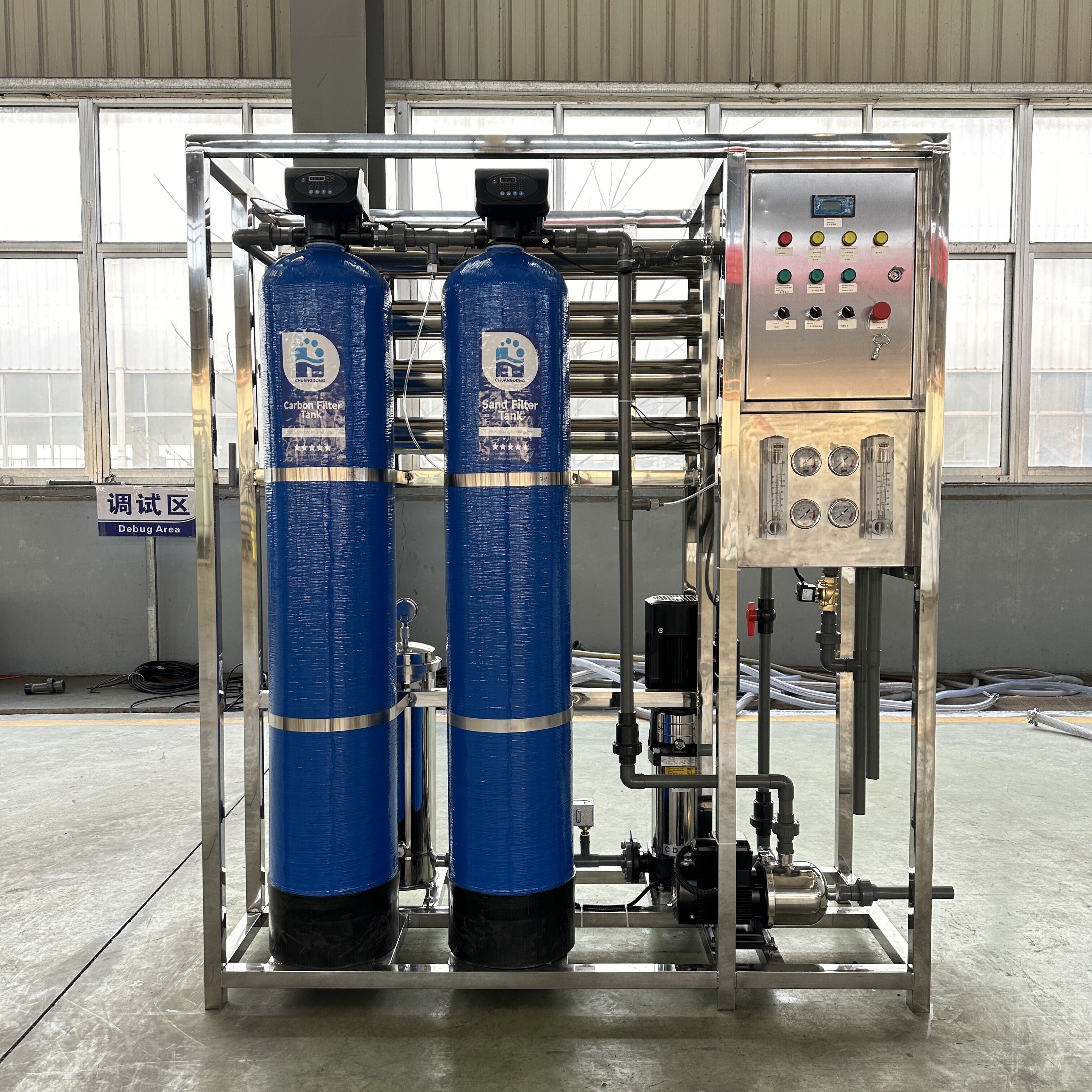
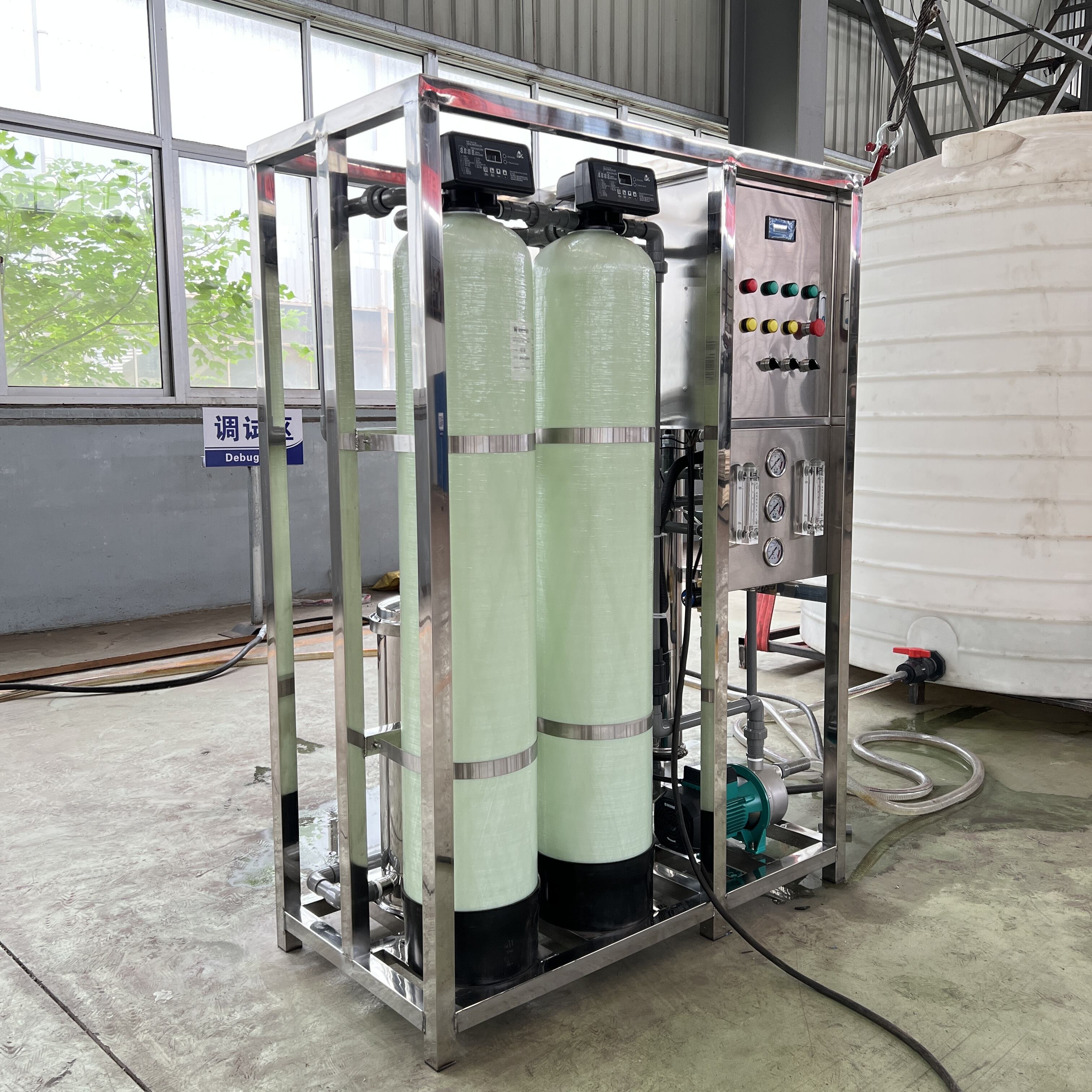
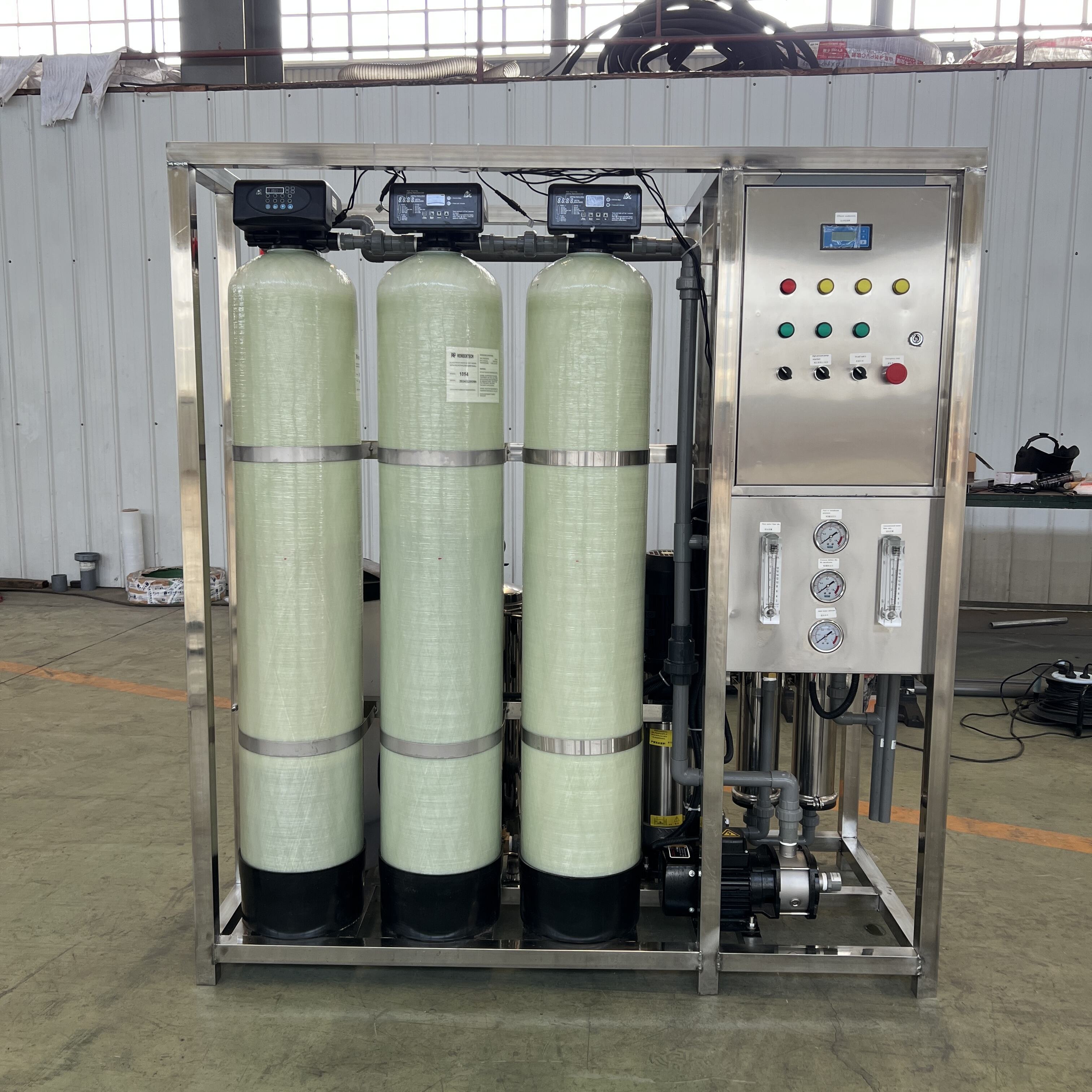
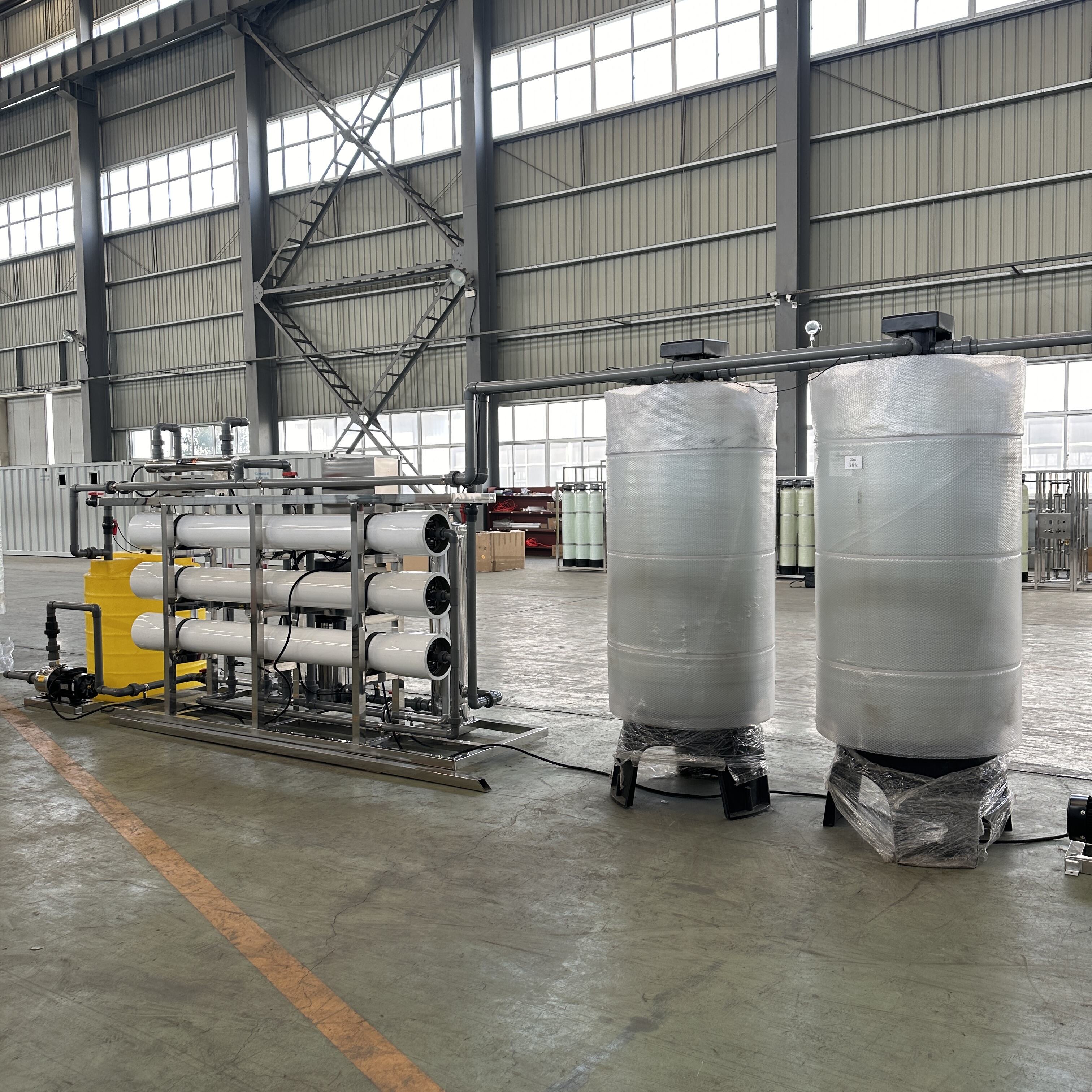
An industrial water purifier machine represents a sophisticated technological solution designed to treat large volumes of water for commercial and manufacturing applications. These robust systems incorporate multiple filtration stages and advanced purification technologies to remove contaminants, impurities, and unwanted substances from water sources. The industrial water purifier machine operates through a comprehensive treatment process that typically includes pre-filtration, reverse osmosis, activated carbon filtration, and UV sterilization components. The main functions of an industrial water purifier machine encompass removing suspended solids, dissolved salts, organic compounds, bacteria, viruses, and chemical pollutants from raw water sources. These systems feature automated control panels that monitor water quality parameters, flow rates, and system performance in real-time. The technological features include high-capacity membrane systems, pressure pumps, storage tanks, and sophisticated monitoring equipment that ensures consistent water quality output. Industrial water purifier machines utilize multi-stage filtration processes that can handle varying levels of contamination and adapt to different water source conditions. The applications for industrial water purifier machines span across numerous sectors including manufacturing plants, food processing facilities, pharmaceutical companies, hospitals, hotels, educational institutions, and large commercial buildings. These systems provide reliable water treatment solutions for processes requiring high-quality water, such as boiler feed water, cooling tower makeup, product manufacturing, and general facility operations. The industrial water purifier machine delivers consistent performance through automated backwashing cycles, self-cleaning mechanisms, and predictive maintenance features that minimize downtime and operational costs.

New Products

Industrial water purifier machines deliver substantial cost savings by eliminating the need for bottled water purchases and reducing dependency on external water suppliers. Companies can achieve significant long-term financial benefits as these systems produce purified water at a fraction of the cost of purchasing treated water from third-party vendors. The industrial water purifier machine provides consistent water quality that meets specific industrial standards and regulatory requirements, ensuring reliable operations without quality fluctuations that could impact production processes. These systems offer remarkable versatility by accommodating various water sources including municipal water, groundwater, and even contaminated water supplies, making them suitable for diverse industrial environments and geographic locations. The automated operation features reduce labor costs and human error while maintaining optimal performance levels throughout continuous operation cycles. Industrial water purifier machines contribute to environmental sustainability by reducing plastic waste from bottled water consumption and minimizing the carbon footprint associated with water transportation and delivery services. The modular design allows for easy expansion and customization based on changing water demands, enabling businesses to scale their water treatment capacity as operations grow. These machines provide superior reliability through robust construction materials and redundant system components that ensure uninterrupted water supply even during maintenance periods. The advanced monitoring capabilities enable proactive maintenance scheduling, preventing costly emergency repairs and extending equipment lifespan significantly. Industrial water purifier machines deliver improved water taste, odor, and clarity compared to untreated sources, enhancing employee satisfaction and product quality in applications where water is a key ingredient. The rapid payback period typically ranges from 12 to 24 months, making these systems attractive investments that provide immediate operational benefits while generating positive returns over their extended service life. The reduced maintenance requirements compared to alternative water treatment methods result in lower operational overhead and increased system availability for continuous production needs.

Tips And Tricks

What Corrosion-Resistant Materials Are Used in Desalination Plant Construction?

06

Mar

What Corrosion-Resistant Materials Are Used in Desalination Plant Construction?

Desalination plants operate in some of the harshest environments imaginable, where saltwater constantly threatens the integrity of critical infrastructure. The selection of appropriate corrosion-resistant materials becomes paramount to ensuring long-...
View More
How Does a Water Purification System with Ion Exchange Soften Hard Water Effectively?

15

Mar

How Does a Water Purification System with Ion Exchange Soften Hard Water Effectively?

Hard water poses significant challenges for both residential and commercial applications, containing high concentrations of calcium and magnesium ions that cause scale buildup, reduce equipment efficiency, and affect water quality. A water purificati...
View More
How Does an RO Water Filter with a UV Sterilizer Provide Additional Protection Against Bacteria?

10

Mar

How Does an RO Water Filter with a UV Sterilizer Provide Additional Protection Against Bacteria?

Water contamination remains one of the most pressing concerns for homeowners and businesses seeking reliable water purification solutions. While traditional filtration methods offer basic protection, modern water treatment technology has evolved to p...
View More
Why Should Pharmaceutical QC Labs Use Ultrapure Water for HPLC and Mass Spectrometry?

18

Mar

Why Should Pharmaceutical QC Labs Use Ultrapure Water for HPLC and Mass Spectrometry?

Pharmaceutical quality control laboratories face increasingly stringent requirements for analytical accuracy and regulatory compliance. The foundation of reliable analytical results lies in the quality of water used throughout testing procedures. Ult...
View More

Get a Free Quote

Our representative will contact you soon.
Email
Name
Company Name
Message
0/1000

industrial water purifier machine

Advanced Multi-Stage Purification Technology

Advanced Multi-Stage Purification Technology

The industrial water purifier machine incorporates cutting-edge multi-stage purification technology that represents the pinnacle of water treatment innovation. This sophisticated approach combines multiple purification methods within a single integrated system, creating a comprehensive treatment process that addresses virtually every type of water contamination. The first stage typically involves mechanical filtration through high-capacity sediment filters that remove suspended particles, dirt, rust, and other visible contaminants that could damage downstream components. The second stage utilizes activated carbon filtration technology that effectively eliminates chlorine, organic compounds, pesticides, and chemical pollutants while simultaneously improving taste and odor characteristics. The third stage employs reverse osmosis membrane technology, which represents the most effective method for removing dissolved salts, heavy metals, bacteria, viruses, and microscopic contaminants down to 0.0001 microns in size. The fourth stage incorporates ultraviolet sterilization that provides additional protection against microbiological contamination by destroying DNA structures in bacteria, viruses, and other pathogens without introducing chemicals into the treated water. This multi-stage approach ensures that the industrial water purifier machine delivers consistently pure water that exceeds industry standards and regulatory requirements. The synergistic effect of combining these technologies creates a treatment process that is more effective than any single purification method alone. Each stage is designed to complement and enhance the performance of subsequent stages, resulting in superior water quality and extended component lifespan. The advanced control systems monitor each stage independently, allowing for precise optimization of treatment parameters and immediate detection of any performance deviations that could affect water quality output.
High-Capacity Processing with Energy Efficiency

High-Capacity Processing with Energy Efficiency

The industrial water purifier machine delivers exceptional high-capacity processing capabilities while maintaining outstanding energy efficiency standards that significantly reduce operational costs. These systems are engineered to handle substantial water volumes ranging from thousands to millions of gallons per day, making them suitable for large-scale industrial operations, manufacturing facilities, and commercial complexes with extensive water requirements. The high-capacity design incorporates oversized filtration components, powerful circulation pumps, and expanded storage systems that ensure continuous water availability even during peak demand periods. The energy efficiency features include variable frequency drives that automatically adjust pump speeds based on actual water demand, preventing unnecessary energy consumption during low-usage periods. Advanced pressure management systems optimize operating pressures throughout the treatment process, reducing energy requirements while maintaining optimal purification performance. The industrial water purifier machine utilizes energy recovery devices that capture and reuse energy from high-pressure streams, converting waste energy back into useful power that reduces overall electricity consumption. Smart scheduling capabilities allow the system to operate during off-peak electricity rate periods, taking advantage of lower energy costs while building water reserves for high-demand periods. The efficient design minimizes heat generation and incorporates thermal management systems that prevent energy waste through heat loss. Modern control algorithms continuously optimize system performance by analyzing real-time data and adjusting operational parameters to achieve maximum efficiency. The combination of high processing capacity and energy efficiency makes these systems ideal for organizations seeking to reduce both operational costs and environmental impact. The robust construction ensures reliable high-volume operation while sophisticated monitoring prevents energy waste through early detection of performance issues that could increase power consumption unnecessarily.
Automated Smart Control and Remote Monitoring

Automated Smart Control and Remote Monitoring

The industrial water purifier machine features state-of-the-art automated smart control systems and comprehensive remote monitoring capabilities that revolutionize water treatment management. The intelligent control panel serves as the central command center, utilizing advanced microprocessor technology to manage all system functions automatically while providing operators with intuitive interfaces for system oversight and configuration. The automated control system continuously monitors critical parameters including water flow rates, pressure levels, temperature readings, filtration efficiency, and water quality indicators such as total dissolved solids, pH levels, and conductivity measurements. Smart algorithms analyze this real-time data to optimize system performance, automatically adjusting operational parameters to maintain peak efficiency while ensuring consistent water quality output. The remote monitoring capabilities enable facility managers and service technicians to access system status information from anywhere using internet-connected devices, smartphones, or computer terminals. This connectivity allows for proactive maintenance scheduling based on actual system condition rather than arbitrary time intervals, reducing unnecessary service calls while preventing unexpected equipment failures. The industrial water purifier machine sends automatic alerts and notifications when system parameters exceed preset thresholds, enabling immediate response to potential issues before they impact water quality or system availability. Historical data logging capabilities provide valuable insights into system performance trends, helping operators identify optimization opportunities and plan for future capacity requirements. The smart control system includes predictive maintenance features that analyze component performance patterns to forecast when parts may require replacement or service. Integration capabilities allow the system to connect with building management systems, providing centralized control and monitoring of multiple facility systems. The user-friendly interface includes touchscreen displays with graphical representations of system status, making it easy for operators to understand system conditions at a glance. Customizable reporting features generate detailed performance reports that support regulatory compliance requirements and internal quality management processes.

Get a Free Quote

Our representative will contact you soon.
Email
Name
Company Name
Message
0/1000