Industrial Filter Systems - Advanced Filtration Solutions for Manufacturing Excellence

Get a Free Quote

Our representative will contact you soon.
Email
Name
Company Name
Message
0/1000

industrial filter system

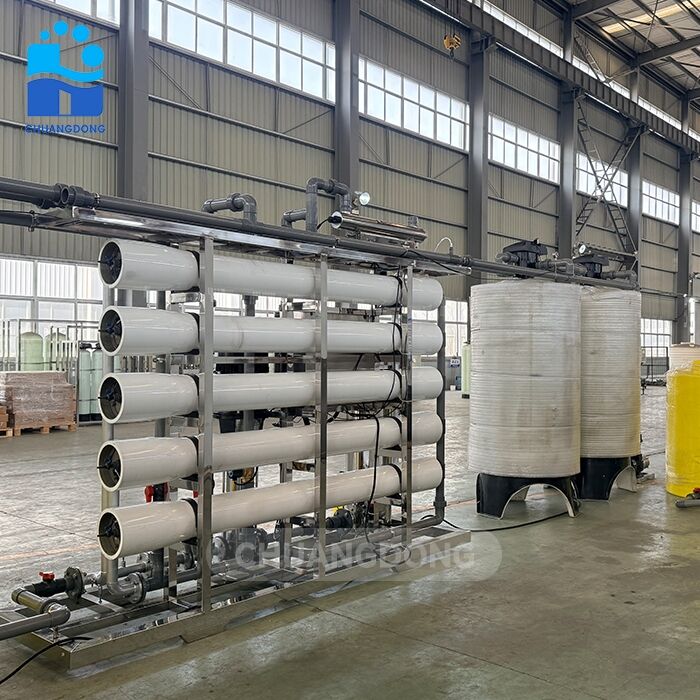
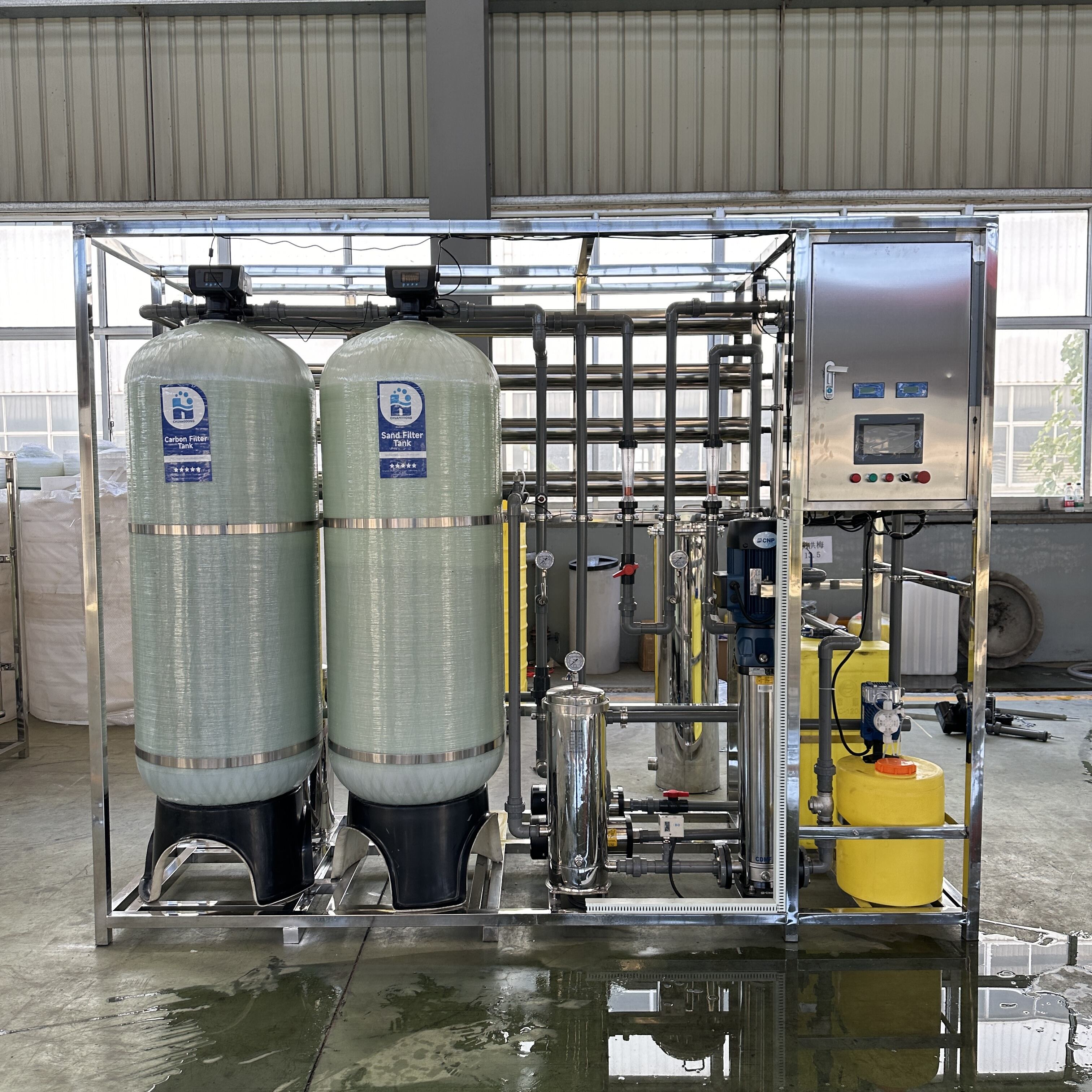
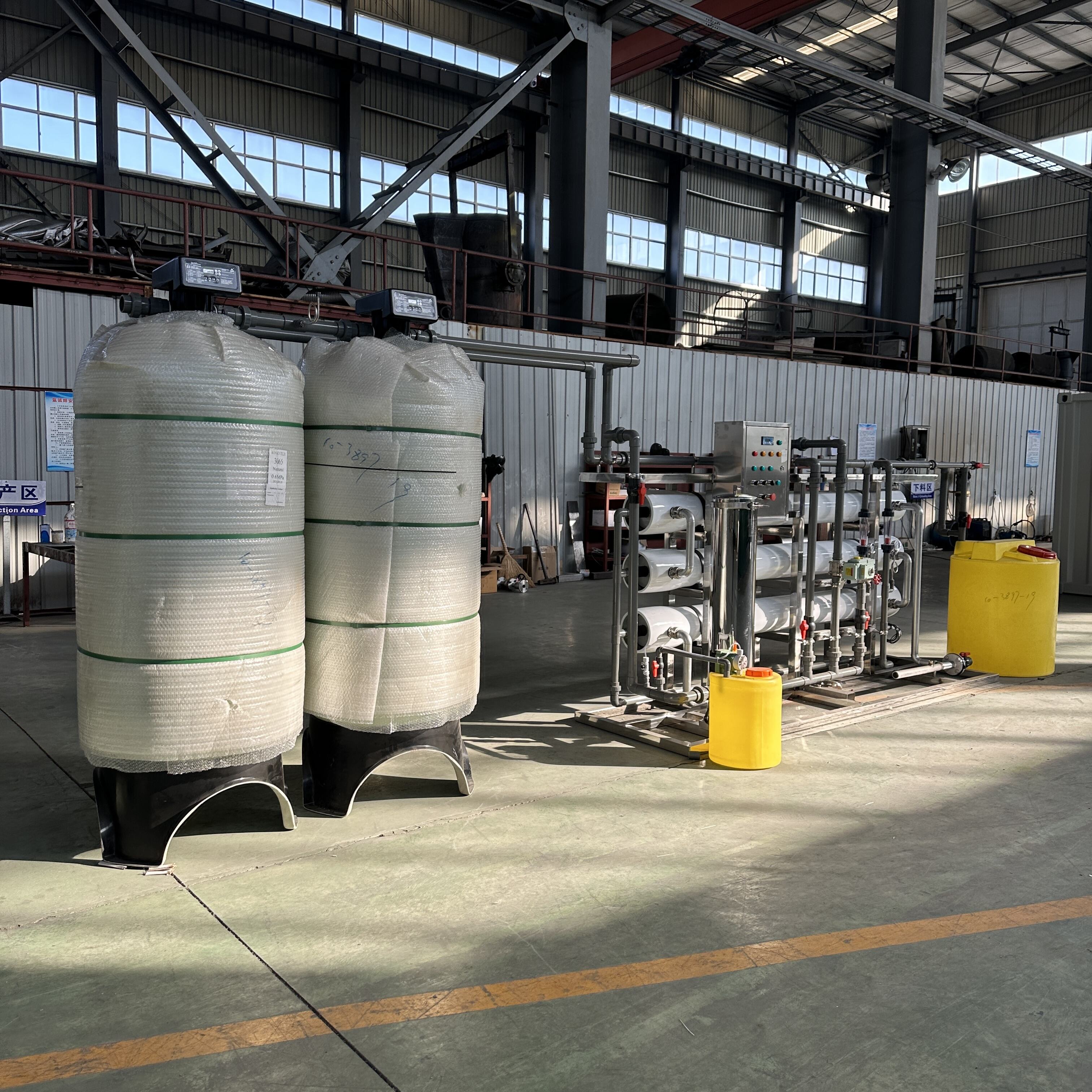
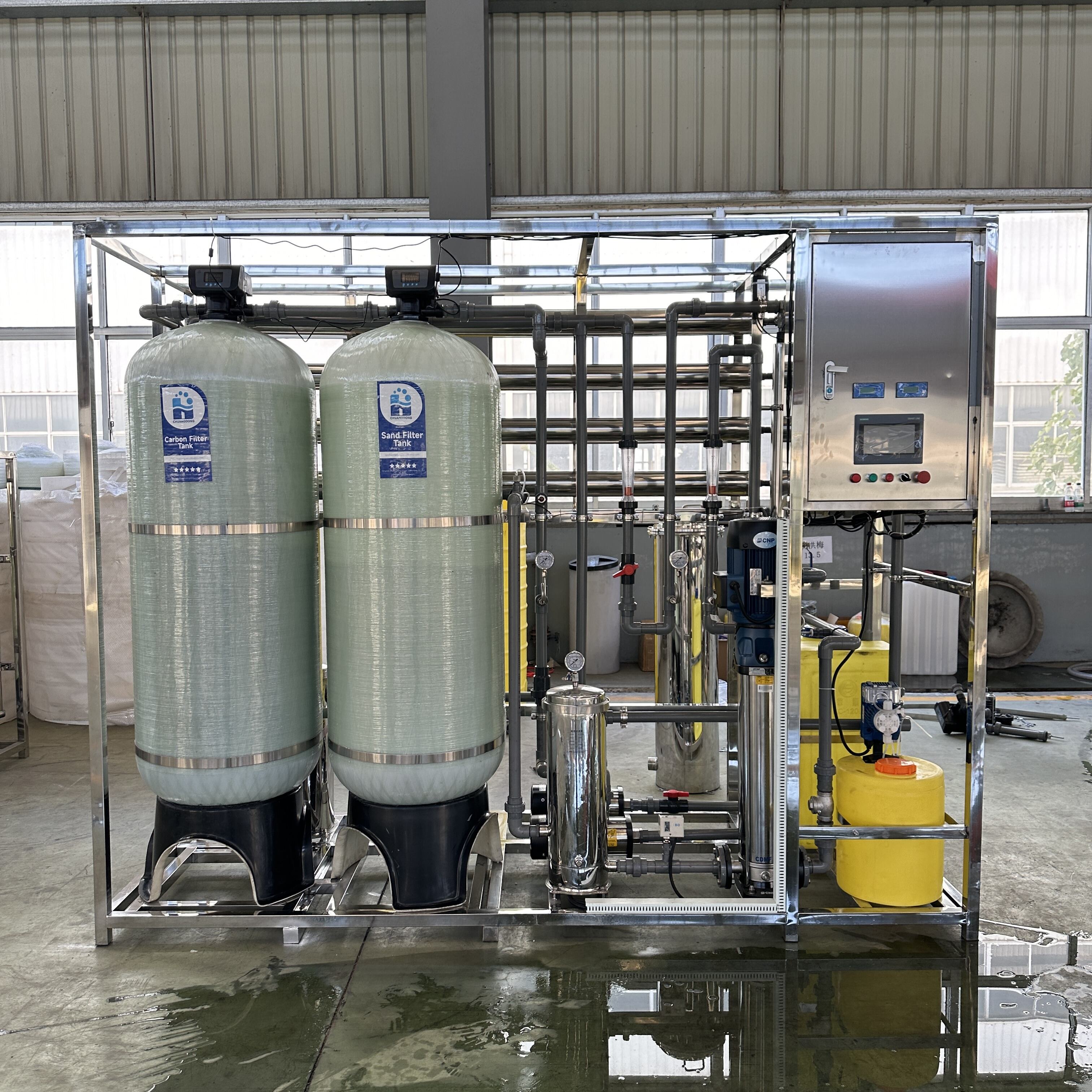
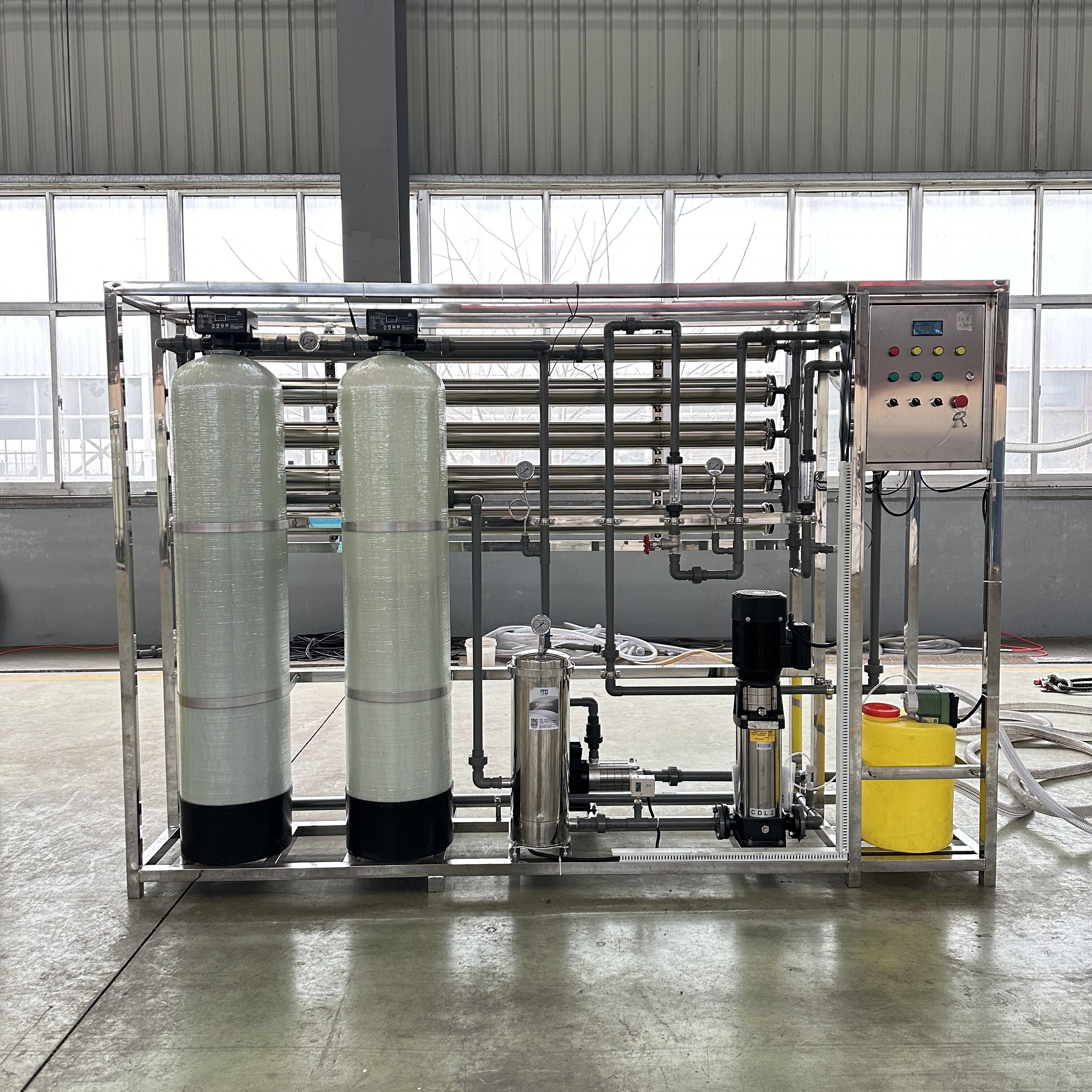
An industrial filter system represents a sophisticated engineering solution designed to purify, separate, and refine various substances across manufacturing processes. These robust filtration units serve as the backbone of quality control in countless industries, ensuring that production meets stringent standards while protecting equipment from contamination. The industrial filter system operates through multiple stages of mechanical, chemical, and physical separation processes, effectively removing unwanted particles, contaminants, and impurities from liquids, gases, and air streams. Modern industrial filter systems incorporate advanced technologies such as membrane filtration, activated carbon adsorption, electrostatic precipitation, and multi-stage screening mechanisms. These systems handle diverse materials ranging from fine dust particles measuring less than one micron to larger debris and chemical compounds. The technological framework includes automated monitoring capabilities, real-time performance analytics, and adaptive cleaning cycles that optimize efficiency while minimizing maintenance requirements. Industrial filter systems find extensive applications across pharmaceutical manufacturing, food processing, petrochemical refining, water treatment facilities, automotive production, electronics manufacturing, and power generation plants. Each application demands specific filtration criteria, leading to customized configurations that address unique operational challenges. The versatility of these systems allows for seamless integration into existing production lines without disrupting workflow continuity. Additionally, modern industrial filter systems feature modular designs that enable scalability and future expansion as operational demands evolve. Environmental compliance represents another critical aspect, as these systems help facilities meet regulatory standards for emissions control and waste management while contributing to sustainable manufacturing practices.

New Products

Industrial filter systems deliver exceptional operational benefits that directly impact your bottom line and production efficiency. These systems dramatically reduce maintenance costs by protecting expensive equipment from harmful contaminants that cause premature wear and costly breakdowns. You will experience significant energy savings as clean systems operate more efficiently, consuming less power while maintaining optimal performance levels. The enhanced product quality achieved through proper filtration translates into reduced waste, fewer rejected batches, and increased customer satisfaction, ultimately boosting your market reputation and profitability. Your facility gains improved worker safety as industrial filter systems remove hazardous airborne particles and toxic substances from the workplace environment, reducing health risks and potential liability issues. The extended equipment lifespan resulting from proper filtration protection means you postpone major capital investments while maximizing returns on existing machinery. These systems provide consistent production output by maintaining stable process conditions, eliminating variations caused by contamination that disrupt manufacturing schedules and delivery commitments. You achieve regulatory compliance effortlessly as industrial filter systems help meet environmental standards and industry regulations, avoiding costly fines and legal complications. The automated operation features reduce labor requirements and human error, allowing your staff to focus on value-added activities rather than constant monitoring and manual interventions. Real-time monitoring capabilities enable proactive maintenance scheduling, preventing unexpected shutdowns that cost thousands of dollars in lost production time. Your facility benefits from reduced raw material consumption as clean processes operate more efficiently, requiring fewer additives and chemicals to achieve desired results. The scalable design accommodates business growth without requiring complete system replacement, protecting your investment while supporting expansion plans. Additionally, these systems contribute to your sustainability goals by reducing waste generation and energy consumption, enhancing your corporate environmental responsibility profile and potentially qualifying for green incentives and certifications.

Latest News

What Intake and Outfall Designs Minimize Environmental Impact of a Desalination Plant?

01

Mar

What Intake and Outfall Designs Minimize Environmental Impact of a Desalination Plant?

Environmental considerations have become paramount in the design and operation of modern desalination facilities worldwide. As water scarcity continues to challenge communities across the globe, the demand for sustainable desalination plant solutions...
View More
What Corrosion-Resistant Materials Are Used in Desalination Plant Construction?

06

Mar

What Corrosion-Resistant Materials Are Used in Desalination Plant Construction?

Desalination plants operate in some of the harshest environments imaginable, where saltwater constantly threatens the integrity of critical infrastructure. The selection of appropriate corrosion-resistant materials becomes paramount to ensuring long-...
View More
How Does a Water Purification System with Ion Exchange Soften Hard Water Effectively?

15

Mar

How Does a Water Purification System with Ion Exchange Soften Hard Water Effectively?

Hard water poses significant challenges for both residential and commercial applications, containing high concentrations of calcium and magnesium ions that cause scale buildup, reduce equipment efficiency, and affect water quality. A water purificati...
View More
How Does an RO Water Filter with a UV Sterilizer Provide Additional Protection Against Bacteria?

10

Mar

How Does an RO Water Filter with a UV Sterilizer Provide Additional Protection Against Bacteria?

Water contamination remains one of the most pressing concerns for homeowners and businesses seeking reliable water purification solutions. While traditional filtration methods offer basic protection, modern water treatment technology has evolved to p...
View More

Get a Free Quote

Our representative will contact you soon.
Email
Name
Company Name
Message
0/1000

industrial filter system

Advanced Multi-Stage Filtration Technology

Advanced Multi-Stage Filtration Technology

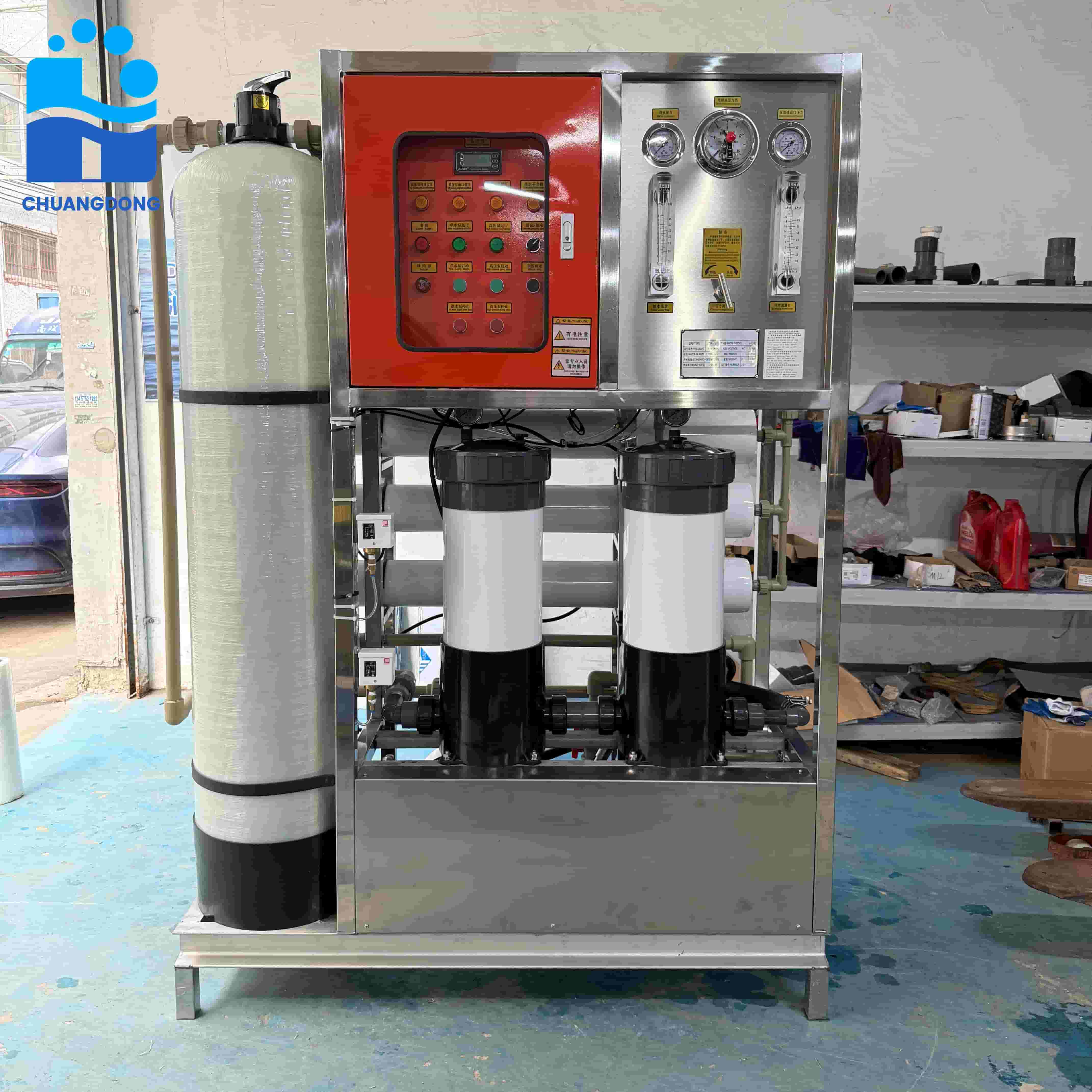
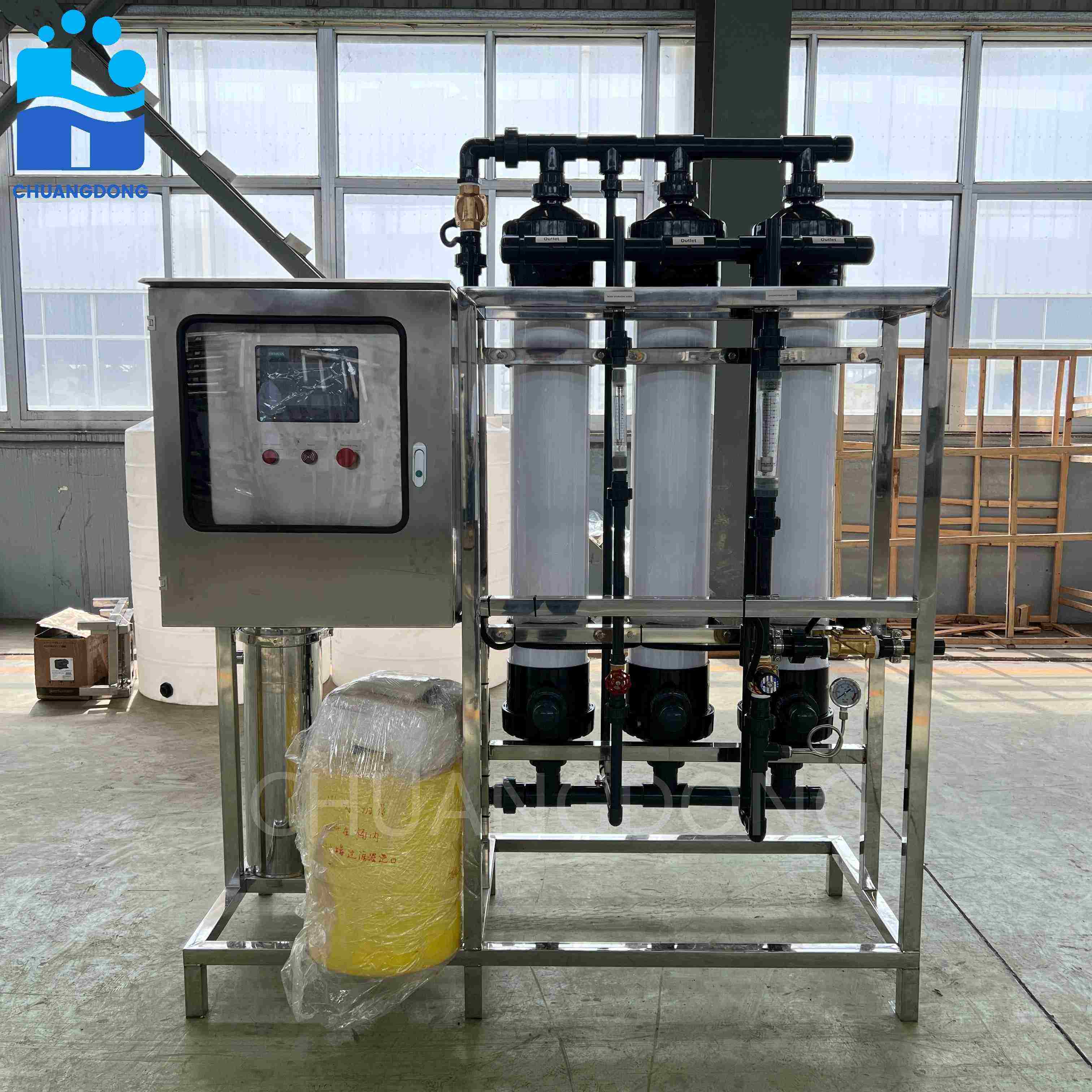
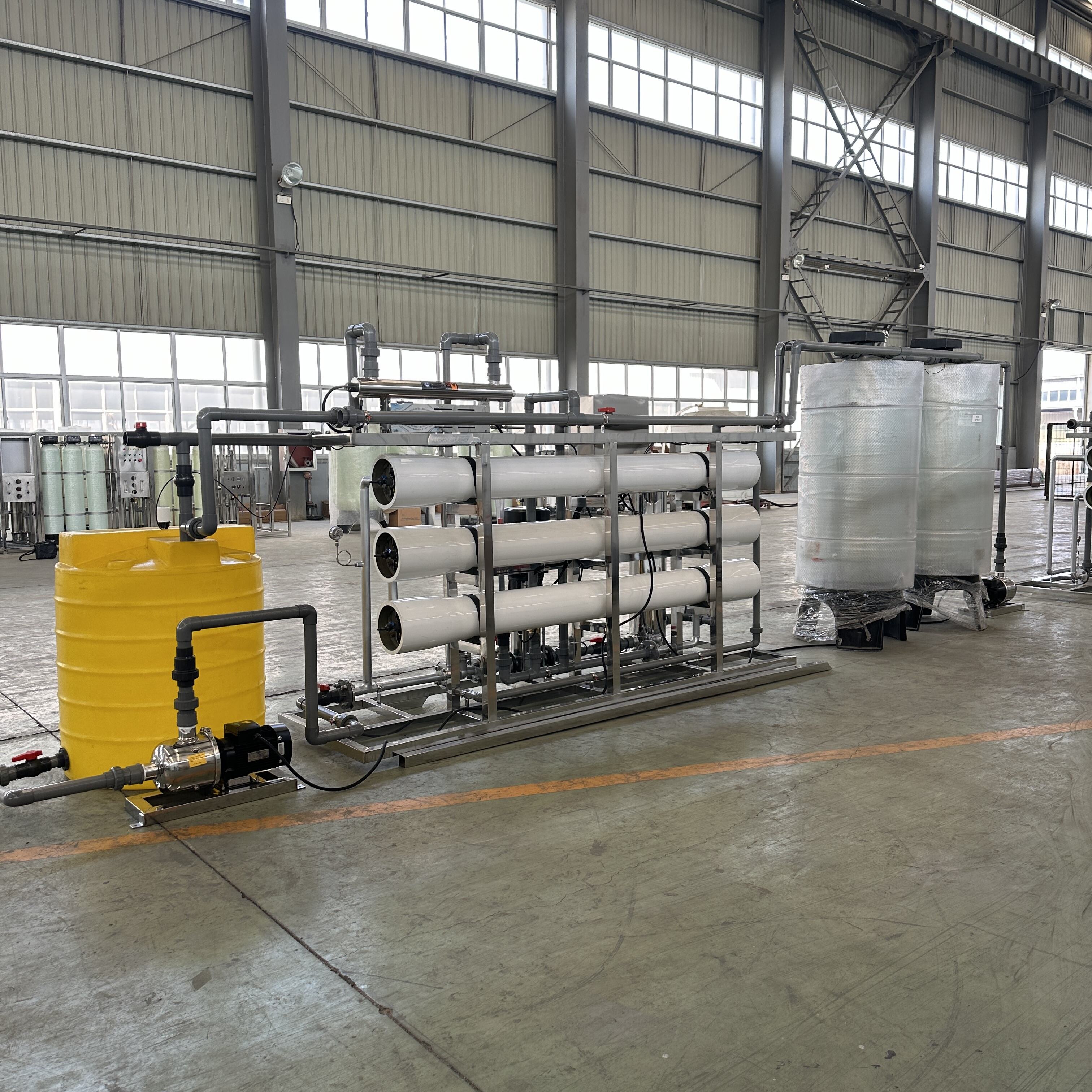
The cornerstone of superior industrial filter systems lies in their sophisticated multi-stage filtration technology that delivers unparalleled purification performance across diverse applications. This innovative approach combines multiple filtration mechanisms working in sequence, each targeting specific contaminant types and particle sizes to achieve comprehensive cleaning results. The primary stage typically employs coarse mechanical filtration to remove larger particles and debris, protecting downstream components from damage while extending overall system lifespan. Secondary stages utilize progressively finer filtration media, including pleated filters, membrane systems, and specialized materials designed for specific contaminant removal. Advanced industrial filter systems incorporate electrostatic precipitation technology for sub-micron particle capture, achieving filtration efficiencies exceeding 99.97 percent for particles as small as 0.3 microns. The tertiary stage often features activated carbon or specialized chemical adsorption media that eliminate odors, volatile organic compounds, and dissolved contaminants that mechanical filtration cannot address. This multi-layered approach ensures comprehensive protection while maintaining optimal flow rates and pressure differentials throughout the system. The technology includes intelligent bypass mechanisms that automatically redirect flow during maintenance cycles, ensuring continuous operation without production interruptions. Each filtration stage features independent monitoring systems that track performance parameters, pressure differentials, and contamination levels, providing operators with real-time insights into system health and maintenance requirements. The modular design allows for customization of filtration stages based on specific application needs, enabling facilities to optimize their systems for maximum efficiency and cost-effectiveness. This technological sophistication translates into superior product quality, reduced operational costs, and enhanced regulatory compliance, making it an essential investment for serious industrial operations.
Energy-Efficient Smart Control Systems

Energy-Efficient Smart Control Systems

Modern industrial filter systems feature cutting-edge smart control technology that optimizes energy consumption while maintaining peak performance levels, delivering substantial cost savings and environmental benefits. These intelligent systems utilize advanced algorithms and machine learning capabilities to analyze operational patterns, automatically adjusting filtration parameters based on real-time conditions and historical data. The smart control system continuously monitors variables such as pressure differentials, flow rates, contamination levels, and energy consumption, making instant adjustments to optimize efficiency without compromising filtration quality. Variable frequency drives integrated into the control system automatically adjust motor speeds based on demand, significantly reducing energy consumption during low-load periods while ensuring adequate performance during peak operations. The predictive maintenance features analyze system performance trends and component wear patterns, scheduling maintenance activities at optimal intervals to prevent unexpected failures and minimize downtime. Remote monitoring capabilities allow operators to oversee multiple industrial filter systems from centralized control rooms, reducing staffing requirements while improving response times to system alerts and maintenance needs. The energy-efficient design incorporates regenerative cleaning cycles that minimize waste while extending filter life, reducing replacement costs and environmental impact. Automated backwash sequences optimize cleaning frequency and duration based on actual contamination levels rather than fixed schedules, preventing unnecessary water and energy consumption. The control system provides comprehensive data logging and reporting capabilities, enabling facility managers to track energy usage patterns, identify optimization opportunities, and demonstrate compliance with environmental regulations. Integration with existing facility management systems allows for seamless data exchange and coordinated operation with other plant equipment, maximizing overall facility efficiency and reducing operational complexity.
Robust Construction and Long-Term Reliability

Robust Construction and Long-Term Reliability

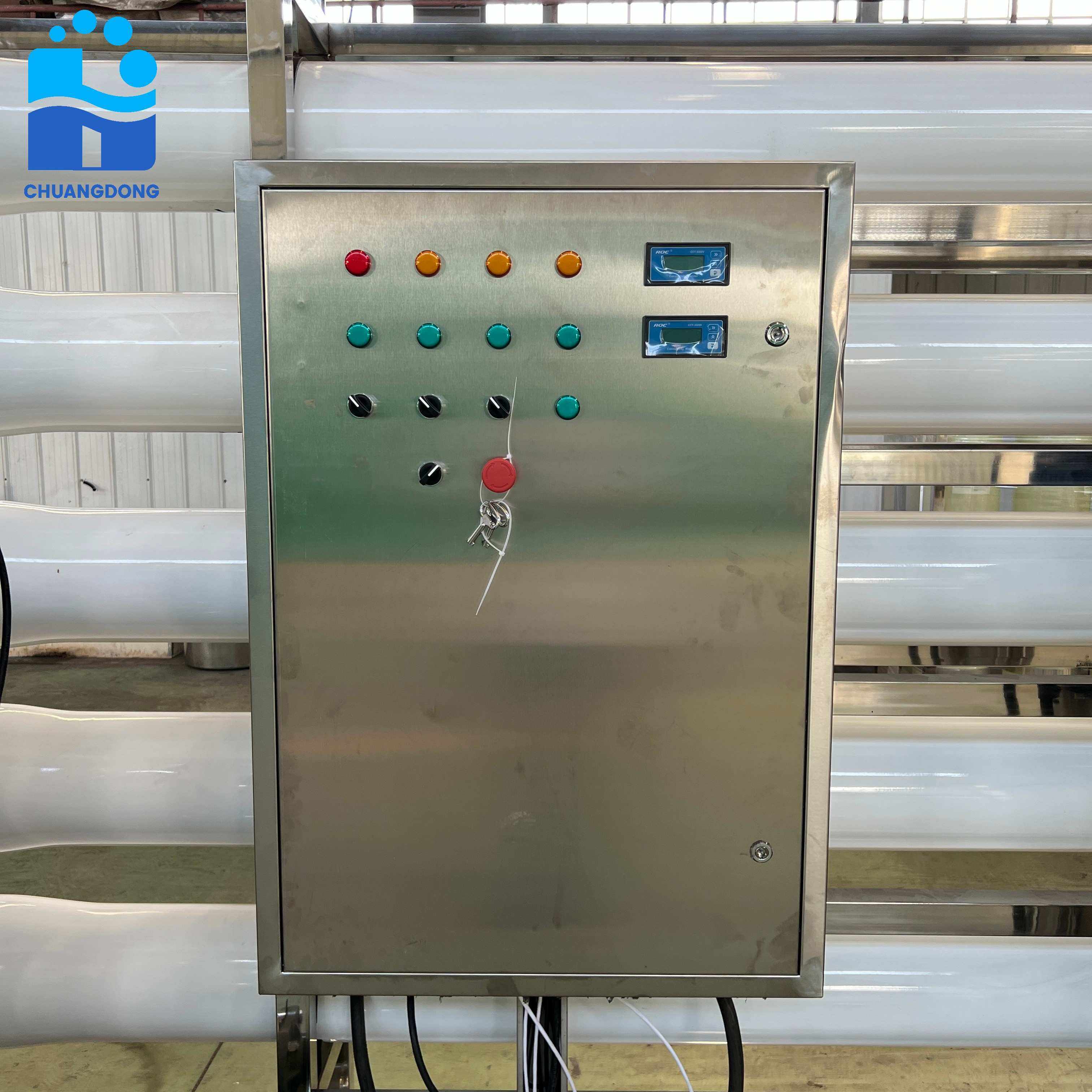
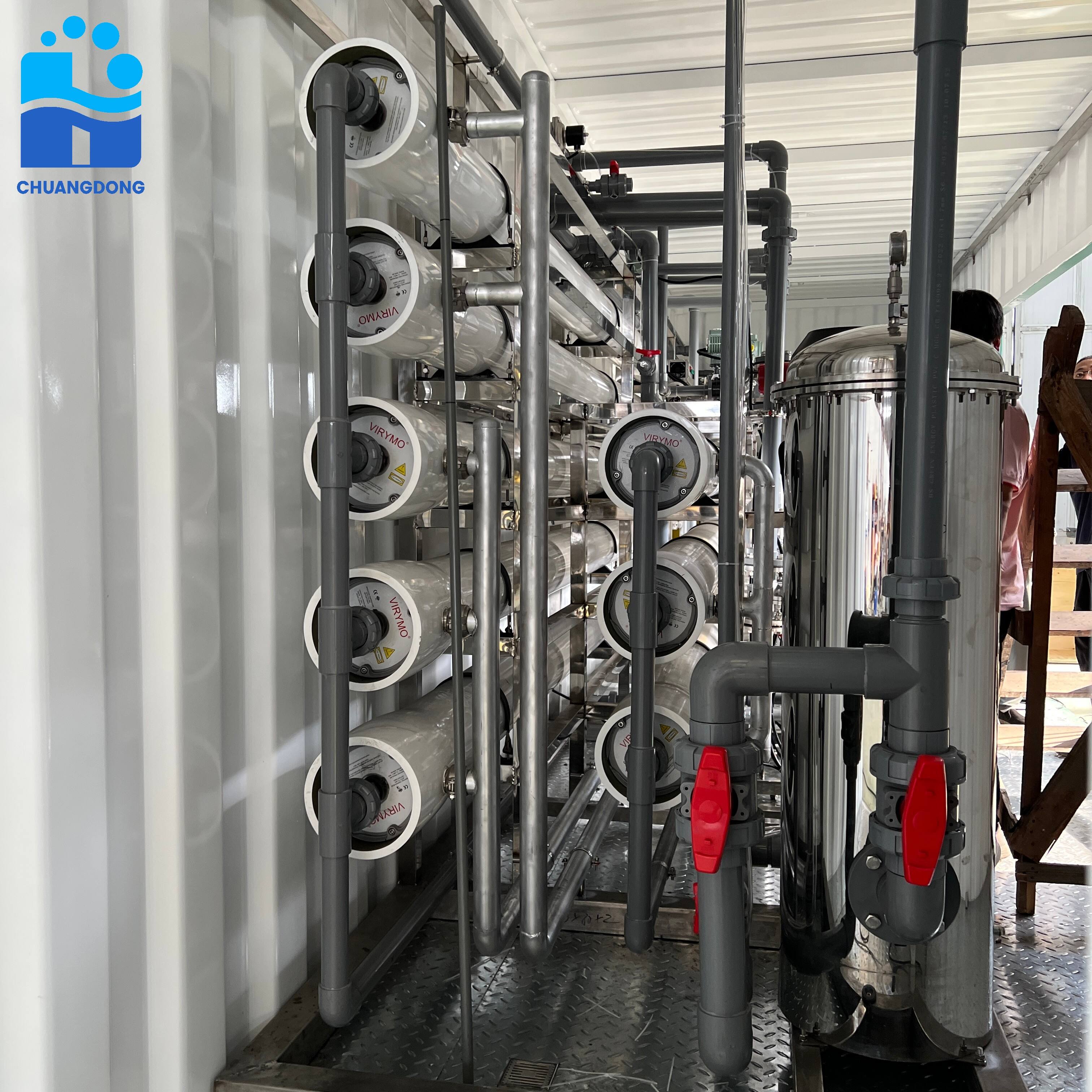
Industrial filter systems built with premium materials and engineering excellence provide exceptional durability and reliability that withstand the most demanding operational environments while delivering consistent performance over extended service periods. The robust construction begins with heavy-duty steel frames and housings manufactured from corrosion-resistant materials such as stainless steel, aluminum alloys, or specialized coatings that protect against chemical attack and environmental degradation. High-quality sealing systems utilizing advanced elastomers and gasket materials ensure leak-free operation even under extreme pressure and temperature conditions, preventing contamination bypass and maintaining system integrity. The internal components feature precision-engineered parts manufactured to strict tolerances, including reinforced filter housing structures that resist deformation under pressure cycling and thermal expansion. Advanced welding techniques and quality control processes ensure structural integrity throughout the system lifecycle, while modular component designs facilitate easy maintenance and replacement without requiring specialized tools or extensive downtime. The filtration media themselves undergo rigorous testing and quality assurance procedures to guarantee consistent performance and longevity, with many systems featuring washable and reusable elements that reduce operating costs while maintaining effectiveness. Comprehensive protection systems include pressure relief valves, temperature sensors, and vibration monitoring devices that prevent damage from abnormal operating conditions while alerting operators to potential issues before they become critical problems. The electrical components utilize industrial-grade materials and protective enclosures rated for harsh environments, ensuring reliable operation in dusty, humid, or corrosive atmospheres commonly found in industrial facilities. Extensive factory testing and quality assurance procedures verify system performance and reliability before shipment, while comprehensive documentation and support services ensure proper installation, operation, and maintenance throughout the system lifecycle, maximizing your investment return and operational confidence.

Get a Free Quote

Our representative will contact you soon.
Email
Name
Company Name
Message
0/1000