reverse osmosis for salt water
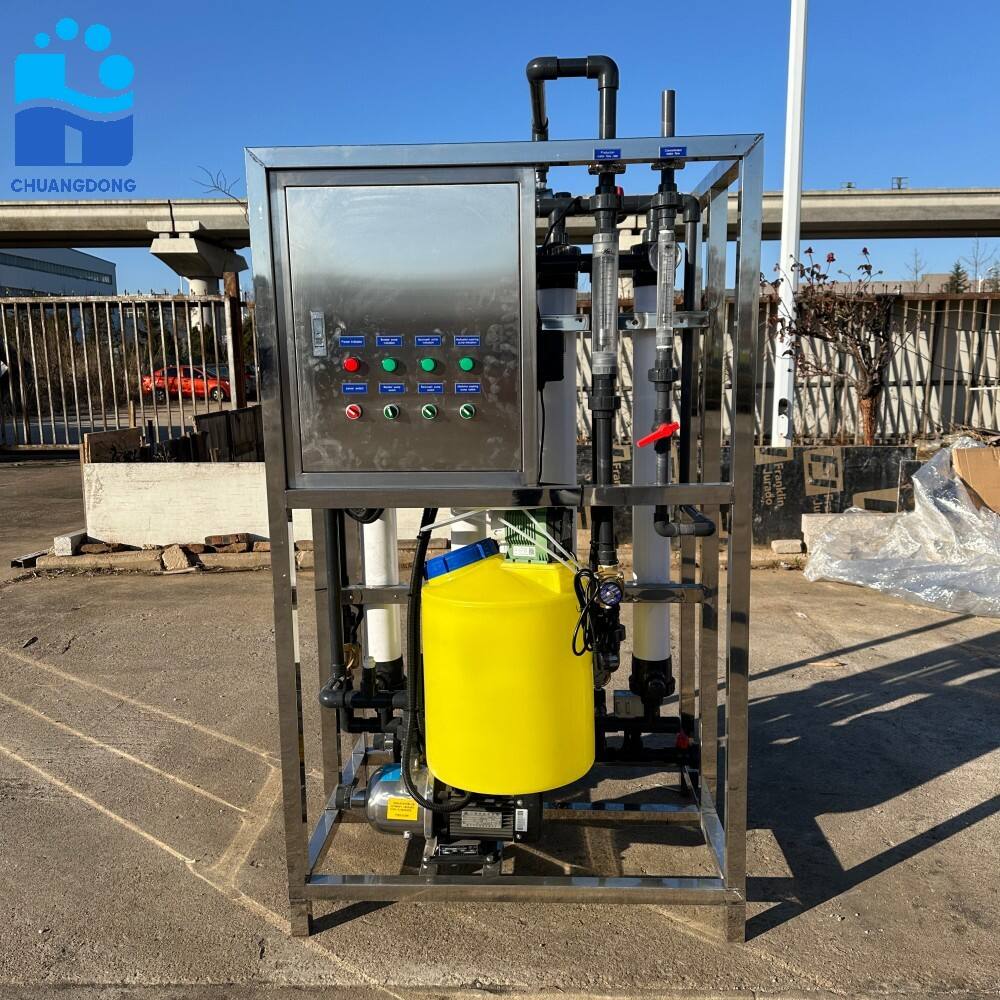
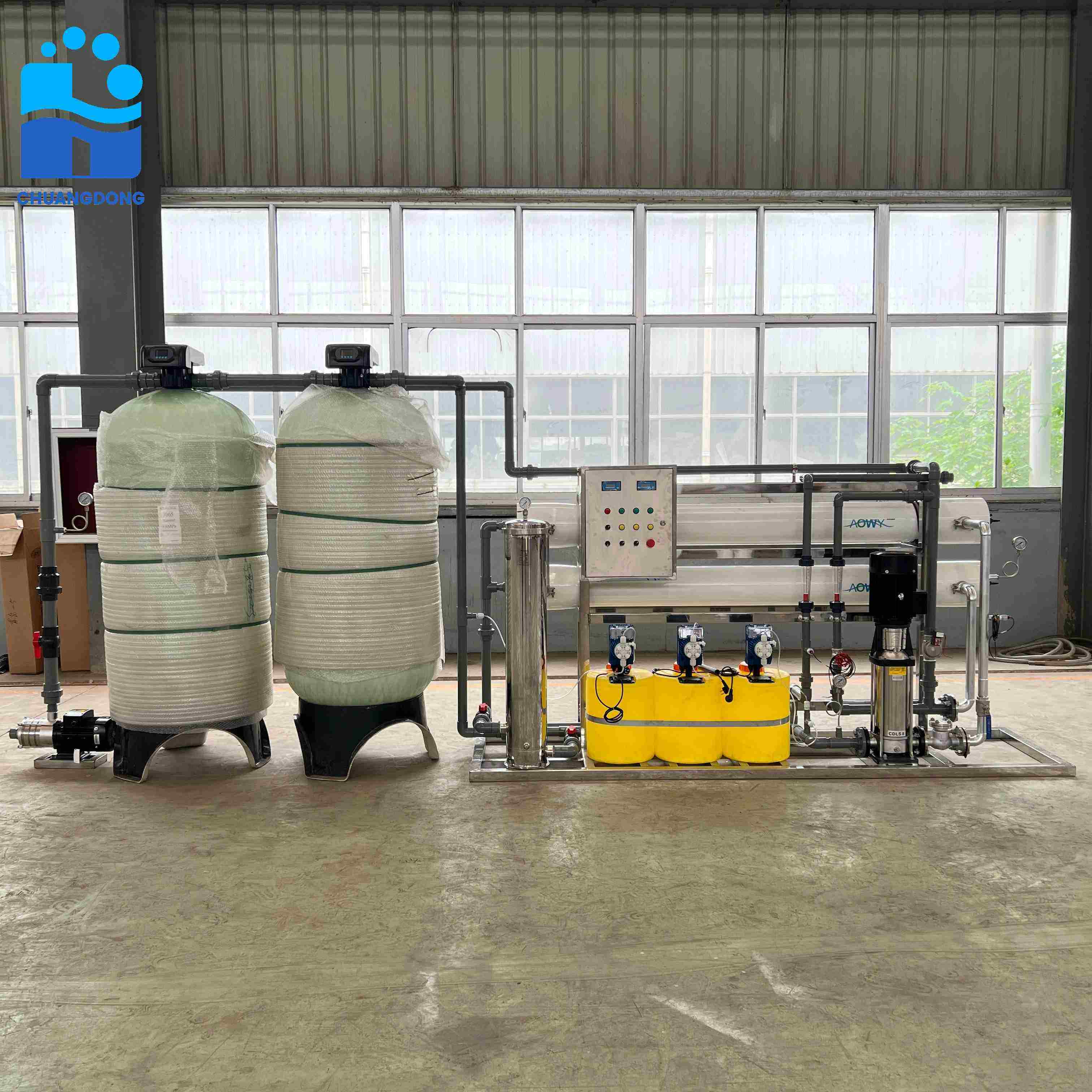
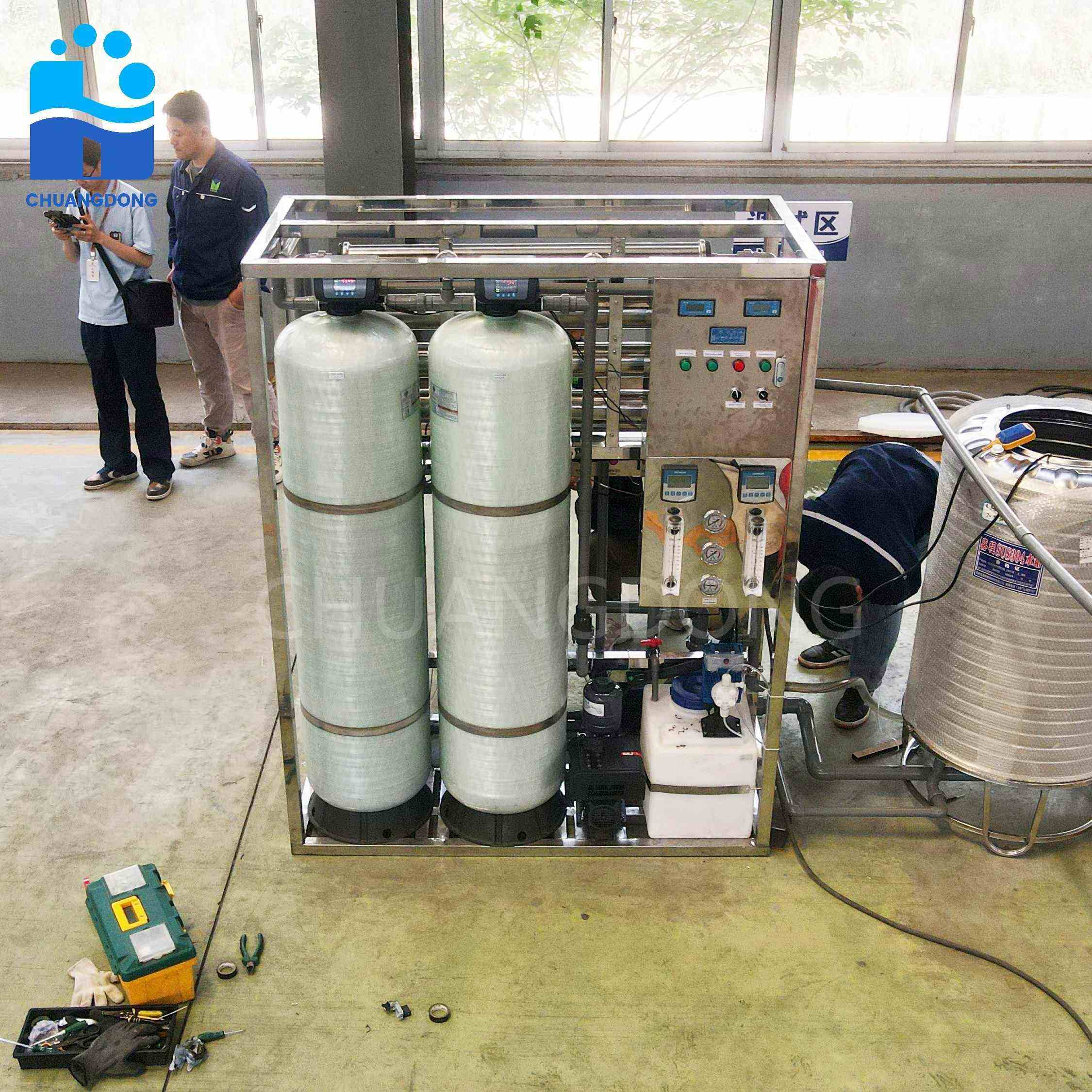
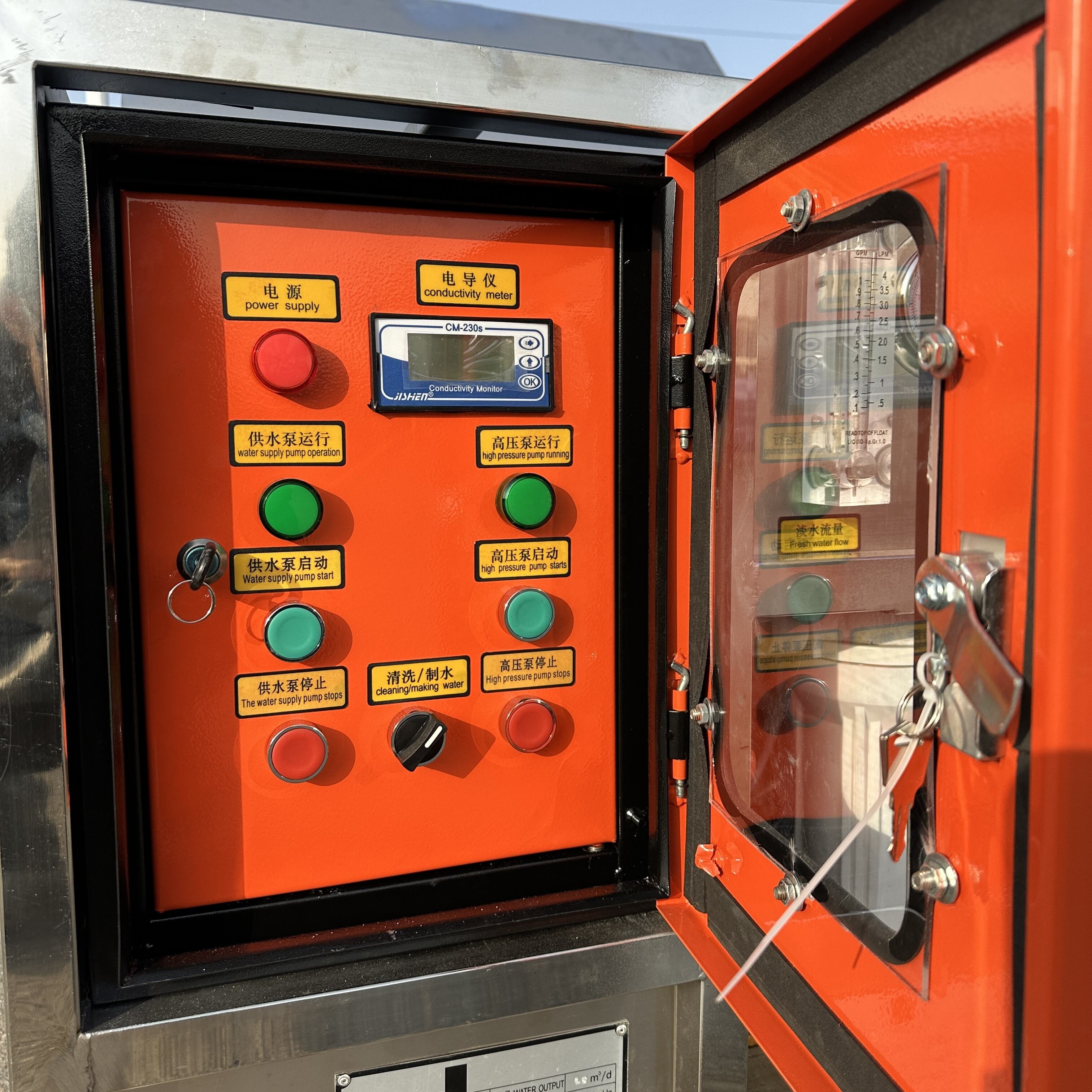
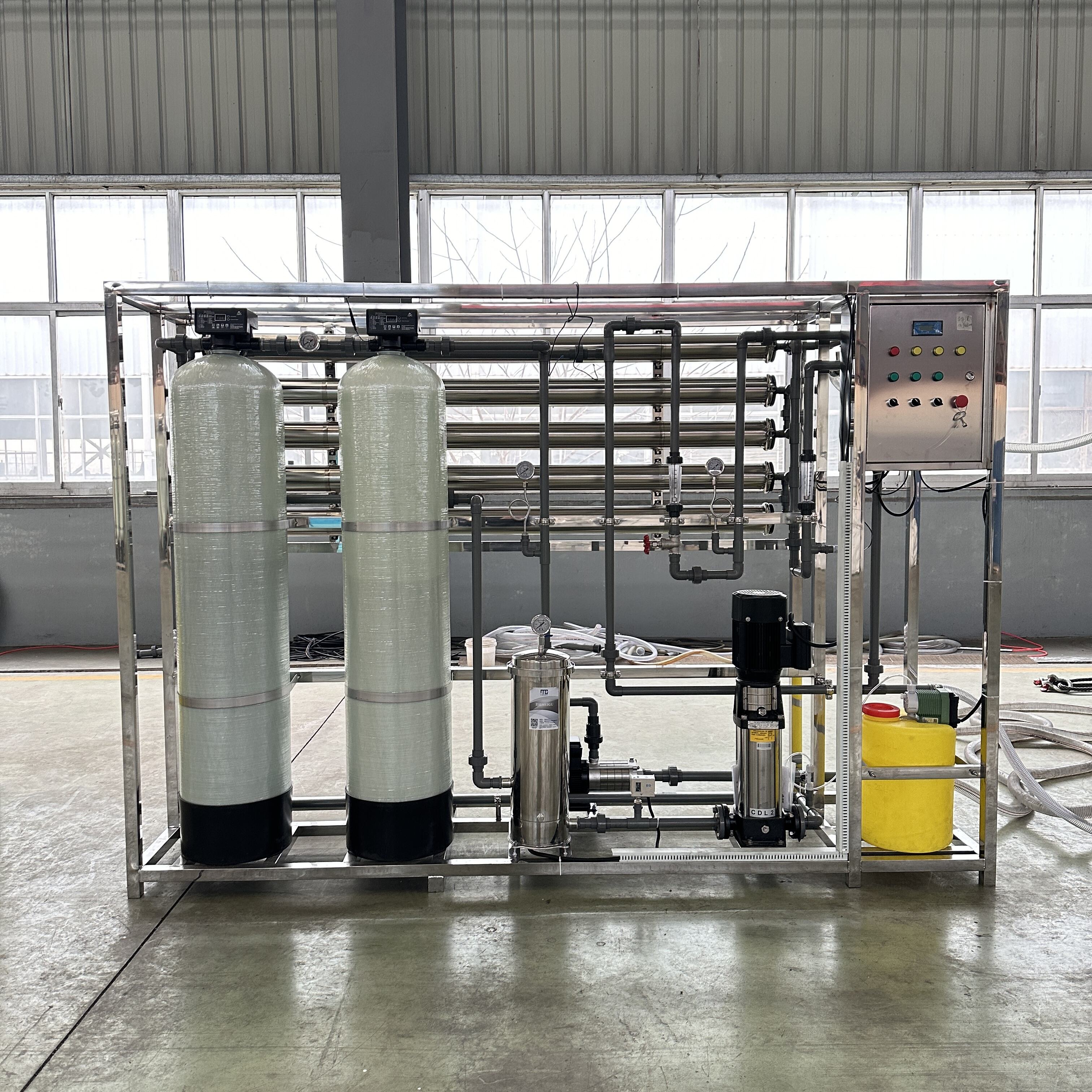
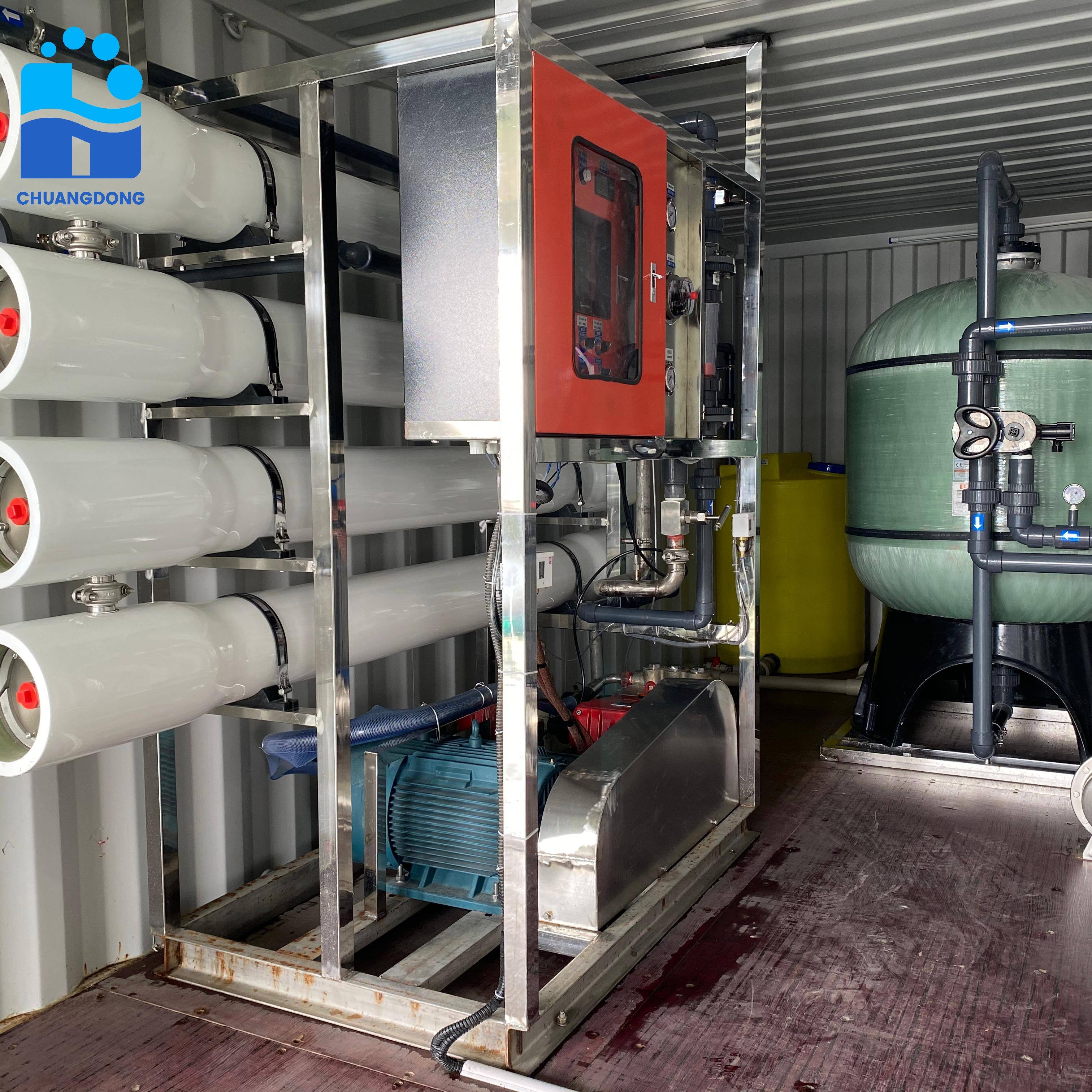
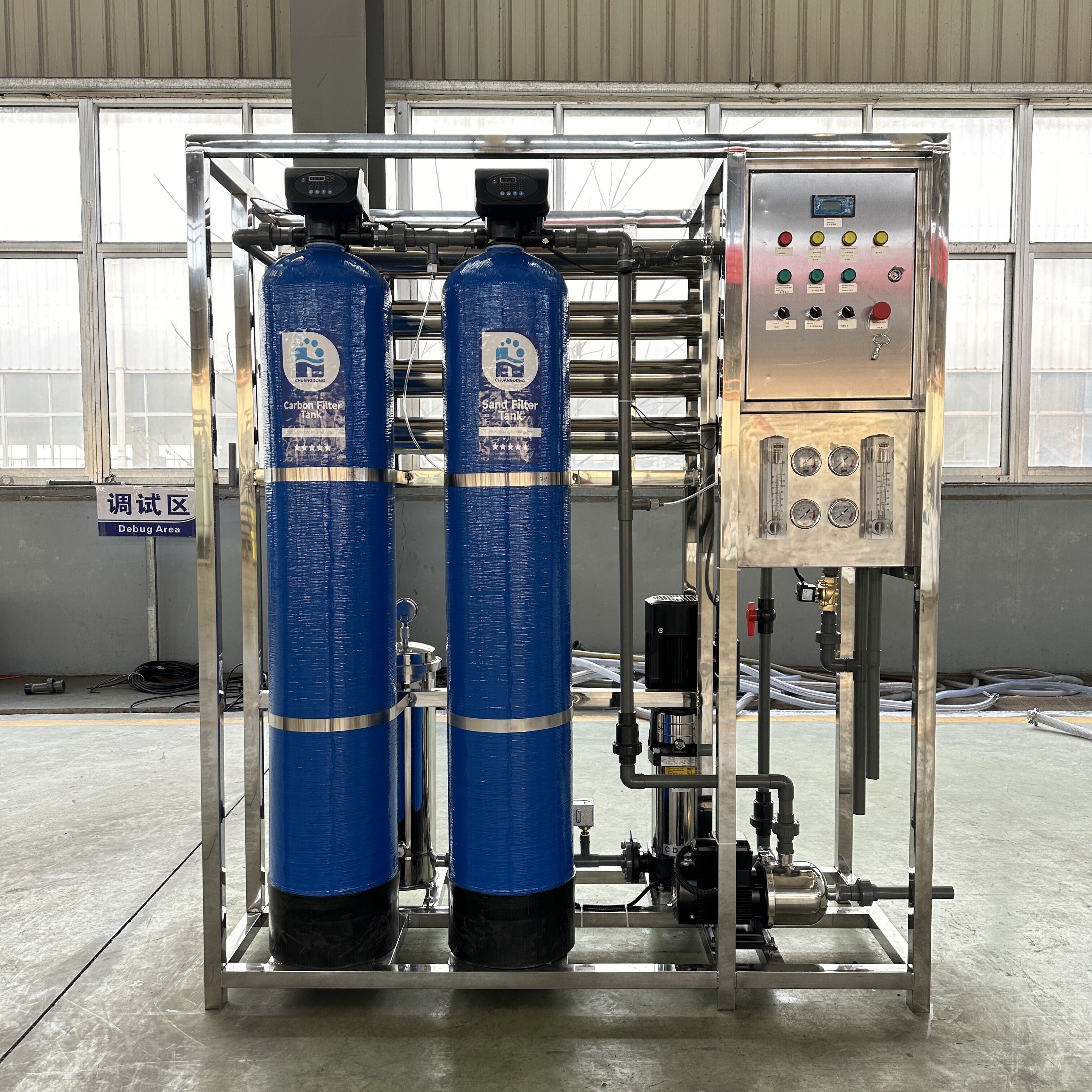
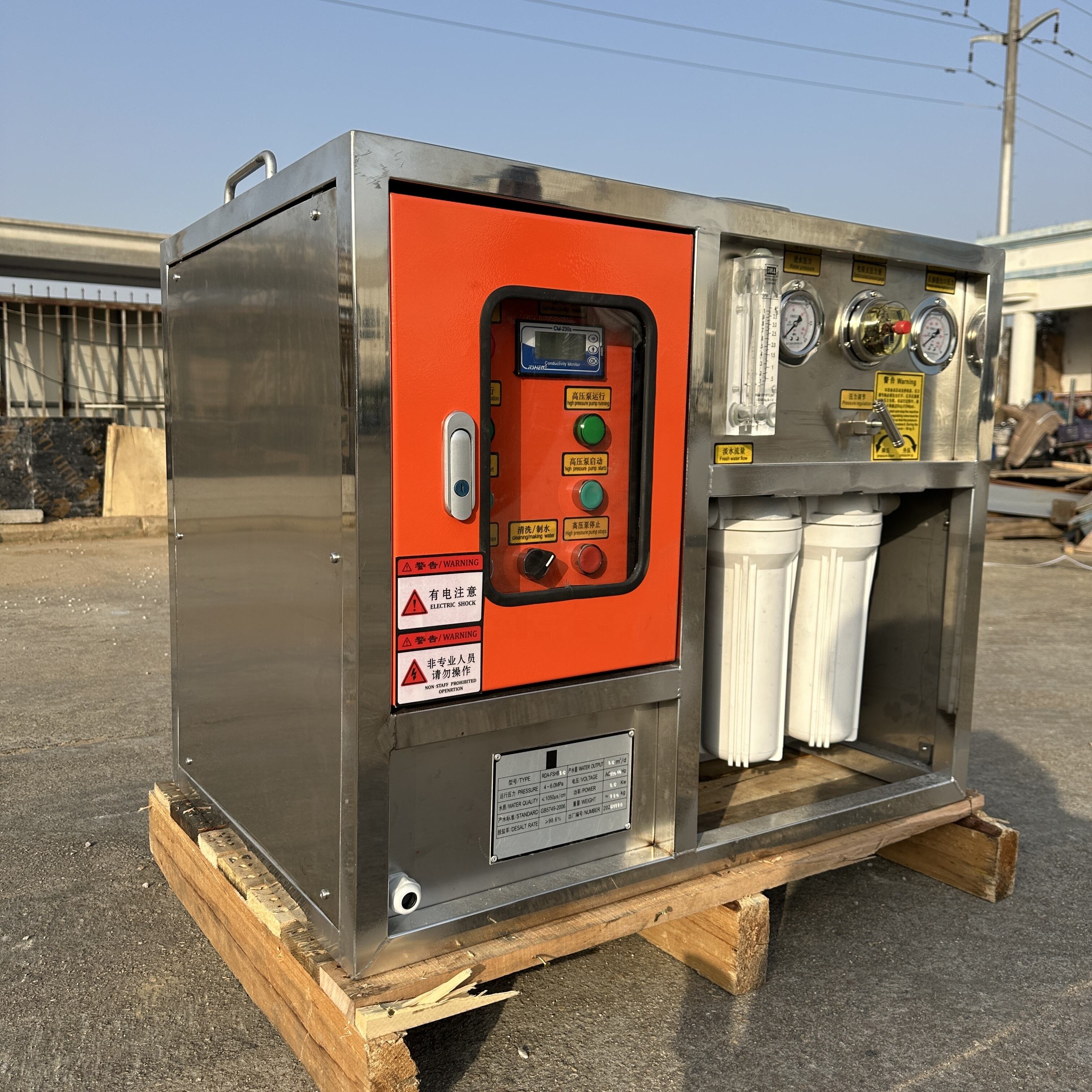
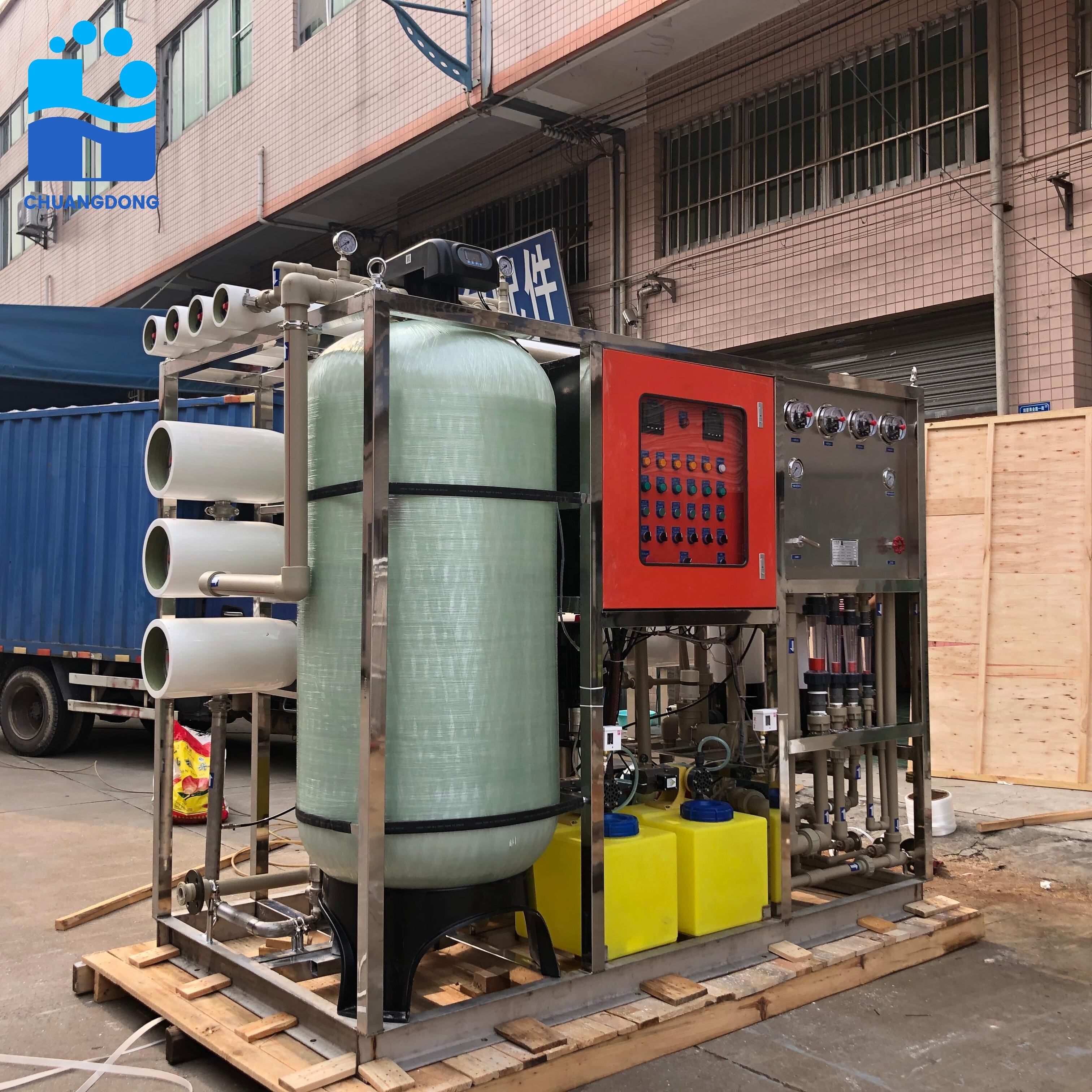
Reverse osmosis for salt water is an advanced water purification technology that removes dissolved salts, minerals, and contaminants from saline water sources to produce clean, fresh drinking water. This membrane-based filtration process works by applying pressure to push salt water through semi-permeable membranes with extremely fine pores, typically measuring 0.0001 microns. The membranes allow water molecules to pass through while blocking salt ions, bacteria, viruses, and other impurities, achieving removal rates exceeding 99 percent for most contaminants. The main functions include desalination of seawater, brackish water treatment, and purification of industrial process water. Technological features of reverse osmosis for salt water systems include multi-stage filtration, high-pressure pumps, energy recovery devices, and automated monitoring controls that optimize performance and efficiency. These systems range from compact residential units producing several gallons per day to large-scale industrial plants generating millions of gallons daily. Applications span municipal water supply, maritime vessels, coastal communities, island resorts, industrial manufacturing, agricultural irrigation, and emergency disaster relief operations. Modern reverse osmosis for salt water technology incorporates innovations like low-energy membranes, smart sensors for real-time quality monitoring, and modular designs that allow scalable deployment. The process generates a concentrated brine stream as waste, which requires proper disposal management. With global freshwater scarcity increasing, reverse osmosis for salt water has become essential infrastructure for converting abundant ocean resources into potable water supplies for millions of people worldwide.
 EN
EN