Sea Water Reverse Osmosis Plant: Advanced Desalination Technology for Sustainable Water Production

Get a Free Quote

Our representative will contact you soon.
Email
Name
Company Name
Message
0/1000

sea water reverse osmosis plant

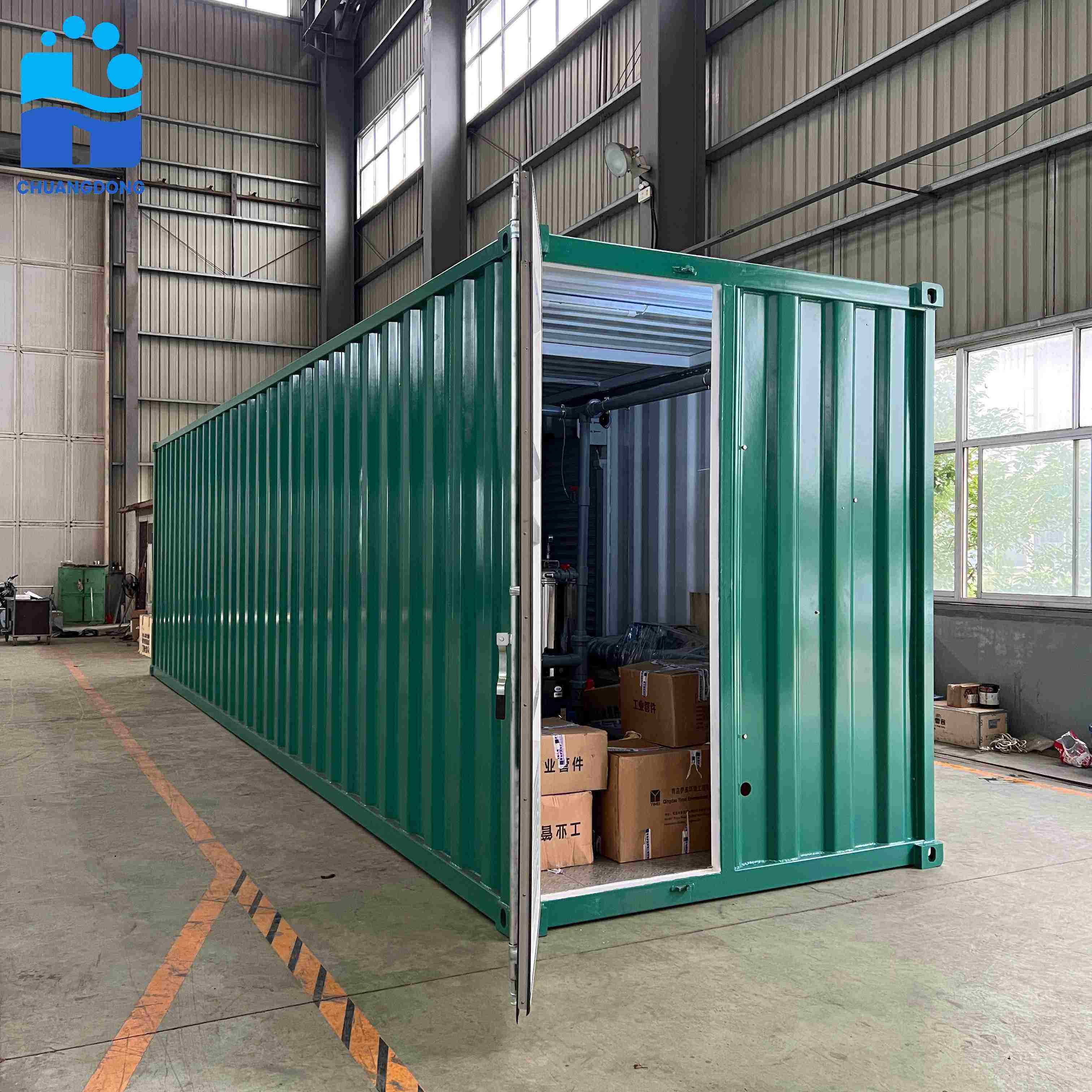
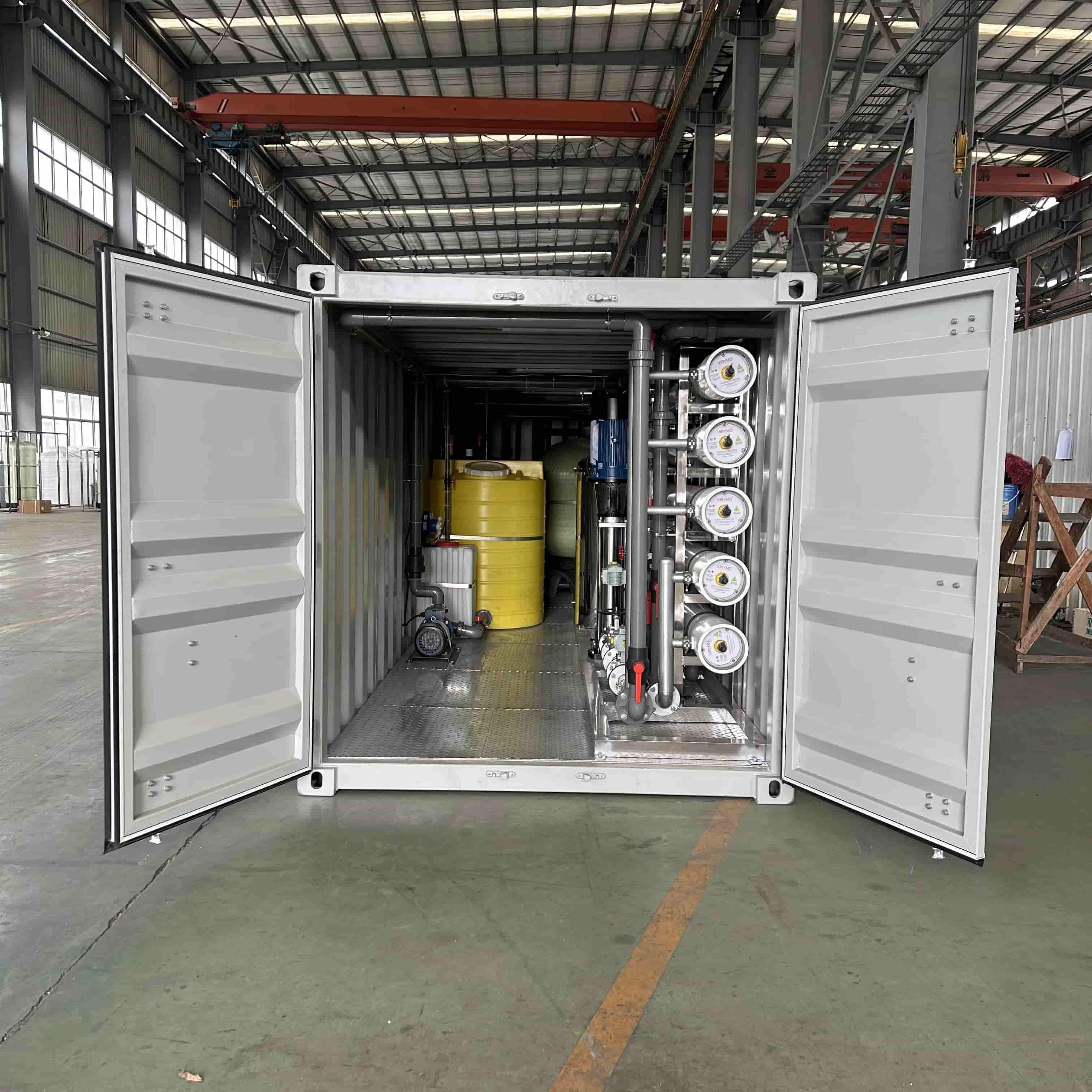
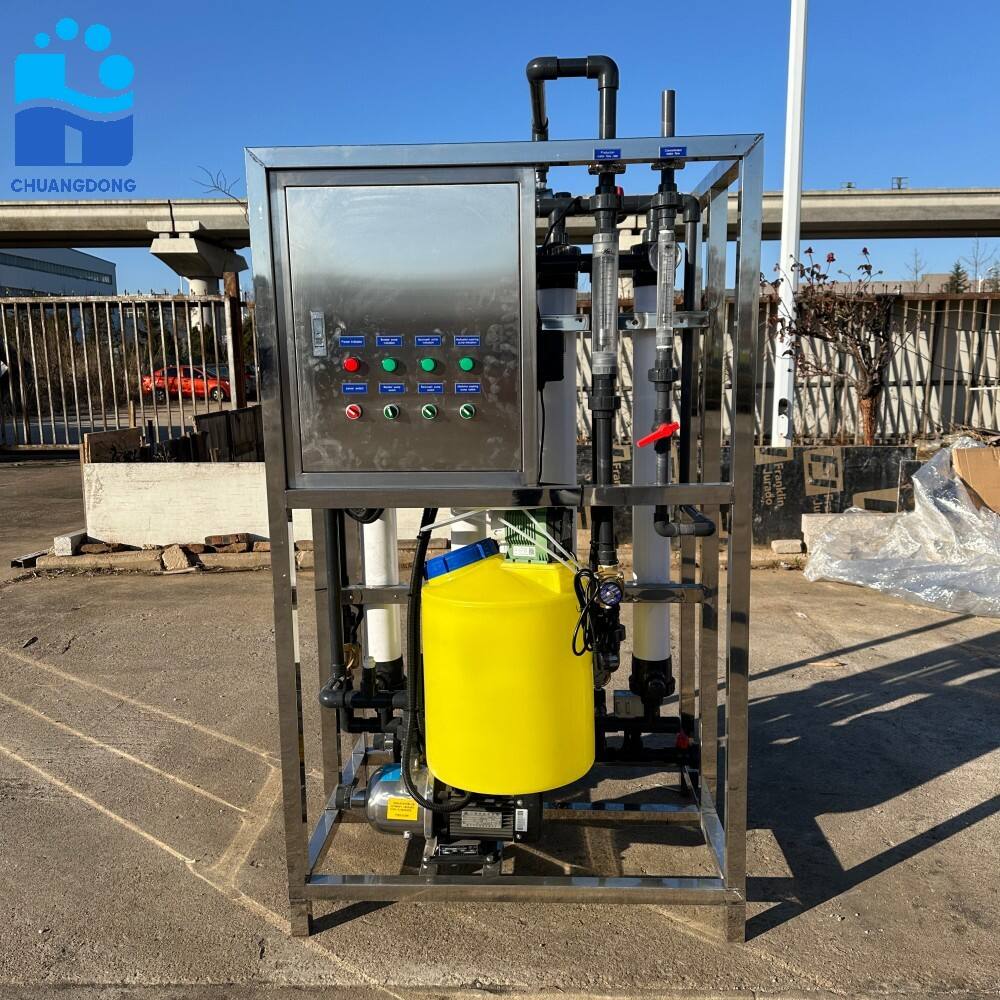
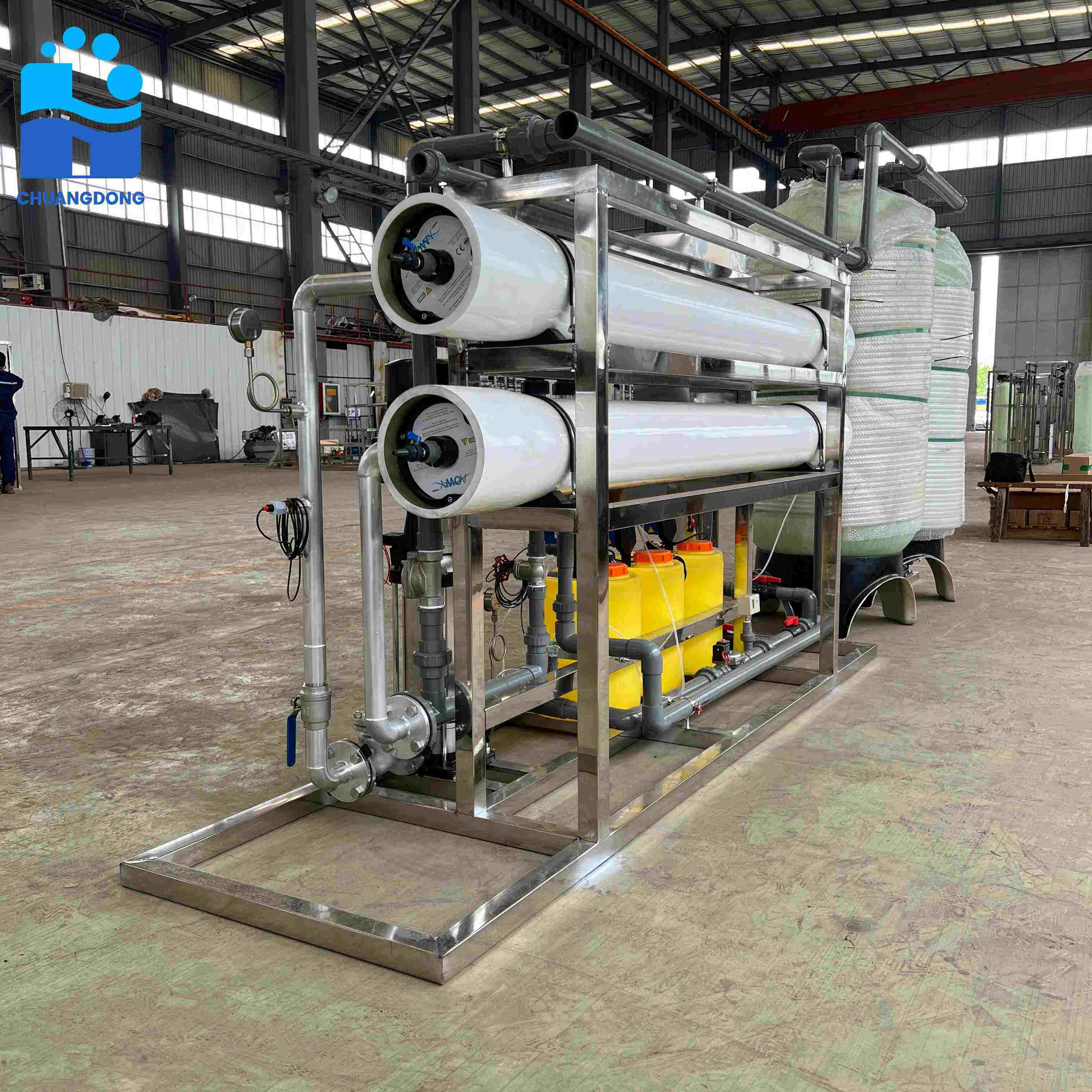
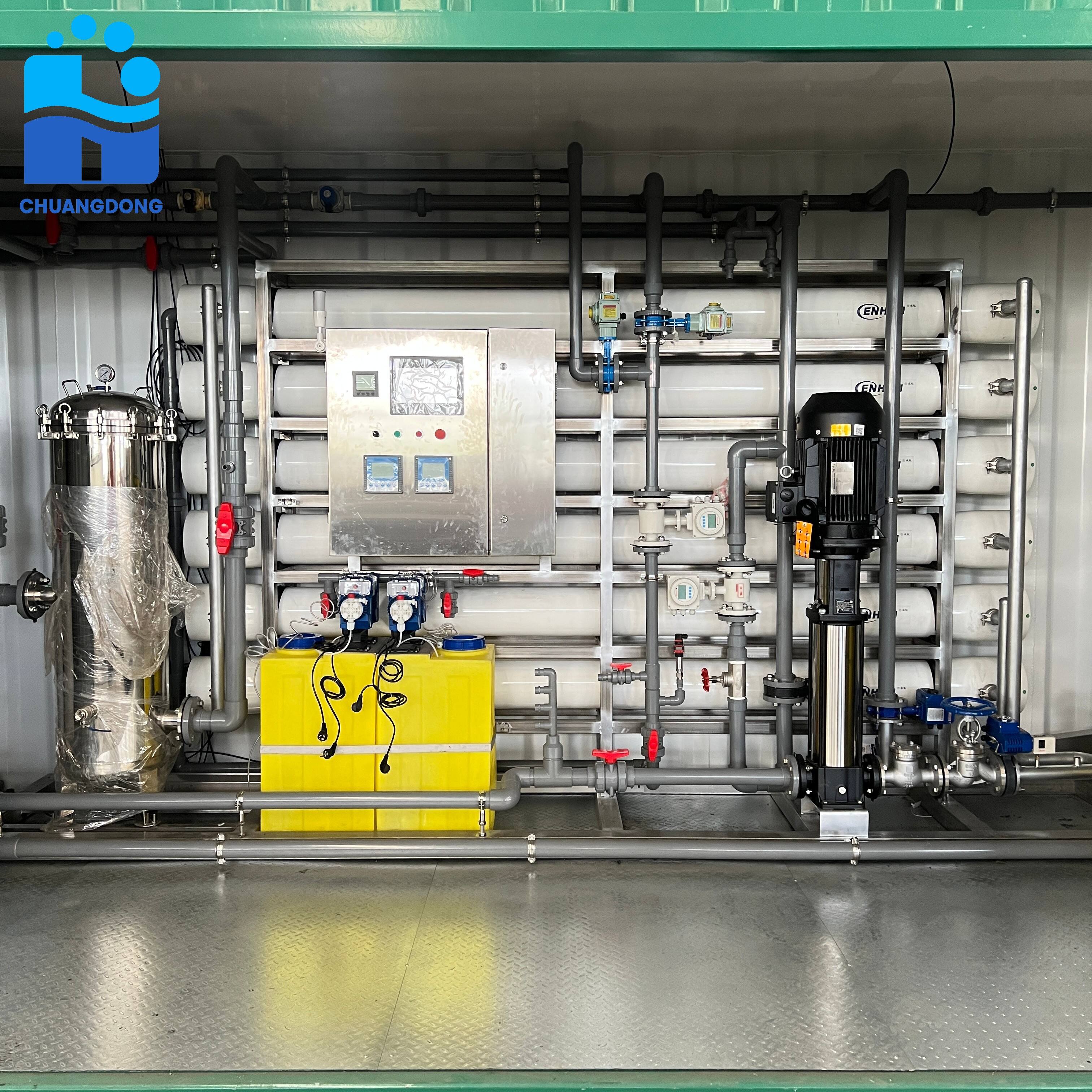
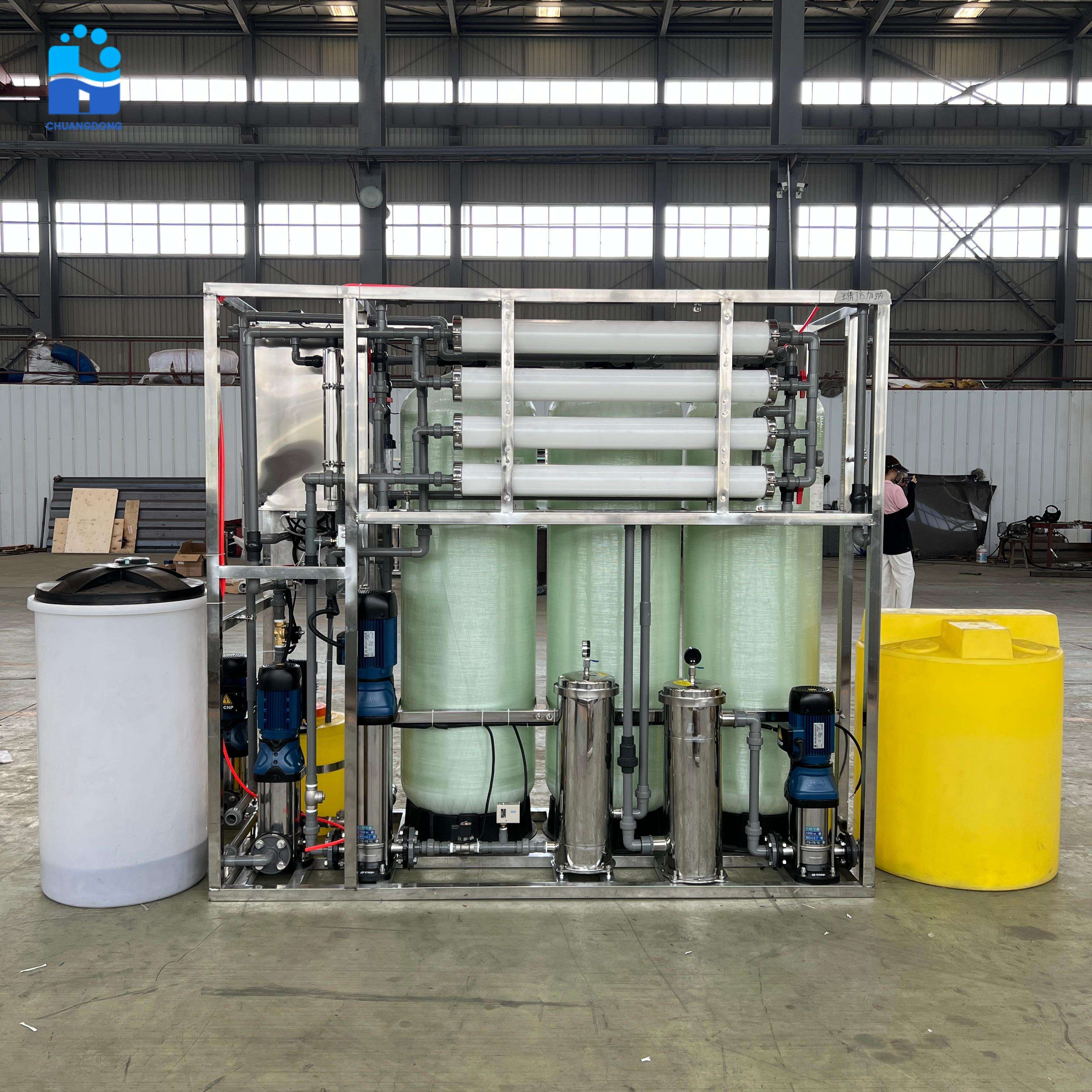
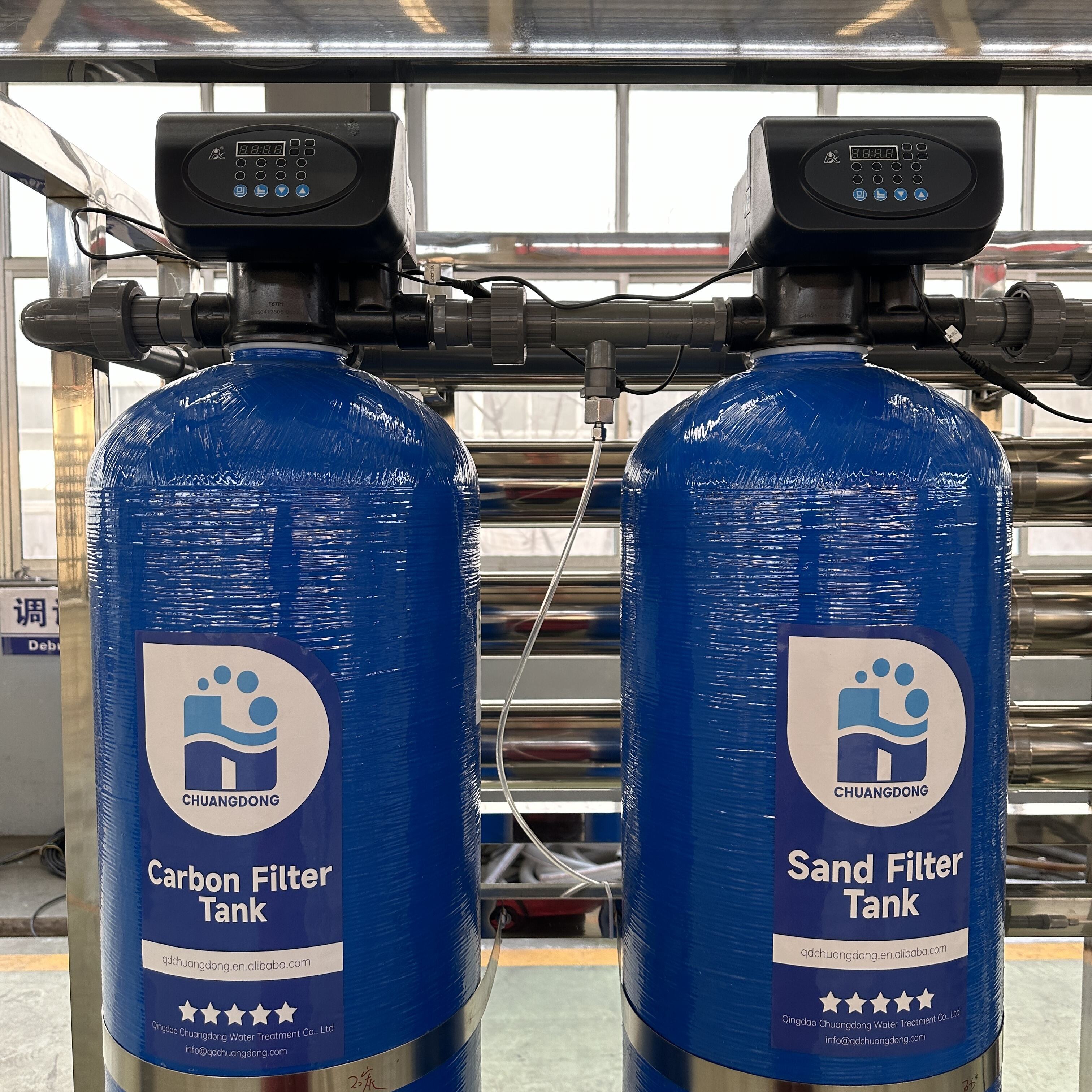
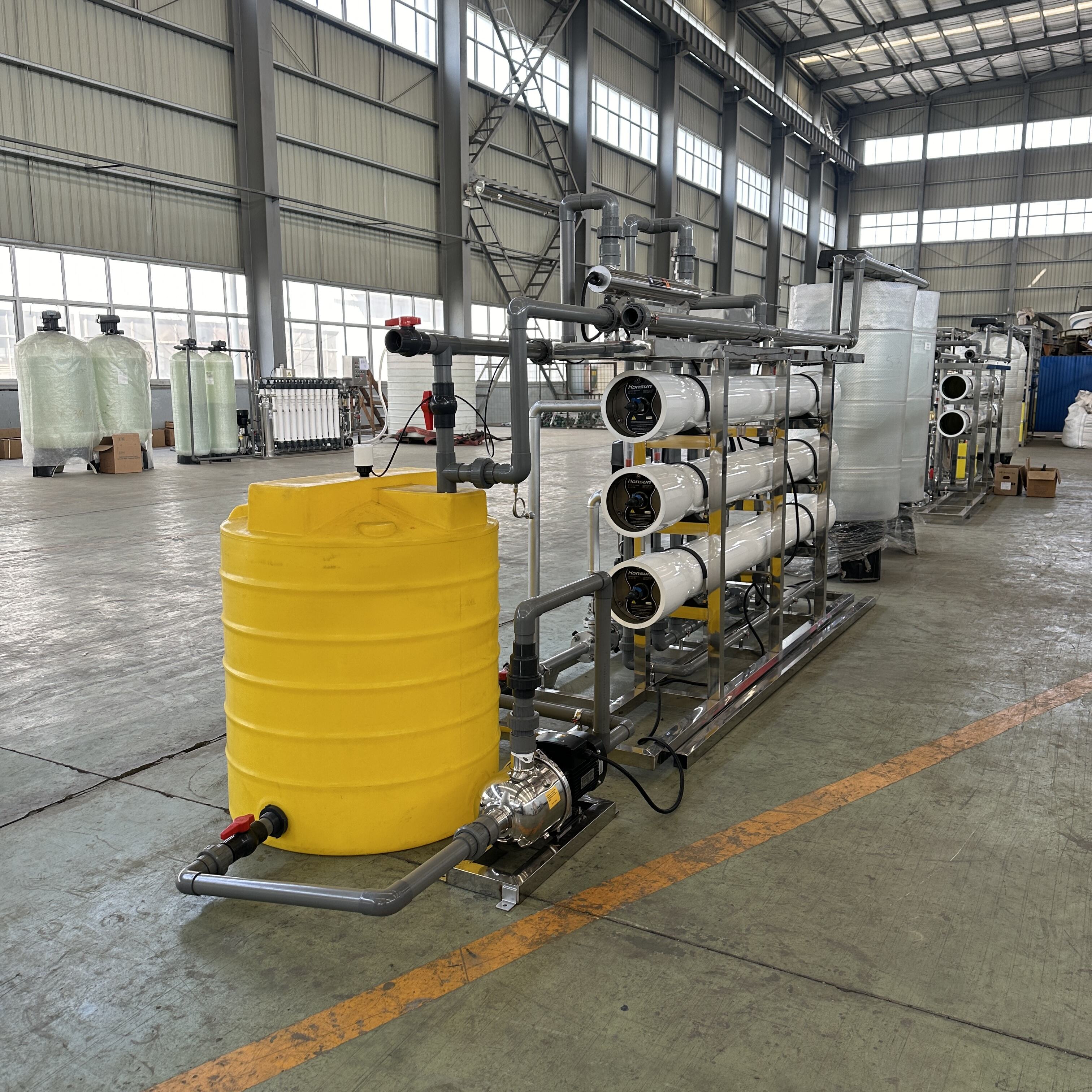
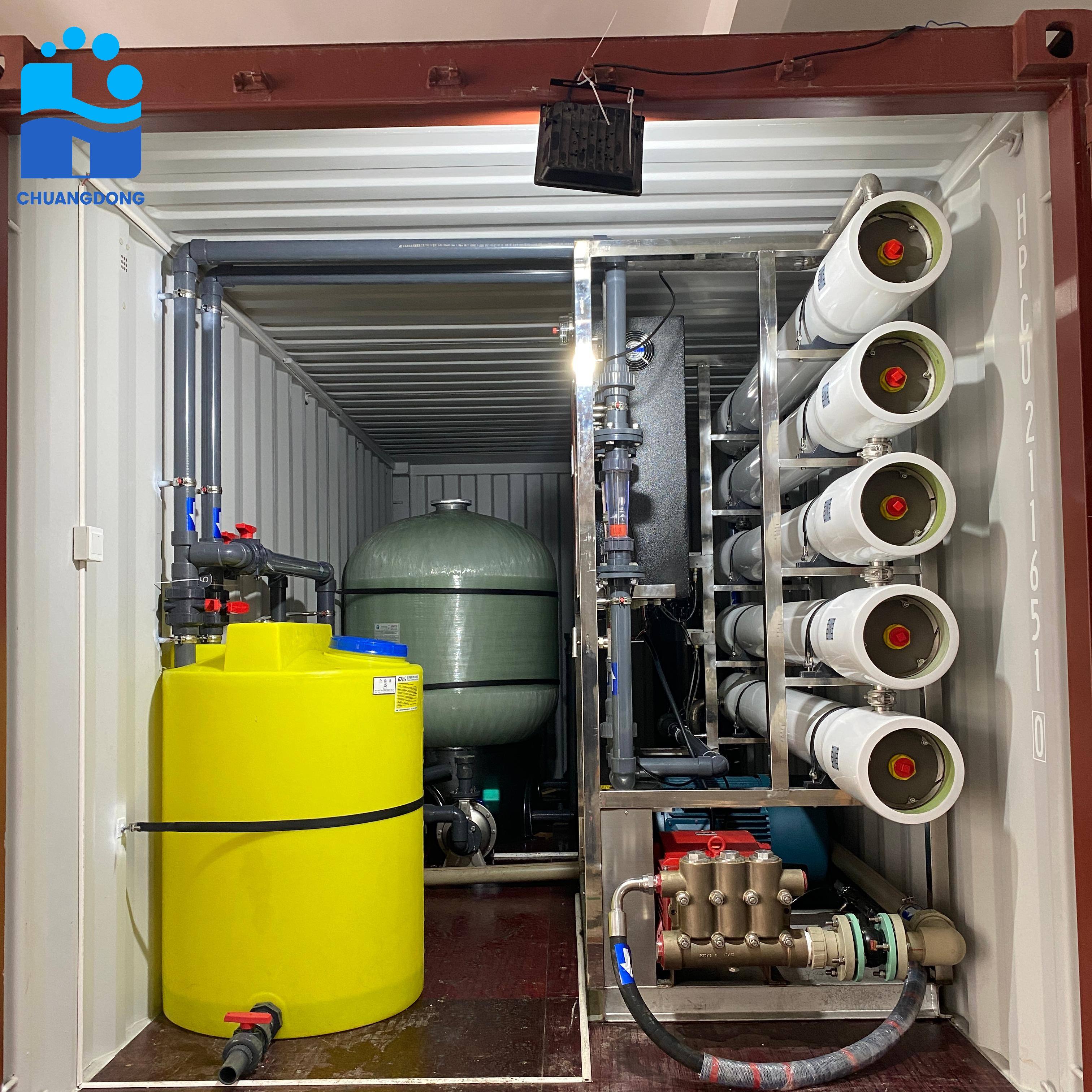
A sea water reverse osmosis plant represents a cutting-edge desalination facility that transforms ocean water into clean, potable water through advanced membrane filtration technology. This sophisticated system addresses global water scarcity challenges by providing reliable fresh water production from abundant seawater sources. The sea water reverse osmosis plant operates by forcing saltwater through semi-permeable membranes under high pressure, effectively removing salt, minerals, and contaminants to produce high-quality drinking water. These plants incorporate multiple treatment stages including pre-filtration, chemical dosing, high-pressure pumping systems, and post-treatment processes. Modern sea water reverse osmosis plant designs feature energy recovery systems that capture and reuse pressure energy from the brine discharge, significantly improving operational efficiency. The technological framework includes sophisticated monitoring systems that continuously track water quality parameters, membrane performance, and system efficiency metrics. Each sea water reverse osmosis plant utilizes specialized membrane elements engineered to withstand harsh saltwater conditions while maintaining consistent permeate quality. The integration of automated control systems ensures optimal operation while minimizing human intervention requirements. Applications span municipal water supply systems, industrial process water production, resort facilities, remote communities, and emergency water provision scenarios. These installations serve coastal cities, island nations, arid regions, and industrial complexes requiring reliable water sources. The sea water reverse osmosis plant technology has revolutionized water treatment capabilities, offering sustainable solutions for regions dependent on groundwater or facing water stress conditions. Environmental considerations include proper brine management and energy optimization strategies that reduce the overall carbon footprint of water production operations.

New Product Recommendations

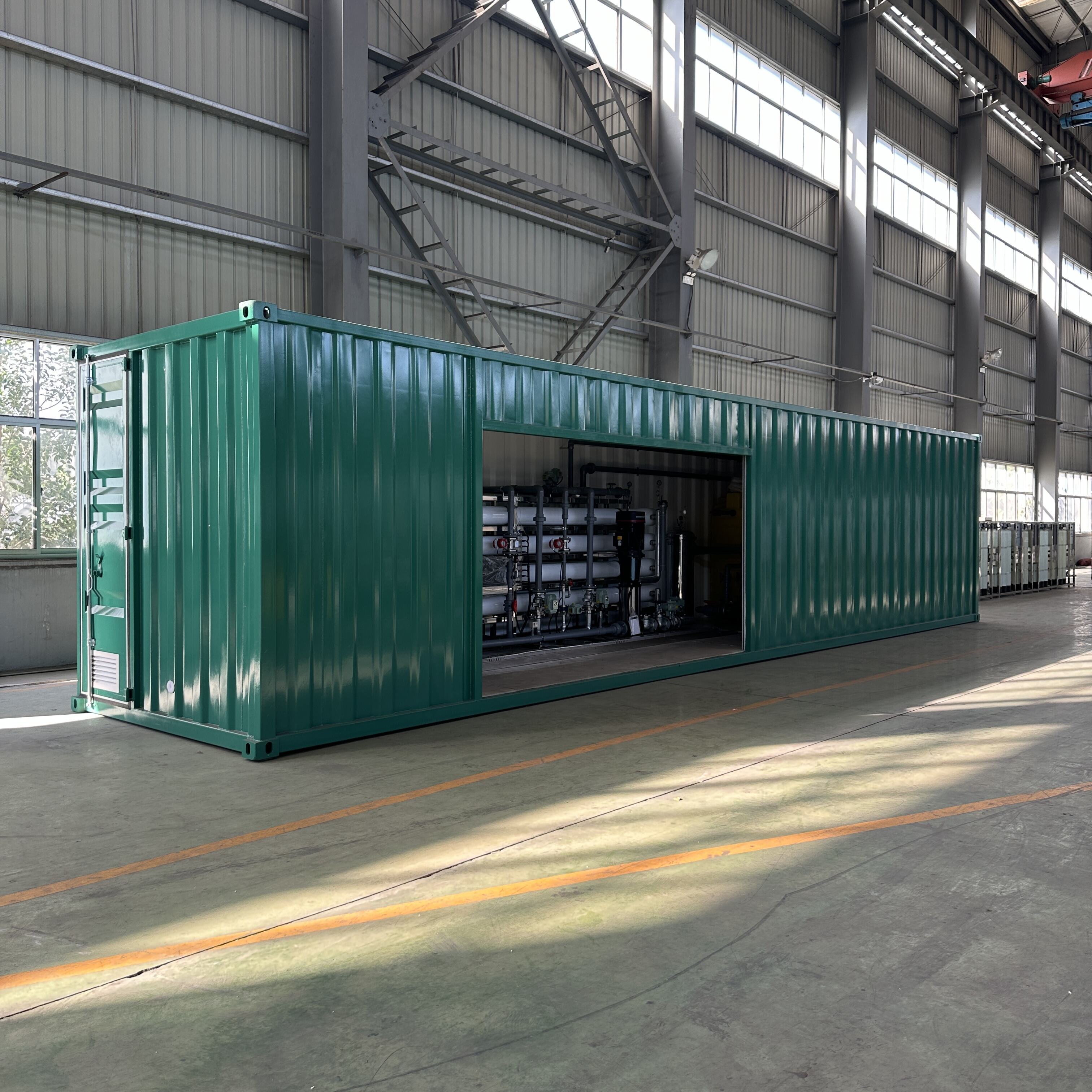
The sea water reverse osmosis plant delivers exceptional advantages that make it the preferred choice for sustainable water production worldwide. These systems provide consistent, high-quality drinking water that meets or exceeds international health standards, ensuring safe consumption for communities and industries. Unlike traditional water sources, a sea water reverse osmosis plant operates independently of rainfall patterns or seasonal variations, guaranteeing reliable water supply during drought conditions or climate fluctuations. The technology removes over 99.5% of dissolved salts and contaminants, including bacteria, viruses, heavy metals, and organic compounds, producing water purity levels superior to many natural freshwater sources. Energy efficiency represents a significant benefit, with modern sea water reverse osmosis plant designs incorporating energy recovery devices that reduce power consumption by up to 60% compared to older technologies. This efficiency translates directly into lower operational costs and reduced environmental impact. Installation flexibility allows these plants to be constructed in various configurations, from compact skid-mounted units for small communities to large-scale facilities serving metropolitan areas. Maintenance requirements are straightforward, with predictable membrane replacement schedules and automated cleaning systems that minimize downtime. The sea water reverse osmosis plant technology scales effectively, enabling expansion to meet growing water demands without complete system redesign. Economic benefits include reduced dependence on imported water, lower long-term costs compared to water transportation, and potential revenue generation through water sales. Environmental advantages encompass reduced pressure on freshwater aquifers, minimal chemical usage compared to alternative treatment methods, and the ability to utilize inexhaustible seawater resources. Operational reliability stems from proven technology with decades of successful implementations globally, supported by comprehensive service networks and readily available replacement components. The sea water reverse osmosis plant offers energy optimization through variable frequency drives, intelligent control systems, and integration with renewable energy sources like solar panels, further reducing operational expenses and environmental impact while ensuring sustainable water production for future generations.

Practical Tips

What Intake and Outfall Designs Minimize Environmental Impact of a Desalination Plant?

01

Mar

What Intake and Outfall Designs Minimize Environmental Impact of a Desalination Plant?

Environmental considerations have become paramount in the design and operation of modern desalination facilities worldwide. As water scarcity continues to challenge communities across the globe, the demand for sustainable desalination plant solutions...
View More
What Corrosion-Resistant Materials Are Used in Desalination Plant Construction?

06

Mar

What Corrosion-Resistant Materials Are Used in Desalination Plant Construction?

Desalination plants operate in some of the harshest environments imaginable, where saltwater constantly threatens the integrity of critical infrastructure. The selection of appropriate corrosion-resistant materials becomes paramount to ensuring long-...
View More
How Does a Water Purification System with Ion Exchange Soften Hard Water Effectively?

15

Mar

How Does a Water Purification System with Ion Exchange Soften Hard Water Effectively?

Hard water poses significant challenges for both residential and commercial applications, containing high concentrations of calcium and magnesium ions that cause scale buildup, reduce equipment efficiency, and affect water quality. A water purificati...
View More
Why Should Pharmaceutical QC Labs Use Ultrapure Water for HPLC and Mass Spectrometry?

18

Mar

Why Should Pharmaceutical QC Labs Use Ultrapure Water for HPLC and Mass Spectrometry?

Pharmaceutical quality control laboratories face increasingly stringent requirements for analytical accuracy and regulatory compliance. The foundation of reliable analytical results lies in the quality of water used throughout testing procedures. Ult...
View More

Get a Free Quote

Our representative will contact you soon.
Email
Name
Company Name
Message
0/1000

sea water reverse osmosis plant

Advanced Membrane Technology with Superior Contaminant Removal

Advanced Membrane Technology with Superior Contaminant Removal

The cornerstone of every sea water reverse osmosis plant lies in its advanced membrane technology, which represents the most sophisticated approach to water purification available today. These specialized membranes utilize cutting-edge polymer chemistry and precise pore structures to achieve unprecedented contaminant removal efficiency. The sea water reverse osmosis plant employs multiple membrane stages, typically arranged in a multi-pass configuration that ensures thorough treatment of even the most challenging seawater compositions. Each membrane element undergoes rigorous quality testing and features enhanced chlorine resistance, extended operational life, and superior salt rejection rates exceeding 99.7%. The membrane assembly includes sophisticated spiral-wound designs that maximize surface area while minimizing pressure drop, optimizing both performance and energy consumption. Advanced membrane materials resist biofouling and scaling, common challenges in seawater treatment applications. The sea water reverse osmosis plant incorporates intelligent membrane monitoring systems that track individual element performance, enabling predictive maintenance and optimal replacement scheduling. This technology removes not only dissolved salts but also eliminates bacteria, viruses, endocrine disruptors, pharmaceutical residues, and heavy metals that may be present in seawater sources. The multi-barrier approach ensures comprehensive water treatment, with pre-filtration stages protecting membranes from suspended solids and chlorine damage. Post-treatment membrane stages provide additional security, guaranteeing consistent product water quality regardless of feed water variations. The sea water reverse osmosis plant membrane configuration allows for flexible operation, enabling operators to adjust rejection rates and recovery percentages based on specific water quality requirements and energy optimization goals. Regular membrane integrity testing ensures continued performance, while automated cleaning sequences maintain optimal flux rates and extend membrane lifespan, reducing operational costs and ensuring reliable water production.
Energy Recovery Systems for Maximum Efficiency

Energy Recovery Systems for Maximum Efficiency

Modern sea water reverse osmosis plant installations incorporate sophisticated energy recovery systems that dramatically reduce operational costs while maintaining optimal performance levels. These innovative systems capture and reuse the high-pressure energy contained in the brine stream, which would otherwise be wasted during conventional desalination processes. The sea water reverse osmosis plant utilizes pressure exchangers or energy recovery turbines that transfer pressure energy from the concentrated brine discharge to incoming seawater, reducing the overall energy requirements by up to 60%. This energy recovery technology represents a revolutionary advancement in desalination efficiency, making large-scale seawater treatment economically viable for communities and industries worldwide. The pressure exchange devices operate through rotary chambers or piston mechanisms that directly transfer hydraulic energy without external power requirements. High-efficiency energy recovery turbines convert pressure energy into mechanical energy, which supplements the high-pressure pump motors. The sea water reverse osmosis plant energy recovery system includes variable frequency drives that optimize pump performance based on real-time demand, further enhancing energy efficiency. Integration with renewable energy sources becomes particularly attractive when combined with energy recovery systems, as the reduced power requirements make solar and wind power more feasible for water production operations. The energy recovery technology includes sophisticated control algorithms that balance energy recovery with optimal membrane performance, ensuring maximum efficiency without compromising water quality. Maintenance of energy recovery systems is minimal, with robust designs engineered for continuous operation in harsh seawater environments. The sea water reverse osmosis plant energy efficiency translates into significant cost savings over the facility lifetime, with reduced electricity consumption lowering operational expenses and carbon footprint. These systems enable economical operation even in regions with high electricity costs, expanding the feasibility of seawater desalination for water-stressed communities and supporting sustainable development goals through efficient resource utilization.
Automated Control and Monitoring for Optimal Performance

Automated Control and Monitoring for Optimal Performance

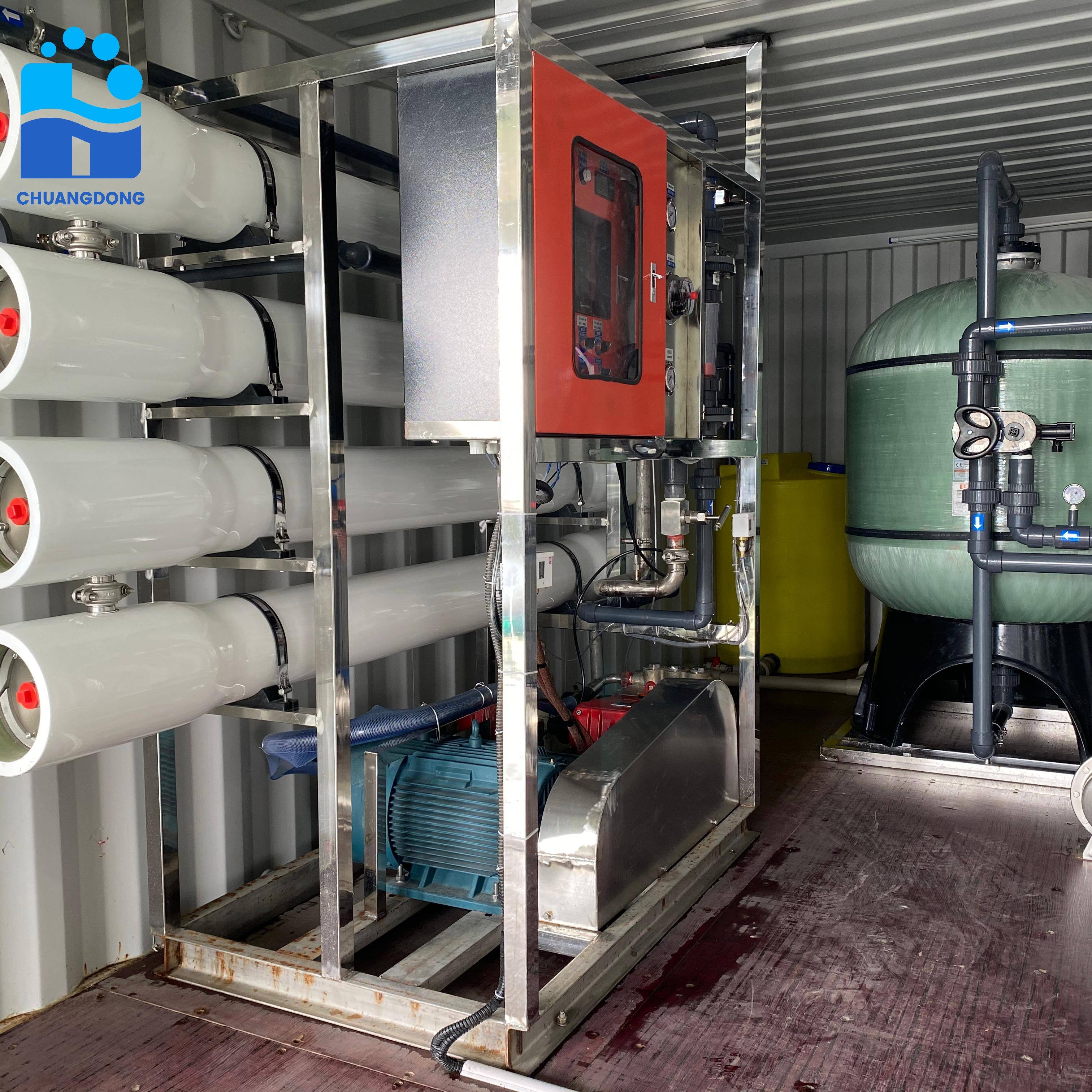
The sea water reverse osmosis plant features comprehensive automated control and monitoring systems that ensure optimal performance, maximize efficiency, and minimize operational complexity. These intelligent systems continuously monitor critical parameters including feed water quality, membrane performance, energy consumption, and product water characteristics. Advanced programmable logic controllers manage all aspects of plant operation, from startup sequences to emergency shutdown procedures, ensuring safe and efficient operation with minimal human intervention. The sea water reverse osmosis plant monitoring system includes real-time data acquisition from hundreds of sensors throughout the facility, tracking pressure, flow rates, conductivity, pH, temperature, and chemical dosing rates. Sophisticated algorithms analyze operational data to optimize performance parameters automatically, adjusting pump speeds, valve positions, and chemical feed rates to maintain peak efficiency. The control system features predictive maintenance capabilities that monitor equipment condition and schedule maintenance activities before component failure occurs. Remote monitoring capabilities enable operators to oversee multiple sea water reverse osmosis plant installations from central control rooms, reducing staffing requirements and enabling rapid response to operational changes. The automated systems include comprehensive alarm management with prioritized alerts, detailed diagnostic information, and recommended corrective actions. Data logging and trending capabilities provide valuable insights into system performance, enabling continuous improvement and optimization strategies. The sea water reverse osmosis plant control system integrates seamlessly with existing facility infrastructure, including electrical systems, chemical feed equipment, and waste management systems. Advanced human-machine interfaces provide intuitive operation for maintenance personnel, featuring graphical displays, historical data analysis, and comprehensive reporting capabilities. Cybersecurity measures protect control systems from unauthorized access while enabling secure remote monitoring and support. The automated control technology reduces operational errors, improves consistency, and enables optimized performance across varying operating conditions, ensuring reliable water production while minimizing operational costs and maximizing equipment longevity through intelligent operation and maintenance scheduling.

Get a Free Quote

Our representative will contact you soon.
Email
Name
Company Name
Message
0/1000