Industrial Water Purifier Systems - Advanced Purification Technology for Manufacturing

Get a Free Quote

Our representative will contact you soon.
Email
Name
Company Name
Message
0/1000

water purifier for industrial use

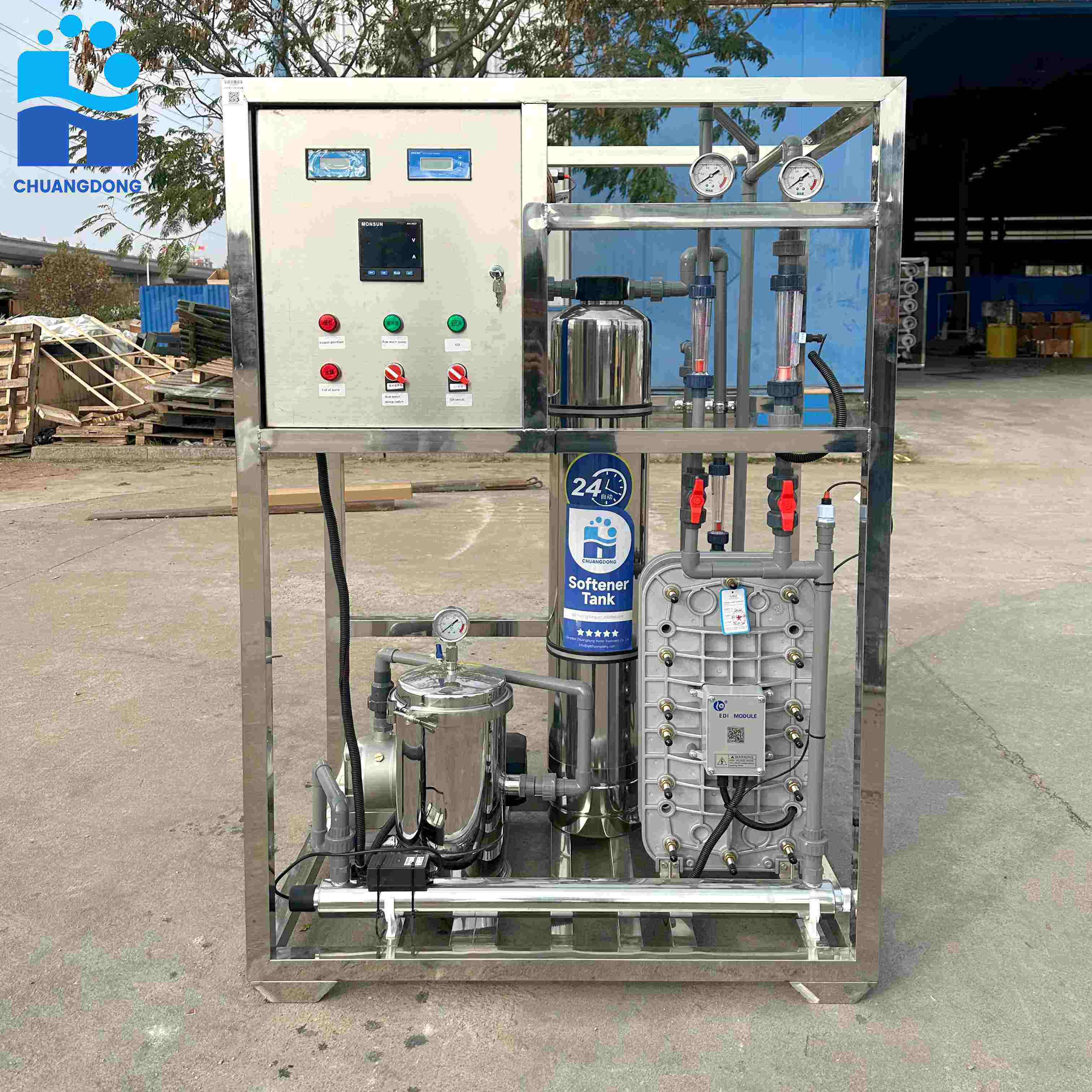
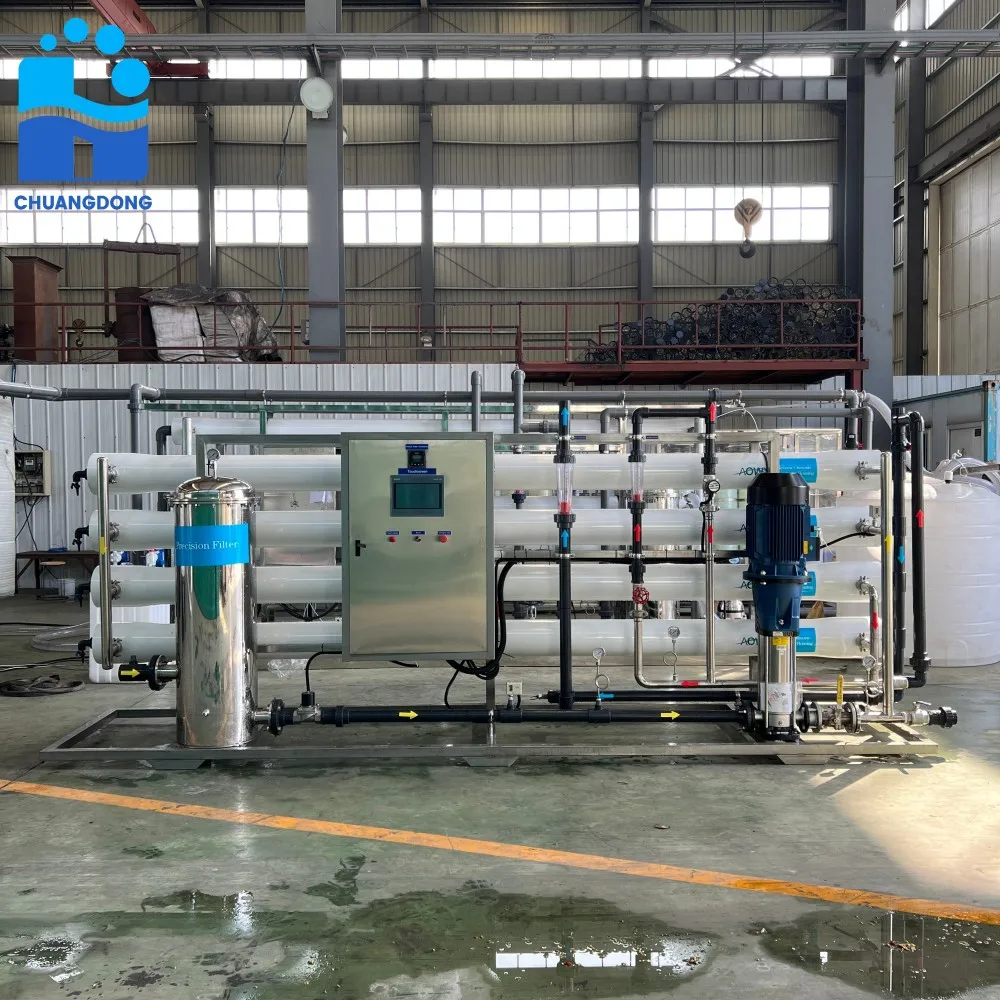
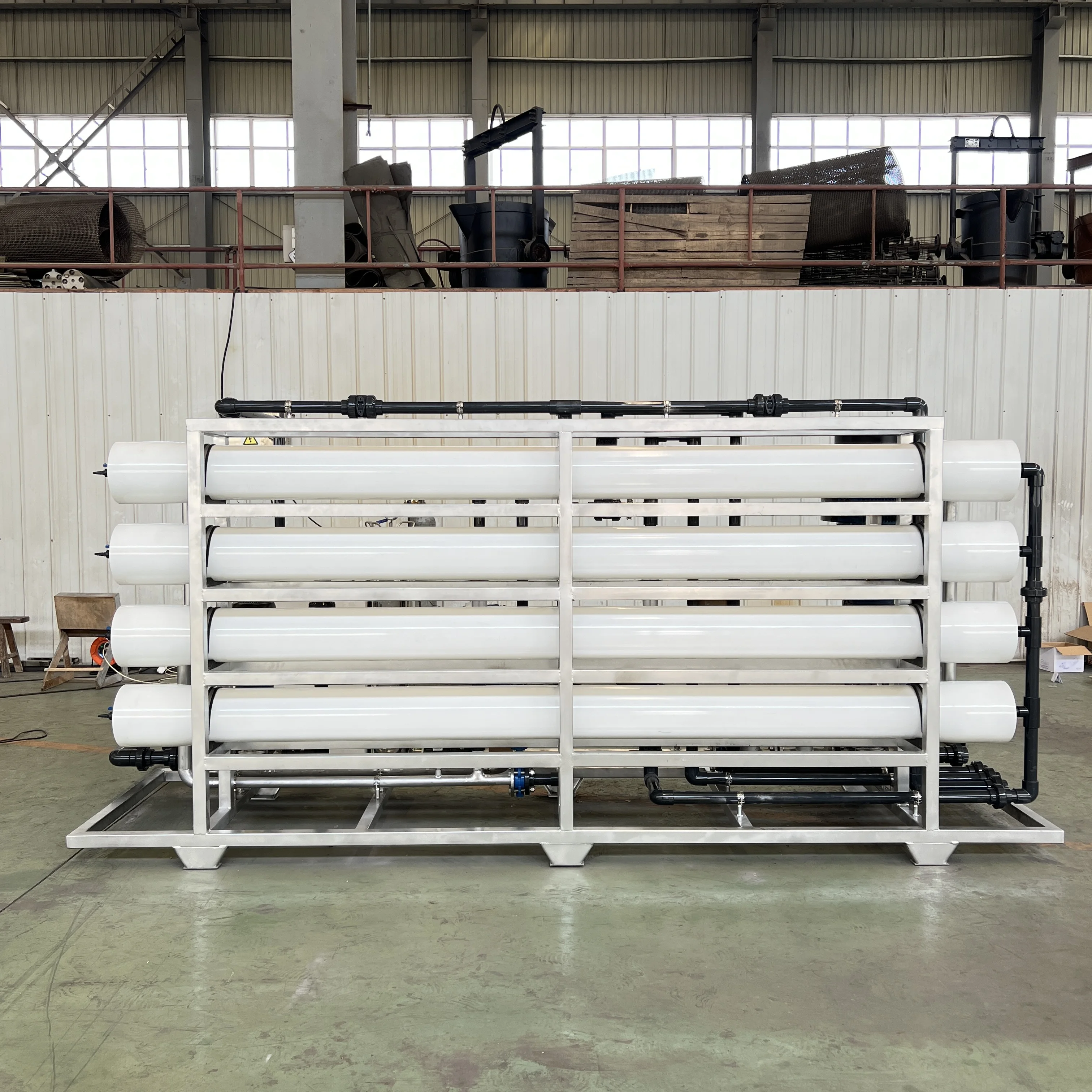
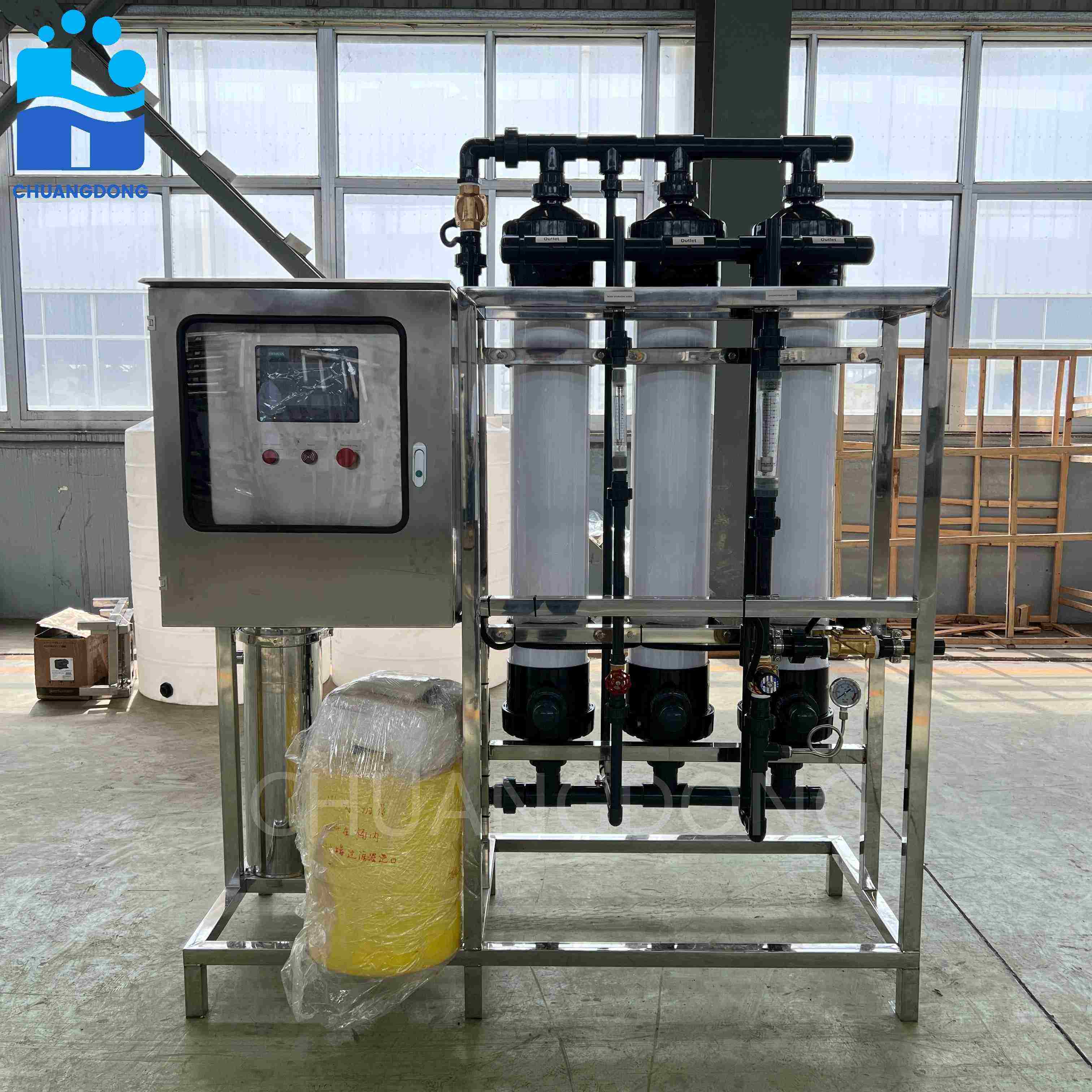
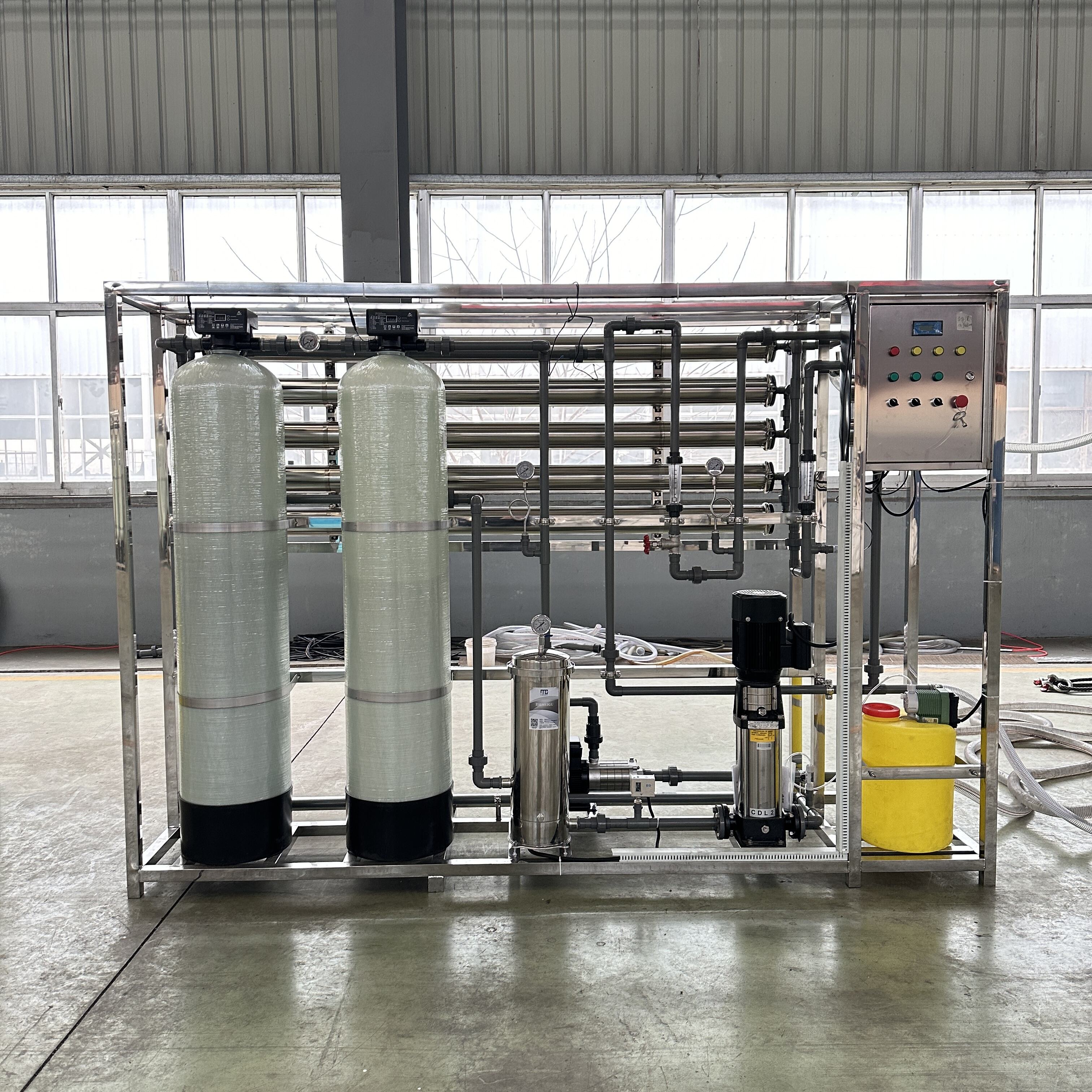
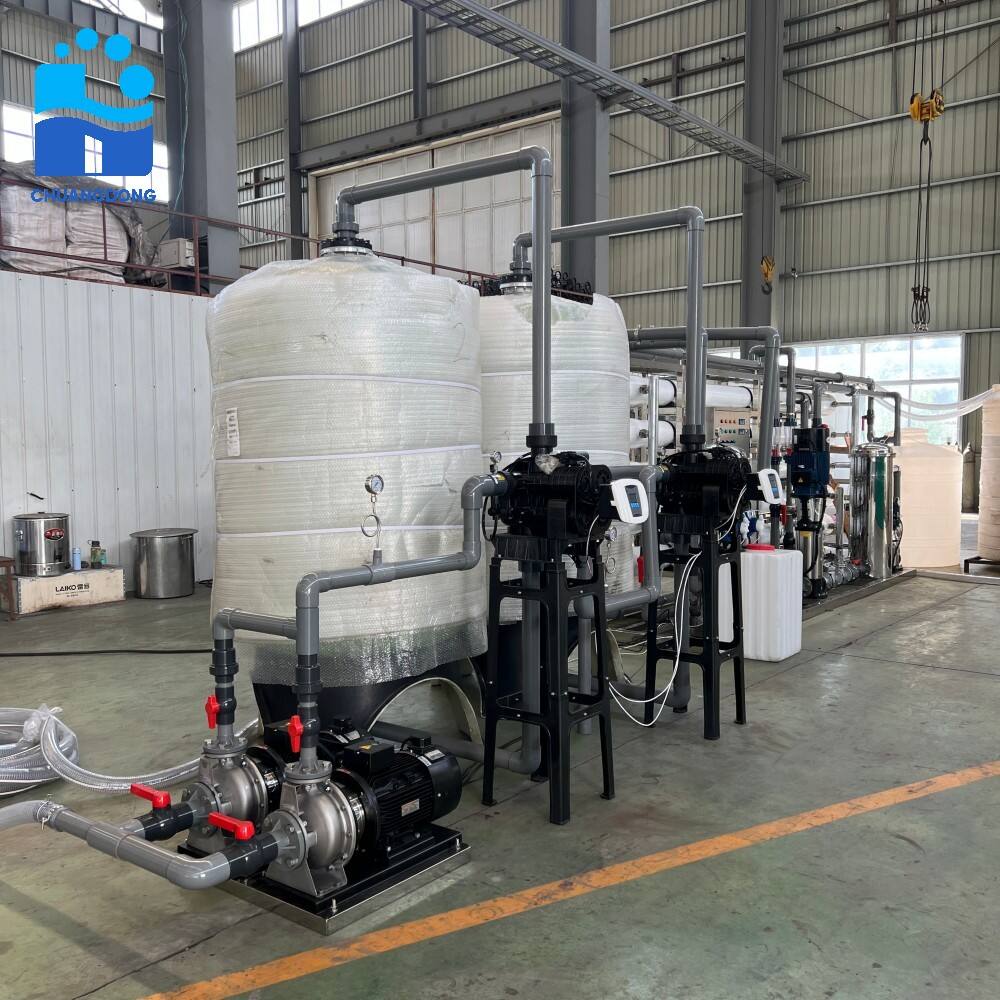
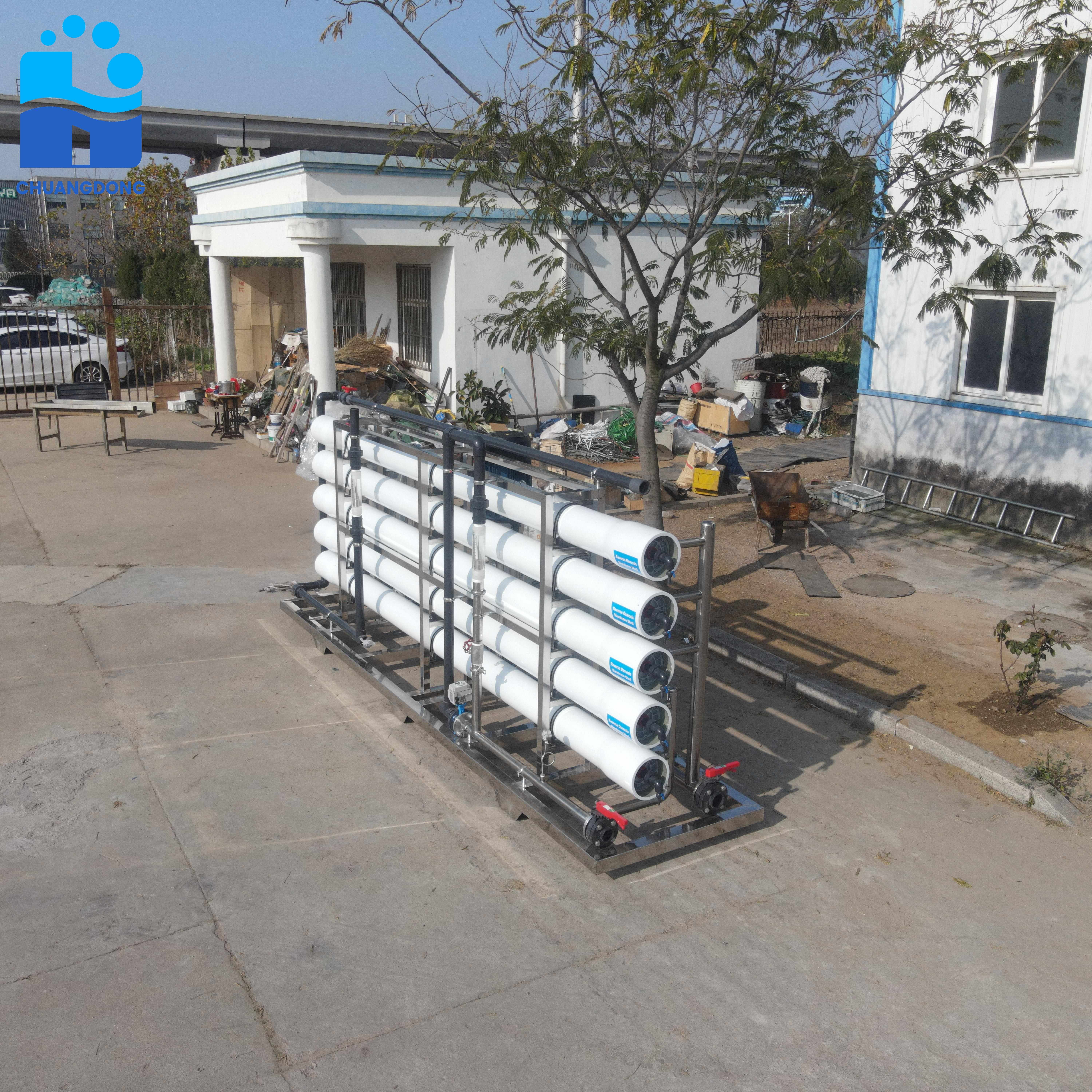
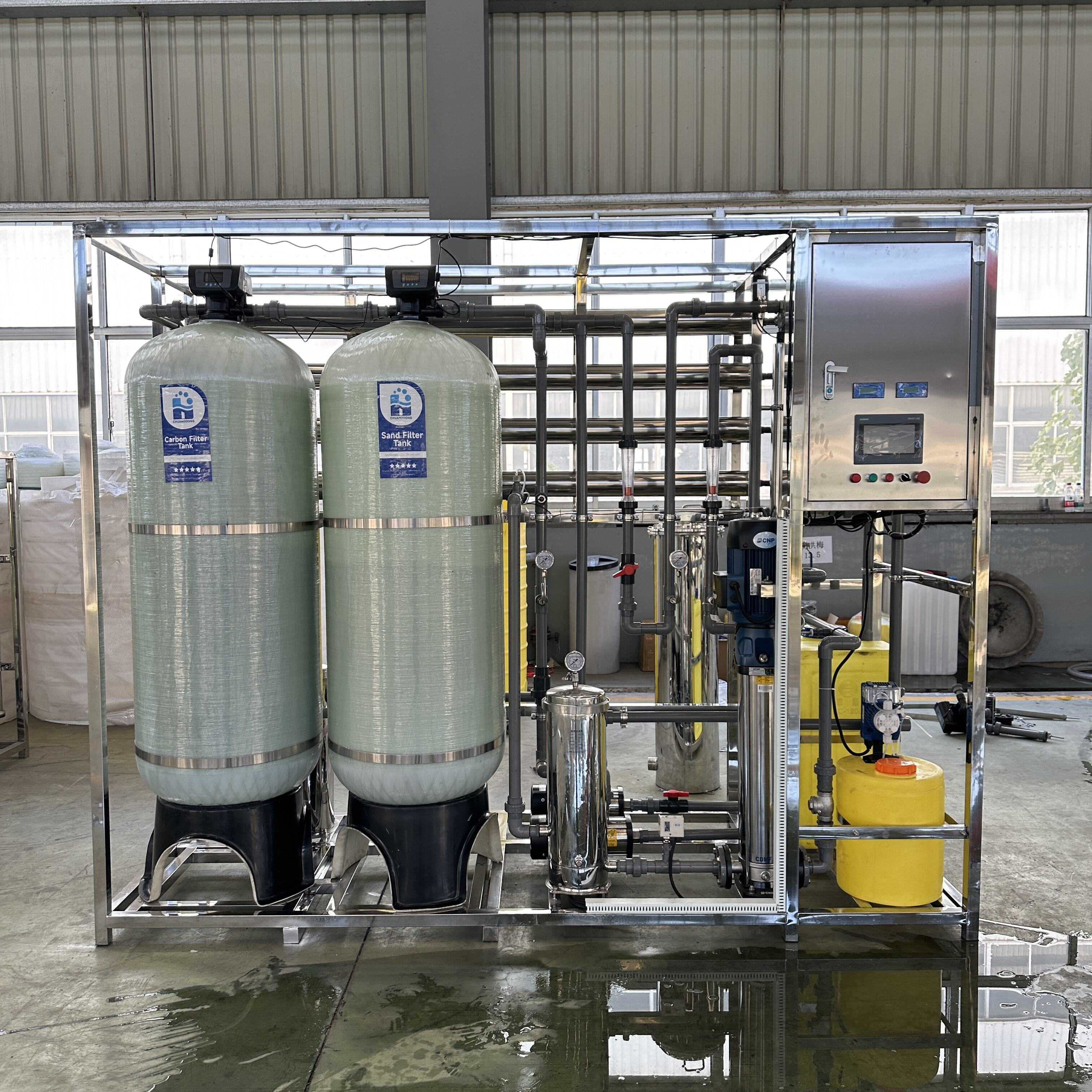
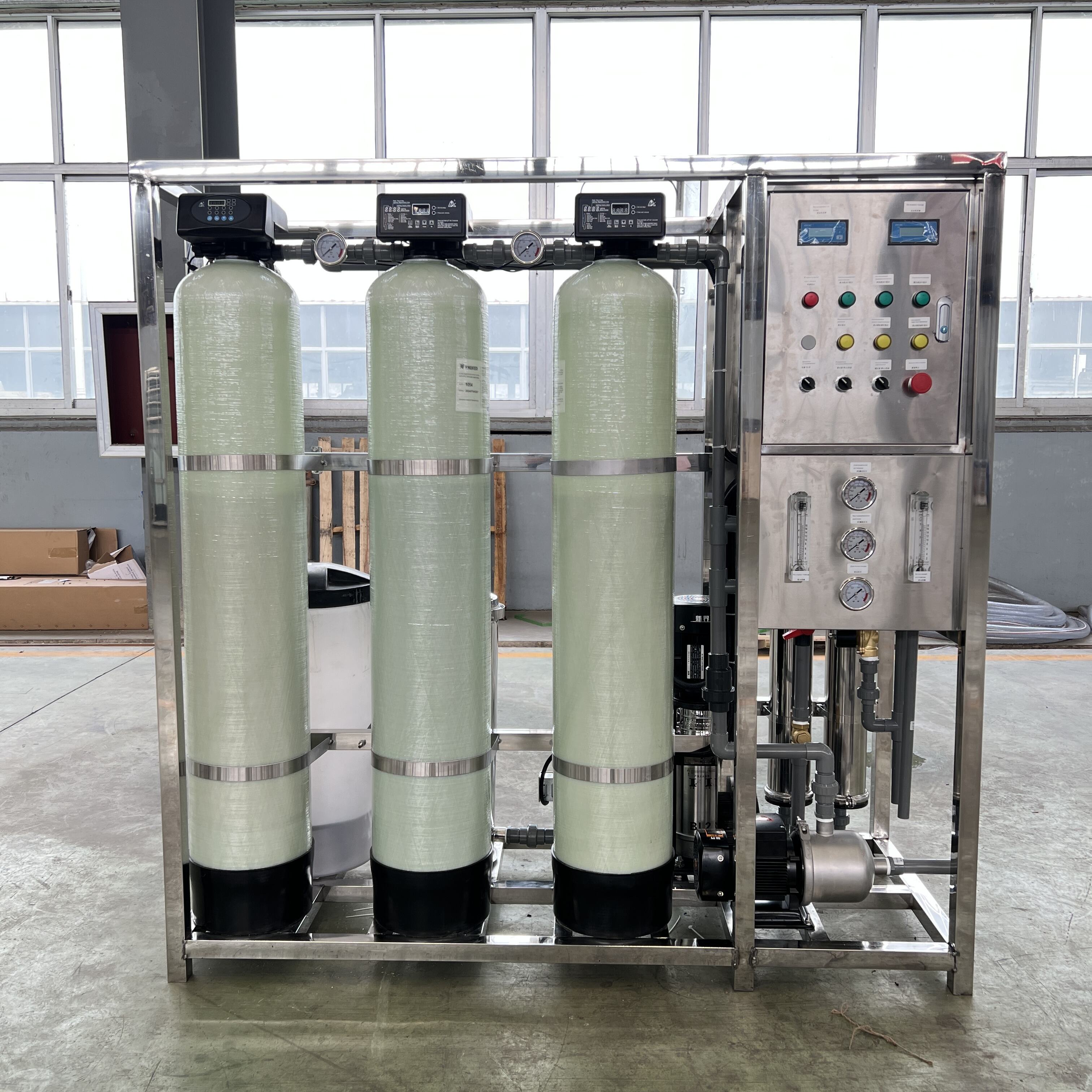
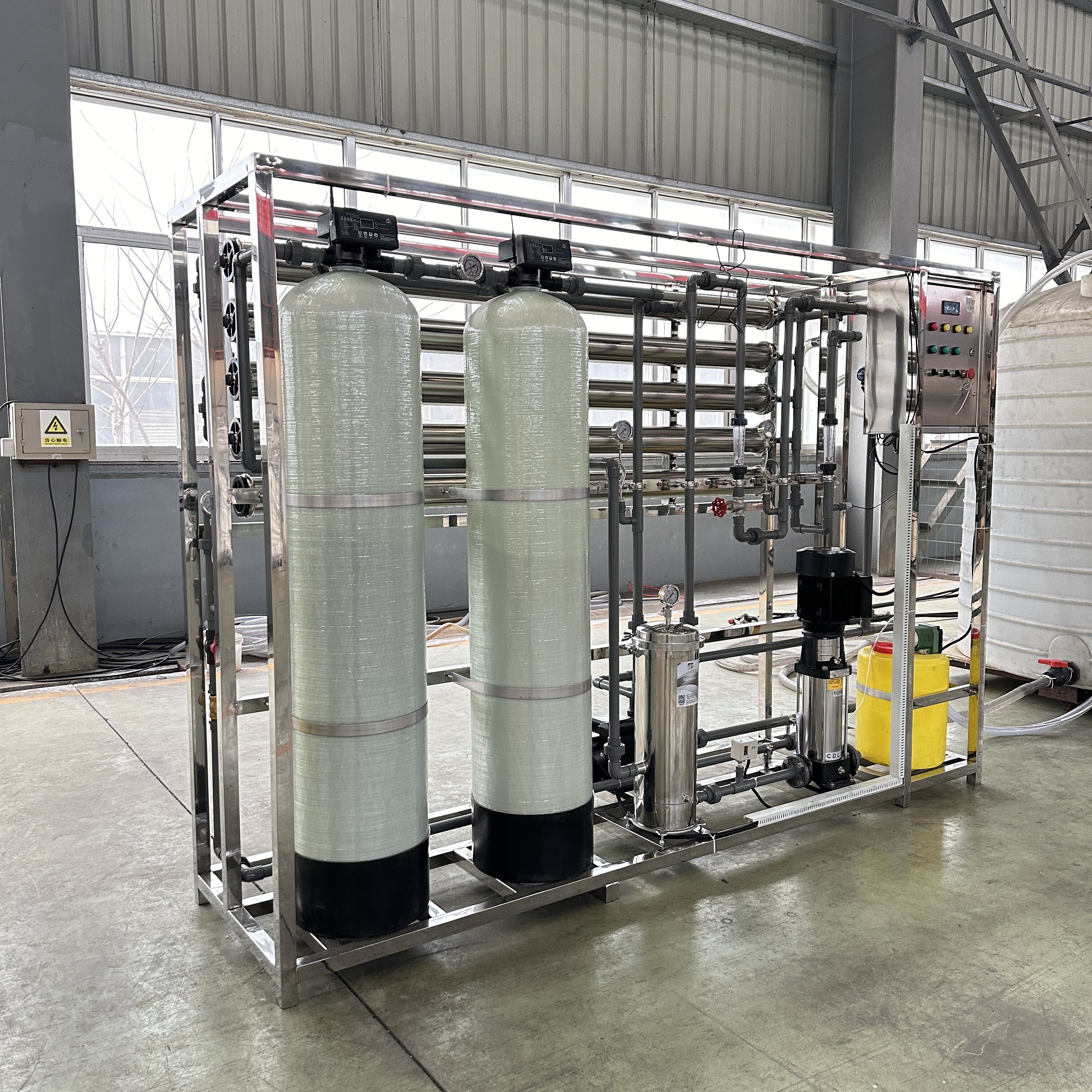
Industrial water purification systems represent critical infrastructure components designed to meet the demanding requirements of commercial and manufacturing environments. A water purifier for industrial use operates as a comprehensive filtration and treatment solution that removes contaminants, chemicals, and impurities from large-volume water supplies. These sophisticated systems incorporate multiple purification stages, including pre-filtration, reverse osmosis, ion exchange, and UV sterilization technologies to deliver consistent, high-quality water output. The main functions of an industrial water purifier encompass sediment removal, chemical neutralization, bacterial elimination, and mineral content adjustment according to specific industry standards. Advanced monitoring systems track water quality parameters continuously, ensuring compliance with regulatory requirements and operational specifications. Technological features include automated backwash cycles, self-cleaning mechanisms, and intelligent control panels that optimize performance while minimizing maintenance requirements. These systems typically process thousands of gallons per hour, making them suitable for facilities requiring substantial water volumes. The modular design allows for customization based on specific contamination challenges, whether addressing heavy metals, organic compounds, or biological contaminants. Industrial applications span across pharmaceutical manufacturing, food processing, electronics production, power generation, and chemical processing facilities where water quality directly impacts product integrity and operational efficiency. Modern water purifier for industrial use incorporates energy-efficient components and sustainable operation protocols, reducing environmental impact while maintaining superior purification performance. Integration capabilities enable seamless connection with existing facility infrastructure, while remote monitoring features provide real-time status updates and predictive maintenance alerts to facility managers.

New Product Releases

The primary advantage of implementing a water purifier for industrial use lies in its ability to deliver consistent, reliable water quality that meets stringent industry standards and regulatory requirements. Manufacturing facilities benefit from reduced production downtime caused by water-related equipment failures, as purified water prevents scale buildup, corrosion, and contamination issues that typically plague industrial machinery. Cost savings emerge through decreased maintenance expenses, extended equipment lifespan, and reduced chemical consumption for cleaning and treatment processes. Energy efficiency represents another significant benefit, as modern industrial purification systems optimize power consumption through intelligent automation and variable-speed components. The scalable nature of these systems allows businesses to expand capacity without complete infrastructure overhaul, providing flexibility for growing operations. Product quality improvements become immediately apparent in industries where water directly contacts finished goods, such as food processing, pharmaceutical production, and electronics manufacturing. Environmental compliance becomes simplified through automated monitoring and reporting features that track discharge quality and ensure adherence to local regulations. Worker safety improves dramatically when harmful contaminants are removed from process water, reducing exposure risks and creating healthier workplace conditions. The water purifier for industrial use eliminates dependency on external water suppliers for specialized applications, providing greater operational control and supply chain security. Predictive maintenance capabilities minimize unexpected breakdowns through continuous system monitoring and early warning alerts. Integration flexibility allows seamless incorporation into existing facility management systems, enabling centralized control and optimization. Return on investment typically occurs within 18 to 36 months through combined savings in maintenance, energy, chemical usage, and productivity improvements. Advanced filtration technologies capture contaminants that conventional systems miss, ensuring superior water quality for critical applications. Automated operation reduces labor requirements while maintaining optimal performance, allowing staff to focus on core business activities rather than water system management.

Practical Tips

What Intake and Outfall Designs Minimize Environmental Impact of a Desalination Plant?

01

Mar

What Intake and Outfall Designs Minimize Environmental Impact of a Desalination Plant?

Environmental considerations have become paramount in the design and operation of modern desalination facilities worldwide. As water scarcity continues to challenge communities across the globe, the demand for sustainable desalination plant solutions...
View More
What Corrosion-Resistant Materials Are Used in Desalination Plant Construction?

06

Mar

What Corrosion-Resistant Materials Are Used in Desalination Plant Construction?

Desalination plants operate in some of the harshest environments imaginable, where saltwater constantly threatens the integrity of critical infrastructure. The selection of appropriate corrosion-resistant materials becomes paramount to ensuring long-...
View More
How Does an RO Water Filter with a UV Sterilizer Provide Additional Protection Against Bacteria?

10

Mar

How Does an RO Water Filter with a UV Sterilizer Provide Additional Protection Against Bacteria?

Water contamination remains one of the most pressing concerns for homeowners and businesses seeking reliable water purification solutions. While traditional filtration methods offer basic protection, modern water treatment technology has evolved to p...
View More
Why Should Pharmaceutical QC Labs Use Ultrapure Water for HPLC and Mass Spectrometry?

18

Mar

Why Should Pharmaceutical QC Labs Use Ultrapure Water for HPLC and Mass Spectrometry?

Pharmaceutical quality control laboratories face increasingly stringent requirements for analytical accuracy and regulatory compliance. The foundation of reliable analytical results lies in the quality of water used throughout testing procedures. Ult...
View More

Get a Free Quote

Our representative will contact you soon.
Email
Name
Company Name
Message
0/1000

water purifier for industrial use

Advanced Multi-Stage Purification Technology

Advanced Multi-Stage Purification Technology

The cornerstone of any effective water purifier for industrial use lies in its sophisticated multi-stage purification technology that addresses diverse contamination challenges through systematic treatment processes. This comprehensive approach begins with mechanical filtration stages that remove suspended solids, sediments, and larger particles that could damage downstream components or compromise final water quality. Pre-filtration systems utilize graduated mesh sizes and specialized media to capture contaminants ranging from visible debris to microscopic particles. The reverse osmosis stage forms the heart of the purification process, employing semi-permeable membranes that reject dissolved salts, heavy metals, organic compounds, and bacterial contaminants with rejection rates exceeding 99 percent for most pollutants. Ion exchange technology follows, targeting specific ionic contaminants and adjusting mineral content to meet precise specifications for different industrial applications. Advanced oxidation processes eliminate organic compounds and disinfect water through controlled chemical reactions that break down molecular structures without introducing harmful byproducts. UV sterilization provides final pathogen elimination, ensuring microbiological safety through proven germicidal wavelengths that destroy DNA structures in bacteria, viruses, and other microorganisms. The integration of these technologies creates synergistic effects where each stage optimizes conditions for subsequent treatment steps, maximizing overall efficiency and reliability. Automated monitoring systems continuously assess performance at each stage, adjusting operating parameters to maintain optimal conditions and alert operators to potential issues before they impact water quality. This technological sophistication enables the water purifier for industrial use to handle varying contamination loads while maintaining consistent output quality, regardless of seasonal changes or unexpected pollution events in source water supplies.
Intelligent Automation and Control Systems

Intelligent Automation and Control Systems

Modern industrial water purification systems incorporate intelligent automation and control technologies that revolutionize operational efficiency and reliability for facilities requiring consistent, high-quality water supplies. The water purifier for industrial use features sophisticated programmable logic controllers that monitor dozens of operational parameters simultaneously, including flow rates, pressure differentials, conductivity levels, pH measurements, and temperature variations across all system components. These control systems utilize advanced algorithms to optimize performance automatically, adjusting operating conditions in real-time to maintain peak efficiency while minimizing energy consumption and extending component lifespan. Remote monitoring capabilities enable facility managers to oversee water purification operations from any location through secure internet connections, receiving instant alerts when attention is required and accessing detailed performance data for analysis and reporting. Predictive maintenance algorithms analyze operational trends and component performance patterns to forecast maintenance requirements before failures occur, dramatically reducing unexpected downtime and repair costs. The intelligent control system learns from operational history, continuously refining its responses to changing conditions and optimizing performance based on accumulated experience. Touch-screen interfaces provide intuitive operation for facility staff, displaying real-time status information, historical trends, and maintenance schedules in easily understood formats. Integration protocols enable seamless communication with existing facility management systems, allowing centralized monitoring and control of multiple building systems through unified interfaces. Automated cleaning cycles maintain system components at peak efficiency without manual intervention, while self-diagnostic capabilities identify potential issues and recommend corrective actions. Data logging features maintain comprehensive records of all operational parameters, supporting regulatory compliance requirements and facilitating performance analysis. The water purifier for industrial use benefits from these automation features through reduced labor requirements, improved consistency, and enhanced reliability that ensures uninterrupted water supply for critical industrial processes.
Customizable Solutions for Specific Industry Requirements

Customizable Solutions for Specific Industry Requirements

The versatility and adaptability of a water purifier for industrial use stem from its modular design philosophy that enables precise customization for diverse industry requirements and contamination challenges. Manufacturing facilities across different sectors face unique water quality demands, from ultrapure water for semiconductor production to specialized treatment for food processing applications, and modern industrial purification systems address these varied needs through flexible configuration options. Pharmaceutical manufacturers require water meeting United States Pharmacopeia standards for injection and irrigation purposes, necessitating specialized treatment protocols that eliminate endotoxins, organic compounds, and trace contaminants to sub-part-per-billion levels. Food processing facilities need systems that remove chlorine, adjust mineral content, and eliminate biological contaminants while maintaining taste-neutral characteristics that do not affect product flavor profiles. Electronics manufacturing demands ultrapure water with minimal ionic content and zero particle contamination to prevent defects in sensitive components and circuit boards. Power generation facilities require treatment systems that prevent scaling and corrosion in boilers and cooling systems while managing large volumes efficiently. The modular architecture allows engineers to select specific treatment technologies, sizing components, and control features that match exact facility requirements and budget constraints. Expandable designs accommodate future growth without requiring complete system replacement, protecting long-term investment value and operational continuity. Specialized materials and coatings resist specific chemical environments, extending system lifespan in aggressive industrial conditions. Custom monitoring and control packages integrate seamlessly with existing facility automation systems, providing unified operation and reporting capabilities. The water purifier for industrial use can incorporate specialized pre-treatment systems for unique contamination challenges, such as heavy metal removal for mining operations or organic compound elimination for chemical processing facilities, ensuring optimal performance regardless of application complexity or environmental conditions.

Get a Free Quote

Our representative will contact you soon.
Email
Name
Company Name
Message
0/1000