reverse osmosis treatment plant
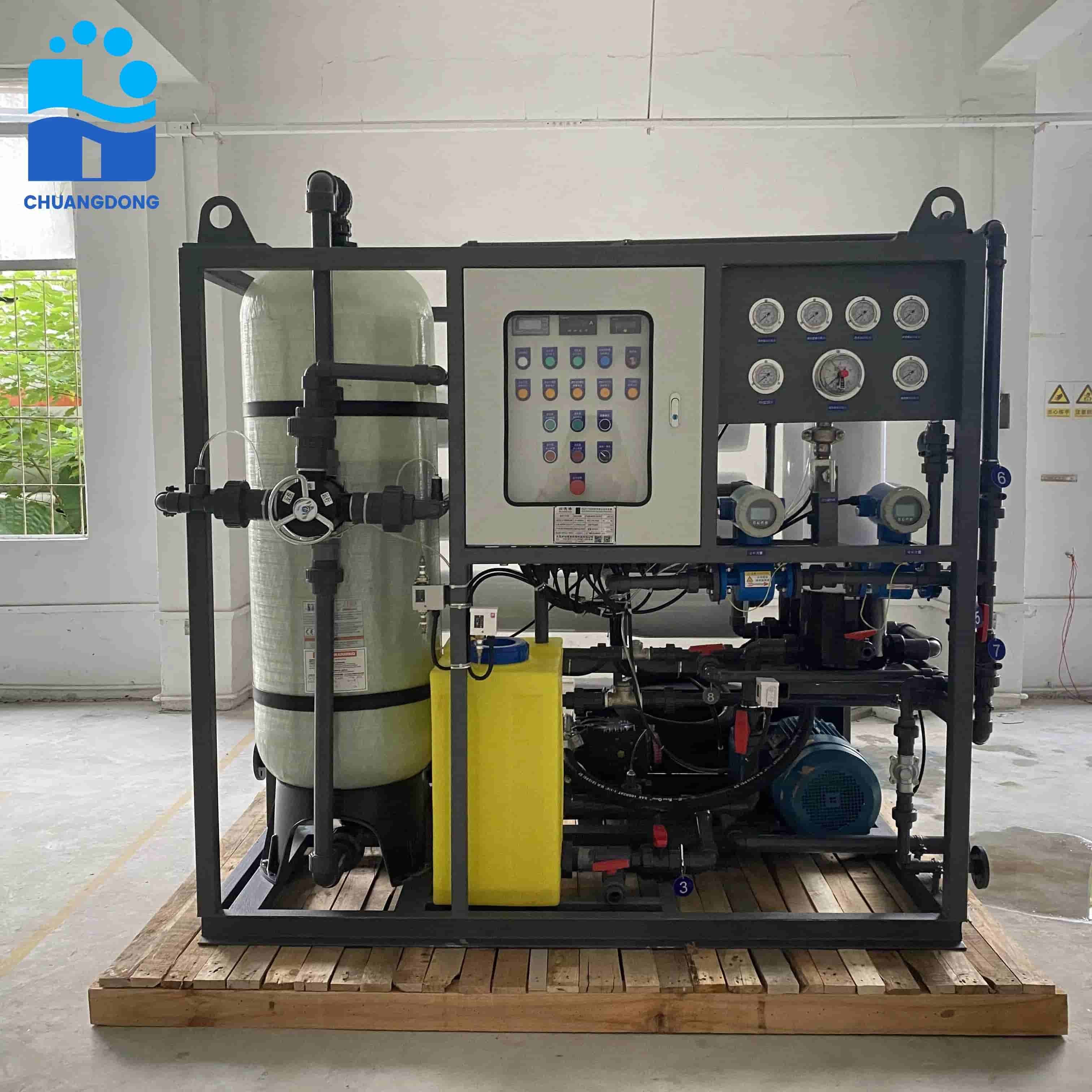
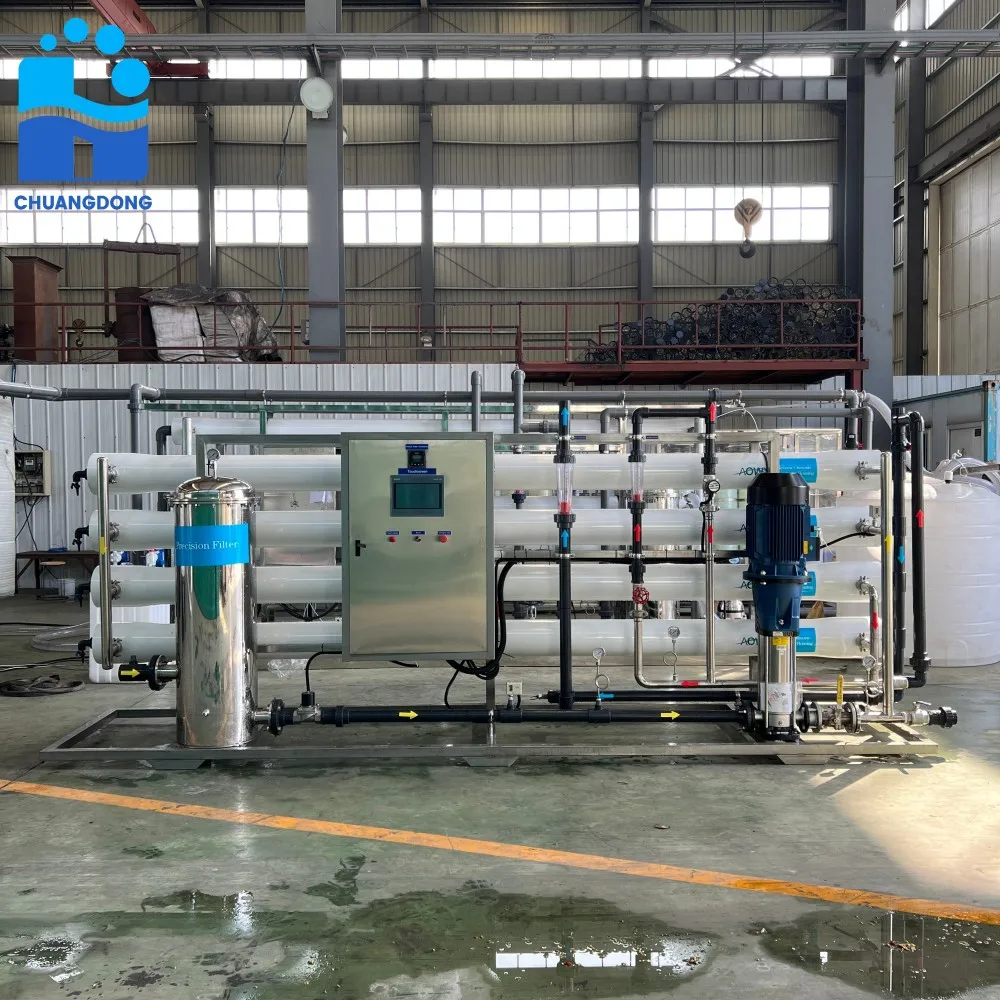
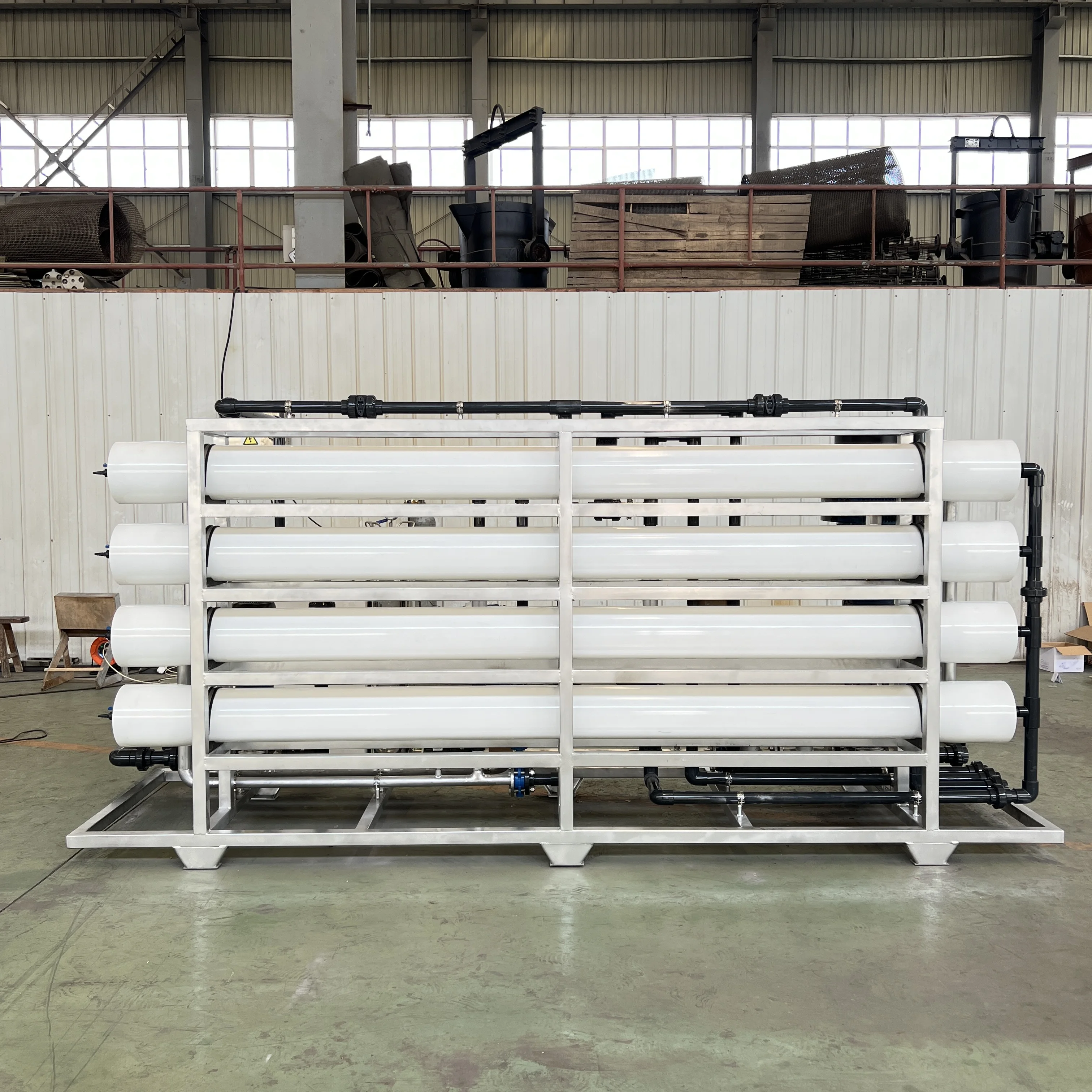
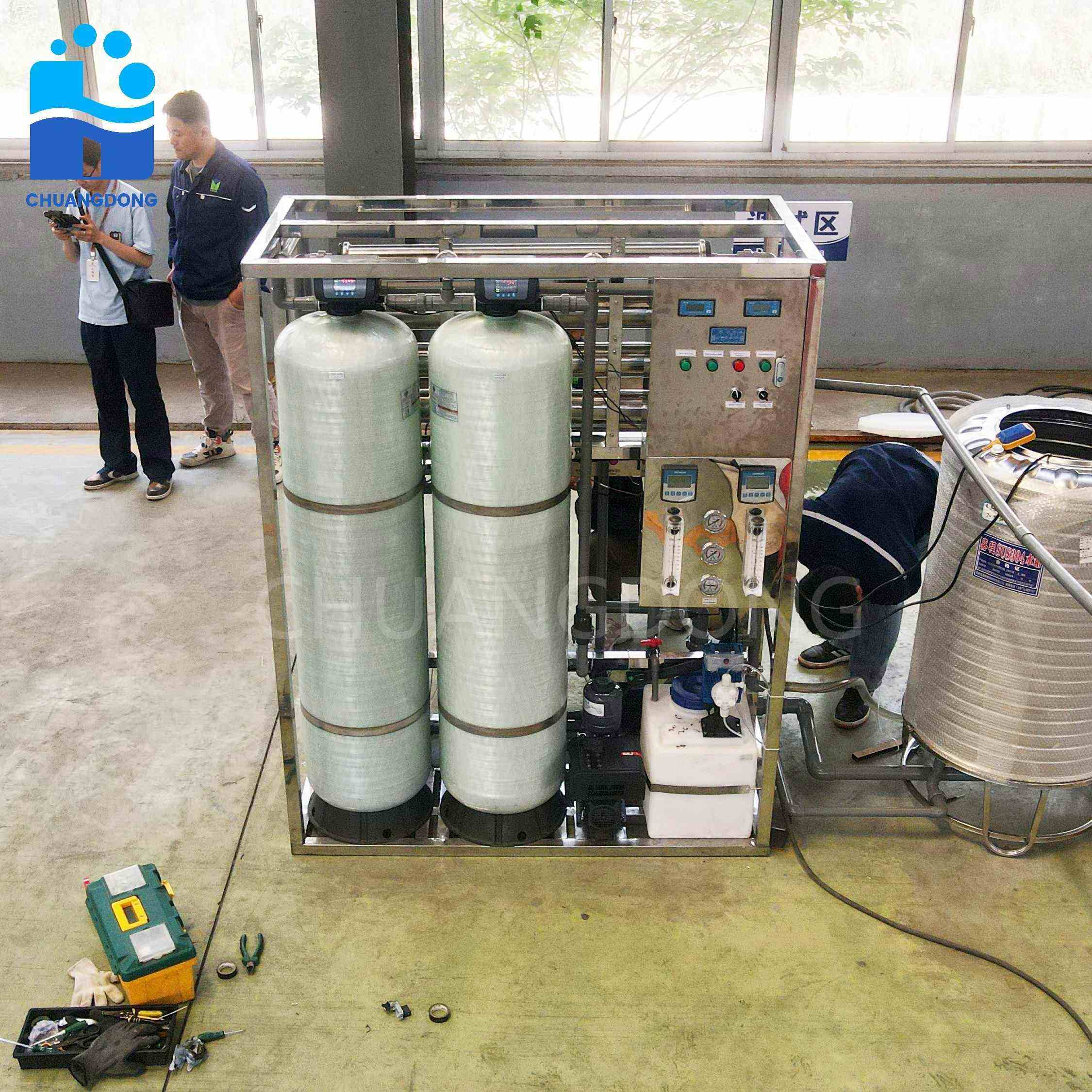
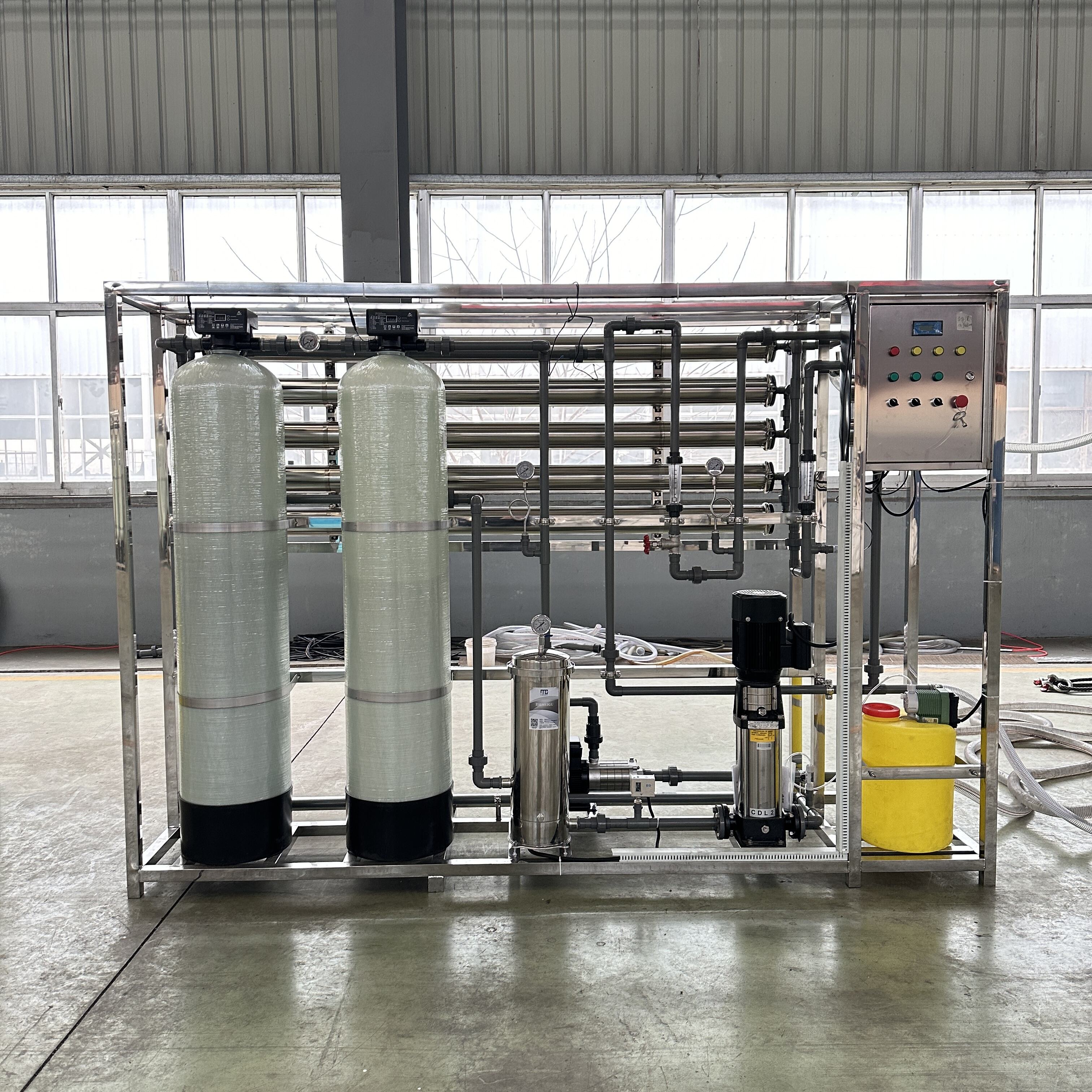
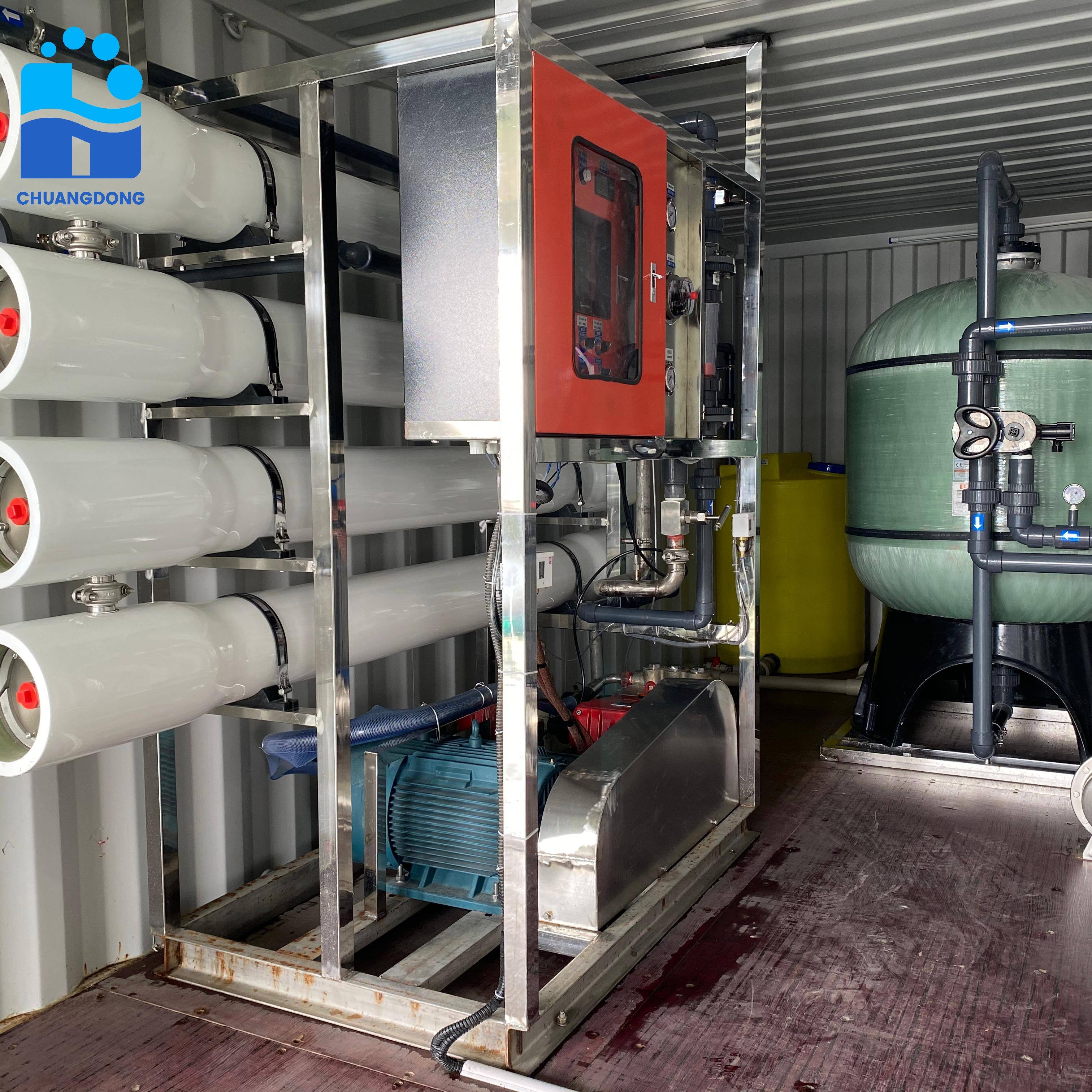
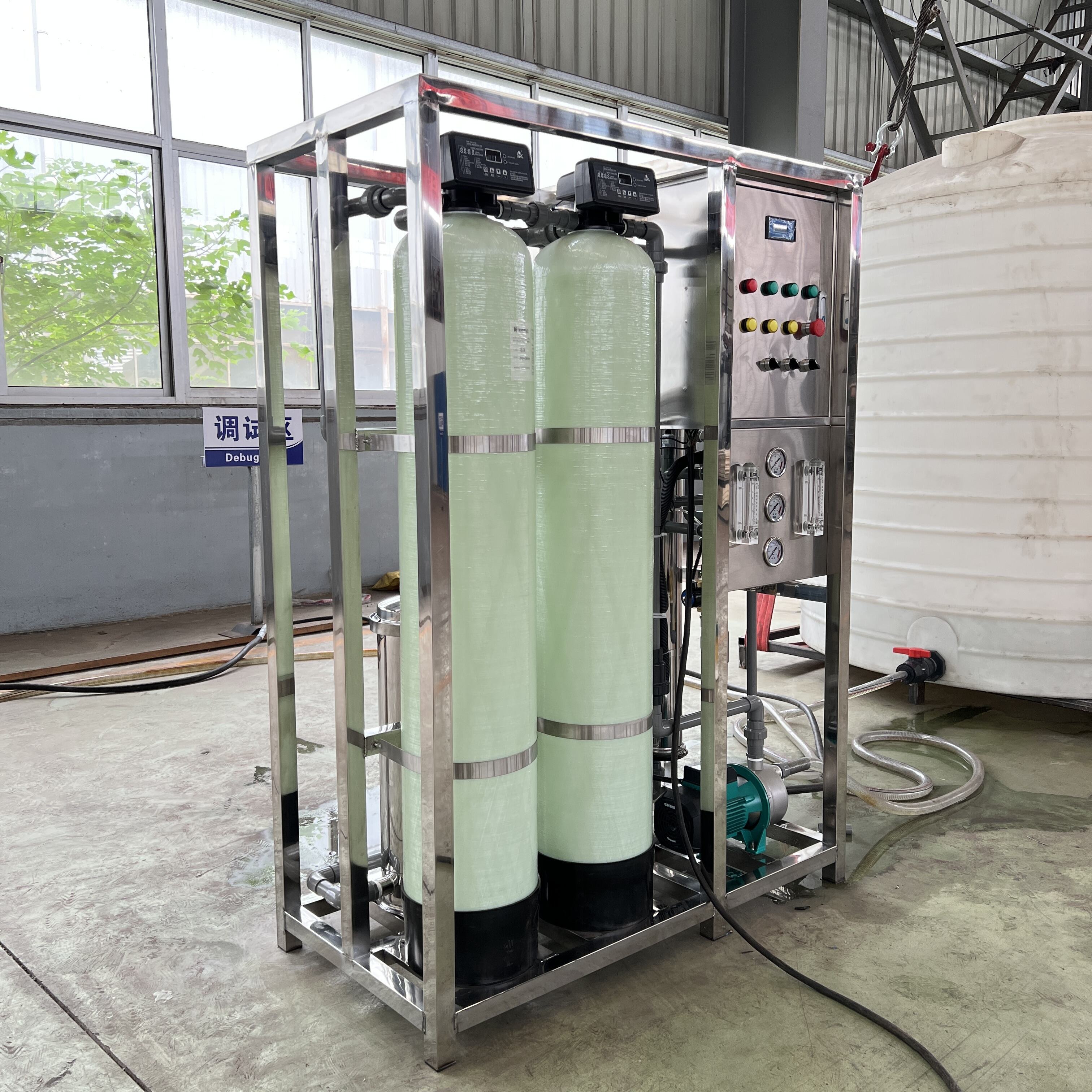
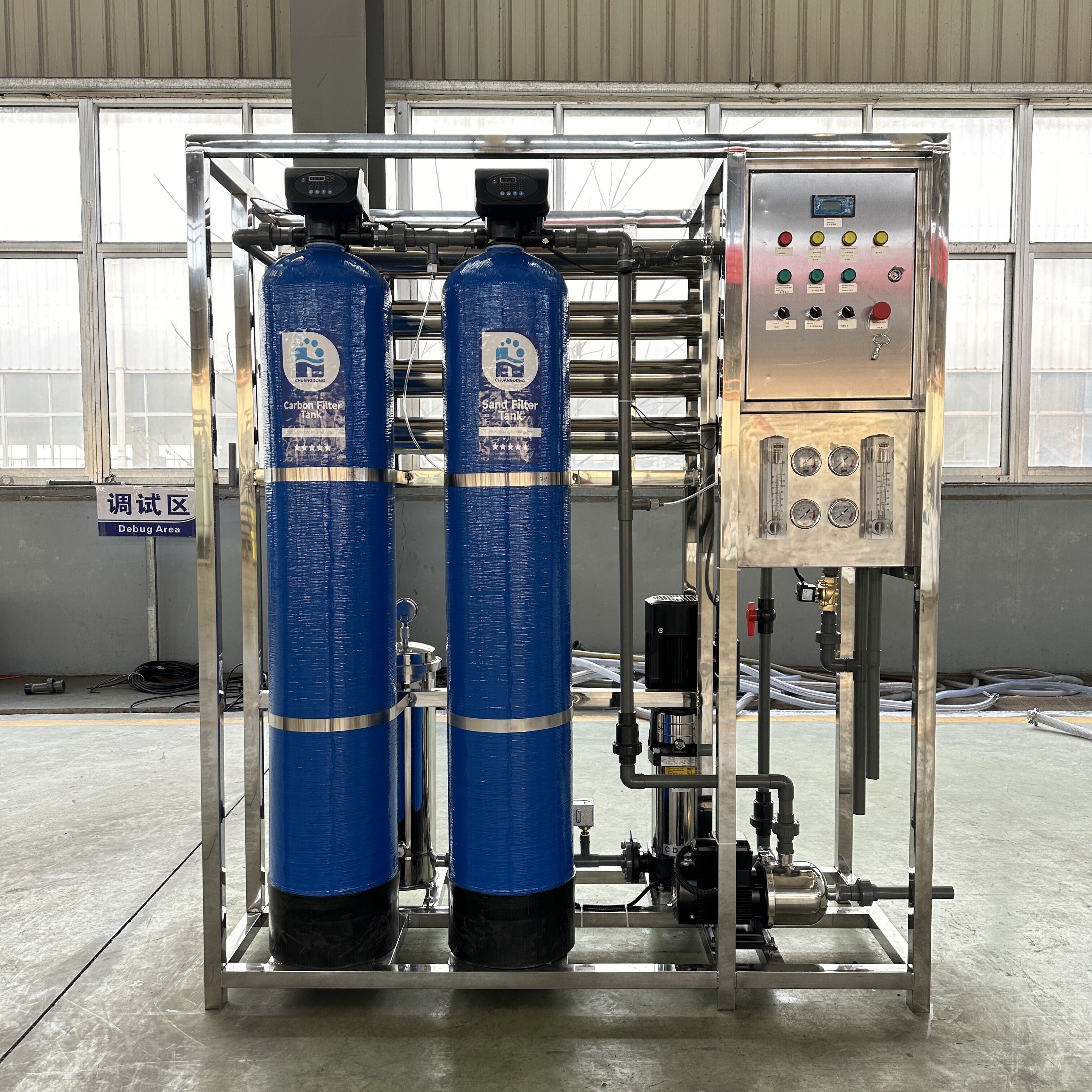
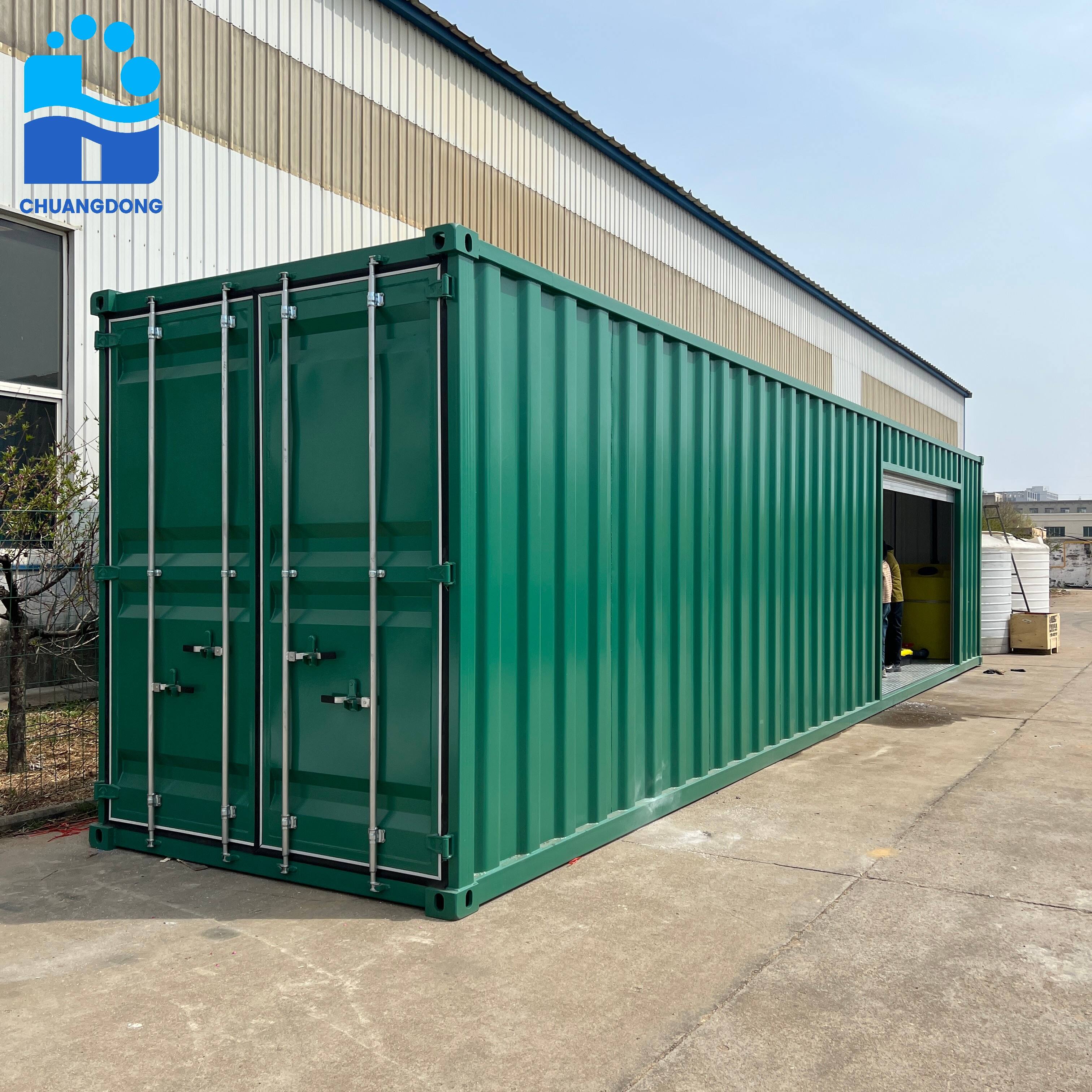
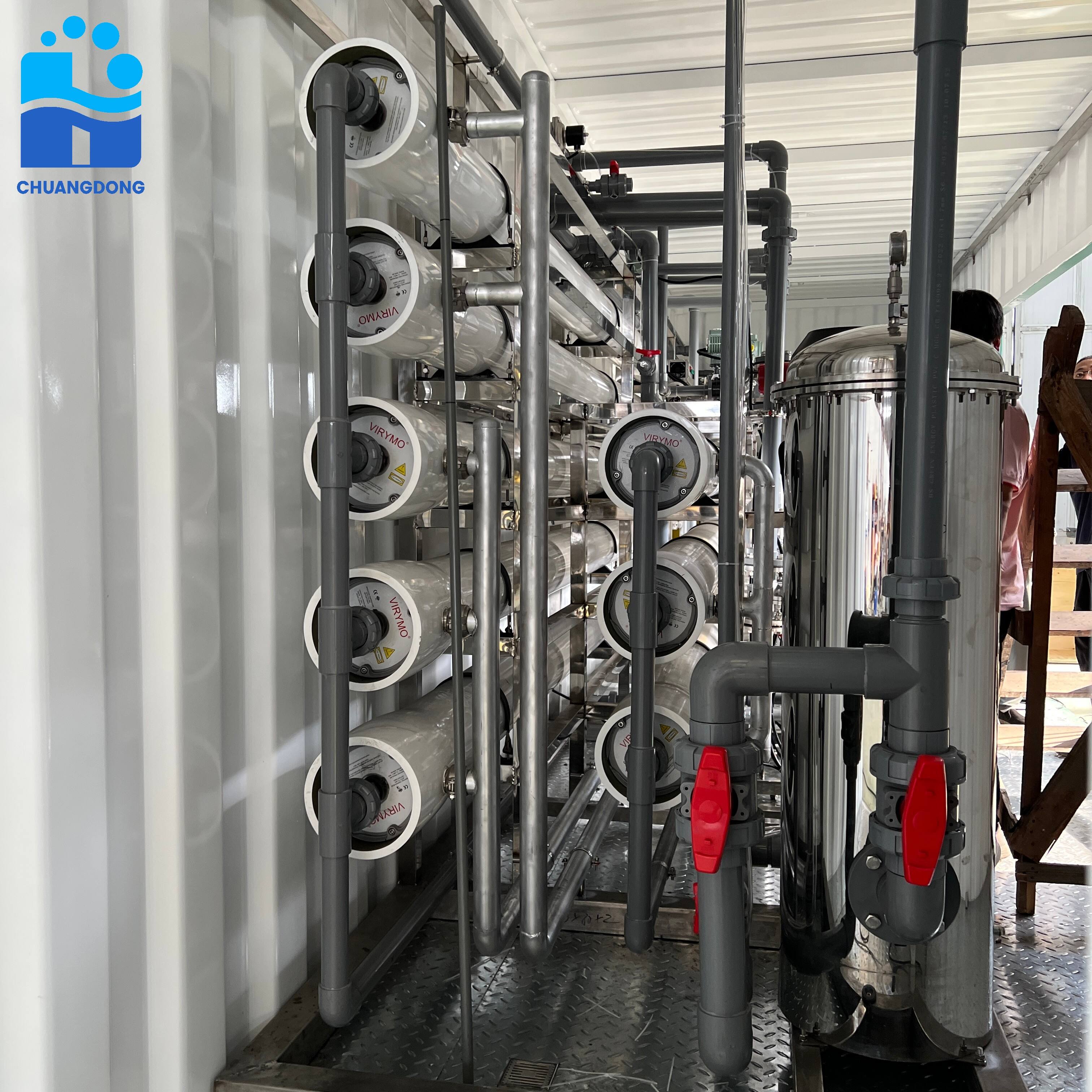
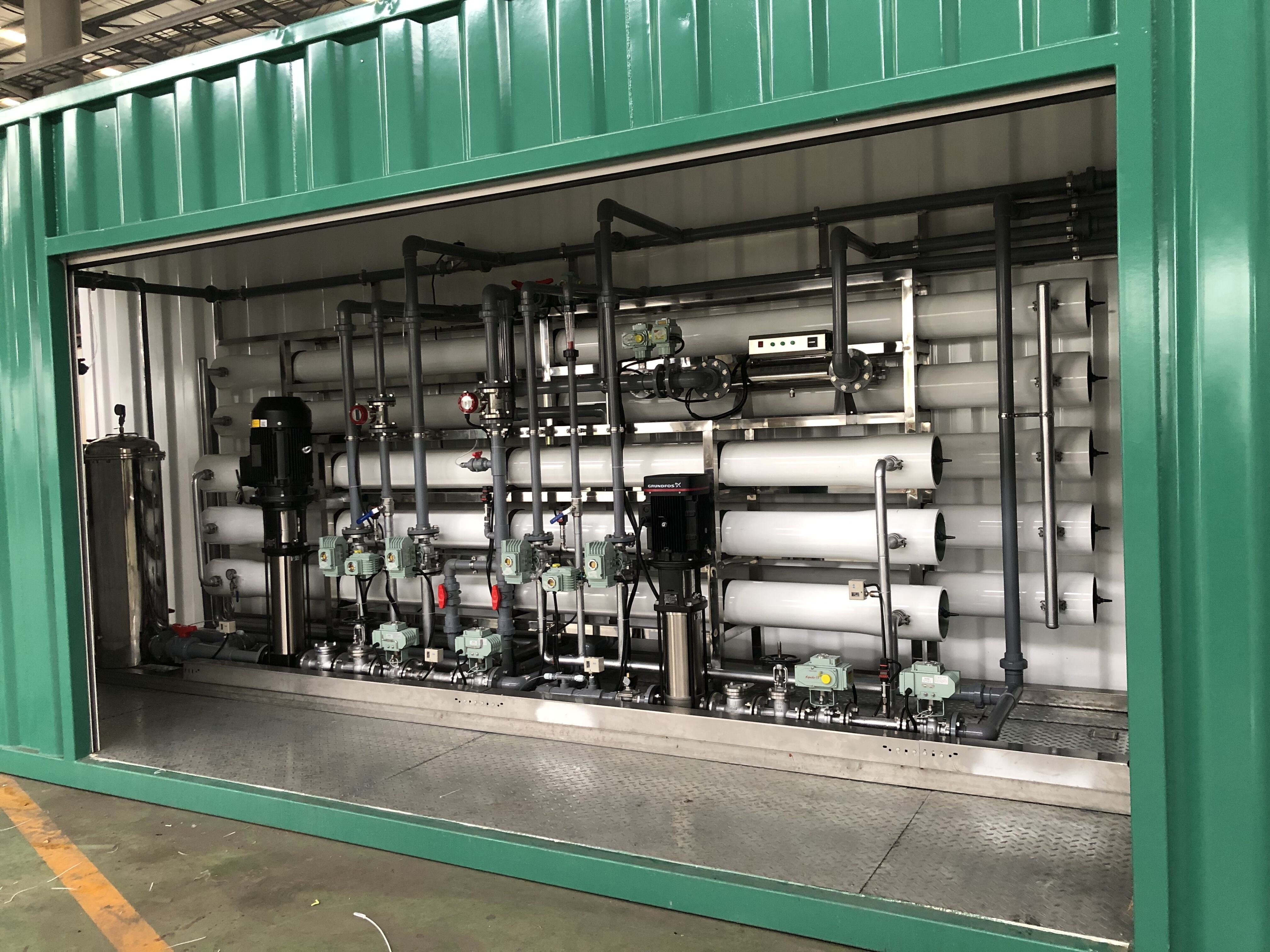
A reverse osmosis treatment plant is an advanced water purification system that removes contaminants, dissolved solids, and impurities from water through a semi-permeable membrane technology. This sophisticated facility operates by applying pressure to force water molecules through specialized membranes while blocking larger particles, minerals, bacteria, viruses, and chemical pollutants. The reverse osmosis treatment plant serves multiple sectors including municipal water supply, industrial manufacturing, pharmaceutical production, food and beverage processing, and desalination operations. The core technology relies on high-pressure pumps that push feed water through pre-treatment filters before reaching the membrane modules where separation occurs. These plants typically feature multiple treatment stages including sediment filtration, carbon adsorption, reverse osmosis membranes, and post-treatment processes to ensure optimal water quality. Modern reverse osmosis treatment plant installations incorporate automated monitoring systems, energy recovery devices, and intelligent control panels that optimize performance while reducing operational costs. The treated water meets stringent quality standards for drinking water, process water, or specialized industrial applications. Capacity ranges from small-scale units producing hundreds of gallons daily to large commercial reverse osmosis treatment plant facilities generating millions of gallons for entire communities. The modular design allows for scalable expansion as demand increases, making these systems adaptable to growing operational requirements across diverse applications and industries worldwide.
 EN
EN