Industrial Water Purifying Machine - Advanced Water Treatment Solutions for Manufacturing Excellence

Get a Free Quote

Our representative will contact you soon.
Email
Name
Company Name
Message
0/1000

industrial water purifying machine

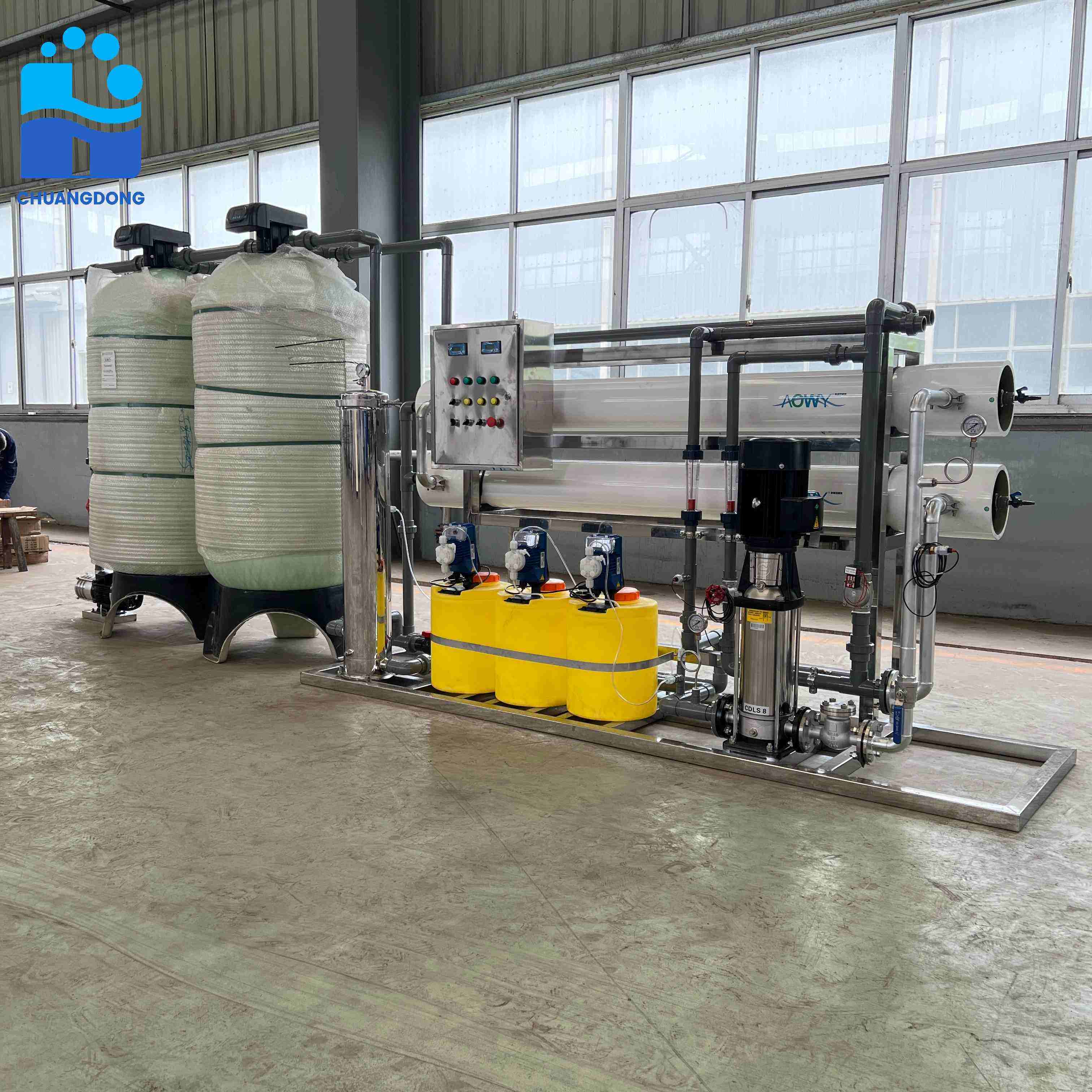
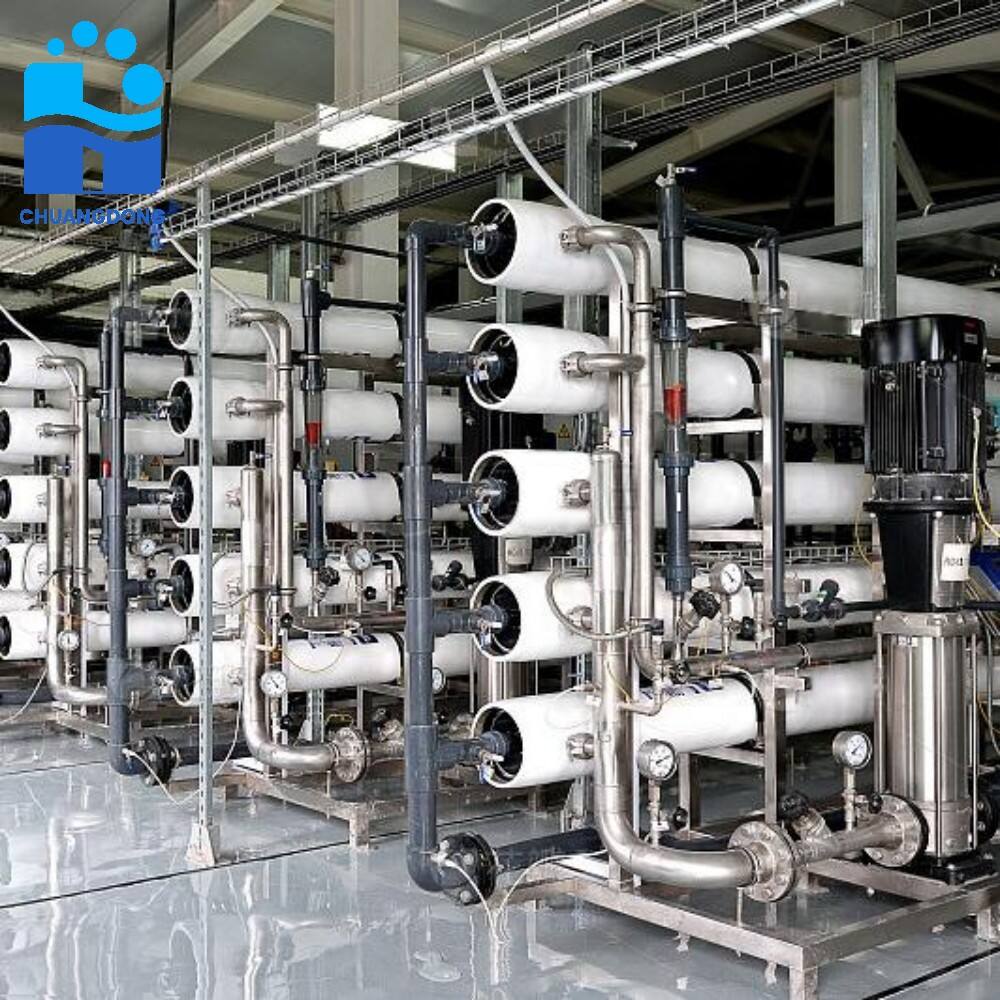
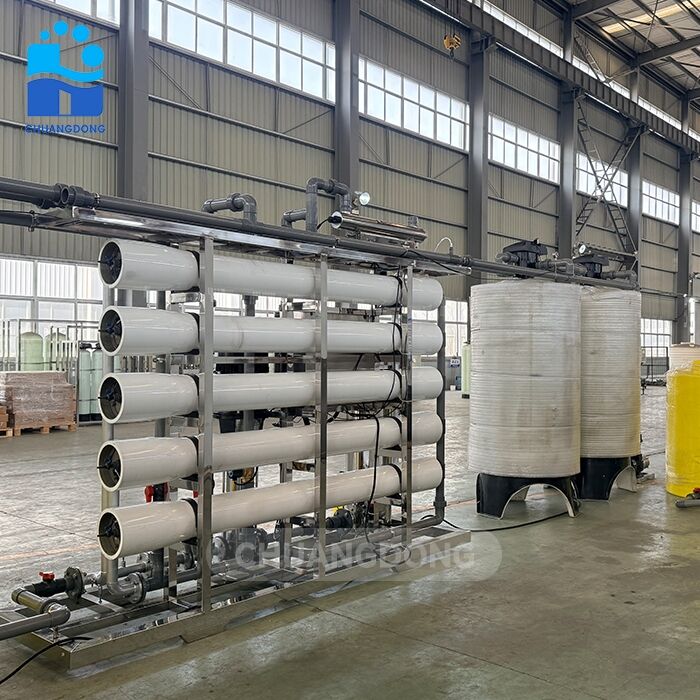
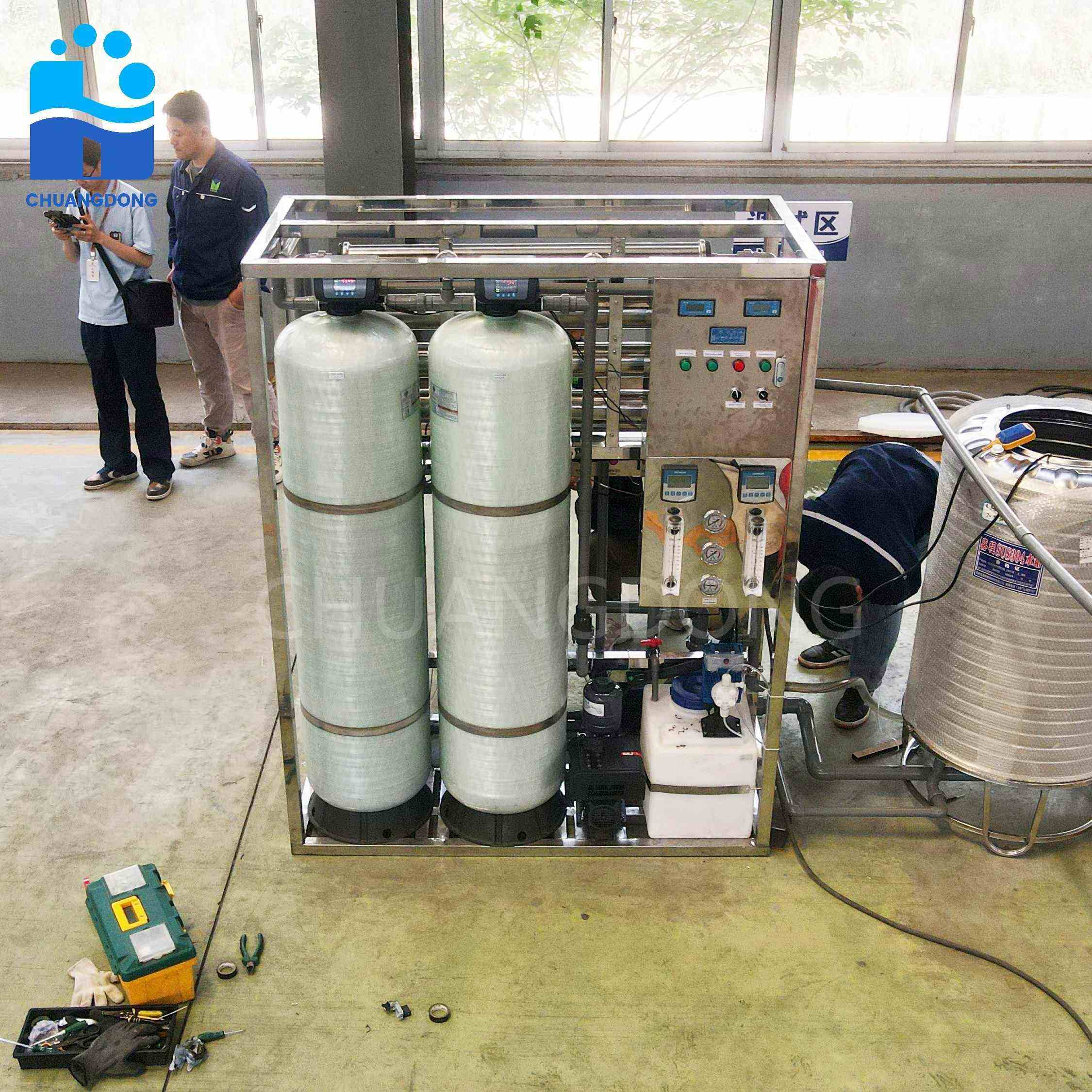
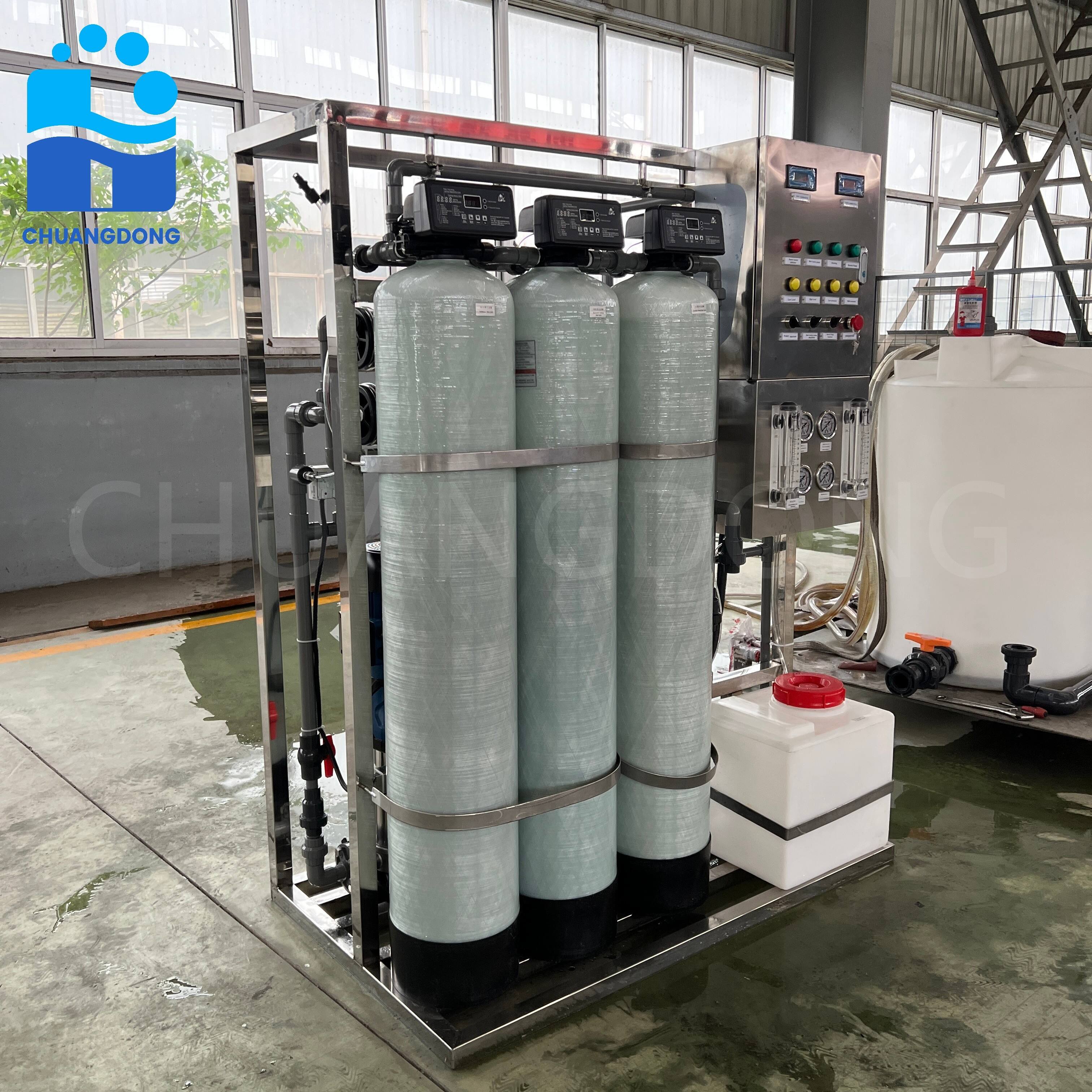
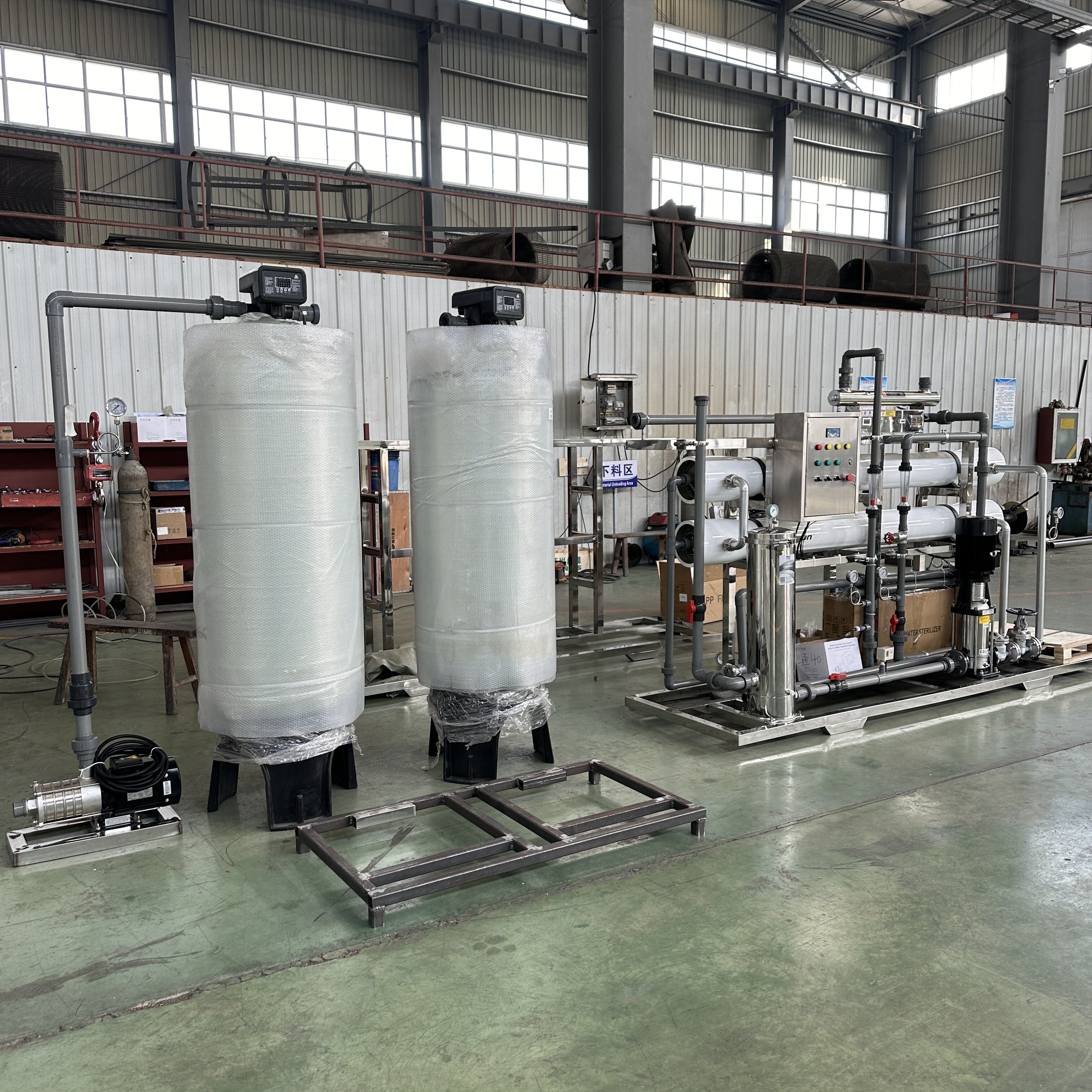
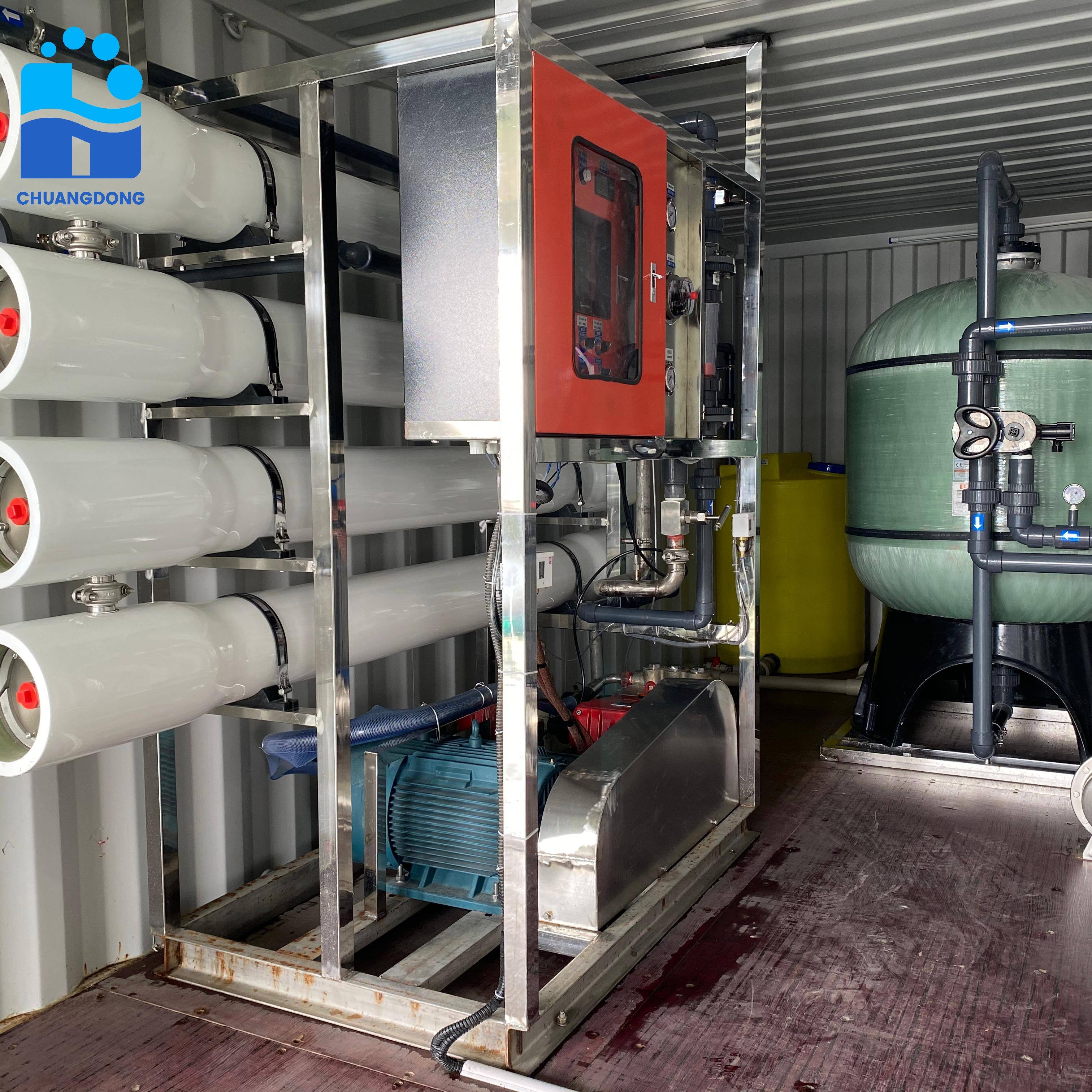
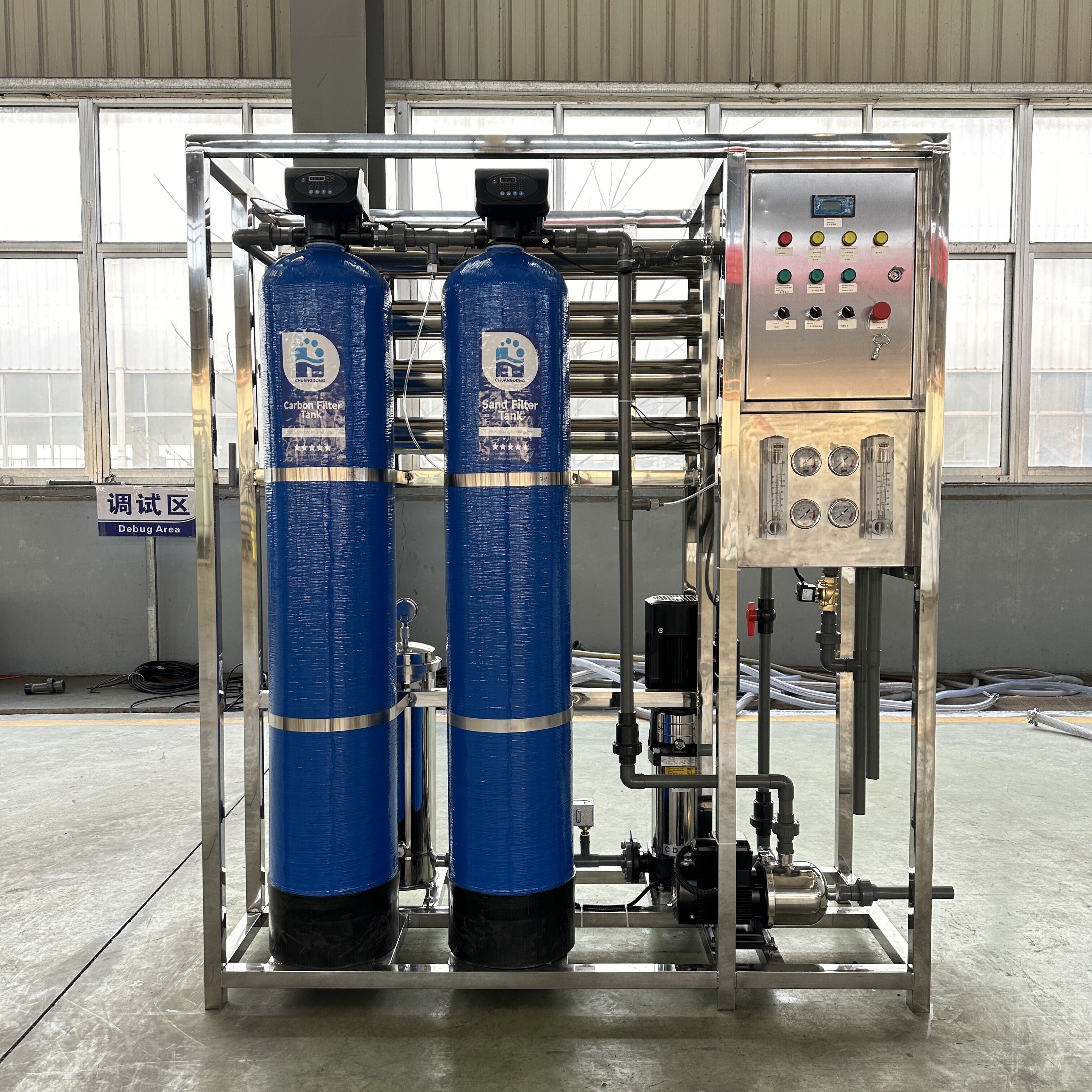
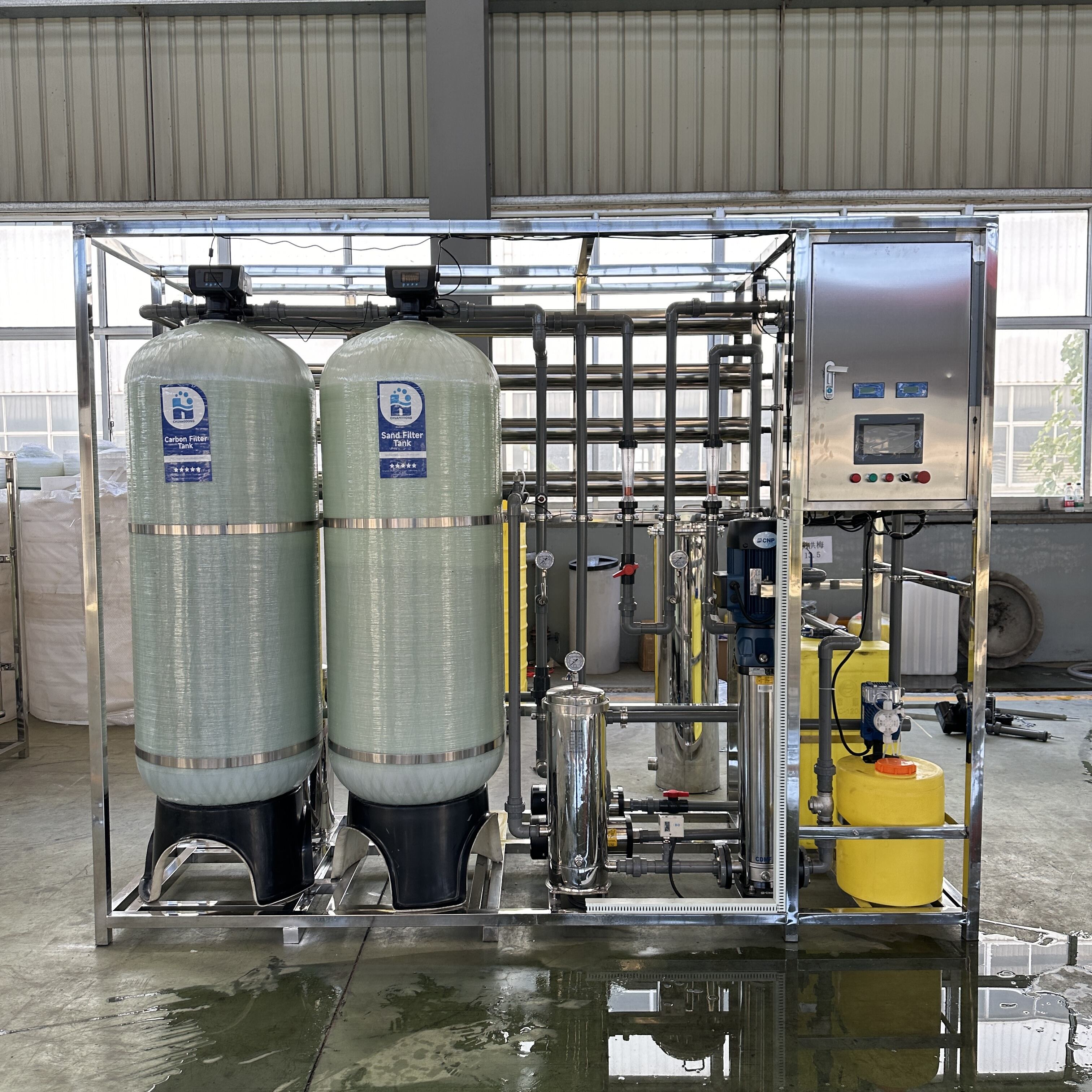
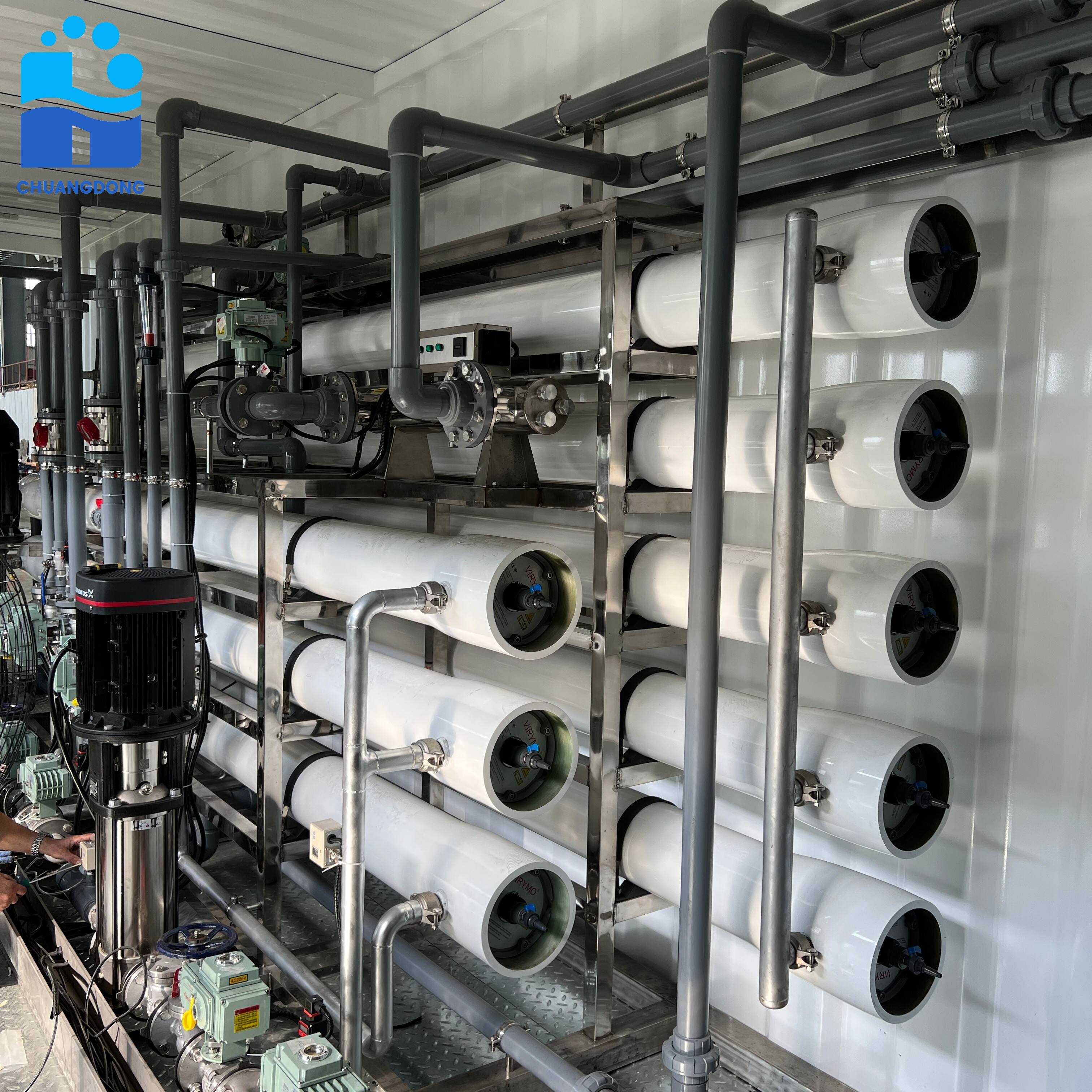
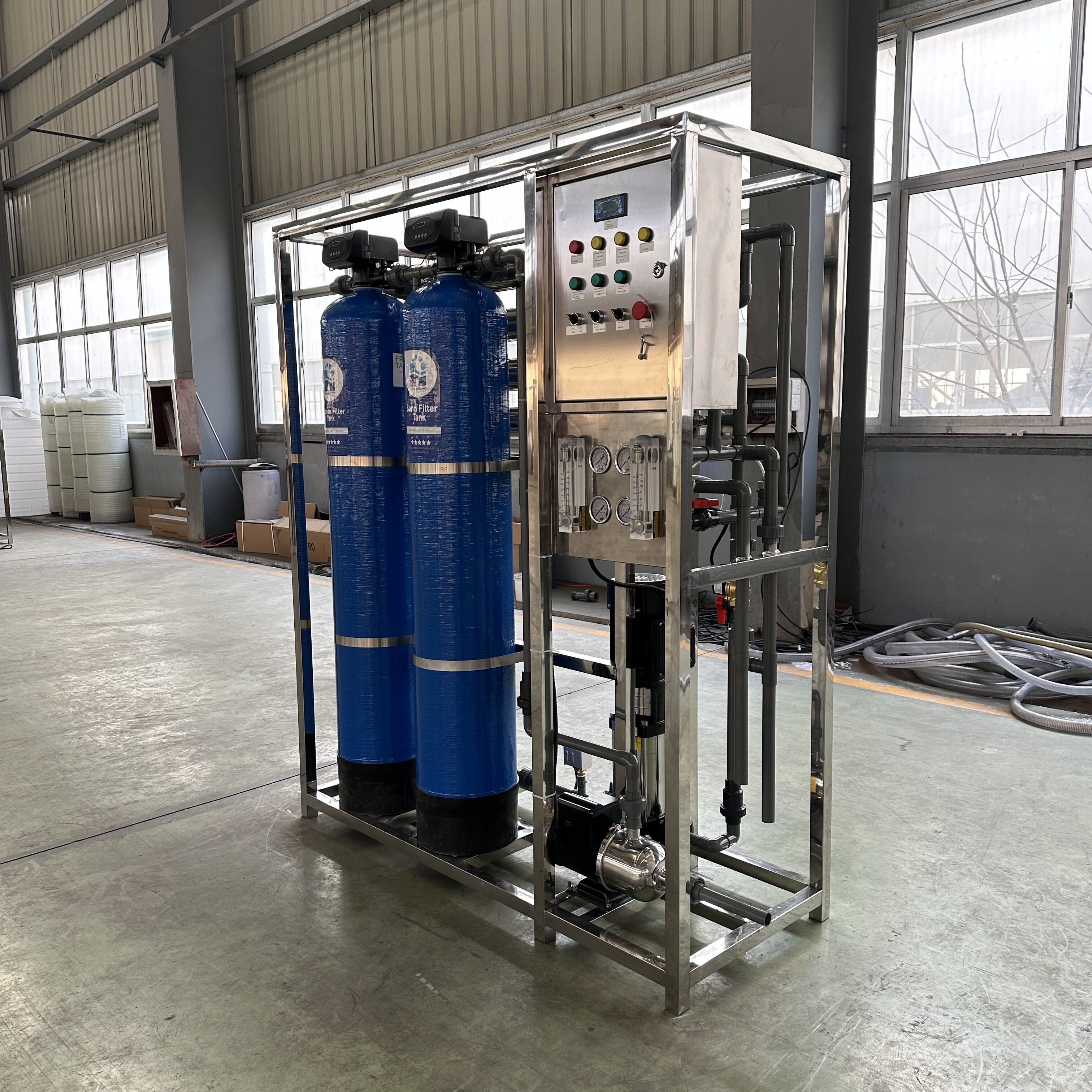
Industrial water purifying machines represent cutting-edge technology designed to address complex water treatment challenges across various manufacturing sectors. These sophisticated systems combine multiple filtration technologies to remove contaminants, dissolved solids, and harmful substances from water sources, ensuring compliance with strict industrial standards. The primary function of an industrial water purifying machine centers on transforming raw water into high-quality processed water suitable for manufacturing processes, cooling systems, and product formulation. These machines utilize advanced reverse osmosis membranes, activated carbon filtration, ion exchange resins, and ultraviolet sterilization to achieve exceptional purification results. The technological framework incorporates automated monitoring systems that continuously track water quality parameters including pH levels, conductivity, turbidity, and bacterial content. Smart sensors provide real-time feedback, enabling operators to maintain optimal performance while minimizing maintenance requirements. Modern industrial water purifying machines feature modular designs that allow customization based on specific industry requirements and water source characteristics. The applications span numerous industries including pharmaceuticals, food and beverage production, electronics manufacturing, power generation, and chemical processing. In pharmaceutical manufacturing, these systems produce ultra-pure water meeting USP standards for injection preparation and equipment cleaning. Food and beverage companies rely on industrial water purifying machines to ensure product safety and taste consistency. Electronics manufacturers use these systems to create deionized water essential for semiconductor fabrication and component washing. The scalability of industrial water purifying machines makes them suitable for both small-scale operations and large industrial complexes processing thousands of gallons per hour. Energy-efficient designs reduce operational costs while maintaining consistent output quality, making these systems indispensable for modern industrial operations requiring reliable water purification solutions.

Popular Products

Industrial water purifying machines deliver substantial cost savings by eliminating the need for expensive bottled water purchases and reducing waste disposal fees associated with contaminated water. Companies typically recover their investment within 18-24 months through reduced water procurement costs and improved operational efficiency. These systems provide consistent water quality that meets stringent industrial specifications, ensuring product reliability and reducing quality control issues. Manufacturing processes benefit from stable water characteristics that prevent equipment corrosion, scale buildup, and product contamination. The automated operation of modern industrial water purifying machines minimizes labor requirements while maximizing productivity. Operators can monitor multiple systems remotely through integrated control panels and mobile applications, reducing the need for constant on-site supervision. Environmental benefits include significant reduction in plastic waste from bottled water consumption and decreased chemical discharge into wastewater systems. Many industrial water purifying machines incorporate energy recovery systems that reduce power consumption by up to 30 percent compared to traditional treatment methods. The reliability of these systems ensures uninterrupted production schedules, preventing costly downtime associated with water quality issues or supply disruptions. Maintenance requirements are minimal due to self-cleaning mechanisms and durable component construction designed for continuous industrial operation. Companies achieve better regulatory compliance through consistent water quality documentation and automated reporting features built into modern systems. The flexibility of industrial water purifying machines allows businesses to adapt quickly to changing production requirements or regulatory standards without significant infrastructure modifications. Space efficiency is another key advantage, as these compact systems require minimal floor space compared to traditional water treatment installations. Quality improvement extends beyond basic purification to include specialized treatments such as silica removal, boron reduction, and organic compound elimination based on specific industrial needs. The predictable operating costs associated with industrial water purifying machines enable better budget planning and financial forecasting for manufacturing operations. Risk mitigation benefits include reduced dependence on municipal water supplies and protection against supply chain disruptions that could impact production schedules.

Practical Tips

What Intake and Outfall Designs Minimize Environmental Impact of a Desalination Plant?

01

Mar

What Intake and Outfall Designs Minimize Environmental Impact of a Desalination Plant?

Environmental considerations have become paramount in the design and operation of modern desalination facilities worldwide. As water scarcity continues to challenge communities across the globe, the demand for sustainable desalination plant solutions...
View More
What Corrosion-Resistant Materials Are Used in Desalination Plant Construction?

06

Mar

What Corrosion-Resistant Materials Are Used in Desalination Plant Construction?

Desalination plants operate in some of the harshest environments imaginable, where saltwater constantly threatens the integrity of critical infrastructure. The selection of appropriate corrosion-resistant materials becomes paramount to ensuring long-...
View More
How Does a Water Purification System with Ion Exchange Soften Hard Water Effectively?

15

Mar

How Does a Water Purification System with Ion Exchange Soften Hard Water Effectively?

Hard water poses significant challenges for both residential and commercial applications, containing high concentrations of calcium and magnesium ions that cause scale buildup, reduce equipment efficiency, and affect water quality. A water purificati...
View More
Why Should Pharmaceutical QC Labs Use Ultrapure Water for HPLC and Mass Spectrometry?

18

Mar

Why Should Pharmaceutical QC Labs Use Ultrapure Water for HPLC and Mass Spectrometry?

Pharmaceutical quality control laboratories face increasingly stringent requirements for analytical accuracy and regulatory compliance. The foundation of reliable analytical results lies in the quality of water used throughout testing procedures. Ult...
View More

Get a Free Quote

Our representative will contact you soon.
Email
Name
Company Name
Message
0/1000

industrial water purifying machine

Advanced Multi-Stage Filtration Technology

Advanced Multi-Stage Filtration Technology

The cornerstone of any effective industrial water purifying machine lies in its sophisticated multi-stage filtration system that combines several proven water treatment technologies to achieve exceptional purification results. This comprehensive approach begins with pre-filtration stages that remove large particles, sediments, and chlorine using specialized media filters and activated carbon systems. The heart of the industrial water purifying machine features high-performance reverse osmosis membranes that eliminate dissolved salts, heavy metals, and organic contaminants down to the molecular level. These semi-permeable membranes operate under precisely controlled pressure conditions to ensure optimal rejection rates while maintaining efficient water recovery. Following the reverse osmosis stage, advanced ion exchange resins polish the water by removing trace ionic impurities that may have passed through previous filtration steps. The final treatment stage typically incorporates ultraviolet sterilization systems that eliminate bacteria, viruses, and other microorganisms without adding chemicals to the purified water. This multi-layered approach ensures that the industrial water purifying machine consistently produces water quality that exceeds industry standards and regulatory requirements. The redundancy built into these systems provides reliability and peace of mind for critical applications where water quality cannot be compromised. Each filtration stage is monitored by sophisticated sensors that continuously measure key water quality parameters, automatically adjusting operating conditions to maintain optimal performance. The modular design of these systems allows for easy expansion or modification to meet changing requirements or incorporate new technologies as they become available. Operators benefit from detailed diagnostic information that helps optimize system performance and predict maintenance needs before problems occur. The integration of multiple filtration technologies in a single industrial water purifying machine eliminates the need for separate treatment systems, reducing complexity, installation costs, and ongoing maintenance requirements. This comprehensive filtration approach ensures that even the most challenging water sources can be treated effectively, making these systems suitable for a wide range of industrial applications and geographic locations.
Intelligent Automation and Monitoring Systems

Intelligent Automation and Monitoring Systems

Modern industrial water purifying machines incorporate state-of-the-art automation and monitoring technologies that revolutionize water treatment management through intelligent control systems and predictive analytics. The advanced control architecture features programmable logic controllers that manage all aspects of system operation, from startup sequences to emergency shutdowns, ensuring safe and efficient performance under all operating conditions. Real-time monitoring capabilities provide continuous surveillance of critical parameters including flow rates, pressure differentials, conductivity levels, and membrane performance indicators. This comprehensive data collection enables the industrial water purifying machine to automatically adjust operating conditions in response to changing feed water characteristics or system performance variations. The intelligent automation system includes predictive maintenance algorithms that analyze operational data trends to forecast component replacement needs and schedule maintenance activities before failures occur. Operators can access detailed system information through intuitive touchscreen interfaces or remote monitoring platforms that provide 24/7 visibility into system status and performance metrics. Automated alarm systems notify operators of any deviations from normal operating parameters, enabling rapid response to potential issues before they impact water quality or system reliability. The data logging capabilities of these industrial water purifying machines create comprehensive operational records that support regulatory compliance reporting and process optimization initiatives. Machine learning algorithms continuously analyze system performance data to identify opportunities for efficiency improvements and recommend operational adjustments. The integration with enterprise resource planning systems enables seamless coordination between water treatment operations and broader manufacturing processes. Remote diagnostic capabilities allow equipment manufacturers and service providers to assess system performance and provide technical support without requiring on-site visits. The user-friendly interface design ensures that operators with varying technical backgrounds can effectively manage these sophisticated systems. Customizable reporting features generate detailed performance summaries and trend analyses that support data-driven decision making. The automation system also includes energy management features that optimize power consumption based on production schedules and utility rate structures, further reducing operational costs while maintaining water quality standards.
Exceptional Return on Investment and Operational Efficiency

Exceptional Return on Investment and Operational Efficiency

Industrial water purifying machines deliver outstanding financial returns through multiple cost reduction mechanisms and operational improvements that create significant value for manufacturing organizations. The initial investment in an industrial water purifying machine typically generates positive cash flow within the first two years through elimination of purchased water costs, reduced waste disposal fees, and improved production efficiency. Direct cost savings include substantial reductions in bottled water purchases, municipal water consumption, and wastewater treatment charges that can amount to hundreds of thousands of dollars annually for large industrial facilities. The consistent water quality produced by these systems reduces product rejection rates, equipment maintenance costs, and quality control expenses that often exceed the system's operating costs. Operational efficiency improvements result from reduced downtime associated with water quality issues, faster production cycles due to consistent input materials, and simplified logistics management. The reliability of industrial water purifying machines eliminates dependency on external water suppliers, protecting against supply chain disruptions and price volatility that can significantly impact manufacturing costs. Energy efficiency features built into modern systems reduce power consumption through optimized pump controls, energy recovery devices, and intelligent scheduling systems that operate equipment during off-peak utility rate periods. The compact footprint and modular design of these systems minimize facility space requirements, allowing companies to maximize productive use of valuable manufacturing floor space. Labor cost reductions result from automated operation and reduced maintenance requirements compared to traditional water treatment methods. The environmental benefits of industrial water purifying machines often qualify companies for utility rebates, tax incentives, and green building certifications that provide additional financial returns. Long-term value creation includes improved product quality consistency, enhanced brand reputation, and competitive advantages in markets where sustainability and environmental responsibility are increasingly important. The scalability of these systems allows companies to expand treatment capacity incrementally as business grows, avoiding large upfront investments in oversized equipment. Risk mitigation benefits include protection against regulatory fines, product liability issues, and reputation damage associated with water quality problems. The comprehensive warranty and service support provided with industrial water purifying machines ensures predictable operating costs and maximum system uptime throughout the equipment lifecycle.

Get a Free Quote

Our representative will contact you soon.
Email
Name
Company Name
Message
0/1000