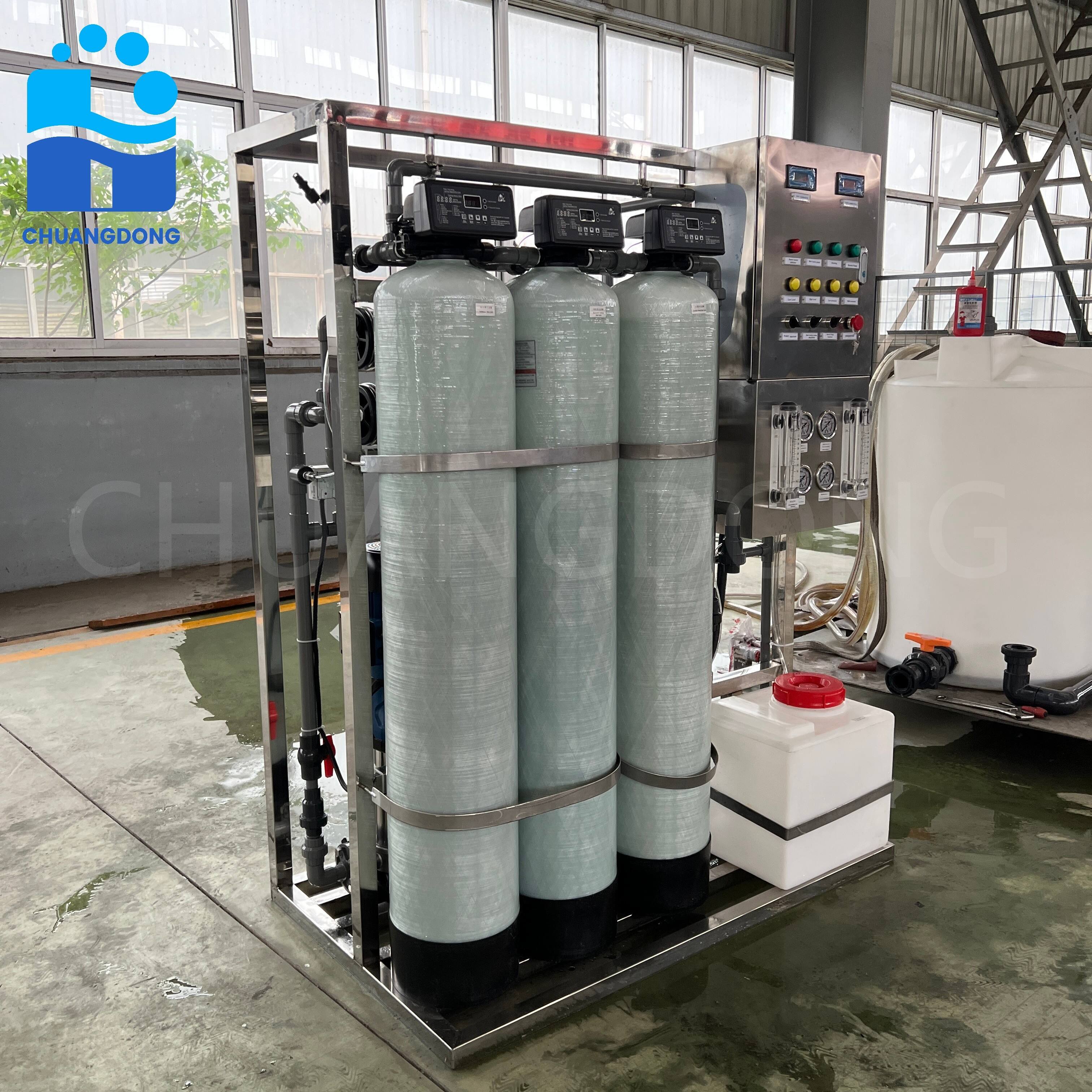
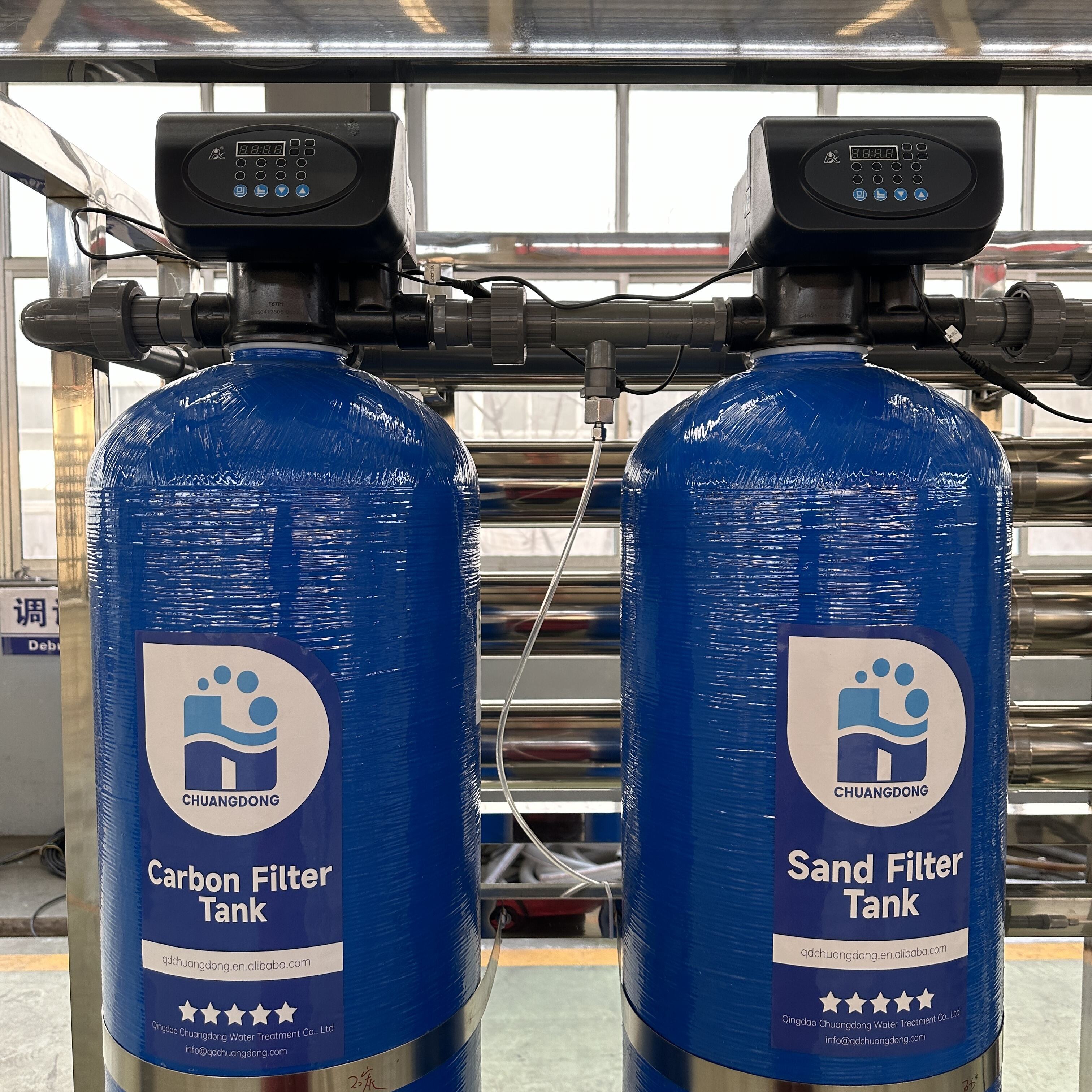
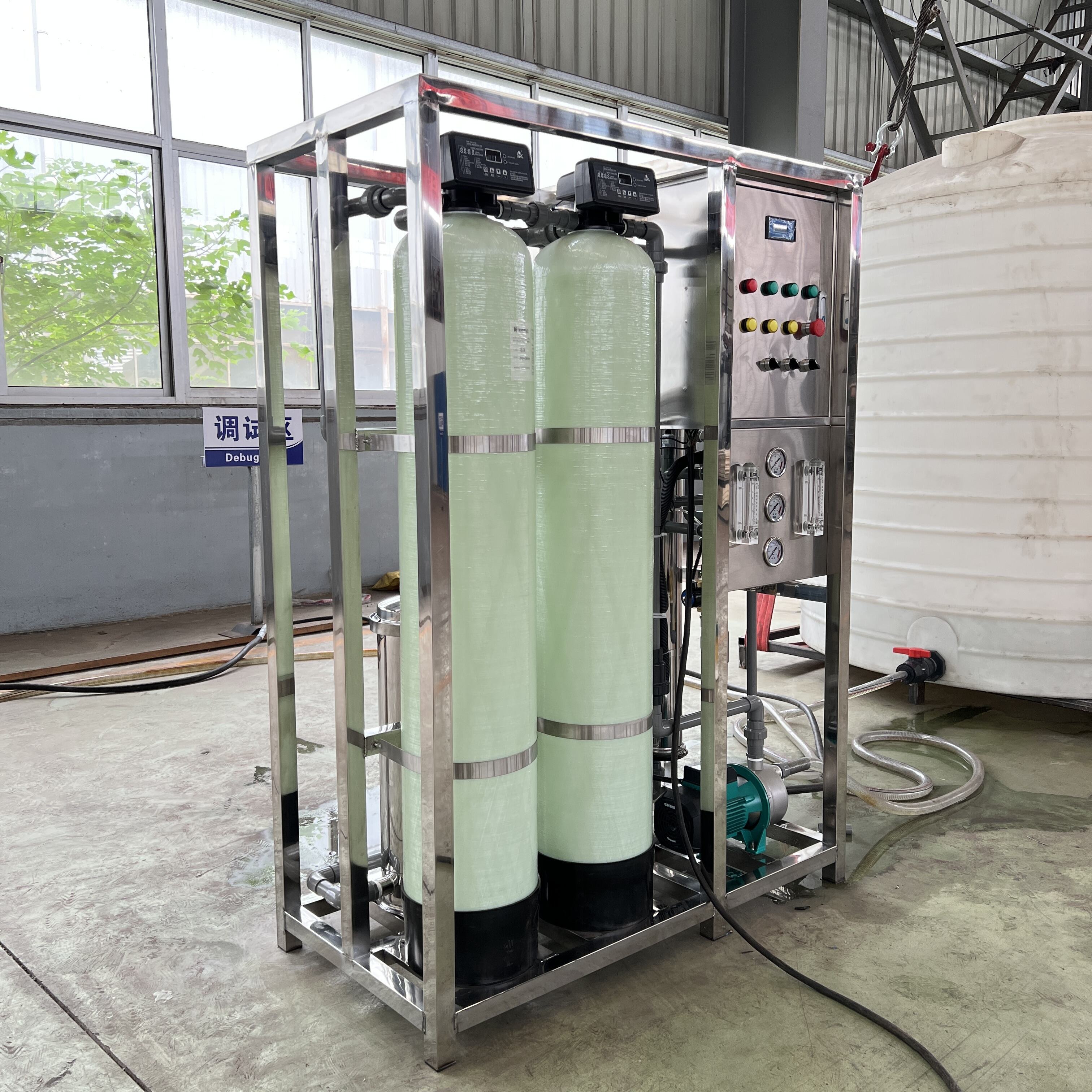
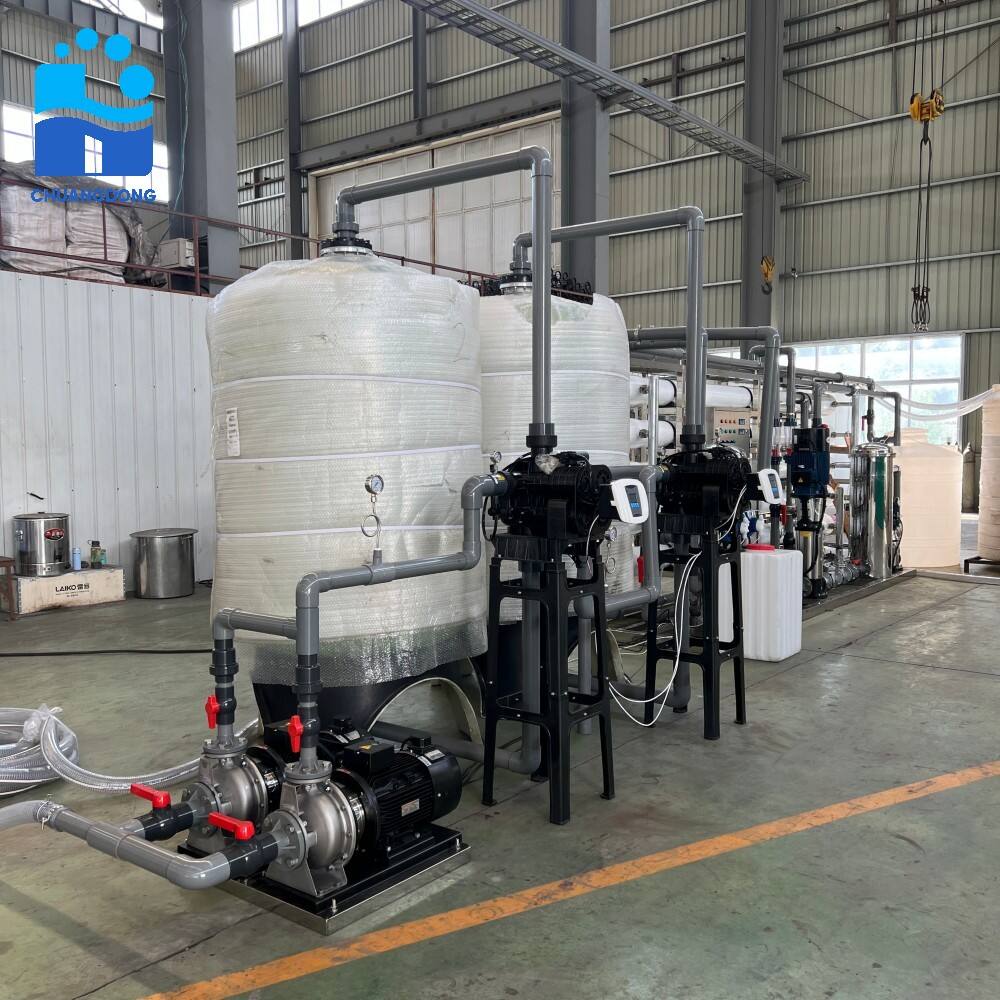
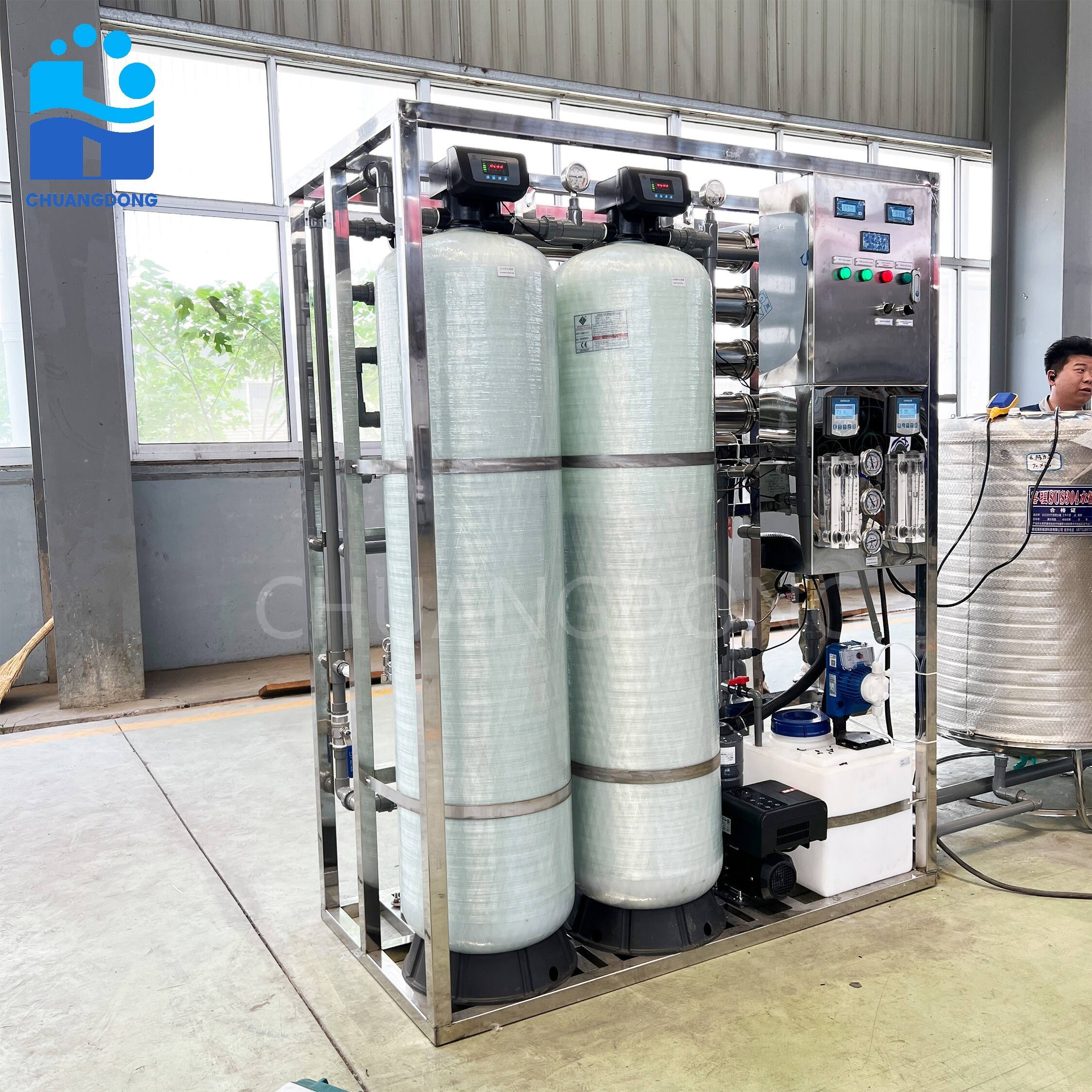
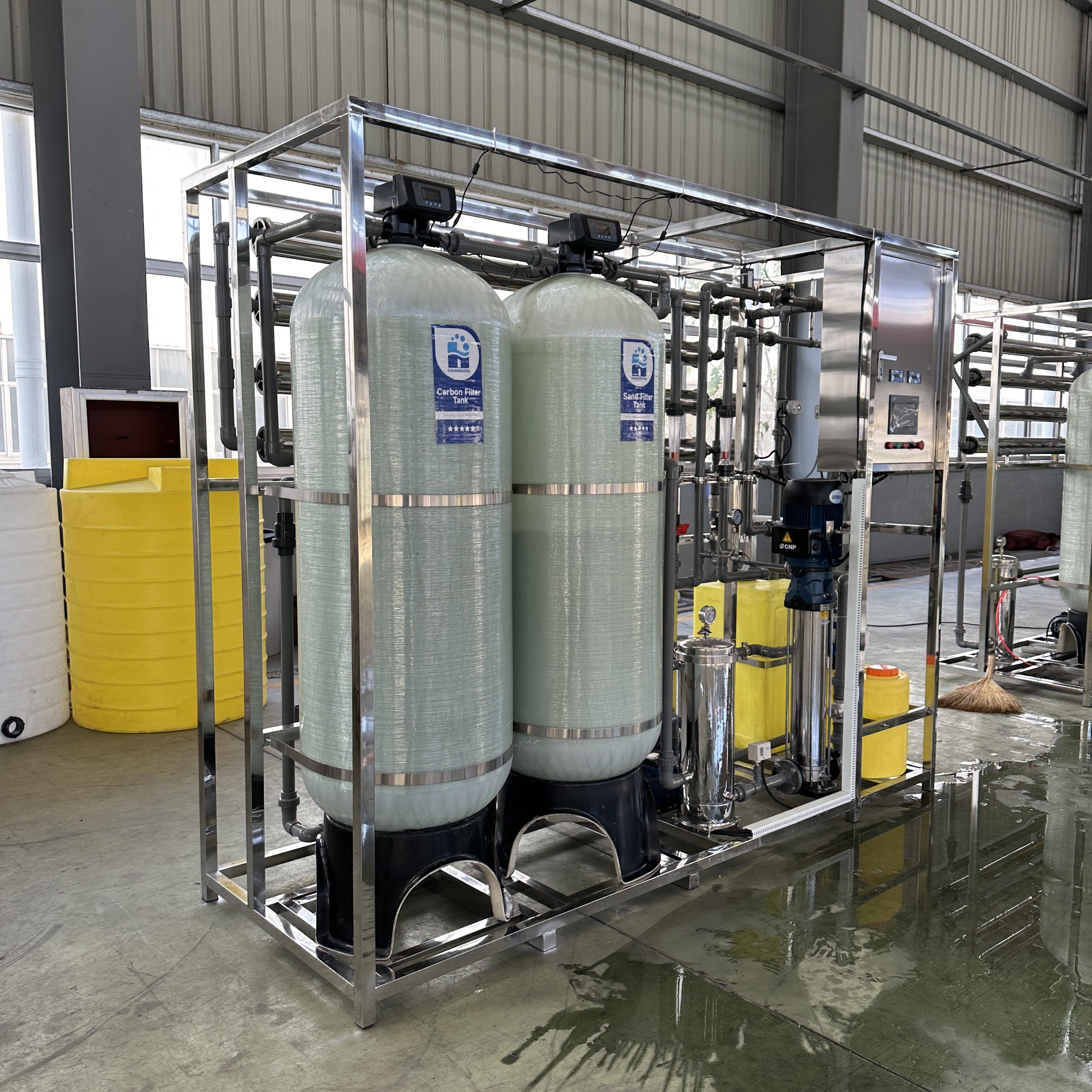
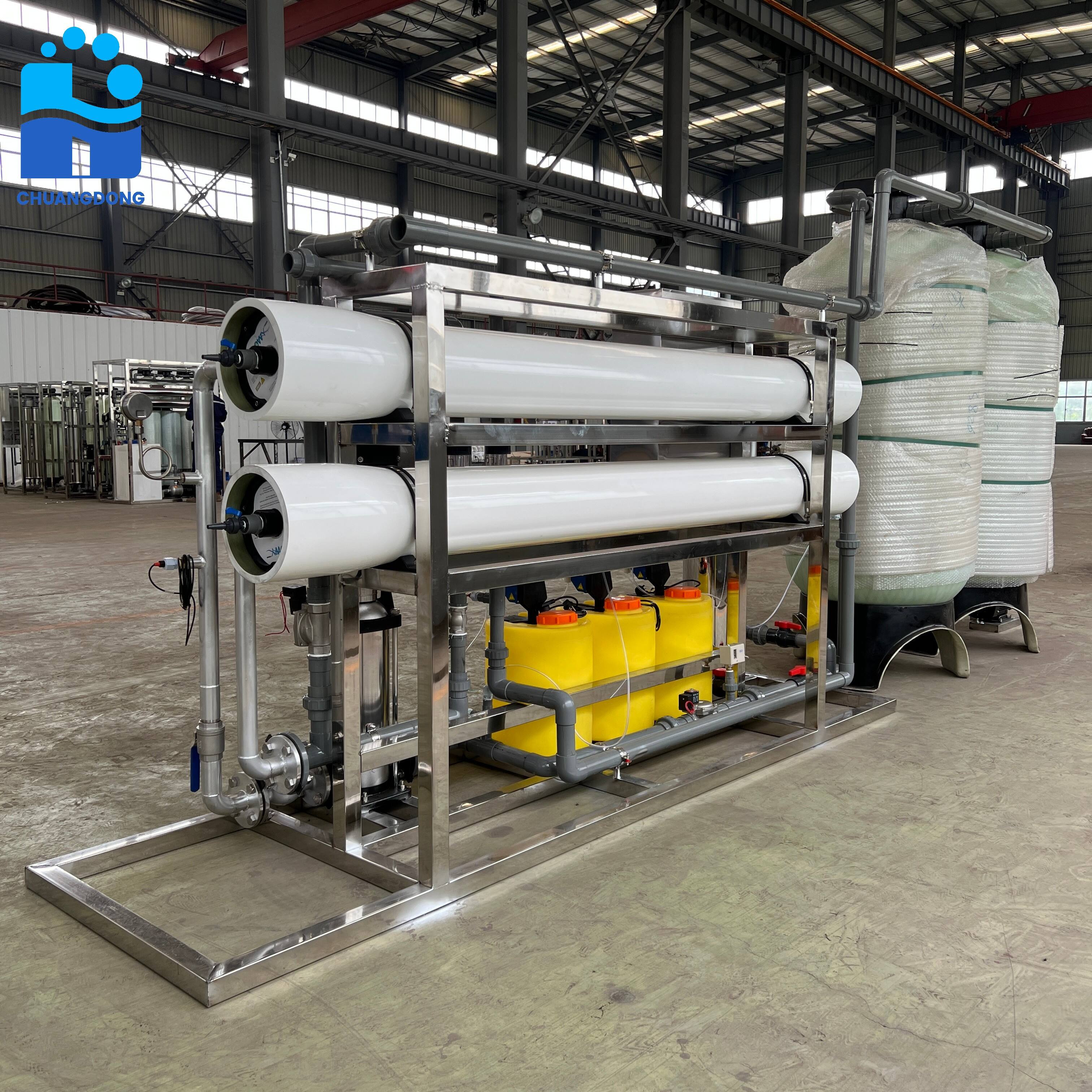
purified water reverse osmosis system
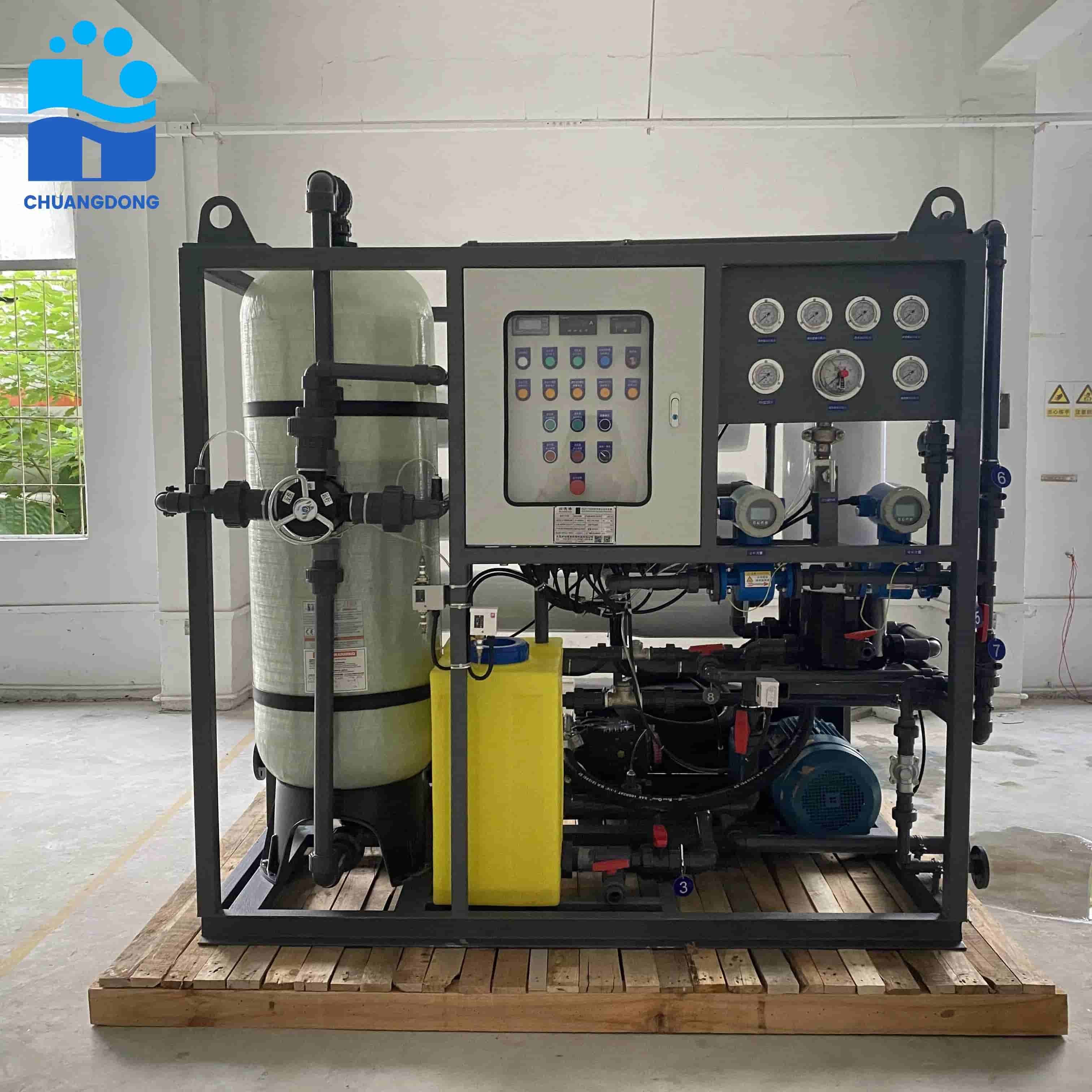
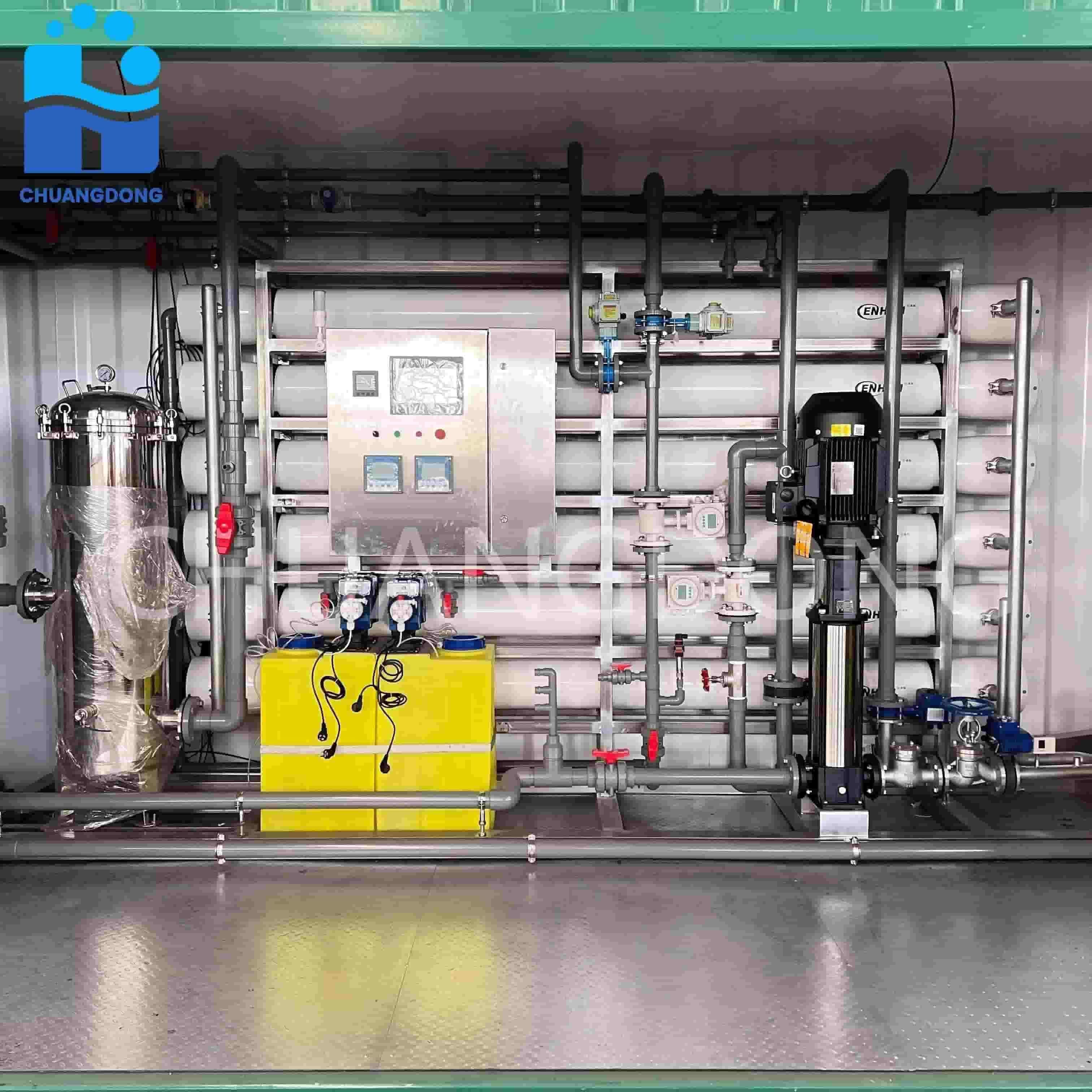
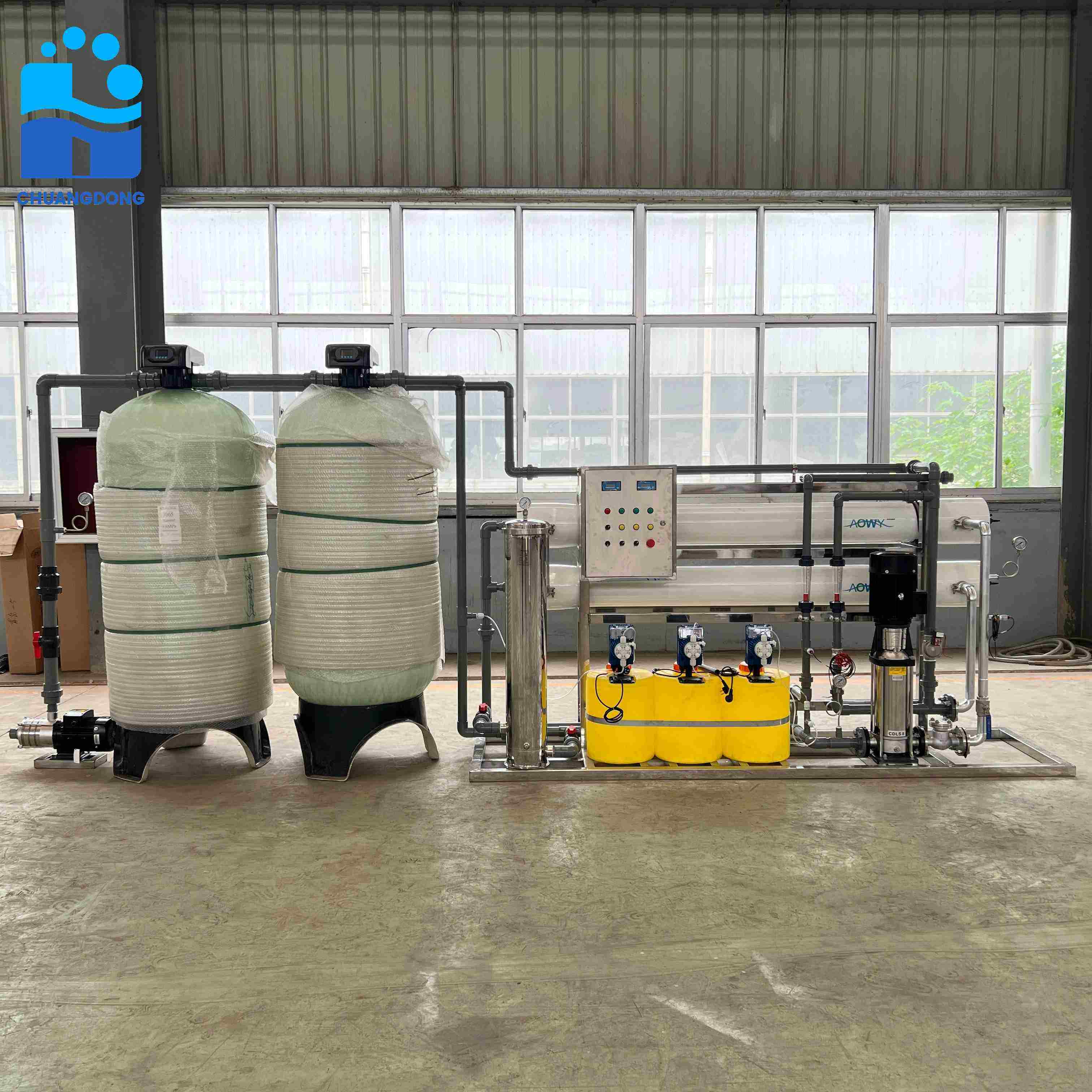
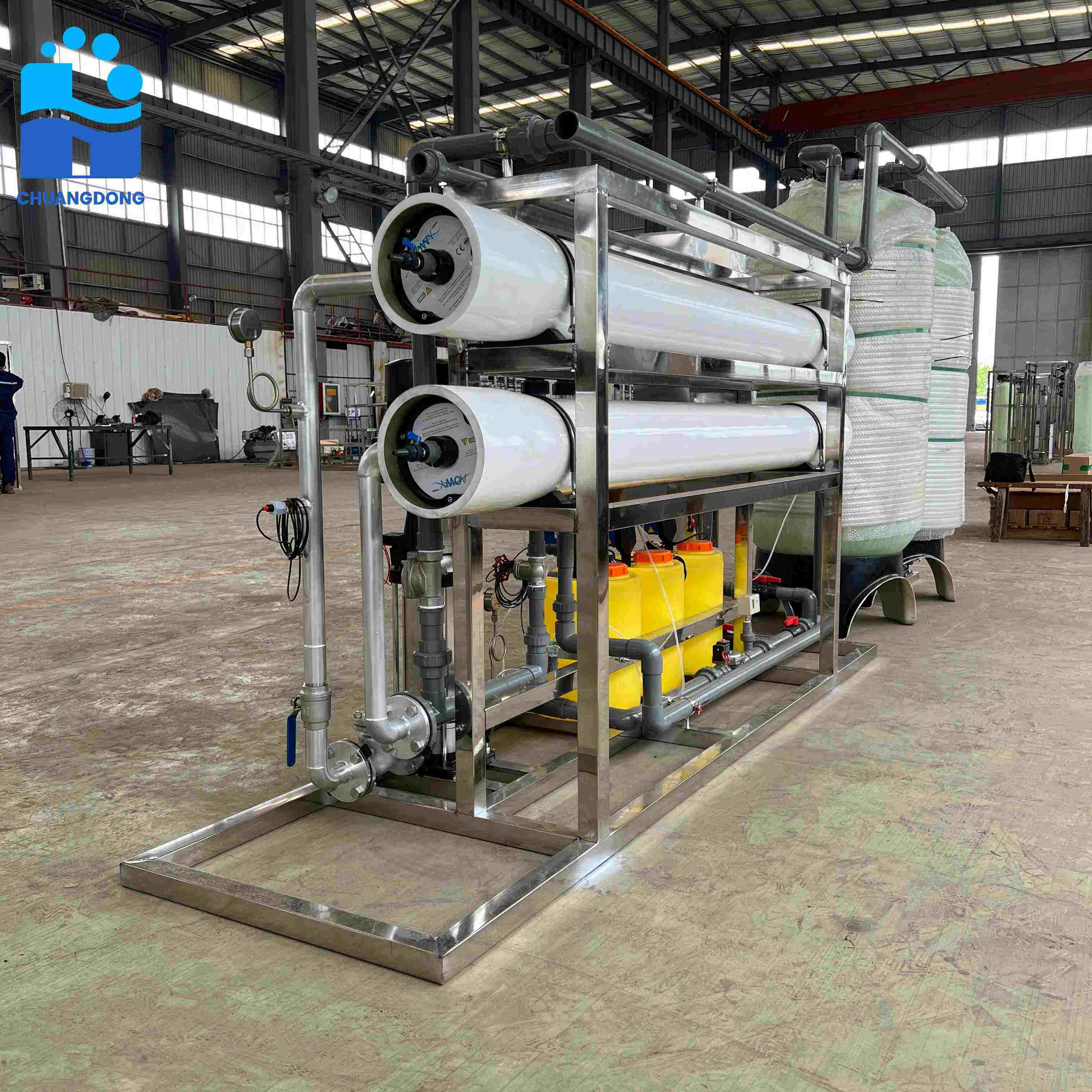
A purified water reverse osmosis system is an advanced water treatment solution designed to remove contaminants, dissolved solids, and impurities from water sources through semi-permeable membrane technology. This sophisticated filtration process forces water molecules through microscopic pores while blocking larger particles, bacteria, viruses, heavy metals, and chemical pollutants. The purified water reverse osmosis system operates through multiple filtration stages, typically including pre-filtration, reverse osmosis membrane separation, and post-filtration polishing. The main functions encompass reducing total dissolved solids, eliminating up to 99 percent of common contaminants, improving water taste and clarity, and producing laboratory-grade purified water suitable for various applications. Technological features include high-efficiency membrane elements, automated pressure control systems, continuous monitoring capabilities, and energy-efficient pump mechanisms. Modern purified water reverse osmosis system configurations incorporate smart sensors, automatic flushing cycles, and waste minimization technologies. Applications span residential drinking water production, commercial food and beverage processing, pharmaceutical manufacturing, laboratory research facilities, aquarium maintenance, and industrial process water generation. The system's modular design allows scalability from compact under-counter units producing gallons per day for households to large-scale industrial installations generating thousands of gallons hourly. Installation flexibility, combined with reliable contaminant rejection rates and consistent output quality, makes the purified water reverse osmosis system the preferred choice for organizations and individuals demanding superior water purity standards across diverse operational environments.
 EN
EN