Advanced Ozone Generators for Water Treatment - Efficient Purification Solutions

Get a Free Quote

Our representative will contact you soon.
Email
Name
Company Name
Message
0/1000

ozone generators for water treatment

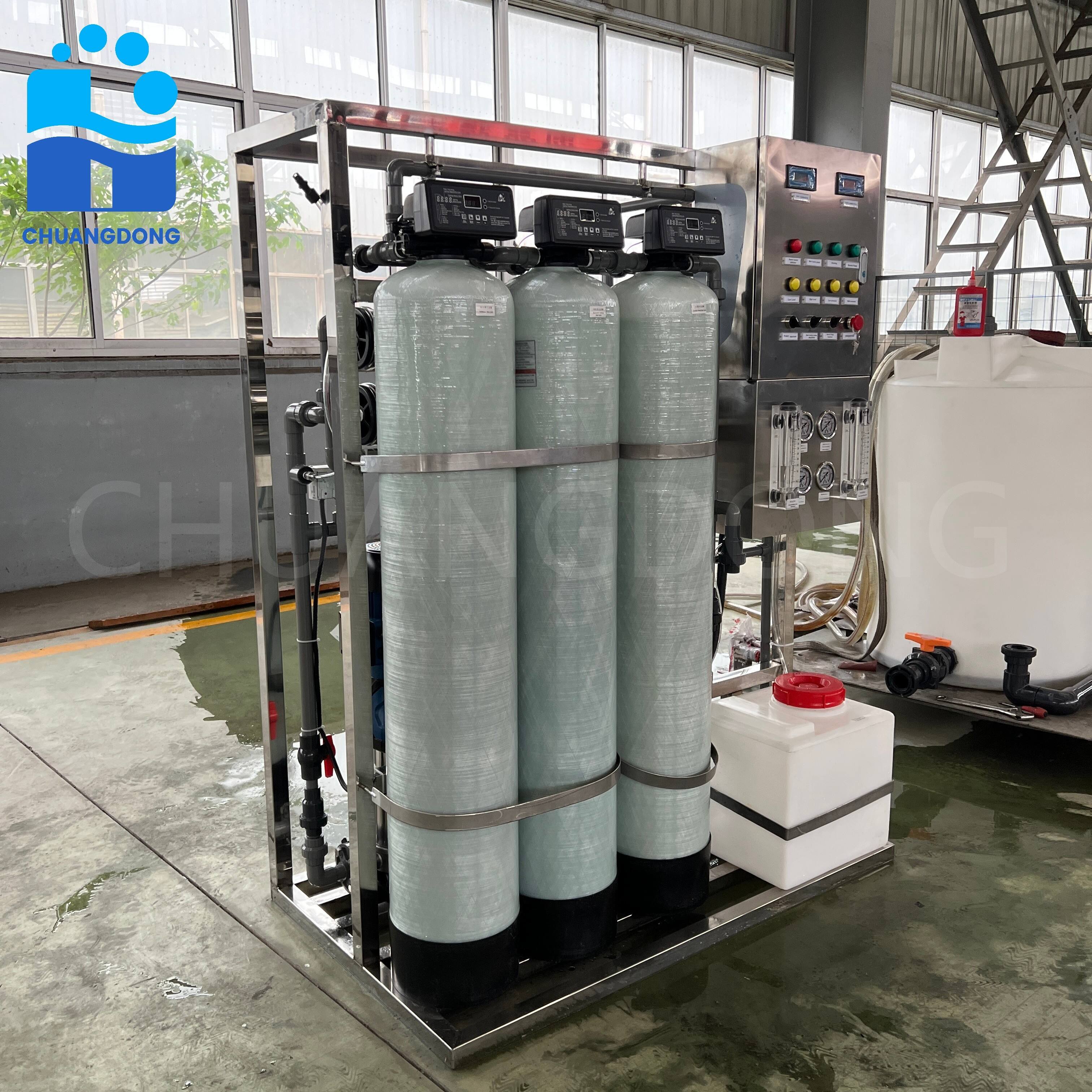
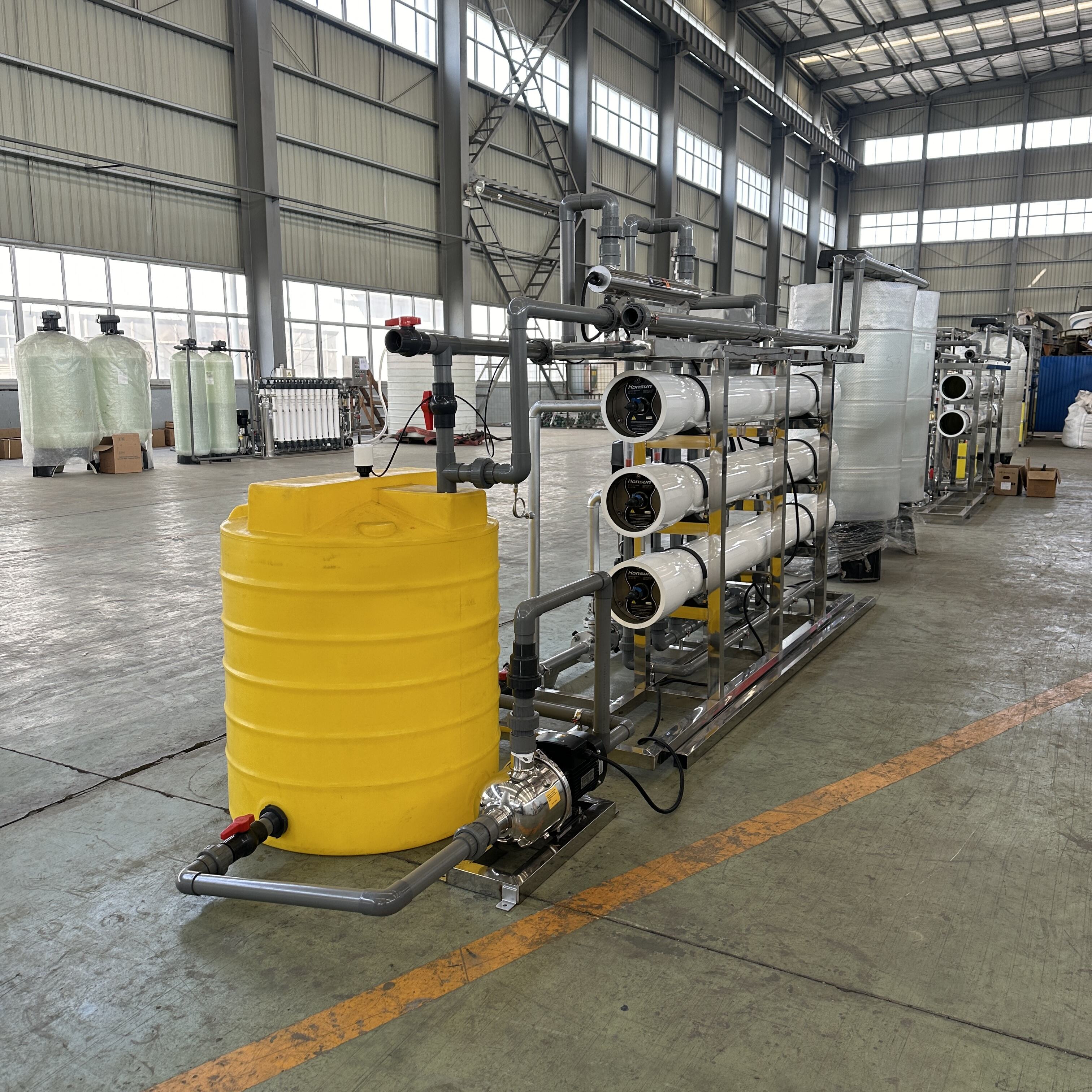
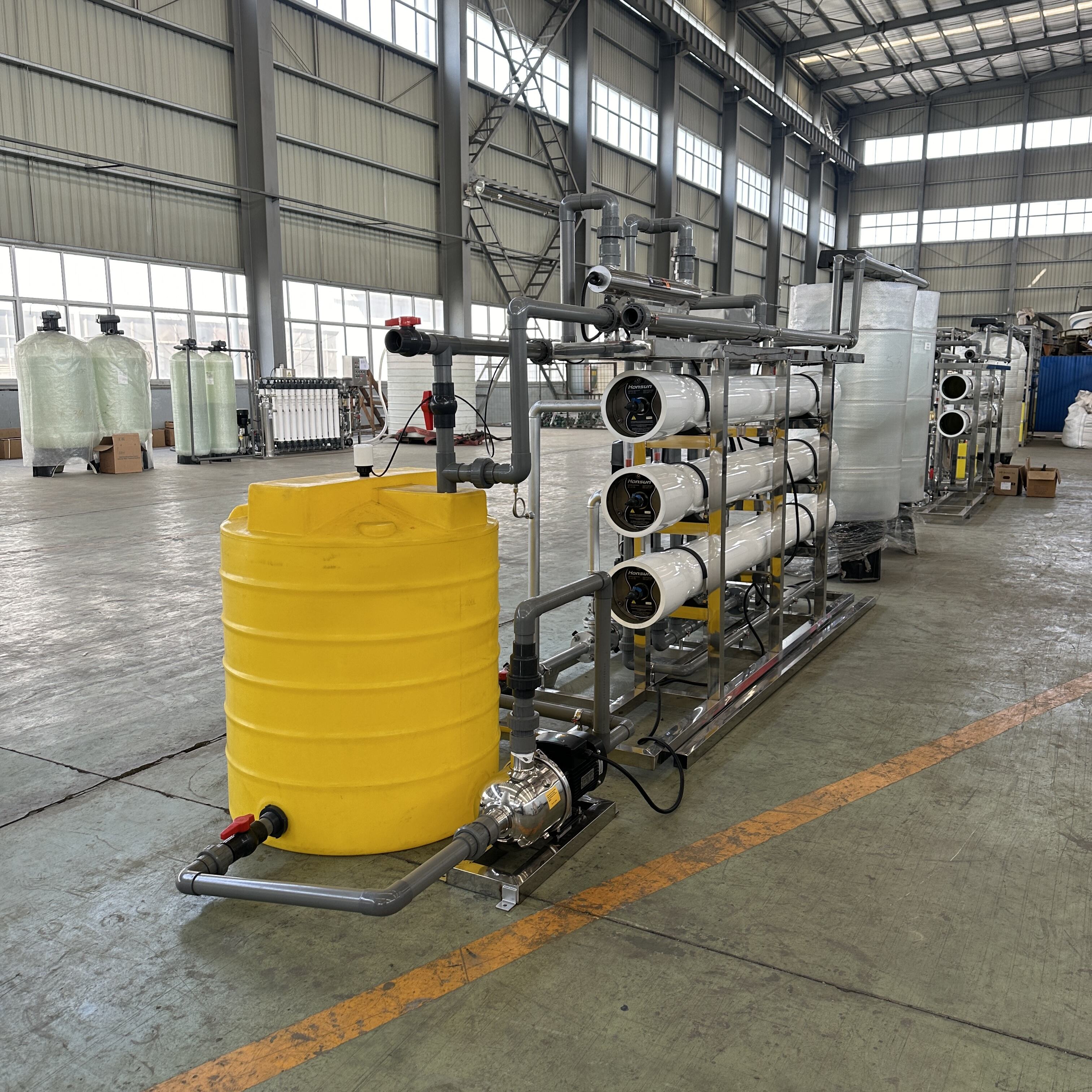
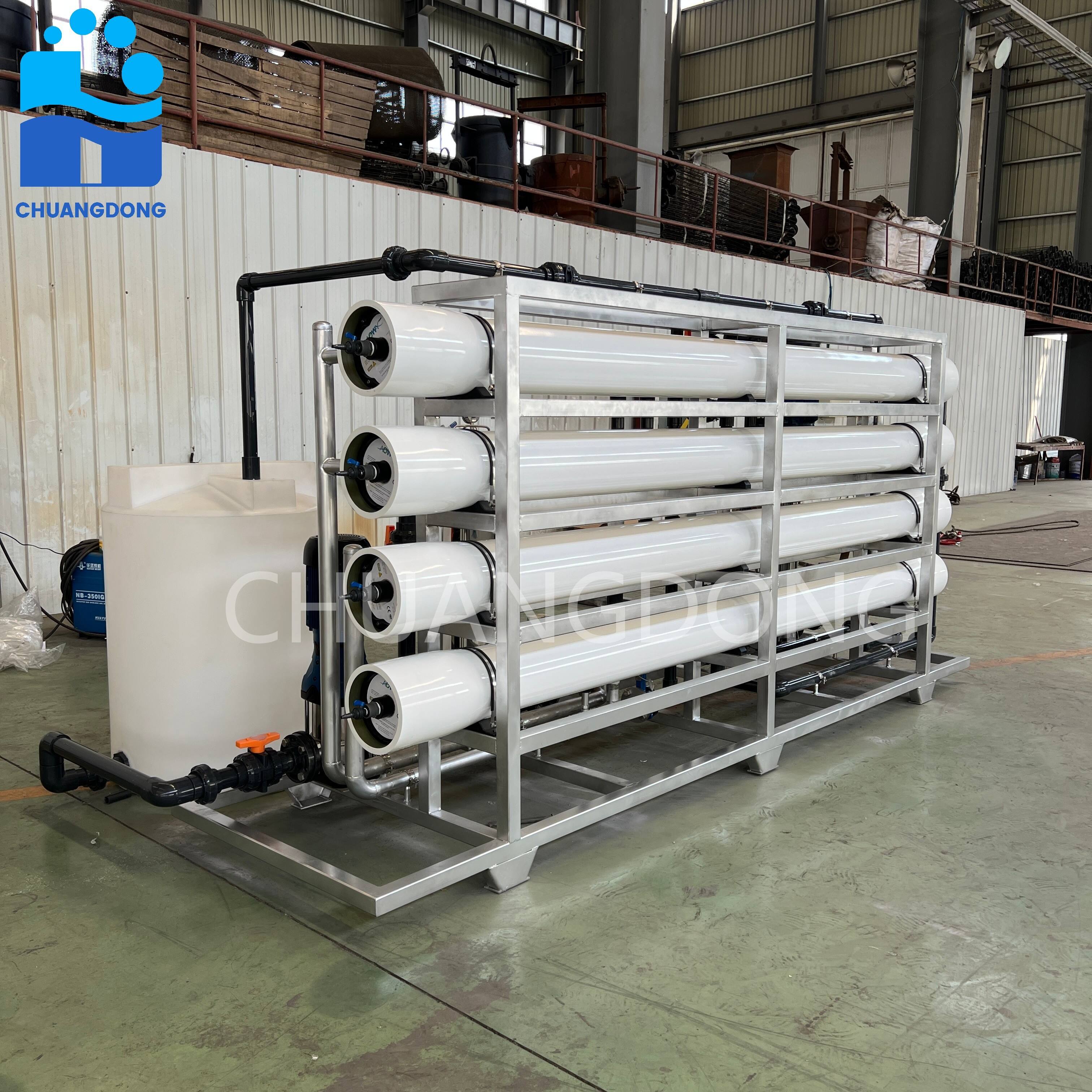
Ozone generators for water treatment represent cutting-edge technology that revolutionizes water purification processes across residential, commercial, and industrial applications. These sophisticated devices produce ozone (O3), a powerful oxidizing agent that effectively eliminates contaminants, pathogens, and unwanted substances from water sources. The primary function of ozone generators for water treatment involves converting oxygen molecules into ozone through electrical discharge or ultraviolet radiation methods. This ozone then dissolves into water, where it performs comprehensive disinfection and purification tasks. The technological foundation of these systems relies on advanced corona discharge technology or UV ozone generation methods, both designed to maximize efficiency while minimizing energy consumption. Modern ozone generators for water treatment feature precise control systems that monitor ozone concentration levels, ensuring optimal treatment effectiveness without over-dosing. These units incorporate safety mechanisms, including ozone destruct systems and ambient air monitors, protecting operators and surrounding environments. Applications span diverse sectors, from municipal water treatment facilities processing millions of gallons daily to residential systems serving single households. Industrial applications include beverage production, pharmaceutical manufacturing, aquaculture systems, and cooling tower treatment. The versatility of ozone generators for water treatment makes them suitable for addressing various water quality challenges, including bacterial contamination, viral pathogens, chemical pollutants, taste and odor issues, and color removal. These systems excel in treating both groundwater and surface water sources, adapting to different flow rates and contamination levels. The compact design of modern ozone generators for water treatment allows for easy integration into existing water infrastructure, while advanced models offer remote monitoring capabilities and automated operation features.

Popular Products

Ozone generators for water treatment deliver exceptional benefits that make them superior choices for modern water purification needs. The most significant advantage lies in their unmatched disinfection capability, as ozone destroys bacteria, viruses, and parasites more effectively than traditional chlorination methods. Unlike chemical treatments that leave residual byproducts, ozone generators for water treatment produce no harmful secondary compounds, ensuring treated water remains safe for consumption and environmental discharge. The rapid action of ozone means treatment occurs within minutes, not hours, dramatically improving processing efficiency and reducing required contact time. Energy efficiency represents another compelling advantage, as modern ozone generators for water treatment consume significantly less power compared to alternative purification technologies. These systems eliminate the need for chemical storage, handling, and transportation, reducing operational costs and safety risks associated with hazardous materials. The environmental impact remains minimal since ozone naturally reverts to oxygen after treatment, leaving no chemical footprint. Maintenance requirements stay remarkably low, with most ozone generators for water treatment requiring only periodic cleaning and component replacement, translating to reduced downtime and service costs. The technology proves highly adaptable, effectively treating various water sources from heavily contaminated industrial wastewater to pristine drinking water supplies. Ozone generators for water treatment excel at removing persistent organic compounds, including pesticides, pharmaceuticals, and industrial chemicals that resist conventional treatment methods. The systems provide consistent performance regardless of water temperature fluctuations, maintaining effectiveness across seasonal variations. Installation flexibility allows these units to retrofit existing treatment plants or integrate seamlessly into new construction projects. The scalability of ozone generators for water treatment means systems can expand or contract based on demand changes, providing long-term value for growing operations. Quality control improves dramatically as ozone treatment eliminates taste and odor issues while enhancing water clarity, resulting in superior end-product quality that meets stringent regulatory standards.

Tips And Tricks

What Corrosion-Resistant Materials Are Used in Desalination Plant Construction?

06

Mar

What Corrosion-Resistant Materials Are Used in Desalination Plant Construction?

Desalination plants operate in some of the harshest environments imaginable, where saltwater constantly threatens the integrity of critical infrastructure. The selection of appropriate corrosion-resistant materials becomes paramount to ensuring long-...
View More
How Does a Water Purification System with Ion Exchange Soften Hard Water Effectively?

15

Mar

How Does a Water Purification System with Ion Exchange Soften Hard Water Effectively?

Hard water poses significant challenges for both residential and commercial applications, containing high concentrations of calcium and magnesium ions that cause scale buildup, reduce equipment efficiency, and affect water quality. A water purificati...
View More
How Does an RO Water Filter with a UV Sterilizer Provide Additional Protection Against Bacteria?

10

Mar

How Does an RO Water Filter with a UV Sterilizer Provide Additional Protection Against Bacteria?

Water contamination remains one of the most pressing concerns for homeowners and businesses seeking reliable water purification solutions. While traditional filtration methods offer basic protection, modern water treatment technology has evolved to p...
View More
Why Should Pharmaceutical QC Labs Use Ultrapure Water for HPLC and Mass Spectrometry?

18

Mar

Why Should Pharmaceutical QC Labs Use Ultrapure Water for HPLC and Mass Spectrometry?

Pharmaceutical quality control laboratories face increasingly stringent requirements for analytical accuracy and regulatory compliance. The foundation of reliable analytical results lies in the quality of water used throughout testing procedures. Ult...
View More

Get a Free Quote

Our representative will contact you soon.
Email
Name
Company Name
Message
0/1000

ozone generators for water treatment

Advanced Corona Discharge Technology for Maximum Efficiency

Advanced Corona Discharge Technology for Maximum Efficiency

The sophisticated corona discharge technology embedded within modern ozone generators for water treatment represents a breakthrough in oxidation science, delivering unparalleled efficiency and reliability for water purification applications. This innovative approach utilizes high-voltage electrical fields to split oxygen molecules and recombine them into ozone, creating concentrations that far exceed natural atmospheric levels. The corona discharge process occurs within specially engineered reaction chambers where precisely controlled electrical energy transforms ambient air or pure oxygen into potent ozone gas. The technology features advanced electrode designs that maximize surface area contact while minimizing energy consumption, resulting in ozone generators for water treatment that operate at peak efficiency throughout extended operational periods. Temperature management systems within these units maintain optimal conditions for ozone production, ensuring consistent output regardless of ambient environmental conditions. The sophisticated control mechanisms monitor electrical current, voltage, and gas flow rates in real-time, automatically adjusting parameters to maintain desired ozone concentration levels. This intelligent automation reduces operator intervention requirements while guaranteeing consistent treatment results. The durability of corona discharge components ensures ozone generators for water treatment maintain performance standards over many years of continuous operation, with robust construction materials resisting corrosion and electrical degradation. Safety features include automatic shutdown protocols that activate when system parameters exceed predetermined thresholds, protecting both equipment and personnel. The modular design of these systems allows for easy maintenance access, with key components accessible without complete system disassembly. Advanced ozone generators for water treatment incorporating this technology can produce varying ozone concentrations to match specific treatment requirements, from delicate applications requiring minimal oxidation to industrial processes demanding maximum disinfection power. The efficiency gains from corona discharge technology translate directly into operational cost savings, as these systems consume substantially less electrical energy per pound of ozone produced compared to alternative generation methods.
Comprehensive Pathogen Elimination Without Chemical Residues

Comprehensive Pathogen Elimination Without Chemical Residues

Ozone generators for water treatment provide unmatched pathogen elimination capabilities that surpass traditional chemical disinfection methods while maintaining complete environmental safety through zero chemical residue production. The powerful oxidizing properties of ozone effectively neutralize bacteria, viruses, protozoa, and other microorganisms by disrupting cellular walls and inactivating essential proteins required for survival and reproduction. This comprehensive antimicrobial action occurs rapidly, typically achieving log reductions in pathogen populations within seconds to minutes of contact time. Unlike chlorine-based treatments that may struggle with chlorine-resistant organisms like Cryptosporidium and Giardia, ozone generators for water treatment demonstrate consistent effectiveness against all known waterborne pathogens, including emerging threats that continue to challenge conventional treatment approaches. The oxidation process works at the molecular level, breaking down protective biofilms that often shield bacteria from chemical disinfectants, ensuring complete sterilization even in complex water matrices. Following pathogen destruction, ozone naturally decomposes back into oxygen molecules, leaving absolutely no chemical byproducts or residual compounds that could affect water taste, odor, or safety profiles. This characteristic makes ozone generators for water treatment particularly valuable for sensitive applications including drinking water production, food processing, and pharmaceutical manufacturing where chemical contamination risks must remain zero. The elimination process proves equally effective across varying water temperatures, pH levels, and turbidity conditions, maintaining consistent disinfection performance regardless of seasonal fluctuations or source water variations. Quality assurance benefits extend beyond pathogen removal, as ozone treatment simultaneously addresses color, taste, and odor compounds that often accompany biological contamination. The rapid action and complete decomposition of ozone means treated water can immediately proceed to distribution or further processing without waiting periods required by chemical treatments. Regulatory compliance becomes straightforward with ozone generators for water treatment, as the technology meets or exceeds all international standards for pathogen elimination while avoiding the complex monitoring requirements associated with chemical disinfectant residuals.
Versatile Multi-Contaminant Treatment Capability

Versatile Multi-Contaminant Treatment Capability

The remarkable versatility of ozone generators for water treatment stems from their unique ability to simultaneously address multiple contamination categories through a single treatment process, delivering comprehensive water quality improvement that traditional methods cannot match. These advanced systems excel at removing organic compounds, including persistent pharmaceuticals, personal care products, endocrine disruptors, and industrial chemicals that resist conventional treatment approaches. The powerful oxidation mechanism breaks down complex molecular structures into simpler, more manageable compounds that subsequent treatment stages can easily remove or that naturally biodegrade in receiving environments. Heavy metals become more readily removable through ozone treatment as oxidation processes alter their chemical states, facilitating precipitation or filtration removal in downstream processes. Color removal capabilities of ozone generators for water treatment prove particularly valuable for industrial applications where aesthetic water quality directly impacts product quality, such as textile manufacturing, beverage production, and cosmetics formulation. The systems demonstrate exceptional performance in treating challenging waste streams including landfill leachate, pharmaceutical production wastewater, and agricultural runoff containing complex mixtures of organic and inorganic contaminants. Turbidity reduction occurs as ozone treatment breaks down suspended organic particles and promotes flocculation of remaining solids, improving downstream filtration efficiency. The technology proves equally effective for groundwater remediation projects where contamination plumes contain multiple pollutant types requiring comprehensive treatment approaches. Seasonal variations in source water quality pose no challenges for ozone generators for water treatment, as the oxidation process adapts automatically to varying contaminant loads without requiring operational adjustments or additional chemical additions. The treatment effectiveness extends to emerging contaminants of concern, including microplastics, algal toxins, and antibiotic-resistant bacteria that increasingly challenge water treatment facilities worldwide. Scalability ensures these systems can address contamination issues ranging from residential well water treatment to large-scale municipal applications serving hundreds of thousands of residents. The economic advantages of multi-contaminant treatment capability reduce infrastructure requirements, operational complexity, and long-term maintenance costs compared to multiple single-purpose treatment technologies.

Get a Free Quote

Our representative will contact you soon.
Email
Name
Company Name
Message
0/1000