industrial reverse osmosis water system
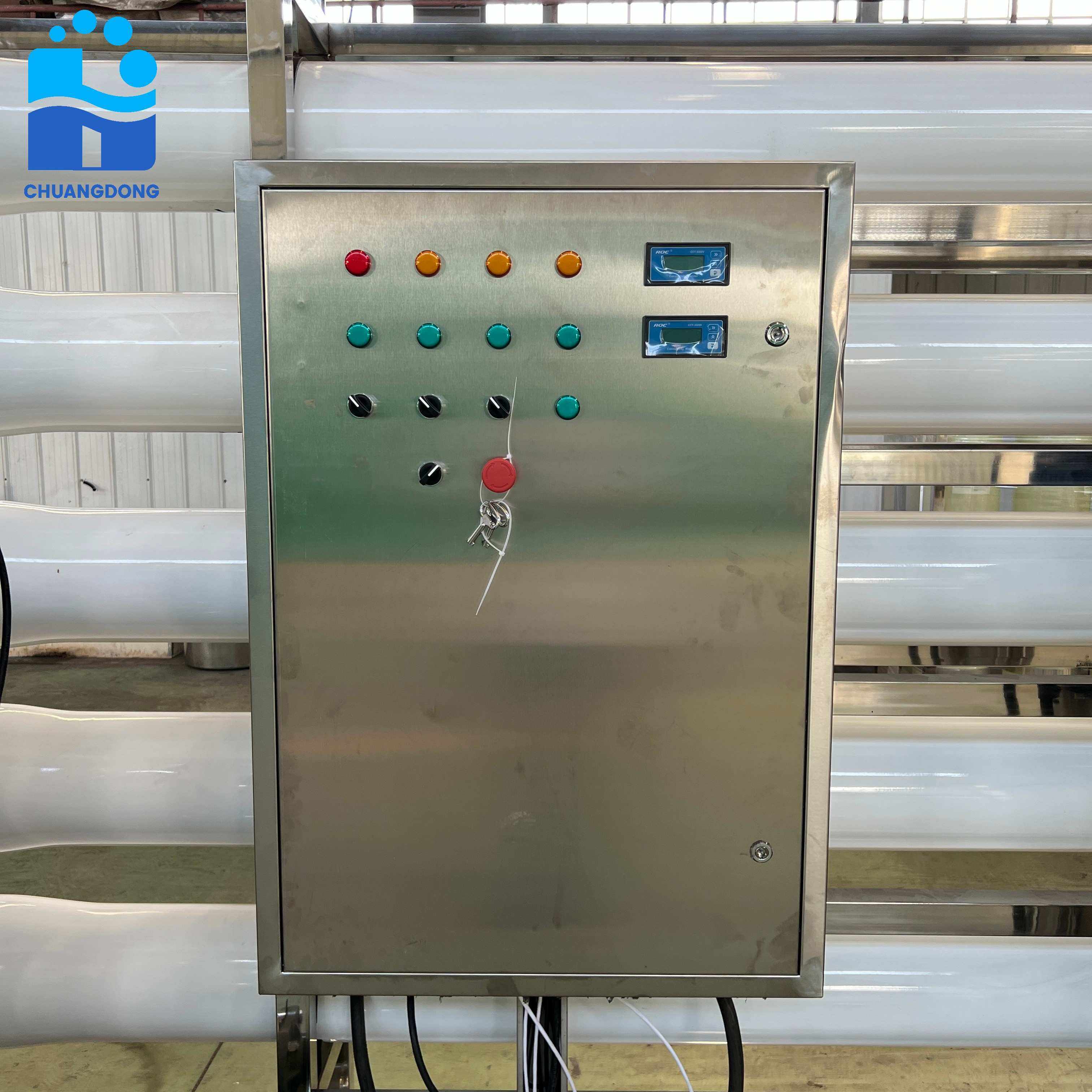
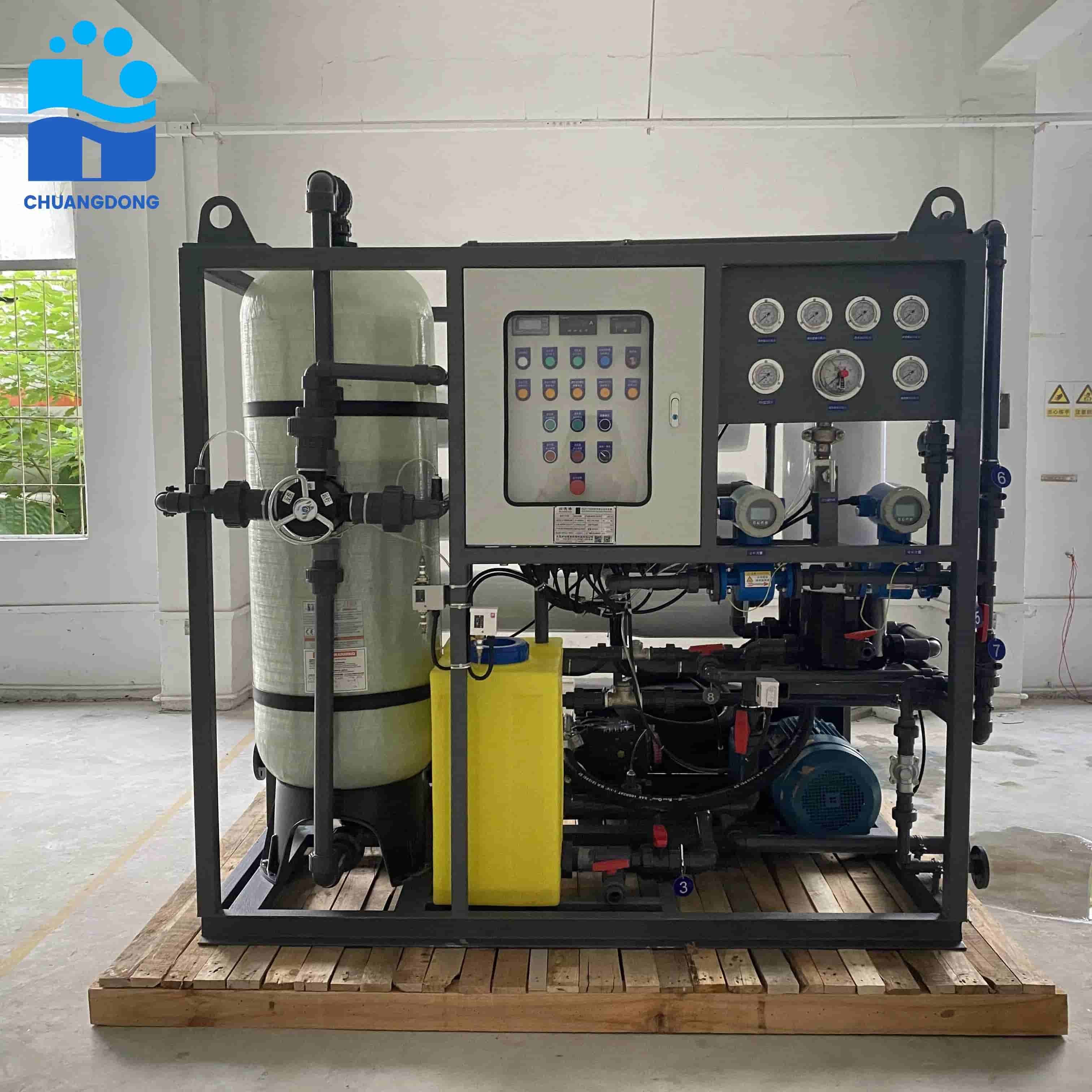
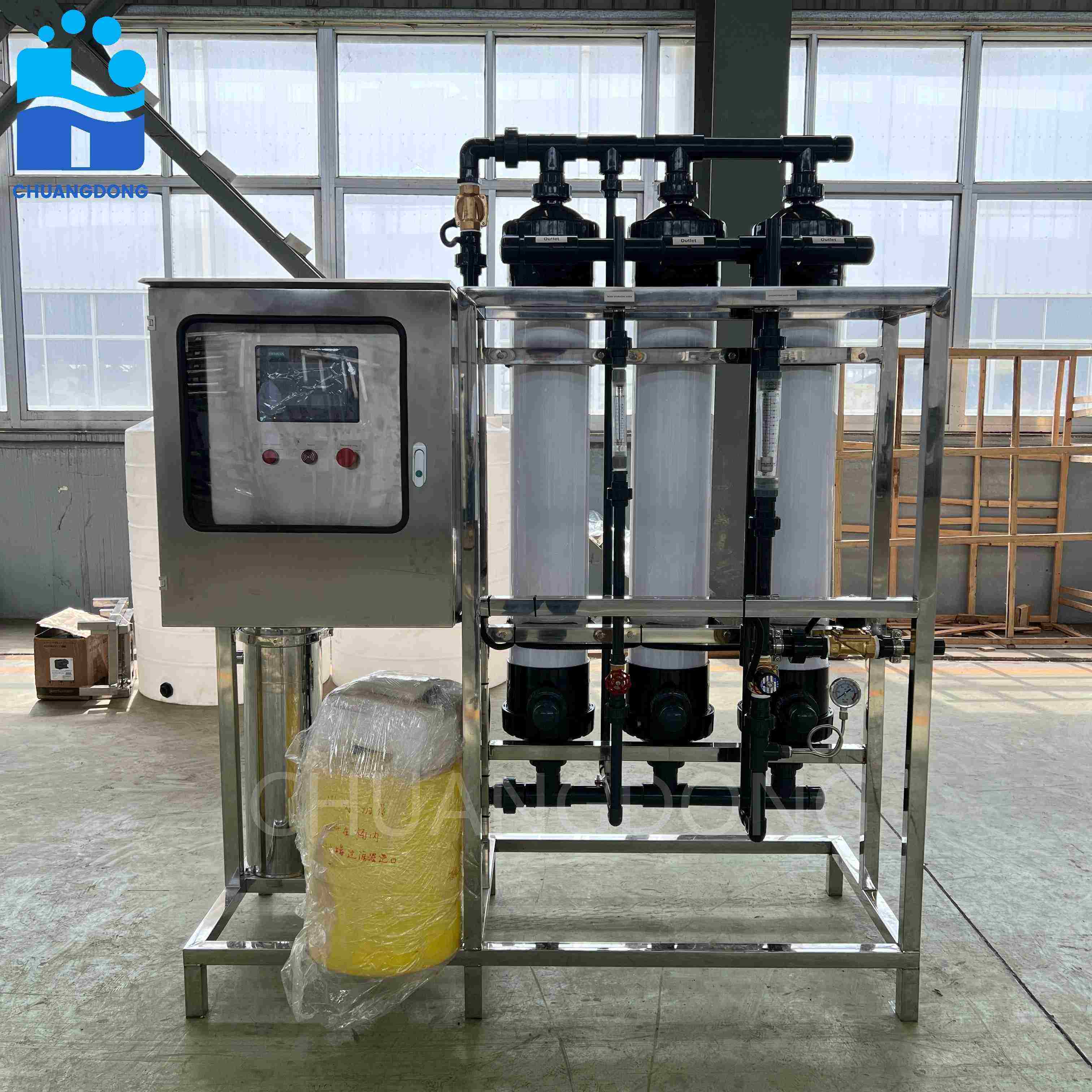
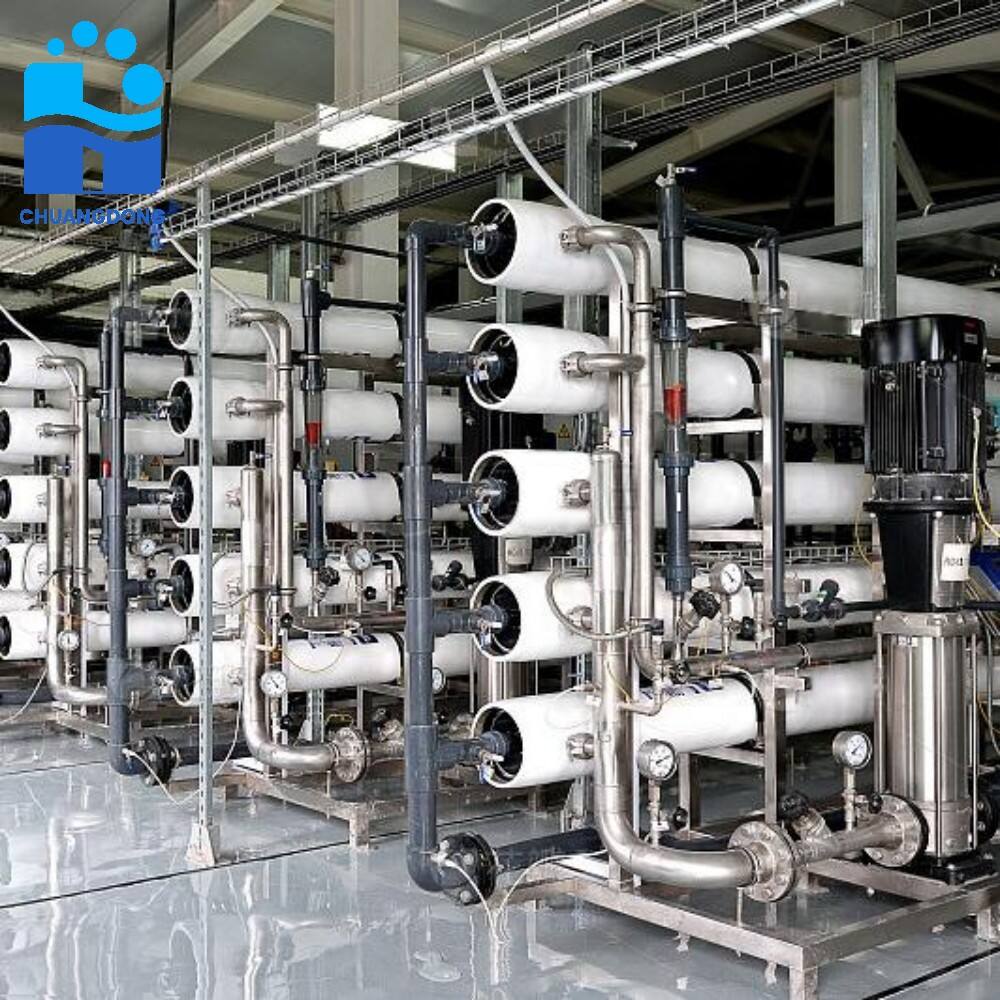
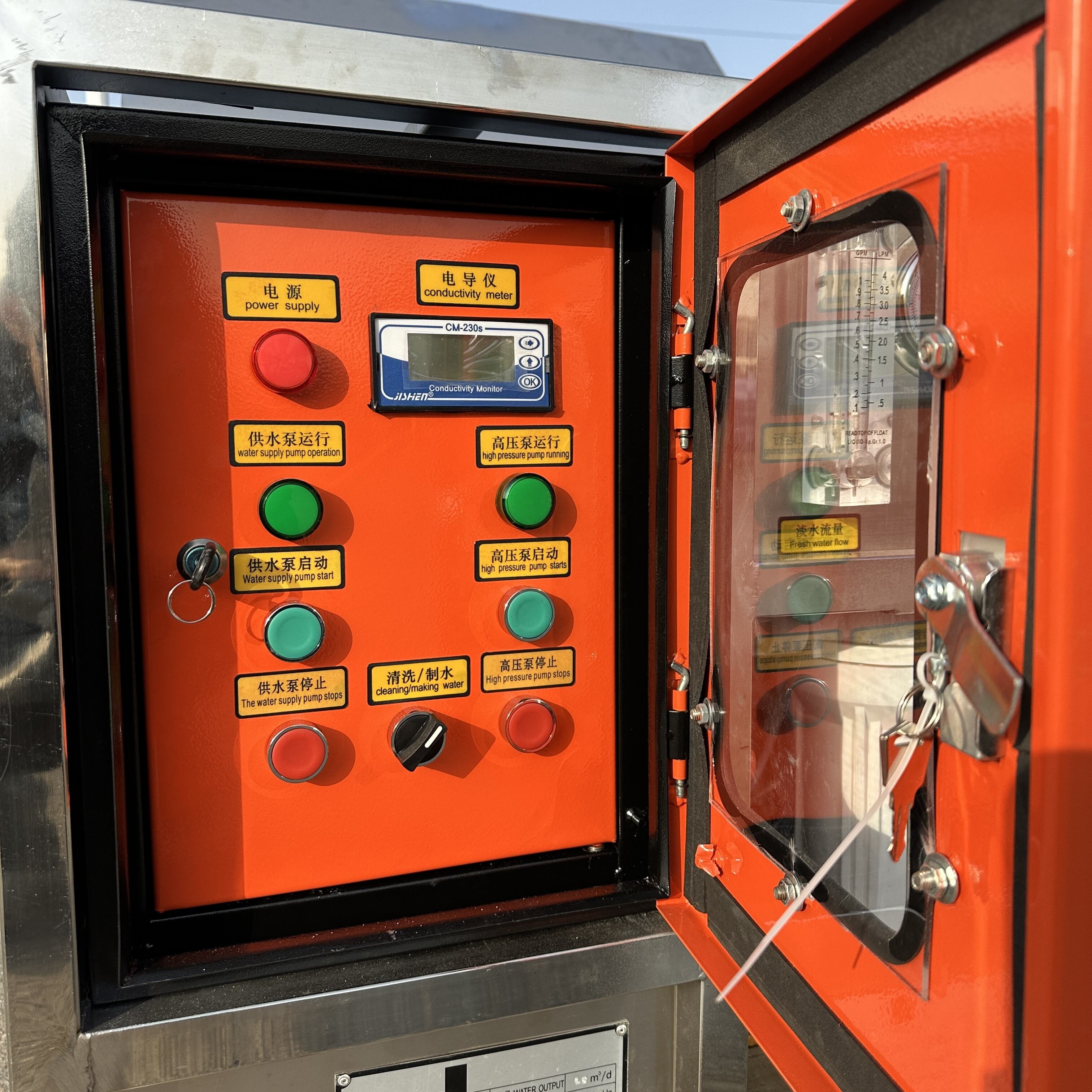
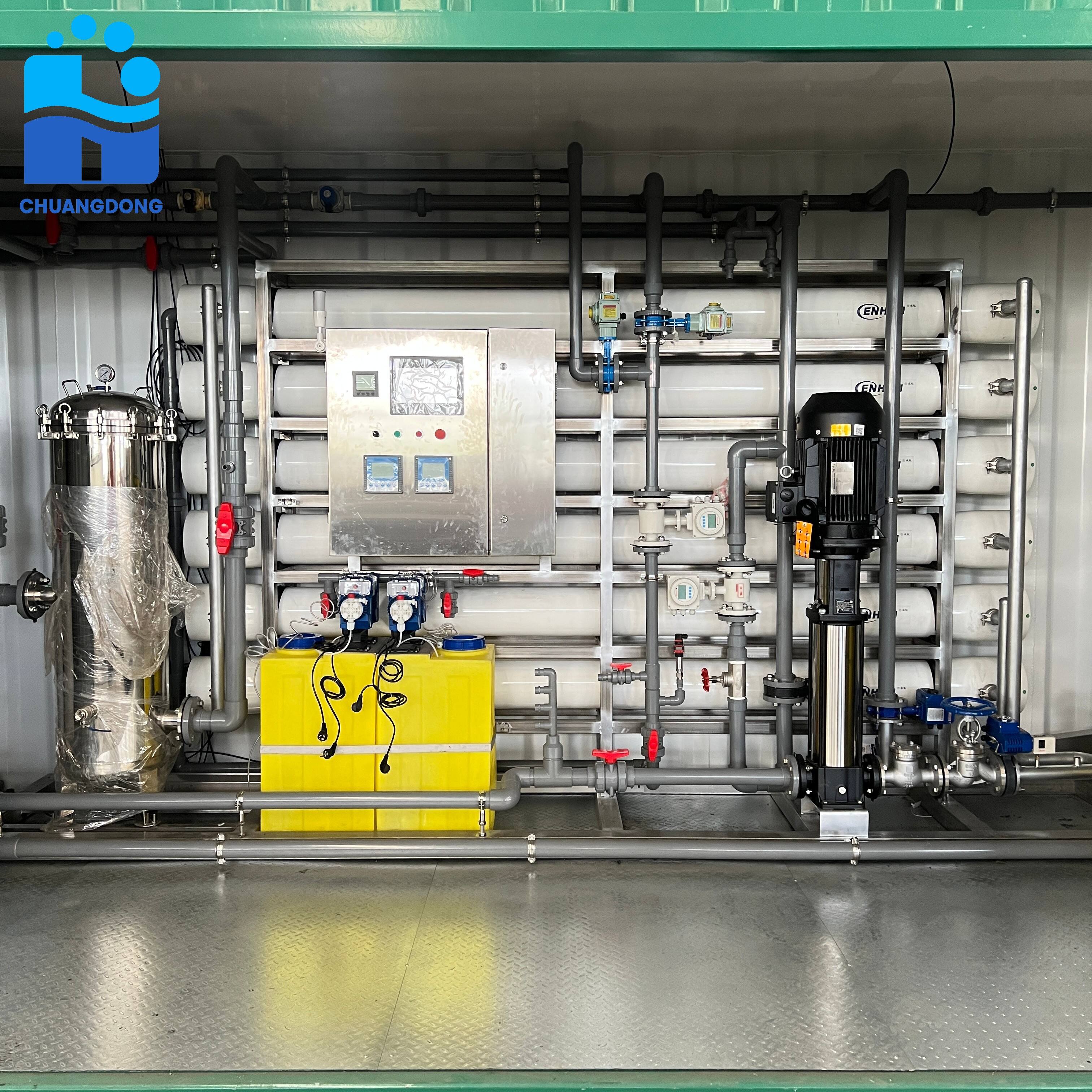
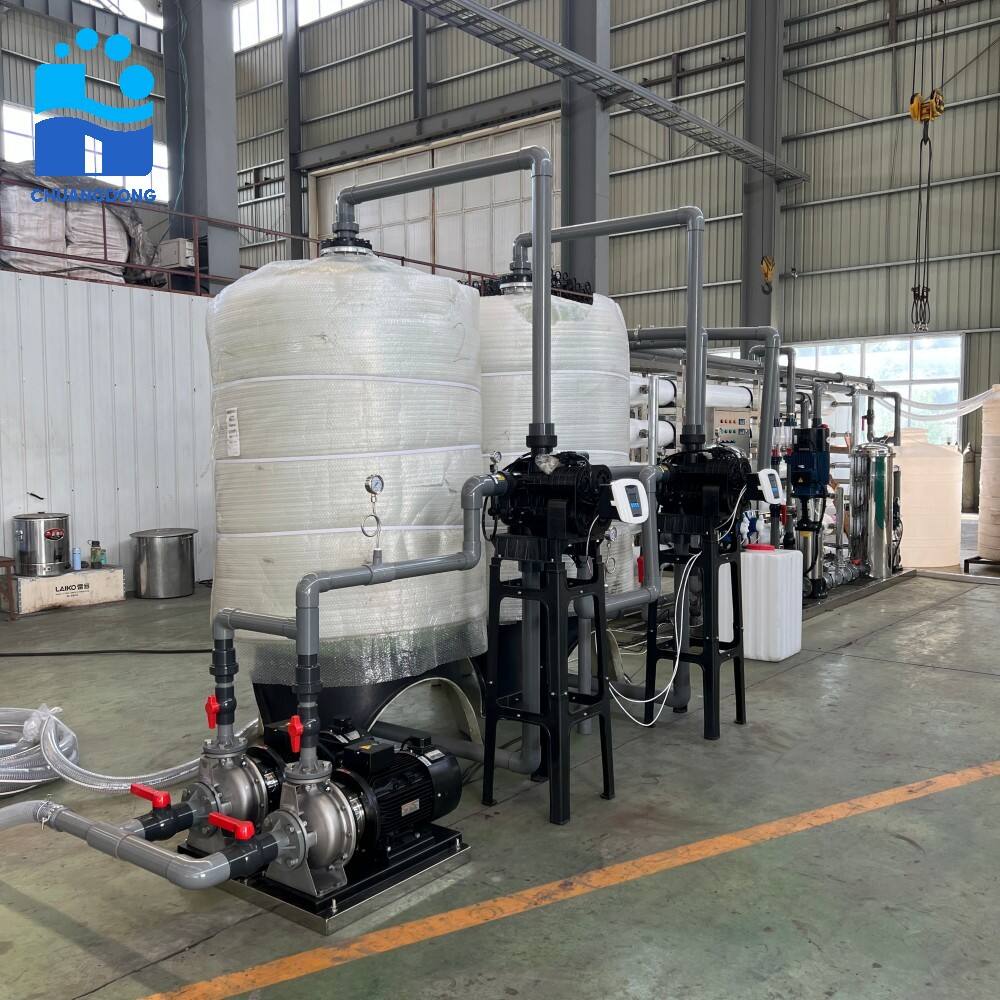
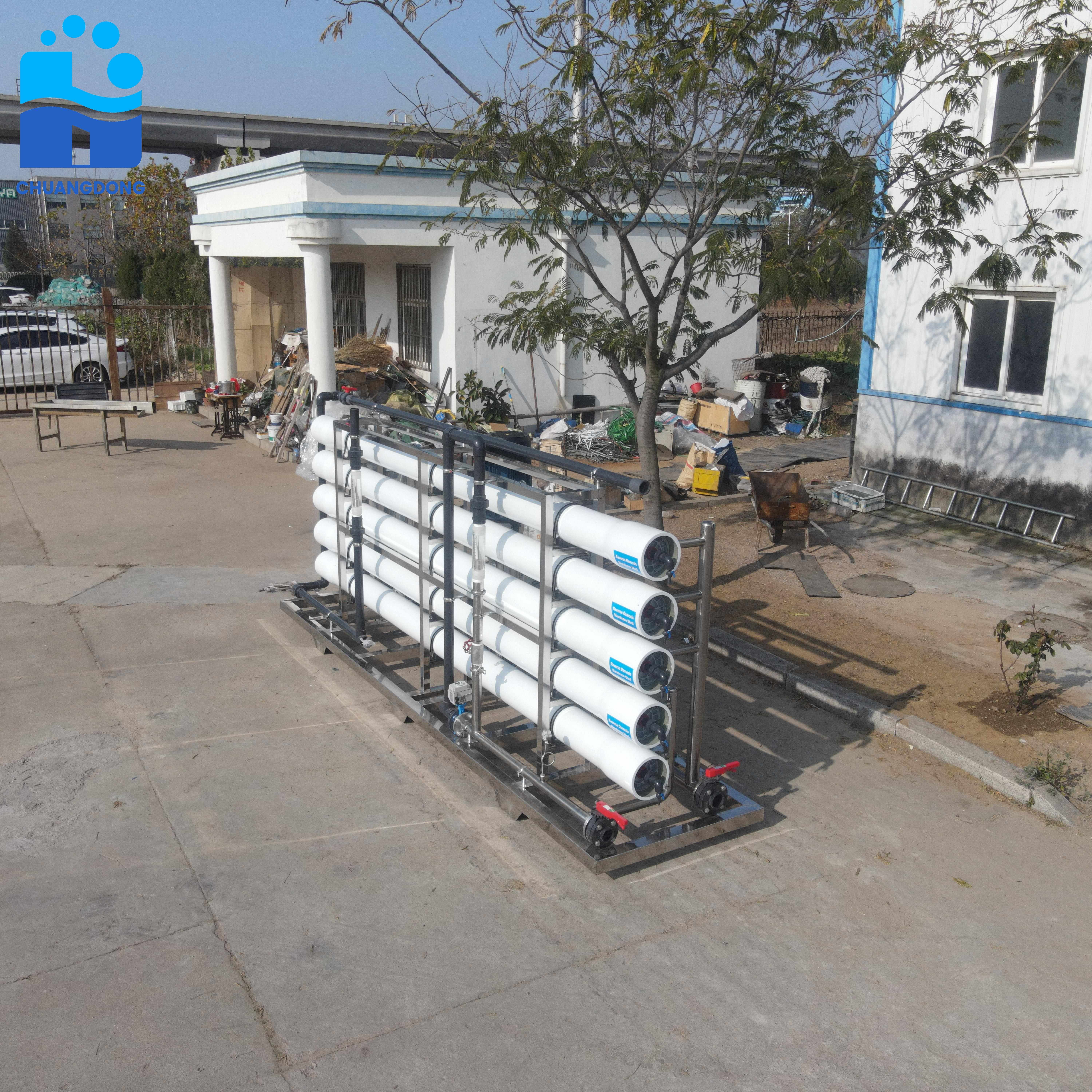
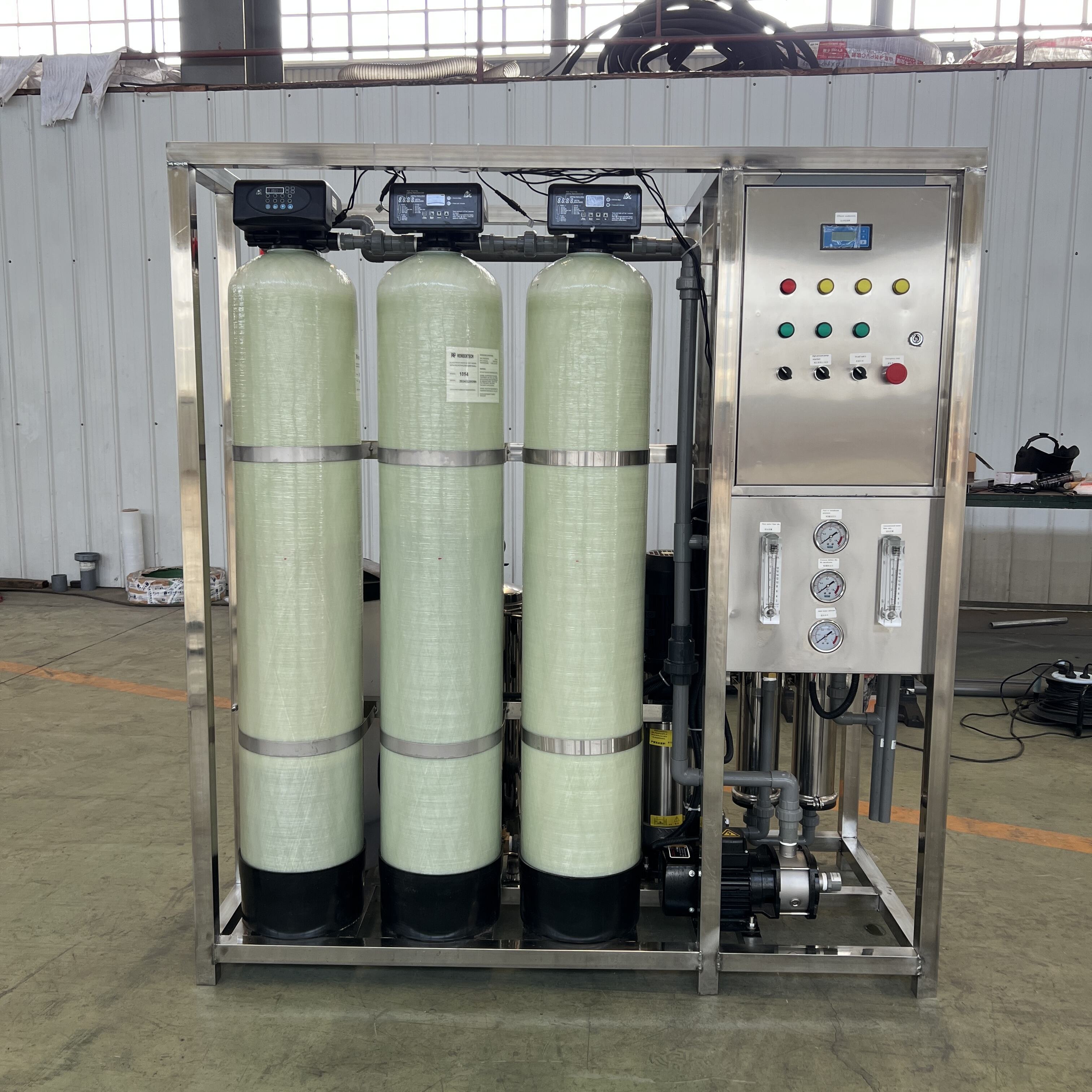
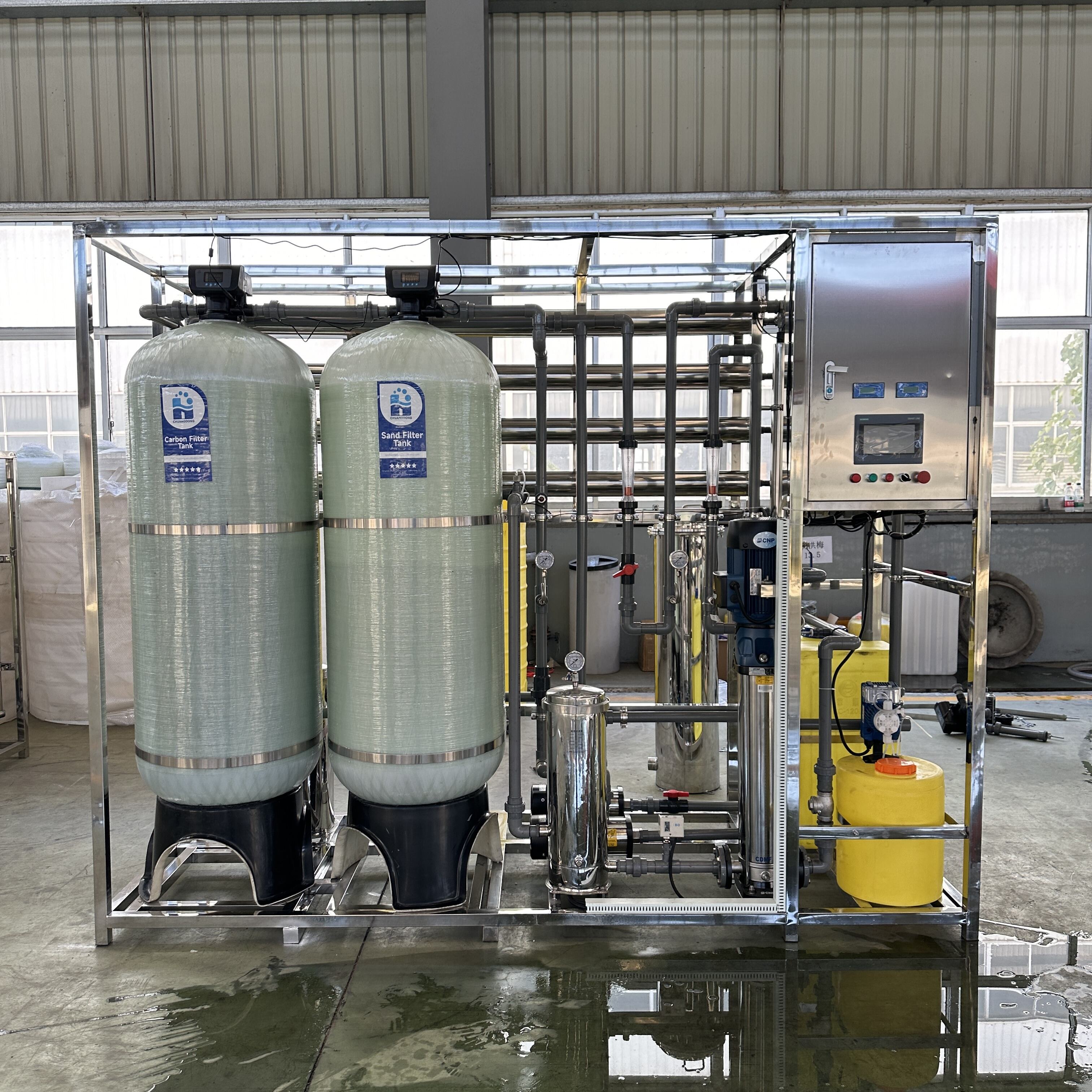
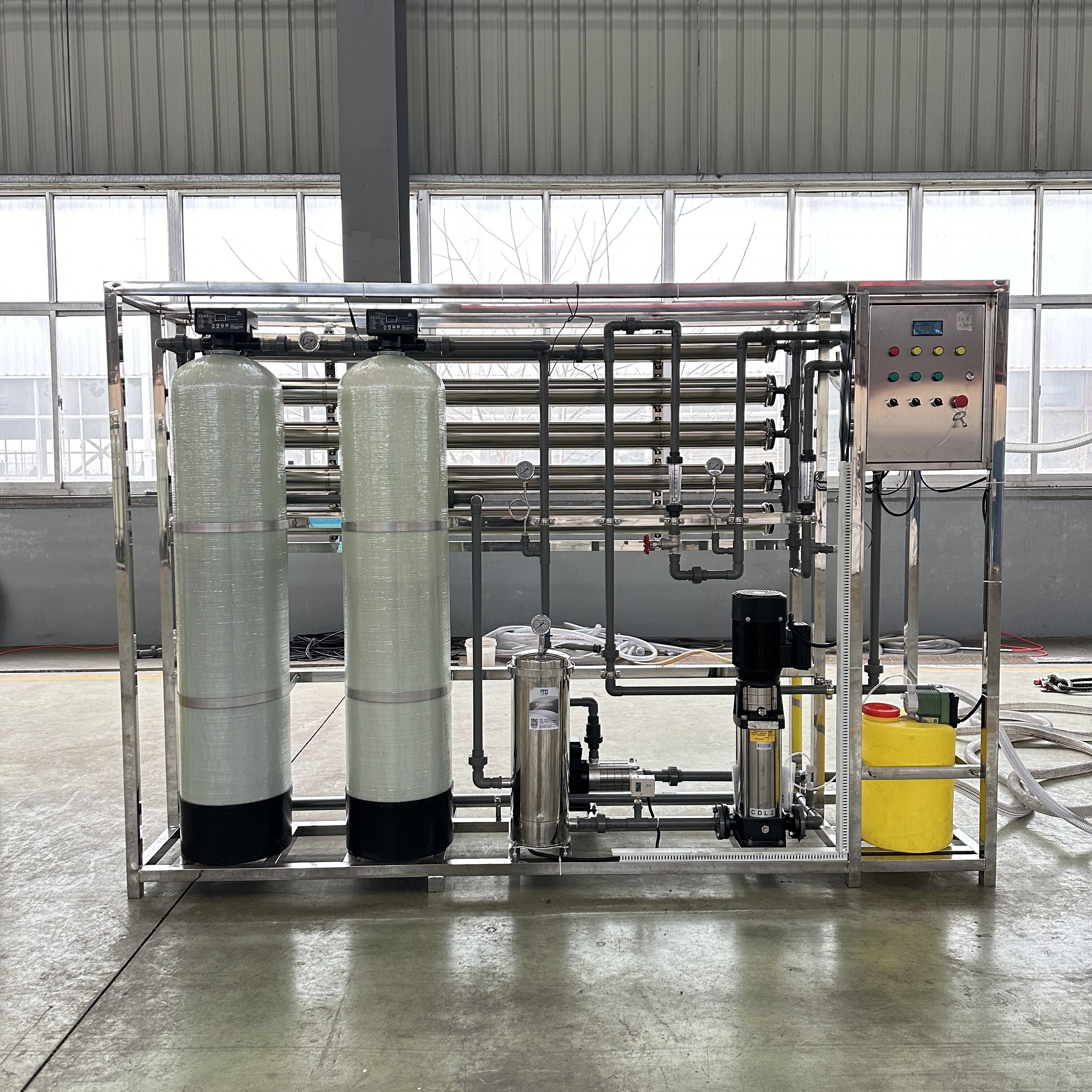
An industrial reverse osmosis water system is a sophisticated purification technology designed to remove contaminants, dissolved solids, and impurities from water in large-scale operations. This system works by forcing water through semi-permeable membranes under high pressure, effectively filtering out up to 99% of dissolved salts, bacteria, particles, and organic compounds. The industrial reverse osmosis water system serves as the backbone of water treatment in manufacturing facilities, pharmaceutical plants, food and beverage production, power generation, and chemical processing industries. The main functions include producing ultra-pure water for sensitive processes, reducing total dissolved solids, eliminating harmful substances, and ensuring consistent water quality for industrial applications. Technologically, these systems feature multi-stage filtration processes, high-efficiency membrane arrays, automated monitoring controls, and energy recovery devices that optimize performance while minimizing operational costs. The industrial reverse osmosis water system typically incorporates pre-treatment stages to protect membranes from fouling, primary RO membrane banks for core purification, and post-treatment polishing to achieve specific water quality standards. Applications span across diverse sectors where water purity directly impacts product quality, equipment longevity, and regulatory compliance. From semiconductor manufacturing requiring deionized water to beverage companies ensuring taste consistency, the industrial reverse osmosis water system delivers reliable, scalable solutions tailored to demanding production environments where water quality cannot be compromised.
 EN
EN