Industrial Purified Water Systems - Advanced Water Treatment Solutions for Manufacturing Excellence

Get a Free Quote

Our representative will contact you soon.
Email
Name
Company Name
Message
0/1000

industrial purified water system

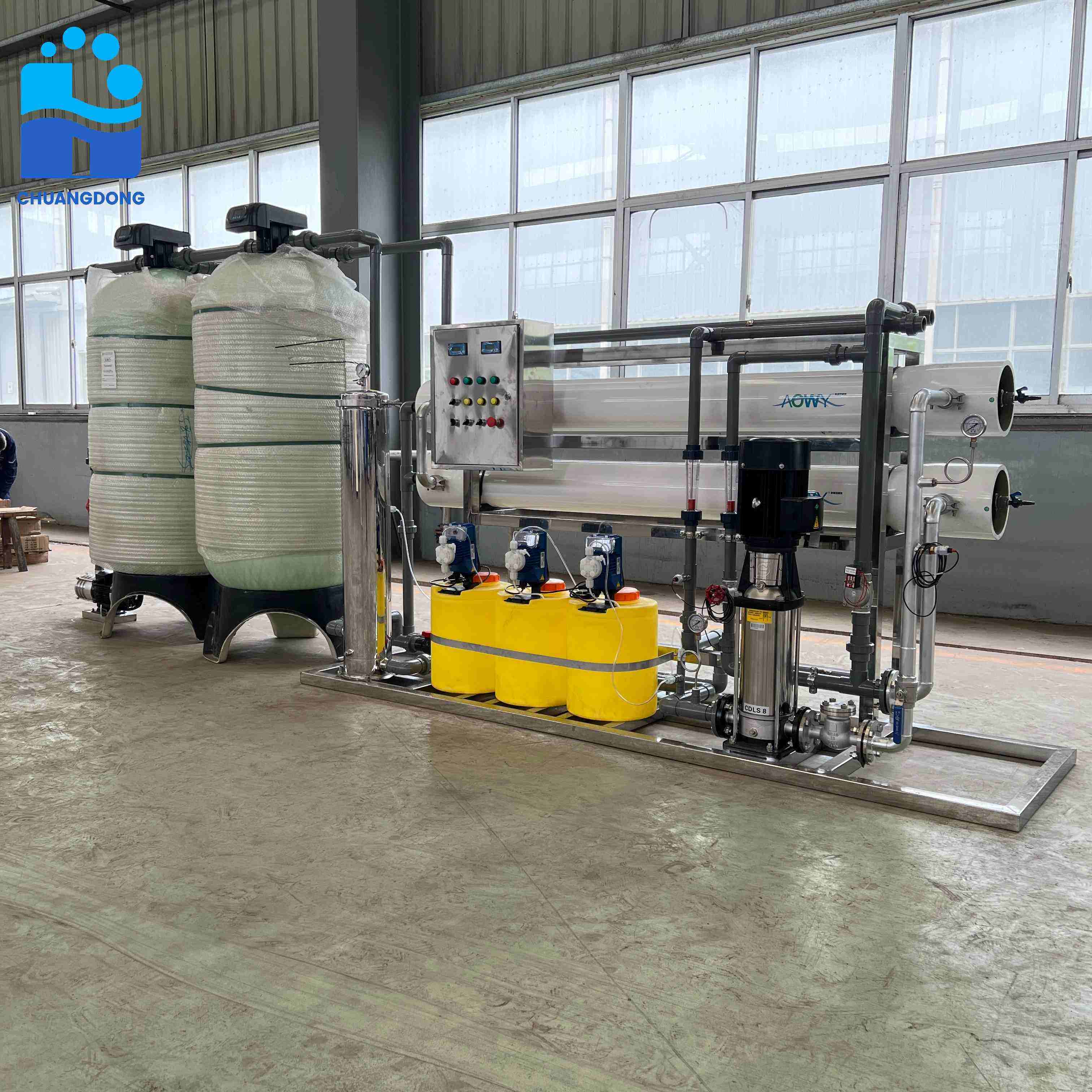
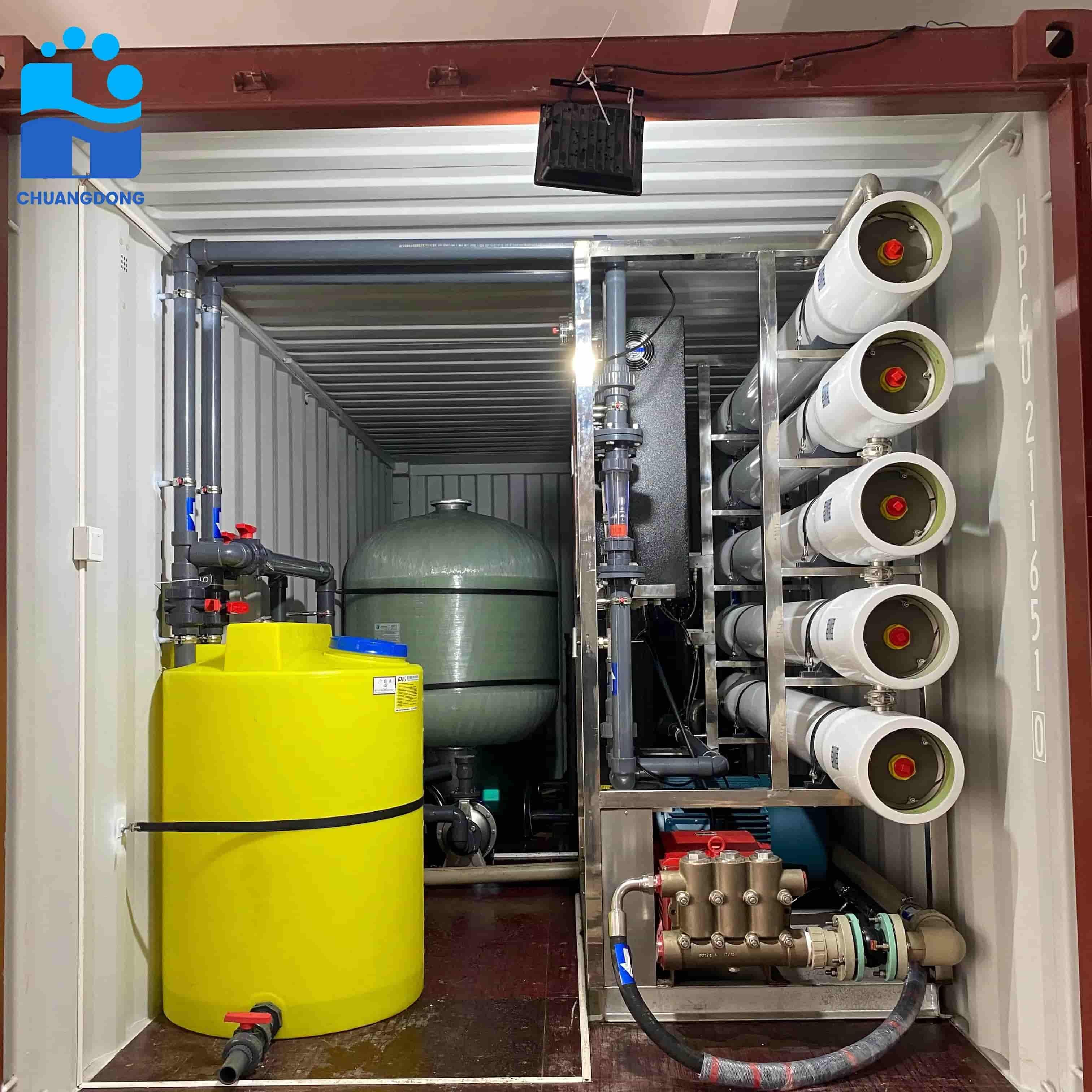
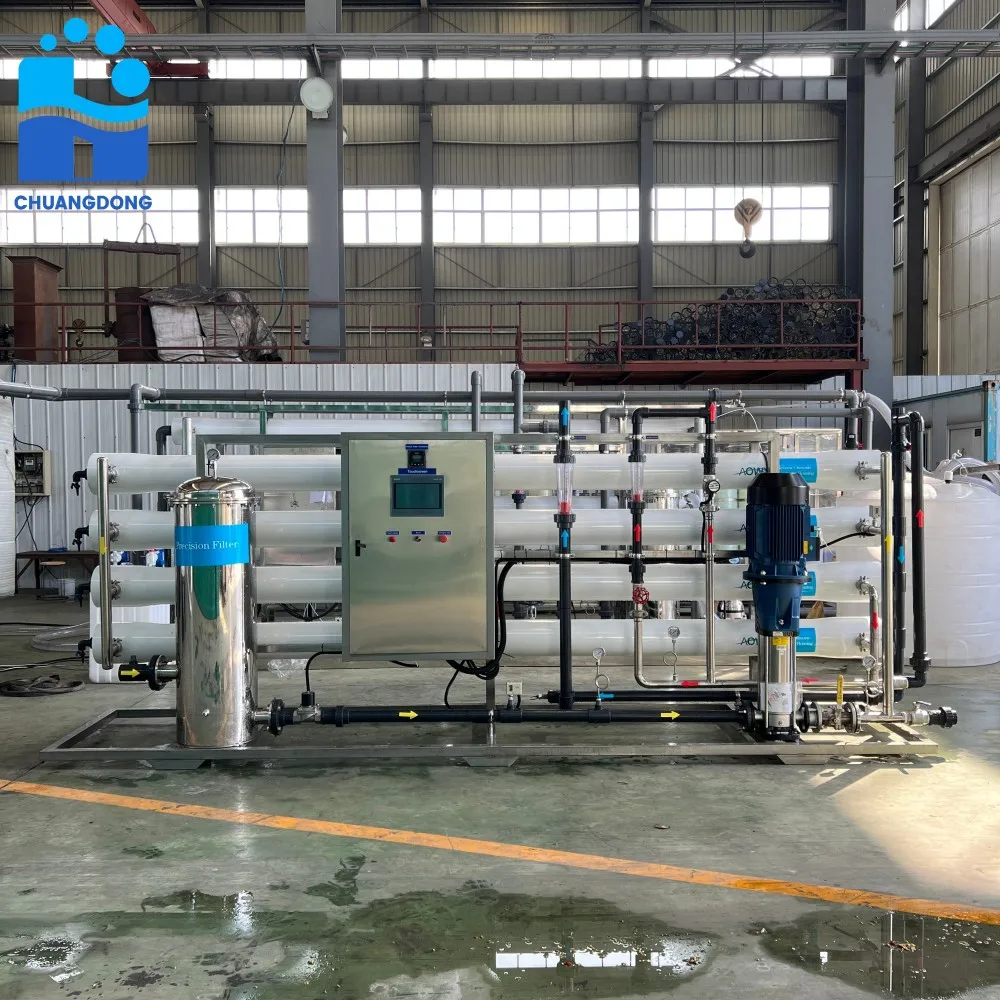
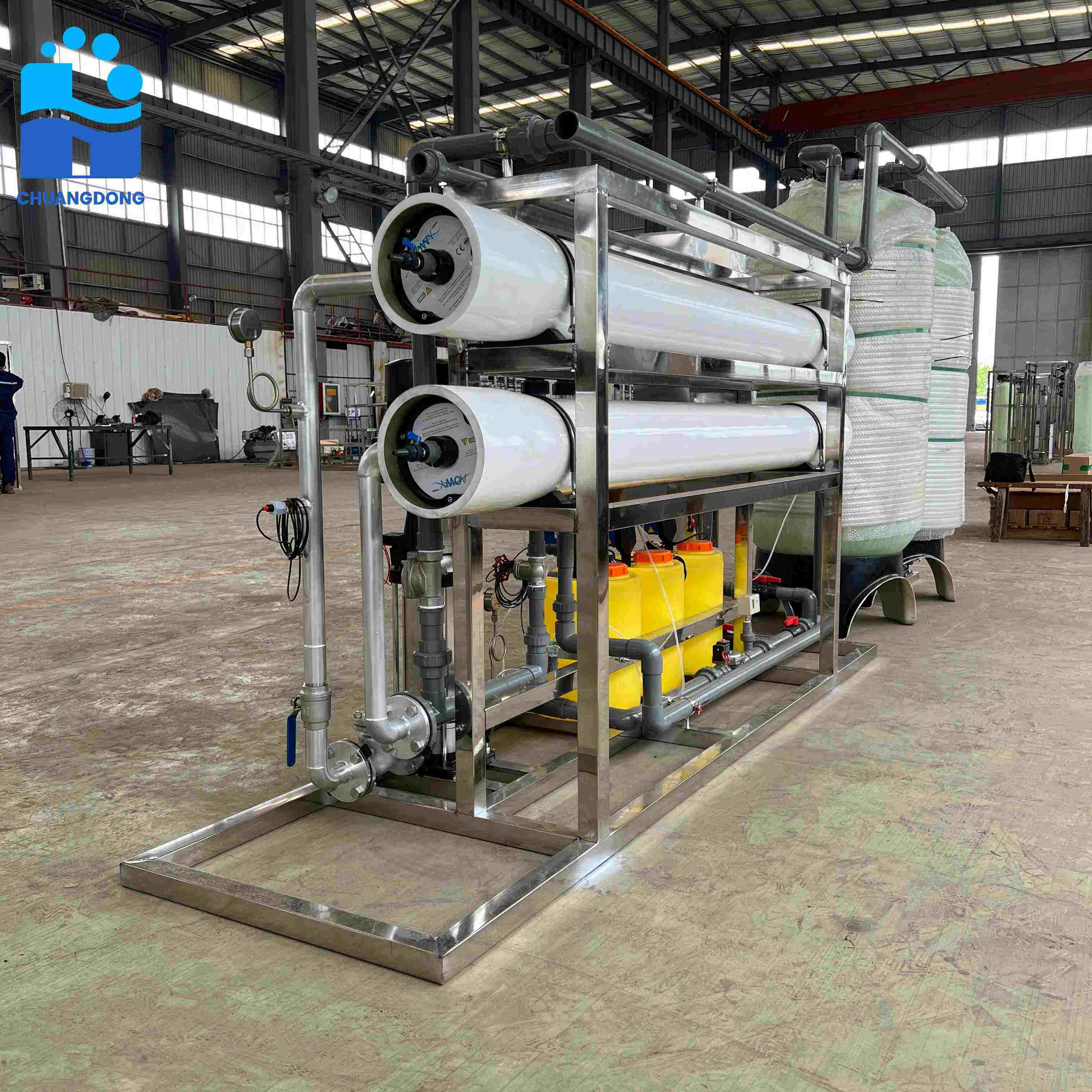
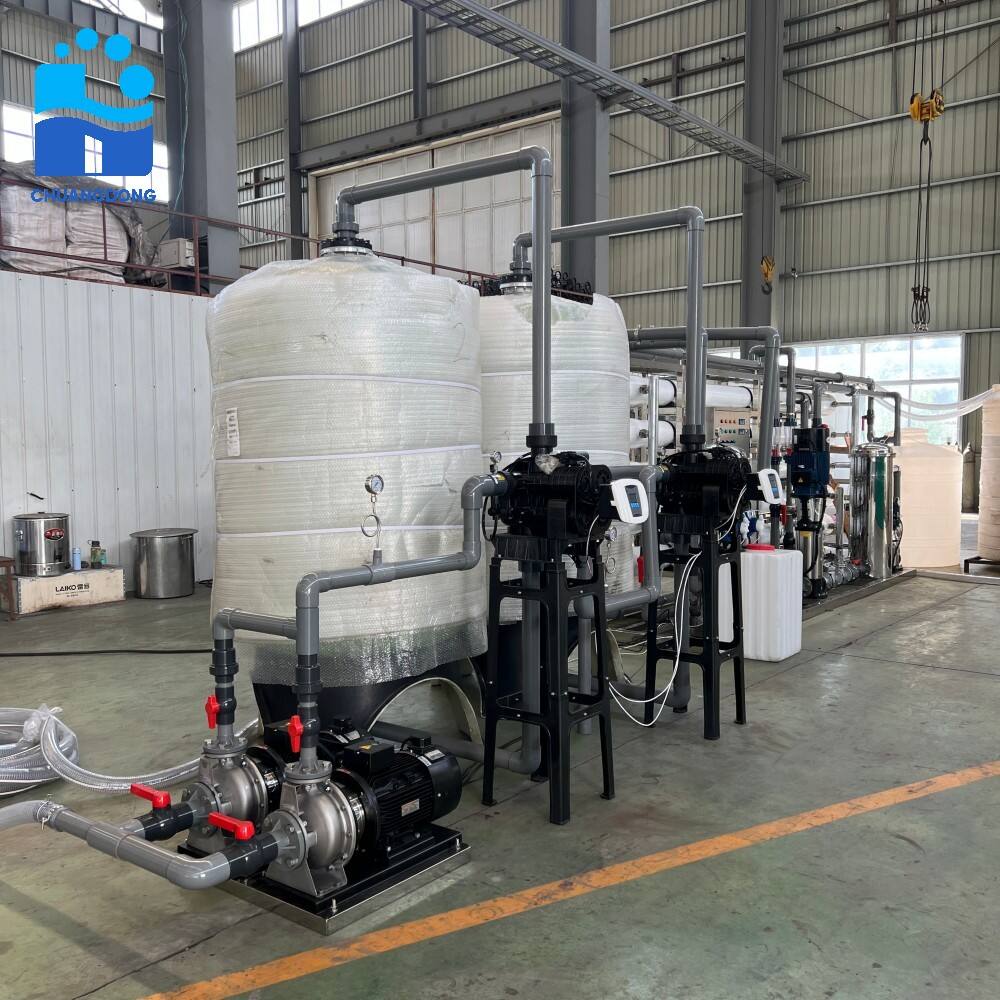
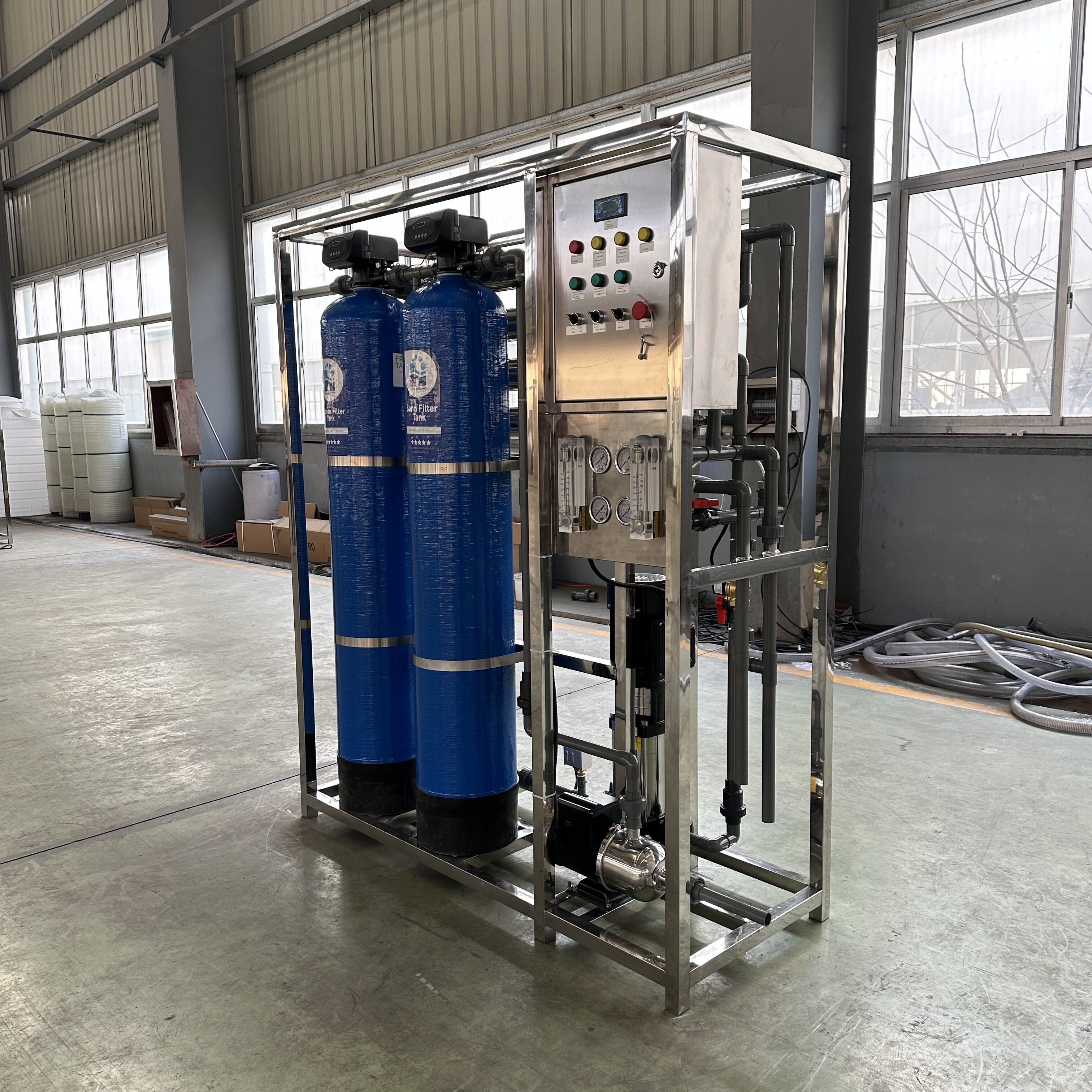
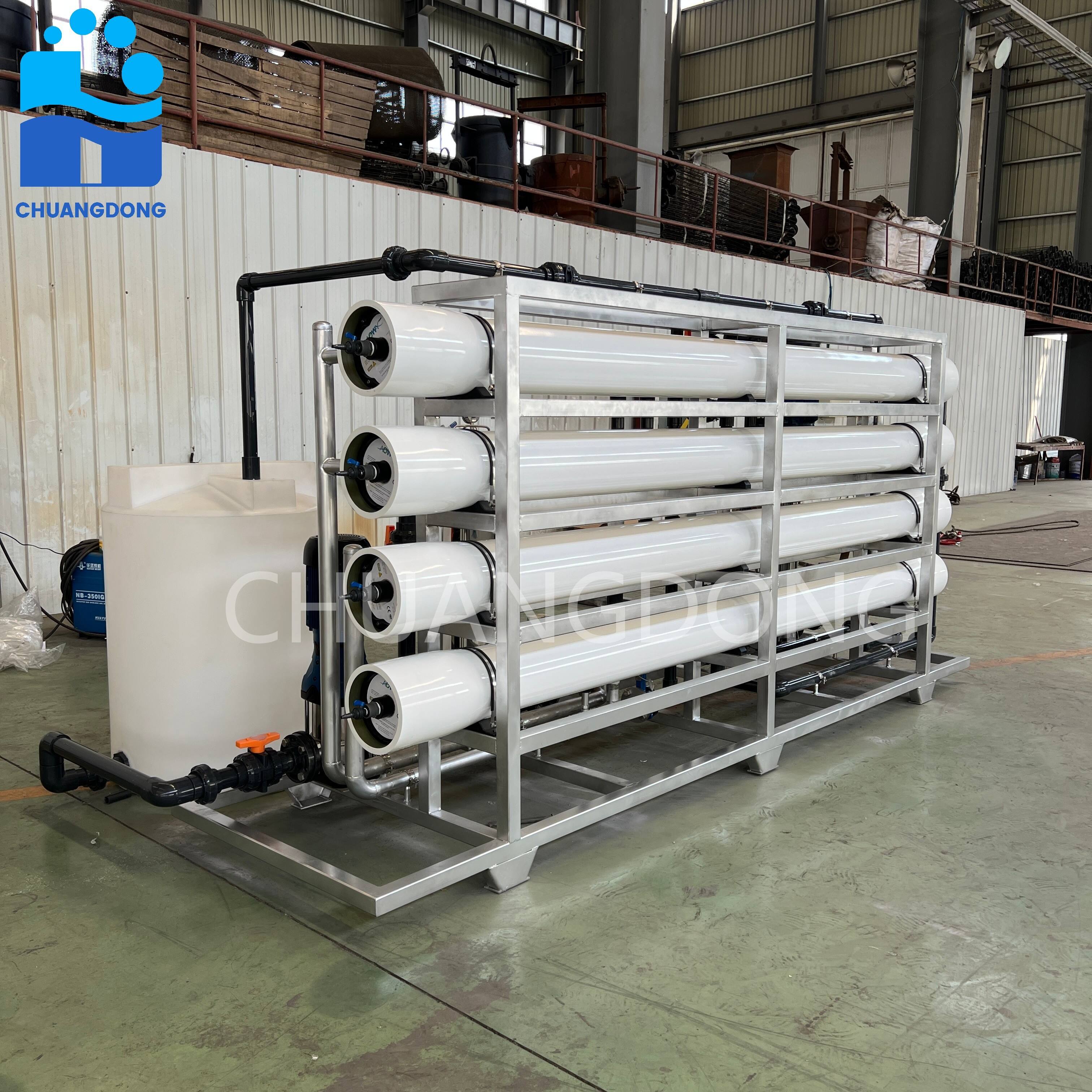
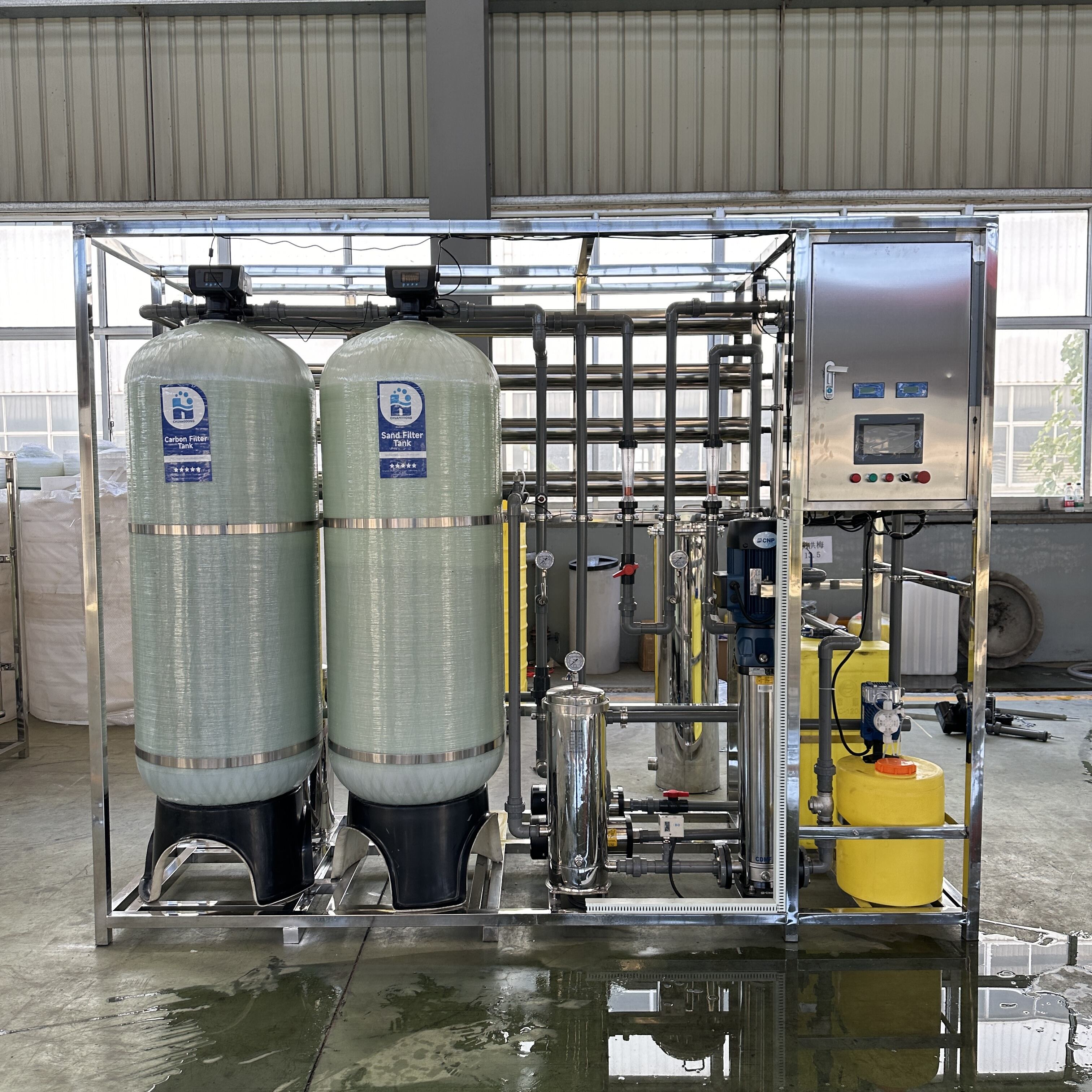
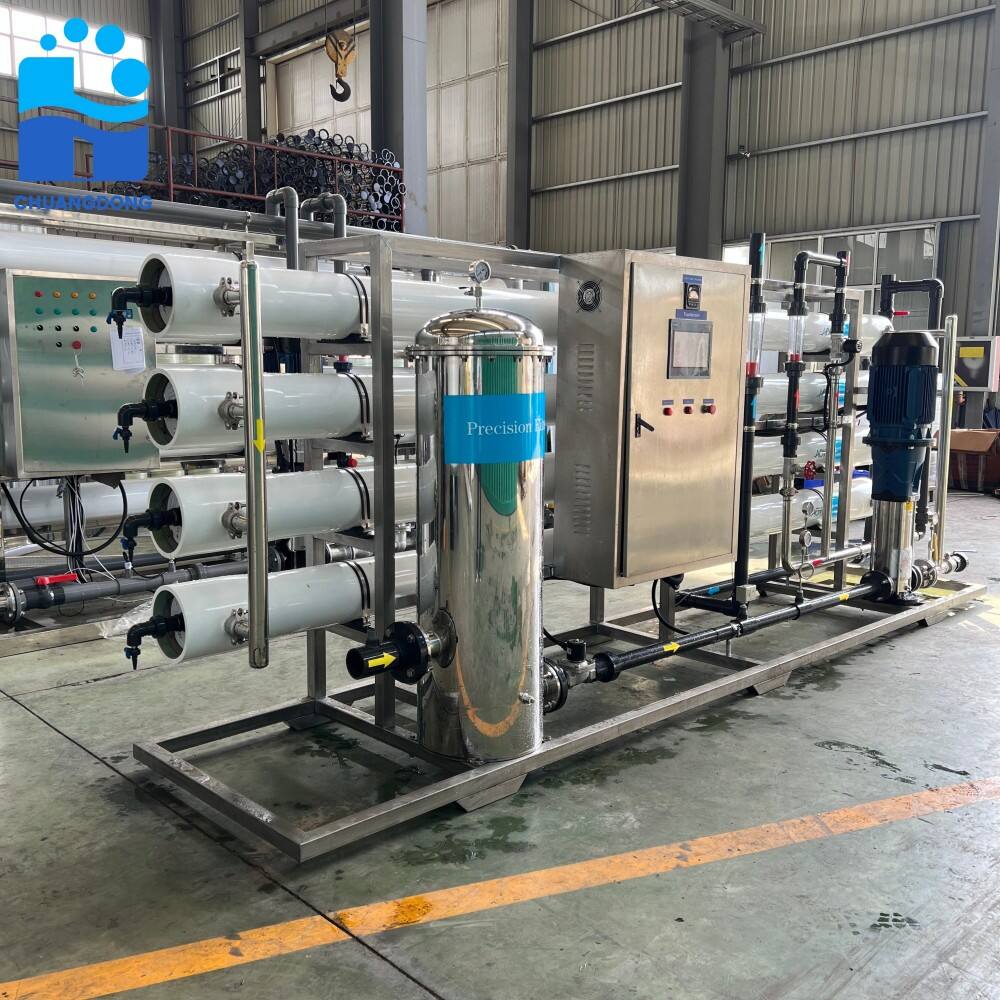
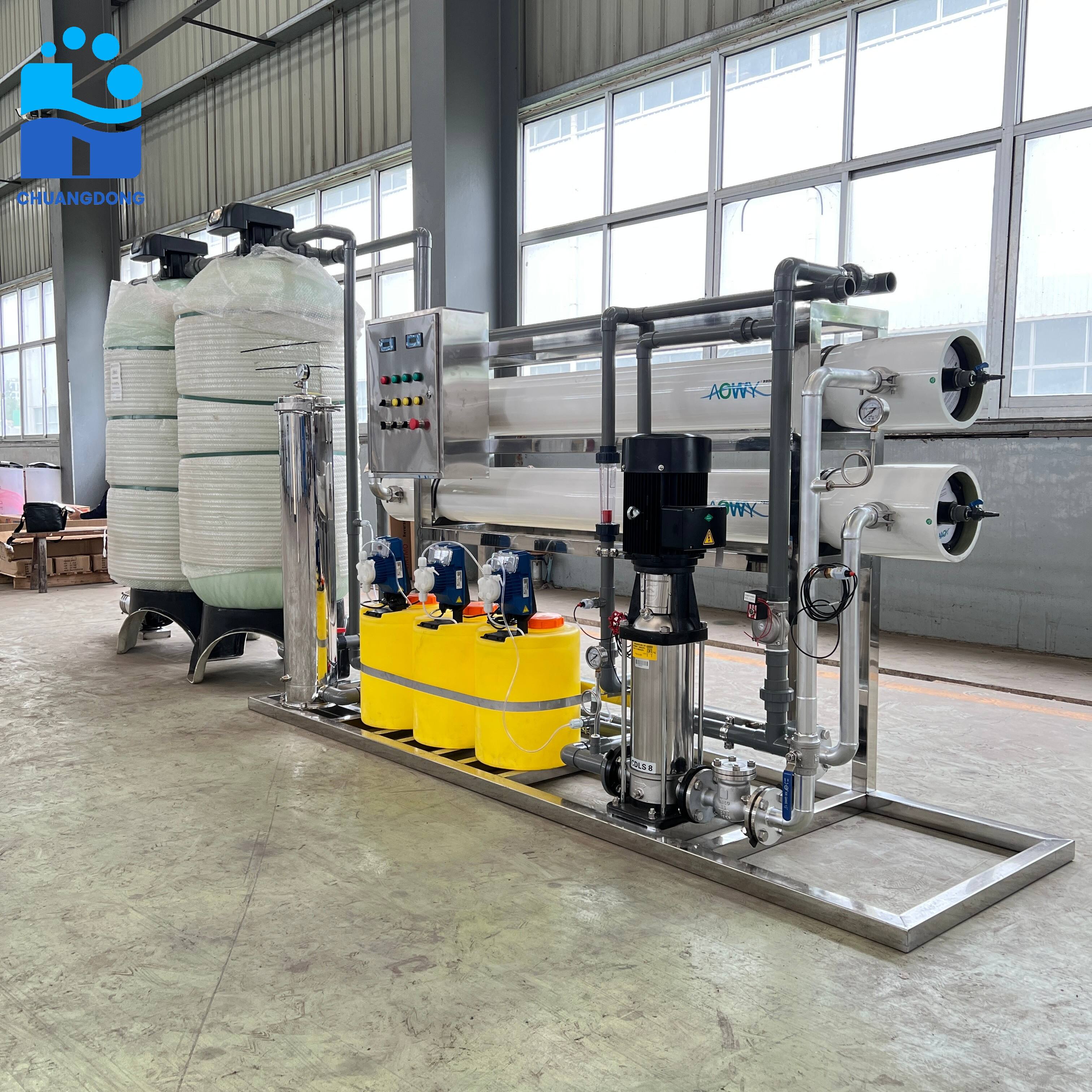
An industrial purified water system represents a sophisticated technological solution designed to remove contaminants, impurities, and unwanted substances from water sources to meet stringent industrial standards. These comprehensive water treatment systems serve as the backbone for numerous manufacturing processes, pharmaceutical production, food processing, and other industrial applications where water quality directly impacts product integrity and operational efficiency. The primary function of an industrial purified water system centers on delivering consistently high-quality water that meets specific purity requirements through multiple stages of filtration, purification, and monitoring processes. Modern industrial purified water systems integrate advanced technological features including reverse osmosis membranes, ion exchange resins, ultraviolet sterilization units, and electrodeionization modules. These components work synergistically to eliminate dissolved solids, organic compounds, microorganisms, and other contaminants that could compromise industrial processes or final product quality. The technological architecture typically incorporates pre-treatment stages featuring sediment filters and activated carbon units, followed by primary purification processes such as reverse osmosis and deionization. Post-treatment components including polishing filters and UV disinfection ensure final water quality meets industry-specific standards. Applications for industrial purified water systems span across diverse sectors including pharmaceutical manufacturing, semiconductor fabrication, power generation, chemical processing, and food beverage production. In pharmaceutical environments, these systems provide water for injection preparation and equipment cleaning. Electronics manufacturers rely on ultrapure water for semiconductor wafer processing and circuit board production. Power plants utilize purified water for boiler feedwater and cooling tower operations. The versatility and reliability of modern industrial purified water systems make them indispensable for maintaining consistent production quality while ensuring regulatory compliance across multiple industries.

New Product Recommendations

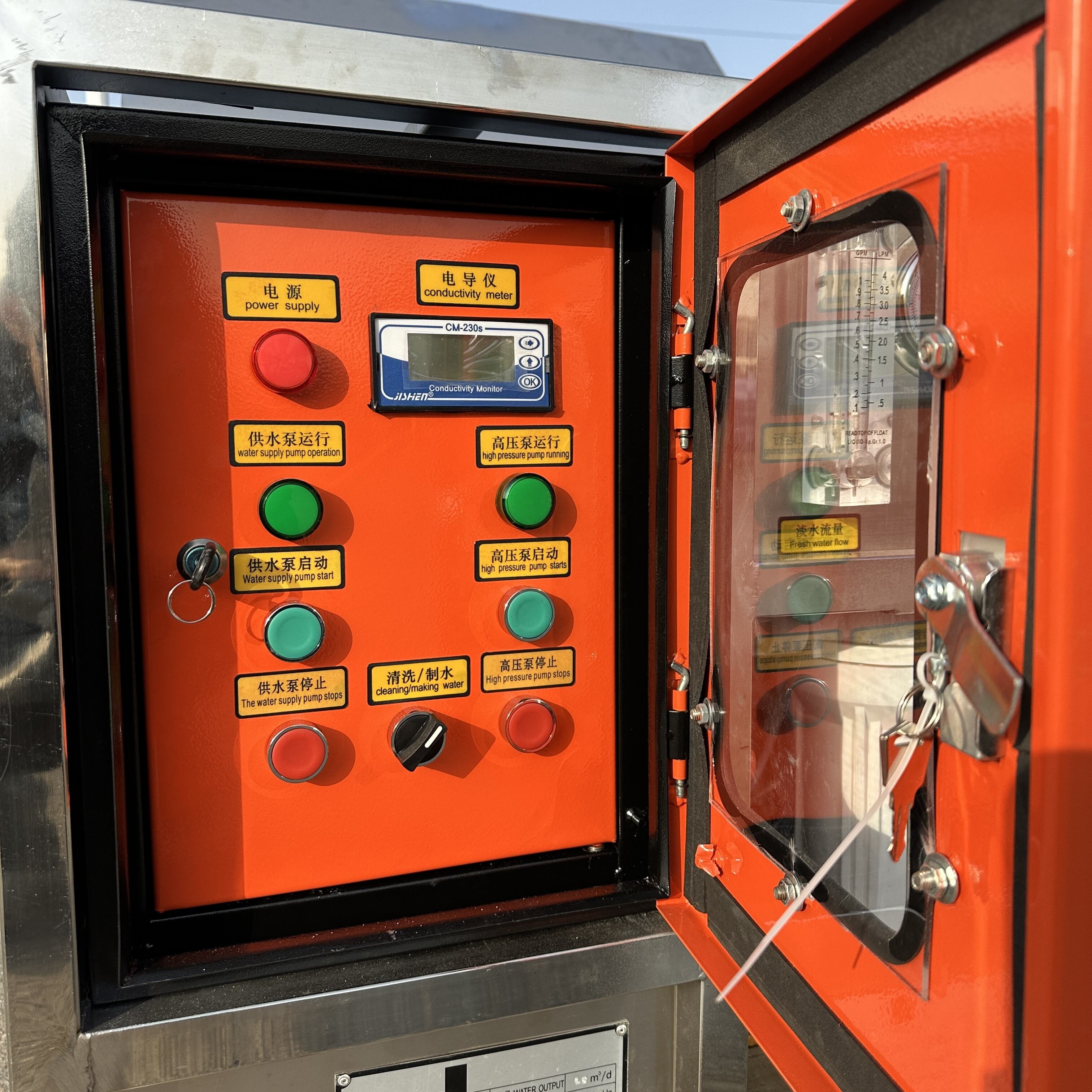
Industrial purified water systems deliver substantial cost savings by eliminating the need for expensive bottled water purchases and reducing waste disposal expenses associated with contaminated water treatment. Companies typically recover their initial investment within eighteen to twenty-four months through reduced operational costs and improved production efficiency. These systems provide complete control over water quality parameters, allowing businesses to customize purification levels according to specific industrial requirements rather than relying on inconsistent municipal water supplies or external vendors. The reliability factor proves crucial for continuous operations, as industrial purified water systems operate twenty-four hours daily with minimal maintenance requirements and automated monitoring capabilities. This consistency eliminates production delays caused by water quality issues and ensures uninterrupted manufacturing processes. Quality assurance becomes simplified through integrated monitoring systems that continuously track water parameters including conductivity, pH levels, and microbial content, providing real-time alerts when specifications deviate from acceptable ranges. Environmental benefits include significant reduction in plastic waste from bottled water consumption and decreased chemical discharge into wastewater systems. Many industrial purified water systems incorporate energy-efficient technologies that minimize power consumption while maximizing water recovery rates, supporting corporate sustainability initiatives. Scalability represents another key advantage, as these systems can be easily expanded or modified to accommodate growing production demands or changing water quality requirements without complete system replacement. Regulatory compliance becomes streamlined through comprehensive documentation systems that automatically record water quality data, maintenance schedules, and system performance metrics required for industry certifications and audits. Employee safety improves through reduced handling of chemical additives and elimination of heavy water container transportation. The automated operation reduces labor costs while ensuring consistent water quality regardless of operator skill levels. Long-term reliability stems from robust component design and predictive maintenance capabilities that identify potential issues before system failures occur. Professional technical support ensures optimal system performance through regular service schedules, component upgrades, and troubleshooting assistance, maximizing return on investment while minimizing operational disruptions.

Latest News

What Intake and Outfall Designs Minimize Environmental Impact of a Desalination Plant?

01

Mar

What Intake and Outfall Designs Minimize Environmental Impact of a Desalination Plant?

Environmental considerations have become paramount in the design and operation of modern desalination facilities worldwide. As water scarcity continues to challenge communities across the globe, the demand for sustainable desalination plant solutions...
View More
What Corrosion-Resistant Materials Are Used in Desalination Plant Construction?

06

Mar

What Corrosion-Resistant Materials Are Used in Desalination Plant Construction?

Desalination plants operate in some of the harshest environments imaginable, where saltwater constantly threatens the integrity of critical infrastructure. The selection of appropriate corrosion-resistant materials becomes paramount to ensuring long-...
View More
How Does a Water Purification System with Ion Exchange Soften Hard Water Effectively?

15

Mar

How Does a Water Purification System with Ion Exchange Soften Hard Water Effectively?

Hard water poses significant challenges for both residential and commercial applications, containing high concentrations of calcium and magnesium ions that cause scale buildup, reduce equipment efficiency, and affect water quality. A water purificati...
View More
Why Should Pharmaceutical QC Labs Use Ultrapure Water for HPLC and Mass Spectrometry?

18

Mar

Why Should Pharmaceutical QC Labs Use Ultrapure Water for HPLC and Mass Spectrometry?

Pharmaceutical quality control laboratories face increasingly stringent requirements for analytical accuracy and regulatory compliance. The foundation of reliable analytical results lies in the quality of water used throughout testing procedures. Ult...
View More

Get a Free Quote

Our representative will contact you soon.
Email
Name
Company Name
Message
0/1000

industrial purified water system

Advanced Multi-Stage Purification Technology

Advanced Multi-Stage Purification Technology

The cornerstone of any effective industrial purified water system lies in its sophisticated multi-stage purification technology that combines proven water treatment methods with cutting-edge innovations to achieve exceptional water quality results. This comprehensive approach begins with pre-treatment stages designed to remove large particles, sediments, and chlorine that could damage downstream components or interfere with purification processes. Advanced sediment filters utilize graded density media to capture particles ranging from fifty microns down to one micron, while activated carbon filters remove chlorine, organic compounds, and taste-affecting substances that could impact industrial processes. The primary purification stage features high-efficiency reverse osmosis membranes engineered to remove dissolved salts, heavy metals, bacteria, viruses, and organic molecules through semi-permeable membrane technology. These industrial-grade membranes achieve rejection rates exceeding ninety-eight percent for most contaminants while maintaining consistent performance under varying water conditions. Following reverse osmosis treatment, advanced ion exchange resins polish the water by removing residual ionic contaminants and achieving ultra-low conductivity levels essential for sensitive industrial applications. Electrodeionization modules provide continuous regeneration of ion exchange resins without chemical addition, ensuring consistent water quality while minimizing environmental impact and operational costs. Final purification stages incorporate ultraviolet sterilization units that eliminate microorganisms through germicidal UV-C radiation, followed by ultrafiltration membranes that provide absolute barriers against bacteria and endotoxins. This multi-barrier approach ensures comprehensive contaminant removal while providing redundancy that maintains water quality even if individual components experience performance variations. Real-time monitoring systems continuously track critical parameters including conductivity, total organic carbon, microbial content, and system pressures, enabling immediate response to quality deviations. The integration of these advanced technologies creates an industrial purified water system capable of producing water quality that exceeds pharmaceutical, electronics, and food industry standards while maintaining consistent performance over extended operational periods.
Intelligent Automation and Remote Monitoring Capabilities

Intelligent Automation and Remote Monitoring Capabilities

Modern industrial purified water systems excel through intelligent automation and remote monitoring capabilities that revolutionize water treatment operations by providing unprecedented control, efficiency, and reliability for industrial applications. Advanced programmable logic controllers serve as the central nervous system, orchestrating complex purification processes through sophisticated algorithms that optimize system performance while minimizing energy consumption and component wear. These intelligent control systems continuously analyze multiple input parameters including feed water quality, flow rates, pressure differentials, and temperature variations to automatically adjust operational parameters for optimal purification efficiency. Remote monitoring technology enables facility managers and technicians to oversee industrial purified water system performance from anywhere in the world through secure internet connections and mobile applications. This connectivity provides real-time access to system status, water quality data, alarm conditions, and maintenance schedules, enabling proactive management that prevents costly downtime and ensures consistent water quality. Predictive analytics algorithms analyze historical performance data to identify trends and patterns that indicate potential component failures or maintenance requirements before problems occur. This predictive capability allows maintenance teams to schedule repairs during planned downtime periods rather than responding to emergency failures that could disrupt critical production processes. Automated backwash cycles, membrane cleaning sequences, and regeneration processes operate according to predetermined schedules or triggered by performance indicators, ensuring optimal system efficiency without manual intervention. Smart sensors throughout the industrial purified water system provide continuous feedback on critical parameters, enabling immediate response to changing conditions and ensuring consistent water quality regardless of variations in feed water characteristics or production demands. Data logging capabilities create comprehensive records of system performance, water quality measurements, and maintenance activities that support regulatory compliance requirements and quality management systems. Customizable alarm systems notify operators of abnormal conditions through multiple communication channels including email, text messages, and audible alarms, ensuring rapid response to potential issues. The integration of artificial intelligence and machine learning technologies enables these systems to continuously improve their performance by learning from operational data and automatically adjusting parameters to optimize efficiency and water quality outcomes.
Comprehensive Service and Support Infrastructure

Comprehensive Service and Support Infrastructure

The success of any industrial purified water system depends heavily on comprehensive service and support infrastructure that ensures optimal performance, longevity, and return on investment throughout the system lifecycle. Professional service programs begin during the initial consultation phase with detailed water analysis, system design, and application engineering to ensure the selected industrial purified water system perfectly matches specific industrial requirements and production demands. Experienced technicians provide complete installation services including site preparation, equipment positioning, piping connections, electrical integration, and system commissioning to ensure proper operation from day one. Comprehensive training programs educate operators and maintenance personnel on proper system operation, routine maintenance procedures, troubleshooting techniques, and safety protocols essential for safe and efficient system operation. Preventive maintenance programs form the foundation of long-term system reliability through regularly scheduled inspections, component replacements, performance testing, and system optimization services performed by factory-trained technicians. These programs typically include filter replacements, membrane cleaning and testing, UV lamp replacements, calibration verification, and comprehensive system performance evaluations that identify potential issues before they impact water quality or system availability. Emergency service capabilities ensure rapid response to unexpected system problems through twenty-four hour technical support hotlines, remote diagnostic capabilities, and expedited parts delivery programs that minimize production disruptions. Genuine replacement parts and consumables availability through extensive inventory networks ensures component compatibility and maintains system performance standards while supporting warranty requirements. Technical documentation including operation manuals, maintenance schedules, troubleshooting guides, and spare parts catalogs provides comprehensive reference materials for in-house maintenance teams. Regular system audits and performance reviews identify optimization opportunities, recommend system upgrades, and ensure continued compliance with evolving industry standards and regulations. Advanced service contracts can include guaranteed response times, performance guarantees, and comprehensive maintenance coverage that provides predictable operating costs and maximum system uptime. Continuous technical support through various communication channels including phone, email, and remote access capabilities ensures expert assistance is always available when needed. This comprehensive service and support infrastructure transforms the industrial purified water system from a simple equipment purchase into a complete water treatment solution backed by professional expertise and ongoing support.

Get a Free Quote

Our representative will contact you soon.
Email
Name
Company Name
Message
0/1000