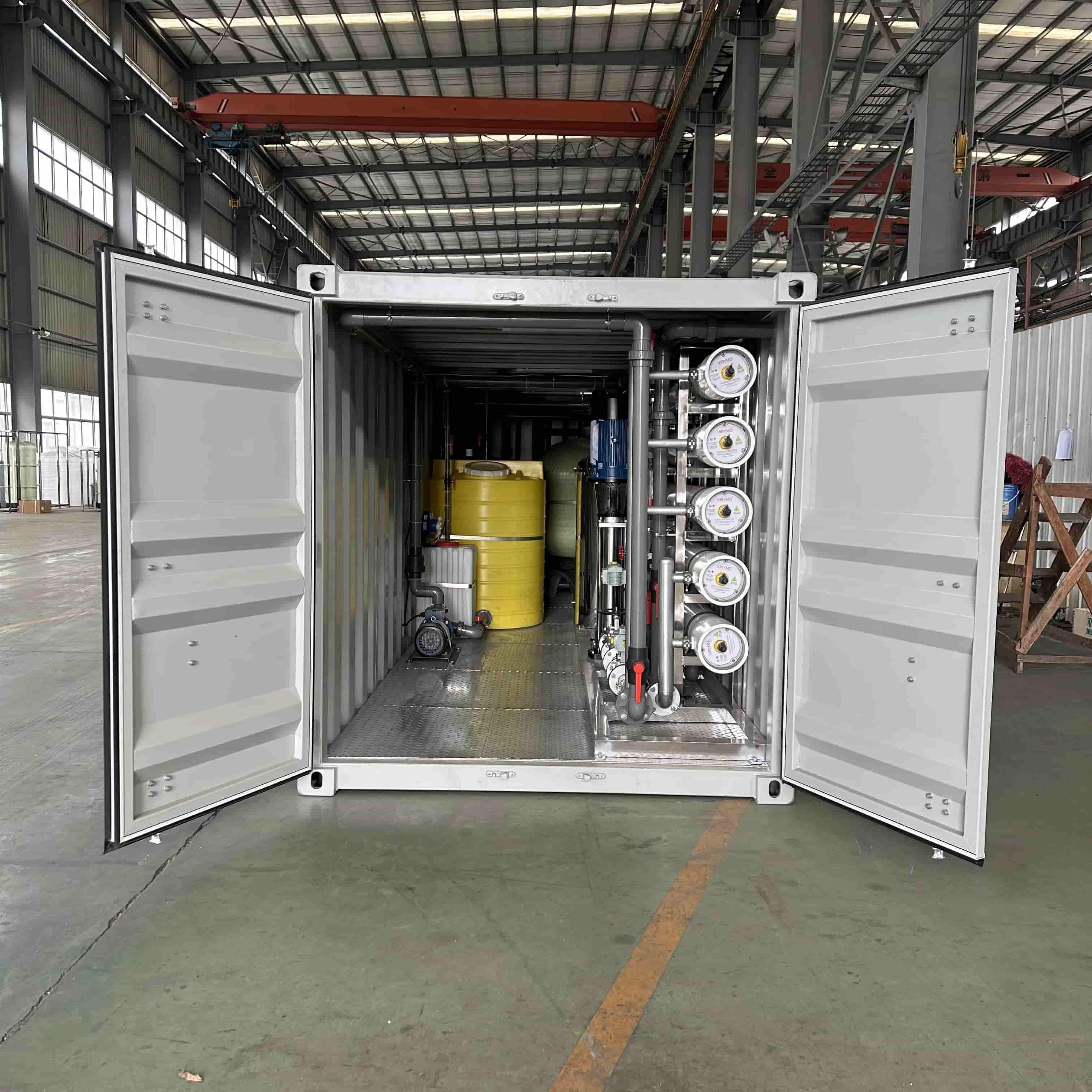
containerized water treatment plant
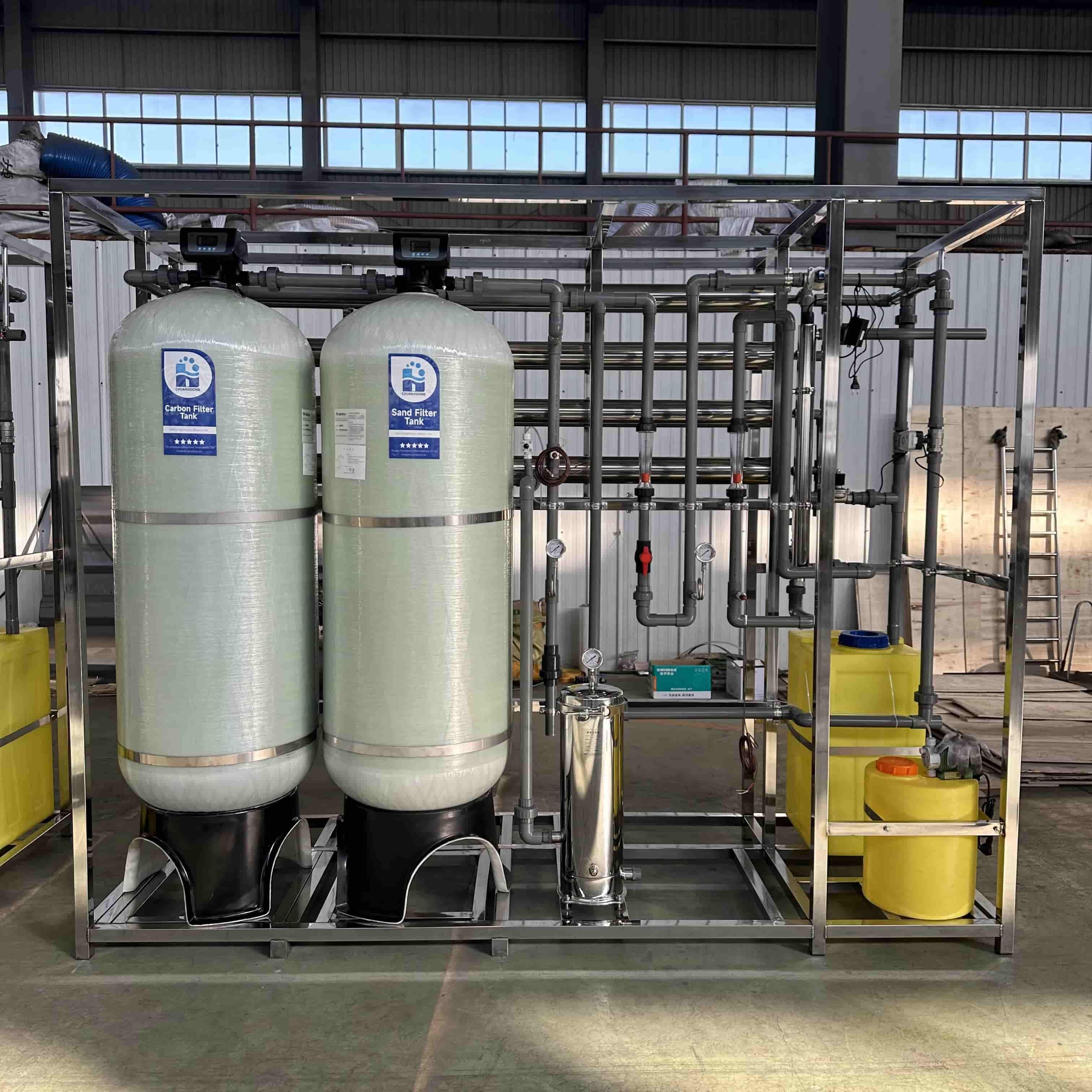
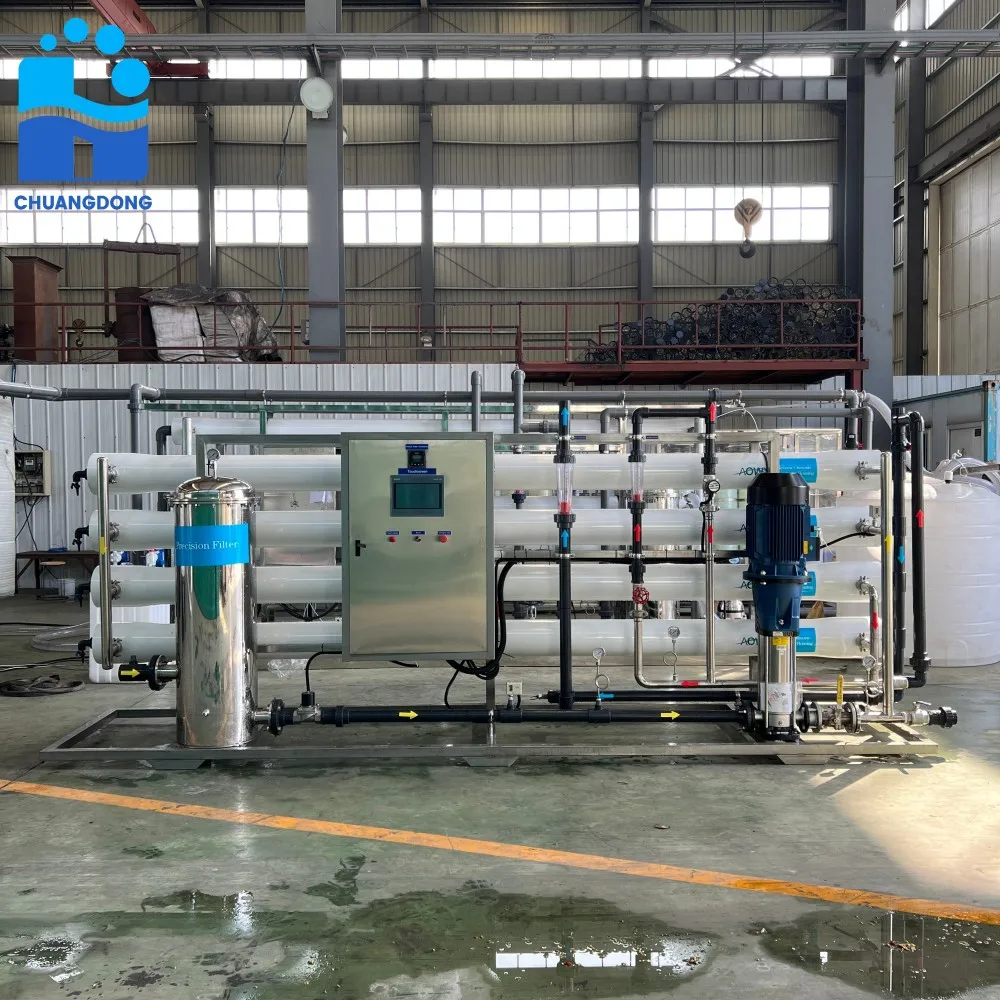
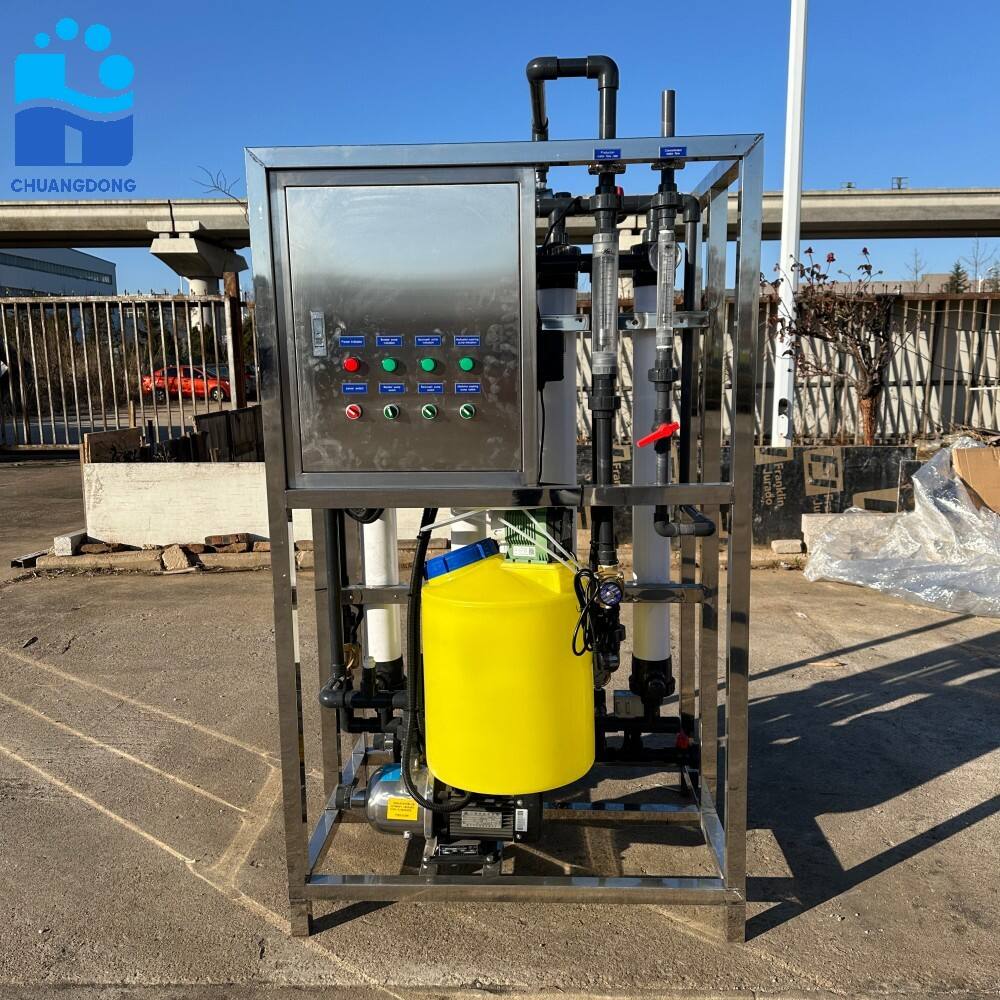
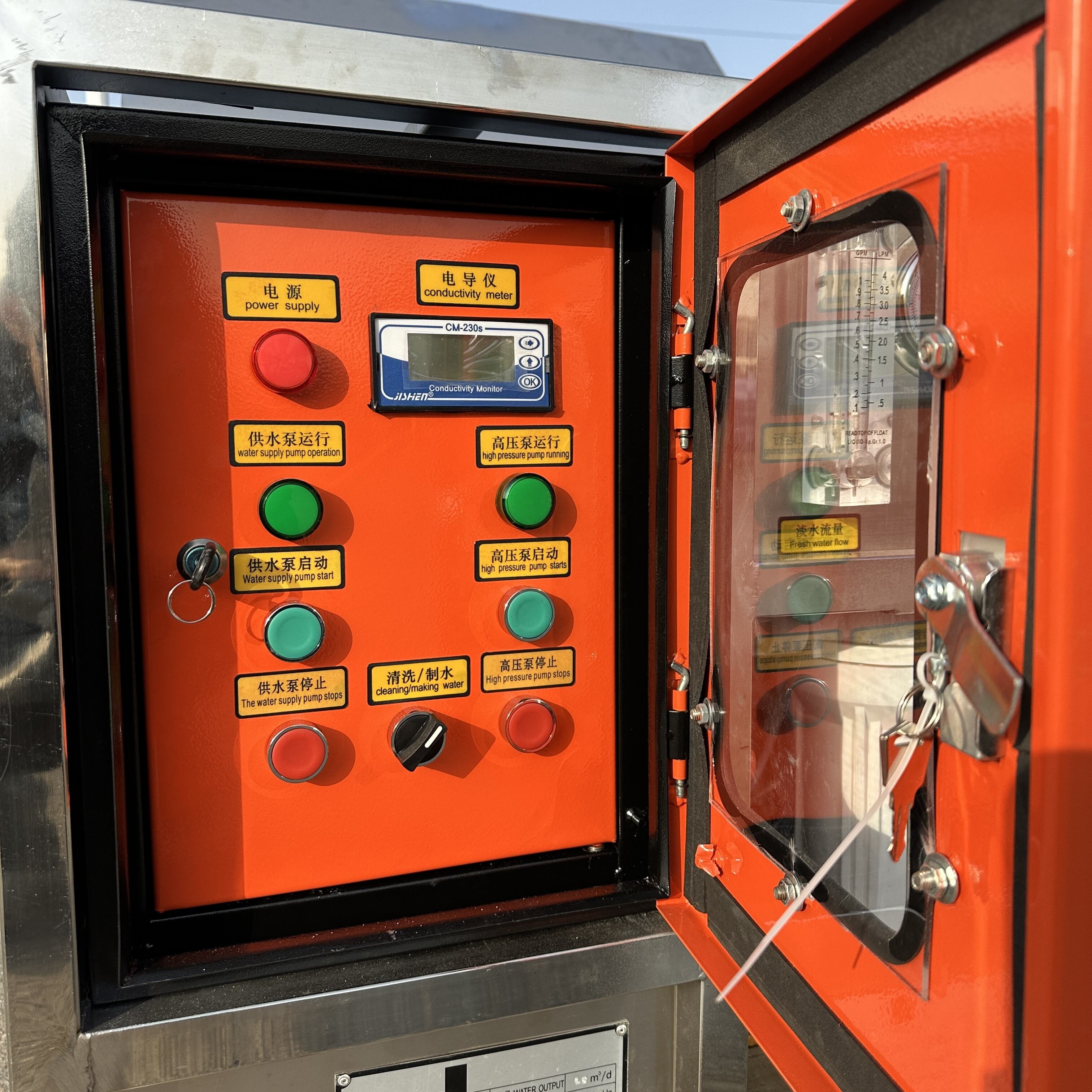
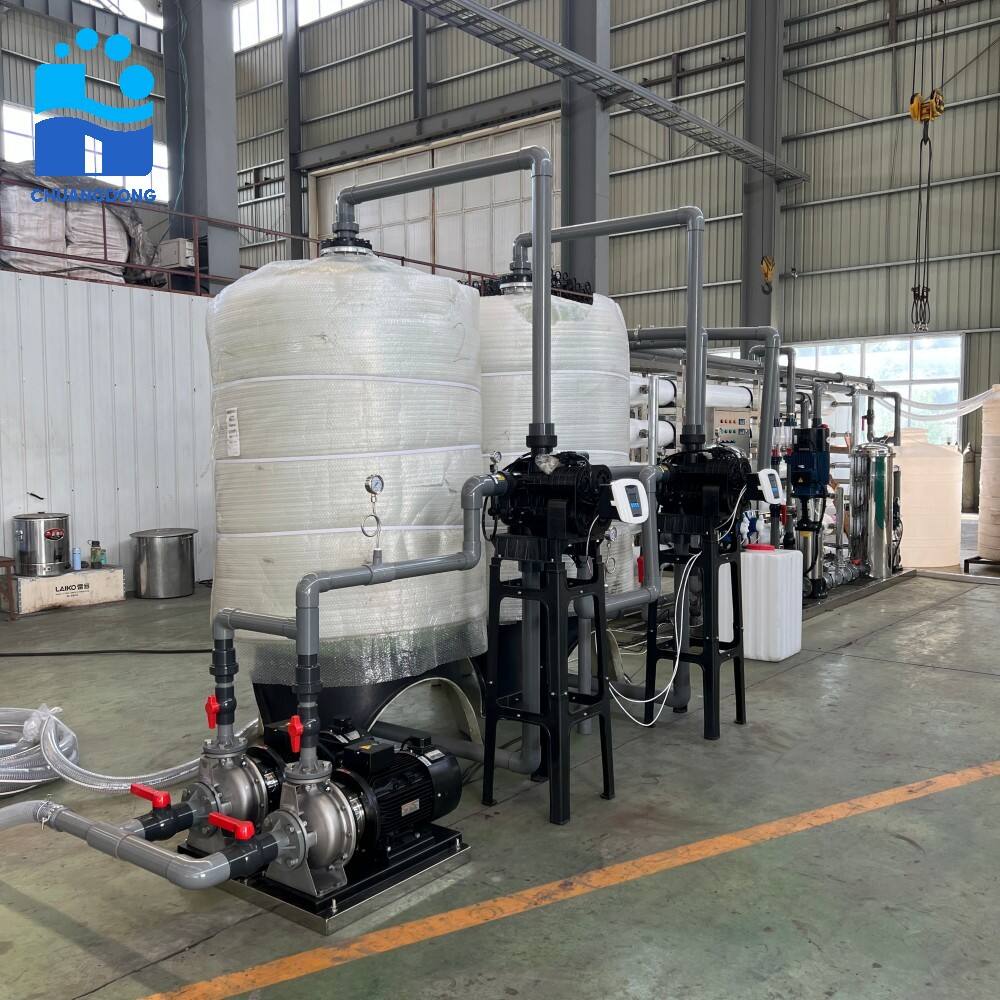
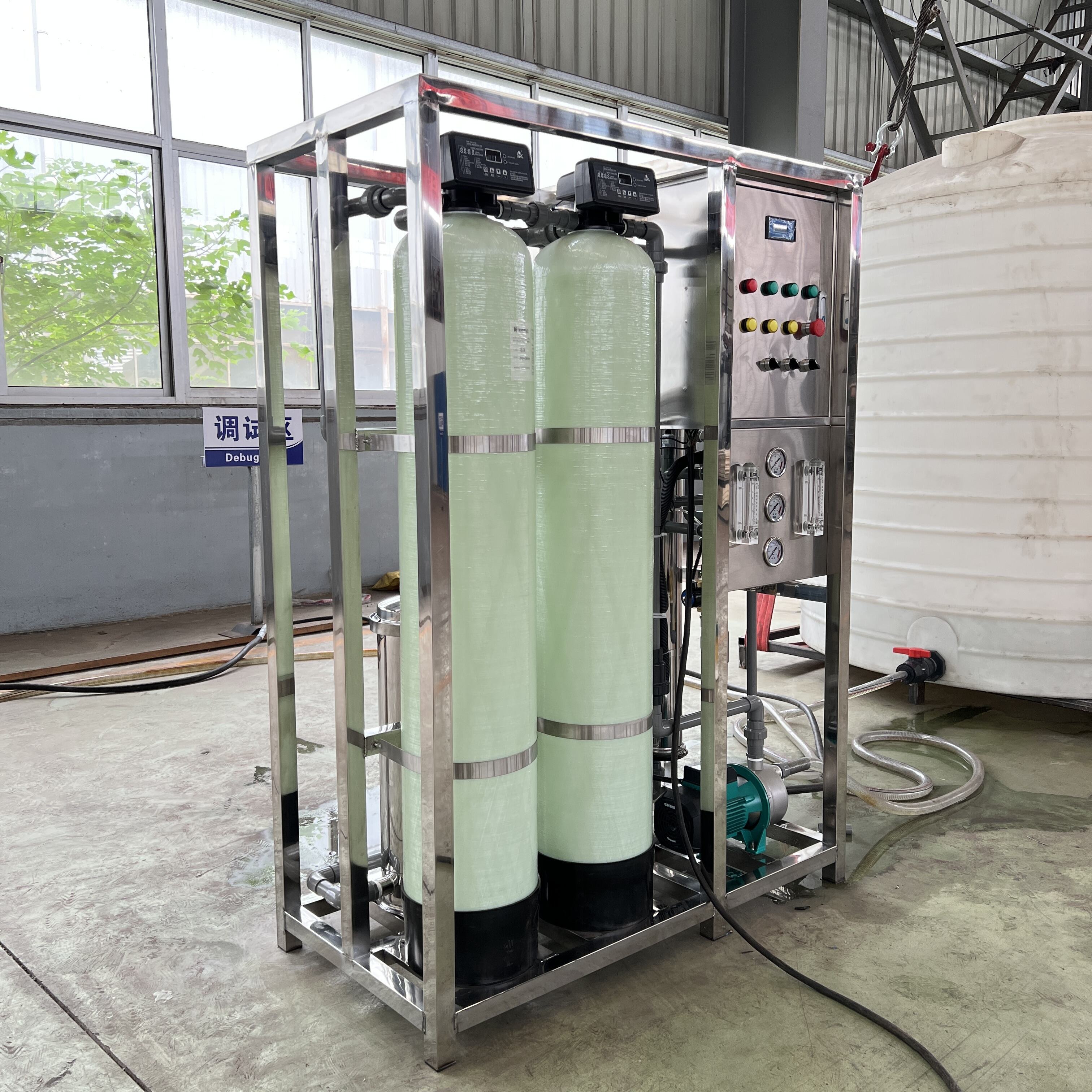
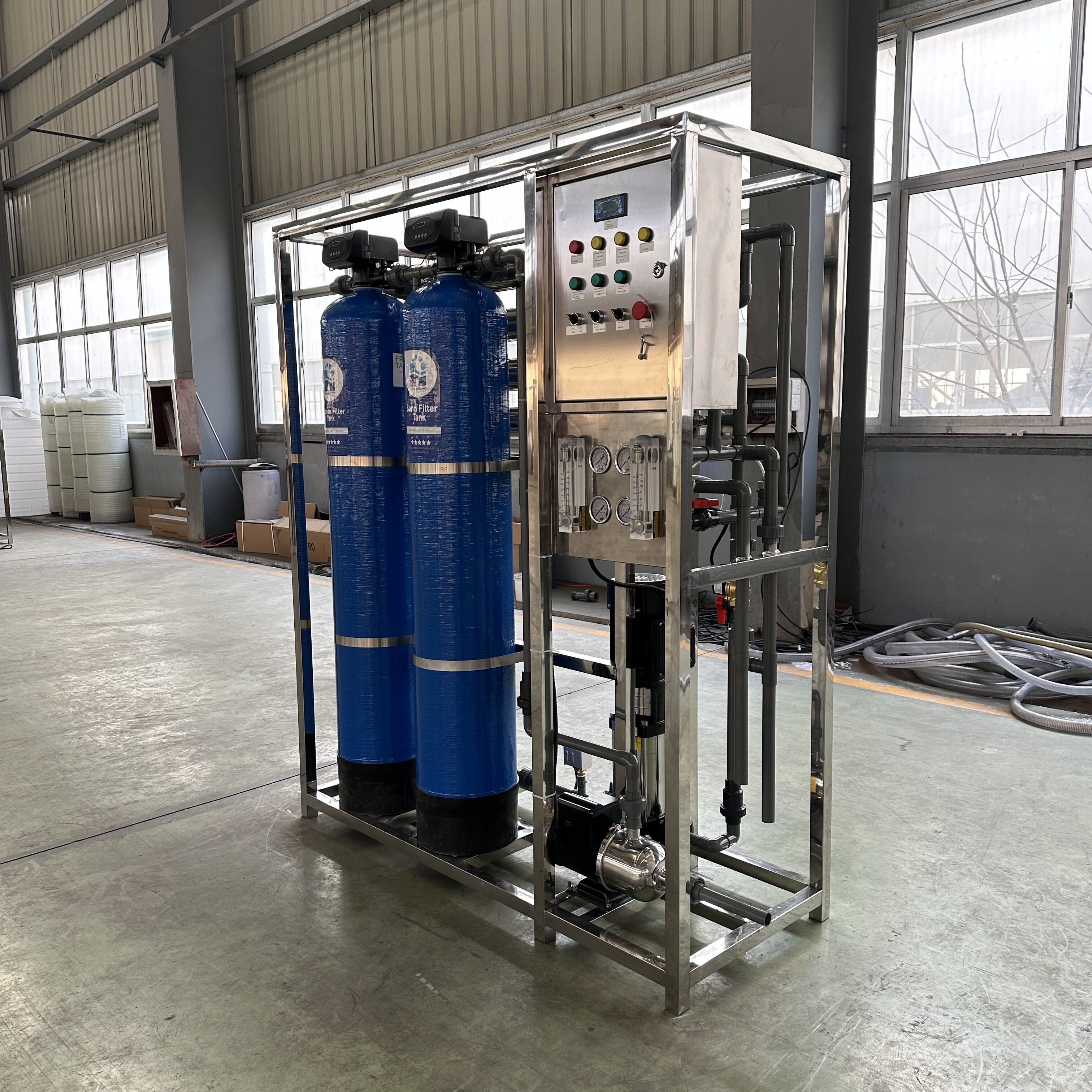
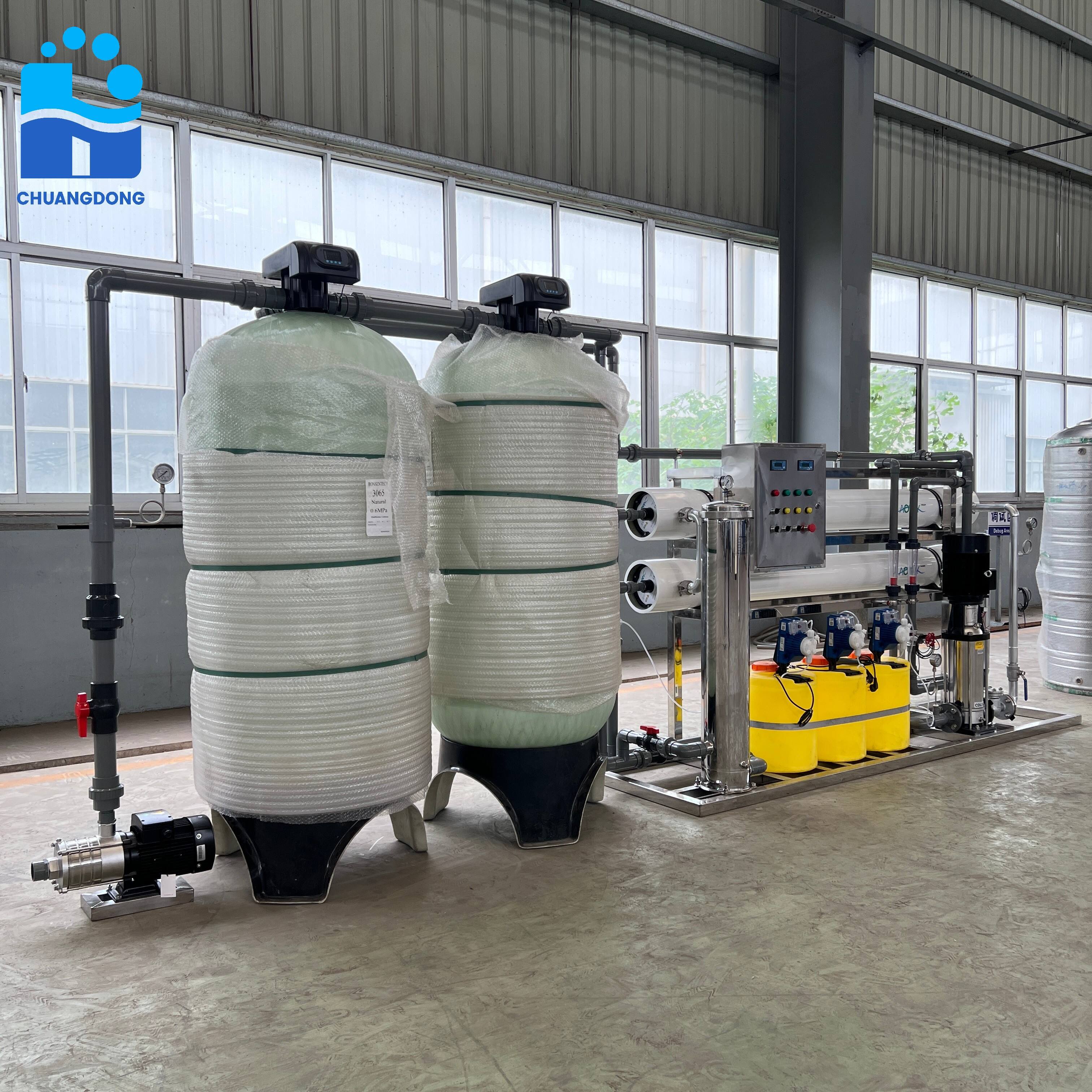
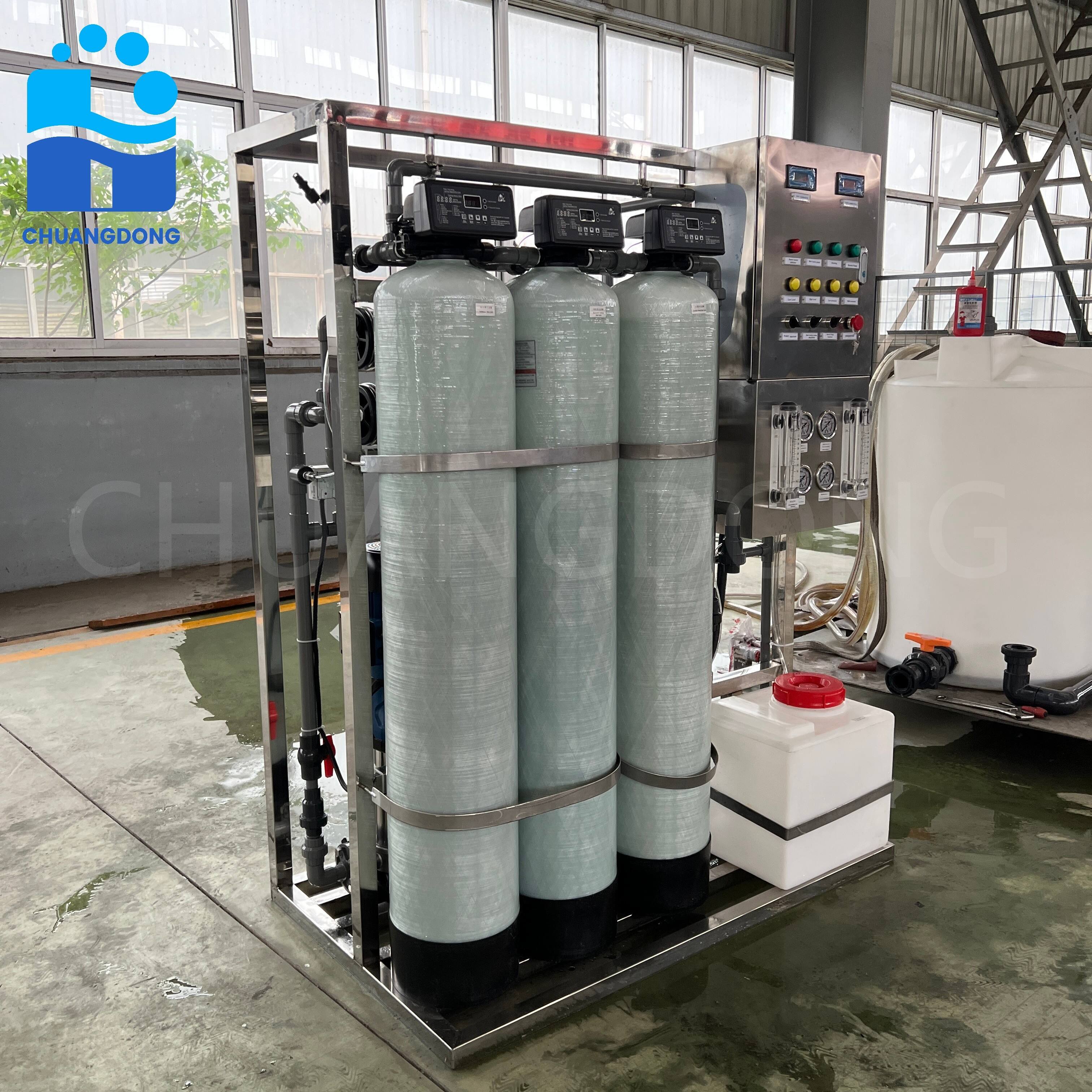
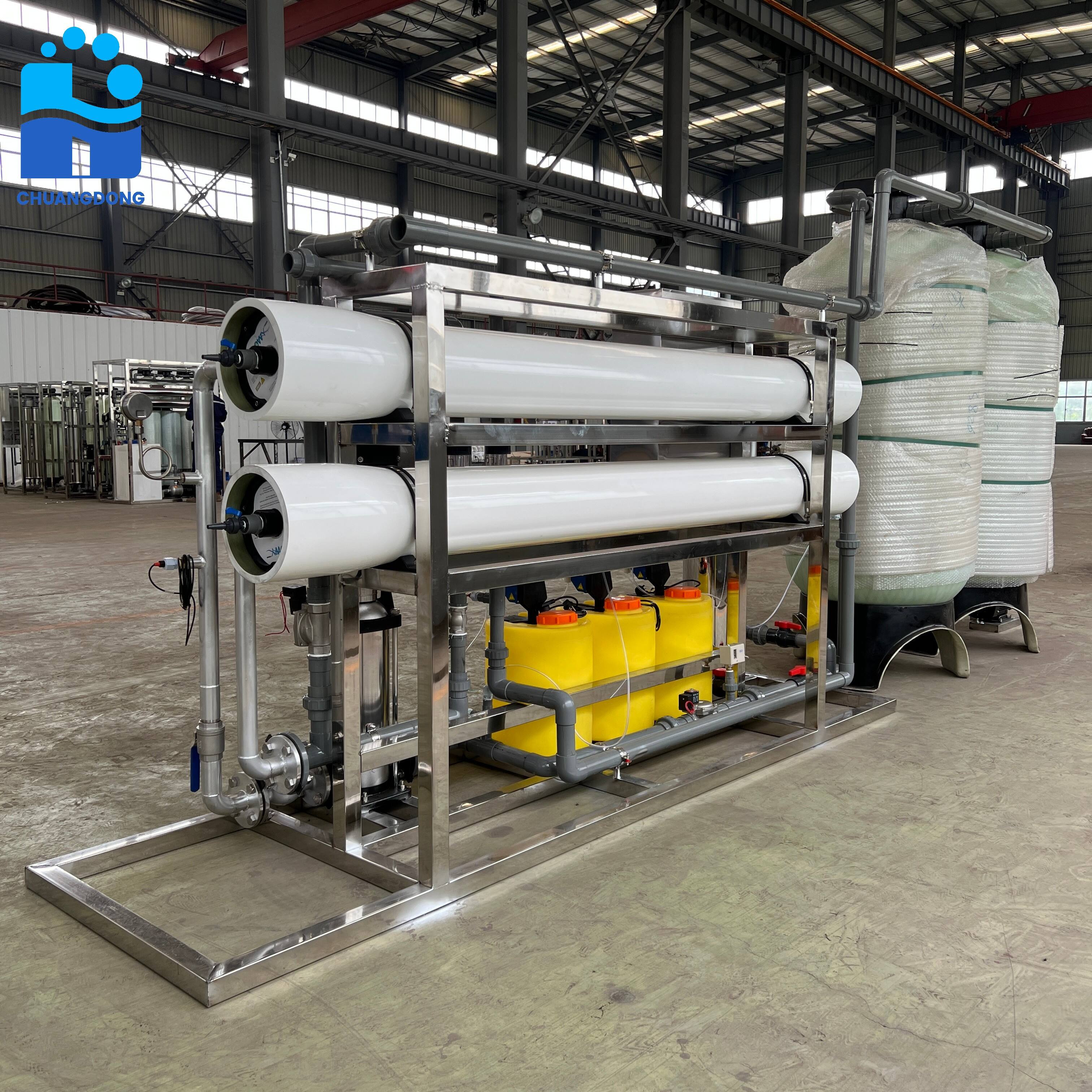
A containerized water treatment plant is a compact, self-contained water purification system housed within a standard shipping container. This innovative solution integrates all essential treatment components, including filtration units, chemical dosing systems, control panels, and storage tanks, into a single transportable unit. The main functions of a containerized water treatment plant include removing contaminants, sediments, bacteria, and harmful chemicals from raw water sources to produce clean, safe drinking water or process water for industrial applications. These systems utilize advanced technologies such as multi-media filtration, reverse osmosis, ultrafiltration, UV disinfection, and automated monitoring systems to ensure consistent water quality. The technological features include programmable logic controllers for remote operation, real-time water quality sensors, energy-efficient pumps, and modular design for easy capacity expansion. Applications span across emergency disaster relief operations, remote mining sites, military field deployments, temporary construction camps, rural community water supply, mobile hospitals, and industrial facilities requiring rapid water treatment deployment. The containerized water treatment plant offers a versatile solution for situations where traditional infrastructure is impractical, unavailable, or economically unfeasible. With standardized container dimensions, these units can be transported by truck, rail, or ship to virtually any location worldwide, making them ideal for both temporary and permanent installations requiring reliable water treatment capabilities.
 EN
EN