industrial wastewater treatment systems
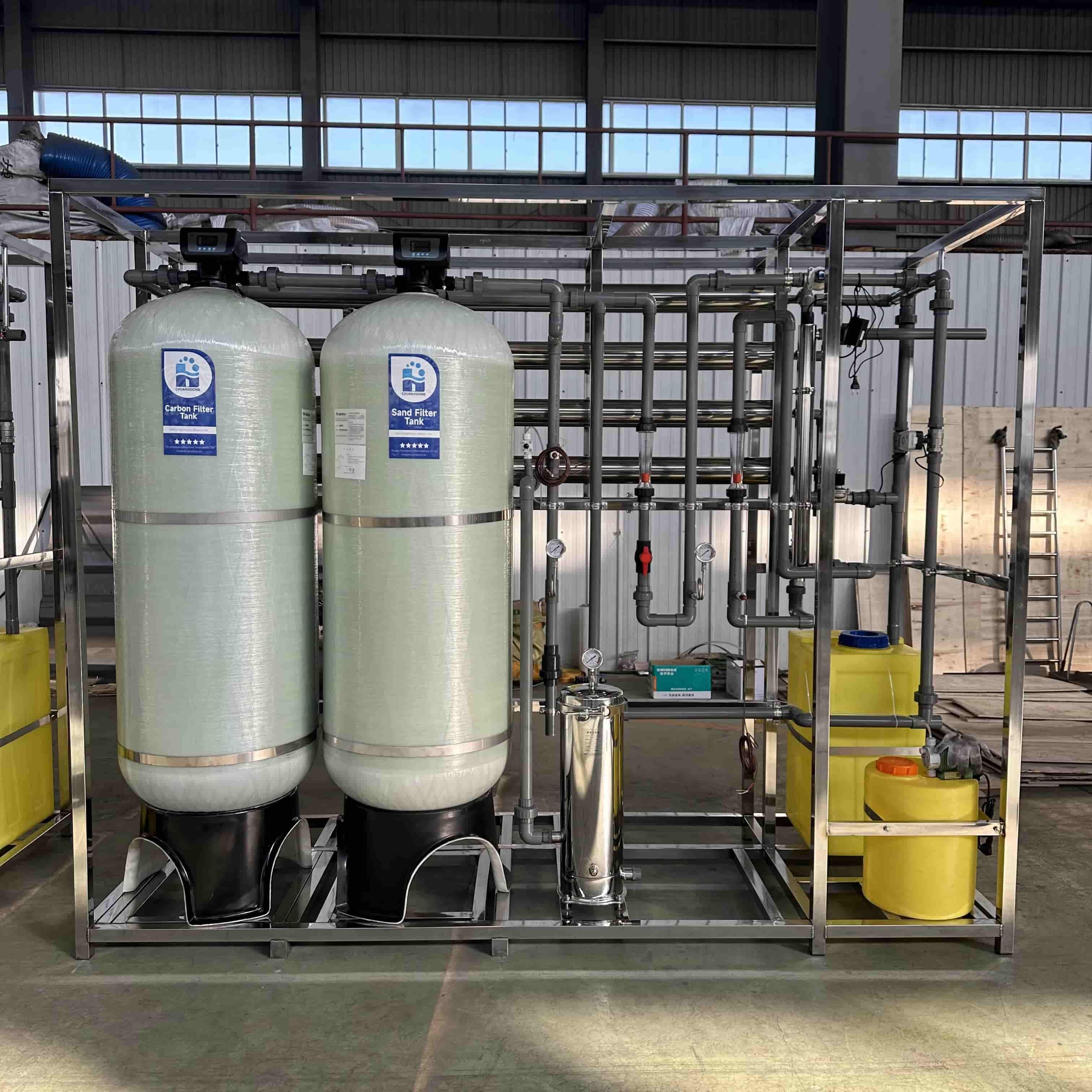
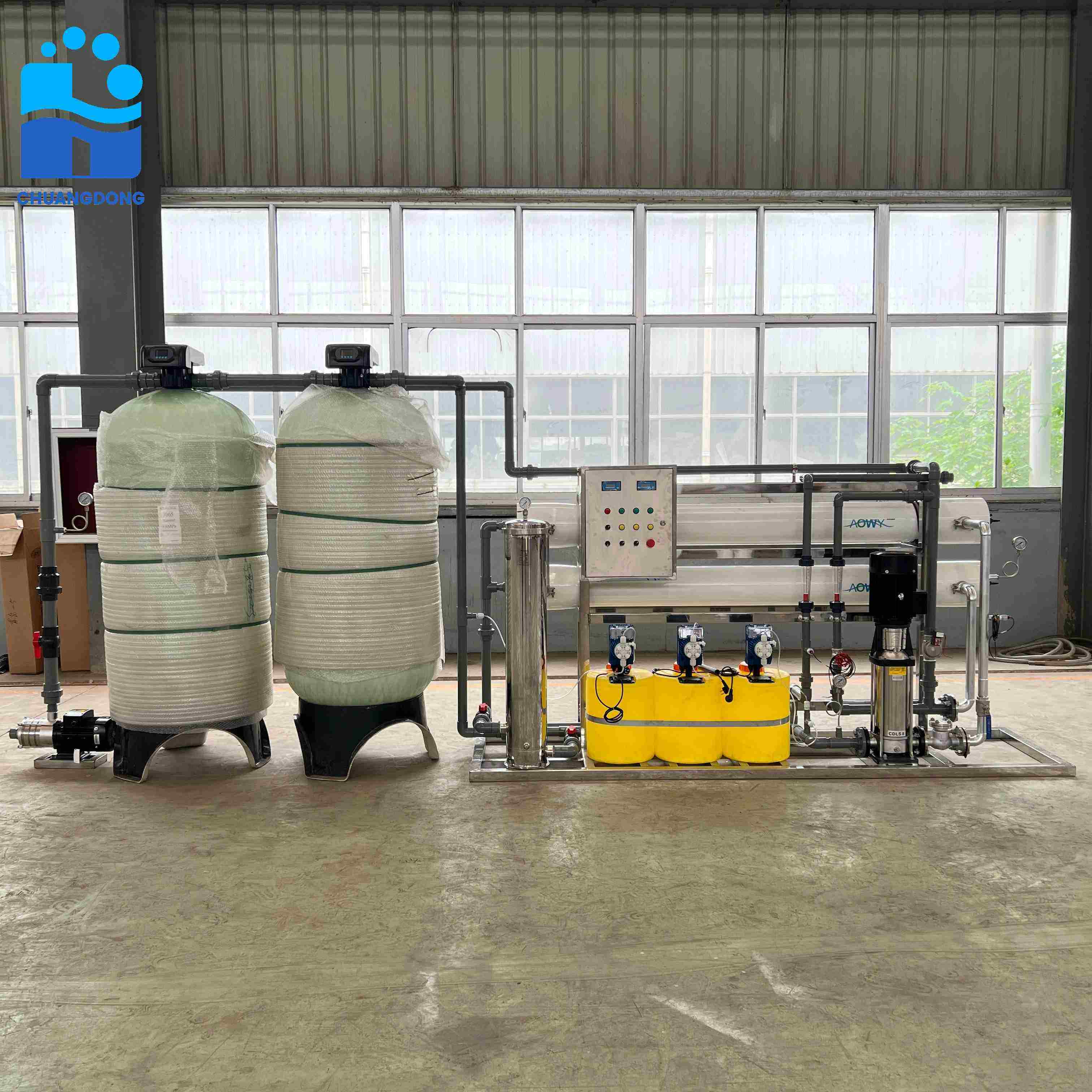
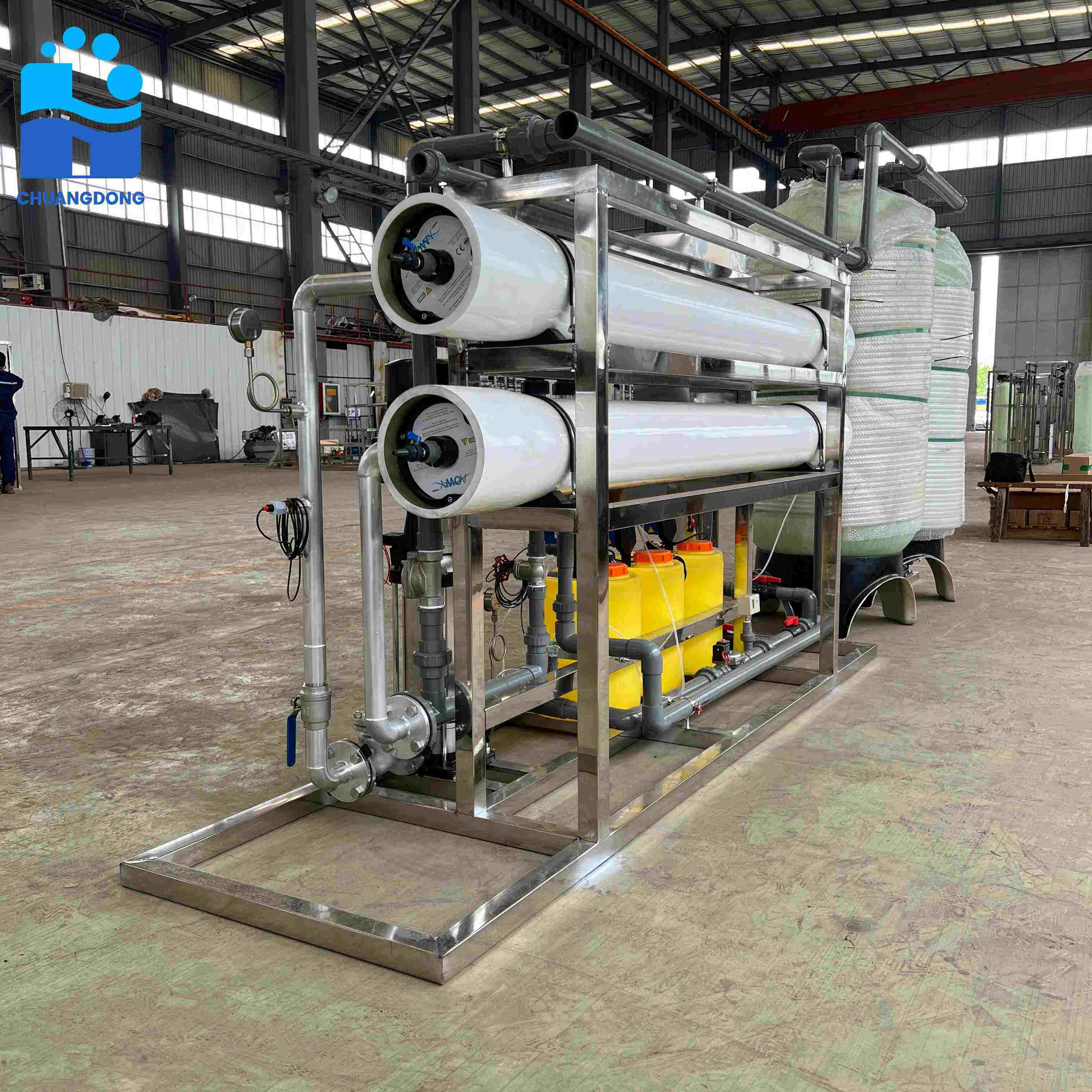
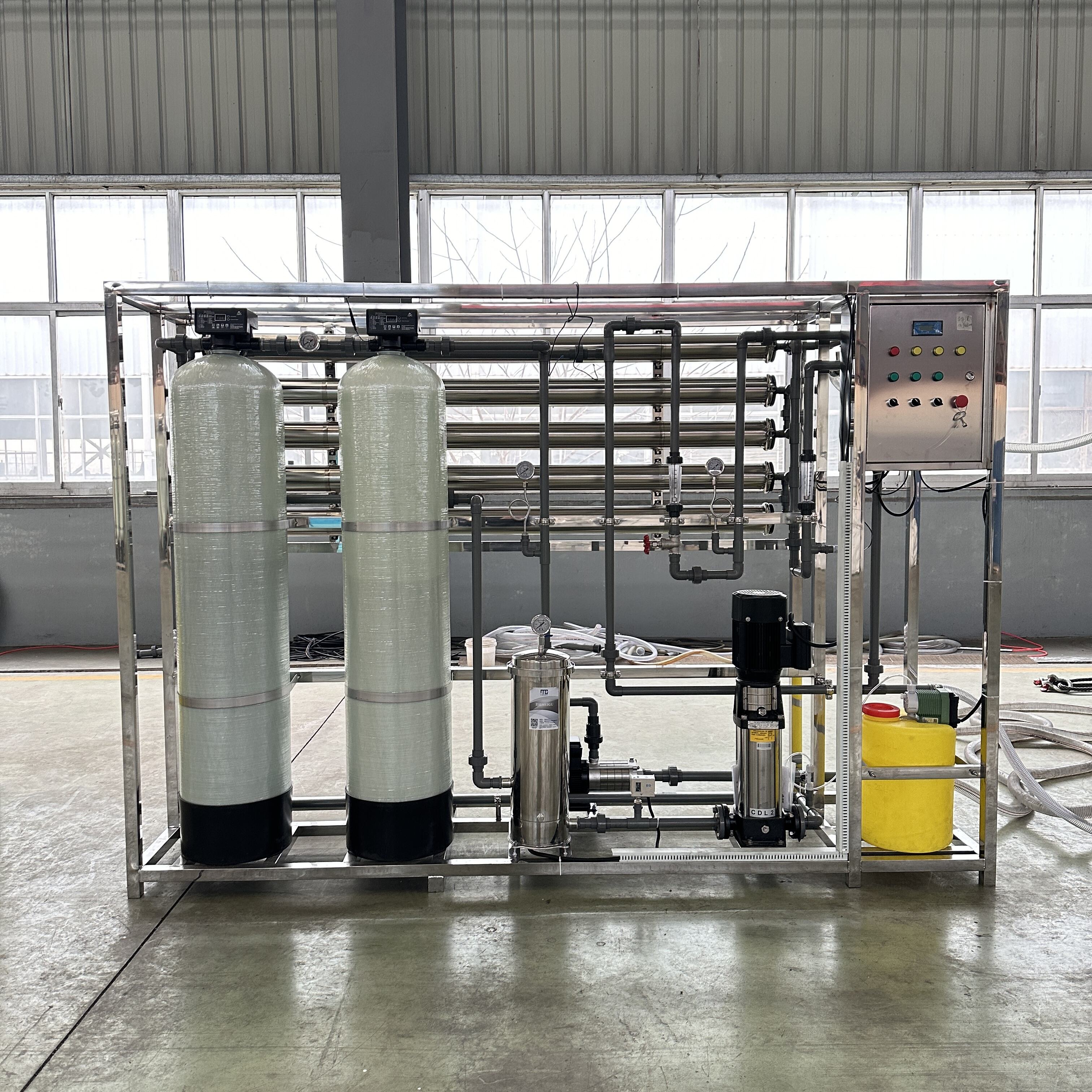
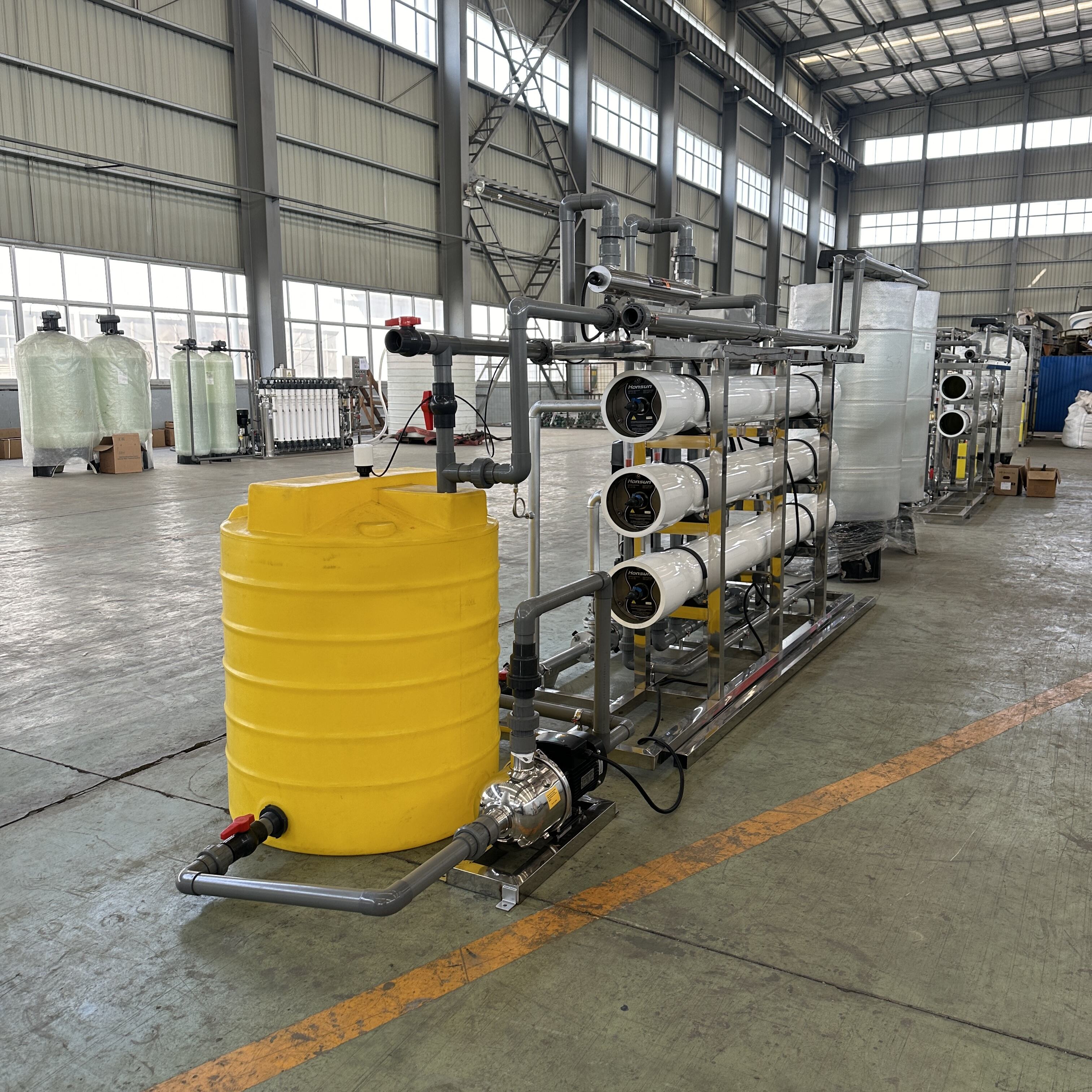
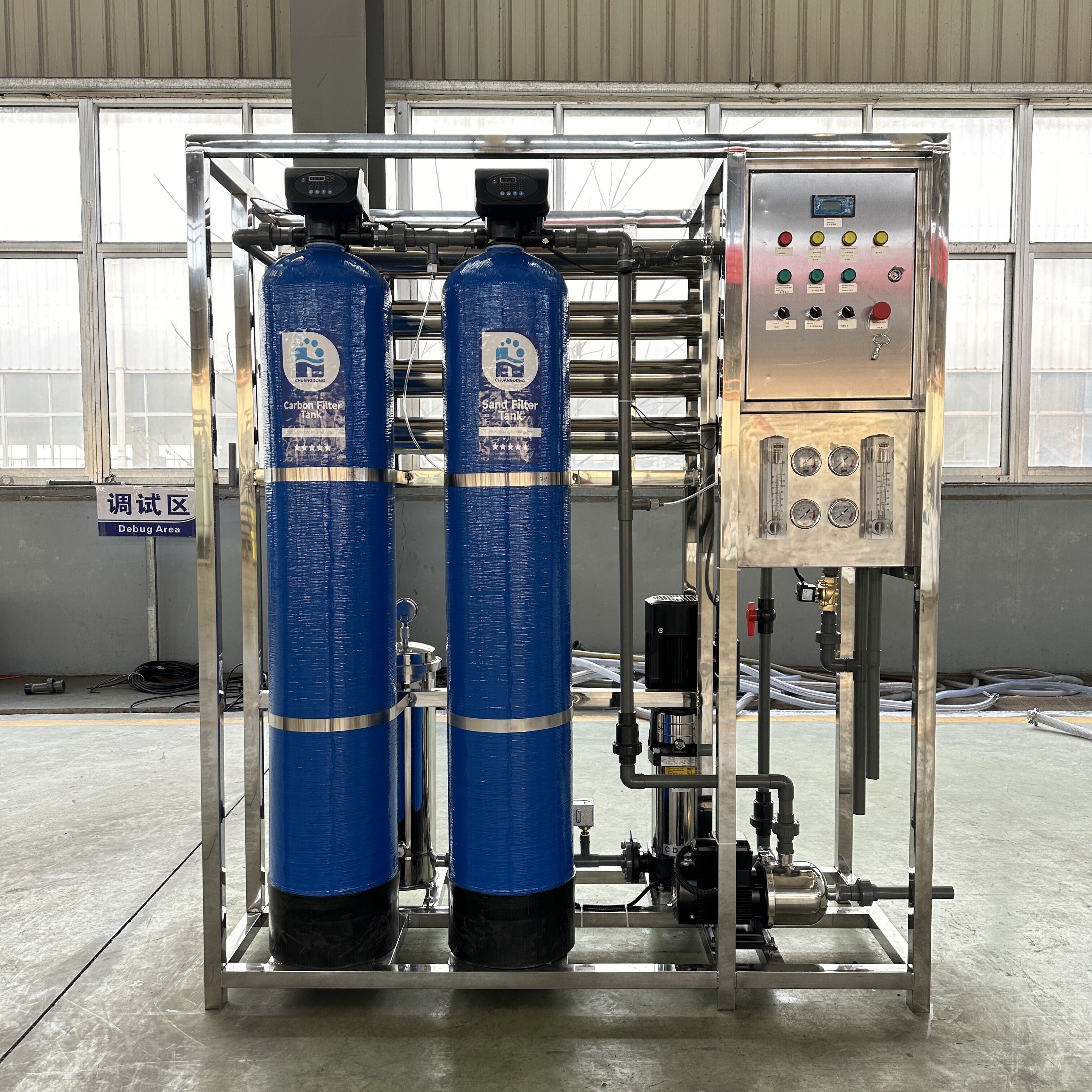
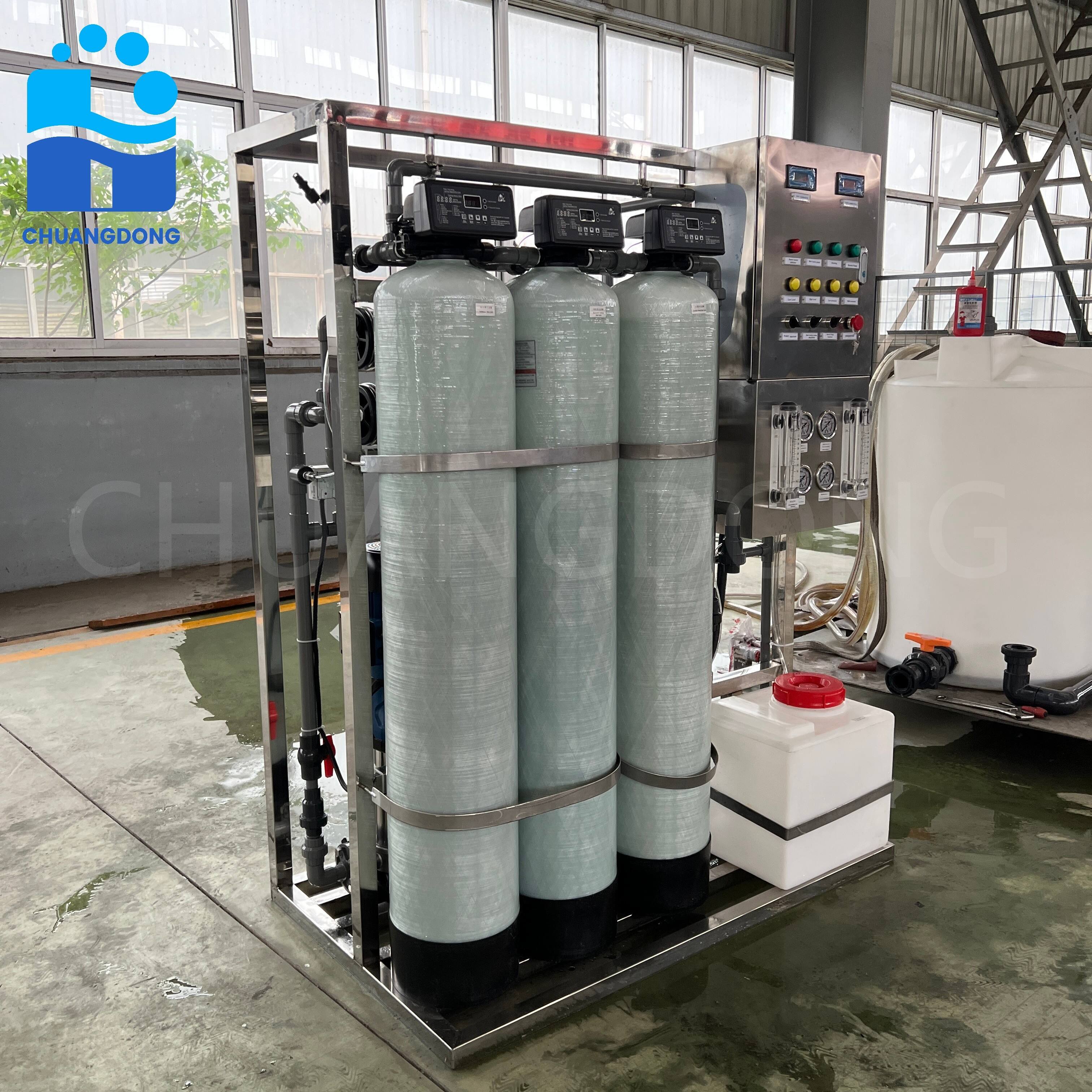
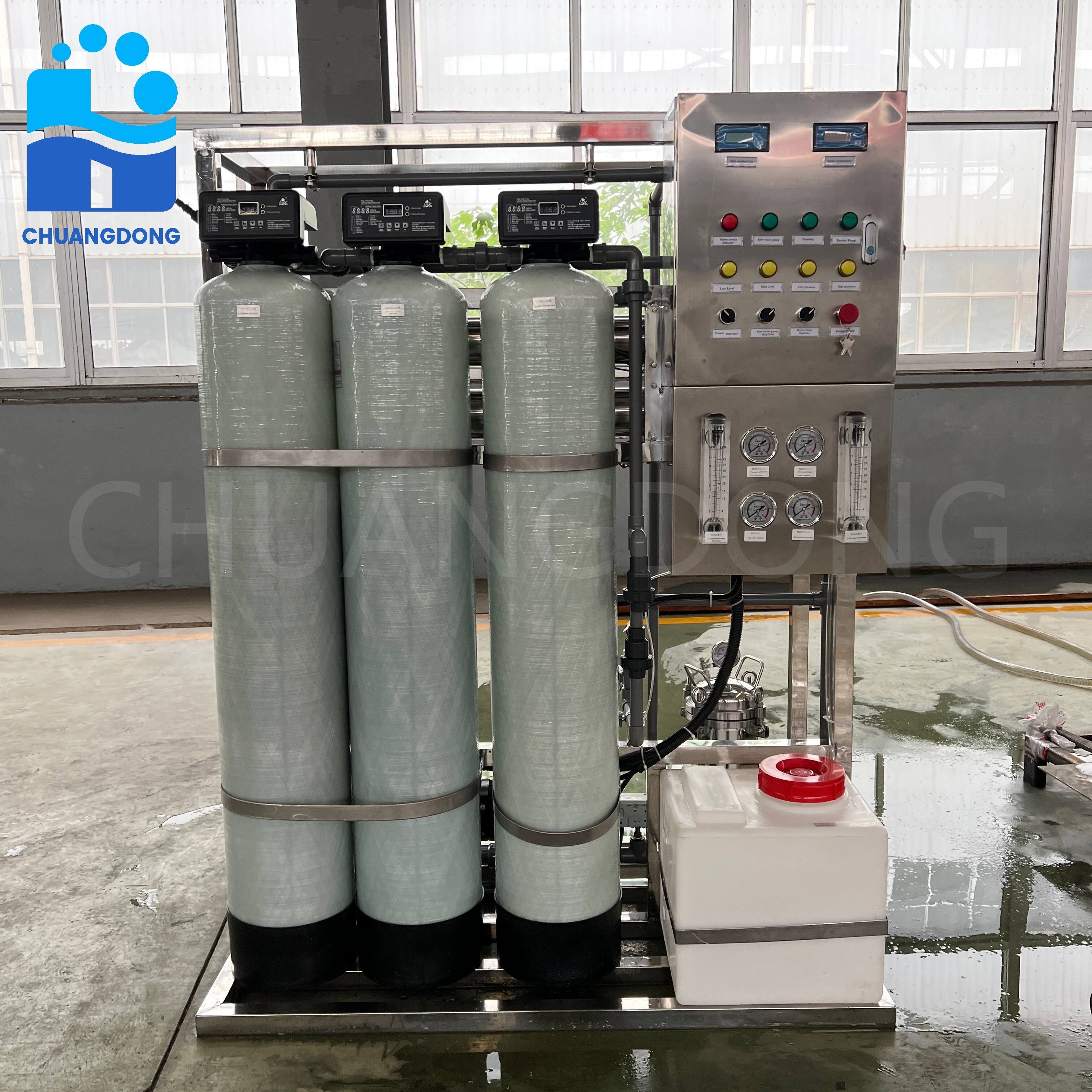
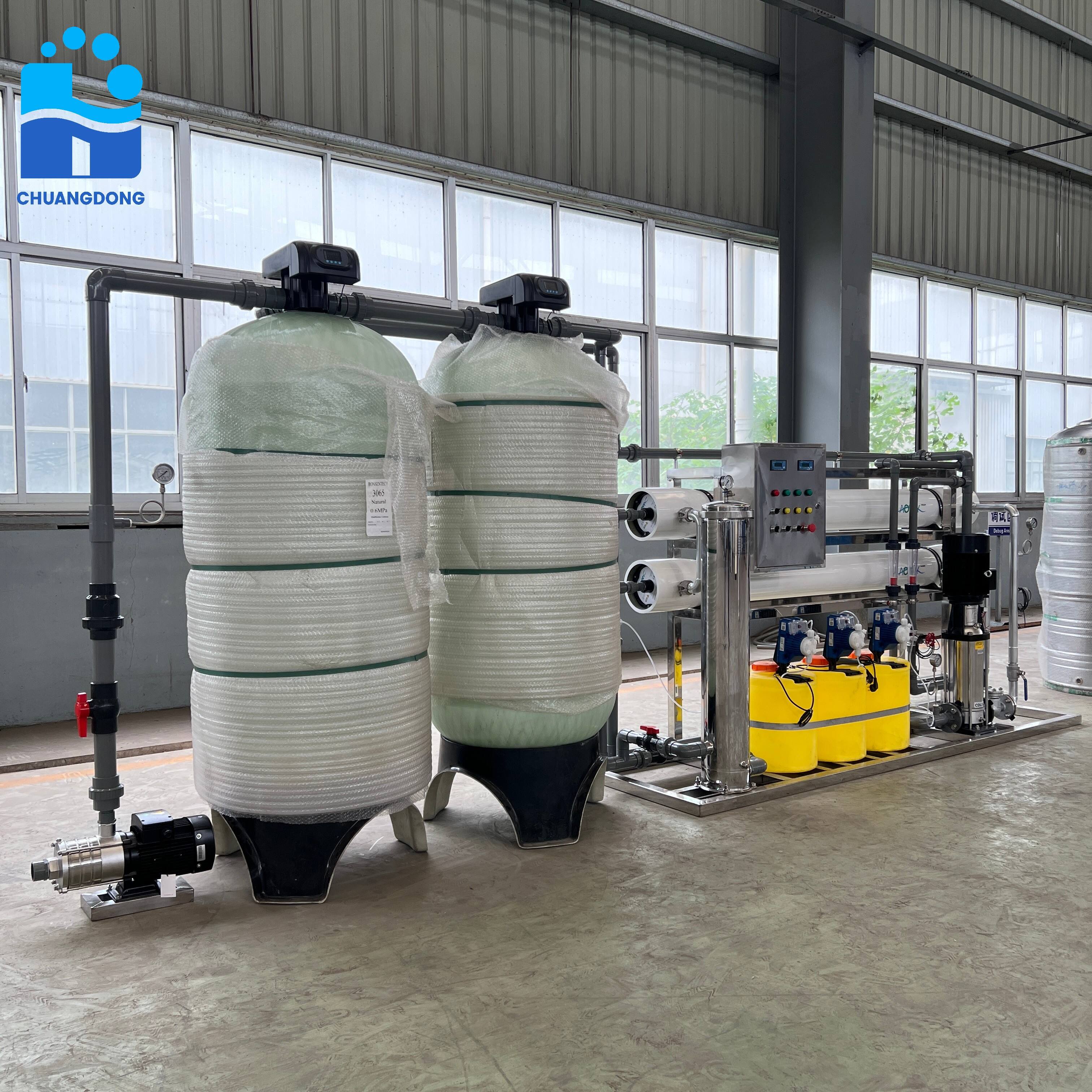
Industrial wastewater treatment systems are essential solutions designed to remove contaminants and pollutants from water discharged by manufacturing facilities, chemical plants, food processing operations, and other commercial enterprises. These comprehensive systems employ multiple treatment stages to ensure wastewater meets environmental regulations before discharge or reuse. The main functions include removing suspended solids, neutralizing harmful chemicals, eliminating heavy metals, reducing biochemical oxygen demand, and treating toxic substances that could harm ecosystems. Modern industrial wastewater treatment systems integrate physical, chemical, and biological processes tailored to specific industry requirements. Technological features include advanced filtration mechanisms, membrane bioreactors, chemical dosing systems, clarifiers, anaerobic and aerobic biological treatment units, and automated monitoring systems that maintain optimal performance. Applications span diverse sectors including pharmaceutical manufacturing, textile production, petroleum refining, metal finishing, pulp and paper mills, automotive manufacturing, and food and beverage processing. These systems can be customized to handle varying flow rates, contaminant types, and discharge standards. The treatment process typically begins with preliminary screening to remove large debris, followed by primary treatment for settling suspended particles, secondary biological treatment to break down organic matter, and tertiary treatment for final polishing. Advanced industrial wastewater treatment systems incorporate real-time sensors and control systems that optimize chemical usage, energy consumption, and treatment efficiency while ensuring consistent compliance with local and international environmental standards.
 EN
EN