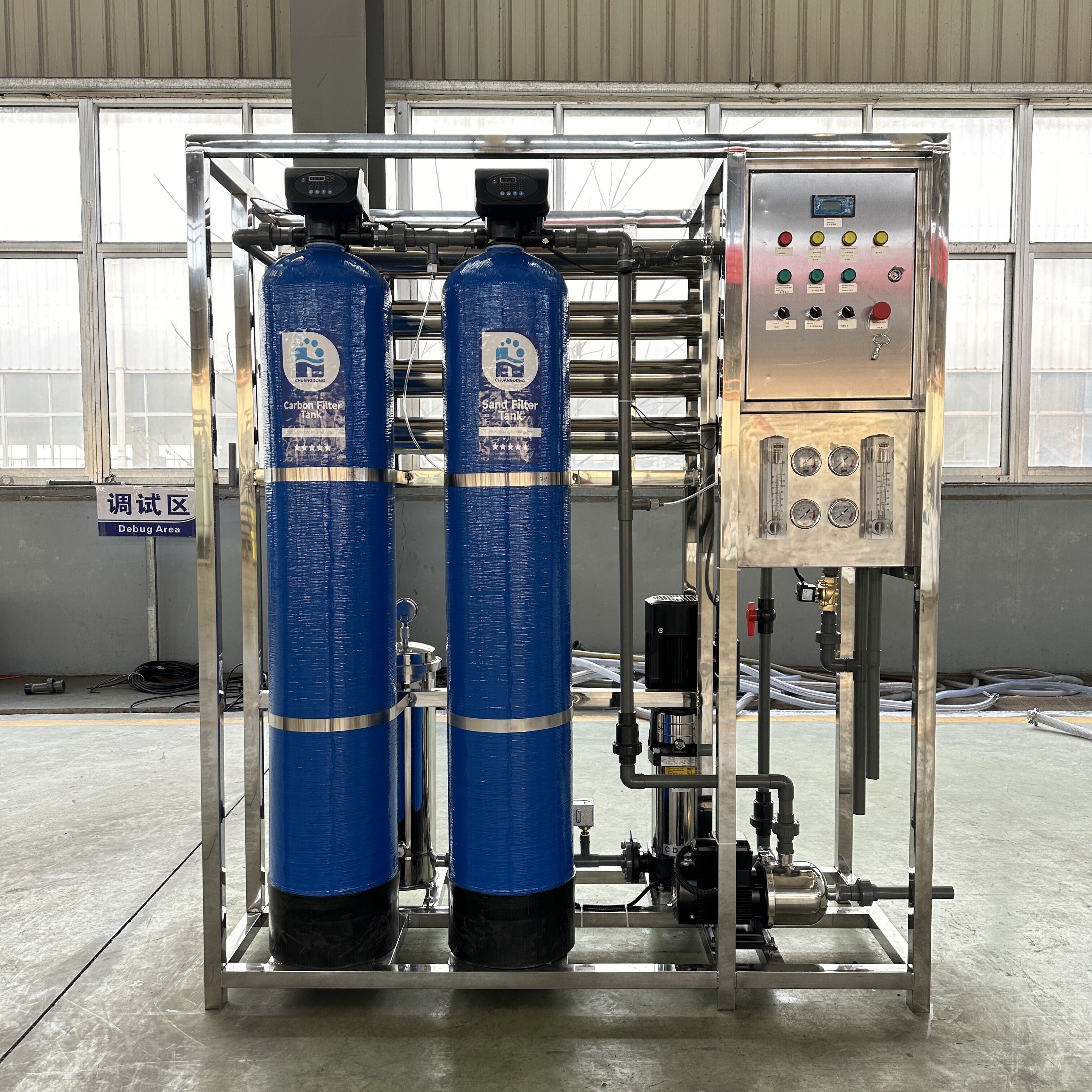
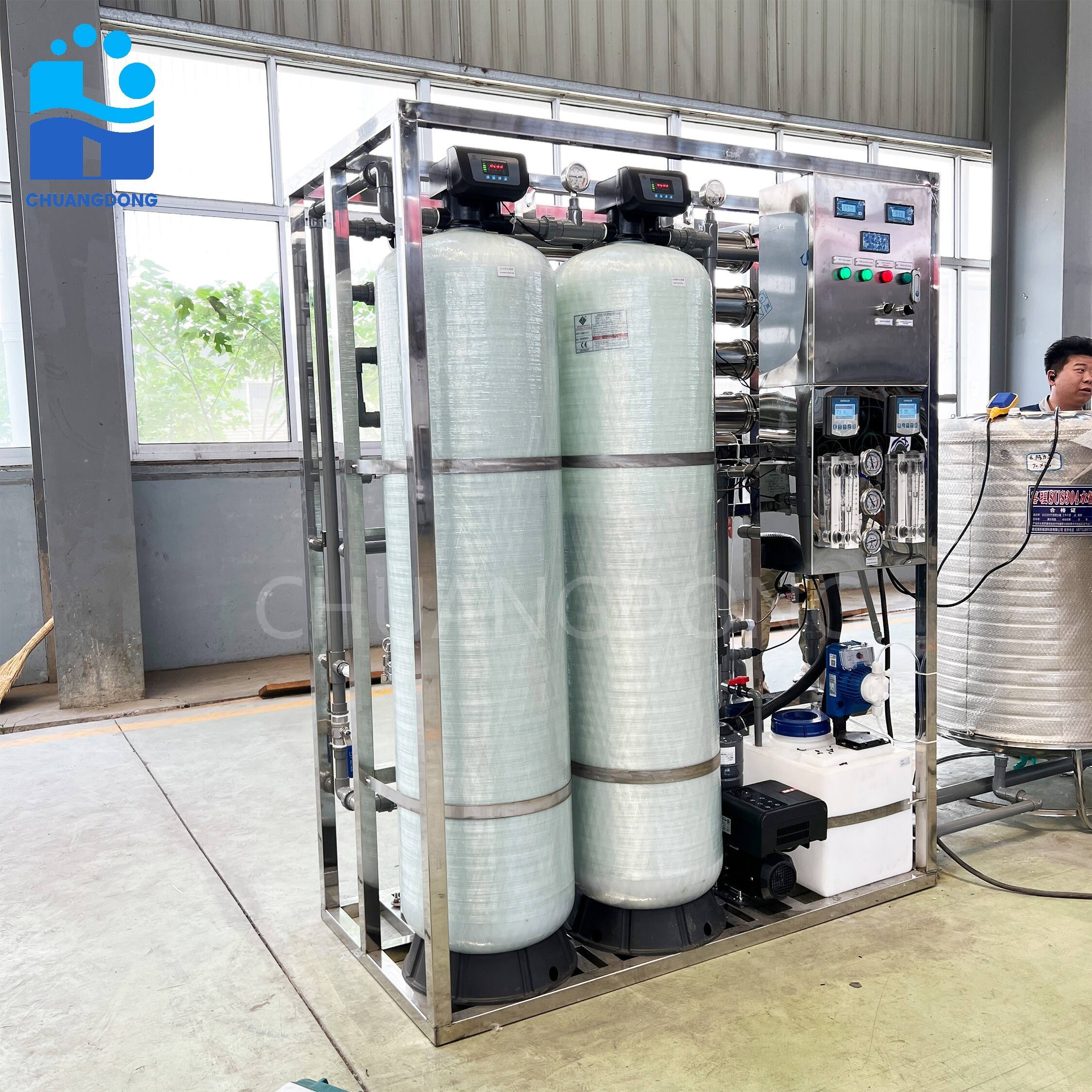
Water Treatment Unit - Advanced Purification Systems

Get a Free Quote

Our representative will contact you soon.
Email
Name
Company Name
Message
0/1000

water treatment unit

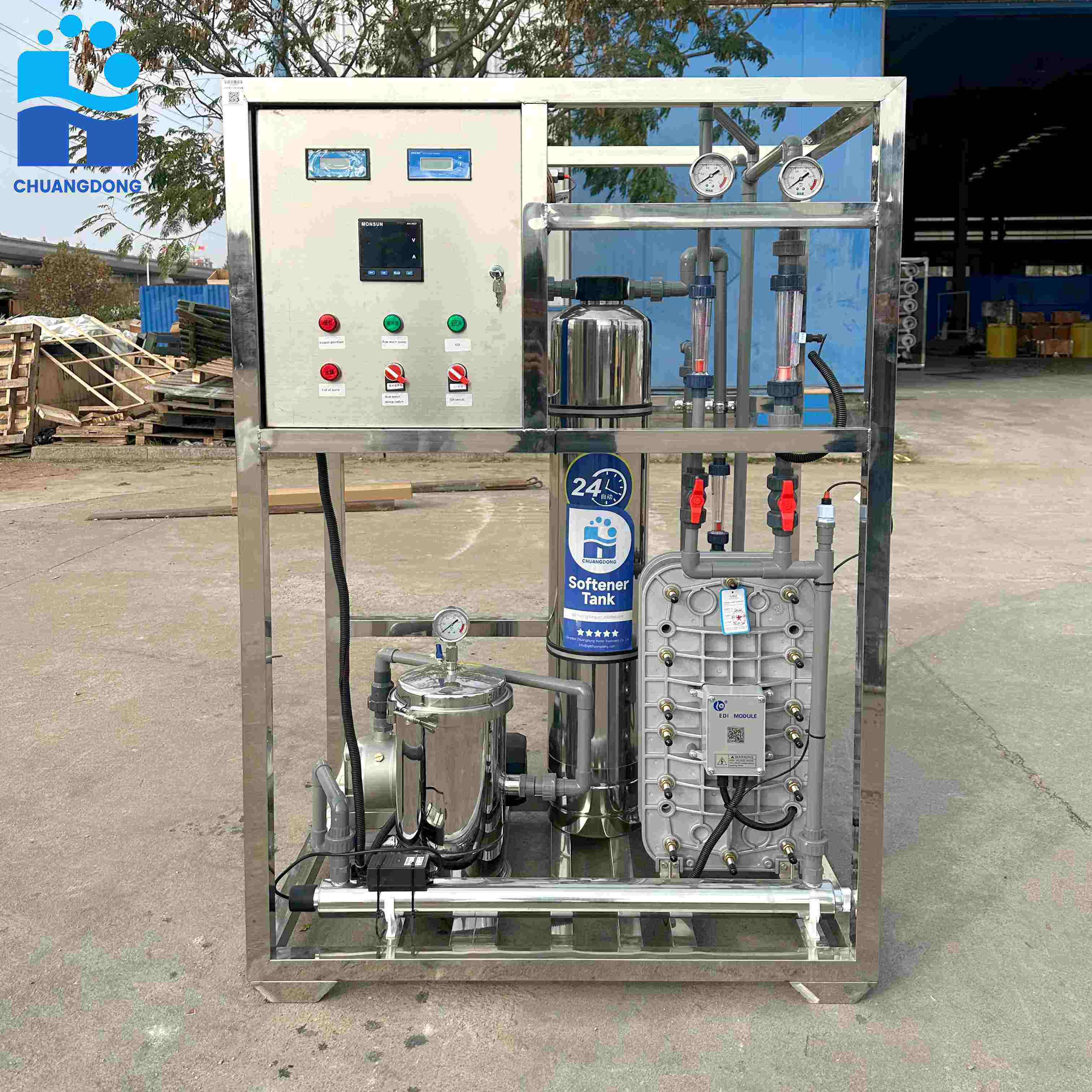
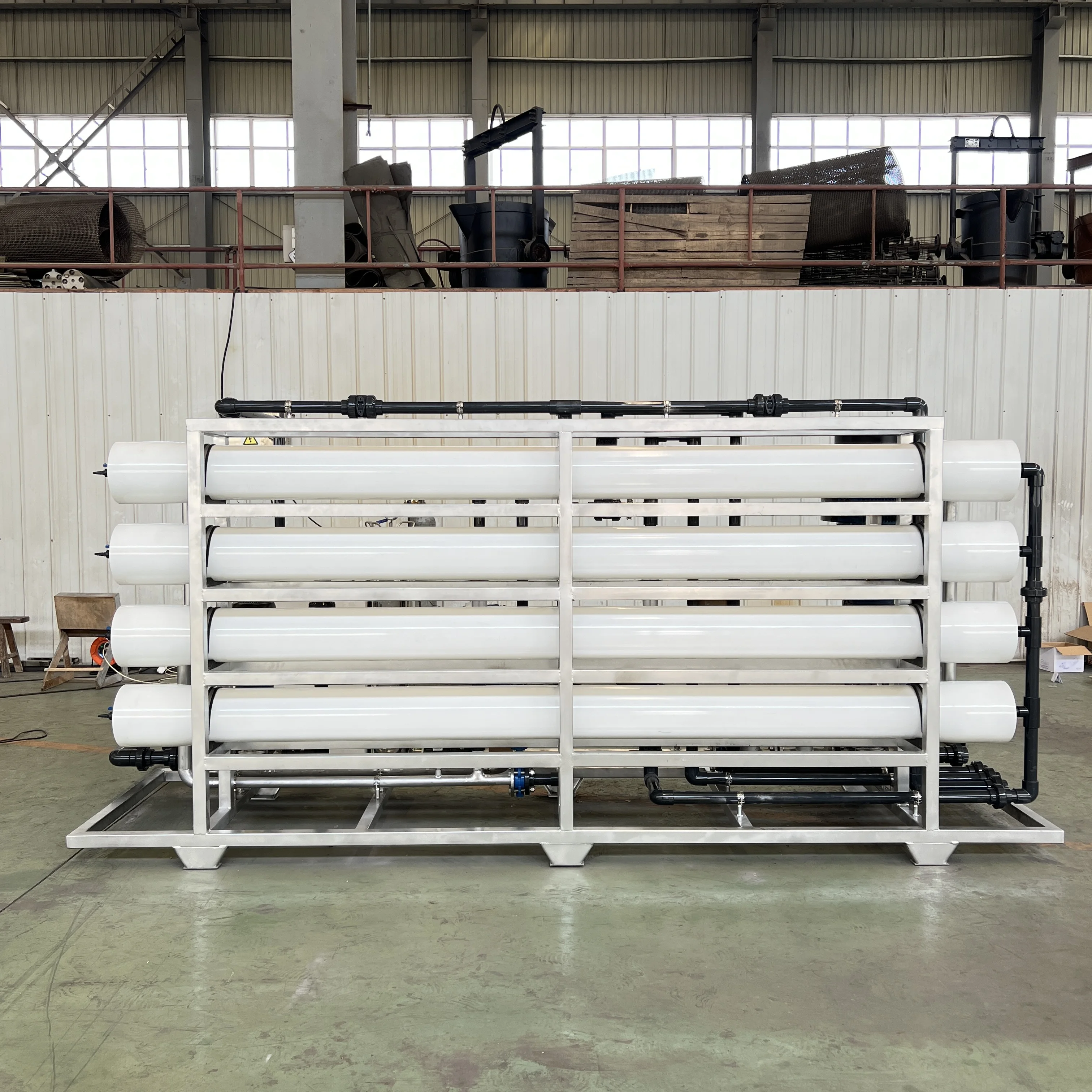
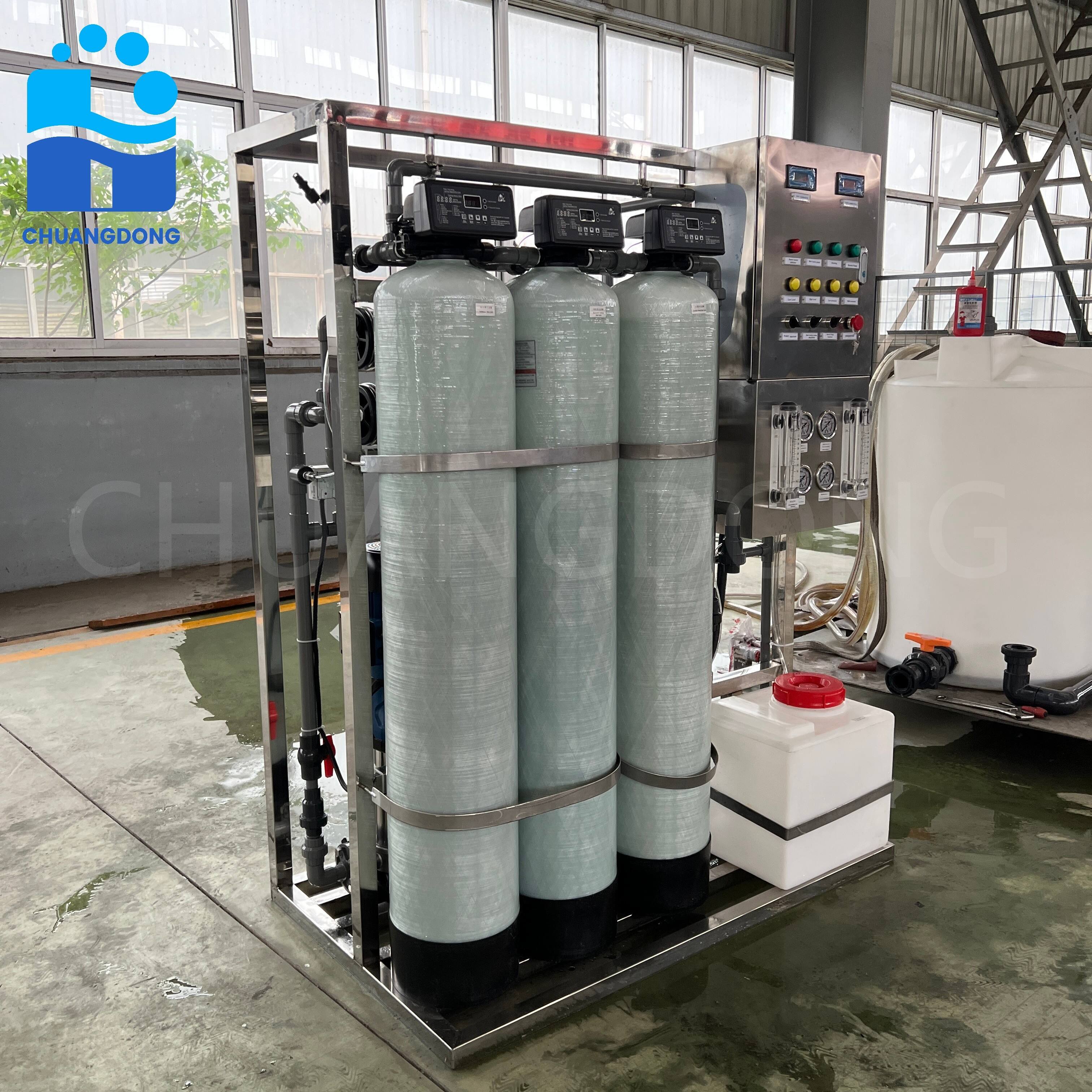
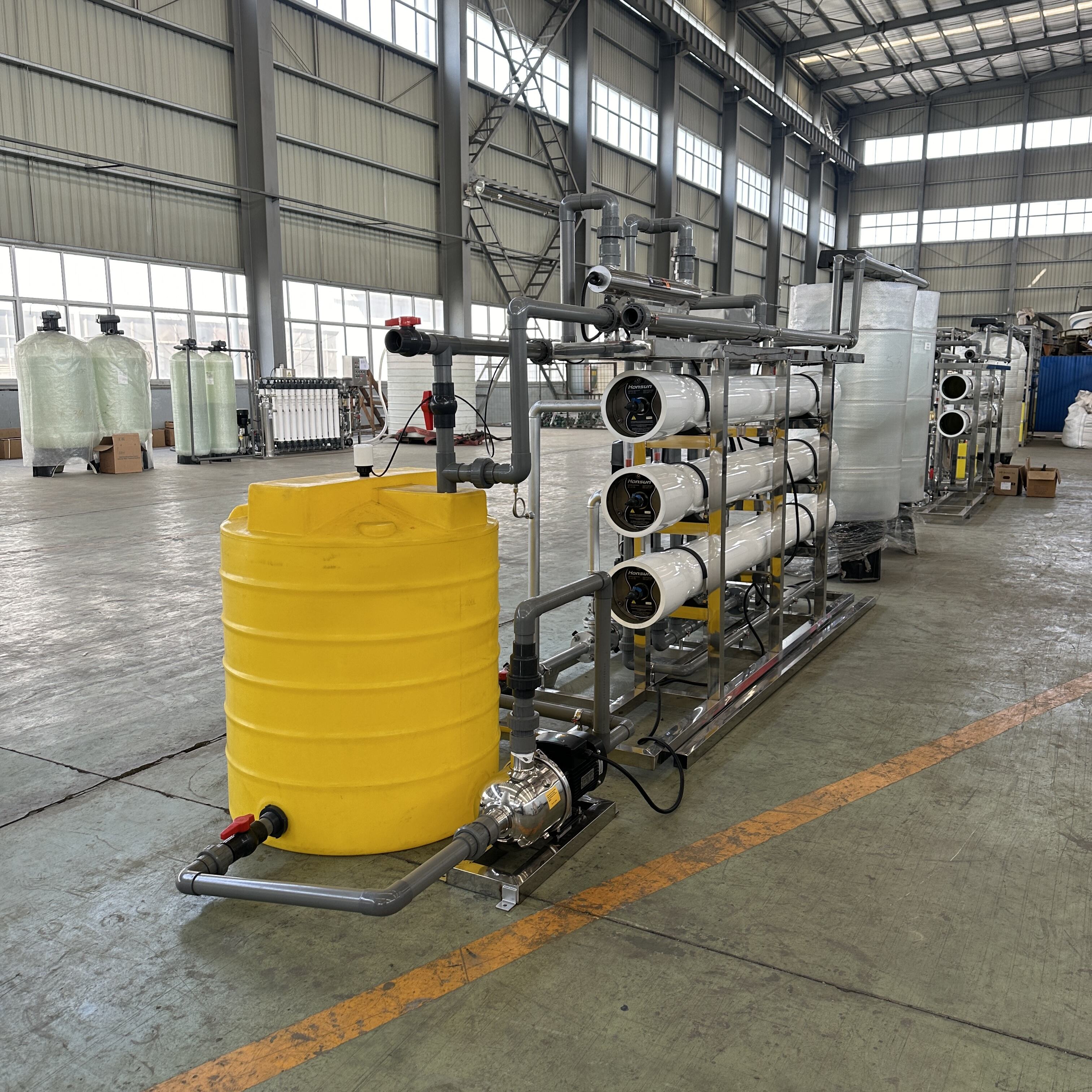
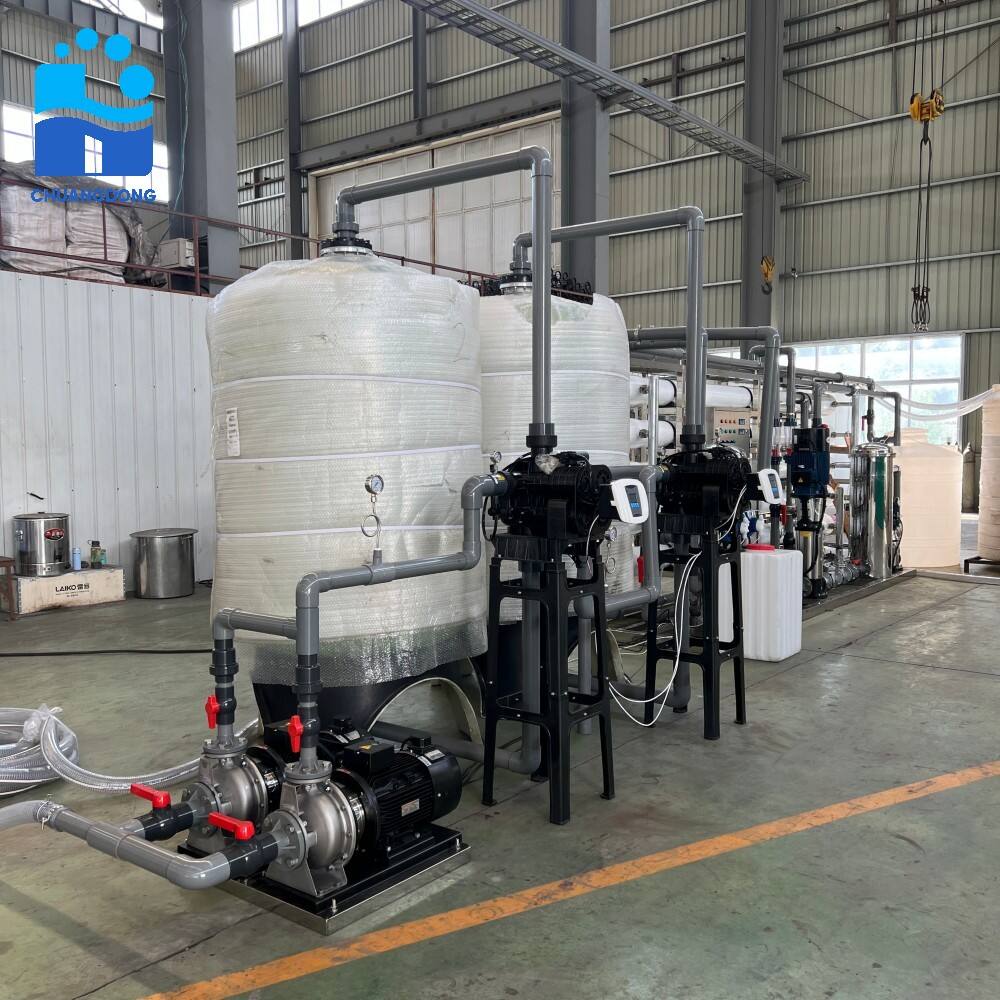
A water treatment unit is a comprehensive system designed to purify and condition water for various applications, ensuring it meets specific quality standards for safe consumption or industrial use. This essential equipment removes contaminants, sediments, chemicals, and microorganisms through multiple filtration and purification stages. Modern water treatment units integrate advanced technologies such as reverse osmosis, ultraviolet disinfection, activated carbon filtration, and ion exchange processes to deliver consistently clean water. These systems are engineered to address diverse water quality challenges, from municipal supply issues to specialized industrial requirements. The water treatment unit operates through a systematic approach that begins with pre-filtration to remove larger particles, followed by chemical treatment or membrane filtration to eliminate dissolved solids and harmful substances. Advanced models incorporate real-time monitoring capabilities, allowing operators to track water quality parameters and system performance continuously. Whether deployed in residential settings, commercial facilities, or large-scale industrial plants, the water treatment unit adapts to varying flow rates and contamination levels. Its modular design enables customization based on specific water source characteristics and end-use requirements. From removing hardness minerals that cause scale buildup to eliminating pathogenic bacteria and viruses, this equipment provides comprehensive water purification solutions that protect health, extend equipment lifespan, and ensure regulatory compliance across multiple sectors.

New Product Releases

Investing in a water treatment unit delivers substantial long-term value through improved water quality and reduced operational costs. You gain immediate access to clean, safe water that protects your family's health or supports your business operations without relying on expensive bottled water or inconsistent municipal supply. The system eliminates harmful contaminants including chlorine, lead, bacteria, and sediments that compromise taste and safety, giving you peace of mind with every use. Your appliances and plumbing systems last significantly longer because treated water prevents scale buildup and corrosion that cause premature equipment failure and costly repairs. Energy efficiency improves as heating systems operate more effectively with softened water, reducing utility bills month after month. The water treatment unit operates automatically with minimal maintenance requirements, saving you time and labor costs compared to manual water management methods. You benefit from consistent water quality regardless of seasonal variations or temporary supply disruptions that affect untreated sources. For businesses, this reliability means uninterrupted production processes, better product quality, and compliance with stringent industry regulations without constant monitoring. The environmental impact decreases substantially as you eliminate plastic bottle waste and reduce chemical usage in cleaning and maintenance. Customizable configurations ensure the water treatment unit matches your specific needs, whether addressing hard water issues, removing specific contaminants, or meeting particular flow rate demands. Installation flexibility allows integration into existing infrastructure without major renovations, minimizing disruption and upfront costs. The system's durability and robust construction provide years of dependable service, making it a sound investment that pays dividends through enhanced quality of life and operational efficiency across residential, commercial, and industrial applications.

Latest News

How Do You Maintain Critical Pumps and Valves in a Large-Scale Water Treatment Plant?

30

Mar

How Do You Maintain Critical Pumps and Valves in a Large-Scale Water Treatment Plant?

Maintaining critical pumps and valves in a large-scale water treatment plant requires systematic planning, specialized expertise, and rigorous execution protocols. The complexity of modern water treatment facilities demands that operators understand ...
View More
What Pre-Filter (Sediment, Carbon) Configuration Best Protects Your RO Water Filter's Membrane?

07

May

What Pre-Filter (Sediment, Carbon) Configuration Best Protects Your RO Water Filter's Membrane?

Protecting the reverse osmosis membrane in your industrial water treatment system requires strategic pre-filtration that removes contaminants before they reach the sensitive membrane surface. The configuration of sediment and carbon pre-filters direc...
View More
How Does a Water Softener System with a Pre-Filter Protect the Resin from Sediment Damage?

07

May

How Does a Water Softener System with a Pre-Filter Protect the Resin from Sediment Damage?

Water softening technology relies on ion exchange resin beads to remove hardness minerals from incoming water supplies, but these delicate resin materials face constant threat from suspended particles, turbidity, and debris present in untreated sourc...
View More
How Does a Booster Pump Improve the Efficiency of Your RO Plant with Low Water Pressure?

03

Jun

How Does a Booster Pump Improve the Efficiency of Your RO Plant with Low Water Pressure?

Running a reverse osmosis plant under low feed water pressure is one of the most common operational challenges faced by industrial and commercial water treatment facilities. When incoming water pressure falls below the minimum threshold required by t...
View More

Get a Free Quote

Our representative will contact you soon.
Email
Name
Company Name
Message
0/1000

water treatment unit

Advanced Multi-Stage Purification Technology

Advanced Multi-Stage Purification Technology

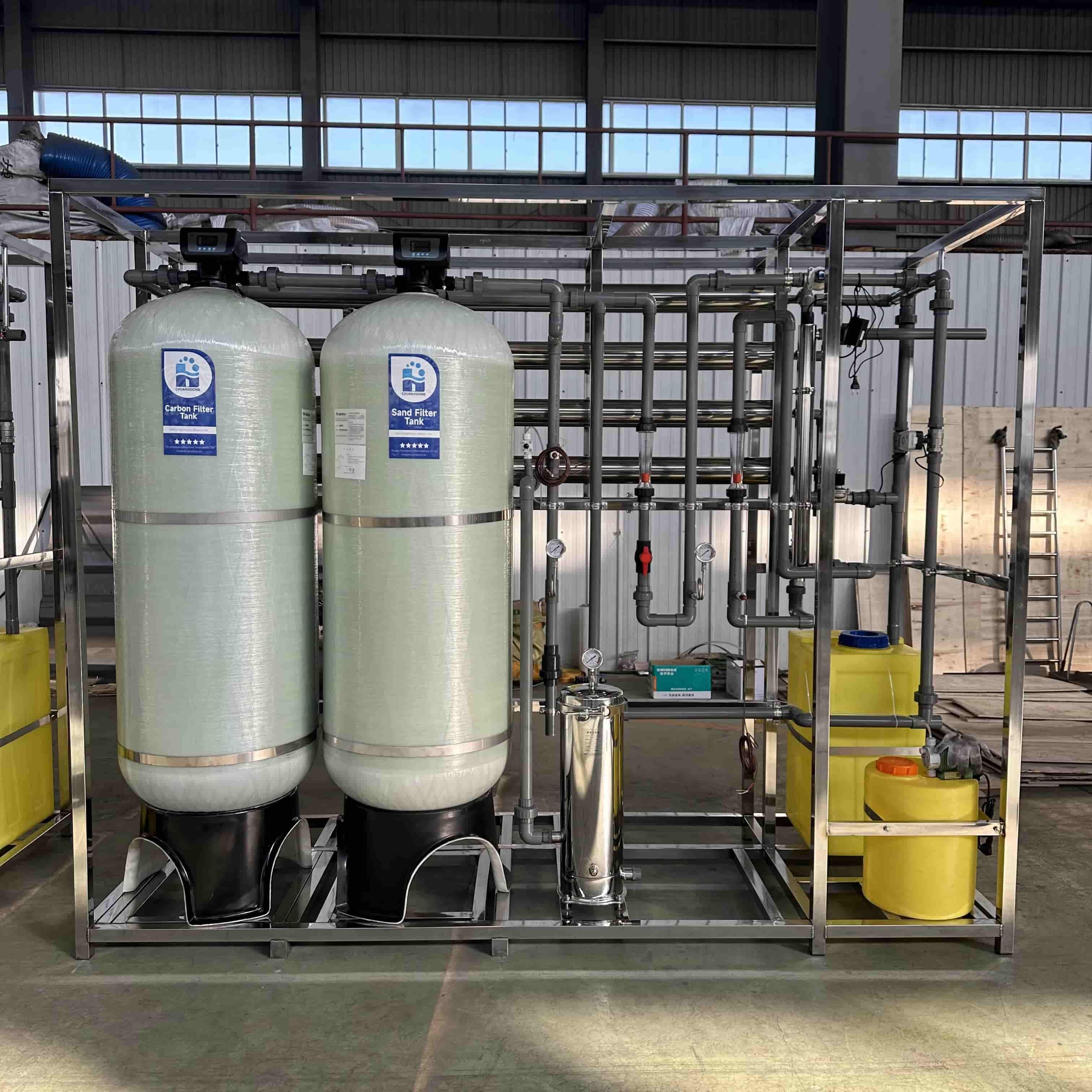
The water treatment unit employs sophisticated multi-stage purification processes that systematically remove contaminants at different levels, ensuring comprehensive water quality improvement. Each stage targets specific impurities, beginning with mechanical filtration that captures suspended solids and sediments down to microscopic sizes. Subsequent stages incorporate activated carbon beds that absorb chlorine, organic compounds, and odor-causing substances through chemical adsorption. The reverse osmosis membrane, where applicable, eliminates dissolved minerals, heavy metals, and microbiological contaminants with exceptional efficiency. Ultraviolet sterilization chambers provide final disinfection without introducing chemicals, destroying bacteria and viruses at the DNA level. This layered approach ensures no single failure point compromises overall water quality, with redundant protection throughout the treatment cycle. The intelligent sequencing of these technologies maximizes contaminant removal while optimizing water flow and minimizing waste. Automated backwashing and regeneration cycles maintain peak performance without manual intervention, extending component lifespan and reducing maintenance frequency. This comprehensive purification strategy delivers consistently superior water quality that exceeds drinking water standards and meets specialized application requirements across diverse environments.
Smart Monitoring and Control Systems

Smart Monitoring and Control Systems

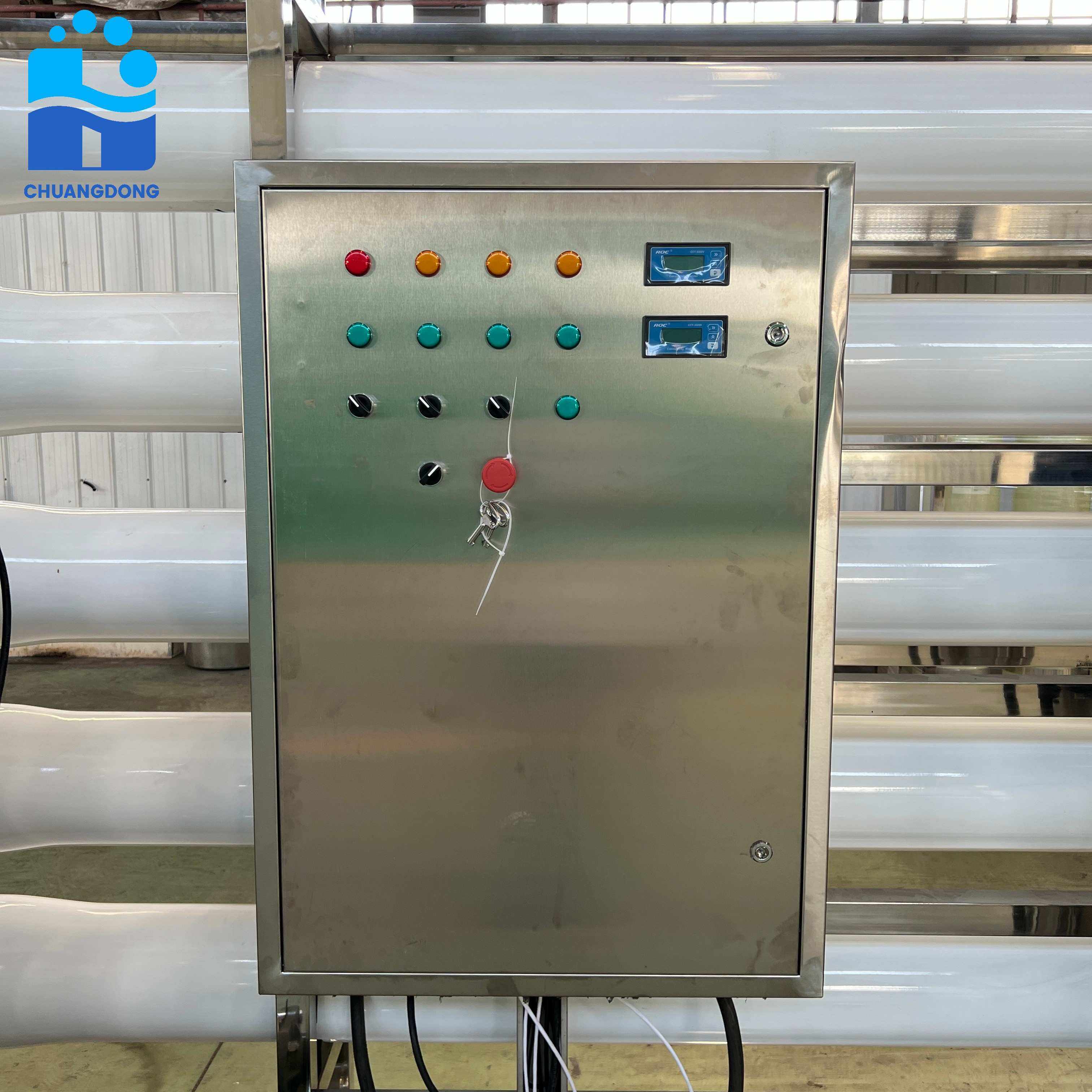
Modern water treatment units feature intelligent monitoring capabilities that continuously assess water quality parameters and system performance in real-time. Digital sensors measure critical indicators including pH levels, total dissolved solids, flow rates, pressure differentials, and temperature variations throughout the treatment process. This constant surveillance enables the system to automatically adjust operational parameters, optimizing purification efficiency while conserving resources. When abnormal conditions arise, immediate alerts notify operators through integrated communication systems, allowing prompt intervention before water quality deteriorates or equipment damage occurs. Historical data logging creates comprehensive performance records that support regulatory compliance documentation and predictive maintenance scheduling. The user-friendly interface displays system status at a glance, making complex water chemistry information accessible to operators without specialized training. Remote monitoring capabilities allow facility managers to oversee multiple water treatment units from centralized locations, streamlining operations across distributed sites. These smart features transform the water treatment unit from passive equipment into an intelligent system that actively maintains optimal performance, reduces operational costs through efficiency gains, and provides documentation that demonstrates due diligence in water quality management for regulatory and certification purposes.
Flexible Scalability and Application Versatility

Flexible Scalability and Application Versatility

The water treatment unit offers exceptional adaptability to accommodate changing needs and diverse applications across residential, commercial, and industrial settings. Modular design principles enable capacity expansion by adding parallel treatment trains or upgrading individual components without replacing the entire system. This scalability protects your investment as water demands grow, whether from business expansion, population increases, or process intensification. Configuration flexibility allows customization to address specific water quality challenges unique to your source water, from brackish groundwater requiring desalination to surface water needing turbidity reduction. The system adapts to varying flow requirements, efficiently treating small residential volumes or large industrial throughputs with appropriate sizing and equipment selection. Application versatility extends from potable water production for drinking and cooking to specialized process water for manufacturing, cooling systems, and laboratory applications. Mobile configurations enable temporary deployment for emergency response, construction sites, or remote locations lacking permanent infrastructure. This adaptability ensures the water treatment unit remains relevant throughout its service life, accommodating technological advances, regulatory changes, and evolving operational requirements without premature obsolescence, maximizing return on investment while delivering consistent performance across changing conditions and expanding applications.

Get a Free Quote

Our representative will contact you soon.
Email
Name
Company Name
Message
0/1000