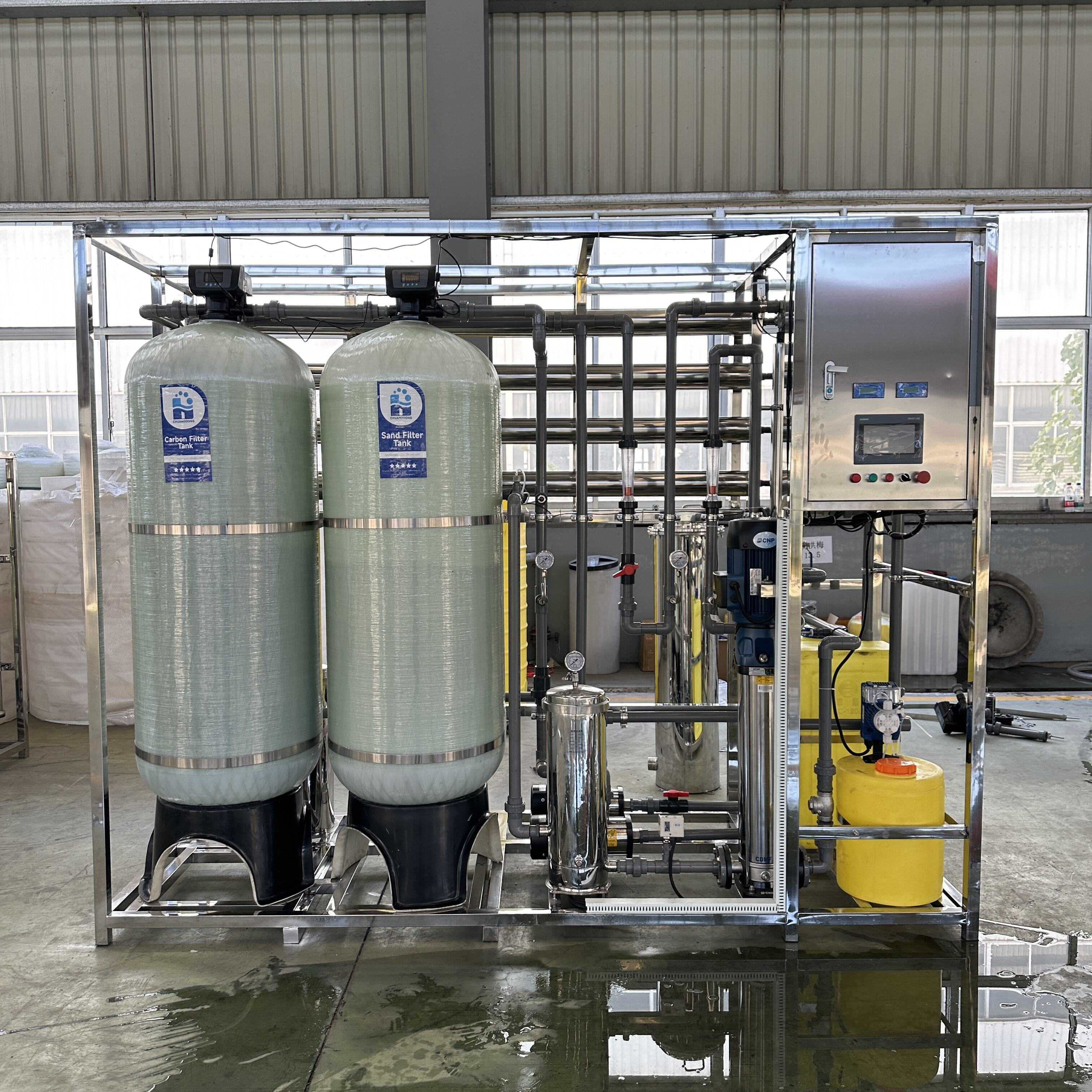
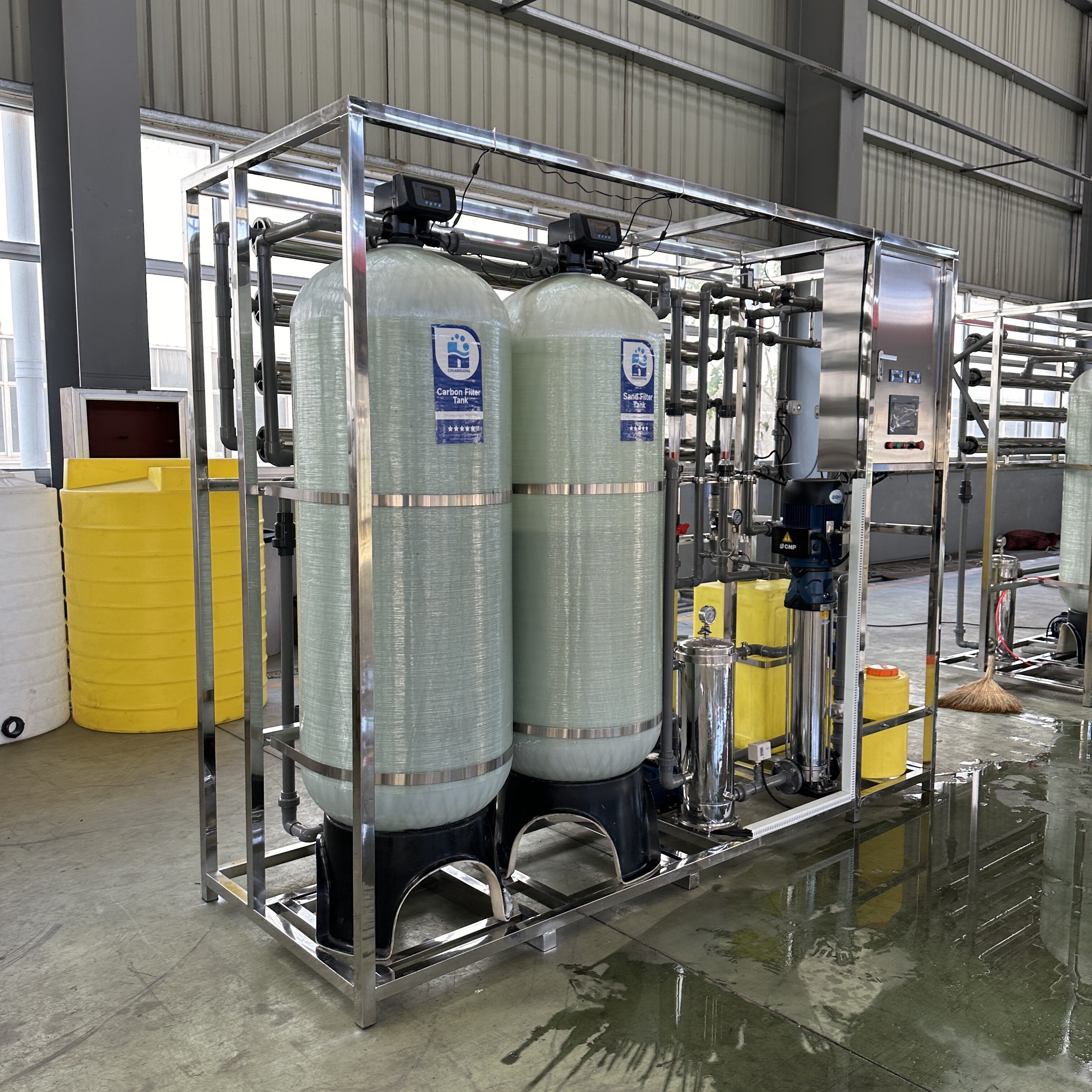
brackish ro system
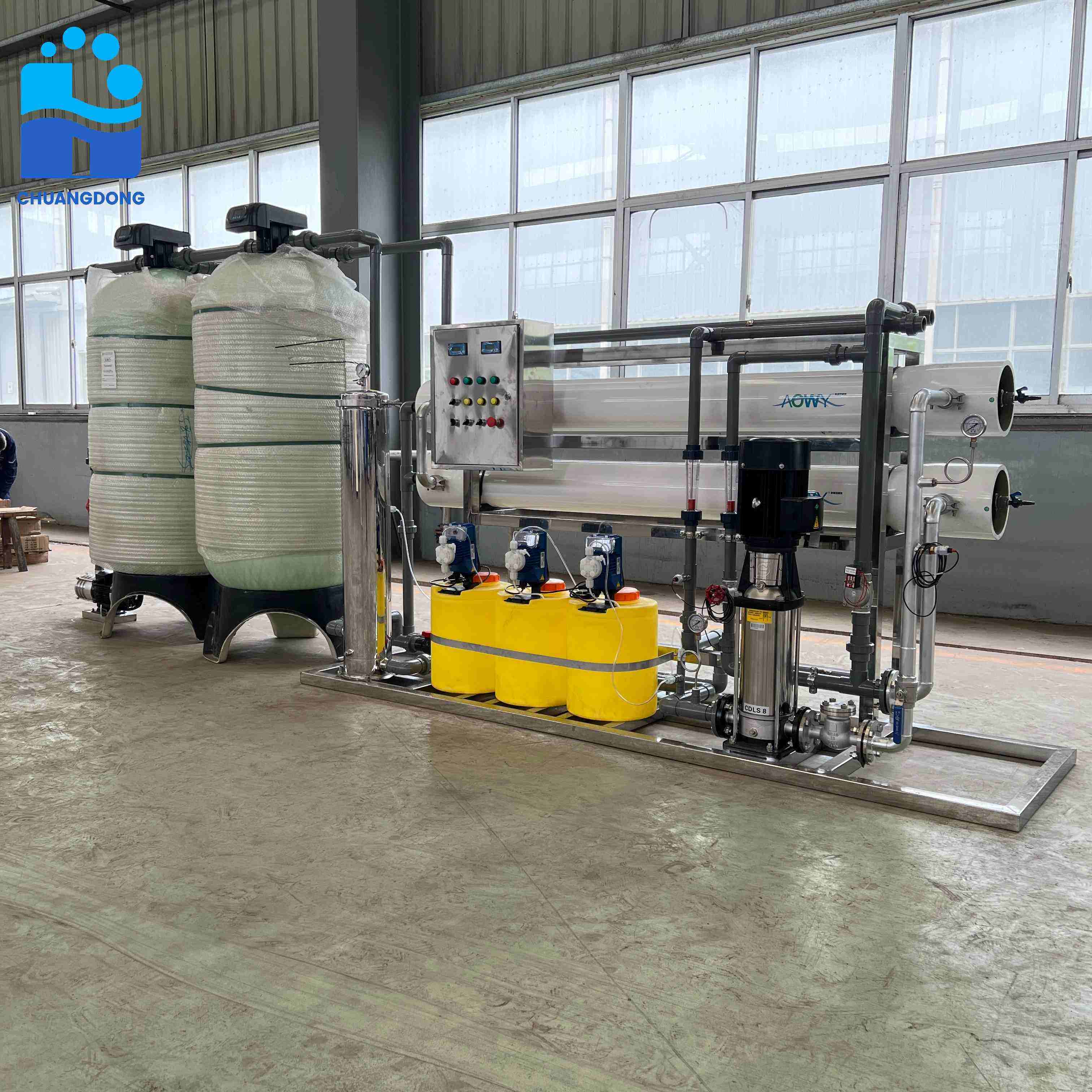
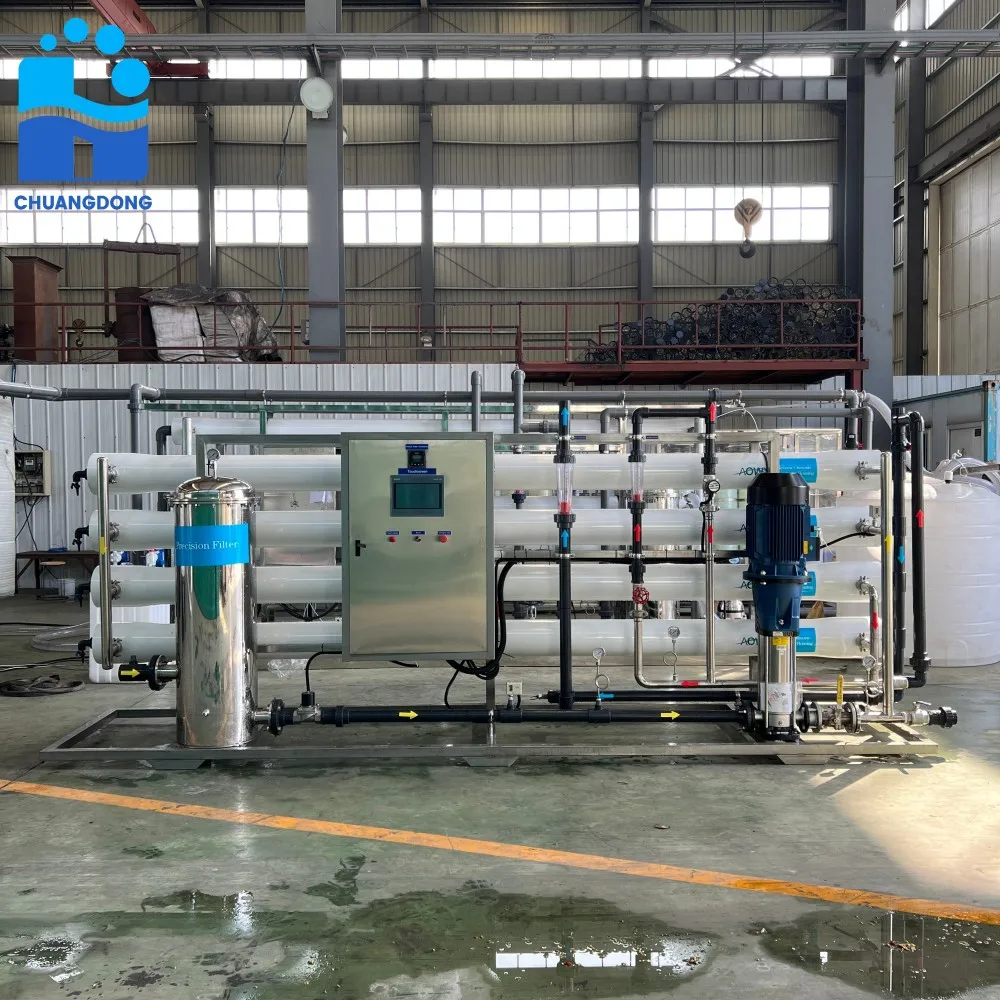
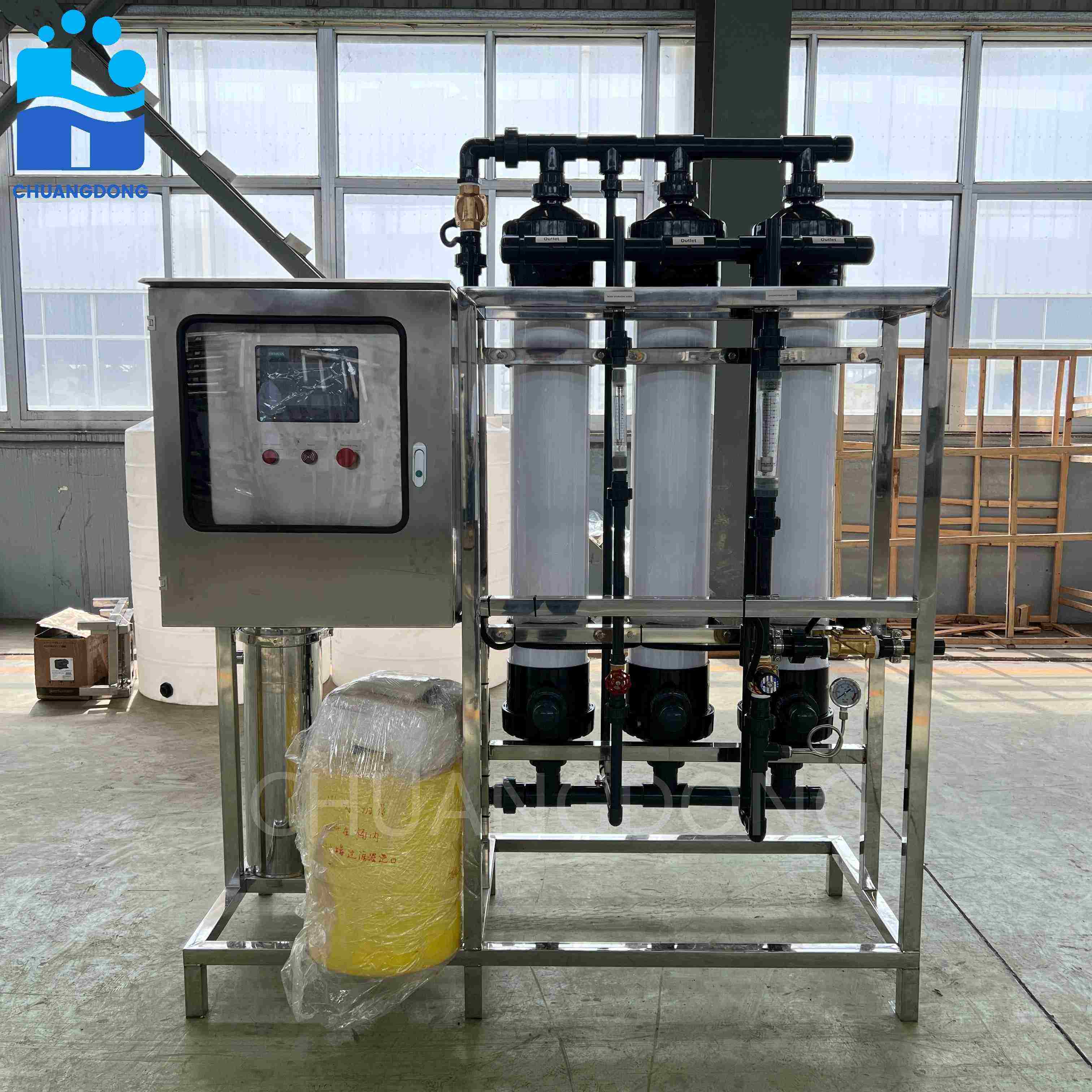
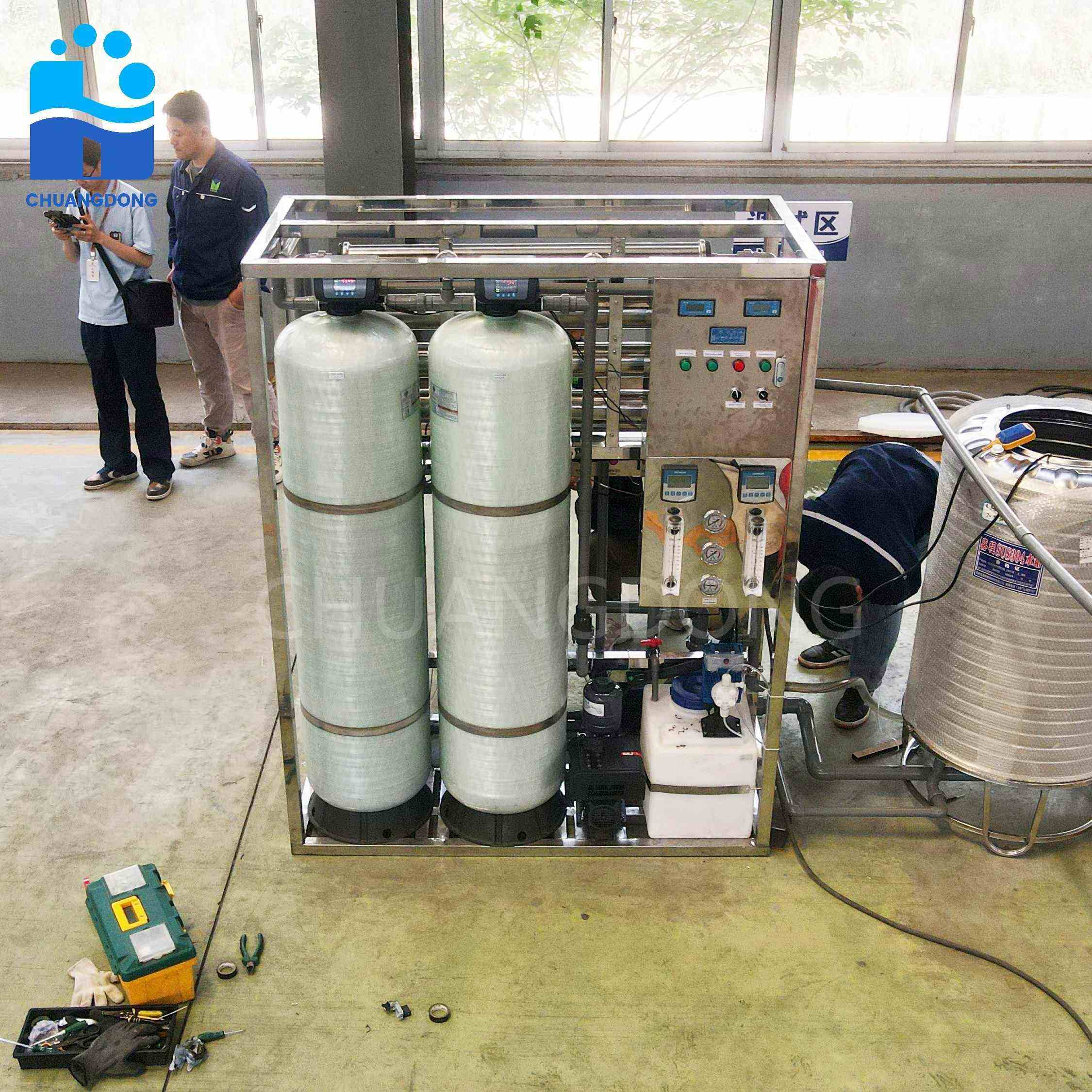
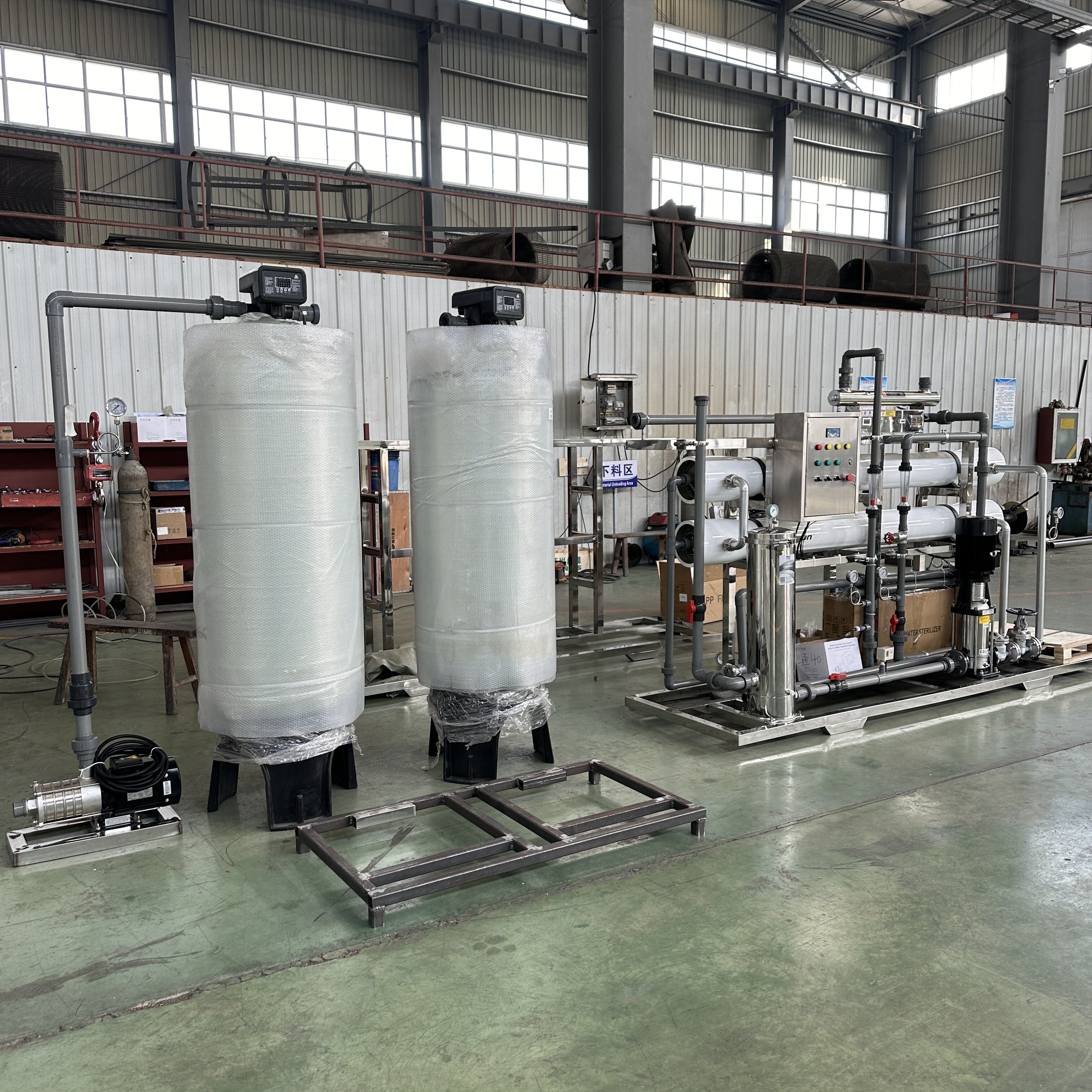
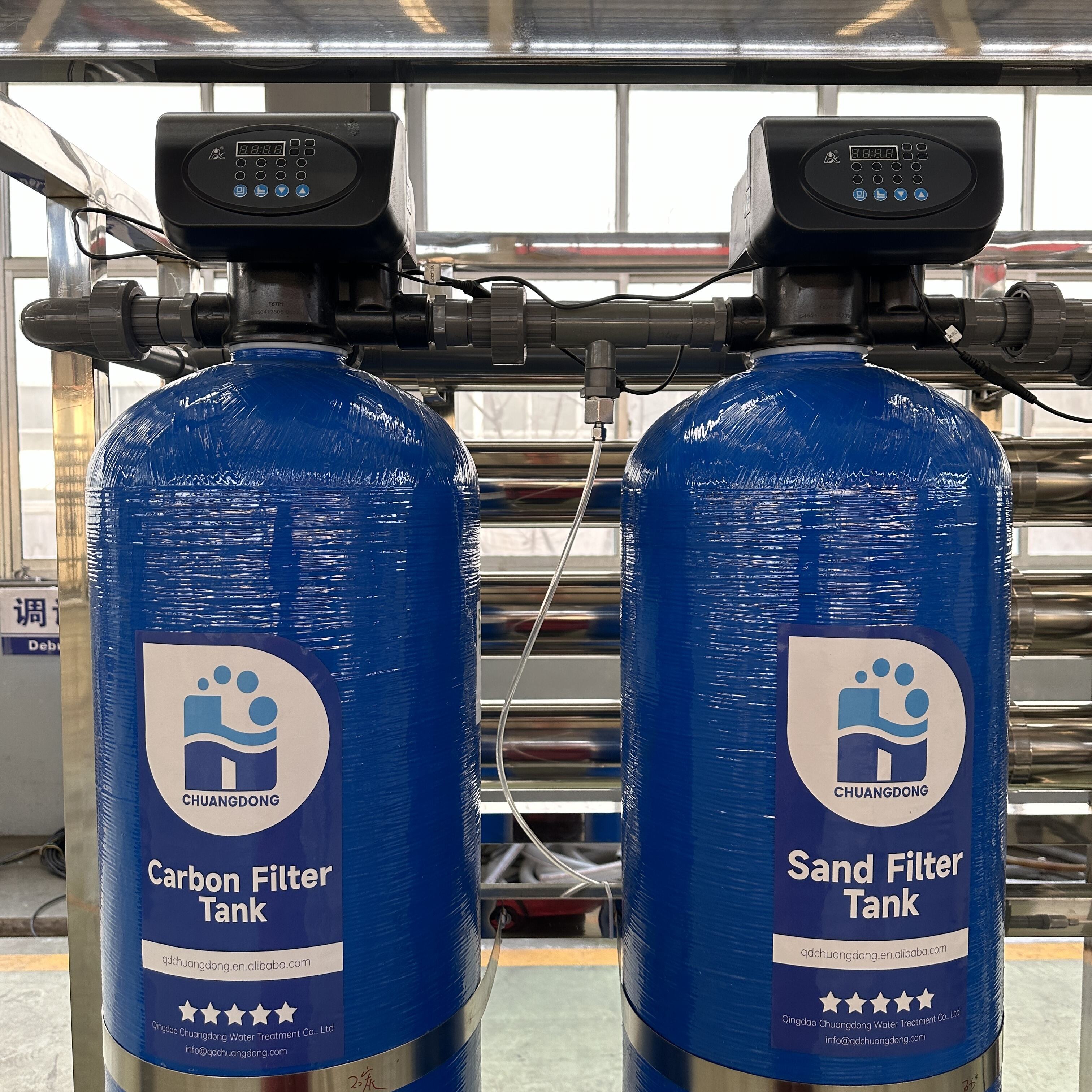
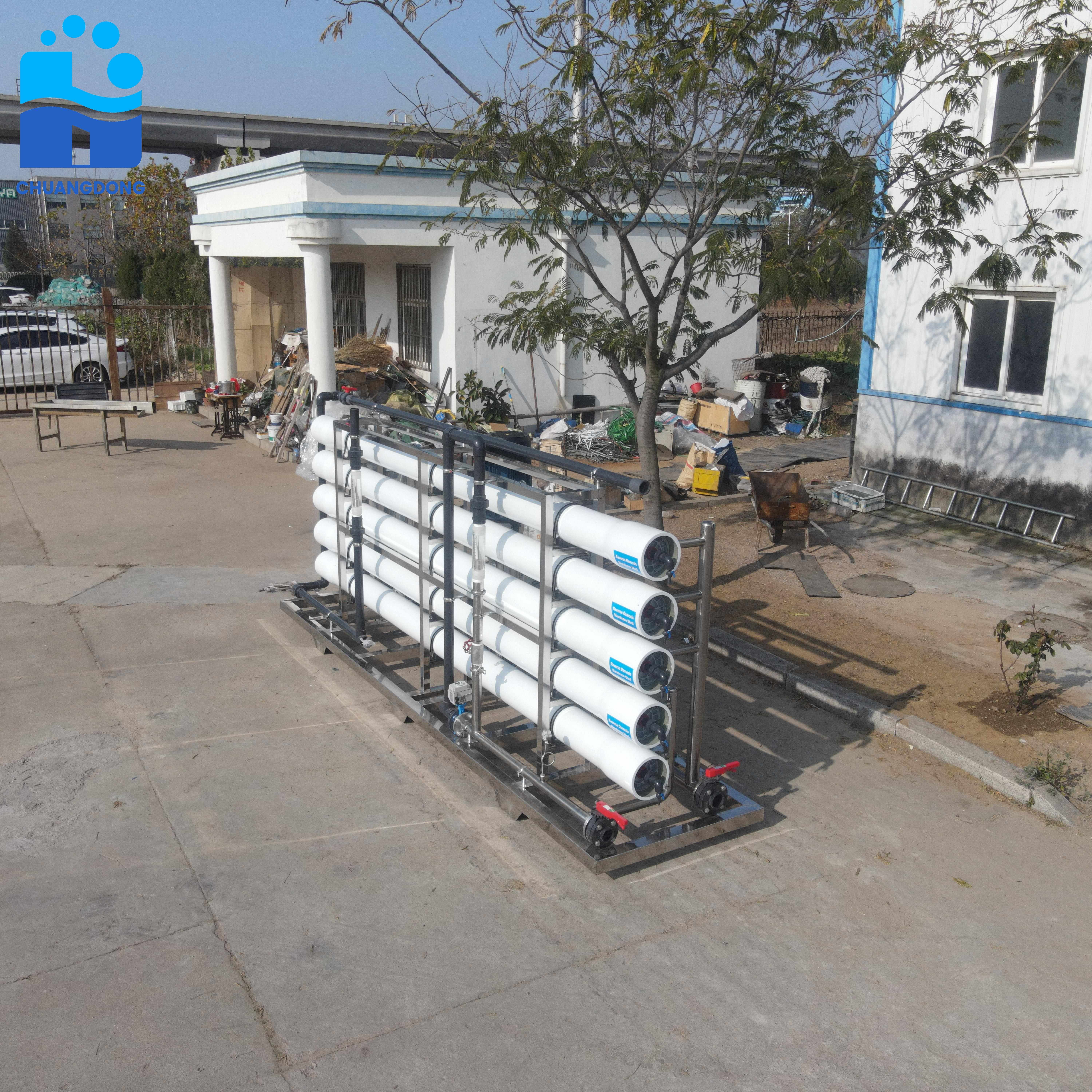
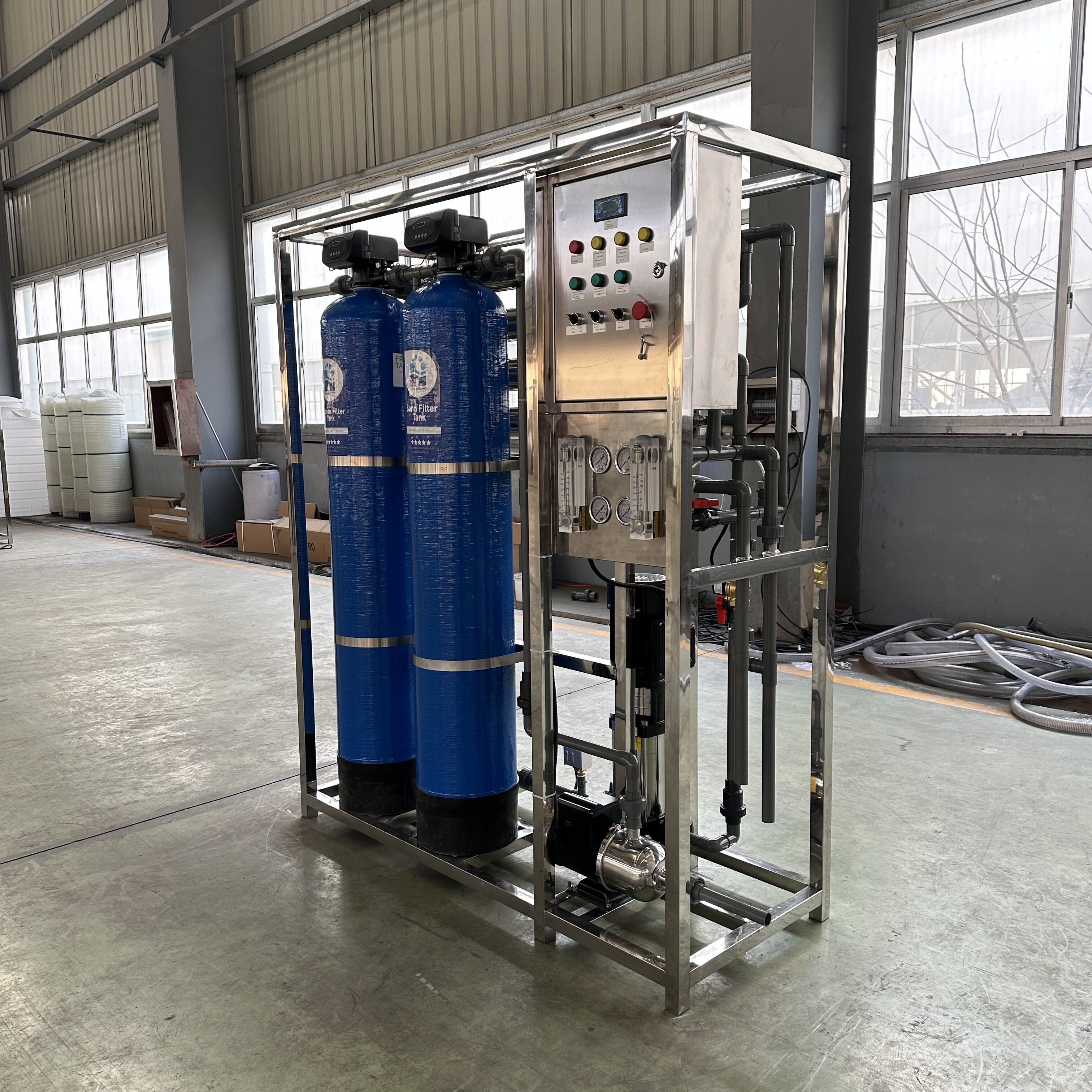
A brackish ro system is a specialized water treatment solution designed to remove dissolved salts and impurities from brackish water sources. Brackish water contains salt concentrations higher than freshwater but lower than seawater, typically ranging from 1,000 to 15,000 parts per million of total dissolved solids. The brackish ro system utilizes reverse osmosis technology, applying pressure to force water through semi-permeable membranes that effectively filter out salts, minerals, bacteria, and other contaminants. This advanced filtration process delivers clean, potable water suitable for drinking, industrial applications, and agricultural use. The system comprises several key components including pre-treatment filters, high-pressure pumps, reverse osmosis membrane modules, post-treatment systems, and control units. Pre-treatment removes larger particles and protects membranes from damage, while the membrane assembly performs the primary desalination function. Modern brackish ro system designs incorporate energy recovery devices that significantly reduce operational costs by recapturing pressure from the concentrate stream. These systems find extensive applications across municipal water utilities, manufacturing facilities, power generation plants, hotels, hospitals, and agricultural operations. Industries requiring consistent high-quality water rely on brackish ro system technology to convert previously unusable brackish groundwater into valuable freshwater resources. The versatility and efficiency of this technology make it an economical alternative to seawater desalination in regions with access to brackish water sources.
 EN
EN