brackish water reverse osmosis
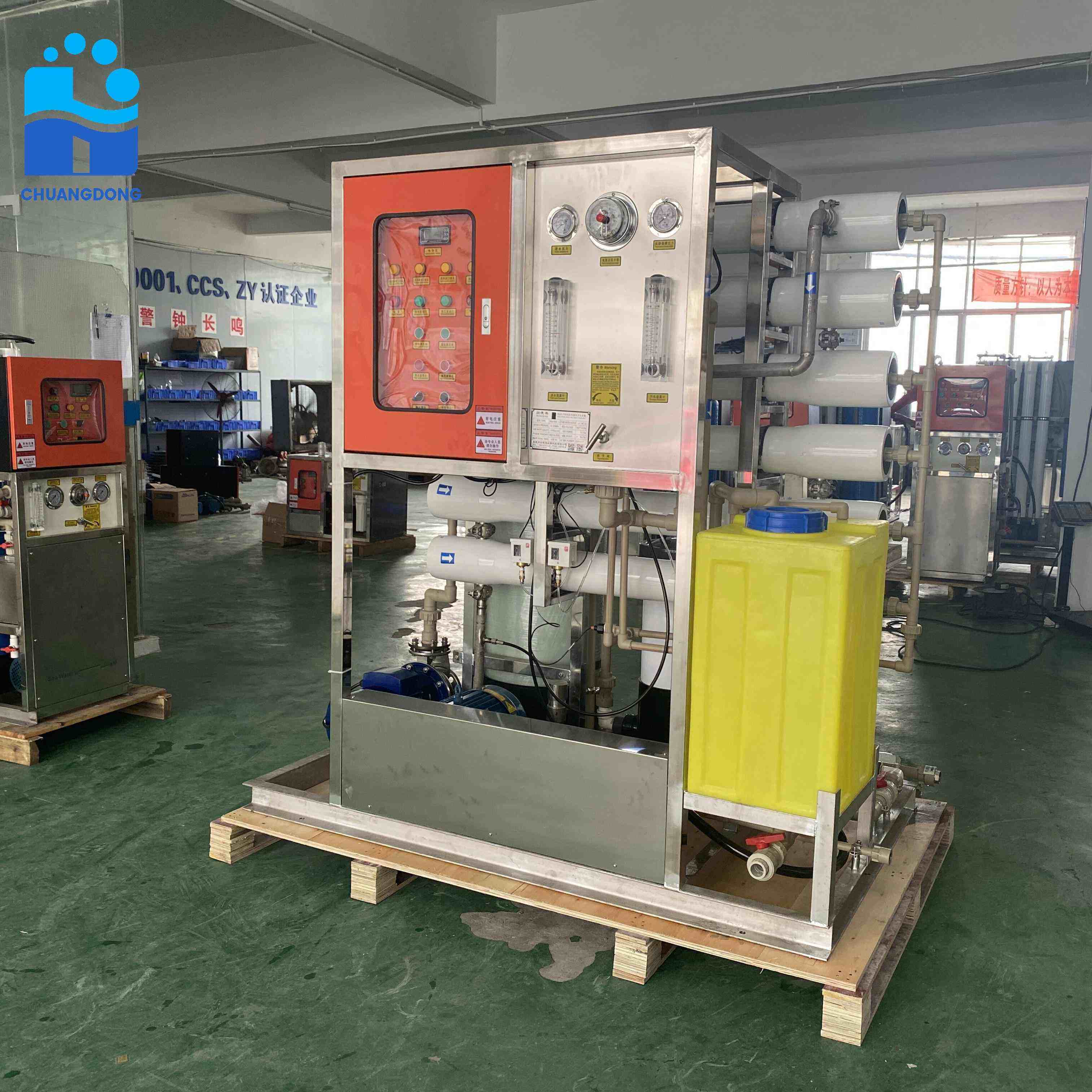
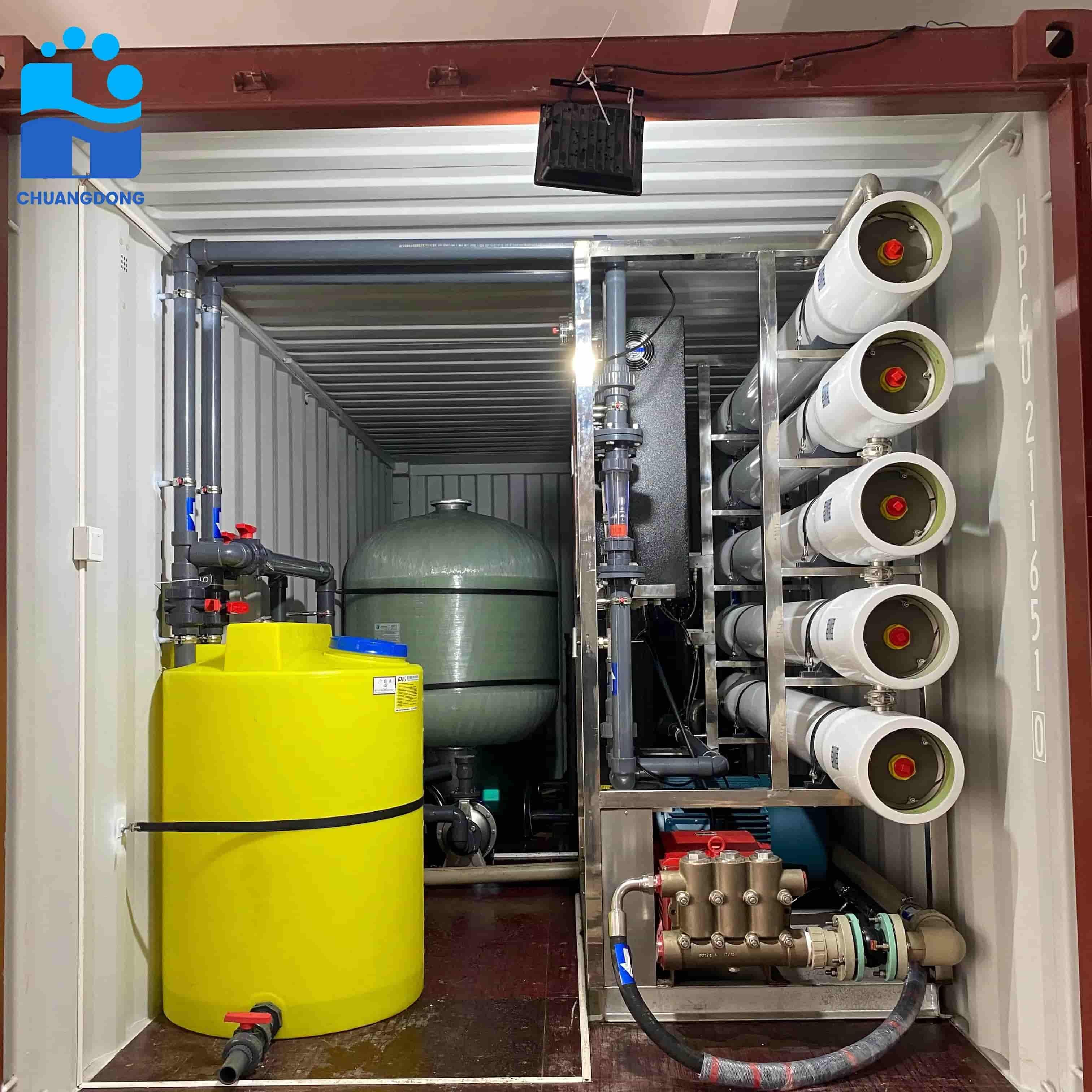
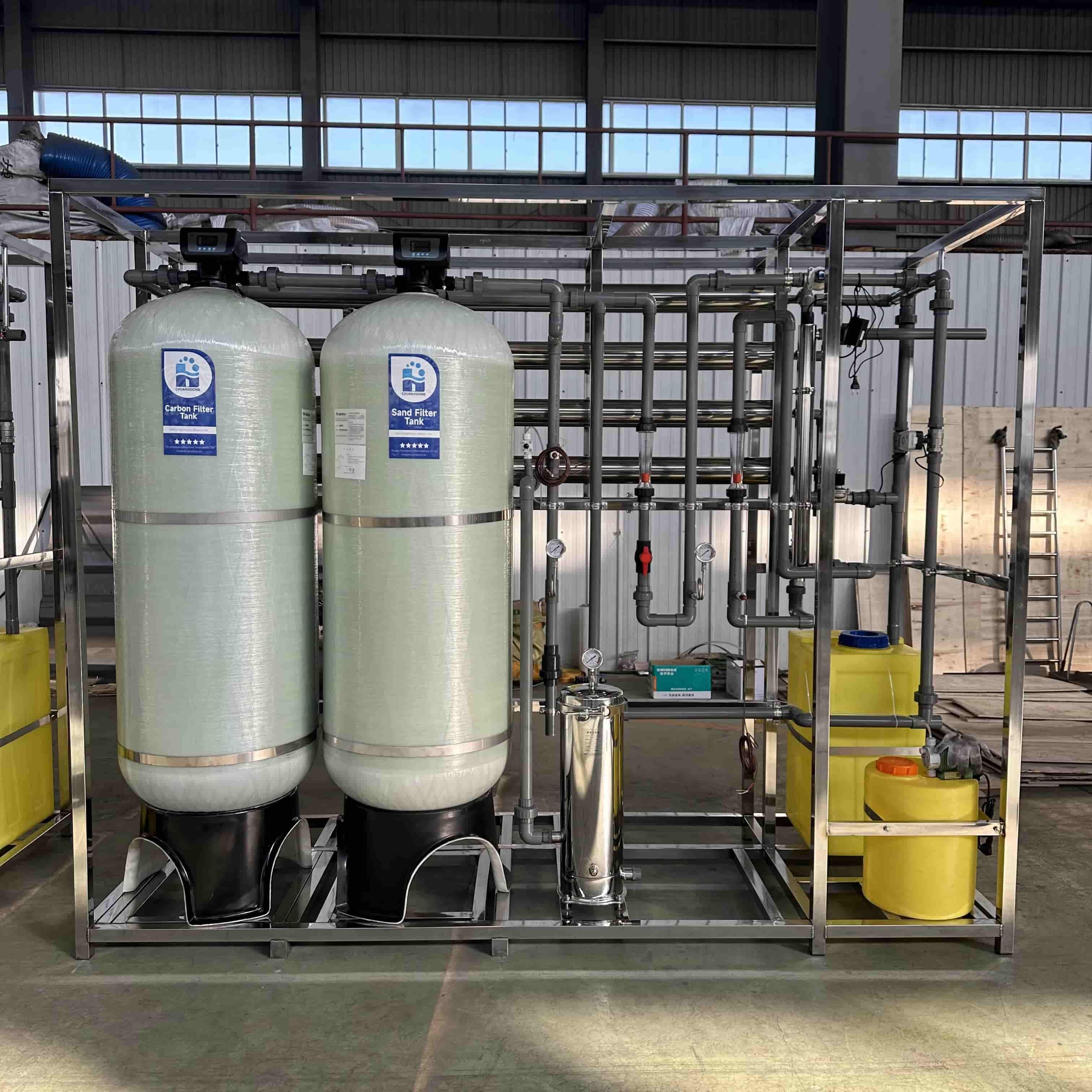
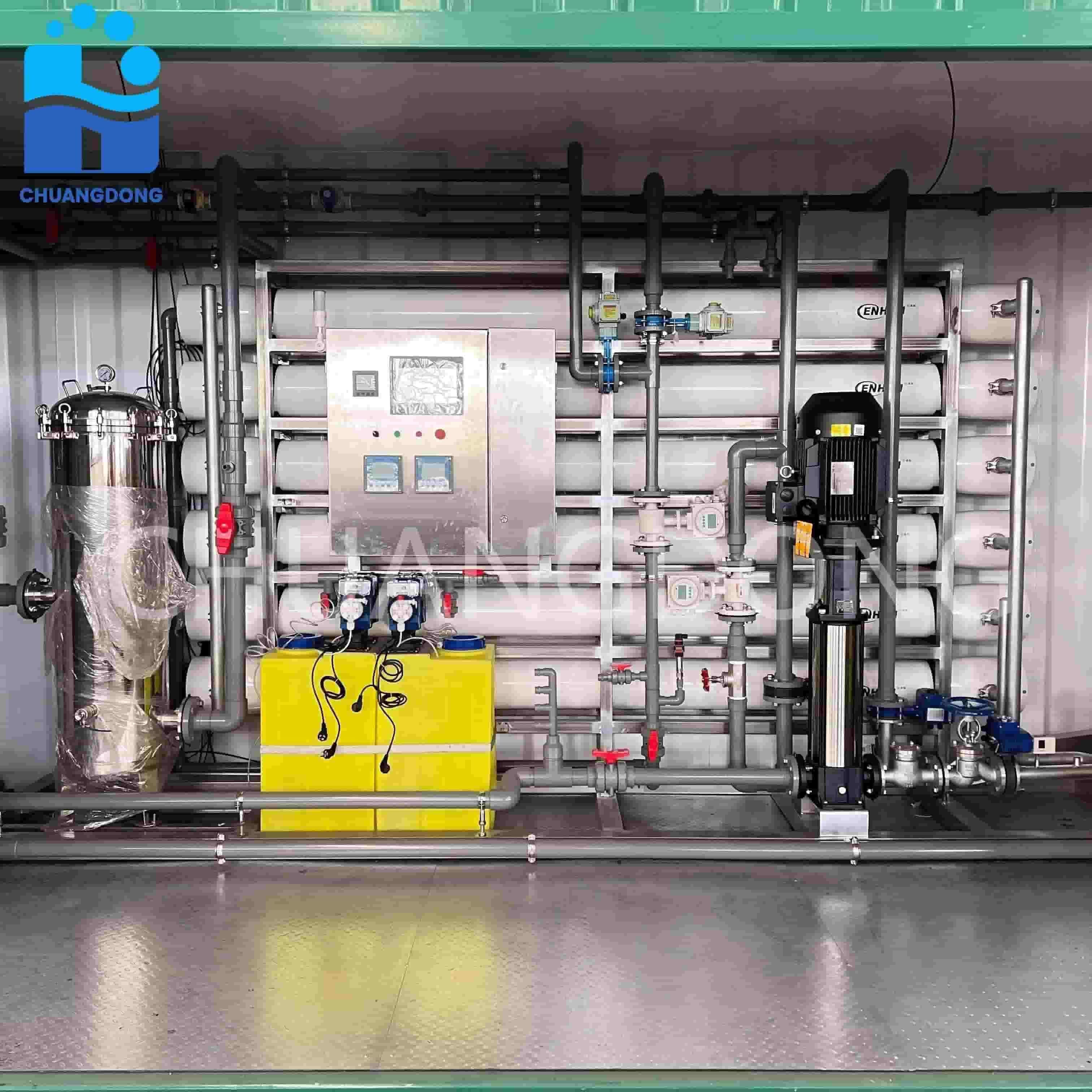
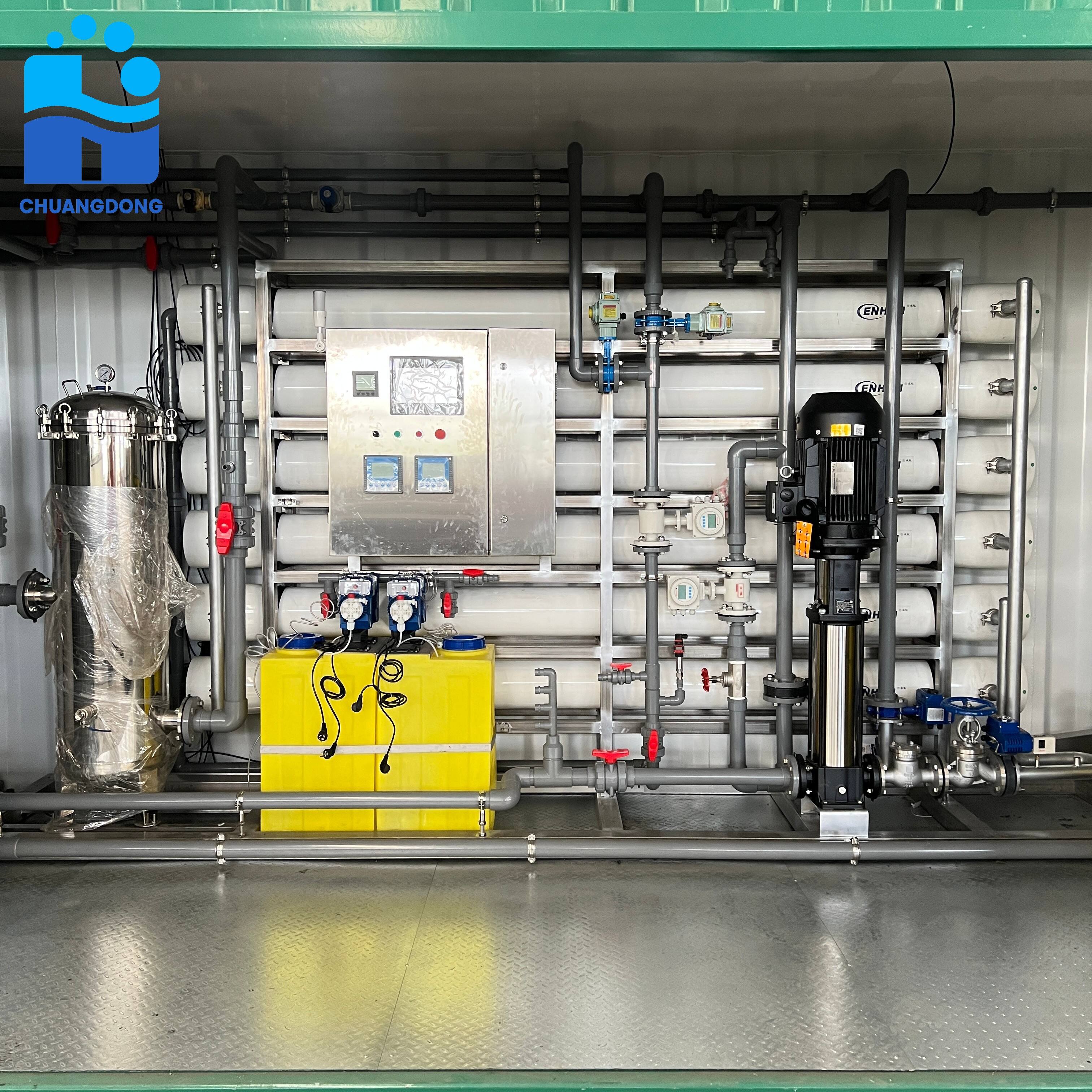
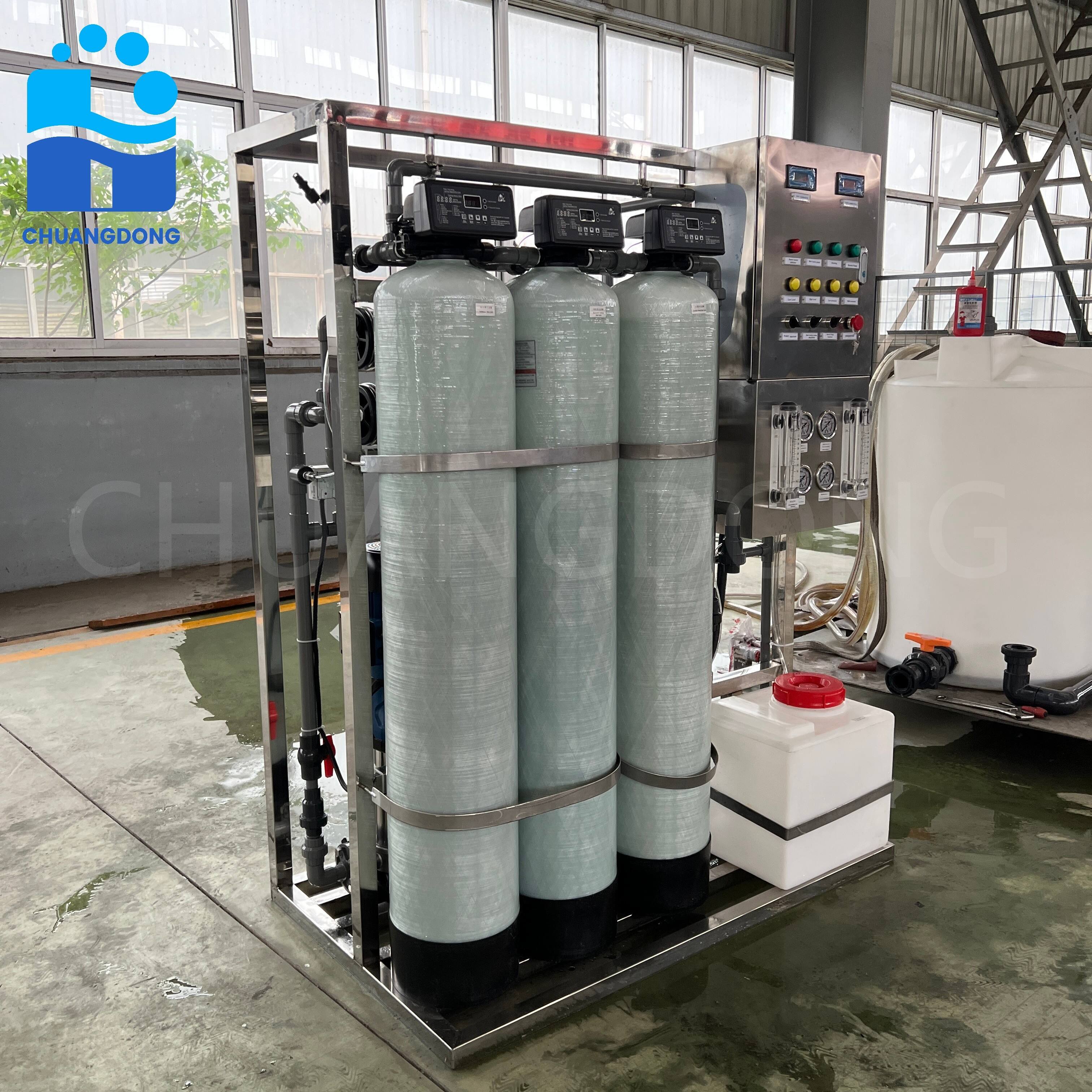
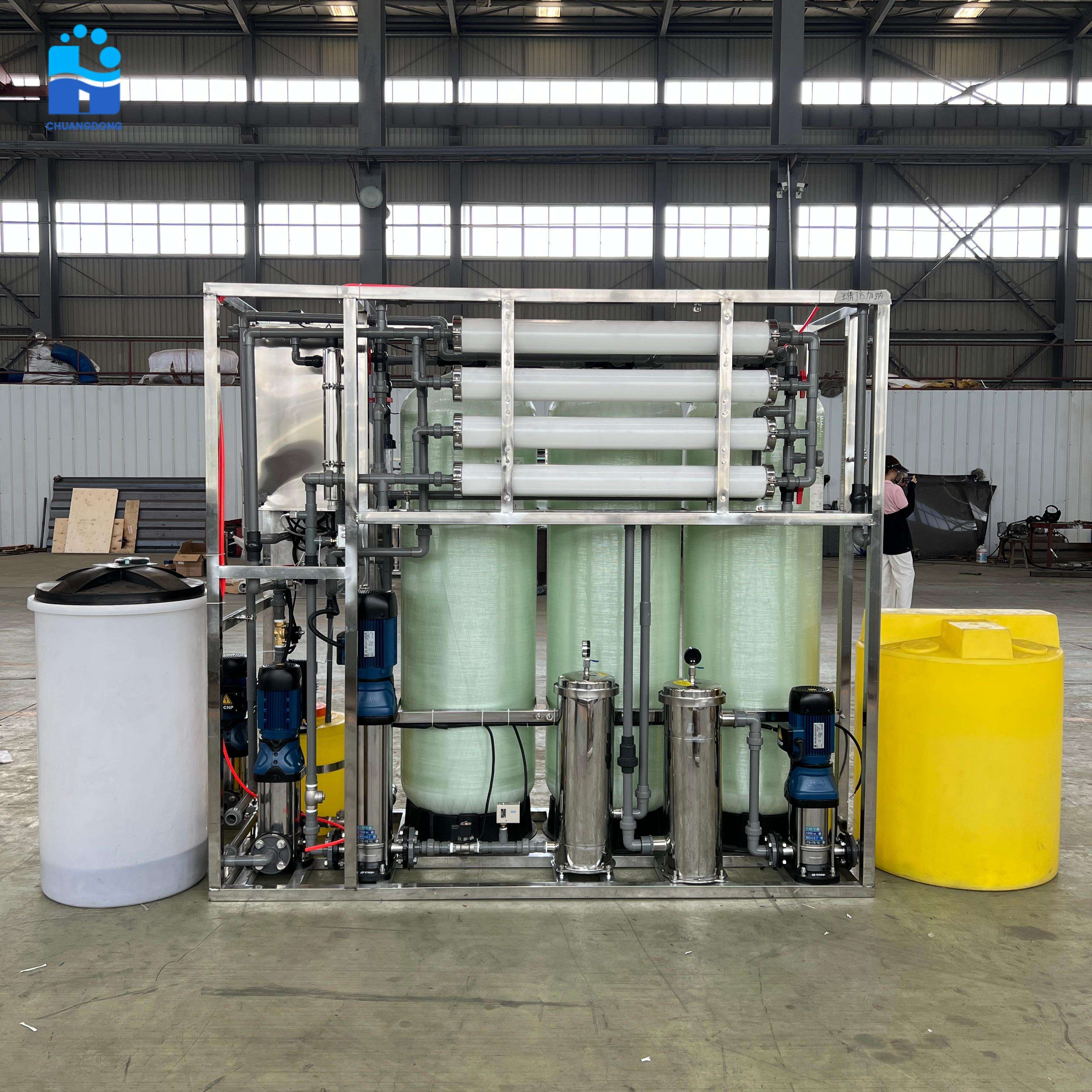
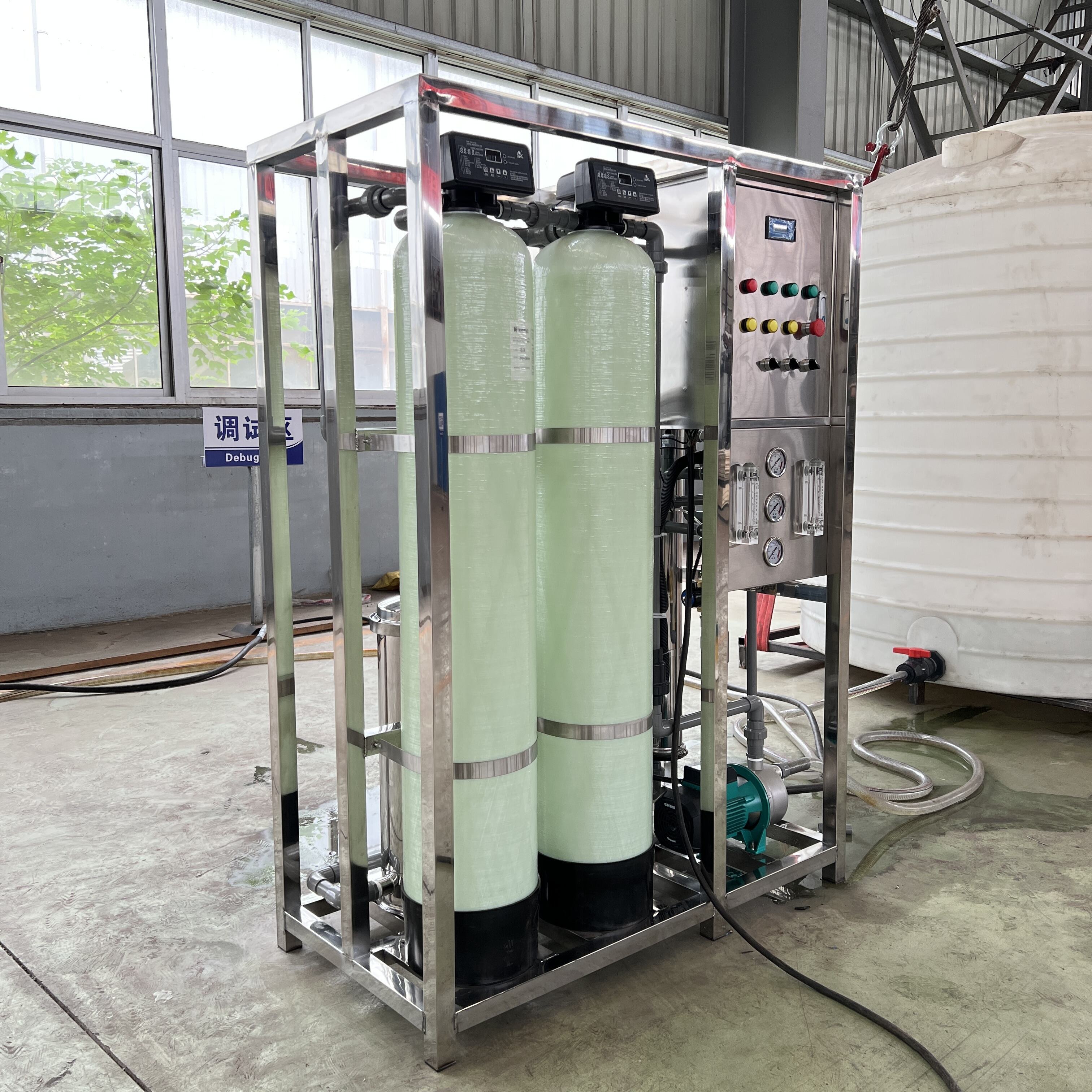
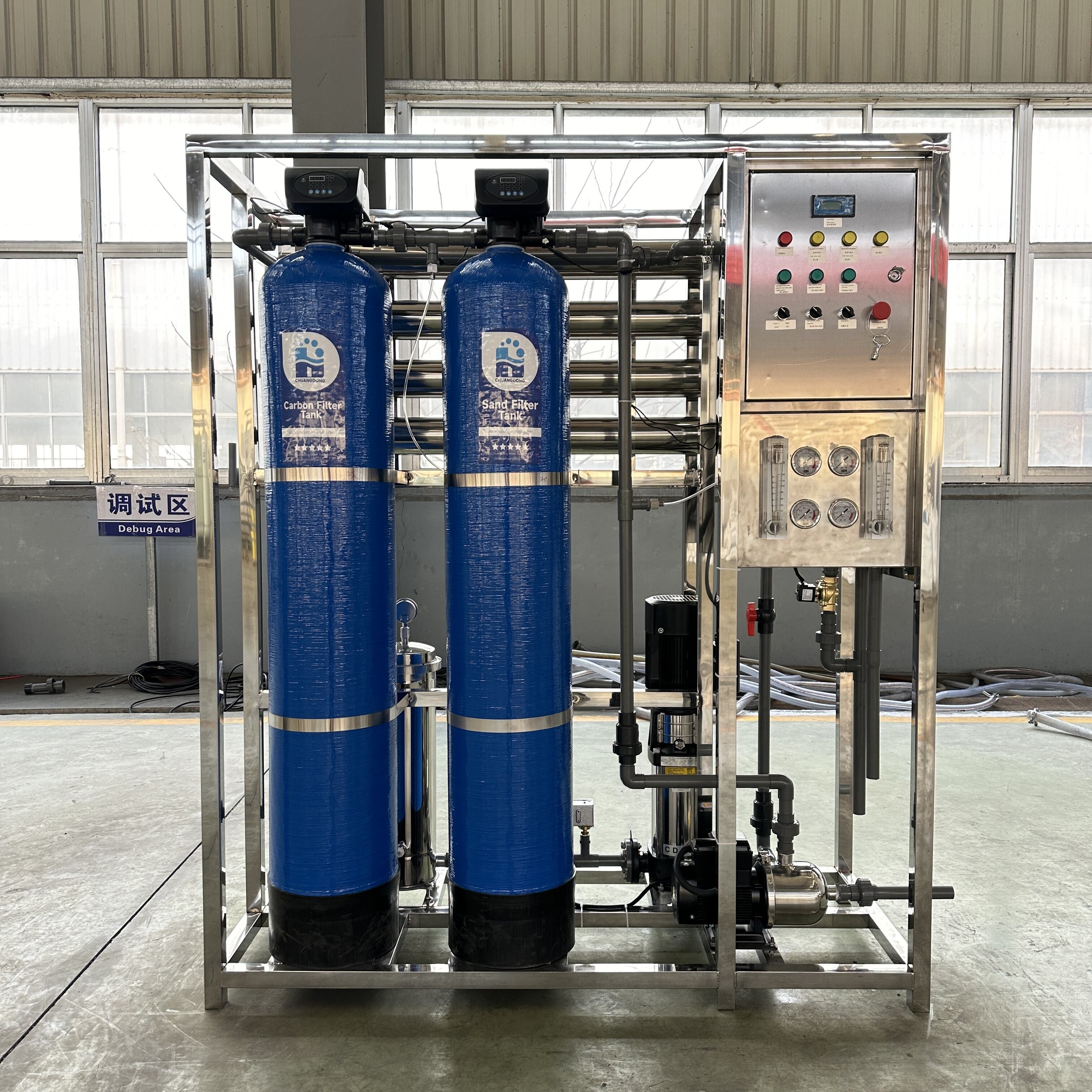
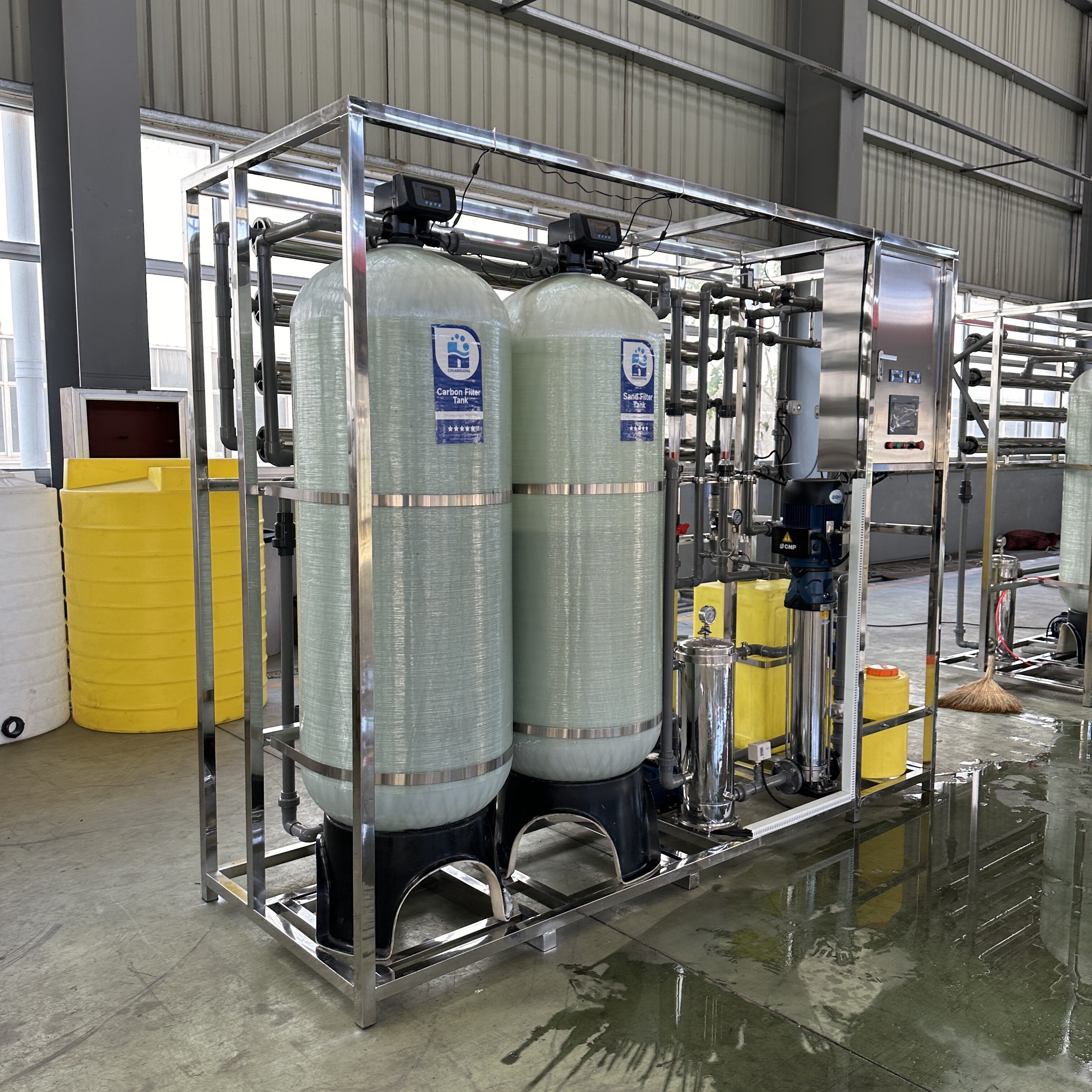
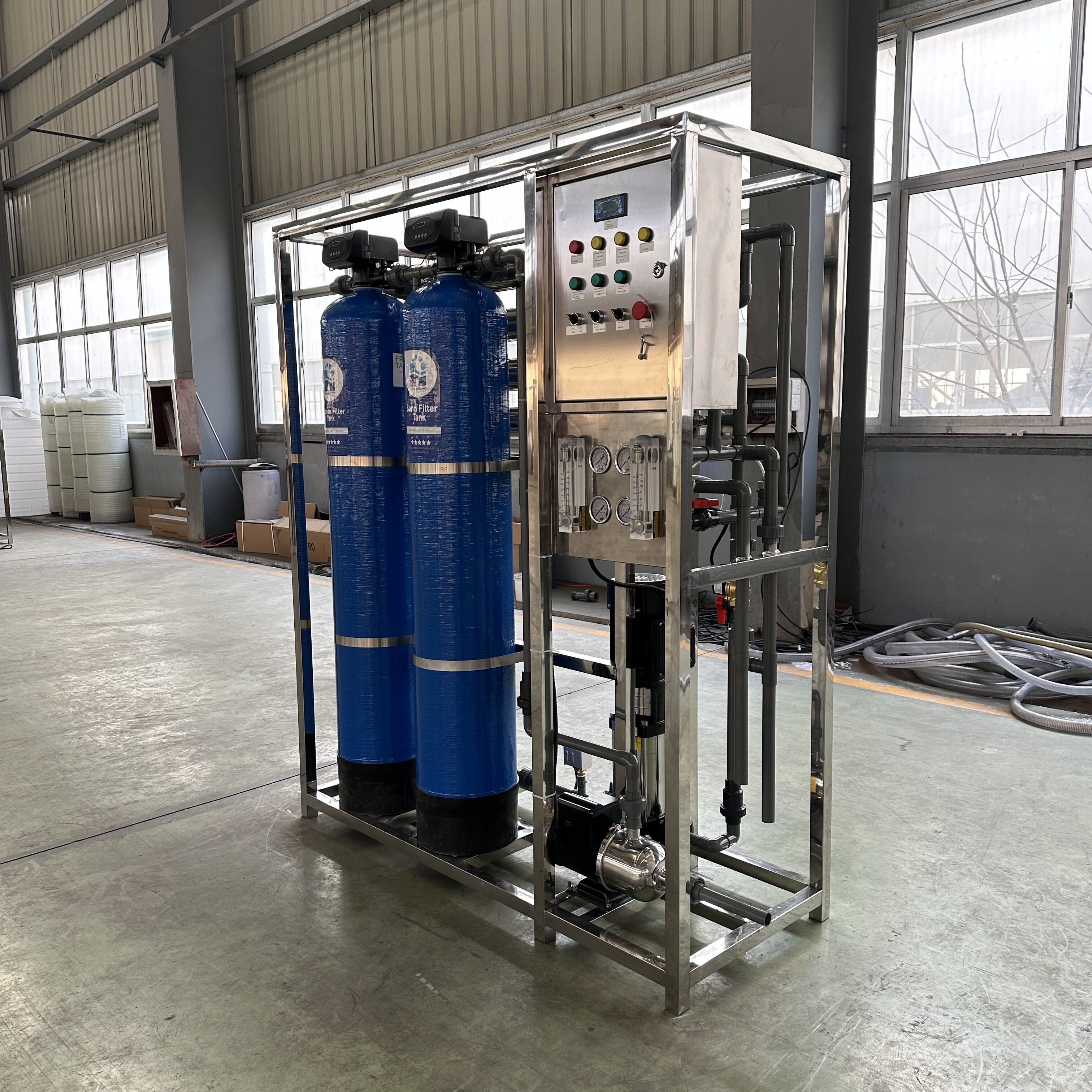
Brackish water reverse osmosis is an advanced water purification technology designed to remove dissolved salts, minerals, and contaminants from water sources containing salinity levels between seawater and freshwater. This membrane-based filtration process uses semi-permeable membranes that allow water molecules to pass through while blocking salt ions, bacteria, viruses, and other impurities. The brackish water reverse osmosis system operates at lower pressures compared to seawater desalination, typically ranging from 150 to 400 psi, making it more energy-efficient and cost-effective for treating moderately saline water sources. The main functions include reducing total dissolved solids, eliminating harmful contaminants, improving water taste and quality, and converting non-potable water into safe drinking water or industrial-grade water. Technological features encompass multi-stage filtration with pre-treatment components, high-rejection semi-permeable membranes, energy recovery devices, automated monitoring systems, and chemical dosing capabilities to prevent membrane fouling and scaling. Applications span diverse sectors including municipal water supply systems, agricultural irrigation, industrial manufacturing processes, food and beverage production, pharmaceutical manufacturing, power generation facilities, and commercial buildings. The brackish water reverse osmosis technology proves particularly valuable in inland regions, coastal areas, and locations where groundwater contains elevated salinity levels. This sustainable solution addresses water scarcity challenges while providing reliable, consistent water quality that meets stringent regulatory standards for various applications.
 EN
EN