Complete Guide to Reverse Osmosis Brackish Water Treatment Systems - Advanced Water Purification Solutions

Get a Free Quote

Our representative will contact you soon.
Email
Name
Company Name
Message
0/1000

reverse osmosis brackish water treatment

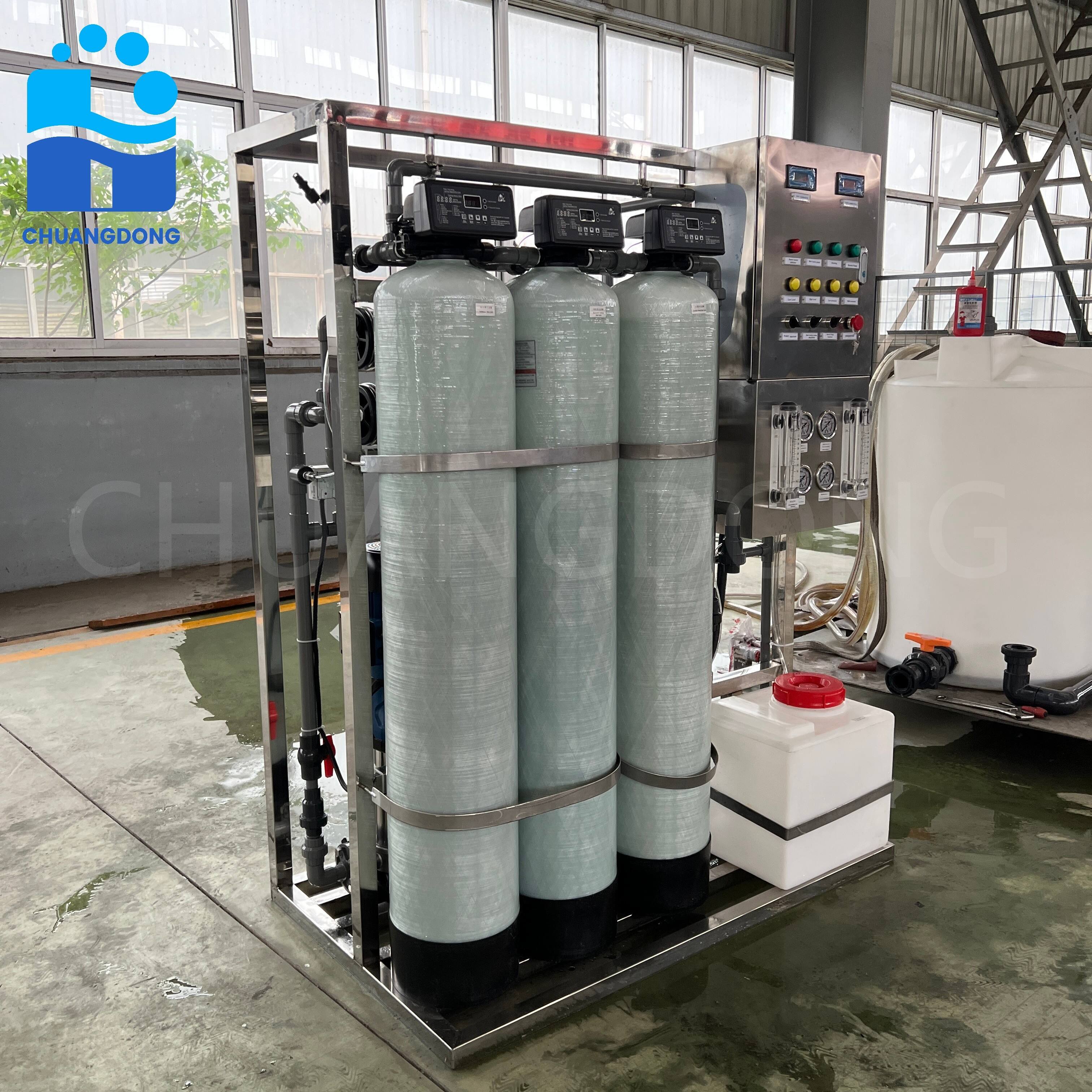
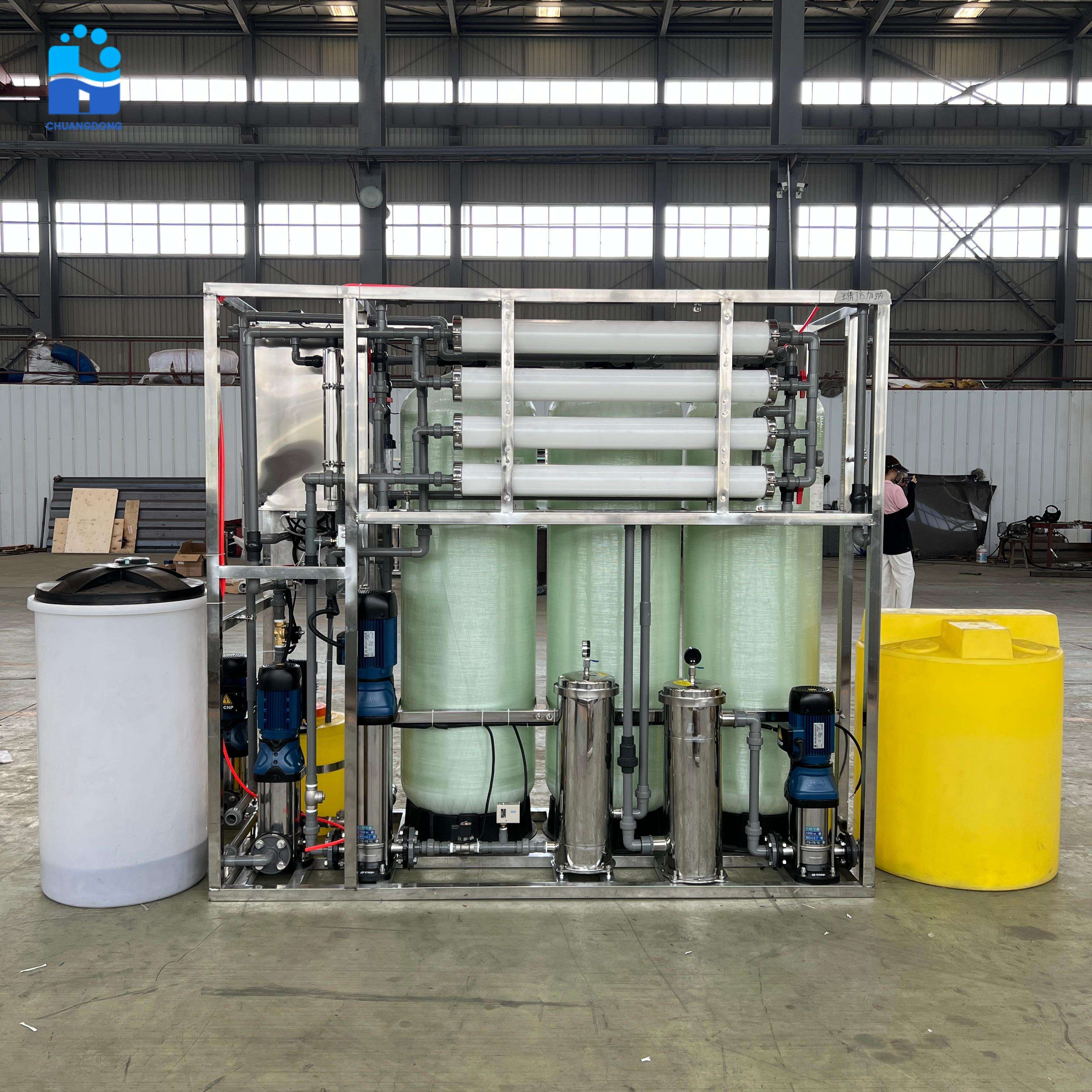
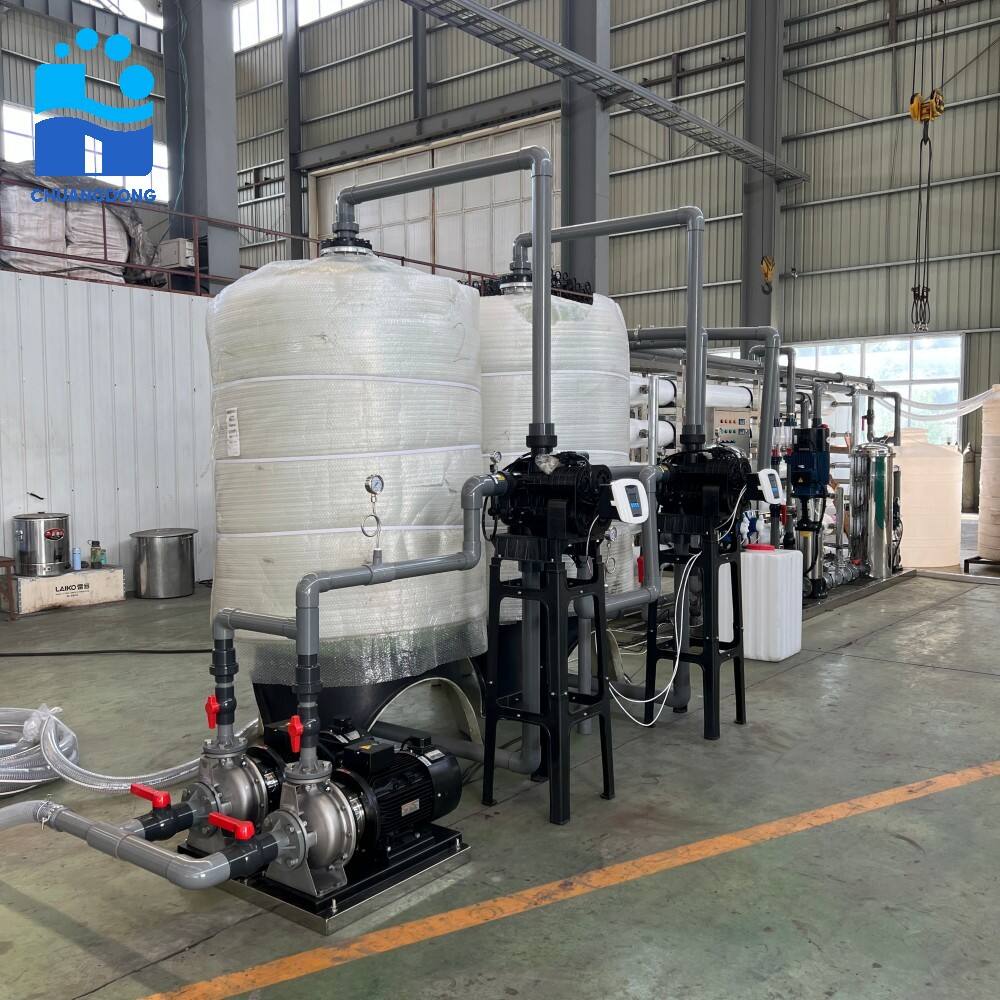
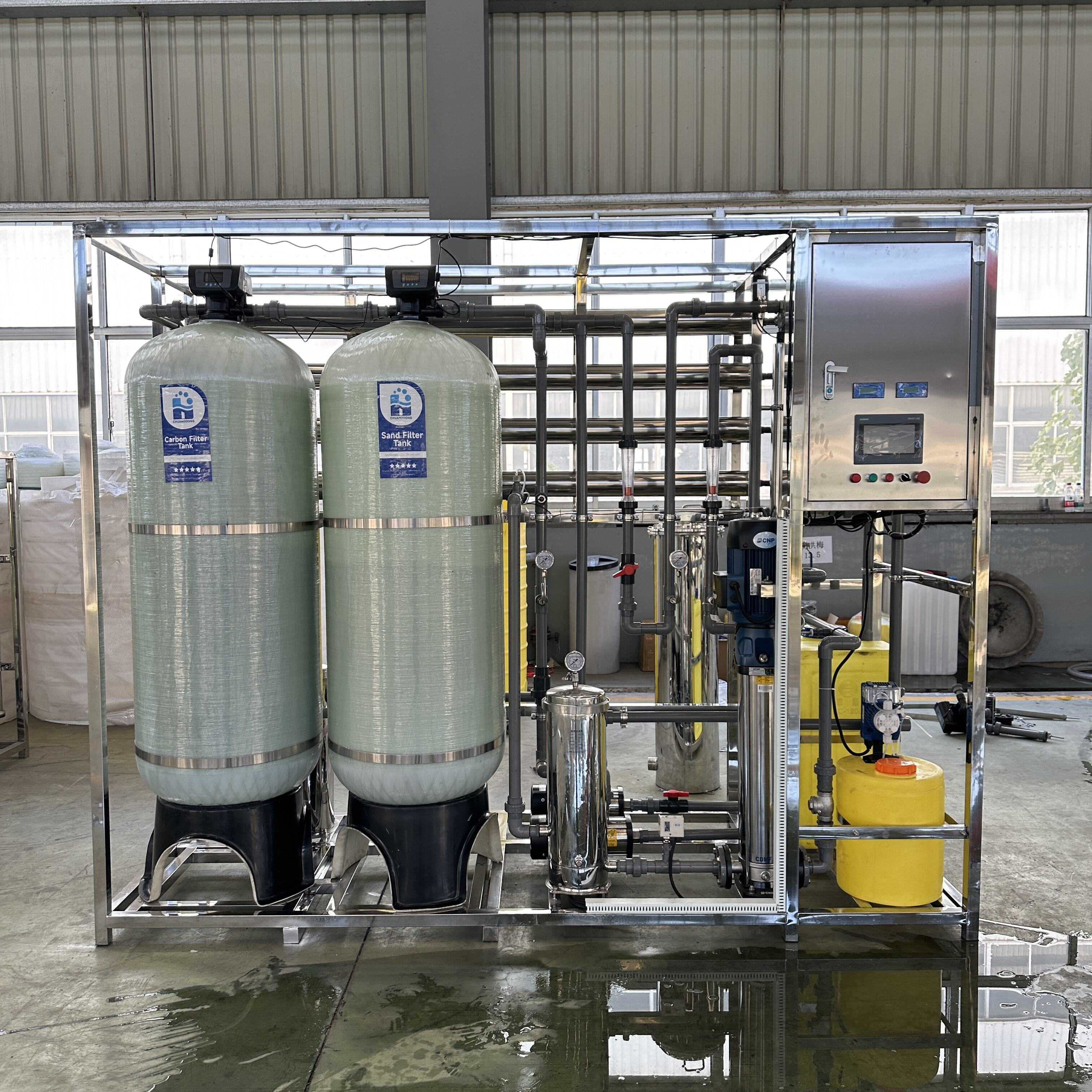
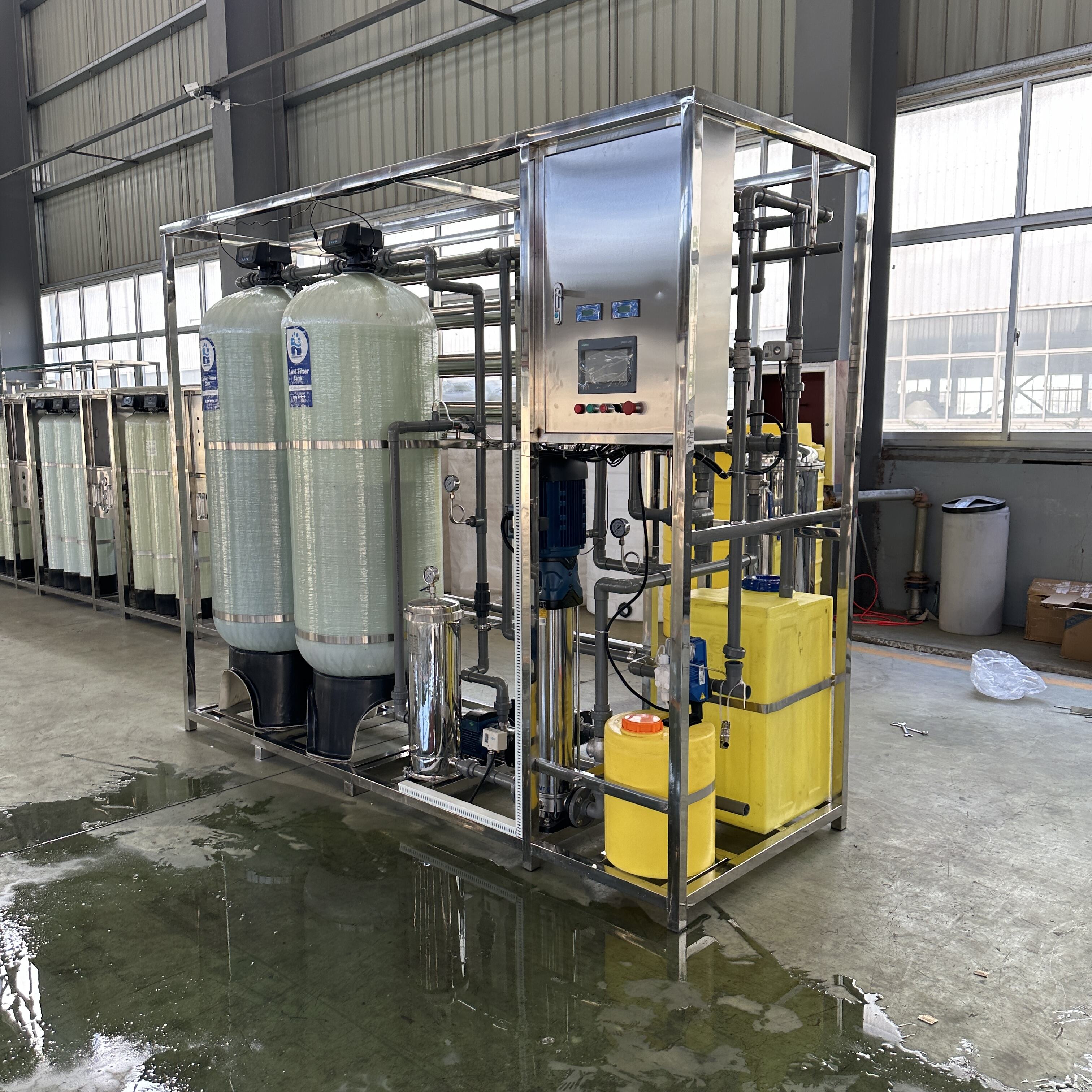
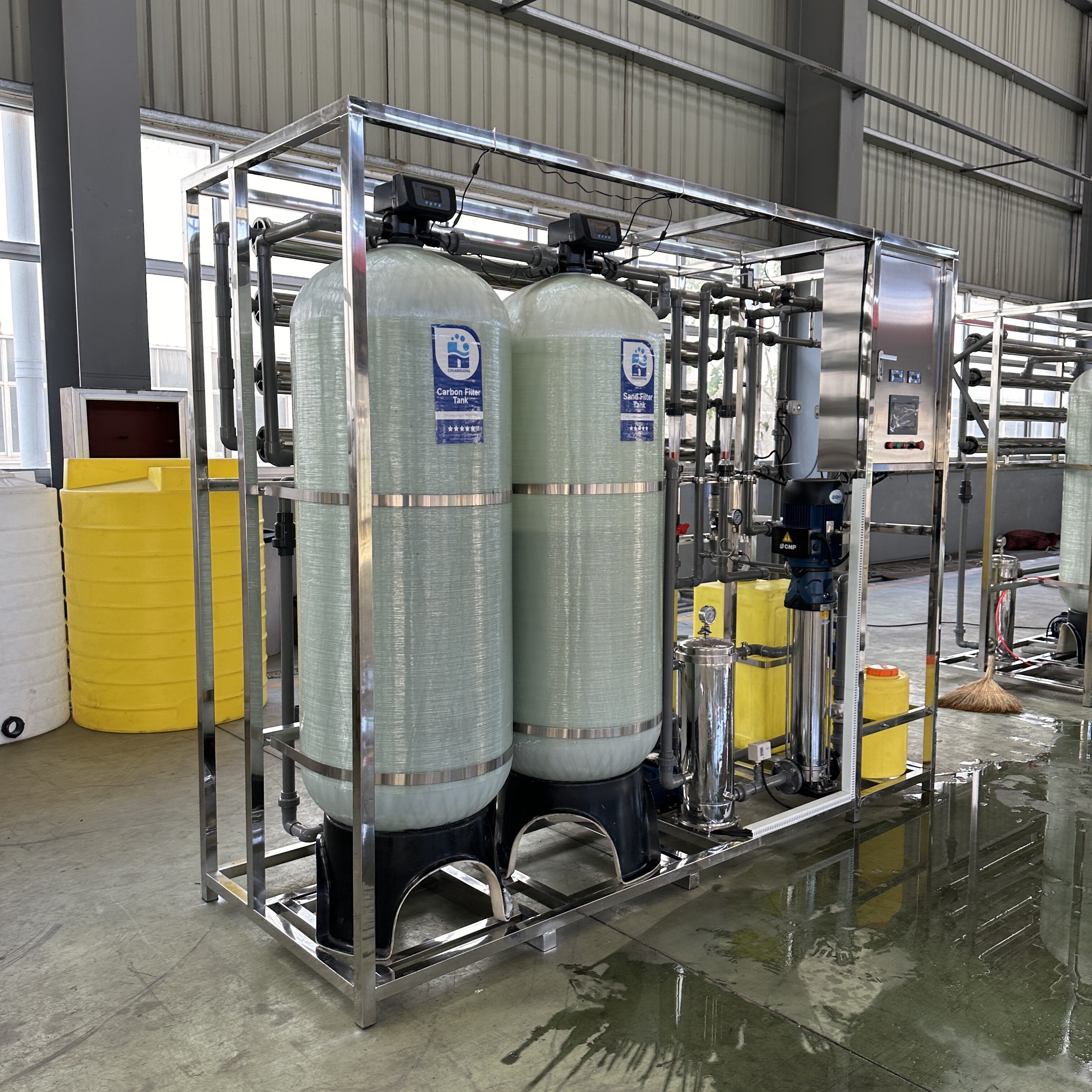
Reverse osmosis brackish water treatment represents a cutting-edge water purification technology that transforms brackish water into high-quality, potable water suitable for various applications. This advanced filtration system operates by forcing water through semi-permeable membranes under high pressure, effectively removing dissolved salts, minerals, and contaminants that make brackish water unsuitable for consumption or industrial use. The main function of reverse osmosis brackish water treatment involves desalination, where the system separates pure water molecules from dissolved solids, creating two streams: clean permeate water and concentrated brine containing the rejected contaminants. The technological features of reverse osmosis brackish water treatment include multiple filtration stages, starting with pre-treatment processes such as sediment filtration and activated carbon adsorption to protect the delicate RO membranes. The heart of the system consists of spiral-wound or hollow-fiber membranes that operate under pressures typically ranging from 150 to 400 PSI, depending on the salt content of the source water. Modern reverse osmosis brackish water treatment systems incorporate automated controls, monitoring sensors, and cleaning-in-place capabilities to ensure consistent performance and membrane longevity. Applications for reverse osmosis brackish water treatment span across multiple industries and sectors, including municipal water supply systems, manufacturing facilities, food and beverage production, pharmaceutical companies, and agricultural irrigation. The technology proves particularly valuable in coastal regions, arid areas, and locations where groundwater contains elevated levels of dissolved minerals. Industrial applications benefit from the consistent water quality produced by reverse osmosis brackish water treatment, ensuring product quality and equipment protection in manufacturing processes that require ultra-pure water.

New Product Recommendations

The advantages of reverse osmosis brackish water treatment deliver exceptional value to organizations seeking reliable, cost-effective water purification solutions. This technology produces consistently high-quality water that meets or exceeds drinking water standards, removing up to 99% of dissolved salts and contaminants from brackish water sources. Users benefit from significantly lower operating costs compared to traditional distillation methods, as reverse osmosis brackish water treatment requires less energy while achieving superior purification results. The system operates continuously without the need for chemical additives, eliminating ongoing chemical costs and reducing environmental impact. Maintenance requirements remain minimal, with membrane replacement typically needed only every two to three years under normal operating conditions. The compact design of reverse osmosis brackish water treatment systems allows installation in limited space, making them ideal for facilities with space constraints. These systems provide immediate water availability, eliminating the need for water storage or transportation from distant sources. The technology adapts easily to varying water quality conditions, automatically adjusting to changes in source water composition while maintaining consistent output quality. Users experience reduced infrastructure costs as reverse osmosis brackish water treatment eliminates the need for extensive distribution networks or water hauling equipment. The systems operate quietly and efficiently, making them suitable for installation in noise-sensitive environments such as hospitals, schools, or residential areas. Energy consumption remains low compared to thermal desalination processes, resulting in reduced operational expenses and smaller carbon footprints. The technology provides scalable solutions, allowing users to expand capacity as demand grows without significant infrastructure modifications. Quality control becomes simplified as reverse osmosis brackish water treatment produces consistent results regardless of seasonal variations in source water quality. Long-term reliability ensures uninterrupted water supply, critical for applications where water availability directly impacts operations or public health. The systems require minimal operator training, reducing staffing costs while maintaining optimal performance through automated monitoring and control features.

Tips And Tricks

What Intake and Outfall Designs Minimize Environmental Impact of a Desalination Plant?

01

Mar

What Intake and Outfall Designs Minimize Environmental Impact of a Desalination Plant?

Environmental considerations have become paramount in the design and operation of modern desalination facilities worldwide. As water scarcity continues to challenge communities across the globe, the demand for sustainable desalination plant solutions...
View More
What Corrosion-Resistant Materials Are Used in Desalination Plant Construction?

06

Mar

What Corrosion-Resistant Materials Are Used in Desalination Plant Construction?

Desalination plants operate in some of the harshest environments imaginable, where saltwater constantly threatens the integrity of critical infrastructure. The selection of appropriate corrosion-resistant materials becomes paramount to ensuring long-...
View More
How Does a Water Purification System with Ion Exchange Soften Hard Water Effectively?

15

Mar

How Does a Water Purification System with Ion Exchange Soften Hard Water Effectively?

Hard water poses significant challenges for both residential and commercial applications, containing high concentrations of calcium and magnesium ions that cause scale buildup, reduce equipment efficiency, and affect water quality. A water purificati...
View More
Why Should Pharmaceutical QC Labs Use Ultrapure Water for HPLC and Mass Spectrometry?

18

Mar

Why Should Pharmaceutical QC Labs Use Ultrapure Water for HPLC and Mass Spectrometry?

Pharmaceutical quality control laboratories face increasingly stringent requirements for analytical accuracy and regulatory compliance. The foundation of reliable analytical results lies in the quality of water used throughout testing procedures. Ult...
View More

Get a Free Quote

Our representative will contact you soon.
Email
Name
Company Name
Message
0/1000

reverse osmosis brackish water treatment

Advanced Membrane Technology for Superior Contaminant Removal

Advanced Membrane Technology for Superior Contaminant Removal

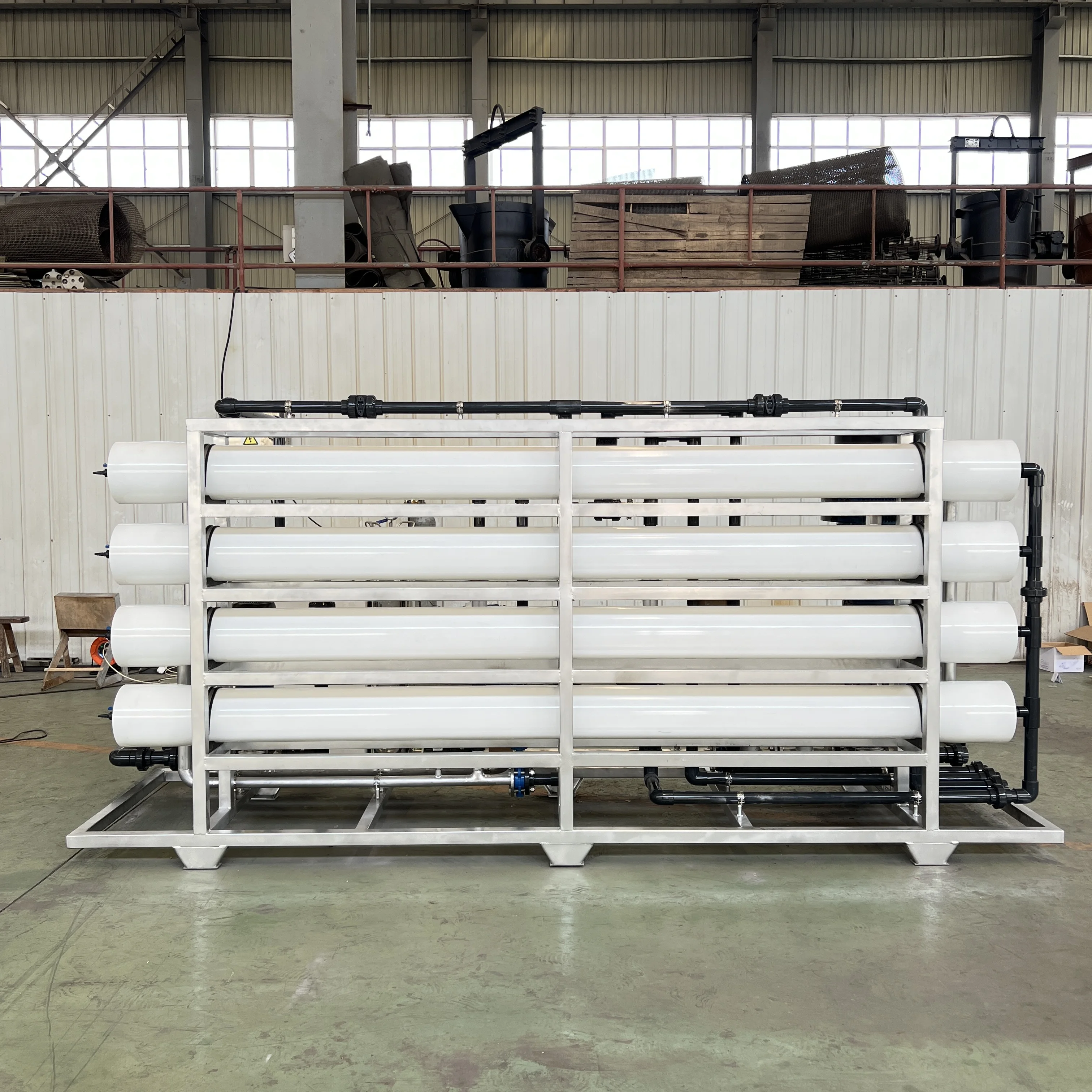
The cornerstone of reverse osmosis brackish water treatment lies in its sophisticated membrane technology that delivers unparalleled purification performance. These specialized membranes feature microscopic pores measuring approximately 0.0001 microns, creating an effective barrier against dissolved salts, bacteria, viruses, and organic compounds commonly found in brackish water sources. The membrane construction utilizes advanced polymer materials that resist fouling and maintain consistent performance throughout extended operating periods. This technological advancement ensures that reverse osmosis brackish water treatment systems remove total dissolved solids with efficiency rates exceeding 95%, producing water quality that often surpasses bottled water standards. The multi-layer membrane design incorporates protective backing materials and specialized surface treatments that enhance durability while maintaining optimal permeability characteristics. Users benefit from consistent water quality regardless of seasonal variations or fluctuations in source water composition, as the membrane technology automatically adapts to changing conditions. The advanced membrane configuration in reverse osmosis brackish water treatment systems includes features such as spiral-wound designs that maximize surface area while minimizing system footprint, allowing for higher production rates within compact installations. The membranes demonstrate exceptional chemical resistance, maintaining structural integrity when exposed to varying pH levels and chlorine concentrations commonly encountered in brackish water sources. This durability translates into extended service life, typically ranging from 24 to 36 months under normal operating conditions, significantly reducing replacement costs and system downtime. The membrane technology incorporates anti-scaling properties that resist mineral buildup, ensuring consistent flow rates and production capacity throughout the operating cycle. Advanced manufacturing techniques ensure uniform pore distribution across the membrane surface, eliminating weak points that could compromise purification performance. The technology enables precise control over water quality parameters, allowing users to adjust system performance to meet specific application requirements while maintaining optimal energy efficiency.
Energy-Efficient Operation with Smart Automation Controls

Energy-Efficient Operation with Smart Automation Controls

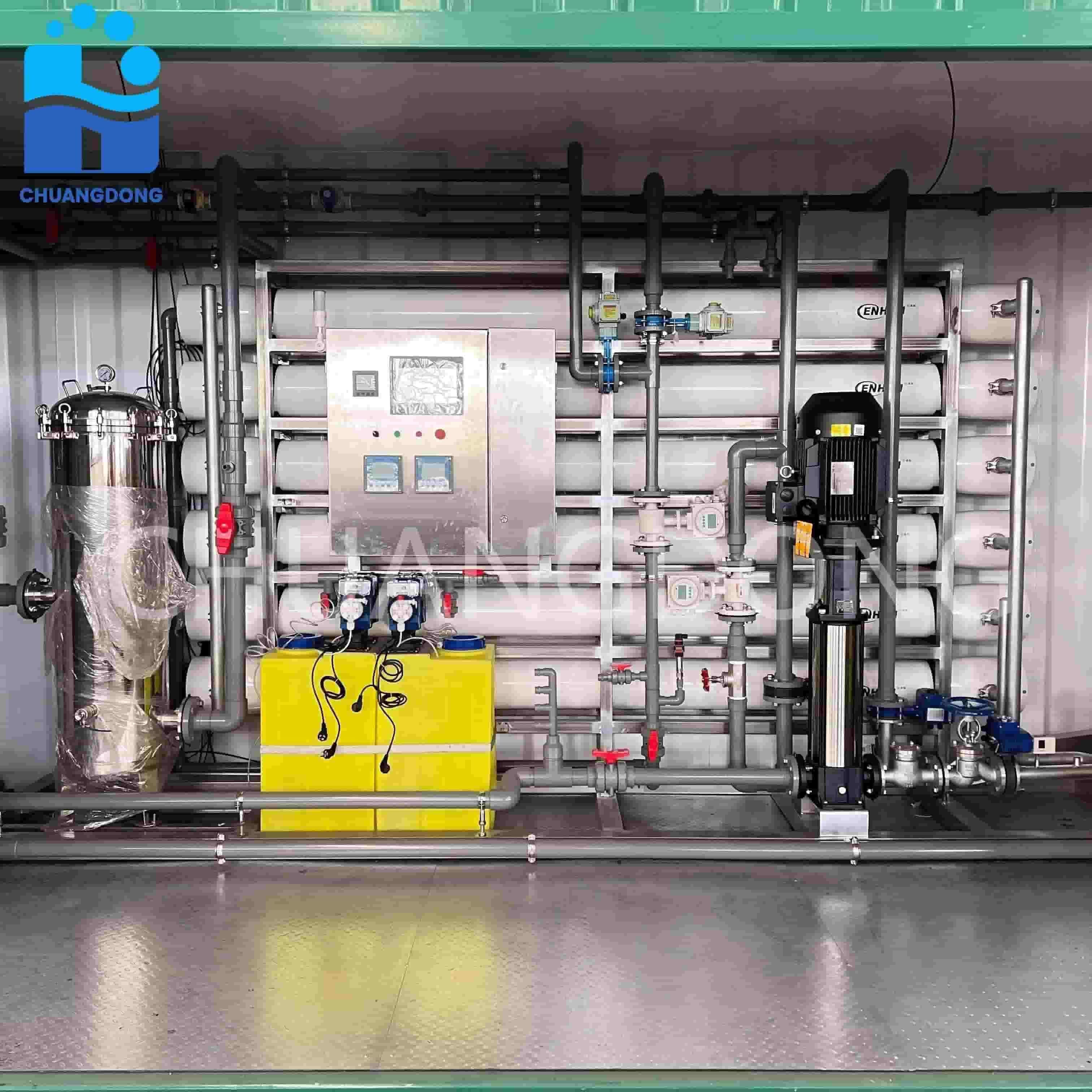
Modern reverse osmosis brackish water treatment systems incorporate intelligent automation and energy optimization features that deliver substantial operational savings while ensuring consistent performance. The integrated control systems continuously monitor critical parameters including feed pressure, permeate flow rate, conductivity levels, and membrane differential pressure, automatically adjusting operating conditions to maintain peak efficiency. This smart technology eliminates the guesswork associated with manual operation while preventing costly damage from improper operating conditions. Energy recovery devices built into reverse osmosis brackish water treatment systems capture and reuse hydraulic energy from the concentrate stream, reducing overall power consumption by up to 35% compared to conventional designs. Variable frequency drives adjust pump speeds based on actual demand, further optimizing energy usage while extending equipment life through reduced mechanical stress. The automation package includes predictive maintenance capabilities that alert operators to potential issues before they impact system performance, minimizing unplanned downtime and repair costs. Remote monitoring capabilities enable operators to track system performance from multiple locations, reducing the need for on-site personnel while ensuring rapid response to any operational changes. The control system maintains detailed operational logs that support regulatory compliance reporting and help optimize maintenance schedules based on actual operating conditions rather than arbitrary time intervals. Advanced algorithms within the reverse osmosis brackish water treatment automation package optimize cleaning cycles based on membrane performance indicators, extending membrane life while maintaining consistent water quality. The system automatically initiates flush sequences during standby periods, preventing biological growth and maintaining membrane integrity during periods of reduced demand. Energy monitoring features provide real-time consumption data and trend analysis, enabling users to identify opportunities for further efficiency improvements and validate energy savings achievements. The intelligent controls integrate seamlessly with existing facility management systems, allowing centralized monitoring and control of multiple water treatment systems. Programmable logic controllers execute complex operational sequences while providing user-friendly interfaces that require minimal operator training, reducing staffing requirements and operational complexity.
Flexible Design Solutions for Diverse Applications

Flexible Design Solutions for Diverse Applications

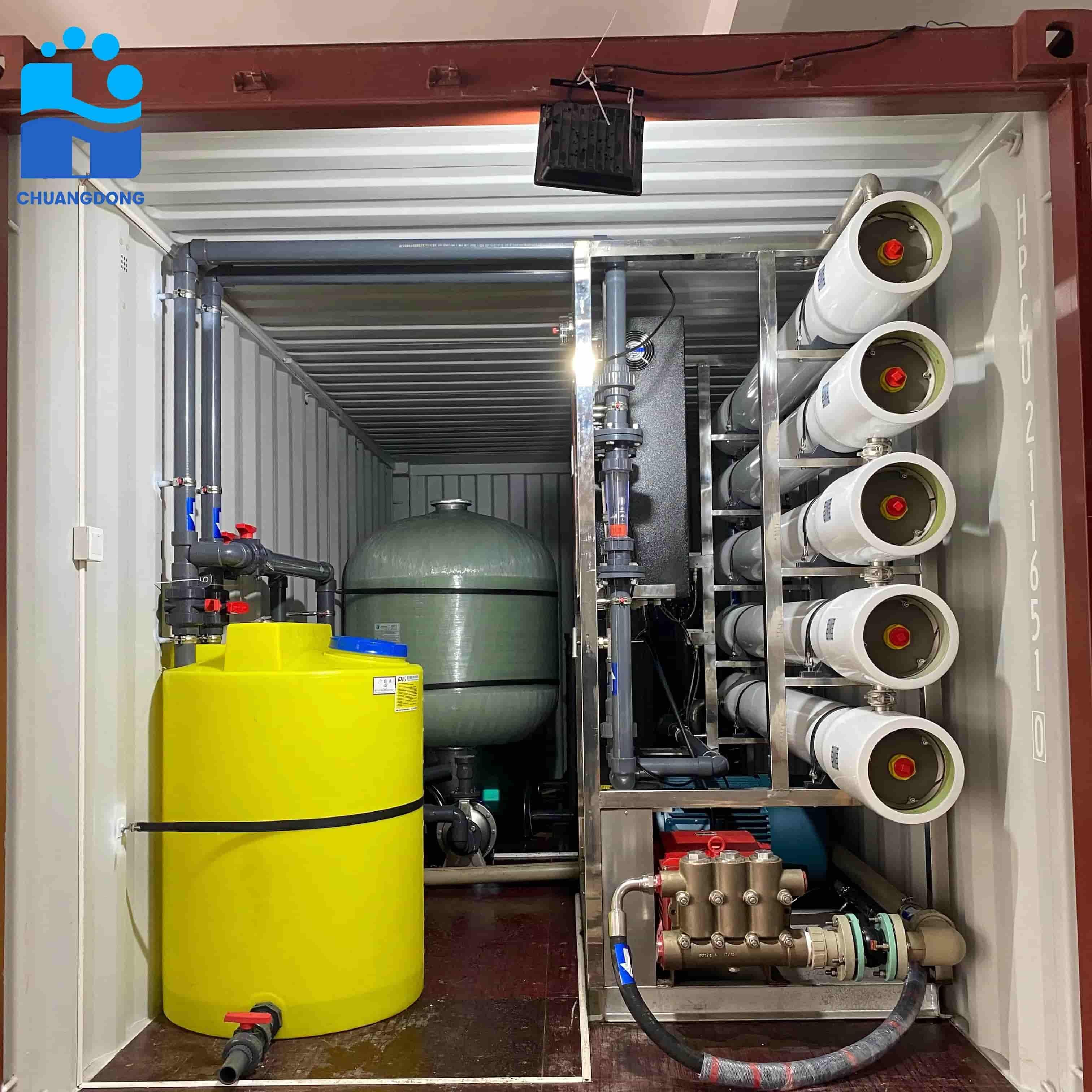
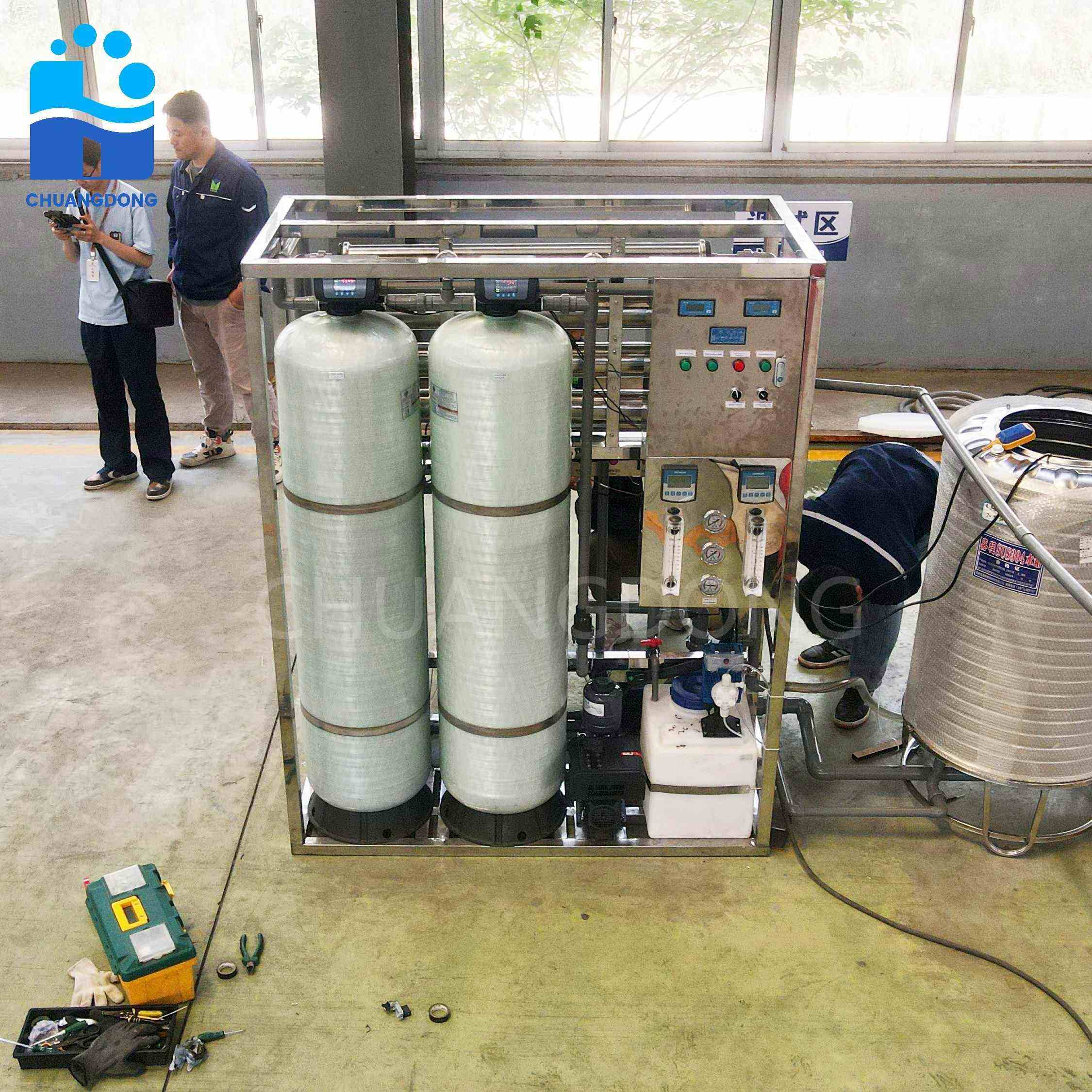
The versatility of reverse osmosis brackish water treatment systems enables customization for a wide range of applications, from small-scale residential installations to large industrial complexes requiring thousands of gallons per day. Modular design principles allow users to configure systems precisely to their specific capacity requirements while maintaining options for future expansion without major infrastructure modifications. This flexibility proves invaluable for growing organizations that need to scale water treatment capacity gradually as demand increases. The systems accommodate varying source water qualities, from slightly brackish groundwater with total dissolved solids levels around 1,000 parts per million to highly mineralized sources exceeding 10,000 parts per million. Pre-treatment options can be customized to address specific water chemistry challenges, including iron removal, pH adjustment, and chlorine neutralization, ensuring optimal performance regardless of source water characteristics. Reverse osmosis brackish water treatment systems offer multiple mounting configurations, including skid-mounted units for easy relocation, containerized systems for rapid deployment, and custom-engineered installations that integrate seamlessly with existing infrastructure. The technology adapts to diverse operating environments, from tropical coastal regions with high humidity and salt exposure to arid desert locations with extreme temperature variations. Material selection options include corrosion-resistant stainless steel construction for marine applications and standard carbon steel with protective coatings for inland installations, ensuring long-term durability in any environment. Post-treatment options allow users to customize final water quality characteristics, including pH adjustment, remineralization, and disinfection, tailoring the output to meet specific application requirements. The systems integrate easily with existing water distribution networks, storage systems, and monitoring equipment, minimizing installation complexity and disruption to ongoing operations. Backup and redundancy features can be incorporated to ensure continuous water supply for critical applications, including automatic switchover capabilities and standby equipment that activates during maintenance periods. The flexible design of reverse osmosis brackish water treatment systems accommodates various power supply options, including standard electrical connections, solar power integration, and generator backup systems for remote locations. Custom control panels can be configured to match user preferences and operational procedures, ensuring seamless integration with existing workflows and maintenance schedules.

Get a Free Quote

Our representative will contact you soon.
Email
Name
Company Name
Message
0/1000