Advanced Brackish Water Treatment Systems - Efficient Desalination Solutions for Clean Water

Get a Free Quote

Our representative will contact you soon.
Email
Name
Company Name
Message
0/1000

brackish water treatment

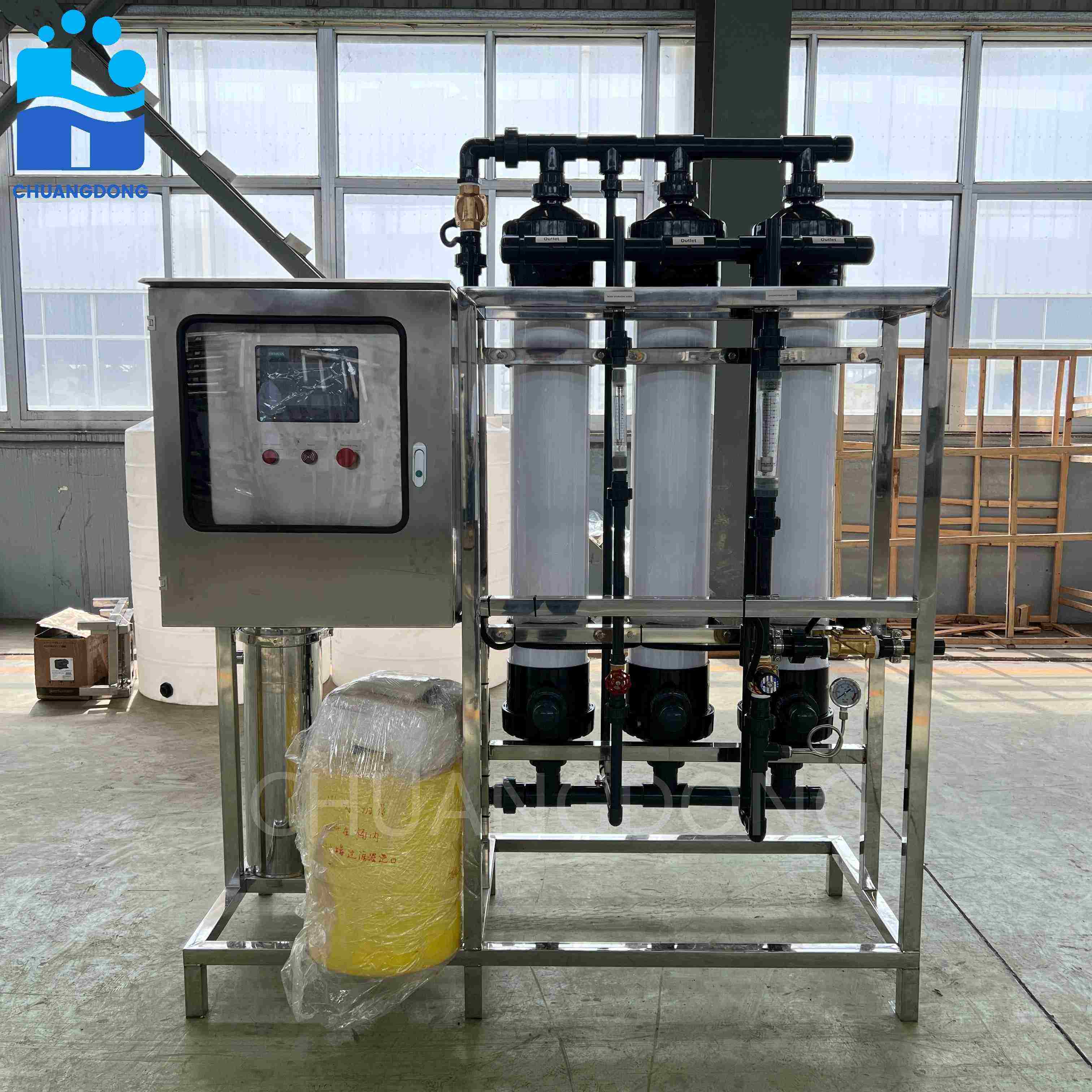
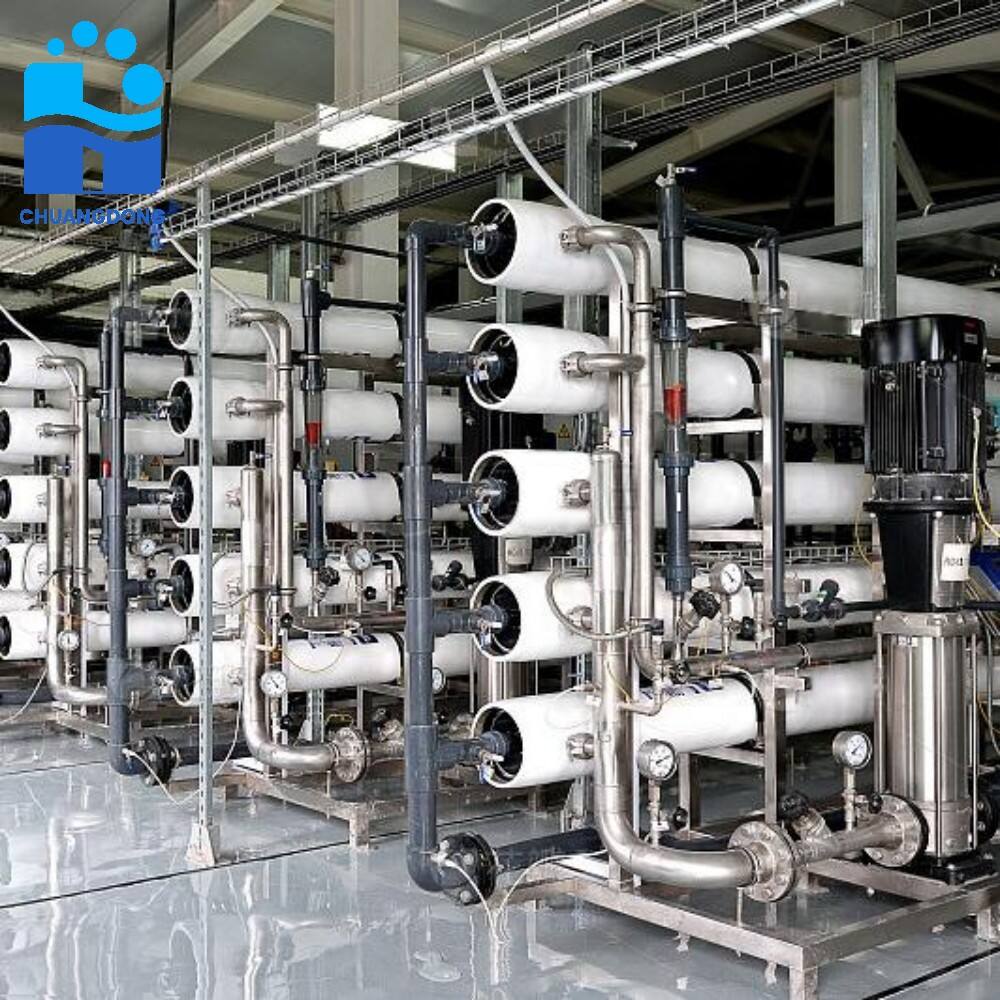
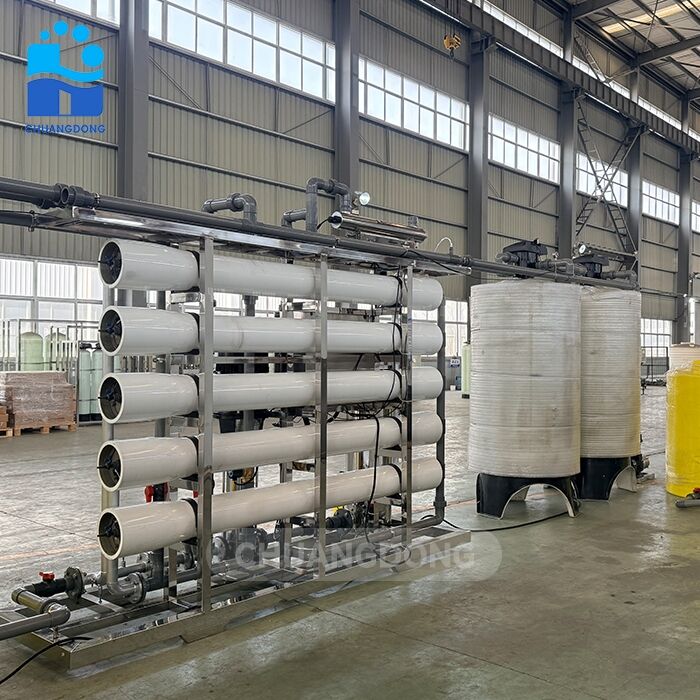
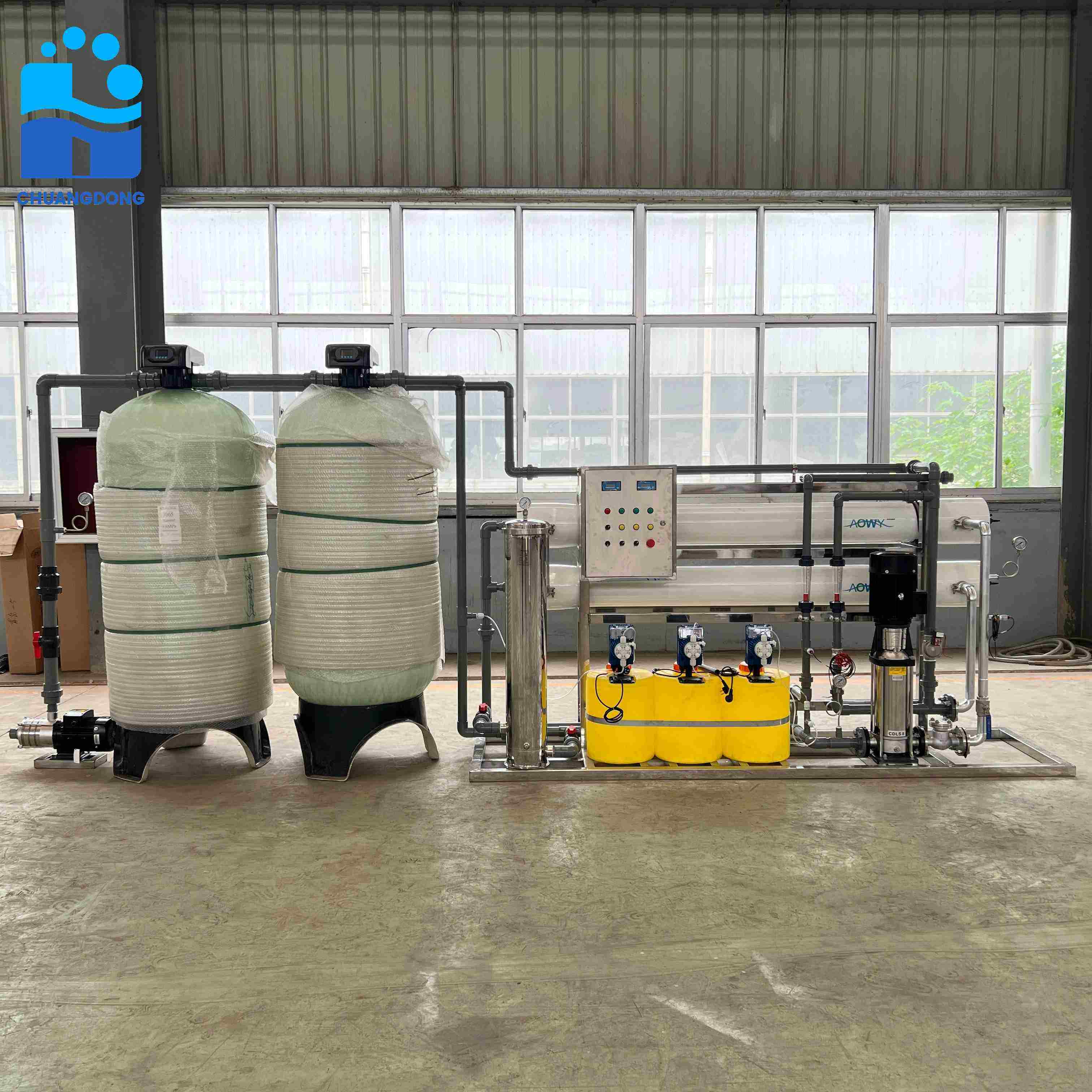
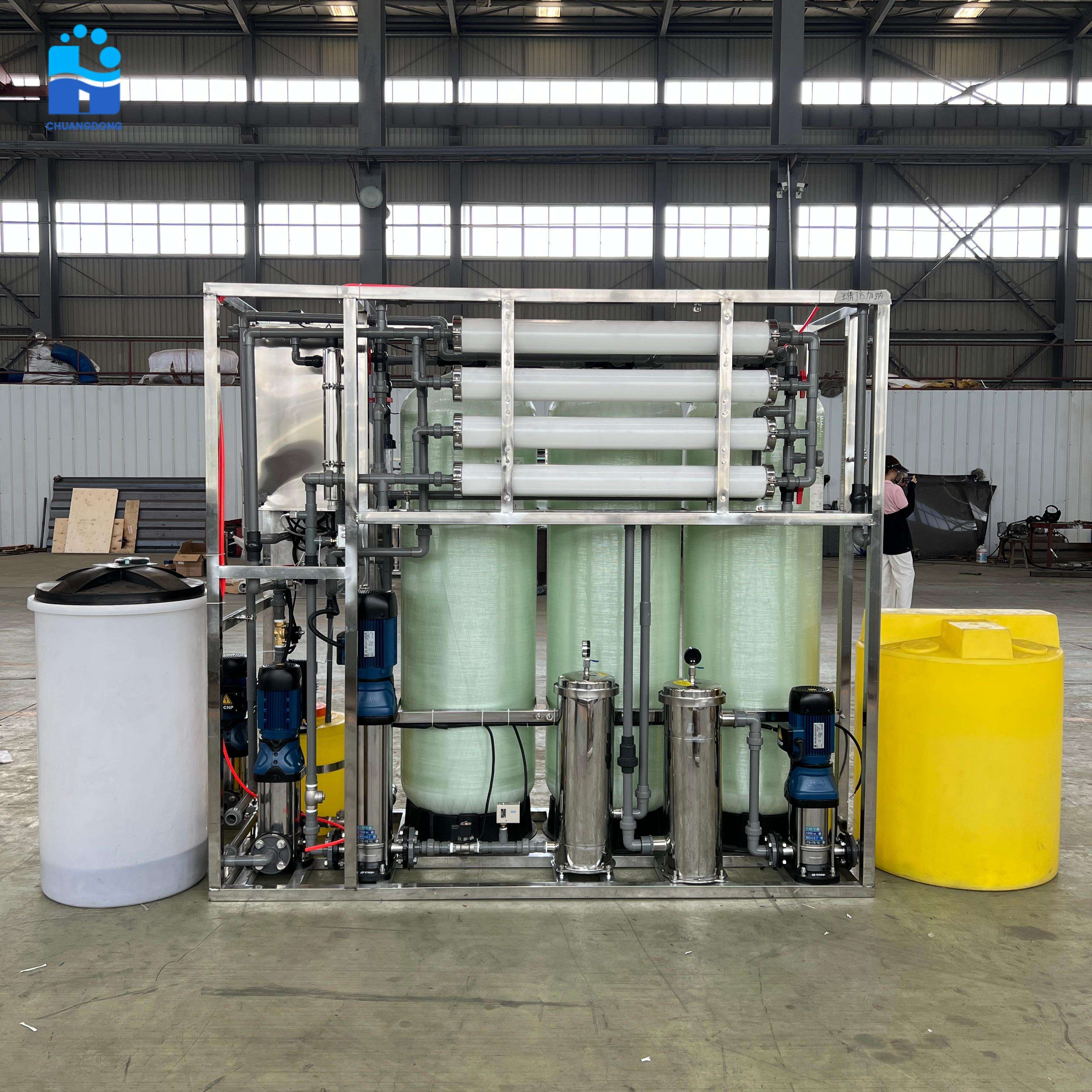
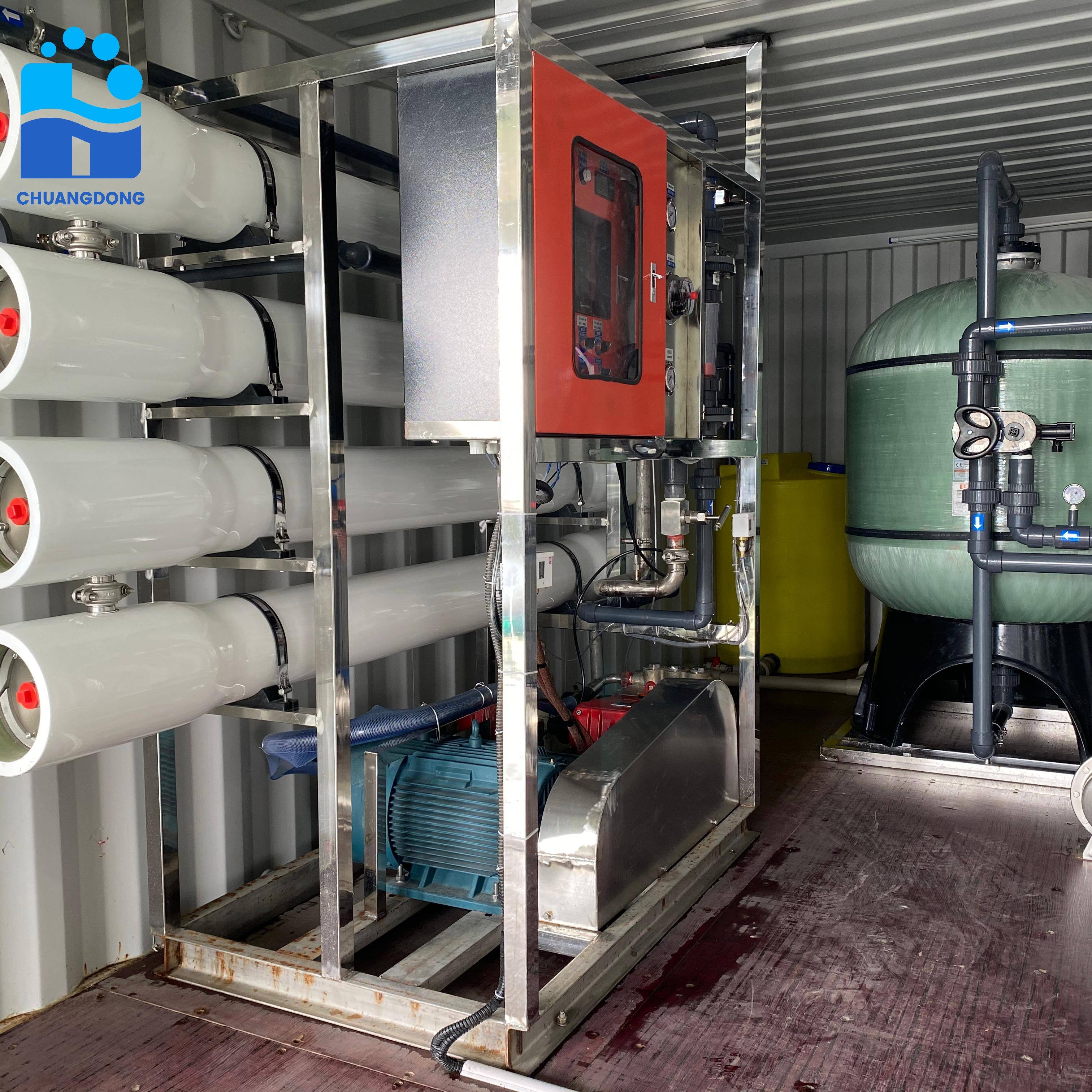
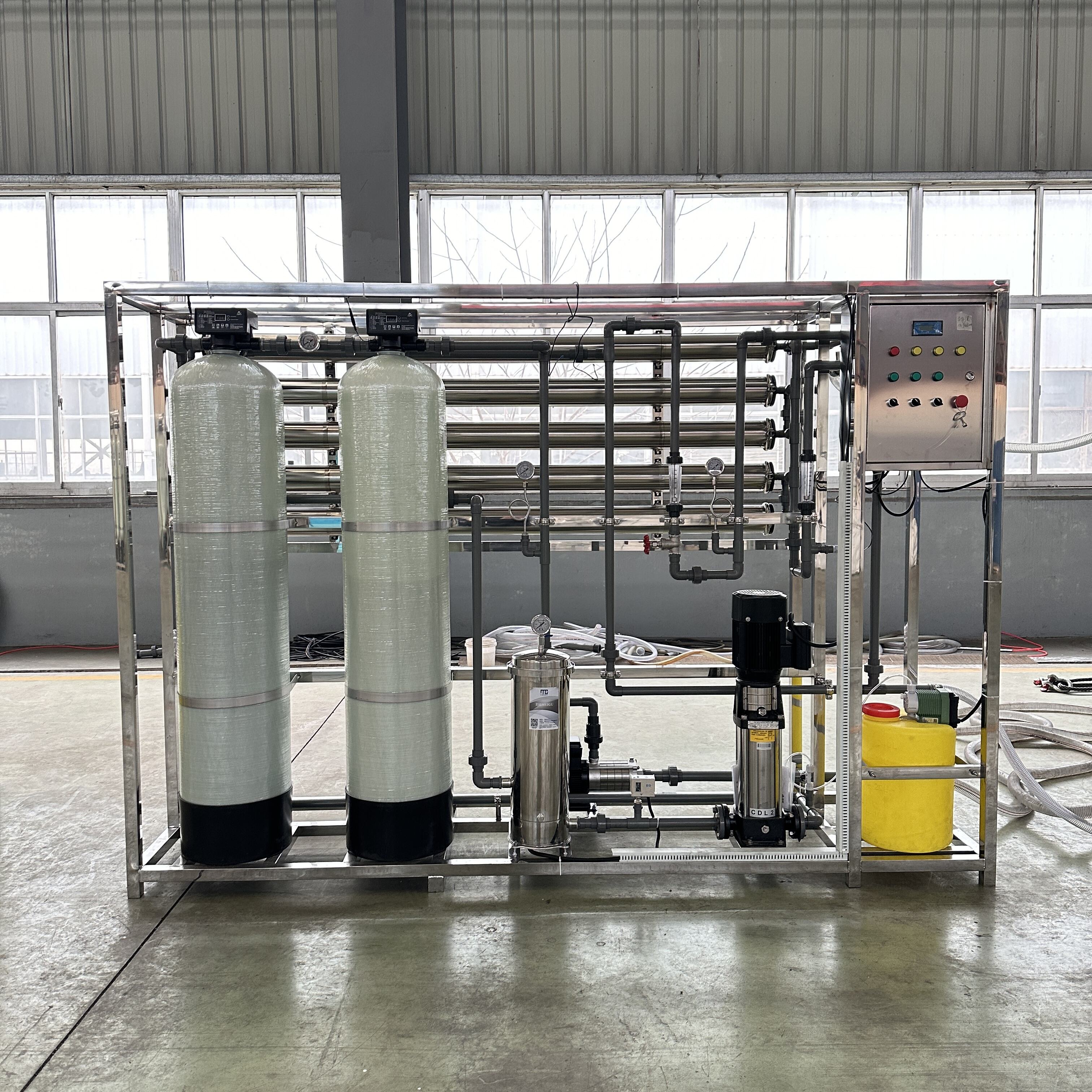
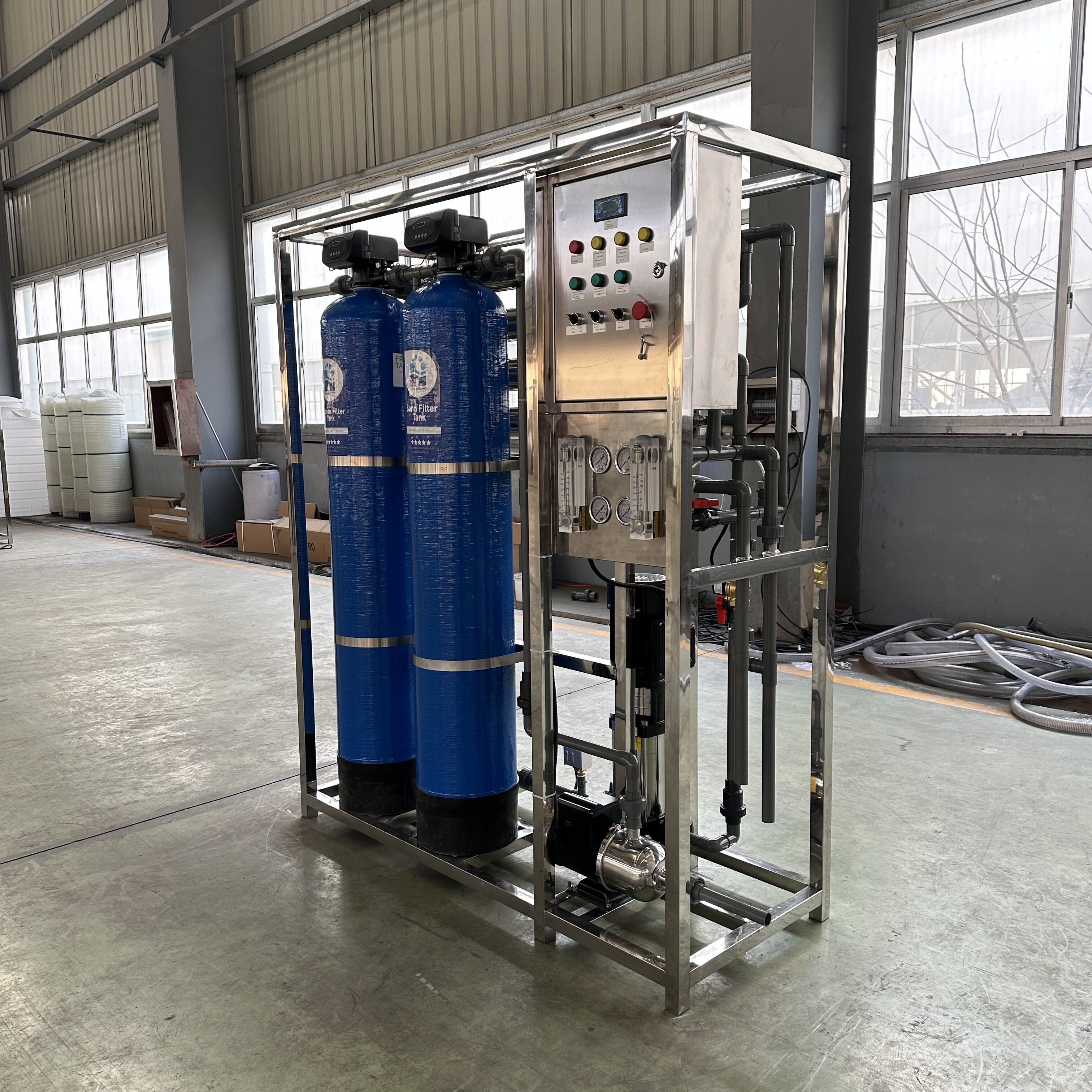
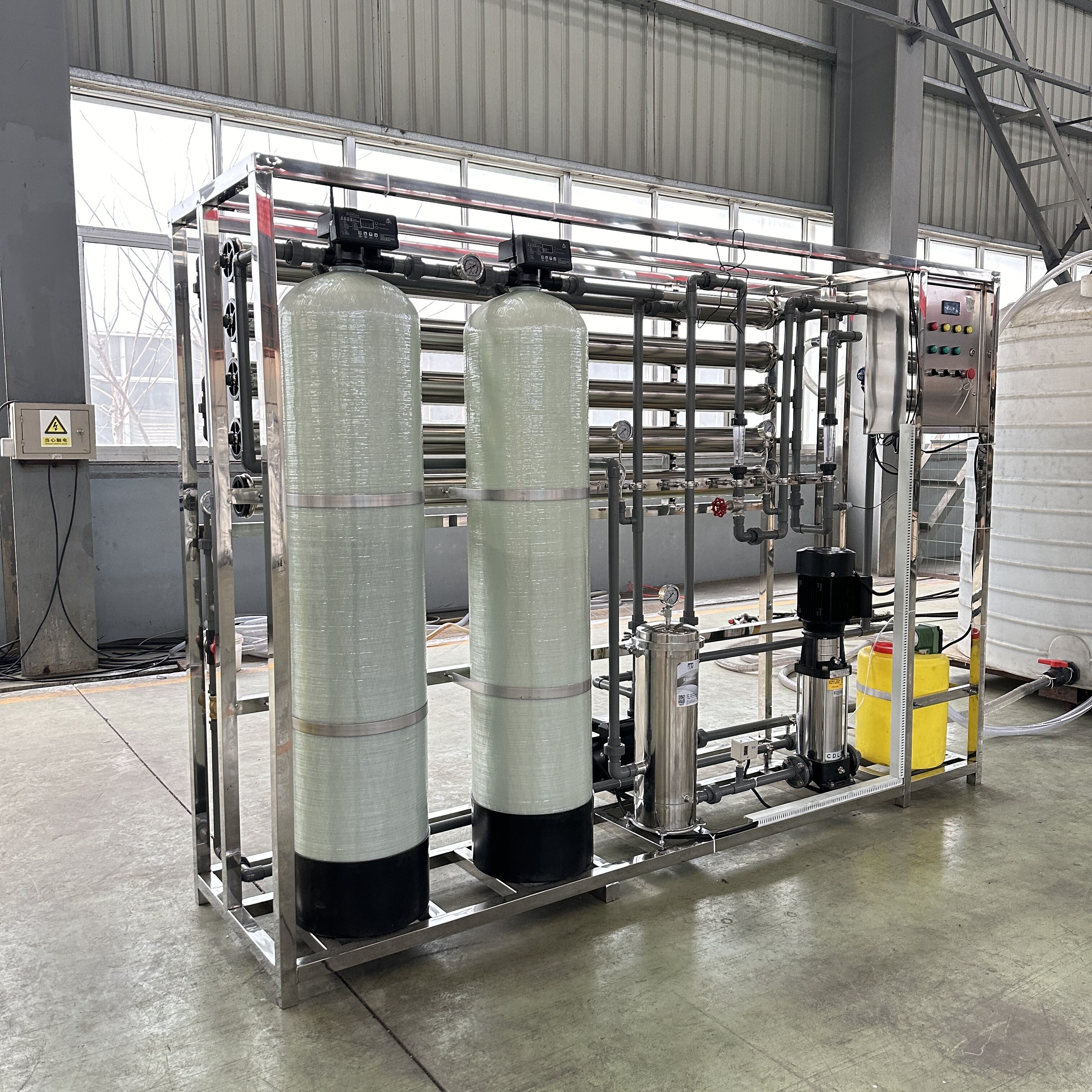
Brackish water treatment represents a critical water purification technology designed to convert saline water with salt concentrations between freshwater and seawater into clean, potable water. This specialized treatment process addresses water containing 1,000 to 10,000 parts per million of dissolved salts, making it suitable for human consumption, industrial applications, and agricultural irrigation. The primary function of brackish water treatment systems involves removing excess minerals, salts, and contaminants through advanced filtration and desalination processes. These systems utilize reverse osmosis technology as their core mechanism, forcing water molecules through semi-permeable membranes while leaving behind unwanted dissolved solids. The technological features include multi-stage filtration, automated monitoring systems, energy recovery devices, and chemical dosing units that optimize performance and efficiency. Modern brackish water treatment facilities incorporate sophisticated control systems that continuously monitor water quality parameters, ensuring consistent output standards and operational reliability. The treatment process typically begins with pre-filtration to remove larger particles and sediments, followed by chemical adjustment to optimize pH levels and prevent membrane fouling. The heart of the system lies in the reverse osmosis units, where high-pressure pumps force brackish water through specialized membranes, separating pure water from concentrated brine. Post-treatment processes include pH adjustment, disinfection, and remineralization to produce high-quality drinking water that meets regulatory standards. Applications span across municipal water supplies, industrial manufacturing, agricultural operations, and residential communities in coastal regions or areas with limited freshwater resources. These systems prove particularly valuable in arid regions, island communities, and industrial facilities requiring consistent water quality for manufacturing processes, providing sustainable water solutions where traditional freshwater sources remain insufficient or unavailable.

New Products

Brackish water treatment offers numerous compelling benefits that make it an attractive solution for communities and industries facing water scarcity challenges. The technology provides a reliable and sustainable water source, reducing dependence on increasingly scarce freshwater reserves while offering cost-effective alternatives to traditional water supply methods. One significant advantage involves lower energy consumption compared to seawater desalination, as brackish water requires less pressure and energy to process due to its lower salt concentration. This energy efficiency translates directly into reduced operational costs and smaller carbon footprints, making brackish water treatment an environmentally responsible choice for conscious organizations. The treatment process delivers consistent water quality regardless of seasonal variations or drought conditions, ensuring uninterrupted supply for critical applications. Communities benefit from improved public health outcomes as treated water eliminates harmful contaminants, bacteria, and excess minerals that could cause health issues or infrastructure damage. Industrial facilities gain access to high-purity water suitable for manufacturing processes, equipment cooling, and product formulation, enhancing operational efficiency and product quality. The modular design of modern brackish water treatment systems allows for scalable installations that can grow with increasing demand, providing flexibility for expanding communities or businesses. Maintenance requirements remain relatively straightforward, with predictable schedules and readily available replacement components, minimizing downtime and operational disruptions. The technology proves particularly valuable in regions where groundwater contains elevated salt levels, transforming previously unusable water sources into valuable resources. Financial benefits extend beyond operational savings to include reduced infrastructure costs for long-distance water transportation and decreased reliance on expensive water imports. Environmental advantages encompass reduced strain on natural freshwater ecosystems, lower brine disposal volumes compared to seawater treatment, and opportunities for beneficial reuse of concentrate streams in appropriate applications. The rapid payback period and long-term operational stability make brackish water treatment an economically sound investment for forward-thinking organizations seeking sustainable water security solutions.

Practical Tips

What Intake and Outfall Designs Minimize Environmental Impact of a Desalination Plant?

01

Mar

What Intake and Outfall Designs Minimize Environmental Impact of a Desalination Plant?

Environmental considerations have become paramount in the design and operation of modern desalination facilities worldwide. As water scarcity continues to challenge communities across the globe, the demand for sustainable desalination plant solutions...
View More
What Corrosion-Resistant Materials Are Used in Desalination Plant Construction?

06

Mar

What Corrosion-Resistant Materials Are Used in Desalination Plant Construction?

Desalination plants operate in some of the harshest environments imaginable, where saltwater constantly threatens the integrity of critical infrastructure. The selection of appropriate corrosion-resistant materials becomes paramount to ensuring long-...
View More
How Does a Water Purification System with Ion Exchange Soften Hard Water Effectively?

15

Mar

How Does a Water Purification System with Ion Exchange Soften Hard Water Effectively?

Hard water poses significant challenges for both residential and commercial applications, containing high concentrations of calcium and magnesium ions that cause scale buildup, reduce equipment efficiency, and affect water quality. A water purificati...
View More
Why Should Pharmaceutical QC Labs Use Ultrapure Water for HPLC and Mass Spectrometry?

18

Mar

Why Should Pharmaceutical QC Labs Use Ultrapure Water for HPLC and Mass Spectrometry?

Pharmaceutical quality control laboratories face increasingly stringent requirements for analytical accuracy and regulatory compliance. The foundation of reliable analytical results lies in the quality of water used throughout testing procedures. Ult...
View More

Get a Free Quote

Our representative will contact you soon.
Email
Name
Company Name
Message
0/1000

brackish water treatment

Advanced Membrane Technology and Energy Efficiency

Advanced Membrane Technology and Energy Efficiency

The cornerstone of modern brackish water treatment lies in its sophisticated membrane technology and exceptional energy efficiency, setting new standards for sustainable water purification. These systems employ cutting-edge reverse osmosis membranes specifically engineered for brackish water applications, featuring enhanced permeability and superior rejection rates that maximize water recovery while minimizing energy consumption. The membranes utilize advanced polymer compositions and surface modifications that resist fouling and scaling, extending operational lifespans and reducing maintenance requirements. Energy recovery devices integrated into the system capture and reuse hydraulic energy from the high-pressure brine stream, dramatically reducing overall power consumption by up to 60 percent compared to conventional systems. Variable frequency drives and high-efficiency pumps optimize energy usage based on real-time demand and operating conditions, ensuring minimum energy expenditure for maximum water production. The intelligent control systems continuously monitor membrane performance, automatically adjusting operating parameters to maintain peak efficiency while preventing damage from adverse conditions. This technological sophistication translates into significant cost savings for operators, with reduced electricity bills and lower environmental impact making the systems attractive for environmentally conscious organizations. The energy efficiency becomes particularly valuable in remote locations where power costs remain high or renewable energy sources provide primary electricity. Modern brackish water treatment facilities can operate effectively on solar or wind power, creating completely sustainable water production systems that align with global environmental goals. The combination of advanced materials science, engineering innovation, and intelligent automation ensures these systems deliver reliable performance while minimizing resource consumption, making them ideal solutions for communities and industries seeking both economic and environmental benefits from their water treatment investments.
Comprehensive Water Quality Enhancement and Health Benefits

Comprehensive Water Quality Enhancement and Health Benefits

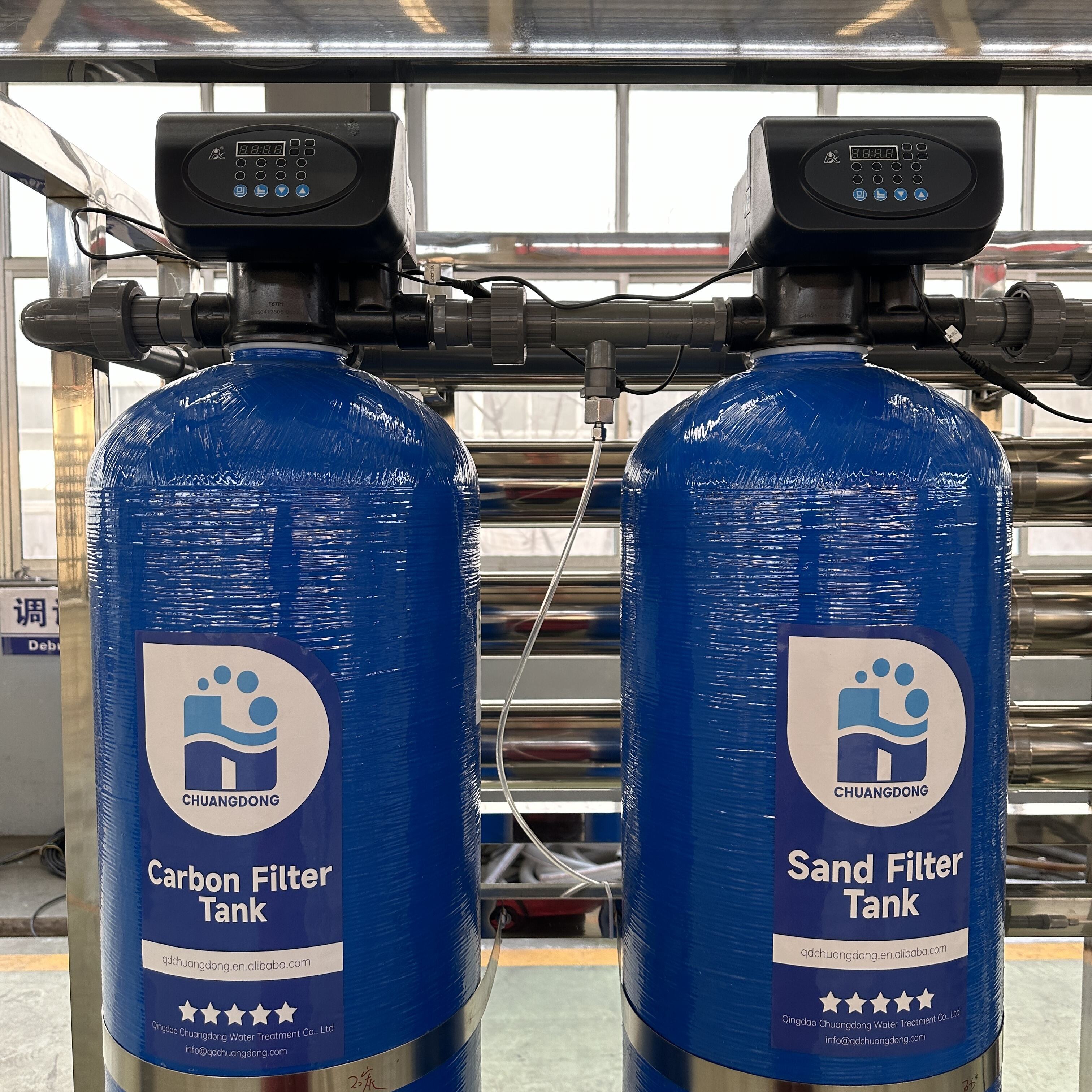
Brackish water treatment systems excel at delivering comprehensive water quality enhancement that transforms marginally usable water sources into premium-grade drinking water, providing substantial health and safety benefits for end users. The multi-barrier treatment approach effectively removes a wide spectrum of contaminants, including dissolved salts, heavy metals, bacteria, viruses, organic compounds, and chemical pollutants that commonly affect brackish water sources. The reverse osmosis process serves as the primary purification mechanism, utilizing semi-permeable membranes with pore sizes measured in angstroms, physically blocking contaminants while allowing only pure water molecules to pass through. Pre-treatment stages including sediment filtration, activated carbon adsorption, and chemical conditioning prepare the water for optimal membrane performance while removing chlorine, suspended solids, and organic matter that could compromise treatment efficiency. Post-treatment processes ensure the final product meets or exceeds drinking water standards, with pH adjustment, remineralization, and disinfection steps that optimize taste, stability, and safety. The resulting water quality consistently achieves Total Dissolved Solids levels below 500 parts per million, well within World Health Organization guidelines for potable water, while maintaining beneficial mineral content for human health. Advanced monitoring systems continuously track key quality parameters including conductivity, pH, turbidity, and chlorine residual, providing real-time assurance of water safety and enabling immediate response to any quality deviations. This comprehensive approach eliminates health risks associated with consuming high-salinity water, including hypertension, kidney stress, and cardiovascular complications, while preventing infrastructure damage from corrosive or scaling water conditions. Communities utilizing brackish water treatment report improved public health outcomes, reduced waterborne illness incidents, and enhanced quality of life as residents gain access to reliable, safe drinking water that tastes and performs like premium bottled water at a fraction of the cost.
Scalable Design and Long-Term Economic Viability

Scalable Design and Long-Term Economic Viability

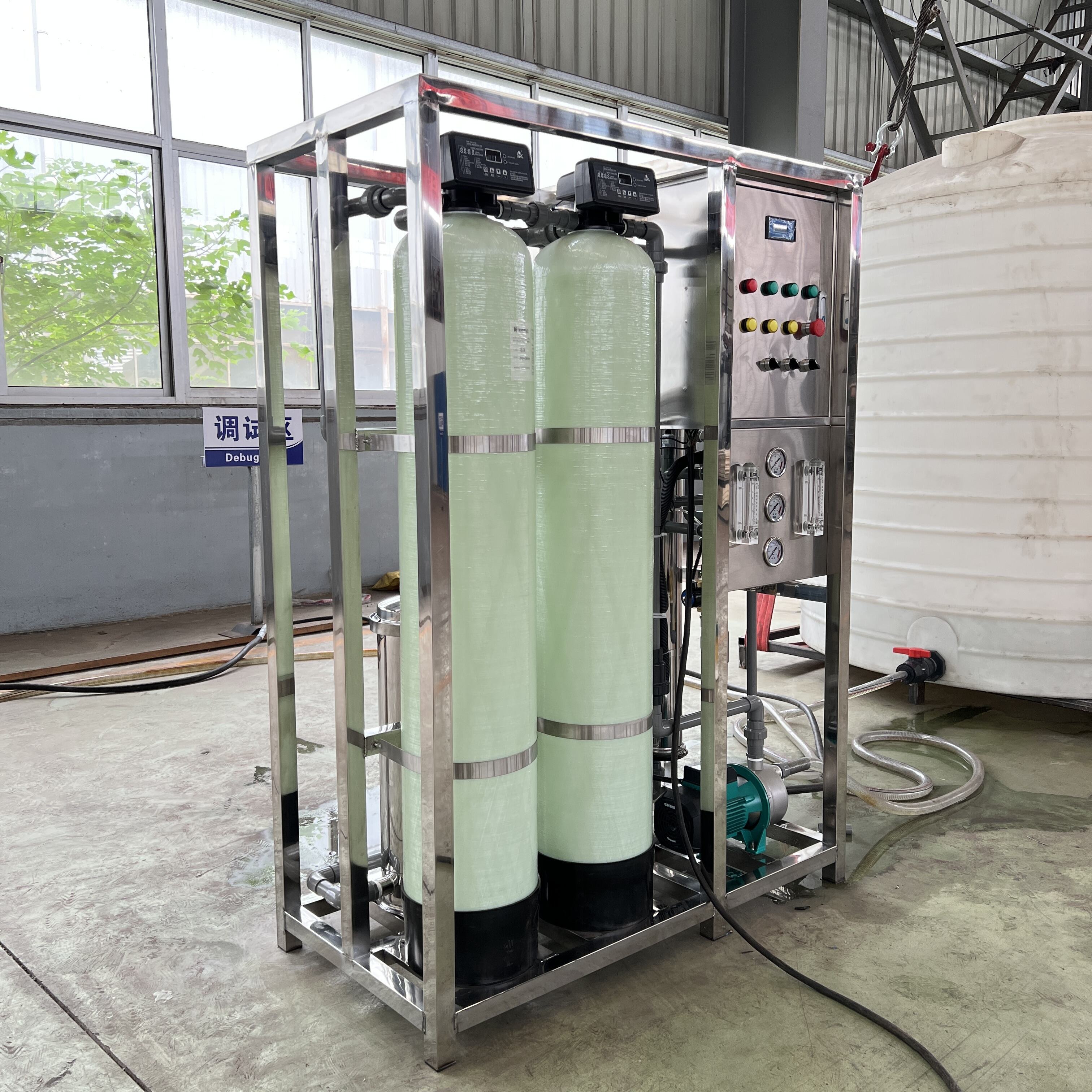
The scalable design philosophy and exceptional long-term economic viability of brackish water treatment systems make them ideal investments for organizations planning sustainable growth and seeking predictable operational costs over extended periods. Modern systems feature modular construction that allows facilities to start with smaller capacities and expand incrementally as demand increases, avoiding large initial capital investments while ensuring adequate capacity for future needs. This flexibility proves particularly valuable for growing communities, expanding industrial operations, or seasonal applications where water demand fluctuates significantly throughout the year. The standardized module approach simplifies installation, maintenance, and upgrades, with interchangeable components that reduce inventory requirements and enable rapid service response when repairs become necessary. Economic benefits compound over time as these systems typically operate for 15-25 years with proper maintenance, providing consistent water production costs that remain stable despite fluctuating utility rates or water scarcity issues. The predictable operational expenses include routine maintenance, membrane replacement, and chemical costs, all of which follow established schedules that enable accurate budgeting and financial planning. Return on investment calculations consistently demonstrate payback periods of 3-7 years depending on local water costs and system size, after which operations generate substantial cost savings compared to alternative water sources. The systems require minimal specialized labor for routine operations, with automated controls handling most daily functions and requiring only periodic professional maintenance visits for optimal performance. Spare parts availability and technical support networks ensure long-term serviceability, protecting the investment value and minimizing operational risks associated with equipment obsolescence. The robust design withstands challenging environmental conditions and varying feedwater quality, maintaining reliable performance that protects against unexpected operational disruptions or emergency water shortages. Financial institutions recognize the proven track record of brackish water treatment technology, often providing favorable financing terms for projects that demonstrate clear economic benefits and sustainable operational models, making these systems accessible for organizations with various budget constraints and financing requirements.

Get a Free Quote

Our representative will contact you soon.
Email
Name
Company Name
Message
0/1000