water treatment plant filters
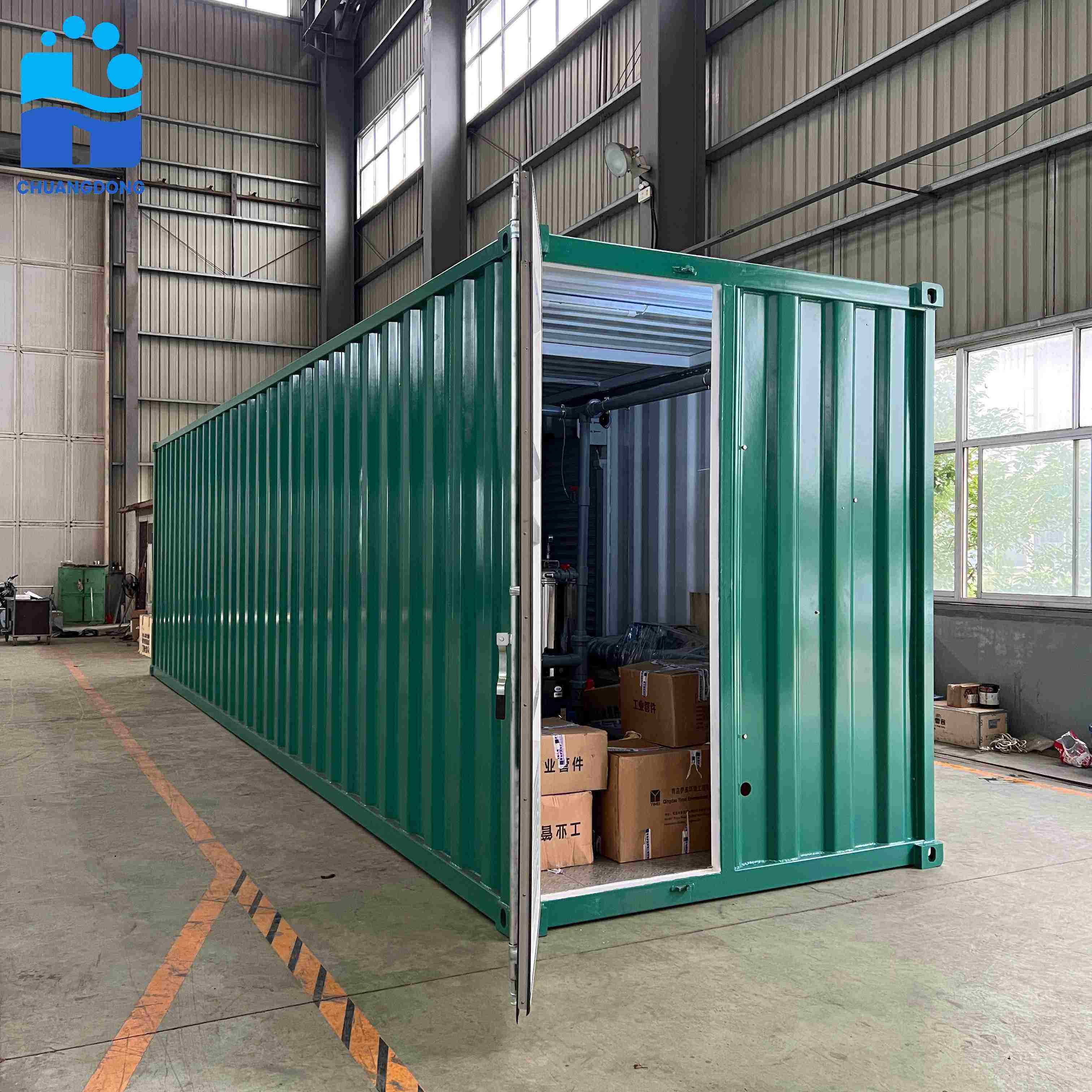
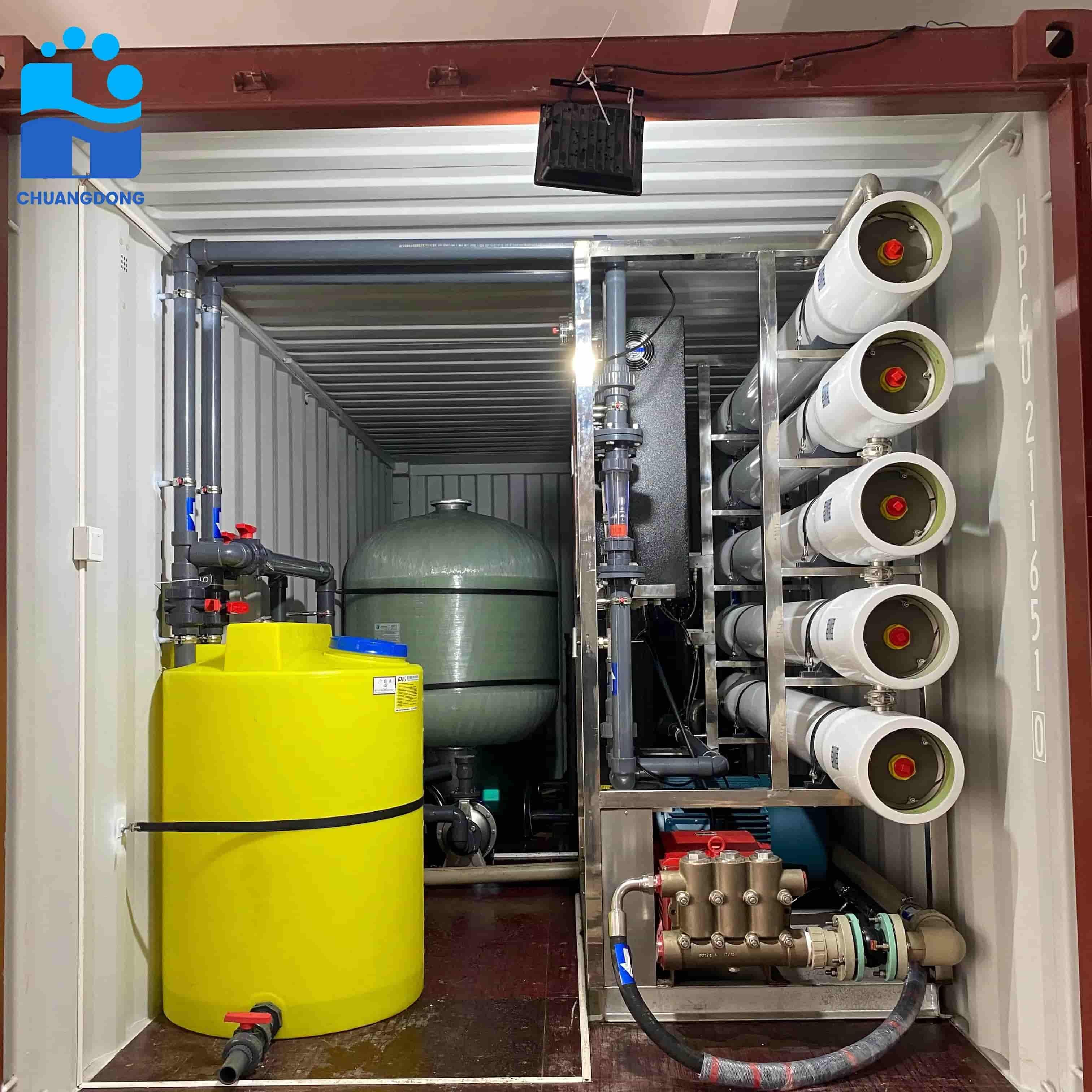
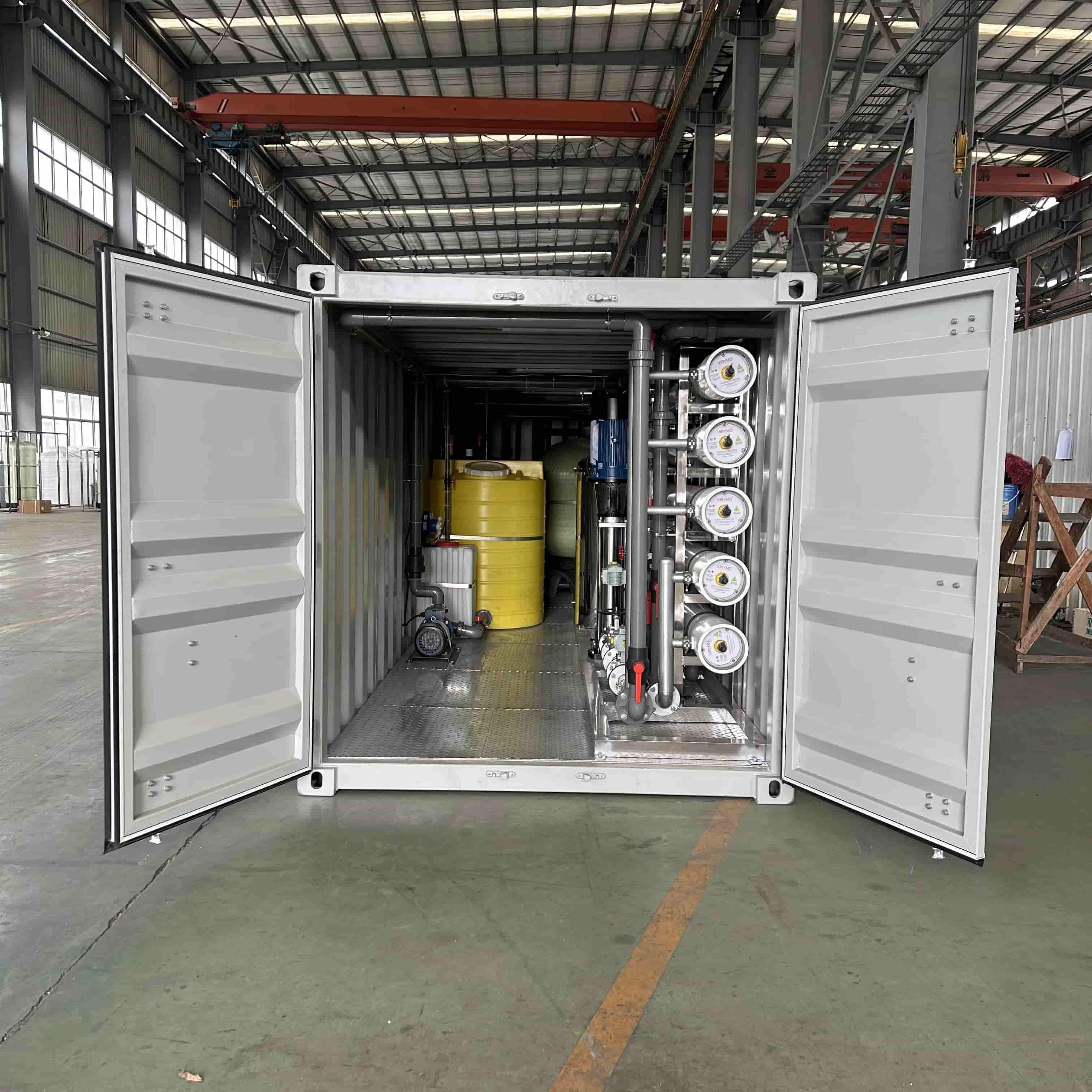
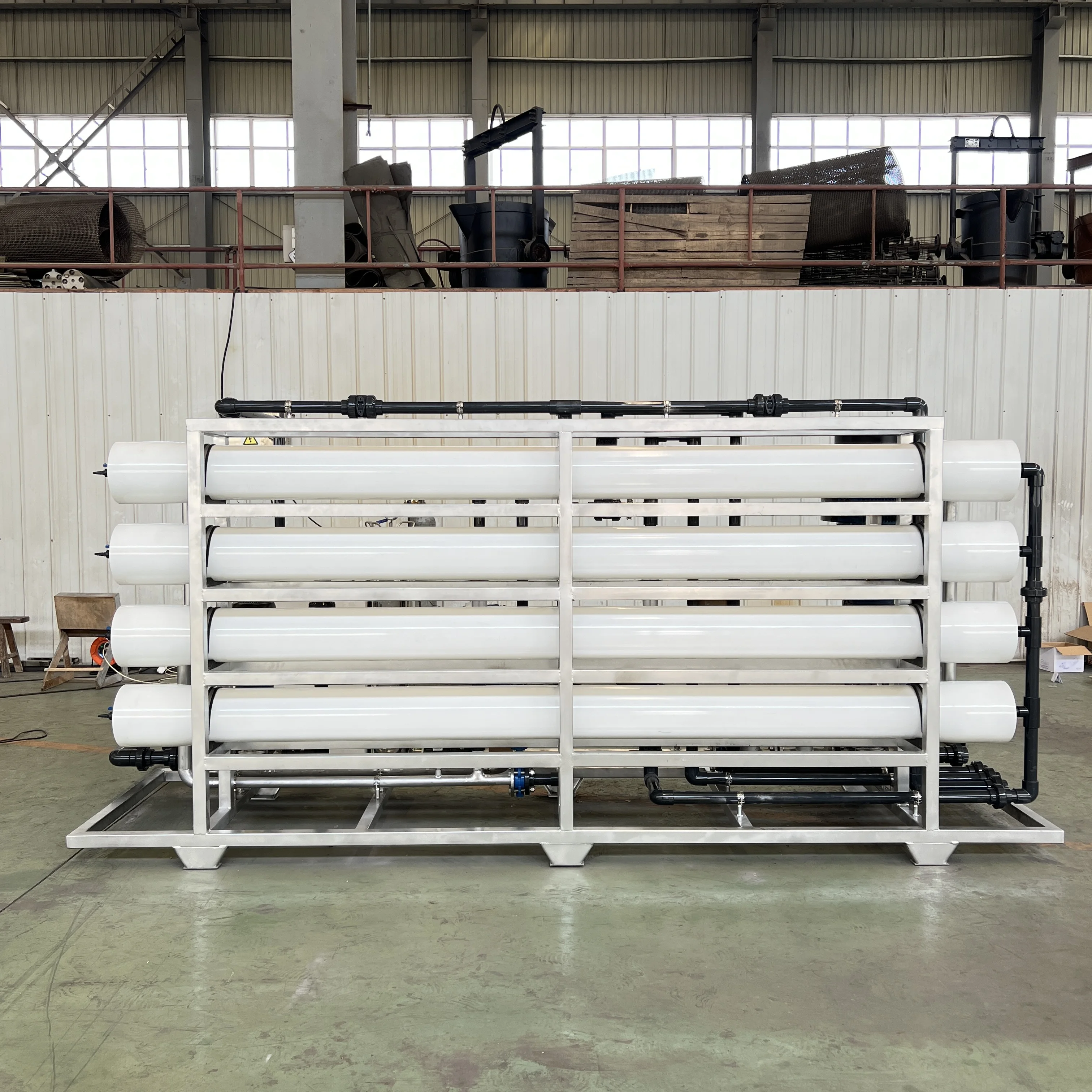
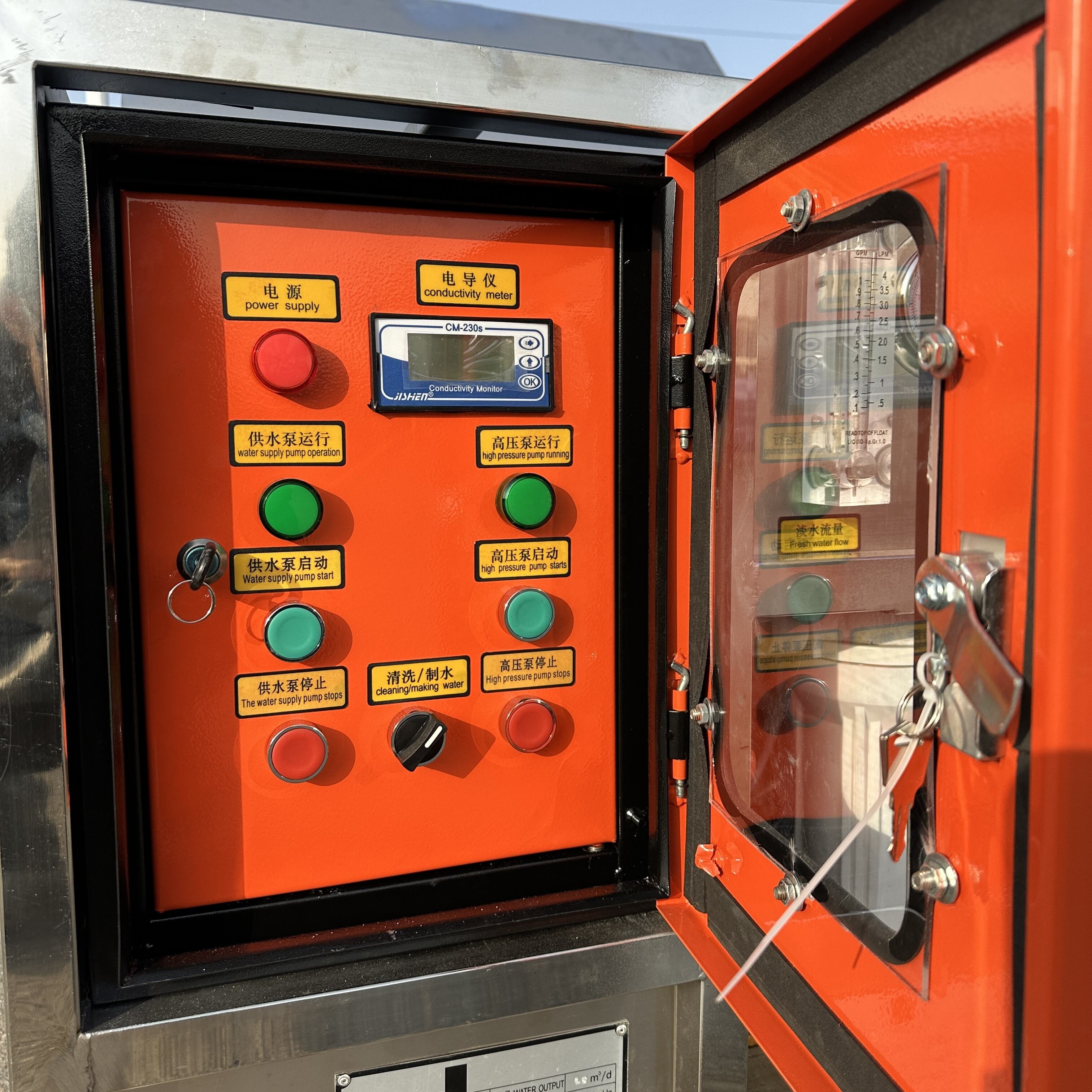
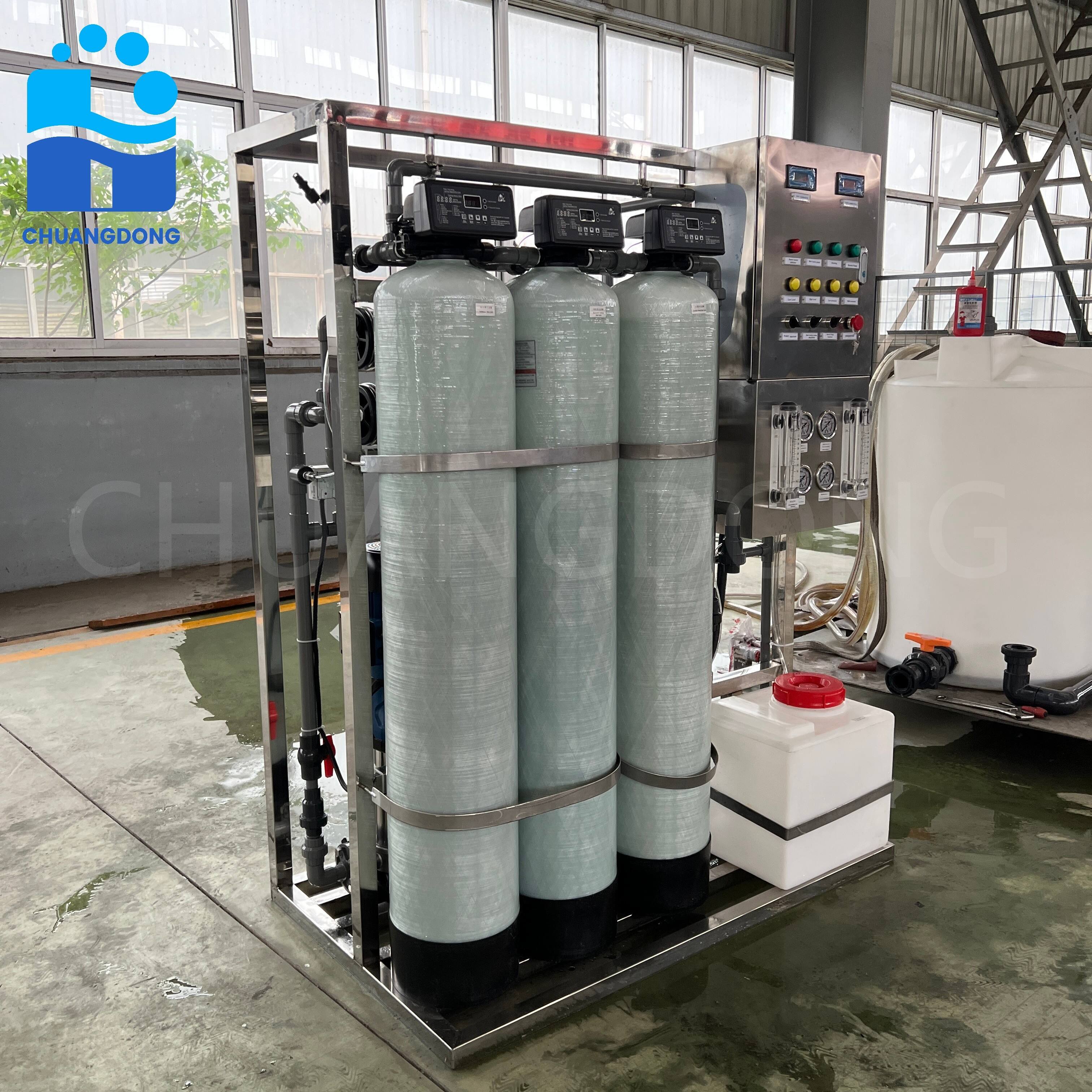
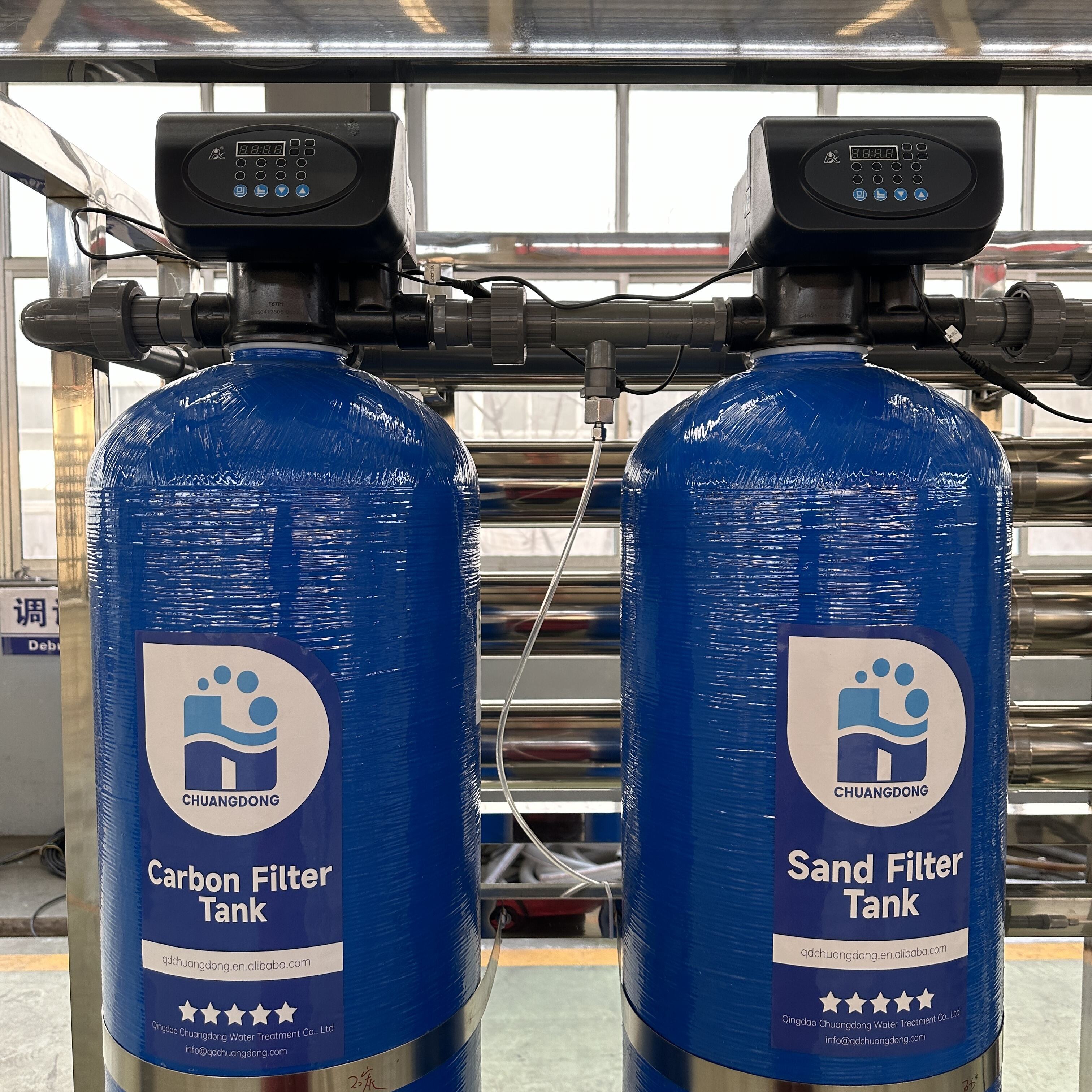
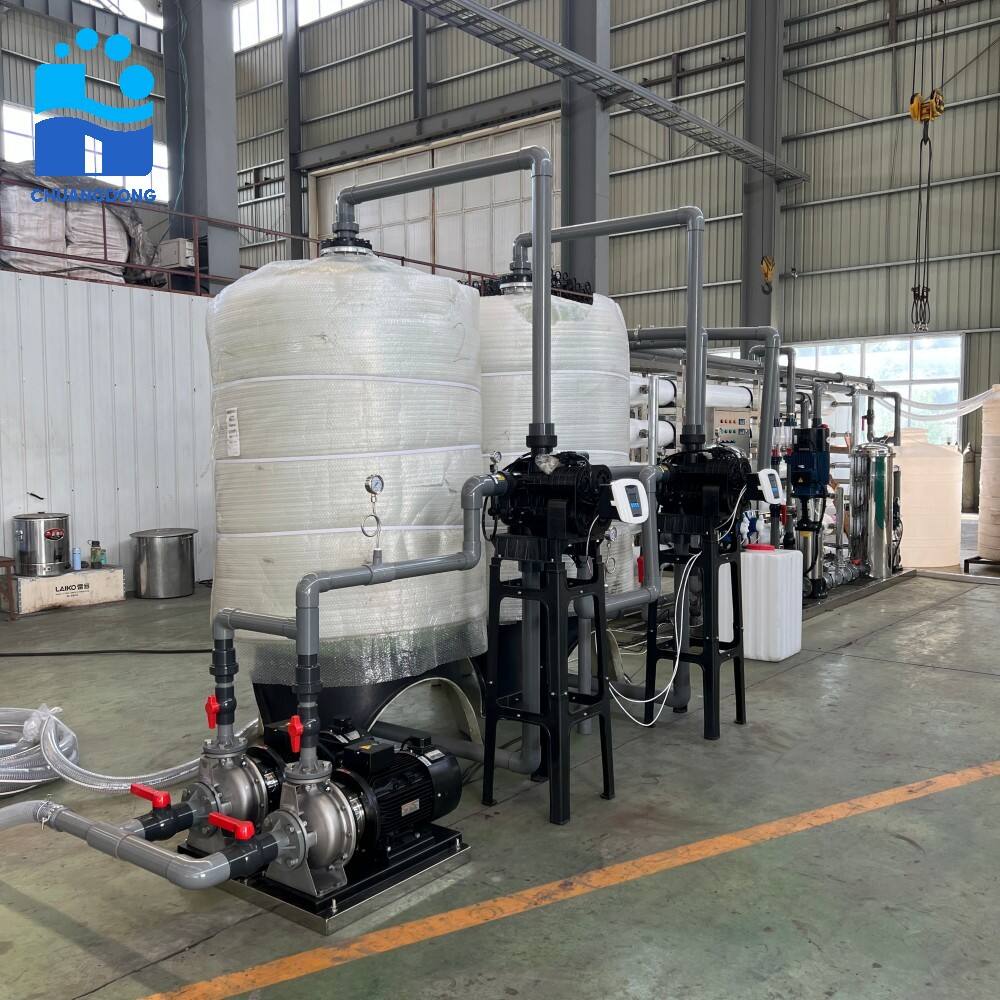
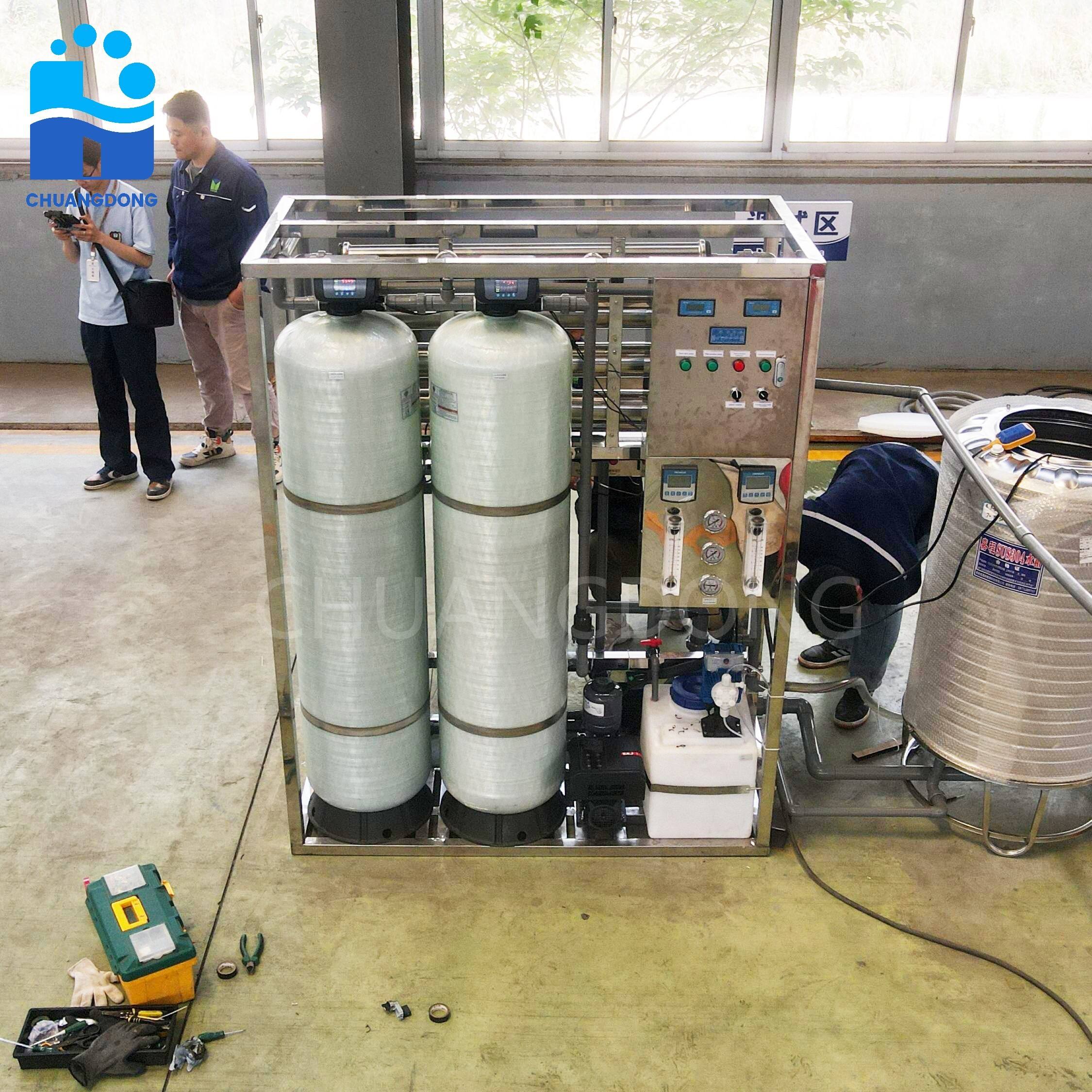
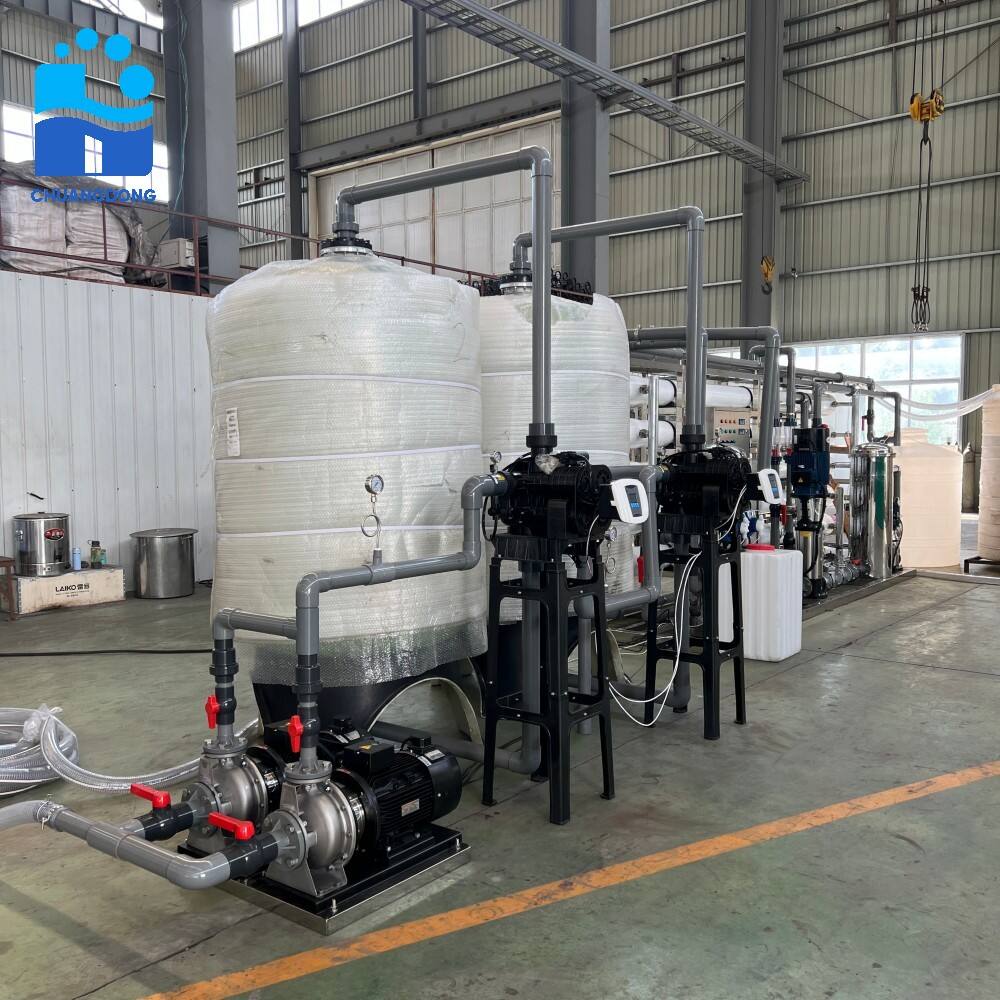
Water treatment plant filters are essential components in modern purification systems, designed to remove contaminants, sediments, and impurities from water sources to ensure safe drinking water for communities and industries. These filtration systems employ multiple stages of physical, chemical, and biological processes to deliver clean water that meets stringent quality standards. Water treatment plant filters utilize various media including sand, activated carbon, anthracite, and advanced membrane technologies to capture particles ranging from large debris to microscopic pathogens. The main functions include removing suspended solids, reducing turbidity, eliminating organic compounds, and controlling taste and odor issues. Technologically, these systems incorporate automated backwashing mechanisms, pressure monitoring sensors, and flow control valves that optimize performance while minimizing operational intervention. Modern water treatment plant filters feature modular designs that allow scalability and customization based on water source characteristics and treatment capacity requirements. Applications span municipal water utilities, industrial manufacturing facilities, power generation plants, pharmaceutical production, food and beverage processing, and commercial buildings. The versatility of water treatment plant filters makes them suitable for treating surface water, groundwater, wastewater reclamation, and process water applications. Advanced filtration technologies integrate real-time monitoring systems that provide operators with critical performance data, enabling proactive maintenance and ensuring consistent water quality output that protects public health and supports industrial operations.
 EN
EN