Advanced Wastewater Treatment Technologies: Comprehensive Solutions for Sustainable Water Management

Get a Free Quote

Our representative will contact you soon.
Email
Name
Company Name
Message
0/1000

wastewater treatment technologies

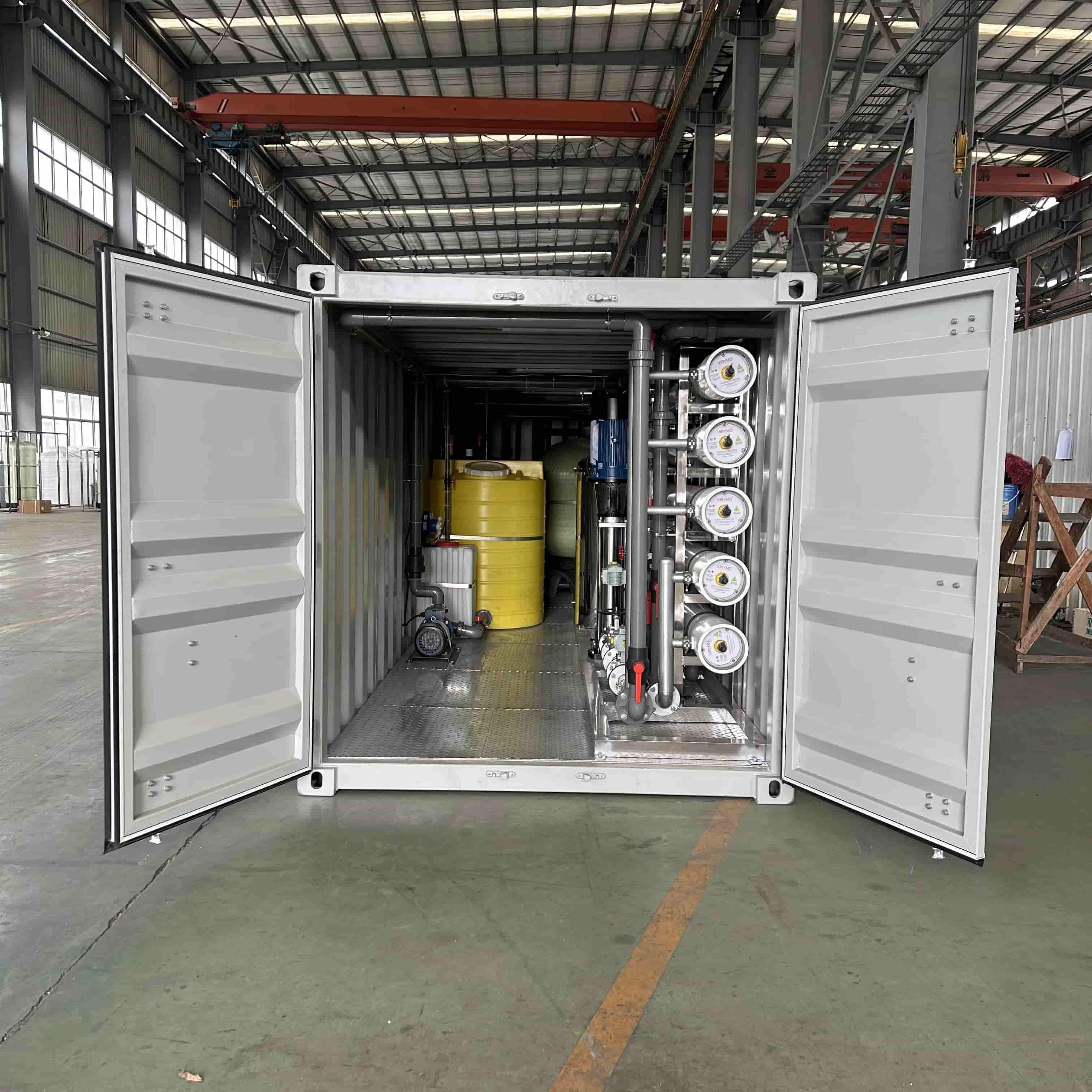
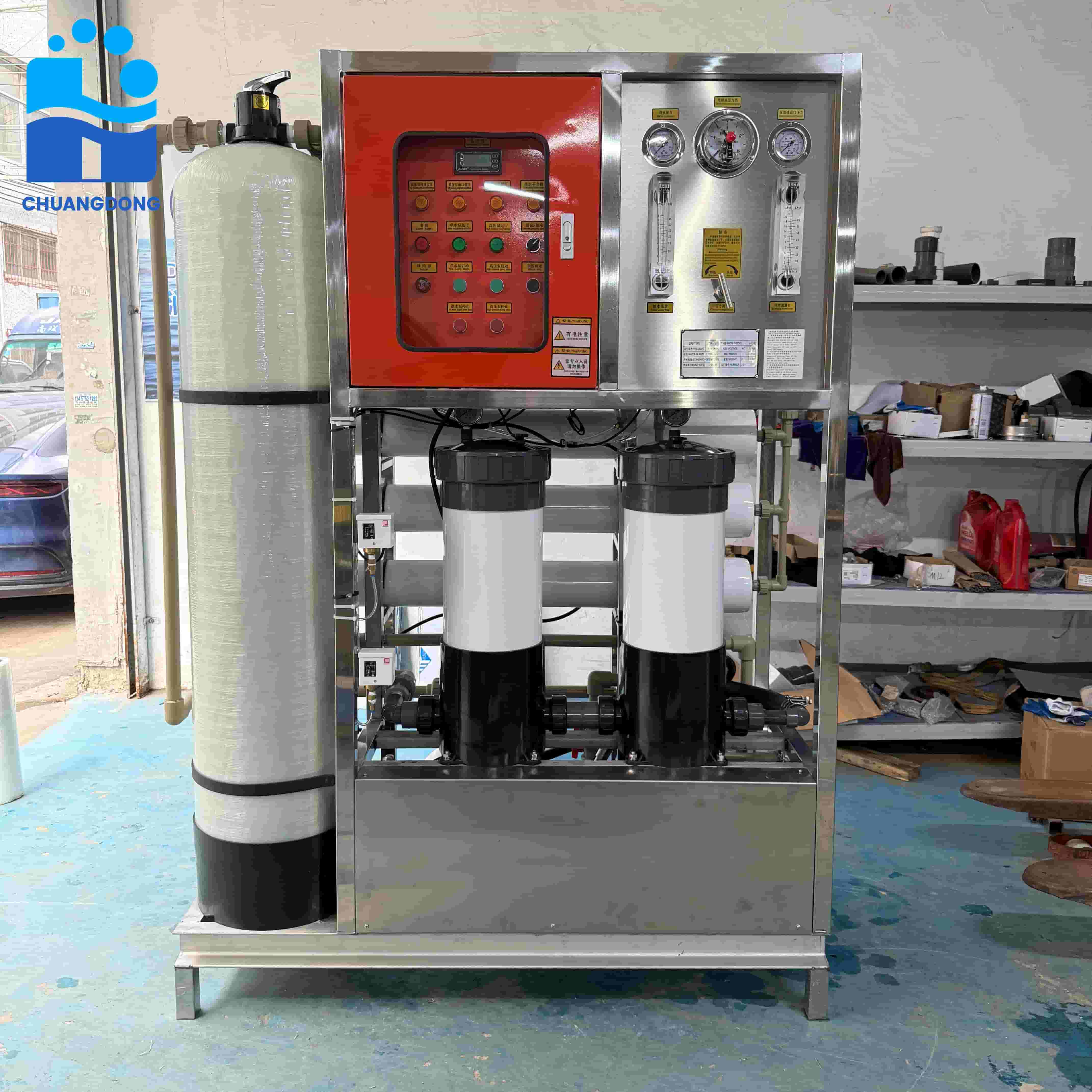
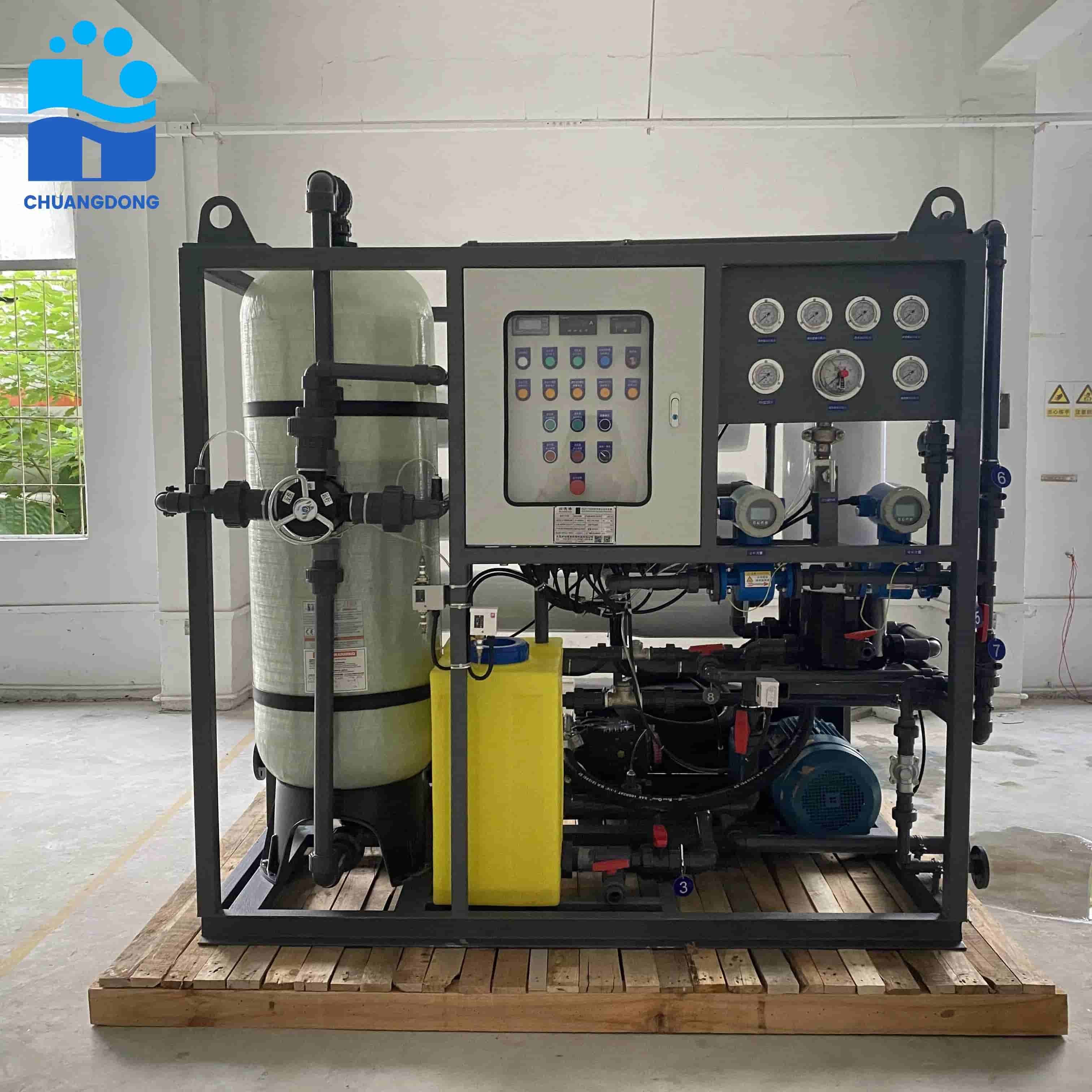
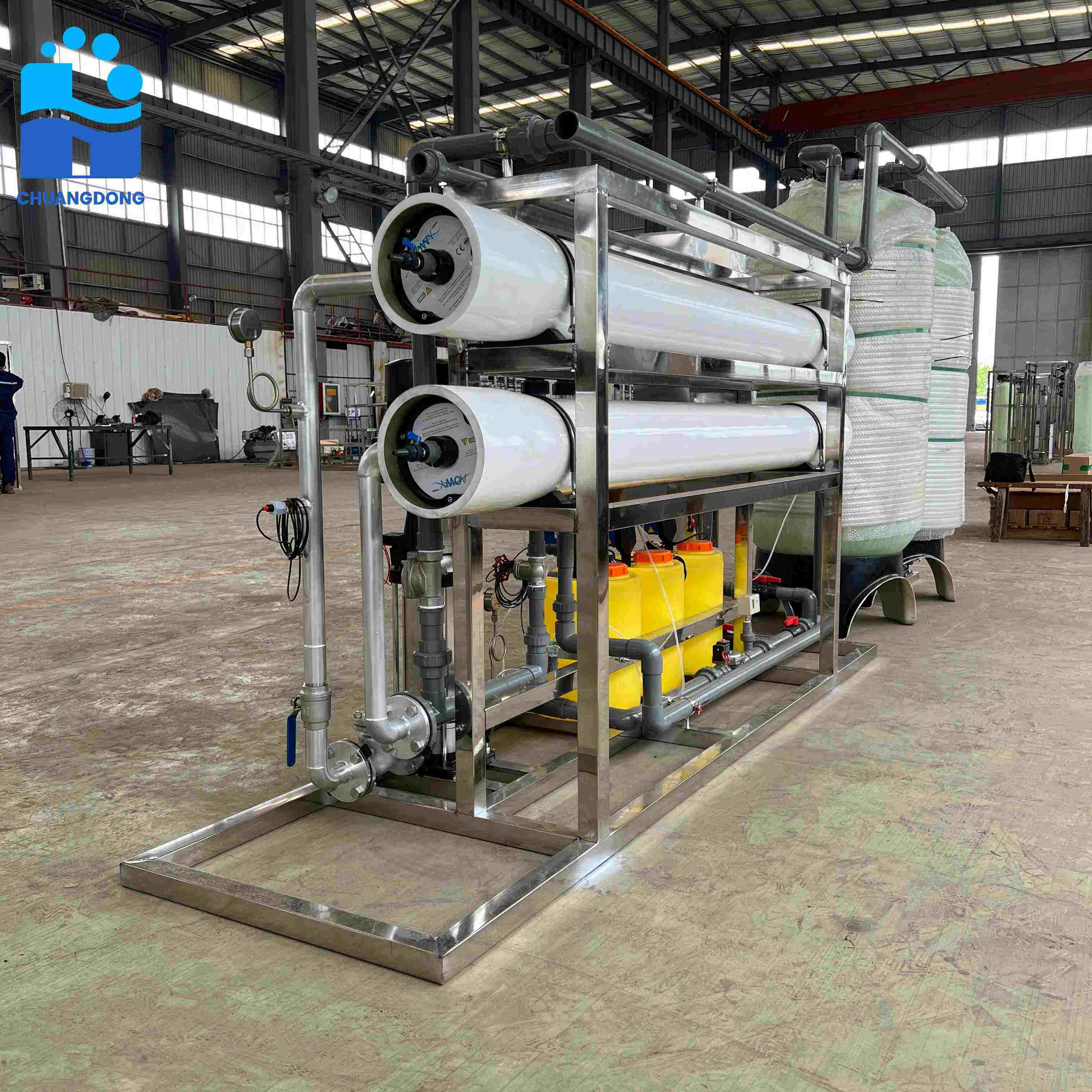
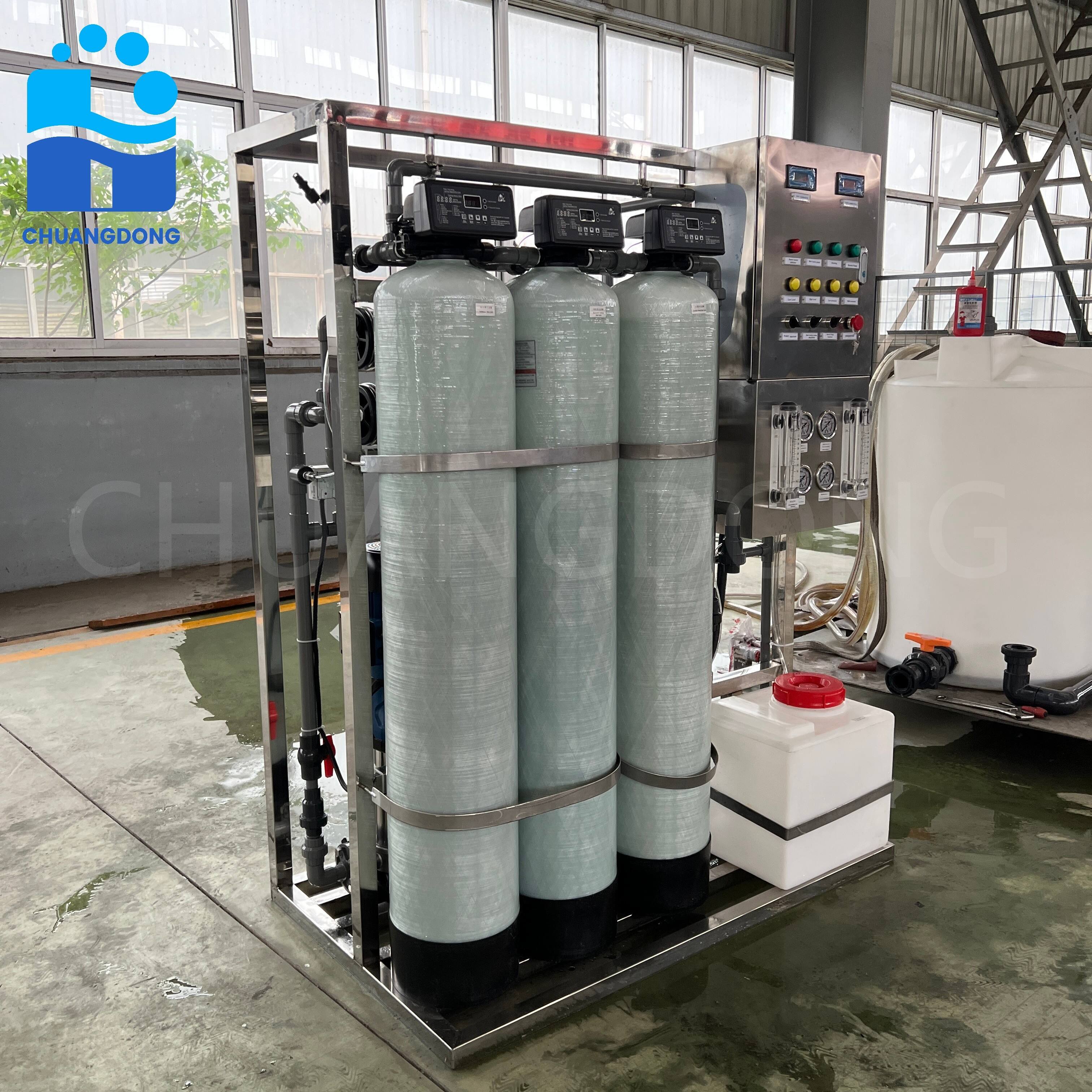
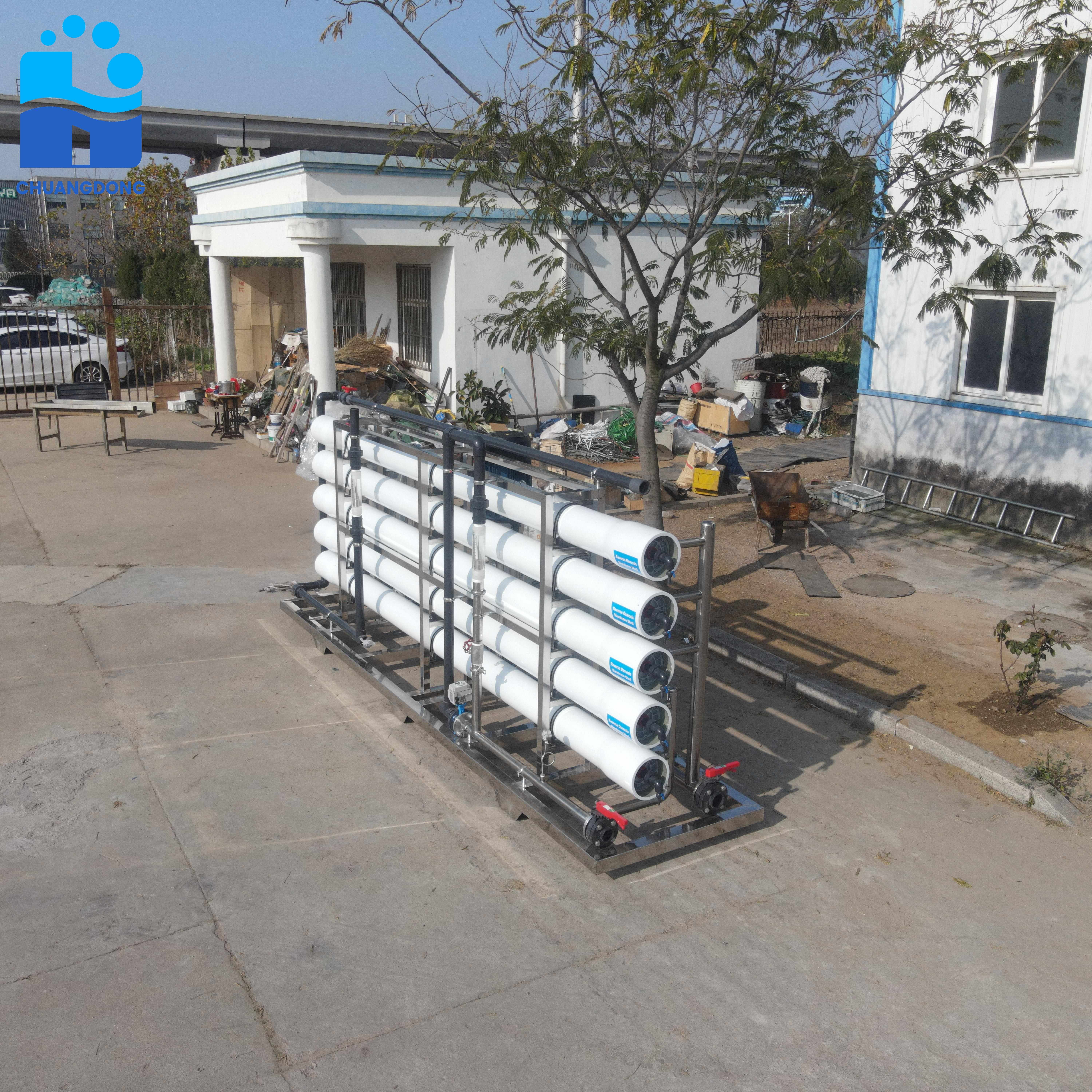
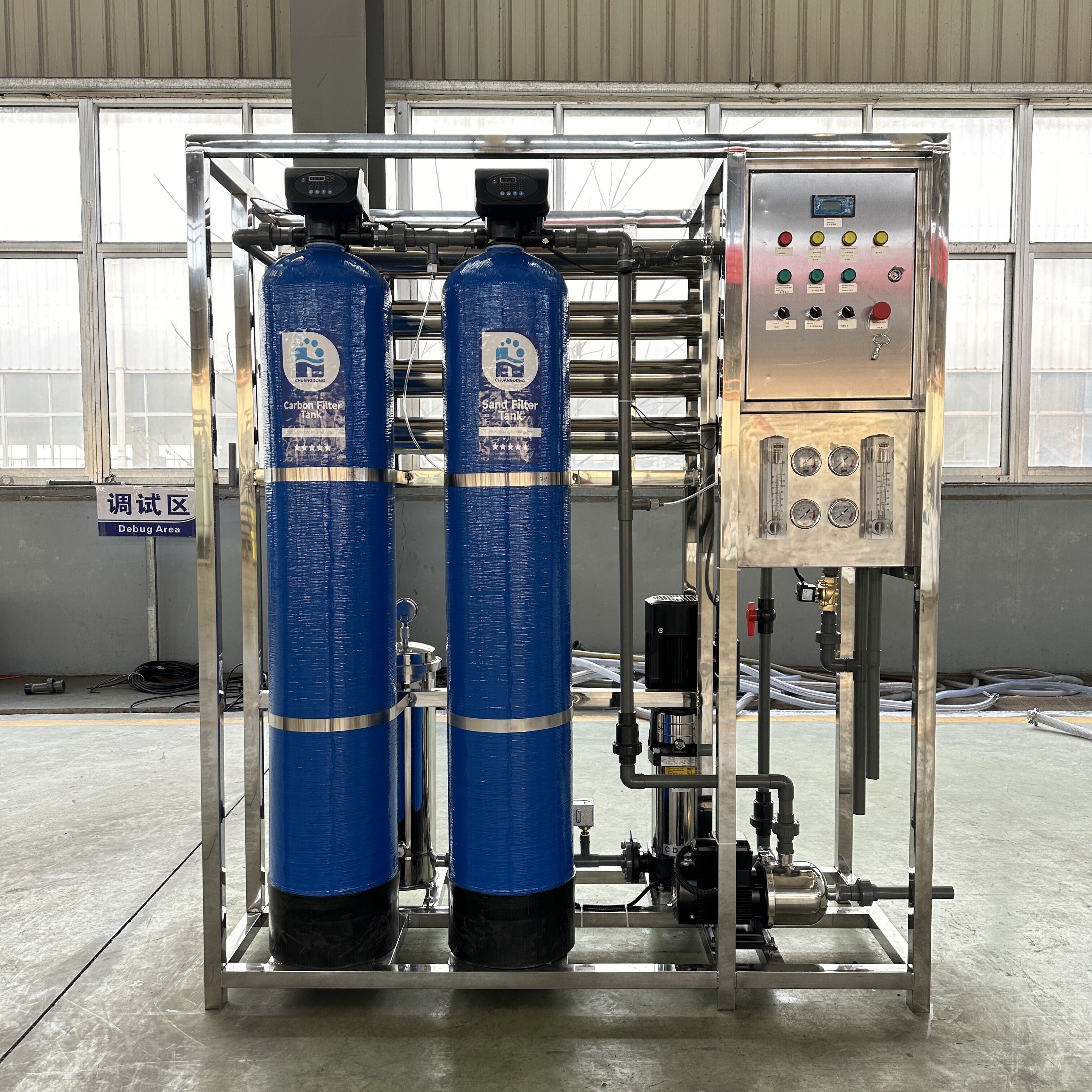
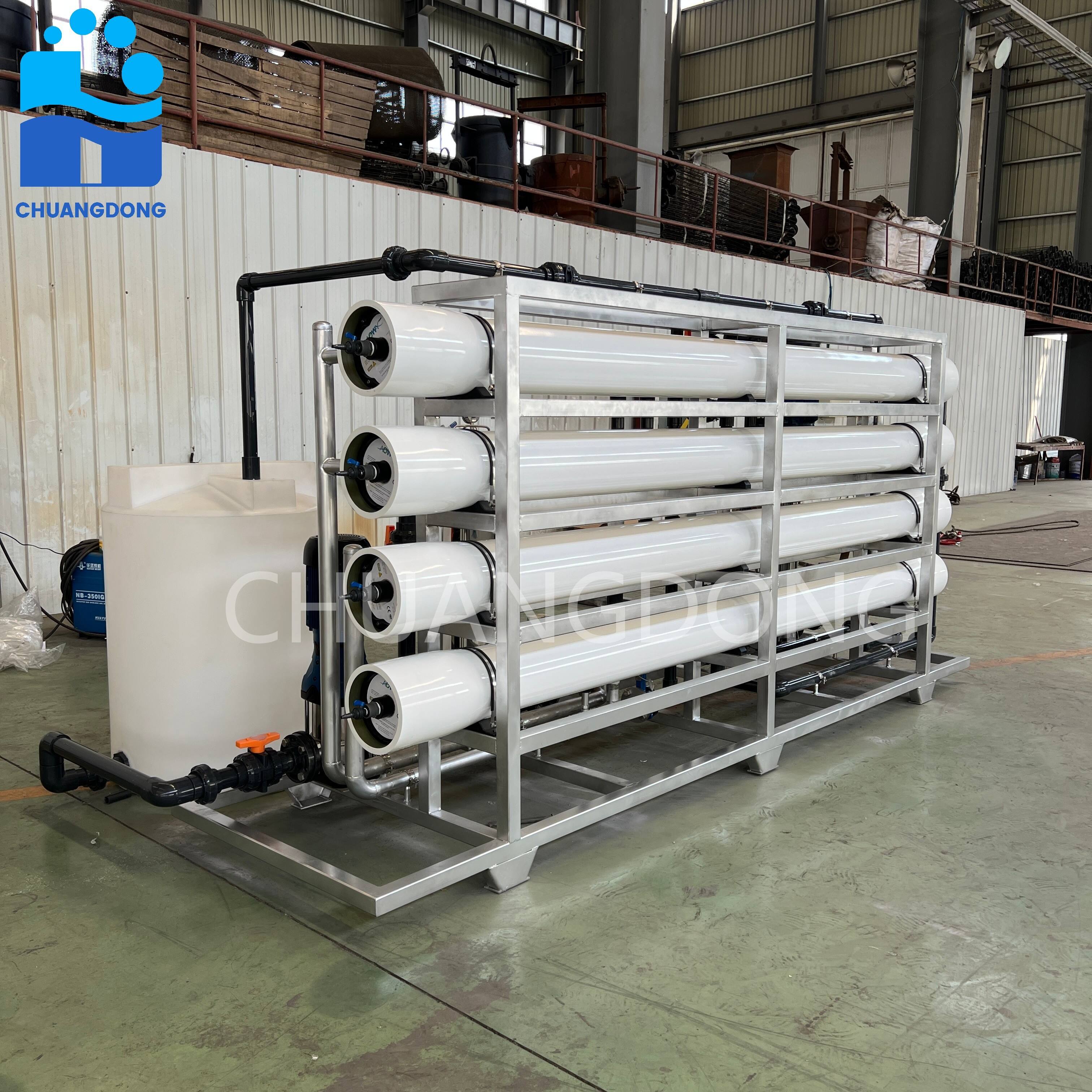
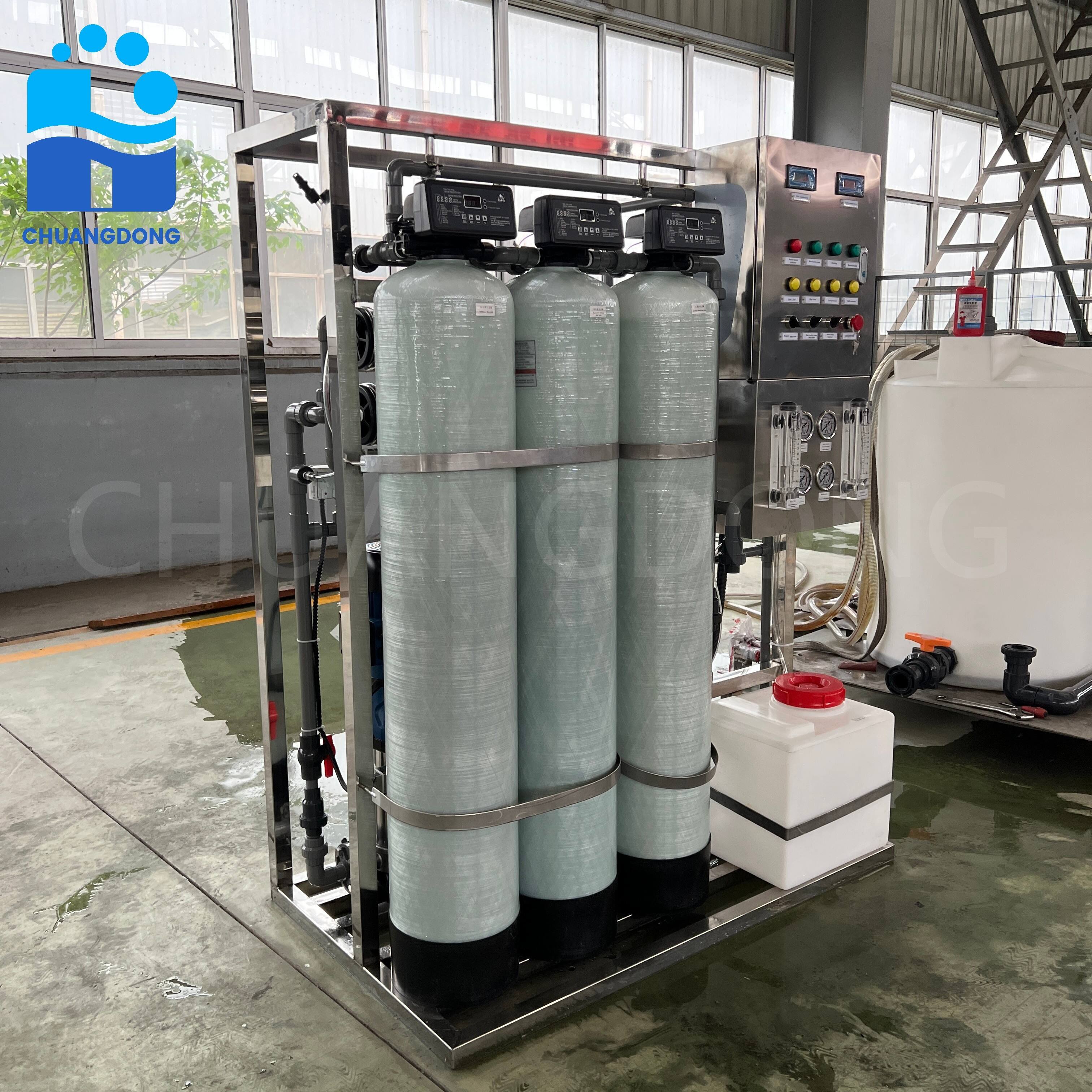
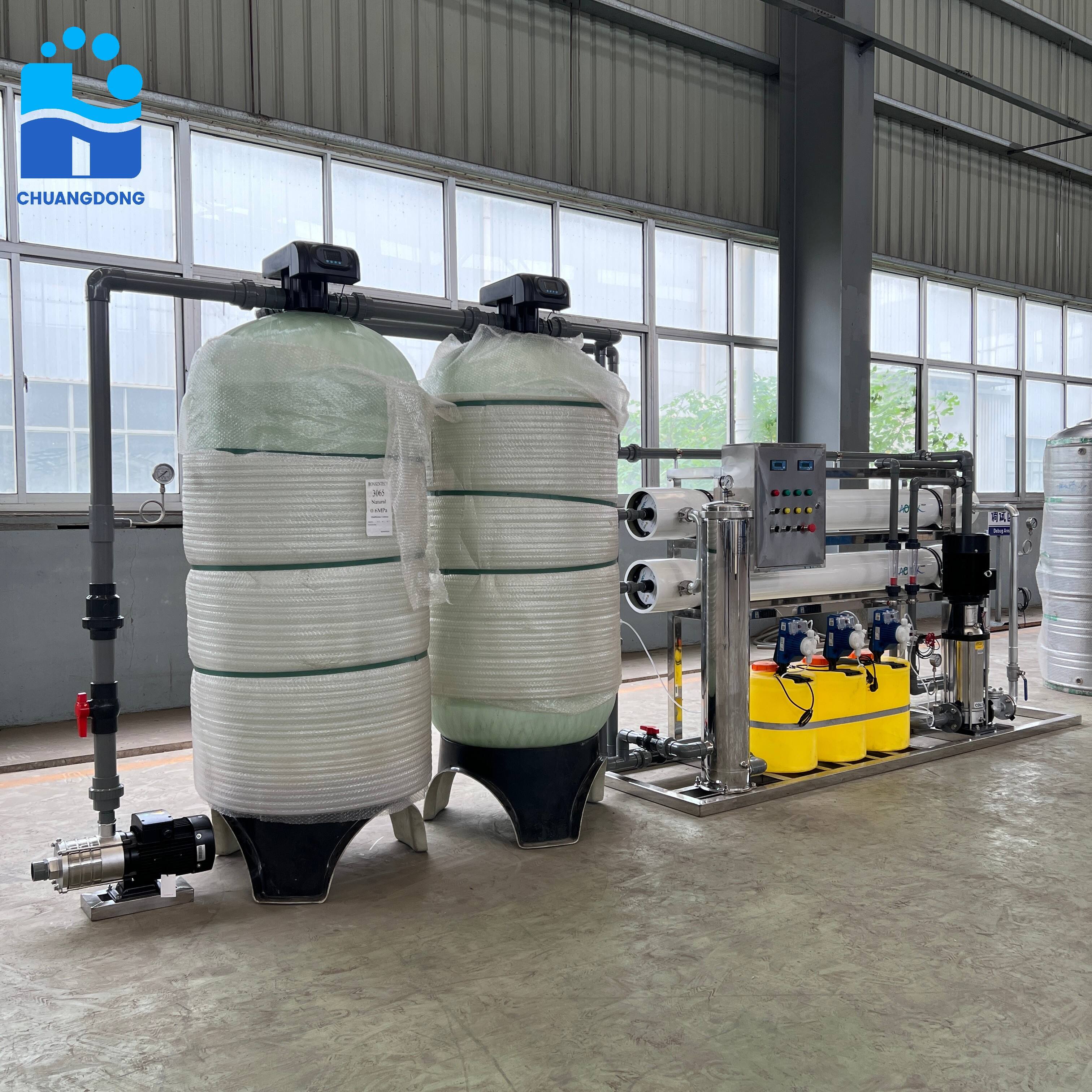
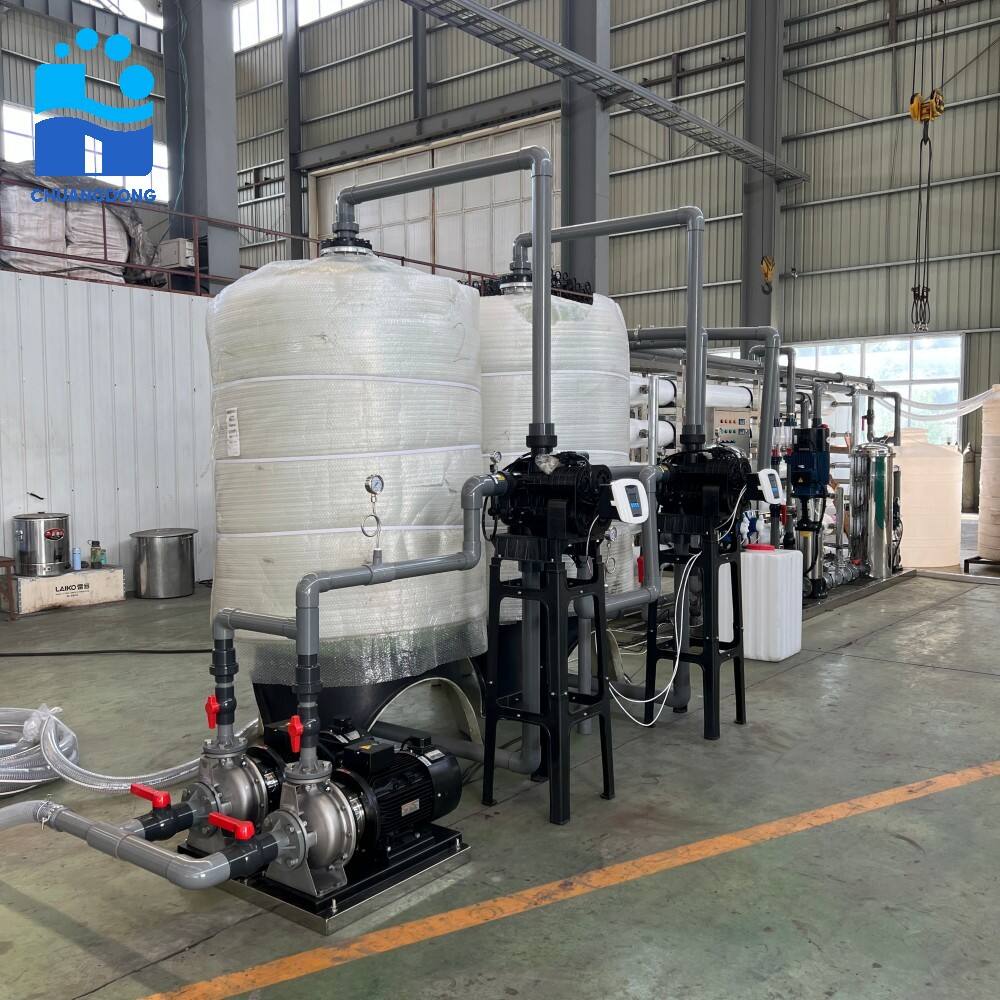
Wastewater treatment technologies represent a comprehensive suite of processes designed to remove contaminants from municipal and industrial wastewater before discharge or reuse. These sophisticated systems combine physical, chemical, and biological treatment methods to transform polluted water into clean, safe effluent that meets environmental standards. The primary function involves removing suspended solids, organic matter, nutrients, pathogens, and toxic substances through multiple treatment stages. Modern wastewater treatment technologies typically incorporate preliminary treatment for screening and grit removal, primary clarification for settling suspended materials, secondary biological treatment using activated sludge or biofilm processes, and tertiary treatment for advanced purification. Key technological features include automated monitoring systems that continuously track water quality parameters, energy-efficient aeration systems that optimize oxygen transfer, and membrane bioreactor technology that combines biological treatment with physical filtration. These systems utilize advanced sensors and control algorithms to maintain optimal operating conditions while minimizing energy consumption. Applications span across municipal water treatment plants serving residential communities, industrial facilities processing manufacturing wastewater, and specialized installations for treating agricultural runoff or stormwater. The scalability of wastewater treatment technologies enables deployment in small rural communities as well as large metropolitan areas. Integration capabilities allow seamless connection with existing infrastructure while accommodating future expansion needs. Advanced oxidation processes, nutrient removal systems, and disinfection technologies work synergistically to achieve stringent discharge standards. These technologies also support water recycling initiatives, converting treated wastewater into high-quality water suitable for irrigation, industrial processes, or groundwater recharge, thereby contributing to sustainable water management practices and environmental protection.

New Product Recommendations

Wastewater treatment technologies deliver exceptional environmental protection by removing harmful pollutants and pathogens that could contaminate natural water bodies and threaten public health. These systems consistently achieve removal efficiencies exceeding ninety percent for most contaminants, ensuring discharged water meets or surpasses regulatory requirements. The technologies provide significant cost savings through reduced water consumption, lower discharge fees, and minimized environmental compliance penalties. Organizations benefit from decreased liability exposure and enhanced corporate sustainability credentials, which increasingly influence customer preferences and investor decisions. Energy efficiency represents another major advantage, with modern systems incorporating variable frequency drives, optimized aeration controls, and heat recovery mechanisms that substantially reduce operational expenses. The technologies enable water recycling and reuse opportunities, creating alternative water sources that reduce dependency on freshwater supplies while generating additional revenue streams. Automated operation capabilities minimize labor requirements and human error risks while ensuring consistent performance around the clock. Real-time monitoring and predictive maintenance features prevent costly equipment failures and extend system lifespan. The modular design of contemporary wastewater treatment technologies facilitates phased implementation and future expansion without disrupting existing operations. This flexibility allows organizations to scale treatment capacity based on changing needs and regulatory requirements. Advanced nutrient removal capabilities protect sensitive ecosystems from eutrophication while recovering valuable resources like phosphorus for agricultural applications. The technologies support compliance with increasingly stringent environmental regulations, providing long-term operational security and avoiding potential shutdowns or legal challenges. Integration with smart city infrastructure enables remote monitoring and optimization, reducing site visits and maintenance costs. Process optimization algorithms continuously adjust operating parameters to maintain peak efficiency while minimizing chemical consumption and waste production. These systems also enhance community relations by eliminating odors, reducing noise levels, and creating opportunities for public education about environmental stewardship and sustainable water management practices.

Latest News

What Intake and Outfall Designs Minimize Environmental Impact of a Desalination Plant?

01

Mar

What Intake and Outfall Designs Minimize Environmental Impact of a Desalination Plant?

Environmental considerations have become paramount in the design and operation of modern desalination facilities worldwide. As water scarcity continues to challenge communities across the globe, the demand for sustainable desalination plant solutions...
View More
What Corrosion-Resistant Materials Are Used in Desalination Plant Construction?

06

Mar

What Corrosion-Resistant Materials Are Used in Desalination Plant Construction?

Desalination plants operate in some of the harshest environments imaginable, where saltwater constantly threatens the integrity of critical infrastructure. The selection of appropriate corrosion-resistant materials becomes paramount to ensuring long-...
View More
How Does an RO Water Filter with a UV Sterilizer Provide Additional Protection Against Bacteria?

10

Mar

How Does an RO Water Filter with a UV Sterilizer Provide Additional Protection Against Bacteria?

Water contamination remains one of the most pressing concerns for homeowners and businesses seeking reliable water purification solutions. While traditional filtration methods offer basic protection, modern water treatment technology has evolved to p...
View More
Why Should Pharmaceutical QC Labs Use Ultrapure Water for HPLC and Mass Spectrometry?

18

Mar

Why Should Pharmaceutical QC Labs Use Ultrapure Water for HPLC and Mass Spectrometry?

Pharmaceutical quality control laboratories face increasingly stringent requirements for analytical accuracy and regulatory compliance. The foundation of reliable analytical results lies in the quality of water used throughout testing procedures. Ult...
View More

Get a Free Quote

Our representative will contact you soon.
Email
Name
Company Name
Message
0/1000

wastewater treatment technologies

Advanced Biological Treatment with Membrane Integration

Advanced Biological Treatment with Membrane Integration

The integration of membrane bioreactor technology within wastewater treatment technologies represents a revolutionary advancement that combines conventional activated sludge processes with ultra-fine membrane filtration to achieve superior effluent quality. This innovative approach eliminates the need for secondary clarifiers while producing crystal-clear treated water that consistently meets the most stringent discharge standards. The membrane barriers physically separate treated water from biomass, enabling higher concentrations of beneficial microorganisms that accelerate contaminant breakdown and nutrient removal. This biological intensification results in smaller footprint requirements compared to conventional systems, making these wastewater treatment technologies ideal for space-constrained installations or urban environments where land costs are prohibitive. The technology excels at removing suspended solids, bacteria, viruses, and complex organic compounds that traditional treatment methods struggle to address effectively. Membrane integration also enables precise control over sludge retention time, allowing operators to optimize biological processes for specific contaminants or seasonal variations in wastewater characteristics. The resulting treated water often exceeds potable water standards for clarity and pathogen removal, creating valuable reuse opportunities for irrigation, industrial cooling, or groundwater recharge applications. Energy recovery systems within these advanced configurations capture biogas from anaerobic digestion processes, converting organic waste into renewable energy that offsets operational costs. Smart monitoring systems continuously track membrane performance, automatically triggering cleaning cycles to maintain optimal flux rates and prevent fouling. The modular nature of membrane-based wastewater treatment technologies allows for incremental capacity expansion without major infrastructure modifications, providing exceptional scalability for growing communities or expanding industrial operations. Long-term reliability and consistent performance make these systems particularly attractive for critical applications where treatment failure would result in significant environmental or regulatory consequences.
Real-Time Monitoring and Automated Process Control

Real-Time Monitoring and Automated Process Control

Modern wastewater treatment technologies incorporate sophisticated monitoring and control systems that revolutionize operational efficiency through continuous data collection and automated response mechanisms. These intelligent systems deploy an extensive network of sensors throughout the treatment process, monitoring parameters such as dissolved oxygen levels, pH, turbidity, nutrient concentrations, and flow rates with exceptional precision. Advanced algorithms analyze this real-time data to identify trends, predict potential issues, and automatically adjust process variables to maintain optimal performance conditions. This proactive approach prevents treatment upsets that could compromise effluent quality or damage equipment, ensuring consistent compliance with discharge regulations while minimizing operational disruptions. The monitoring capabilities extend beyond basic water quality parameters to include equipment health diagnostics, energy consumption tracking, and predictive maintenance alerts that prevent costly failures before they occur. Operators can access comprehensive dashboards remotely through secure cloud-based platforms, enabling expert oversight from multiple locations and reducing the need for constant on-site supervision. Machine learning algorithms continuously refine control strategies based on historical performance data, seasonal patterns, and changing influent characteristics, resulting in increasingly efficient operation over time. These wastewater treatment technologies can automatically respond to upset conditions by adjusting aeration rates, chemical dosing, or process sequencing to restore normal operation without human intervention. The data logging capabilities support regulatory reporting requirements and provide valuable insights for process optimization and capacity planning. Integration with enterprise resource planning systems enables seamless coordination between treatment operations and broader facility management functions. Emergency response protocols automatically activate backup systems, send notifications to key personnel, and implement protective measures during power outages or equipment malfunctions. The transparency provided by these monitoring systems builds stakeholder confidence and demonstrates environmental stewardship commitment to regulatory agencies and community members.
Resource Recovery and Circular Economy Integration

Resource Recovery and Circular Economy Integration

Contemporary wastewater treatment technologies have evolved beyond simple pollution removal to become sophisticated resource recovery platforms that transform waste streams into valuable commodities, supporting circular economy principles while generating additional revenue streams. These advanced systems capture and process biosolids to create high-quality fertilizers and soil amendments that replace synthetic alternatives in agricultural applications, reducing environmental impact while creating economic value from waste materials. Energy recovery capabilities represent another significant benefit, with anaerobic digestion processes converting organic matter into biogas that can power treatment facilities or be upgraded to pipeline-quality renewable natural gas for broader distribution. Combined heat and power systems maximize energy utilization efficiency, often enabling treatment plants to achieve energy neutrality or even become net energy producers. Nutrient recovery technologies extract phosphorus and nitrogen compounds from waste streams, creating fertilizer products that address global nutrient supply challenges while reducing the environmental impact associated with mining and synthetic production. Water recovery and reuse capabilities enable these wastewater treatment technologies to produce high-quality recycled water suitable for industrial processes, irrigation, or indirect potable reuse applications, reducing freshwater demand and creating drought-resistant water supplies. Advanced oxidation and membrane processes can produce water that meets or exceeds drinking water standards, supporting water security initiatives in water-scarce regions. The integration of resource recovery systems transforms wastewater treatment from a cost center into a revenue-generating operation that contributes to organizational sustainability goals. Carbon footprint reduction occurs through multiple pathways, including reduced energy consumption, methane capture, and decreased need for virgin material production. These technologies support regulatory compliance with emerging requirements for resource recovery and circular economy implementation. The economic benefits extend beyond direct revenue generation to include reduced disposal costs, lower purchasing expenses for fertilizers and energy, and enhanced corporate sustainability ratings that attract environmentally conscious customers and investors.

Get a Free Quote

Our representative will contact you soon.
Email
Name
Company Name
Message
0/1000