Industrial Water Solutions: Advanced Treatment Systems for Manufacturing Excellence

Get a Free Quote

Our representative will contact you soon.
Email
Name
Company Name
Message
0/1000

industrial water solutions

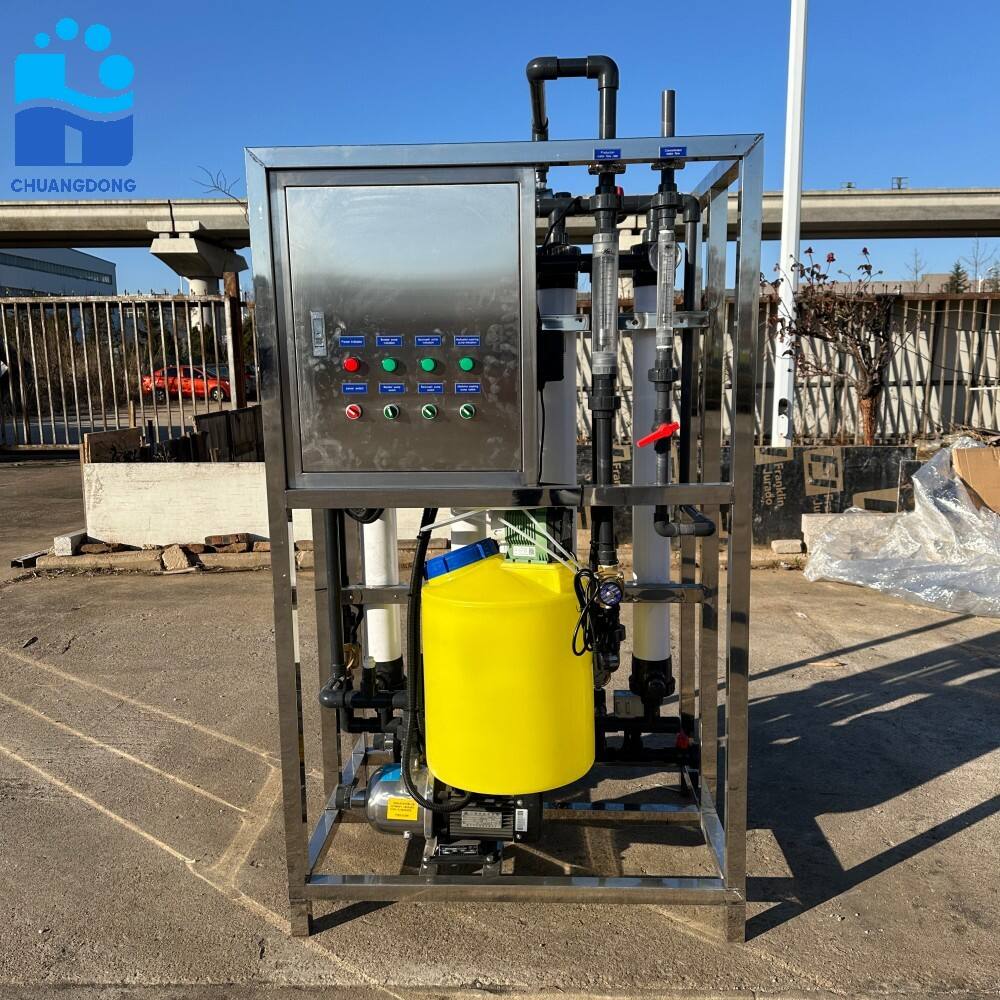
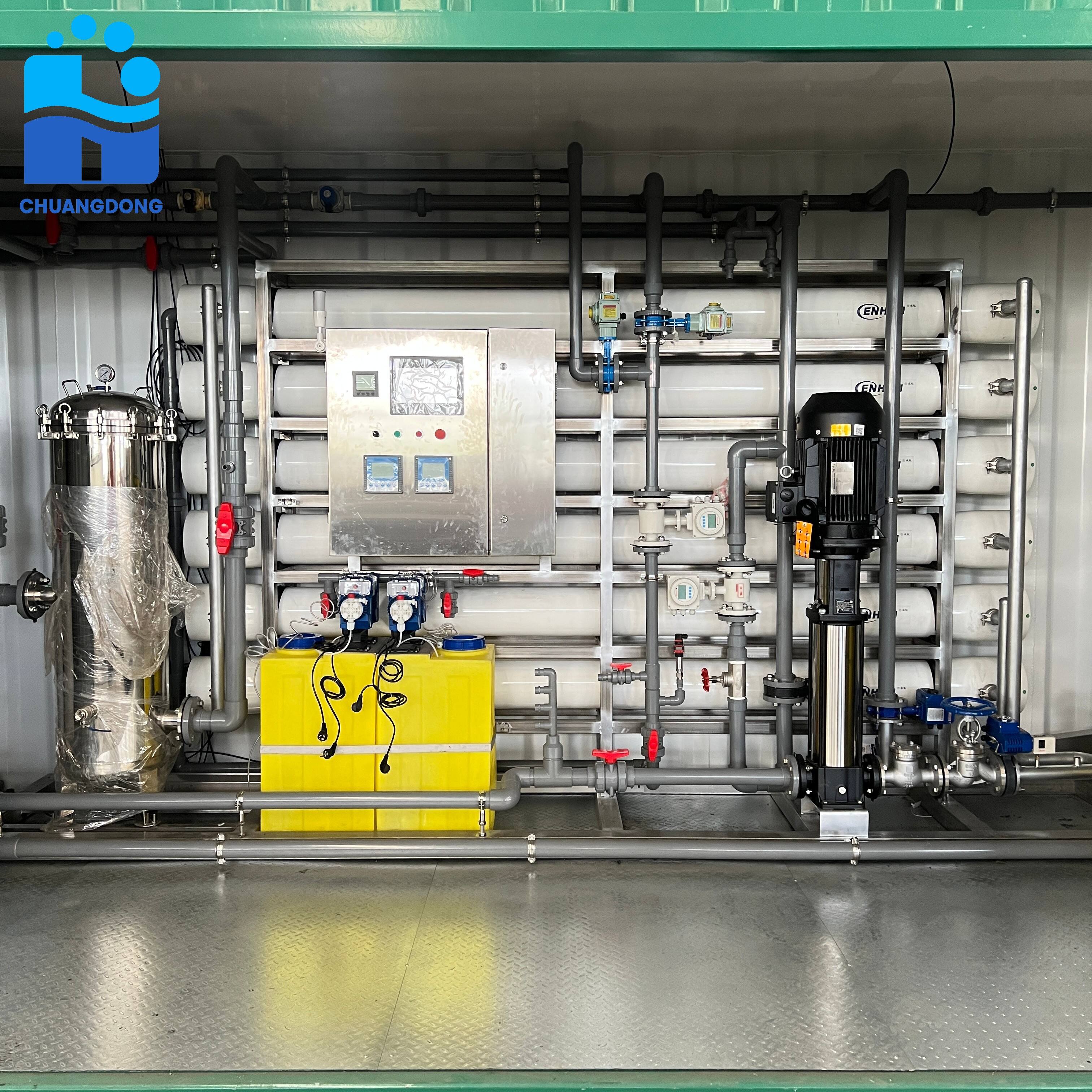
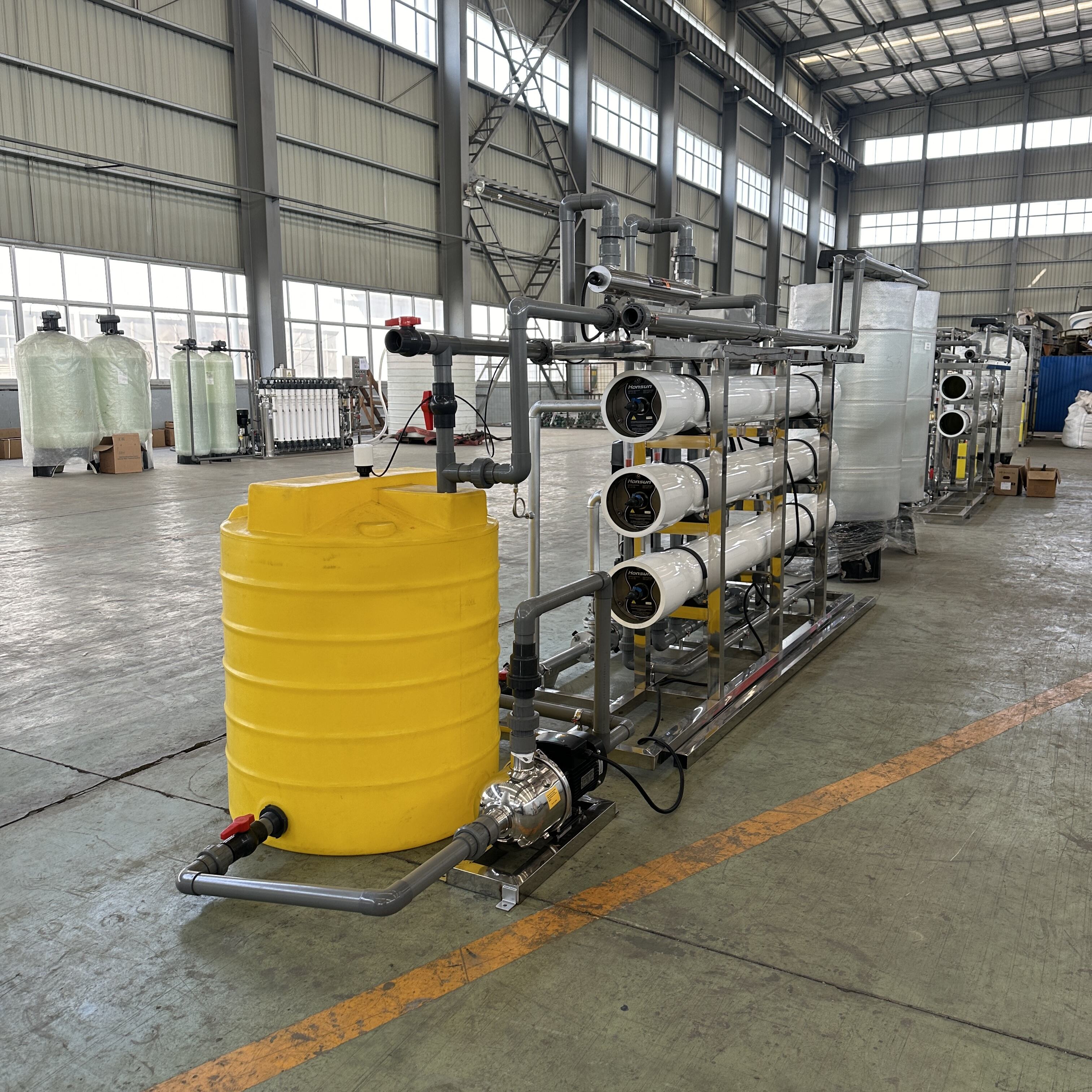
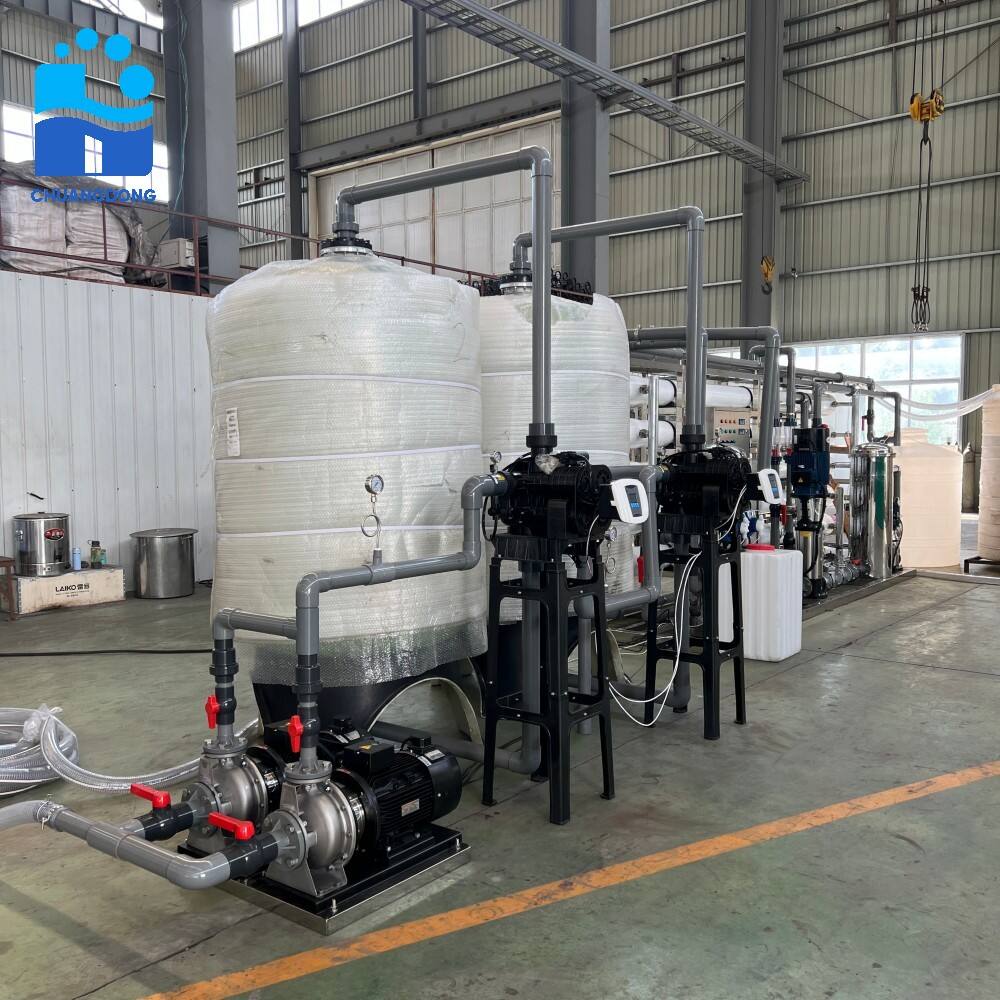
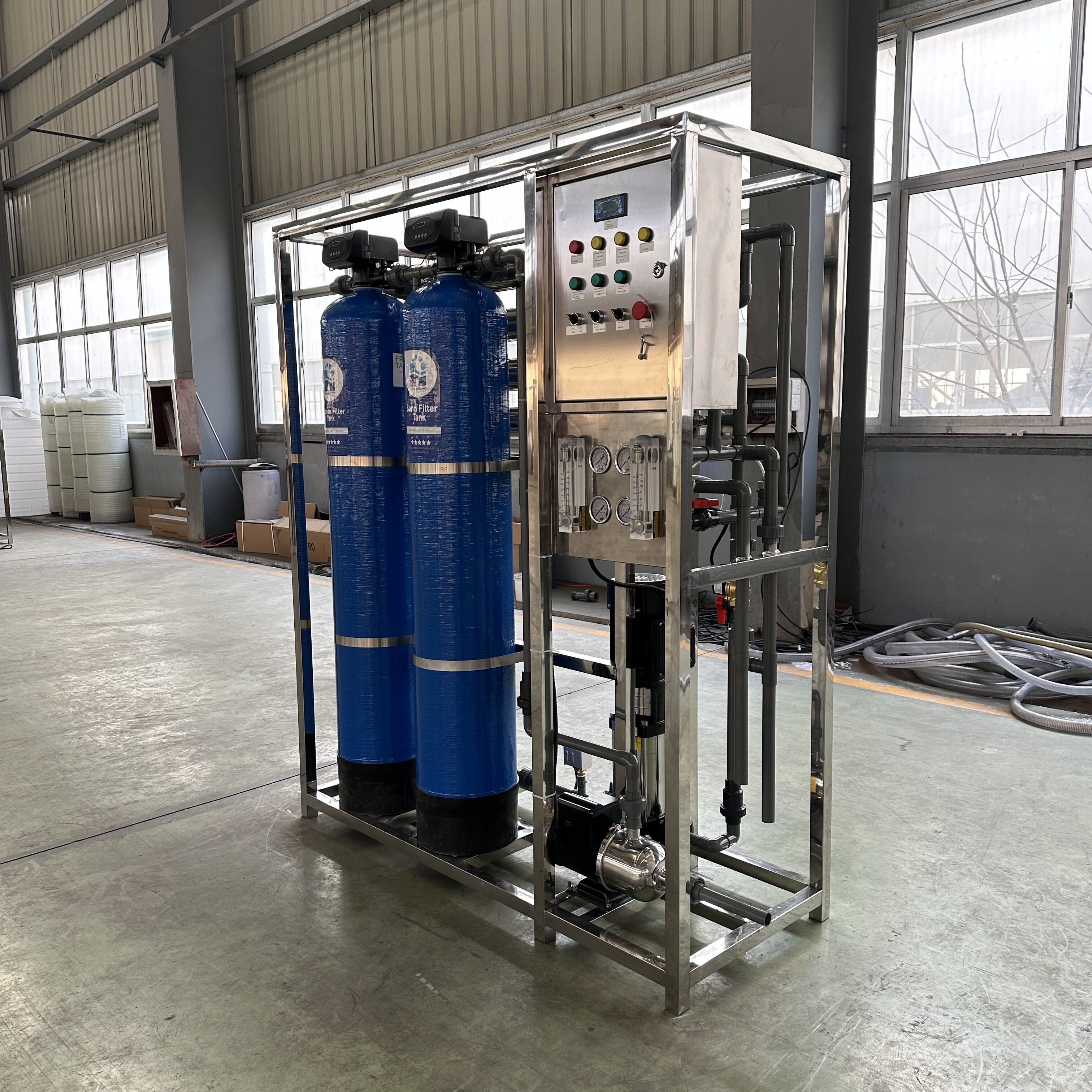
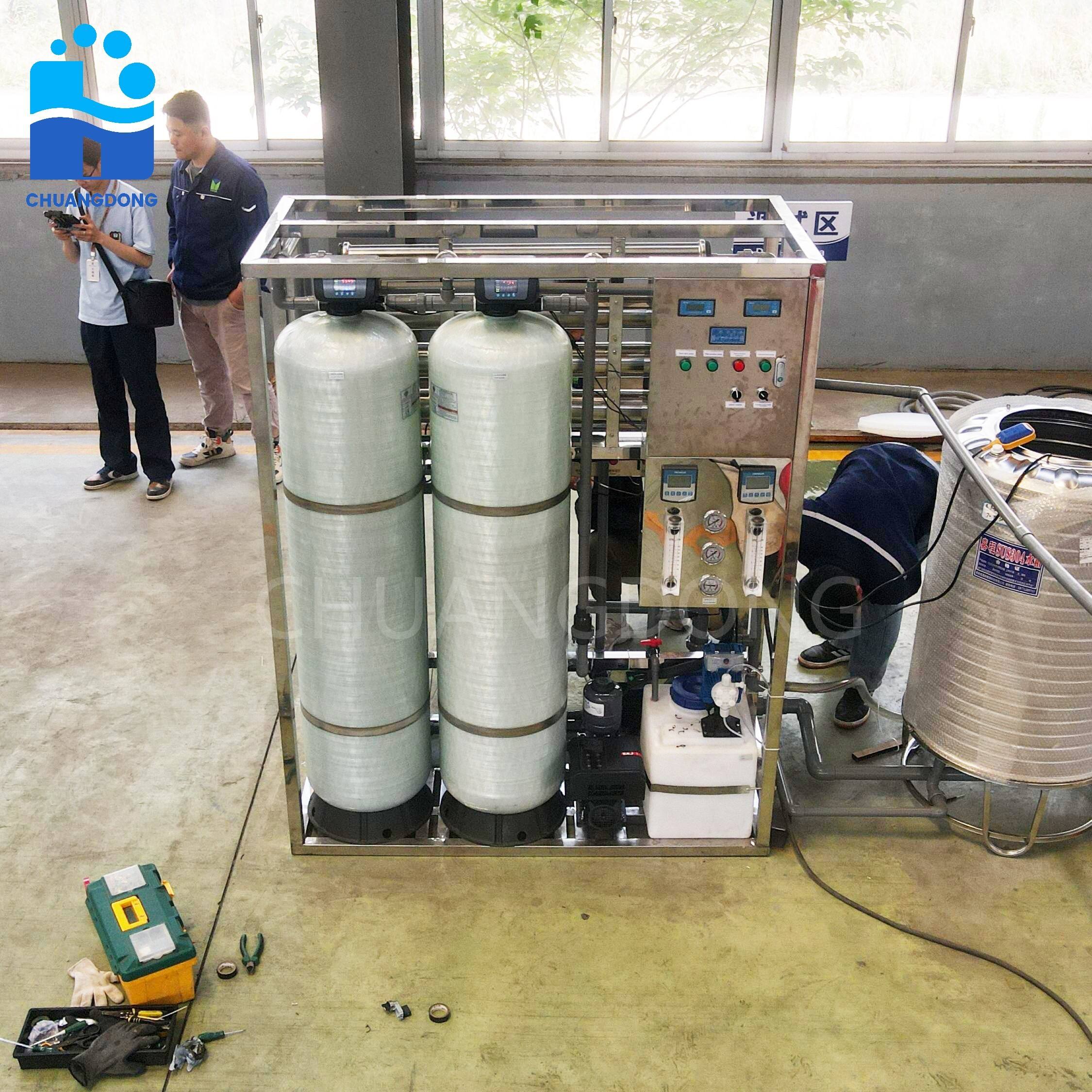
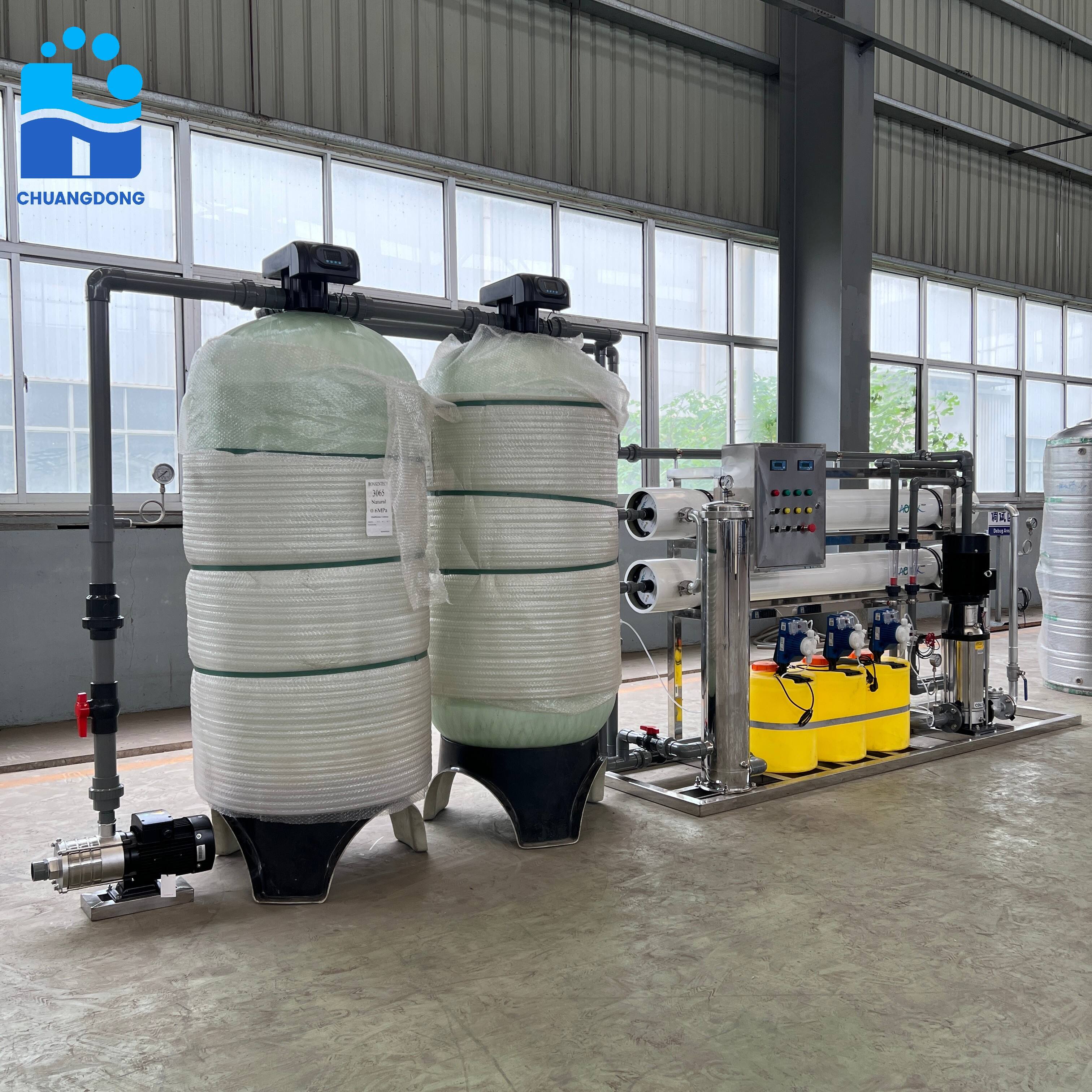
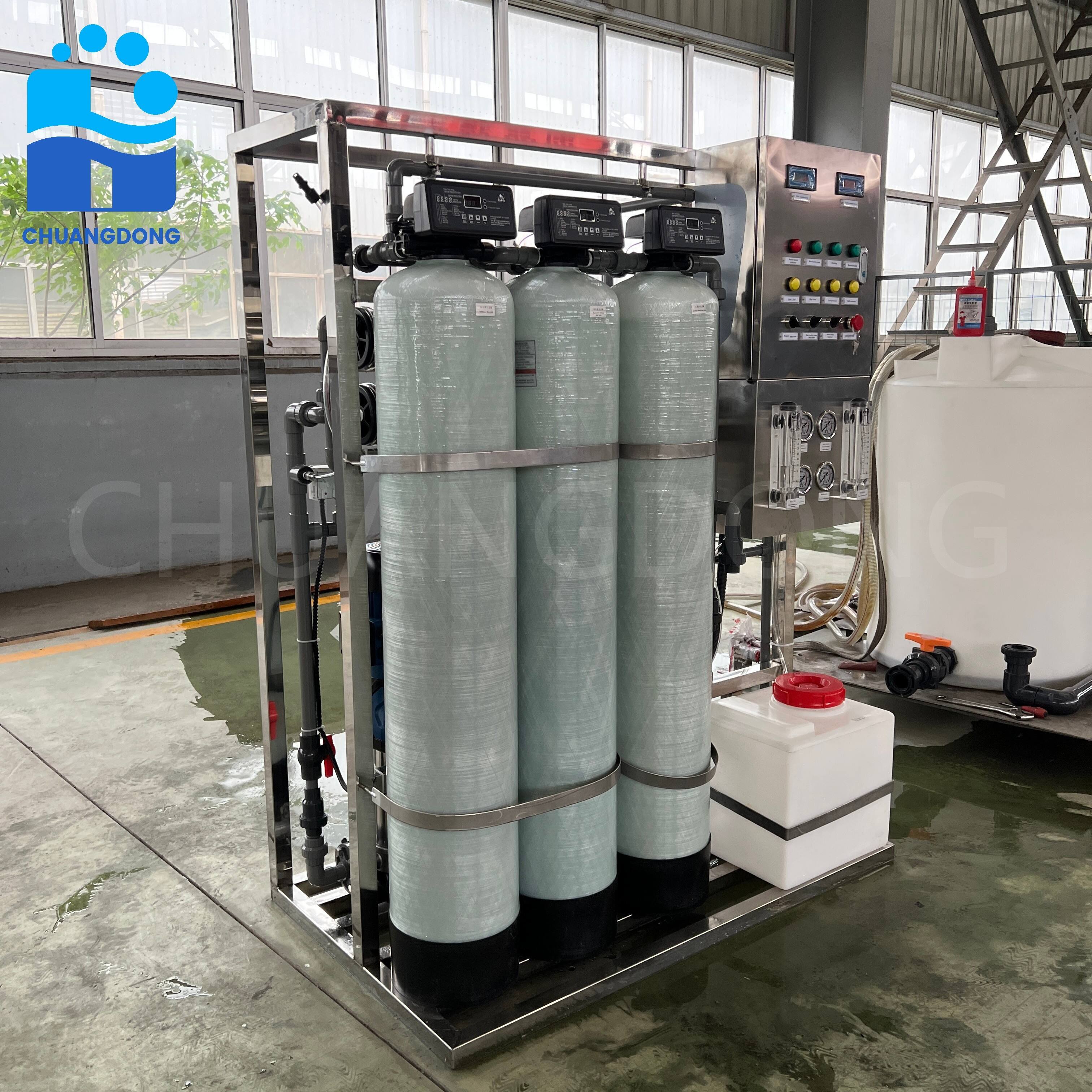
Industrial water solutions represent comprehensive systems designed to address the complex water management needs of manufacturing facilities, processing plants, and large-scale industrial operations. These sophisticated systems encompass water treatment, purification, recycling, and waste management technologies that ensure reliable, high-quality water supply while maintaining environmental compliance and operational efficiency. Modern industrial water solutions integrate multiple treatment processes including filtration, chemical treatment, membrane separation, and advanced oxidation to deliver water that meets specific industrial standards and regulatory requirements. The primary functions of industrial water solutions include removing contaminants, controlling water quality parameters, managing water consumption, and treating wastewater before discharge or reuse. These systems utilize cutting-edge technologies such as reverse osmosis, ultrafiltration, ion exchange, and biological treatment processes to achieve optimal water quality. Advanced monitoring and control systems provide real-time data on water quality parameters, enabling proactive maintenance and optimization of treatment processes. Industrial water solutions are engineered to handle diverse water sources, from municipal supplies to groundwater and surface water, adapting treatment protocols to address specific contamination challenges. The technological features include automated control systems, remote monitoring capabilities, energy-efficient pumps and motors, corrosion-resistant materials, and modular designs that allow for scalability and customization. These solutions find applications across numerous industries including pharmaceutical manufacturing, food and beverage processing, power generation, chemical production, automotive manufacturing, electronics fabrication, and textile processing. Each application requires specific water quality standards, making customizable industrial water solutions essential for maintaining product quality, protecting equipment, ensuring worker safety, and meeting environmental regulations while optimizing operational costs and resource utilization.

New Product Releases

Industrial water solutions deliver substantial cost savings by reducing water consumption through efficient recycling and reuse systems that can decrease fresh water requirements by up to 70 percent. These systems eliminate the need for frequent equipment replacement and maintenance by providing consistently high-quality water that prevents scale buildup, corrosion, and contamination in manufacturing processes and machinery. Companies implementing comprehensive industrial water solutions experience significant reductions in operational expenses through lower utility bills, decreased chemical usage, and minimized waste disposal costs. The environmental benefits create long-term value by ensuring compliance with increasingly stringent environmental regulations, avoiding costly fines and penalties while enhancing corporate sustainability credentials. Advanced filtration and treatment technologies remove harmful contaminants that could compromise product quality, resulting in higher yields, fewer defects, and improved customer satisfaction. Industrial water solutions provide reliable water supply continuity, preventing costly production shutdowns and delays that can impact delivery schedules and customer relationships. The automated monitoring and control features reduce labor costs while improving safety by minimizing human exposure to hazardous chemicals and treatment processes. Energy-efficient designs incorporate smart controls and variable-speed pumps that optimize power consumption, reducing electricity costs and carbon footprint. Scalable systems accommodate business growth without requiring complete infrastructure overhauls, protecting capital investments and enabling gradual expansion. Predictive maintenance capabilities identify potential issues before they cause system failures, preventing emergency repairs and unplanned downtime. The modular design allows companies to upgrade specific components as technology advances or requirements change, extending system lifespan and maintaining competitive advantages. Remote monitoring capabilities enable off-site management and troubleshooting, reducing response times and operational costs. Industrial water solutions also improve worker health and safety by eliminating exposure to contaminated water and reducing chemical handling requirements. The consistent water quality ensures product consistency and helps maintain certification standards required for regulated industries, protecting market access and brand reputation while supporting business continuity and growth objectives.

Latest News

What Intake and Outfall Designs Minimize Environmental Impact of a Desalination Plant?

01

Mar

What Intake and Outfall Designs Minimize Environmental Impact of a Desalination Plant?

Environmental considerations have become paramount in the design and operation of modern desalination facilities worldwide. As water scarcity continues to challenge communities across the globe, the demand for sustainable desalination plant solutions...
View More
How Does a Water Purification System with Ion Exchange Soften Hard Water Effectively?

15

Mar

How Does a Water Purification System with Ion Exchange Soften Hard Water Effectively?

Hard water poses significant challenges for both residential and commercial applications, containing high concentrations of calcium and magnesium ions that cause scale buildup, reduce equipment efficiency, and affect water quality. A water purificati...
View More
How Does an RO Water Filter with a UV Sterilizer Provide Additional Protection Against Bacteria?

10

Mar

How Does an RO Water Filter with a UV Sterilizer Provide Additional Protection Against Bacteria?

Water contamination remains one of the most pressing concerns for homeowners and businesses seeking reliable water purification solutions. While traditional filtration methods offer basic protection, modern water treatment technology has evolved to p...
View More
Why Should Pharmaceutical QC Labs Use Ultrapure Water for HPLC and Mass Spectrometry?

18

Mar

Why Should Pharmaceutical QC Labs Use Ultrapure Water for HPLC and Mass Spectrometry?

Pharmaceutical quality control laboratories face increasingly stringent requirements for analytical accuracy and regulatory compliance. The foundation of reliable analytical results lies in the quality of water used throughout testing procedures. Ult...
View More

Get a Free Quote

Our representative will contact you soon.
Email
Name
Company Name
Message
0/1000

industrial water solutions

Advanced Multi-Stage Filtration Technology

Advanced Multi-Stage Filtration Technology

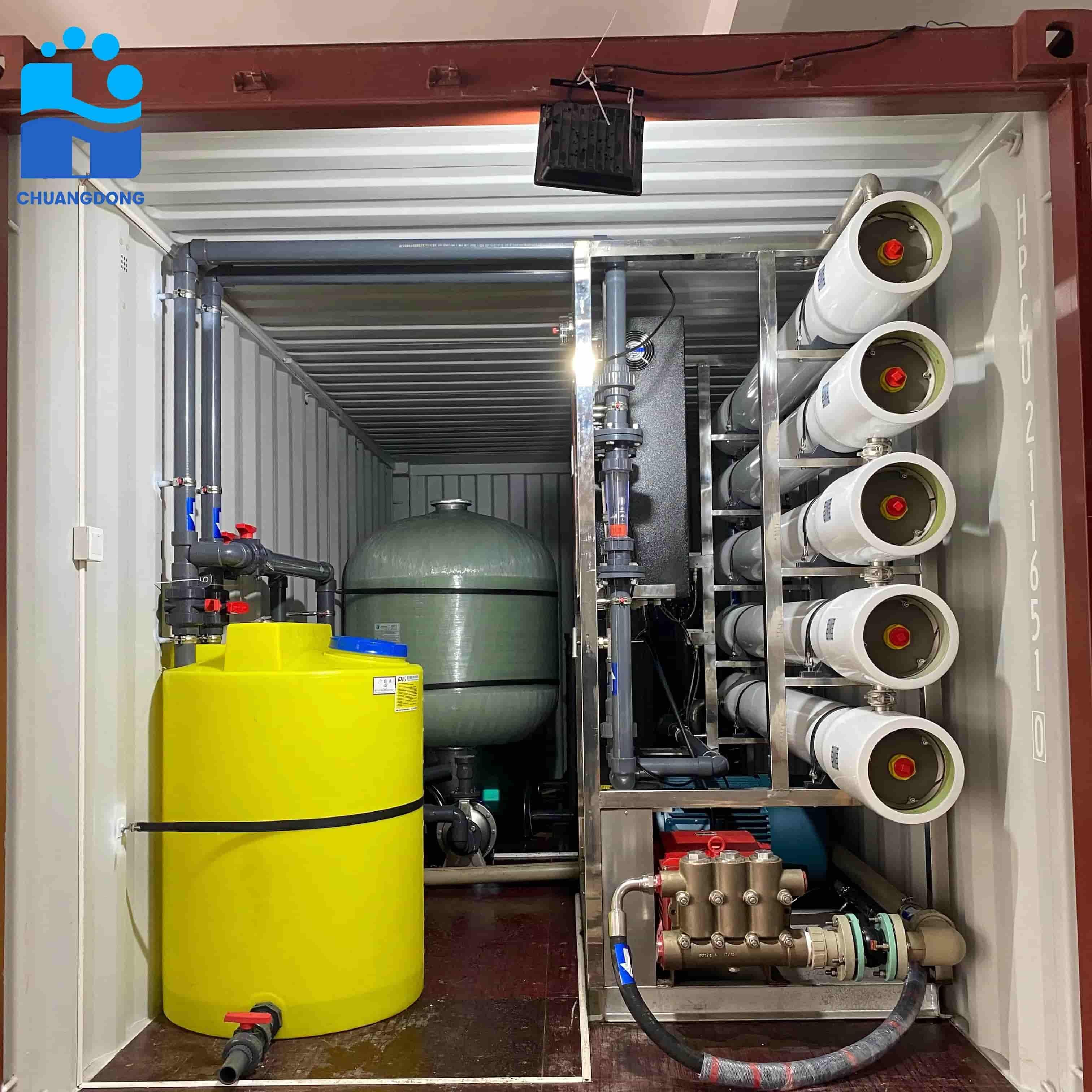
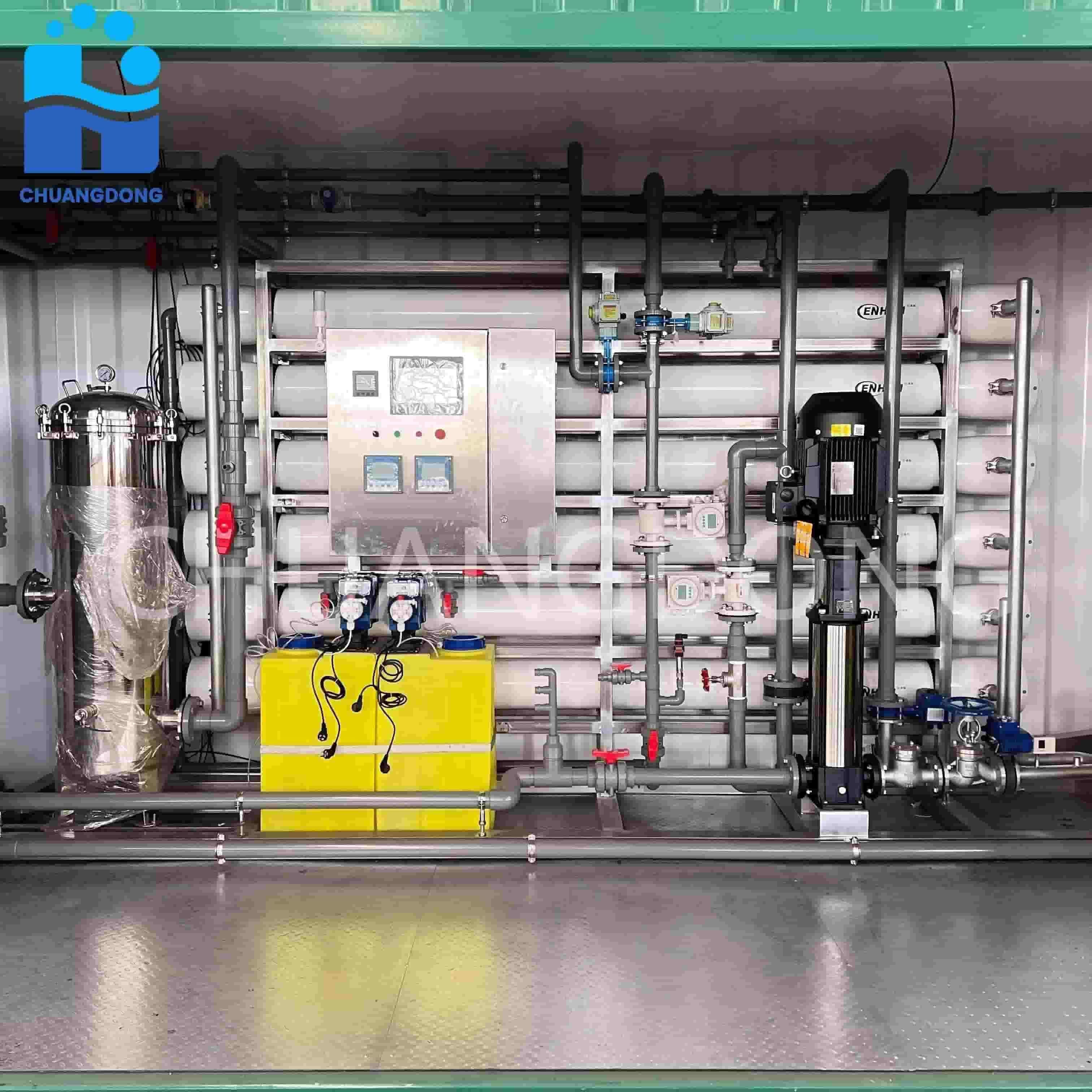
Industrial water solutions incorporate state-of-the-art multi-stage filtration technology that delivers superior water quality through a carefully orchestrated sequence of treatment processes tailored to specific industrial requirements. This advanced filtration approach begins with pre-treatment stages that remove large particles, sediments, and basic contaminants through mechanical filtration and settling processes. The system then progresses through increasingly sophisticated treatment stages including activated carbon filtration for organic compound removal, ion exchange for dissolved mineral control, and membrane-based separation technologies such as ultrafiltration and reverse osmosis for molecular-level purification. Each filtration stage targets specific contaminants while preserving beneficial water characteristics required for industrial applications. The multi-stage design ensures redundancy and reliability, preventing single-point failures that could compromise water quality or system availability. Advanced control algorithms monitor water quality at each stage, automatically adjusting treatment parameters to maintain optimal performance under varying inlet conditions and demand fluctuations. This technology significantly reduces maintenance requirements by distributing the treatment load across multiple stages, extending component lifespan and reducing replacement costs. The filtration system removes up to 99.9 percent of contaminants including bacteria, viruses, heavy metals, dissolved solids, organic compounds, and industrial pollutants that could damage equipment or compromise product quality. Customizable filter media and membrane configurations allow optimization for specific water sources and quality requirements, ensuring maximum efficiency and cost-effectiveness. The system includes automated backwashing and cleaning cycles that maintain peak performance without manual intervention, reducing labor costs and ensuring consistent operation. Real-time monitoring provides detailed analytics on filtration performance, enabling predictive maintenance and optimization strategies that maximize system efficiency while minimizing operational costs and environmental impact.
Smart Monitoring and Control Systems

Smart Monitoring and Control Systems

Industrial water solutions feature intelligent monitoring and control systems that leverage advanced sensors, data analytics, and automation technologies to optimize water treatment processes and ensure consistent performance across all operational parameters. These smart systems continuously monitor critical water quality indicators including pH levels, conductivity, turbidity, dissolved oxygen, chemical concentrations, and microbial activity using precision sensors that provide real-time data with laboratory-grade accuracy. The integrated control platform processes this information through sophisticated algorithms that automatically adjust treatment parameters, chemical dosing, flow rates, and equipment operation to maintain optimal water quality under changing conditions. Remote monitoring capabilities enable facility managers and technicians to access system performance data, receive alerts, and control operations from any location using secure web-based interfaces or mobile applications. The system maintains comprehensive data logs that support regulatory compliance reporting, trend analysis, and performance optimization while providing valuable insights for operational decision-making. Predictive analytics capabilities identify potential issues before they impact system performance, triggering preventive maintenance alerts and recommendations that minimize downtime and repair costs. The control system integrates with existing facility management systems and SCADA networks, enabling centralized monitoring and control of water treatment alongside other critical infrastructure systems. Automated alarm systems notify operators of parameter deviations, equipment malfunctions, or maintenance requirements through multiple communication channels including email, text messaging, and dashboard alerts. The smart monitoring system also tracks energy consumption, chemical usage, and water production rates, providing detailed cost analysis and efficiency metrics that support continuous improvement initiatives. Machine learning algorithms analyze historical data to optimize treatment processes, reduce energy consumption, and predict maintenance requirements with increasing accuracy over time. The system supports multiple user access levels with secure authentication, ensuring that sensitive operational data and control functions are protected while enabling appropriate staff access for monitoring and maintenance activities.
Customizable and Scalable Design Solutions

Customizable and Scalable Design Solutions

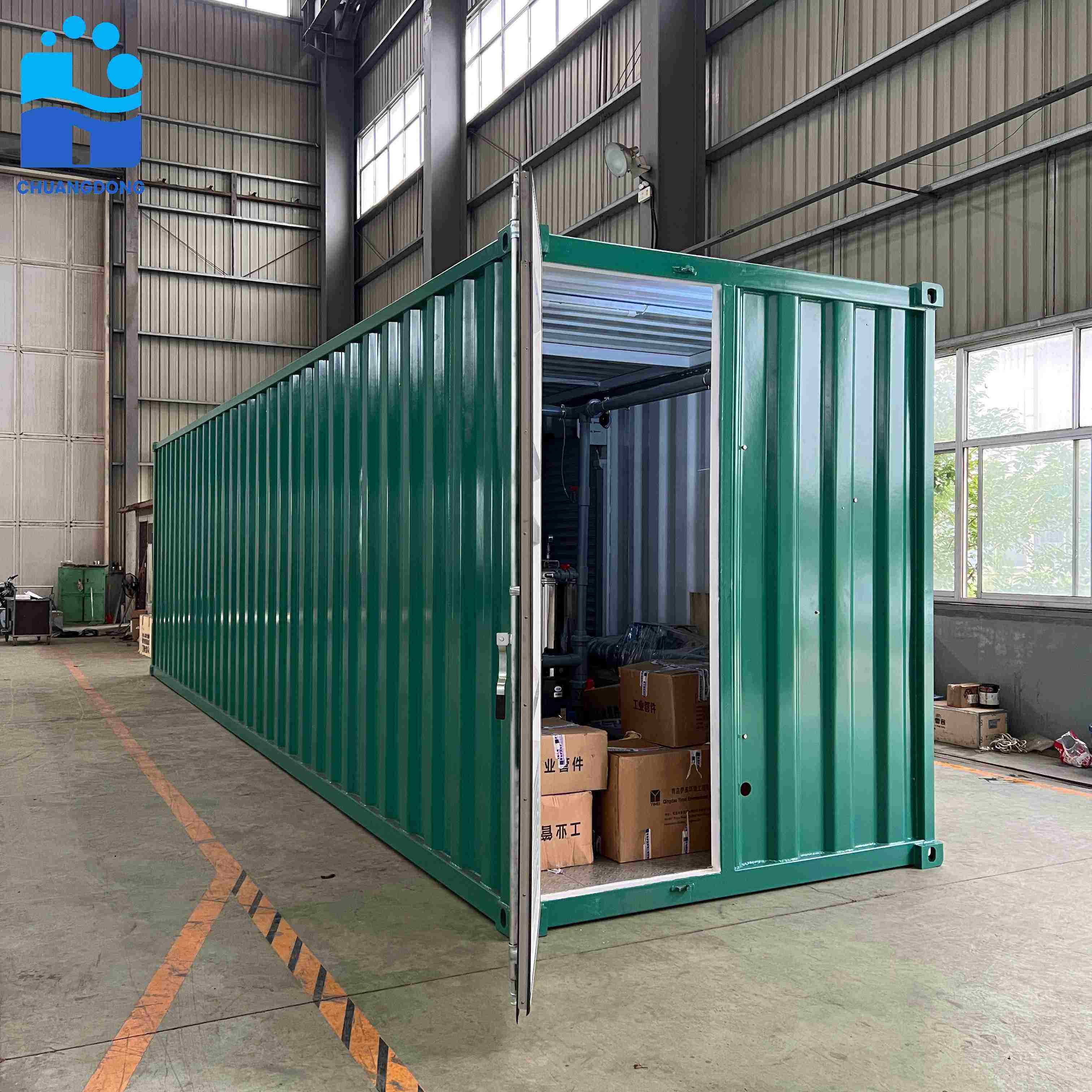
Industrial water solutions feature highly customizable and scalable design architectures that adapt to diverse industrial requirements, facility constraints, and growth projections while maintaining optimal performance and cost-effectiveness throughout their operational lifecycle. The modular construction approach enables precise configuration of treatment components, capacity levels, and technological features to match specific water quality requirements, flow rates, and space limitations unique to each industrial application. This flexibility allows manufacturers to implement solutions that address current needs while providing expansion capabilities for future growth without requiring complete system replacement or major infrastructure modifications. The scalable design accommodates capacity increases through the addition of parallel treatment trains, upgraded components, or enhanced processing modules that integrate seamlessly with existing infrastructure. Customization options include specialized treatment technologies for specific contaminants, corrosion-resistant materials for harsh environments, explosion-proof components for hazardous locations, and compact configurations for space-constrained facilities. The design process incorporates detailed site assessments, water quality analysis, and operational requirements evaluation to ensure optimal system specification and performance. Flexible installation options support indoor, outdoor, containerized, or skid-mounted configurations that accommodate various site conditions and accessibility requirements. The system architecture enables phased implementation strategies that allow companies to deploy essential treatment capabilities initially while adding advanced features and capacity over time as budgets and requirements evolve. Standardized interfaces and connection protocols ensure compatibility between different system components and enable easy integration of future technological upgrades or additional treatment processes. The modular design also simplifies maintenance and service operations by providing accessible components, standardized replacement parts, and clear service protocols that minimize maintenance time and costs. Engineering support services include system optimization consultations, performance evaluations, and upgrade recommendations that help customers maximize return on investment while adapting to changing regulatory requirements or operational demands. This comprehensive approach to customizable and scalable design ensures that industrial water solutions deliver long-term value through adaptability, reliability, and performance optimization that supports business growth and operational excellence across diverse industrial applications and evolving market conditions.

Get a Free Quote

Our representative will contact you soon.
Email
Name
Company Name
Message
0/1000