Ultimate Ultrapure Water Purification Systems - Advanced Technology for Critical Applications

Get a Free Quote

Our representative will contact you soon.
Email
Name
Company Name
Message
0/1000

ultrapure water purification

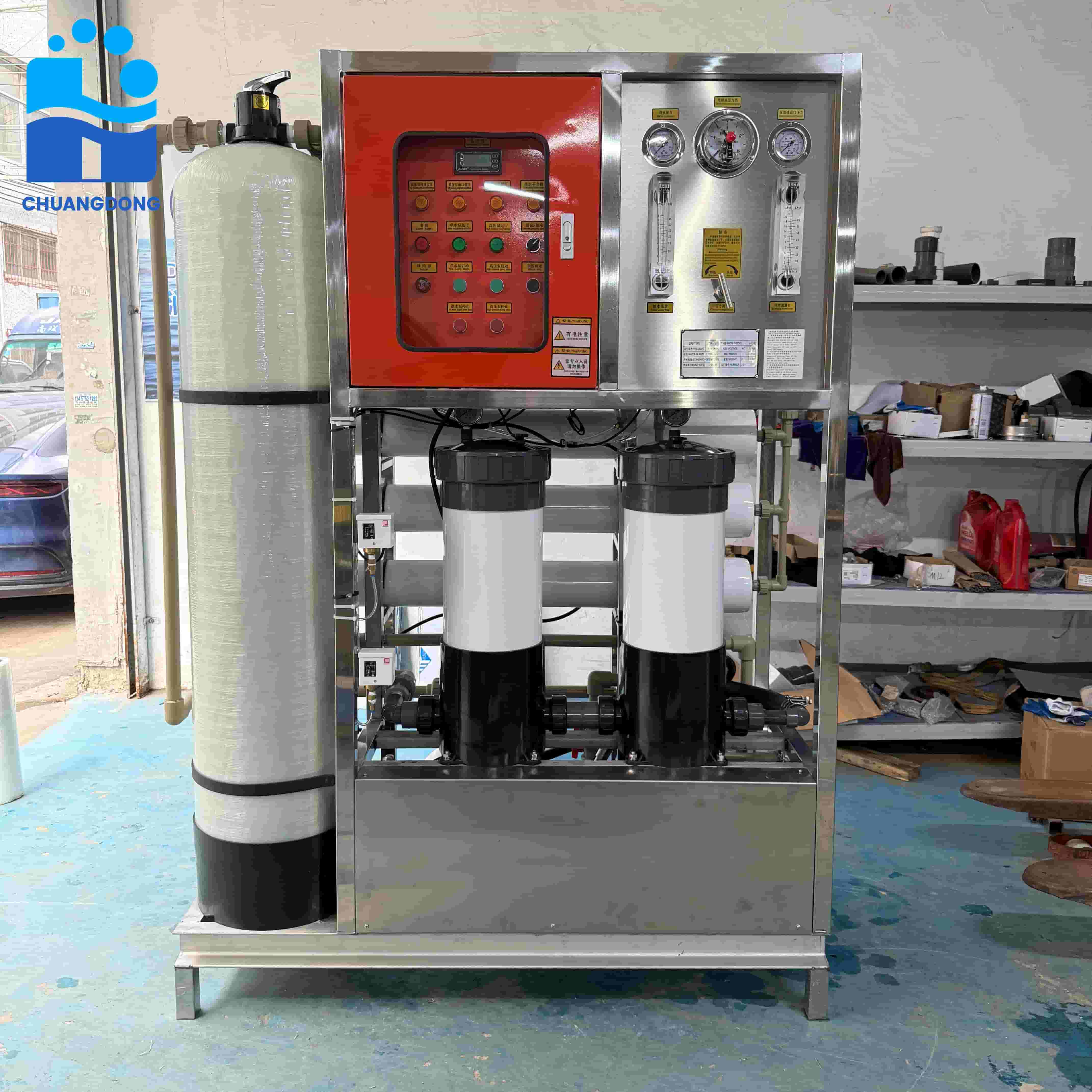
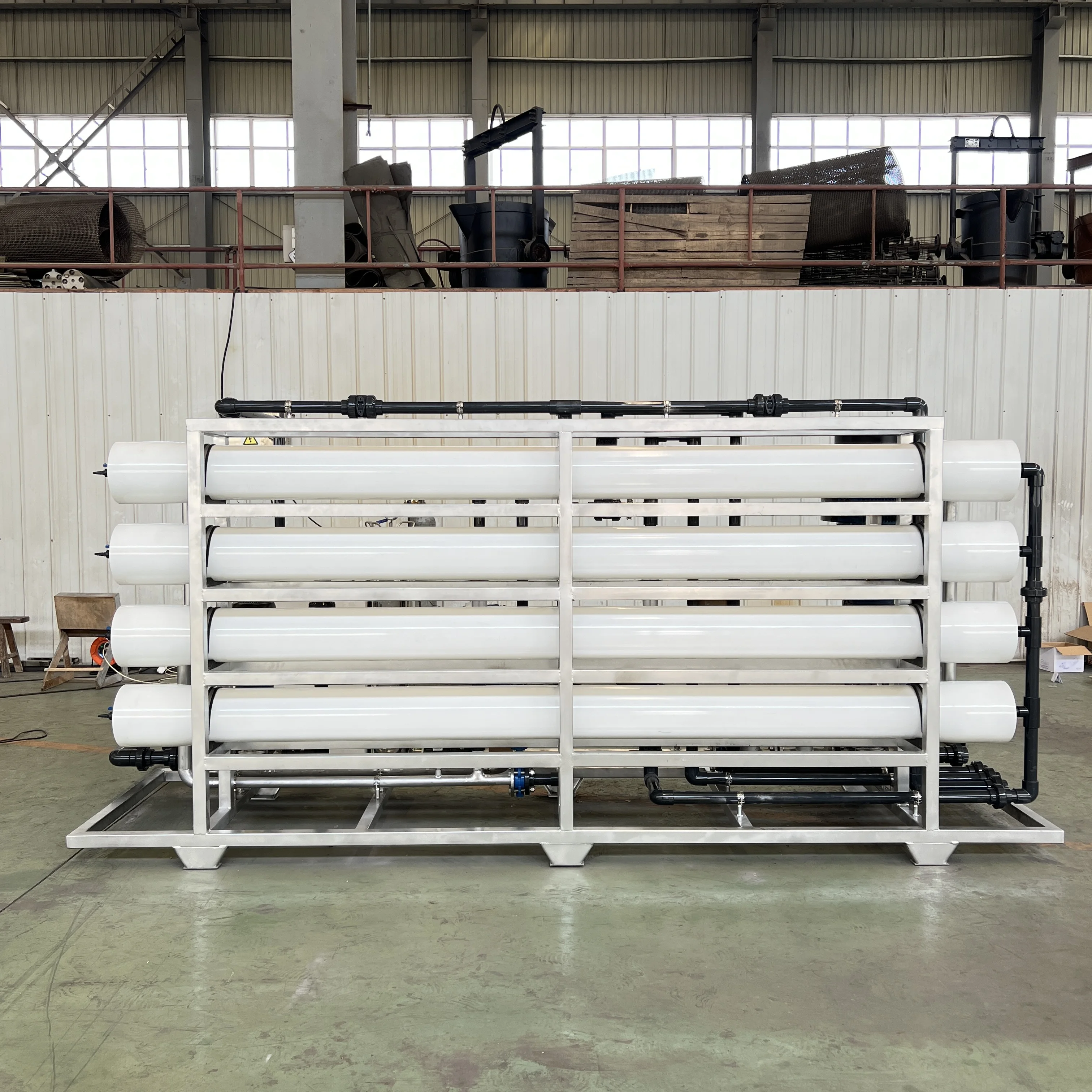
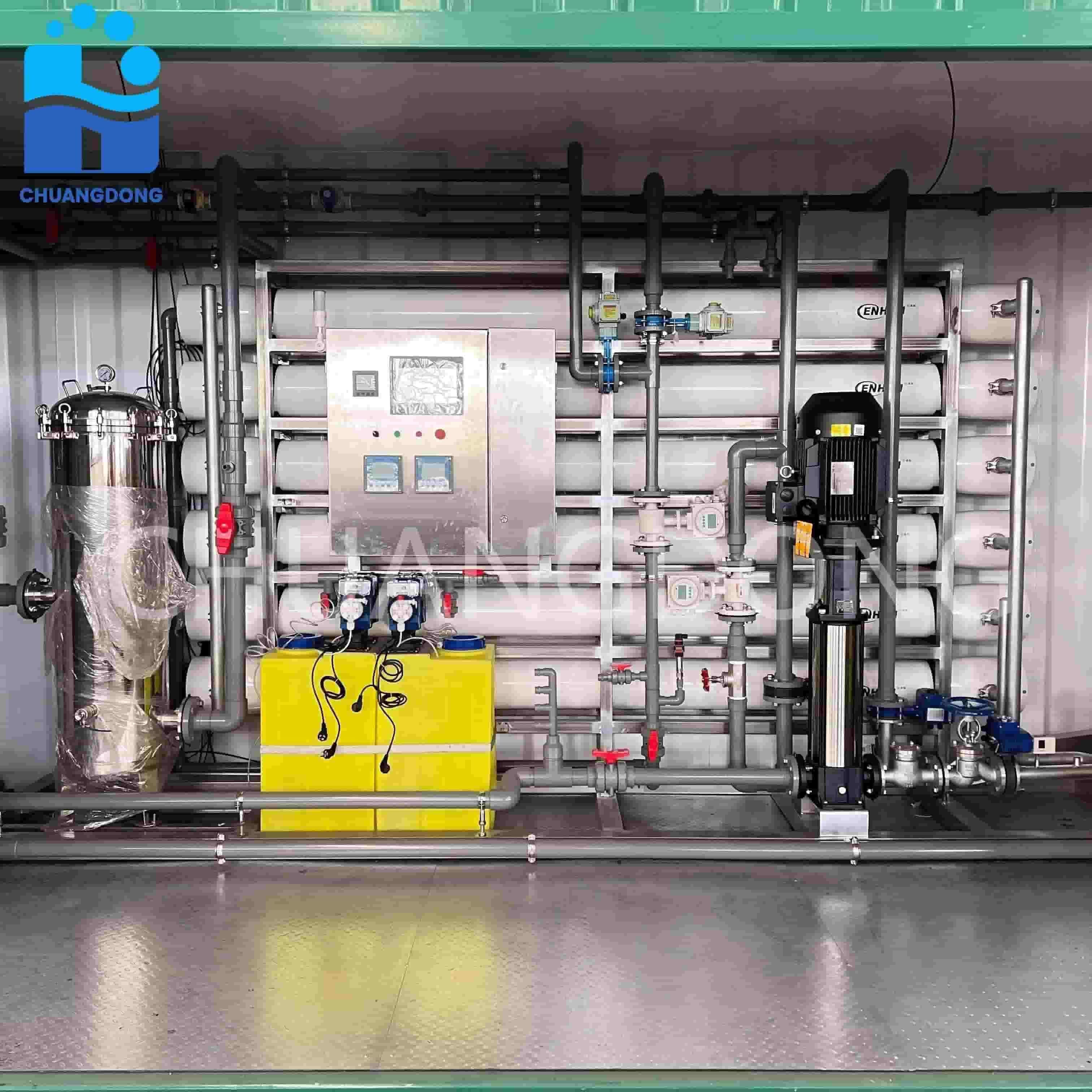
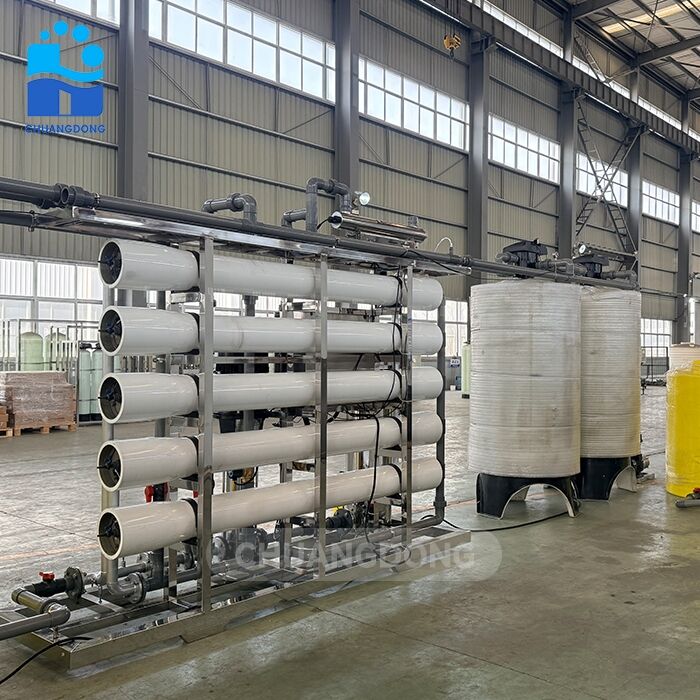
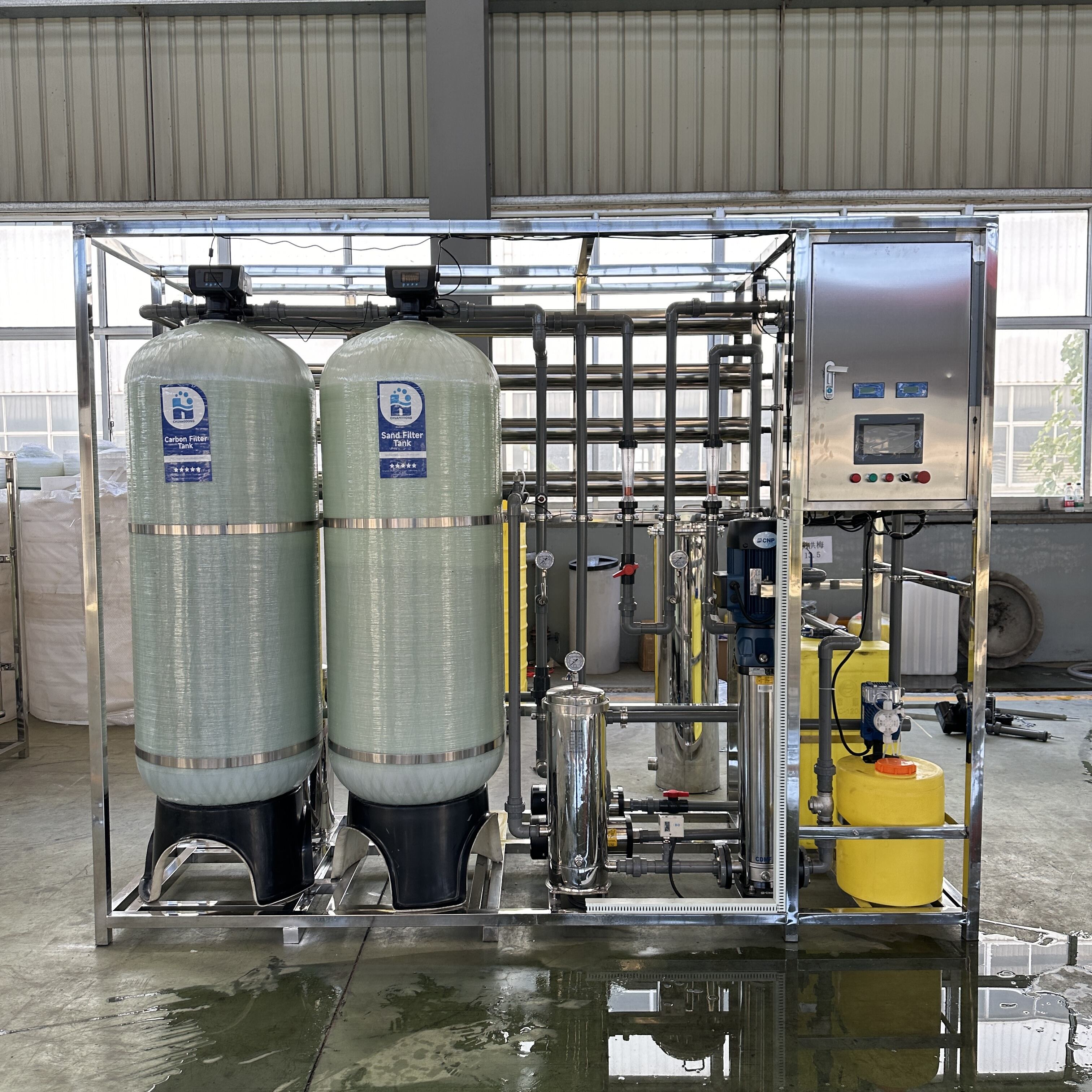
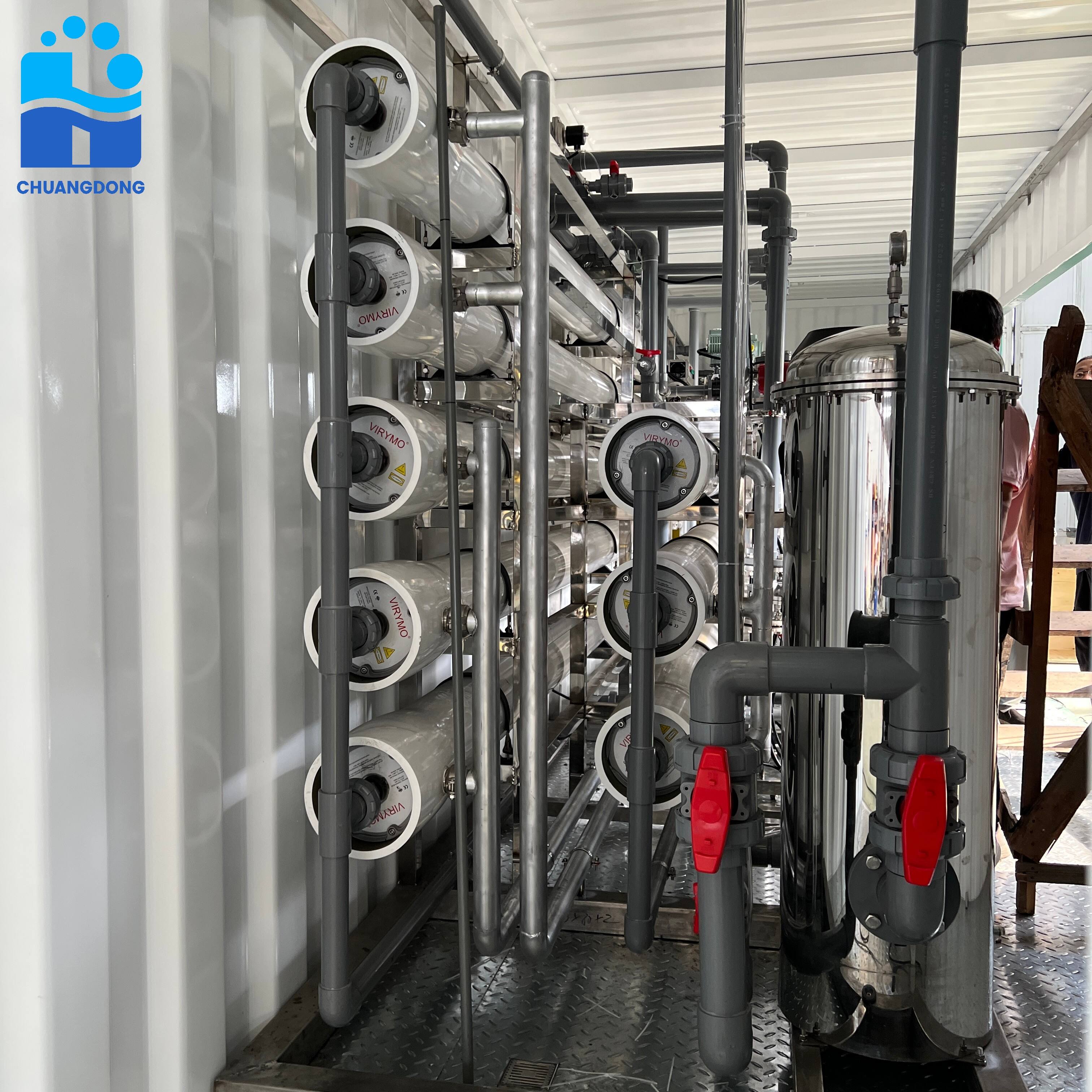
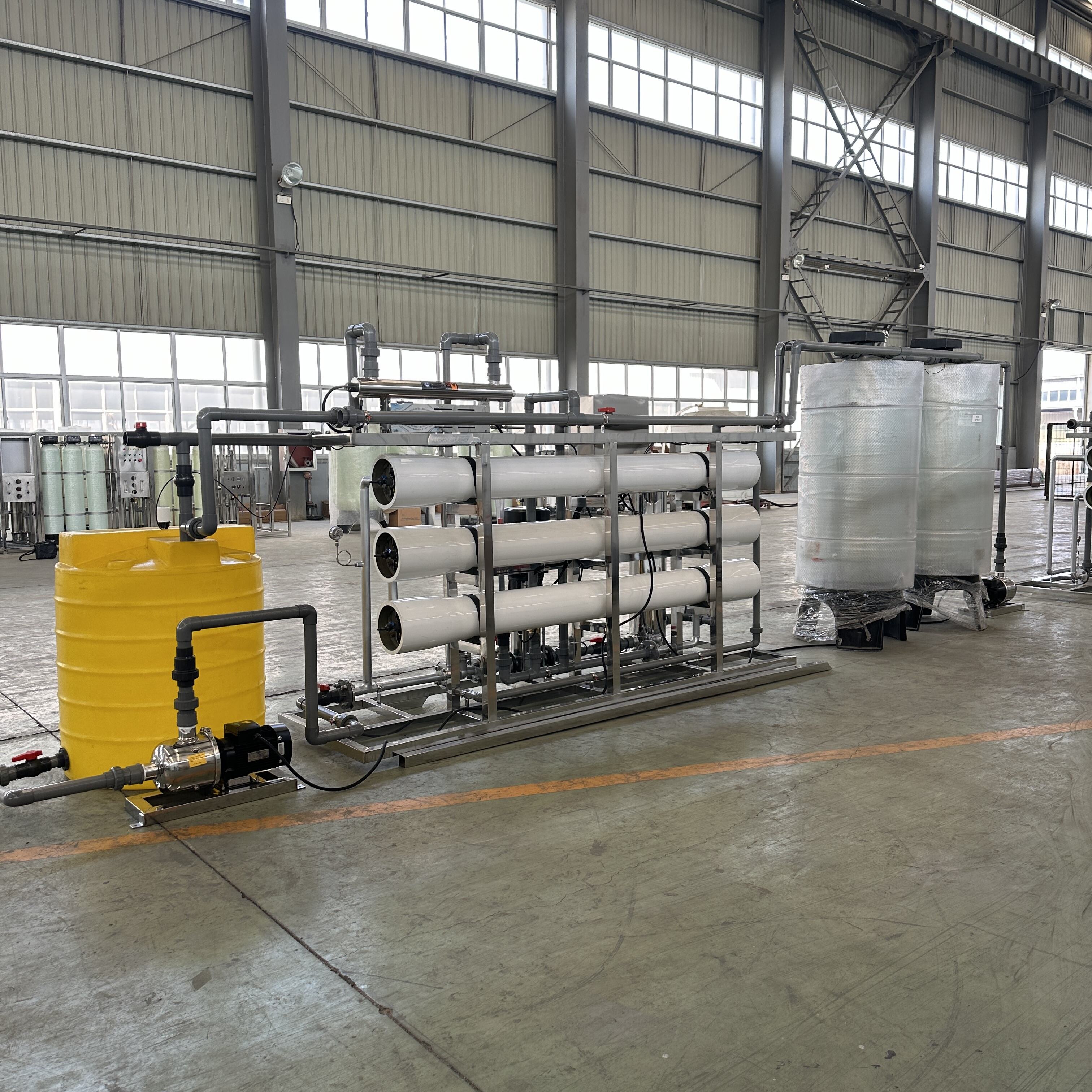
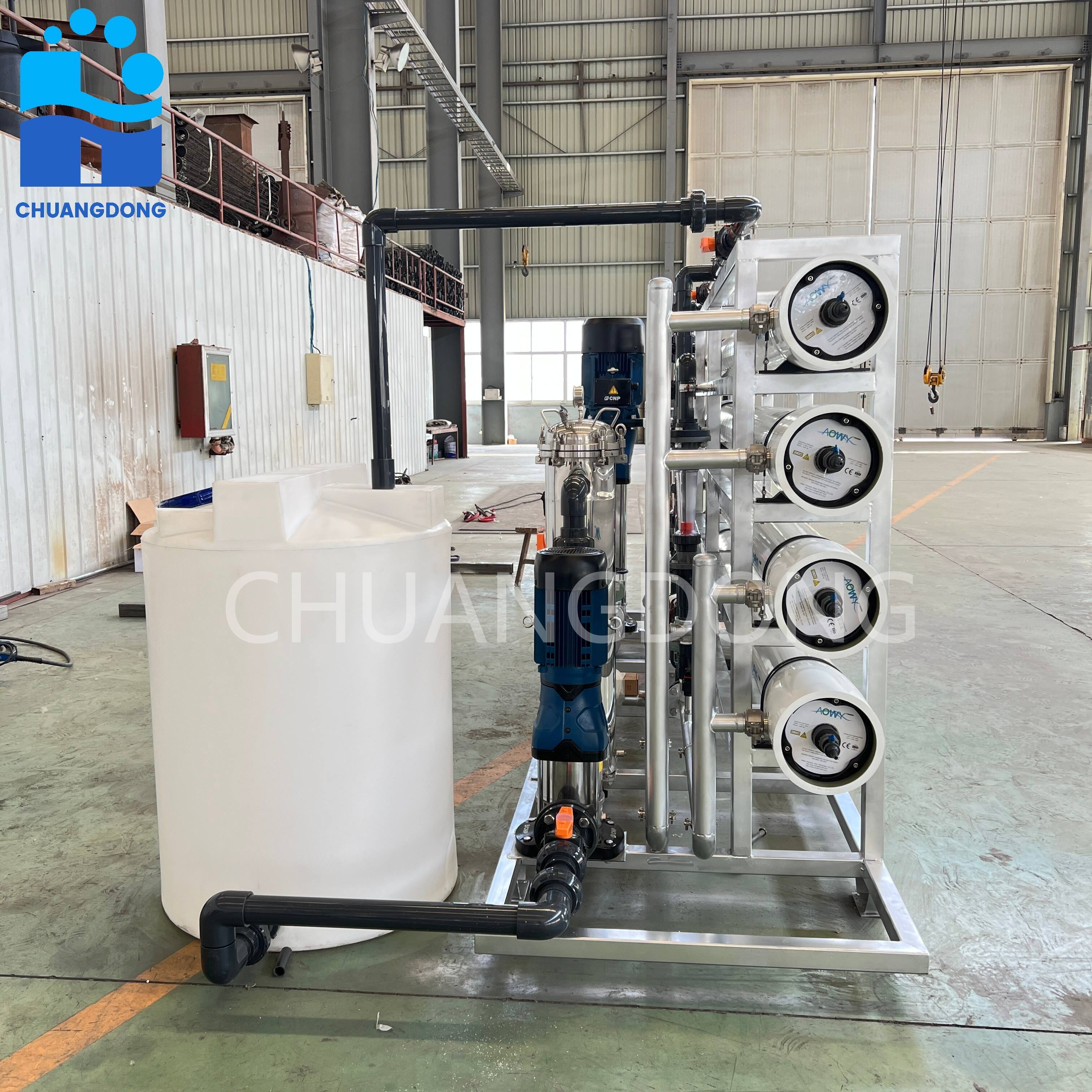
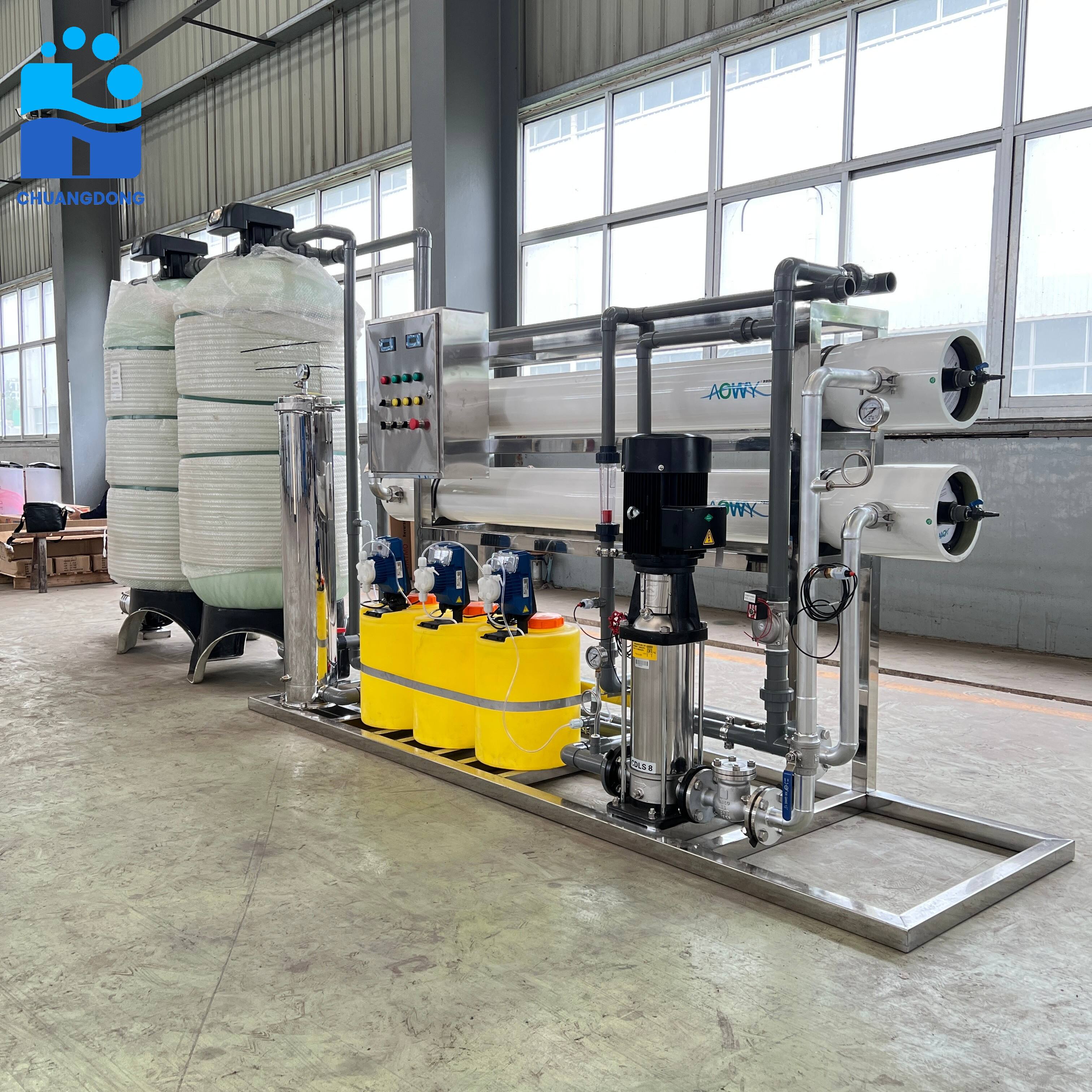
Ultrapure water purification represents the pinnacle of water treatment technology, delivering water with exceptional purity levels that exceed standard filtration methods by removing virtually all contaminants, including ions, particles, organic compounds, and microorganisms. This advanced purification process combines multiple treatment stages to achieve resistivity levels of 18.2 megohm-cm at 25°C, making it essential for industries requiring the highest water quality standards. The system operates through a sophisticated multi-step approach that includes pre-filtration, reverse osmosis, electrodeionization, and ultraviolet sterilization to eliminate impurities at the molecular level. Modern ultrapure water purification systems feature real-time monitoring capabilities that continuously track water quality parameters, ensuring consistent output that meets stringent specifications. The technology incorporates automated controls that adjust treatment processes based on incoming water conditions and desired purity levels, maximizing efficiency while minimizing waste. These systems typically include redundant safety measures and backup components to maintain uninterrupted operation, which is crucial for critical applications. The purification process begins with preliminary treatment to remove larger particles and chlorine, followed by advanced membrane filtration that eliminates dissolved solids and organic matter. Subsequent electrodeionization stages remove remaining ionic contaminants through electrical regeneration, while final polishing steps ensure ultimate purity. Applications span numerous industries including semiconductor manufacturing, pharmaceutical production, power generation, laboratory research, and biotechnology development. In semiconductor facilities, ultrapure water purification prevents contamination that could cause defects in microchips and electronic components. Pharmaceutical companies rely on this technology to ensure drug safety and regulatory compliance, while power plants use ultrapure water to prevent corrosion and scaling in boiler systems. The technology continues evolving with innovations in membrane materials, monitoring systems, and energy efficiency improvements that reduce operational costs while enhancing performance reliability.

Popular Products

Ultrapure water purification delivers significant cost savings by eliminating the need for frequent equipment maintenance and replacement caused by contamination-related damage. Organizations using this technology reduce downtime substantially because purified water prevents scaling, corrosion, and fouling in sensitive equipment and processes. The system provides consistent water quality that meets or exceeds regulatory requirements, helping companies avoid costly compliance violations and ensuring product quality remains at optimal levels. Energy efficiency improvements in modern ultrapure water purification systems reduce operational expenses while maintaining superior performance standards that traditional treatment methods cannot match. The automated monitoring and control features minimize labor costs by reducing manual oversight requirements and preventing human error that could compromise water quality or system performance. Businesses experience improved product yields and reduced waste because contaminant-free water enhances process reliability and eliminates quality issues that lead to rejected batches or rework. The technology offers scalable solutions that adapt to changing production demands without requiring complete system overhauls, providing flexibility for growing operations while protecting initial investments. Environmental benefits include reduced chemical usage compared to conventional treatment methods, lower waste generation, and improved water recycling capabilities that support sustainability initiatives and corporate responsibility goals. Long-term reliability of ultrapure water purification systems translates to predictable operating costs and reduced capital expenditure on emergency repairs or premature equipment replacement. The systems require minimal consumables and generate less waste than alternative purification methods, contributing to lower disposal costs and simplified waste management procedures. Real-time quality monitoring prevents contamination incidents that could result in expensive product recalls, facility shutdowns, or regulatory penalties that damage company reputation and financial stability. Advanced filtration capabilities extend equipment lifespan throughout facilities by protecting downstream processes from damaging impurities that cause premature wear and component failure. The technology enables companies to meet increasingly stringent industry standards without investing in multiple treatment systems, consolidating purification needs into efficient, space-saving solutions that optimize facility layouts and operational workflows.

Tips And Tricks

What Intake and Outfall Designs Minimize Environmental Impact of a Desalination Plant?

01

Mar

What Intake and Outfall Designs Minimize Environmental Impact of a Desalination Plant?

Environmental considerations have become paramount in the design and operation of modern desalination facilities worldwide. As water scarcity continues to challenge communities across the globe, the demand for sustainable desalination plant solutions...
View More
What Corrosion-Resistant Materials Are Used in Desalination Plant Construction?

06

Mar

What Corrosion-Resistant Materials Are Used in Desalination Plant Construction?

Desalination plants operate in some of the harshest environments imaginable, where saltwater constantly threatens the integrity of critical infrastructure. The selection of appropriate corrosion-resistant materials becomes paramount to ensuring long-...
View More
How Does a Water Purification System with Ion Exchange Soften Hard Water Effectively?

15

Mar

How Does a Water Purification System with Ion Exchange Soften Hard Water Effectively?

Hard water poses significant challenges for both residential and commercial applications, containing high concentrations of calcium and magnesium ions that cause scale buildup, reduce equipment efficiency, and affect water quality. A water purificati...
View More
How Does an RO Water Filter with a UV Sterilizer Provide Additional Protection Against Bacteria?

10

Mar

How Does an RO Water Filter with a UV Sterilizer Provide Additional Protection Against Bacteria?

Water contamination remains one of the most pressing concerns for homeowners and businesses seeking reliable water purification solutions. While traditional filtration methods offer basic protection, modern water treatment technology has evolved to p...
View More

Get a Free Quote

Our representative will contact you soon.
Email
Name
Company Name
Message
0/1000

ultrapure water purification

Advanced Multi-Stage Purification Technology

Advanced Multi-Stage Purification Technology

The ultrapure water purification process employs sophisticated multi-stage treatment that combines cutting-edge technologies to achieve unparalleled water quality standards. This comprehensive approach begins with mechanical filtration to remove particles and sediments, progresses through reverse osmosis membranes that eliminate dissolved solids, and concludes with electrodeionization and ultraviolet treatment for final polishing. Each stage targets specific contaminants using proven methods that work synergistically to deliver water purity levels approaching theoretical limits. The reverse osmosis component utilizes high-pressure membranes with molecular-level selectivity that blocks contaminants while allowing pure water molecules to pass through efficiently. Following membrane filtration, electrodeionization employs electrical current and ion-exchange resins to remove remaining ionic species without requiring chemical regeneration, making the process environmentally sustainable and cost-effective. Ultraviolet sterilization provides additional protection against microbiological contamination using germicidal wavelengths that destroy bacteria, viruses, and other pathogens without introducing harmful chemicals into the treated water. This multi-barrier approach ensures comprehensive contaminant removal while maintaining system reliability and operational efficiency. Advanced control systems coordinate each treatment stage to optimize performance based on real-time water quality measurements and flow requirements. The technology incorporates redundant treatment paths and backup systems that maintain continuous operation even during maintenance periods or component failures. Modern ultrapure water purification systems feature intelligent automation that adjusts treatment parameters automatically to maintain consistent output quality regardless of variations in feed water characteristics or operational demands. This sophisticated integration of multiple purification technologies delivers superior results compared to single-stage treatment methods while providing operational flexibility and long-term reliability that justifies the investment for critical applications requiring the highest water quality standards.
Real-Time Quality Monitoring and Control Systems

Real-Time Quality Monitoring and Control Systems

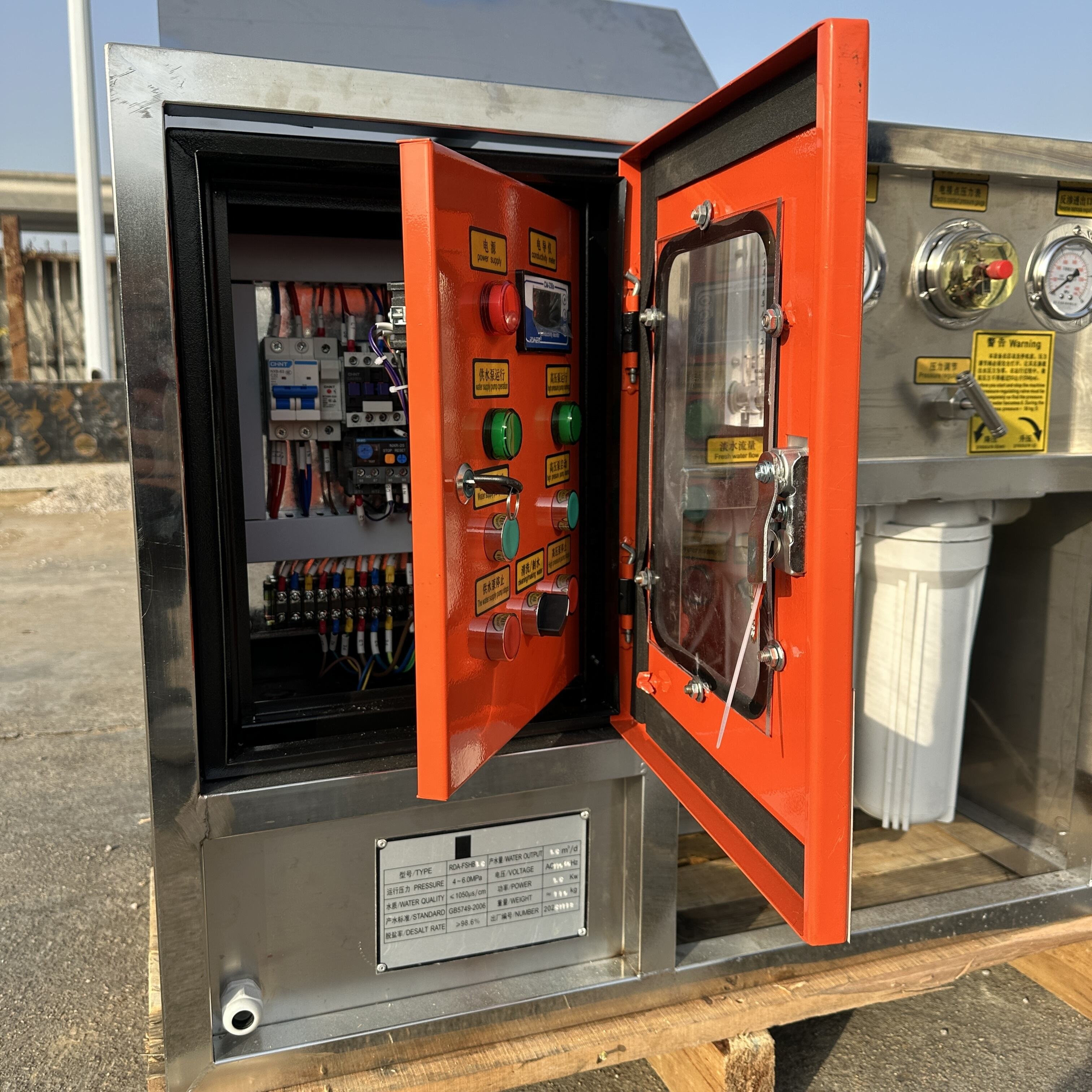
State-of-the-art ultrapure water purification systems incorporate comprehensive monitoring and control technology that continuously tracks multiple water quality parameters to ensure consistent performance and immediate detection of any quality deviations. These sophisticated systems measure conductivity, resistivity, total organic carbon, particle counts, and microbiological activity in real-time, providing operators with instant feedback on system performance and water quality status. Advanced sensors throughout the treatment process monitor each purification stage independently, enabling precise control over individual components while maintaining overall system optimization. The monitoring infrastructure includes redundant measurement points that verify water quality at critical locations, ensuring accuracy and reliability of quality data used for process control decisions. Automated alert systems notify operators immediately when quality parameters approach predetermined limits, allowing preventive action before water quality degrades below acceptable standards. Data logging capabilities create comprehensive quality records that support regulatory compliance requirements and provide valuable information for system optimization and troubleshooting activities. The control systems utilize sophisticated algorithms that analyze quality trends and automatically adjust treatment parameters to maintain optimal performance while minimizing energy consumption and consumable usage. Remote monitoring capabilities enable off-site supervision and control, allowing expert technicians to provide support and guidance regardless of their physical location relative to the ultrapure water purification facility. Integration with plant-wide control systems enables coordinated operation with other facility processes, optimizing water production schedules based on demand patterns and energy availability. The monitoring technology provides predictive maintenance capabilities by tracking component performance trends and identifying potential issues before they cause system failures or quality problems. This proactive approach reduces maintenance costs while ensuring uninterrupted operation of critical processes that depend on consistent ultrapure water supply. Advanced reporting features generate detailed performance summaries and quality certificates that support quality assurance programs and regulatory documentation requirements essential for regulated industries.
Versatile Applications Across Critical Industries

Versatile Applications Across Critical Industries

Ultrapure water purification technology serves diverse industrial applications where water quality directly impacts product quality, process reliability, and regulatory compliance across sectors including semiconductor manufacturing, pharmaceutical production, power generation, biotechnology research, and precision manufacturing. In semiconductor facilities, ultrapure water is essential for wafer cleaning, chemical dilution, and equipment maintenance processes where even trace contaminants can cause defects that render expensive microchips unusable. The technology enables chip manufacturers to achieve the stringent cleanliness requirements necessary for producing advanced electronics with smaller feature sizes and higher performance specifications. Pharmaceutical companies rely on ultrapure water purification for drug formulation, equipment cleaning, and steam generation applications where water quality directly affects product safety and efficacy while ensuring compliance with strict regulatory standards from agencies like the FDA and EMA. The technology supports biotechnology research and production by providing contamination-free water essential for cell culture, protein purification, and analytical testing procedures where impurities could interfere with experimental results or compromise product quality. Power generation facilities use ultrapure water in boiler systems to prevent corrosion and scaling that could damage expensive turbine components and reduce operational efficiency, while nuclear facilities require ultra-high purity water for reactor cooling and safety systems. Laboratory and research institutions depend on this technology for analytical testing, equipment operation, and experimental procedures where water quality affects measurement accuracy and research validity. Medical device manufacturers utilize ultrapure water for cleaning and processing components that must meet biocompatibility requirements and sterility standards essential for patient safety. The technology adapts to varying production scales from small laboratory systems producing gallons per hour to large industrial installations generating thousands of gallons daily, providing flexible solutions that match specific application requirements. Each industry application benefits from customized system configurations that address unique water quality specifications, flow rate requirements, and operational constraints while maintaining the exceptional purity levels that define ultrapure water purification technology.

Get a Free Quote

Our representative will contact you soon.
Email
Name
Company Name
Message
0/1000