Advanced Desalination RO Plant Solutions - Efficient Seawater Treatment Systems

Get a Free Quote

Our representative will contact you soon.
Email
Name
Company Name
Message
0/1000

desalination ro plant

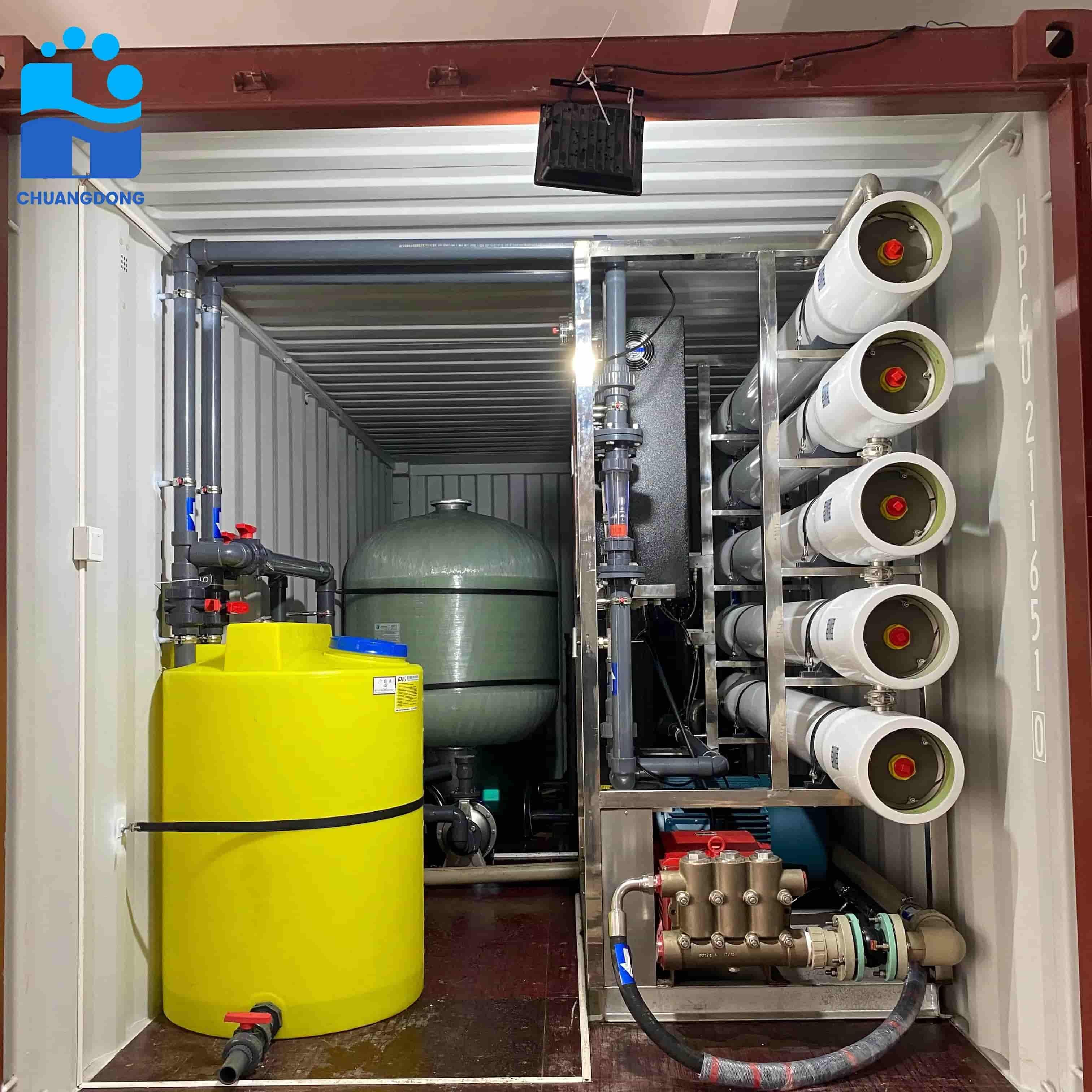
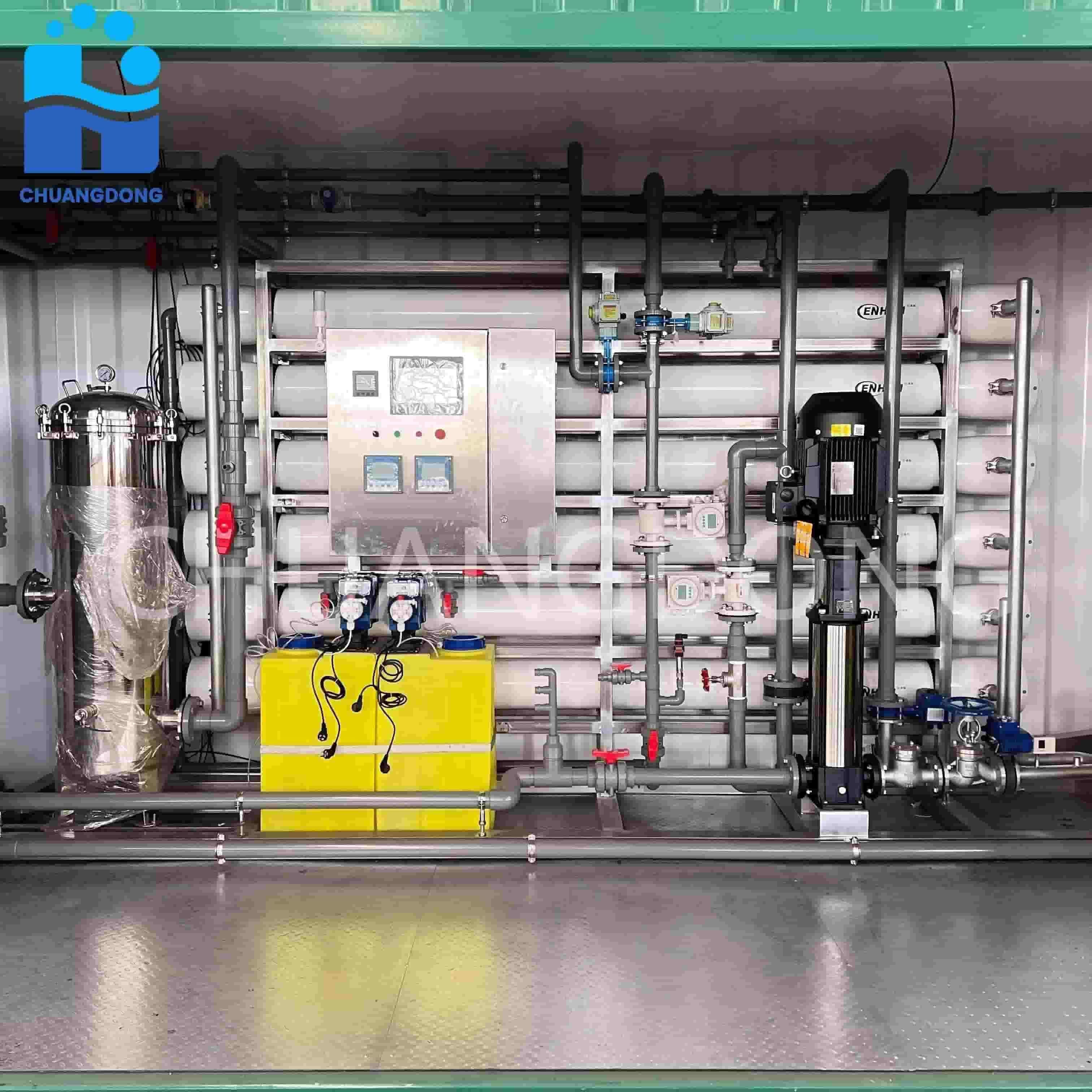
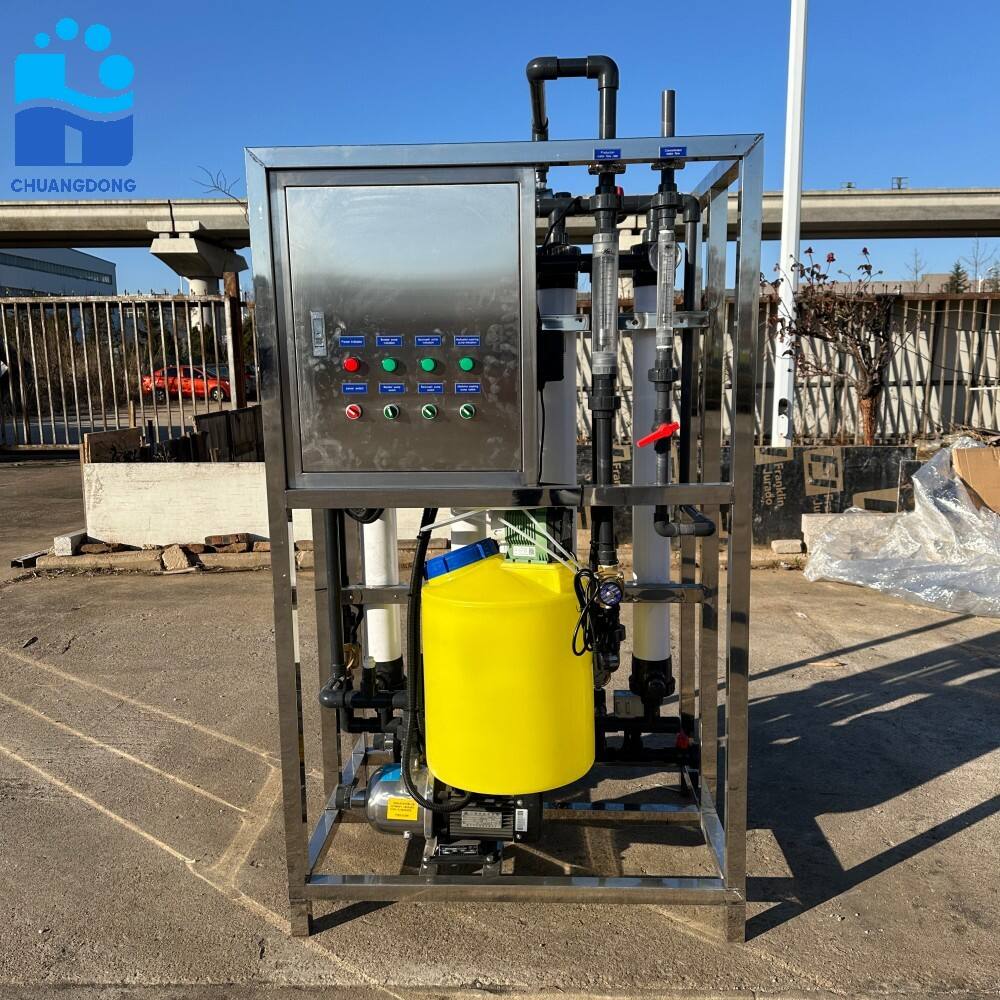
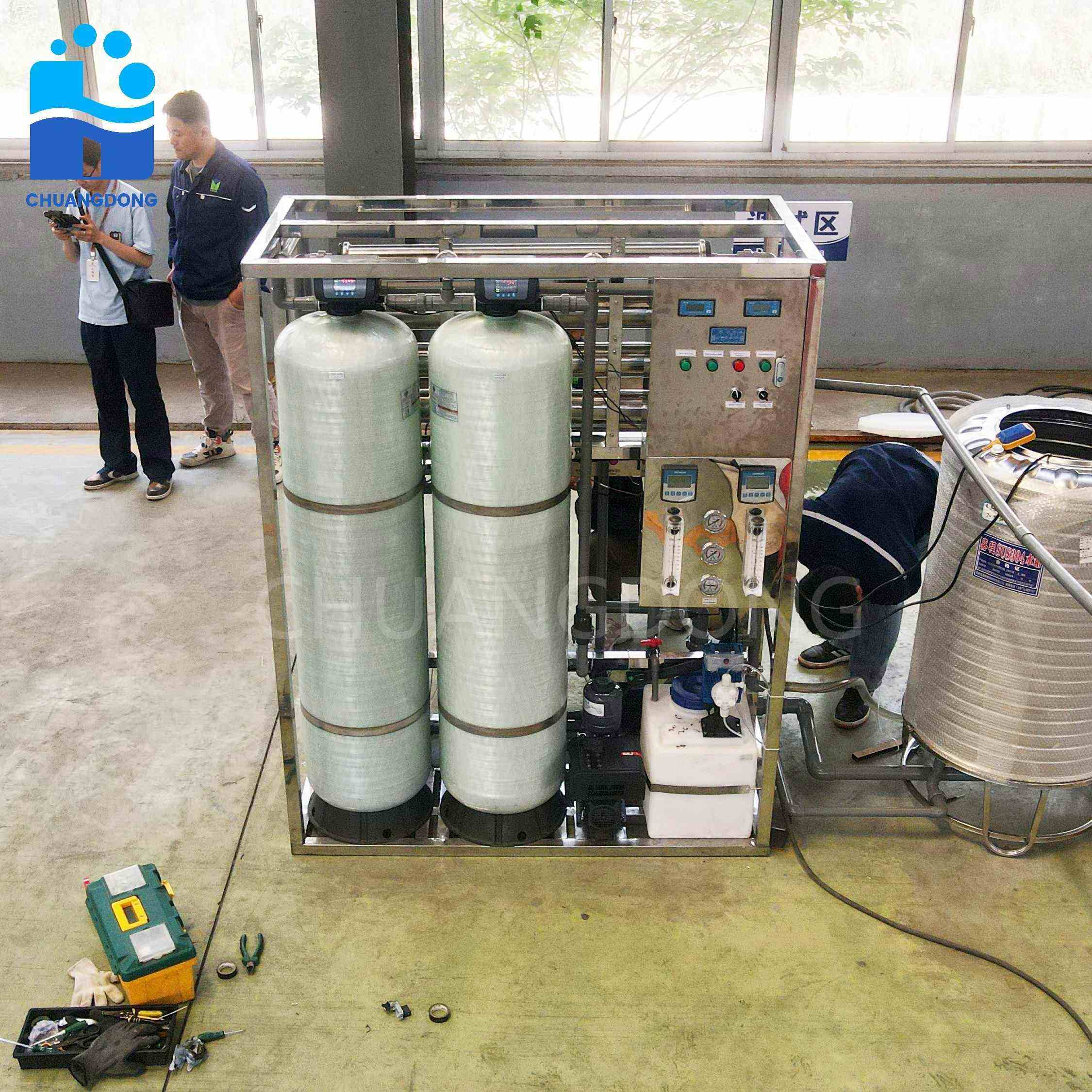
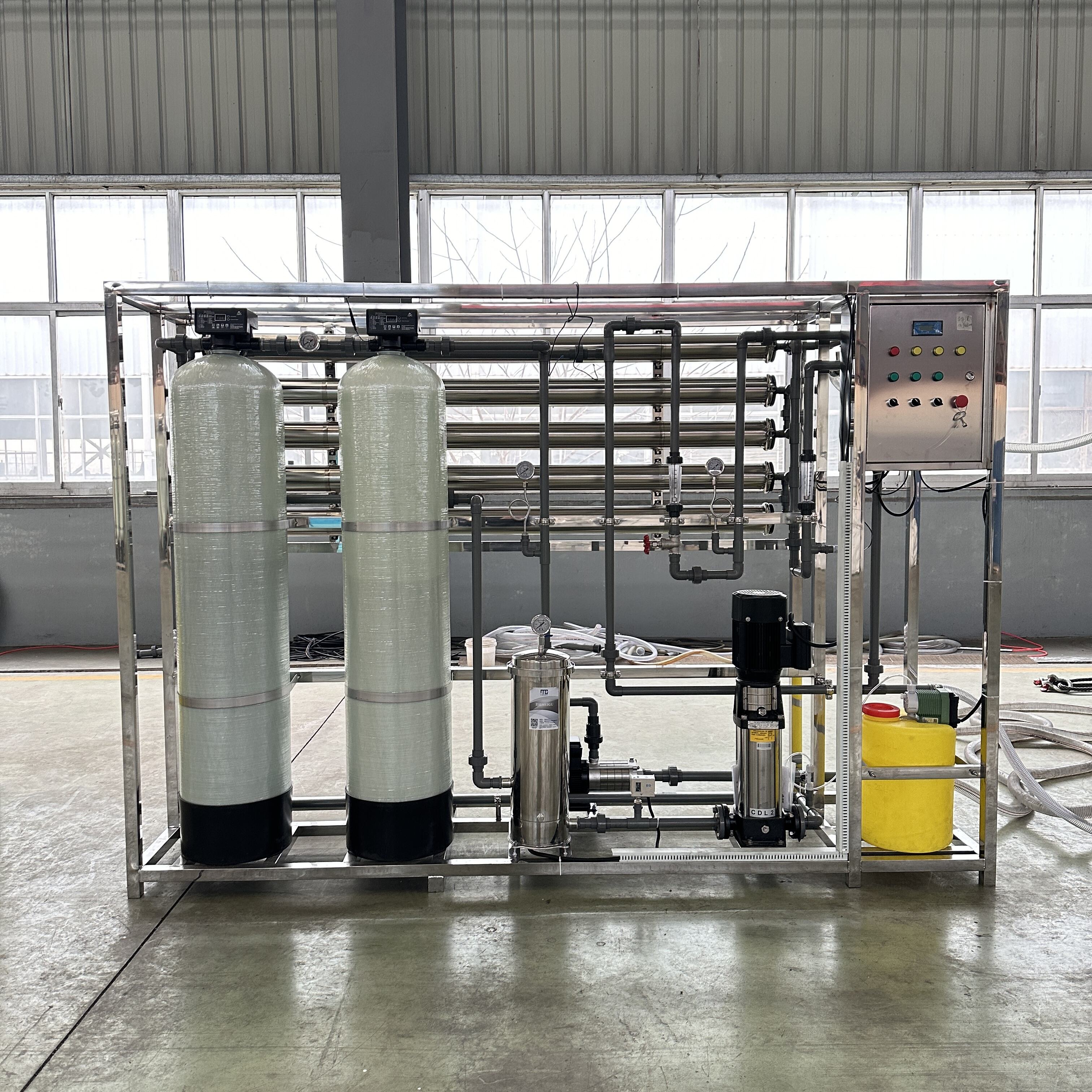
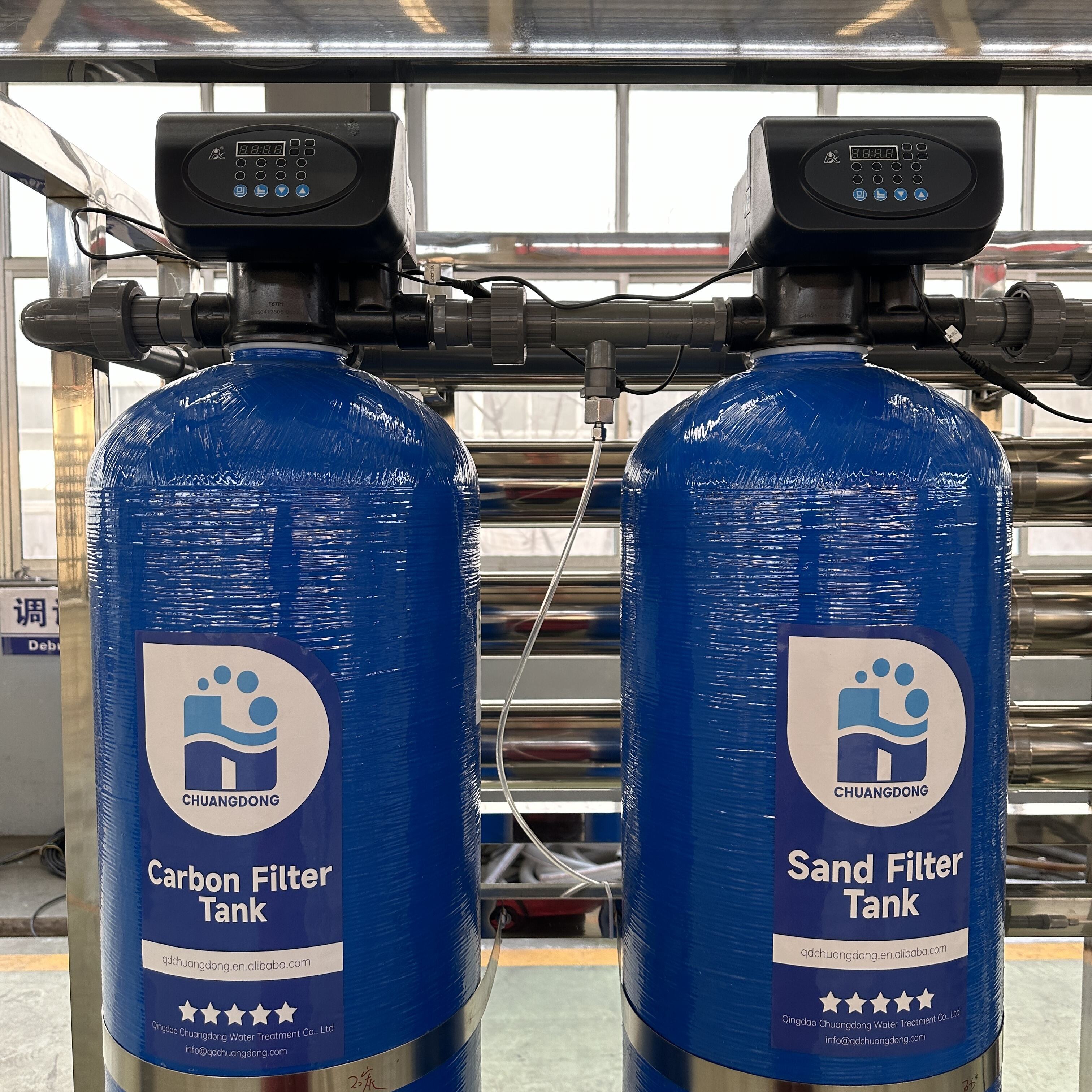
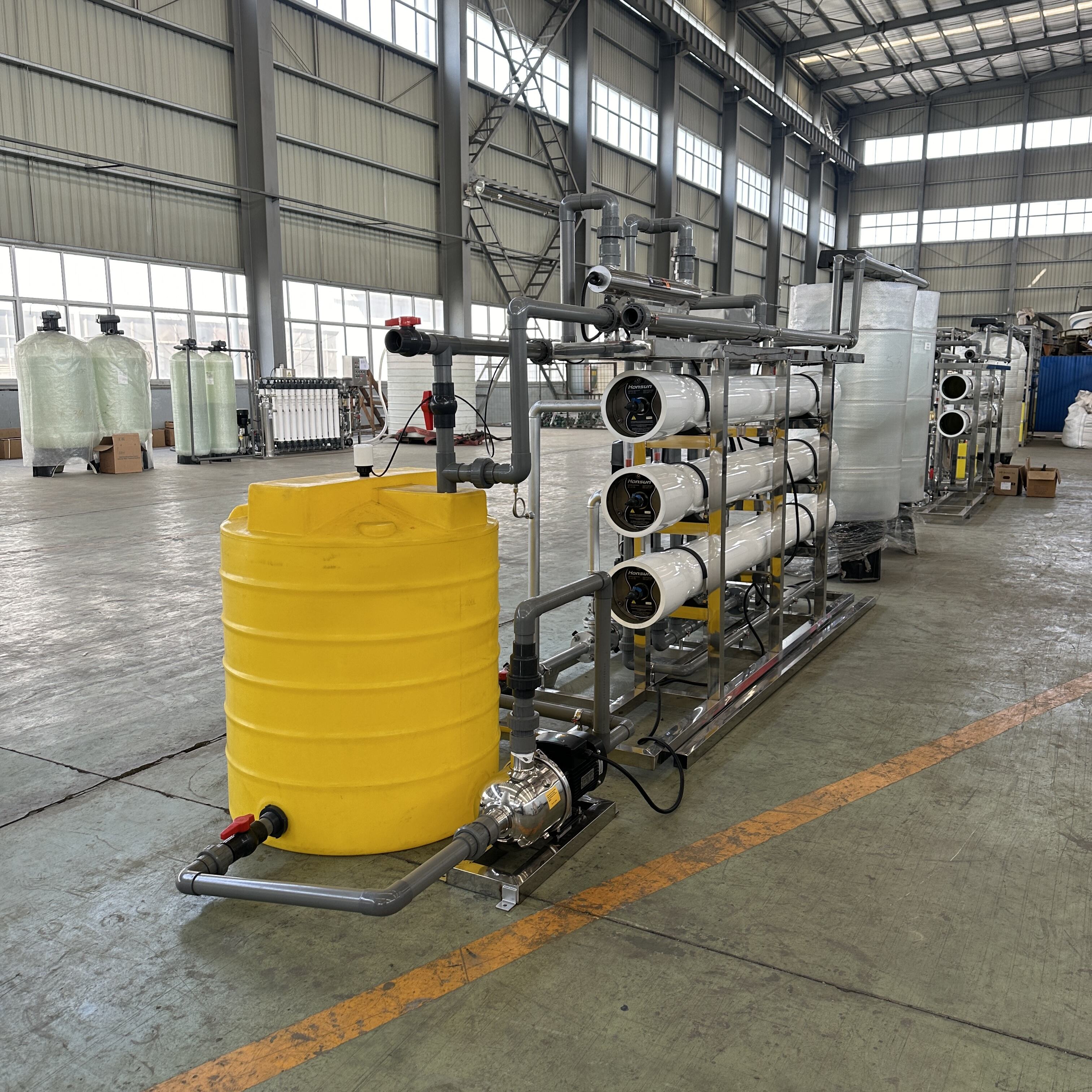
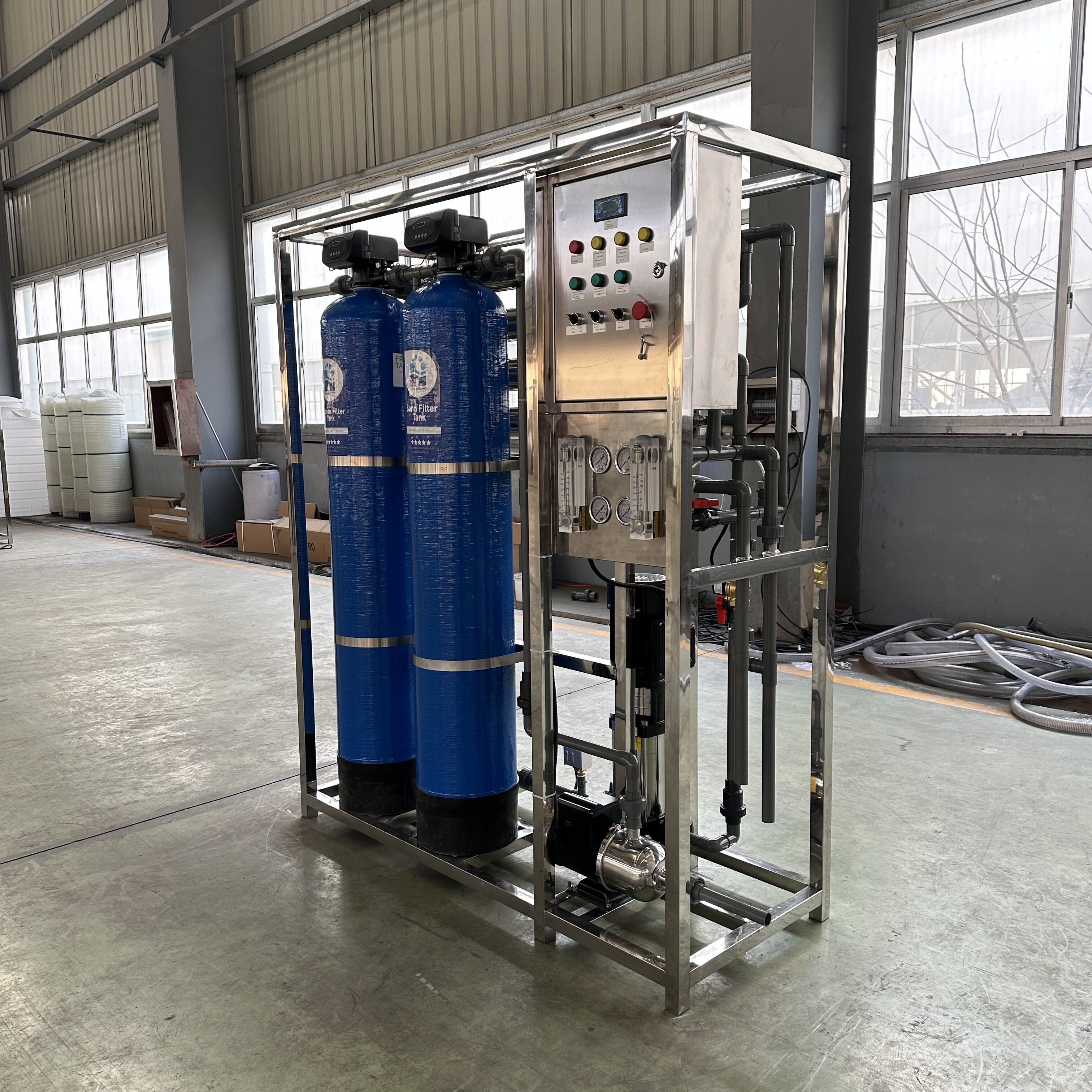
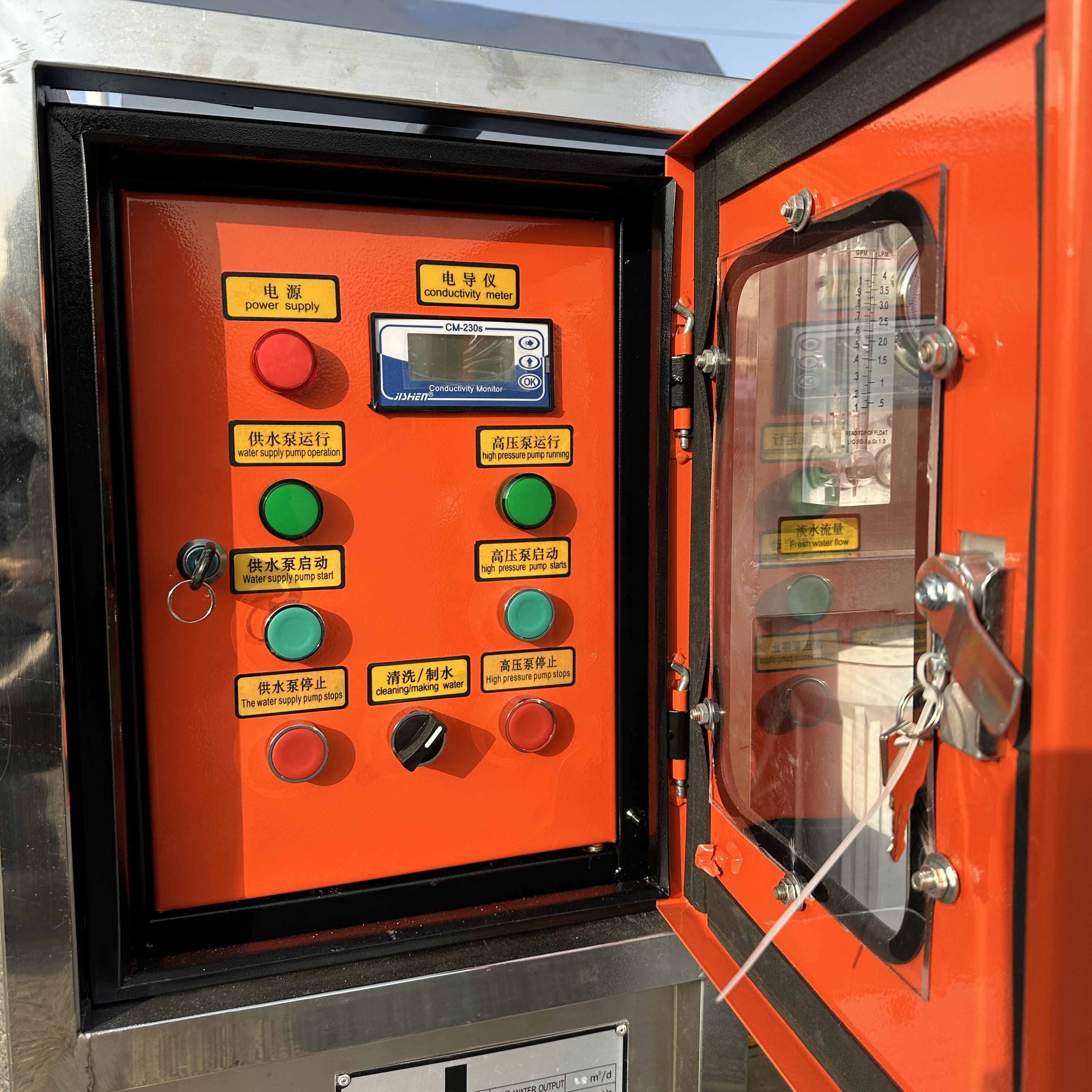
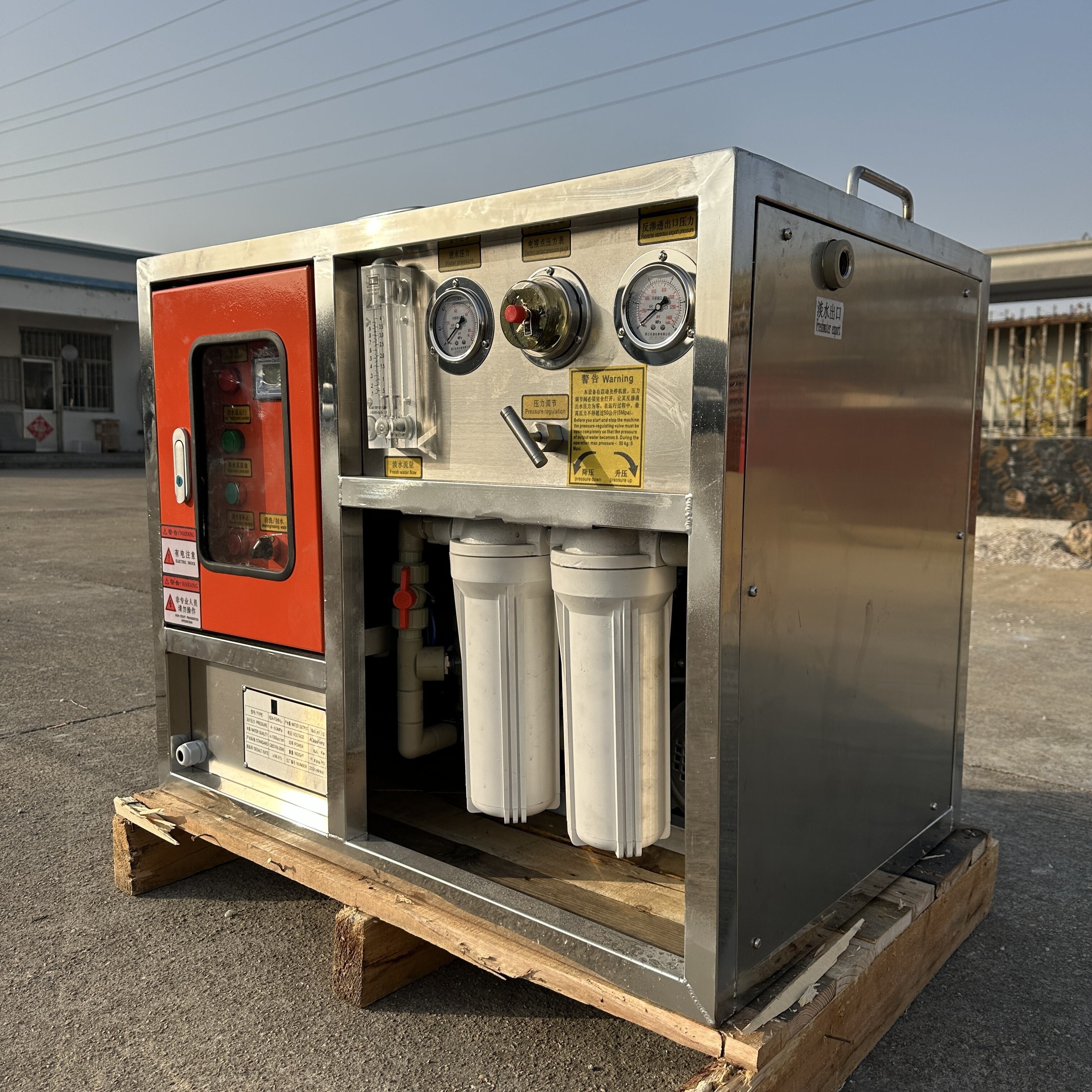
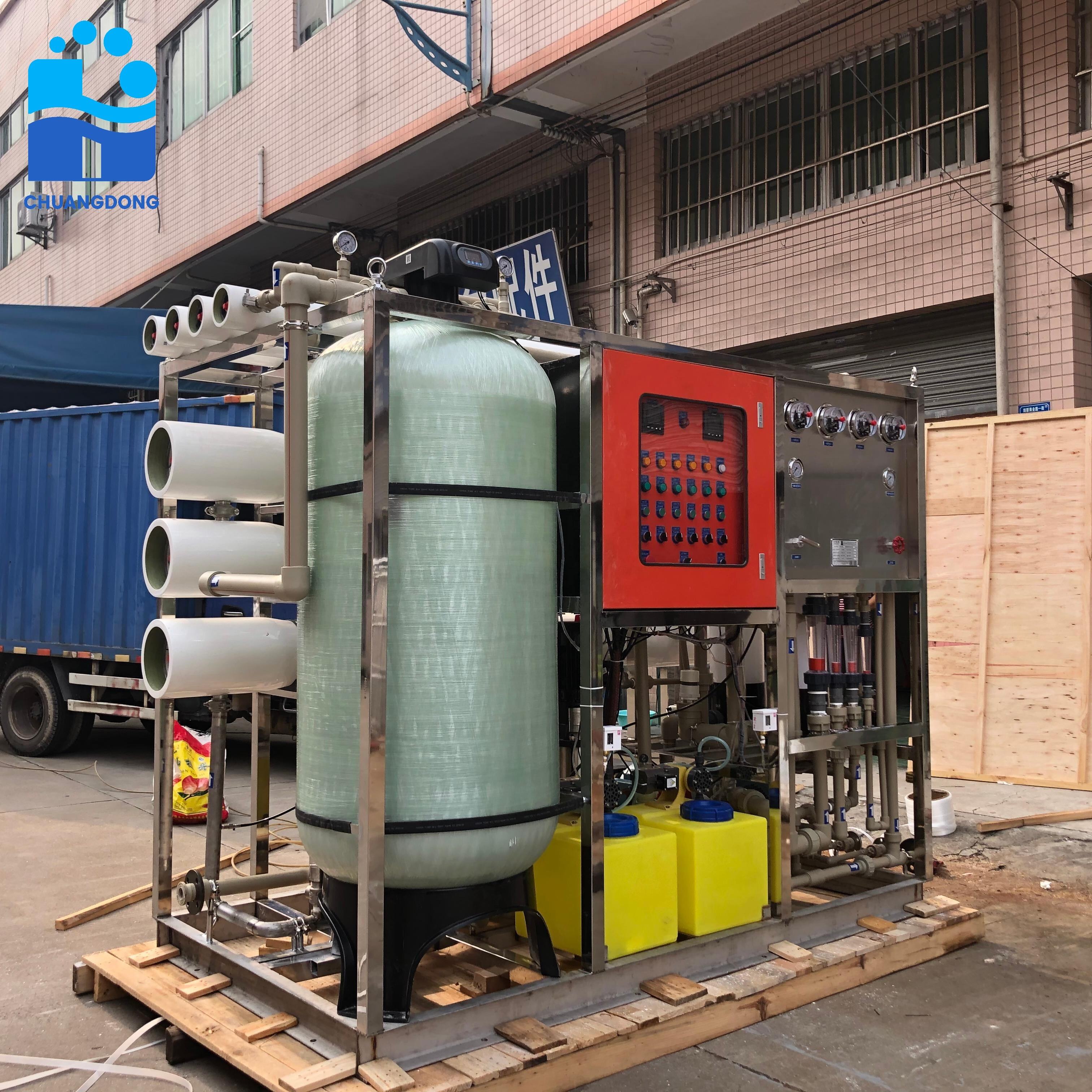
A desalination ro plant represents a revolutionary water treatment solution that transforms saltwater and brackish water into clean, potable water through reverse osmosis technology. This sophisticated system operates by forcing seawater through semi-permeable membranes under high pressure, effectively separating salt molecules and contaminants from pure water molecules. The desalination ro plant consists of several integrated components including pre-treatment filters, high-pressure pumps, reverse osmosis membranes, post-treatment systems, and automated control panels that ensure optimal performance throughout the purification process. The main function of a desalination ro plant centers on providing sustainable access to fresh water in regions where natural freshwater sources are scarce or contaminated. These plants can process varying volumes of seawater, from small-scale residential units producing hundreds of gallons daily to industrial-scale facilities generating millions of gallons per day. Technological features include advanced membrane technology that achieves up to 99.7 percent salt removal efficiency, energy recovery devices that reduce operational costs, and intelligent monitoring systems that track water quality parameters in real-time. Modern desalination ro plant installations incorporate corrosion-resistant materials, automated cleaning cycles, and remote monitoring capabilities that enable operators to maintain peak performance with minimal manual intervention. Applications span across multiple sectors including municipal water supply, industrial manufacturing, agriculture irrigation, maritime vessels, offshore platforms, and emergency disaster relief operations. The versatility of desalination ro plant technology makes it suitable for coastal communities, island nations, arid regions, and any location requiring reliable freshwater production. These systems effectively address water scarcity challenges while providing consistent water quality that meets or exceeds international drinking water standards, making them essential infrastructure for sustainable development and population growth.

New Product Recommendations

The desalination ro plant delivers numerous compelling advantages that make it an attractive investment for communities and industries facing water security challenges. Energy efficiency stands out as a primary benefit, with modern systems consuming significantly less power than traditional desalination methods through innovative energy recovery technologies that capture and reuse hydraulic energy from the brine discharge stream. This efficiency translates directly into reduced operational costs and lower environmental impact. Cost-effectiveness becomes apparent through the plant's ability to produce high-quality freshwater at competitive rates compared to alternative water sources, especially in regions where water transportation costs are prohibitive. The desalination ro plant requires minimal chemical additives during operation, reducing both ongoing expenses and environmental concerns associated with chemical handling and storage. Reliability represents another crucial advantage, as these systems operate continuously with minimal downtime when properly maintained, ensuring consistent water supply regardless of seasonal variations or drought conditions that affect traditional water sources. The modular design of desalination ro plant systems allows for easy expansion as demand grows, providing scalable solutions that adapt to changing community needs without requiring complete system replacement. Water quality consistency exceeds that of many natural sources, as the reverse osmosis process removes not only salt but also bacteria, viruses, heavy metals, and other contaminants that may be present in groundwater or surface water supplies. Maintenance requirements are straightforward and predictable, with most systems featuring automated cleaning cycles and component replacement schedules that minimize unexpected failures and associated costs. The compact footprint of modern desalination ro plant installations makes them suitable for installation in space-constrained locations, from urban environments to remote industrial sites. Environmental benefits include reduced pressure on existing freshwater aquifers and surface water bodies, helping preserve natural ecosystems while meeting human water needs. The technology's proven track record across diverse geographical and climatic conditions demonstrates its adaptability and long-term viability as a sustainable water solution for the future.

Practical Tips

What Intake and Outfall Designs Minimize Environmental Impact of a Desalination Plant?

01

Mar

What Intake and Outfall Designs Minimize Environmental Impact of a Desalination Plant?

Environmental considerations have become paramount in the design and operation of modern desalination facilities worldwide. As water scarcity continues to challenge communities across the globe, the demand for sustainable desalination plant solutions...
View More
What Corrosion-Resistant Materials Are Used in Desalination Plant Construction?

06

Mar

What Corrosion-Resistant Materials Are Used in Desalination Plant Construction?

Desalination plants operate in some of the harshest environments imaginable, where saltwater constantly threatens the integrity of critical infrastructure. The selection of appropriate corrosion-resistant materials becomes paramount to ensuring long-...
View More
How Does an RO Water Filter with a UV Sterilizer Provide Additional Protection Against Bacteria?

10

Mar

How Does an RO Water Filter with a UV Sterilizer Provide Additional Protection Against Bacteria?

Water contamination remains one of the most pressing concerns for homeowners and businesses seeking reliable water purification solutions. While traditional filtration methods offer basic protection, modern water treatment technology has evolved to p...
View More
Why Should Pharmaceutical QC Labs Use Ultrapure Water for HPLC and Mass Spectrometry?

18

Mar

Why Should Pharmaceutical QC Labs Use Ultrapure Water for HPLC and Mass Spectrometry?

Pharmaceutical quality control laboratories face increasingly stringent requirements for analytical accuracy and regulatory compliance. The foundation of reliable analytical results lies in the quality of water used throughout testing procedures. Ult...
View More

Get a Free Quote

Our representative will contact you soon.
Email
Name
Company Name
Message
0/1000

desalination ro plant

Advanced Membrane Technology and Superior Purification Performance

Advanced Membrane Technology and Superior Purification Performance

The heart of every desalination ro plant lies in its sophisticated membrane technology, which represents decades of scientific advancement and engineering excellence in water purification. These high-performance membranes utilize cutting-edge polymer materials engineered at the molecular level to achieve exceptional selectivity in separating pure water from dissolved salts and contaminants. The reverse osmosis membranes employed in modern desalination ro plant systems feature ultra-thin active layers that allow water molecules to pass through while rejecting salt ions, bacteria, viruses, and other impurities with remarkable efficiency rates exceeding 99.5 percent. This superior purification performance ensures that the treated water consistently meets or surpasses international drinking water quality standards, including WHO guidelines and EPA regulations. The membrane configuration within a desalination ro plant typically involves multiple stages arranged in series or parallel configurations, optimizing both recovery rates and energy consumption while maintaining excellent product water quality. Advanced spiral-wound membrane elements maximize surface area within compact vessels, enabling high flow rates and efficient salt rejection in space-efficient designs. The proprietary membrane chemistry resists fouling and scaling, extending operational life and reducing maintenance frequency compared to older membrane technologies. Furthermore, these membranes demonstrate exceptional chemical resistance, allowing the desalination ro plant to process various feedwater qualities without compromising performance or membrane integrity. The multi-barrier approach inherent in reverse osmosis technology provides redundant protection against contaminant breakthrough, ensuring consistent water safety even if individual membrane elements experience minor performance degradation. This reliability in purification performance makes desalination ro plant technology particularly valuable for applications where water quality cannot be compromised, such as pharmaceutical manufacturing, food and beverage production, and municipal water supply systems serving large populations.
Energy Recovery Systems and Operational Efficiency Optimization

Energy Recovery Systems and Operational Efficiency Optimization

Modern desalination ro plant installations incorporate sophisticated energy recovery systems that dramatically improve operational efficiency and reduce environmental impact through innovative hydraulic energy capture and reuse technologies. These energy recovery devices, including pressure exchangers and turbochargers, capture the hydraulic energy contained in the high-pressure brine stream that would otherwise be wasted during the desalination process. By recovering up to 60 percent of the energy used in pressurizing the feedwater, these systems significantly reduce the overall power consumption of the desalination ro plant, making freshwater production more economically viable and environmentally sustainable. The integration of variable frequency drives and high-efficiency motors further optimizes energy consumption by adjusting pump speeds according to real-time demand and operating conditions. Smart control systems continuously monitor and adjust operational parameters to maintain peak efficiency while ensuring consistent water quality output from the desalination ro plant. Advanced process optimization algorithms analyze multiple variables including feedwater quality, membrane performance, and energy costs to automatically adjust operating conditions for maximum efficiency. The result is a desalination ro plant that adapts to changing conditions while minimizing energy consumption and operational costs. Heat integration systems in larger installations capture waste heat from other processes or utilize renewable energy sources such as solar thermal or geothermal energy to further reduce operational costs. The enhanced efficiency of modern desalination ro plant systems makes them competitive with traditional water sources in many markets, while providing the added benefits of independence from climate variability and consistent water quality. These efficiency improvements also contribute to reduced carbon footprint and environmental impact, supporting sustainability goals and regulatory compliance requirements. The operational efficiency optimization extends to maintenance procedures, with predictive maintenance systems that monitor component performance and schedule maintenance activities to minimize downtime and maximize system availability.
Modular Design and Scalable Installation Flexibility

Modular Design and Scalable Installation Flexibility

The modular architecture of contemporary desalination ro plant systems provides unparalleled flexibility in system design, installation, and future expansion capabilities that adapt to evolving water demand requirements across diverse applications and geographic locations. This innovative approach allows engineers to configure desalination ro plant installations using standardized modules that can be combined in various arrangements to achieve desired production capacities ranging from small residential units to large municipal facilities. The modular design philosophy enables rapid deployment of desalination ro plant systems, as pre-engineered modules can be manufactured in controlled factory environments and assembled on-site with minimal construction time and reduced installation costs. This approach significantly reduces project risk and ensures consistent quality across all system components. The scalability inherent in modular desalination ro plant design allows operators to start with smaller capacity installations and expand incrementally as water demand grows, avoiding the need for oversized initial investments while ensuring future expansion capabilities. Each module within a desalination ro plant system operates independently, providing operational redundancy that maintains water production even during maintenance or unexpected equipment issues affecting individual modules. The standardized interfaces between modules facilitate easy integration and minimize complexity in system control and monitoring. Transportation advantages of modular design enable desalination ro plant installation in remote or challenging locations where conventional construction would be difficult or expensive. The compact footprint of modular systems maximizes land use efficiency while minimizing environmental impact during installation. Maintenance benefits include the ability to service individual modules without shutting down the entire desalination ro plant, ensuring continuous water supply during routine maintenance activities. The modular approach also supports technology upgrades, allowing operators to incorporate improved components or newer technologies into existing systems without complete replacement. This design flexibility makes desalination ro plant technology suitable for temporary installations, emergency response applications, and permanent facilities that may require future modifications or capacity adjustments based on changing operational requirements or regulatory standards.

Get a Free Quote

Our representative will contact you soon.
Email
Name
Company Name
Message
0/1000