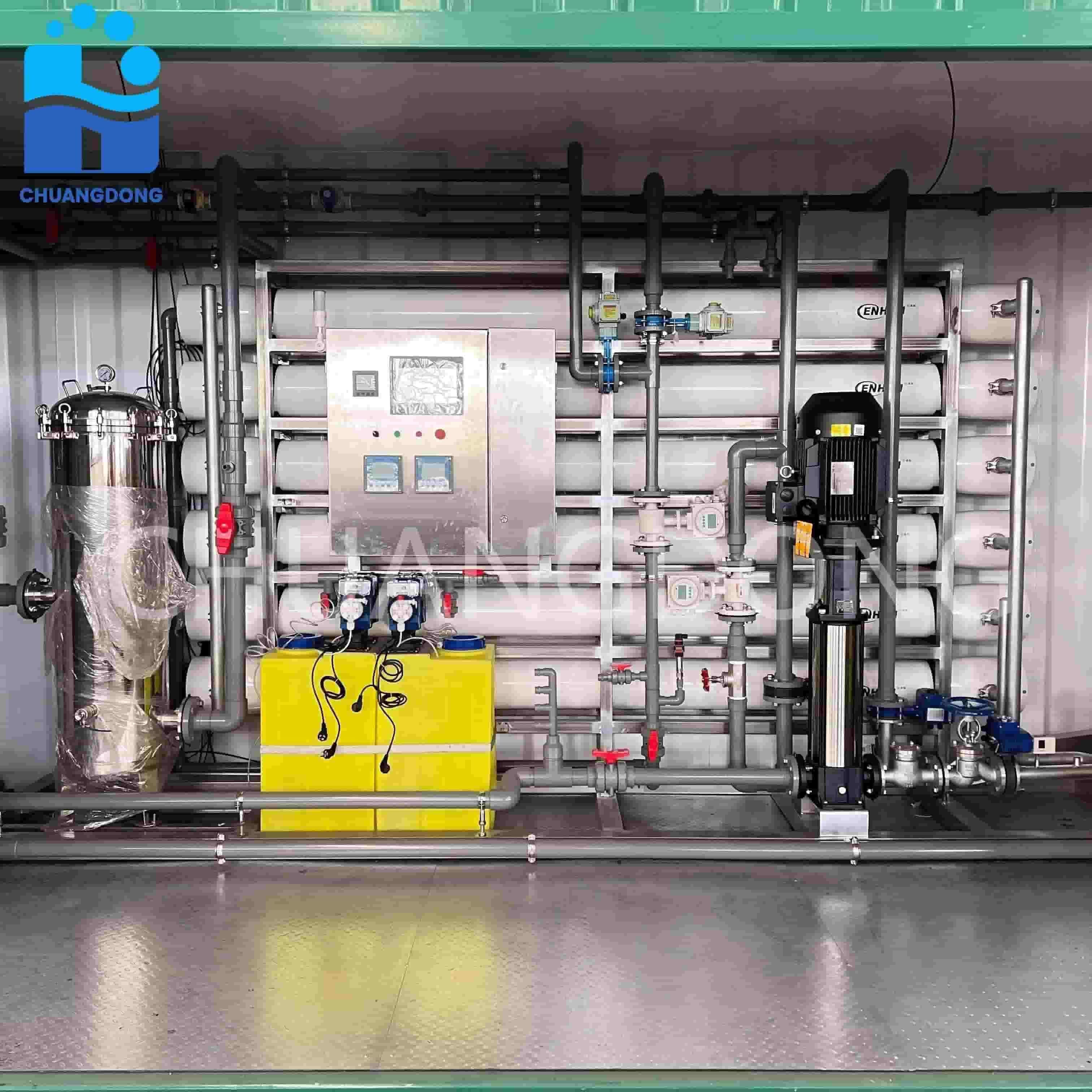
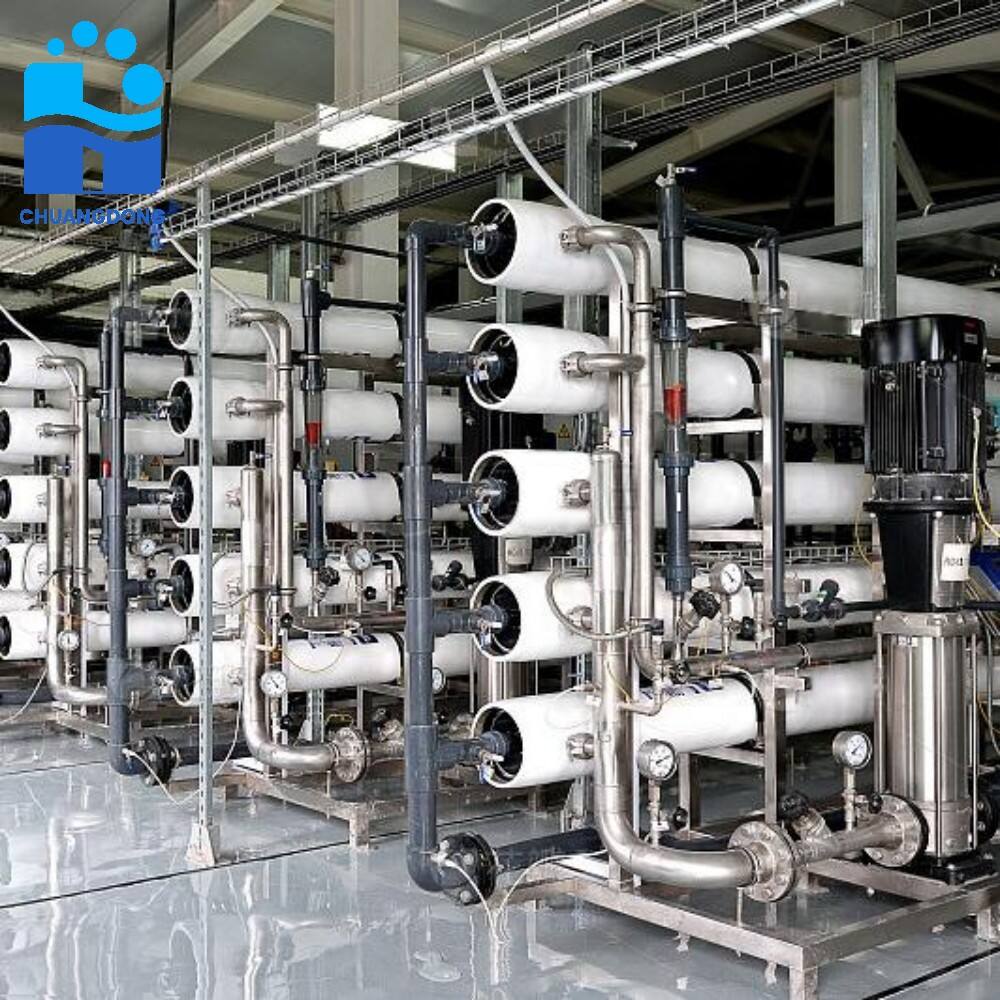
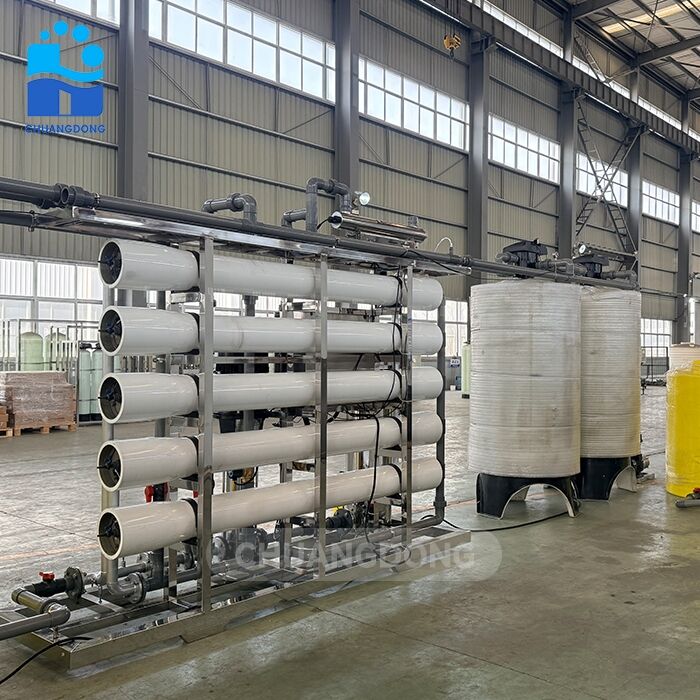
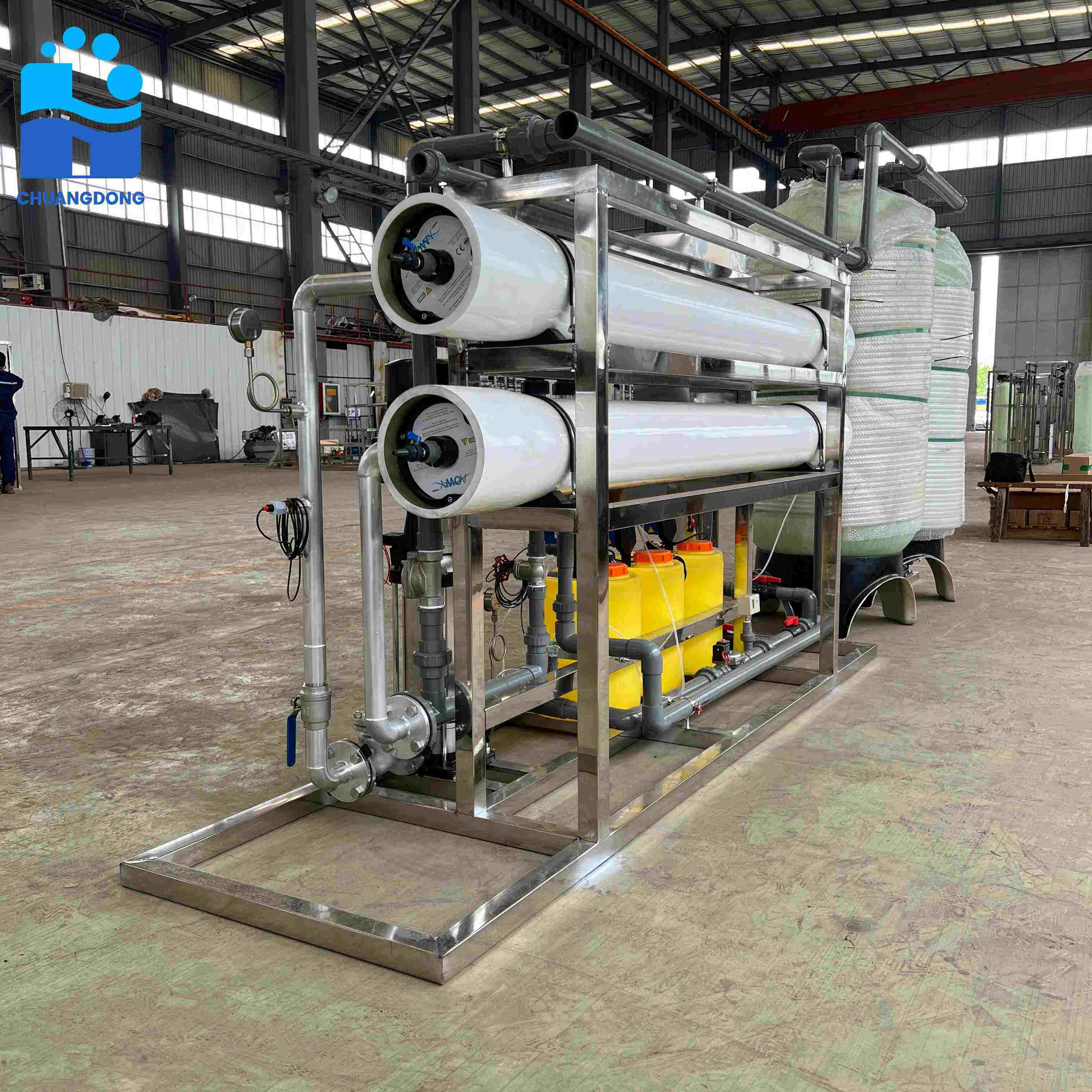
brackish water reverse osmosis system
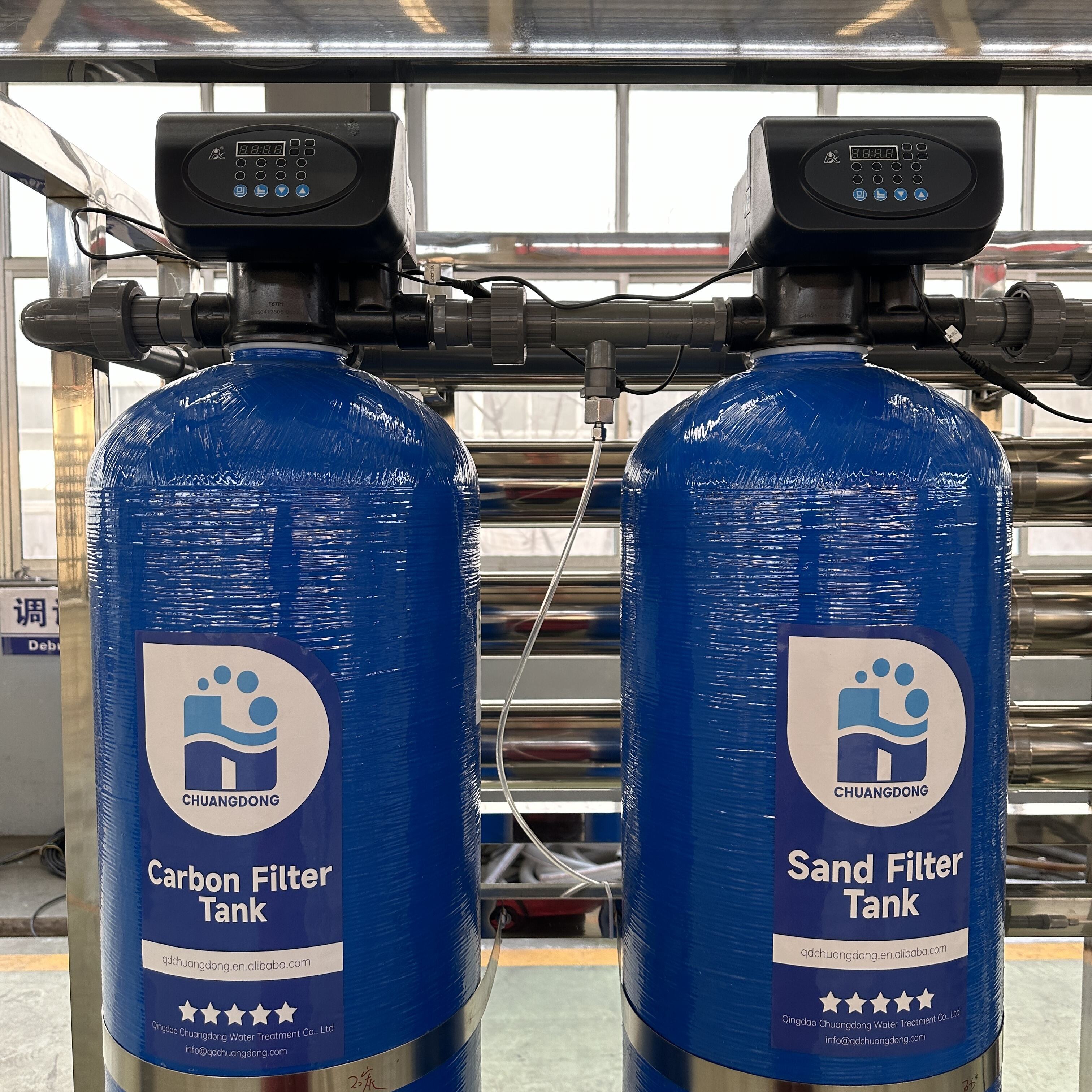
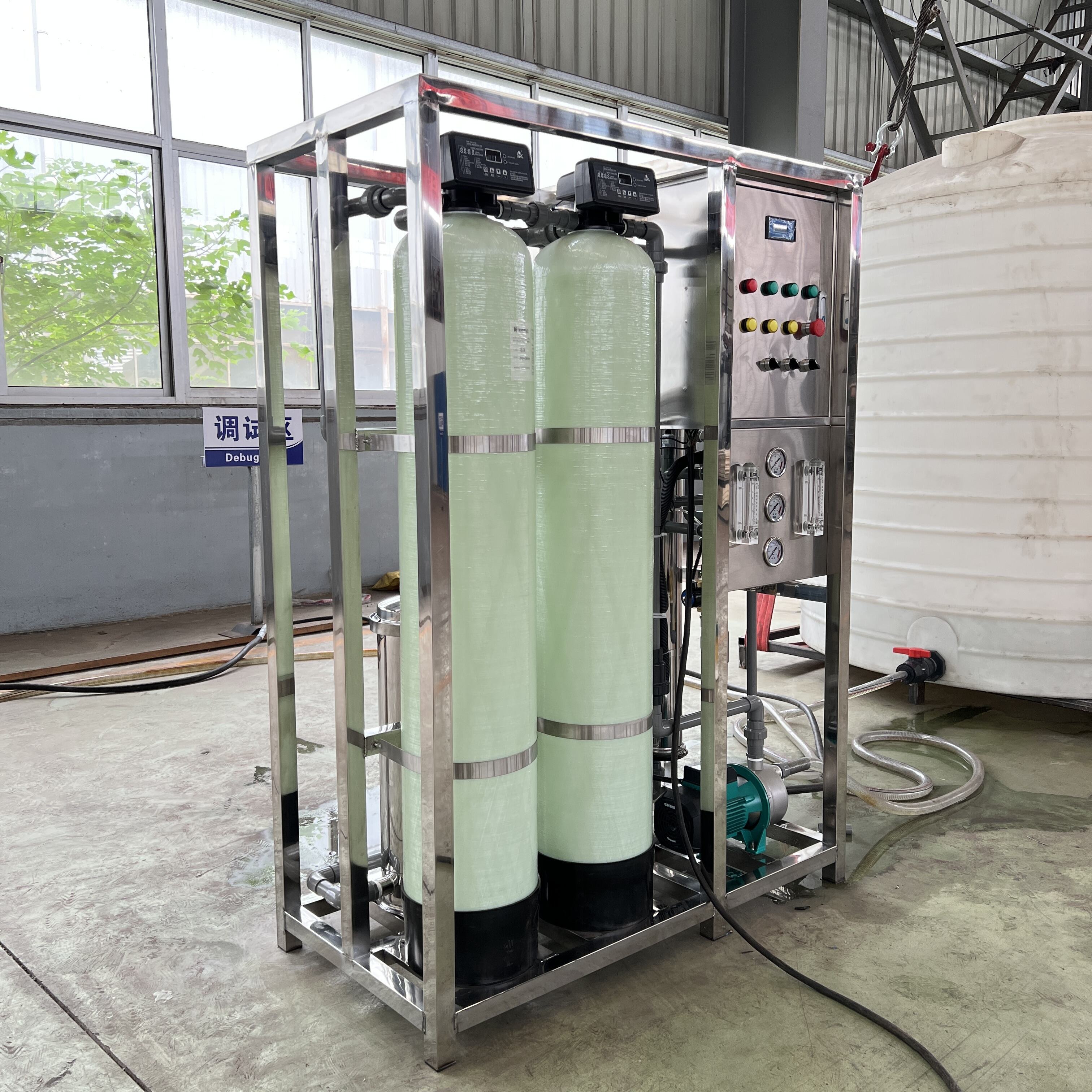
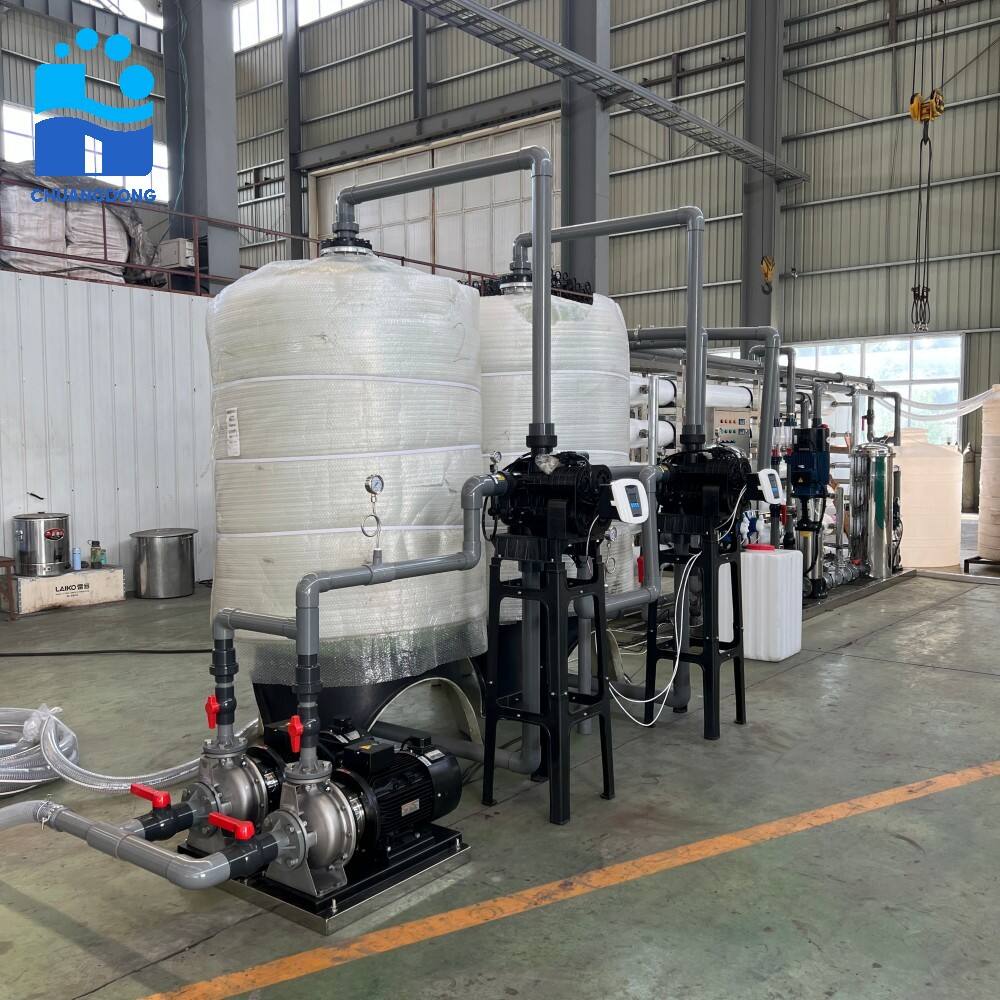
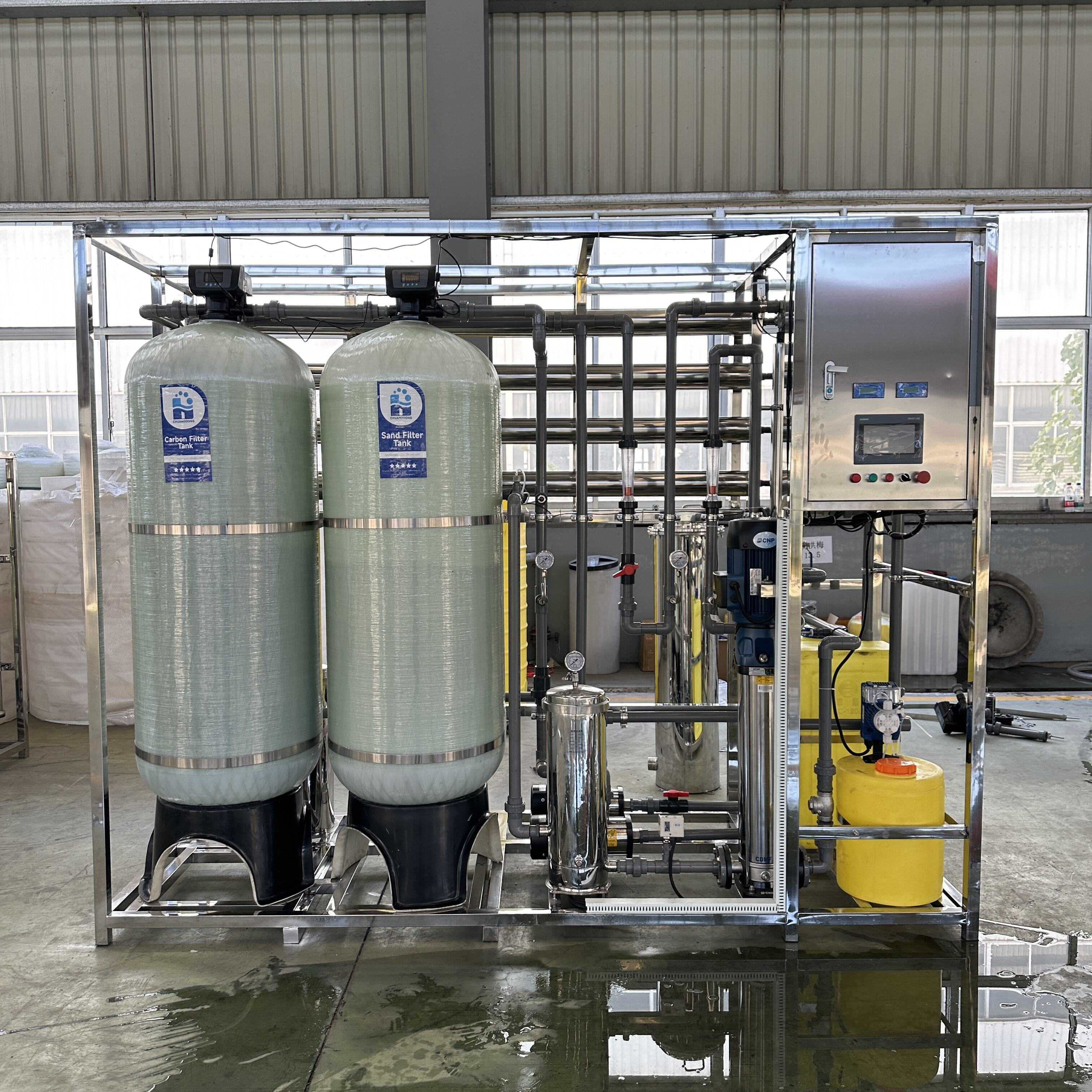
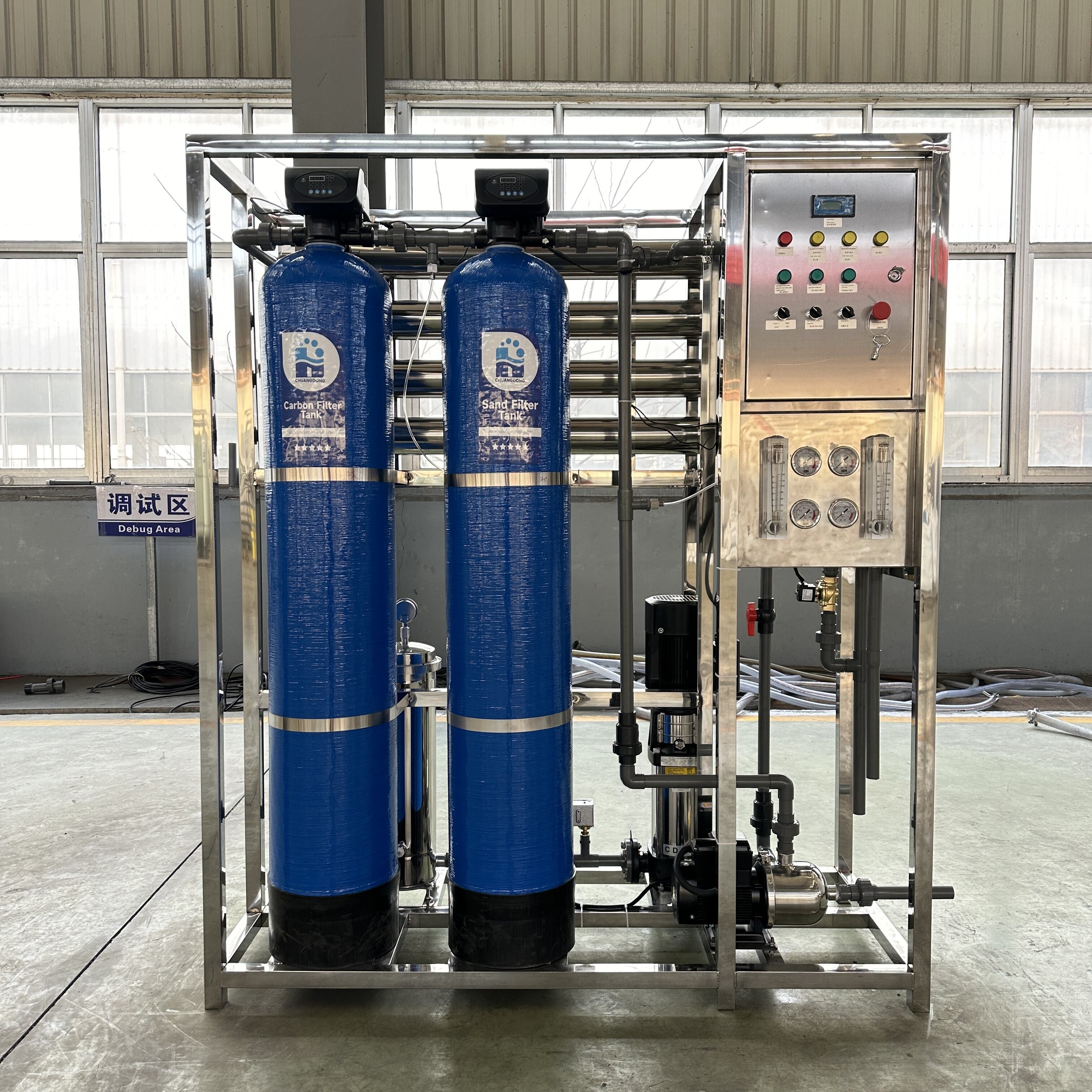
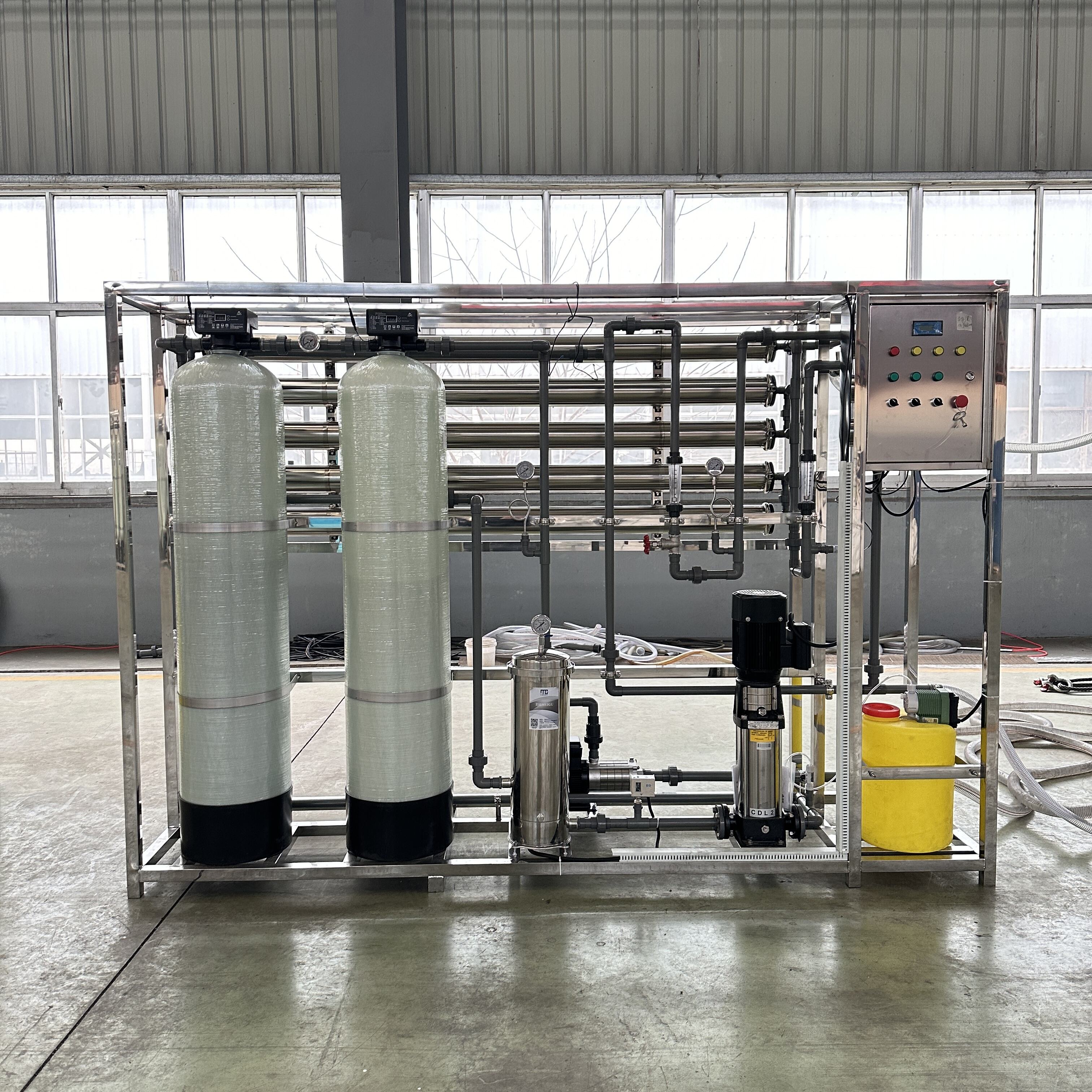
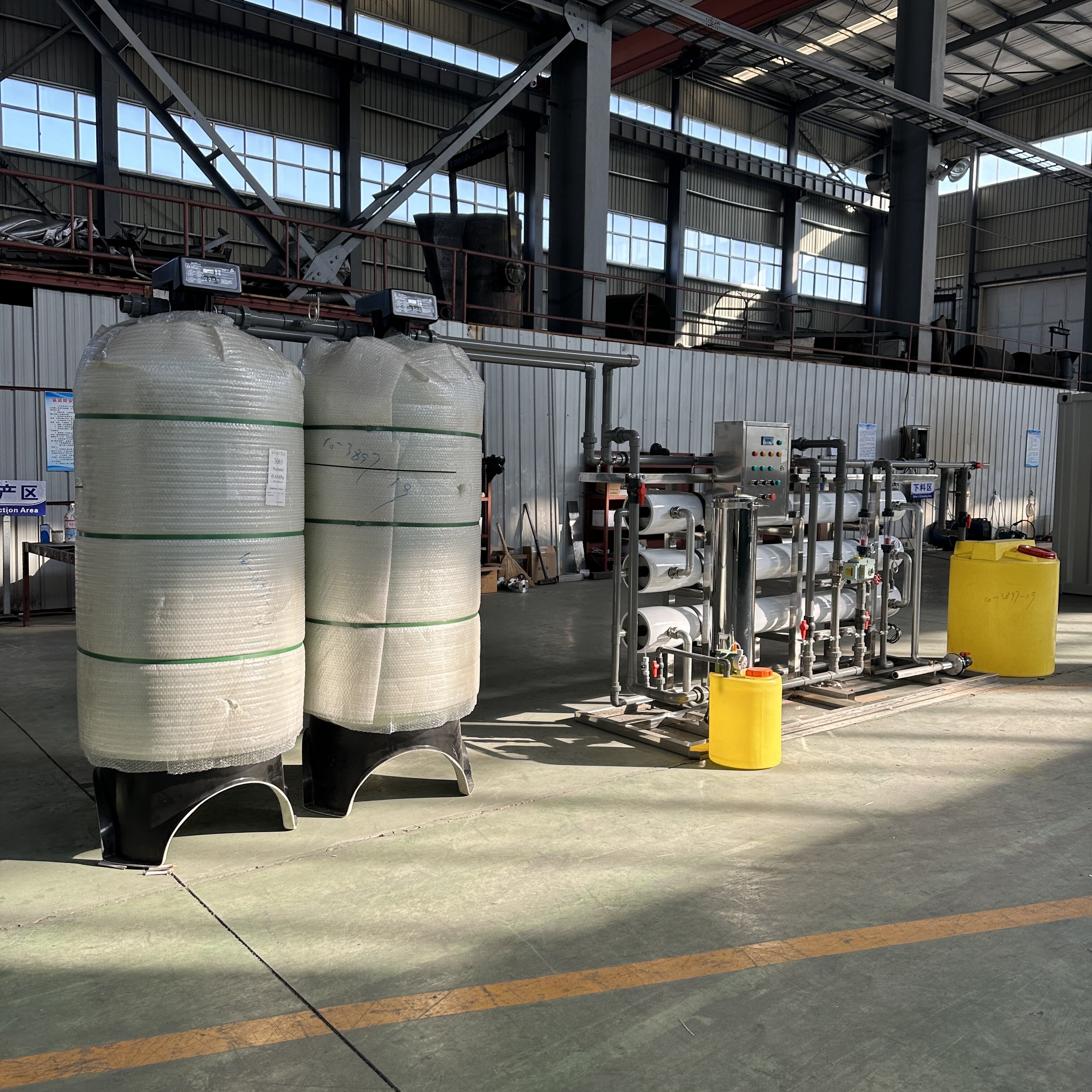
A brackish water reverse osmosis system is an advanced water treatment solution designed to remove dissolved salts, minerals, and contaminants from brackish water sources. Brackish water contains salt concentrations between freshwater and seawater, typically ranging from 1,000 to 10,000 parts per million of total dissolved solids. This specialized filtration technology uses semi-permeable membranes that allow water molecules to pass through while blocking salt ions, bacteria, viruses, and other impurities. The brackish water reverse osmosis system operates at lower pressures compared to seawater desalination systems, making it more energy-efficient and cost-effective for treating moderately saline water. The main functions include desalination, purification, and production of high-quality water suitable for drinking, industrial processes, and agricultural applications. Key technological features encompass pre-treatment filtration stages, high-performance membrane modules, pressure vessels, circulation pumps, and automated control systems that monitor water quality and system performance. Applications span across municipal water supply projects, manufacturing facilities, power generation plants, food and beverage production, pharmaceutical industries, and agricultural irrigation systems. The brackish water reverse osmosis system provides a reliable solution for regions with limited freshwater resources, coastal areas with brackish groundwater, and industries requiring consistent water quality standards. By converting previously unusable water sources into potable or process water, this technology addresses water scarcity challenges while supporting sustainable water management practices and reducing dependency on expensive water transportation methods.
 EN
EN