 ×
×
Readily accessible freshwater resources for human consumption are not inexhaustible. Accessible freshwater accounts for merely around 0.3% of the Earth’s total water volume, and seawater desalination has emerged as a vital freshwater supply source. Driven by yearonyear population expansion, the demand for potable cleanwater keeps climbing, placing mounting strain on conventional freshwater sources.
 |
 |
 |
Numerous regions worldwide suffer from prolonged droughts and persistent water supply pressure. Research projections indicate that nearly half of the global population will face water scarcity of varying severity by 2030. Widespread groundwater over-extraction and water pollution have left many water systems in an irreparable state. Water conservation alone can no longer address the growing water crisis. A synergistic approach integrating water saving, ecological restoration, and the resource utilization of water treatment technologies is therefore essential. This trend further highlights the urgent need to develop sustainable alternative water sources.
Seawater desalination technology stands as a critical solution to ease the strain on global freshwater supply. It converts seawater into freshwater to satisfy mounting waterconsumption demands. Technological advances have improved its operational efficiency and costaffordability. Our enterprise has long specialized in the watertreatment sector and developed systems capable of boosting working efficiency and cutting energy consumption.
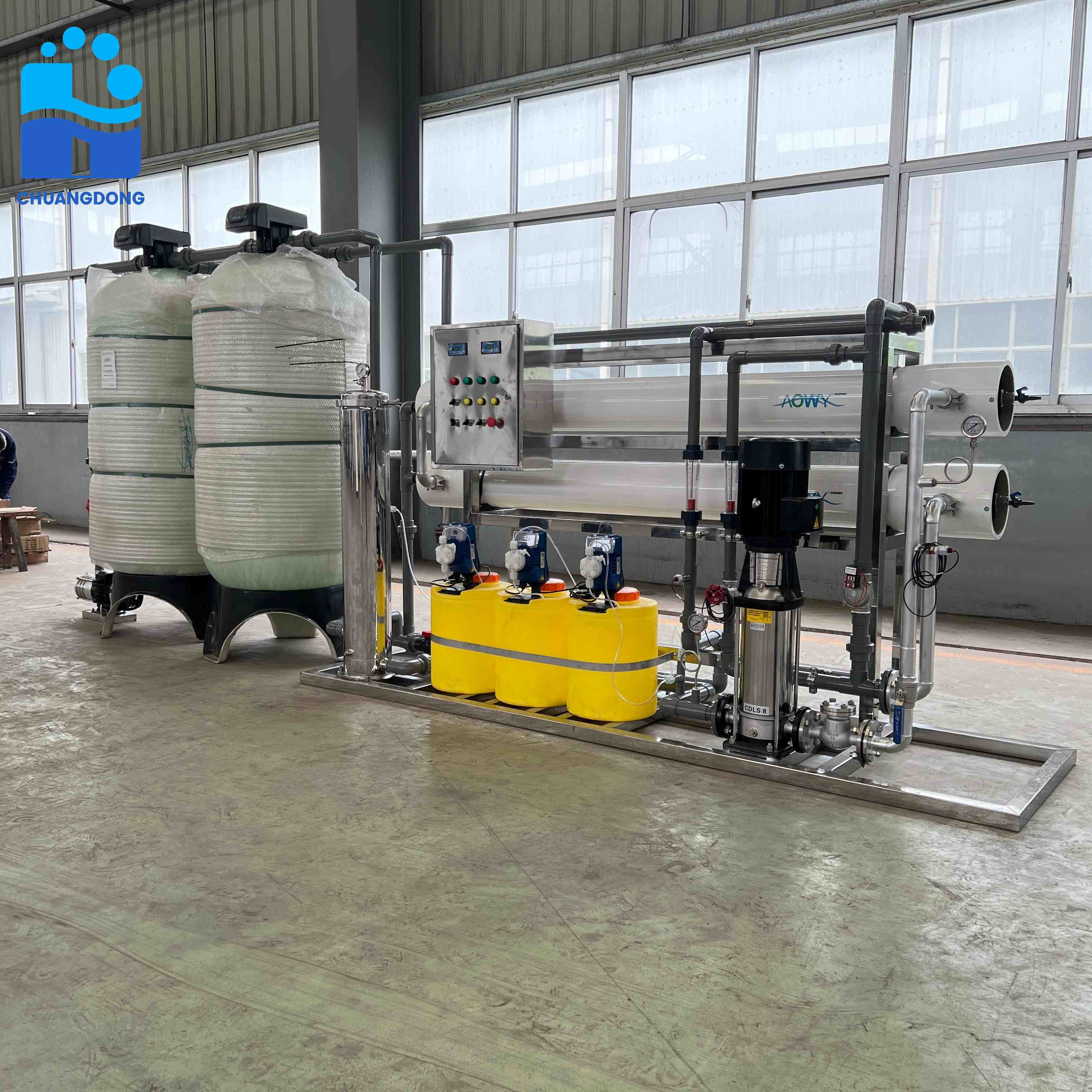
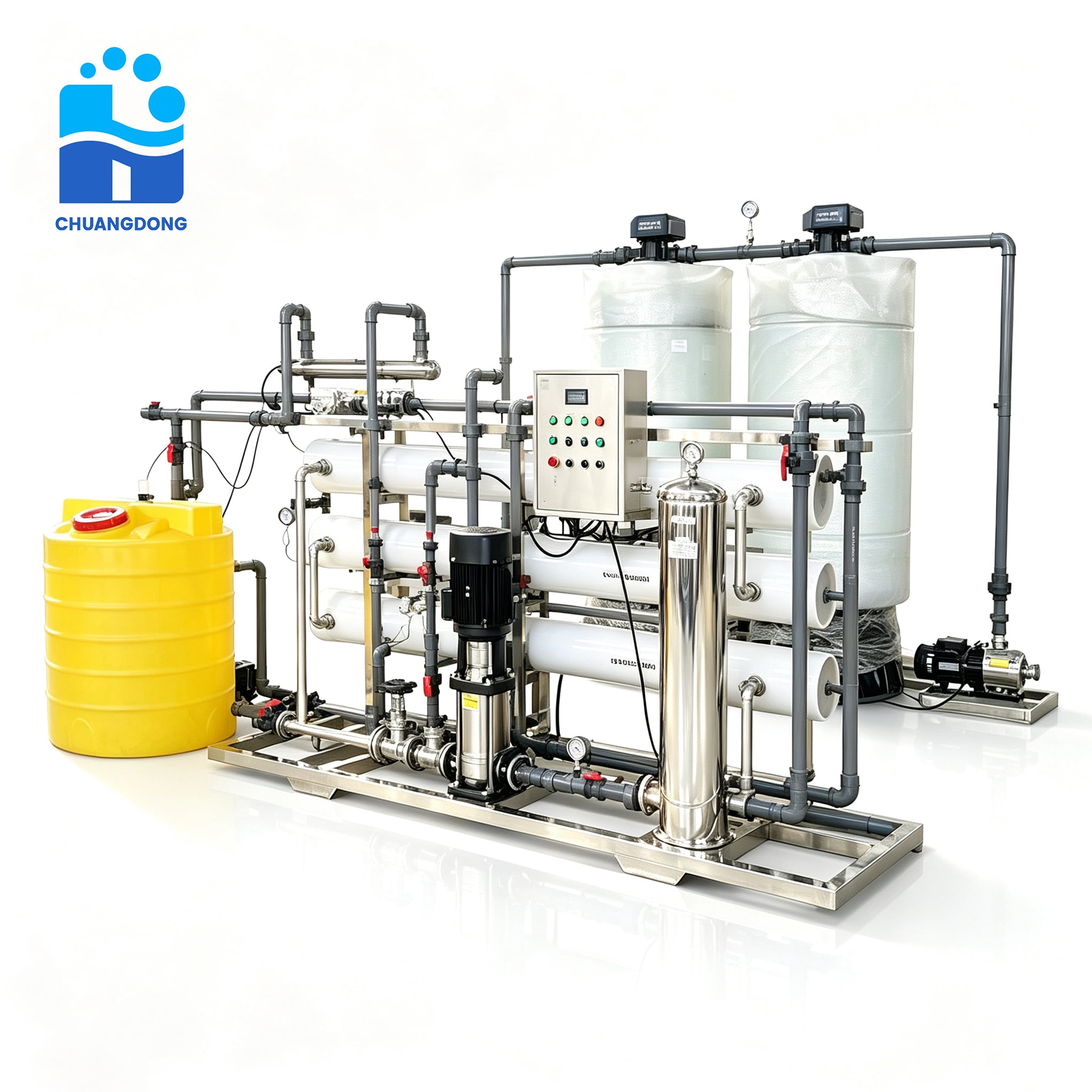
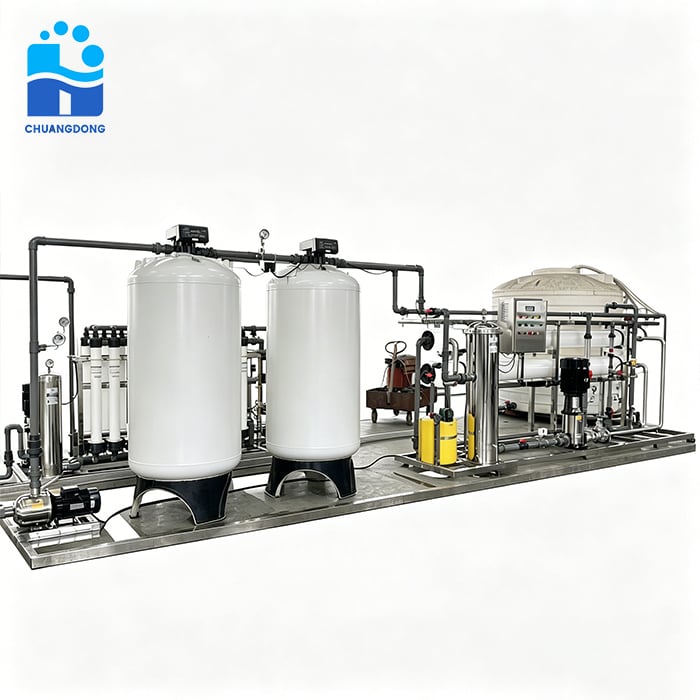
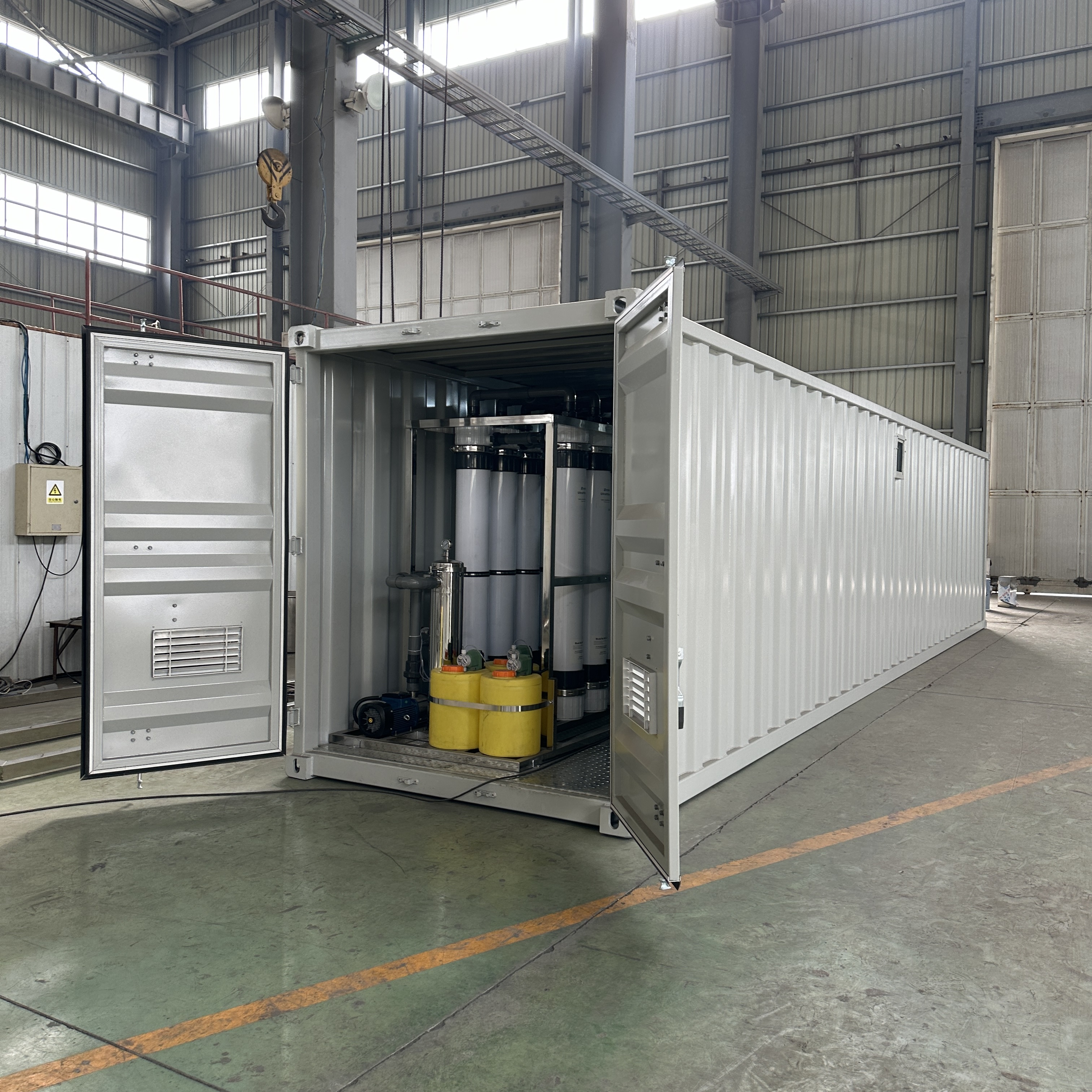
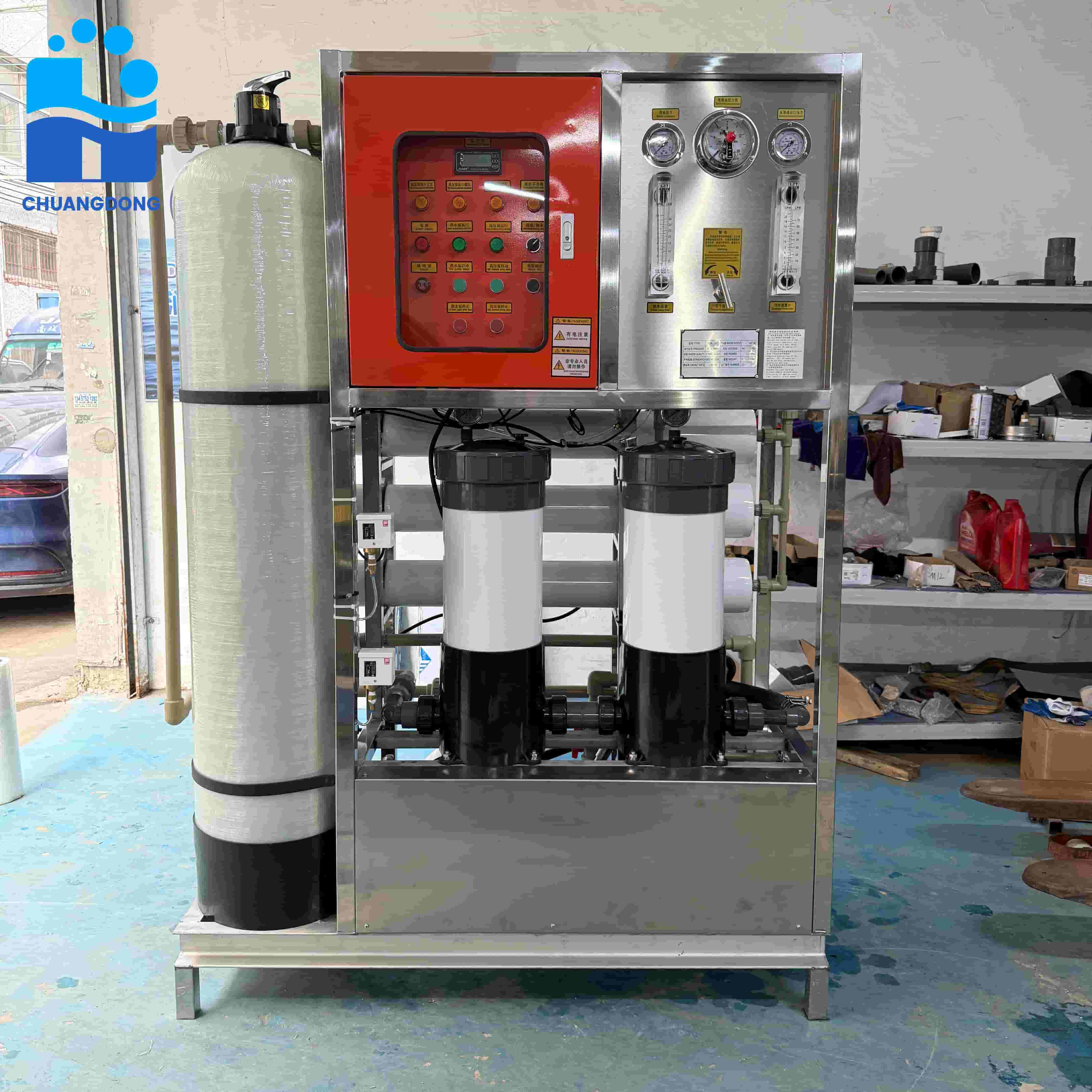
Our R&D team delivers integrated turnkey desalination solutions equipped with premium seawater reverse osmosis (SWRO) modules. Stable effluent water quality is guaranteed from the intake stage for superior treated water quality. This upgraded SWRO system adopts premium-grade membrane elements, which elevate filtration and purification efficiency while cutting down overall operational power consumption effectively.
This new-generation SWRO unit delivers elevated freshwater output with slashed operational expenditure, making it a more efficient and dependable desalination solution.
Category |
Parameter |
Previous Generation |
New Generation |
Core Water Production Performance |
Rated Daily Freshwater Output |
1000 m³/day |
1500 m³/day |
|
Permeate TDS (Total Dissolved Solids) |
≤700 ppm |
≤300 ppm |
|
System Salt Rejection Rate |
≥99.2% |
≥99.6% |
|
System Water Recovery Rate |
35% |
42% |
Energy Consumption & Operational Economy |
Specific Energy Consumption |
5.0 kWh/m³ |
3.5 kWh/m³ |
The whole desalination workflow consists of three indispensable phases: pretreatment, core SWRO desalination, and post-treatment with remineralization, all essential for producing safe, potable freshwater.
Raw seawater undergoes thorough purification to eliminate pollutants that may clog, abrade or contaminate core RO membranes, producing qualified feed water for subsequent desalination.
Under high hydraulic pressure, pretreated seawater passes through semi-permeable RO membranes; low-salinity permeate (freshwater) is separated, while concentrated brine and intercepted impurities are discharged.
Freshwater yielded directly from RO membranes features low mineral content and weak acidity and is unfit for direct drinking. This stage optimizes water composition to meet official potable water standards via pH adjustment and mineral replenishment.
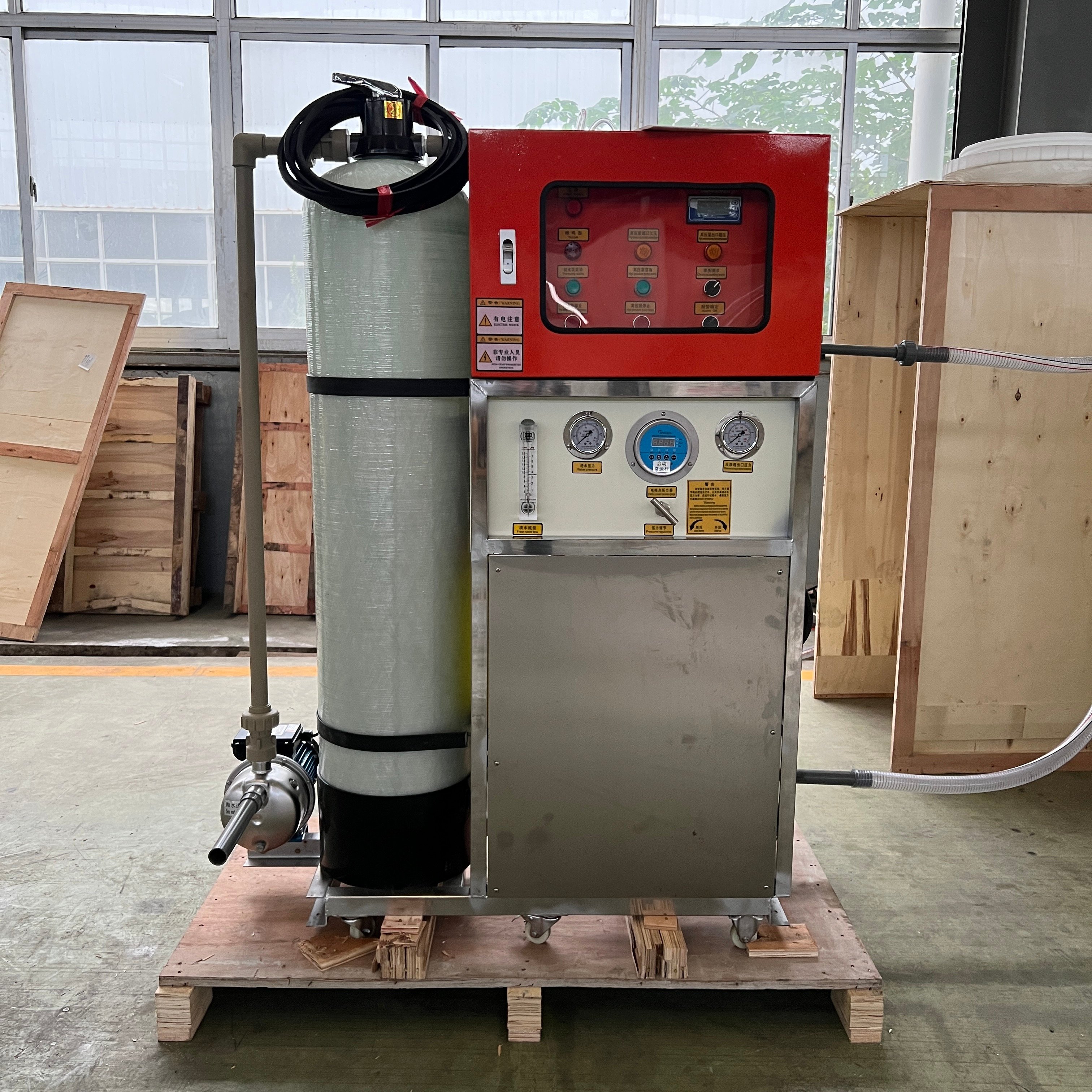
Our seawater desalination equipment adopts mature, stable SWRO technology, optimized for low energy consumption, outstanding desalination performance, anti-fouling capability, full automatic operation and long service life. It adapts to harsh seawater conditions on islands, coastal factories, docks and overseas EPC projects.
We adopt graded filtration to remove suspended solids, colloids, algae and organic contaminants from seawater. Feed water SDI and turbidity are strictly controlled to safeguard RO membrane elements, drastically mitigating risks of membrane fouling and scaling.
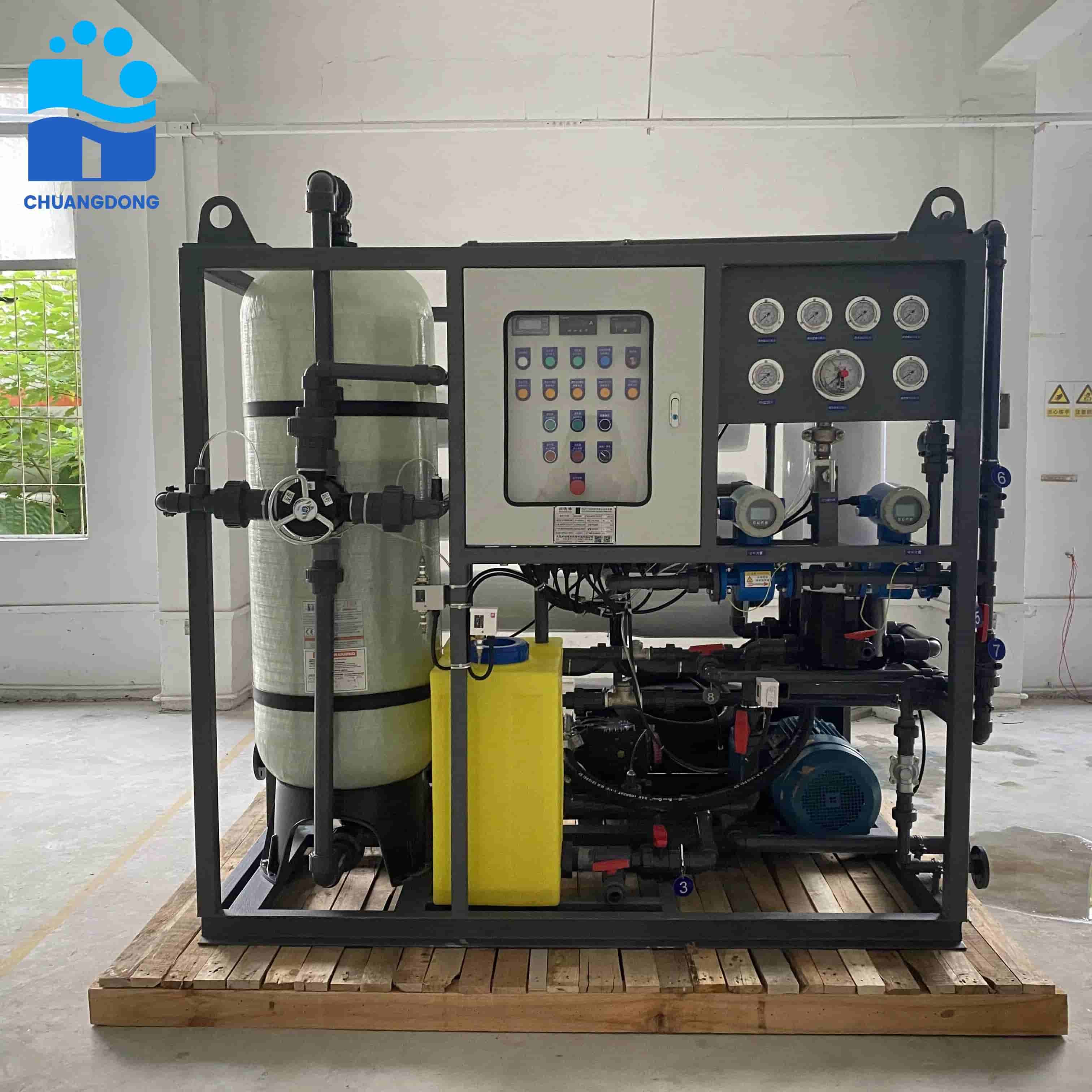
Manual intervention is minimized throughout operation. The PLC system automatically executes raw water intake, backwashing, chemical dosing, freshwater production, fault alarming and interlock shutdown protection. It supports local touchscreen operation as well as remote cloud monitoring.
The entire system is fitted with anti-corrosion tanks, corrosion-resistant pipelines and matched electrical assemblies. The overall design service life reaches 15 years, and the service cycle of membrane elements is significantly prolonged.
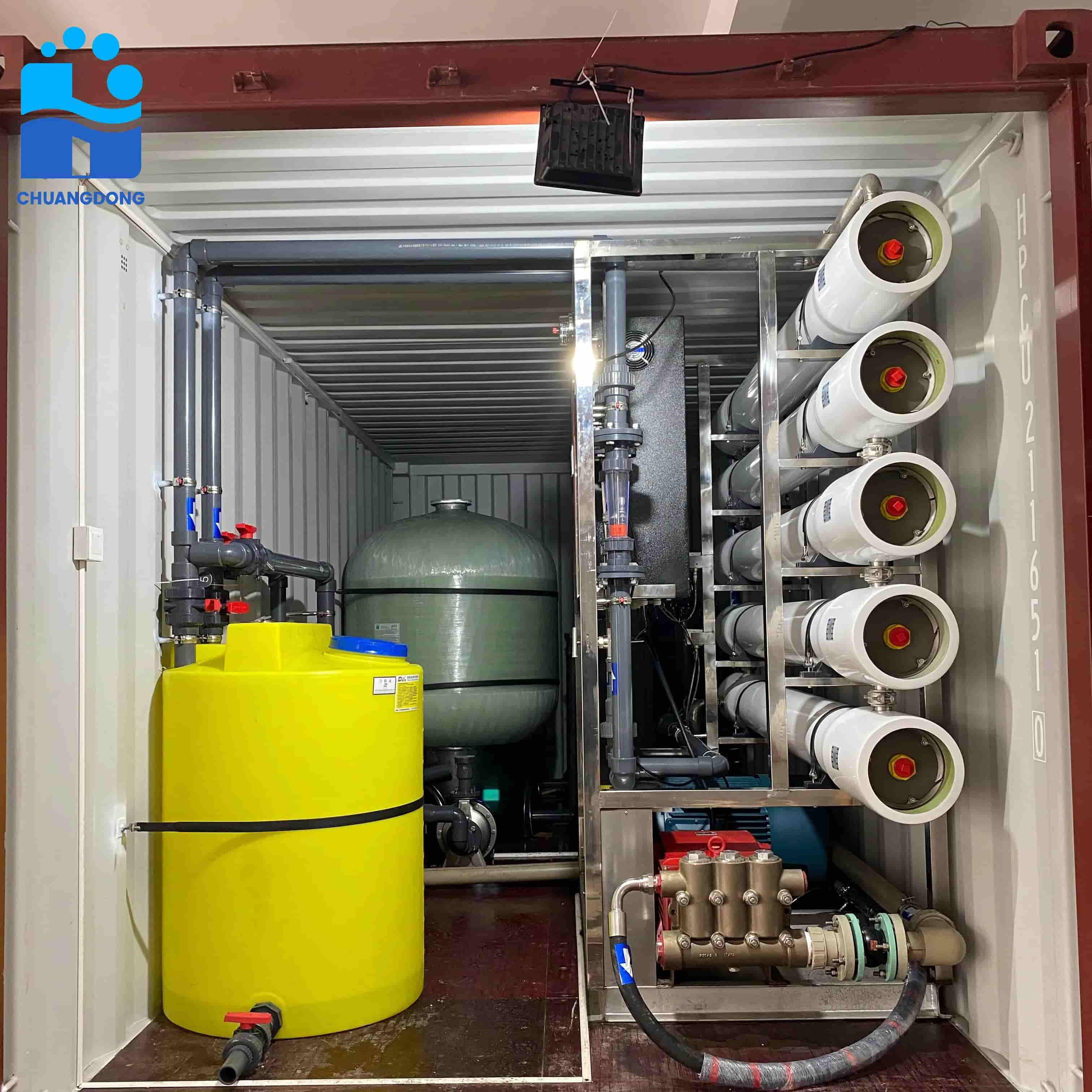
Our self-developed integrated modular skid-mounted structure features compact layout, rapid on-site installation and scalable capacity expansion on demand. Customization is available for small & medium-scale water production; engineered with high stability, the systems serve civil, commercial and industrial seawater desalination scenarios universally.
Stably operated under complex marine environments, our proven engineering experience enables tailored solutions for global clients. Key application scenarios are listed below:
Our customized SWRO systems deliver sustainable freshwater sources for regions lacking natural freshwater reserves and effectively mitigate water scarcity risks. Compared with conventional water purification technologies, seawater desalination imposes lighter ecological footprints. Iterative equipment upgrades bring higher efficiency and lower energy consumption, cutting carbon emissions substantially. Steady freshwater supply can be guaranteed regardless of seasonal shifts or climate anomalies, which is particularly critical for drought-stricken regions to secure stable water provision for residents, agriculture and industrial production year-round.
If you require in-depth consultation on our customized marine-grade seawater desalination systems, feel free to reach out anytime for technical discussion and business negotiation. Simply fill in our online inquiry form, and our specialist sales engineers will contact you within 24 hours.
 Hot News
2026-09-09
2026-04-03
2026-03-19
2026-03-18
2026-03-13
2026-01-20
Founded in 1995, Company is a leading machine manufacture and exporting company, with 25+ years of experience in the industry.
No. 818 Feiyu Road, Yinzhu Subdistrict, Huangdao District, Qingdao City
Copyright © 2026 Qingdao Chuangdong Water Treatment Co., Ltd. All rights reserved. Privacy Policy
 EN
EN