 ×
×
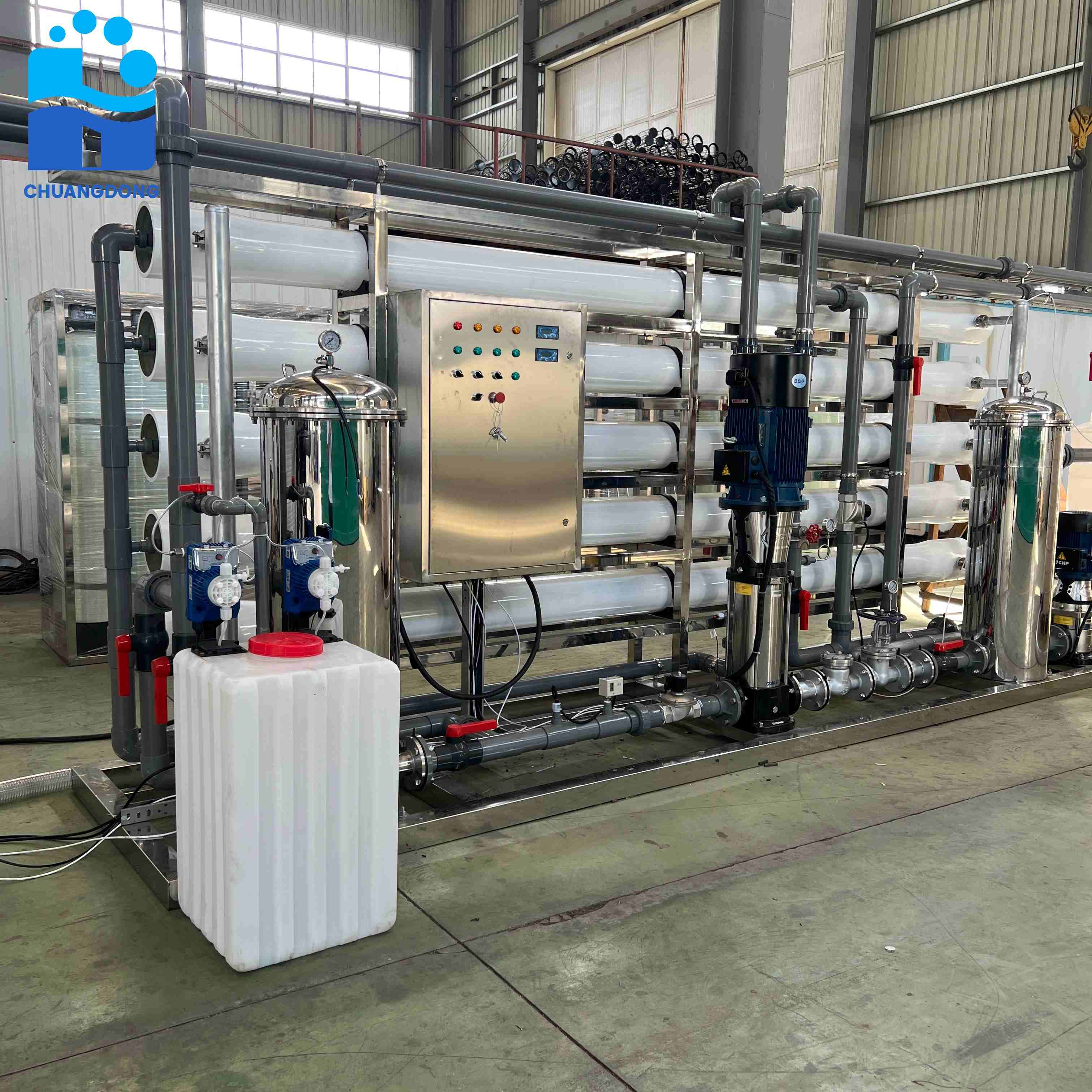
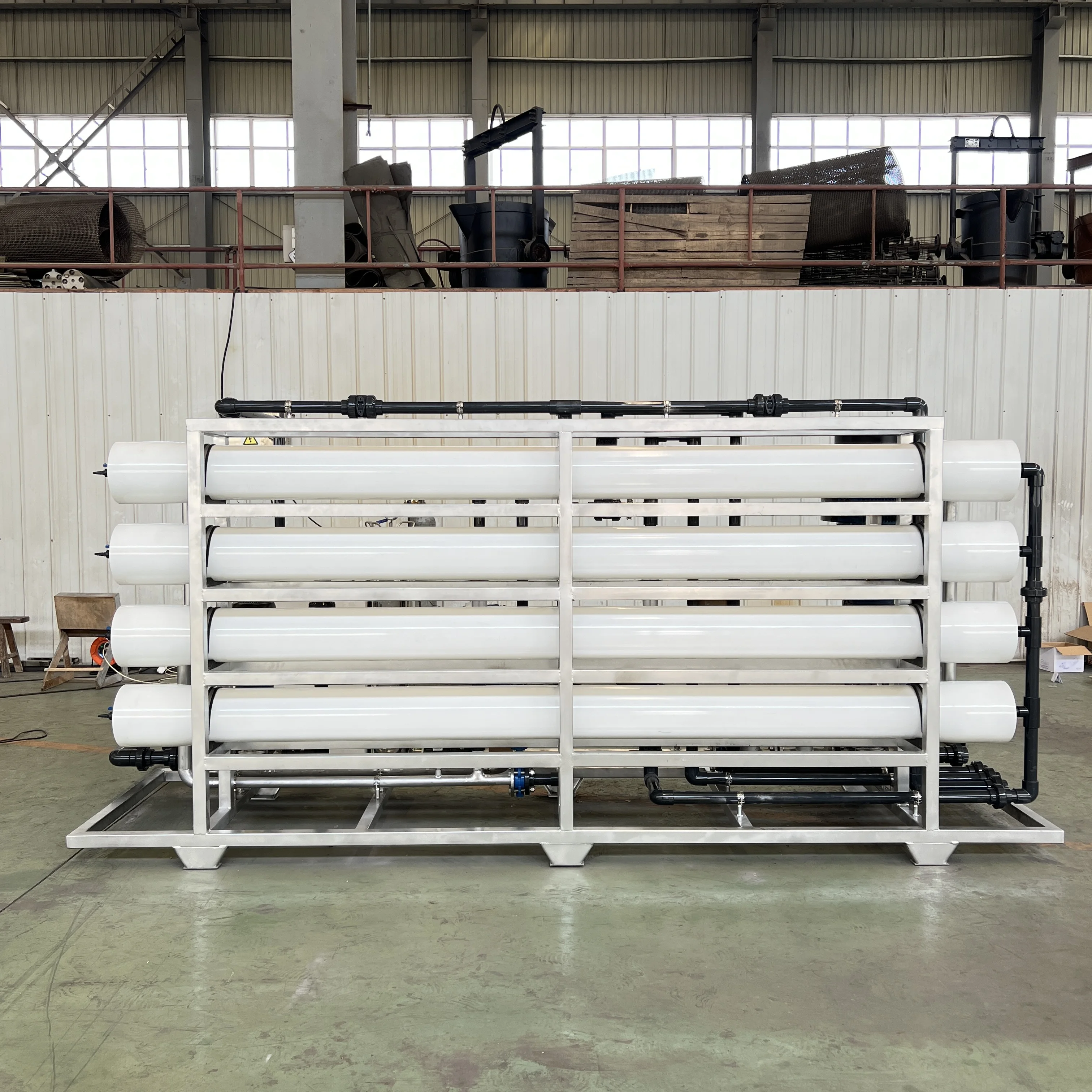
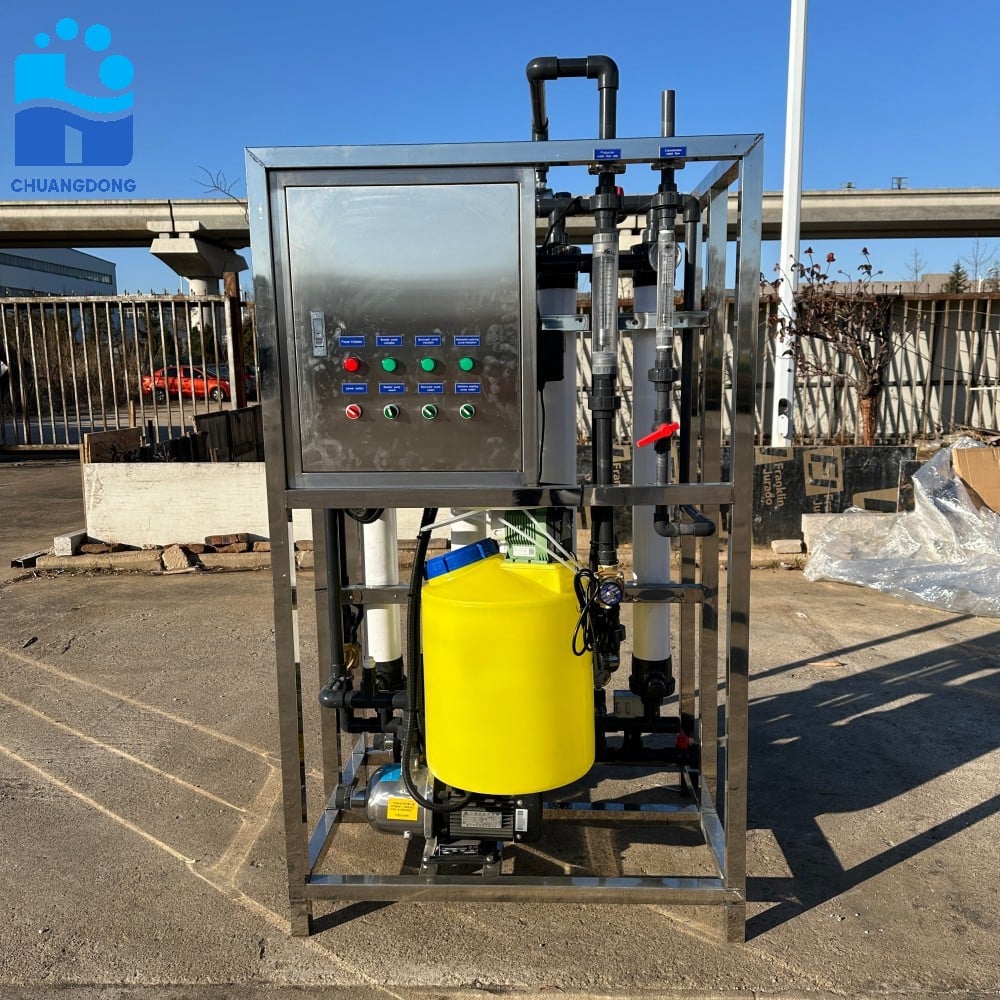
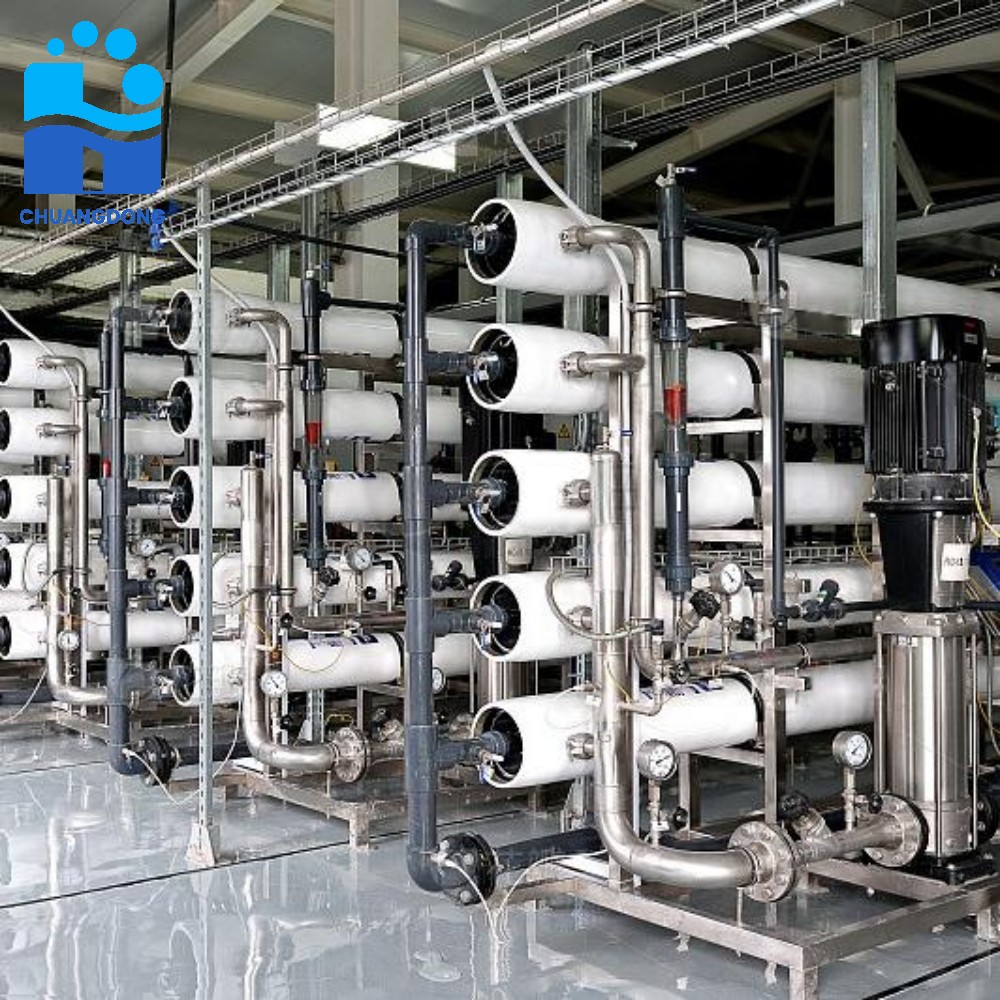
A reverse osmosis system is a valuable investment for farms and vegetable production. By using reverse osmosis (RO) filtration technology, the system separates water molecules from dissolved substances such as carbonates, salts, chemicals, herbicides, and pesticides. For example, carbonates can act as buffering agents, making pH adjustment more challenging. The importance of water resources in agriculture cannot be underestimated, as reliable and high-quality water is the foundation that supports crop growth and food production.
As we know, agriculture involves not only crop cultivation but also livestock farming for meat production. Therefore, there is a direct relationship between agricultural production and water consumption. As crop yields and farming activities continue to expand, the demand for water resources also increases significantly. Due to factors such as extensive agricultural subsidies and efficiency challenges, achieving higher productivity while reducing water consumption has become increasingly difficult for the agricultural sector.
Why Choose Our Reverse Osmosis Agricultural System?
Specially designed for irrigation and agricultural sprinkler systems
Fast delivery cycle
Durable and reliable, ensuring long-term operation
Proven applications in global agricultural environments
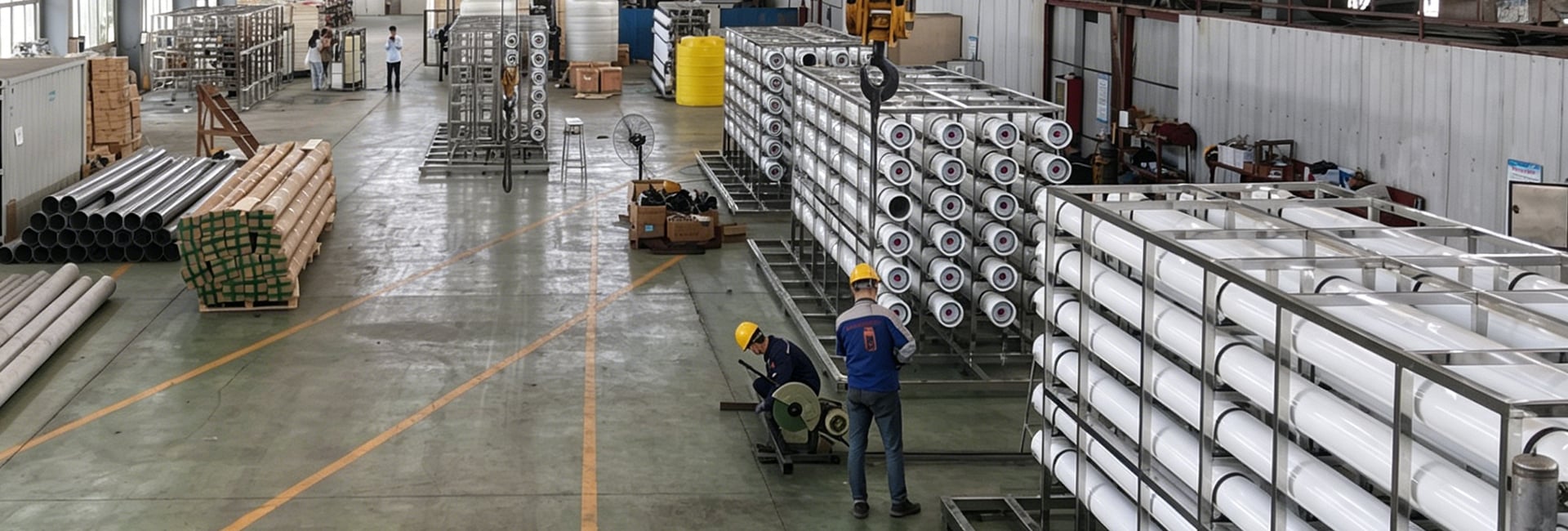
We have extensive experience with agricultural reverse osmosis systems, which are widely applied in farms, greenhouses, plantations, and irrigation projects. By effectively removing salts, impurities, and harmful substances, these systems improve the quality of irrigation water, providing cleaner and more reliable water sources for crops and agricultural applications.
For more case studies, please visit our website at ymwatertreatment.com
Through Agricultural Reverse Osmosis Systems: Addressing Water Challenges in Modern Farming
Agriculture continues to be one of the largest consumers of global freshwater resources. However, the increasing challenge of water scarcity remains a critical issue that requires more attention. To address this challenge, we have developed advanced agricultural water treatment systems capable of transforming traditional water sources, including rivers, lakes, and groundwater, into large volumes of purified fresh water through efficient filtration and purification technologies. This solution is helping various industries reduce water pressure, with the agricultural sector achieving significant benefits.
Today, farms and greenhouses worldwide are actively implementing more sustainable agricultural water management solutions to minimize water waste and protect this valuable natural resource. In applications such as greenhouse farming, hydroponic cultivation, and aquaculture, the adoption of reverse osmosis (RO) water purification systems has become an established solution for improving water quality. For decades, professional growers and agricultural producers have relied on commercial farm water filtration systems and agricultural water purification equipment to provide stable, clean, and reliable water sources for their production needs.
Total Dissolved Solids (TDS) is an important indicator used to measure the overall concentration of dissolved substances in irrigation water, including minerals, salts, and organic compounds. It is commonly expressed in parts per million (ppm) or milligrams per liter (mg/L). Electrical Conductivity (EC) measures the ability of water to conduct electricity, and its value is generally associated with the level of dissolved salts present in the water. In agricultural water management, growers and agronomists typically evaluate irrigation water quality by analyzing both TDS and EC values.
However, TDS and EC measurements alone cannot provide a complete assessment of agricultural water quality. Two different water sources may show the same TDS level but contain completely different dissolved components.
For example, one irrigation water source may mainly contain calcium and magnesium, which are relatively less harmful to crops, while another source may contain higher concentrations of sodium, chloride, or boron. Even at low levels, these elements can negatively affect the growth and productivity of certain sensitive crops. Therefore, detailed water quality testing and analysis should be performed before choosing an appropriate agricultural water treatment solution, instead of relying only on TDS readings.
The characteristics of irrigation water contaminants can also vary depending on geographical conditions. Groundwater from coastal regions, dry climates, and areas affected by agricultural runoff often contains elevated levels of sodium and chloride ions. Meanwhile, groundwater from limestone formations or calcium-rich aquifers usually has higher bicarbonate concentrations. In addition, boron contamination is commonly found in certain volcanic soil areas and locations influenced by industrial activities.
Understanding the specific minerals, salts, and contaminants present in local water sources can help agricultural producers select the most suitable water purification technology, such as reverse osmosis (RO) systems or other filtration solutions. This targeted approach improves irrigation water quality, avoids unnecessary system oversizing or insufficient treatment, and creates a more suitable growing environment for crops.
Is Reverse Osmosis Water Beneficial for Agricultural Production?
Since RO water keeps water quality consistently stable, the cultivation process becomes more controllable and predictable. This is because it uses purified water that has been treated through reverse osmosis, with impurities, excessive minerals, and other components that may affect plant growth removed.
In addition, using RO water for irrigation can help growers manage nutrients more precisely. Since the composition of the water source itself remains stable, there is no need to consider the impact of unknown minerals or contaminants in the water on nutrient balance during the initial stage of irrigation, thereby improving the accuracy of fertilization and nutrient management.
Water treated by reverse osmosis is suitable for plant irrigation. The concentrated water generated by RO systems (waste RO water) can also serve as an irrigation water source under specific conditions.
However, waste RO water generally contains high levels of total dissolved solids (TDS). It is best mixed and diluted with regular water at a certain ratio before being used in gardens. Long-term irrigation with high-TDS water may cause salt buildup in soil and impair soil fertility.
Yes. Chuangdong’s agricultural reverse osmosis system can effectively remove salts, dissolved minerals, and other soluble substances from raw water, allowing seawater, brackish water, and high-salinity groundwater to be treated into suitable irrigation water for agricultural applications.
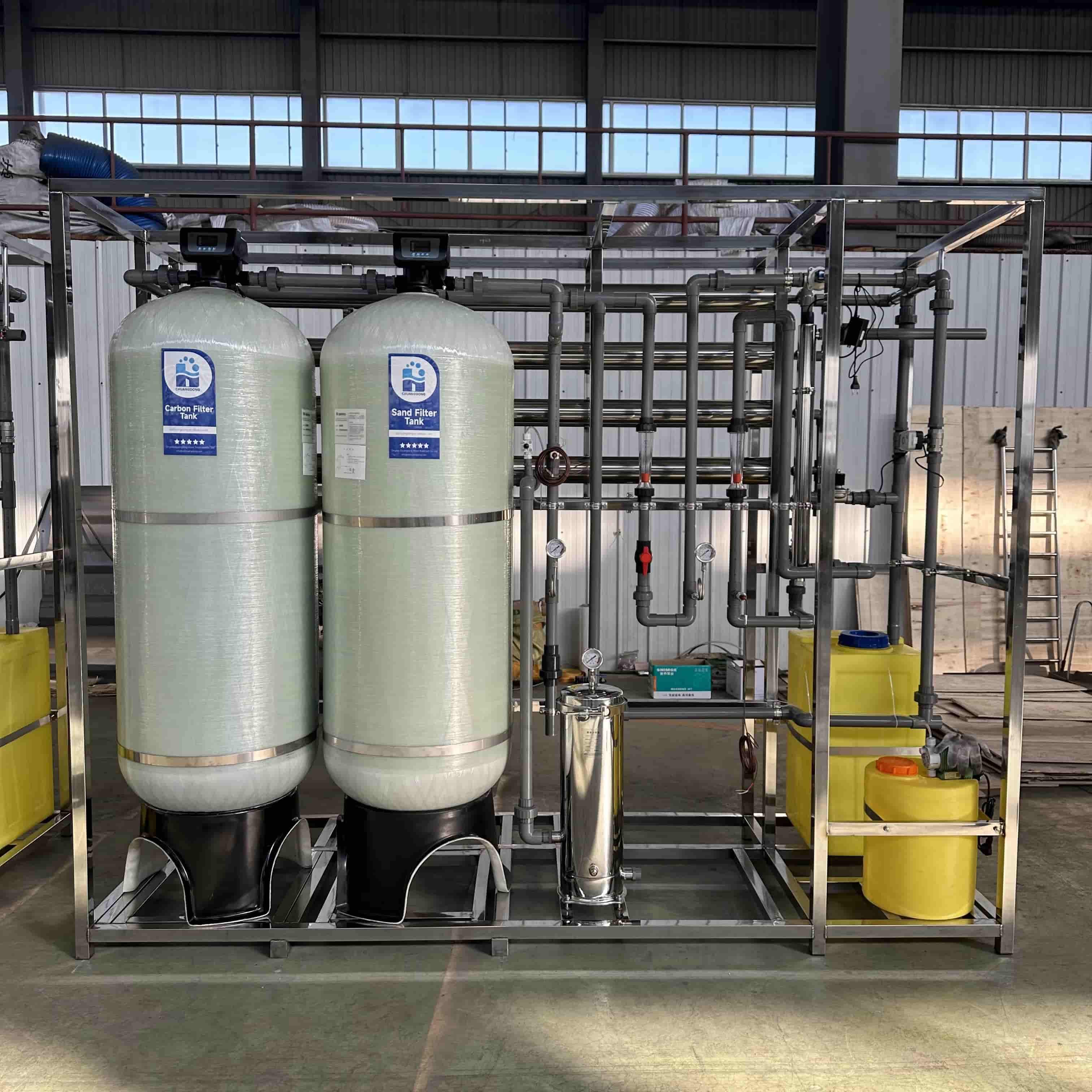
As a professional agricultural RO system manufacturer and water treatment equipment supplier, Chuangdong can customize suitable reverse osmosis water purification solutions based on customers’ raw water quality, crop requirements, and irrigation needs. The system can be designed to achieve the desired TDS level and provide reliable agricultural irrigation water quality.
For example:
1.If crops require irrigation water with a lower Total Dissolved Solids (TDS) level, our RO water treatment system can further reduce dissolved salts and mineral content in the water.
2.If plants require a moderate TDS range, such as 300-500 ppm, we can also design a customized agricultural reverse osmosis system according to specific crop requirements.
By precisely controlling irrigation water quality, agricultural RO systems help growers improve water resource efficiency, optimize crop cultivation conditions, and provide a more suitable growing environment for different types of plants.
The appropriate size of an agricultural reverse osmosis system can be accurately determined by evaluating key factors such as the total cultivation area, daily irrigation water requirements, and the TDS level of the raw water source. If the RO water treatment system is designed with insufficient capacity, the water pumps may need to operate continuously during peak crop growing seasons and still fail to meet the required irrigation demand. On the other hand, an oversized agricultural RO system can lead to unnecessary investment in membrane elements and pressure vessels that remain underutilized for most of the year.
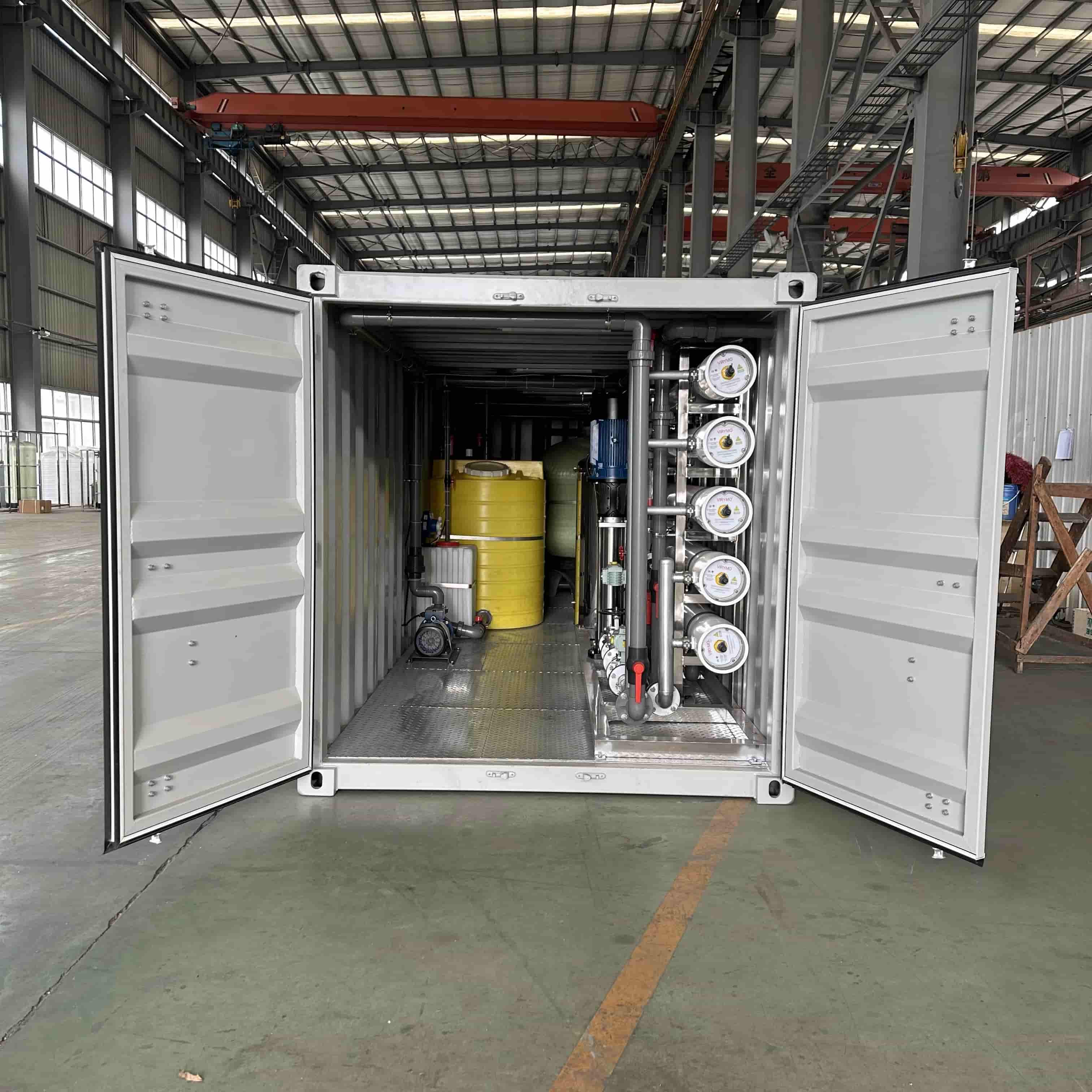
For growers who require rapid farm expansion or adopt phased cultivation strategies, a containerized reverse osmosis system provides a practical and flexible water treatment solution. The complete containerized RO water purification system is manufactured, assembled, and tested inside standard containers before delivery. After arriving at the project site, it can be quickly connected to the power supply, raw water pipeline, and irrigation network, reducing installation time from several months to only a few weeks. This advantage is especially important for agricultural projects with strict planting schedules and seasonal production requirements.
For large-scale farms or agricultural projects with long-term development plans, selecting the right RO system configuration and expansion capability is essential. Our engineering team evaluates detailed water quality analysis reports and recommends customized reverse osmosis system specifications based on actual parameters, including TDS levels, boron concentration, and chloride ion content, rather than providing a standard one-size-fits-all solution.
You can also explore our completed agricultural seawater desalination projects, including applications involving seawater and brackish groundwater treatment, to learn how our RO desalination systems support different agricultural water sources and irrigation requirements.
Nowadays, we consider water as a scarce resource. The increasing demand for food grains and crops means that the pressure on obtaining water resources from traditional sources has increased. This has led to the gradual depletion of water resources. Even water sources such as wells cannot effectively increase the amount of water available for agricultural irrigation. A reliable and suitable water source is required to ensure that crop yields are not affected. This is the reason.
Water filtration systems are increasingly favored in the global agricultural sector, especially in countries such as the United Arab Emirates (UAE), Saudi Arabia, Kuwait, Libya, Qatar, the United States, Yemen, and South Africa.
Please fill out the contact form on our contact page. Our team will directly get in touch with you to understand your water resource analysis and requirements.
 Hot News
2026-09-09
2026-04-03
2026-03-19
2026-03-18
2026-03-13
2026-01-20
Founded in 1995, Company is a leading machine manufacture and exporting company, with 25+ years of experience in the industry.
No. 818 Feiyu Road, Yinzhu Subdistrict, Huangdao District, Qingdao City
Copyright © 2026 Qingdao Chuangdong Water Treatment Co., Ltd. All rights reserved. Privacy Policy
 EN
EN