 ×
×
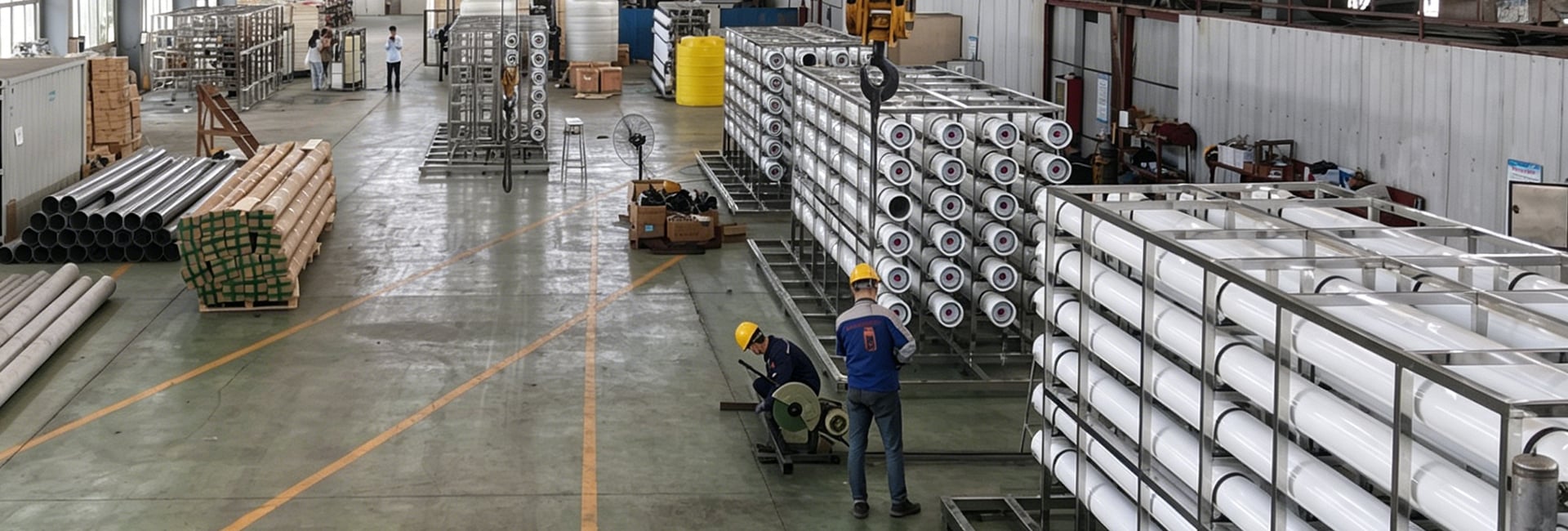
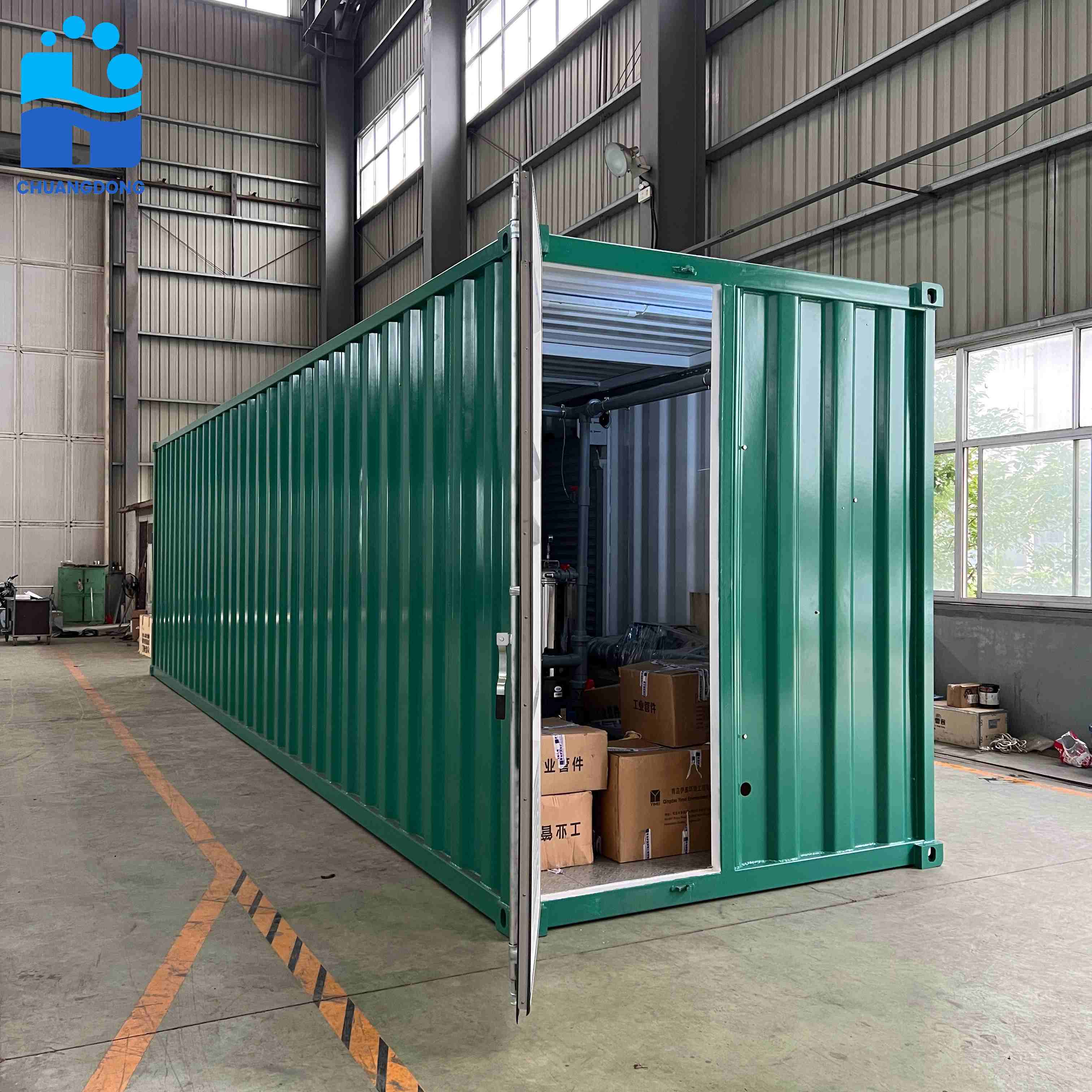
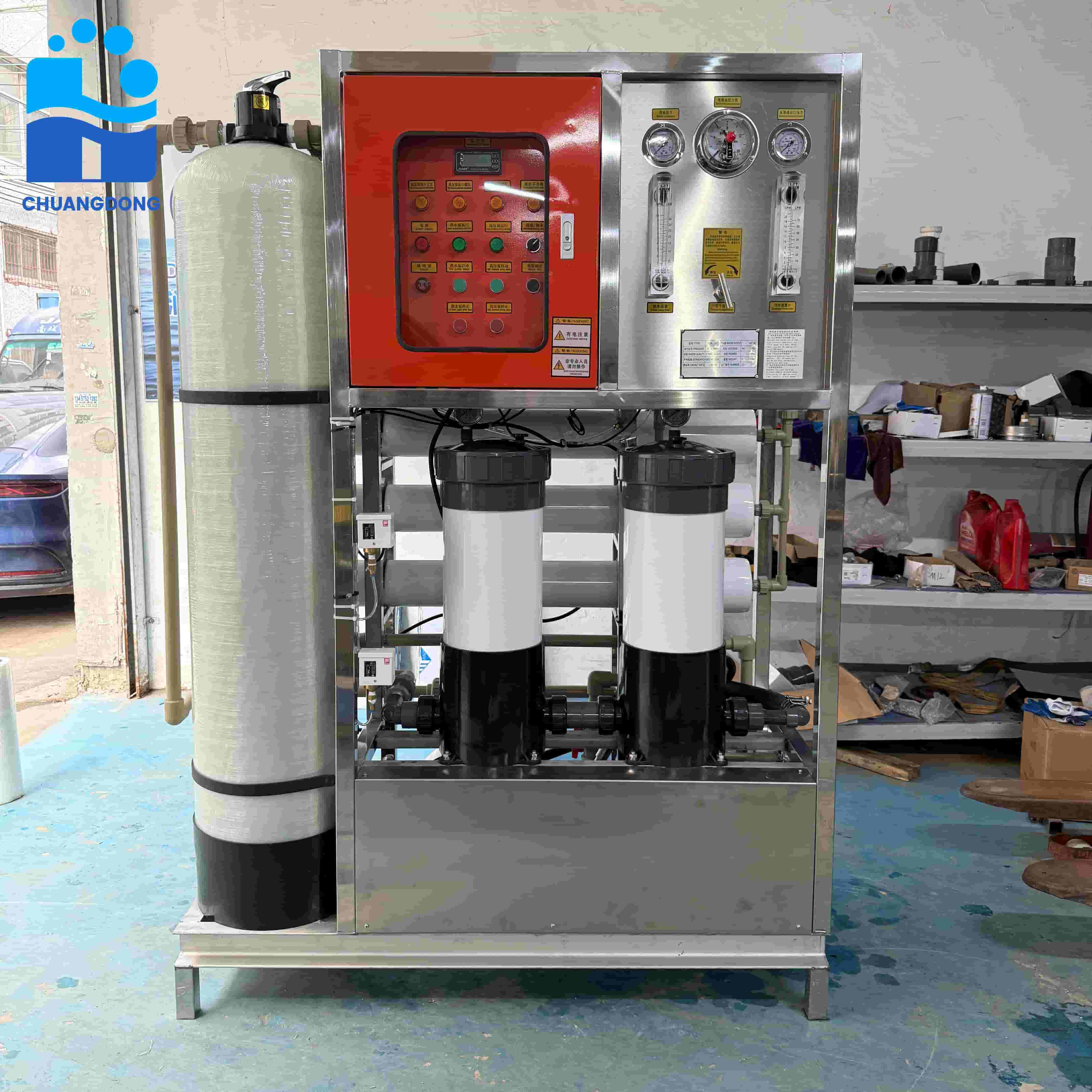
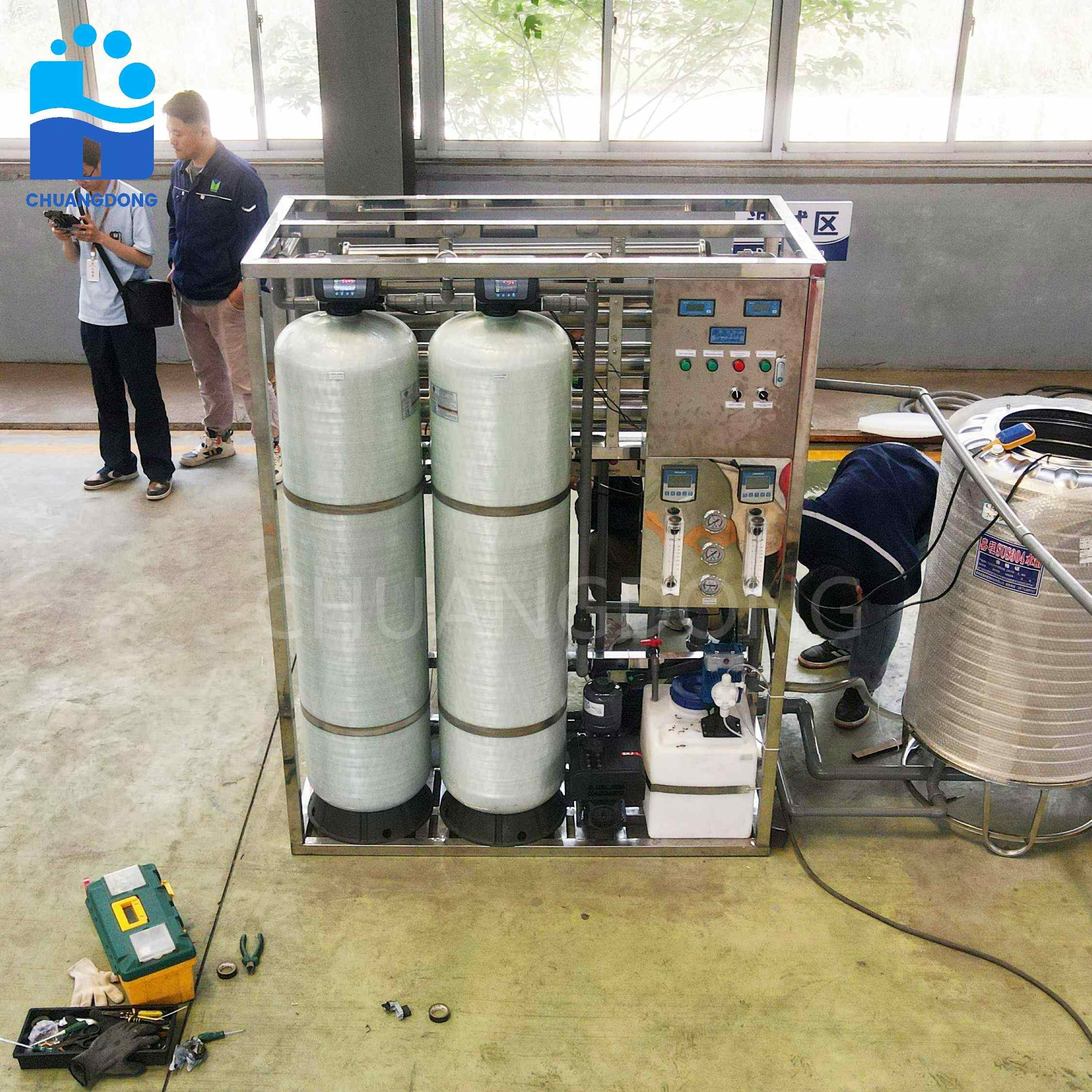
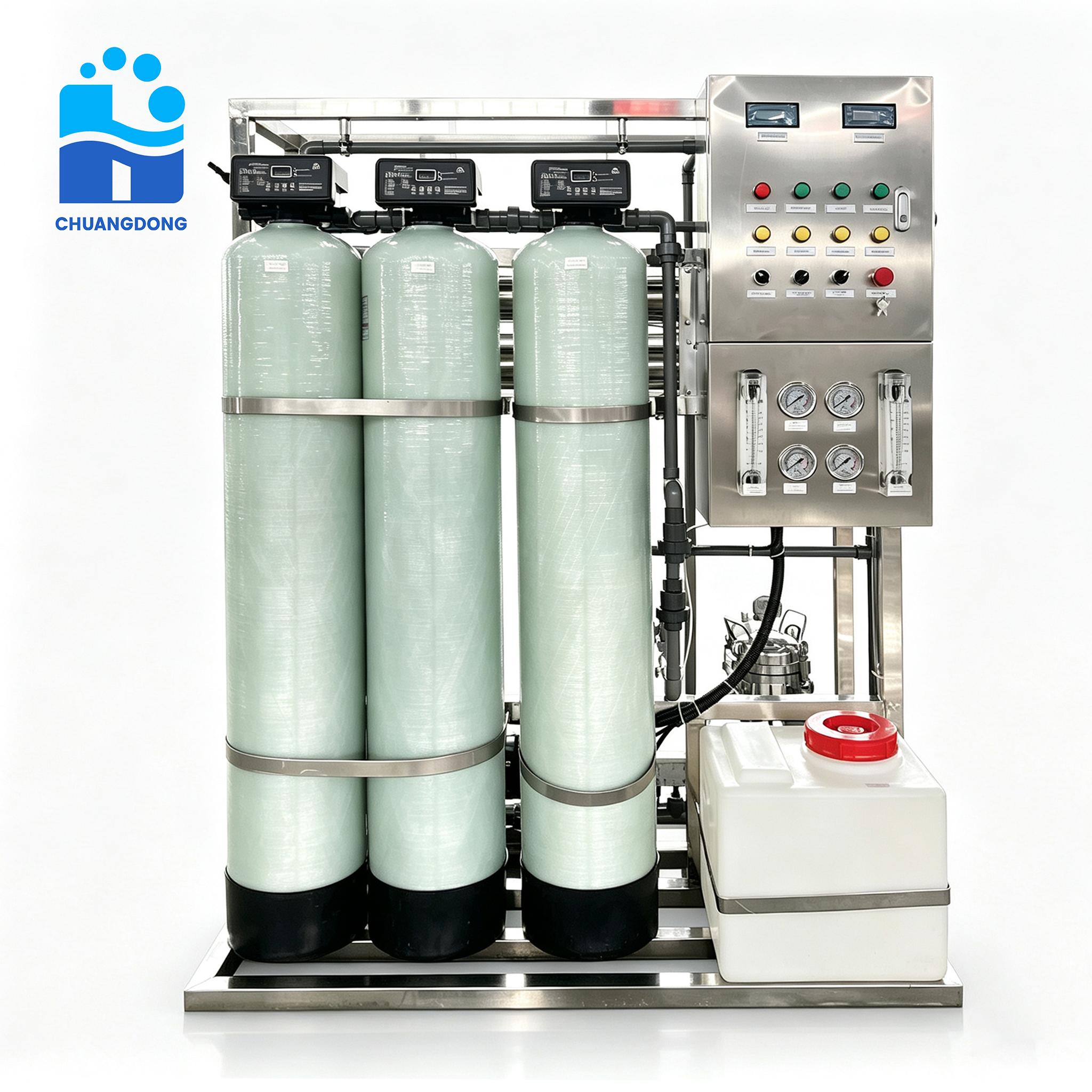
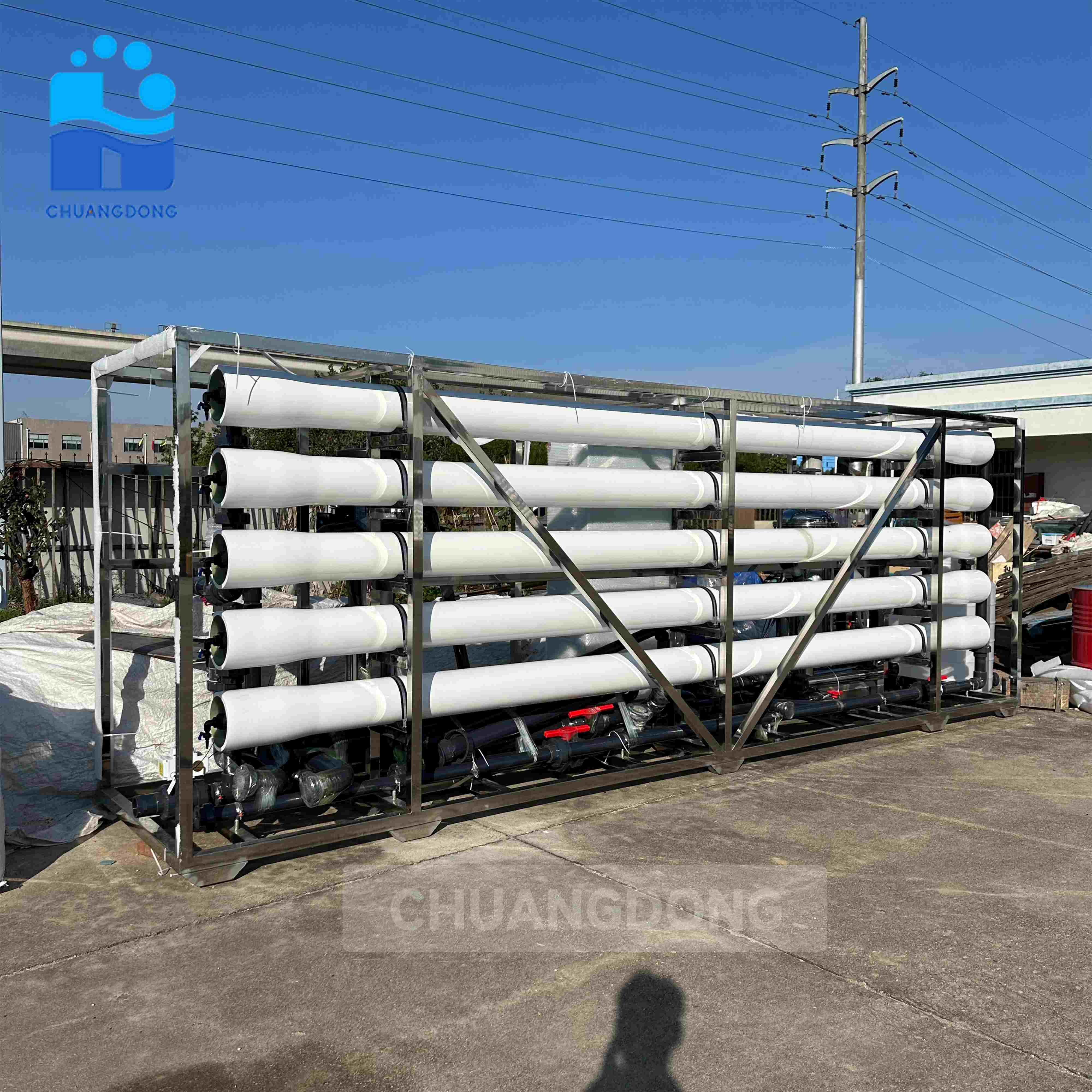
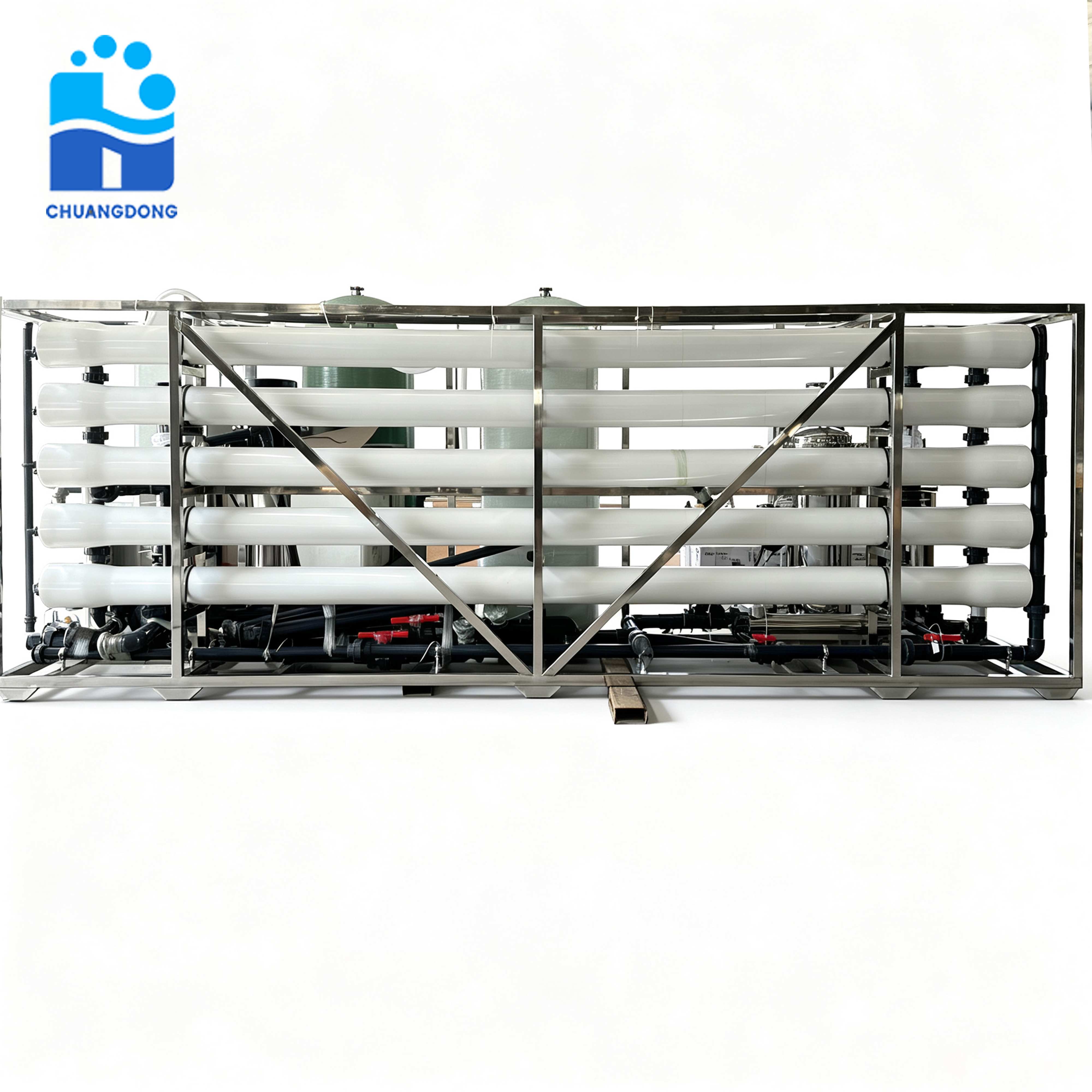
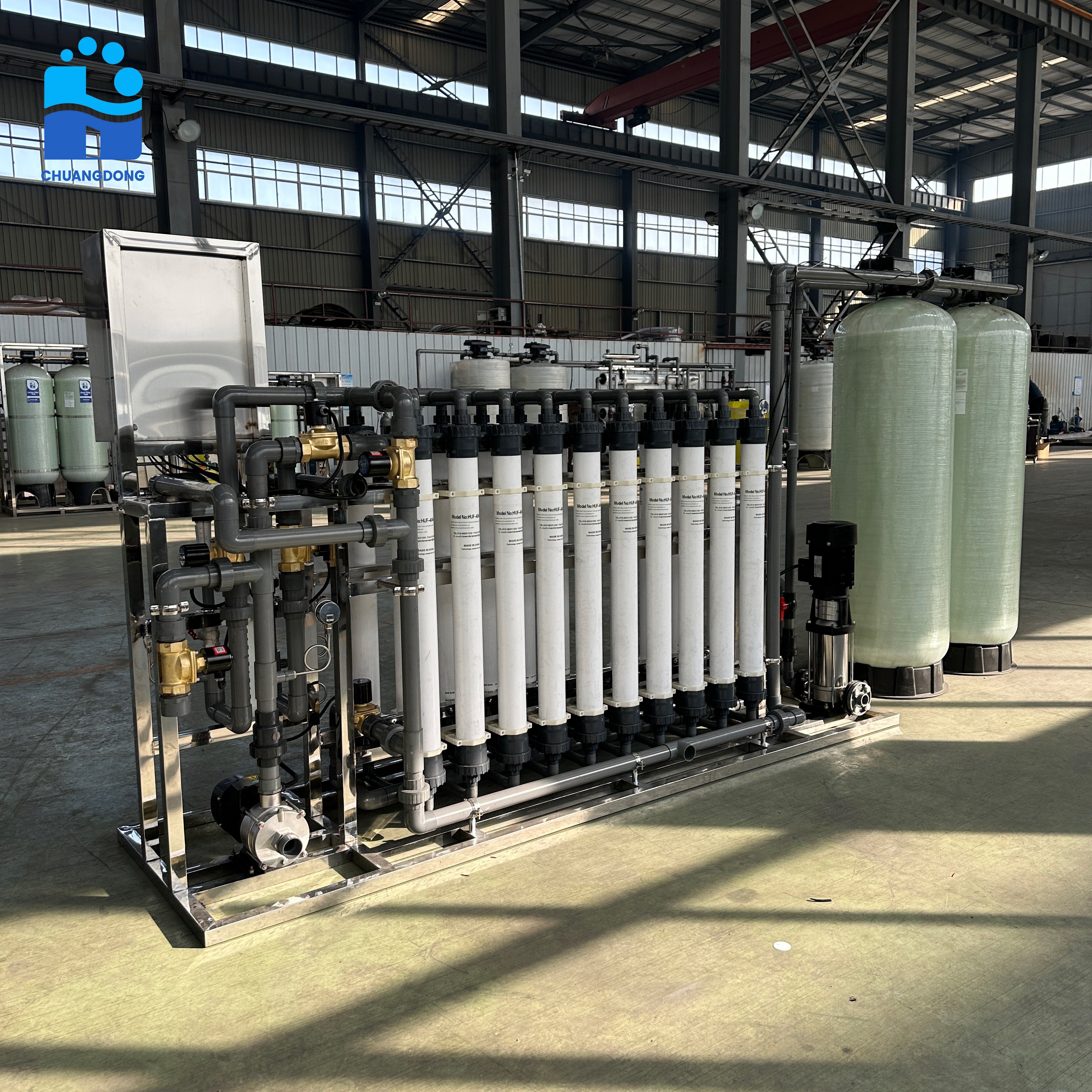
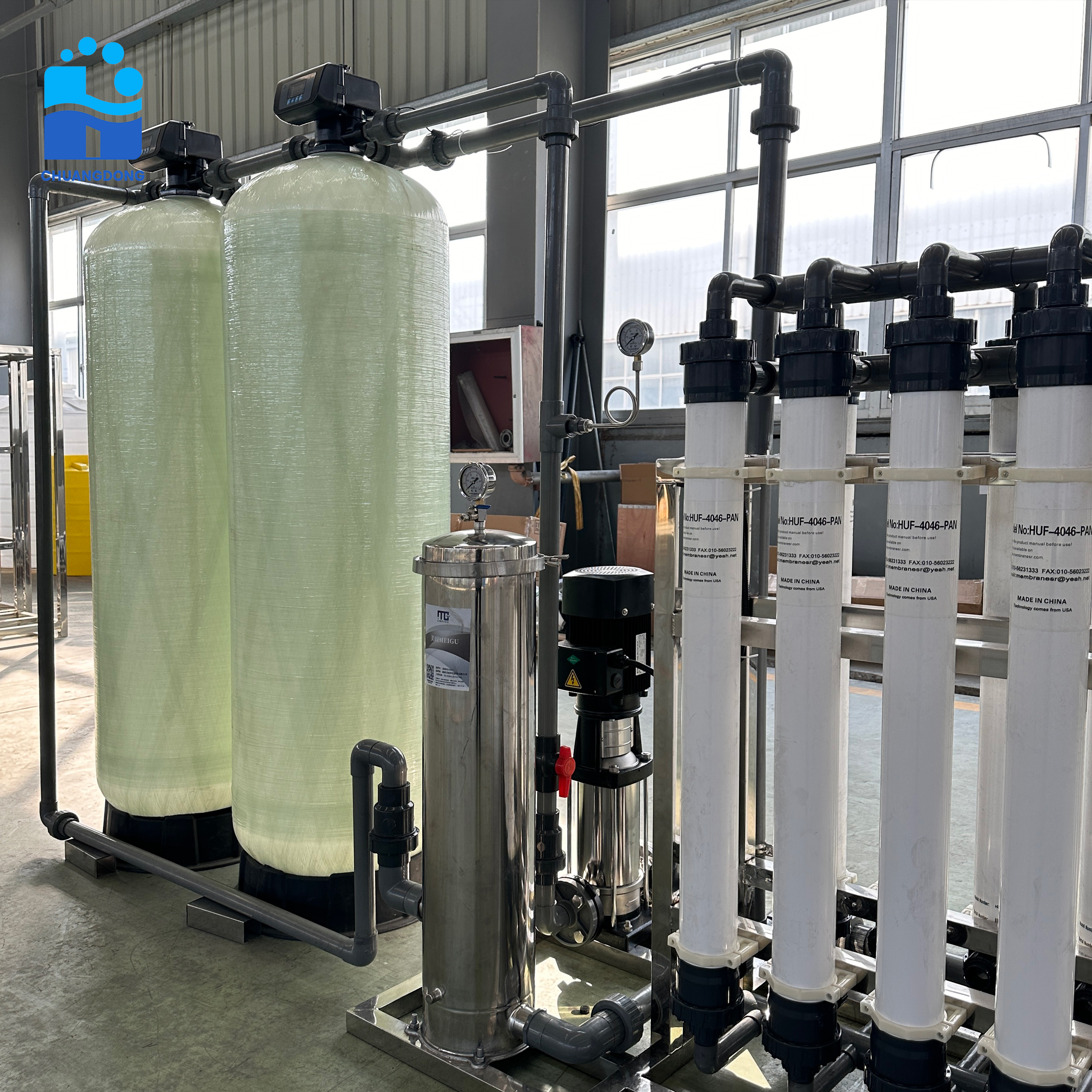
The water treatment ultrafiltration system requires no chemical dosing and is one of the most reliable treatment solutions for removing the vast majority of bacteria, viruses, colloids, and suspended solids from various water sources. Chuangdong independently designs and exports these systems, and an ultrafiltration system was recently shipped for a wastewater treatment project at a local bean sprout processing plant in New Zealand.
Whether your factory needs clean process water for production, your community needs safe drinking water, or your reverse osmosis system requires a stable pretreatment unit, an ultrafiltration system can deliver stable and reliable treatment performance. Let’s explore the project details and more in this article.
 |
 |
 |
Understanding Ultrafiltration Systems for Water Treatment
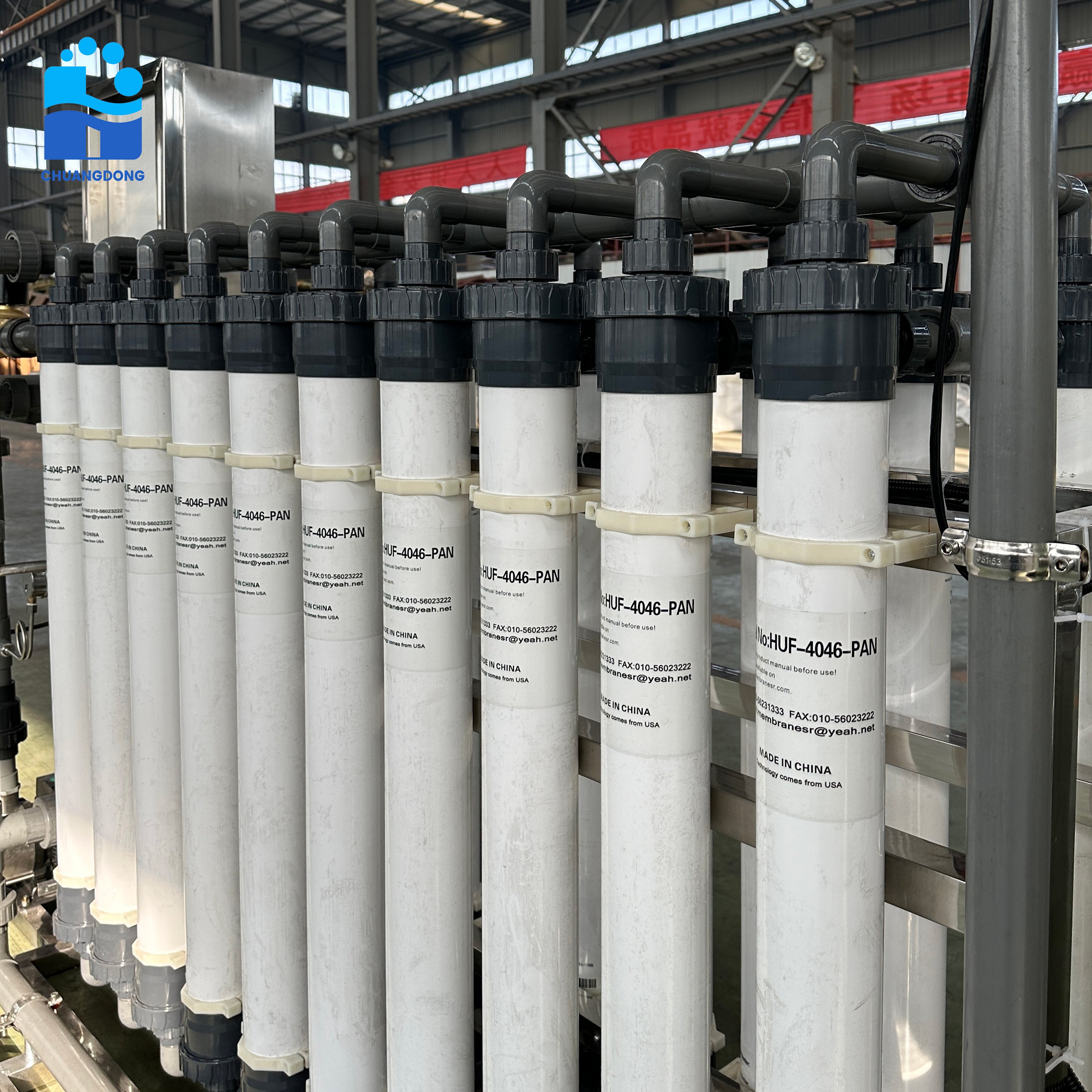
Water treatment ultrafiltration systems are equipped with microporous hollow fiber membranes that separate various contaminants from water through physical screening. Unlike sand filters and cartridge filters, ultrafiltration provides an absolute physical barrier, completely retaining all particles larger than the membrane pore size and preventing them from passing through the membrane layer.
The typical membrane pore size ranges from 0.01 to 0.1 microns, effectively retaining bacteria, protozoa, most viruses, colloidal silica, and fine turbidity impurities. Dissolved minerals and salts in the water can pass through the membrane smoothly, allowing the ultrafiltration system to retain the water’s original natural minerals.
Ultrafiltration removes pathogens through the principle of particle screening without the need for chemical agents. The treated water has extremely low and stable turbidity. Even when the influent water quality fluctuates, the quality of the filtered water can remain stable. To learn more about the practical application of membrane separation technology throughout a complete water treatment process, you can explore more of our project cases.
Step-by-Step Guide to How Industrial Ultrafiltration Systems Work
Understanding the complete operating process of an ultrafiltration system helps ensure proper planning of plant capacity and investment budgets. The following describes how a typical ultrafiltration system processes raw water step by step from the water intake point into qualified treated water.
The raw water first enters a self-cleaning pre-filter or multimedia filter to remove large suspended solids and impurities. It is then delivered to the ultrafiltration membrane modules by a feed water pump at a stable and controlled pressure. Inside the membrane modules, the ultrafiltration membranes efficiently separate clean permeate from retained suspended solids. The permeate can either flow directly into a water storage tank or proceed to the next treatment stage. The entire system is automatically controlled by a PLC, which periodically triggers automatic Backwash and CEB (Chemically Enhanced Backwash) cleaning to ensure that the membrane modules maintain stable filtration performance over the long term.
For projects requiring higher-purity water quality, ultrafiltration is an ideal pretreatment stage for downstream processes. In fact, protecting downstream reverse osmosis (RO) membranes and extending their service life is one of the primary reasons why our customers choose ultrafiltration systems.
Application of Ultrafiltration Systems in Bean Sprout Production Wastewater Treatment
Bean sprout production consumes large volumes of water throughout the entire process. The soaking, washing, and rinsing stages generate substantial amounts of highly turbid wastewater. This effluent contains suspended solids such as bean hulls and bean residue, along with organic pollutants including starch and proteins. With relatively high COD and BOD concentrations and good biodegradability, direct discharge not only wastes water resources but also drives up treatment costs.
Thanks to its high-precision separation capability, ultrafiltration (UF) membranes play a key role in bean sprout wastewater treatment:
Typical process flow:
Bean sprout production wastewater → Screen / sedimentation → Ultrafiltration (UF) → Reuse or discharge to standard; or → UF → RO → High-quality water reuse.
By adopting the combined "UF + reuse" solution, bean sprout facilities can not only meet environmental discharge requirements but also convert wastewater into a recyclable water resource — achieving both cost reduction and green production.
Other Applications of Ultrafiltration Systems
Thanks to its high flexibility, ultrafiltration is capable of covering the treatment needs of a wide range of industries and regions. Across our actual export market projects, the following application scenarios recur time and again:
Clean Potable Water Supply Municipal water supply systems and remote rural communities use UF to purify river water, lake water, borehole water, or well water into safe, drinkable water. Since UF removes bacteria and viruses without requiring chemical dosing, it is particularly well suited to regions where chlorination is difficult to implement or chlorine supply is inconvenient.
Industrial Process Water Factories in the food and beverage, electronics, textile, pharmaceutical, and chemical industries widely rely on UF to obtain clean, particulate-free process water. In many projects, UF is installed directly upstream of RO or EDI as protective pretreatment, ensuring stable operation of downstream equipment.
Seawater and Brackish Water Pretreatment Hotels, islands, ships, and coastal industrial enterprises introduce UF ahead of seawater reverse osmosis (SWRO). Because UF consistently delivers a low SDI, fouling and scaling of seawater RO membranes are significantly slowed. To this end, our dedicated seawater desalination systems are typically equipped with a standard UF front end, precisely designed to meet this requirement.
Wastewater Reuse and Resource Recovery As water charges and environmental compliance costs continue to rise, more and more customers are recycling treated wastewater. UF performs tertiary polishing on secondary effluent, making it reusable for cooling tower makeup, agricultural irrigation, or downstream RO treatment. In this way, plants can reduce water expenses while also lowering their wastewater discharge load.
How to Choose the Right Ultrafiltration System
Before requesting a quotation, gather a few key pieces of information so that our engineers can carry out an accurate preliminary design for your system from the very start.
Begin with the water quality analysis of your raw water source, focusing on parameters such as turbidity, TDS, SDI, and bacteria load. Next, specify the required treatment flow rate (m³/h) and daily operating hours. Then, define the final application — drinking water, reverse osmosis (RO) pretreatment, or wastewater reuse — since each use case calls for different operating conditions and system configurations.
At the same time, consider your site constraints. For remote locations or projects with tight schedules, a containerized UF plant can be deployed and put into operation within days, without the need for months of installation. Finally, leave room for future expansion: the modular design allows you to increase capacity later on demand, without replacing the entire system.
Get a Quote for Your Ultrafiltration System
If you are ready to move forward, the next step is simple: just tell us your water source type, required flow rate, and intended application. Our engineers will design a tailored solution for you and send a clear, transparent quotation.
Please fill out the contact form on our website and provide your project details. Our team will get in touch with you promptly to discuss your water treatment ultrafiltration system solution.
 Hot News
2026-09-09
2026-04-03
2026-03-19
2026-03-18
2026-03-13
2026-01-20
Founded in 1995, Company is a leading machine manufacture and exporting company, with 25+ years of experience in the industry.
No. 818 Feiyu Road, Yinzhu Subdistrict, Huangdao District, Qingdao City
Copyright © 2026 Qingdao Chuangdong Water Treatment Co., Ltd. All rights reserved. Privacy Policy
 EN
EN